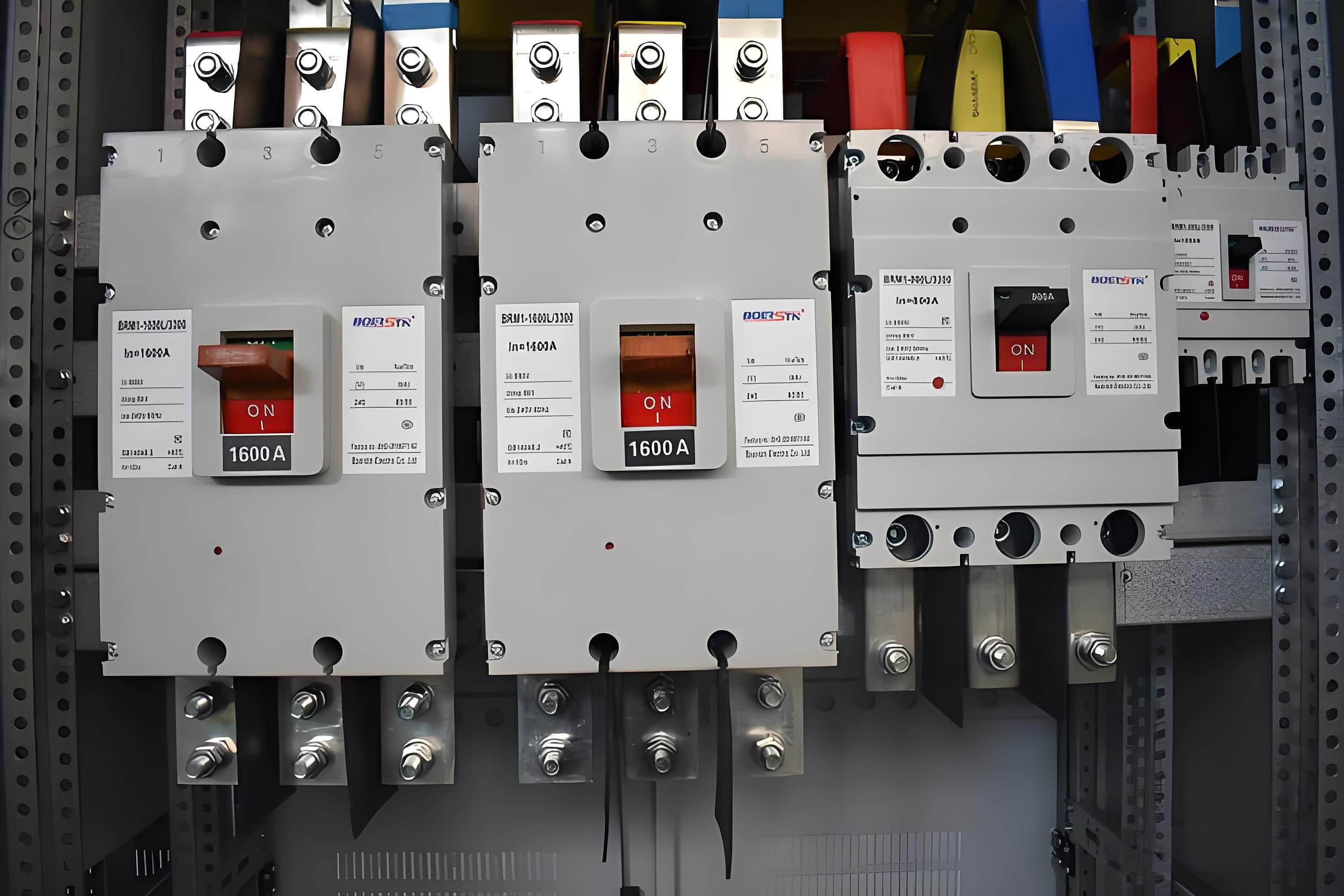
Understanding Circuit Breaker Types
Explore the key differences between normally open and normally closed circuit breakers.
Features | Normally Open (NO) | Normally Closed (NC) |
|---|---|---|
Default State | Open (no current flows) | Closed (current flows) |
Action Needed | You must activate to close | You must activate to open |
Typical Use | Power on only when needed | Power off only when needed |
Safety Role | Prevents accidental start | Stops power during faults |
Example | Start button for machines | Emergency stop for alarms |
Do you know if your circuit breaker is normally open or normally closed? Understanding this difference can help you keep your electrical system safe. Normally open switches need you to take action before they work. Normally closed switches react to problems and can alert you right away. When you know which type you have, you can make better choices for your home or business. Take a moment to think about your setup and why it matters.
Key Takeaways
Normally open (NO) circuit breakers stay off until you turn them on. They let you decide when power should flow.
Normally closed (NC) circuit breakers stay on until you switch them off. They keep the power going until something goes wrong.
Picking the right circuit breaker is very important for safety. NO breakers stop things from starting by accident. NC breakers help protect against problems.
Look at your circuit breaker's default state to know how it works. NO types are off at first, but NC types are on at first.
Use NO circuit breakers for things you want to turn on and off, like outdoor lights or machines.
Use NC circuit breakers for safety systems, like smoke alarms, that must stay on until there is a problem.
Both types of breakers need regular care. Clean and test them to make sure they work right.
If you do not know your circuit breaker type, ask an expert. Safety is most important when working with electricity.
Basics
Normally Open
You see "normally open" a lot with switches and circuit breakers. A normally open circuit breaker stays open unless you turn it on. Electricity does not move through the circuit until you do something. You might press a button or flip a switch to make it work. When you do this, the circuit breaker closes and lets electricity flow.
Here is a simple table that shows what each type means:
Type | Description |
|---|---|
Open when the actuator is not activated; closes when activated. |
A normally open circuit breaker is good when you want the circuit off until you need it. You decide when the power turns on.
Normally Closed
A normally closed circuit breaker works the opposite way. It stays closed unless you turn it off. Electricity moves through the circuit all the time. If you activate the circuit breaker, it opens and stops the electricity.
See the comparison below:
Type | Description |
|---|---|
Normally Closed (NC) | Closed when the actuator is not activated; opens when activated. |
You use a normally closed circuit breaker when you want the circuit on all the time. It only turns off if there is a problem or you need to stop it. This type helps keep your system safe by stopping electricity if something goes wrong.
Default State
The default state means what happens when you do not touch the circuit breaker. This is important because it changes how your electrical system works and how safe it is.
Here is a table that explains the default states and what they mean for safety:
State | Description | Safety Implications |
|---|---|---|
Closed | The circuit breaker lets things work and watches for problems. | Make sure the system works unless something bad happens. |
Open | Stops things to keep a broken service from getting worse. | Keeps the system safe by blocking trouble from spreading. |
Half-Open | Checks if the service is better without pushing it too hard. | Helps the system stay strong by testing if things are fixed. |
You need to know the default state so you understand how your circuit breaker acts when you do nothing. Picking the wrong type can make things unsafe or break your equipment.
Tip: Many people think they can use a 20 amp receptacle on a 15 amp circuit. This is not safe. You should always match the receptacle and the circuit breaker to the correct rating. Using the wrong combination can cause frequent tripping or even electrical failures.
When you look at normally open and normally closed circuit breakers, you see that they work for different jobs. Always check the default state before you put in or change a circuit breaker. This helps keep your system safe and working well.
Circuit Breaker Operation
NO Function
A normally open (NO) circuit breaker stays open when you do not use it. This means the electrical path is broken, so no electricity flows. When you activate the circuit breaker, it closes the path and lets electricity move. You control when the power turns on. Think of it like a drawbridge over a river. When the bridge is up (open), cars cannot cross. When you lower the bridge (close it), cars can drive over.
Default: Open (no power flows)
When activated: Closed (power flows)
Tip: Use a NO circuit breaker when you want to keep a device off until you decide to turn it on.
NC Function
A normally closed (NC) circuit breaker works oppositely. It stays closed when you do not touch it, so electricity flows all the time. If you activate the circuit breaker, it opens and stops the flow. Imagine a water faucet that is always on unless you turn the handle to stop the water. The NC circuit breaker keeps things running unless you need to stop them for safety or repairs.
Default: Closed (power flows)
When activated: Open (no power flows)
Note: NC circuit breakers help protect your system by cutting power if something goes wrong.
Energized vs. De-energized
You might wonder what happens inside a circuit breaker when it is energized or de-energized. The table below shows how NO and NC contacts behave in each state:
Condition | Relay Coil | NO Contact | NC Contact |
|---|---|---|---|
Healthy (Normal) | Energized | Closed | Open |
Fault | De-Energized | Open | Closed |
When the circuit breaker is energized (working normally), the NO contact closes and lets power flow. The NC contact opens and stops power.
When the circuit breaker is de-energized (like during a fault), the NO contact opens and stops power. The NC contact closes and allows a signal or backup system to work.
Analogy:
Think of NO and NC like two doors. The NO door stays shut until you unlock it. The NC door stays open until you lock it. When the system is healthy, you unlock the NO door and lock the NC door. If there is a problem, you do the opposite.
Understanding how each type of circuit breaker reacts in different states helps you choose the right one for your needs. You can keep your system safe and working well by knowing these differences.
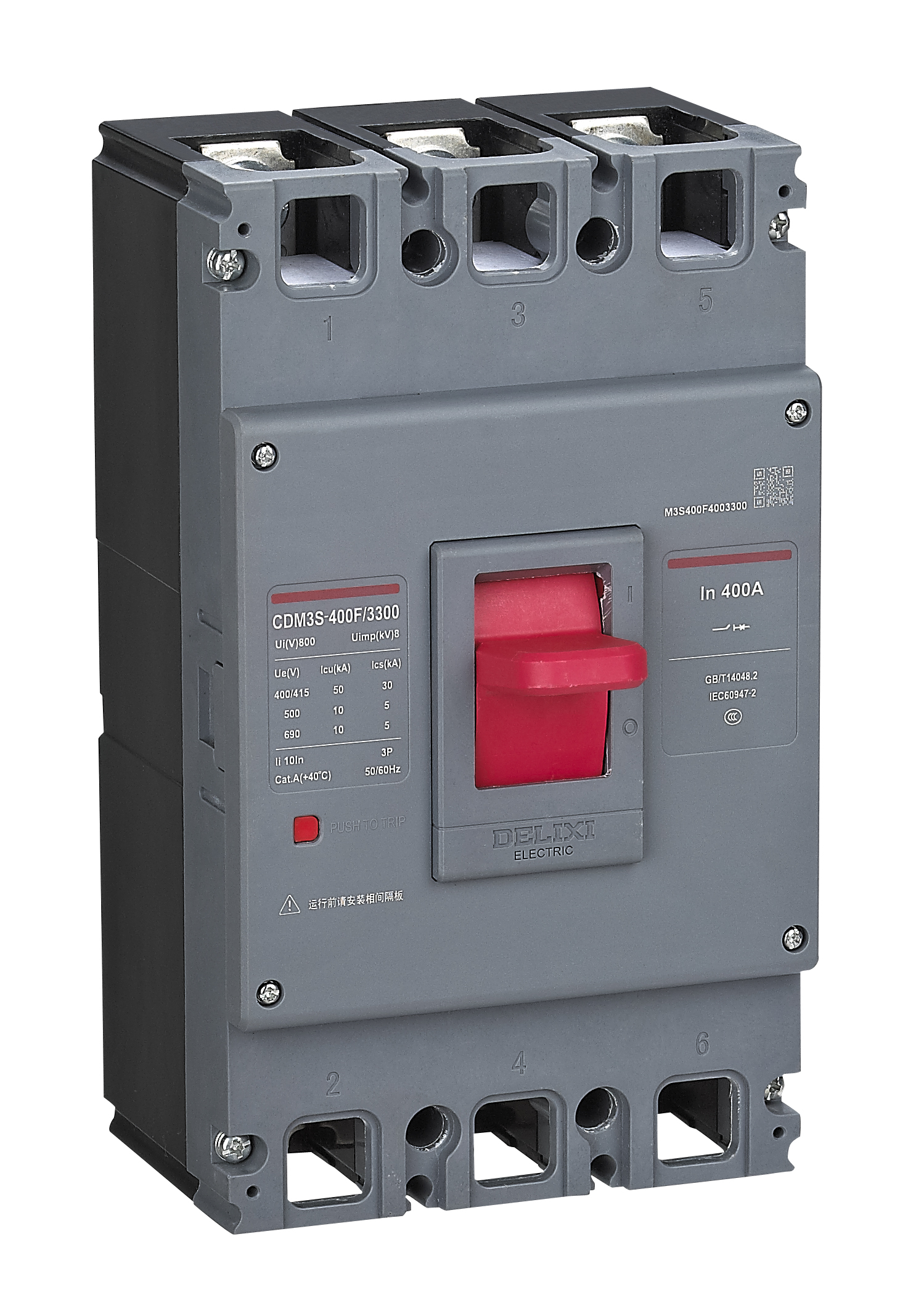
Applications
NO Uses
You use normally open (NO) circuit breakers when you want to choose when power turns on. These devices stay off until you turn them on. For example, you might use an NO circuit breaker for outdoor lights. You flip a switch, and the lights come on only when you want. In factories, workers use NO circuit breakers to start machines safely. The machine stays off until someone presses the button. In cars, NO types help control things like fog lights or extra fans. You press a button, and the device works only when you need it.
Outdoor or security lighting controls
Industrial machine start buttons
Automotive accessories (like fog lights or winches)
Emergency power systems that activate only during outages
NO circuit breakers let you decide when electricity flows.
NC Uses
Normally closed (NC) circuit breakers are best when you want something to stay on unless there is trouble. These devices keep the circuit closed, so power flows all the time. If something goes wrong, the circuit breaker opens and stops the power. You see NC circuit breakers in home smoke alarms. The alarm stays ready until smoke sets it off. In factories, NC types protect motors and pumps. If a fault happens, the breaker opens and stops the machine. In cars, NC circuit breakers protect the main power supply. If a short circuit happens, the breaker opens and keeps you safe.
Common NC Applications:
Smoke and fire alarm circuits
Industrial safety systems for motors and pumps
Main power protection in vehicles
Home heating and cooling system safety
NC circuit breakers keep things running until there is a problem.
Industry Examples
Both NO and NC circuit breakers are used in many places. In homes, NO types control lights and appliances. NC types protect your main power lines. Factories use NO circuit breakers for machine controls. NC types are used for safety shutoffs. In cars, NO types handle extra features. NC types guard the main circuits.
Weisho Electric Co., Ltd. sells many kinds of circuit breakers for different needs. You can pick from their AC and DC breakers. These work for homes and factories. Here is a quick look at their main products:
Type | Main Features |
|---|---|
AC Breakers | Made for alternating current, good for homes and businesses. |
DC Breakers | Made for direct current, used in solar power and electric cars. |
You can get both NO and NC types from Weisho Electric Co., Ltd. Their products help you choose the right circuit breaker for your needs, whether you want control or constant protection.
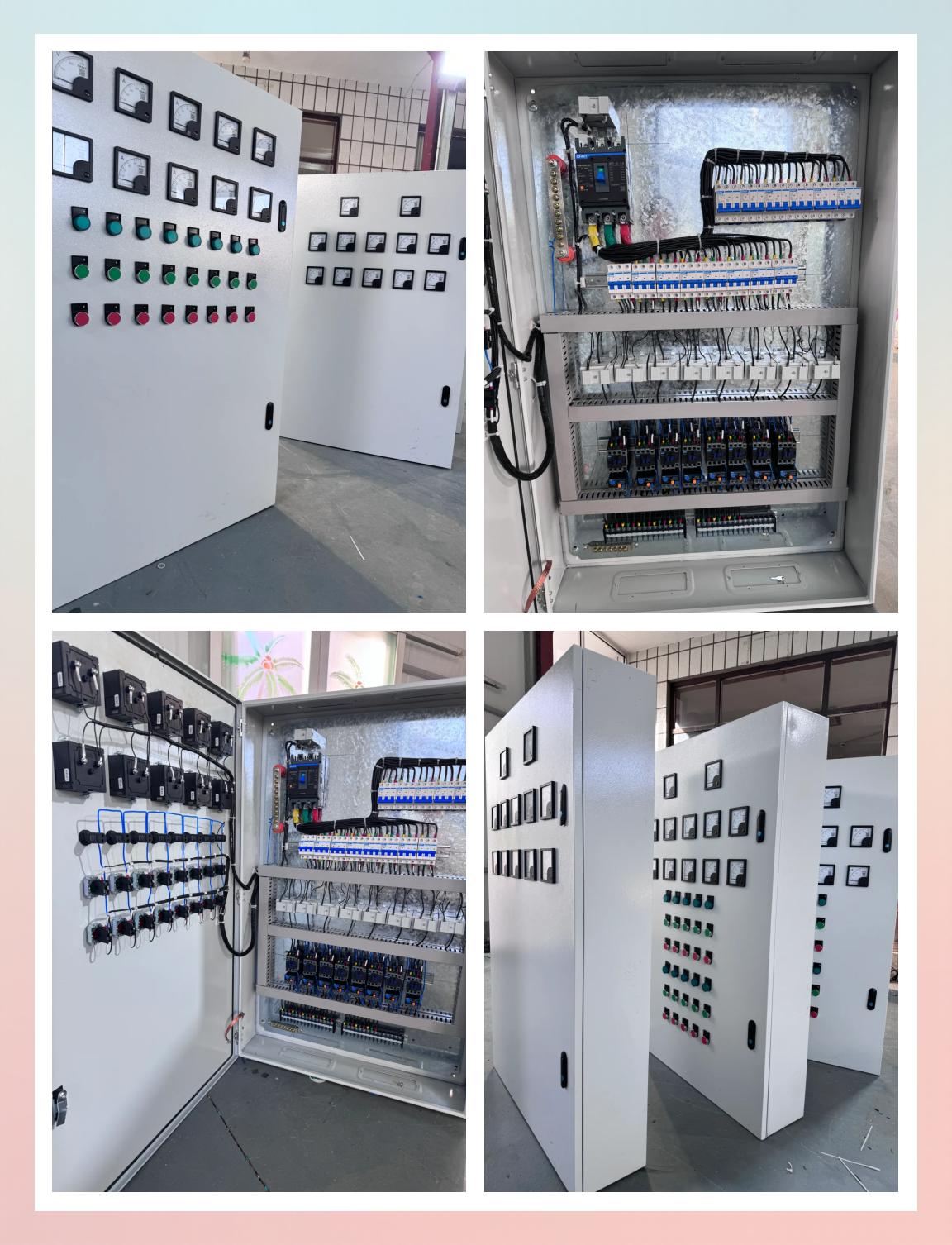
Circuit Breaker Comparison
Key Differences
You need to know how normally open (NO) and normally closed (NC) circuit breakers differ. The table below shows the main differences clearly:
Feature | Normally Open (NO) | Normally Closed (NC) |
|---|---|---|
Default State | Open (no current flows) | Closed (current flows) |
Action Needed | You must activate to close | You must activate to open |
Typical Use | Power on only when needed | Power off only when needed |
Safety Role | Prevents accidental start | Stops power during faults |
Example | Start button for machines | Emergency stop for alarms |
You can see that NO and NC types work in opposite ways. NO circuit breakers stay off until you turn them on. NC circuit breakers stay on until you turn them off or a problem happens.
Pros and Cons
Each type of circuit breaker has its own strengths. You should look at the pros and cons before you choose one.
Normally Open (NO):
✅ Lets you control when power flows.
✅ Reduces risk of accidental start.
❌ Needs action to start devices.
Normally Closed (NC):
✅ Keeps power on for safety systems.
✅ Stops power fast if there is a problem.
❌ May allow current to flow until a fault occurs.
Tip: Pick NO for devices you want off by default. Pick NC for systems that must stay on for safety.
Safety
Safety matters most when you work with electricity. You must pick the right type for your needs.
NO circuit breakers help prevent machines from starting by accident. You control when they turn on. This keeps workers and equipment safe.
NC circuit breakers protect you by cutting power if something goes wrong. They keep safety systems ready at all times.
You should always check the labels and instructions before you install any circuit breaker. If you feel unsure, ask a professional for help. The right choice keeps your home, business, or car safe.
Reliability
When you choose a circuit breaker, you want it to work every time. Reliability means the breaker will do its job when you need it most. You should know how both normally open (NO) and normally closed (NC) types perform over time.
How NO and NC Circuit Breakers Compare
Feature | Normally Open (NO) | Normally Closed (NC) |
|---|---|---|
Default State Stress | Less wear in the idle state | More wear in the active state |
Failure Risk | Lower when not used often | Lower for constant monitoring |
Response Time | Fast when activated | Instantly, when a fault occurs |
Maintenance Needs | Simple checks | Regular checks for safety |
Normally Open (NO):
You use NO breakers when you want the circuit off by default. These breakers stay open most of the time. This means less electrical stress and less wear on the contacts. If you do not use the breaker often, it can last a long time. You should test it sometimes to make sure it still works.Normally Closed (NC):
You use NC breakers when you want the circuit on by default. These breakers stay closed and carry current most of the time. The contacts can wear out faster because they handle power all the time. You need to check NC breakers more often, especially in safety systems. Quick response during a fault makes NC breakers very dependable for protection.
Tip: Test your circuit breakers at least once a year. This helps you catch problems before they cause trouble.
What Affects Reliability?
Environment:
Dust, heat, and moisture can affect both NO and NC breakers. You should keep your electrical panels clean and dry.Usage:
If you use a breaker often, it may wear out faster. NO breakers last longer in low-use settings. NC breakers work best in systems that need constant protection.Quality:
High-quality breakers from trusted brands, like those from Weisho Electric Co., Ltd., give you better reliability. Always choose the right breaker for your job.
You can trust both NO and NC circuit breakers if you install and maintain them correctly. Pick the type that matches your needs, and check them regularly to keep your system safe and reliable.
Identifying Your Circuit Breaker
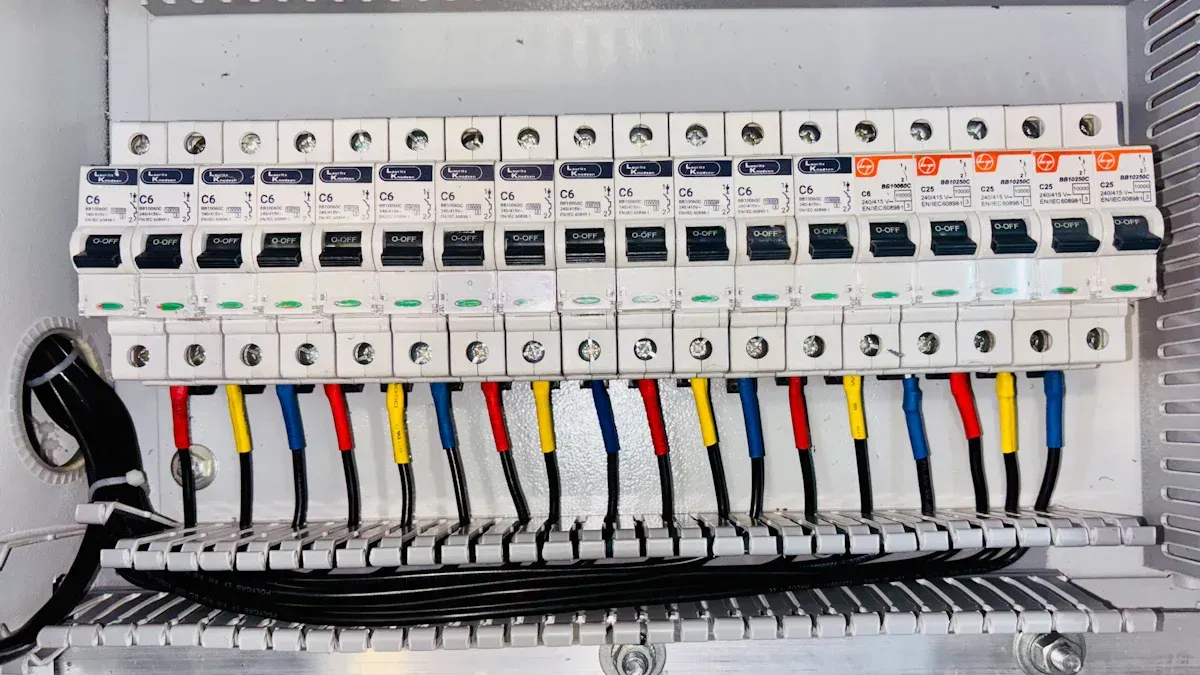
Visual Clues
You can often spot the difference between a normally open (NO) and a normally closed (NC) circuit breaker just by looking. Start by checking the position of the switch or actuator when no power is applied. If the switch sits in the "off" position by default, you likely have an NO type. If it sits in the "on" position, it is probably an NC type. Many circuit breakers have a small window or indicator. A green or clear window often means the contacts are open (NO), while a red or solid window usually means the contacts are closed (NC).
Look for markings like "NO" or "NC" near the terminals.
Notice the default position of the toggle or button.
Check for color-coded indicators.
Tip: Take a photo of your breaker panel before you start. This helps you remember the original setup.
Testing
Testing helps you confirm if your circuit breaker is NO or NC. You can use a multimeter to check continuity. Place the probes on the input and output terminals. If you see no continuity when the breaker is at rest, you have an NO type. If you see continuity, it is an NC type.
You can also use more advanced testing methods. Here is a table that shows some reliable ways to test:
Testing Method | Description |
|---|---|
Timing and Travel | Measures how the contacts move and change state over time. |
Minimum Pick-up Measurement | Finds the lowest voltage needed for the breaker to operate. |
Mechanical Operation Test | Lets you manually operate the breaker and listen for clicks or feel for smooth movement. |
Try the mechanical operation test first. Flip the switch or press the button. Listen for a click and feel for resistance. If the breaker moves easily and clicks, it is working well. If it feels stuck or makes no sound, it may need service.
Note: Always turn off the main power before testing. Safety comes first.
Labels
Labels give you important clues about your circuit breaker. Manufacturers often print "NO" or "NC" right on the device. You might also see diagrams showing the default state of the contacts. Look for a wiring diagram or a symbol with a line (open for NO, closed for NC).
Read all text on the breaker, including small print.
Check for model numbers and look them up in the manual.
Compare the label information with your visual and test results.
If you cannot find clear markings, check the manufacturer's website or contact their support team. Some companies, like Weisho Electric Co., Ltd., provide detailed guides for their products.
Tip: Never guess the type of your circuit breaker. Always double-check with labels and tests to avoid mistakes.
Choosing the Right Type
Factors
When you pick between a normally open (NO) and a normally closed (NC) circuit breaker, you should think about some key things. Each thing helps you find out which type is best for you.
Default State Requirements: Think about what you want the circuit to do when you turn it on. If you want it off at first, choose NO. If you want it on right away, pick NC.
Safety: Safety is very important. NC breakers are good for safety systems because they keep power on until you need to stop it. NO breakers help stop things from starting by accident.
Ease of Use: Think about how often you will use the breaker. If you use it a lot, make sure it is easy to reach and use.
Environmental Factors: Look at where you will put the breaker. Some places have dust, water, or get hot. Pick a breaker that can handle these things.
Cost vs Performance: Try to balance your money with what you need. A better breaker may cost more, but it can save you money later.
Tip: Always pick a breaker that matches your space and safety needs. This helps you avoid trouble later.
Application Fit
Picking the right circuit breaker for your job keeps your system safe and working well. You need to check the details and what you want the breaker to do.
Voltage and Current Rating: Make sure the breaker matches your system’s voltage and current. Using the wrong one can cause problems.
Interrupting Capacity: Pick a breaker that can handle the biggest fault current. This keeps your equipment safe if there is a short.
Frequency: Check that the breaker’s frequency matches your system.
Tripping Level Adjustment: Some breakers let you change the tripping current. This helps you protect your devices better.
Environmental Resistance: If your breaker will face heat, water, or chemicals, pick one made for tough places.
Number of Poles: Decide how many circuits you need to protect. Some need one breaker, others need more.
Testing and Maintenance: Choose breakers that are easy to test and fix. This makes checks simple and keeps things safe.
Setup and Size: Make sure the breaker fits in your panel and is easy to install.
Here is a quick table to help you choose:
Feature | Normally Open (NO) | Normally Closed (NC) |
|---|---|---|
Default State | Off | On |
Best For | Manual control | Safety and protection |
Common Use | Lighting, machines | Alarms, main power |
Safety Role | Prevents accidental start | Cuts power during faults |
Professional Advice
Picking the right circuit breaker can be hard. If you are not sure, talk to an electrician or a pro installer. They know how to help you pick the right breaker and can spot problems early.
Weisho Electric Co., Ltd. has many kinds of NO and NC circuit breakers. Their experts can help you choose the best one for your home, business, or factory. You can ask them about features, ratings, and how to install.
Note: Never guess about electrical safety. If you are unsure, ask a pro and use trusted brands for your circuit breakers.

Common Concerns
Myths
You might hear some wrong ideas about circuit breakers. Some people think all circuit breakers work the same. That is not true. Normally open (NO) and normally closed (NC) circuit breakers do different things. Some people believe a bigger breaker is always safer. But the right size is what keeps your system safe. Another myth says you can switch NO and NC types with no trouble. Each type has its own job. If you use the wrong one, you could break your equipment or lose safety.
Tip: Always check the type and rating before you put in or change a circuit breaker. This helps you avoid mistakes.
Safety Tips
You must follow safety rules when you work with circuit breakers. Safety groups advise to help keep you safe:
Always follow safety rules when you put in or change circuit breakers and fuses.
Never skip a circuit breaker or fuse, because this can be very dangerous.
Follow safety steps during setup or replacement.
Learn what to do in an emergency with electricity.
Wear safety gear and use tools with insulation. Make sure the power is off before you touch any wires. If you are not sure, ask an expert for help. Safety is most important with both NO and NC circuit breakers.
⚡ Alert: Never ignore warning signs like burning smells or breakers that trip a lot. These signs mean you should check your system right away.
Maintenance
Doing regular maintenance keeps your circuit breakers working well. You should clean, check, and test them often. Makers suggest different routines for NO and NC circuit breakers. The table below shows what you should do:
Maintenance Routine | Frequency/Details |
|---|---|
Cleaning | Clean often to get rid of dirt and dust; look at the breaker and use a vacuum or swabs with isopropyl alcohol. |
Lubrication | Check and keep grease on main and extra connections, moving parts, main contacts, and working parts. |
Tightening & Retorquing | Make sure things are tight as the maker says; check them sometimes. |
Inspection Frequency | Molded case: not much needed; Low-voltage: every 1-3 years; Medium-voltage: once a year; High-voltage: every 6 months. |
Keep a record of your checks. This helps you find problems early. Clean contacts and tight parts help both NO and NC circuit breakers last longer. If you see damage or wear, change the breaker right away.
Note: Good maintenance means fewer problems and safer use. You keep your home, business, or car safe by taking care of your circuit breakers.
You now know that normally open and normally closed circuit breakers work in opposite ways. NO breakers stay off until you turn them on. NC breakers stay on until a problem happens. Knowing your breaker type keeps your home or business safe.
Circuit breakers protect against overloads and short circuits.
They stop fires and equipment damage by cutting power fast.
Standards like NFPA 70 set rules for safe use and clear markings.
To check your system, follow these steps:
Look at your panel and find the breaker slots.
Check the voltage and amperage for your needs.
Pick the right breaker type for your setup.
If you feel unsure, ask a professional. Keep learning about electrical safety to protect what matters most.
FAQ
What is the main difference between a normally open and a normally closed circuit breaker?
A normally open (NO) breaker stays off until you turn it on. A normally closed (NC) breaker stays on until you turn it off or a problem happens. You choose based on when you want power to flow.
How do I know if my circuit breaker is NO or NC?
Check the default position. If the breaker is off when untouched, it is NO. If it is on by default, it is NC. You can also look for labels or test with a multimeter.
Which type is safer for home use?
Both types keep you safe when used correctly. NO breakers help prevent accidental starts. NC breakers protect by cutting power during faults. Pick the type that matches your safety needs.
Can I replace an NO breaker with an NC breaker?
You should not swap them without checking your system’s needs. Each type serves a different purpose. Using the wrong one can cause safety risks or equipment problems.
Where do I use NO and NC circuit breakers?
Use NO breakers for devices you want off until needed, like outdoor lights. Use NC breakers for safety systems or main power lines that must stay on unless there is a fault.
Do NO and NC breakers need different maintenance?
Both types need regular checks and cleaning. NC breakers may need more frequent inspections because they stay on most of the time. Always follow the manufacturer’s advice.
Why do some systems use both NO and NC breakers?
Some systems need both control and safety. You might use NO breakers for manual control and NC breakers for automatic protection. This setup gives you flexibility and better safety.