Previous
Next
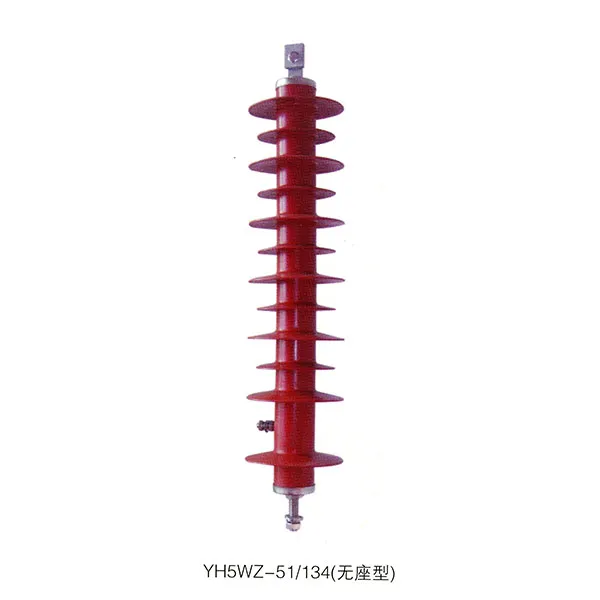
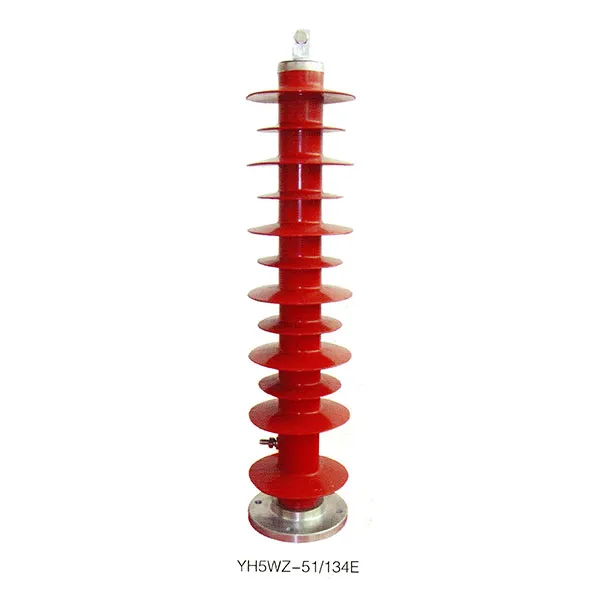
YH5WCX-51/134E Composite Zinc Oxide Arrester | AC Line Lightning Protection
1 Product Overview
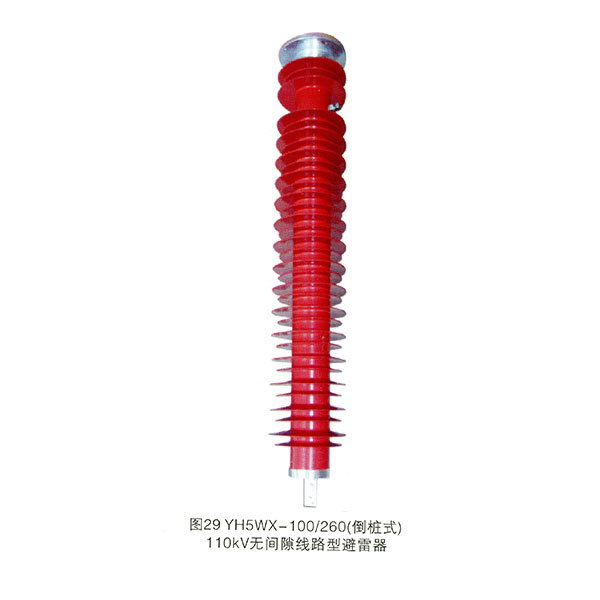
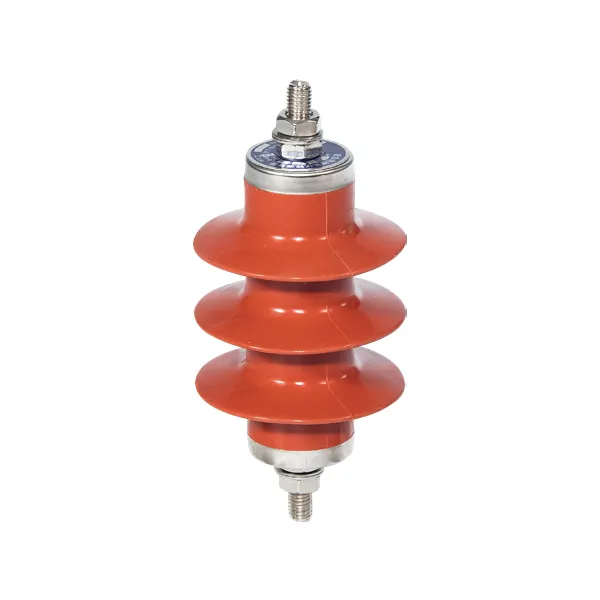
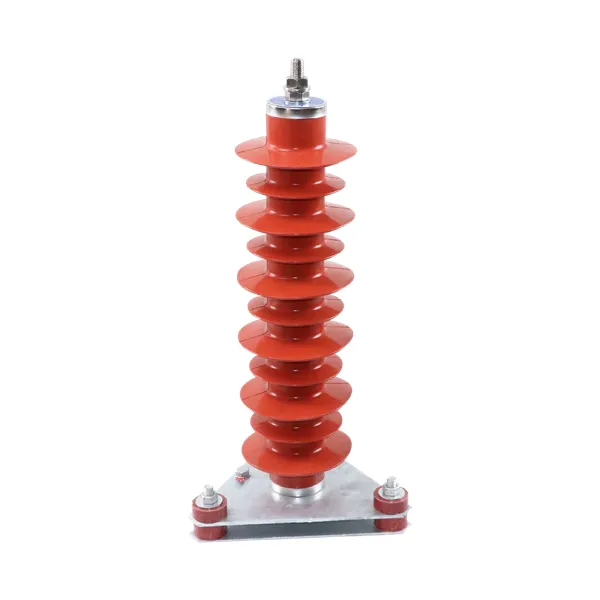
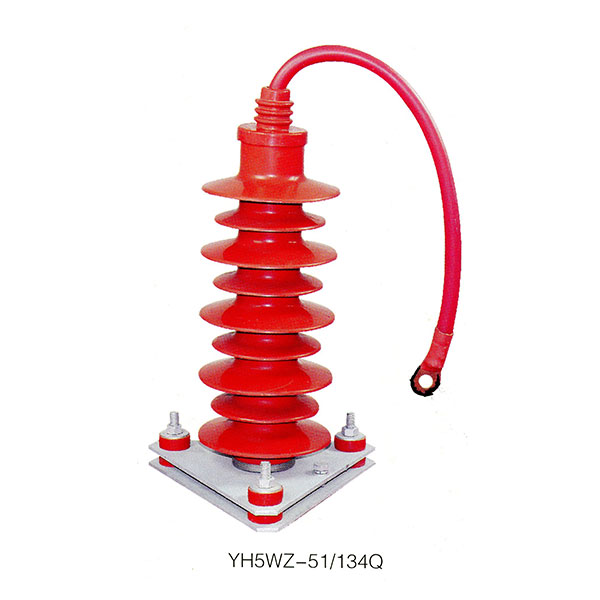
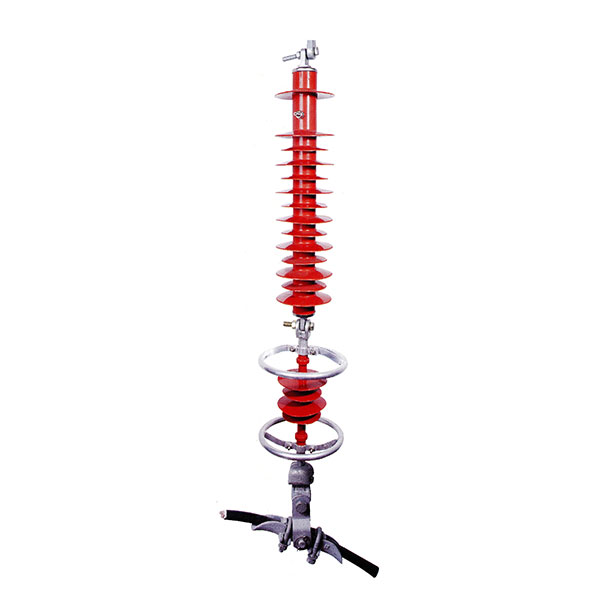
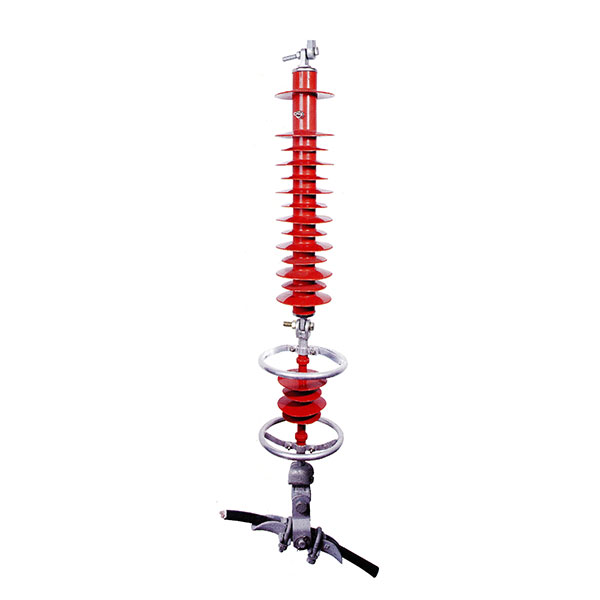
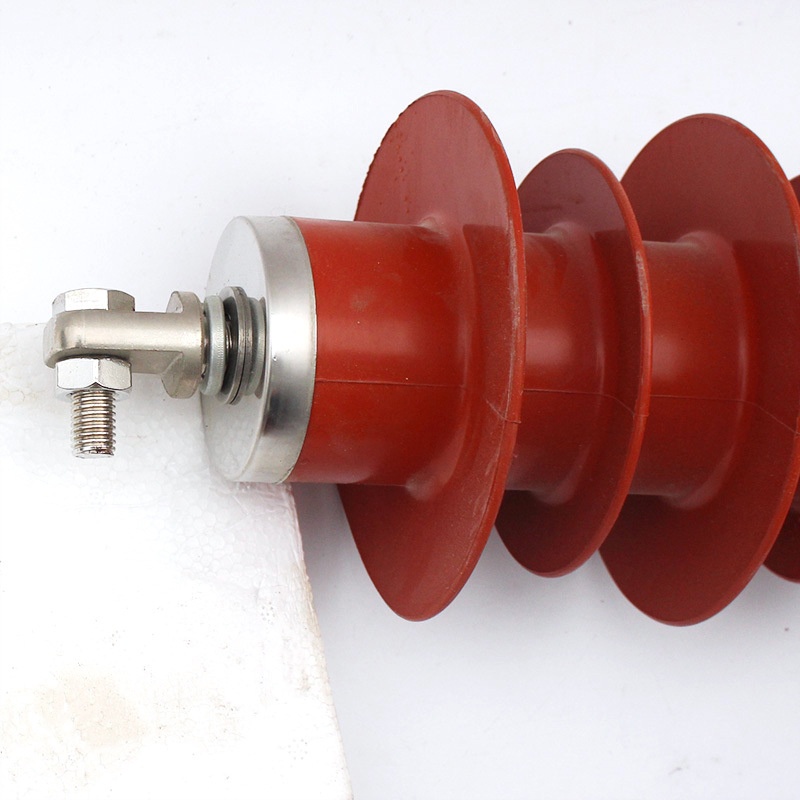
This product is a special organic composite housing zinc oxide arrester for AC transmission and distribution lines. Specifically designed to be connected in parallel at both ends of insulators (strings), its core function is to limit lightning overvoltage on lines, improve the lightning withstand level of lines, and reduce the trip rate of the system caused by lightning faults. It is a new type of lightning protection equipment suitable for transmission lines. The installation method is mainly suspension type (suspended on transmission towers), and pile-mounted installation is also available. It is mainly used in 10~220kV AC power transmission and distribution systems, which can effectively limit various overvoltages in lines and ensure the safe and stable operation of transmission and distribution lines.
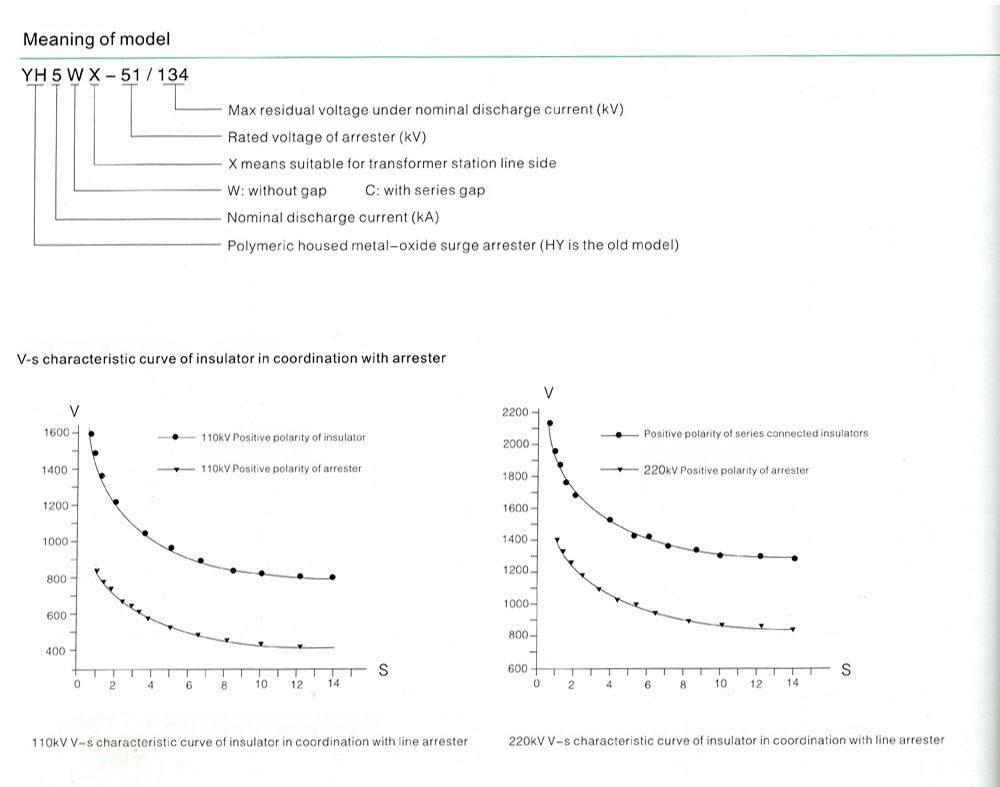
The production and manufacturing of the product strictly comply with international standards: IEC 60099-4:1991 "AC Metal-Oxide Surge Arresters Without Gaps", IEC 60099-8:2011 "AC Metal-Oxide Surge Arresters with External Series Gaps for Overhead Lines", relevant international standards for organic composite housing metal-oxide surge arresters without gaps for AC systems, relevant international standards for organic composite housing metal-oxide surge arresters with series gaps for AC transmission lines, and also conform to international general methods for the preparation of arrester product models.
2 Product Features
2.1 Integrally molded, with excellent sealing performance, special structural design, and good moisture-proof and explosion-proof performance;
2.2 Good heat dissipation performance, strong overvoltage absorption capacity, and accurately adapts to the core lightning protection needs of transmission lines;
2.3 Small in size, light in weight, flexible in installation, collision-resistant, high in tensile strength, and no damage risk during transportation;
2.4 Widely applicable scenarios, can be installed on transmission lines with low lightning withstand level and high lightning trip rate; arid and rainless hills and mountainous areas; towers with high grounding resistance and large-span river-crossing towers; occasions with high operating overvoltage that need to limit overvoltage at the incoming end of substations; and areas with severe pollution.
3 Operating Conditions
3.1 Ambient temperature: -40℃~+40℃;
3.2 Altitude: no more than 2000m (please specify in advance when ordering for plateau areas);
3.3 Power frequency: 48Hz~62Hz;
3.4 Maximum wind speed: no more than 35m/s;
3.5 Seismic intensity: areas with 7 degrees or below;
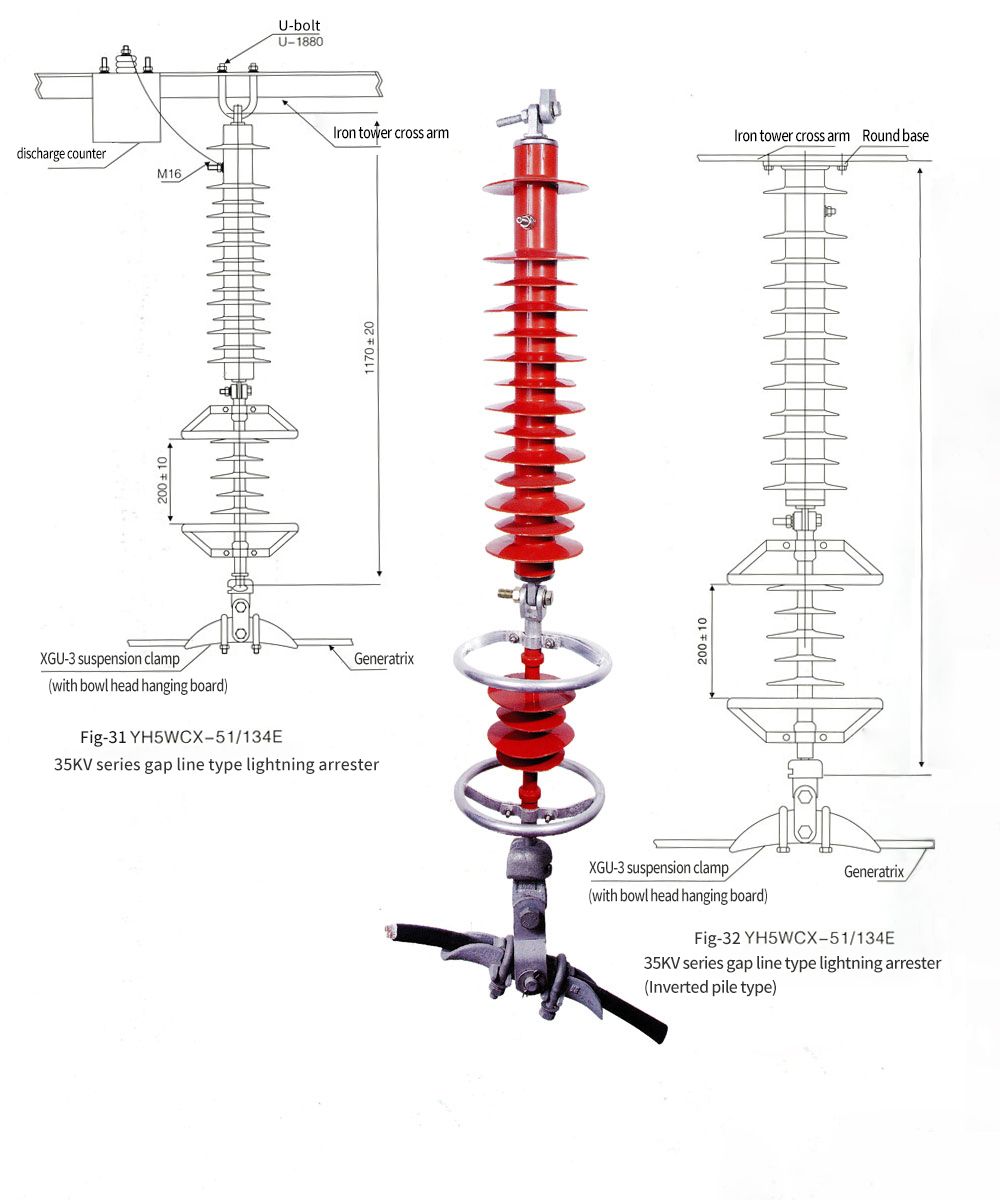
3.6 The arrester allows normal swing, and suspension or pile-mounted installation can be flexibly selected according to the tower type.
4 Selection of Arresters for AC Transmission and Distribution Lines
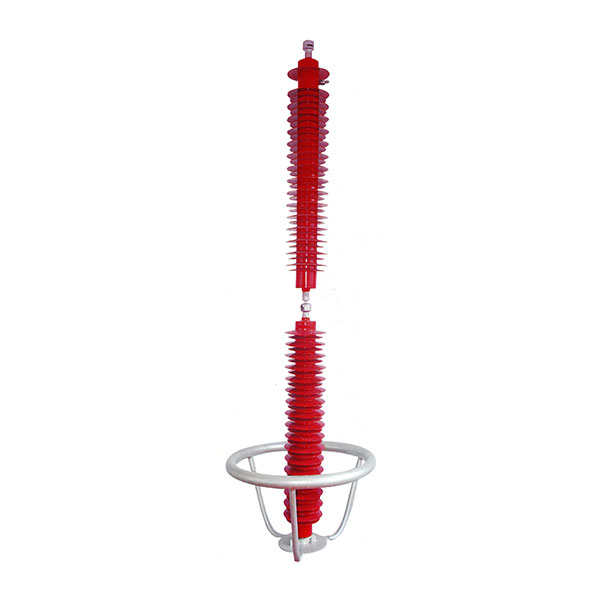
Arresters for AC transmission and distribution lines are mainly divided into two categories: arresters without gaps and arresters with series gaps. Among them, arresters with series gaps are further subdivided into fixed-gap arresters and air-gap arresters. Different types of arresters have their own unique characteristics in structure and practical use, and are suitable for different operating conditions of transmission lines.
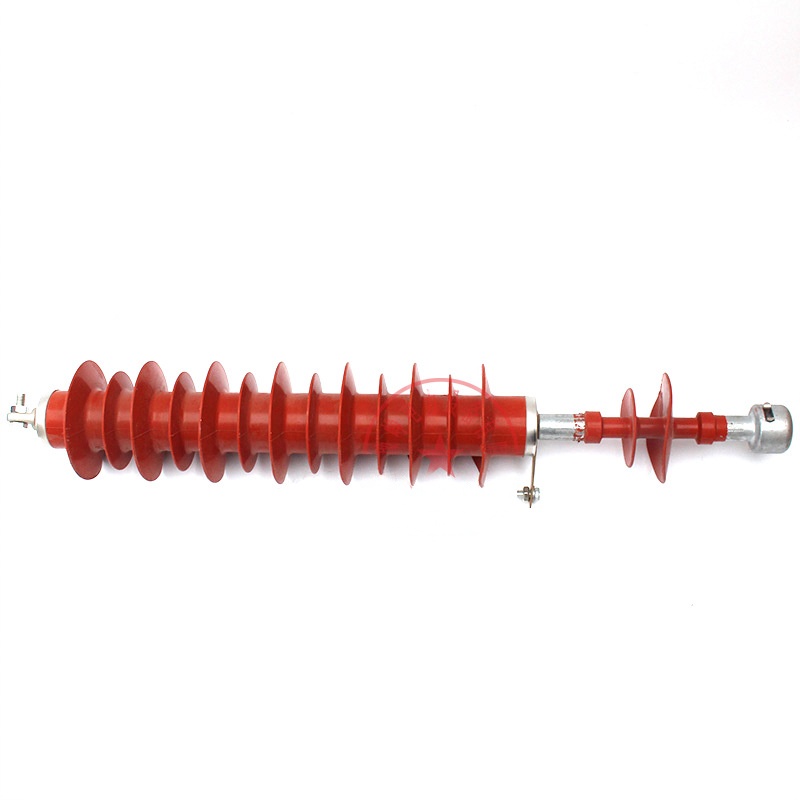
4.1 Arresters without gaps: They always participate in the normal operation of the line. When the line is struck by lightning, the arrester acts quickly to discharge current. Under normal conditions, it can also effectively absorb various overvoltage energies on the line; however, if the arrester fails, it will cause the busbar to ground, requiring power outage and manual removal. Our company has developed a series disconnector system matching the arrester without gaps. When the arrester fails, the disconnector can act automatically to separate the arrester from the busbar, greatly simplifying the user's use and later maintenance processes.
4.2 Arresters with series gaps: They do not participate in the normal operation of the line under normal conditions, which effectively reduces equipment loss and extends the overall service life of the arrester. Only when the line is struck by lightning, the arrester gap discharges to achieve lightning protection action.
4.2.1 Fixed-gap arresters: The core advantage is that the gap discharge voltage range is stable, and the lightning protection action accuracy is high; the disadvantage is that if the fixed gap fails, the arrester will operate equivalent to an arrester without gaps, posing a risk of grounding to the ground.
4.2.2 Air-gap arresters: The core advantage is that they are completely separated from the system under normal conditions, and there is no equipment operation loss; only when the line is struck by lightning, the arrester gap discharges to complete the lightning protection action; the disadvantage is that the gap is prone to swing under the influence of wind, leading to unstable gap discharge voltage range. The arc-shaped air gap structure independently developed by our company can maximize the problem of gap distance change caused by wind swing, and effectively improve the stability of discharge voltage.
5 Suspension Installation Instructions
7.1 For suspension type arresters of 35kV and below, the single-ear or single-hole hanging plate suspension method is usually adopted;
7.2 For suspension type arresters of 66kV and below, the ball head-ball head (ball socket) suspension method is usually adopted;
7.3 If the customer needs to adopt suspension or series installation methods other than the above, specific requirements must be clearly stated when ordering;
7.4 Our company can assist in designing various flexibly adaptive suspension installation methods according to the actual operating conditions of the user's transmission lines to meet the installation needs of different towers and lines.
6 Supplementary Instructions
8.1 Gap parameter description: For 35kV and below, single-ear/single-hole hanging plates with fixed gaps are commonly used; for 66kV and below, ball head-ball sockets with arc-shaped air gaps are commonly used, and the suspension method can be customized when ordering.
8.2 Selection tips: Fixed gaps are suitable for areas with stable grounding resistance; arc-shaped air gaps are suitable for windy, high-altitude and polluted areas, reducing the impact of swing on discharge voltage.
8.3 Executive standards: IEC 60099-4:1991 "AC Metal-Oxide Surge Arresters Without Gaps", IEC 60099-8:2011 "AC Metal-Oxide Surge Arresters with External Series Gaps for Overhead Lines", JB/T 10497-2005 "AC Transmission Line Composite Housing Series Gap Metal-Oxide Surge Arresters".
7 FAQ (Frequently Asked Questions)
Q1: What is the difference between suspension type and pile-mounted installation? Which one should I choose?
A1: Suspension type is installed by hanging on transmission towers, suitable for most overhead line scenarios; pile-mounted type is fixed on precast piles, for areas where tower hanging is inconvenient. Selection depends on your tower type, installation space and line layout. We can provide suggestions based on your on-site details.
Q2: Can it be used in high-altitude areas above 2000m?
A2: Standard model is for ≤2000m. For areas above 2000m, we customize the structure and materials (enhance insulation) to adapt to thin air. Please indicate the specific altitude when ordering.
Q3: How often to inspect and maintain?
A3: Routine inspection once a year (check housing integrity, suspension tightness, wires). For severe pollution or frequent lightning areas, inspect every 6 months.
Q4: What to do if the arrester fails?
A4: With a series disconnector, it will automatically separate a faulty arrester from the system. Just arrange a power outage for replacement. Without a disconnector, stop use immediately and contact our after-sales team.
Q5: Is it compatible with insulators of different brands?
A5: Yes, it has universal interfaces compatible with mainstream standard insulators. For special specifications, we can customize connecting parts for perfect matching.
Q6: What is the service life?
A6: ≥15 years under normal operating conditions. Affected by extreme weather, pollution, and frequent lightning. Regular maintenance extends service life.
Q7: Can it limit both lightning and operating overvoltage?
A7: Yes. Zinc oxide core has excellent nonlinear characteristics, quickly limiting lightning overvoltage and absorbing operating overvoltage (e.g., from line switching) for comprehensive protection.
Q8: What certificates do you provide for international trade?
A8: Products have CE, ISO9001 certification, comply with IEC 60099 standards. We provide complete certification and customs declaration materials for smooth clearance.

Contact Us
Tel: +8615957770984
Email: thor@weishoelec.com
Contact Us
Related Products