I. Introduction
1.1. The Three Main Classes of Electrical Switchgear: An Expert Overview
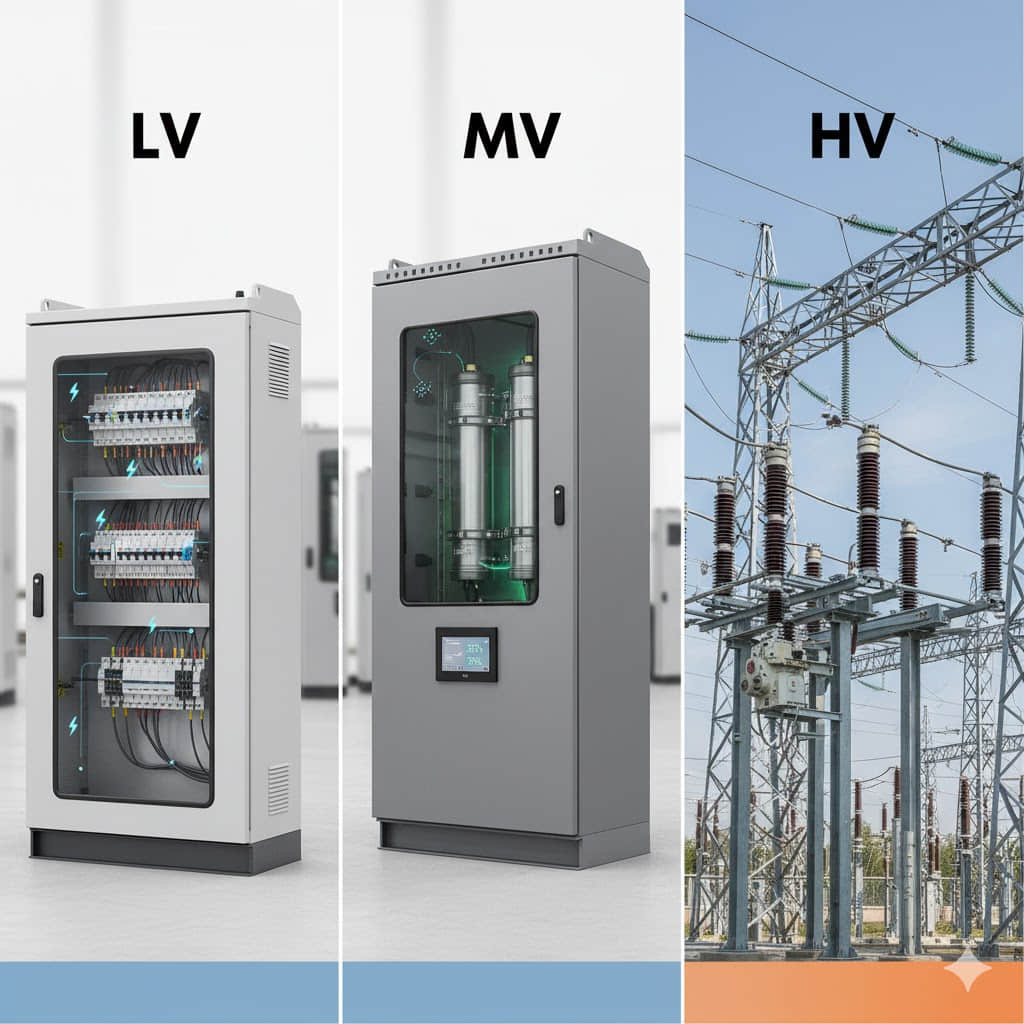
The three primary categories of electrical switchgear are Low-Voltage (LV), Medium-Voltage (MV), and High-Voltage (HV). Fundamentally, these classes are defined by the specific voltage levels they are engineered to manage. As the true backbone of modern power systems, this essential equipment performs the critical tasks of expertly controlling, protecting, and isolating electrical circuits across the entire grid.
However, these classifications represent far more than simple differences in physical size or cost. They necessitate distinct variations in insulation technology, arc-extinguishing methods, complex protection schemes, and the stringent global engineering standards that each must meticulously adhere to. A seasoned power systems engineer knows that rigorously applying this structured, hierarchical framework is paramount during every phase of power system design, equipment procurement, and routine maintenance operations.
1.2. The Core Protective Mission: Defining Switchgear’s Indispensable Role
In the specialized, high-stakes domain of electrical engineering, switchgear functions as a complex, integrated system of devices whose mission extends far beyond simple circuit switching. During routine operations, this critical assembly—comprising switches, fuses, and circuit breakers—is tasked with the precise management and reliable distribution of electrical energy, ensuring current flows along its intended path to all load points.
However, the indispensable value of modern switchgear is most emphatically realized through its critical protection function. Should the system encounter catastrophic anomalies—such as severe short circuits, overloads, ground faults, or internal arc faults—the equipment is engineered to identify the hazard in milliseconds and instantly, autonomously isolate the compromised section of the circuit. This rapid fault isolation is paramount, not only for preventing a widespread catastrophic grid collapse and safeguarding immensely expensive capital equipment from damage, but most critically, for ensuring the safety and preserving the lives of on-site personnel.
1.3. Voltage as the Paramount Criterion: Governing Design and Compliance
The operational voltage level remains the single most critical determinant for nearly every technical parameter and structural characteristic in switchgear design. Higher voltages inherently subject the equipment to more intense electric field stresses, thereby imposing increasingly stringent demands on insulation materials, essential clearance distances (air gaps and creepage distances), and overall component durability.
These rigorous requirements directly dictate significant disparities in the equipment's physical footprint, the chosen type of arc-extinguishing medium utilized, and the substantial manufacturing costs associated with each voltage class. For instance, low-voltage equipment design primarily adheres to standards such as UL 891 (for North America) and IEC 61439 (internationally), typically emphasizing simplicity and cost-efficiency.
In sharp contrast, medium- and high-voltage gear must comply with a much more intricate array of technical standards, including the IEEE C37.20.2/C37.20.3 and the comprehensive IEC 62271 series. These advanced specifications impose exceptionally high thresholds concerning the equipment’s short-time current withstand capability and its overall insulation level, accurately reflecting the heightened complexities and risks inherent in successfully managing higher voltages.
II. Low-Voltage Switchgear (LV) - Expert Revision
2.1. Voltage Range, System Placement, and Regulatory Framework
Low-Voltage (LV) Switchgear is specifically engineered to handle AC voltages up to a maximum of 1,000 Volts (1kV), representing the final, crucial stage in the vast electrical delivery chain. This equipment is primarily responsible for the safe, reliable, and precise distribution of power to end-user loads, effectively serving as the final bridge between the utility grid and customer-side facilities. Regarding regulatory compliance, the international standard IEC 61439 sets out detailed requirements for the type-testing and design verification of LV assemblies. Simultaneously, the North American standard UL 891 places a strong focus on the safety specifications for metal-enclosed LV switchgear utilized within industrial and commercial buildings.
2.2. Typical Components and Widespread Deployment Scenarios
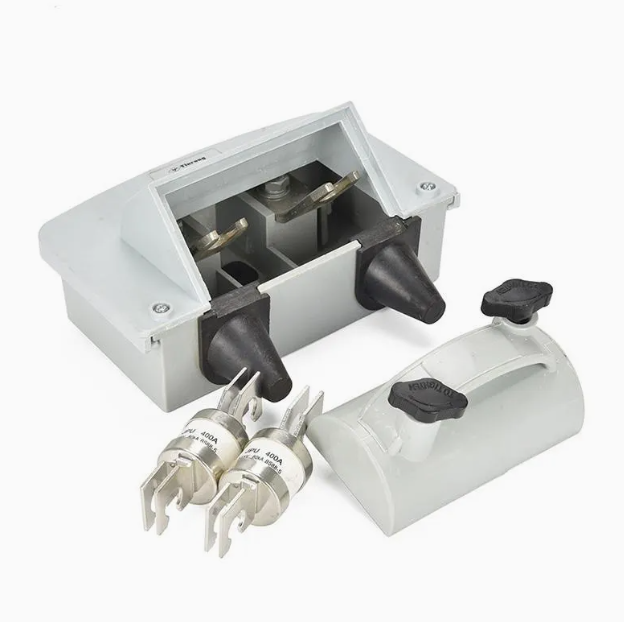
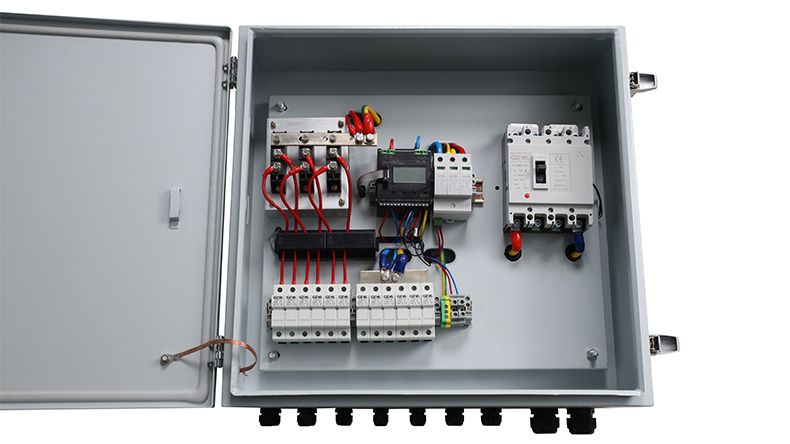
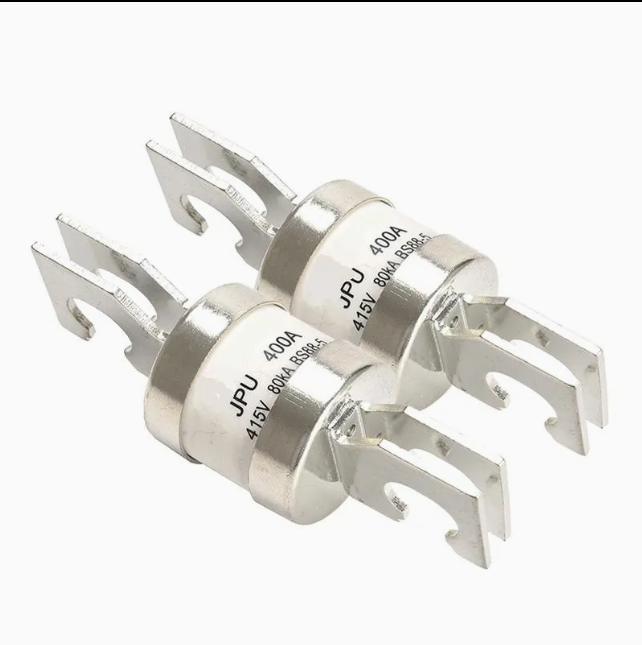
The core components of LV switchgear are strategically modular, offering excellent flexibility and ease of future expansion. These integrated components principally include Molded Case Circuit Breakers (MCCBs) for branch circuit protection and primary duty, and Larger Air Circuit Breakers (ACBs) used for main power incoming lines carrying substantial current, along with specialized Fuses and Isolators for essential auxiliary circuit protection. Given its lower voltage characteristics, LV equipment enjoys an exceptionally broad range of applications, spanning from simple residential distribution panels to complex commercial facilities. This includes managing the lighting and HVAC circuits in large commercial centers and serving as the foundational building blocks for motor control centers (MCCs) in smaller factory setups.
2.3. Design Focus: Internal Compartmentalization for Enhanced Safety
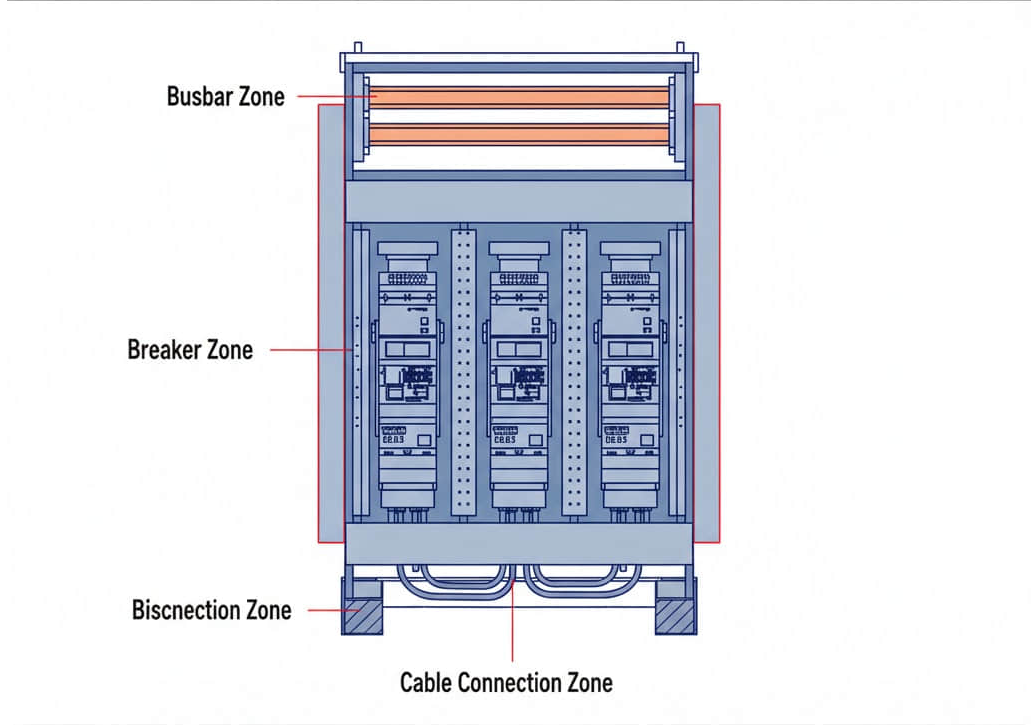
While LV switchgear units are generally constructed with metal enclosures to provide basic environmental protection and shield against direct contact, modern engineering practice places a growing emphasis on Internal Compartmentalization. This advanced design separates the various functional areas—busbars, circuit breakers, metering instruments, and cable connections—using robust physical metal or insulating barriers. This internal segregation effectively limits the area of damage should a localized short circuit or arc flash occur within one compartment. Crucially, this design philosophy significantly boosts the equipment's safety during maintenance by protecting personnel and simultaneously preventing a fault from cascading or propagating along the busbars to disrupt the entire distribution system.
III. Medium-Voltage Switchgear (MV) - Expert Revision
3.1. Voltage Span, Pivotal System Role, and Structural Architectures
Medium-Voltage (MV) Switchgear operates across a critically important transitional voltage range, typically extending up to 36 kV AC. Structurally, this equipment assumes the pivotal backbone role within the electrical grid, responsible for efficiently receiving bulk power from the high-voltage transmission network and reliably redistributing it to regional substations or major industrial end-users. The overwhelming majority of MV equipment is engineered into Metal-Enclosed configurations. This robust design choice is not merely structural; it is essential for guaranteeing reliable insulation performance, isolating dangerous live parts, and ensuring operational safety within this higher-voltage environment.
3.2. Key Application Sectors and Engineering Choices in Arc Interruption Media
MV equipment constitutes the operational heart of power systems for mission-critical infrastructure, including large industrial parks, vast petrochemical plants, hyper-scale data centers, critical transport hubs, and sizable hospital complexes. Since MV systems must reliably manage both significantly higher voltages and much larger short-circuit currents, their integrated circuit breakers must possess immense and dependable arc-extinguishing capabilities.
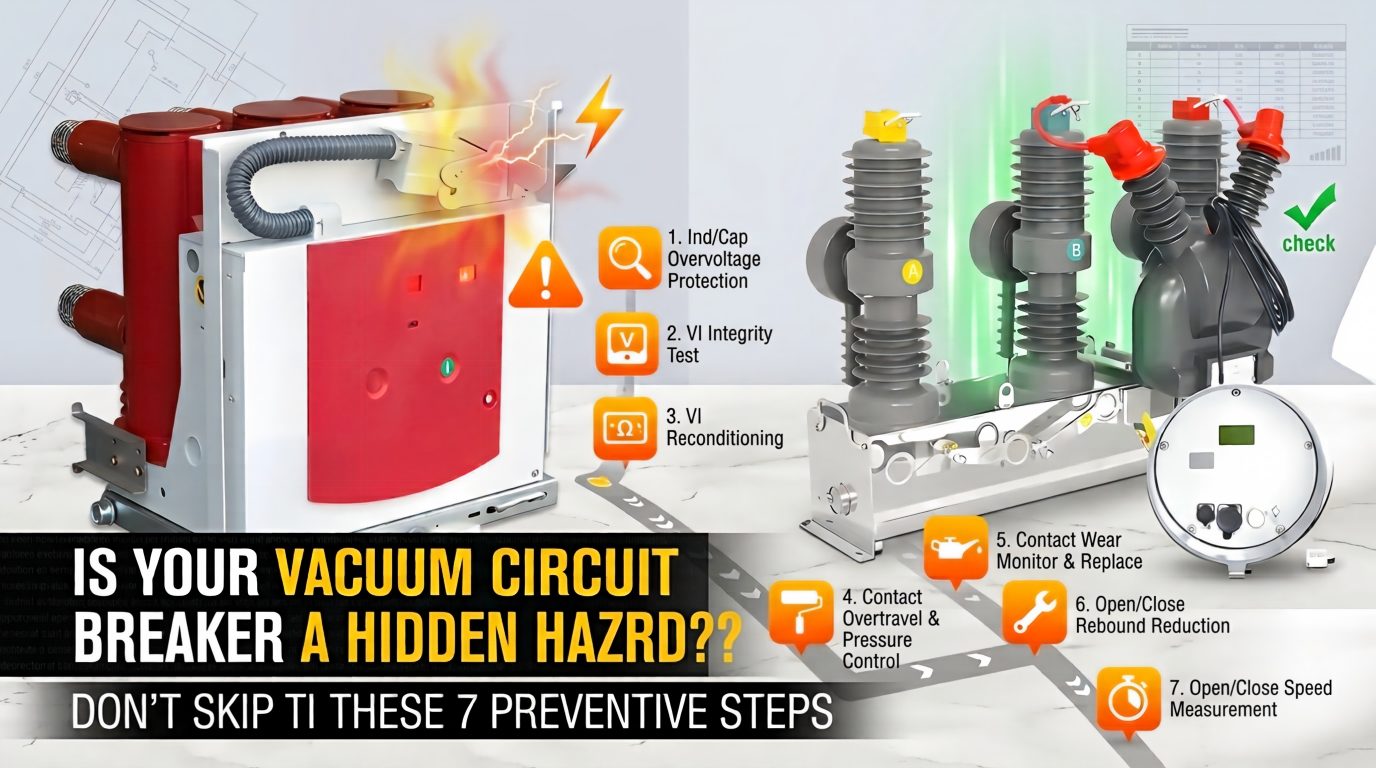
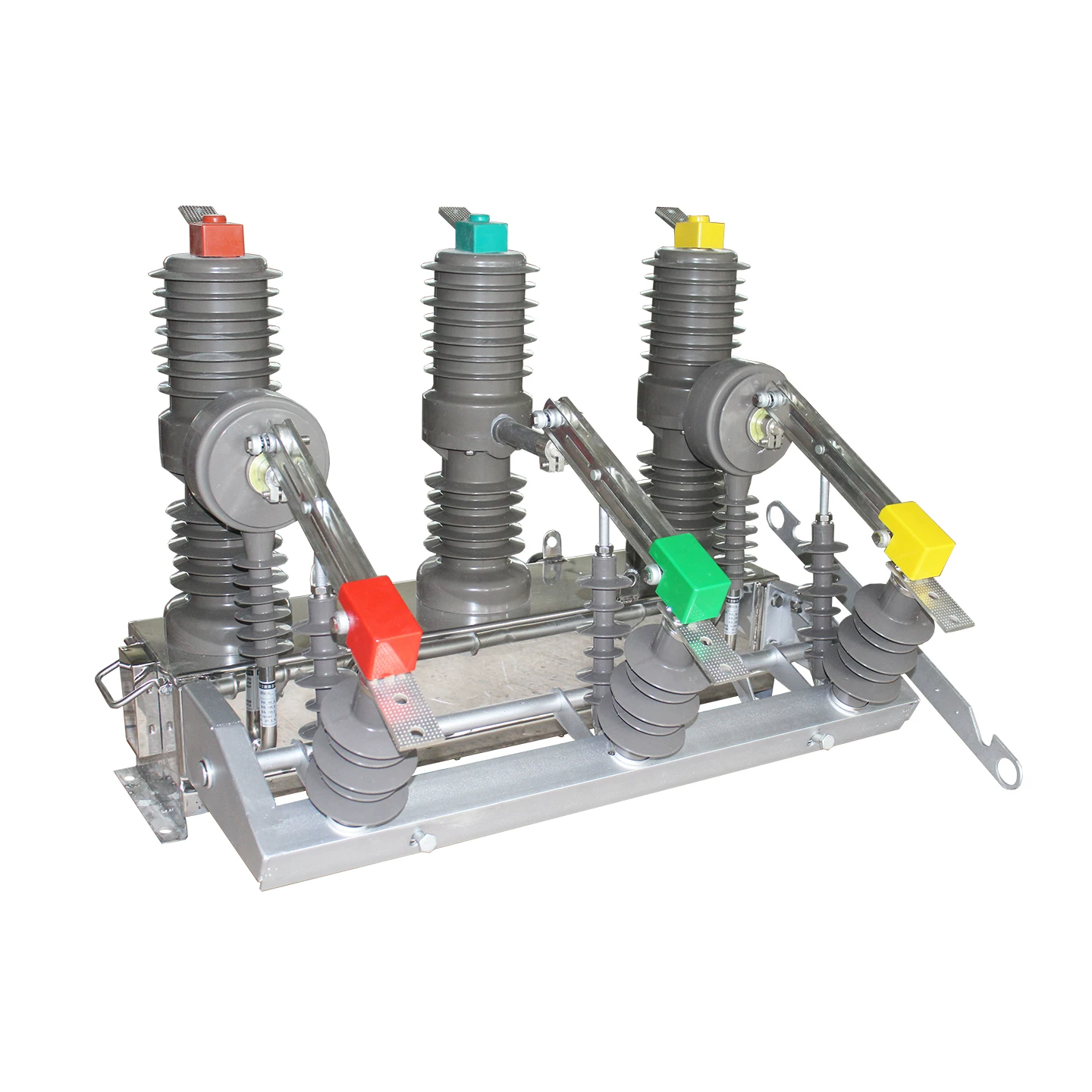
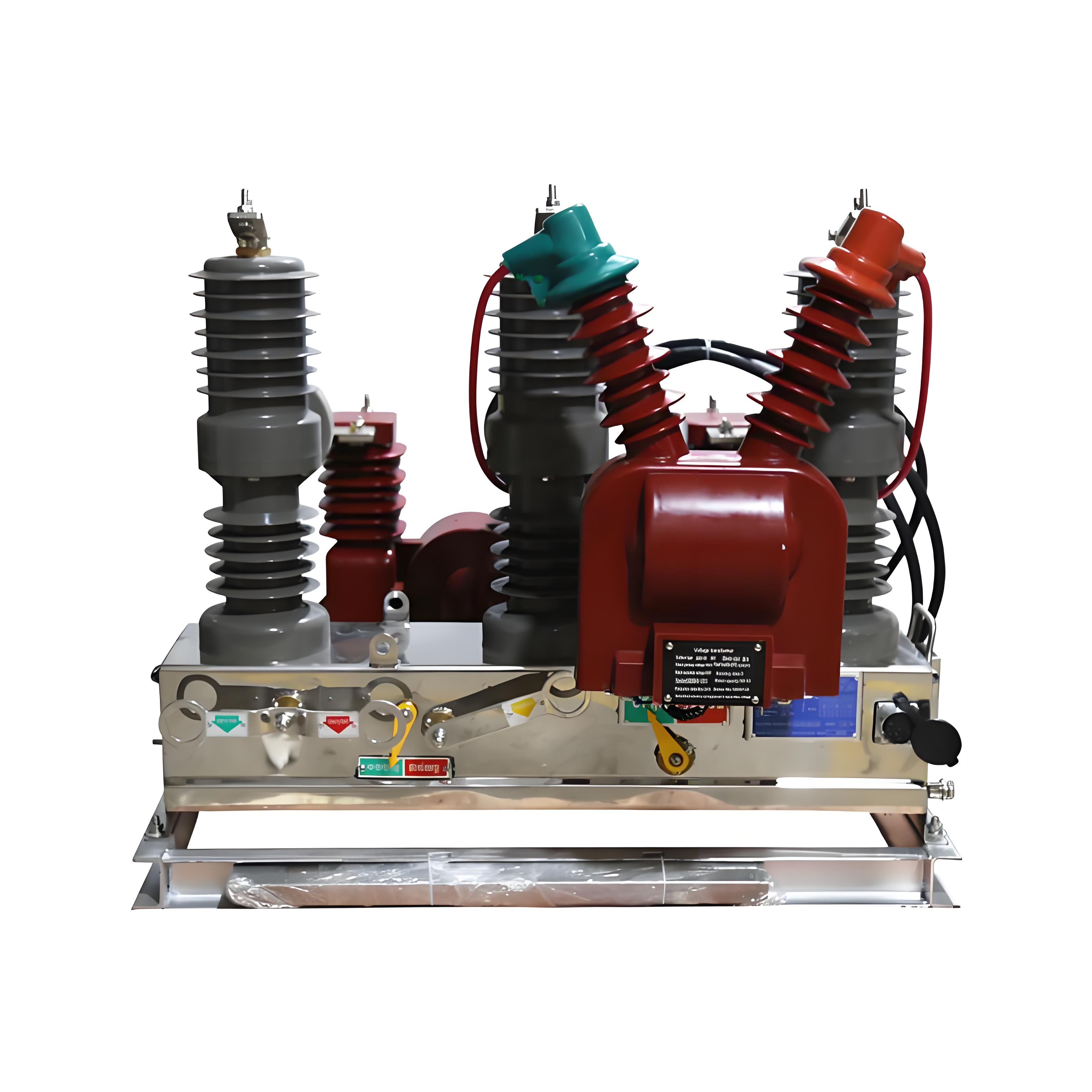
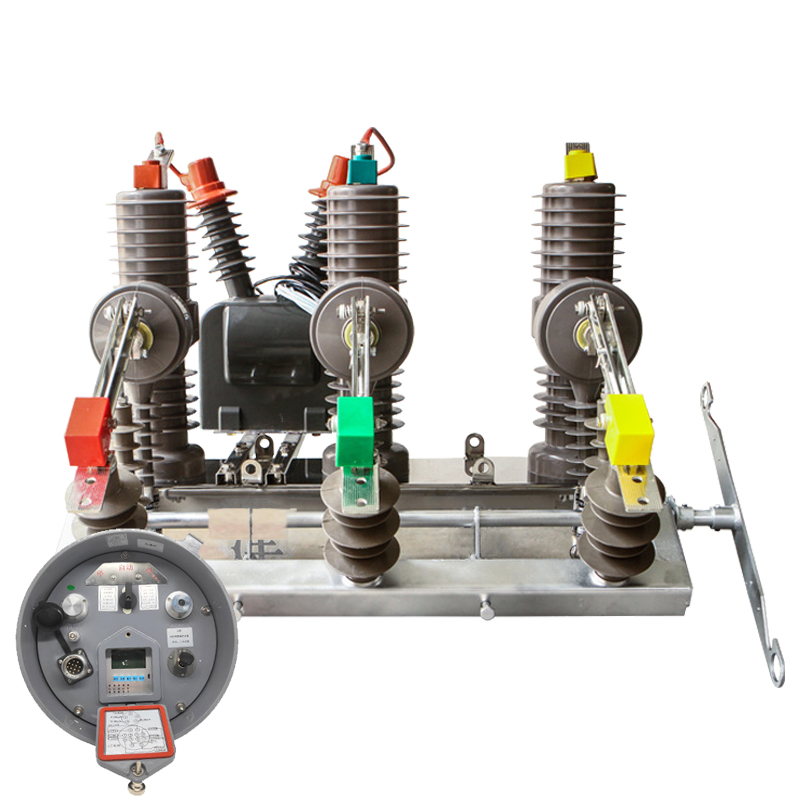
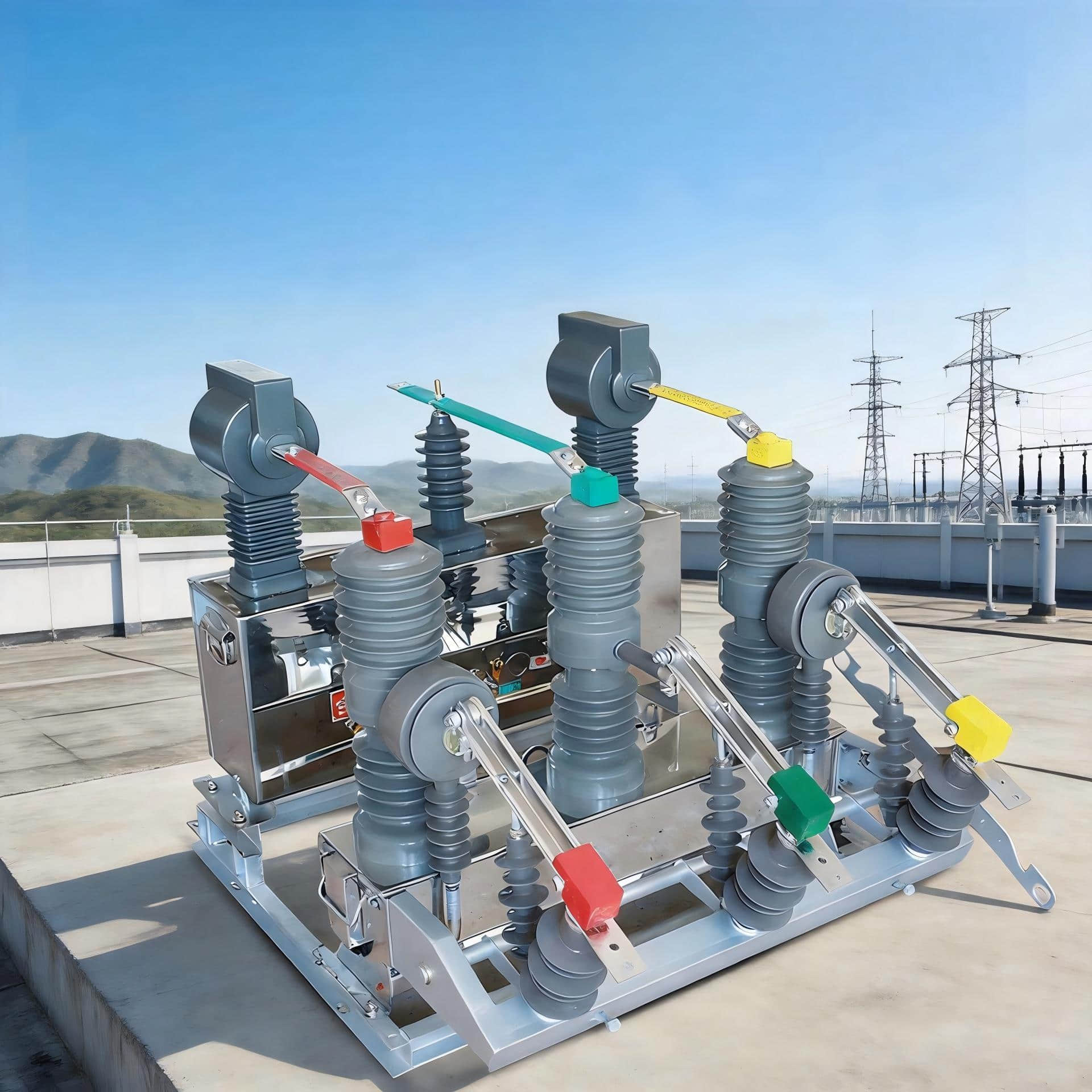
Engineers primarily select from two dominant technologies in the MV domain: Vacuum Circuit Breakers (VCBs) or Sulfur Hexafluoride Circuit Breakers (SF₆ CBs). VCBs offer superior arc-quenching performance, feature compact construction, and are free of polluting media, making them the current mainstream choice in MV applications and the recognized standard for environmental sustainability. Historically, SF₆ Circuit Breakers demonstrated exceptional insulation and arc-extinguishing properties, and still find use in the higher reaches of the MV range. However, significant industry pressure to find alternatives is driven by SF₆'s profound status as a potent greenhouse gas.
This video, presented by professional engineers, provides a detailed exploration of the internal construction and operational principles of Medium-Voltage Switchgear (MV Switchgear) through engaging animations and clear diagrams. Watching this visual aid will grant you an intuitive and deeper understanding of how the circuit breakers, disconnectors, and earthing switches coordinate to achieve control, isolation, and protection of the circuit.
How Medium Voltage Switchgear Works? Explained with Animation & Diagram.
(This resource directly supports the comprehension of MV switchgear's internal mechanisms.)
3.3. MV Safety Focus: The Criticality of Arc Flash Protection (Unique Content)
From a rigorous engineering perspective, the single most severe threat posed by MV switchgear is the potential for an Internal Arc Fault (Arc Flash). This catastrophic event generates immense heat and pressure, capable of causing explosive equipment failure and posing an immediate, lethal risk to operating personnel. Consequently, the design and construction of all contemporary MV switchgear must strictly comply with rigorous arc flash protection standards.
The IEC standard introduced the IAC classification (Internal Arc Classification), which uses designations like AFL (protection from the front) or AFLR (protection from front, sides, and rear), to quantitatively define the equipment's minimum level of containment against an internal fault for personnel safety. An MV cabinet certified with AFLR means its structure is specifically designed to withstand the tremendous thermal energy and pressure generated by an internal arc without catastrophic failure.
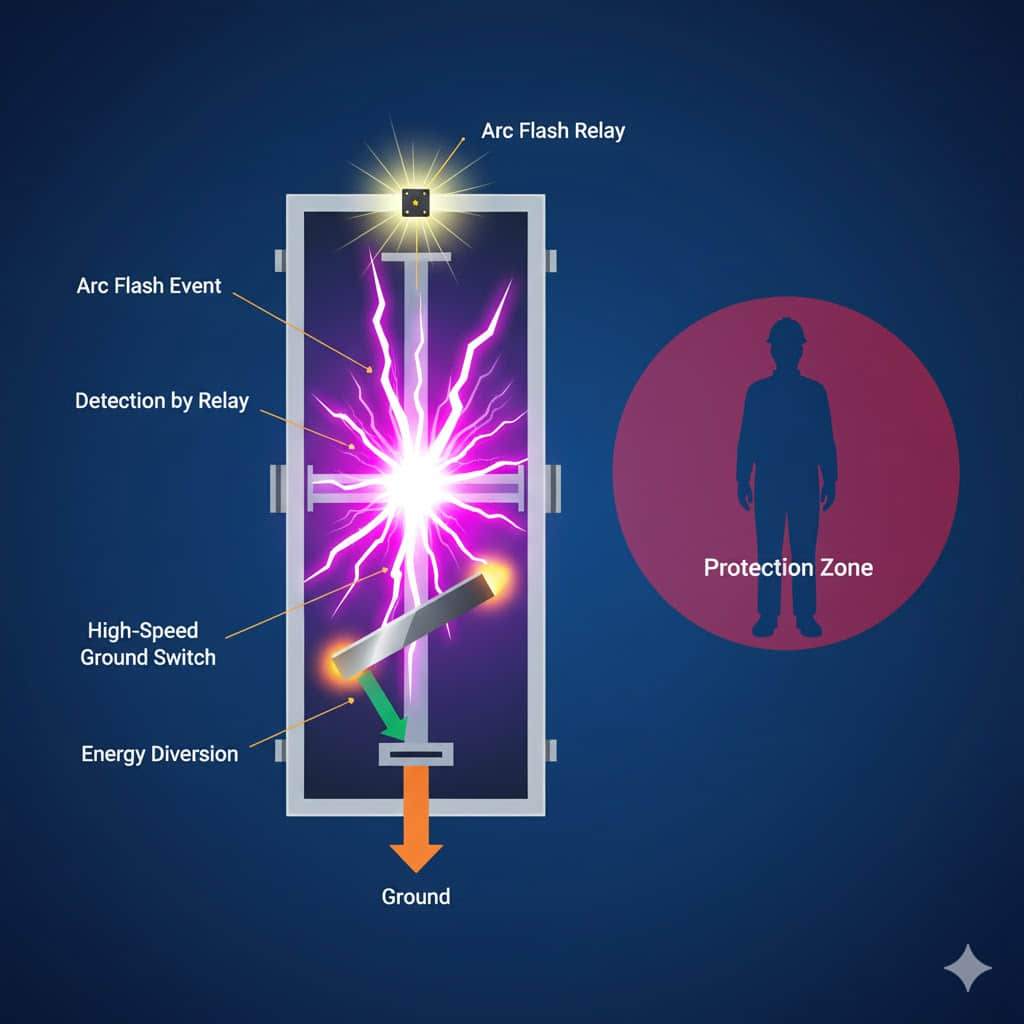
Modern MV and HV switchgear units mitigate this risk by utilizing sophisticated, high-speed technologies, including dedicated pressure relief channels, Arc Flash Relays (using optical sensors for rapid fault detection), and Ultra-High-Speed Grounding Switches. These systems work in concert to rapidly either extinguish or divert the arc energy within milliseconds—a swift action that is non-negotiable for safeguarding human life and maintaining system integrity.
Note: When specifying MV switchgear, the focus on its IAC rating must take precedence over its nominal voltage rating. In engineering practice, an MV cabinet rated for 36kV that lacks AFLR certification carries a significantly higher safety risk than a certified AFLR cabinet rated for 12kV. Prioritizing personnel safety is the paramount goal in any MV system design.
IV. High-Voltage Switchgear (HV)
4.1. Voltage Range, Transmission Role, and Critical Standards
High-Voltage (HV) Switchgear is designed to manage the highest voltages in the entire power system, typically those exceeding 36 kV AC and often reaching hundreds of kilovolts. Its primary function is not distribution but bulk power transfer, utilized directly at power generation plants and along long-distance transmission networks. This critical role ensures the highly efficient movement of massive blocks of electrical energy across the main grid infrastructure. Given the immense risks and energy levels involved, the design of HV equipment primarily adheres to globally recognized, uncompromising standards such as IEEE C37.20.3 and the comprehensive IEC 62271 series. These standards place the utmost emphasis on operational reliability, guaranteed insulation integrity, and the ability to withstand extreme fault conditions.
4.2. Insulation Technology: The Engineering Trade-off Between AIS and GIS
HV switchgear primarily employs two fundamentally different insulation structures, requiring engineers to make crucial trade-offs based on site constraints, environmental factors, and budgetary limits.
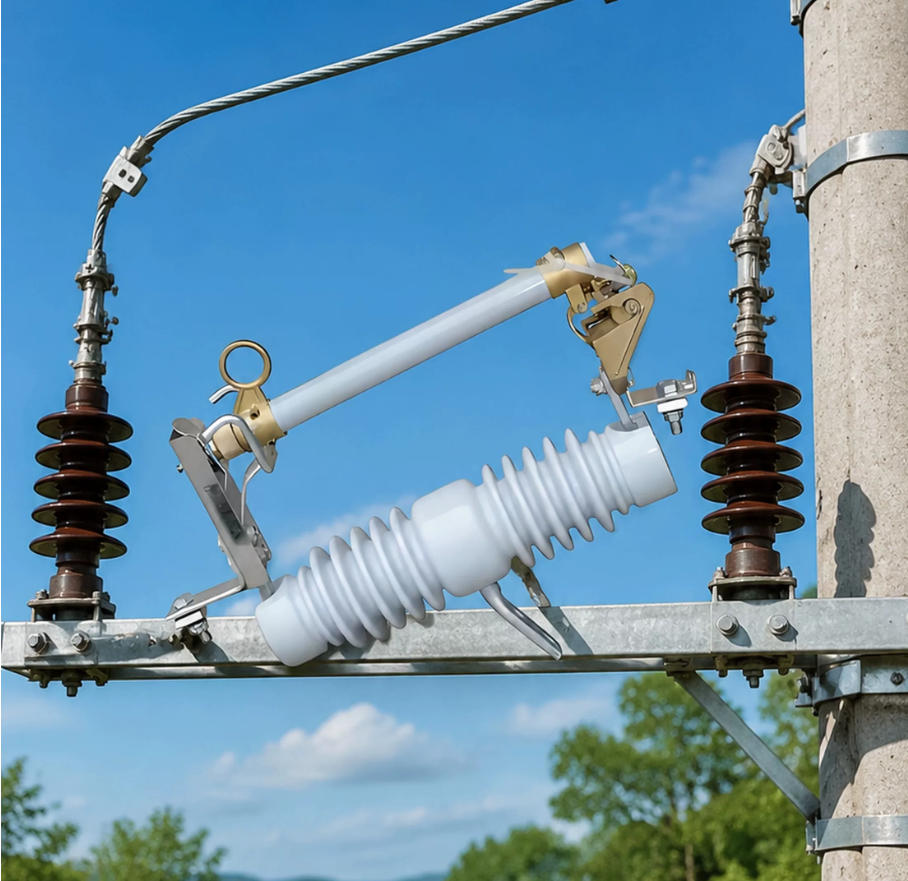
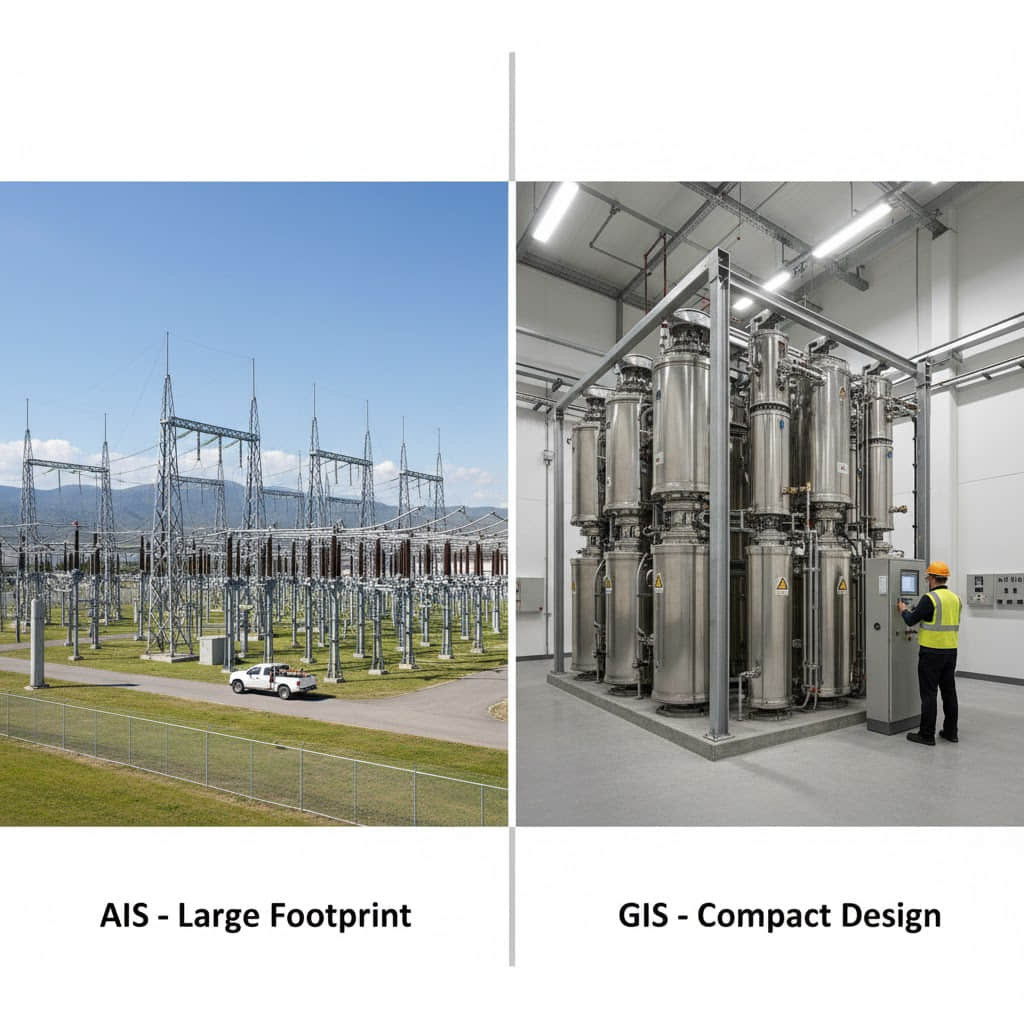
Air-Insulated Switchgear (AIS): This traditional solution offers a relatively lower initial cost and utilizes the open-terminal structure, relying on ambient air as its primary insulating medium. This design necessitates a massive land footprint and substantial electrical clearances, making it suitable mainly for suburban or rural areas with ample available space.
Gas-Insulated Switchgear (GIS): This technology is extremely compact, entirely enclosing all live parts within a tightly sealed metal enclosure pressurized with high-pressure SF₆ gas. GIS provides superior insulation performance and excellent resistance to pollution, making it the preferred choice for confined urban substations, underground installations, or environmentally challenging facilities. Remarkably, the required land footprint for a GIS solution is typically only about 10% of that needed for an AIS solution at the equivalent voltage level.
4.3. Application Scenarios and The Maximum Design Challenges (Expert Revision)
HV equipment is primarily deployed in the largest power systems, serving primary transmission substations and major power generation facilities. Its design must successfully meet the most demanding technical challenges the industry presents. This includes achieving exceptionally high insulation strength to withstand lightning impulse voltages and severe switching overvoltages without suffering flashover.
The equipment must also possess extreme mechanical strength to tolerate the immense electromagnetic forces generated during a short circuit, as well as the effects of natural disasters like seismic activity. Finally, it must guarantee unwavering switching and interrupting capability, ensuring the circuit can be safely and decisively opened under the most extreme fault current scenarios without incurring irreversible damage to the circuit breaker itself—a testament to its engineering rigor and system criticality.
V. Core Comparison and Engineering Selection
5.1. Comparative Analysis of the Three Main Classes (Table)
To facilitate critical engineering decision-making, the three primary classes of switchgear must be rigorously compared across their key technical features:
| Feature | Low-Voltage Switchgear (LV) | Medium-Voltage Switchgear (MV) | High-Voltage Switchgear (HV) |
|---|---|---|---|
| Voltage Range | ≤ 1 kV AC | 1 kV to 36 kV AC | > 36 kV AC |
| System Position | Final Distribution (User-Side) | Primary Distribution (Grid Backbone) | Transmission & Generation (Grid Front-End) |
| Typical Components | MCCBs, Fuses, Air Circuit Breakers | Vacuum / SF₆ Circuit Breakers, Disconnectors | SF₆ / Air Circuit Breakers, Instrument Transformers |
| Insulation Media | Air, Polymer | Air, Vacuum, SF₆ Gas | SF₆ Gas, Air (Outdoor) |
| Core Standards | IEC 61439 / UL 891 | IEC 62271-200 / IEEE C37.20.2 | IEC 62271-203 / 205 / IEEE C37.20.3 |
| Safety Focus | Shock Protection, Overcurrent Prevention | Internal Arc Protection (IAC), Service Continuity | Insulation Reliability, Extreme Short-Circuit Interruption |
5.2. Core Structural Formats and Maintainability: The Critical Trade-off
For MV systems, and increasingly for high-demand LV installations, engineers face a crucial trade-off between the upfront cost and long-term System Availability. This decision is primarily encapsulated in the choice of the equipment's internal structural format.
Fixed Design equipment offers the lowest initial cost and simplest construction. However, its significant operational drawback is that any required maintenance or replacement of a circuit breaker or functional unit mandates the complete de-energization of the entire bus section, invariably leading to a widespread outage.
Conversely, Withdrawable Design equipment carries a higher capital cost but provides exceptional operational advantages. This superior design permits operators to physically rack out the circuit breaker modules and voltage transformers from their compartments, effectively isolating them without requiring the main busbars to be de-energized. This capability, known as "live aisle maintenance," is the essential feature that enables high-level Service Continuity in critical infrastructure.
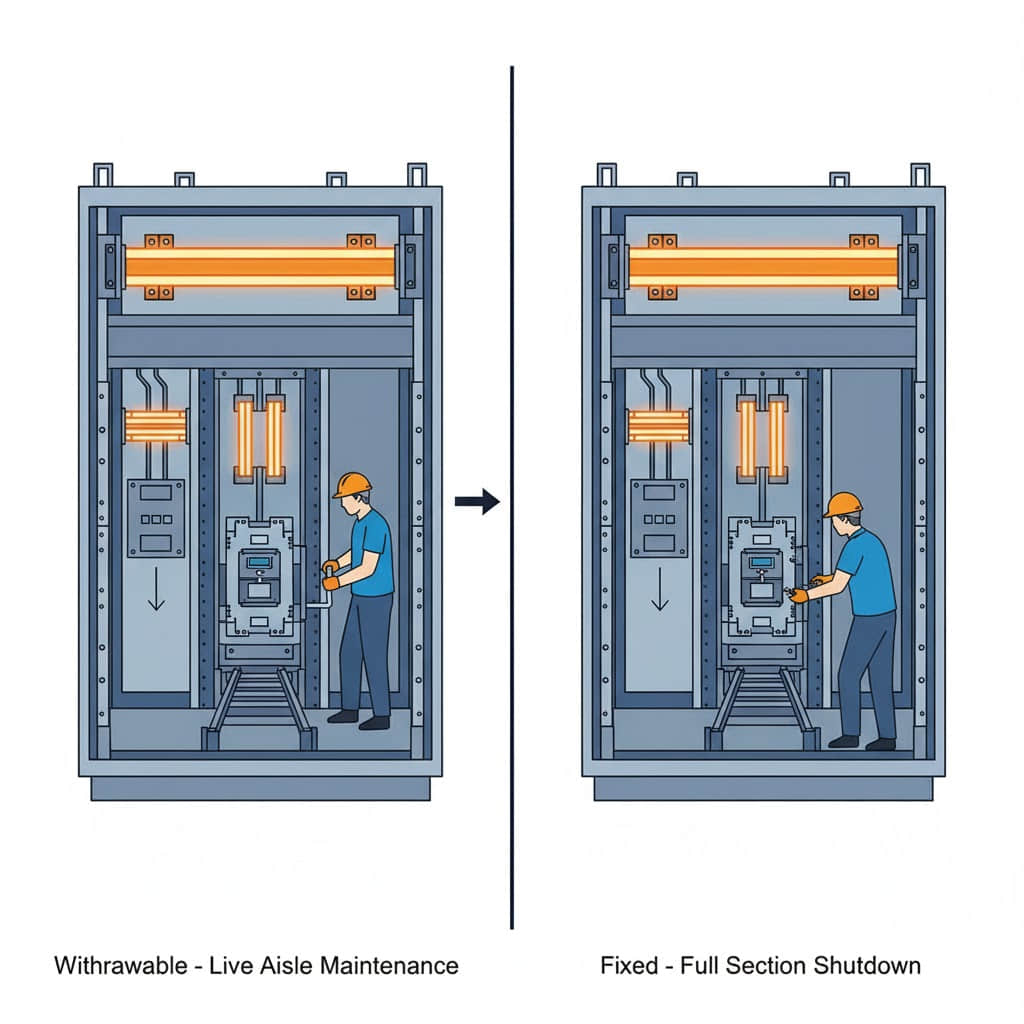
Tip: When selecting MV switchgear for sites with extreme demands for continuous power, such as data centers, hospitals, or high-throughput industrial facilities, the withdrawable design is the only viable engineering choice, regardless of the higher initial investment. This structural choice minimizes critical downtime.
5.3. Engineering Trade-offs in Insulation Media: Performance vs. Environmental Impact (Expert Revision)
The selection of switchgear insulation media represents a critical engineering decision that profoundly impacts performance, overall cost, and the equipment's environmental footprint. SF₆ gas has historically offered unparalleled dielectric strength and arc-quenching properties in both the MV and HV sectors, making it instrumental in achieving the compact design of GIS technology.
Nevertheless, engineers must urgently confront the severe environmental implications of SF₆’s status as the most potent known greenhouse gas, boasting a Global Warming Potential (23,500 times greater than CO₂). Any leaks inflict severe, long-term environmental damage, a reality that is driving the industry’s widespread search for viable alternatives. Vacuum technology, predominantly used in the MV sector, is highly favored for its clean, environmentally benign nature and extended service life. However, applying this technology still encounters significant technical challenges when extended to Ultra-High-Voltage (UHV) systems.
VI. New Era Trends and Future Outlook - Expert Revision
6.1. Digitalization and the Shift to Predictive Maintenance (PdM)
Traditional switchgear maintenance relies heavily on regularly scheduled shutdowns—a time-based approach that is often inefficient and inherently carries elevated risks. The modern power sector is, therefore, rapidly transitioning toward Digital Switchgear and condition-based monitoring. This transformative shift is fully enabled by the integration of high-accuracy, non-intrusive sensors, such as fiber optic temperature probes and sophisticated partial discharge monitors, coupled with powerful communication modules.
These smart devices are capable of continuous, real-time monitoring of critical internal conditions, including temperature, humidity, Partial Discharge (PD) activity, and contact wear status. By analyzing this continuous stream of Big Data, the system can accurately assess the equipment’s current health, predict remaining lifespan, and subsequently enable Predictive Maintenance (PdM). The successful implementation of PdM drastically reduces instances of unplanned downtime and significantly optimizes the utilization of both maintenance resources and technician time, representing the future of reliable grid operation.

6.2. The Environmental Insulation Revolution: SF₆ Alternative Solutions (Expert Revision)
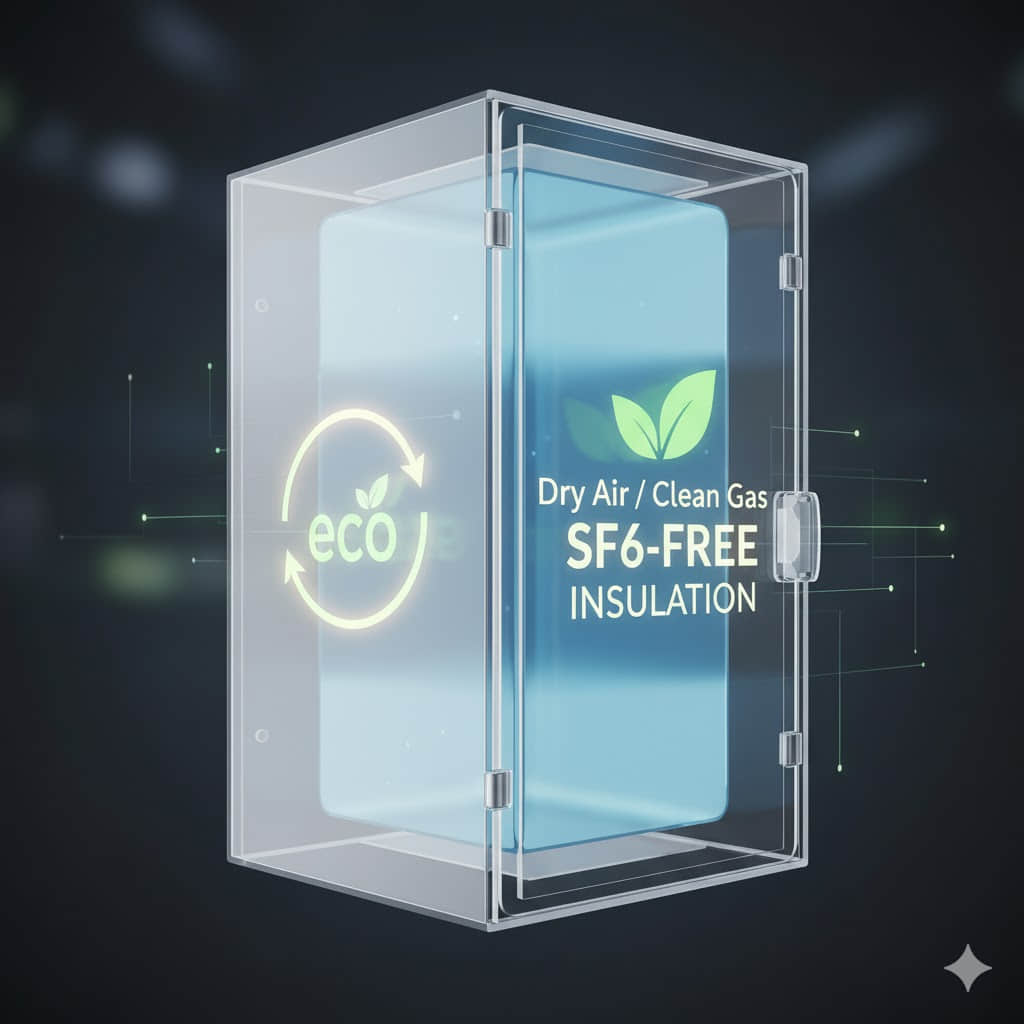
Globally, and especially within the European Union, the accelerated restriction and impending ban on SF₆ gas are driving a profound environmental revolution across the entire switchgear manufacturing industry. The vigorous development and widespread adoption of SF₆ alternative solutions represent one of the most critical and popular fields in contemporary electrical engineering.
For example, SF₆-Free Switchgear that utilizes substitutes such as Dry Air, Nitrogen, or new Fluoroketone gas mixtures as the insulating medium is rapidly entering the market, particularly for the 12 kV to 40.5 kV MV range. This crucial transition is not merely an environmental preference; it is rapidly becoming a fundamental requirement for future market compliance and ensuring equipment longevity within evolving regulatory landscapes.
VII. Conclusion - Expert Revision
7.1. Summary of Functions and Operational Unity
Low-Voltage, Medium-Voltage, and High-Voltage switchgear collectively form the essential, stable foundation of the modern electrical power system. Despite their vast differences in voltage capacity, their overarching engineering objective remains unified: to provide safe, reliable current control, isolation, and immediate fault protection. LV is primarily concerned with direct end-user safety, MV ensures the essential stability of the critical distribution backbone, and HV is optimized for the macro-level efficiency of bulk energy transmission. Together, they guarantee the integrity and continuity of power delivery from generation to consumption.
7.2. Criticality to the Modern Grid and the Engineer's Selection Criteria
Switchgear functions as the indispensable "nervous system" of the modern electric grid, dictating the system's reliability, safety, sustainability, and maintainability. For electrical engineers today, selection decisions can no longer be based solely on basic voltage and current parameters. A comprehensive engineering specification must meticulously balance Internal Arc Protection (safety), Withdrawable Design (maintainability), Digital Potential (smart features), and SF₆ Alternative Solutions (environmental compliance). This multi-criteria approach is non-negotiable for ensuring an optimized and truly future-proof system design.
VIII. Frequently Asked Questions (FAQ) - Expert Revision
Q1: Why is High-Voltage (HV) switchgear typically located outdoors (AIS), while Medium-Voltage (MV) and Low-Voltage (LV) gear is mostly indoors?
A: This distinction is primarily driven by the insulation clearance requirements and the economic value of land utilization. High-voltage levels (especially over 100 kV) necessitate vast electrical clearances and extensive insulation distances to prevent air breakdown, making the spacious Air-Insulated Switchgear (AIS) the most economical choice, typically located in open outdoor substations. Conversely, MV and LV equipment requires significantly shorter clearances, and placing them indoors or within buildings using compact Metal-Enclosed designs is strongly favored for protection against dust, moisture, and corrosion, and, critically, for saving expensive urban and industrial land space.
Q2: What is "Withdrawable Design," and why is it considered a core advantage for MV switchgear?
A: The Withdrawable Design is a crucial structural feature that allows essential components, such as circuit breakers and voltage transformers, to be mechanically "racked out" from the switchgear cabinet via rails, safely disconnecting them from the main busbar. Its core advantage lies in enabling "live aisle maintenance," meaning a faulty component can be maintained, tested, or replaced without needing to de-energize the main busbar section. This capability is vital as it allows adjacent feeders to remain powered, which dramatically enhances the grid's Service Continuity—an absolute necessity for critical loads like data centers and hospitals.
Q3: What is the function of Sulfur Hexafluoride (SF₆) gas in switchgear, and why is it currently facing an industry phase-out?
A: In MV and HV switchgear, SF₆ gas serves dual roles as both a superior insulating medium and an arc-quenching medium. Its exceptionally high dielectric strength and arc-extinguishing capability were instrumental in achieving the compact design of Gas-Insulated Switchgear (GIS). However, SF₆ is an extremely potent greenhouse gas with a Global Warming Potential (GWP) over 23,500 times that of CO₂. This profound environmental risk is the primary driver behind the urgent industry transition to non-SF₆ alternatives, such as dry air or fluoroketone gas mixtures.
Q4: How does the "Internal Compartmentalization" of LV switchgear practically impact maintenance procedures?
A: Internal Compartmentalization uses robust metallic or insulating barriers to physically separate functional units within the LV cabinet—such as the busbar chamber, the breaker chamber, and the cable connection chamber. This design provides a massive boost to both safety and reliability during maintenance. If an engineer is working in one compartment (e.g., the cable chamber), an accidental fault or contact cannot easily propagate into other energized compartments (e.g., the busbar chamber), thereby preventing cascading failures and providing essential protection for the maintenance personnel.
Q5: What specific design strategies do engineers use to mitigate the Arc Flash risk in MV switchgear?
A: Engineers primarily employ three key, multilayered strategies to minimize arc flash risk:
Structural Containment: Specifying highly IAC-rated cabinets (like AFLR) designed to ensure the enclosure can withstand the internal blast pressure and thermal energy generated by a fault.
Ultra-Fast Isolation: Utilizing Arc Flash Relays that detect the arc via optical light sensors and send a trip signal to the breaker or Ultra-High-Speed Grounding Switches within milliseconds. This limits the arc's duration to a non-hazardous level.
Energy Limitation: During the design phase, calculating the available fault current and selecting fast-acting fuses or current-limiting breakers to restrict the peak value and duration of the fault current, which fundamentally reduces the total incident arc energy.