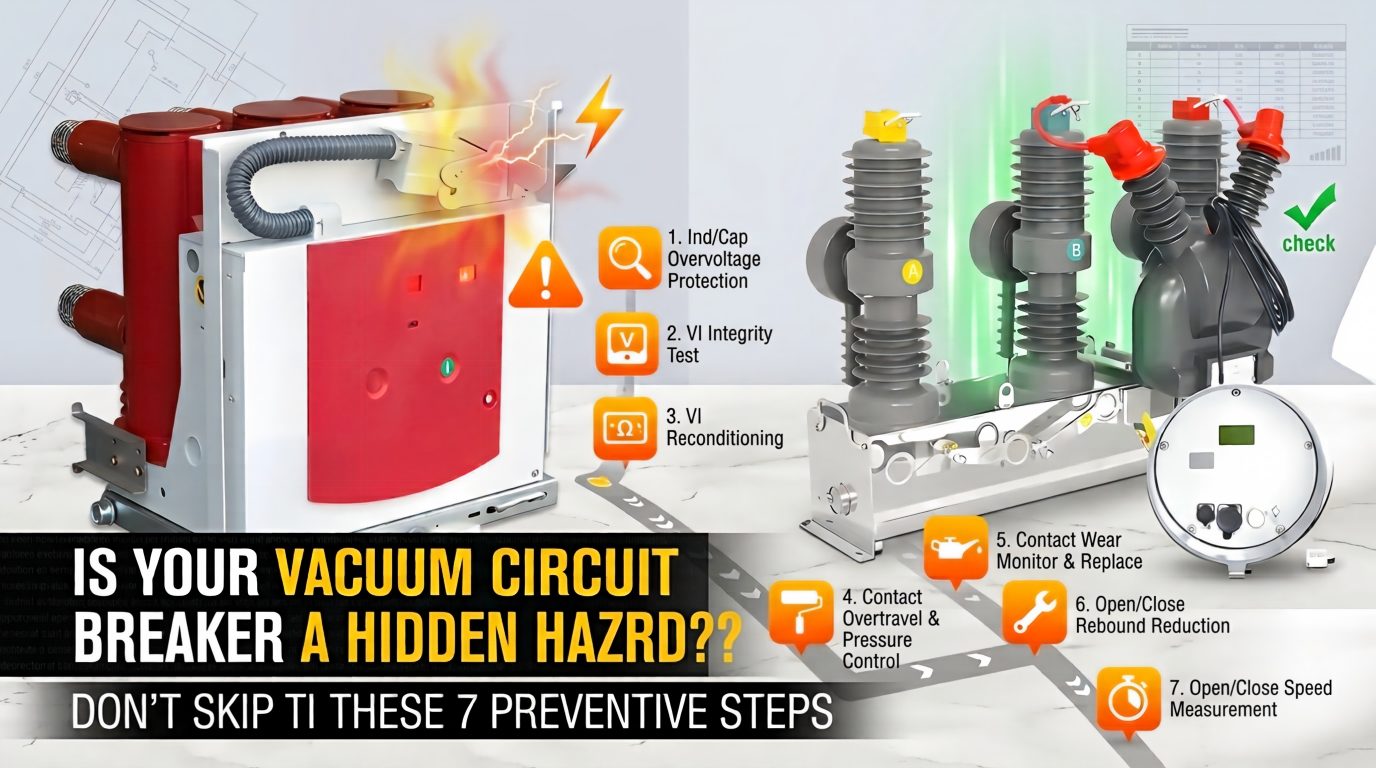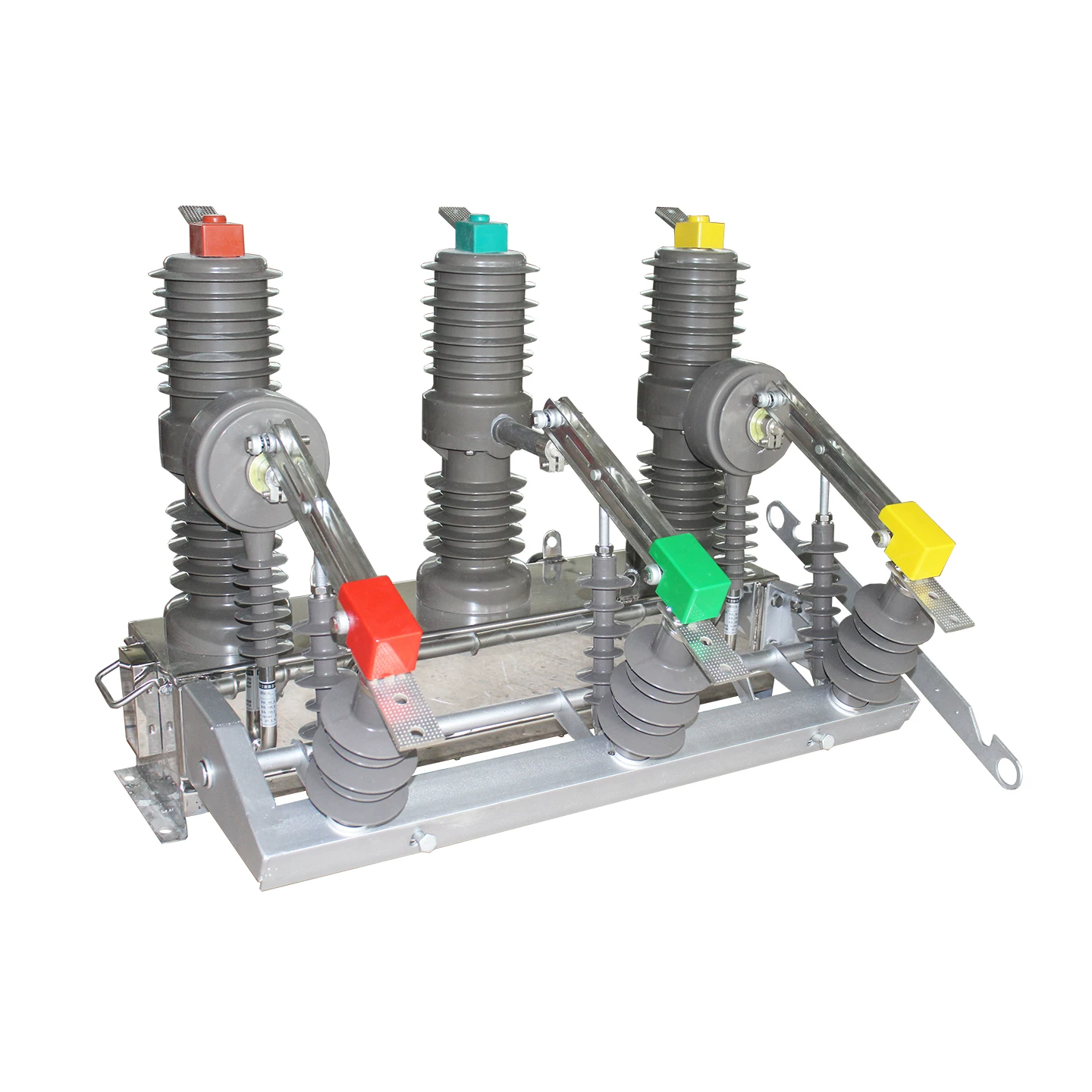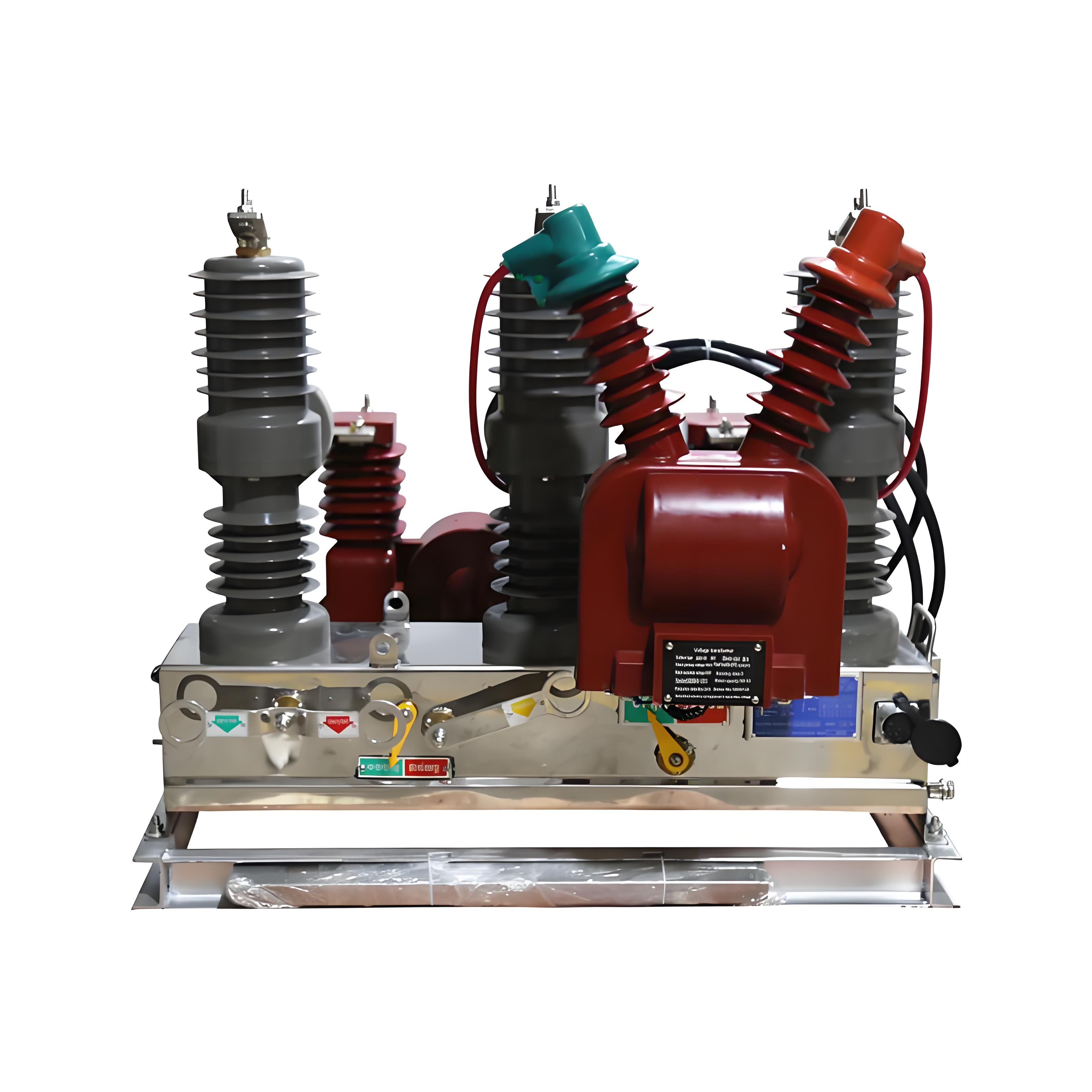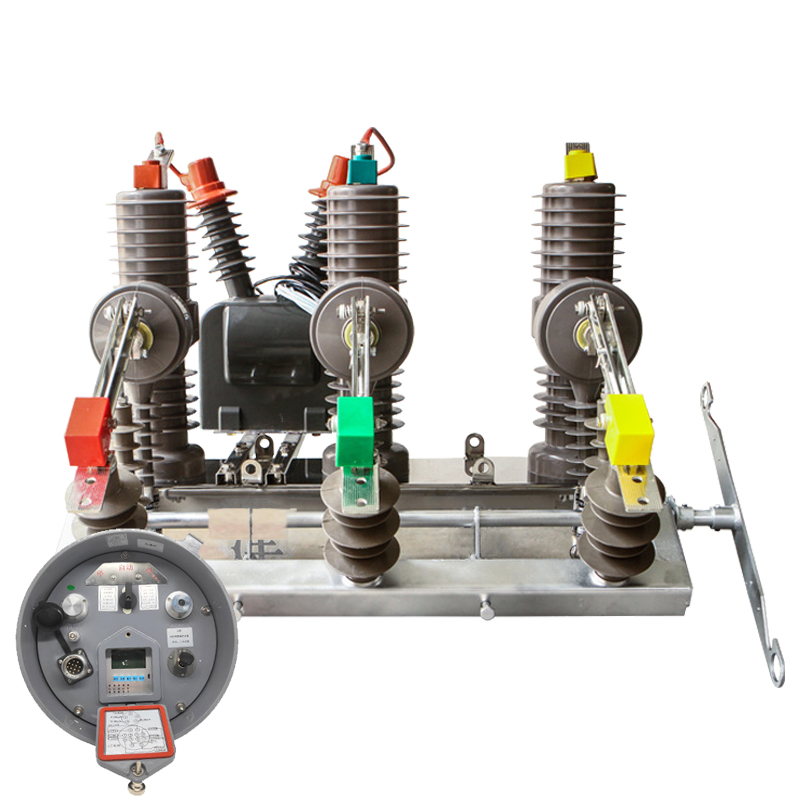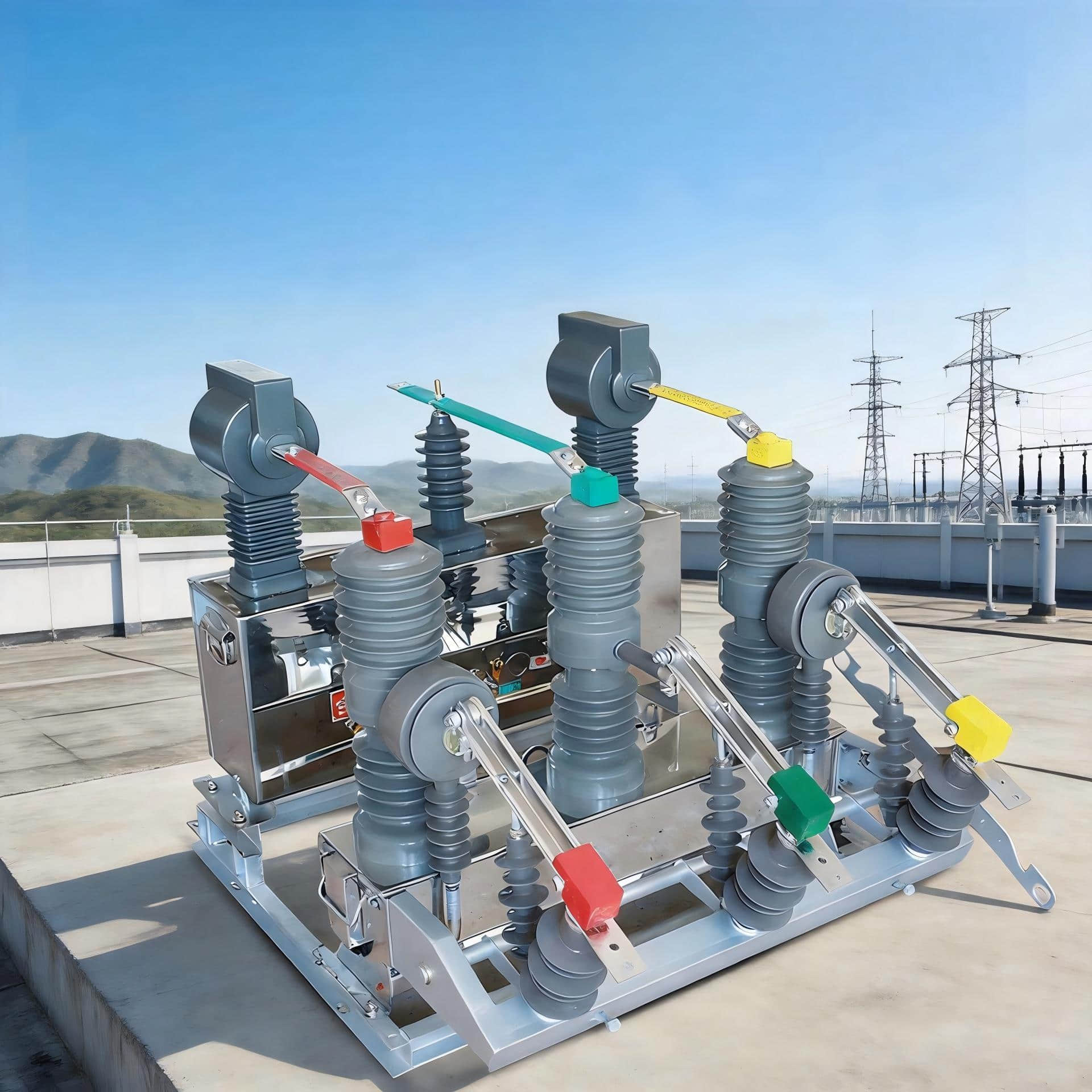
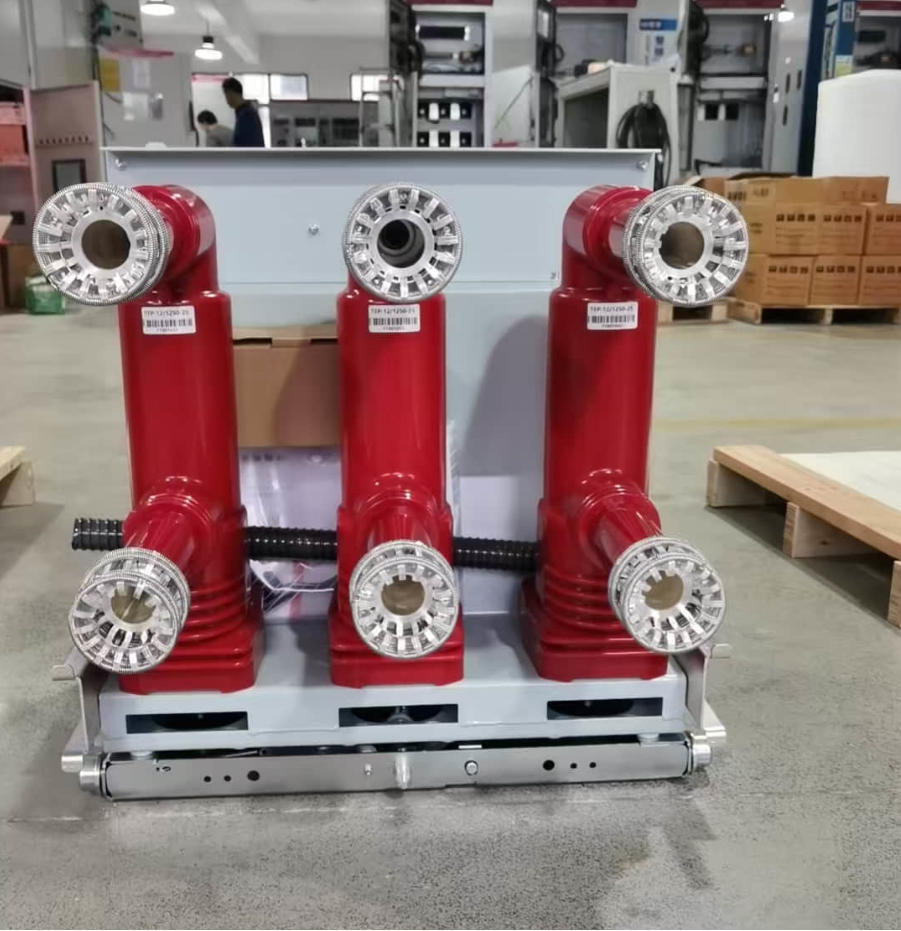
I’ve spent over twelve years in the trenches of industrial power distribution, and if there is one thing I’ve learned, it’s that a Medium Voltage Circuit Breaker is never "just a switch." It is the cornerstone of Electrical Substation Protection and the silent guardian of your entire infrastructure. In my career, I've stood in front of switchgear that felt like a ticking time bomb and others that were engineering masterpieces. The difference isn't always the brand; it's the adherence to Switchgear Maintenance protocols and the invisible details of the arc quenching mechanisms.
I remember a specific 2:00 AM emergency call at a paper mill. The air smelled of ozone and vaporized silver—a smell you never forget. A Medium Voltage Circuit Breaker had failed to clear a minor fault because of a $5 spring that had lost its tension over twenty years. That "minor" failure cost the client $1.2 million in lost production. In this guide, I’m moving past the sales brochures to share the technical nuances of electrical power distribution equipment, grounded in international safety standards and forensic field experience.
The "Ghost in the Machine": Why Your Grid is Truly at Risk
When we talk about failure in a Medium Voltage Circuit Breaker, manufacturers talk about "mean time between failures" (MTBF). In the field, we talk about "neglect cycles." The most dangerous breaker in your facility is the one that hasn't moved in five years. I call these "frozen guardians."
The Lubrication Trap: I have seen more breakers fail due to "dried-out grease" than electrical overloads. Over a decade, factory-applied grease turns into a substance closer to epoxy than lubricant, violating the mechanical integrity required for reliable operation.
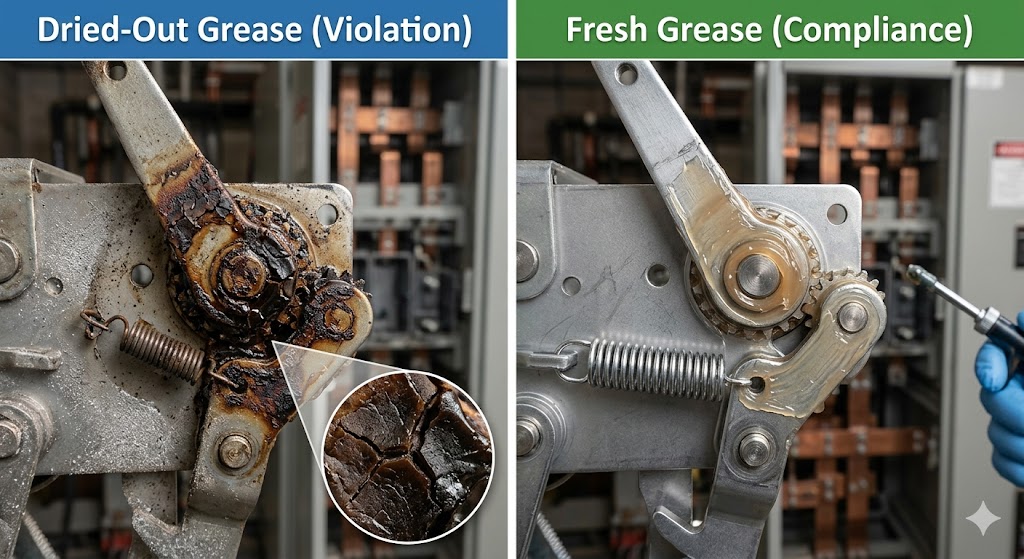
The Hidden Cost of Slow Trips: If a breaker is supposed to trip in 50 milliseconds but takes 100ms because of mechanical friction, you’ve doubled the energy let-through. This isn’t just a field observation; it’s a failure to meet the strict clearing time ratings defined by IEEE C37.04, the standard for rating structure for high-voltage circuit breakers. That extra energy is what turns a "trip" into an "explosion."
Secondary Injection Reality: Many facilities do primary testing but skip secondary injection. From my experience, 30% of older Electrical Substation Protection relays fail to send the trip signal when it actually counts.
"A breaker that doesn't trip is just a very expensive piece of copper busbar until the moment of a fault; then, it's a bomb."
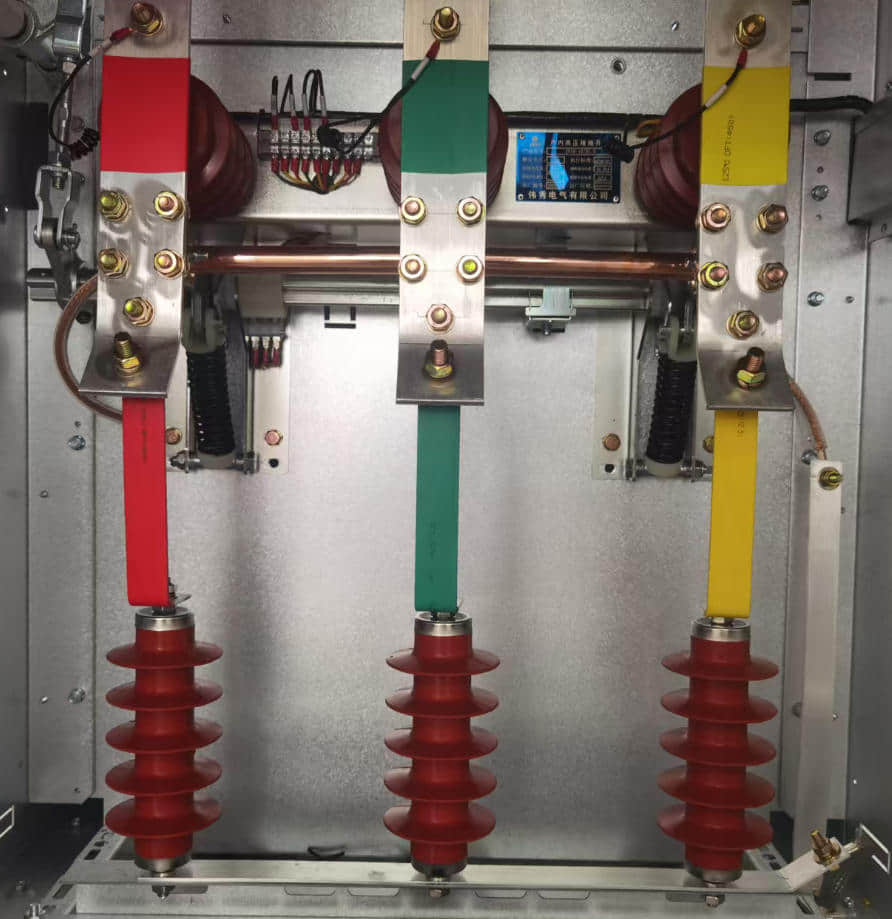
Vacuum vs. SF6: My No-Nonsense Field Perspective
Choosing between Medium Voltage Circuit Breaker types is often presented as a choice of specs. For me, it’s a choice of long-term liability and compliance with global safety benchmarks.
The Vacuum Circuit Breaker (VCB) Reality
VCBs are my go-to for 90% of industrial applications. They are robust and the "set it and forget it" option. However, I’ve seen technicians get caught off guard by "voltage escalation" during switching. Personal Tip: If you are switching old motors with VCBs, you MUST check your surge suppression. The speed at which a vacuum interrupter chops current can create spikes that will puncture old winding insulation, a phenomenon well-documented in technical engineering literature.
The SF6 (Sulfur Hexafluoride) Warning
SF6 is an amazing insulator, but it is a maintenance nightmare in the long run. I’ve spent countless hours chasing microscopic leaks in gas insulated switchgear systems. With current environmental regulations and strict gas handling standards, I tell my clients: unless you are in a high-altitude or extremely space-constrained urban vault, avoid SF6. You are buying a future environmental and regulatory liability.
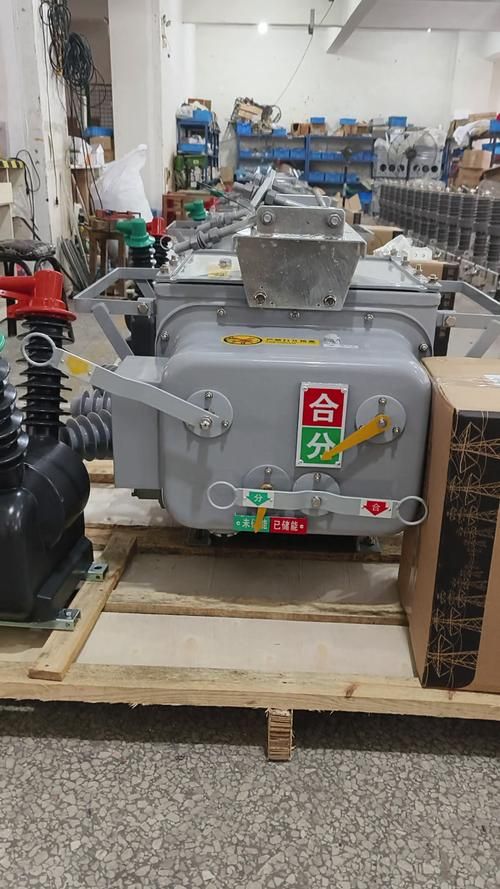
Engineering Forensics: The "Silent Killers" I See Every Day
In the field, we see patterns that aren't mentioned in the manuals. These are the three things I look for the second I open a cabinet to ensure Switchgear Maintenance is up to par:
The "Fizzing" Sound: If you stand near medium voltage switchgear and hear a faint sound like frying bacon, you have Partial Discharge (PD). This is the sound of your insulation slowly carbonizing. In technical terms, this is a critical indicator of impending insulation failure.
Discolored Bushings: I always look for a "rainbow" tint on the copper or silver plating. This indicates chronic overheating, usually caused by poor contact pressure or "soft" springs that have lost their temper, failing to maintain proper temperature rise limits.
Heater Failure: This is the #1 cause of catastrophic failure I encounter. If the cubicle heater fails, condensation forms. Condensation leads to tracking. Tracking leads to a phase-to-ground arc flash. I’ve seen $50 heaters cause $500,000 in damage.
Technical Performance Comparison: A Field Reliability Matrix
| Feature | Vacuum (VCB) | SF6 Gas | Oil (Legacy) |
|---|---|---|---|
| Arc Quenching | Instantaneous (Vacuum) | Chemical (SF6) | Liquid Displacement |
| Field Reliability | Highest (Few moving parts) | High (If gas is sealed) | Dangerous (Fire risk) |
| Compliance | Global Industry Standards | Standard Compliance | Obsolete |
| Mechanical Life | 30,000+ Operations | 10,000+ Operations | 1,000+ Operations |
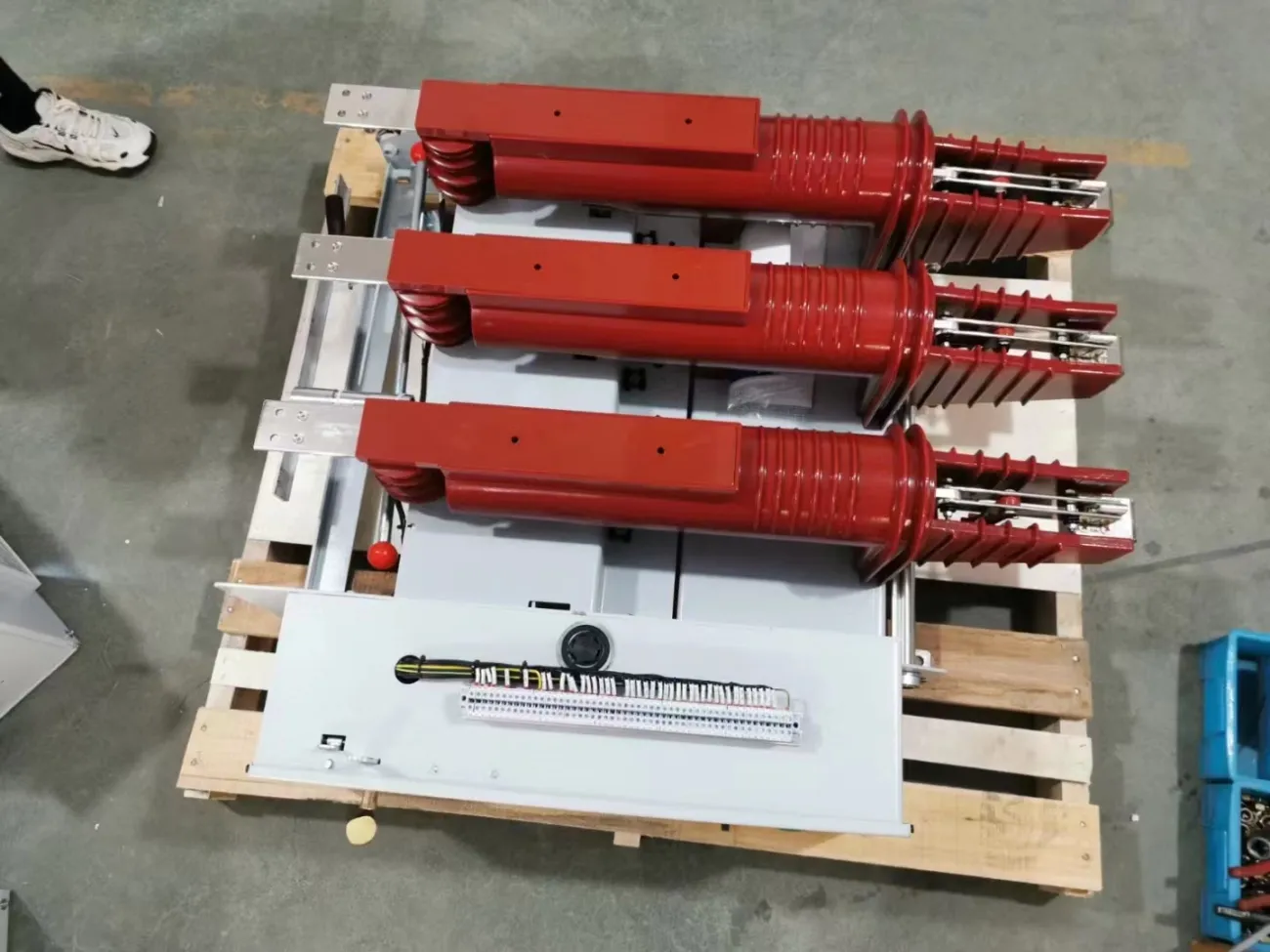
Proactive Maintenance: Lessons from the Field
Standard Switchgear Maintenance often focuses on cleaning the dust off the outside. That’s useless. If I were auditing your facility, I would insist on these three "real-world" tests based on established safety and reliability protocols like IEC 62271-100, which governs the testing of high-voltage alternating-current circuit-breakers:
1. Contact Resistance (Ductor) Testing: We measure in micro-ohms. If I see a reading that is 20% higher than the factory test report, I know those contacts are pitting. High resistance equals heat, and heat is the enemy of Electrical Substation Protection.
2. The "First Trip" Test: This is my secret weapon. Most technicians cycle the breaker a few times before testing. Don't do that. Test the very first trip after it has been sitting for months. That "first trip" time is the only one that matters during a real fault.
3. Vacuum Integrity (High-Pot): You cannot "see" if a vacuum bottle is leaking. I’ve seen bottles that looked brand new but had lost their vacuum. A simple High-Pot test across the open contacts is the only way to ensure compliance with rigorous safety standards.
Strategic Sourcing: Navigating the Market
When looking for a Medium Voltage Circuit Breaker for sale, don't just look at the price tag. Look at the support network. I’ve seen clients buy "off-brand" breakers to save 15%, only to find that getting a replacement charging motor takes six months.
The "Retrofill" Strategy: This is a field engineer’s favorite trick. If your switchgear housing is solid but the breakers are 30 years old, don't rip out the busbars. Many Medium Voltage Circuit Breaker manufacturers offer "roll-in" VCB replacements designed to fit legacy cubicles. It’s faster, cheaper, and gives you modern vacuum circuit breaker technology without the construction headache.
Frequently Asked Questions (Field Edition)
Why did my breaker trip, but the relay shows no fault?
Check your vibration. I once spent three days diagnosing a "ghost trip" only to find that a nearby heavy compressor was vibrating the trip latch just enough to cause a mechanical release. It wasn't an electrical issue; it was a mechanical mounting issue that fell outside of standard vibration guidelines.
Can I "over-grease" a breaker?
Yes, and it’s worse than under-greasing. Excess grease attracts coal dust, fly ash, and moisture, creating a conductive "sludge" that can cause a flashover across the operating rods.
How long do vacuum bottles actually last?
In a clean, temperature-controlled environment, I’ve seen them last 30 years. In a foundry or a chemical plant? I start recommending replacement or rigorous performance testing after 15 years.
Secure Your Infrastructure with Experience
Don't leave your facility's safety to chance or outdated datasheets. Whether you are navigating high voltage circuit breaker types or need a reliable source for a Medium Voltage Circuit Breaker, expertise and adherence to international standards matter more than the brand name on the box.
Contact our engineering team today for a comprehensive system audit. We don't just look at the drawings; we look at the equipment with the eyes of engineers who have seen what happens when things go wrong. Let’s ensure your grid stays online, compliant, and safe.