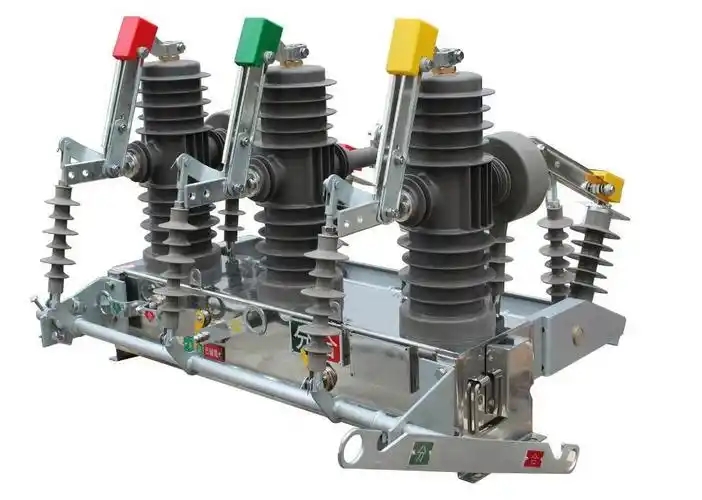
Choosing the Right Circuit Breaker: A Global Perspective
Hi everyone, I'm Thor, an Electrical Engineer at Weisho Electric Co., Ltd. My work often involves evaluating various power protection devices and helping clients select the best solutions for their needs. This article aims to provide a comprehensive understanding of Vacuum Circuit Breakers (VCBs), comparing their advantages and disadvantages with other major types like air, oil, and SF6 circuit breakers.
We'll delve into their working principles, performance, maintenance costs, safety features, and application scenarios. The goal is to help you make informed decisions for your projects, ensuring your power systems operate safely, efficiently, and economically.
Among the many options, Vacuum Circuit Breakers (VCBs) consistently stand out due to their exceptional longevity and minimal maintenance requirements. They are widely regarded as a safe and clean solution, even if the initial investment might be slightly higher. Of course, air, oil, and SF6 breakers each have their unique characteristics.
When advising on projects, I primarily focus on equipment safety, total cost of ownership, and future maintenance workload. I understand that these seemingly technical decisions are crucial for the long-term stability of any power project.
Key Takeaways
Vacuum Circuit Breakers ensure high safety and reliability in power systems by rapidly extinguishing arcs within a sealed vacuum. These devices offer excellent mechanical durability and require very little maintenance, which significantly saves costs and labor in the long run.
VCBs are widely used in medium and high-voltage systems. They perform stably even in harsh environments like dusty or humid conditions. Compared to traditional air, oil, and SF6 circuit breakers, VCBs require less upkeep and offer superior safety.
While their initial purchase cost might be higher, VCBs often prove more advantageous in terms of total lifecycle cost due to their low failure rate and long operational life. Furthermore, VCBs pose no fire or gas leakage risks, making them a more environmentally friendly choice.
When safety, reliability, and environmental friendliness are top priorities for a project, Vacuum Circuit Breakers are an ideal choice. The final selection should consider voltage levels, budget, safety standards, and specific application needs. Experience shows that VCBs have become a preferred solution for many modern power infrastructures.
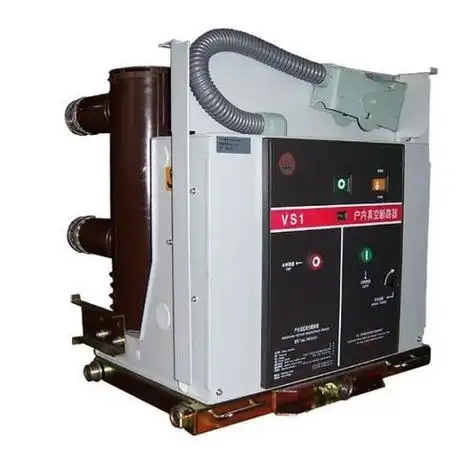
Vacuum Circuit Breaker (VCB) Overview
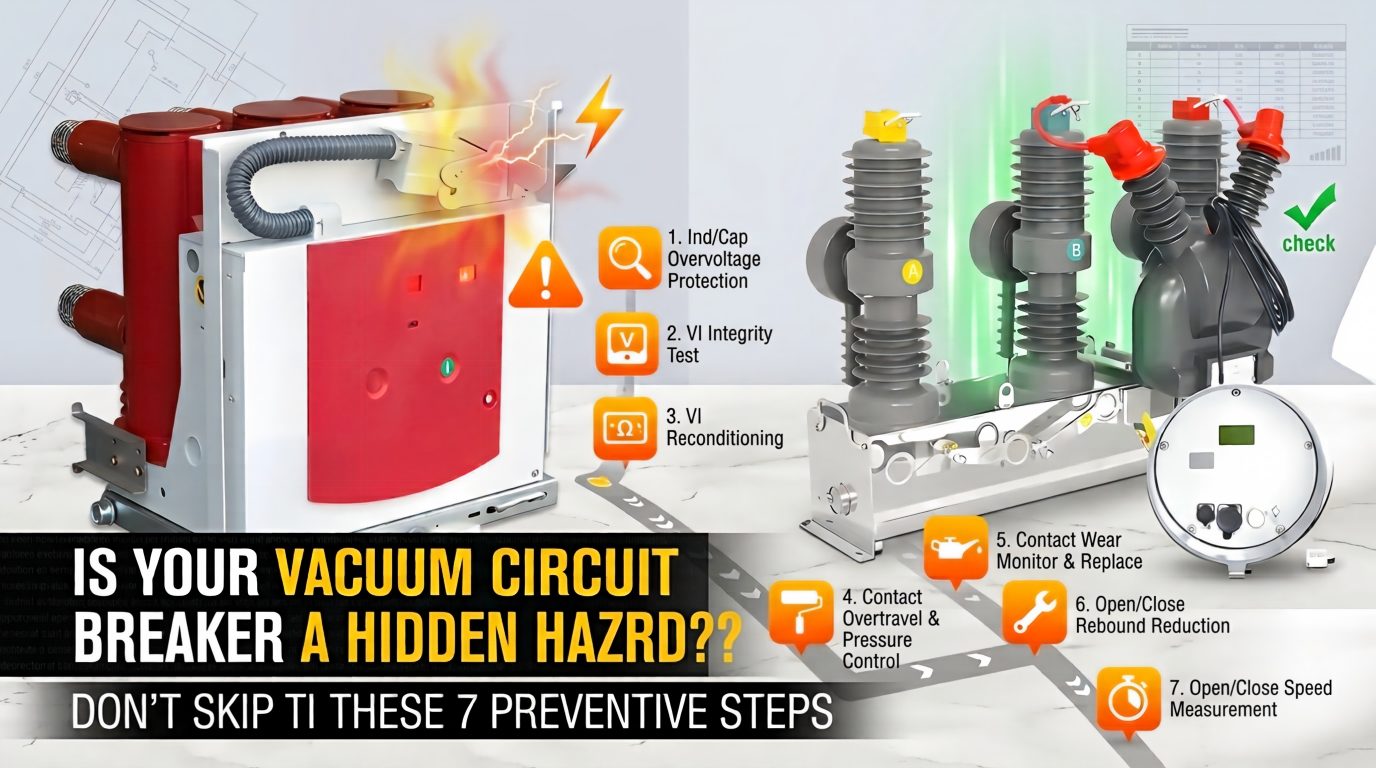
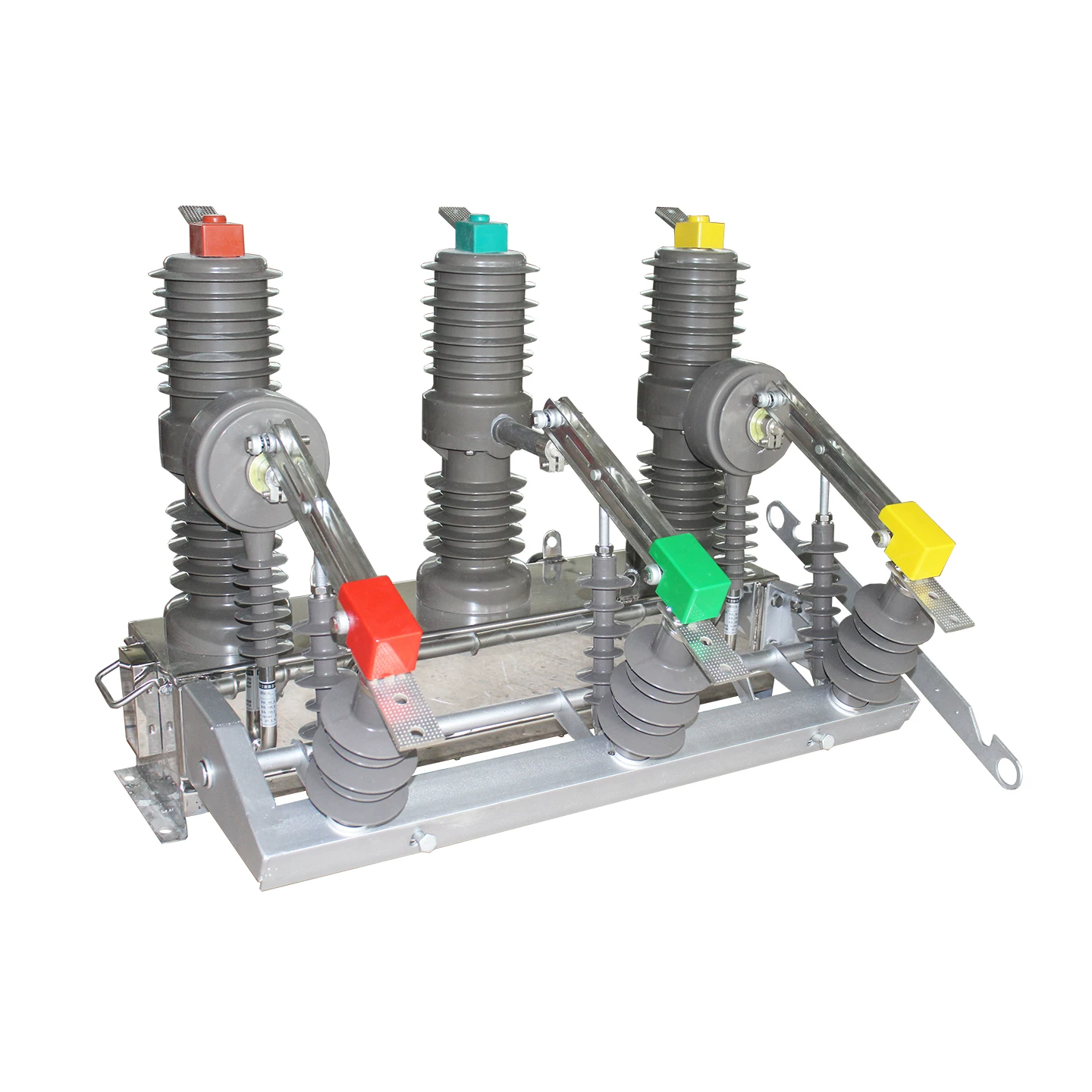
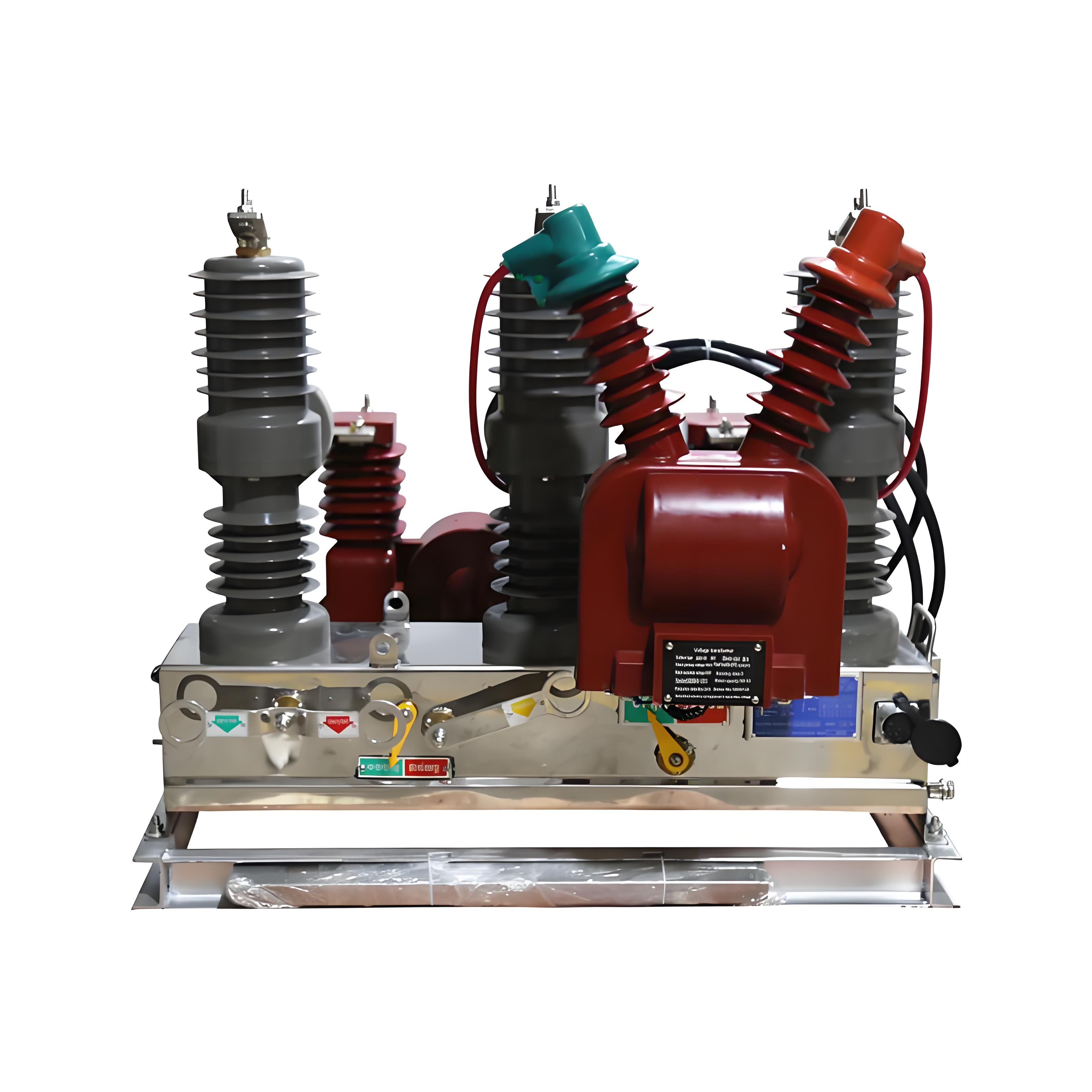
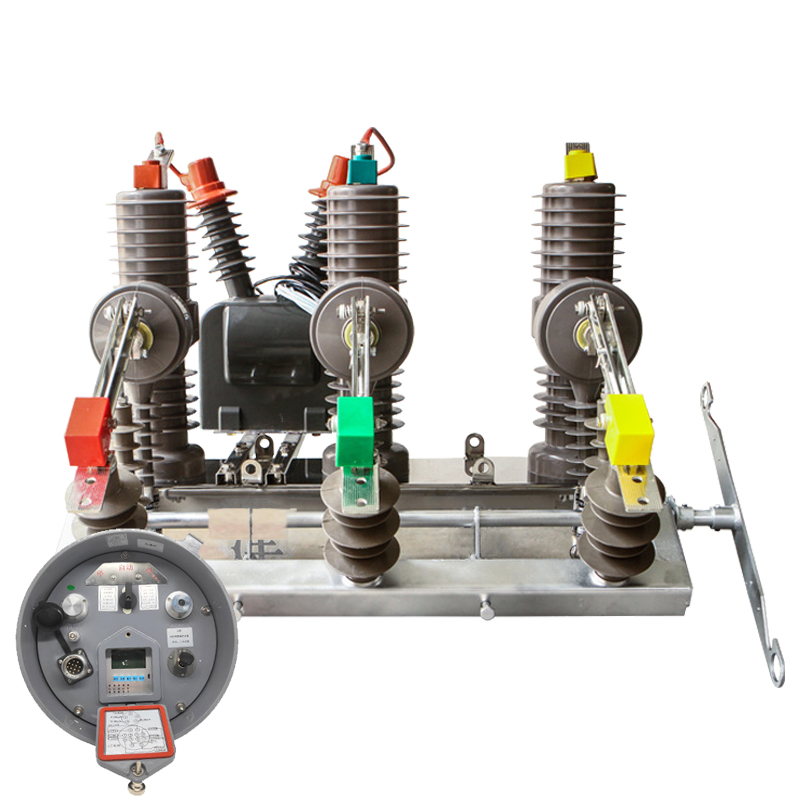
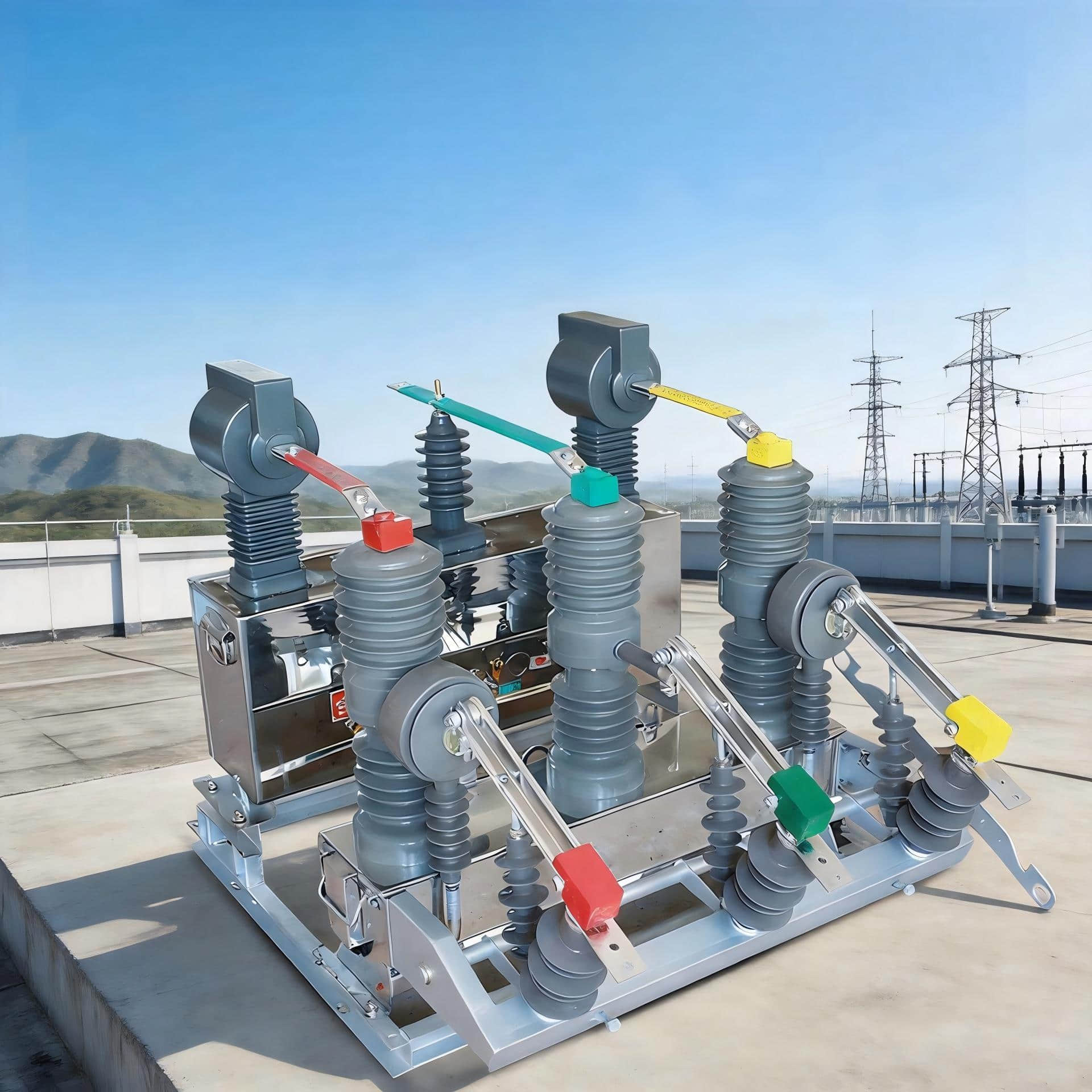
Upon closer examination, you'll find that Vacuum Circuit Breakers operate quite differently from traditional breakers. These devices use a sealed vacuum environment to interrupt current, acting swiftly to ensure system safety and stability. The internal vacuum acts as an excellent insulator, extinguishing arcs efficiently and cleanly.
As an electrical engineer, I always thoroughly review technical parameters before selecting a circuit breaker. Here are some key performance indicators to consider when evaluating a Vacuum Circuit Breaker:
Rated Short-Circuit Making Current: The maximum peak current the breaker can withstand during fault closing.
Rated Peak Withstand Current: Indicates the maximum current surge the breaker can tolerate during the initial fault.
Rated Short-Time Withstand Current: Measures the breaker's ability to safely carry current for a specific short duration without damage.
Rated Short-Circuit Duration: Specifies the maximum time the breaker can safely carry a short-circuit current.
Rated Insulation Level: Includes power frequency withstand voltage and lightning impulse withstand voltage, ensuring reliable insulation under high voltage conditions.
Mechanical Life: Represents the total number of open-close operations the breaker can perform before major component replacement is needed.
Mechanical Characteristics: Such as contact gap, over-travel, opening/closing times, and contact synchronism, which directly impact long-term operational reliability.
Pro Tip: We pay close attention to the results of the AC withstand voltage test. This critical test evaluates whether the breaker experiences breakdown or flashover at normal power frequency voltage, serving as a vital measure of its insulation performance.
These rigorous technical parameters help us fully understand the actual operating performance of Vacuum Circuit Breakers. These breakers are highly favored for their durability and minimal maintenance requirements. Their stable performance in harsh environments makes them suitable for various complex projects. Compared to traditional breakers, VCBs offer significant advantages in safety and reliability, making them an ideal choice for modern power system upgrades.
Vacuum Circuit Breaker Definition and Core Characteristics
The uniqueness of a Vacuum Circuit Breaker lies in its specific method of current interruption. It extinguishes the arc in a vacuum environment within a sealed container, ensuring system safety. These breakers do not rely on oil or gas as an arc-extinguishing medium, which makes them inherently safer and cleaner for many industrial applications.
Through years of practice, we've identified several key characteristics of Vacuum Circuit Breakers:
They rapidly interrupt the current by extinguishing arcs in a vacuum.
Contact gaps are typically around 10 mm, ensuring efficient arc suppression.
The arc extinguishing process is extremely fast.
Arc voltage and energy remain consistently low, reducing equipment wear.
They boast an average lifespan of up to 20 years with very little routine maintenance.
Their design is compact and simple, facilitating easy installation.
They operate reliably even in harsh conditions like high humidity, dust, or corrosive gases.
They are widely applicable in medium to high voltage systems, such as 12kV, 24kV, or 36kV.
In many client projects, Vacuum Circuit Breakers are commonly deployed in power plants, large substations, and industrial facilities. For instance, global electrical equipment manufacturers like Siemens extensively use vacuum interrupter technology to ensure power system safety and stability. Their performance is reliable across various applications, from general power transmission and distribution to specialized fields like railway traction and generator protection.
Working Principle and Performance Comparison
The working principle of a Vacuum Circuit Breaker is quite impressive. When contacts separate, an arc momentarily forms, but the sealed vacuum environment extinguishes it incredibly quickly. Since there's no air or gas medium to conduct, the arc duration is minimal, and the vacuum almost instantly interrupts the current.
The table below details the operational performance of Vacuum Circuit Breakers compared to other major circuit breaker types, highlighting their technical advantages:
Vacuum Circuit Breakers can perform more operations before requiring maintenance and safely interrupt higher voltages. In practical applications, interrupting certain inductive loads can sometimes lead to overvoltages. In such cases, the configuration of surge protectors (click to learn more about surge protectors) is crucial to protect downstream sensitive equipment from voltage spikes.
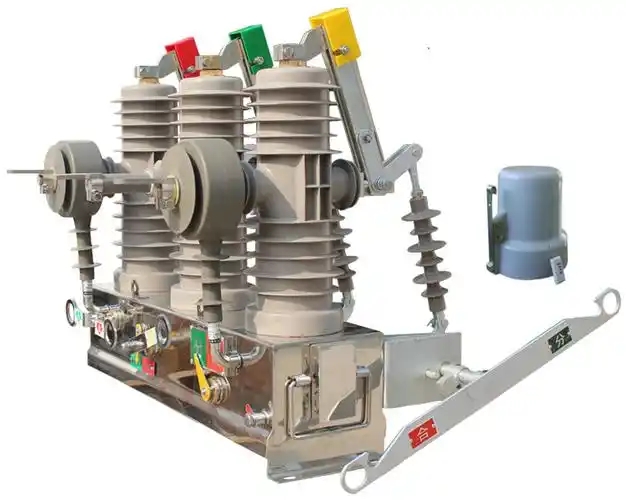
Main Features of Vacuum Circuit Breakers
When selecting electrical equipment for clients, ease of use and safety are always at the core of our recommendations. Vacuum Circuit Breakers are often our preferred choice due to their numerous unique features:
They interrupt current by rapidly extinguishing arcs in a vacuum, providing an extremely fast response.
They are best suited for medium voltage systems, covering a broad range up to approximately 40,500 volts.
Rated currents can reach up to 6,300 amperes, sufficient for most industrial and distribution needs.
Compared to other breaker types, they have longer overhaul intervals, effectively reducing operational burden.
They are environmentally harmless, producing no greenhouse gases, making them a green alternative to SF6 breakers.
Arcs are extinguished within a very small contact gap (typically less than 3 mm), allowing for a compact design.
Maintenance requirements are minimal, with no need for gas refilling or complex arc suppression devices.
Here's a comparison of key characteristics between Vacuum Circuit Breakers and Air Circuit Breakers:
Important Note: Although the initial purchase cost of Vacuum Circuit Breakers might be higher, their excellent low-maintenance characteristics and extended lifespan lead to significant cost and time savings for clients over the long term.
Analysis of Other Common Circuit Breaker Types
Air Circuit Breakers (ACB)
When we consider Air Circuit Breakers, we understand they use air as the arc-extinguishing medium. These breakers are commonly found in low-voltage systems, such as large commercial buildings or industrial plants. They require arc chutes to cool and divide the arc, meaning more components need regular inspection and replacement. From our observations, Air Circuit Breakers typically demand more frequent maintenance, such as regular arc chute replacement and contact adjustment, which increases operational time and cost.
The table below helps us delve into the key performance differences between Air Circuit Breakers and Vacuum Circuit Breakers:
Please note: While the initial procurement cost of air circuit breakers is relatively low, their maintenance expenses over many years of operation will significantly increase the total cost.
Air Circuit Breakers remain popular in the building and industrial sectors. The construction industry accounts for over 35% of the circuit breaker market share, with intelligent modular circuit breaker applications growing rapidly. Additionally, the Asia-Pacific market is showing strong growth, driven by increasing demand for reliable low-voltage protection devices in new construction and factories.
Oil Circuit Breakers (OCB)
Oil Circuit Breakers extinguish arcs using insulating oil. When contacts separate, an arc forms in the oil, and the oil's cooling and decomposition action effectively quenches the arc. These breakers are common in older substations and heavy industrial sites. While oil aids in arc extinction, it also carries potential risks: oil can catch fire, and leaks can cause environmental pollution. Therefore, during maintenance, I always routinely check for oil leaks and rigorously test the oil quality.
Here's what we've learned from years of technical practice and field applications:
Utilizing control circuit data to assess the health of oil circuit breakers is key for predictive maintenance.
Continuously updating equipment performance scores based on new data allows for the timely scheduling of necessary maintenance.
Precisely monitoring the timing of each operation ensures the breaker functions within safe parameters.
Using this real-time data to develop risk-based maintenance plans effectively prevents potential failures.
By studying relevant models, we've found that optimized maintenance strategies significantly reduce operating costs and enhance equipment reliability.
We've also successfully used signal analysis to detect and address potential issues in oil circuit breakers early on.
Many industry experts, including authorities from the IEEE (Institute of Electrical and Electronics Engineers), support these advanced methods for oil circuit breaker maintenance.
Pro Tip: Oil circuit breakers require meticulous monitoring and maintenance. High-quality data is the cornerstone of ensuring their safe and reliable operation.
Currently, the application of oil circuit breakers is less prevalent, with many companies actively transitioning to safer, more environmentally friendly alternatives. However, we still encounter oil circuit breakers in some older power plants and substations.
SF6 Circuit Breakers (GCB)
SF6 Circuit Breakers use sulfur hexafluoride (SF6) gas as the arc-extinguishing medium. We appreciate SF6 gas for its excellent insulating properties and ability to withstand high voltages. These breakers perform exceptionally well in high-voltage substations and transmission networks. Given that SF6 gas allows for a more compact breaker size, it is often recommended for space-constrained locations.
However, SF6 gas also has a significant drawback: it is a potent greenhouse gas. Therefore, strict regulations must be followed to prevent gas leakage and protect the environment. Many countries and regions are actively promoting eco-friendly alternatives, and leading companies are investing in research and development to reduce SF6 gas usage.
The table below details the comparison between SF6 circuit breakers and alternative solutions (like VCBs):
Industry Insight: SF6 circuit breakers still hold a significant market position, but new environmental regulations and sustainability trends are pushing the industry towards safer, greener alternatives.
Notably, the Asia-Pacific region dominates the global circuit breaker market, holding over 50% of the market share. The chart below clearly illustrates the market share distribution across different regions:
We continuously monitor these industry developments, knowing that smart, digital, and eco-friendly circuit breakers are experiencing rapid growth. The power market is transitioning year by year towards safer, more environmentally friendly, and more efficient solutions.
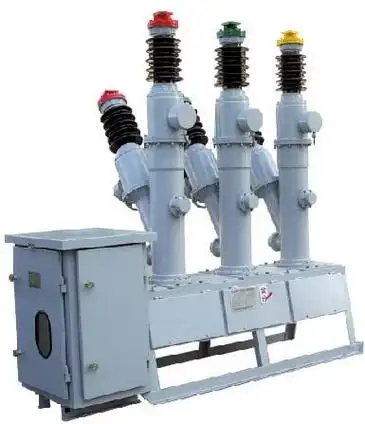
Comprehensive Circuit Breaker Performance Comparison
Performance
When evaluating different types of circuit breakers, we first consider their current interruption speed. Each type has a unique arc-extinguishing method, and an arc is the momentary spark generated when contacts separate. Vacuum Circuit Breakers demonstrate extremely fast and "clean" arc extinction.
The table below provides a detailed overview of the working principles and key performance highlights of various circuit breaker types:
Vacuum Circuit Breakers and SF6 Circuit Breakers excel in arc extinction speed and rapid dielectric strength recovery, making them suitable for demanding power system tasks. In contrast, air and oil circuit breakers require more time to extinguish arcs and rely on more auxiliary components to function properly.
Recommendation: For applications requiring fast and reliable switching, such as critical circuits in substations, Vacuum Circuit Breakers or SF6 Circuit Breakers are the preferred choice.
Maintenance Costs and Reliability
Maintenance work is crucial for us. We want to choose breakers that not only require little maintenance but also effectively prevent sudden failures and expensive repair costs. Here's a summary of the maintenance characteristics and reliability of different breakers based on our long-term practice:
Vacuum Circuit Breakers have the lowest maintenance requirements, often needing only routine annual checks to operate reliably. Oil circuit breakers are the most challenging to maintain, requiring regular oil analysis and close monitoring for leaks. Air circuit breakers require periodic replacement of arc chutes and contact inspection. SF6 circuit breakers, on the other hand, require gas checks, and gas leaks can be environmentally harmful.
Please note: Regular inspections benefit all circuit breakers, but even with careful maintenance, oil circuit breakers tend to have a relatively higher failure rate.
Cost Considerations
Cost is an indispensable part of project decisions. We don't just focus on the purchase price of circuit breakers; we also consider their operational and maintenance costs over their entire lifecycle. Some breakers, though higher in initial cost, can yield greater economic benefits over time.
Here's a professional analysis of the costs for each circuit breaker type:
Based on our long-term project experience, making a higher initial investment in a Vacuum Circuit Breaker is often worthwhile. This forward-thinking investment effectively mitigates the risks of frequent repairs and substantial unexpected expenses later on.
Safety First
When selecting circuit breakers, safety is always our top priority. We are committed to ensuring the safety of personnel around the equipment and minimizing the risk of fire, explosion, or electric shock. Each type of circuit breaker has its unique safety characteristics.
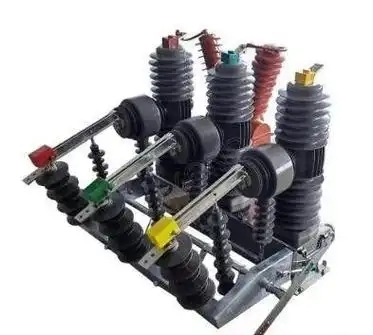
The outstanding advantage of Vacuum Circuit Breakers lies in their sealed vacuum technology. This means the equipment contains no oil or gas that could leak or cause fires. We have full confidence in their application in high-safety environments. The vacuum rapidly extinguishes arcs, thereby minimizing the possibility of equipment damage or personal injury. Their design cleverly confines the arc within a small, robust chamber, significantly reducing the risk of hazardous material escape.
Air Circuit Breakers use air for arc extinction and do not contain oil or gas, thus eliminating the fire risks associated with these materials. However, we must still be aware of the potential for arc flash, which can be extremely bright and hot. If the breaker enclosure is not fully sealed, arc flash can cause harm to personnel.
Oil Circuit Breakers are a type that warrants particular attention. In the event of a fault, the insulating oil can catch fire. I have personally witnessed cases of fires or even explosions due to leaks or improper maintenance. While we diligently check for oil leaks and ensure oil cleanliness, we understand that these breakers carry higher operational risks.
SF6 Circuit Breakers use sulfur hexafluoride gas. This gas is non-combustible, so there is no fire risk. However, if the gas leaks, inhalation can be hazardous to human health. When operating SF6 circuit breakers, we strictly adhere to safety protocols, requiring personnel to wear protective gear and use specialized tools for leak detection.
The table below helps us compare the key safety features of different circuit breakers:
Industry Observation: In the modern power industry, new detection tools and smart monitoring systems are continuously enhancing the safety of all circuit breakers. These advanced tools help us identify potential issues early, allowing for preventive repairs before failures occur. We actively utilize real-time data and smart sensors for fault diagnosis, which is crucial for maintaining high system safety and reliability.
We also place great importance on equipment reliability and closely monitor key metrics such as Mean Time To Failure (MTTF) and failure rates. The lower the frequency of breaker failures, the stronger its ability to ensure the safety of personnel and the system. Therefore, we always prioritize circuit breaker products with high reliability ratings and excellent safety records.
Application Suitability Analysis
Medium Voltage System Applications
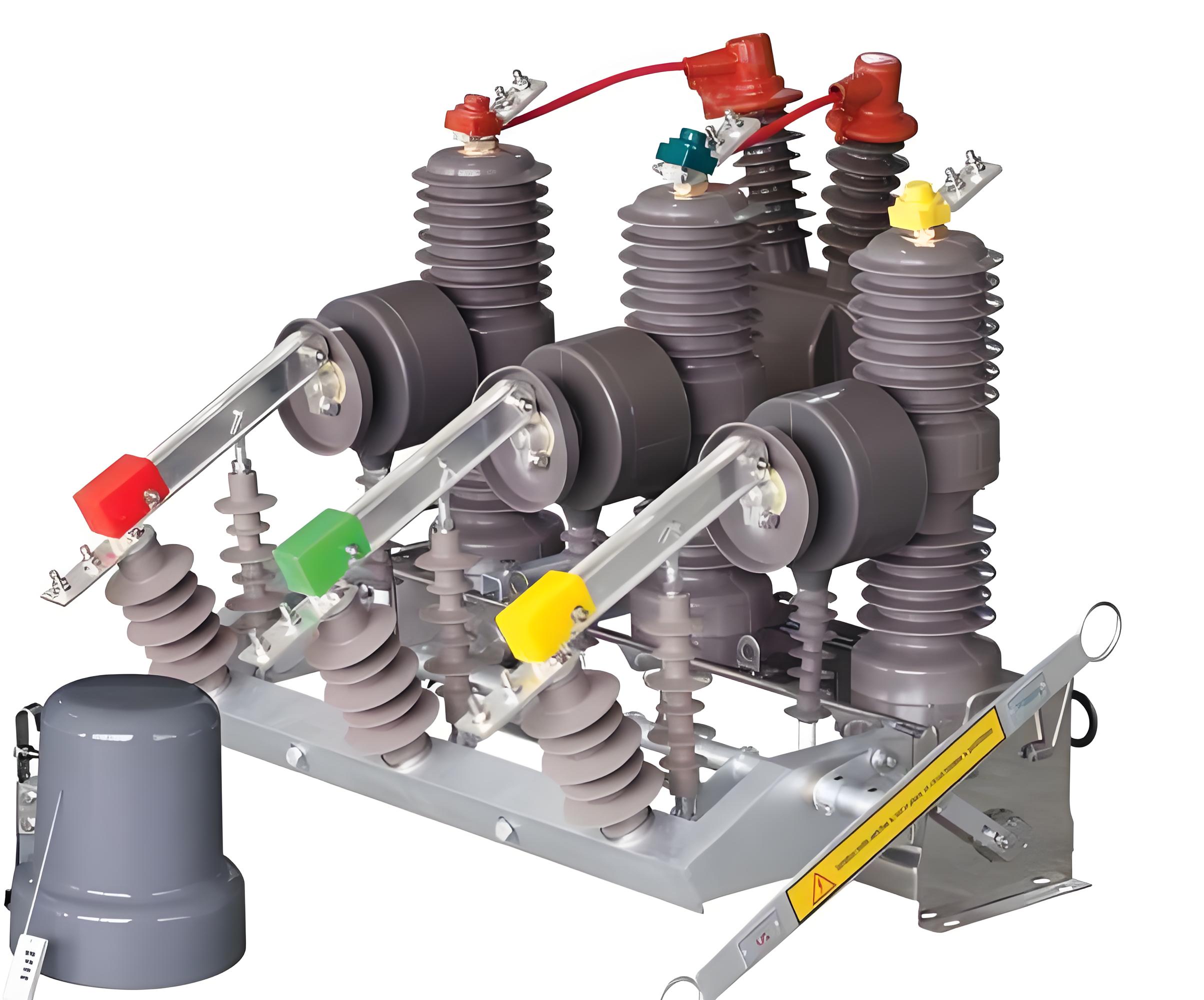
Medium voltage systems are widely used in many sectors, including industrial plants, data centers, and rail transport. For these applications, we typically recommend Vacuum Circuit Breakers due to their rapid operation and extremely low maintenance requirements.
Medium voltage DC circuit breakers have broad applications in the following areas:
Railway and subway systems
Ships and offshore platforms
Wind farms and solar power plants
Mining and heavy industries
Microgrids and electric vehicle charging stations
Data centers and nuclear energy laboratories
Laboratory tests are typically conducted according to IEC 61992 standards (click for more details on the standard) to assess circuit breaker performance. These rigorous tests verify the breaker's behavior when handling surges and faults. Engineers also use advanced computer models to simulate arc generation and extinction processes within the breaker, which helps optimize designs and identify potential issues early. We are confident in these test results as they align closely with our practical engineering experience. For example, research by Yang and Ren further confirms that medium voltage circuit breakers maintain long life and good performance even under harsh conditions.
Recommendation: Before applying a circuit breaker to any new project, we always ensure it has undergone rigorous practical testing and validation.
High Voltage System Applications
High-voltage systems require exceptional caution and are widely used in large power grids and transmission lines. A single fault can lead to widespread power outages or severe equipment damage. In high-voltage applications, we prioritize Vacuum Circuit Breakers because of their rapid response, which effectively ensures system safety.
New substations commonly employ circuit breakers with trip times of less than 100 milliseconds. This extremely fast response is critical for protecting wind and solar power plants from faults. According to industry data, approximately 35% of newly built substations in 2024 have adopted these fast circuit breakers. They are often combined with vacuum and eco-friendly gas modules to meet increasingly stringent environmental regulations. These breakers typically feature digital relays and remote control capabilities, enabling remote monitoring and operation, thereby enhancing grid efficiency and reliability.
The market for these circuit breakers is experiencing rapid growth, with an annual growth rate exceeding 9%. Power companies favor them not only because they avoid harmful gases but also due to their reduced maintenance needs. Their fast operation and intelligent features make them ideal for modern smart grids.
Special Environment Applications
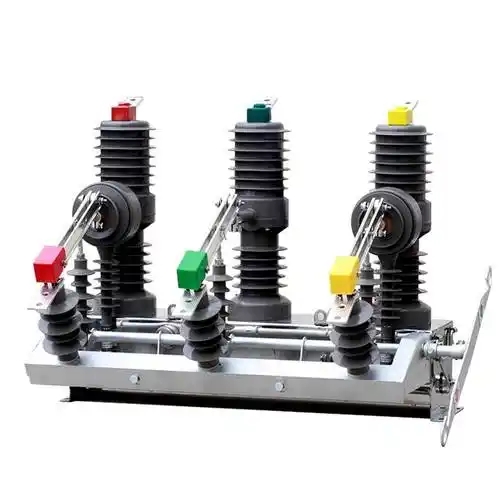
Certain specialized locations demand higher protection standards for electrical equipment. We specifically consider mines, offshore drilling platforms, or dusty and humid environments. In these harsh conditions, we need to select circuit breakers capable of withstanding severe environments. Vacuum Circuit Breakers are our preferred choice because their sealed chamber design effectively isolates dust, moisture, and chemical corrosion.
Additionally, we recommend using Vacuum Circuit Breakers in places where safety requirements are exceptionally high, such as hospitals or airports. Their unique design means there's no risk of fire from oil or gas leaks. I've personally seen their excellent performance in renewable energy power plants, which often have limited space and challenging climatic conditions.
The table below serves as a useful reference for matching circuit breaker types with special application environments:
Insight: We always insist on selecting the most appropriate circuit breaker based on specific application needs. The correct choice not only ensures personnel safety but is also key to ensuring the long-term stable operation of the power system.
Vacuum Circuit Breaker Selection Guide
Evaluation Factors
When selecting circuit breakers for projects, we always follow a rigorous checklist to ensure the chosen equipment perfectly matches the project requirements. Here are the main evaluation factors we focus on:
Rated Current and Rated Voltage: These core parameters determine if the breaker can safely and effectively handle system loads and voltages.
Breaking Capacity: We carefully verify whether the breaker can safely interrupt the expected maximum fault current.
Trip Curve: This curve reveals the breaker's response speed and characteristics to different types of faults (e.g., overloads, short circuits).
Durability and Ease of Use: We prefer breakers with long lifespans and simple operation to reduce long-term maintenance costs and operational complexity.
Smart Features: Some modern breakers can integrate with smart home automation or IoT systems, adding convenience to modern power systems.
Environmental and Application Needs: We comprehensively consider the actual installation environment of the breaker and the specific type of protection required.
Adjustable Trip Settings and Surge Protection: These advanced features help us fine-tune safety protection parameters, enhancing system flexibility.
Brand Reputation: We recommend reputable brands such as Siemens, Eaton, Schneider Electric, and Weisho Electric Co., Ltd. Weisho Electric is committed to offering cost-effective vacuum circuit breaker products, balancing excellent performance with reasonable pricing.
Ease of Installation and Maintenance: We prioritize breakers that are easy to install and require minimal future maintenance, thereby reducing the total project cost.
Recommendation: Before making a final selection, always ensure that all technical specifications of the chosen circuit breaker fully match your power system requirements. This is fundamental to ensuring safe and reliable system operation.
When to Choose a Vacuum Circuit Breaker (VCB)
When a project demands high reliability and safety for medium to high voltage systems, we primarily recommend Vacuum Circuit Breakers. These breakers excel in various demanding applications due to their high dielectric strength. Their extremely low maintenance requirements and compact design make them an ideal solution for space-constrained locations.
Furthermore, if your project seeks an environmentally friendly power protection solution, Vacuum Circuit Breakers are also the best choice, as they do not use any harmful gases or oils. Their extended lifespan and excellent safety features provide long-lasting peace of mind for your operations. I've personally witnessed their stable and efficient performance in factories, substations, and even in challenging environments like dusty or humid conditions.
Of course, in specific situations, we also consider other alternatives. For certain extremely high-voltage and specialized applications, we might recommend SF6 circuit breakers. In such cases, SF6 circuit breakers perform better in specific fault handling (e.g., shunt reactor switching) and have a lower risk of re-ignition. Before making a final decision, we always comprehensively review the project's specific technical requirements.
Here's a quick decision-making table we use to assist clients:
Limitations
While we highly acknowledge the numerous advantages of Vacuum Circuit Breakers, we are also aware of some inherent limitations:
The purchase price for ultra-high voltage models increases significantly, making them potentially less cost-effective for extremely large power transmission networks.
On-site component-level repair is not feasible. If internal components are damaged, the entire unit usually needs to be replaced, which may require pre-planned spare parts.
Despite their extremely low failure rate, if a fault does occur, the repair process can be relatively complex.
Tip: Before making a final decision, it's crucial to fully weigh these limitations against the significant benefits that Vacuum Circuit Breakers can provide, ensuring project success.
Frequently Asked Questions (FAQ)
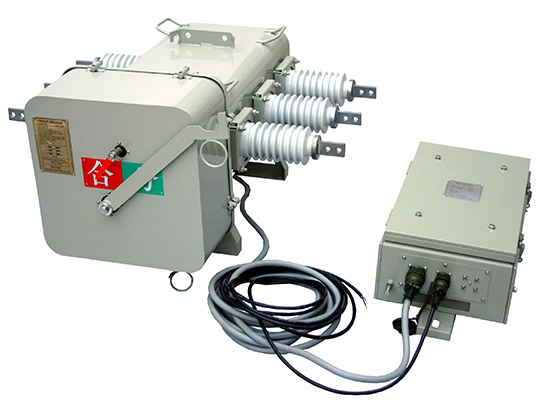
What are the main advantages of Vacuum Circuit Breakers? We believe the core advantages of Vacuum Circuit Breakers lie in their exceptionally long lifespan and minimal maintenance requirements. Additionally, they effectively protect your electrical equipment by rapidly interrupting arcs.
Can Vacuum Circuit Breakers be used for high-voltage systems? Vacuum Circuit Breakers are primarily suited for medium-voltage systems. For ultra-high voltage applications, we typically recommend SF6 circuit breakers, as they offer greater advantages in handling larger power loads.
How often do Vacuum Circuit Breakers need maintenance? Based on our experience, Vacuum Circuit Breakers usually only require a routine annual inspection. They rarely need repairs, with most maintenance tasks limited to checks and cleaning.
Are Vacuum Circuit Breakers environmentally friendly? Yes, we highly value the environmental friendliness of Vacuum Circuit Breakers because they do not use any harmful gases or oils. This helps us provide green and safe power solutions.
What happens if a Vacuum Circuit Breaker fails? If a Vacuum Circuit Breaker experiences an internal fault, the entire unit usually needs to be replaced, as they are not easily repairable at the component level on-site. We recommend keeping critical spare parts on hand to ensure quick replacement and minimize downtime.
How does the cost of Vacuum Circuit Breakers compare to other types? Vacuum Circuit Breakers have a relatively higher initial purchase cost. However, based on our long-term cost analysis, their low maintenance and long lifespan typically make them more economical in terms of total lifecycle cost.
Can Vacuum Circuit Breakers be used in dusty or humid environments? Yes, Vacuum Circuit Breakers are highly suitable for use in harsh environments. Their unique sealed design effectively keeps out dust and moisture. I've successfully applied them in mines, factories, and various challenging outdoor locations.
Which brands produce reliable Vacuum Circuit Breakers? We recommend reputable brands like Siemens and Schneider Electric. Additionally, Weisho Electric Co., Ltd. also offers high-quality, cost-effective vacuum circuit breaker products, making us a reliable choice for your needs.
Contact and Support
Manufacturer Information
Throughout the lifecycle of a Vacuum Circuit Breaker, we understand that timely access to expert manufacturer support is crucial. As a Chinese manufacturer serving the European, American, and other international markets, Weisho Electric Co., Ltd. is committed to providing clear technical data and robust remote customer service. Here's how we ensure the best support:
Consult manufacturer-published data: We always start by reviewing official manuals and technical specifications. These documents provide detailed guidance on how to properly inspect and calibrate breakers and how to maintain them for optimal performance. If any anomalies are found, we rigorously compare the results against the parameters specified in the manual.
Follow correct testing procedures: We strictly adhere to the electrical testing steps provided by the manufacturer, such as measuring contact resistance or checking insulation performance. These standardized testing processes help us identify potential issues before they escalate into major failures.
Compare test results with published tolerances: If test data deviates, we carefully check the tolerance ranges provided by the manufacturer. This clearly indicates whether local repairs are needed or if we should contact technical support for assistance.
Verify all functions are operating correctly: We ensure that all functions, such as trip indicators and interlocks, work as described in the manual. Any discrepancies signal an immediate need for professional assistance.
Use industry standard tables when necessary: In some cases, if precise manufacturer data isn't available, we refer to standard tables from authoritative organizations (e.g., IEEE, IEC). This ensures our work complies with industry norms and maintains safety and reliability.
Tip: If you have any questions about product details, testing voltages, torque settings, or tripping characteristics, or require remote technical support, please don't hesitate to contact the Weisho Electric Co., Ltd. team. You can reach us by phone at +86-0577-62788197, WhatsApp at +86 159 5777 0984, or email at thor@weishoelec.com. We typically respond quickly and can effectively assist with your inquiries.
Considering all professional aspects, as an Electrical Engineer, I sincerely hope this article provides valuable insights and assistance in your selection of power system circuit breakers. My goal is to share professional knowledge to help you make the best decisions for your specific needs. If you have any further questions during selection or project implementation or require additional professional advice, please don't hesitate to contact me using the provided contact information. I wish your power systems safe and smooth operation!