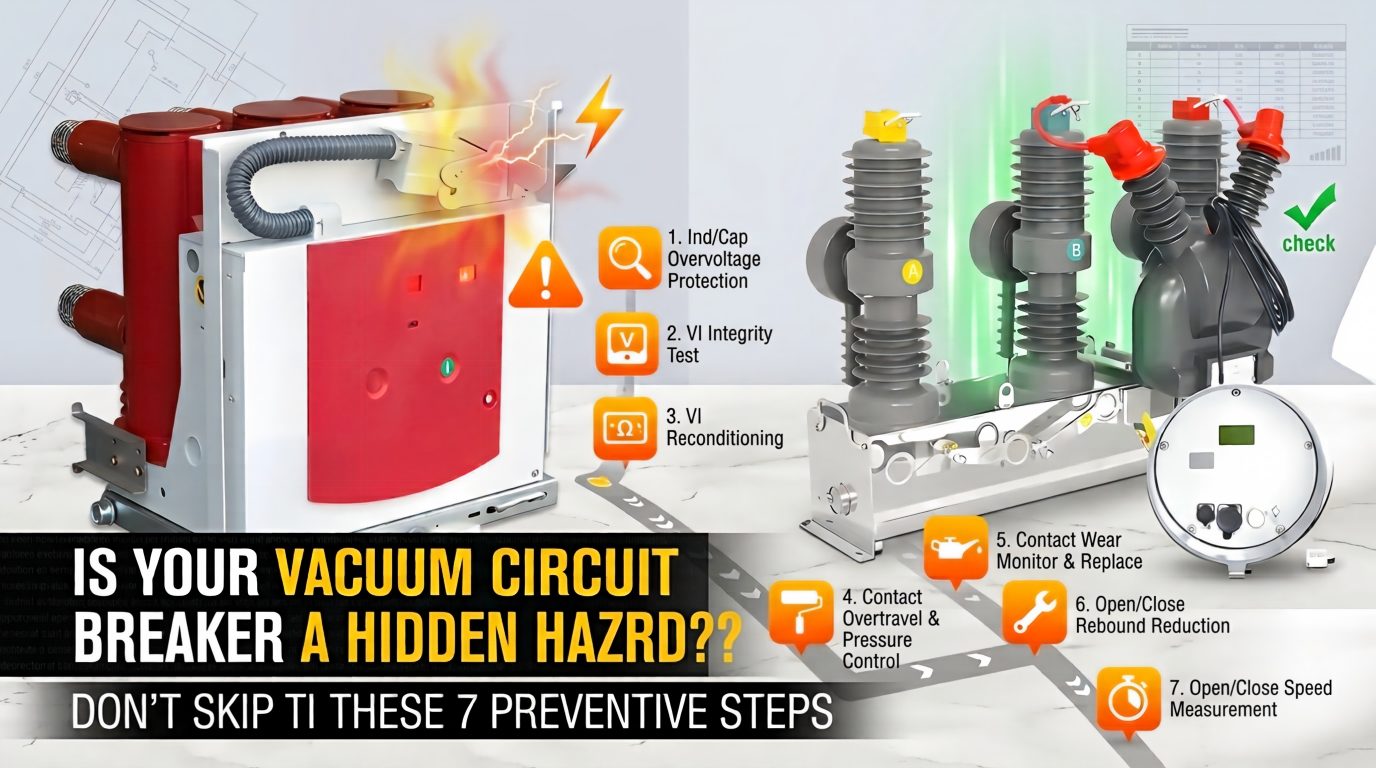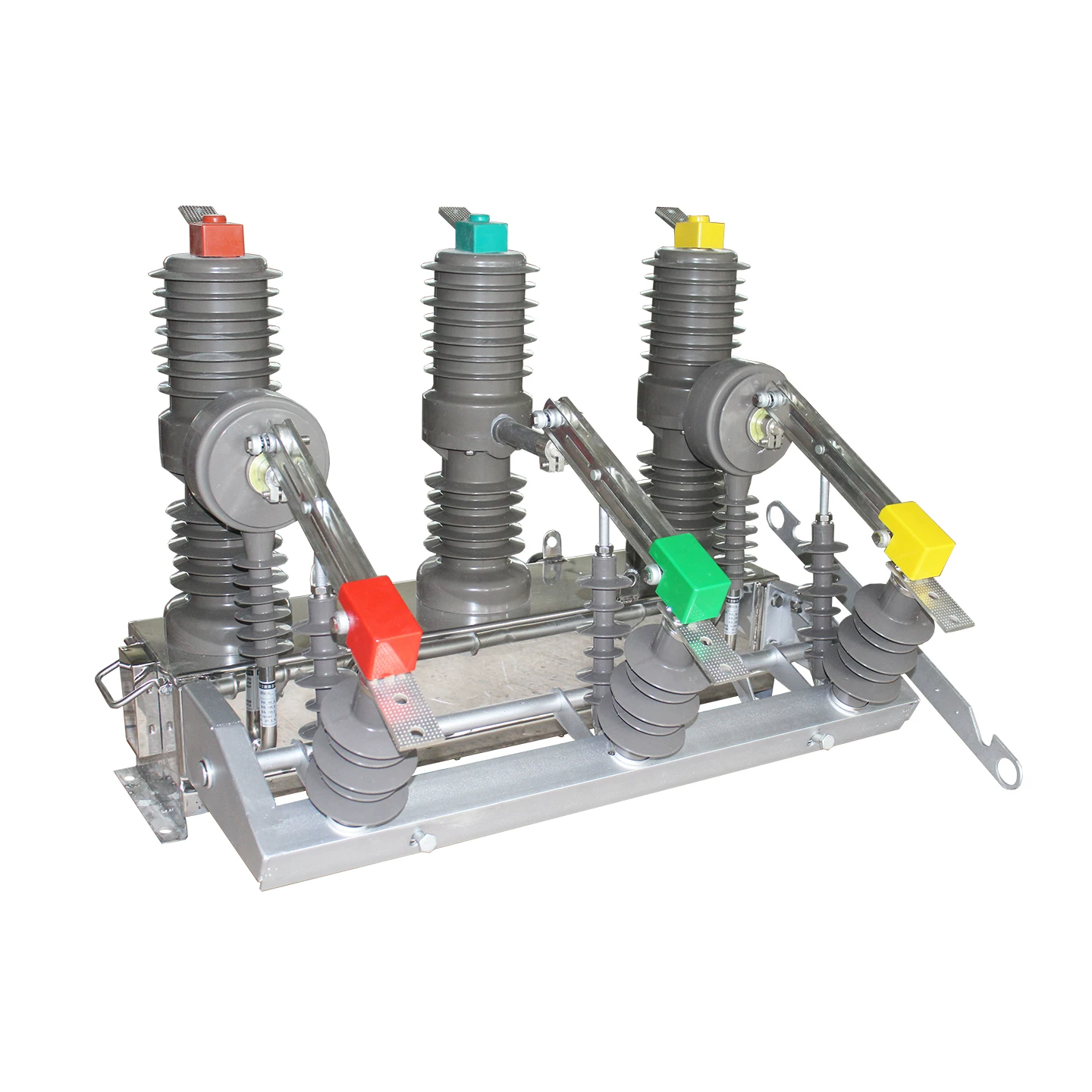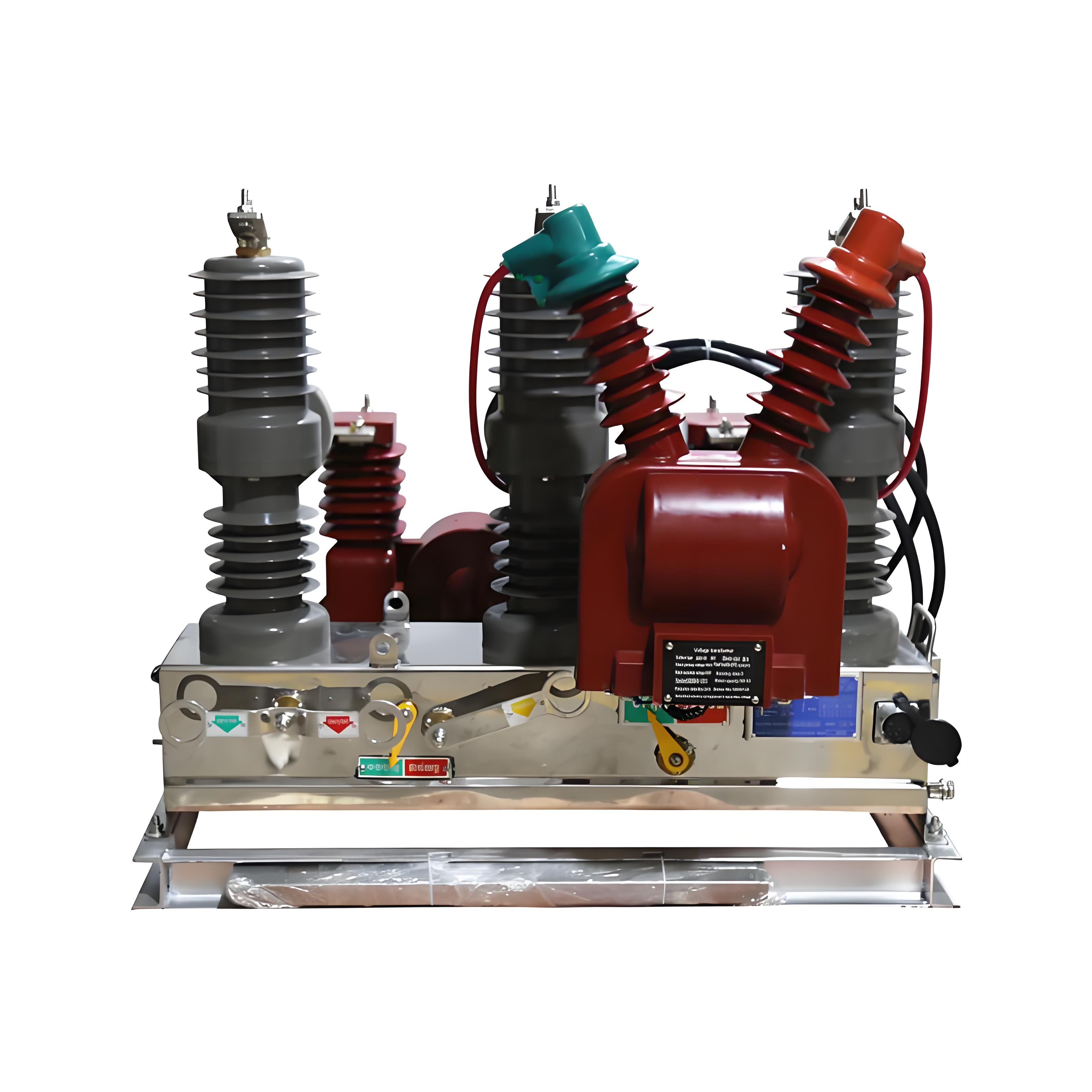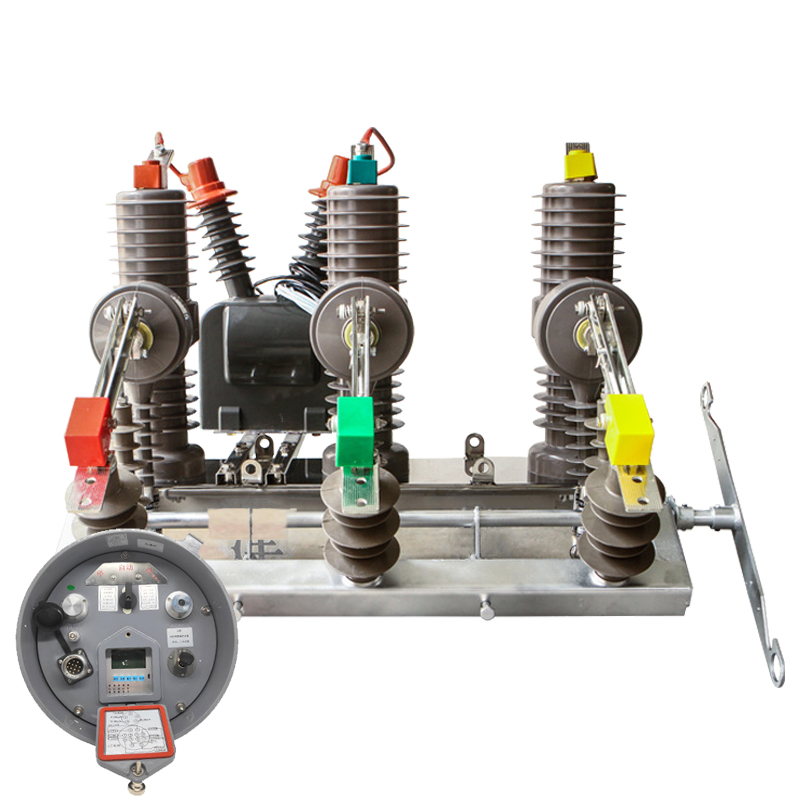
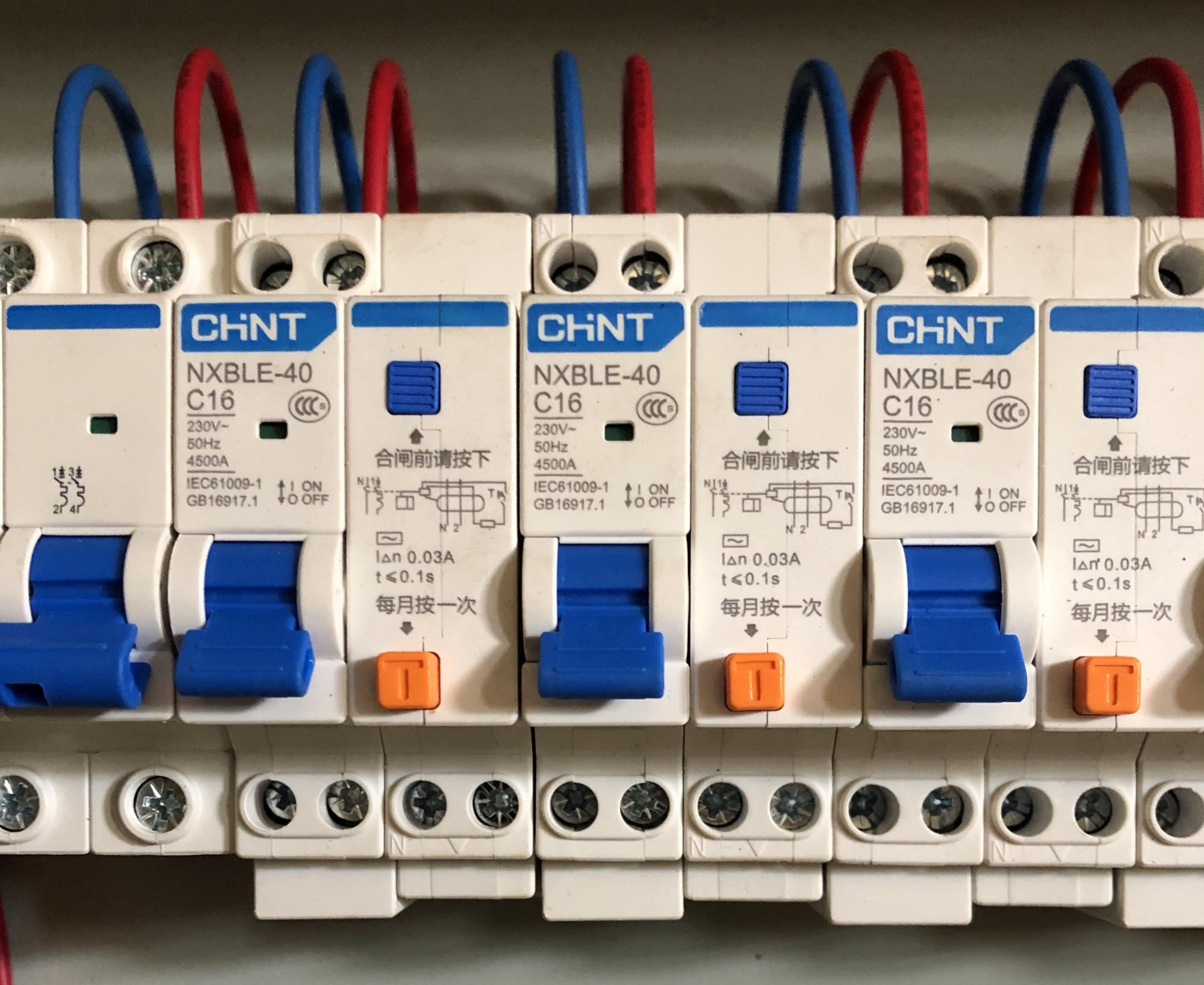
When choosing the right circuit breaker for a medium-voltage system, one common question comes up: Vacuum Circuit Breaker vs Air Circuit Breaker—Which is better? In this article, I’ll break down the technical, operational, and economic differences between the two, so you can confidently make an informed decision.
As an engineer at Wei Shoe Elec, I’ve worked with countless switchgear systems across industrial and utility networks. I often get this question from clients, especially those upgrading legacy equipment or designing new substations. Let’s walk through this together and uncover which breaker suits your needs best.
Vacuum Circuit Breaker (VCB) and Air Circuit Breaker (ACB) both perform the same basic function: interrupting current flow to protect electrical systems during faults. But the way they extinguish arcs is fundamentally different.
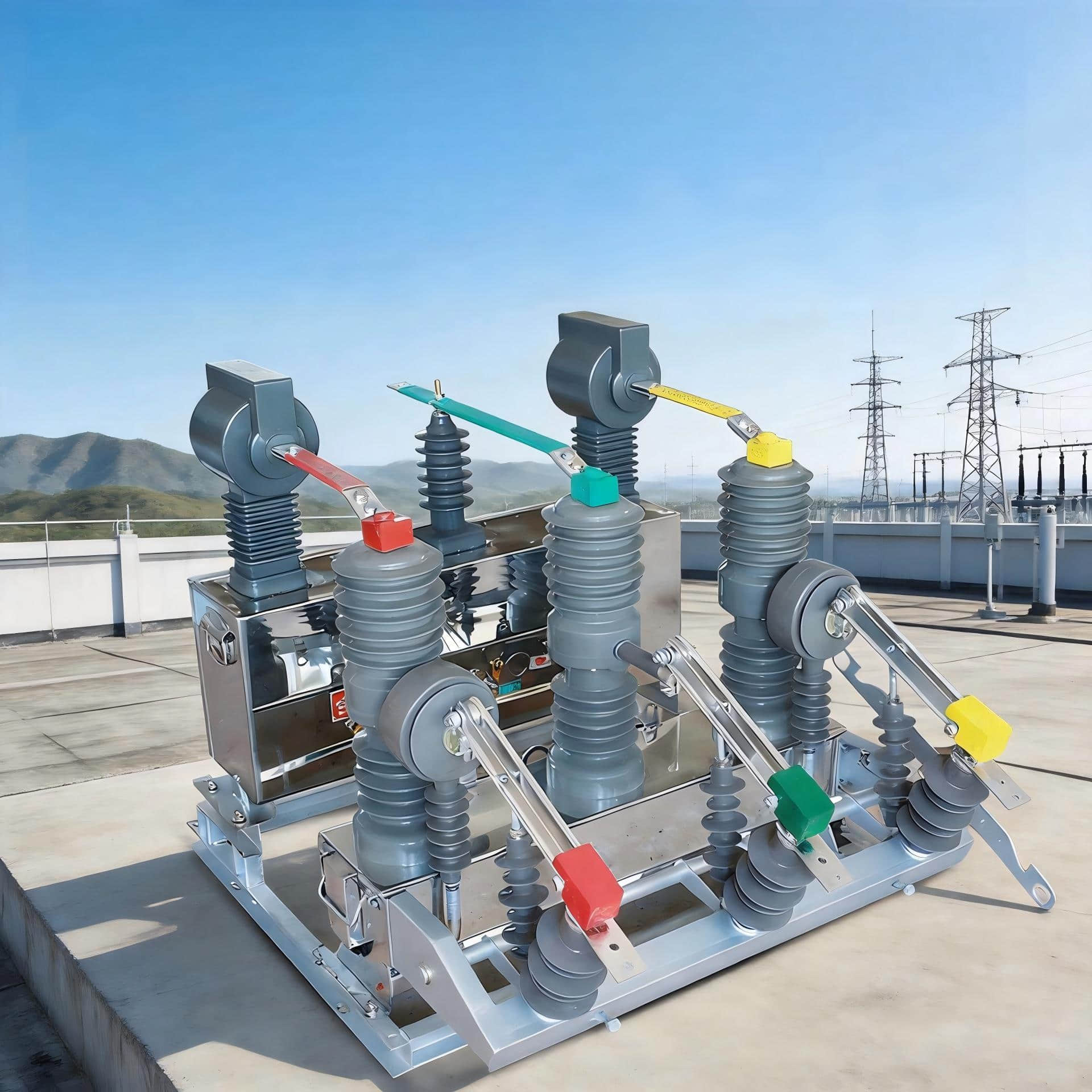
VCB interrupts current using vacuum as the arc-quenching medium. When contacts separate, the arc is formed in a vacuum chamber. With no air or gas to sustain the arc, it is extinguished almost immediately.
ACB, on the other hand, uses air (at atmospheric pressure) to quench the arc. Arc chutes and blow-out coils direct and cool the arc to break it efficiently.
👉 Key takeaway: VCBs offer faster arc extinction and are better suited for medium-voltage systems where arc control is critical.
Applications: Where Each Breaker Excels
Let’s take a closer look at where these two types are commonly used.
✅ VCB Applications:
Medium-voltage industrial networks (3.3kV to 36kV)
Substations in utilities and power plants
Heavy-duty operations where reliability is vital

✅ ACB Applications:
Low to medium-voltage distribution (below 1kV)
Commercial and residential buildings
Backup protection for generators or transformers
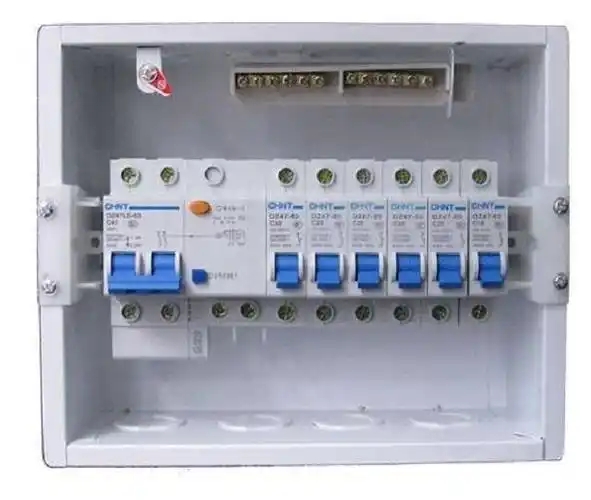
VCBs dominate in medium-voltage installations due to their compact size and higher interrupting capacity. ACBs are still favored in low-voltage environments due to their simplicity and affordability.
Performance Comparison at a Glance
Feature | Vacuum Circuit Breaker | Air Circuit Breaker |
Arc Quenching Medium | Vacuum | Air |
Voltage Range | 3.3kV–36kV | Up to 1kV |
Speed of Operation | Very fast (2–5 cycles) | Moderate (8–12 cycles) |
Interrupting Capacity | High | Moderate |
Size and Weight | Compact | Larger, bulkier |
Maintenance | Low | Moderate to high |
Lifespan | Up to 30 years | 10–15 years |
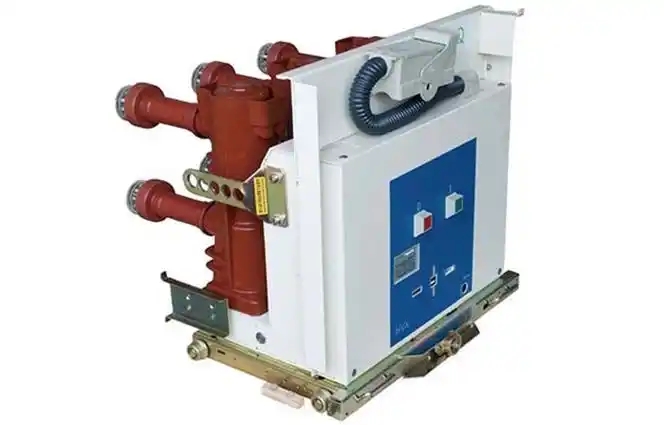
Fault Handling: Which One Is More Reliable?
This is a big concern for most engineers and procurement teams: How well does the breaker handle real-life faults?
VCBs excel under short-circuit conditions. The vacuum chamber prevents oxidation, ensures quick interruption, and minimizes damage.
ACBs can handle overloads but struggle under severe arc conditions, especially if not maintained properly.
Real Case: A power plant in Texas replaced all 11kV air breakers with vacuum ones after repeated arc faults led to downtime and equipment degradation. After replacement, their average fault-clearing time dropped by 35%, and annual maintenance was cut by half.
(Source: IEEE Industry Applications Magazine, Vol. 28, No. 3)
Maintenance and Cost Considerations
While ACBs are cheaper upfront, they require more frequent maintenance. Dust, oxidation, and mechanical wear affect performance over time.
VCB Maintenance: Minimal. No oxidation inside a vacuum. Typically 10,000+ operations before inspection.
ACB Maintenance: Regular cleaning, lubrication, and contact checks are required every few thousand operations.
🧠 Think of it like this: VCBs are like sealed, self-lubricating engines. ACBs are more like older cars—you need to check the oil and filters often.
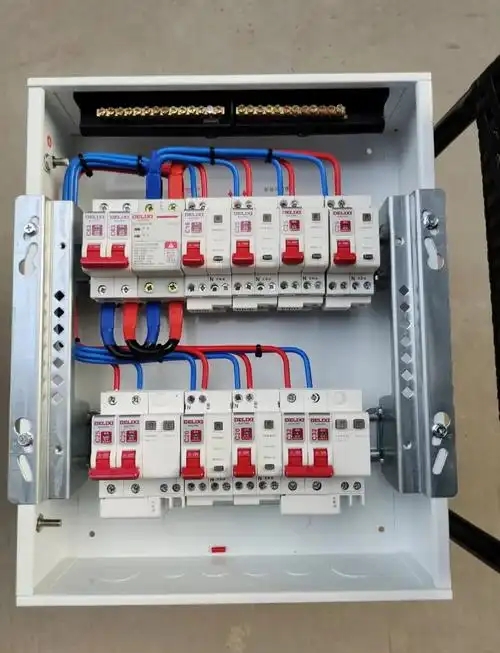
Environmental Conditions Matter
Some environments simply aren’t suited for ACBs.
VCBs perform well in humid, dusty, and corrosive settings due to their sealed design.
ACBs may suffer in such environments without extra protection and ventilation.
So if you’re working in a coastal area or a heavy manufacturing facility, VCBs offer greater durability.
Lifespan and Long-Term Value
Although ACBs may seem budget-friendly upfront, VCBs offer superior long-term value.
Lifespan of VCB: 20–30 years with minimal wear
Lifespan of ACB: 10–15 years, more prone to degradation
In industries where downtime is expensive, VCBs pay for themselves through reduced failures and maintenance needs.
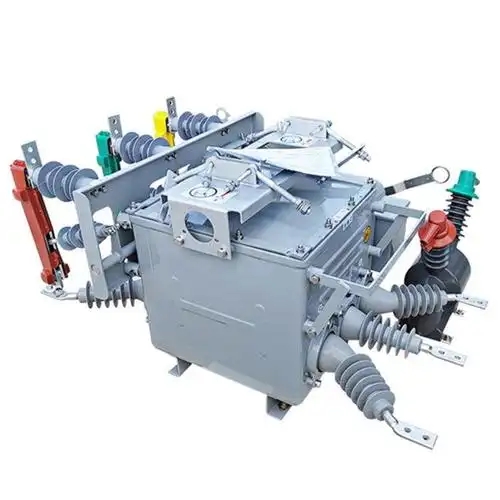
Safety Comparison
VCBs are inherently safer for operators.
No arc flash exposure due to the enclosed vacuum chamber
Less noise and vibration during operation
Lower thermal stress on the surrounding equipment
ACBs, by contrast, can produce high levels of arc energy, making operator protection equipment (PPE) a must.
Choosing the Right Breaker: Key Decision Factors
Before choosing, ask yourself:
1. What’s the system voltage?
→ If above 1kV, go with VCB.
2. How critical is reliability?
→ VCBs are better for mission-critical operations.
3. Do you need compact equipment?
→ VCBs take up less space and are lighter.
4. Are you in a harsh environment?
→ VCBs handle it better.
Final Thoughts from Wei Shoe Elec
At Wei Shoe Elec, we help clients navigate these choices every day. If you’re planning a substation upgrade, a switchgear retrofit, or a new installation, understanding the differences between VCB and ACB is essential.
I recommend VCBs for most medium-voltage applications. They’re safer, faster, and more reliable—exactly what you want in a mission-critical system.
If you’re unsure about your specific situation, don’t guess. Contact us today, and we’ll help you pick the right solution for your environment and budget.

Frequently Asked Questions (FAQ)
Q1: What is the main difference between a vacuum circuit breaker and an air circuit breaker?
A1: The main difference is the arc quenching medium—VCBs use vacuum while ACBs use air. This impacts speed, reliability, and voltage rating.
Q2: Which breaker has a longer service life?
A2: Vacuum circuit breakers usually last longer—up to 30 years compared to 10–15 years for air circuit breakers.
Q3: Are VCBs more expensive than ACBs?
A3: Yes, initially. But their lower maintenance and longer life often make them more cost-effective in the long run.
Q4: Can I replace an ACB with a VCB?
A4: Yes, but it requires evaluating system voltage, available space, and control wiring. Many companies upgrade to VCBs during switchgear retrofits.
Q5: Which is safer for the operator?
A5: VCBs are safer due to their sealed design and reduced arc exposure.
Need help choosing the right breaker?
👉 Visit weishoelec.com or contact our engineering team for technical guidance and pricing.