Why This Comparison Matters?
Circuit breakers are essential components in modern electrical systems. They prevent damage, fires, and power interruptions by automatically cutting off current during overloads or faults. But not all circuit breakers are the same.
AC and DC circuit breakers serve the same purpose, but they work differently, have different designs, and are used in different settings.
Knowing the key differences between AC and DC breakers is important for anyone in electrical work. Choosing the wrong type can lead to unsafe operations, equipment failure, or serious accidents. This article outlines 9 fundamental differences between these two types of breakers to help you make informed, safer decisions.
The Working Principle Is Not the Same
AC and DC circuit breakers interrupt current flow in very different ways.
An AC circuit breaker relies on the alternating nature. When current flows under normal conditions, the contacts remain closed. If a short circuit or overload occurs and the current exceeds a set threshold, the breaker trips. AC naturally passes through zero volts 50 or 60 times per second.
Zero-crossing points make it easier to break the current by helping extinguish the arc quickly and safely.
In contrast, DC flows in one constant direction without natural zero-crossing points. That means DC breakers must use more advanced arc-extinguishing technologies. These often include magnetic blowout coils, air gaps, or even electronic components to create artificial current zero points, making them more complex in design and operation.
They Serve Different Applications
AC and DC circuit breakers are used in completely different electrical environments.
AC breakers are the standard choice for residential, commercial, and industrial power systems. These systems use alternating current due to its easy transformation and long-distance transmission capabilities. For example, homes, office buildings, and manufacturing plants all rely on AC circuits protected by AC breakers.
DC breakers are more common in specialized systems. These include renewable energy setups like solar and wind farms, electric vehicle charging stations, battery banks, and data centers. DC power is more efficient for storage and some types of loads, which makes DC breakers essential in these applications.
Using the right type of breaker ensures system matching and safety.
Arc Suppression Methods Differ
Breaking the current always creates an arc between the contacts. Handling this arc is a major difference between AC and DC breakers.
AC breakers depend on the natural zero point in the AC waveform. As the current drops to zero, the arc weakens and extinguishes more easily. Many AC breakers also include simple air arc chambers to direct and cool the arc.
DC breakers don’t have that natural zero. So, they must force the arc to stop. This requires more robust methods, such as:
Blowout coils to move the arc away from the contacts
Multiple contact gaps to stretch and cool the arc
Magnetic arc chutes and ceramic chambers
Gas or vacuum chambers for high-speed arc quenching
As a result, DC breakers often appear bulkier or more complex than their AC counterparts.
Design Complexity Varies Significantly
The structural design of a circuit breaker reflects the current it’s meant to interrupt.
AC breakers generally use simpler mechanical designs. Manufacturers optimize their components for the periodic flow of current and design them to tolerate short-term overloads. They build them with a compact, cost-effective structure, which makes them widely used.
DC breakers, by contrast, require more robust insulation and greater spacing between contacts. Since the arc lasts longer in a DC system, the contacts wear out faster. This means DC breakers often include arc-resistant materials, improved heat dissipation features, and high-performance contact mechanisms.
Heat Management Requirements Are Different
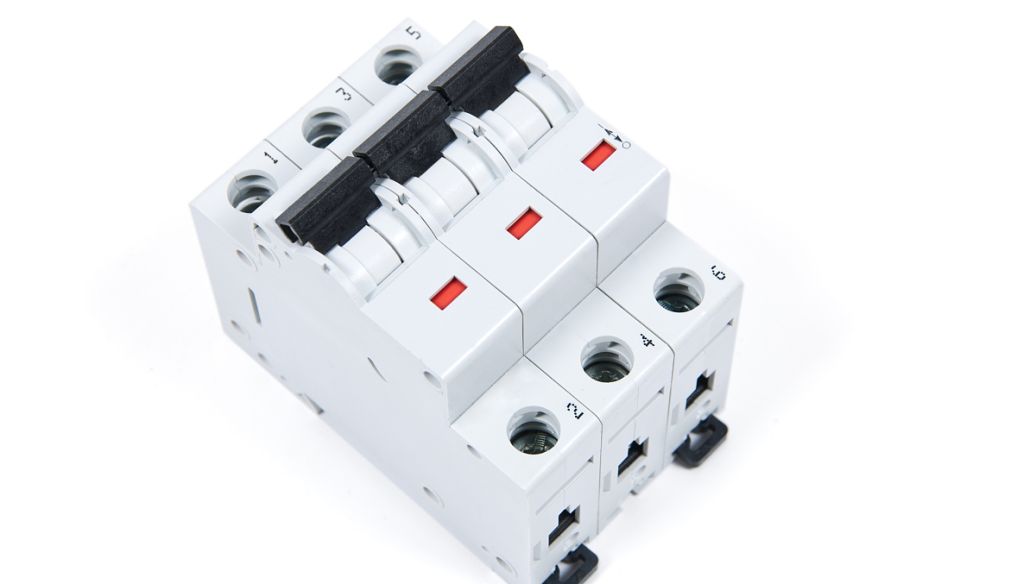
DC generates more heat over time due to its continuous flow. DC breakers must therefore include heat-resistant materials and stronger arc-diverting features.
This is especially true in HVDC or battery-powered systems, where constant heat can damage components and reduce performance.
AC breakers, on the other hand, deal with periodic current, so they usually face less thermal stress. Their cooling needs are simpler, and their lifespan can be longer in moderate-load environments.
Cost and Maintenance Considerations
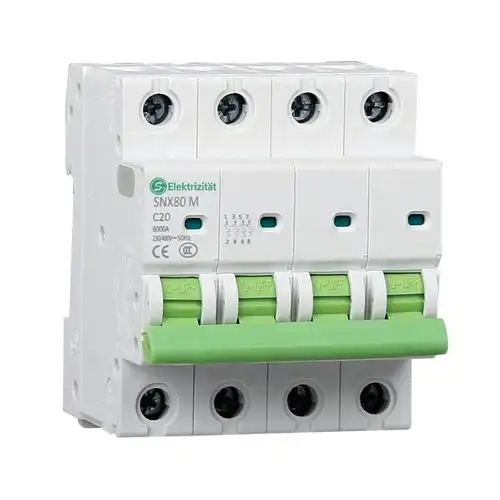
Because of their complexity, DC breakers are generally more expensive than AC breakers.
DC breakers often require specialized materials, advanced extinguishing chambers, and greater manufacturing precision. They may also need more frequent inspection and replacement of components like contacts and arc chutes.
AC breakers are more economical and easier to maintain. Manufacturers ensure easy access to parts and design many models to be modular or plug-and-play, especially for use in homes and businesses.
Safety Standards and Compliance
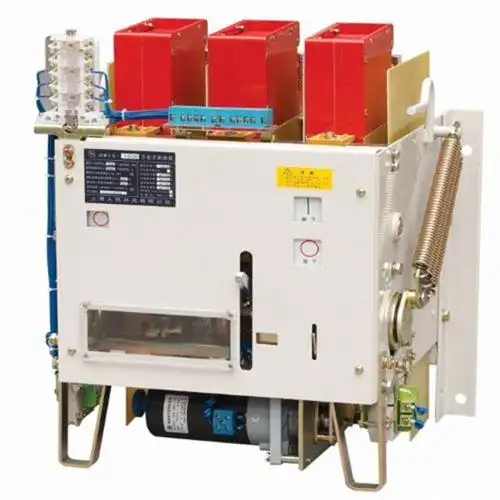
Both AC and DC breakers must meet strict safety regulations, but the testing procedures and standards differ.
For example:
AC breakers follow standards like IEC 60898 or UL 489
DC breakers may fall under IEC 60947-2 or UL 489B
These standards test for things like interruption capacity, contact endurance, temperature rise, and arc suppression under specific voltages and currents.
Choosing a breaker that meets the proper standard ensures safe, legal installation and operation.
Physical Size and Installation Differences
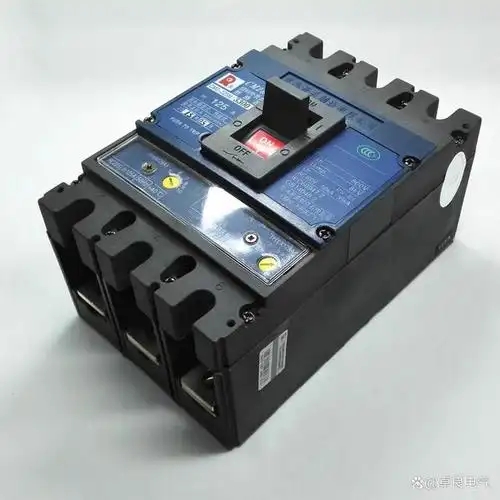
Due to their higher arc suppression needs and spacing requirements, DC breakers are often larger than equivalent AC breakers.
This impacts panel layout and enclosure design. For example, a panel designed for AC breakers may not support the depth or width required for DC devices. Additionally, DC breakers may need more ventilation or a specific mounting orientation.
If you're designing or retrofitting a system, it's important to plan for these physical and spatial constraints.
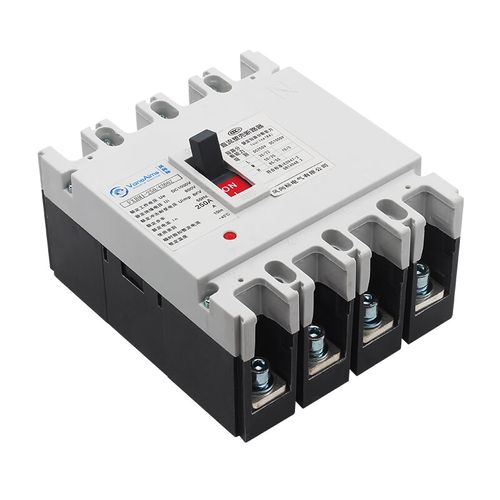
ability to swap: Don’t Assume working well together
Perhaps the most common mistake is assuming you can use AC and DC breakers used instead of each other. This is dangerous and incorrect.
An AC breaker used in a DC system may not interrupt current effectively. The arc may persist, potentially causing fire, contact welding, or equipment failure. Likewise, using a DC breaker in an AC system can lead to unnecessary cost and size waste.
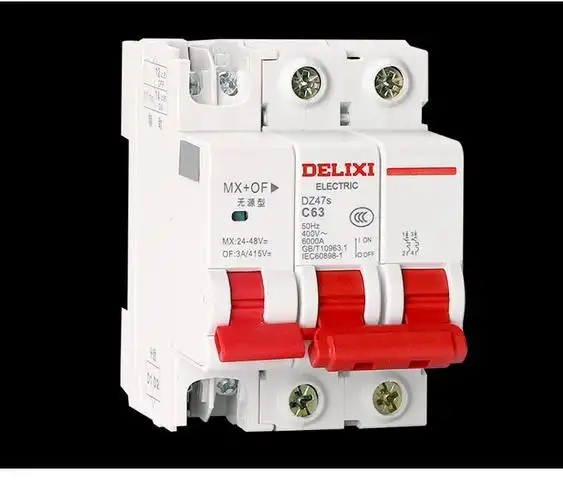
Always verify that the breaker is rated for the correct voltage and current type (AC or DC). This information should be marked on the device label and datasheet.
Final Thoughts
AC and DC circuit breakers may look similar on the surface, but their internal design, performance, and safety roles are very different. Understanding these differences—from arc suppression methods to their applications—is essential for anyone responsible for electrical system safety and performance.
Choosing the right breaker type protects your equipment, ensures compliance, and avoids costly failures.

Need Help Choosing the Right Breaker?
If you’re unsure which breaker is best for your application, or if you’re designing a power system that includes both AC and DC components, our team is here to help.
Wei Shoe ELEC provides a full range of certified AC and DC circuit breakers, along with expert guidance to match your technical and safety requirements.
👉 Contact us now for a quote or consultation. Let us help you build safer, smarter, and more reliable power systems.