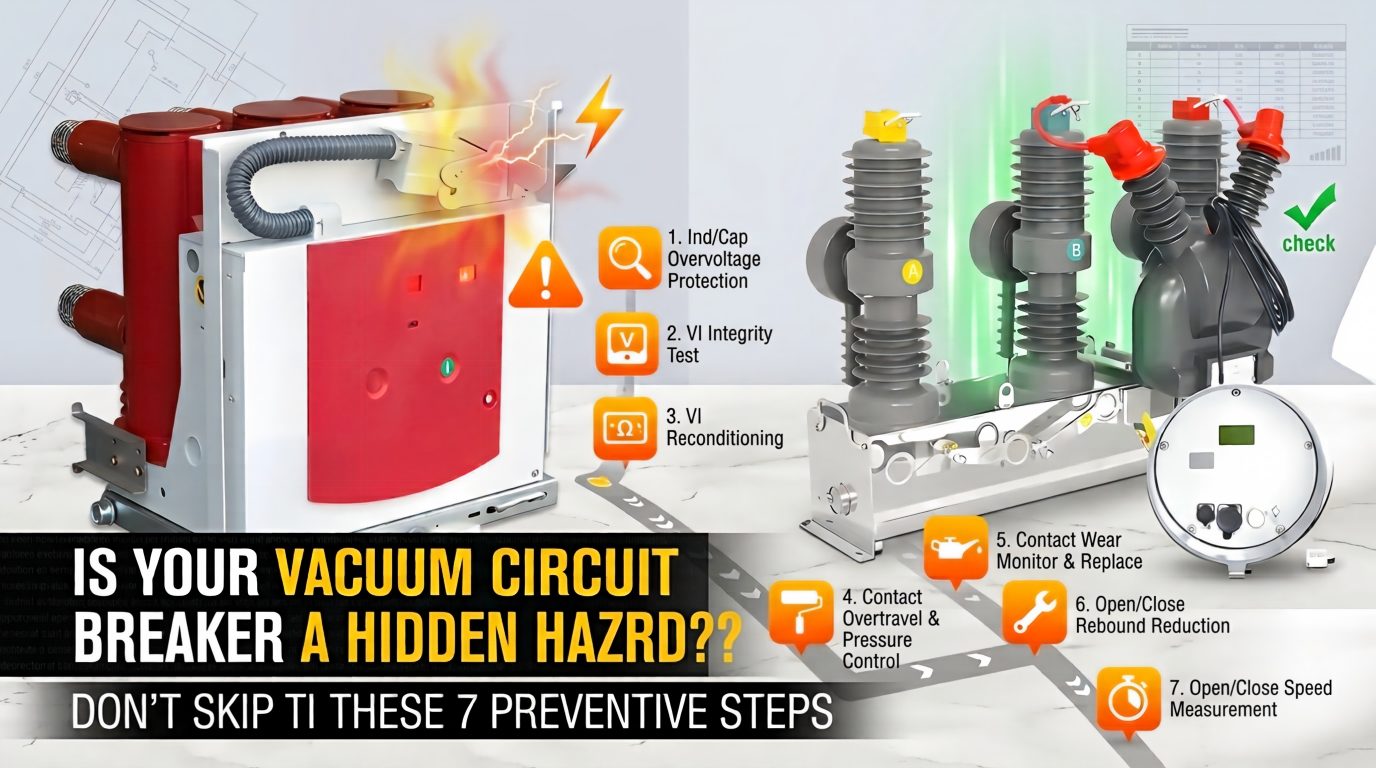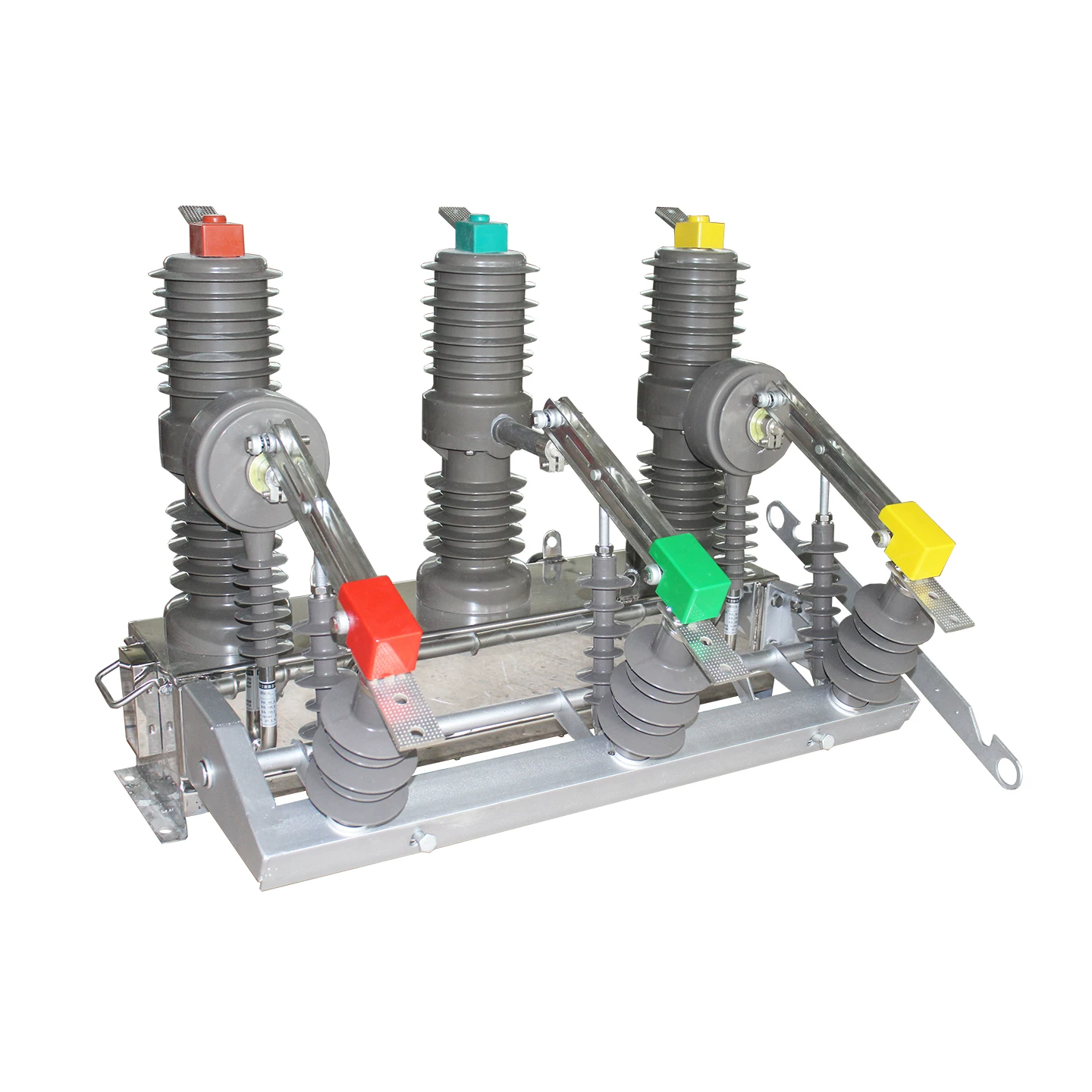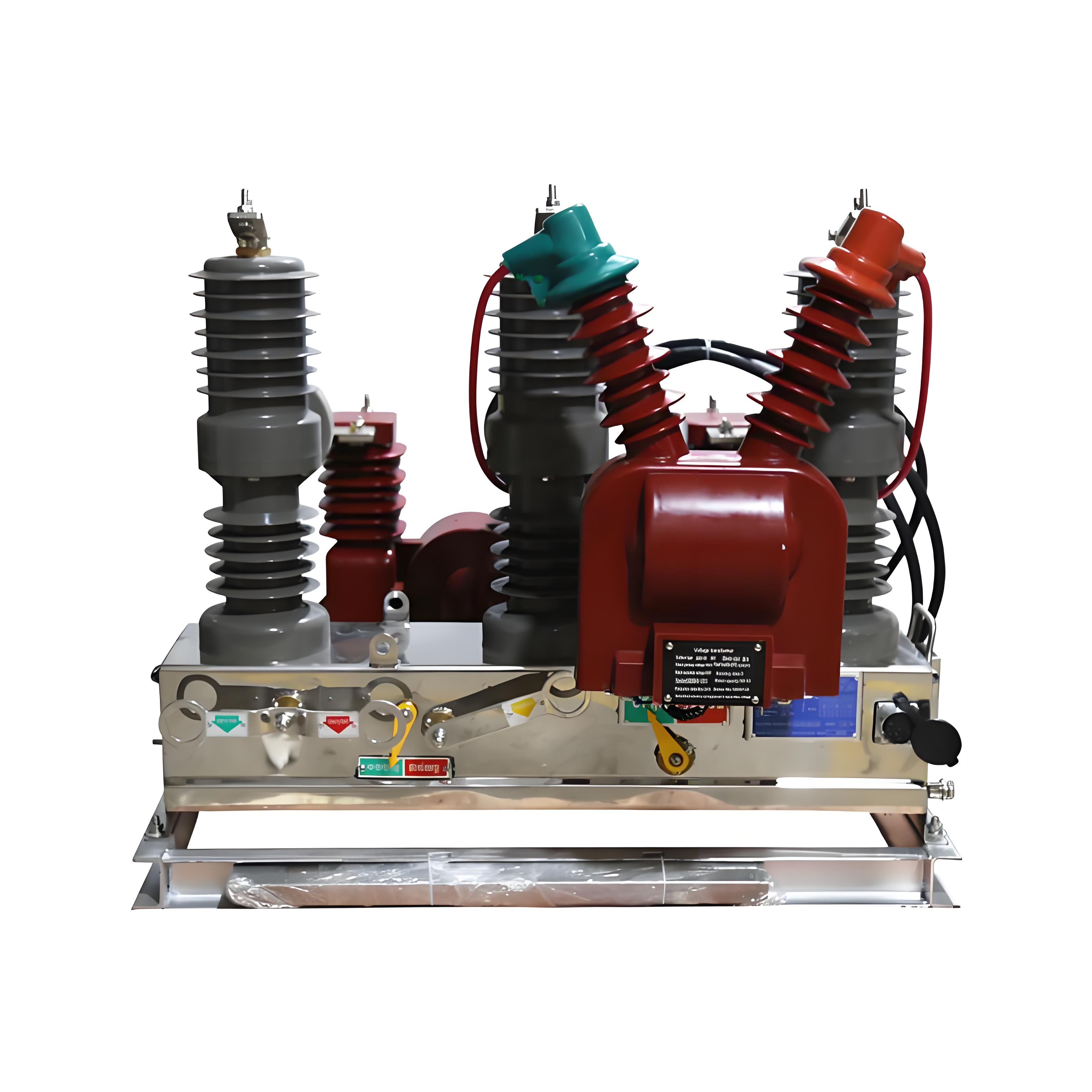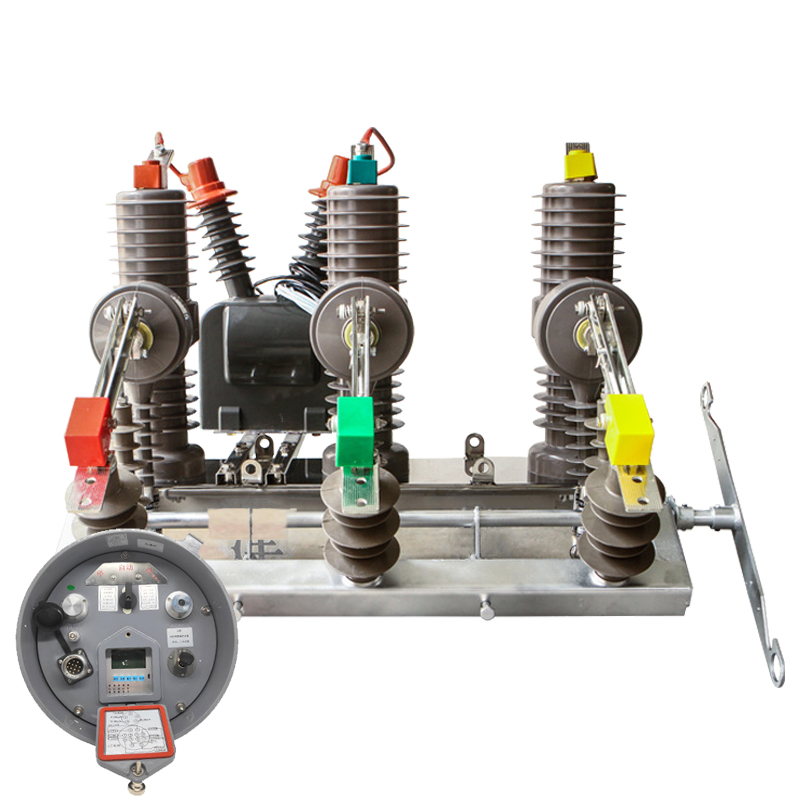
Abstract
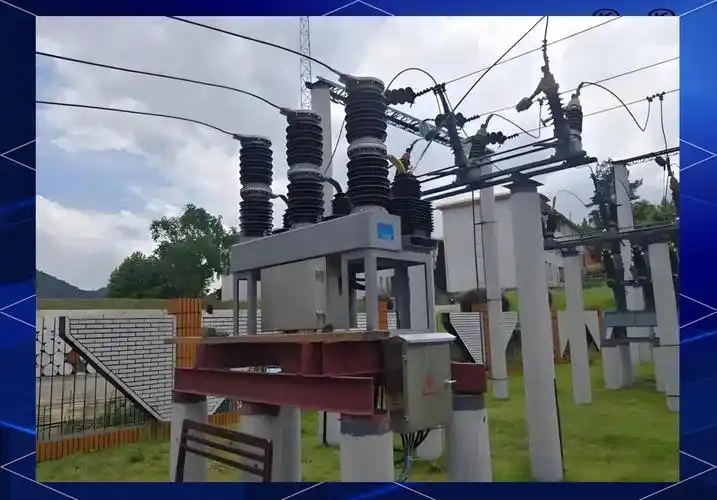
The selection of a high-voltage circuit breaker represents a foundational decision in the architecture of any robust electrical power system. This document provides a comprehensive framework for engineers, project managers, and procurement specialists to navigate the complex process of specifying and acquiring these vital protective devices. This guide is based on an examination of seven distinct yet interrelated criteria. The analysis begins with fundamental parameters such as voltage and current ratings, proceeds to the demanding requirements of interrupting capacity, and then explores the nuances of different operating mechanisms and arc-quenching technologies. Economic considerations are addressed through a total cost of ownership model, while the complex landscape of regulatory compliance with ANSI and IEC standards is demystified. The guide also considers the long-term operational aspects of monitoring, control, and maintenance. Ultimately, it highlights the importance of a strategic partnership with a knowledgeable MV electrical switchgear supplier, whose expertise can ensure optimal system safety, reliability, and performance.
Key Takeaways
Verify that the breaker's voltage and current ratings precisely match your system's operational demands.
Select interrupting capacity based on calculated worst-case short-circuit fault current scenarios.
Evaluate the total cost of ownership over the asset's lifecycle, not merely the initial purchase price.
Consider modern, environmentally friendly alternatives to traditional SF6 gas for new installations.
Ensure your chosen high-voltage circuit breaker complies with all governing safety and performance standards.
Assess the long-term maintenance requirements and supplier support to guarantee operational longevity.
Partner with an experienced MV electrical switchgear supplier for tailored engineering and support.
Table of Contents
The Foundational Bedrock: Aligning Voltage and Current Ratings
The Heart of the Machine: Scrutinizing the Operating Mechanism and Interrupter
The Sentinel's Watch: Assessing Monitoring, Control, and Maintenance Needs
The Trusted Advisor: Partnering with a Knowledgeable MV Electrical Switchgear Supplier
The Foundational Bedrock: Aligning Voltage and Current Ratings
The journey of selecting a high voltage circuit breaker begins not with complex calculations or esoteric technologies, but with the most fundamental parameters of the electrical system it is destined to protect: voltage and current. To misjudge these characteristics is akin to building a fortress on a foundation of sand. The entire structure of protection, reliability, and safety rests upon the correct alignment of the breaker's capabilities with the system's steady-state demands. It is a process that requires precision, foresight, and a deep understanding of the language of electrical engineering. One cannot simply match numbers on a datasheet; one must comprehend the meaning behind those numbers and the consequences of deviation. Let us think of the electrical system as a circulatory system. The voltage is the pressure, and the current is the flow. The circuit breaker is a specialized valve that must not only handle the normal, healthy state but also react flawlessly under immense stress.
Understanding Nominal System Voltage vs. Maximum Design Voltage
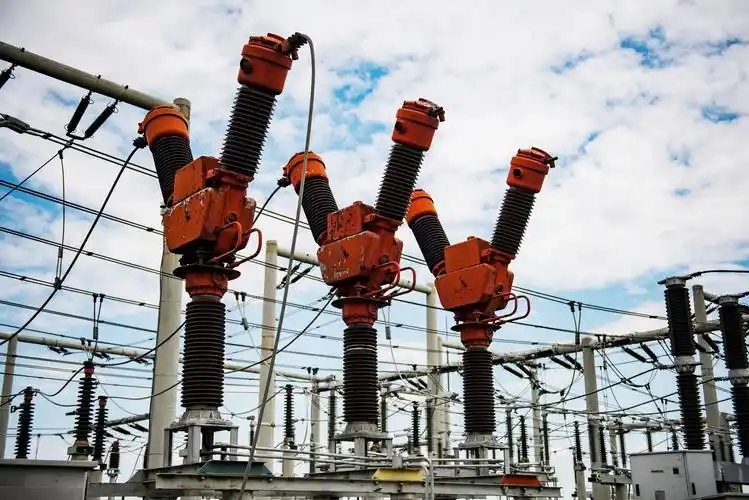
At first glance, specifying the voltage rating might seem straightforward. If a system operates at 138 kilovolts (kV), surely a 138 kV breaker is the correct choice. This is a common point of confusion, and the distinction is a profound one. We must differentiate between the nominal system voltage and the rated maximum design voltage of the circuit breaker. The nominal voltage is the nameplate value, the everyday operating level of the system. In our example, this is 138 kV. However, electrical systems are not static. They experience fluctuations, swells, and transient conditions that can cause the voltage to rise, sometimes significantly, above the nominal level. A circuit breaker must be able to withstand these temporary overvoltages without suffering damage to its insulation or compromising its ability to operate.
For this reason, standards bodies like the American National Standards Institute (ANSI) and the International Electrotechnical Commission (IEC) define standardized "rated maximum design voltage" levels for circuit breakers. These ratings are intentionally set higher than the nominal system voltages they are designed for. For a 138 kV nominal system, a typical ANSI-rated breaker would have a maximum design voltage of 145 kV. This built-in margin provides the necessary resilience. Selecting a breaker based only on the nominal voltage would leave the system vulnerable. It would be like designing a dam to hold water exactly at the river's average height, ignoring the possibility of a flood. The first significant voltage swell could lead to an insulation failure, a catastrophic event that the breaker itself is meant to prevent. The process, therefore, involves identifying the system's nominal voltage and then selecting a breaker from a reputable MV electrical switchgear supplier whose rated maximum design voltage corresponds to that nominal level according to established standards.
Continuous Current Rating: The Artery of Your System
If voltage is the pressure, continuous current is the lifeblood flowing through the system's arteries. The continuous current rating of a high voltage circuit breaker defines the maximum amount of current (measured in amperes, A) that it can carry indefinitely without exceeding its specified temperature limits. This is not about fault conditions; this is about the normal, day-to-day work of the electrical grid. The primary conductors, contacts, and terminals within the breaker are all designed with a certain thermal capacity. Exceeding the continuous current rating leads to overheating. Overheating, in turn, degrades insulation, accelerates the aging of components, increases electrical resistance (which creates a feedback loop of even more heat), and can ultimately lead to a premature and potentially disastrous failure.
Selecting the correct continuous current rating requires a thorough analysis of the load the circuit will serve. One must consider not just the present load but also any planned future growth. A common practice is to select a breaker with a continuous current rating that is at least 125% of the maximum expected continuous load current. This provides a healthy margin for operational flexibility and accommodates future expansion without requiring a costly replacement of the breaker. Standard ratings are typically 1200 A, 2000 A, and 3000 A, with higher values available for special applications. Imagine you are selecting a pipe for a city's main water supply. You would not choose a pipe that can only handle today's demand. You would anticipate population growth, future developments, and peak usage times, selecting a wider pipe that provides capacity for decades to come. The same logic applies directly to the continuous current rating of a high-voltage circuit breaker. It is an investment in the system's future capacity and long-term health.
The Implications of Mismatched Ratings: A Cautionary Tale
What happens when these foundational ratings are mismatched? The consequences range from the inconvenient to the catastrophic. A breaker with an insufficient voltage rating is a ticking time bomb. A transient overvoltage, perhaps from a distant lightning strike or a switching operation elsewhere on the grid, could cause its insulation to flash over. This internal fault would not only destroy the breaker but could also propagate, damaging adjacent equipment like transformers or reactors and causing a widespread outage. The device, intended to be the protector, becomes the source of a major failure.
Conversely, a breaker with an insufficient continuous current rating will suffer a slower, more insidious death. Under normal operation, it will consistently run hot. Its internal components will anneal and weaken, contact surfaces will oxidize and pit, and insulating materials will become brittle. Its operating life will be drastically shortened. More dangerously, its ability to perform its primary function—interrupting a fault—may be compromised. The increased resistance from heat damage can alter the dynamics of an arc interruption, potentially leading to a failure to clear a fault. This is a silent failure mode that may only become apparent when the breaker is needed most. It highlights that the selection process is not a mere box-ticking exercise. It is a profound responsibility, demanding a holistic understanding of the electrical environment and the physical limitations of the protective equipment.
The Guardian's Shield: Determining Interrupting Capacity
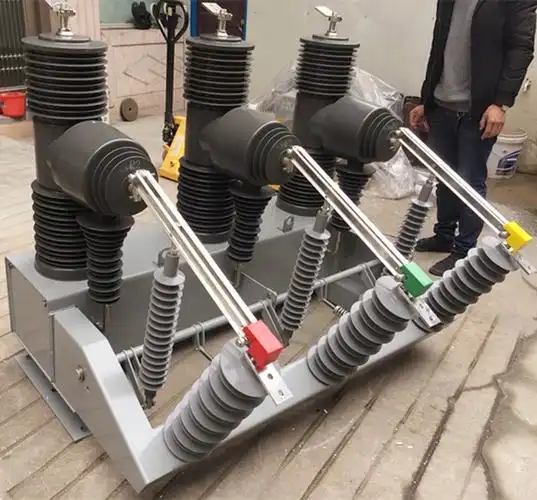
Having established the breaker's ability to withstand normal service, we now turn to its paramount duty: its function as a guardian during abnormal conditions. A high voltage circuit breaker spends the vast majority of its life as a passive conductor, a silent sentinel. Its true test, the moment for which it is engineered, comes during a short circuit or fault. In these moments, the current can surge to tens of thousands of amperes in a fraction of a second. The breaker's ability to safely interrupt this immense flow of energy is its single most defining characteristic. This capability is known as the interrupting capacity, or short-circuit rating. Selecting a breaker with an inadequate interrupting capacity is not just a technical error; it is an invitation to disaster. It is like sending a single police officer to quell a riot of thousands—the outcome is predetermined and violent.
What is Fault Current, and Why Does It Matter?
Before we can specify an interrupting capacity, we must first understand the nature of the beast it is meant to tame: fault current. A fault, or short circuit, occurs when an unintended low-impedance path is created between conductors or between a conductor and ground. This could be caused by a falling tree branch, an animal intrusion, equipment failure, or a lightning strike. According to Ohm's law, when impedance (resistance) drops precipitously, the current rises to an enormous level, limited only by the total impedance of the power system from the generators all the way to the point of the fault. This massive surge of energy, the prospective fault current, unleashes two primary destructive forces. First, the extreme heat (proportional to the square of the current) can melt conductors, vaporize metal, and ignite fires. Second, the powerful magnetic forces (also proportional to the square of thecurrent) can physically bend and break busbars, insulators, and equipment supports. The role of the high voltage circuit breaker is to open the circuit and extinguish the electrical arc formed by this current, doing so quickly enough to prevent this thermal and mechanical destruction from causing widespread damage. The interrupting capacity, typically rated in kiloamperes (kA), must be higher than the maximum possible fault current the system can deliver at the breaker's location.
Symmetrical vs. Asymmetrical Interrupting Current
The concept of fault current is complicated by the alternating current (AC) nature of our power systems. The fault current is not a simple, steady value. It has two components: a symmetrical AC component and a transient DC component. The symmetrical component is a pure sine wave, centered around the zero-ampere axis. The DC component is a temporary, decaying offset that depends on the exact moment in the AC voltage cycle when the fault occurs. When this DC offset is present, it shifts the entire current waveform, resulting in an asymmetrical current where the peaks in one direction are much higher than the peaks in the other.
Why does this matter for a circuit breaker? Because the breaker's contacts must physically withstand the peak magnetic forces, and its interrupter must manage the energy associated with the entire asymmetrical waveform. Therefore, circuit breaker standards address both. The symmetrical interrupting rating is the root-mean-square (RMS) value of the AC component of the fault current. The asymmetrical interrupting rating accounts for the presence of the DC component and is consequently a higher value. Modern standards, particularly in the ANSI world, have simplified this by defining a single rated short-circuit current (kA) and specifying a standard "X/R ratio" (a measure of the system's inductance to resistance), which dictates the expected degree of asymmetry the breaker must handle. The key takeaway for the specifier is that the fault current calculation must account for the worst-case scenario, which includes the DC offset, to ensure the selected breaker is truly capable of handling the maximum possible stress.
Calculating Prospective Fault Current: A Step-by-Step Approach
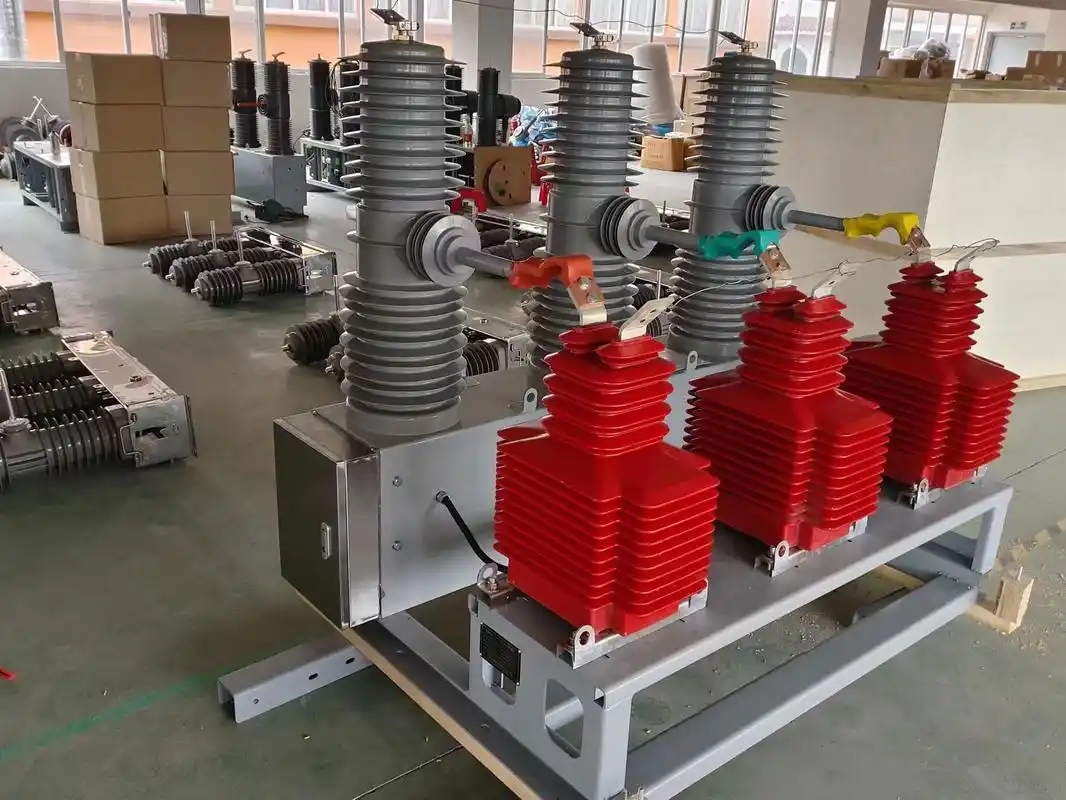
Determining the prospective fault current at a specific point in a network is a fundamental task in power system engineering. It is not a guess; it is a calculation based on the physical characteristics of the grid.
1. Gather System Data: The first step is to create a model of the power system. This requires gathering data on all sources of fault current, primarily generators and the utility connection (the "grid"). You need their MVA (megavolt-ampere) ratings and their impedance values (typically expressed as a percentage or "per-unit" value). You also need data for all the elements between the sources and the breaker location: transformers (MVA and impedance), transmission lines and cables (length, conductor type, and spacing to determine impedance), and reactors.
2. Create a One-Line Diagram: This data is used to draw a simplified schematic of the network, called a one-line diagram. This diagram shows how all the generators, transformers, lines, and loads are interconnected.
3. Establish a Common Base: To perform calculations, all the different impedance values (which are based on their own equipment ratings) must be converted to a common "per-unit" base. This is analogous to converting different currencies to a single currency (like the US dollar) before adding them up. A system-wide base MVA is chosen, and all impedances are mathematically scaled to this base.
4. Calculate Total Impedance: With all impedances on a common base, you can now calculate the total equivalent impedance from the sources to the point of the fault. This involves combining impedances in series and parallel, much like you would with resistors in a simple DC circuit, but using complex number arithmetic to account for both resistance (R) and reactance (X).
5. Calculate Fault Current: Once the total per-unit impedance (Zpu) is known, the symmetrical fault current is astonishingly simple to calculate. The base current (Ibase) is first determined from the base MVA and system voltage. The fault current (Ifault) is then simply Ibase divided by Z_pu.
This calculation provides the symmetrical RMS value. Specialized power system analysis software (like ETAP, SKM PowerTools, or PSS/E) is almost always used for this process in real-world scenarios, as it can accurately model the network and calculate the worst-case asymmetrical currents based on the system's X/R ratio. The output of this study is the number, in kA, that the selected high voltage circuit breaker must be rated to interrupt.
The Dangers of Under-specifying Interrupting Capacity
The consequences of a circuit breaker failing to interrupt a fault current are among the most spectacular and dangerous failures in the electrical industry. If the breaker's interrupting capacity is lower than the available fault current, one of two things will happen. In the "best-case" scenario, the breaker attempts to open, but the energy of the electrical arc is simply too great for its interrupting chamber to extinguish. The arc re-establishes, and the fault continues to be fed, leading to the eventual thermal destruction of the breaker and significant damage to surrounding equipment until an upstream device finally operates.
In the worst-case scenario, the failure is mechanical and instantaneous. The immense magnetic forces generated by the fault current exceed the breaker's mechanical strength, known as its "close and latch" or "making" rating. The breaker literally explodes. The terminal housing can shatter, spewing hot, ionized gas and molten metal—an event known as an arc flash. This is not just an equipment failure; it is an industrial explosion that poses a lethal threat to any personnel in the vicinity and can destroy an entire substation. There is no room for error or optimistic estimation. The interrupting capacity must be chosen based on a rigorous, conservative fault study. It is the unbreakable shield that protects the entire system.
The Heart of the Machine: Scrutinizing the Operating Mechanism and Interrupter
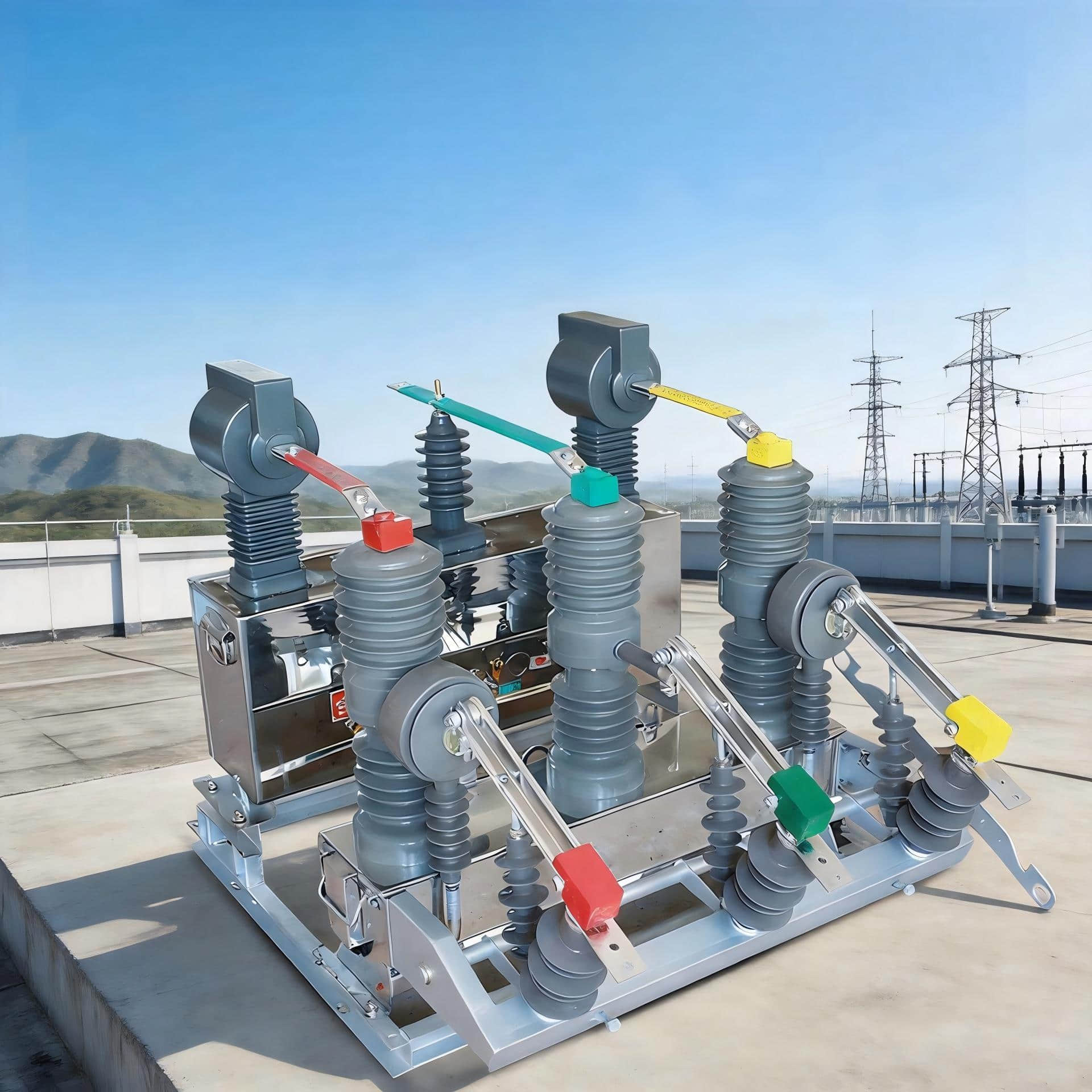
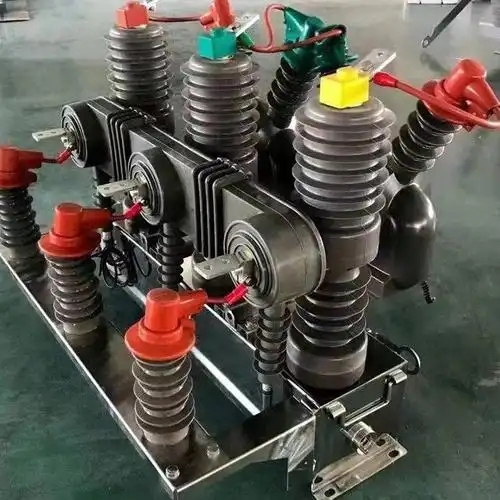
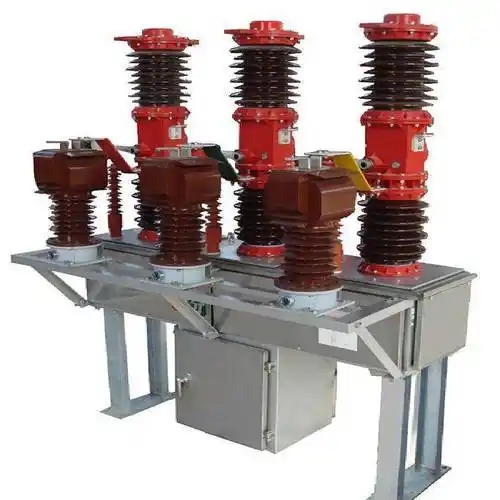
We have defined the electrical boundaries within which the breaker must live and the immense forces it must conquer. Now we must look inside the machine itself, to its very heart: the interrupter that quenches the arc and the operating mechanism that drives it. To the uninitiated, a high-voltage circuit breaker might appear to be a simple switch, but it is a highly sophisticated piece of electromechanical engineering. The method used to extinguish an electrical arc—a superheated plasma channel that can reach temperatures hotter than the surface of the sun—is a defining feature. The choice of technology has profound implications for reliability, maintenance, environmental impact, and physical footprint. Let's explore the primary technologies that have dominated the field and the emerging alternatives that promise a greener future.
A Comparative Analysis: SF6, Vacuum, and Air-Blast Technologies
For decades, the world of high voltage interruption has been dominated by a few key technologies. Understanding their principles and trade-offs is fundamental to making an informed selection.
| Feature | Sulfur Hexafluoride (SF6) Breaker | Vacuum Interrupter | Air-Blast Breaker |
|---|---|---|---|
| Arc Quenching Principle | A blast of electronegative SF6 gas cools and captures free electrons in the arc plasma. | The arc is drawn in a high vacuum; with few molecules to ionize, the arc extinguishes at a current zero. | A high-pressure blast of compressed air physically blows the arc out, elongating and cooling it. |
| Dielectric Strength | Excellent. About 2-3 times the dielectric strength of air at the same pressure. Allows for compact designs. | The highest. A vacuum is a near-perfect insulator, allowing for very small contact gaps. | Poor. Requires large volumes of air and large physical dimensions to achieve sufficient insulation. |
| Interrupting Medium | SF6 gas, a potent greenhouse gas (GWP ~25,200 times CO2). | A hard vacuum. Environmentally benign. | Compressed air. Environmentally benign. |
| Maintenance | Low to moderate. Requires periodic gas pressure checks and eventual gas handling/reclamation. | Very low. The interrupter is sealed for life. Mechanical linkage requires periodic lubrication. | Very high. The compressor plant requires extensive maintenance. Contacts erode quickly. |
| Typical Applications | Gas-Insulated Switchgear (GIS), outdoor live-tank and dead-tank breakers from medium to ultra-high voltage (up to 1200 kV). | Predominantly in medium voltage (up to 40.5 kV), but technology is pushing into higher voltage ratings (up to 145 kV). | Largely obsolete. Phased out in the 1980s-90s in favor of SF6 and vacuum. Found only in older installations. |
| Relative Cost | Moderate to high, with significant end-of-life gas reclamation costs. | Low to moderate for medium voltage. It can be higher for emerging high-voltage applications. | High initial cost due to the extensive compressor and piping system. High operational cost. |
This comparison reveals a clear technological progression. Air-blast breakers, while effective, were mechanically complex, noisy, and maintenance-intensive. They were largely superseded by SF6 breakers, which offered a much more compact, reliable, and quieter solution. For many years, SF6 was the undisputed king of high voltage. However, its extreme global warming potential has become a major environmental liability, driving a search for alternatives. In the medium voltage space, vacuum interrupters became dominant due to their simplicity, long life, and maintenance-free nature. The challenge, which is now being overcome, has been to scale vacuum technology to the higher voltage levels, where the electrical stresses are much greater.
The Mechanics of Interruption: A Deep Dive into Arc Quenching
To truly appreciate these technologies, let's visualize the process of interruption. When the breaker contacts begin to separate under a fault condition, the current, desperate to keep flowing, ionizes the medium between them (gas or vacuum), forming an electrical arc. This arc is a pathway of plasma. The goal of the interrupter is to eliminate this pathway.
In an SF6 breaker, as the contacts move, they also act as a piston-cylinder, compressing the SF6 gas. At the moment of separation, a valve releases a powerful puff or blast of this compressed gas directly into the arc. The unique property of SF6 is its electronegativity. Its large molecules have a powerful affinity for free electrons. They effectively "soak up" the electrons that carry the current in the plasma, causing the plasma to rapidly cool and de-ionize. When the AC naturally passes through a zero crossing, the de-ionized gas is now a strong insulator, preventing the voltage from re-igniting the arc.
In a vacuum interrupter, the principle is entirely different. The contacts are separated inside a sealed ceramic bottle containing a near-perfect vacuum. Since there are virtually no gas molecules to ionize, the arc is composed purely of metal vapor boiled off the contact surfaces. The contacts are shaped to create a magnetic field that forces this metallic arc to move rapidly over their surface (a "diffuse arc") or to spin like a cyclone (an "axial magnetic field" arc). This prevents any single spot from overheating. When the AC reaches a zero crossing, there is no more energy to sustain the vaporization of metal. With no medium to support it, the arc extinguishes in a matter of microseconds, and the high dielectric strength of the vacuum prevents it from re-striking.
The elegance of the vacuum interrupter is its passive nature, while the SF6 interrupter is an active system that must mechanically generate a gas blast. This fundamental difference is why vacuum interrupters are often considered more reliable and require less maintenance.
Reliability and Maintenance: Spring, Pneumatic, and Hydraulic Mechanisms
The interrupter may be the heart, but the operating mechanism is the muscle that drives it. This mechanism must store a tremendous amount of energy and release it in a controlled manner to open or close the breaker contacts at high speed. A failure of the mechanism is just as critical as a failure of the interrupter. Three main types have been used:
1. Spring Mechanisms: These are the most common type in modern breakers. A powerful set of springs is charged (compressed) by a small electric motor. The springs are held in the charged state by a latch. To operate the breaker, a trip or close coil releases the latch, and the stored mechanical energy of the springs drives the contacts. They are mechanically simple, reliable, and do not require a complex support system like a compressor. Their reliability makes them the preferred choice for most modern vacuum and SF6 breakers.
2. Pneumatic Mechanisms: Used extensively with older air-blast breakers and some large SF6 breakers, these systems use compressed air stored in a receiver tank to drive a piston that operates the contacts. They can provide very high operating energy for very large breakers, but they come with the significant burden of a compressor, air dryers, tanks, and piping, all of which require constant maintenance.
3. Hydraulic Mechanisms: These mechanisms use high-pressure oil, pressurized by a pump and stored in an accumulator, to drive the operating piston. Like pneumatic systems, they can deliver high energy but introduce the complexity of high-pressure hydraulic fluid, with the associated risks of leaks and contamination. They are less common today than spring mechanisms.
For a new installation in 2025, a spring-operated mechanism is almost always the most reliable and cost-effective choice. The focus of maintenance shifts from managing a complex fluid or air system to simple periodic lubrication and exercising of the mechanical linkages.
The Rise of Eco-Friendly Alternatives: G3 Gas and Dry Air
The single greatest driver of innovation in high voltage circuit breakers today is the environmental imperative to move away from SF6. Its global warming potential is so high that even small leaks have a significant climate impact. This has led to the development of new "F-gas-free" technologies. The two leading contenders are:
1. Fluoronitrile-based Gas Mixtures (g³): This technology, developed by companies like GE, uses a new gas molecule, fluoronitrile, mixed with carbon dioxide and oxygen. This mixture has excellent arc-quenching and dielectric properties, comparable to SF6, but with a global warming potential that is more than 99% lower. It can be used as a direct, "drop-in" replacement for SF6 in many existing breaker designs, operating at similar pressures. This makes it a very attractive option for utilities looking to transition away from SF6 without a complete redesign of their substations.
2. "Clean Air" or "Dry Air" Technology: Championed by firms like Siemens, this approach abandons fluorinated gases entirely. It uses a mixture of nitrogen and oxygen (essentially, purified and pressurized dry air) as the insulating medium, combined with high-performance vacuum interrupters for the actual current breaking. The vacuum bottle does the hard work of arc extinction, while the pressurized clean air provides the necessary dielectric strength for insulation to ground and between the phases. This offers a "zero GWP" solution. The trade-off is that air is a much poorer insulator than SF6 or g³, so the breakers tend to be larger or operate at higher pressures to achieve the same voltage rating.
As of 2025, both technologies are commercially available and gaining traction. The selection between them involves a trade-off between the near-zero environmental impact of clean air solutions and the design compactness and "drop-in" convenience of g³ mixtures. For any new high-voltage circuit breaker project, a serious evaluation of these SF6 alternatives is no longer just an option; it is a responsible and forward-looking necessity.
The Long View: Evaluating Total Cost of Ownership (TCO)
A common pitfall in procurement is to focus exclusively on the initial purchase price of a piece of equipment. For a long-lived, mission-critical asset like a high-voltage circuit breaker, this is a dangerously myopic view. The true cost of the breaker unfolds over its entire operational life, which can span 30 to 40 years. A sophisticated evaluation must adopt a Total Cost of Ownership (TCO) perspective, which accounts for all expenditures from acquisition to decommissioning. This holistic financial analysis often reveals that the cheapest breaker to buy is rarely the cheapest breaker to own. It requires a shift in thinking from a simple capital expenditure to a long-term strategic investment in the reliability of the power system. Let's break down the components of this comprehensive cost analysis.
Beyond the Sticker Price: Initial Acquisition Costs
The initial purchase price, or CAPEX (Capital Expenditure), is the most visible cost, but even this is more complex than a single number. The "sticker price" of the breaker itself is just one element. One must also account for:
Auxiliary Equipment: Does the breaker require a separate control cabinet? Does it need specialized foundations or support structures? For SF6 or g³ breakers, what is the cost of the initial gas fill?
Shipping and Logistics: High-voltage circuit breakers are large, heavy pieces of equipment. The cost of transportation from the manufacturer to the site, which can involve specialized trucks and cranes, must be factored in.
Design and Engineering Fees: The cost of the engineering studies (like the fault current calculation we discussed earlier) and the detailed design work for integrating the breaker into the substation are part of the acquisition cost.
Spares: What is the cost of the recommended set of spare parts? A lower-cost breaker might rely on proprietary parts that are expensive or have long lead times, creating a hidden future cost.
When comparing bids from different suppliers, it is vital to ensure the quotes are "apples-to-apples," including all necessary hardware and services, not just the base unit.
The Hidden Expenses: Installation, Commissioning, and Training
Once the breaker arrives on site, a new set of costs begins. These can vary significantly depending on the technology and the supplier.
Installation: The labor and equipment (cranes, tools) required to physically install the breaker can be substantial. A more compact, lighter design might reduce crane rental time and labor hours, translating into real savings. A breaker that requires complex assembly on-site will cost more to install than one that ships fully assembled.
Commissioning: This is the process of testing and verifying that the breaker is installed correctly and functions according to its specifications before it is energized. It involves electrical tests (contact resistance, insulation resistance) and mechanical tests (timing tests to measure opening and closing speeds). The complexity of these tests and the time they take can differ between breaker types. A supplier who provides clear commissioning procedures and on-site support can reduce these costs.
Training: The utility's or facility's staff must be trained on the safe operation and maintenance of the new equipment. A breaker with a familiar operating mechanism might require less training than one with a novel technology. The quality and availability of training from the manufacturer are part of the total cost equation. A well-trained staff is less likely to make costly operational errors.
Operational and Maintenance Costs Over the Breaker's Lifespan
This is where the long-term economic differences between technologies become most apparent. These recurring costs, or OPEX (Operational Expenditures), can dwarf the initial purchase price over several decades.
Routine Maintenance: What does the manufacturer's maintenance schedule require? A vacuum breaker might only need lubrication of its mechanism every 5-10 years. An older SF6 breaker might require annual gas pressure checks and periodic contact inspections. An obsolete air-blast breaker would require constant attention to its compressor system. The labor hours and material costs for this routine work add up significantly.
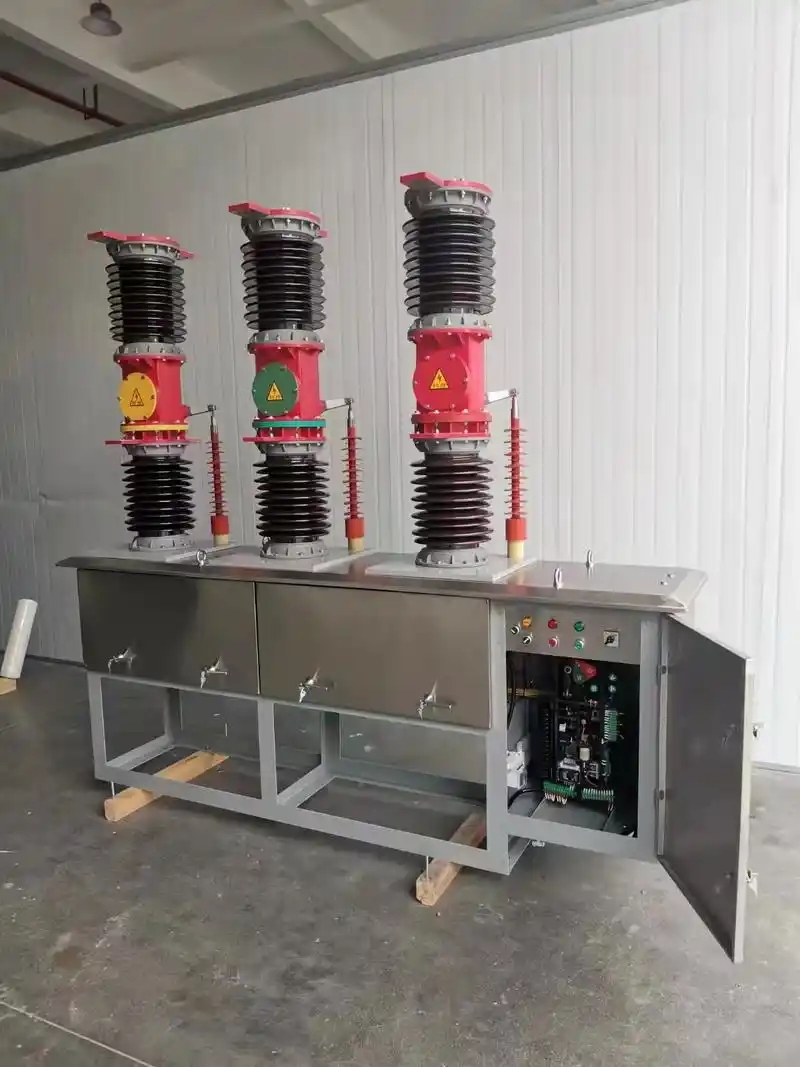
Predictive Maintenance and Monitoring: Does the breaker come with integrated sensors (for gas density, contact wear, mechanism travel)? These "smart" features allow for a shift from time-based maintenance to condition-based maintenance, which can drastically reduce labor costs by avoiding unnecessary inspections and preventing failures before they happen. The initial cost of these features often pays for itself many times over.
Energy Consumption: While seemingly small, the power consumed by the breaker's own systems can be a factor. This includes the motor that charges the spring mechanism and the heaters in the control cabinet that prevent condensation. Over a 40-year life, these small loads add up.
SF6 Gas Management: For SF6 breakers, the cost of managing the gas is a unique and significant OPEX. This includes the cost of specialized equipment to check for and locate leaks, as well as the cost of "topping up" any lost gas. Since SF6 is a regulated substance, there are also substantial administrative and reporting costs associated with tracking its usage.
Decommissioning and Environmental Disposal Costs
The final chapter in the breaker's life story is its removal and disposal. This is a cost that is often completely overlooked at the time of purchase. For a vacuum breaker, disposal is relatively straightforward—the materials can be recycled conventionally. For an SF6 breaker, the end-of-life process is a major liability. The SF6 gas must be carefully recovered by certified personnel using specialized equipment. The gas must then be either sent for reclamation (purification for reuse) or destroyed by incineration at a licensed facility. Both options are expensive. The breaker itself, now contaminated with SF6 by-products, may require special handling. These environmental costs are significant and are only expected to increase as regulations on greenhouse gases tighten. A TCO analysis that ignores these back-end costs is fundamentally incomplete. When comparing an SF6 breaker to an SF6-free alternative, the high cost of SF6 decommissioning can heavily tip the scales in favor of the environmentally friendly option, even if its initial purchase price is slightly higher.
The Rulebook: Navigating Standards and Compliance
In the world of high voltage engineering, there is no room for improvisation or ambiguity. The immense power being controlled demands a rigorous and universally understood set of rules. These rules are codified in standards developed by national and international bodies. Compliance with these standards is not optional; it is the fundamental assurance of safety, reliability, and interoperability. For anyone specifying a high-voltage circuit breaker, navigating this landscape of standards is a primary responsibility. A failure to specify the correct standard or to verify a manufacturer's compliance can lead to procuring a device that is unsafe, illegal to install, or simply incompatible with the rest of the system. Let us demystify the key standards and the philosophy behind them.
Decoding the Alphabet Soup: ANSI, IEC, and UL Standards
Globally, the design and testing of high-voltage circuit breakers are governed primarily by two major standards families:
1. ANSI/IEEE Standards: The American National Standards Institute (ANSI) and the Institute of Electrical and Electronics Engineers (IEEE) collaborate to produce the standards used predominantly in North America and other regions with a historical American influence on their power grids. The key document for high voltage breakers is the IEEE C37 series. These standards are known for their detailed, prescriptive nature, often specifying not just what performance is required but also how it should be achieved and tested.
2. IEC Standards: The International Electrotechnical Commission (IEC) produces standards that are the norm in Europe, Asia, and most of the rest of the world. The primary document is IEC 62271-100. IEC standards are often considered more performance-based. They focus on defining the required performance characteristics and the test methods to verify them, but may be less prescriptive about the specific design details, allowing for more flexibility in engineering solutions.
While both standards aim for the same goal—safe and reliable circuit breakers—they have different histories and philosophies, which lead to tangible differences in ratings and testing procedures. For a project in the United States, specifying compliance with the relevant ANSI/IEEE C37 standards is mandatory. A supplier claiming to be a global custom HV circuit breaker manufacturer must demonstrate fluency and certified compliance with both standards families to serve a diverse clientele.
Underwriters Laboratories (UL) standards are less commonly applied to high-voltage circuit breakers themselves, which are typically utility-grade equipment. However, the control cabinets, wiring, and low-voltage components associated with the breaker will almost certainly need to be UL-listed or recognized for installation in the US.
A Tale of Two Philosophies: ANSI vs. IEC
The differences between ANSI and IEC are not merely cosmetic. They reflect different approaches to rating and application. Understanding these can prevent significant confusion.
| Feature | ANSI/IEEE Standards (e.g., C37.04, C37.06, C37.09) | IEC Standards (e.g., 62271-100) |
|---|---|---|
| Voltage Ratings | Specifies a "Rated Maximum Design Voltage" (e.g., 145 kV), which is a step above the nominal system voltage (e.g., 138 kV). | Specifies a "Rated Voltage" (Ur), which is also the maximum voltage the equipment can withstand. The relationship to nominal voltage is similar. |
| Short-Circuit Rating | Historically complex with different rating structures (Total Current, Symmetrical Current). Modern standard (since 1999) is a single short-circuit current rating (kA) at a specified X/R ratio. | Specifies a "Rated Short-Circuit Breaking Current" (Isc). The test duty and required asymmetry handling are defined by a sequence of operations (e.g., O-0.3s - CO - CO-3min - CO). |
| TRV (Transient Recovery Voltage) | Defines the TRV (the high-frequency voltage appearing across the contacts after interruption) with a specific, demanding 2-parameter envelope based on fault type. | Defines the TRV with a 4-parameter envelope, which can be more complex to apply but may more accurately reflect certain network conditions. |
| Test Philosophy | Tends to be more prescriptive. For example, the standard test duty for demonstrating interrupting capacity is a series of specific open and close-open operations. | Tends to be more performance-oriented, allowing some flexibility in testing as long as the required duties are proven. |
| Application Focus | Traditionally focused on the specific needs of North American utility systems, which often have higher X/R ratios (more inductive). | Designed to apply to a wider range of global network types and configurations. |
What does this mean in practice? You cannot simply take a breaker rated at 50 kA under IEC standards and assume it is equivalent to a 50 kA breaker under ANSI standards. The test duties, required asymmetry handling, and TRV requirements are different. The breaker must be explicitly tested and certified to the specific set of standards required by the project's location and governing utility. A reputable manufacturer will have separate certifications and datasheets for their products, clearly stating compliance with either IEC 62271-100 or the relevant IEEE C37 standards.
The Role of Type Tests and Certification in Ensuring Safety
How do we know a breaker actually meets these standards? The answer lies in a rigorous process of testing. Standards define a series of "type tests," which are design tests performed on one representative breaker to prove that the design is sound. These are often destructive and are performed in specialized high-power laboratories. They include:
Short-Circuit Interruption Tests: The breaker is subjected to its maximum rated fault current to prove it can safely interrupt it.
Short-Time Withstand Current Tests: The breaker is subjected to the fault current for a short duration (typically 1-3 seconds) to prove it can mechanically withstand the forces without opening.
Lightning Impulse Withstand Tests: The breaker is subjected to a very high, very fast voltage spike that simulates a lightning strike to test its insulation.
Power Frequency Withstand Tests: The breaker is subjected to a sustained overvoltage at the system frequency (60 Hz in the US) to test its insulation under wet and dry conditions.
Mechanical Endurance Tests: The breaker is operated thousands of times (e.g., 10,000 operations for a vacuum breaker) to prove the long-term reliability of its mechanism.
After a design has passed all its type tests, the manufacturer receives a certification from the testing laboratory. Every subsequent breaker produced of that design (a "production" unit) then undergoes a series of less-demanding "routine tests" at the factory to ensure there are no manufacturing defects. When you specify a breaker, you are not just buying a piece of metal; you are buying the assurance that comes from this exhaustive testing and certification process. Always demand to see the type test certificates from an accredited, independent laboratory to verify a manufacturer's claims of compliance.
The Sentinel's Watch: Assessing Monitoring, Control, and Maintenance Needs
A high-voltage circuit breaker is not a "fit and forget" device. It is an active sentinel, requiring commands, providing feedback, and needing periodic care to ensure it remains ready to perform its protective function at a moment's notice. The sophistication of its control and monitoring systems, along with its inherent maintenance requirements, are critical factors in its selection. In recent years, the industry has seen a dramatic shift from a reactive or time-based maintenance philosophy to a proactive, condition-based approach. This evolution is driven by "smart" technologies that turn the breaker from a silent, passive component into an active, communicative node in the power grid. Evaluating these capabilities is essential for ensuring long-term reliability and minimizing operational costs.
The Shift to Predictive Maintenance: Smart Breakers and IoT
The traditional approach to maintenance involved taking the breaker out of service at fixed time intervals (e.g., every five years) to perform a detailed inspection, regardless of its actual condition. This is inefficient. It can lead to unnecessary work on a perfectly healthy breaker, introducing the risk of human error during reassembly. Conversely, it might fail to catch a developing problem that occurs between scheduled outages.
The modern "smart breaker" turns this paradigm on its head. By embedding sensors and intelligent electronics directly into the breaker, it can continuously monitor its own health. This is the application of the Internet of Things (IoT) to power equipment. Key parameters that can be monitored include:
SF6/g³ Gas Density: Instead of just a simple pressure gauge, a temperature-compensated density sensor provides a much more accurate indication of the amount of insulating gas present. It can alert operators to slow leaks long before they become critical.
Contact Wear: For vacuum interrupters, the degree of contact erosion can be indirectly measured by tracking the change in the mechanism's travel distance ("stroke"). For SF6 breakers, an accumulator can track the total energy interrupted (ΣI²t), which correlates to contact wear. This allows maintenance to be scheduled based on the actual electrical duty the breaker has seen, not just the calendar.
Mechanism Health: Sensors can monitor the travel curve of the contacts during an operation, measuring opening and closing times and velocity. Deviations from the "as-new" signature can indicate a mechanical problem, such as a lack of lubrication or a weakening spring, allowing for proactive intervention.
Cabinet Environment: Simple sensors for temperature and humidity inside the control cabinet can ensure that space heaters are working correctly, preventing condensation that could lead to corrosion and electrical failures.
This data is collected by an intelligent electronic device (IED) or controller within the breaker. It can be accessed locally by a technician with a laptop or, more powerfully, transmitted back to a central control room via communication protocols like IEC 61850. This allows for a fleet-wide, condition-based maintenance strategy. Technicians are dispatched to work on the specific breakers that need attention, saving immense amounts of time and money while simultaneously increasing overall system reliability. When selecting a new high-voltage circuit breaker, the availability and sophistication of these monitoring features should be a major consideration.
Manual vs. Remote Operation: Control System Integration
A circuit breaker must be able to be opened and closed. This can be done locally at the breaker itself, using manual push-buttons, for maintenance purposes. However, in normal operation, breakers are controlled remotely from a control room or by an automated protection scheme. The ease and reliability of integrating the breaker into the substation's control system are paramount.
The control circuitry involves a "trip coil" and a "close coil." A voltage signal sent to the trip coil unlatches the mechanism to open the breaker, while a signal to the close coil initiates a closing operation. The breaker must also provide feedback to the control system, indicating its status. This is done via auxiliary contacts (typically "52a" for open and "52b" for closed status) that mirror the position of the main contacts.
In modern substations, this control and feedback loop is increasingly managed over a fiber-optic network using the IEC 61850 protocol. This standard allows for high-speed, interoperable communication between protective relays, controllers, and the circuit breakers themselves. A breaker designed with a native IEC 61850 interface is far easier to integrate into a modern digital substation than one that only provides traditional hardwired inputs and outputs. When specifying a breaker, one must consider the substation's existing or planned control architecture and select a breaker that can communicate in the required language, whether it be legacy hardwiring or a modern digital protocol.
Establishing a Robust Maintenance Schedule
Even with advanced condition monitoring, a baseline maintenance schedule is still necessary. The manufacturer will provide a manual detailing the required checks and their recommended frequencies. The nature of this schedule is a key selection criterion. A breaker that demands frequent, complex maintenance is a drain on resources. A well-designed modern breaker should require very little intervention.
A typical schedule for a modern spring-operated vacuum or SF6-alternative breaker might look like this:
Annual Visual Inspection: A simple walk-around to check for any visible damage, corrosion, or issues with the control cabinet. Check the gas density monitor reading.
Every 5-10 Years (or as indicated by monitoring): A more detailed inspection. This involves de-energizing the breaker, cleaning insulators, lubricating the mechanical linkages of the operating mechanism, and performing basic electrical tests like contact resistance measurement to check the health of the main conducting path.
After a High Number of Operations (e.g., 2,000-10,000) or Fault Interruptions: A more thorough overhaul may be required, potentially including the replacement of the interrupter, as dictated by the manufacturer's guidelines and the data from the condition monitoring system.
The simplicity, clarity, and length of these maintenance intervals are a direct reflection of the breaker's design quality. A supplier should be able to provide a clear and concise maintenance plan that minimizes downtime and labor costs.
Spare Parts Philosophy and Supplier Support
No matter how reliable a device is, parts can eventually fail or be damaged. The availability of spare parts and technical support is a crucial, though often overlooked, aspect of the selection process. Before purchasing a breaker, one must ask the supplier several key questions:
What is the recommended list of on-site spare parts? (e.g., trip coil, close coil, charging motor).
What is the standard lead time for critical components that are not typically stocked on-site, like a complete interrupter pole?
For how long after purchase does the manufacturer guarantee the availability of spare parts? (A 20-year guarantee is a good benchmark).
What level of technical support is available? Is there a 24/7 hotline? Can they dispatch a field service engineer in an emergency?
A lower-cost breaker from a less-established supplier might become an unsupportable liability if that supplier disappears or discontinues the product line a few years later. Partnering with a well-established manufacturer with a strong track record of long-term support and a clear spare parts philosophy is a vital form of risk management. It ensures that the investment made in the breaker will remain viable for its entire multi-decade lifespan.
The Trusted Advisor: Partnering with a Knowledgeable MV Electrical Switchgear Supplier
The process of specifying and procuring a high-voltage circuit breaker is technically demanding and fraught with potential pitfalls. The six points we have discussed—from ratings and interrupting capacity to maintenance and standards—form a complex web of interdependent decisions. For a project manager or engineer, navigating this alone can be a daunting task. This is where the final, and perhaps most impactful, element of our checklist comes into play: the selection of not just a product, but a partner. A truly excellent MV electrical switchgear supplier transcends the role of a mere vendor. They become a trusted advisor, an extension of your engineering team, whose expertise, experience, and support are invaluable assets from the initial design phase through to the long-term operation of the equipment.
What to Look for in a Supplier: Expertise, Reputation, and Support
When evaluating potential suppliers, one must look far beyond the product catalog and price list. The quality of the supplier is as important as the quality of the breaker itself. Key attributes of a top-tier supplier include:
Deep Technical Expertise: The supplier's sales and engineering staff should not be mere order-takers. They should be able to engage in a detailed technical discussion, understand the nuances of your application, and challenge your assumptions if necessary. They should be able to explain the pros and cons of different technologies and guide you to the optimal solution, not just the one they are most eager to sell.
Proven Track Record and Reputation: How long has the company been in business? Can they provide references from other customers in your industry? A long history of successful installations is the best evidence of a company's reliability and the quality of its products. Look for a manufacturer with a reputation for standing behind their equipment.
Comprehensive Support: Excellent support extends across the entire project lifecycle. This includes pre-sales engineering assistance, clear and thorough documentation, on-time delivery, available field service for commissioning and troubleshooting, and a long-term commitment to spare parts and technical assistance. A supplier's willingness and ability to support you after the sale is a true measure of their commitment.
Quality Manufacturing and Certifications: Does the supplier operate a certified manufacturing facility (e.g., ISO 9001)? Can they provide all the necessary type test certifications from accredited, independent laboratories to prove compliance with the required standards (ANSI or IEC)? Do not accept self-certification; demand third-party validation.
The Value of Customization and Engineering Support
Not every application fits a standard, off-the-shelf product. Sometimes, unique site constraints, unusual environmental conditions, or specific control system integration requirements demand a customized solution. This is where a true manufacturing partner distinguishes itself from a simple reseller. A capable supplier will have an in-house engineering team that can work with you to modify or design a solution tailored to your exact needs. This might involve:
Designing custom mounting structures or connection points.
Integrating specialized sensors or control devices.
Developing a unique control scheme for a non-standard application.
Providing equipment with enhanced environmental protection for coastal or industrial locations.
This collaborative engineering process ensures that you receive a product that is not just adequate but perfectly optimized for its intended function. This level of partnership can prevent the costly and time-consuming problems that arise from trying to force a standard product into a non-standard application.
From Specification to Commissioning: The Supplier's Role
A great supplier acts as a guide throughout the entire procurement and installation process. Their involvement should begin early. By reviewing your initial specifications, they can identify potential issues, suggest more cost-effective solutions, or introduce you to new technologies you may not have been aware of. For example, they might analyze your fault study and confirm that the specified interrupting capacity is appropriate. They might review your substation layout and recommend a breaker with a smaller footprint to save space.
During the manufacturing process, they should provide clear communication and progress updates. Upon delivery, their role is not over. They should provide detailed installation manuals and be available to answer questions from the construction crew. Ideally, they should offer the services of a factory-trained field engineer to supervise the installation and perform the commissioning tests. This ensures that the equipment is installed correctly and that all its protective and control functions are verified before it is placed into service. This "hand-holding" through the most critical phases of the project provides immense peace of mind and significantly reduces the risk of installation errors.
Building a Long-Term Partnership for System Reliability
The relationship with your high voltage circuit breaker supplier should not end when the final check is cut. It should be the beginning of a long-term partnership. The supplier is the ultimate expert on the equipment they have provided. Over the decades-long life of the breaker, you may need to call upon that expertise to diagnose an unusual issue, plan a mid-life refurbishment, or evaluate the feasibility of an upgrade. A supplier who views you as a long-term partner will be there to provide that support. They will keep you informed of any product updates or service bulletins and will be a reliable source for spare parts for years to come.
Ultimately, choosing a supplier is an exercise in risk management. By partnering with a reputable, knowledgeable, and supportive MV electrical switchgear supplier, you are investing in the long-term health and reliability of your entire power system. You are gaining not just a piece of hardware, but a resource that will help you maximize the value and performance of that critical asset for its entire operational life.
Frequently Asked Questions (FAQ)
What is the main difference between a high-voltage and a medium-voltage circuit breaker?
The primary distinction is the voltage class they are designed for. Medium voltage (MV) typically covers the range from 1 kV to around 40.5 kV. High voltage (HV) covers everything above that, from 69 kV up to 1200 kV in modern systems. This difference in voltage dictates the physical design. HV breakers require much larger clearances and more sophisticated insulation (e.g., SF6 gas, porcelain, or composite insulators) to withstand the higher electrical stress.
How often should a high-voltage circuit breaker be maintained?
This depends heavily on the technology, age, and operating conditions. Modern vacuum or SF6-alternative breakers with spring mechanisms are very low-maintenance, often requiring only a visual inspection annually and a more detailed mechanical service every 5-10 years or after a set number of operations. Older technologies like air-blast or oil breakers require much more frequent and intensive maintenance. The best practice is to follow the manufacturer's specific recommendations and utilize condition-monitoring data if available.
What is SF6 gas, and why is it being phased out?
Sulfur hexafluoride (SF6) is a synthetic gas that is an excellent electrical insulator and arc quencher. For decades, it was the standard technology for high-voltage breakers. However, it has been identified as the most potent greenhouse gas known to science, with a global warming potential (GWP) approximately 25,200 times that of carbon dioxide over 100 years. Due to its environmental impact, regulations worldwide (like the F-Gas regulations in Europe and EPA rules in the US) are increasingly restricting its use and promoting a transition to environmentally friendly alternatives like g³ gas mixtures or clean air/vacuum technologies.
Can I replace an old oil circuit breaker with a new vacuum or SF6 type?
Yes, this is a very common and highly recommended upgrade. Replacing an old bulk oil circuit breaker with a modern vacuum or SF6-free breaker offers numerous advantages, including significantly higher reliability, vastly reduced maintenance requirements, elimination of oil handling and fire risk, and much faster interruption times, which reduces stress on the overall system. The replacement project requires careful engineering to ensure the new breaker fits the existing space and that its ratings are appropriate for the modern grid, which may have a higher fault duty than when the original breaker was installed.
What does "interrupting time" mean for a circuit breaker?
Interrupting time is the total duration from the moment the trip coil is energized until the arc is fully extinguished and current stops flowing. For modern high voltage breakers, this is a very short time, typically between 2 to 5 cycles (around 30 to 80 milliseconds on a 60 Hz system). A shorter interrupting time is better, as it minimizes the amount of time the damaging fault current flows through the system, reducing the potential for equipment damage.
What is an "arc flash," and how does a circuit breaker help prevent it?
An arc flash is a dangerous explosion of energy caused by an electrical arc. The intense heat vaporizes surrounding metal, and the resulting pressure blast can be catastrophic. A circuit breaker helps prevent arc flash incidents in two ways. First, its primary job is to quickly interrupt a fault current, which, if left to flow, could escalate into an arc flash. A faster interrupting time reduces the total energy of the event. Second, by reliably isolating a section of the power system for maintenance it allows personnel to work on de-energized equipment, which is the safest way to prevent arc flash exposure.
Why are there different standards like IEC and ANSI?
The different standards evolved historically to serve the needs of different regional power grids. ANSI/IEEE standards were developed for the North American grid, while IEC standards were developed in Europe and adopted by much of the rest of the world. They have different philosophies on how to rate and test equipment. It is not that one is better than the other, but they are different. Equipment must be specified, tested, and certified to the standard that is legally mandated in the country of installation.
Conclusion
The selection of a high-voltage circuit breaker is a decision with far-reaching consequences, echoing through decades of a power system's operational life. It is a discipline that marries the rigor of scientific calculation with the prudence of long-term financial and strategic planning. As we have seen, the process extends far beyond a simple comparison of price tags. It demands a meticulous examination of the system's fundamental electrical parameters, a conservative assessment of potential fault conditions, and a deep dive into the technologies that lie at the heart of the device.
The journey requires a TCO perspective, weighing the initial acquisition against the long-term costs of maintenance, operation, and eventual decommissioning. It necessitates a fluency in the language of standards, ensuring that the chosen device is not only fit for purpose but also certified to be safe and reliable. Furthermore, the modern context demands an environmental consciousness, pushing us to evaluate and adopt new-generation technologies that protect our planet without compromising performance.
Perhaps the most human element in this deeply technical process is the recognition that no engineer or manager is an island. The complexity of the task underscores the immense value of partnership. Aligning with a knowledgeable, experienced, and supportive MV electrical switchgear supplier transforms the selection process from a solitary challenge into a collaborative success, ensuring that the final choice is not just a purchase but a lasting investment in safety, reliability, and peace of mind.
References
Brilliantelec. (2025). A comprehensive guide to selecting the right panelboard. Brilliantelec. brilliantelec.com
CHINT Global. (2025). Guide to air circuit breaker maintenance. CHINT. chintglobal.com
Institute of Electrical and Electronics Engineers. (2013). IEEE Standard for AC High-Voltage Circuit Breakers Rated on a Symmetrical Current Basis (IEEE Std C37.04-2013). https://doi.org/10.1109/IEEESTD.2013.6512634
Institute of Electrical and Electronics Engineers. (2018). IEEE Application Guide for AC High-Voltage Circuit Breakers Rated on a Symmetrical Current Basis (IEEE Std C37.010-2018). https://doi.org/10.1109/IEEESTD.2018.8536123
International Electrotechnical Commission. (2021). High-voltage switchgear and controlgear - Part 100: AC circuit-breakers (IEC 62271-100:2021). International Electrotechnical Commission.
Kuffel, E., Kuffel, J., & Zaengl, W. S. (2000). High voltage engineering: Fundamentals (2nd ed.). Newnes.
Ma, H., Liu, Z., Ju, Y., & Hou, X. (2021). Research on the application of environmentally friendly gas in switchgear. IOP Conference Series: Earth and Environmental Science, 781(4), 042045.
Tosunlux. (2024). Top 30 circuit breaker manufacturers of 2025. Tosunlux. tosunlux.eu
U.S. Environmental Protection Agency. (2024). Overview of SF6 emission sources and reduction options in electric power systems. EPA.
Zhang, X., Li, X., Ma, H., & Cui, Z. (2021). Experimental study of the interrupting performance of a N2/O2 mixture as a substitute for SF6 gas. IEEE Transactions on Power Delivery, 36(3), 1841–1850. https://doi.org/10.1109/TPWRD.2020.3013222