Understand Their Roles in Electrical Systems—and When to Use Each One
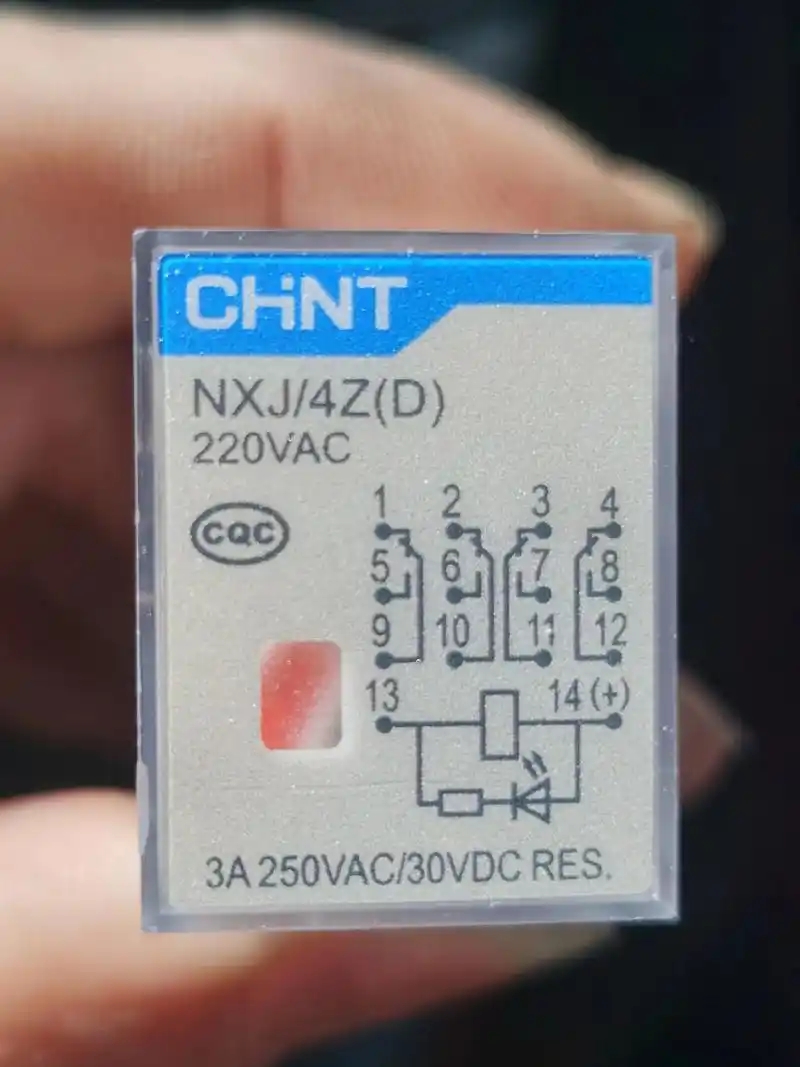
If you've ever asked, "Is a circuit breaker just a type of relay?"—you're not alone. Many engineers, technicians, and even project managers confuse these two essential devices. While both play a role in electrical protection, relays and circuit breakers serve fundamentally different purposes.
As an electrical engineer at Wei Shoe Electric, I’ve helped design and troubleshoot medium-voltage systems across five countries. This guide breaks down the key differences between circuit breakers and relays in practical terms that you can apply on-site or during design.
🔍 At a Glance: What They Do
| Device | Primary Function |
|---|---|
| Relay | Detects faults and sends a signal |
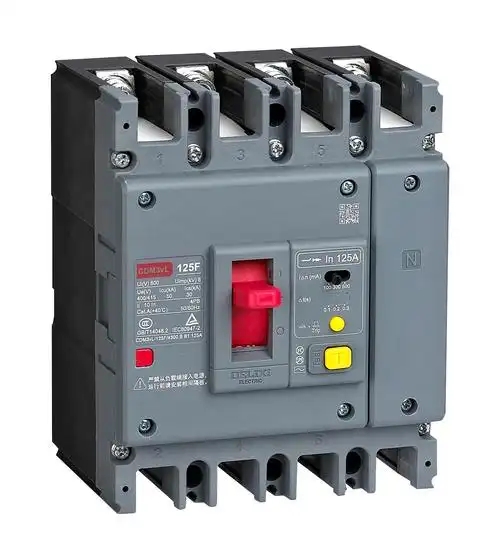
| Circuit Breaker | Physically interrupts current flow |
⚙️ Functional Differences
1. Basic Role
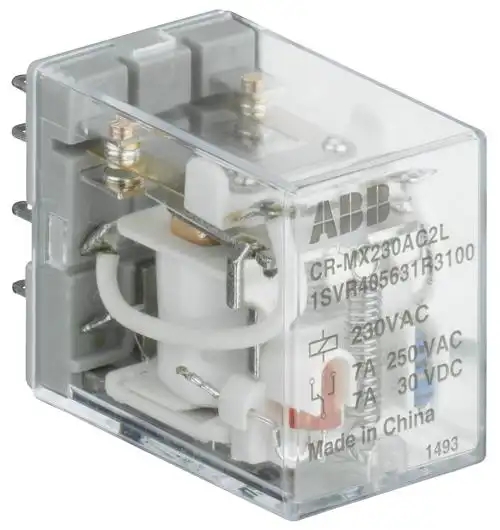
Relay: Monitors current/voltage and triggers a control signal
Breaker: Opens or closes a circuit under fault or manual operation
2. Current Carrying
Relays do not carry load current directly
Breakers are designed to carry the full rated load and interrupt fault current
3. Fault Clearing
Relays initiate commands but do not clear faults
Breakers directly isolate faults
⚡ Design & Construction Differences
4. Mechanical Components
Relays are often solid-state or electromagnetic
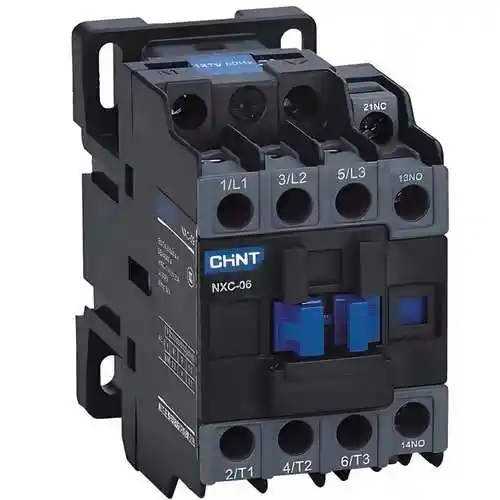
Breakers include moving contacts, arc extinguishers, and insulation chambers
5. Energy Requirements
Relays operate on control voltage (24–220V AC/DC)
Breakers handle high-voltage arc energy (up to 40kA)
6. Operation Speed
Relays act within milliseconds (10–100ms)
Breakers take slightly longer due to mechanical movement (50–300ms)
🧠 Control Logic & Communication
7. Intelligence
Relays can be programmable (numerical relays with IEC 61850)
Breakers are mostly passive devices with no logic
8. Remote Operation
Both can be controlled remotely, but relays provide logic conditions, breakers just execute commands
9. Monitoring Functions
Relays can log, alarm, and diagnose
Breakers may include auxiliary contacts, but no real analytics
🛠 Installation and Maintenance
10. Location
Relays are installed in control panels
Breakers are part of switchgear, mounted on busbars or panels
11. Testing Requirements
Relays require logic testing (function-based)
Breakers need mechanical + contact resistance testing
12. Replacement Cycle
Relays may last 10–15 years
Breakers often need servicing after a few fault interruptions
📈 Application Use Cases
13. Relays
Used in:
Protection schemes (overcurrent, differential, distance)
Motor and transformer protection
Grid automation and communication
14. Circuit Breakers
Used in:
Medium/high voltage feeders
Industrial equipment isolation
Overload and short-circuit interruption
🔄 Interdependence
15. Relay Controls the Breaker
A relay doesn’t protect alone. It sends a trip signal to the breaker, which opens the circuit. Without a breaker, a relay is ineffective. Without a relay, a breaker cannot react intelligently.
16. Integrated Solutions
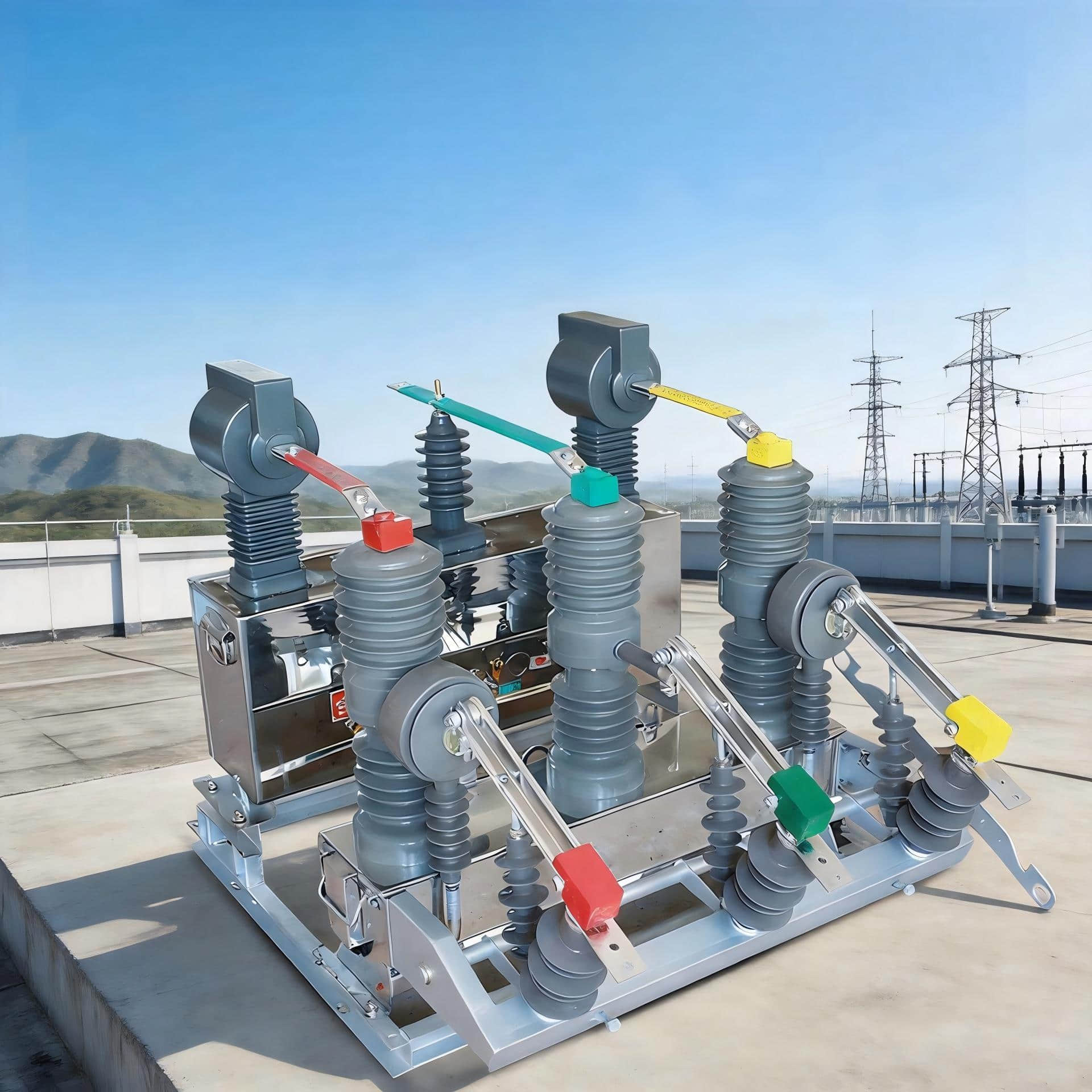
Modern switchgear uses relay + breaker combinations (e.g., VCB + numerical relay) for full system protection.
📌 Summary Table: Relay vs. Circuit Breaker
| Aspect | Relay | Circuit Breaker |
|---|---|---|
| Function | Sensing + signaling | Switching + isolation |
| Current carrying | No | Yes |
| Fault interruption | No | Yes |
| Installation location | Control panel | Switchgear/panel |
| Programmability | Yes | Limited (on/off control) |
| Response time | Very fast | Fast, but mechanical |
| Maintenance | Software + relay logic test | Mechanical + insulation test |
❓ Frequently Asked Questions
• Is a relay safer than a breaker?
Not exactly. Both are critical; a relay detects faults, while a breaker physically disconnects the circuit.
• Can I use a relay without a breaker?
No. A relay must work with a breaker to clear faults.
• What’s the cost difference?
Relays are generally cheaper, but the total cost depends on system complexity and rating.
• Can relays trip more than one breaker?
Yes, directional or busbar protection relays can trip multiple breakers simultaneously.
• Are smart relays replacing breakers?
No. Smart relays enhance decision-making, but breakers are still required for fault clearing.
🧠 Engineering Tip
Always treat relays and breakers as a team. In design, specify the relay type based on protection logic and the breaker rating based on short-circuit and load capacity. Avoid mismatches like overspecifying breakers with basic relays—they won’t communicate effectively.
👷 About the Author
I’m Thor, an electrical engineer with Wei Shoe Electric, focusing on medium voltage protection and substation control systems. Over the past 12 years, I’ve helped design protection schemes across Asia, South America, and Europe.
📞 Tel: +86-0577-62788197
📱 WhatsApp: +86 159 5777 0984
📧 Email: thor@weishoelec.com
✅ Conclusion
Relays and circuit breakers are not interchangeable. One monitors; the other acts. Together, they form the backbone of reliable power protection systems.
👉 Understanding their differences helps you avoid misengineering your control panels or switchgear—saving cost, time, and potentially lives.