I. Introduction Module
While standard manuals define circuit breakers as simple safety switches, any engineer who has spent a decade in the field knows the reality is far more nuanced. Choosing the right breaker isn't just about matching voltage; it’s about understanding how equipment behaves under real-world stress factors often overlooked by generic guides.
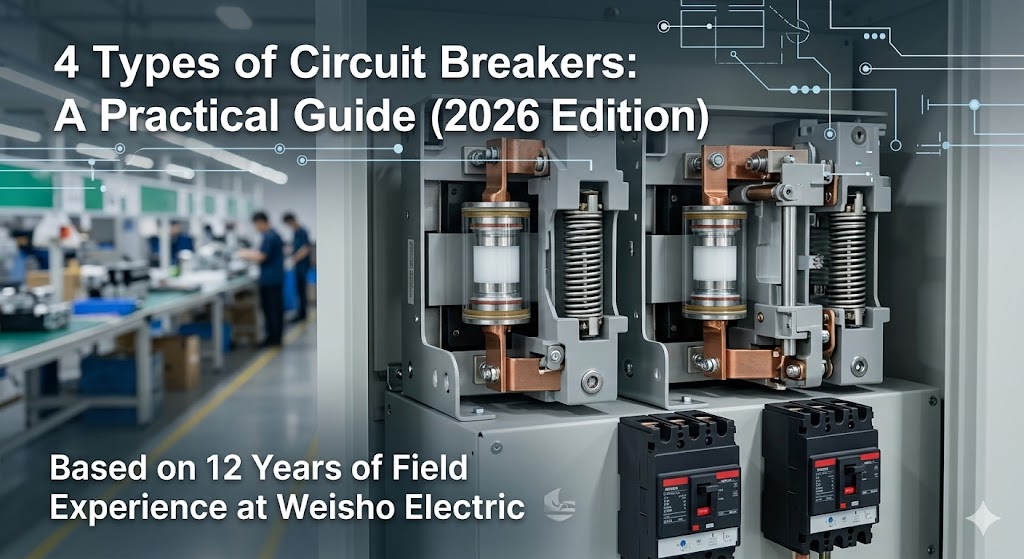
Drawing from our 12 years of expertise at Weisho Electric and recent technical discussions within the global engineering community (including key insights from Reddit's professional circles), we’ve refined this guide to the four essential types of circuit breakers you need to know in 2026: Vacuum Circuit Breakers (VCB), SF6 Circuit Breakers, Air Circuit Breakers (ACB), and Molded Case Circuit Breakers (MCCB).
II. Core Content: Principles, Characteristics, and Applications of the Four Main Breaker Types
Circuit breakers are primarily categorized by the "arc-quenching medium" they employ. The choice of this medium fundamentally dictates the breaker's insulating performance, its interrupting capacity, its physical size, and its long-term maintenance needs.
2.1 Vacuum Circuit Breaker (VCB)
2.1.1 Arc Interruption Principle: Rapid Isolation in High Vacuum
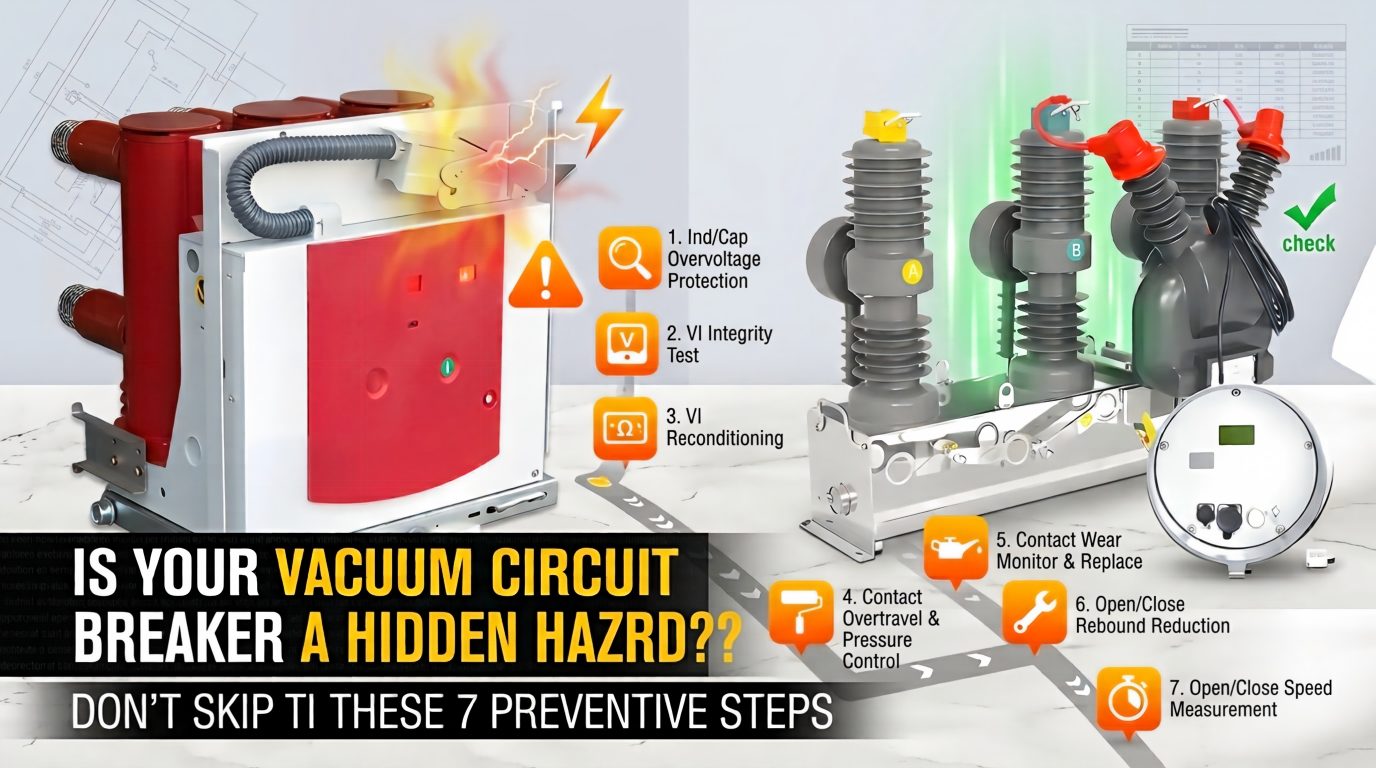
The central component of a VCB is the vacuum interrupter bottle. This sealed vessel maintains an extremely high vacuum, typically ≤10−4 Pa, creating an environment where electrical discharge is highly unstable. When the contacts separate to interrupt the current, an arc forms, but the charged particles (ions and electrons) within this arc rapidly diffuse and recombine onto the contact surface shields and the interrupter walls.
Crucially, the vacuum dielectric strength recovers with incredible speed, often in mere microseconds. This rapid restoration happens right at the moment the AC naturally crosses zero, effectively preventing the arc from reigniting. Modern VCBs often use advanced axial magnetic field technology to keep the arc spread out and mobile in the vacuum, further optimizing arc-extinguishing efficiency.
2.1.2 Key Advantages and Application Scenarios
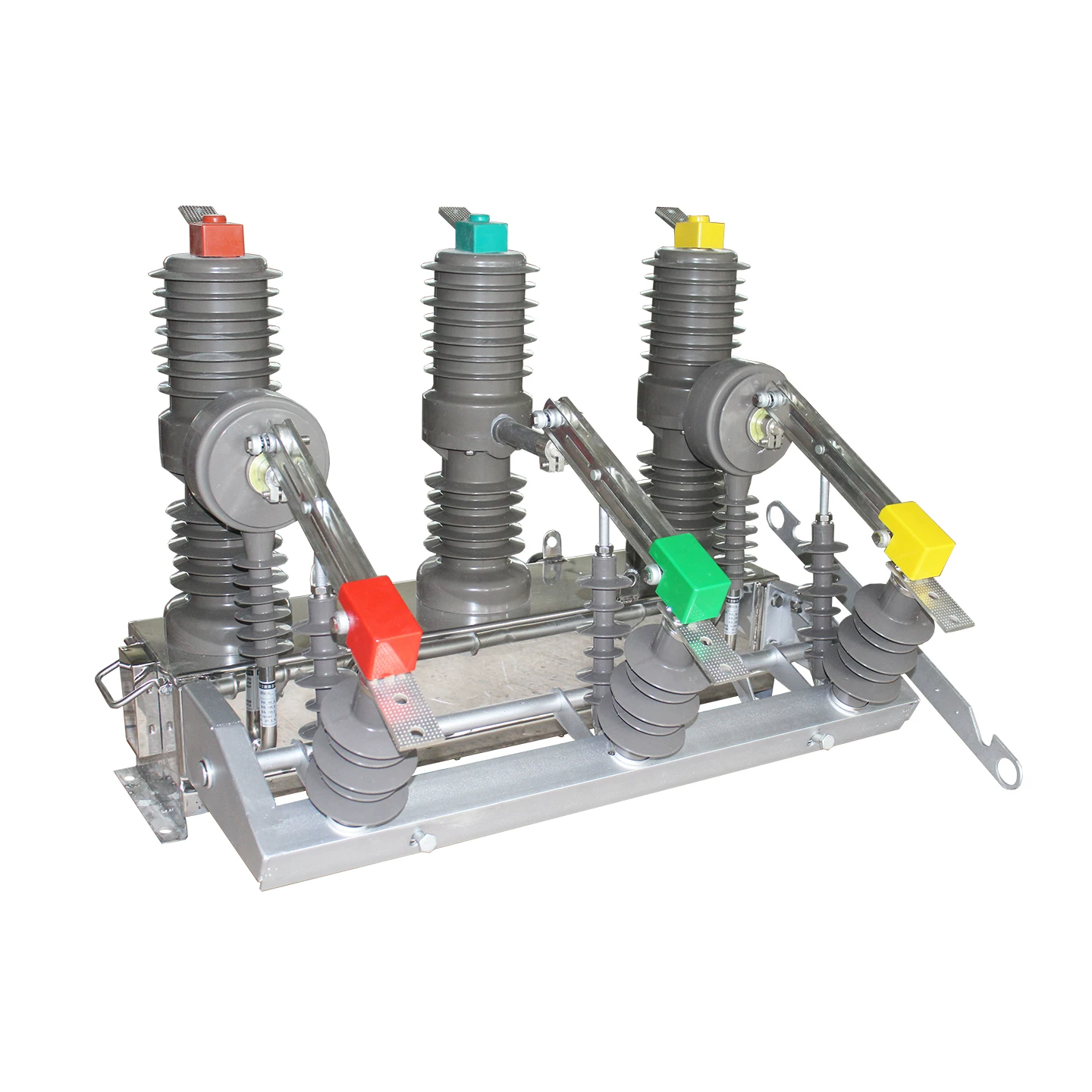
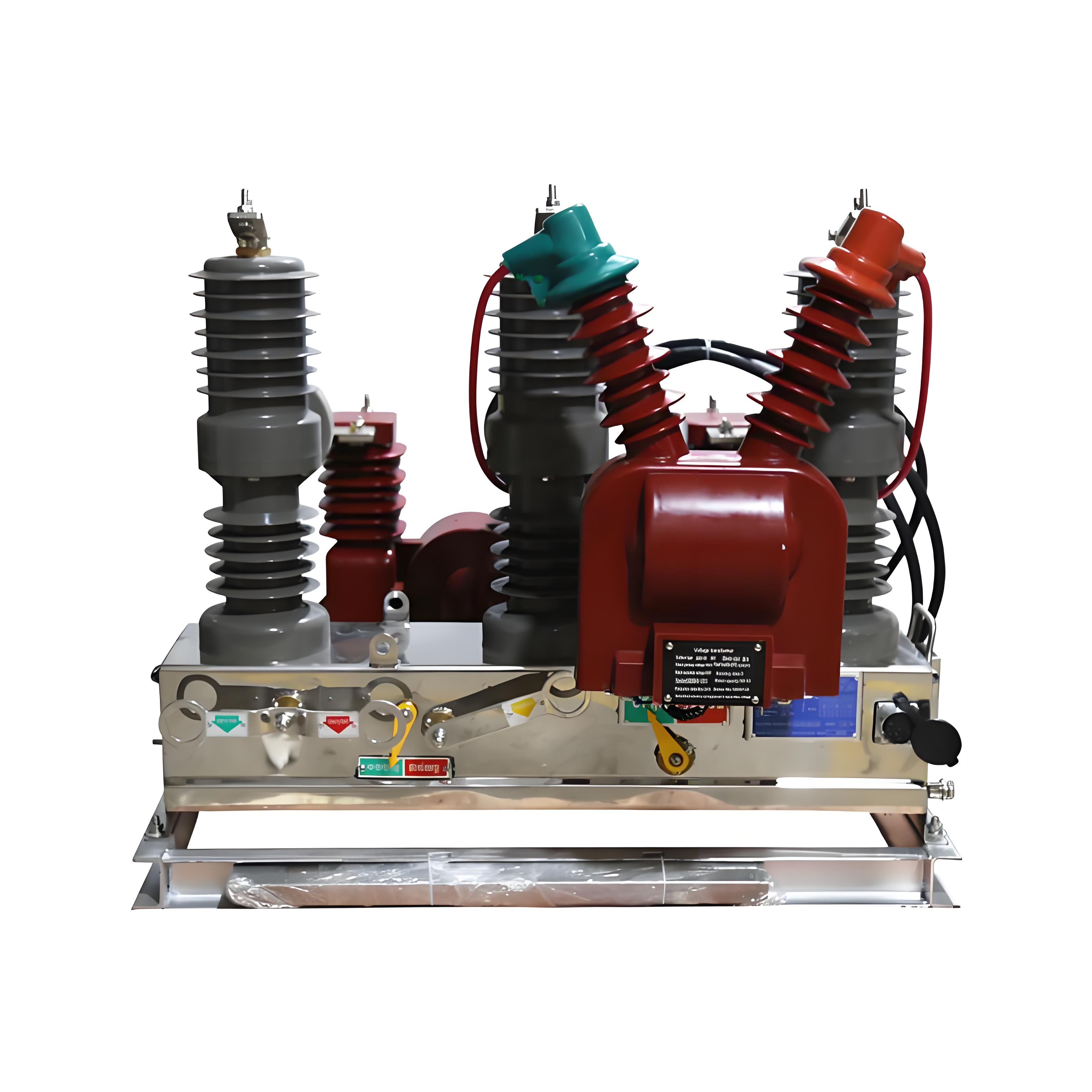
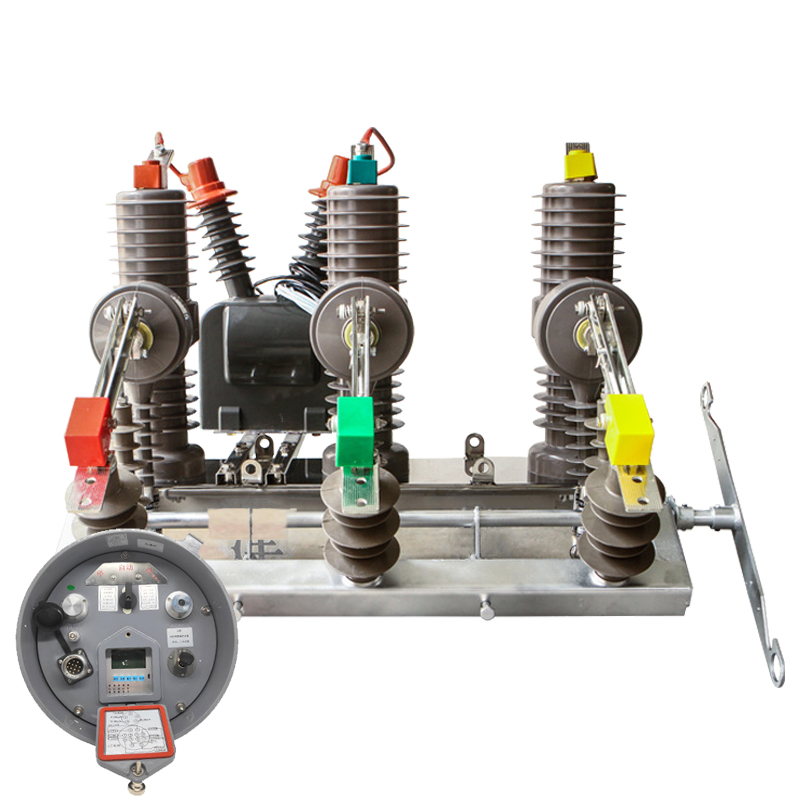
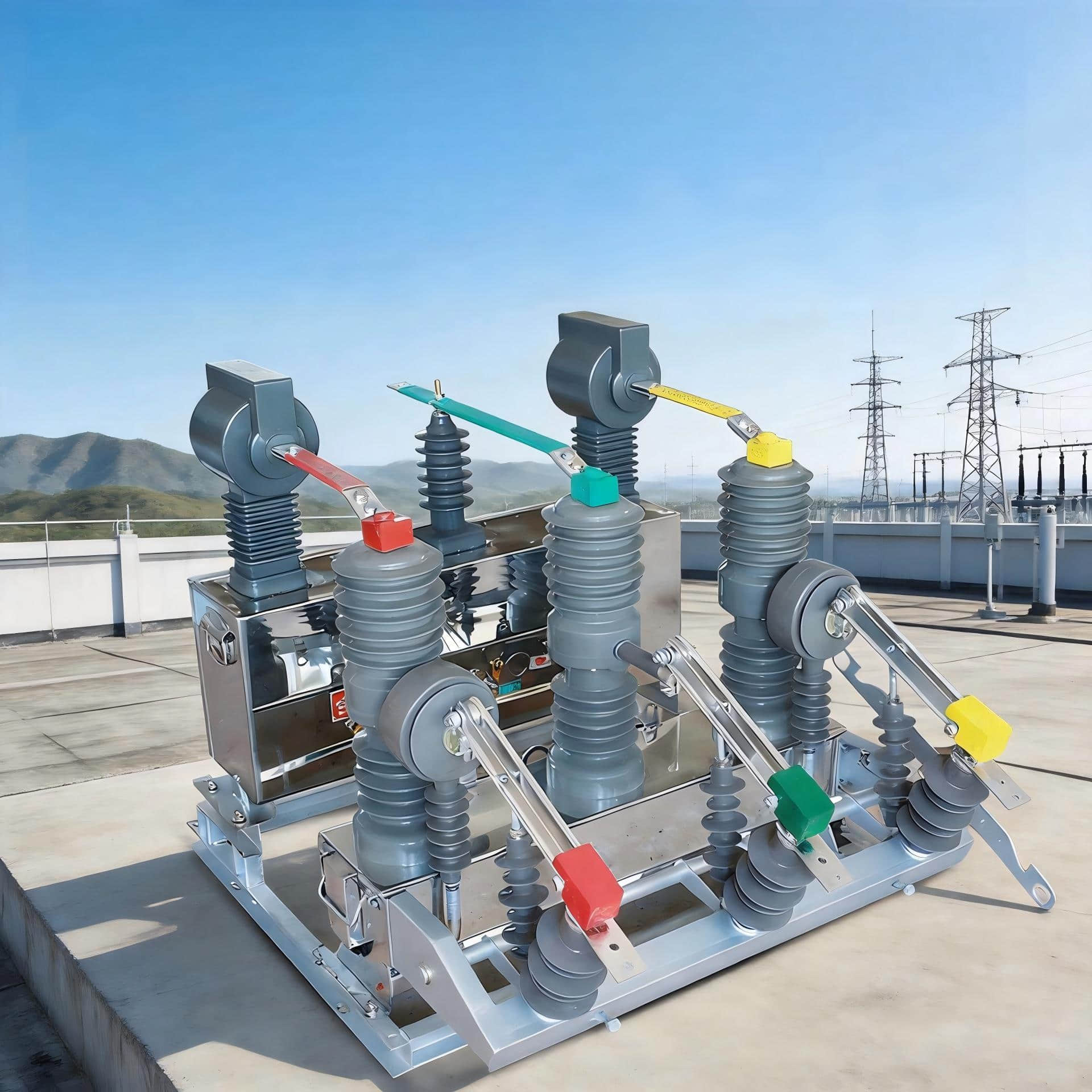
The exceptional characteristics of VCBs have established them as the dominant choice in medium-voltage systems, ranging from 3.3 kV up to 38 kV. They are valued for their high reliability and "maintenance-free" operation, as the contacts are fully sealed from external environmental factors like humidity and pollution, leading to superior mechanical and electrical endurance.
Furthermore, VCBs are highly desirable from an environmental and safety perspective, utilizing a non-toxic, non-flammable arc-extinguishing medium that poses virtually zero risk of fire, explosion, or harmful gas byproducts. Their fast operating speed and short arcing duration minimize fault impact, which is essential for grid stability.
[Expert Field Note: The "Current Chopping" Reality]
In our experience, while VCBs are unrivaled for medium-voltage applications (typically 3.3kV to 38kV) due to their rapid arc-quenching, many engineers on platforms like Reddit frequently discuss a common pitfall: Current Chopping. When a VCB interrupts small inductive currents (like those of a Power Transformer at no load), it can cause significant overvoltage.
At Weisho Electric, we recommend pairing VCBs with RC absorbers or metal-oxide varistors (MOVs) to mitigate this risk—a technical detail that separates professional installations from standard setups. Furthermore, always ensure your VCBs meet the IEC 62271-100 standard to guarantee mechanical and electrical endurance in harsh industrial environments.
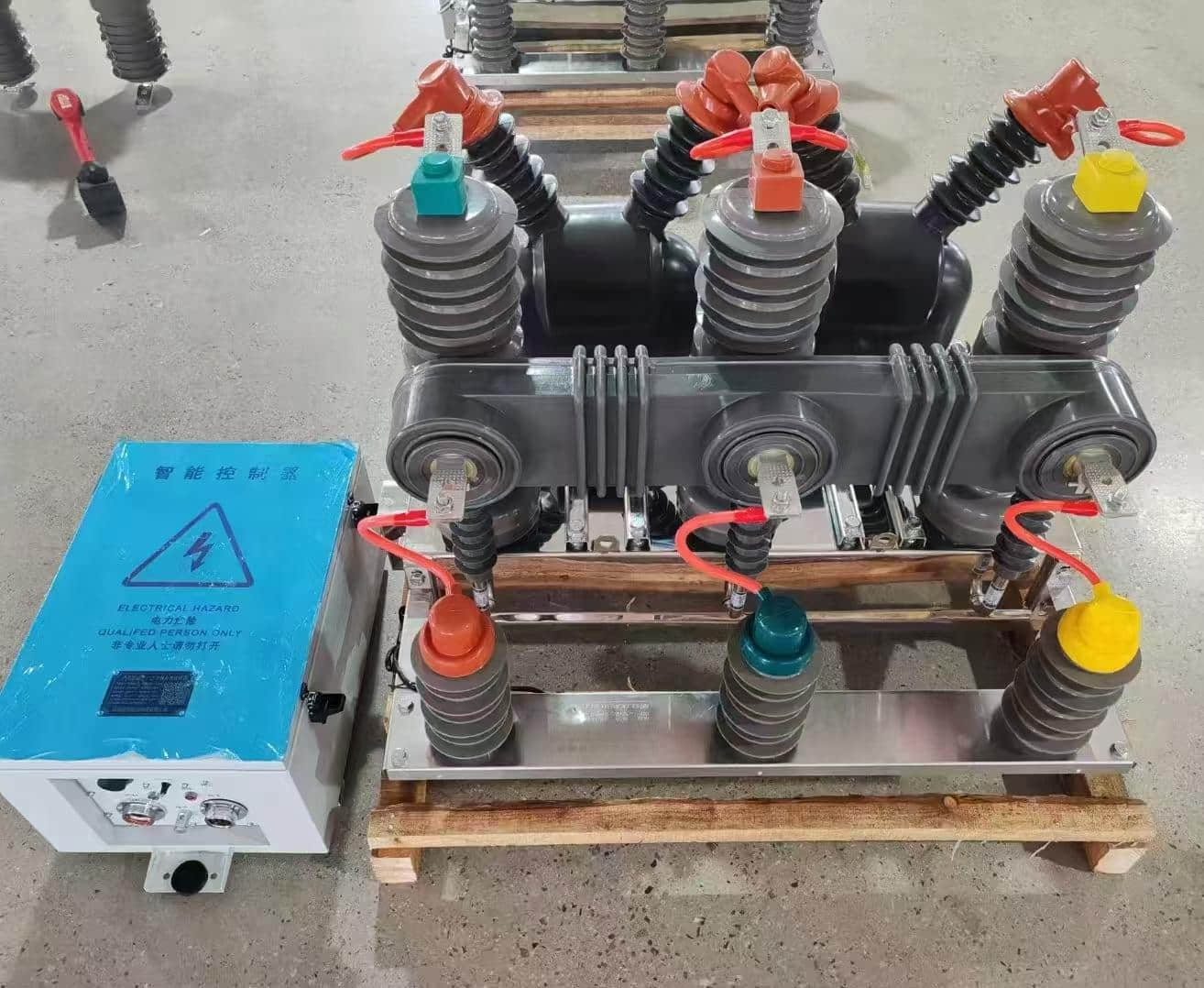
Tip: The zero-maintenance nature of VCBs makes them ideal for urban power distribution networks, industrial facilities, and rail traction power substations, where operational environments are demanding and frequent downtime for maintenance is highly undesirable.
2.2 Sulfur Hexafluoride Circuit Breaker (SF6 CB)
2.2.1 Arc Interruption Principle: The "Gaseous Magic" of Efficient Insulation
The SF6 CB relies on sulfur hexafluoride gas (SF6) as both its primary arc-quenching and insulating medium. SF6 is an odorless, non-toxic, non-flammable, and chemically stable gas, yet its insulating and arc-extinguishing properties far surpass those of air or oil.
Specifically, the insulating strength of SF6 gas is two to three times that of air at the same pressure. Its remarkable arc-quenching capability stems from its extremely high electron affinity, allowing it to rapidly capture free electrons from the arc channel to form stable negative ions. This process dramatically reduces the conductive particle density within the arc path, leading to rapid extinction at the current zero-crossing.
SF6 CBs generally employ either puffer-type or self-blast-type interrupting mechanisms. The self-blast method is more energy-efficient, utilizing the thermal energy of the arc itself to rapidly expand the surrounding SF6 gas, creating a high-pressure flow that forces the arc to dissipate.
2.2.2 Key Advantages and Application Scenarios
The SF6 CB is the undisputed technology of choice for high-voltage and ultra-high-voltage transmission systems, handling levels from 72.5 kV up to 800 kV and beyond. This dominance is due to two critical engineering factors.
First, its unparalleled arc-quenching strength provides an extremely high interrupting capacity, allowing it to reliably clear the massive fault currents encountered in extra-high-voltage systems. Second, the superior insulating properties facilitate the miniaturization of high-voltage equipment, enabling the creation of Gas Insulated Switchgear (GIS), which significantly reduces the required footprint of substations. SF6 CBs also exhibit excellent reclosing performance; the rapid recovery of dielectric strength makes them perfect for quick auto-reclosing operations, which is essential for boosting power grid reliability following transient faults.
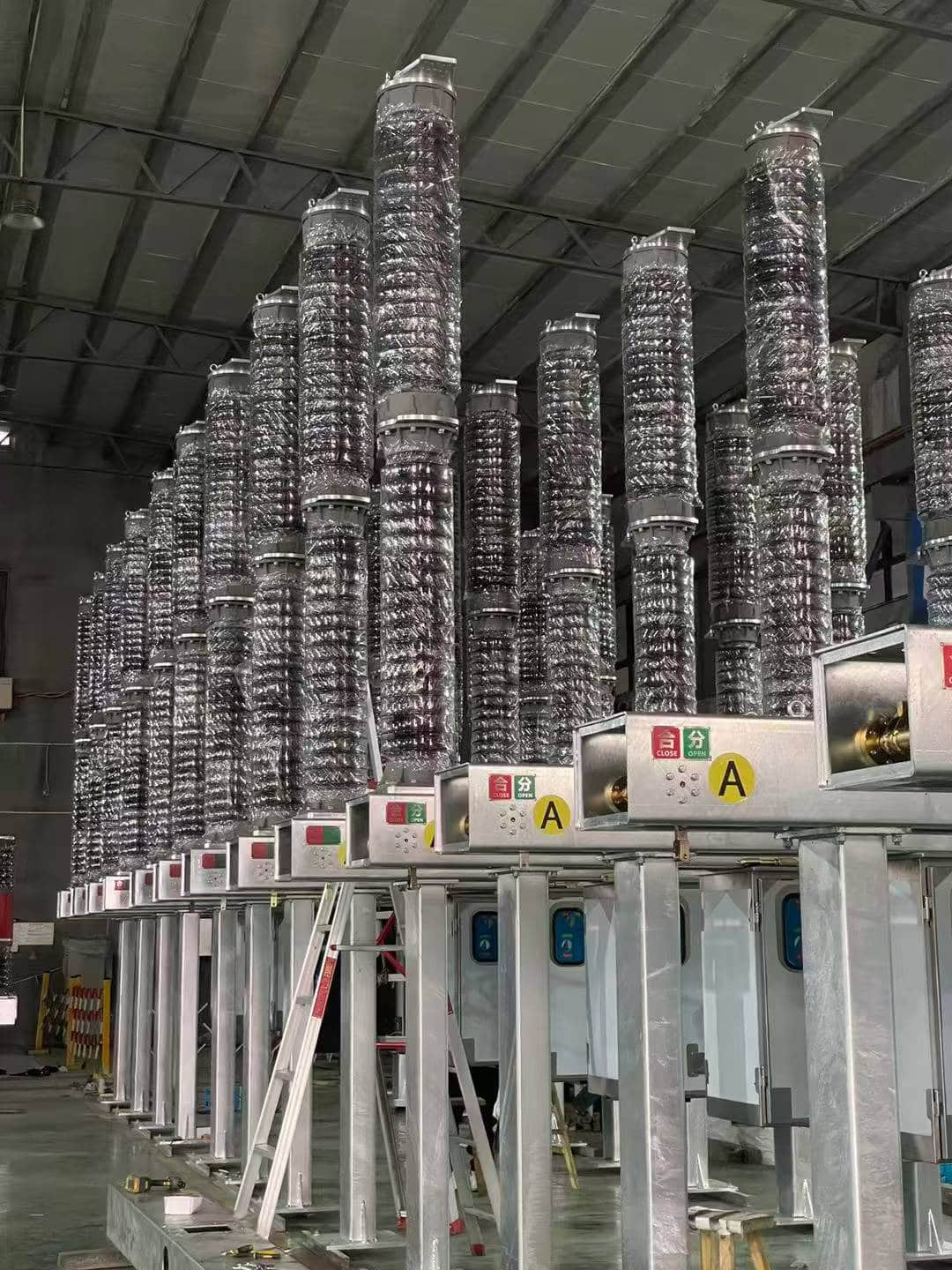
Note: Despite its technical superiority, SF6 is a potent greenhouse gas, with a Global Warming Potential (GWP) approximately 23,500 times that of CO2. Strict control of leakage and mandatory lifecycle-end recovery are major environmental compliance challenges facing the power industry today.
2.3 Air Circuit Breaker (ACB / ABCB)
Air circuit breakers are essentially divided into two distinct categories, serving entirely different voltage applications and relying on fundamentally different principles.
2.3.1 Low-Voltage: Air Circuit Breaker (ACB)
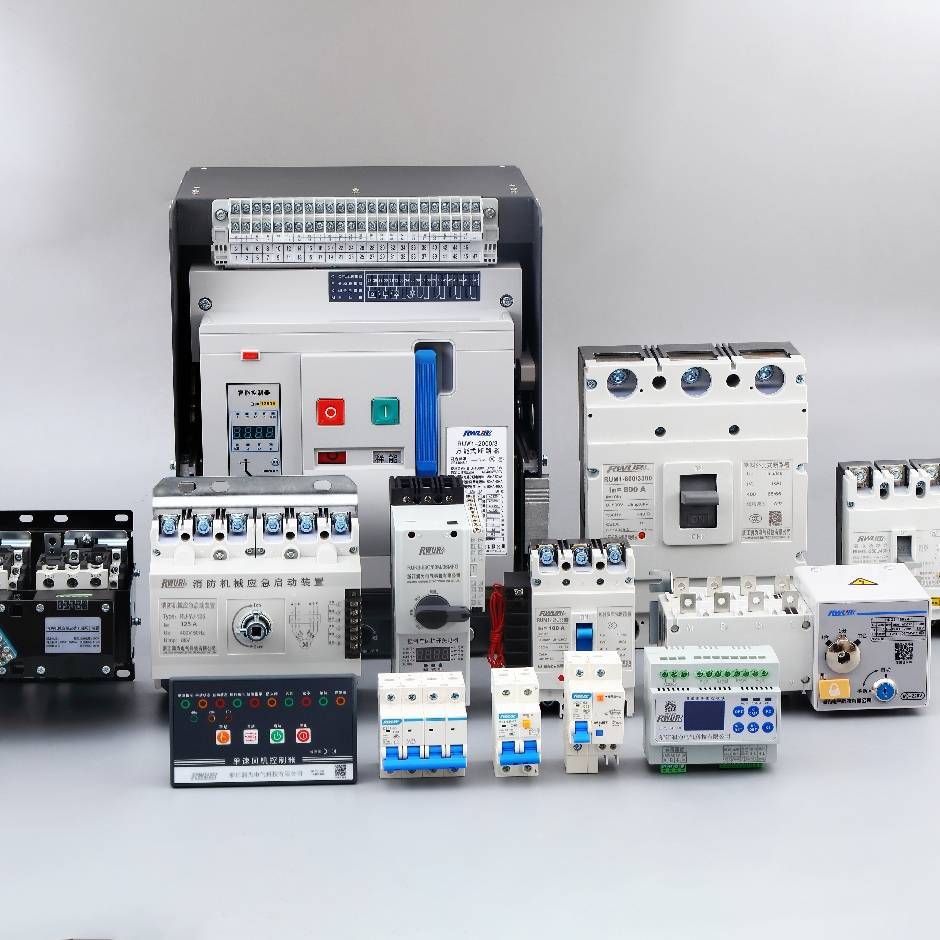
ACBs primarily function as main protective switches in low-voltage distribution systems, typically operating from 400 V to 1000 V. These breakers use ambient air as the arc-extinguishing medium, critically assisted by specialized arc chute structures. When the contacts open, the resulting arc is rapidly elongated by electromagnetic and thermal forces, driving it into the metallic plate structure of the arc chute.
The chute’s design fragments the arc into numerous smaller, series-connected segments, which are rapidly cooled and extinguished. ACBs are structurally straightforward, offering excellent mechanical and electrical life, and typically integrate sophisticated trip protection features for overloads, short circuits, and under-voltage conditions.
2.3.2 High-Voltage: Air Blast Circuit Breaker (ABCB)
ABCBs were historically prevalent in high-voltage applications. They rely on a complex air compression system to generate a high-pressure air blast, typically 2 MPa to 3 MPa, which is forcefully directed at the arc. The powerful air stream rapidly removes hot, conductive particles from the arc channel, quickly restoring the dielectric strength of the contact gap.
While ABCBs achieved extremely fast interruption speeds, they required a massive, noisy, and high-maintenance air compressor station. Due to these operational drawbacks and high maintenance requirements, ABCBs have been largely superseded by VCBs and SF6 CBs in modern grids.
2.4 Molded Case Circuit Breaker (MCCB)
Molded Case Circuit Breakers (MCCBs) are the backbone of low-voltage electrical protection, typically used for currents ranging from 15A to 2500A. They are designed to protect circuits from overloads and short circuits in industrial and commercial distribution systems.
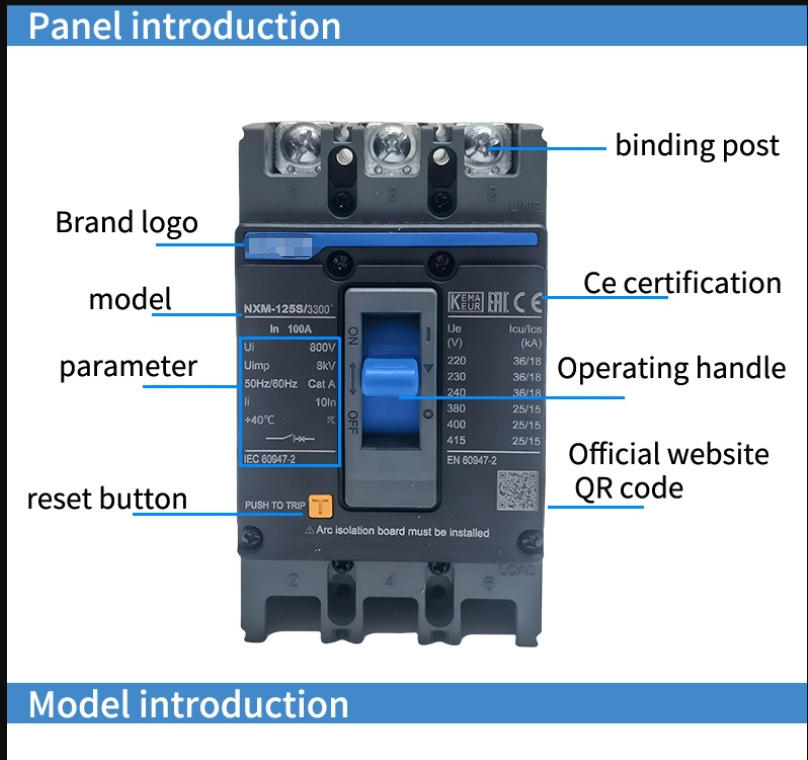
[Pro-Tip: Thermal Derating in Compact Spaces]A frequent "complaint" we see in engineering forums like Reddit regarding MCCBs is "nuisance tripping." In many cases, this isn't a fault in the breaker but a failure to account for ambient temperature derating. Because MCCBs are designed to be compact, heat dissipation within a sealed control cabinet is critical.
At Weisho Electric, our field data suggests that if you are installing an MCCB in a high-temperature industrial environment, you must apply a derating factor (typically 0.8 or lower). Ignoring this real-world environmental factor is the #1 cause of unexpected downtime in low-voltage distribution. Ensure your installation adheres to IEC 60947-2 standards for temperature compensation to avoid these common tripping issues.
[2026 Engineering Video Guide]
To see the internal arc-quenching mechanisms of VCB, SF6, and MCCB in action, we recommend this latest technical breakdown. It provides a visual comparison of how modern breakers handle overcurrent according to IEC standards, effectively illustrating the field challenges we discussed regarding thermal derating and vacuum integrity.
III. Professional Comparison and Technical Selection (The Core Metrics Module)
For the electrical engineer, selecting the appropriate circuit breaker is not a matter of media preference but a critical decision based on quantified electrical performance and operational economics. This section provides the engineering-grade parameters necessary for informed choice.
3.1 Core Metrics Comparison Table
| Characteristic | Vacuum CB (VCB) | SF6 CB (SF6 CB) | Air CB (ACB) | Molded Case CB (MCCB) |
| Quenching Medium | High Vacuum | Sulfur Hexafluoride (SF6) | Air (Ambient/Compressed) | Air (Atmospheric) |
| Typical Voltage | Medium Voltage (3.3 kV – 38 kV) | High/EHV (> 72.5 kV) | Low Voltage (0.4 kV/1 kV) | Low Voltage (< 1 kV) |
| Total Interrupting Time | Extremely Fast: 1–3 Cycles (20–60 ms) | Fast: 2–3 Cycles (40–60 ms) | Moderate: 3–5 Cycles | Fast: < 2 Cycles (approx. 10–20 ms) |
| Interrupting Capacity | Moderate (≤ 50 kA) | Extremely High (≥ 63 kA and above) | Large (≤ 100 kA Low Voltage) | Moderate to High (up to 100 kA) |
| Reclosing Performance | Excellent, fast dielectric recovery | Excellent, suitable for rapid reclosing | Poor (needs recharge)/Fair | N/A (Typically Manual Reset) |
| Electrical Life | Extremely High (Tens of thousands) | High | High (Low Voltage ACB) | Moderate (Application dependent) |
| Environmental Impact | Best | Poor (Potent Greenhouse Gas) | Good | Good |
3.2 Selection Criteria and Limitation Analysis: The Key to Engineering Decisions
In real-world engineering projects, circuit breaker selection is a multi-objective optimization challenge. The interrupting capacity is the paramount consideration; the device must reliably clear the maximum prospective short-circuit current at its installation point, which is why SF6 dominates ultra-high-voltage systems where VCB capacity is insufficient.
Operating speed is equally vital; a faster interruption significantly reduces the destructive thermal and electrodynamic stresses on nearby equipment like busbars and transformers. Modern systems commonly demand that breakers complete the full fault interruption sequence within three cycles, or 60 ms. Finally, in low-voltage systems, selective coordination is critical; the trip characteristics (instantaneous, short-time, long-time delay) of the breaker must perfectly coordinate with upstream and downstream devices to ensure that only the faulty section is isolated, minimizing system disruption.
Tip: When selecting high-voltage breakers, always scrutinize their ability to withstand the Transient Recovery Voltage (TRV). TRV is the high-frequency voltage that appears across the breaker contacts immediately after current interruption; this characteristic is a crucial differentiator between quality products and directly determines the breaker's reliability when clearing reactive or capacitive currents.
IV. Beyond Tradition: The Future Frontiers of Circuit Breaker Technology (Differentiation Module)
While the four conventional classifications provide the historical and current framework, next-generation technologies are fundamentally breaking these boundaries. This section explores the unique value proposition of emerging trends, highlighting the industry's direction toward radical improvements in performance and functionality.
4.1 Trend One: Intelligence and Internet of Things (IoT) Integration
4.1.1 The Core Philosophy: Shifting from "Passive" to "Proactive"
Traditional circuit breakers function as passive protection devices, only acting reactively when a fault has already occurred. In contrast, Smart Circuit Breakers (SCBs) integrate sensors, microprocessors, and communication modules directly into the traditional breaker structure, enabling proactive prevention and remote asset management. This integration allows for real-time monitoring and diagnosis, continuously collecting vital parameters such as current, voltage, temperature, power factor, and harmonic content.
Crucially, the real-time monitoring of contact and cable joint temperature allows operators to detect hidden "hot spots" early, a capability mechanical breakers entirely lack. This data-driven approach facilitates Predictive Maintenance (PdM); by analyzing operational data (e.g., number of operations, contact wear, accumulated arcing energy), AI algorithms can forecast equipment failure, transforming routine maintenance into highly efficient on-demand maintenance.
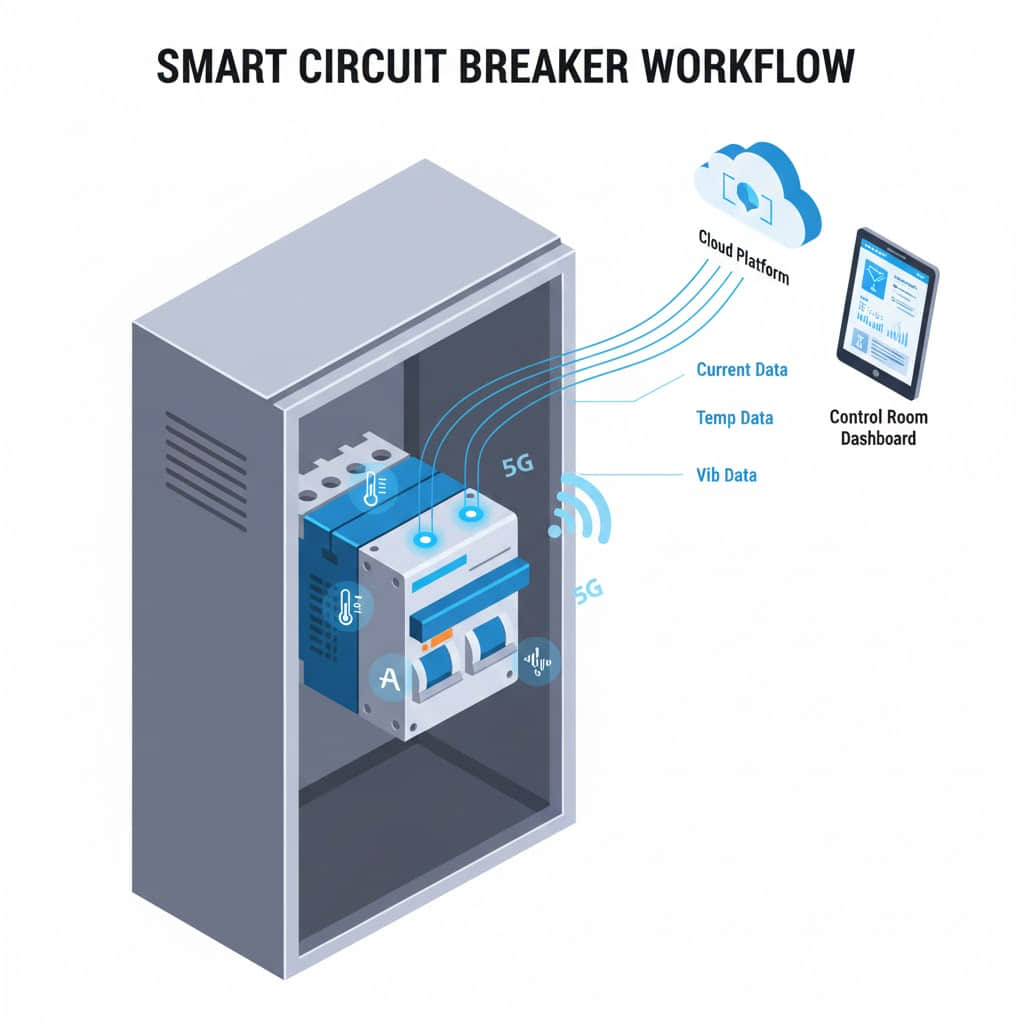
4.1.2 Enhancing EEAT Engineering Value
Smart breakers allow maintenance personnel to "see" the internal health of the equipment, providing an unprecedented level of Experience and insight into operational performance. This capability helps avoid unnecessary planned outages for maintenance, thereby enhancing overall system reliability and embodying true engineering value.
4.2 Trend Two: The Solid-State Circuit Breaker (SSCB) Revolution
4.2.1 Technical Principle: Bypassing Mechanical Contacts
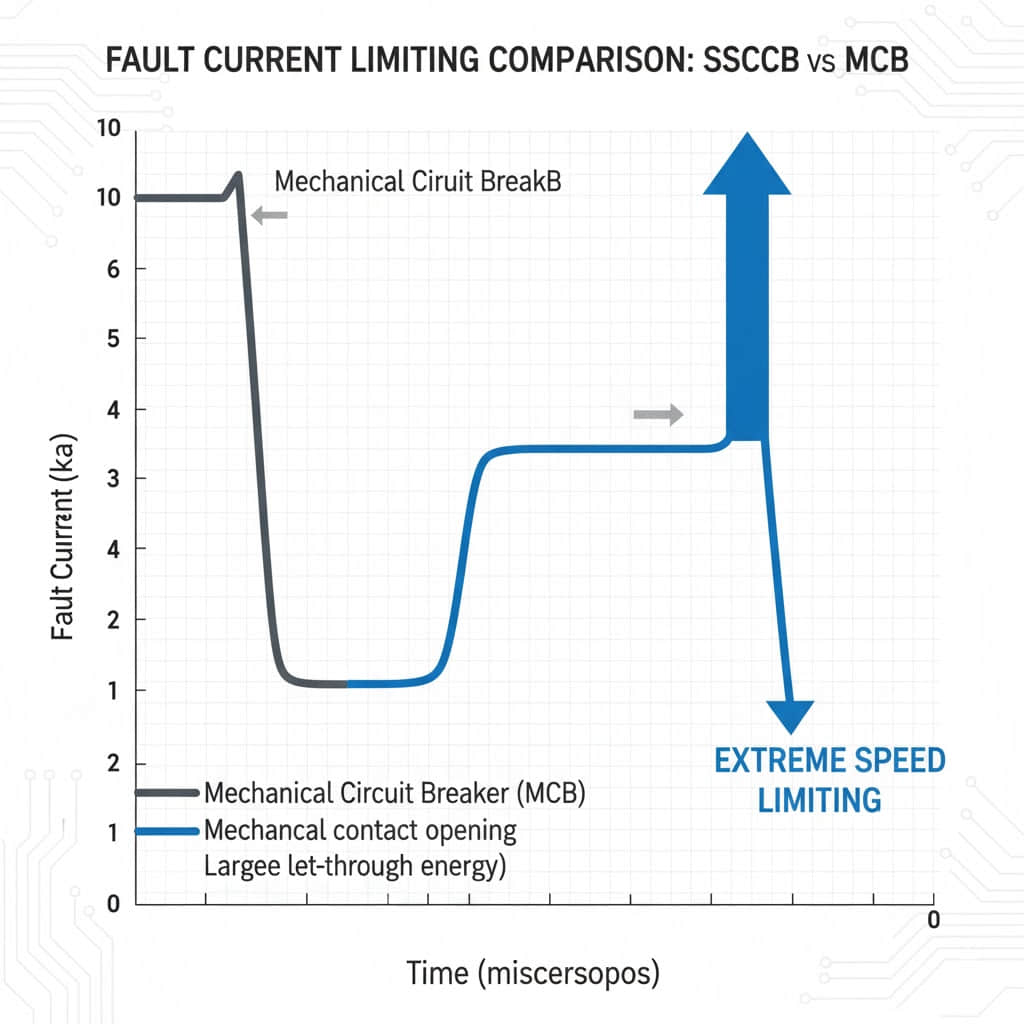
The Solid-State Circuit Breaker (SSCB) represents a fundamentally disruptive technology in the power industry. It eliminates mechanical contacts and arc-extinguishing media, relying instead on high-performance power electronic semiconductor devices, such as Silicon Carbide (SiC MOSFETs) or Insulated Gate Bipolar Transistors (IGBTs), to achieve current interruption.
The most compelling feature of the SSCB is its sub-microsecond (μs) interruption speed, making it 100 to 1000 times faster than conventional mechanical breakers. This unparalleled speed allows the device to interrupt a short-circuit current before it reaches its destructive peak (known as current-limiting interruption), offering vastly superior protection for downstream components. Its operational benefits include zero arcing, no mechanical wear, virtually infinite lifespan, and silent operation.
4.2.2 Core Application Fields
The SSCB is the ideal solution for future Direct Current (DCDC) systems, where mechanical breakers face extreme difficulty in clearing DC arcs, which lack the natural zero-crossing of AC. They are essential for ensuring reliability in microgrids and energy storage systems, as well as in critical facilities like data centers and Electric Vehicle (EVEV) fast-charging stations that demand extremely high power quality and sub-cycle fault isolation.
4.3 Trend Three: The Search for Eco-Friendly Media
In response to the significant environmental concerns surrounding SF6, the industry is actively promoting and developing eco-friendly alternatives.
"Clean Air" Solutions: Utilizing treated, dry air or mixtures of nitrogen and oxygen, combined with innovative structural designs, is now enabling the replacement of SF6 in many medium-voltage applications, and even some 145 kV systems.
Fluoroketone Mixtures: Newer gaseous dielectric mixtures with significantly lower GWP values than SF6 are being explored for high-voltage applications. These alternatives aim to maintain the superior insulating and arc-quenching performance while drastically reducing environmental impact.
V. Engineering Application Case Studies (EEAT: The Experience Module)
By analyzing specific scenarios, we can validate the professional selection logic for each circuit breaker type, underscoring the importance of practical Experience (E).
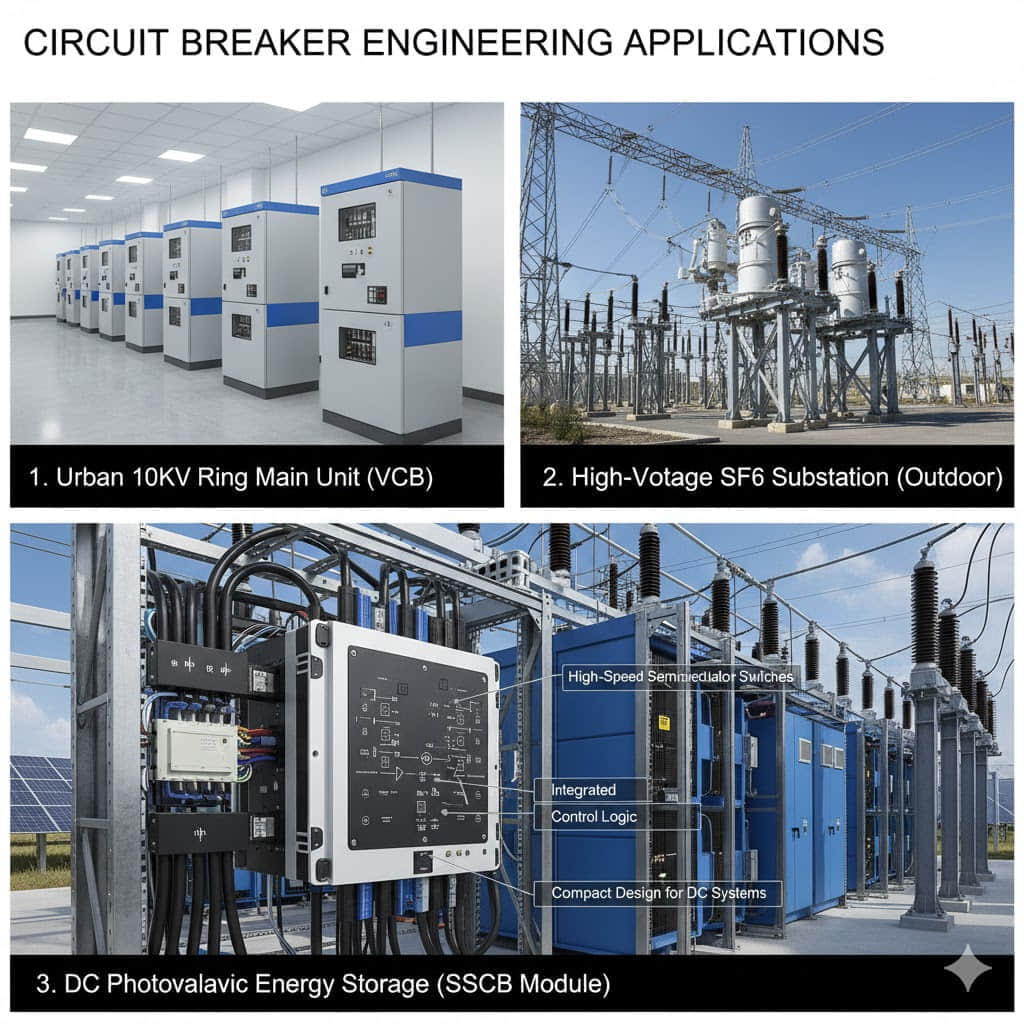
5.1 Case Study: Smart Urban Distribution – Coordinating VCBs and MCCBs
Scenario: A 10 kV package substation integrated into a high-density smart residential complex.
Selection Logic: In modern urban environments, the priority has shifted from simply "replacing oil" to maximizing coordination efficiency. We utilize Vacuum Circuit Breakers (VCBs) on the primary 10 kV side for their arc-quenching speed and zero-maintenance profile. However, the real engineering challenge lies in the secondary side, where Molded Case Circuit Breakers (MCCBs) must be precisely calibrated.
By ensuring the VCB’s relay settings and the MCCB’s trip curves are perfectly synchronized, we eliminate the risk of "cascading failures." At Weisho Electric, we’ve found that using VCBs with integrated digital sensors allows for real-time monitoring of vacuum integrity, which, when paired with high-performance MCCBs, reduces localized downtime by nearly 40% compared to traditional urban setups.
5.2 Case Study: The High-Voltage Pillar – SF6 CB’s Performance vs. Environmental Regulation
Scenario: Substation equipment and long-distance transmission lines at 500 kV and higher.
Selection Logic: In the EHV (Extra-High Voltage) sector, the SF6 Circuit Breaker remains the "last line of defense" due to its unparalleled dielectric strength. While the industry is exploring alternatives due to SF6’s global warming potential, for 500 kV to 800 kV grids, it remains the only mature technology capable of clearing massive fault currents reliably.
At Weisho Electric, we emphasize that the "irreplaceability" of SF6 comes with a responsibility for leak-tightness. In this case study, we highlight the importance of high-precision gas monitoring systems. The SF6 CB's rapid reclosing capability is essential for transient faults (like lightning strikes), but our field experience shows that maintaining gas purity is the key to ensuring that the interrupting capacity doesn't degrade over decades of service.
5.3 Case Study: Breaking the Arc-Free Barrier – DC Microgrids and SSCB Technology
Scenario: Utility-scale solar farms, BESS (Battery Energy Storage Systems), and marine power networks.
Selection Logic: The fundamental challenge in DC systems is the lack of a "natural zero-crossing" point, which makes extinguishing a DC arc with traditional mechanical breakers extremely difficult and wear-intensive. While VCBs dominate AC medium voltage, Solid-State Circuit Breakers (SSCBs) are the definitive future for DC microgrids.
Using semiconductor cutoff technology (such as IGCT or SiC MOSFETs), SSCBs achieve arc-free interruption in microseconds. At Weisho Electric, our analysis of DC solar distribution shows that this ultra-fast response is the only way to prevent massive fault energy from damaging sensitive inverter components. Transitioning to SSCBs in your DC architecture doesn't just improve safety; it virtually eliminates the maintenance cycles associated with contact erosion in mechanical DC contactors.
VI. Conclusion Module
This comprehensive analysis confirms that circuit breaker technology remains central to the secure operation of any electrical system. The four traditional types have established clear roles based on their physical limits.
The VCB, with its environmental benefits and low maintenance, dominates the medium-voltage segment. The SF6 CB retains its absolute necessity in the high-voltage and ultra-high-voltage transmission domains due to its unmatched performance. Meanwhile, older technologies like OCB and ABCB are being systematically retired due to safety and maintenance liabilities.
Looking forward, the industry is unequivocally moving toward "greener, faster, and smarter" solutions. Smart circuit breakers are transforming grid maintenance from a reactive to a predictive discipline, drastically improving uptime and efficiency. The Solid-State Circuit Breaker (SSCB) represents the ultimate advancement in speed and reliability, and it is the key enabling technology for managing the complexities of future DC systems and distributed energy resources. For the modern electrical engineer, mastering the traditional four types is foundational, but understanding and embracing the SSCB and intelligent technologies is essential for navigating the future grid.
Frequently Asked Questions (Based on Engineering Reality)
1. Why choose VCB over SF6 for medium voltage applications?
In the current 2026 regulatory landscape, Vacuum Circuit Breakers (VCBs) are increasingly preferred due to their lower environmental footprint. While SF6 is a superior insulator, its high Global Warming Potential (GWP) has led to strict phase-out schedules in Europe and North America. VCB provides a "greener," virtually maintenance-free solution without the risk of toxic gas leakage.
2. Can an Air Circuit Breaker (ACB) be used for high-voltage systems?
Generally, no. Air Circuit Breakers (ACBs) are engineered for low-voltage applications (typically under 1kV), commonly serving as main incoming breakers in building distribution boards. For high-voltage protection (above 12kV), you must transition to VCB, SF6, or Gas-Insulated Switchgear (GIS).
3. How often should I test my MCCB in an industrial setting?
Although MCCBs are often treated as "set-and-forget" devices, they are not immune to environment-induced drift. We recommend a primary injection test or, at minimum, a thermal inspection every 3-5 years. In high-dust or high-temperature industrial environments, more frequent checks ensure the trip units still accurately match their original IEC 60947-2 calibration curves.
4. What is the typical lifespan of a Vacuum Circuit Breaker (VCB)?
A high-quality VCB is generally rated for 10,000 to 30,000 mechanical operations. However, in the field, the "vacuum integrity" is the real limiting factor. Based on our 12 years of technical support, we recommend performing a Vacuum Integrity Test (Hi-pot test) every 2-3 years, especially if the breaker operates in high-vibration or high-humidity industrial sites.
5. Why is my Air Circuit Breaker (ACB) making a buzzing noise?
A buzzing or humming sound in an ACB is often a sign of loose laminations in the magnetic core or dust accumulation on the pole faces. On platforms like Reddit, many technicians note that ignoring this "minor" noise can lead to overheating or even catastrophic failure of the trip unit. Routine cleaning and tightening of the mounting hardware can usually resolve this.
6. Can I replace an SF6 breaker with a VCB directly?
While both serve high-voltage needs, they are not always "plug-and-play" replacements. You must consider the physical dimensions, the mounting structure, and, crucially, the protection logic (like the overvoltage issues mentioned earlier). At Weisho, we suggest a full site audit before switching technologies to ensure the existing busbar and CT/PT settings are compatible with the VCB's faster switching speed.