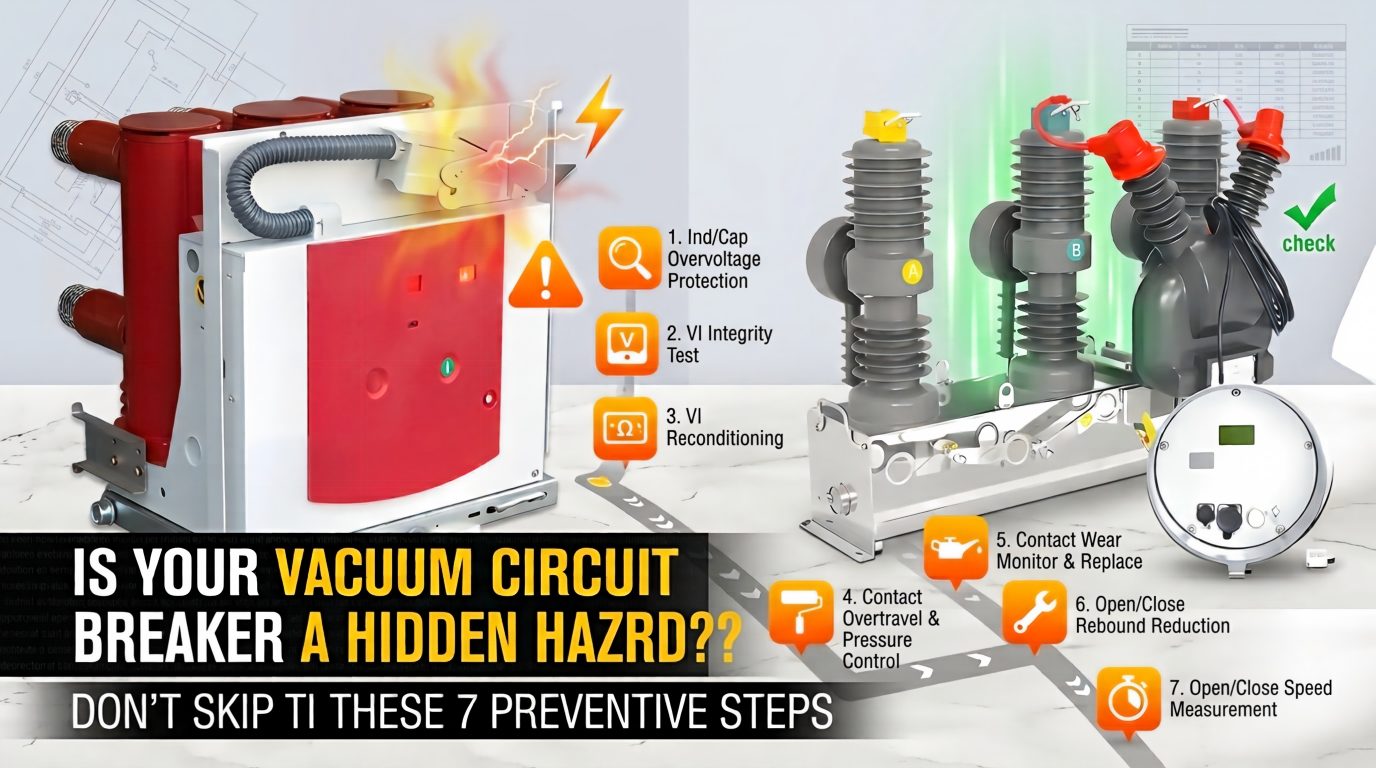
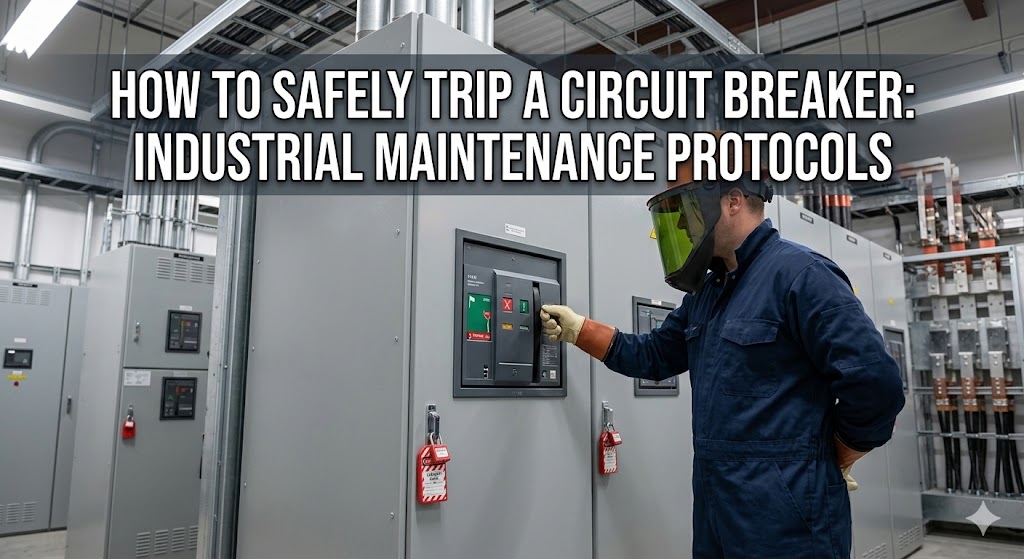
In high-capacity power distribution, an intentional trip is never a matter of trial and error—it is a high-stakes diagnostic procedure governed by rigorous engineering standards. Whether executing a Shunt Trip verification or performing a Secondary Injection Test, adhering to NFPA 70E and IEC 60947 is essential to prevent catastrophic equipment damage and ensure personnel safety.
At Weisho Electric, we recognize that improper "forced tripping" can inflict irreversible stress on VCB linkages and compromise MCCB calibration. This guide moves beyond risky amateur shortcuts, focusing instead on the professional protocols required to de-energize circuits safely while maintaining the integrity of your Protection Coordination and maximizing equipment longevity.
Understanding Circuit Breakers and How They Trip
When discussing how to safely trip a circuit breaker, it is essential to look beyond the toggle switch. A breaker is a high-precision safety device engineered to automatically interrupt current flow during abnormal conditions, preventing catastrophic thermal damage, arc flashes, and infrastructure fires.
How a Circuit Breaker Works
Industrial and commercial breakers utilize advanced protection logic to trip in three critical scenarios:
Overload (Thermal Protection):
Occurs when continuous current exceeds the breaker’s long-time delay (LTD) setting (e.g., running multiple industrial motors or HVAC compressors on a single feeder).
The internal bimetallic element heats up, triggering a trip to prevent insulation degradation in the busbars or distribution cables.
Short Circuit (Magnetic Protection):
A "hot-to-neutral" or "phase-to-phase" contact resulting in an instantaneous surge of thousands of amps.
The magnetic trip unit reacts almost immediately (in milliseconds) to quench the arc and isolate the faulted section.
Ground Fault:
Unintended current leakage to a grounded surface—often caused by damaged motor windings or compromised cable insulation.
Modern GFCI-equipped breakers or Residual Current Devices (RCDs) detect this imbalance to prevent personnel shock and equipment ground-leakage damage.
This is why forcing a breaker to stay closed (manual overriding) is extremely hazardous. You are bypassing the calibrated safety limits designed to protect your facility’s power distribution system.
Types of Circuit Breakers and Their Trip Logic
In commercial and industrial distribution, we categorize breakers by their protective coordination and trip unit technology, rather than just location:
Thermal-Magnetic Breakers (Standard):
The workhorse of industrial panels. These rely on a bimetallic strip for long-time overloads and an electromagnetic coil for instantaneous short circuits.
Field Insight (from Reddit r/Electricians): A common "soul-crushing" issue in factories is high ambient temperature in the cabinet, causing these to trip prematurely. Professionals now prioritize electronic trip units to avoid this thermal drift.
GFCI & GFPE (Ground Fault Protection):
Beyond bathroom safety, in B2B environments, we focus on Ground Fault Protection of Equipment (GFPE).
These include a TEST/RESET interface to verify the zero-sequence transformer's integrity. Pro Tip: Never use the test button as a regular "Off" switch; it's a diagnostic tool to ensure the internal logic hasn't been compromised by dust or vibration.
Electronic Trip Units (LSIG):
Unlike basic residential breakers, these allow for Long-time, Short-time, Instantaneous, and Ground-fault adjustments.
This is the "soul" of professional electrical design. It ensures that only the breaker closest to the fault trips (Selective Coordination), preventing a minor motor fault from taking down an entire production line.
Understanding the trip unit technology in your facility—whether it's a basic thermal-magnetic MCCB or a sophisticated LSIG unit—is the first step in any safe diagnostic protocol or predictive maintenance schedule.
Automatic Tripping vs. Intentional Tripping
In industrial power management, understanding the intent of the disconnection is key to operational safety:
Automatic Tripping (Fault Condition):
The protection relay or trip unit detects a fault (Overcurrent, Phase Imbalance, or Ground Leakage).
The "Human" Angle: Professionals view this as a "System Lockout" signal. Ignoring it or resetting without diagnostic clearance often leads to secondary, more violent failures.
Intentional Tripping (Maintenance Protocol):
Achieved via a manual handle operation, a Shunt Trip remote signal, or a Secondary Injection Test set.
This is used to verify de-energization or to test if the mechanical linkages still move freely within their calibrated time-current curves.
The Critical Risks of Defeating Breaker Functions
Any method that bypasses a breaker's trip-free mechanism is a violation of NFPA 70E and OSHA standards. Avoid these catastrophic errors:
Defeating the "Trip-Free" Mechanism: Modern breakers are designed to trip even if the handle is locked or taped in the "ON" position. Attempting to force the handle prevents the mechanical discharge of the spring, leading to Internal Arcing.
Improper Up-sizing (The 30-Amp Trap): Replacing a breaker with a higher-rated unit without upgrading the entire Busbar and Feeder capacity.
Bypassing via Jumpers: Temporary jumpers used during troubleshooting that are "forgotten"—a frequent cause of industrial fires reported in maintenance post-mortems.
The Engineering Reality: These actions don't just "overheat wires"; they lead to Arc Flash incidents that can vaporize metal components and cause catastrophic facility downtime. If a breaker keeps tripping, the solution is Root Cause Analysis (RCA), not hardware modification.
When and Why Professionals Trip a Breaker Intentionally
In an industrial or commercial setting, an intentional trip is a controlled diagnostic event. It is performed to protect infrastructure, verify protection logic, and ensure personnel safety during maintenance.
Professional Reasons to Trip a Breaker:
System Validation & Compliance: Verifying that a Power Transformer or feeder breaker correctly isolates power under simulated fault conditions.
Preventative Mechanical Exercise: Periodically tripping the breaker to ensure the internal spring-loaded mechanisms and latches haven't seized due to environmental contaminants.
Selective Coordination Mapping: Identifying which specific MCCB (Molded Case Circuit Breaker) controls a critical production line or server rack branch to minimize facility downtime.
LOTO (Lockout/Tagout) Procedures: The first step in mandatory safety protocols before any electrical repair, installation, or busbar maintenance.
Professional Methods vs. Dangerous Shortcuts
Avoid the common "DIY" pitfalls often cited in amateur blogs. In a high-voltage or high-current environment, the stakes are significantly higher.
The Reasonable & Recommended Path:
Mechanical Manual Trip: Using the physical trip button (often labeled "Push to Trip") to test the mechanical integrity of the breaker.
Electronic Logic Testing: Using a Secondary Injection Test Set to verify trip times without subjecting the system to actual fault currents.
Digital Tracing: Utilizing industrial-grade circuit tracers that inject a signal into the line for non-invasive mapping.
The "Strictly Avoid" List (Reddit Community consensus):
X Controlled Overload (Space Heater Method): NEVER use heaters or load-stressing to find a breaker. This causes thermal drift in the trip unit and can prematurely age the breaker’s internal components.
X Deliberate Short Circuits: Creating a "spark test" is an immediate Arc Flash hazard and can cause permanent pitting on the breaker contacts, leading to future failure.
X Forced Resetting: Repeatedly slamming a breaker back to the "ON" position when it keeps tripping. This can lead to a catastrophic mechanical failure of the Arc Chute.
The Engineering Rule: If a breaker in your facility continues to trip, it is a signal for Root Cause Analysis (RCA). Contact an industrial electrical engineer or the Weisho Technical Team to inspect for insulation breakdown or coordination issues.
Industrial Safety Protocols Before Tripping a Breaker
In a commercial facility, "basic safety" is replaced by mandatory NFPA 70E compliance. Before you interact with any distribution board:
Verify PPE Compliance: Beyond just "dry hands," ensure you are wearing the appropriate Arc-Rated (AR) clothing and insulated gloves if the incident energy levels require it.
The 120-Degree Rule (Stand to the Side): Never stand directly in front of a breaker when operating the handle. Stand to the side to avoid being in the direct path of a potential Arc Flash if the device fails during switching.
The "One-Hand Rule" & Face Away: Use your non-dominant hand to operate the switch while keeping your other hand behind your back. Turn your face away during the throw to protect your eyes and lungs from sudden ionized gases.
Pre-Operation Inspection: Check for discoloration on the busbar or a "humming" sound (harmonic distortion or loose connections) before touching the handle. If you hear a buzz, STOP.
Preparing the System (Asset Protection)
Verify Shunt Trip Status: If the breaker is part of an integrated system, ensure the Shunt Trip control voltage is stable.
Load Shedding: Do not trip a breaker under a full inductive load (like a running 50HP motor) unless it's an emergency. Shut down downstream loads first to prevent contact pitting inside the Arc Chute.
LOTO Preparation: Have your Lockout/Tagout kit ready. An intentional trip is meaningless if the circuit isn't physically locked and tagged to prevent accidental re-energization.
When to Abort and Call an Industrial Specialist (Weisho Expert Warning)
In B2B environments, certain signs indicate a catastrophic failure is imminent. Call a specialist if:
"Mushy" or Gritty Handle Feel: This indicates the internal mechanical spring or the operating mechanism has failed. Forcing it could cause the breaker to explode.
Visible Carbon Tracking: If you see black "spider-web" marks on the casing, the insulation integrity is gone.
Odor of "Ozone" or Burning Plastic: This suggests an ongoing partial discharge or a failing connection at the lug.
Breaker "Hangs" in the Center: If the handle stays in the middle and won't reset, the internal latch mechanism is likely compromised.
The Professional Standard: Manual Operation of Industrial Breakers
In a commercial or industrial environment, the safest method to trip a circuit breaker manually is through a direct, controlled operation at the distribution board or switchgear. This avoids "forcing" a trip via artificial loading and allows for a physical verification of the device's mechanical integrity.
Locating and Accessing the Distribution Board
For Weisho Electric clients and facility managers, the equipment is typically located in:
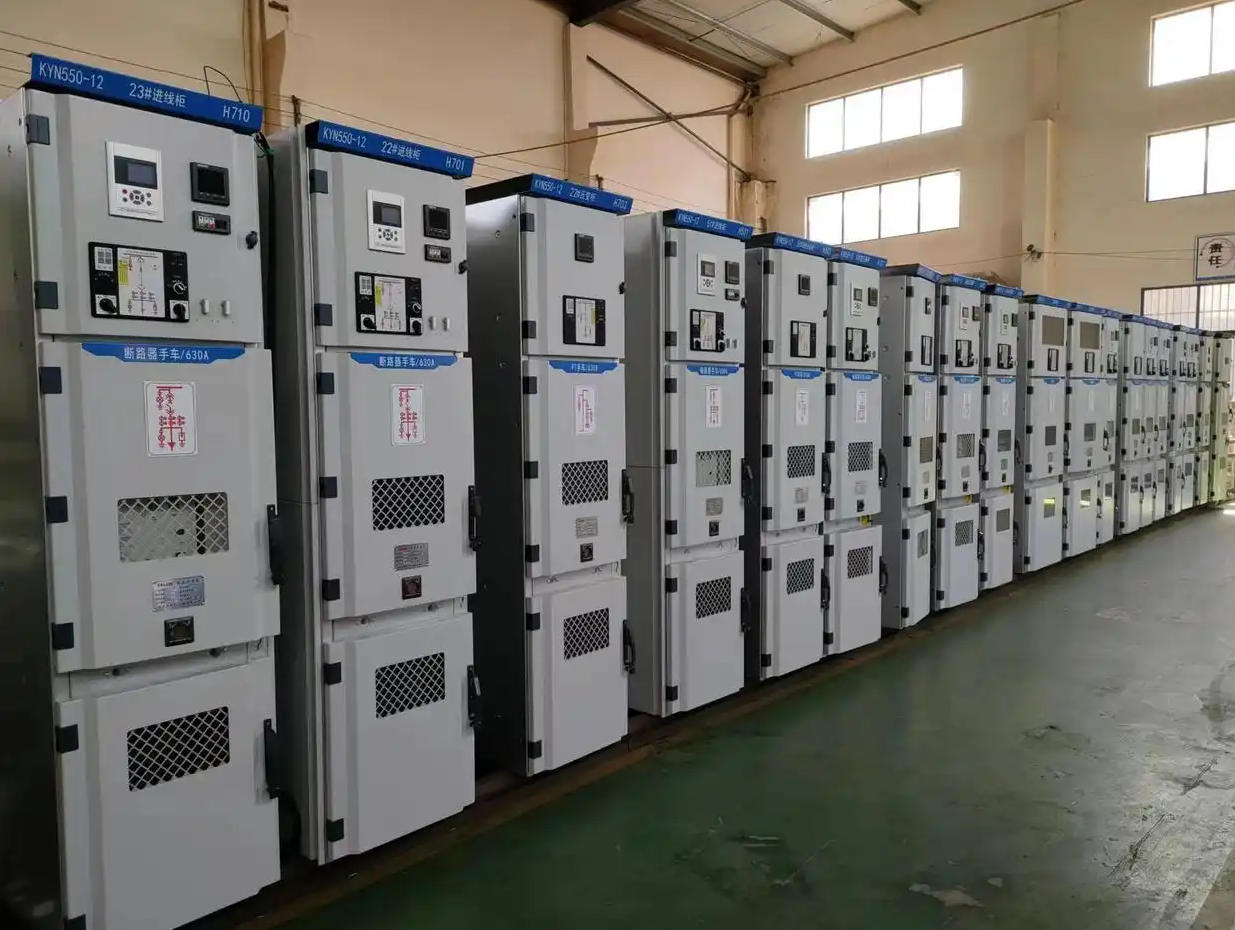
Dedicated Electrical Rooms (MDB/SDB): Controlled environments for main and sub-distribution boards.
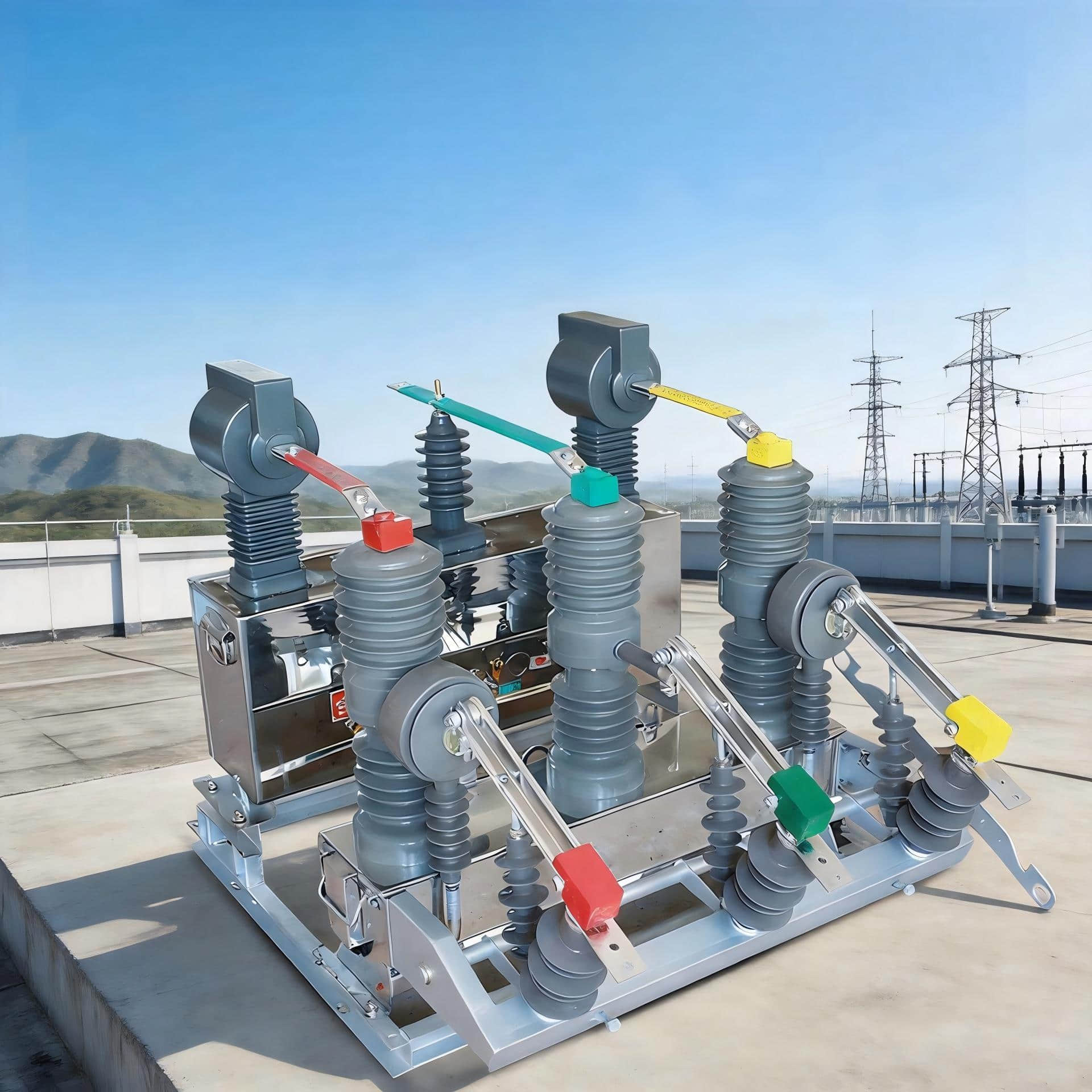
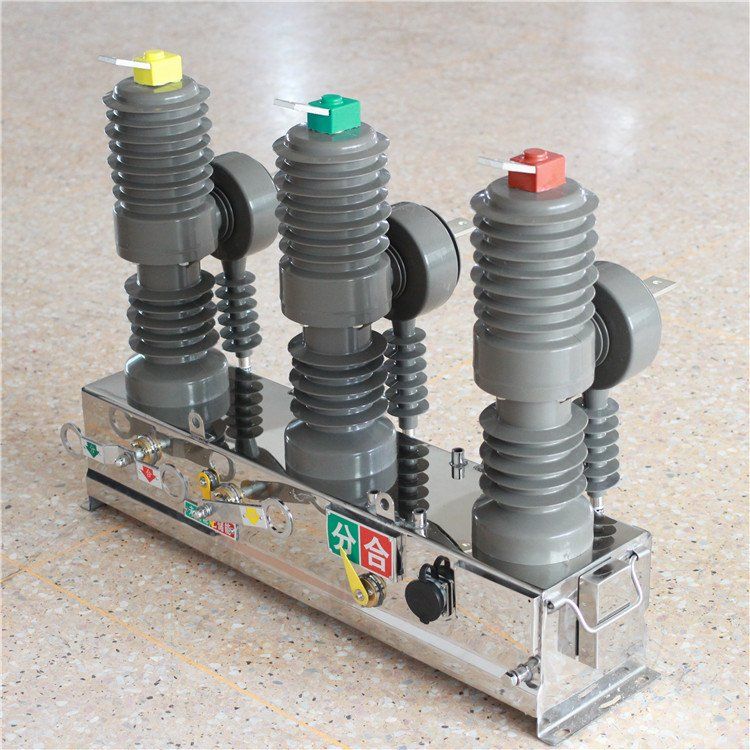
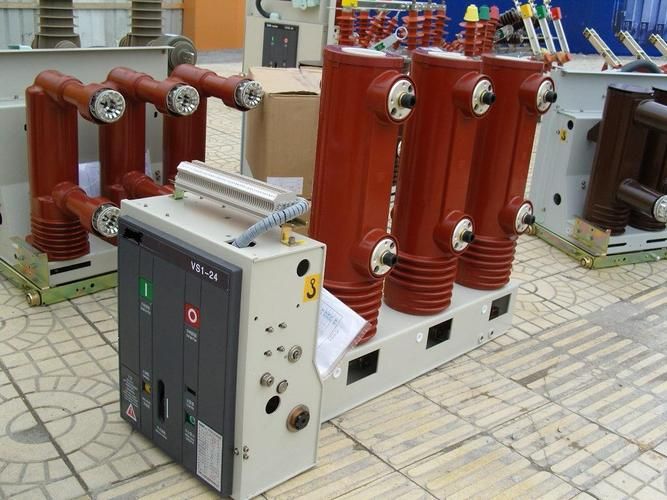
Outdoor Substation Enclosures: For gear like High-Voltage Vacuum Circuit Breakers (VCB).
Safety Prep: Before opening any cabinet, ensure the area is clear of debris. In industrial settings, verify the Incident Energy Level labeled on the panel to select the correct Arc-Flash PPE.
How to Read Industrial Breaker Schematics and Labels
Do not rely on handwritten notes. Professional panels should feature:
Circuit Schedules: Printed directories identifying feeders for HVAC chillers, production lines, or Power Transformers.
Device Identifiers: Labels like "1QF", "2QF" which correspond to the One-Line Diagram (SLD).
Status Windows: Look for "Flag Indicators" (Red/Closed, Green/Open). Pro Tip from Reddit: If a breaker is in a "Center/Tripped" position, it has detected a fault; if it is "OFF", it was operated manually.
SOP: How to Manually Trip an Industrial Breaker
To perform a controlled intentional circuit breaker trip for maintenance:
1. Load Shedding (Critical): Shut down downstream motors or sensitive PLC controllers first. Tripping a breaker under heavy inductive load can cause contact pitting inside the arc chutes.
2. The "One-Hand" & "Face Away" Rule: Stand to the side of the cabinet door. Use one hand to operate the handle and turn your head away from the panel. This protects your airway and vision from ionized gases in the rare event of an Arc Flash.
3. Firm, Decisive Motion: Move the handle to the OFF position (or press the mechanical "Trip" button) in one clean motion. Do not "tease" the contacts by moving slowly; this prevents unnecessary arcing.
Verification: Ensuring 100% De-energization
Never assume "Handle Down = Power Off." In the Reddit maintenance community, the "Live-Dead-Live" test is the gold standard:
Phase-to-Phase & Phase-to-Ground Testing: Use a calibrated multimeter or a high-voltage non-contact tester.
Verify the Tester: Check your tester on a known live source, then test the de-energized circuit, then re-verify the tester on the live source again.
Mechanical Check: Confirm the breaker's internal flag shows "Open" or "Green."
Restoration of Power
Before moving the handle to ON:
1. LOTO Removal: Ensure all Lockout/Tagout devices are removed, and all personnel are clear of the machinery.
2. Visual Inspection: Confirm no tools (wrenches/screwdrivers) are left on the busbars.
3. The Reset Throw: If the breaker was tripped by a fault, you must move it completely to the OFF position to reset the spring mechanism before throwing it to ON.
Technical Warning: If the breaker re-trips immediately, DO NOT attempt a second reset. This indicates a "Hard Fault" or a compromised insulation resistance. Continuing to force the breaker can lead to an explosive failure of the casing. Contact the Weisho Technical Department for a diagnostic review.
Professional Methods: Identifying Breakers Remotely
In high-availability industrial facilities, identifying circuits must be performed without compromising operational uptime. Instead of crude physical testing, professionals rely on high-frequency signal injection and advanced protection logic to map complex distribution networks.
Why "Intentional Overloading" is Forbidden in Industrial Standards
While traditional manual tracing suggests increasing load to force a trip, Weisho Electric and global engineering standards (such as NFPA 70E) strictly advise against this practice for three critical reasons:
Thermal Fatigue & Calibration Shift: Repeated intentional overloads stress the bimetallic strip in thermal-magnetic breakers. This leads to "nuisance tripping"—where the breaker fails to hold its rated load during critical production cycles.
Voltage Sag & Data Integrity: Rapidly introducing high-draw inductive or resistive loads can cause transient voltage drops. This can crash sensitive PLC controllers, VFDs, or data servers operating on the same busbar.
Arc Flash & Mechanical Integrity: If a breaker is near its end-of-life or has internal carbon buildup, forcing a high-current trip can trigger a catastrophic internal arc or mechanical seizure.
The Gold Standard: Industrial Circuit Tracers
For accurate mapping without downtime or equipment stress, professionals utilize Digital Circuit Tracers.
Operational Logic: A transmitter injects a specific modulated frequency (typically 32kHz or 625Hz) onto the energized line. A receiver at the distribution board identifies the target breaker via electromagnetic induction.
The B2B Advantage: This allows for Live-Circuit Mapping, enabling technicians to trace a feeder back to its source without interrupting production lines or motor controllers.
Remote Testing of GFCI and AFCI Protection
Never simulate a ground fault or an arc fault using improvised methods like "shorting" wires. Instead, utilize the Calibrated Internal Test Logic:
1. System Clearance: Verify that no critical assets—such as industrial cooling systems, PLC controllers, or safety sensors—are active on the branch before initiating a test.
2. Logic Verification: Engage the dedicated TEST button. This simulates the precise leakage current (for GFCI) or specific waveform signature (for AFCI) required to trigger the electronic trip unit.
3. Reset Protocol: If the unit fails to trip or requires excessive force to reset, it indicates that the internal solenoid or mechanical latching mechanism has been compromised and requires immediate replacement.
Remote Shunt Trip Operations
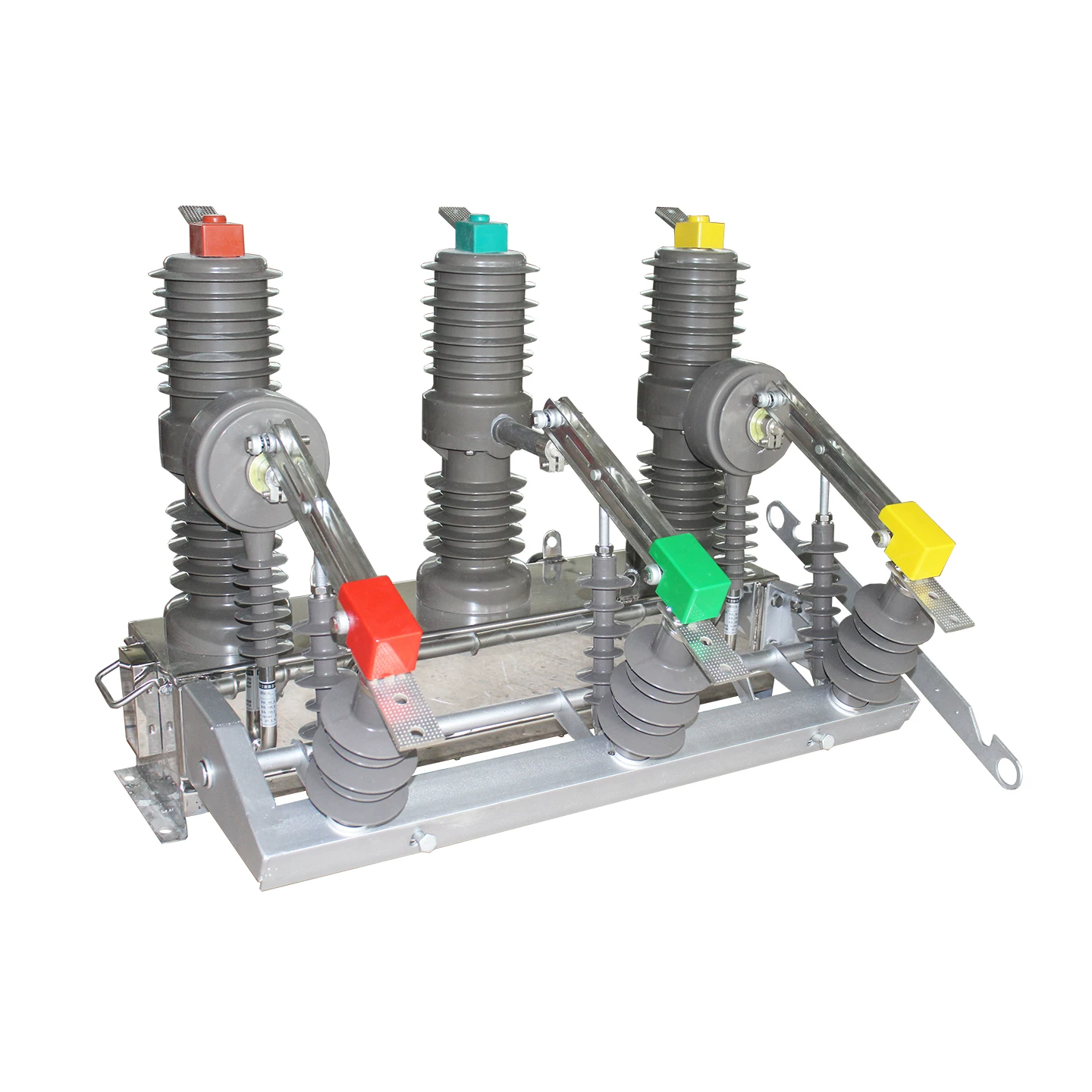
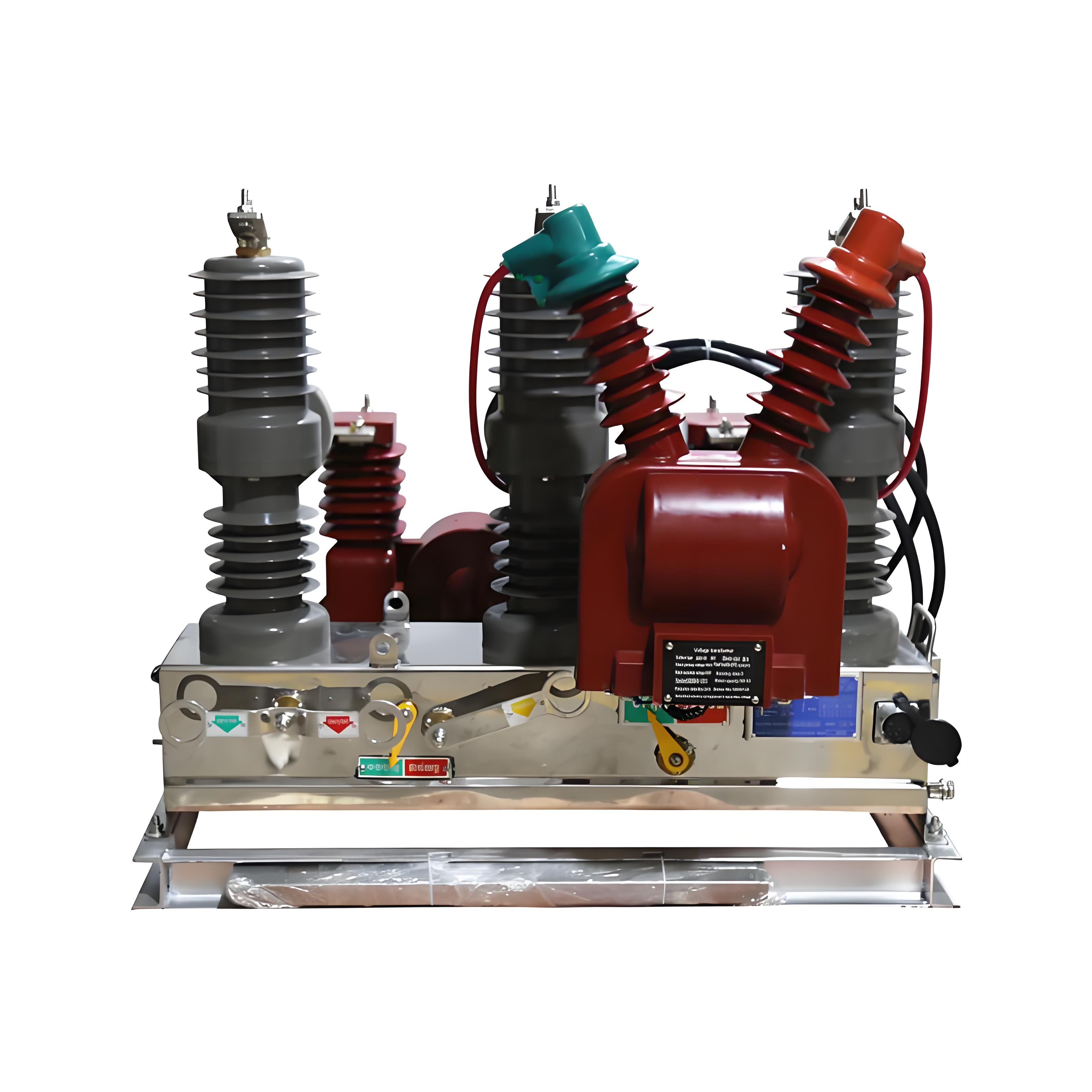
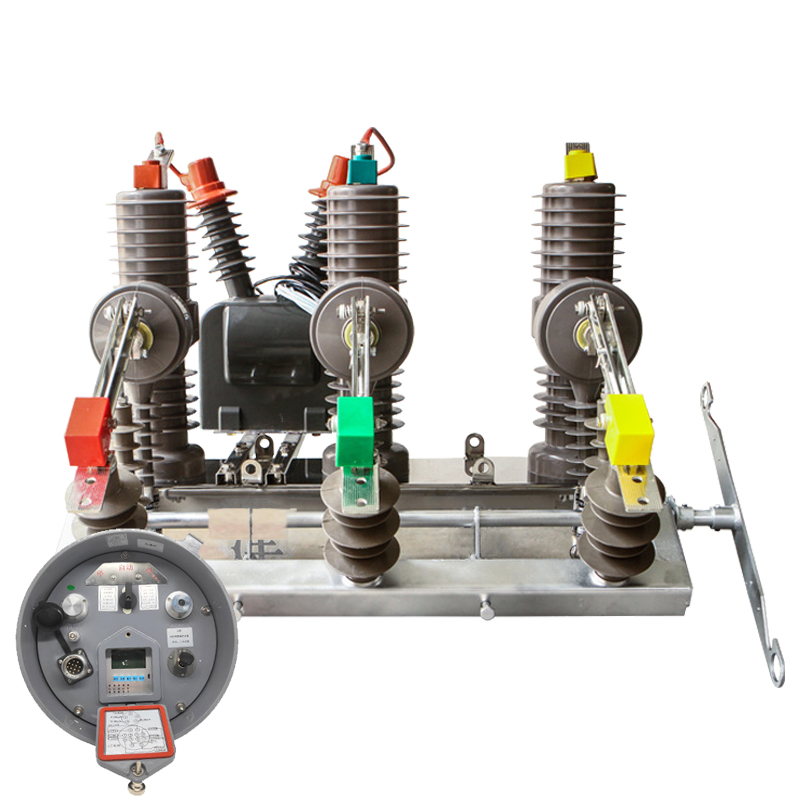
In high-capacity power systems utilizing Vacuum Circuit Breakers (VCBs) or heavy-duty MCCBs, "remote tripping" is managed via a Shunt Trip Coil.
Arc Flash Mitigation: This allows technicians to de-energize high-voltage feeders from a remote control console, keeping personnel well outside the Arc Flash Boundary.
Industry Standard: For facilities requiring frequent remote isolation, integrating motorized operating mechanisms with shunt trips is the recognized industry standard for personnel safety and operational efficiency.
Comparison: Professional Mapping vs. Intentional Overloads
| Method | Safety Level | Impact on Infrastructure | Recommended Application |
| Digital Tracer | Elite / Non-Invasive | Zero Mechanical Stress | Routine circuit mapping & industrial facility audits. |
| Shunt Trip Operation | High (Standard) | Controlled & Calibrated | Remote isolation in MV/HV systems and emergency shutdowns. |
| Integrated Test Buttons | High (Standard) | Internal Logic Verification | Periodic compliance safety checks (GFCI/AFCI). |
| Controlled Overload | CRITICAL RISK | High Thermal & Mechanical Stress | Strictly prohibited for professional asset management. |
Engineering Verdict: When managing industrial power distribution, circuit breakers must be treated as high-precision protection assets. Weisho Electric strongly advocates for signal-based tracing for identification and calibrated manual/shunt-based operations for tripping. Avoid "stress tests" that compromise the long-term integrity of your power distribution infrastructure.
Methods to Avoid: Dangerous Shortcuts That Compromise Electrical Integrity
While the objective may be to identify or test a circuit breaker, certain "shortcut" methods are strictly prohibited under NFPA 70E and general engineering best practices. These techniques do not merely "trip" a breaker—they inflict irreversible mechanical degradation and introduce systemic safety risks to your infrastructure.
1. The Grave Danger of Intentional Short Circuits
Forcing a breaker to trip by creating a deliberate phase-to-phase or phase-to-ground short is a catastrophic diagnostic error. In professional or industrial environments, the consequences are far beyond a simple "pop":
Contact Pitting & Erosion: Every intentional short triggers massive arcing at the breaker’s internal contacts. This leads to "pitting," which increases electrical resistance and generates localized hotspots during subsequent normal operations.
Instantaneous Energy Release: In B2B or high-capacity systems, the available fault current is sufficient to trigger a violent Arc Flash. This can vaporize metallic components, destroy the Busbar integrity, and cause permanent casing rupture.
Protective Logic De-calibration: Repeatedly "slamming" the magnetic trip unit can physically shift the calibration of the spring-tension mechanisms, making the device dangerously slow to react during a legitimate emergency.
2. Prohibition of Improvised "Test Plugs" and Unrated Jumpers
Never utilize non-UL/IEC listed devices or "garage-built" jumpers for circuit identification:
Insulation & Dielectric Failure: Improvised tools lack the rated dielectric strength required to withstand transient voltage spikes or back-EMF often found in systems linked to Power Transformers.
The "Welding" Risk: If a DIY tool fails under fault current, it often "welds" itself to the receptacle or bus-stub. This maintains a continuous, uncontrolled fault until an upstream main breaker is forced to intervene.
The Professional Standard: Industry experts exclusively use category-rated (CAT III/IV) Digital Circuit Tracers or Secondary Injection Test Sets for all mapping and logic verification tasks.
3. Why "Load Stacking" is a Systemic Asset Risk
Intentionally overloading a circuit—such as stacking multiple industrial heaters—to force a thermal trip is an abuse of the Time-Current Curve:
Thermal Memory Exhaustion: Industrial-grade breakers possess "thermal memory." Forcing multiple overloads in quick succession "bakes" the internal bimetallic strip, permanently shifting its trip-point.
Feeder & Connection Degradation: The extreme heat generated doesn't just stay within the breaker; it stresses every cable lug, terminal block, and conductor insulation across the entire branch circuit.
Incomplete Diagnostics: A "successful" trip via overload provides zero data regarding the breaker's ability to handle Instantaneous Magnetic or Ground Fault conditions.
The Long-Term Hidden Costs of Improper Testing
Pushing a circuit breaker to its limit "just to see if it works" inevitably leads to latent failures:
1. Weakened Operating Springs: High-current interruptions cause mechanical fatigue, increasing the risk of the breaker "hanging" or failing to open.
2. Carbon Tracking: Arcing leaves micro-deposits of carbon on the insulation, which can lead to catastrophic phase-to-ground flashovers.
3. Operational Liability: An abused breaker is a compromised asset. It may fail to trip during a life-threatening fault, exposing the facility to massive legal and operational liability.
Engineering Verdict: At Weisho Electric, we view circuit breakers as high-precision safety instruments, not disposable switches. For system mapping or protection verification, utilize non-invasive digital tracing or calibrated test equipment. Never compromise your facility’s safety for the sake of a "shortcut."
How to Verify if an Industrial Circuit Breaker is Functioning Correctly
In a commercial or industrial facility, verifying breaker integrity goes beyond "flipping a switch." Proper testing ensures that your protection coordination remains active and that your assets are not at risk of catastrophic failure.
1. Mechanical Operational Test (The Manual Throw)
A manual operation confirms that the breaker’s internal springs and linkages aren't seized.
The Procedure: Stand to the side of the cabinet, use one hand to cycle the breaker fully OFF, then fully ON.
Red Flags: A "mushy" handle, a gritty feel, or a handle that fails to lock into the ON position indicates mechanical wear or lubricant crystallization.
Field Insight: Professionals listen for a "crisp" snap. A sluggish response often means the latch mechanism is compromised by environmental dust or heat.
2. Advanced Diagnostic Testing (The Professional Standard)
In B2B environments, we do not use "household appliances" for load testing. Instead, we utilize calibrated equipment:
Thermal Imaging (Infrared Inspection): Use an IR camera to scan the breaker under normal load. Hot spots at the lugs or on the breaker body indicate loose connections or internal contact degradation.
Secondary Injection Testing: For breakers with electronic trip units, we use a test set to inject signals that simulate overloads or short circuits. This verifies the LSIG settings without stressing the actual power bus.
Insulation Resistance (Megger Test): Periodically testing the resistance between phases and to ground ensures the dielectric integrity of the casing hasn't been compromised by carbon tracking.
3. Compliance Testing for GFCI and AFCI Devices
In industrial safety protocols (NFPA 70E), integrated protection must be verified regularly:
Monthly Push-Button Test: Use the internal TEST button to verify the electronic trip logic and the solenoid plunger operation.
External Tester Verification: Use a calibrated GFCI/AFCI tester at the furthest outlet to ensure the protection is sensitive enough to trip within the required millisecond window despite the cable length.
4. Diagnostic Indicators: Identifying a Compromised Breaker
Immediately de-energize and inspect the unit if you encounter:
Audible "Chirp" or Buzzing: This often indicates harmonic distortion or internal arcing between the breaker and the busbar.
Thermal Discoloration: Any "blueing" of the metal connectors or browning of the plastic casing is a sign of chronic overheating.
Ozone Odor: A distinct "electrical" smell usually means a partial discharge event is occurring.
5. Is it the Breaker or the System?
Before replacing hardware, perform a Root Cause Analysis (RCA):
Nuisance Tripping: If a breaker trips only during motor startup, check the Inrush Current settings or the In-rush/Steady-state ratio. It may not be a "bad breaker," but an incorrect trip curve selection (e.g., needing a Class D instead of a Class C).
Intermittent Trips: Use a power quality analyzer to check for voltage sags or surges that might be triggering the electronic trip unit’s sensitive logic.
Technical Support from Weisho Electric:If your facility’s breakers are showing signs of age or inconsistent tripping, don't rely on guesswork. Contact our engineering team for a consultation on high-performance VCB and MCCB replacements designed for zero-downtime industrial environments.
Professional Protocol: Resetting a Tripped Industrial Breaker Safely
In a professional power distribution environment, resetting a breaker is not a routine task—it is the final step of a diagnostic process. Simply "flipping the switch" back to ON without identifying the cause can lead to catastrophic equipment damage or an Arc Flash incident.
1. How to Correctly Identify a Tripped Status
Industrial MCCBs and VCBs provide clear mechanical feedback, but you must know what to look for:
The Center-Trip Position: Most industrial breakers move to a distinct middle position when a fault occurs. They will feel "springy" and won't stay in the ON position if moved directly from center.
Flag Indicators: Look for the mechanical status window. Red typically indicates Closed (On), Green indicates Open (Off), and some units use Yellow/White to indicate a Tripped state.
Electronic Trip Units: On advanced breakers, check the LED trip indicators (Long-time, Short-time, Instantaneous, Ground-fault) to determine exactly why the protective logic triggered.
2. SOP: How to Reset an Industrial Breaker (Step-by-Step)
Never attempt to reset a breaker under full load. Follow this Standard Operating Procedure:
1. Downstream Isolation: Open all downstream disconnects or switch off major motor loads. This prevents a massive inrush current from immediately re-tripping the breaker upon restoration.
2. The "Trip-to-Off" Reset: You cannot move an industrial breaker from "Tripped" to "On" directly. You must first push the handle firmly to the OFF position to reset the internal spring-latch mechanism. You should hear a distinct mechanical "click."
3. Positioning for Safety: Stand to the side of the enclosure. Using the "one-hand rule," turn your face away from the panel and throw the handle to ON in one decisive, swift motion.
4. Verification: Monitor the local ammeter (if available) to ensure the current levels are within the normal operating range and that there is no audible "humming" or "sizzling."
3. Critical Troubleshooting: Instant Re-Tripping
If the breaker trips immediately upon reset (a "Hard Trip"), CEASE ALL OPERATIONS. This is a signal of a permanent fault:
Dead Short Discovery: An instant trip usually indicates a phase-to-phase short or a catastrophic insulation failure in the feeder cable.
The "Three-Strike" Rule (Pro Tip): In many industrial settings, the rule is one reset only. If it trips a second time, the equipment must be locked out (LOTO) and undergo a full Insulation Resistance (Megger) Test before another attempt is made.
4. Distinguishing Overload from Fault Conditions
Overload (Thermal Trip):
Symptoms: The trip occurs after the equipment has been running for several minutes. The breaker housing may feel warm.
Root Cause: Usually caused by increased mechanical friction in motors or "process creep," where too much equipment is added to a single branch.
Short Circuit / Ground Fault (Magnetic Trip):
Symptoms: Instantaneous trip with a loud mechanical "thwack" from the breaker. May be accompanied by a smell of ionized air (ozone).
Root Cause: Damaged cable jackets, failed motor windings, or tool contact during maintenance.
FAQs About Operational Safety and System Diagnostics
Is it safe to trip an industrial circuit breaker on purpose?
Yes—provided it is done via a manual mechanical throw or a controlled Shunt Trip signal. Manual operation is the standard method for de-energizing a circuit for LOTO (Lockout/Tagout). What is NEVER safe is "forcing" a trip through intentional short circuits or artificial loading, as this compromises the calibration of the Time-Current Curve.
How can I identify which breaker controls a specific feeder without downtime?
Avoid the "trial and error" method. For industrial mapping:
1. Digital Tracing: Use a high-frequency circuit tracer designed for energized systems to identify the breaker without interrupting production.
2. Refer to the SLD: Check the facility’s Single Line Diagram and cross-reference the device identifiers (e.g., 1QF, 2QF).
3. Label Verification: Always verify with a Non-contact Voltage Tester or Multimeter before beginning work, regardless of what the label says.
What should I do if an MCCB won't reset or trip immediately?
If a breaker trips instantly upon reset:
1. Move to Full OFF: Ensure you have moved the handle completely to the "OFF" position to reset the latching spring.
2. Check Diagnostic LEDs: On electronic trip units, check for "Short Circuit" or "Ground Fault" indicators.
3. Halt Operations: If it re-trips, do not attempt a second reset. This indicates a "Hard Fault" that requires an insulation resistance test to prevent a potential Arc Flash upon the next re-closure.
Can repeated tripping damage my distribution infrastructure?
Absolutely. While breakers are designed to interrupt faults, they have a limited Breaking Capacity life cycle. Every high-energy trip causes contact erosion and stresses the Arc Chutes. Frequent "nuisance tripping" should be treated as a systemic issue requiring a coordination study, rather than a routine inconvenience.
What professional tools are essential for breaker diagnostics?
To move beyond "guesswork" and ensure facility uptime, we recommend:
1. Thermal Imaging Camera: To detect loose lugs and internal overheating.
2. Secondary Injection Test Set: To verify the electronic trip settings without actual overcurrent.
3. Power Quality Analyzer: To identify harmonics or voltage sags that may be causing the protective logic to trigger prematurely.