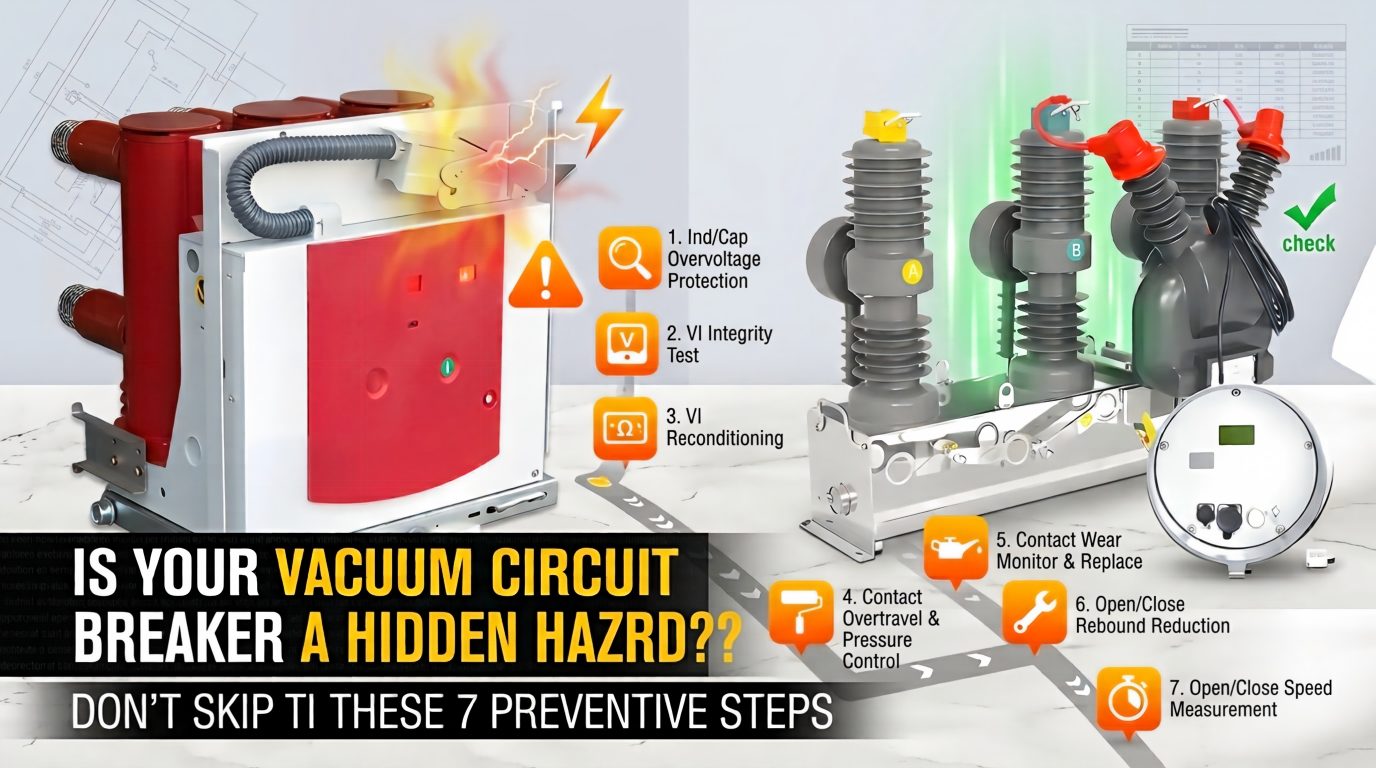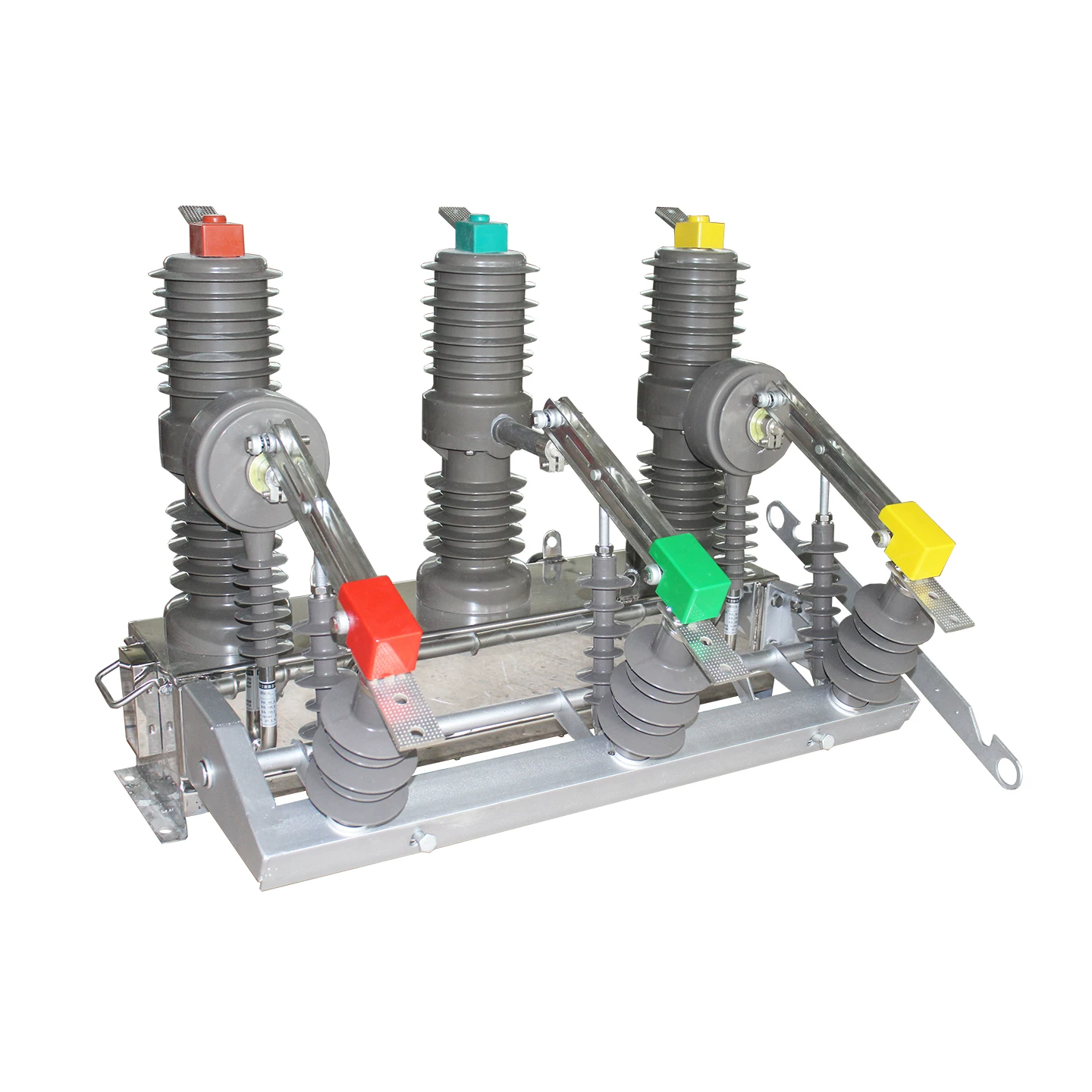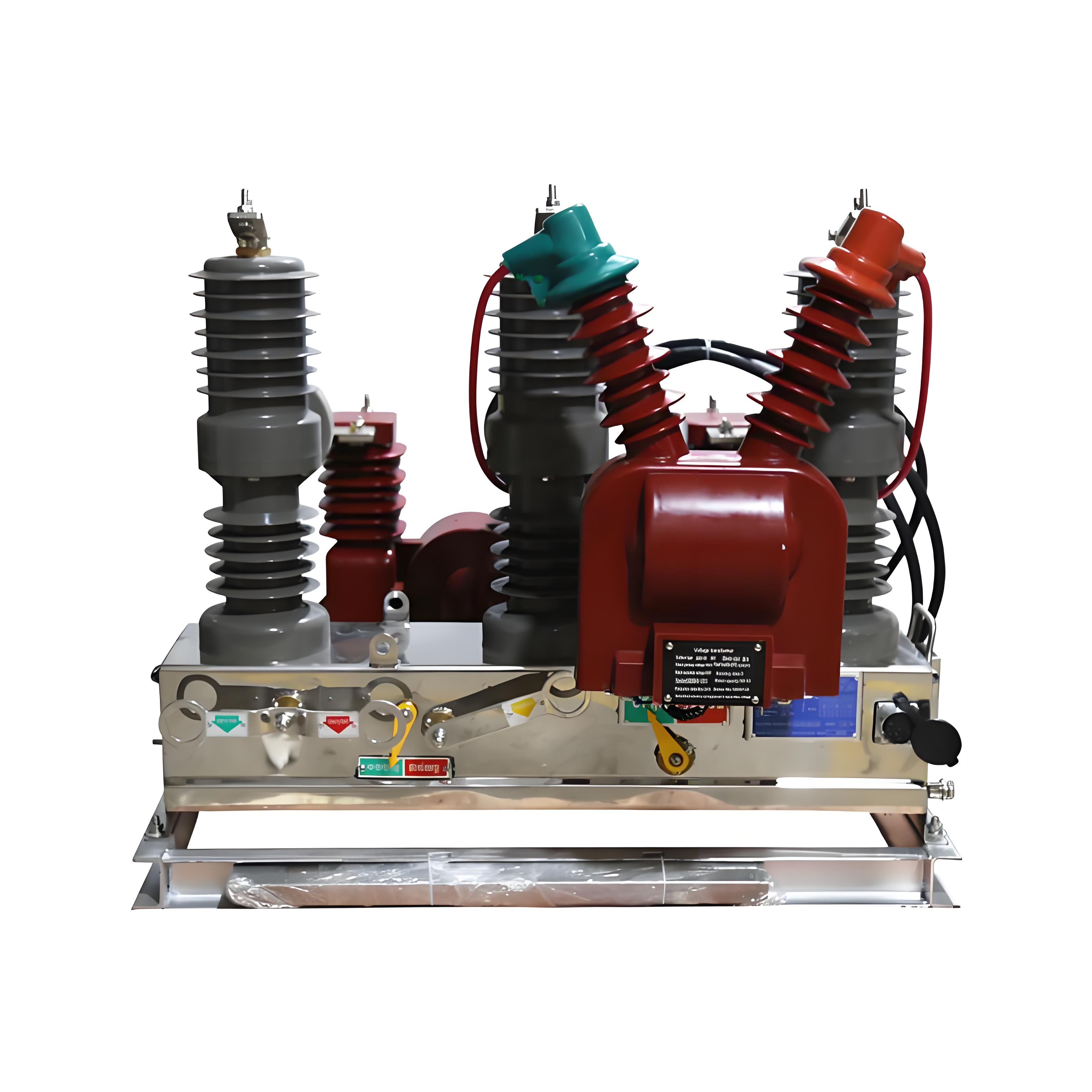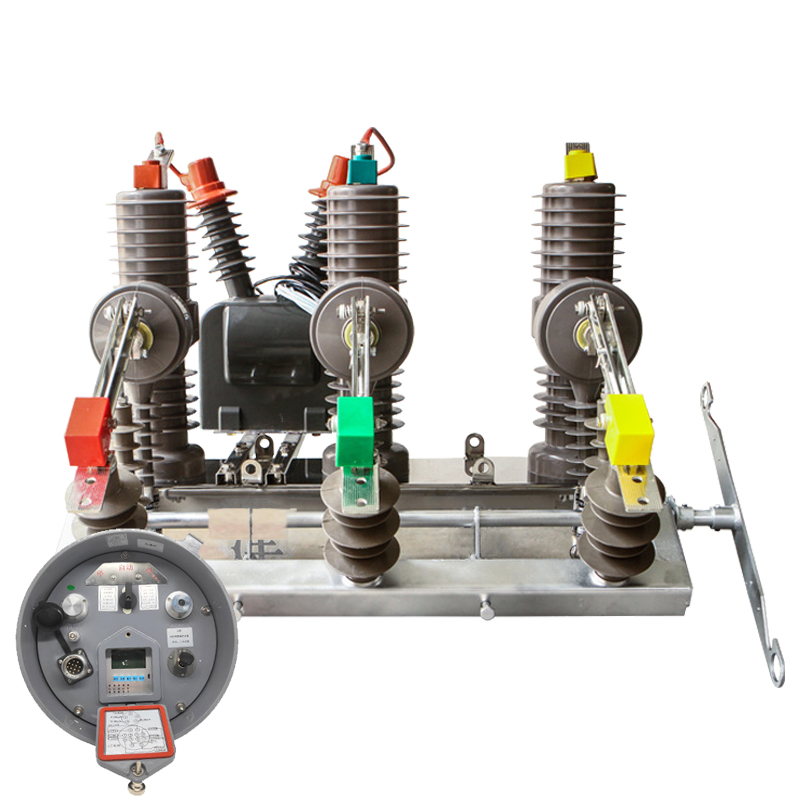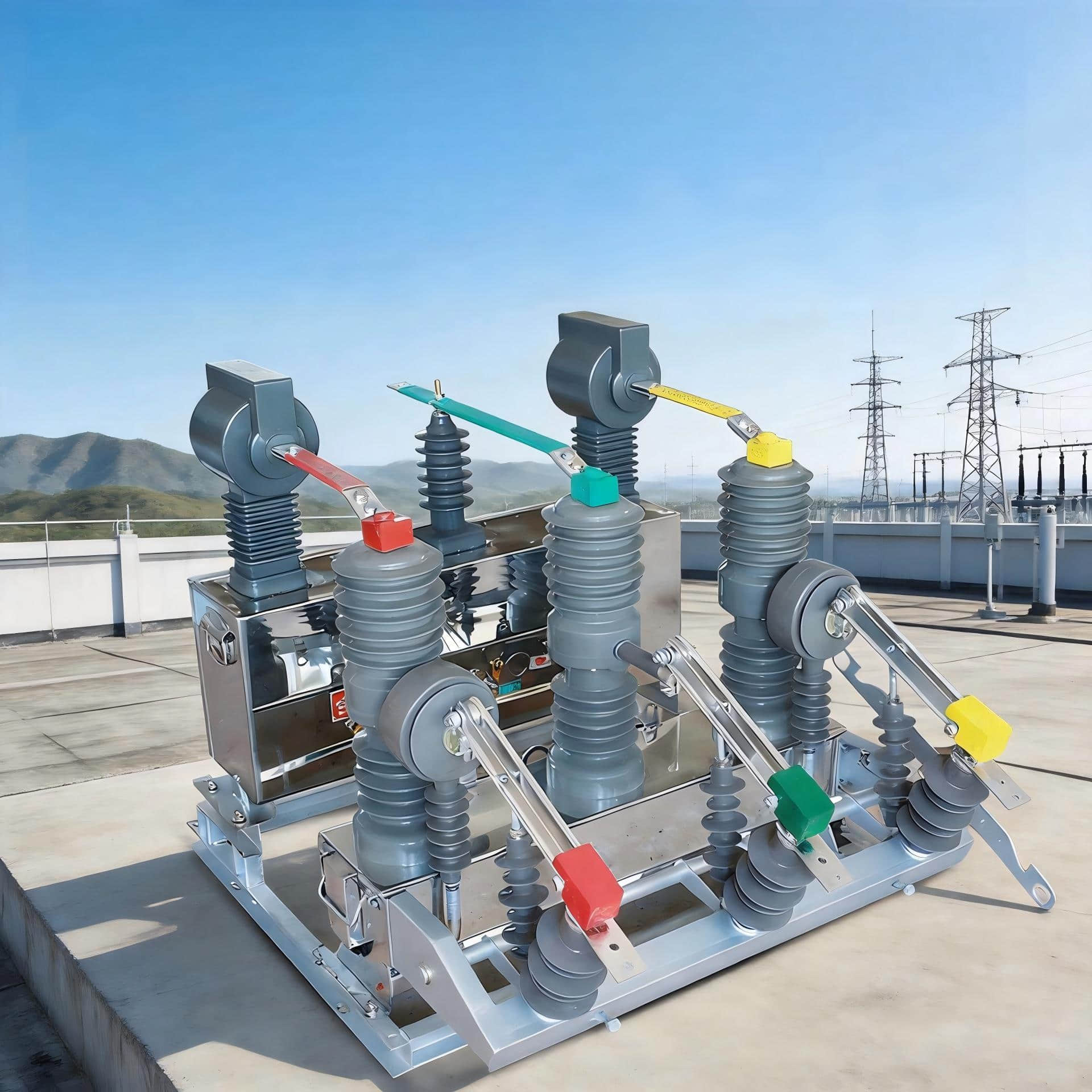
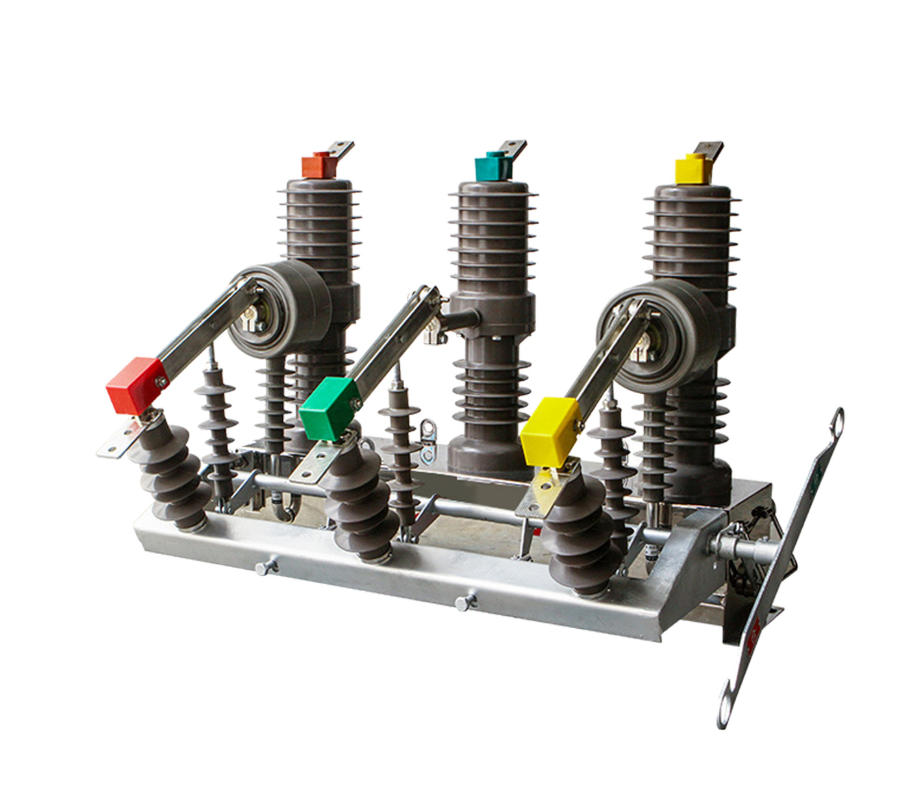
In my 12 years across the electrical industry, I've seen first-hand that a single millisecond is the difference between a routine operation and a multi-million dollar catastrophic failure. Now that we are in 2026, the 35kV vacuum circuit breaker (VCB) has fully evolved into the intelligent 'heart' of the smart grid. However, I still see far too many engineering teams rely solely on factory datasheets, only to face expensive downtime later.
True grid stability requires managing the high-frequency switching stress from distributed energy resources (DERs). This guide shares my first-hand field observations and the technical rigor required to master medium voltage switchgear in the most demanding environments.
1. The "Renewable Fatigue" Reality: A Hard Lesson from the Field
I once consulted for a 100MW solar farm where the 35kV VCB units were failing at an alarming rate. Traditionally, we measured a VCB by its ability to trip during a fault. But in solar and wind collector substations, cloud-passing effects and wind volatility cause the VCB to cycle far more frequently than old grid models predicted.
My Personal Rule: Never select a breaker based only on its short-circuit rating. For modern electrical power distribution, "Mechanical Class M2" is the only baseline I accept. In that solar farm case, the M1-rated breakers reached their end-of-life in just 18 months. Switching to M2-rated units, which handle 30,000 operations, solved the reliability crisis and proved that durability is non-negotiable for green energy intermittency.
2. The "Silent Killer": Current Chopping and Transformer Stress
The arc quenching mechanism in a vacuum is incredibly efficient, but this creates "current chopping." When a VCB interrupts small inductive currents (like a transformer at no-load) before the natural zero-crossing, it creates a brutal Voltage Rise Rate (du/dt).
"I've performed failure analysis on several 35kV transformer units where the root cause wasn't a lightning strike—it was the VCB's own switching transients. These transients erode insulation incrementally over years until the unit finally shorts out."
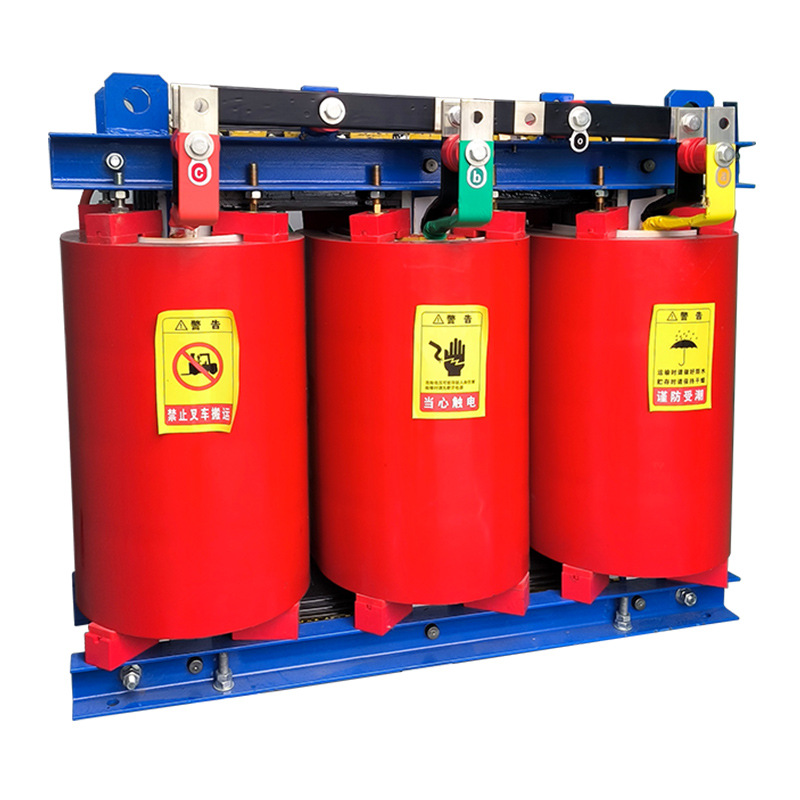
First-hand Recommendation: I always advise clients to pair high-voltage circuit breakers with RC (Resistor-Capacitor) Absorbers. In a recent project for a data center, adding RC absorbers "softened" the transients, protecting the sensitive transformer windings from oscillations that standard surge arresters simply don't catch.
3. Real-World Failure Modes: Insights from the Substation Floor
Standard 35kV VCB technical specifications come from clean labs. In the field, things get messy. Here are three "off-the-manual" risks I’ve encountered repeatedly:
The "Ghost" Trip: At a high-capacity EV charging hub, we faced unexplained outages. It turned out that improperly shielded control cables were picking up EMI from the chargers, inducing noise in the trip coil. The Fix: Always use twisted-pair shielded cabling for secondary control circuits.
Lubricant "Waxing": During a -30°C winter inspection in Inner Mongolia, I found that "standard" grease had turned into wax. The breaker indicated "Ready," but it tripped in 160ms instead of the rated 50ms. The Lesson: If you are in a cold climate, insist on low-temperature synthetic lubricants during the FAT (Factory Acceptance Test).
The "Wildlife" Arc: I once saw a 35kV cabinet flashover because a small lizard bypassed the seals. While the vacuum bottle was fine, the external tracking caused a total cabinet loss. The Pro-Tip: Never skip the cabinet heaters; they aren't just for warmth—they prevent the condensation that allows tracking to turn fatal.
4. Strategic Choice: 34.5kV vs. 38kV Voltage Overhead
When I design systems for heavy industry or mining, I often push for 38kV overhead even if the system is 35kV. It’s about "insulation headroom."
| Technical Detail | 34.5kV (ANSI/IEEE) | 35kV (IEC Standard) | 38kV (High-Spec) |
|---|---|---|---|
| BIL (Insulation Level) | 150 kV | 170 kV | 200 kV |
| My Experience | Good for US utilities | Standard industrial use | Best for Mining & Heavy Duty |
| Common Field Issue | Phase creepage in humidity | Contact bounce on older units | Over-travel impact on bellows |
| Recommendation | Standard retrofits | Export-grade projects | Zero-Downtime facilities |
5. The "Screwdriver Trick" vs. Acoustic Signatures
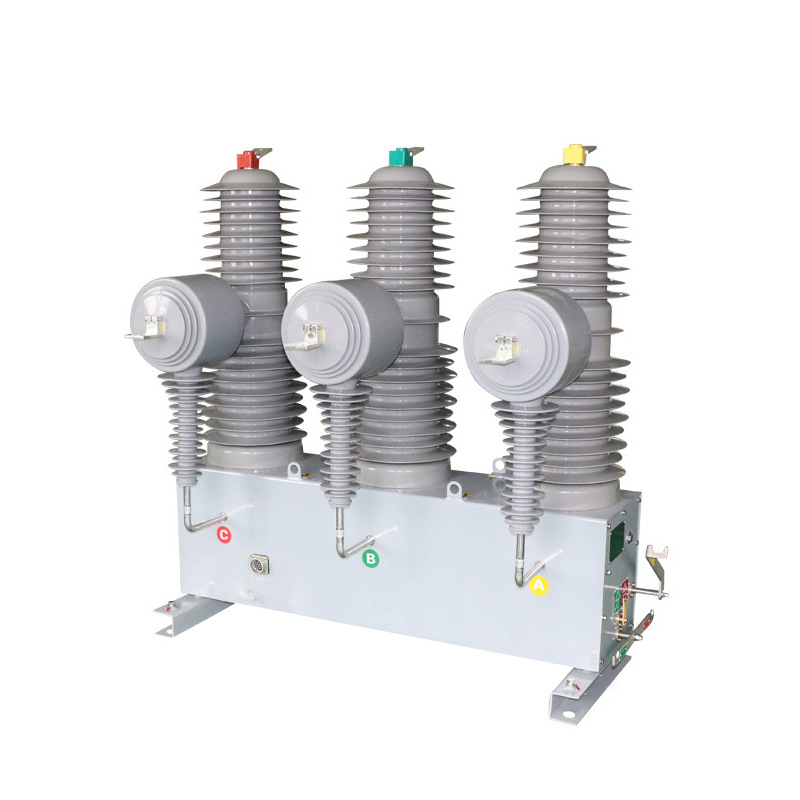
Predicting vacuum circuit breaker failure modes requires an ear for detail. Old-school techs used a screwdriver against the frame to "hear" the mechanism. Today, we use Mechanical Signature Analysis. Every VCB has a unique vibration profile.
In my experience, if the "thud" of a closing operation starts sounding "tinny" or like a "double-hit," you have Contact Bounce. This bounce creates micro-arcs that eat the contact material inside the vacuum bottle. Once that material is gone, the vacuum interrupter's service life is effectively zero. I now recommend ultrasonic sensors for any critical 35kV infrastructure to catch these "silent" mechanical failures before they lead to a lockout.
6. My "CAT" Protocol: Critical Action & Technical Checklist
Whenever I step onto a site for a 35kV inspection, I follow this protocol to ensure maximum uptime:
C - Contact Erosion Check: Don't just look at the indicator. Measure the contact wipe. If it's near the limit, your short-circuit breaking capacity is compromised, even if the vacuum is still "good."
A - Auxiliary Circuit Tension: I always manually tug the secondary control pins. Vibration during operation is the #1 cause of "Trip Circuit Disconnected" alarms in 35kv indoor vacuum circuit breaker units. A 50-cent pin can take down a whole plant.
T - Thermal Imaging: I point my IR camera at the charging motor, not just the busbars. A hot motor usually means a dry gearbox or a failing limit switch that's about to burn out the motor.
7. Community FAQ: Real-World Technical Solutions
"Why does my brand new VCB fail the Hi-Pot test?"
I've seen this happen often. Usually, it's just "surface tracking" on the ceramic bottle due to dust or humidity during shipping. Clean the bottle with anhydrous alcohol and try again. If it still fails, the vacuum might have been lost—check for a "milky" tint in glass bottles or use a vacuum tester for ceramic ones.
"Can I use a standard 35kV VCB for capacitor banks?"
In my opinion, no. Unless it is "Class C2" rated, don't do it. I've seen standard breakers restrike and create overvoltages that literally exploded adjacent capacitor cans. It’s not worth the risk.
"What is the most common 'hidden' mechanical failure?"
The "Slow Close." If the grease hardens or the spring weakens, the contacts close too slowly. This increases pre-arcing time, which I’ve seen weld contacts together or, in extreme cases, cause the vacuum bottle to fail under load.
8. Conclusion: Moving to Condition-Based Monitoring
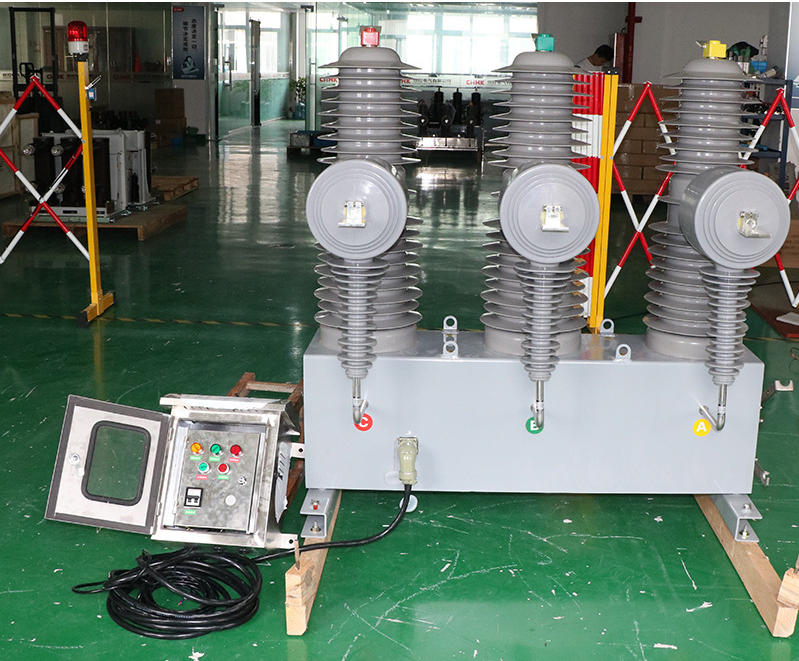
The era of "fix it when it breaks" is over. As the grid becomes more complex, the demand for certainty in electrical power distribution grows. By understanding the deep physics of vacuum interrupter technology and the mechanical nuances of the 35kV circuit breaker, we can shift from reactive repairs to predictive mastery.
Is your 35kV infrastructure ready for the 2026 grid? My senior technical team specializes in high-altitude, renewable energy, and extreme-environment deployments. Contact our engineering department today for a comprehensive design review or a custom RFQ based on real-world conditions.