What Is a Power Transformer?
A power transformer is a high‑voltage electrical device that transfers AC power between circuits by stepping voltage up or down without changing frequency. In simple terms, it lets utilities move large amounts of energy efficiently across long distances while keeping current, losses, and equipment stress under control.
In the grid, a high‑voltage power transformer sits between generation, transmission, and distribution stages. At power plants, step-up power transformers raise generator voltage to transmission levels (for example, from 13.8 kV to 115 kV or higher). At substations closer to cities and factories, step-down power transformers reduce that high voltage to safer levels for distribution power transformers, voltage regulators, and end‑use equipment.
Every modern power transformer, whether a single-phase power transformer or a three-phase power transformer, is built around four key parts:
Magnetic core – Guides the magnetic flux and largely defines efficiency and size.
Windings – Primary and secondary coils that create the voltage transformation ratio.
Insulation system – Paper, oil, resin, or composite systems that withstand high voltage stress.
Cooling system – Air, oil-immersed cooling (ONAN, ONAF), or other power transformer cooling methods that control temperature and extend life.
Power transformers differ from distribution transformers mainly in rating and duty:
Higher kVA/MVA rating – Power transformers typically run from over 100 kVA up to hundreds of MVA, handling bulk power transfer for utilities, data centers, and industrial plants.
Voltage levels – Designed for high-voltage transmission and substation power transformer roles, not direct connection to small loads.
Load profile – Operate near full load with a focus on efficiency, losses, and impedance, while distribution units serve more variable local loads.
If you’re planning or upgrading any transmission transformer, substation power transformer, or industrial power transformer in the United States, understanding this basic definition helps you pick the right type, rating, and installation for reliable, safe, and efficient operation.
Main Types of Power Transformer
Different types of power transformer exist because every power system doesn’t need the same voltage, capacity, or installation style. In the U.S., what you use for a 500 kV transmission line is very different from what you use to feed a small commercial panel.
Why Different Types of Power Transformers Exist
We classify power transformers mainly to:
Match voltage levels (step-up, step-down, isolation)
Match load size (from under 0.75 kVA power adapters to high MVA grid transformers)
Fit installation conditions (indoor, outdoor, pole-mounted, pad-mounted)
Control safety, fire risk, and maintenance costs
That’s why you see everything from tiny power adapters & chargers types of transformer under $80 to high-voltage substation power transformers in the same market.
What Drives Power Transformer Classification
You’ll usually see these groups:
By function
Step-up power transformer for raising generator voltage
Step-down power transformer for distribution and facility use
Isolation power transformer for safety and noise reduction
Autotransformer, grounding transformer, rectifier transformer, phase-shifting transformer for special grid and industrial needs
By phase
Single-phase power transformer for residential and light commercial loads
Three-phase power transformer for industrial, HV power transformer and transmission transformer use
By construction
Core-type power transformer
Shell-type power transformer
By cooling method
Oil-immersed power transformer / liquid-filled transformer (ONAN, ONAF and more)
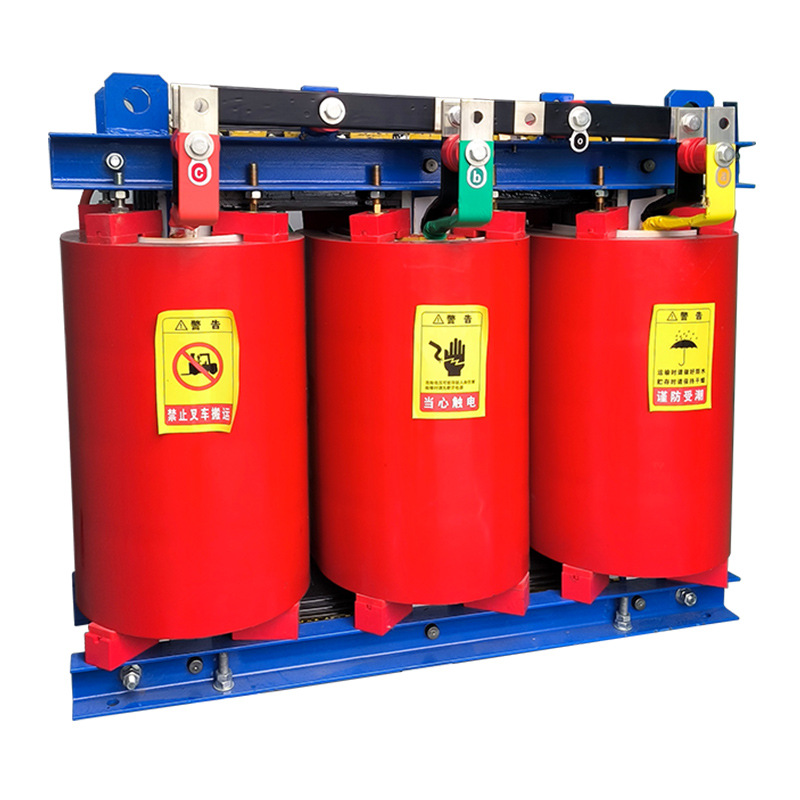
Dry-type power transformer for indoor and fire-sensitive locations
By installation / application
Transmission transformer / substation power transformer
Pole-mounted transformer for overhead lines
Pad-mounted transformer for underground and urban networks
In many U.S. projects, these transformers are located inside switchgear or adjacent to load-break switches, so planning is closely tied to components such as indoor SF6 load break switches in medium-voltage systems (e.g., an example of switchgear).
How Voltage Level and Load Shape Your Choice
When we select types of power transformer for real jobs, two things drive the decision:
System voltage level
High-voltage power transformer for transmission and large substations
Distribution power transformer for 5 kVA to 100 kVA and above
Small 0.75 kVA to 5 kVA types of power transformer for equipment and machines
Under 0.75 kVA types of power transformer, power adapters & chargers for electronics
Load current and kVA/MVA
Under 1.67 A rating types of power transformer for small electronics
1.67 A to 15 A rating types of power transformer for office and light industrial
15 A rating to 91.7 A rating types of power transformer for heavier loads
Over 91.7 A rating types of power transformer for high MVA industrial and utility systems
From compact 1 outlet types of power transformer to 8 outlets types of power transformer, from black or gray housings to green pad-mounted gear, the core rule stays the same: pick the step-up or step-down types of power transformer that match your voltage, current, environment, and safety requirements, then design the protection and switchgear around it, including proper switchgear installation practices when you build the lineup (switchgear installation guide).
Types of Power Transformer by Function
Step-Up Power Transformer
A step-up power transformer boosts generator voltage to a much higher level so we can push power long distances with lower losses. In a typical U.S. power plant, generators might produce 11–25 kV; a step-up transformer raises that to 115 kV, 230 kV, or even higher for the transmission lines.
Why higher voltage matters for long-distance transmission:
Higher voltage = lower current for the same power, which cuts I²R line losses.
Smaller current means smaller conductor size and lower infrastructure cost.
Voltage regulation is better over long runs, which helps grid stability.
You’ll usually find step-up power transformers:
Right at the power plant output, between the generator and the high-voltage transmission grid.
In renewable plants (solar, wind), at the collector substation, before the power enters the HV network.
At large industrial cogeneration sites feeding power back into the grid.
If you’re comparing the two main transformer families used in these positions, this overview of the two main types of electrical transformers is a useful starting point.
Step-Down Power Transformer
A step-down power transformer takes a high transmission voltage and reduces it to a safer, usable level for downstream equipment. The goal is simple: make high-voltage power practical and safe for substations, plants, and big facilities.
How step-down transformers help:
Lower high voltages like 230 kV or 115 kV down to 34.5 kV, 13.8 kV, or 4.16 kV for distribution.
Feed industrial plants, data centers, and commercial campuses at medium voltage or low voltage.
Reduce energy losses by matching voltage to load levels, which keeps current within efficient limits.
From a safety standpoint, a step-down power transformer:
Protects downstream switchgear, cables, and equipment from overvoltage.
Works hand in hand with breakers and protection relays (often SF₆ breakers, like those used with high-voltage SF6 circuit breakers) to limit fault energy.
Helps maintain proper insulation levels and clearances in indoor and outdoor systems.
Isolation Power Transformer
An isolation power transformer has the same basic step-down or step-up action, but its main job is electrical isolation, not just voltage conversion. The primary and secondary windings are galvanically isolated, breaking direct electrical connection between source and load.
Why isolation transformers matter:
Improve safety by isolating critical loads from ground faults and surges on the supply side.
Cut electrical noise and harmonics, which is key for sensitive electronics.
Reduce transfer of common-mode interference in control and signal circuits.
Common uses in the U.S. market:
Hospitals and medical facilities for critical circuits and imaging equipment.
Data centers, labs, and control rooms where clean power is a must.
Industrial drives, PLCs, and instrumentation that need noise isolation.
You should pick an isolation power transformer instead of a standard step-down unit when:
You’re feeding sensitive or mission-critical equipment and can’t risk upstream disturbances.
There are known grounding or noise issues on the supply side.
Code, safety standards, or internal policies require galvanic isolation for the load.
Types of Power Transformer by Phase
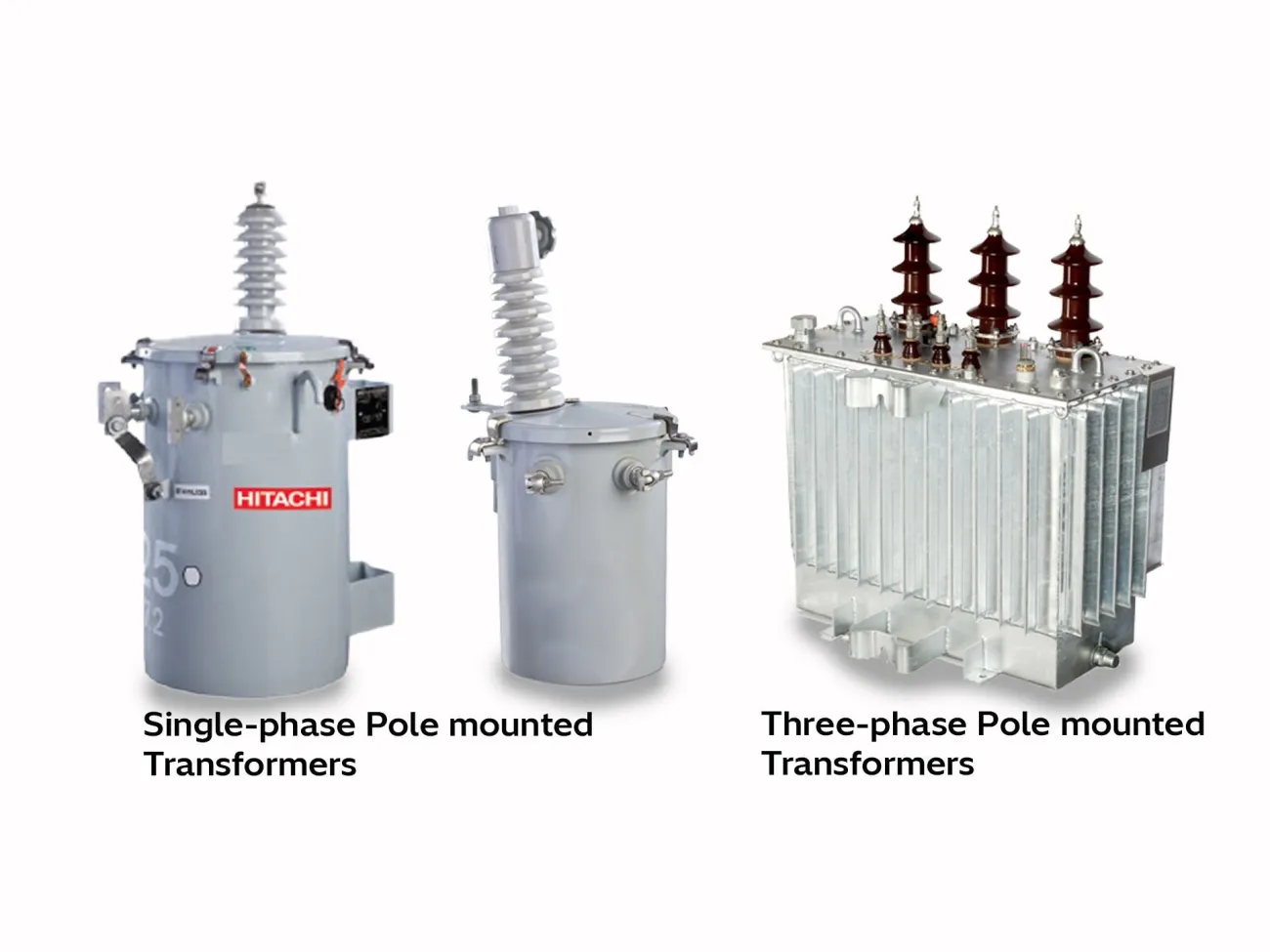
Single-Phase Power Transformer
A single-phase power transformer is the go-to choice for most homes and small businesses in the United States. It takes medium-voltage power from the utility and brings it down to 120/240 V for everyday use.
Where single-phase transformers are used:
Residential neighborhoods (pole-mounted and pad-mounted units)
Small shops, offices, and light commercial spaces
Rural lines with low load density
Backup power systems and small UPS setups (0.75 kVA to 5 kVA and up)
Pros for residential and light commercial:
Simple and reliable design with fewer parts to fail
Lower initial cost for small kVA ratings (under 0.75 kVA up to 100 kVA)
Easy to install on poles, pads, or as indoor units
Ideal for 1–2 outlet or small load power adapters & chargers
Cons to consider:
Not efficient for high MVA or large industrial loads
Higher current for the same power vs three-phase, which means larger conductors
Less smooth power delivery for heavy motors or big HVAC equipment
If you’re sizing gear like power adapters, small isolation transformers, or home backup units, single-phase is usually the right call.
Three-Phase Power Transformer
A three-phase power transformer is the backbone of industrial plants, commercial campuses, and the transmission grid. When you’re dealing with high-voltage power transformers, big motors, data centers, and substation power, three-phase is usually non-negotiable.
Why three-phase dominates in industry and transmission:
Delivers more power with less conductor material
Provides smoother torque for motors and large drives
Standard for substation power transformers, transmission transformers, and large industrial power transformers
You’ll typically see three-phase units paired with oil-immersed designs for higher ratings, and they’ll sit alongside equipment like an 11 kV load break switch or automatic recloser in a substation.
Efficiency, cost, and performance benefits:
Higher efficiency and lower losses at medium and high MVA
Better voltage regulation and shorter fault-clearing times
Lower $ / kVA cost at 5 kVA to 100 kVA, and especially over 100 kVA
Fits better with renewable energy transformers for solar farms and wind projects
Three single-phase vs one three-phase transformer:
Choose three single-phase units when:
You want high redundancy (one can fail, the system can limp on)
Transport limits make one large three-phase unit too heavy
You’re replacing or upgrading one phase at a time
Choose one three-phase unit when:
You need a compact, cost-effective installation
You’re designing a new substation transformer or HV power transformer
You want simpler installation, fewer connections, and lower labor costs
For most U.S. industrial and utility users, a single three-phase power transformer is the best long-term value once you get above roughly 150–300 kVA and into high-voltage, high MVA territory.
Types of Power Transformer by Construction
Core-Type Power Transformer
A core-type power transformer uses a laminated steel core shaped like a rectangle, with the windings wrapped around two opposite legs. The magnetic flux mainly travels through these legs and the connecting yokes, keeping the path short and efficient.
I typically recommend core-type transformers for:
High-voltage applications
HV transmission and substation power transformers
Oil-immersed transformers, where cooling ducts can be built directly into the core and coils
Key pros of core-type transformers:
Better suited for very high voltage (HV power transformer, transmission transformer)
Easier to insulate and cool at high voltage
Simple structure, straightforward to manufacture and maintain
Widely used in standard oil-immersed power transformer designs like this 6kV–22kV oil-immersed power transformer
Key cons of core-type transformers:
Slightly higher noise levels due to core vibration
Not as mechanically strong under severe short-circuit forces asthe shell-type in very high MVA ranges
Shell-Type Power Transformer
A shell-type power transformer flips the idea: the core surrounds the windings. The coils sit inside a central window, and the core wraps around them, giving a more compact magnetic path and strong mechanical support. The flux flows through multiple paths in the outer and center limbs, which helps share magnetic load.
I usually look at shell-type transformers when:
The rating is high MVA (large industrial or utility transformers)
There’s a need for better short-circuit strength
Applications demand low leakage flux and improved voltage regulation (rectifier transformer, special-purpose industrial power transformer)
Why shell-type is popular for high-MVA:
Stronger mechanical structure to withstand short-circuit forces
Better control of leakage reactance, useful in heavy industrial and rectifier duty
Often preferred in custom, high-capacity designs
Main trade-offs: shell-type vs core-type:
Shell-type advantages:
Higher short-circuit strength
Tighter flux control and lower leakage
Good for high MVA and special-purpose units
Core-type advantages:
More common and often lower cost for standard HV power transformer needs
Easier to manufacture for general transmission and distribution use
Typically quieter to install and service in the field
In U.S. projects, I match the construction type to:
Voltage level and MVA rating
Fault level and short-circuit requirements
Cost, size, and maintenance expectations for the substation or industrial site.
Types of Power Transformer by Cooling Method
Oil-Immersed Power Transformer
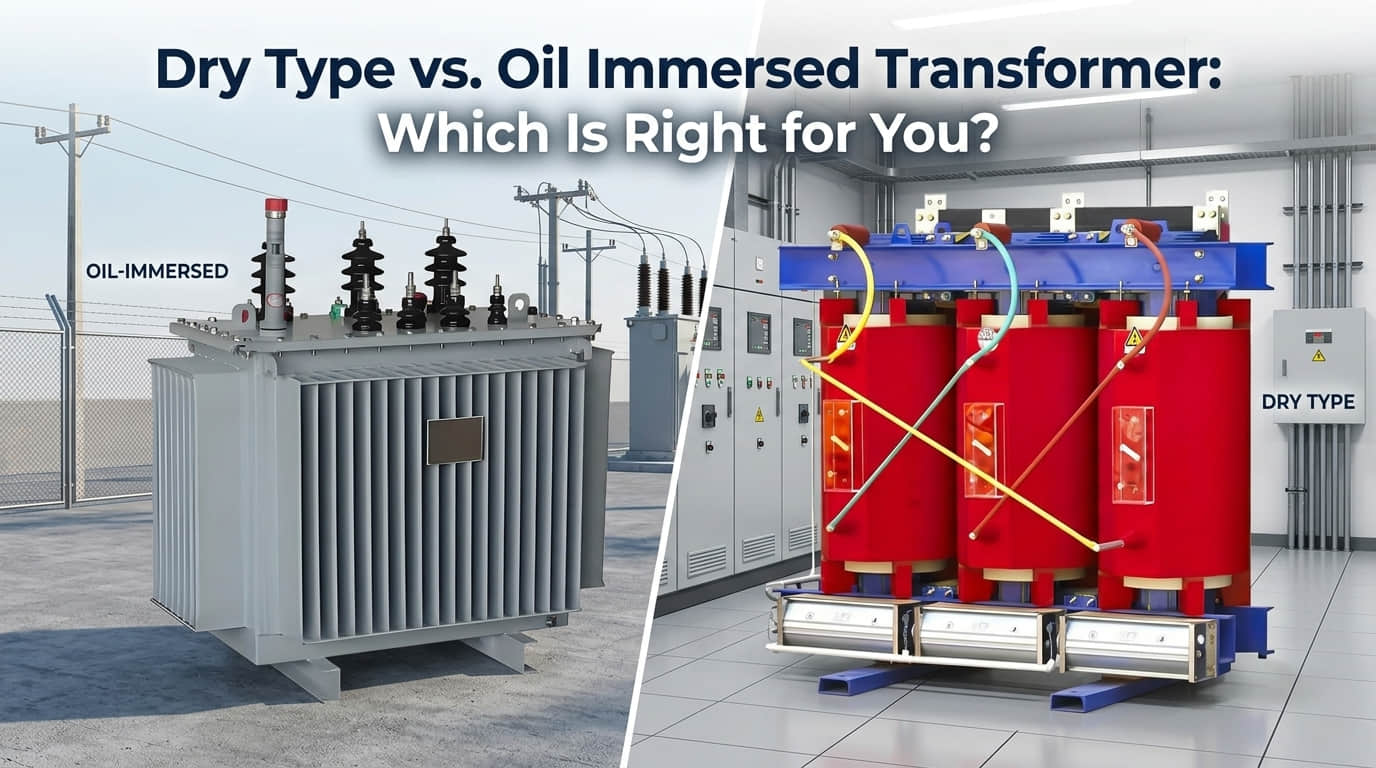
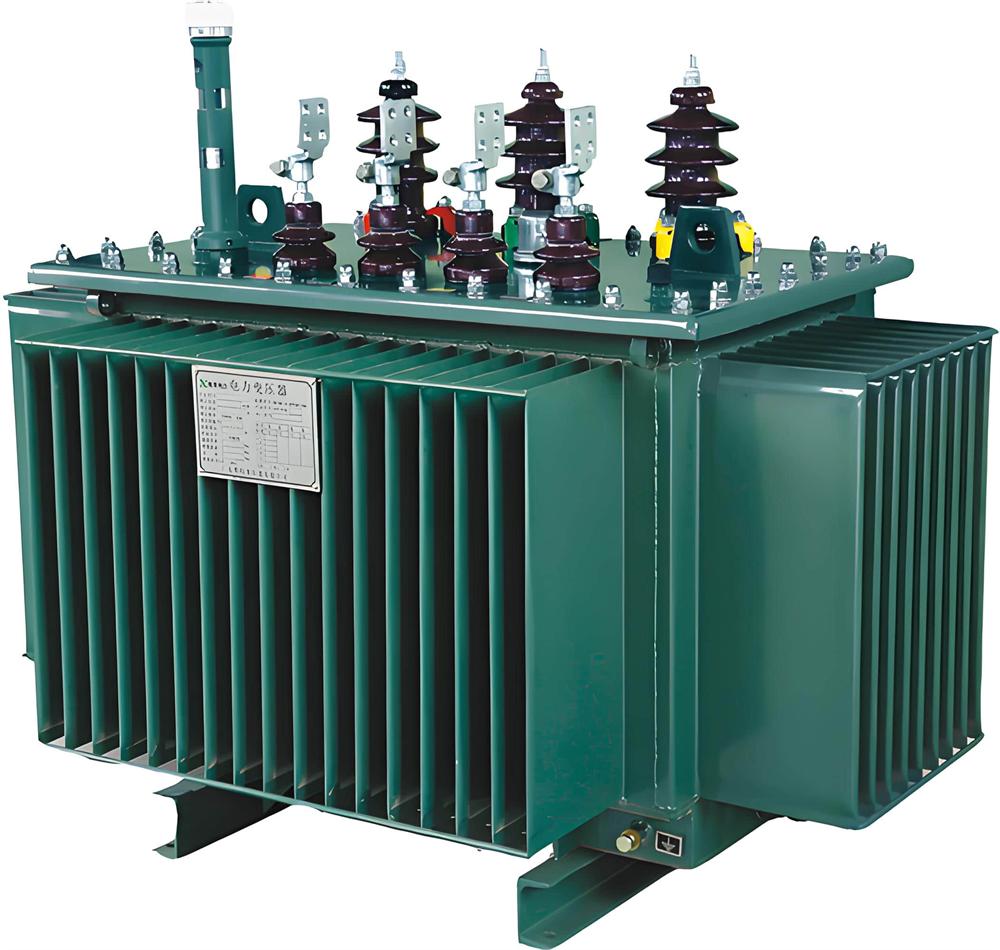
Oil-immersed (liquid-filled) power transformers are the workhorses for high-voltage and high-MVA applications in the U.S. grid. I use them whenever I need serious capacity, strong insulation, and reliable cooling in transmission and substation projects.
How oil-immersed transformers are built and cooled
The core and windings are fully submerged in insulating mineral oil or synthetic ester.
The tank is sealed, with radiators or corrugated fins on the outside to increase surface area.
The oil absorbs heat from the windings, then circulates to the tank walls and radiators where that heat is released to the air.
Common oil cooling modes (power transformer cooling methods)
You’ll see these cooling classes on nameplates:
ONAN (Oil Natural Air Natural)
Oil circulates naturally by convection.
Air flow is natural (no fans).
Standard for medium-size substation power transformers.
ONAF (Oil Natural Air Forced)
Oil still moves naturally, but fans force air across radiators.
Used when I need higher kVA/MVA output from the same footprint.
Others in big HV power transformers (just know the idea):
OFAF – Oil Forced Air Forced (oil pumps + fans).
OFWF – Oil Forced Water Forced (oil-to-water heat exchangers) for very high MVA units.
Advantages in large capacity and high-voltage systems
Oil-immersed power transformers dominate in transmission and substation work because they deliver:
High MVA and HV capability – ideal for 69 kV, 115 kV, 230 kV, and above.
Better insulation strength – oil plus solid insulation handles high stresses well.
Superior cooling and life expectancy – stable temperatures mean longer insulation life and better reliability.
Good overload capability – with ONAF or OFAF, I can safely push the rating for short periods.
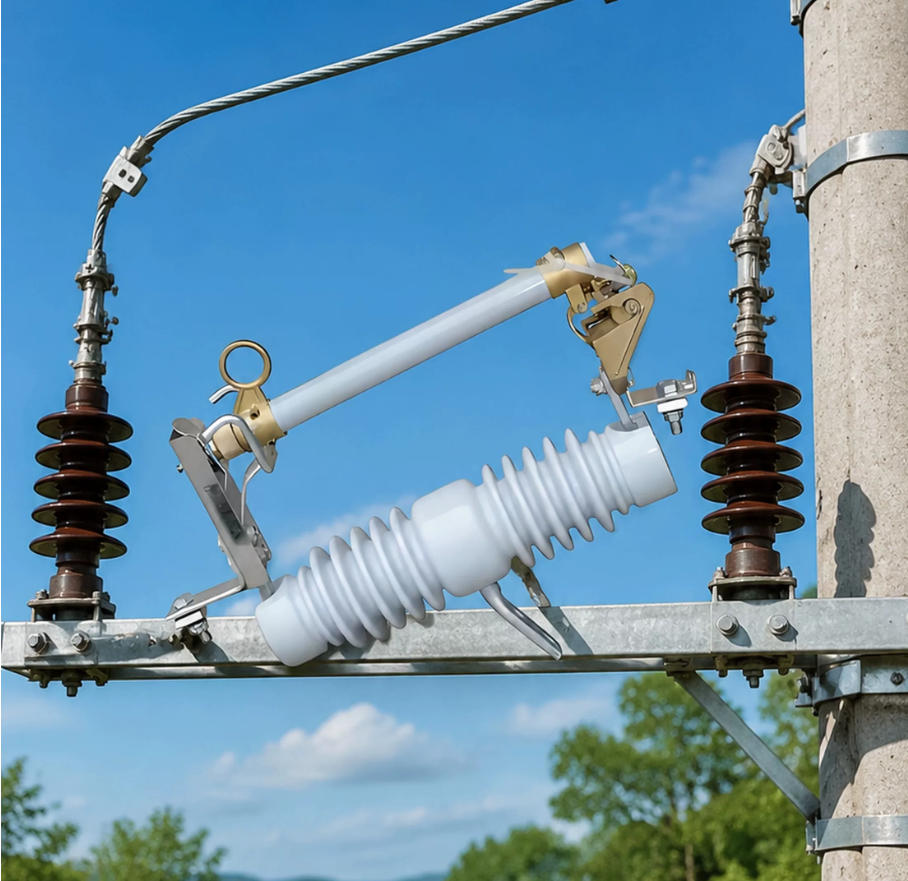
These units are typically paired with HV protection like drop-out high-voltage fuses and outdoor load disconnect switches for safe isolation and fault clearing in the yard, similar to what you’d see with a drop-out high-voltage fuse or an outdoor load disconnect switch.
Key risks: fire, leakage, and environmental impact
When I specify oil-immersed transformers, I always factor in:
Fire risk – mineral oil is flammable; outdoor installation, fire walls, and spill containment are standard.
Oil leakage – gaskets, bushings, and welds must be monitored; oil spills can contaminate soil and water.
Environmental rules – U.S. codes often require bunds, oil pits, or eco-friendly ester oils in sensitive areas.
For big transmission transformers, the performance and cost-per-MVA usually outweigh the extra fire and environmental protection measures.
Dry-Type Power Transformer
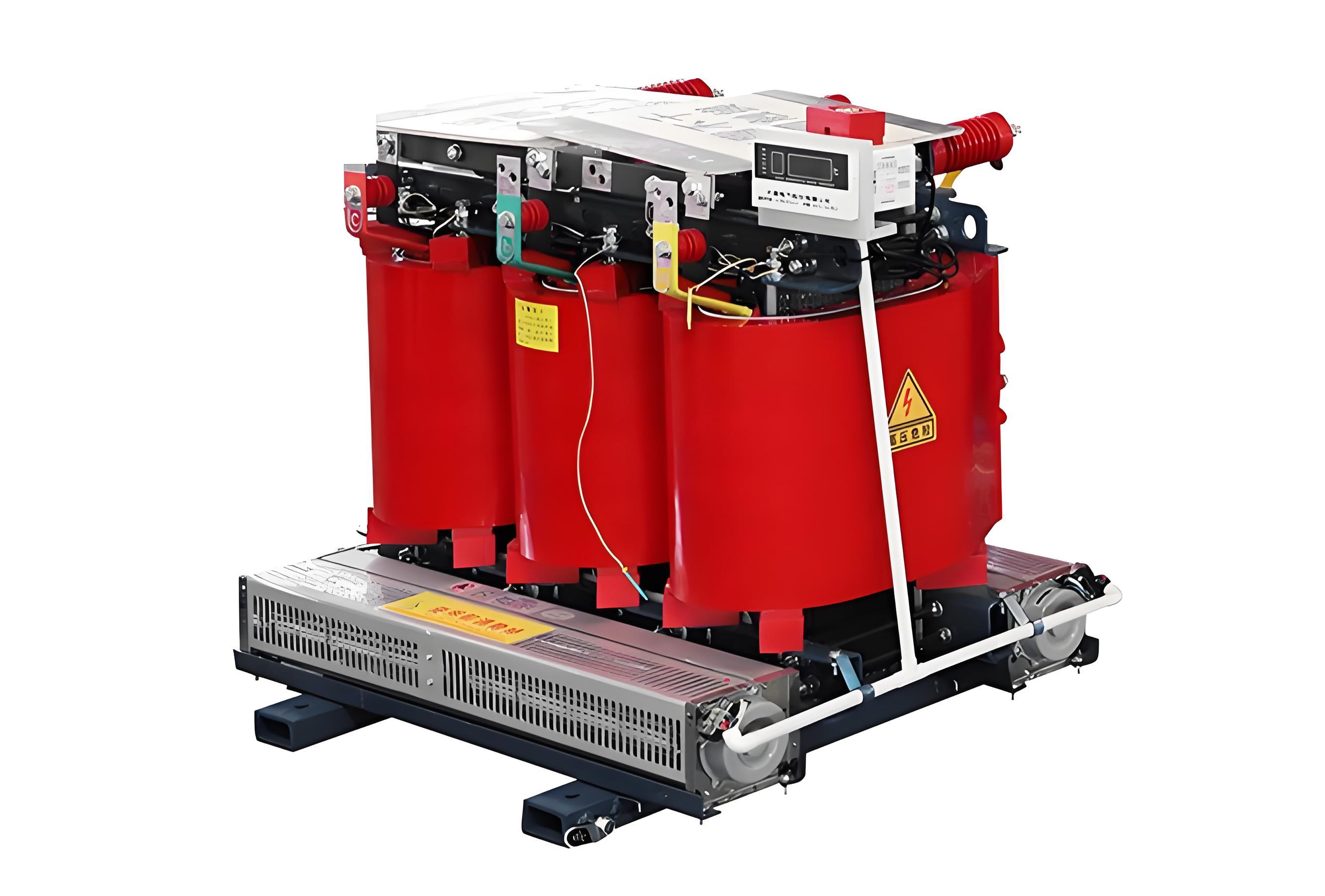
Dry-type power transformers skip the oil altogether and use air or cast resin for insulation and cooling. I rely on them in indoor and fire-sensitive sites across the U.S., where safety and low maintenance matter more than maximum MVA.
How do dry-type transformers use air or resin
Air-cooled (ventilated):
Windings are wrapped and insulated with varnish/resin and cooled by natural or forced air.
Often labeled as AN (Air Natural) or AF (Air Forced).
Cast resin dry-type:
HV windings are encapsulated in epoxy resin.
Strong against moisture, dust, and short-circuit forces.
No liquid = no oil processing, no oil handling, no spill risk.
Where dry-type power transformers fit best
I choose dry-type units when I’m working with:
Indoor installations – commercial buildings, data centers, schools, hospitals, malls.
Fire-sensitive and dense urban areas – parking garages, high-rises, tunnels, subway stations.
Industrial plants with strict safety rules – chemical plants, refineries, clean rooms.
They’re ideal in the 0.75 kVA to 5 kVA range up through 5 kVA to 100 kVA types of power transformer for panel boards, motor control centers, small distribution, and voltage transformers & regulators inside buildings.
Main pros vs oil-filled power transformers
Better fire safety – no flammable oil, often UL-listed for indoor use.
Low environmental risk – no leaks, simpler containment and permitting.
Simpler maintenance – no oil testing or degassing; basic inspections and cleaning are usually enough.
Compact for indoor use – easier placement near the load, which cuts cable runs and voltage drop.
Main cons vs oil-immersed transformers
Lower MVA and voltage limits – not the right choice for bulk transmission or huge substation power.
More sensitive to ambient temperature and dust – needs good ventilation and regular cleaning.
Higher cost per kVA at large sizes – above about 5,000–10,000 kVA, oil-immersed is usually more economical.
In the U.S. market, my rule of thumb is:
Oil-immersed power transformer for outdoor, high-voltage, high-MVA transmission and substation work.
Dry-type power transformer for indoor, fire-critical, and commercial/industrial distribution where safety, low maintenance, and code compliance drive the spec.
Types of Power Transformer by Application and Installation
Transmission & Substation Power Transformer
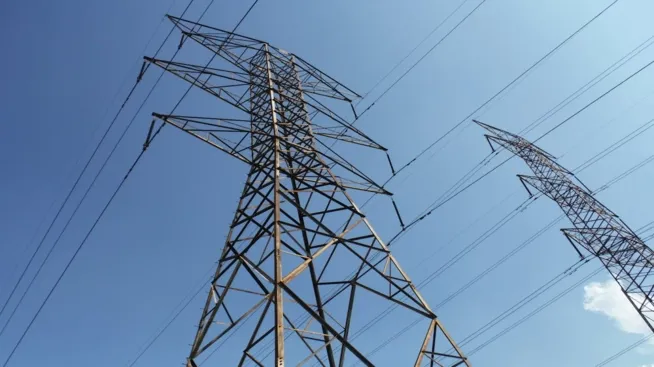
Transmission and substation power transformers are the big units you see in high‑voltage yards. Their job is simple: move large chunks of energy across long distances with minimal loss.
Role in the grid
Step voltage up for long‑distance transmission (HV / EHV lines).
Step voltage down at transmission and sub‑transmission substations so it’s usable for regional and local networks.
Voltage and capacity impact
Designed for high-voltage power transformer duty (69 kV, 115 kV, 230 kV, 345 kV and above).
MVA rating and impedance are tailored to short‑circuit levels, grid codes, and reliability requirements.
For outdoor yards (especially when paired with indoor vs outdoor substation layouts), I balance cost, footprint, and cooling class to match local climate and utility standards in the U.S.
Pole-Mounted Power Transformer
Pole-mounted transformers are small distribution power transformer units bolted to wooden or steel poles in overhead distribution systems.
Why utilities use pole-mounted units
Cost‑effective for residential neighborhoods and rural lines.
Ideal for single-phase power transformer service on 7.2 kV / 13.2 kV / 24.9 kV feeders.
Common ratings & safety notes
Secure mounting and clearances
Surge protection and lightning arresters
Routine visual checks for leaks, rust, and bushing damage
Typical range: 5 kVA to 100 kVA, with current ratings from under 1.67 A up to 15 A on the secondary side depending on voltage.
Often oil‑filled, so we focus on:
Pad-Mounted Power Transformer
Pad-mounted transformers sit in tamper‑proof metal enclosures on concrete pads, mainly in underground or urban distribution networks.
How they work in the network
Take medium-voltage underground cables and step down to 120/240 V, 208Y/120 V, or 480Y/277 V for commercial, campus, and residential developments.
Security, aesthetics, safety
Lockable, tamper‑resistant cabinets for public areas (schools, malls, offices).
Cleaner street view vs. overhead lines.
Built for outdoor transformer installation with dead‑front designs to protect lineworkers and the public.
Autotransformer
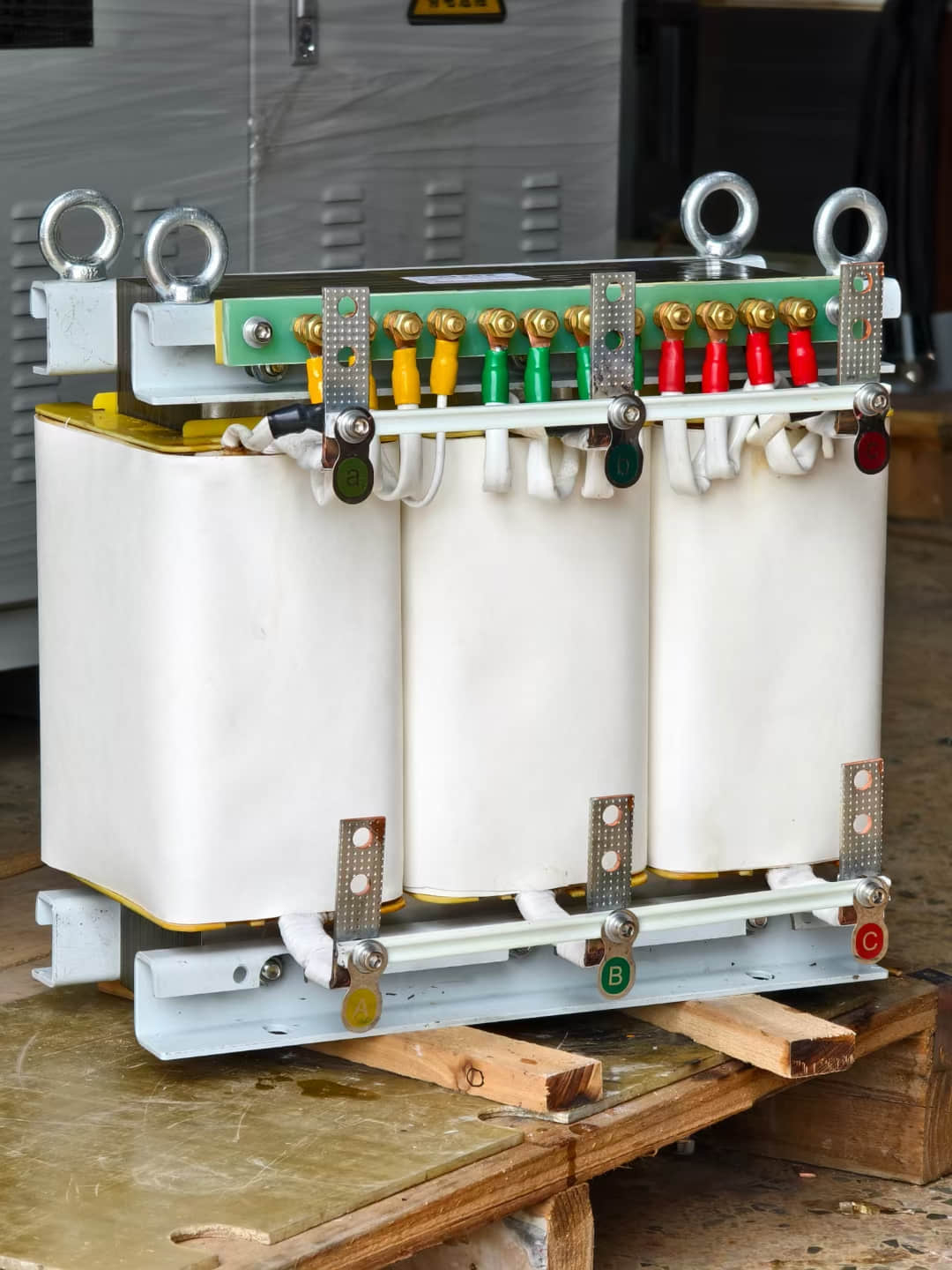
An autotransformer utilizes a single winding with a tapped section, eliminating the need for separate primary and secondary windings, which makes it more compact and efficient for certain applications.
Where I use autotransformers
Moderate voltage changes (e.g., 115 kV to 69 kV, 34.5 kV to 13.8 kV).
Interconnecting two systems with close voltage levels.
Large industrial power transformer setups and some transmission tie points.
Pros and cons
Pros: Lower cost, smaller size, higher efficiency than a two‑winding transformer.
Cons: Less isolation between systems and different fault behavior—faults can transfer more easily between sides, so protection design matters.
Special-Purpose Power Transformer
Beyond the standard step‑up/step‑down units, I also deploy special-purpose power transformers for specific grid and industrial needs.
Grounding transformer
Used to create a neutral point on delta systems for proper system earthing.
Helps control ground‑fault currents and stabilize system voltage under fault conditions.
Rectifier transformer
Supplies controlled AC to rectifiers for DC drives, electrolysis, data centers, and HVDC links.
Often customized with multiple secondary windings and high short‑circuit strength.
Phase-shifting transformer
Adjusts the phase angle between systems to control power flow, reduce loop flows, and improve grid stability.
Common on heavily meshed transmission networks and interconnections.
By matching each type of power transformer to the right application and installation method, I keep U.S. power systems safer, more efficient, and easier to expand as demand grows.
Key Specs to Compare Types of Power Transformer
When I’m selecting or recommending different types of power transformers for U.S. projects, I always start with four core specs: voltage, kVA/MVA rating, efficiency/impedance, and cooling class. If you compare these correctly, you’ll naturally land on the right step-up, step-down, isolation, or three-phase power transformer for the job.
Voltage Rating and Ratio
The primary and secondary voltage rating is what really defines the type of power transformer and where it fits in the grid.
Primary voltage: Ties into the source side (generator, substation, feeder).
Secondary voltage: Ties into the load side (plant bus, building service, equipment).
A step-up power transformer might go from 13.8 kV to 115 kV, while a step-down power transformer could go from 69 kV down to 4.16 kV or 480 V for industrial loads.
Why the voltage ratio matters:
Higher ratios = thicker insulation, larger clearances, and more complex winding design.
Lower ratios = more compact units, easier to install indoors.
On high-voltage power transformer designs, the insulation system and bushings dominate cost and size.
If you’re working near lightning-prone overhead lines, it’s also smart to size transformer insulation to work hand-in-hand with good surge protection, such as polymer line arresters used with HV transformers in transmission and substation yards (similar to the products shown in this polymer suspended line arrester overview).
Power Rating in kVA and MVA
Power rating tells you how much load a transformer can safely carry:
Small units: under 0.75 kVA (often in control power and electronics).
Medium: 0.75 kVA to 5 kVA, 5 kVA to 100 kVA (lighting, panelboards, small equipment).
Larger: over 100 kVA into the MVA range for substation power transformers and industrial power systems.
In U.S. plants and commercial buildings, I always size with:
Present load (kW/kVA today).
Future growth (typically +25–30% margin for expansions and new equipment).
Duty cycle (continuous vs intermittent loads).
Power transformers in transmission and substation roles usually run in the MVA range because they handle bulk energy transfer, not just local distribution. For example:
5–20 MVA: sub-transmission and large facility transformers.
50 MVA+ and up to high MVA: HV power transformer for grid interconnection.
Efficiency, Losses, and Impedance
For U.S. utilities, data centers, and industrial plants, efficiency directly hits operating cost.
No-load losses (core losses): Happen anytime the transformer is energized, even at light load. Critical for transmission transformers and substation power transformers that stay energized 24/7.
Load losses (copper losses): Increase with load current; important for heavily loaded industrial power transformers and renewable energy transformer banks.
I look at these when choosing between liquid-filled transformers and dry-type power transformer options for long-term cost.
Impedance (usually 4–12%):
Limits short-circuit current—higher impedance reduces fault current but increases voltage drop.
Affects voltage regulation—too low, and fault currents soar; too high, and motor starting or large inrush can cause big voltage dips.
Matching impedance across parallel transformers is crucial to avoid overload sharing problems and nuisance trips in switchgear and protection systems (you can see how that ties in with modern switchgear and protection practices).
Cooling Class and Environment
Power transformer cooling methods are a big part of real-world transformer selection in the U.S., especially for indoor vs outdoor and fire-code compliance.
Common classes:
Oil-immersed power transformer (liquid-filled):
ONAN: Oil Natural Air Natural (no fans or pumps).
ONAF: Oil Natural Air Forced (fans on radiators).
Extended classes (OFAF, OFWF) for high MVA and compact stations.
Dry-type power transformer:
Air cooled; can be vacuum pressure impregnated (VPI) or cast resin.
What I factor in:
Ambient temperature & altitude: Higher temps or elevation reduce cooling capacity; may need derating or upgraded cooling.
Indoor vs outdoor installation:
Indoor / fire-sensitive areas (hospitals, schools, high-rise buildings, tunnels): Dry-type is usually favored.
Outdoor yards, pad-mounts, pole-mounted transformers: Oil-immersed is common, especially above 5–10 MVA.
Enclosure requirements:
NEMA-rated enclosures for indoor dry-type.
Tamper-resistant cabinets for pad-mounted transformer units in public spaces.
Weatherproof, corrosion-resistant tanks for coastal or harsh outdoor sites.
If you’re comparing types of power transformer for U.S. projects—whether it’s a 5 kVA indoor isolation power transformer, a 1000 kVA three-phase dry-type for a data center, or a 50 MVA oil-immersed grid transformer—these four specs (voltage, kVA/MVA, losses/impedance, cooling/environment) are the main levers that decide performance, safety, and total cost of ownership.
Pros and Cons of Major Types of Power Transformers

Oil-Immersed vs Dry-Type Power Transformer
Oil-immersed (liquid-filled) power transformers
Pros:
High capacity and reliability for high-voltage power transformer and substation power transformer use
Better heat dissipation and long life for high MVA transformer applications
Higher efficiency and lower losses in big transmission transformers and industrial systems
Cons:
Fire risk from mineral oil; needs fire walls, containment, and oil pits
Possible oil leaks and environmental impact
Stricter installation codes for indoor locations in the U.S.
Dry-type power transformer
Pros:
No oil, so much lower fire risk; ideal for indoor transformer installation in malls, schools, hospitals, data centers
Easier to maintain; no oil testing or spill containment
Good for 0.75 kVA to 5 kVA up to medium over 100 kVA ranges in commercial and light industrial use
Cons:
Larger size and higher cost per kVA than oil-immersed units
Lower overload capability and usually lower top ratings than large liquid-filled units
Total cost of ownership (TCO):
For big outdoor substations and HV power transformer projects, oil-immersed wins on TCO thanks to higher efficiency and capacity.
For indoor, fire-sensitive U.S. sites, dry-type often saves money on building fire protection and compliance even if the unit itself costs more.
Core-Type vs Shell-Type Power Transformer
Core-type power transformer
Pros:
Simple, proven design used widely in transmission and distribution transformer projects
Good for high-voltage power transformer applications and long, tall windings
Typically lighter and easier to manufacture for many standard ratings
Cons:
Lower short-circuit mechanical strength than shell-type
Can be noisier in some designs
Shell-type power transformer
Pros:
Strong mechanical support and better short-circuit withstand for high MVA transformer and heavy industrial loads
Lower leakage flux and good voltage regulation
Often preferred in rectifier transformer and special-purpose power transformer designs
Cons:
More complex core structure and potentially higher manufacturing cost
Heavier and bulkier for the same rating in some cases
Quick guide:
Use core-type for most high-voltage grid and substation power transformer projects.
Use shell-type when short-circuit forces are high, MVA is very large, or special waveforms (rectifiers, converters) are involved.
Step-Up vs Step-Down Power Transformer Use Cases
Step-up power transformer
Raises generator voltage to transmission level (e.g., 13.8 kV to 115–345 kV and above).
Cuts current for the same power, which reduces copper losses on long lines.
Installed at power plants, solar farms, wind farms, and grid tie-in points.
Step-down power transformer
Reduces high transmission voltage to safer sub-transmission and distribution levels (e.g., 230 kV to 69 kV, then to 13.2 kV, then to 480/277 V or 240/120 V).
Used in substation power transformer, pole-mounted transformer, pad-mounted transformer, and large industrial services.
Impact on system design and equipment selection:
Step-up transformers define insulation level, breaker ratings, and clearances on the transmission side.
Step-down transformers drive choices of switchgear, voltage transformers & regulators, and protective devices on the load side.
In U.S. projects, I always match the chosen step-up or step-down power transformer with compatible breakers and protection (for example, pairing with suitable indoor switchgear such as an indoor load break switch at medium-voltage levels).
Real-World Applications of Types of Power Transformer
Power Generation & Grid Integration
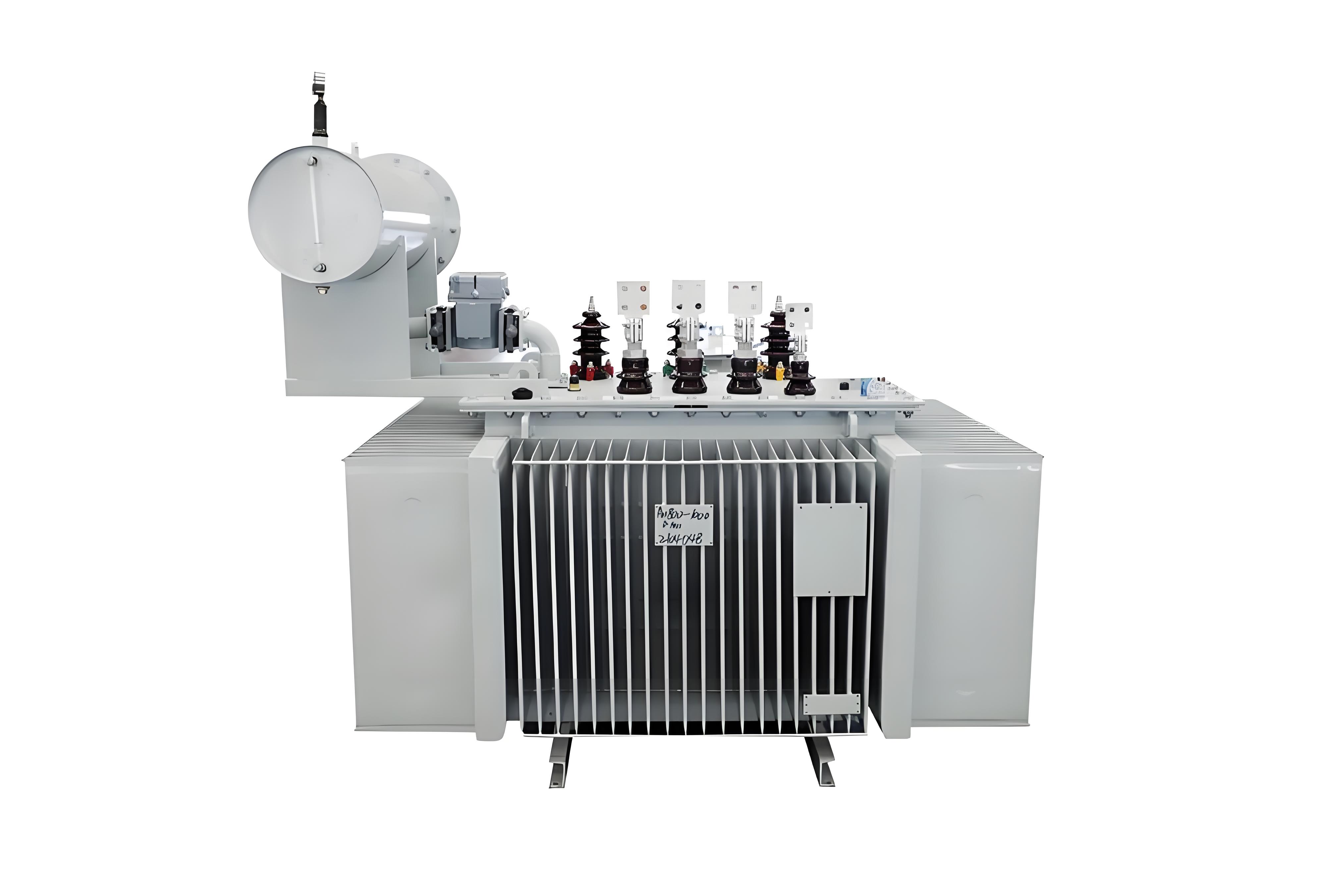
In power plants, step-up power transformers sit right at the generator terminals. They boost generator voltage (often 11–25 kV) up to high-voltage power transformer levels like 115 kV, 230 kV, or higher so utilities can move bulk power long distances with lower losses.
You’ll see these grid transformers in:
Thermal plants (gas, coal): large three-phase power transformers rated in the hundreds of MVA.
Hydro plants: high MVA, often with shell-type or core-type designs depending on layout.
Renewable plants: wind and solar farms use collector transformers at medium voltage and a main substation power transformer to step up to transmission levels, often working alongside dedicated voltage transformers for metering and protection.
Transmission & Distribution Networks
Across transmission lines, high-voltage power transformers and transmission transformers keep voltage at the right level from one grid section to the next. At the local substation, step-down power transformers drop 69–230 kV down to 4–35 kV for distribution feeders.
Utilities then mix:
Pole-mounted transformers for overhead lines feeding homes and small businesses.
Pad-mounted transformers for underground networks in cities, malls, campuses, and residential communities where safety, appearance, and tamper resistance matter.
This combo handles both bulk power transfer and reliable last-mile delivery to end users.
Industrial & Commercial Facilities
Factories, data centers, and large commercial buildings rely on industrial power transformers to take in medium-voltage utility service (typically 4–35 kV) and step it down to 480 V, 208 V, or 240 V.
Common choices:
Dry-type power transformer: best for indoor rooms, data halls, schools, hospitals—anywhere fire risk must be low.
Isolation power transformer: used for sensitive equipment, lab gear, medical rooms, and clean power panels to cut noise and improve safety.
Autotransformer: used where you only need a moderate voltage shift (e.g., 480 V to 400 V) with lower cost and smaller size.
Renewable & Special Projects
Modern projects lean heavily on the right types of power transformer to keep systems stable and efficient:
Solar farms: inverters output low or medium voltage, then step-up power transformers connect into a collector bus, and a main HV power transformer ties into the transmission grid.
Wind farms: each turbine has a transformer (often pad- or nacelle-mounted), feeding a medium-voltage collection system and then a high MVA grid transformer at the substation.
Microgrids and special projects: use a mix of isolation transformers, autotransformers, and dry-type transformers to manage multiple sources, protect sensitive loads, and safely tie into or island from the utility grid.
Across all these applications, choosing the right transformer type—step-up, step-down, oil-immersed, dry-type, pole-mounted, or pad-mounted—directly affects reliability, safety, and long-term operating cost.
Maintenance and Safety for Types of Power Transformers
Keeping any type of power transformer in the U.S. running safely and efficiently comes down to consistent maintenance and rock-solid safety habits. Whether you’re dealing with a high-voltage power transformer in a substation or a smaller industrial power transformer, the basics stay the same: inspect, test, cool, and protect people first.
Routine Checks for Oil-Immersed Power Transformers
Oil-immersed (liquid-filled) power transformers—ONAN, ONAF, and similar cooling classes—need regular attention because the oil is both an insulator and a cooling medium.
Core checks I always recommend:
Oil testing
Test dielectric strength, moisture content, and dissolved gas (DGA) on a schedule.
Watch for trends: rising gas levels or moisture usually point to internal faults or insulation issues.
Combine oil checks with physical inspections of radiators, conservator tanks, and breathers.
Leakage and bushing inspection
Walk-around checks for oil leaks at gaskets, flanges, radiators, and valves.
Inspect HV and LV bushings for cracks, tracking marks, contamination, or oil seepage.
Clean bushing surfaces to reduce the risk of flashover during bad weather.
Cooling system and protection relays
Verify fans, pumps, and radiators start and stop as commanded; confirm correct ONAN/ONAF operation.
Check temperature indicators, Buchholz relay (if fitted), and pressure relief devices.
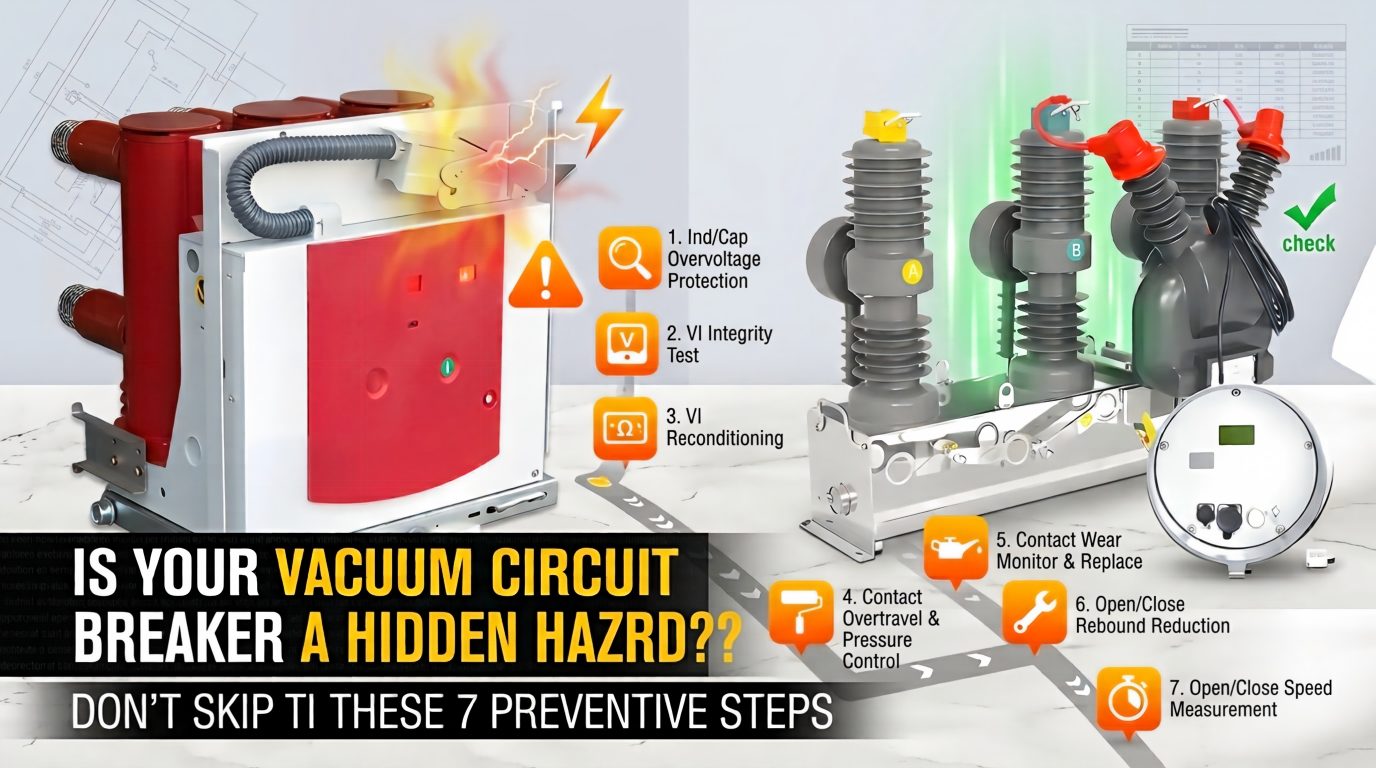
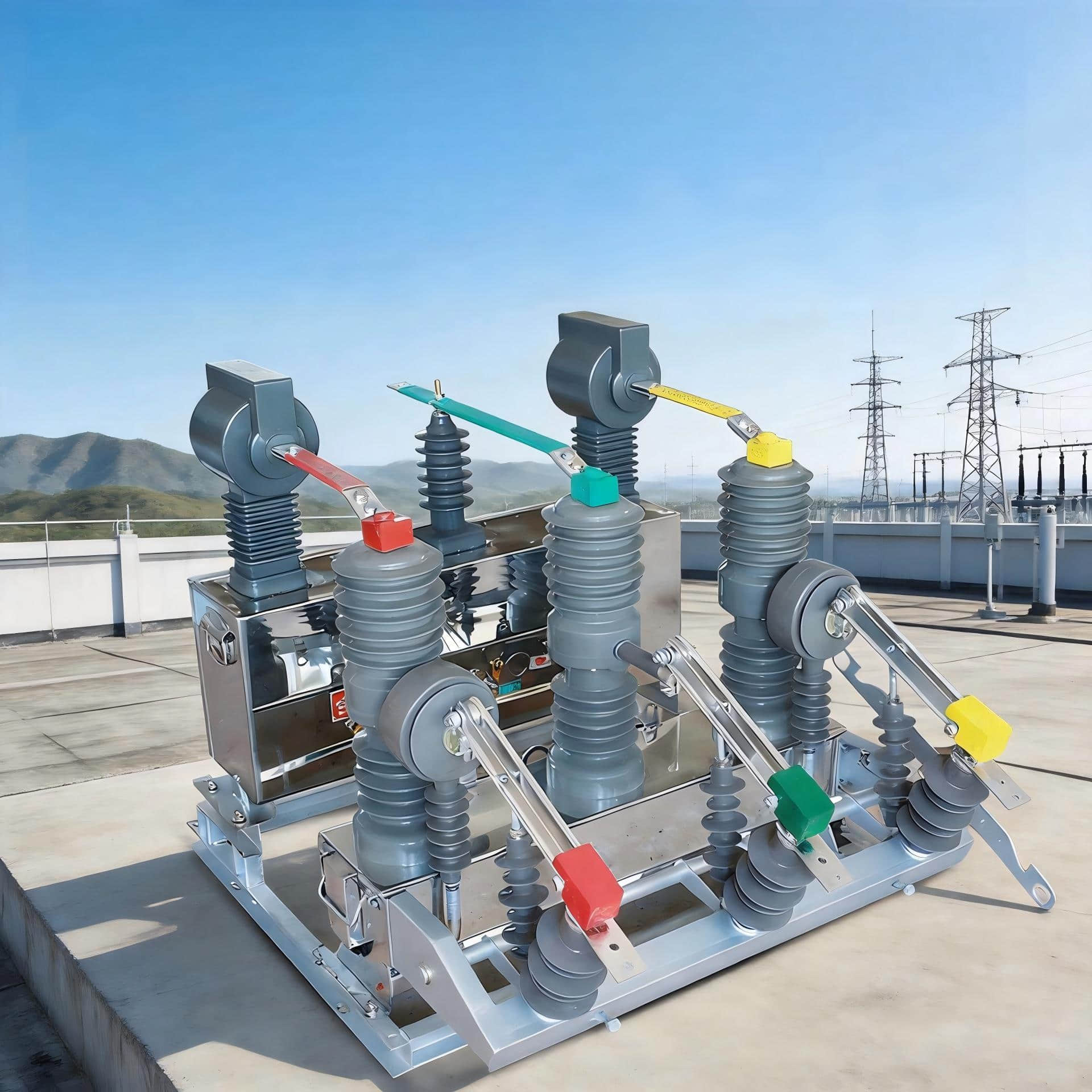
Test protection relays (overcurrent, differential, overtemperature) regularly, similar to how utilities test protection on other HV equipment like vacuum circuit breakers in substations.
These steps are essential for large substation power transformers, transmission transformers, and any high MVA transformer in critical service.
Care for Dry-Type Power Transformers
Dry-type power transformers (air-cooled or cast resin) are ideal for indoor, fire-sensitive, or commercial applications in the U.S., but they’re more exposed to dust and ambient conditions.
For dry-type units, I focus on:
Cleaning and ventilation
Keep coil surfaces, enclosures, and air paths clean—dust traps heat.
Make sure vents aren’t blocked by storage, walls, or panels.
Check filters (if used) and keep them on a simple PM schedule.
Thermal monitoring
Check temperature sensors and digital temperature controllers.
Trend load vs. temperature; if the transformer runs hot at normal load, airflow or connections may be an issue.
Avoid overloading beyond the kVA rating, especially in tight mechanical rooms or data centers.
Preventing overheating
Tighten terminations—loose lugs and bars cause hot spots.
Verify ambient temperature is within nameplate limits.
Look for discoloration, odor, or insulation cracking—early signs of thermal stress.
Dry-type power transformers are safer from a fire and spill standpoint than oil-immersed transformers, but they still fail if cooling and cleanliness are ignored.
Basic Safety Practices for All Power Transformer Types
Regardless of whether you’re working on a step-up power transformer, step-down power transformer, three-phase power transformer, single-phase power transformer, or an autotransformer, safety is non‑negotiable.
Minimum safety practices I insist on:
Lockout-tagout (LOTO)
De-energize, verify absence of voltage, lock and tag all sources.
Treat all HV power transformer terminals as live until proven otherwise.
Coordinate with system operators before touching any substation or grid transformer.
Grounding and clearances
Use proper temporary grounding sets before doing hands-on work.
Respect approach distances for the voltage level you’re in.
Keep fences, barriers, and warning signs in place for outdoor transformer installations.
Condition monitoring
Listen for abnormal noise (humming that changes, rattling, arcing).
Feel or measure vibration trends; increased vibration can point to core or mounting issues.
Track temperatures: tank, windings, and oil (if applicable). Sudden changes usually mean trouble.
Smart maintenance combined with strict safety rules is what extends the life of HV power transformers, minimizes outages, and protects people in plants, substations, and commercial buildings across the U.S.
FAQ on Types of Power Transformer
1. Difference between a power transformer and a distribution transformer
| Feature | Power Transformer | Distribution Transformer |
|---|---|---|
| Typical Rating | Over 100 kVA up to high MVA | 0.75 kVA to 5 kVA, up to 100 kVA+ |
| Main Use | Transmission, substation, grid intertie | Local distribution to homes & small businesses |
| Load Pattern | Runs near full load | Often runs at light or variable load |
| Efficiency Focus | Max efficiency at full load | Better regulation over a wide load range |
| Location | Generation plants, HV substations | Pole-mounted, pad-mounted, building service |
In practice, I use power transformers as “bulk movers” of energy and distribution transformers as the “last-mile” units feeding customers.
2. Best type of transformer for indoor installation
For indoor in the U.S., I normally recommend:
Dry-type power transformer for:
Schools, hospitals, data centers, high-rise buildings
Fire-sensitive or crowded indoor spaces
Oil-immersed transformer only when:
You need high MVA and there’s a dedicated, fire-rated room with containment
| Indoor Need | Best Choice |
|---|---|
| High safety / low fire risk | Dry-type power transformer |
| Very high power / HV substation room | Oil-immersed (with fire protection) |
| Small electronic loads / IT racks | Isolation or voltage regulator transformer |
For indoor switchgear and feeder protection, we often pair transformers with high-voltage fuses such as a drop-out HV fuse on the incoming line.
3. How step-up and step-down transformers work together in the grid
Step-up power transformer (at power plant):
Raises generator voltage (e.g., 13.8 kV → 115 kV / 230 kV+)
Cuts line current and transmission losses
Step-down power transformer (at substations & plants):
Reduces HV (e.g., 115 kV → 13.8 kV → 480 V / 240 V)
Delivers safe voltage to equipment and buildings
Simple chain in the U.S.:
Generator → Step-up transformer → Transmission lines → Substation power transformer → Distribution feeders → Pole-mounted / pad-mounted step-down transformer → Customer service panel.
4. When to choose an oil-immersed vs dry-type power transformer
| Situation / Priority | Choose Oil-Immersed Power Transformer | Choose Dry-Type Power Transformer |
|---|---|---|
| Rating (kVA / MVA) | Over 100 kVA, especially high MVA | Under 5 kVA to 5–10 MVA typical |
| Install Location | Outdoor yard, fenced substation | Indoor rooms, parking garages, malls, campuses |
| Fire Risk | Needs containment, firewall, suppression | Lower fire load, easier approval |
| Cooling & Overload Capability | Better heat dissipation, higher overload margin | Limited by air/solid insulation |
| Total Cost of Ownership | Lower cost per kVA at large size | Higher per kVA, but saves on building/fire costs |
For outdoor high-voltage switching around these transformers, I often pair them with outdoor single-pole disconnect switches to isolate feeders safely.
5. When a single-phase transformer is better than a three-phase unit
Use single-phase power transformers when:
You serve single-phase residential loads (typical pole-mounted 25–50 kVA units).
You need small 0.75 kVA to 5 kVA or under 0.75 kVA units for equipment, chargers, or power adapters.
You want modular three-phase banks (three single-phase units instead of one three-phase) for:
Easier transport and replacement
Flexibility to keep running if one unit fails (with reduced capacity)
Use three-phase power transformers when:
You feed industrial motors, data centers, or large commercial buildings.
You want better efficiency and lower cost for higher kVA / MVA.
| Use Case | Better Choice |
|---|---|
| Residential service, small loads | Single-phase transformer |
| Large motors, factories, plants | Three-phase transformer |
| Remote area / easy replacement | Bank of single-phase units |