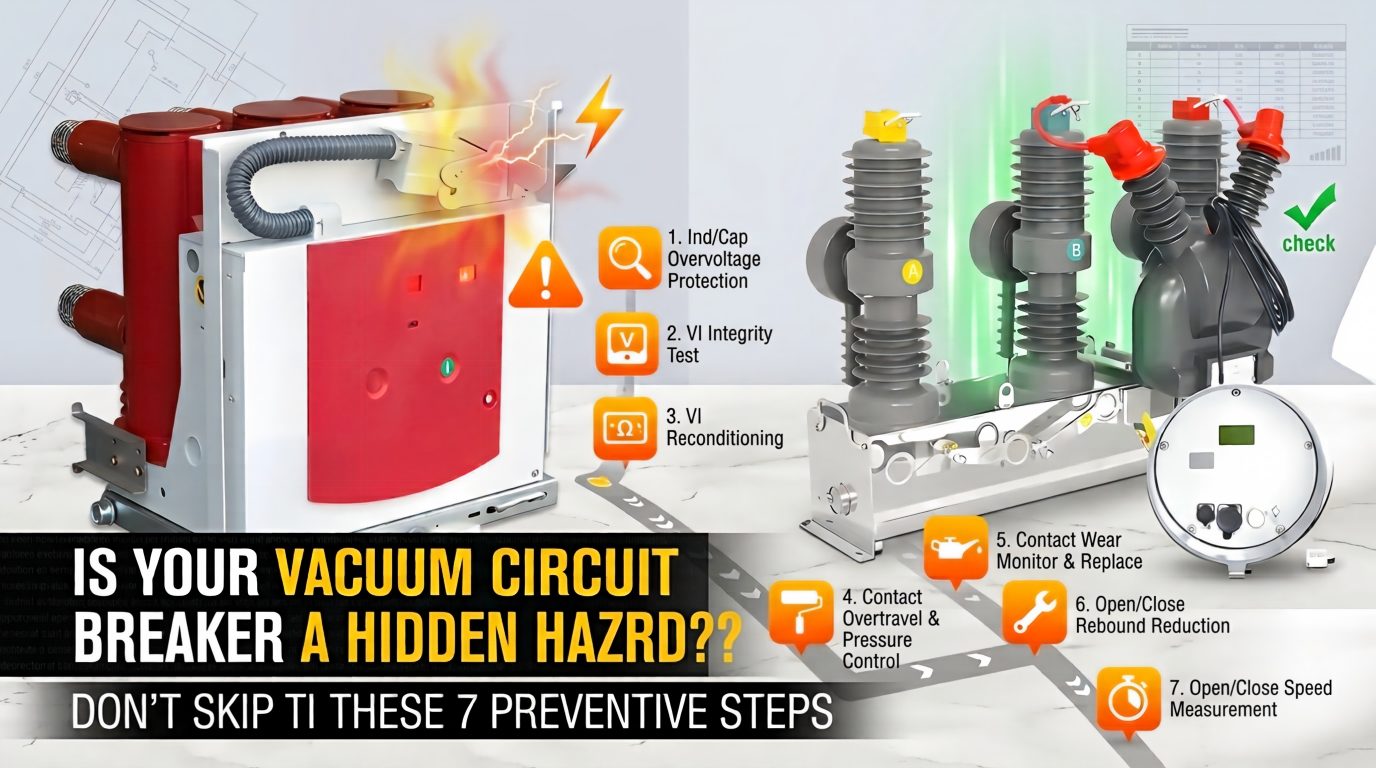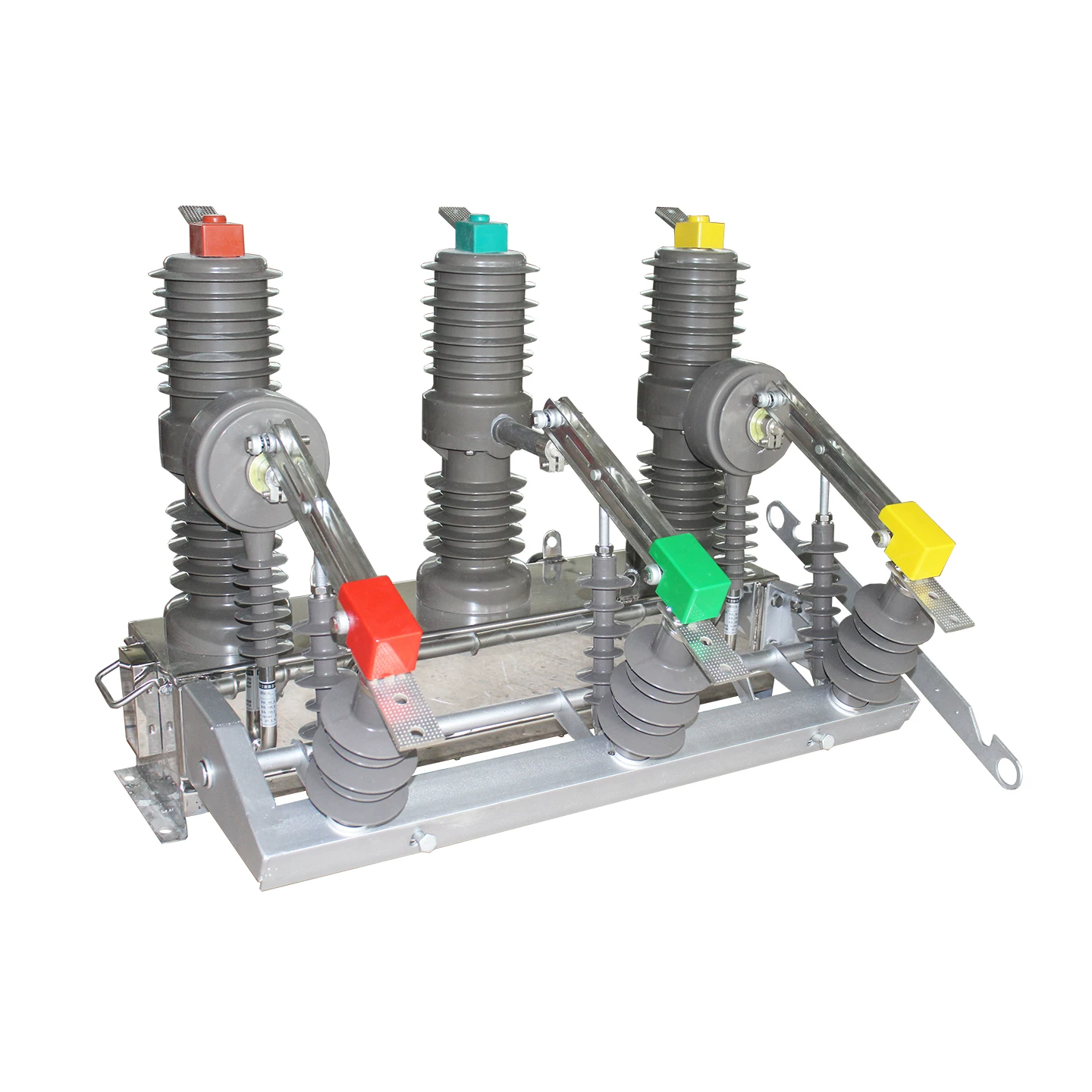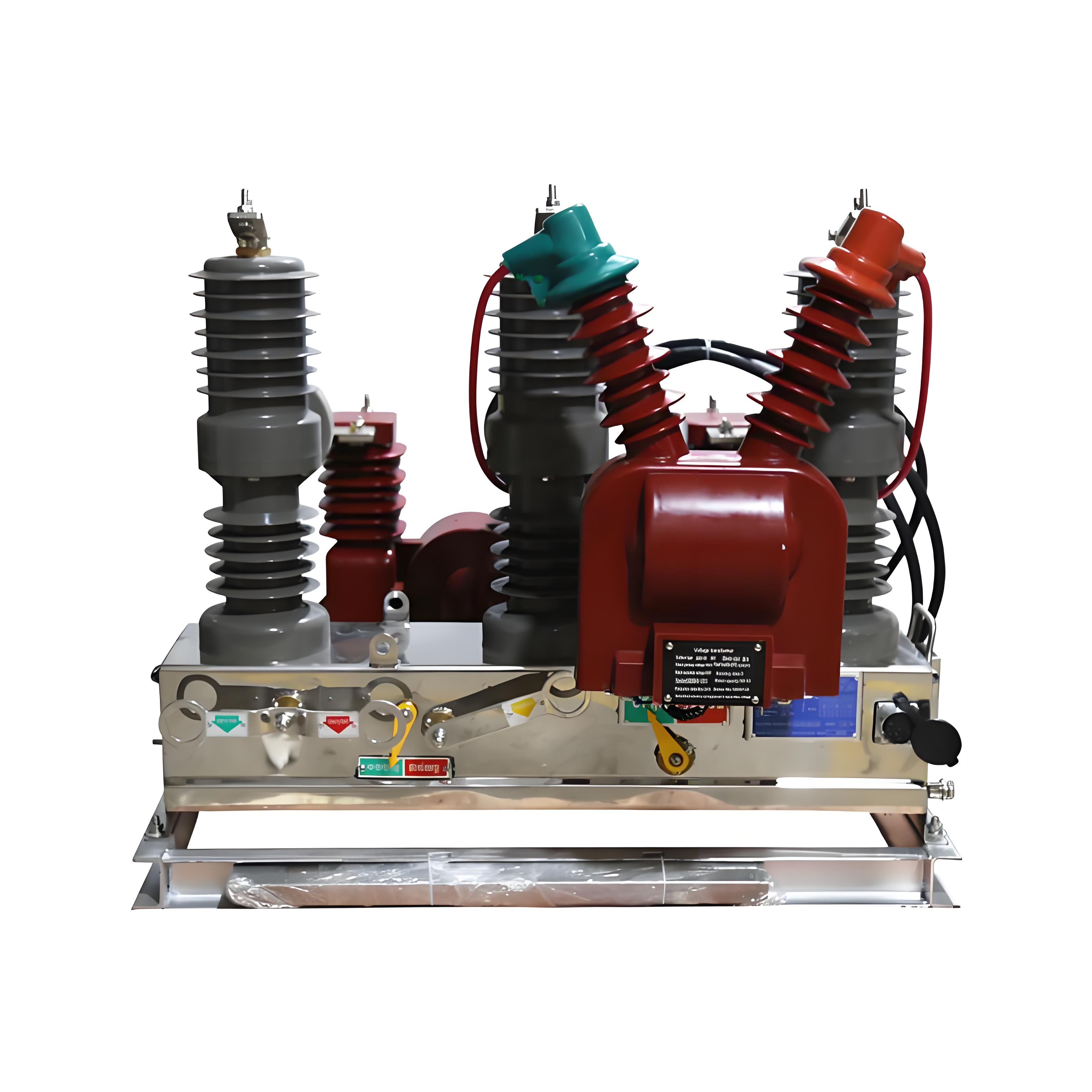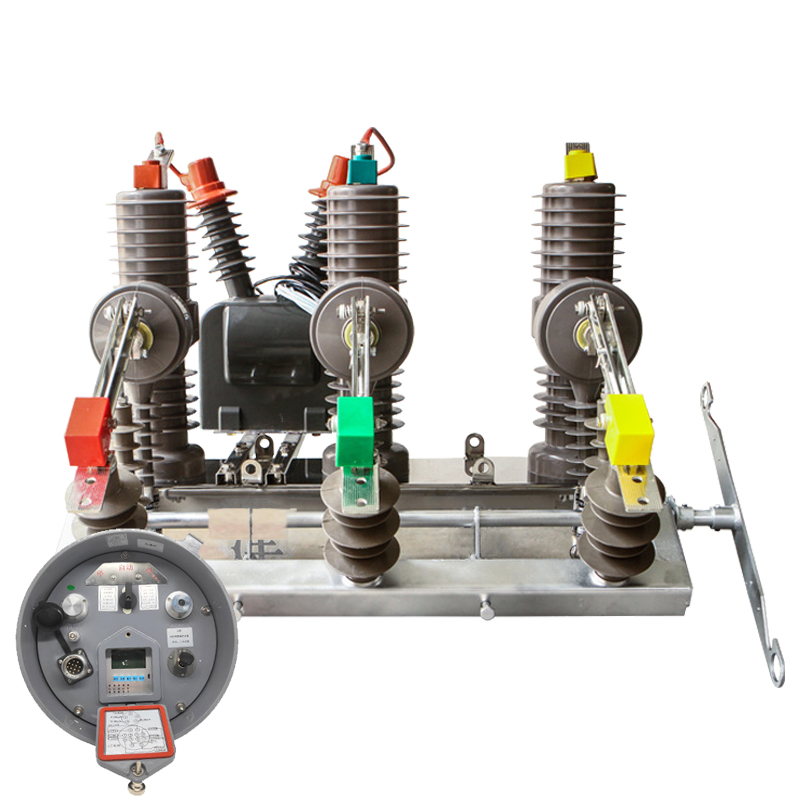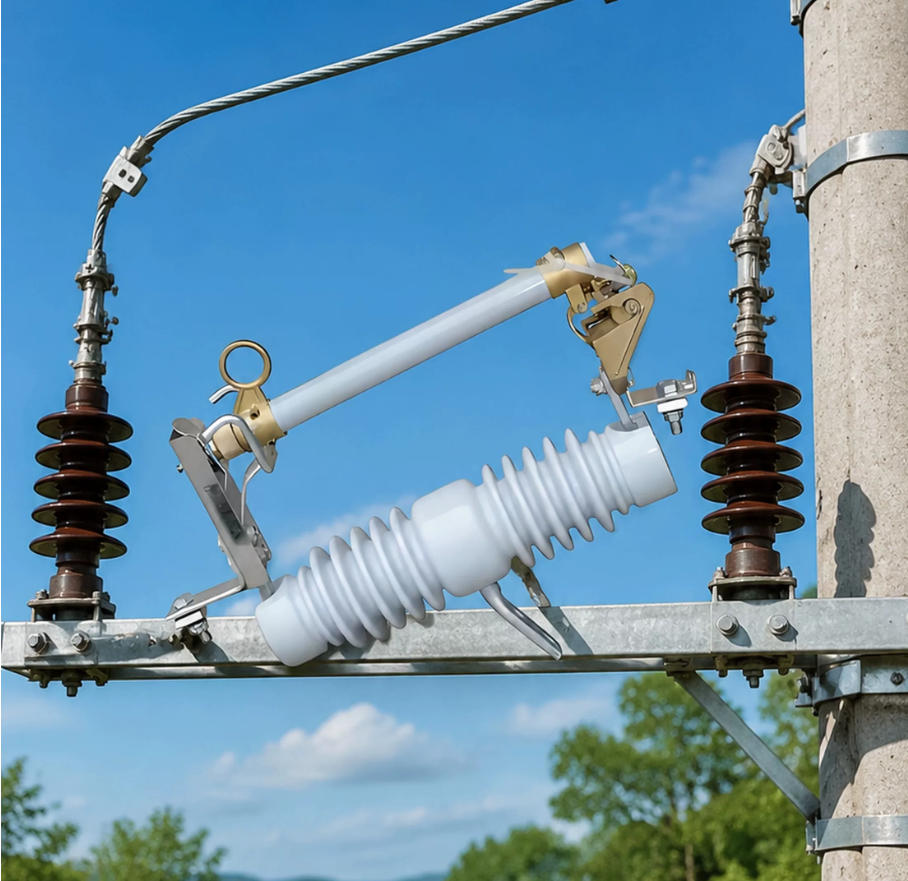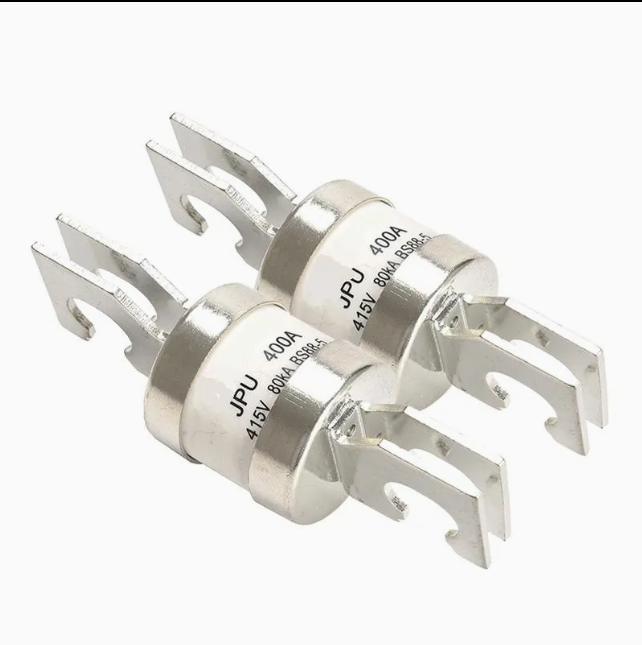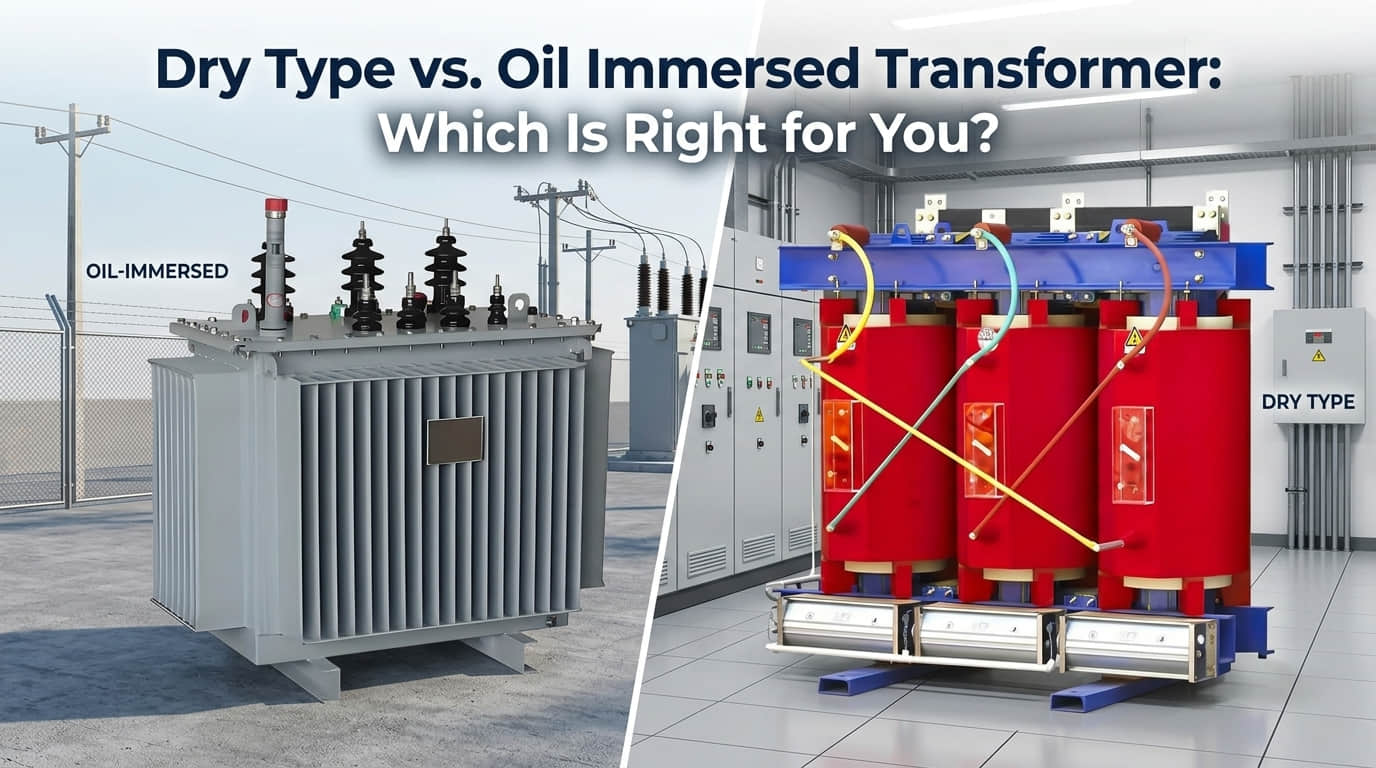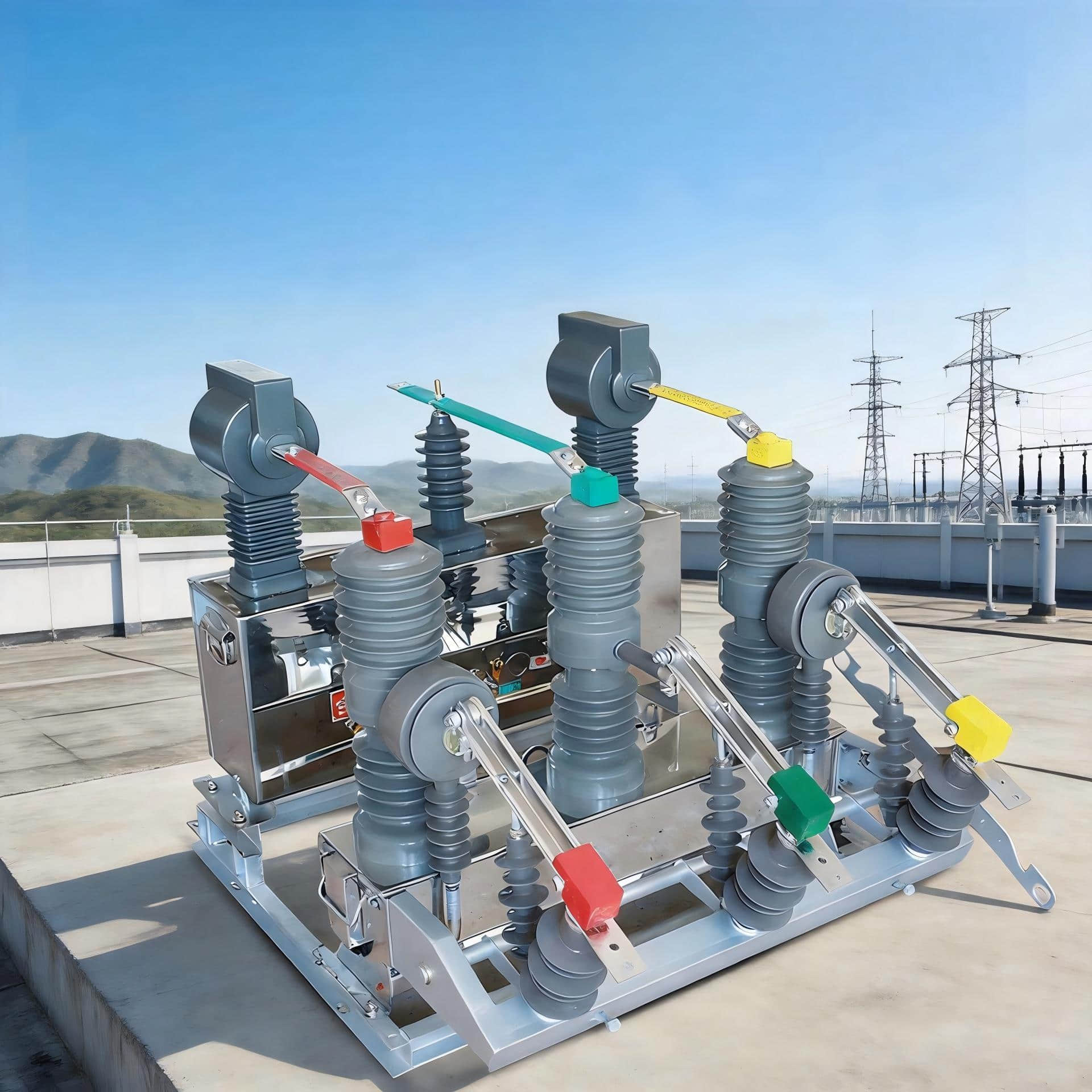
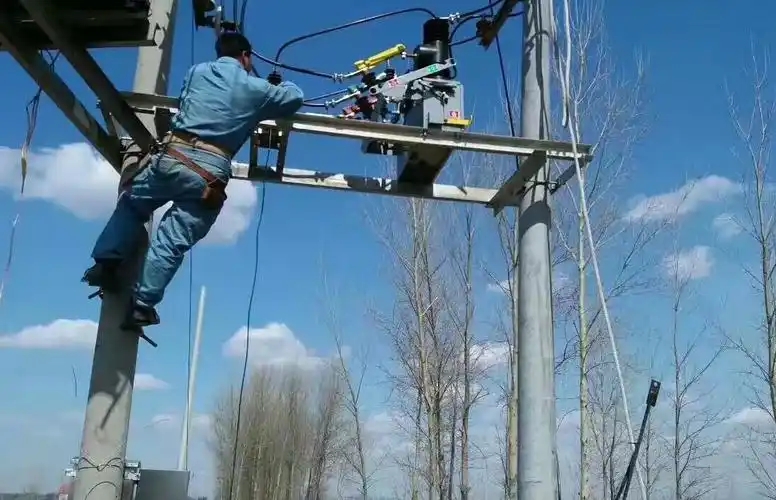
You pick a vacuum circuit breaker because it stops electricity quickly and keeps things safe. It works well and does not need much fixing. Many substations and trains use vacuum circuit breakers for medium and high voltage.
In 2023, more than 120,000 units were put in around the world.
By 2025, vacuum circuit breakers will be almost half of the medium voltage market.
Most new train and subway projects in Japan and India use these breakers.
Key Takeaways
Vacuum circuit breakers stop electricity fast. This keeps people safe. They work well in medium and high voltage systems.
They need very little maintenance. This saves users time and money. They last up to 30 years.
These breakers are great at stopping arcs. They stop electrical arcs in less than a second. This protects equipment from getting damaged.
Vacuum circuit breakers have strong insulation. They give high dielectric strength. This stops electricity from leaking out.
Their small size lets them fit in tight spaces. They are good for urban substations and crowded places.
They do not use bad gases or oils. This makes them good for the environment. They help lower pollution.
Vacuum circuit breakers are used in many industries. They are found in power distribution, railways, and renewable energy. People trust them because they work well.
Picking vacuum circuit breakers makes things safer. It lowers harm to the environment. It helps power systems work better.
Arc Quenching
When picking a circuit breaker, you want it to stop arcs fast. Arc quenching helps keep things safe. A vacuum circuit breaker uses a special way to break the arc. This keeps your equipment safe.
Vacuum Circuit Breaker Performance
Fast Interruption
A circuit breaker should act quickly. A vacuum circuit breaker stops the arc in less than a second. This quick stop protects your system from harm. Tests show vacuum circuit breakers work faster than air circuit breakers.
Tip: Quick stops mean less chance of fire or broken equipment.
Here is a table that shows how fast each type works:
Circuit Breaker Type | Timing Characteristic | Notes |
|---|---|---|
Vacuum Circuit Breaker | Made for quick stops | |
Air Circuit Breaker | Slower operational speed | It may take longer to stop |
Low Arc Energy
Vacuum circuit breakers keep arc energy low. The vacuum inside stops the arc from growing. This keeps things cool and protects the breaker parts. You get a longer life and safer use.
Air vs. Vacuum
You might wonder how air circuit breakers are different. The main difference is how they stop the arc. Air circuit breakers use air at normal pressure. They use air blasts or magnets to stretch and cool the arc. Vacuum circuit breakers use a high vacuum. The arc goes away fast because the metal vapor cools down, and the vacuum does not let the arc form.
Here is a table that shows the differences:
Feature | Air Circuit Breaker (ACB) | Vacuum Circuit Breaker (VCB) |
|---|---|---|
Arc Quenching Medium | Uses air at normal pressure | Uses a high vacuum |
Arc Quenching Method | Air blast or magnets stretch the arc | Metal vapor cools; arc goes away fast |
Vacuum circuit breakers stop arcs faster and work better. They do not need air chutes or extra cooling. You get better results, especially with medium and high voltage.
Here is another table showing how each type handles arcs:
Circuit Breaker Type | Interruption Medium | Arc Quenching Mechanism | Performance Highlights |
|---|---|---|---|
Vacuum Circuit Breaker (VCB) | Vacuum | Arc goes away fast; no restart; quick recovery | Fast arc stop, no restart, very reliable |
Air Circuit Breaker (ACB) | Air | Air blast cools and splits the arc | Medium speed, uses arc chutes |
Oil Circuit Breaker (OCB) | Oil | Oil vapor makes bubbles to stop the arc | Slower arc stop, needs lots of fixing |
SF6 Circuit Breaker (GCB) | SF6 Gas | SF6 gas grabs electrons, making it harder for arcs | Fast arc stop, good for big problems |
Vacuum circuit breakers are faster and more reliable. You get safer use and less time fixing things.
Insulation Strength
When picking a circuit breaker, strong insulation is important. Insulation stops electricity from leaking out. It keeps people safe from shocks. Vacuum circuit breakers have better insulation than most other types. You get safety every time you use them. They are also very reliable.
Dielectric Properties
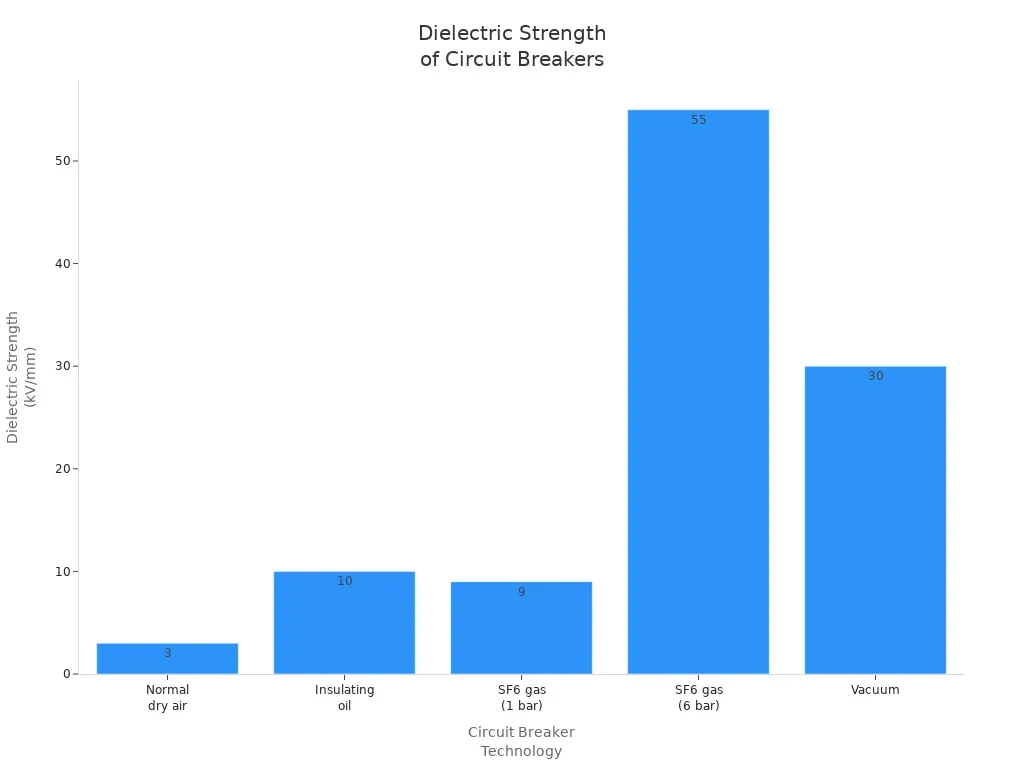
Dielectric strength means how well something blocks electricity. Vacuum circuit breakers use a vacuum for insulation. A vacuum has no air or gas inside. Electricity cannot move through it easily. This gives you a high level of protection.
Note: Dielectric strength is measured in kV/mm. Bigger numbers mean better insulation.
Here is a table that compares different technologies:
Circuit Breaker Technology | Dielectric Strength (kV/mm) |
|---|---|
Normal dry air | 3 |
Insulating oil | 10 |
SF6 gas (1 bar) | 9 |
SF6 gas (6 bar) | 50 to 60 |
Vacuum | 30 |
You can see that vacuum circuit breakers have much higher dielectric strength than air or oil. Only SF6 gas at high pressure is close or better. But SF6 gas costs more and is not good for the environment.
Vacuum circuit breakers give strong insulation in a small space. You do not need big equipment for high protection.
Withstand Voltage
Withstand voltage shows how much voltage a breaker can withstand. Vacuum circuit breakers have high withstand voltage ratings. You can use them for medium and high voltage systems.
Basic Impulse Level (BIL): This rating shows how well a breaker handles sudden voltage spikes. BIL is measured in kilovolts. Vacuum circuit breakers often have high BIL ratings. They protect your system from lightning or surges.
Power Frequency Withstand Voltage: This rating shows how much alternating voltage a breaker can withstand for a short time. Usually, it is tested for one minute. Vacuum circuit breakers can handle high voltages at normal frequencies like 50 or 60 Hz.
You can trust your breaker to work in tough conditions.
Safety Margins
Safety margins are important when working with electricity. Vacuum circuit breakers have wide safety margins because of strong insulation. You do not need to worry about breakdowns or leaks. The vacuum keeps the contacts apart and blocks unwanted current.
You get extra protection from voltage surges.
You lower the risk of electrical accidents.
You keep your equipment safe for a long time.
Tip: Always check insulation ratings before picking a circuit breaker. Vacuum circuit breakers usually meet or beat industry standards.
Vacuum circuit breakers help you build safer electrical systems. You get strong insulation, high withstand voltage, and wide safety margins. These features make vacuum circuit breakers a smart choice for your power needs.
Size and Maintenance
Compact Design
You want to save space in your system. A vacuum circuit breaker helps with this. Its design is small and fits in tight spots. You do not need big rooms or heavy frames. The breaker uses a vacuum bottle. This bottle is smaller than the tanks in other breakers. You can put more equipment in the same place. This keeps your setup tidy.
Note: Small designs lower costs and make upgrades simple.
Many engineers pick vacuum circuit breakers for small spaces. You see them in city substations, factories, and trains. You get good performance without using much space.
Maintenance Needs
You want equipment that is easy to care for. A vacuum circuit breaker needs little work. You do not have to check it often or fix hard problems. Most jobs are quick and simple.
Here is a table with common tasks for vacuum circuit breakers:
Maintenance Task | Description |
|---|---|
Visual Inspection | Look for damage, loose wires, or worn parts |
Cleaning | Wipe the inside and outside with a soft cloth or vacuum |
Testing Procedures | Test insulation, contact resistance, and timing |
Contact Resistance Check | Check the contacts and how they line up |
Insulation Resistance Check | Measure the insulation between wires and to the ground |
Timing Check | Make sure opening and closing times are correct |
Most jobs are about looking and testing. You do not need to change fluids or gases. You do not have to open the breaker much.
No Refilling
You do not need to refill anything in a vacuum circuit breaker. Other breakers, like oil or SF6, need refilling often. This takes time and money. The vacuum stays sealed for many years. You do not add oil, gas, or water. This makes your work safer and easier.
No oil leaks to clean up.
No gas bottles to keep.
No spills or messes to worry about.
Tip: No refilling means less work and fewer safety problems.
Fewer Parts
A vacuum circuit breaker has fewer moving parts. You do not need to worry about pumps or valves. The main parts are the vacuum bottle, contacts, and the mechanism. Fewer parts mean fewer things can break.
Here is a short list of what to check:
Look at the breaker and its parts
Clean it as needed
Test and check it works right
You spend less time fixing and more time running things. You save money on parts and repairs.
You get a breaker that works well for years with little effort.
Reliability and Longevity
Operational Life
You want equipment that lasts a long time. A vacuum circuit breaker gives you that. In most utility and industrial settings, you can expect it to work for about 30 years. It can handle between 10,000 and 30,000 operations before you need to think about replacing it. This long life means you do not have to worry about frequent changes or upgrades. The environment can affect how long your breaker lasts. High humidity or extreme temperatures might shorten its life, while clean and stable conditions help it last longer.
Tip: Keep your breaker in a dry, cool place to get the most years out of it.
Consistency
You need your electrical system to work the same way every time. Consistency is key for safety and performance. A vacuum circuit breaker delivers steady results because it has fewer moving parts and uses a sealed vacuum bottle. This design helps it open and close circuits with the same speed and power, year after year.
Here are some important points about reliability:
Mean Time Between Failure (MTBF) tells you how long your breaker works before it might fail.
A high MTBF means you can trust your breaker for longer periods.
You can improve MTBF by checking your breaker and fixing small issues early.
A table can help you see how MTBF affects reliability:
MTBF (Years) | Reliability Level | What It Means for You |
|---|---|---|
20+ | Very High | Fewer breakdowns, less worry |
10–20 | High | Good performance, safe use |
Below 10 | Moderate or Low | More checks, more downtime |
Note: Regular checks and quick fixes help keep your breaker working smoothly.
Failure Rates
You want to know what can go wrong. Even the best equipment can have problems. In a vacuum circuit breaker, the vacuum bottle is the most important part. Over many years, the bottle can start to leak. When this happens, the breaker may not work as well. Leakage often starts slowly but can get worse quickly. If you notice any signs of trouble, act fast to prevent bigger problems.
Vacuum bottles do not last forever.
Leaks can begin after many years of use.
Once a leak starts, the breaker’s performance drops fast.
Always test your breaker on a schedule. Early checks help you catch leaks before they cause failures.
A vacuum circuit breaker gives you a long, steady life with few failures. You get peace of mind and safe power for many years.
Interrupting Capacity
High Fault Currents
You need a circuit breaker that can stop big problems fast. When a fault happens, very large currents flow in your system. These high fault currents can break equipment and start fires. A vacuum circuit breaker acts right away. It stops the current before it causes damage.
The vacuum interrupter works inside a sealed chamber. This chamber keeps out air, water, and dirt. The contacts last longer because nothing can rust or dirty them. This design helps your breaker last longer and need less repair.
When a fault current shows up, the vacuum circuit breaker acts fast. It opens the contacts inside the vacuum. There is no air or gas, so the arc cannot start again. The vacuum makes it very hard for electricity to jump the gap. The dielectric strength comes back very quickly after the current stops. This fast recovery is important. It lets your breaker handle even the biggest fault currents with no trouble.
Tip: Fast stops keep your power system safe and help prevent long blackouts.
You can trust a vacuum circuit breaker to shut off the bad part of your system. It keeps the problem from spreading. Your other equipment stays safe, and you do not lose much power. This is why many factories and power plants use vacuum circuit breakers for main protection.
Industrial Use
Vacuum circuit breakers work well in many industries. You see them where safety and reliability are very important. Here are some common uses:
Power Distribution Networks: You protect feeders, transformers, and capacitor banks.
Industrial Plants: You keep motors, furnaces, and big machines safe.
Railway Electrification: You help trains and subways run without stopping.
Wind Power Generation: You switch and protect wind turbines.
Mining Operations: You need strong breakers for rough, dusty places.
Utility Substations: You protect lines, transformers, and busbars.
Each industry has its own needs. In factories, you want to protect big motors and machines. In railways, you need to keep trains moving all the time. In wind farms, you must handle quick changes in power. Vacuum circuit breakers do all these jobs. They work in tough places and keep your system working.
Here is a table showing where you might use vacuum circuit breakers:
Industry Sector | Main Protection Role |
|---|---|
Power Distribution | Feeders, transformers, and capacitor banks |
Industrial Plants | Motors, furnaces, heavy equipment |
Railways | Traction power systems |
Wind Power | Wind turbine switching and safety |
Mining | High safety in harsh environments |
Utility Substations | Line, transformer, busbar protection |
You get strong, quick, and steady protection every time. Vacuum circuit breakers help you keep your power on and your equipment safe, no matter where you work.
Environmental Impact
No Harmful Gases
You want your electrical system to be safe for both people and the planet. Vacuum circuit breakers (VCBs) help you reach this goal. They do not use any harmful gases or oils. When you operate a VCB, it does not release toxic substances into the air. This means you do not have to worry about dangerous leaks or explosions.
Many other circuit breakers, like those using SF6 gas, can harm the environment. SF6 is a strong greenhouse gas. It has a global warming potential 23,500 times higher than carbon dioxide. If SF6 leaks, it stays in the atmosphere for a long time and traps heat. Air circuit breakers do not use SF6, but they still cannot match the safety of VCBs.
Here are some key points about VCBs and harmful gases:
VCBs do not emit toxic gases during operation.
You avoid risks of fire, explosion, or gas leaks.
The vacuum arc extinction technology in VCBs stops arcs instantly without releasing any harmful substances.
You do not need to handle or dispose of dangerous chemicals.
Note: The absence of harmful gases in VCBs makes your workplace safer and cleaner.
Eco-Friendly
You care about the environment and want to make smart choices. Vacuum circuit breakers support your efforts to protect nature. They do not use oil or greenhouse gases, so you lower your carbon footprint. You also avoid the problems that come with handling and disposing of hazardous materials.
When you choose VCBs, you help reduce pollution and climate change. SF6 circuit breakers need careful handling throughout their life. If they leak, they can cause serious environmental damage. Oil circuit breakers can spill and pollute soil and water. VCBs do not have these problems.
Let’s compare the environmental impact of different circuit breakers:
Breaker Type | Uses Harmful Gases? | Greenhouse Gas Risk | Special Disposal Needed? |
|---|---|---|---|
Vacuum (VCB) | No | None | No |
SF6 Gas | Yes | Very High | Yes |
Oil | No gas, but oil | Low | Yes |
Air | No | None | No |
You can see that VCBs stand out as the most eco-friendly choice. They do not create pollution during use or at the end of their life. You help keep the air clean and the earth safe.
Tip: By choosing vacuum circuit breakers, you support a greener future for everyone. 🌱
Vacuum circuit breakers give you reliable performance and protect the environment. You make your system safer and help the planet at the same time.
Vacuum Circuit Breaker Applications
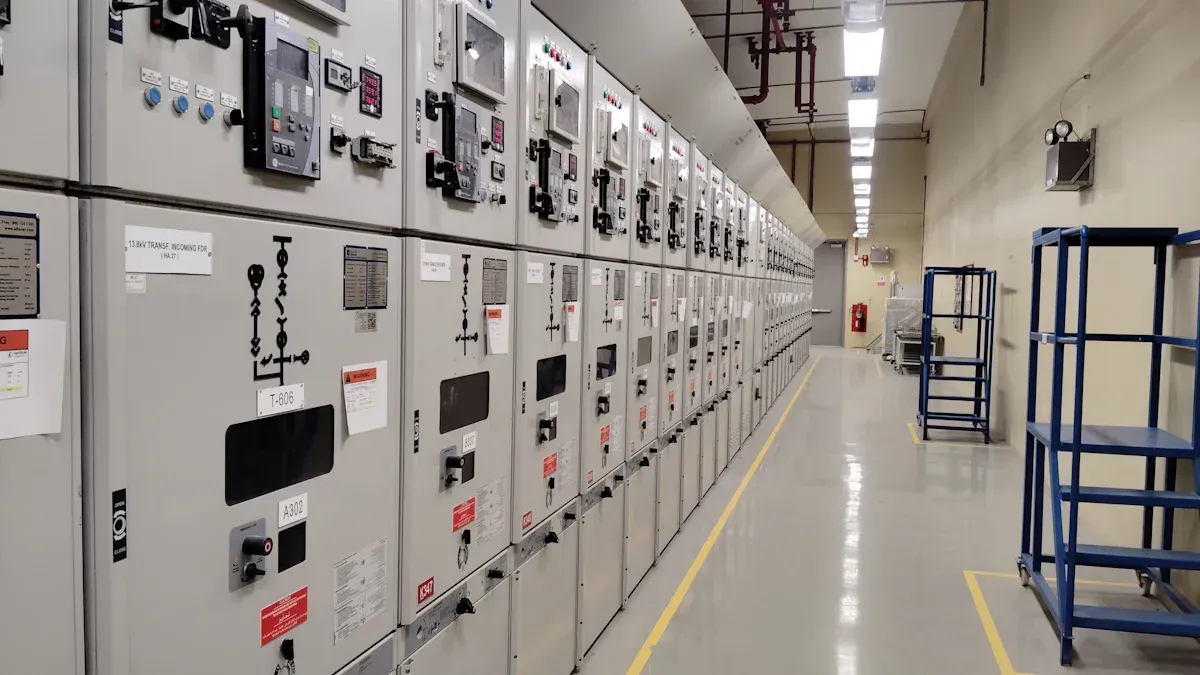
Substations
Vacuum circuit breakers are used in many substations. They help protect equipment and keep power safe. When selecting a breaker, you consider a few key factors. You check the rated voltage and current. You make sure it matches your system. You also check if it can stop short circuits. You pick if you want a fixed or moving type. You decide whether it should be used indoors or outdoors.
Most city substations use vacuum circuit breakers. They are small and work well. You save space and lower the chance of problems. You do not have to worry about oil leaks or gas. This makes the substation safer and cleaner.
Note: Utilities like these breakers because they last long and need little care.
Railways
Railways need strong and quick protection. Vacuum circuit breakers are used in railway power stations. They help trains run safely, even if there is a problem.
Here is a table that shows why railways use them:
Advantage | Description |
|---|---|
High Short-Circuit Interruption | Can stop up to 31.5kA, good for busy train lines. |
Stops faults in 30–60 milliseconds, so trains keep moving. | |
High Mechanical Endurance | Works over 10,000 times, so it lasts for many years. |
Stable Actuation Mechanism | Uses springs, so it works well in any weather. |
Excellent Insulation Performance | Dry air keeps out water and dirt. |
Compact Design | Fits in small spaces, great for crowded cities. |
Low Maintenance Requirements | Sealed vacuum means you do not check it often. |
Automation Compatibility | Connects to control systems for easy checks. |
You get fast fault clearing and fewer train delays. You also spend less on repairs and keep people safe.
Transmission Networks
Vacuum circuit breakers protect transmission networks and keep power steady. They work well with high voltages and stop problems fast. This helps stop blackouts and keeps equipment safe.
When you add these breakers, you plan. You check if they fit with transformers and relays. You also look at their size and weight for easy setup.
You see more vacuum circuit breakers in smart grids and green energy projects. They help with real-time checks and new controls. They work well with solar and wind power. This helps you build a cleaner energy system.
Protects substation equipment and keeps power steady.
Works well with high voltages.
Needs little care and lasts a long time.
Helps smart grids and green energy work better.
When you compare these breakers to others, you see they are safer for the earth, need less work, and fit well in new power systems.
Vacuum circuit breakers stop arcs quickly. They are reliable and easy to take care of. People use them for medium and high voltage systems. These breakers work well and last a long time. More and more people are buying them each year:
Year | Market Value (USD) | Projected Value (USD) | CAGR (%) |
|---|---|---|---|
2023 | 4 billion | 7.8 |
Experts say you should do these things when picking a breaker:
Check what your system needs.
Think about where you will use it.
Look at the weather and location.
Make sure it fits your control and safety plans.
Ask experts for advice.
Choosing vacuum circuit breakers helps make power systems safer and smarter.
FAQ
What is a vacuum circuit breaker?
A vacuum circuit breaker has a sealed vacuum inside. It stops electricity if there is a problem. You get quick protection and safe use for your system.
Why should you choose a vacuum circuit breaker over an air circuit breaker?
Vacuum circuit breakers stop arcs faster. They are more reliable and need less fixing. They work best for medium and high voltage systems.
How long does a vacuum circuit breaker last?
A vacuum circuit breaker can last up to 30 years. It works thousands of times before you need a new one.
Do you need to refill or replace anything in a vacuum circuit breaker?
You do not need to refill oil or gas. The vacuum stays sealed for many years. You just check and clean the breaker sometimes.
Where do you use vacuum circuit breakers?
Vacuum circuit breakers are used in substations, factories, and railways. They also protect transmission networks and keep power safe.
Are vacuum circuit breakers safe for the environment?
Vacuum circuit breakers do not use harmful gases or oils. They help keep the air clean and lower pollution.
Tip: Picking vacuum circuit breakers helps you make a safer and greener power system.