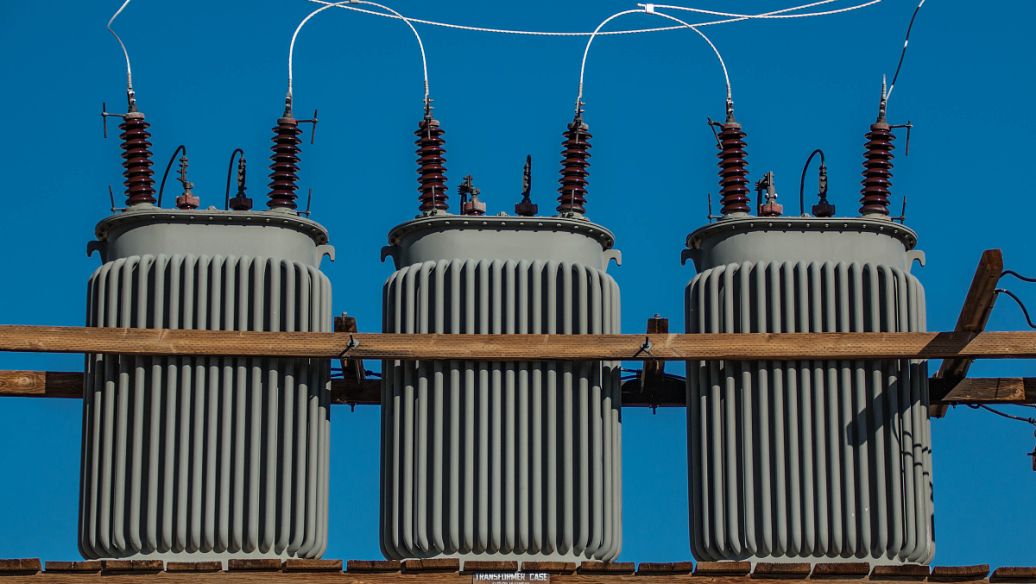
What Is a Single-Phase Transformer?
When people in the U.S. talk about “the transformer on the pole” feeding a house or small shop, they’re almost always talking about a single-phase transformer. It’s the workhorse of residential power distribution and light commercial loads.
Single-Phase Transformer Basics
A single-phase transformer is an electrical device that:
Takes AC power at one voltage and delivers AC power at another voltage
Works on a single-phase AC supply (one alternating voltage waveform)
Uses electromagnetic induction to transfer energy between windings without a direct electrical connection
Basic working principle (in plain terms):
1. The primary winding connects to the incoming AC line (for example, 7.2 kV on a distribution line).
2. AC in the primary creates a magnetic field in the iron core.
3. That changing magnetic field induces a voltage in the secondary winding.
4. The turns ratio (primary turns vs. secondary turns) sets whether it’s step-down (high to low voltage) or step-up (low to high).
There are no moving parts, which is why transformers are so reliable and efficient for long-term use.
Construction and Core Components
A typical single-phase transformer construction includes:
Core – Laminated silicon steel core (EI, shell-type, or core-type) to guide the magnetic flux and reduce losses
Primary winding – Copper or aluminum wire connected to the higher-voltage side
Secondary winding – Copper or aluminum wire connected to the lower-voltage load side
Insulation system – Paper, epoxy, or solid insulation plus oil or air for dielectric strength and heat dissipation
Tank or enclosure – Steel tank (for liquid-filled) or NEMA-rated cabinet (for dry-type) for mechanical protection
Bushings and terminals – High-voltage bushings, low-voltage lugs or terminals for field connections
Cooling – Natural air (AN) or oil-filled (ONAN) cooling for reliable temperature control
We design our units to meet ANSI/IEEE and DOE efficiency standards, which is critical for utilities, contractors, and facility owners in the U.S. market.
Common Single-Phase Transformer Types
In North American distribution systems, you’ll mainly see:
Pole-mounted single-phase transformers
Hung on utility poles
Oil-filled, weatherproof
Serve overhead residential and rural lines
Typically step down medium voltage to 120/240 V
Pad-mounted single-phase transformers
Ground-level, lockable green cabinets
Oil-filled, tamper-resistant, dead-front design
Used in subdivisions, commercial lots, and parking areas
Ideal where underground distribution is required by code or aesthetics
Both pole-mounted and pad-mounted distribution transformers are engineered for outdoor use, harsh weather, and long service life with minimal maintenance.
Typical Voltage Levels and Power Ranges
For the U.S. grid, single-phase transformers usually operate as low-voltage distribution transformers or medium-voltage distribution transformers with these common ratings:
Primary (medium-voltage) levels:
2.4 kV, 4.16 kV, 7.2 kV, 7.62 kV, 12.47 kV, 13.2 kV, 13.8 kV, 24.9 kV, 34.5 kV (line-to-neutral or line-to-line depending on system)
Secondary (low-voltage) levels:
120/240 V single-phase (most U.S. homes)
240/480 V single-phase (some light commercial or rural applications)
Typical kVA ranges for single-phase units:
Small control/industrial: 0.5–25 kVA
Residential distribution: 10–50 kVA per house or small building
Larger rural/commercial: up to 167 kVA or 250 kVA per transformer
If we see a need for higher capacity or redundancy, we often recommend a bank of single-phase transformers instead of jumping immediately to a three-phase unit, especially in spread-out rural or edge-of-grid locations.
In short, single-phase transformers are the most practical, cost-effective solution for homes, small buildings, and light loads where single-phase vs three-phase power clearly favors simplicity over sheer capacity.
What Is a Three-Phase Transformer?
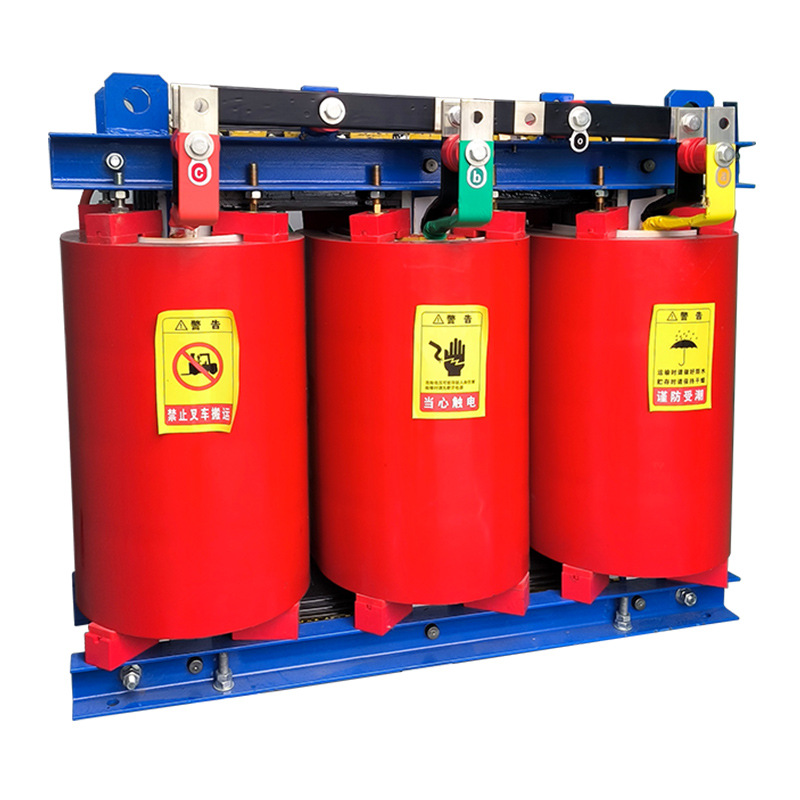
A three-phase transformer is built to handle three-phase power, the standard for industrial and commercial power in the U.S. It uses three separate windings on a shared magnetic core to step voltage up or down while keeping the three phases evenly spaced at 120°. That phase displacement is what gives you smoother, more stable power for big loads and long-distance transmission.
Working Principle (Three-Phase Transformer Basics)
At its core, a three-phase transformer follows the same idea as a single-phase unit:
Primary windings take in AC power and create a changing magnetic field in the core.
That field links to the secondary windings, inducing a new voltage based on the turns ratio.
With three phases, you have three sets of windings, each carrying a phase that’s 120° apart, giving much better balanced load distribution and higher power capacity.
Core Construction: Three-Limb vs Five-Limb
Most three-phase transformers in U.S. distribution and industrial systems use either:
Three-limb core
One limb per phase (A, B, C)
Compact, efficient, ideal for most medium-voltage distribution transformers
Five-limb core
Extra outer limbs to better return magnetic flux
Used for larger power transmission transformers, where lower noise and better performance under unbalanced loads matter
In both cases, the goal is the same: keep losses low, heat under control, and performance stable. Core construction decisions often go hand in hand with protection and switching equipment like HV switchgear and circuit breakers.
Delta vs Wye (Star) Transformer Connections
Three-phase transformer windings are typically connected in these configurations:
Delta (Δ)
Windings form a closed triangle
Handles high currents well
Common on the high-voltage or medium-voltage side in industrial and utility systems
Can continue operating (with limits) under certain fault conditions
Wye (Y or Star)
One end of each winding is tied to a neutral point
Supports line-to-neutral loads and multiple voltage levels
Often used on the low-voltage distribution side, feeding buildings and equipment
Common three-phase transformer configurations include Δ–Y, Y–Δ, Δ–Δ, and Y–Y, each chosen to match system grounding, fault performance, and load type.
120° Phase Displacement and Power Delivery
The 120° spacing between the three phases is the key advantage of three-phase power:
The individual phase powers rise and fall, but when you add them together, you get near-constant power delivery.
That means less vibration, smoother operation, and higher efficiency for three-phase induction motors, drives, and heavy machinery.
Compared to single-phase pulsating power, three-phase systems support much higher load capacity for the same kVA rating and conductor size.
For U.S. customers running plants, data centers, or renewable energy step-up systems, this smoother, constant power is why three-phase transformers are the backbone of modern power transmission and industrial distribution.
Single-Phase vs Three-Phase Transformers: Core Differences
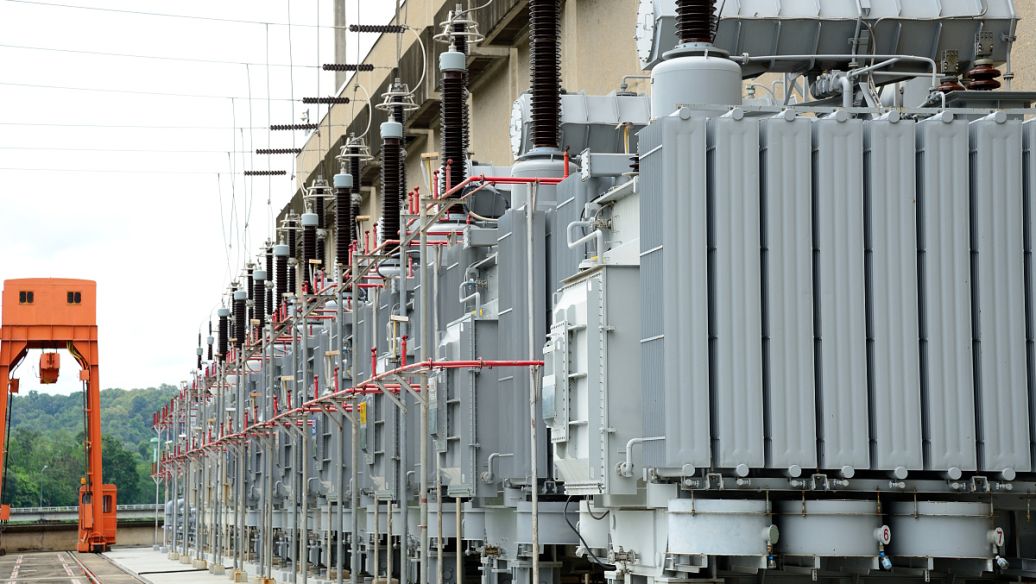
When I’m helping US customers choose between single-phase vs three-phase transformers, I always start with these core differences: phases, power quality, size, and long-term cost.
Number of Phases & Power Waveform
Single-phase transformers work on one AC waveform.
Three-phase transformers use three AC waveforms, each 120° out of phase.
Result:
Single-phase = pulsating power
Three-phase = near-constant power output (much smoother for motors and heavy loads)
Size, Weight & Physical Design
For the same kVA, a three-phase unit is usually:
More compact per kVA
Lighter per kVA
More material-efficient
Single-phase units:
Simple, pole-mounted, or pad-mounted
Ideal for spread-out residential and rural distribution
Three-phase units:
Heavier, often used with metal-clad switchgear and more complex distribution gear in industrial sites. For example, pairing with KYN550 metal-clad switchgear is common in medium-voltage three-phase systems.
Efficiency Differences
Three-phase transformers are generally:
More efficient at higher kVA
Better for continuous, heavy loads
Single-phase is efficient at low to moderate kVA, but efficiency drops vs three-phase when you scale up.
Power Delivery: Pulsating vs Near-Constant
Single-phase:
Power waveform rises and falls each cycle
More voltage drop on long runs with big loads
Less ideal for large motors and process loads
Three-phase:
Almost constant power to the load
Motors run smoother, cooler, and more efficiently
Best choice for industrial lines, data centers, and big HVAC systems
Cost: Purchase, Installation, Lifecycle
Upfront equipment cost:
Single-phase transformer: cheaper for small kVA and simple installs
Three-phase transformer: more expensive unit, but cheaper per kVA at higher ratings
Installation:
Single-phase: simpler wiring, lighter handling
Three-phase: more complex, but fewer units for the same total capacity
Lifecycle cost:
Lower losses
Better efficiency under heavy load
Less total hardware vs several single-phase units
Three-phase often wins for:
If you’re sizing something like a 750 kVA three-phase unit, efficiency and lifecycle cost quickly become critical. That’s where a targeted guide like this 750 kVA transformer selection resource is worth a look when you’re planning real-world projects.
Maintenance & Reliability
Single-phase:
Fewer parts, simple to troubleshoot
In a bank of single-phase transformers, one failure may not kill the entire system
Three-phase (integrated unit):
One tank, one core – very robust and compact
But when that one unit fails, you typically lose the whole three-phase feed
In well-designed systems, both can be highly reliable, but:
Three-phase is usually preferred in critical industrial and commercial power systems.
Key Comparison Table: Single-Phase vs Three-Phase Transformers
| Aspect | Single-Phase Transformer | Three-Phase Transformer |
|---|---|---|
| Phases | 1 | 3 (120° displacement) |
| Power Delivery | Pulsating | Near-constant |
| Typical Use | Homes, light commercial, rural feeders | Industrial, data centers, large buildings, grids |
| Size & Weight per kVA | Larger/heavier per kVA | More compact and lighter per kVA |
| Efficiency (medium–high kVA) | Lower vs three-phase at the same kVA | Higher, especially at larger kVA |
| Upfront Cost (small systems) | Lower | Higher |
| Lifecycle Cost (large systems) | Often higher per kWh delivered | Often lower due to efficiency |
| Installation Complexity | Simple | More complex, but fewer high-kVA units needed |
| Maintenance | Very simple; easy to swap units | Centralized; failure affects the whole 3-phase feed |
| Best For | Low–moderate loads, residential & small loads | High loads, motors, industrial & commercial |
If you tell me your load (kVA), voltage, and whether it’s mainly motors or mixed loads, I can narrow down whether a single-phase setup or a three-phase transformer makes more sense for your site in a few lines.
Advantages and Disadvantages of Single-Phase Transformers
Key benefits of single-phase transformers
Single-phase transformer basics are straightforward, and that’s why they’re everywhere in U.S. distribution:
Simple design, easy to deploy – Fewer parts and simpler construction than three-phase units, which means faster installation and easier troubleshooting.
Lower upfront cost – For small kVA ratings, a single-phase transformer is usually cheaper to buy, ship, and install than a comparable three-phase solution.
Perfect for single-phase loads – Most residential loads in the U.S. (lighting, outlets, small appliances) are single-phase, so using single-phase distribution transformers keeps things efficient and clean.
Flexible placement – Pole-mounted or pad-mounted single-phase transformers are compact and work well on tight urban streets or spread-out rural lines.
Limitations for higher loads
When you push into higher kVA ranges or heavy-duty applications, single-phase transformers run into real limits:
Lower load capacity – Single-phase vs three-phase load capacity is not even close; single-phase quickly becomes inefficient for large motors, HVAC systems, or industrial machinery.
Pulsating power delivery – Single-phase power is inherently “pulsating,” which is harder on larger motors and less ideal for stable, high-power applications.
Higher current for the same power – To move the same kW, single-phase needs more current than three-phase, which drives up conductor size, copper cost, and system losses.
Where single-phase makes the most sense
For the U.S. market, single-phase transformers are usually the smart pick when:
You’re feeding residential neighborhoods, small offices, or small retail.
Loads are mostly lighting, receptacles, small single-phase motors, and electronics.
You want simple, low-maintenance distribution on long rural feeders or low-demand branches.
You’re dealing with low-voltage distribution transformers where efficiency and cost balance out nicely at smaller kVA ratings.
If you’re planning a full distribution setup with switchgear and protection, it often makes sense to look at the transformer and switching gear together, for example alongside a medium-voltage vacuum circuit breaker and protection scheme.
Bank of single-phase transformers vs one three-phase unit
Instead of one integrated three-phase transformer, you can build a bank of single-phase transformers:
Pros
Good for step-by-step expansion: start with one unit, add more as the load grows.
Easier replacement: if one unit fails, you swap a single transformer, not the entire three-phase block.
Standardization: utilities can stock identical single-phase units and use them for both standalone and banked applications.
Cons
More space and structure: multiple units take more room on the pole or pad.
More wiring and hardware: higher installation complexity than a single integrated three-phase unit.
Can be less efficient and more expensive overall once you reach medium and high kVA ratings.
For small and medium distribution where flexibility and serviceability matter more than compactness, a single-phase bank is still a very practical alternative to a factory-built three-phase transformer.
Advantages and Disadvantages of Three-Phase Transformers
Main advantages of three-phase transformers
Three-phase transformers are the backbone of modern US power systems, especially anywhere you have real load on the line. Key benefits:
Higher power capacity in a smaller footprint
For the same kVA, a three-phase transformer is usually lighter, smaller, and more efficient than three single-phase units.Better efficiency and lower losses
Three-phase transformer efficiency is typically higher, which cuts long‑term energy costs for utilities, data centers, and industrial plants.Near-constant power delivery
With three-phase power 120° apart, you get smooth, almost constant power, perfect for large motors, VFDs, and sensitive process equipment.Ideal for heavy and balanced loads
Most industrial motors, large HVAC systems, and manufacturing lines are designed for three-phase power, giving better performance and longer equipment life.Simplified system design at medium and high voltage
For substations, renewable step-up transformers, and transmission-level applications, an integrated three-phase unit keeps layout cleaner and more compact, especially when combined with gear like high-voltage SF₆ circuit breakers such as the LW36-110/126 SF6 breaker.
Drawbacks of three-phase transformers
You do pay for the performance:
Higher upfront cost
A three-phase transformer often has a higher purchase price and may require heavier cranes, pads, and transport.More complex installation and protection
Three-phase transformer configuration (delta vs wye, grounding, protection relays) is more complex than a simple single-phase setup.Bigger infrastructure requirements
You need proper three-phase lines, switchgear, and protection. That’s not always realistic in rural US distribution, where only single-phase lines exist.Outage impact
If the core or tank fails, you lose all three phases at once, which can be a big problem for critical facilities.
When three-phase transformers outperform single-phase
Three-phase wins almost whenever:
Loads are medium to high kVA and mostly three-phase
Industrial plants, refineries, large commercial buildings, data centers, and large EV charging hubs.You need tight voltage regulation and reliability
Three-phase is better for balanced load distribution, especially on long feeders.You’re stepping up or stepping down at medium/high voltage
For power transmission transformers, wind/solar farm step-up units, and utility substations, an integrated three-phase transformer is the standard.
One three-phase unit vs a bank of single-phase transformers
Both options are used across the US grid; the right choice comes down to strategy:
Choose one three-phase transformer when:
You want maximum efficiency, the smallest footprint, and a cleaner design
You’re installing in substations, industrial plants, or data centers with enough space and lifting capacity
You want simplified maintenance planning on a single, integrated unit
Choose a bank of single-phase transformers when:
You need high redundancy – if one unit fails, the others can be reconnected (open-delta) to keep partial service
You’re upgrading older systems that already use pole-mounted or pad-mounted single-phase transformers
Logistics matter – smaller units are easier to move, replace, and stock as spares, especially for rural utilities
Bottom line: for most modern industrial and utility applications, a three-phase transformer is the default choice. Banks of single-phase transformers still make sense where flexibility, redundancy, and simpler logistics outweigh the slight hit in efficiency and space.
Single-Phase Transformer Applications
Single-phase transformers are the backbone of everyday power in the U.S., especially anywhere the load is light to moderate and three-phase isn’t justified.
Residential Power Distribution & Household Use
In most American homes, the utility steps medium-voltage down to 120/240V using pole-mounted single-phase transformers or compact pad-mounted distribution transformers in neighborhoods and suburbs. These units reliably feed:
120V branch circuits for outlets and lighting
240V loads like dryers, ranges, and HVAC condensers
Home electronics, computers, and chargers
They’re built to be quiet, efficient, and low-maintenance for long-term residential service.
Light Commercial & Small Business Loads
For small retail stores, offices, restaurants, and standalone buildings that don’t use big three-phase motors, single-phase transformer basics fit perfectly. Typical uses:
Lighting systems and signage
Point-of-sale systems, computers, and IT gear
Small HVAC equipment and fractional-horsepower motors
Where needed, we pair single-phase units with downstream protection and switching gear like an indoor disconnect switch similar in function to a rotary-type indoor high-voltage disconnect switch on the MV side of the system.
Rural and Low-Demand Distribution
In rural parts of the U.S., where meters are spread out and loads are small, utilities lean on single-phase vs three-phase power economics:
Long single-phase laterals cost less to build and maintain
One pole-mounted transformer can feed a farm, cabin, or small workshop
Perfect for seasonal or intermittent loads
This keeps infrastructure costs down without sacrificing reliability.
Common Single-Phase Loads
Single-phase transformers typically supply:
Lighting: residential, small commercial, street, and area lighting
Small motors: pumps, fans, compressors, small workshop tools
Appliances: refrigerators, washers, dryers (240V), ovens, microwaves
Electronics: TVs, PCs, networking gear, EV chargers (Level 1/2)
Whenever the load is under roughly 50–150 kVA and doesn’t need three-phase motors, a single-phase distribution transformer is usually the smartest, most cost-effective choice.
Three-Phase Transformer Applications
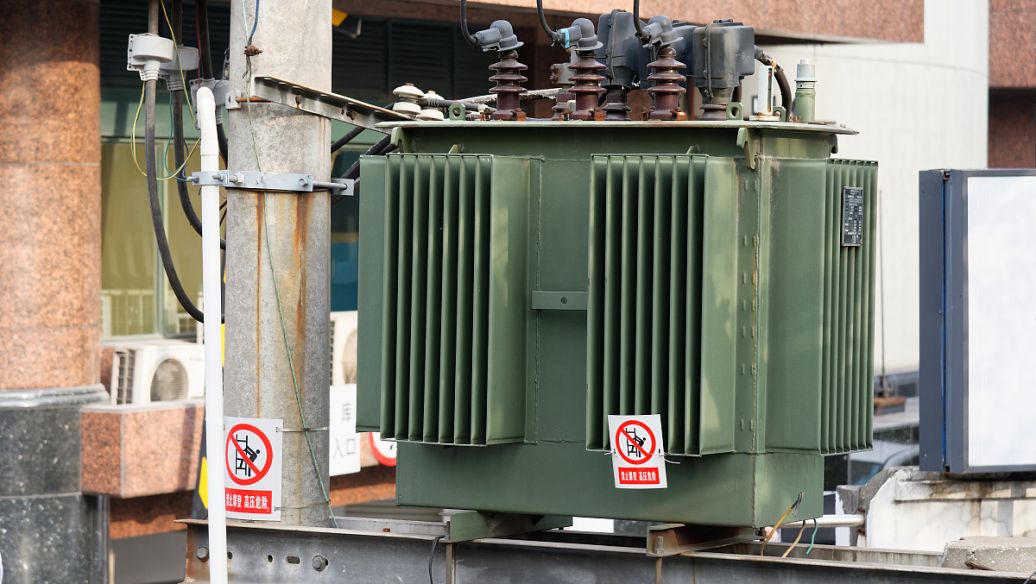
Industrial and Heavy Commercial Power Distribution
Three-phase transformers are the backbone of industrial and big commercial sites across the U.S.
I use them whenever a facility needs:
High kVA capacity for dense loads (plants, malls, hospitals)
Stable voltage for long distribution feeders
Balanced three-phase power to reduce losses and cable size
They’re standard in medium-voltage distribution and often paired with gas-insulated switchgear or ring main units for compact, safe indoor or urban installations, similar to how a gas-insulated RMU like the XGN-12 is used in tight industrial layouts.
Manufacturing and Data Center Use
In U.S. manufacturing and data centers, I lean on three-phase transformer basics for:
Supplying large three-phase motors, drives, compressors, and process lines
Feeding UPS systems, PDUs, and server racks with clean, stable power
Supporting 24/7 critical loads where downtime is expensive
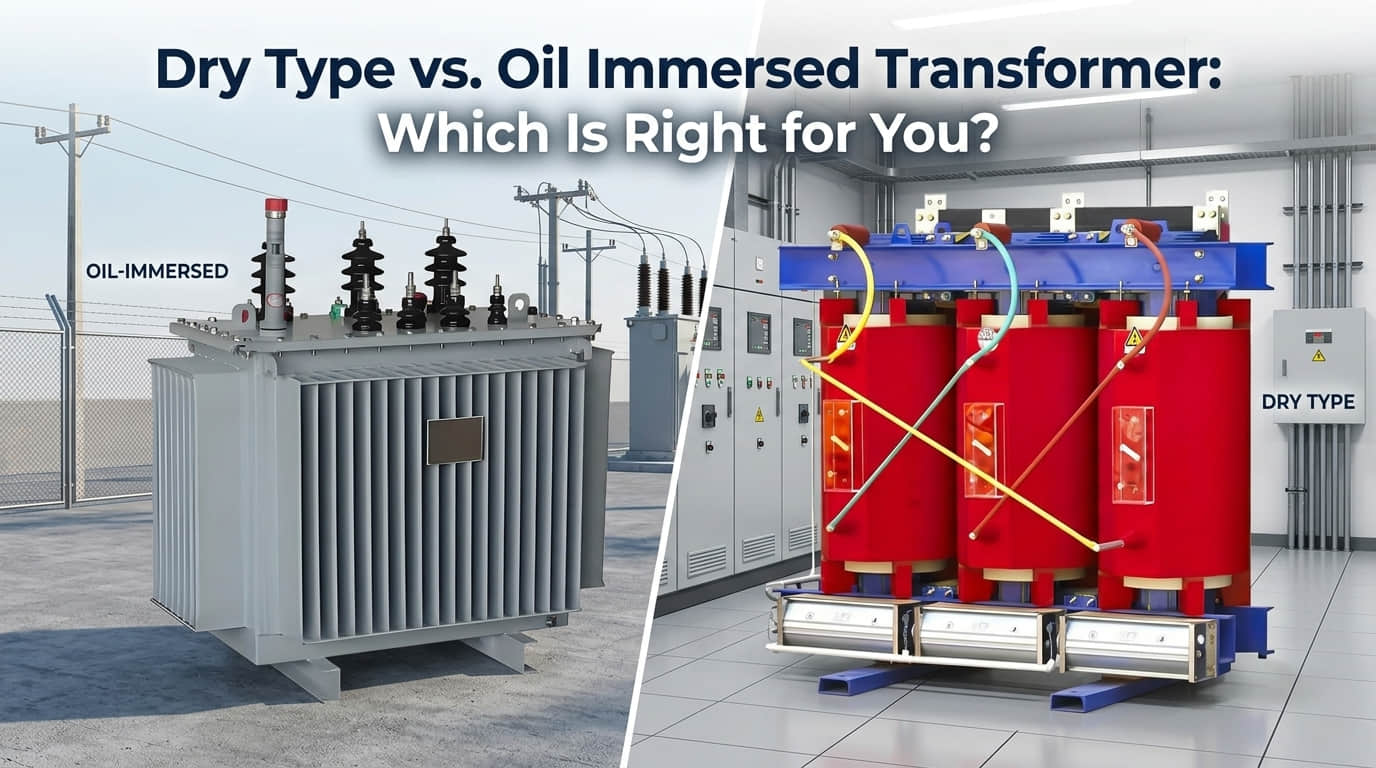
Three-phase units here are often dry-type indoors or oil-filled outdoors, sized with some margin for expansion.
Role in Transmission and Distribution Grids
Three-phase transformers are standard in:
Substations are step-down units from transmission to distribution
Voltage step-up transformers at generation plants
Medium-voltage distribution for feeders into neighborhoods and industrial parks
For compact urban or industrial sites, I’ll often bundle transformers and switchgear inside an integrated box-type substation, similar in function to a ZGS integrated transformer substation.
High-Power Equipment and Machinery
Three-phase transformers directly support:
Heavy machinery (CNC lines, presses, welders, extruders)
Large HVAC chillers and pumps
Cranes, conveyors, and mining equipment
They deliver high power with smaller conductors, better efficiency, and smoother torque for motors compared to single-phase.
Renewable Energy and Large Motors
Three-phase is my default for:
Wind farms and solar plants use step-up transformers to push power into medium or high-voltage grids
Large induction and synchronous motors (pumps, blowers, fans, compressors)
Battery storage and inverter-based systems that tie into three-phase distribution
If you’re planning any serious industrial load, renewable interconnection, or data-heavy facility in the U.S., a three-phase transformer configuration (delta or wye) is usually the right foundation.
How to Choose Between Single-Phase and Three-Phase Transformers
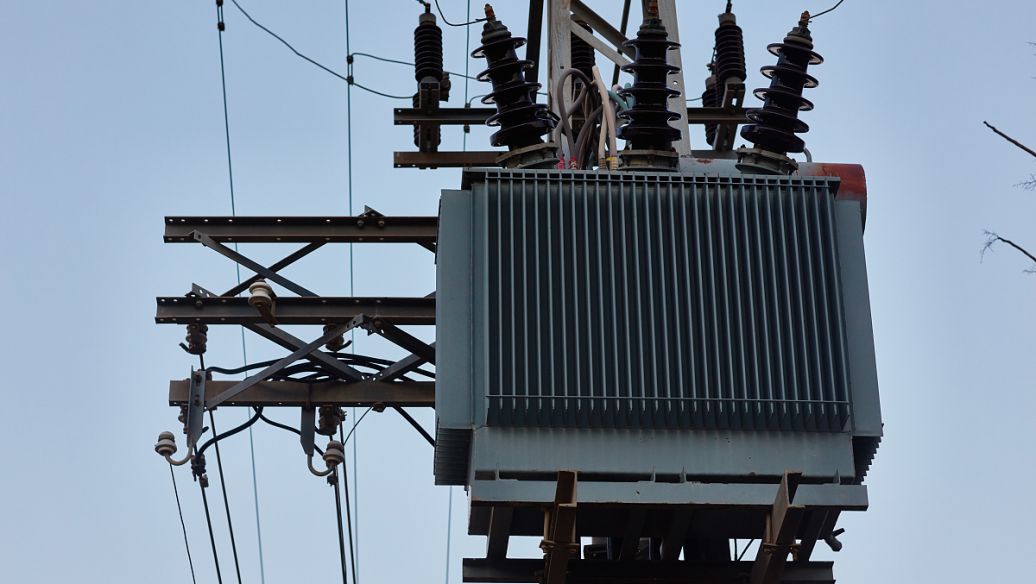
1. Assess your load and kVA needs
Start with what you’re actually powering.
Key checks:
Total connected load (kW or kVA)
Motor loads (HP), especially three-phase motors
Load type: constant, intermittent, or highly variable
Quick guide:
| Situation | Typical Choice |
|---|---|
| ≤ 25–50 kVA, light loads | Single-phase transformer |
| 50–500 kVA, many motors/equipment | Three-phase transformer |
| > 500 kVA, industrial or data use | Three-phase transformer |
Always size kVA with a 20–30% margin for inrush and future growth.
2. Match voltage and system configuration
Your transformer must match both supply and load:
Single-phase: 120/240 V, 240/480 V, 480/240 V, etc.
Three-phase: 208Y/120, 480Y/277, 240Δ, 480Δ, etc.
Decide early on:
Delta vs wye (star) on primary and secondary
Neutral needed? (lighting and outlets usually need a wye with neutral)
Grounding method and protection gear (breakers, fuses, disconnects – often paired with outdoor gear like a medium-voltage vacuum circuit breaker)
3. Indoor vs outdoor and environment
Location and environment will narrow your options:
Indoor:
Dry-type, lower noise, easy to access
Good for commercial buildings, data centers
Outdoor:
Pad-mounted or pole-mounted, oil-filled or sealed
Need weatherproof, UV, and corrosion protection
Check: ambient temp, humidity, dust, corrosive air, flood risk, NEC/local code.
4. Budget, operating cost, and expansion
Look past the purchase price.
Capex (upfront cost):
Single-phase is cheaper at small kVA
Three-phase wins per kVA at higher power
Opex (energy + maintenance):
Three-phase is usually more efficient at medium/high loads
Fewer losses, better power factor with three-phase motors
Growth:
If you’ll add big loads later, overbuild with three-phase now
Plan breaker sizes, switchgear space, and cable routes in advance (and consider switchgear installation best practices)
5. When to select single-phase vs three-phase
Use single-phase when:
Homes, small shops, small offices
Loads are mostly lighting, outlets, small HVAC, and small motors
Total demand is modest, and three-phase service isn’t available
Use three-phase when:
Manufacturing, warehouses, large HVAC, pumps, compressors
Data centers, hospitals, and big commercial buildings
You’re running lots of three-phase motors or high kVA panels
6. Work with manufacturers and get it customized
For anything beyond a basic residential setup, I always involve the manufacturer or a qualified engineer:
Share: one-line diagram, load list, duty cycle, environment, utility specs
Ask for:
Recommended single-phase vs three-phase choice
kVA rating, voltage, and delta/wye configuration
Short-circuit rating and protection coordination
For complex projects, a custom or semi-custom transformer often proves to be cheaper and cleaner than forcing a stock unit to fit.
Single-Phase vs Three-Phase Transformers: Practical FAQs
Can I use single-phase transformers in three-phase systems?
You can, but with limits. Common options:
Phase-to-phase: Use a single-phase transformer between two phases of a three-phase system for a specific load (like a single machine).
Bank of three single-phase transformers: Connect three units as delta–delta, delta–wye, or wye–delta to build a full three-phase bank.
Not ideal for large upgrades: For bigger industrial or commercial jobs, a single integrated three-phase transformer is usually more compact, more efficient, and easier to maintain.
If you’re tapping into existing distribution, it helps to understand what’s already in your power line transformer setup; this overview of what’s in a power line transformer gives a good baseline.
Real-world efficiency: single-phase vs three-phase
On paper and in the field, three-phase transformers are usually more efficient for the same total kVA:
Lower losses per kVA: Better copper and core utilization in a three-phase core.
Smoother power flow: Near-constant power delivery reduces heating and stress on equipment.
Bigger the load, bigger the gap: At higher kVA (and in continuous-duty applications), the efficiency advantage of three-phase gets more obvious.
For small residential or light commercial loads, the efficiency difference is usually minor. For industrial and data center loads, it matters a lot.
Are three-phase transformers always more expensive?
Upfront, a three-phase transformer usually costs more than a single similar single-phase unit, but that’s not the whole story:
Per kVA, three-phase can be cheaper than using three separate single-phase transformers of the same total rating.
Lower installation and hardware cost: One tank, one pad, fewer bushings, fewer cables.
Lifecycle cost: Better efficiency + fewer parts = less energy loss and usually lower long-term maintenance costs.
For small rural services or single homes, single-phase is almost always the cheaper, smarter move. For big commercial or industrial projects, three-phase usually wins on total cost of ownership.
Delta vs wye: impact on performance and applications
Your delta vs wye transformer connection choice changes how the system behaves:
Delta (Δ)
Handles higher currents on the low-voltage side.
Naturally supports some harmonic balancing and provides a path for triplen harmonics.
Often used on the primary of distribution transformers and for heavy motor loads.
Wye (Y or star)
Offers a neutral point for 120/208 V or 277/480 V systems.
Better for mixed loads (motors + lighting + electronics).
Common in the secondary for building distribution.
Common setups: Δ–Y for distribution, Y–Δ for some industrial plants, and Δ–Δ where neutral isn’t needed.
How to choose the right transformer for upgrades and retrofits
When you’re upgrading or retrofitting, I look at:
Existing service
Is your utility feed single-phase or three-phase? What voltage?
Present and future kVA
Don’t size just for today; plan for 20–30% growth if you’re in the U.S. commercial/industrial market.
Load mix
Lots of three-phase motors? Go three-phase. Primarily lighting and receptacles? Single-phase can still make sense.
Space and install style
Pad-mounted distribution transformers for outdoor yards and parking lots; dry-type or liquid-filled units for indoor electrical rooms.
Coordination with the protection gear
Make sure your new transformer matches your breakers, reclosers, and fault levels. Modern gear like auto-reclosers and vacuum circuit breakers can improve reliability around the transformer.
If you’re unsure between a single integrated three-phase transformer unit and a bank of single-phase transformers, I typically recommend:
Three-phase unit: For new builds, tight spaces, and higher kVA.
Single-phase bank: For staged upgrades, easier transport, or when you want redundancy (one unit can fail and you can still limp along).
For U.S. projects, I always align the choice with local utility standards, NEC requirements, and your long-term expansion plans, not just the lowest upfront price.