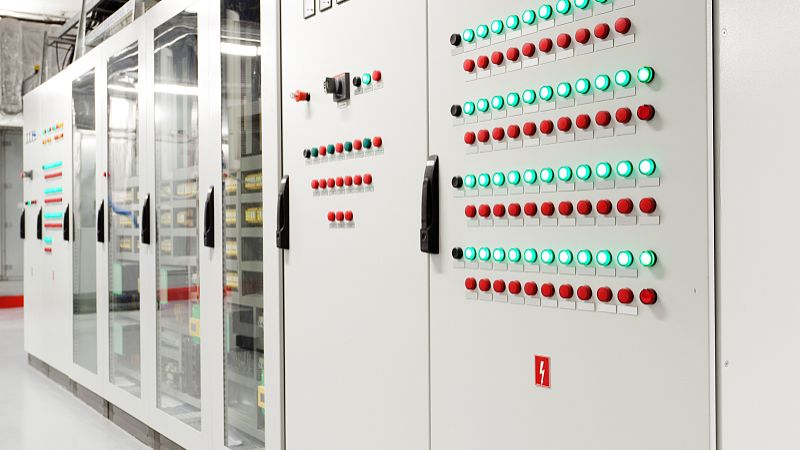
HT (High Tension) and LT (Low Tension) Switchgear are types of electrical control systems, with HT handling high voltages (above 1 kV) and LT handling low voltages (below 1 kV). These systems act as the backbone of a power grid, ensuring safe and reliable distribution from the power source to end-user equipment. While they share core functions, their design and application are fundamentally different.
This article moves beyond basic definitions. We'll delve into the core components, technical principles, and real-world applications of these critical systems.
From an electrical engineer’s perspective, we’ll compare their design philosophies and safety standards, revealing the technical details hidden behind the terms "High" and "Low."
2. Core Elements of HT and LT Switchgear
2.1 Definitions and Voltage Levels
According to IEC standards, equipment operating above 1000 volts (1kV) is classified as high voltage.
Therefore, HT (High Tension) switchgear is specifically engineered for this range, with common levels including 3.3kV, 6.6kV, 10kV, and 35kV.
Its primary design challenge is managing immense energy and safely suppressing high-voltage electrical arcs.
In contrast, LT (Low Tension) switchgear handles voltages below 1000V.
This includes the 380V/220V three-phase four-wire systems we use every day.
LT switchgear represents the final link in the power distribution chain, directly connecting to end-user loads to ensure electricity is used safely and efficiently.
2.2 Key Functions and Applications
Despite the voltage difference, both HT and LT switchgear perform the core functions of control, protection, and isolation.
Their application areas, however, are distinct.
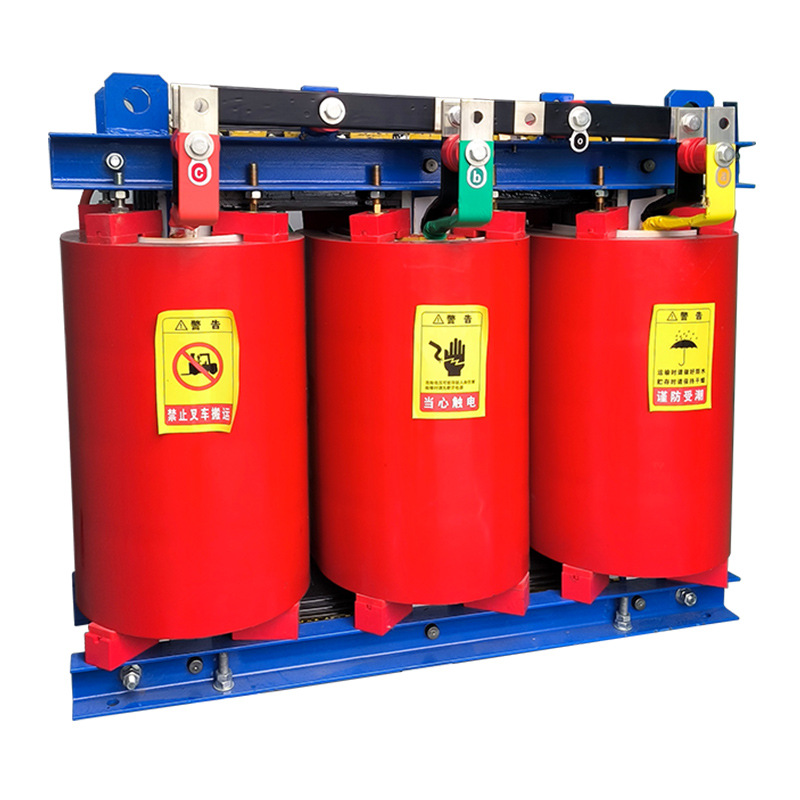
HT Switchgear applications switchgear serves as the "arteries" of the power grid. They're typically installed in substations, power plants, large industrial enterprises, and railway systems.
They are also found in the main distribution centers of large commercial complexes.
Its main responsibilities include receiving high-voltage power from the regional grid and distributing it throughout a facility via busbars and feeders.
It also provides crucial equipment protection. HT switchgear acts quickly to isolate faulty sections, preventing system-wide failures during short circuits or overloads in high-voltage transformers, large motors, or transmission lines.
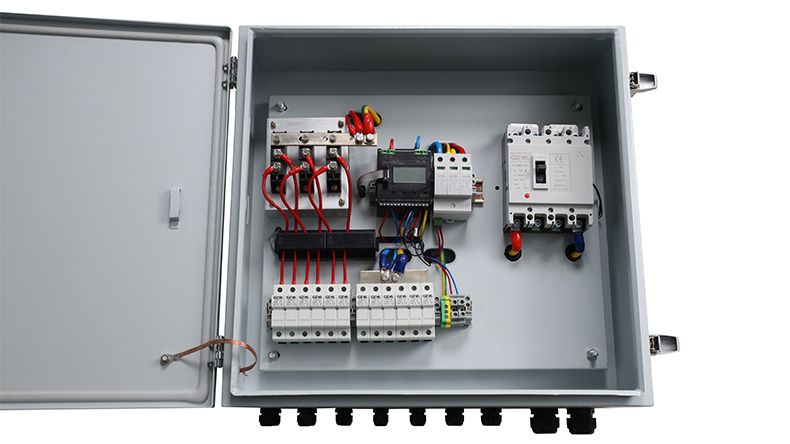
LT Switchgear Applications switchgear is the "capillaries" of the power network. It's widely used by almost all power consumers, including residential communities, commercial office buildings, hospitals, and schools.
They are also essential on factory floors.
Its main task is the final distribution of stepped-down power to a wide range of terminal equipment, such as lighting, air conditioners, motors, and production lines.
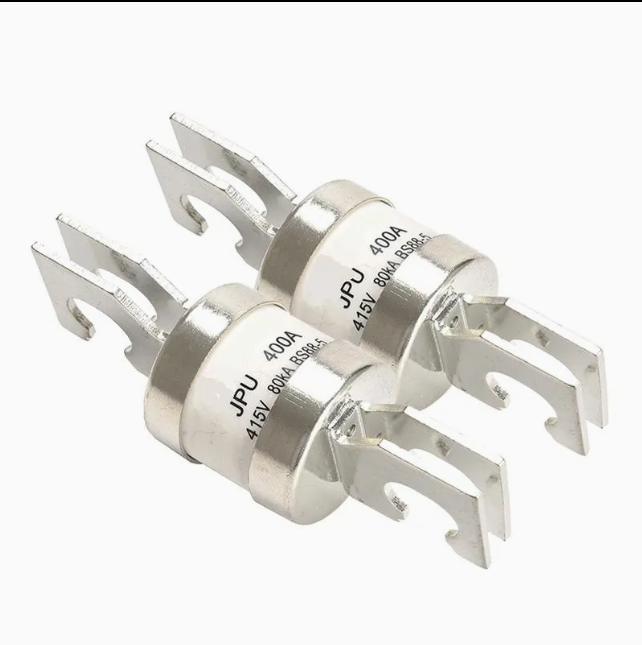
Beyond distribution, it ensures end-user protection. Through components like circuit breakers and fuses, LT switchgear provides precise protection against overloads, short circuits, and ground faults, safeguarding both personnel and equipment.
2.3 Key Components
A switchgear's reliability stems from its precise components working in harmony.
Understanding these parts is the first step to grasping how they operate.
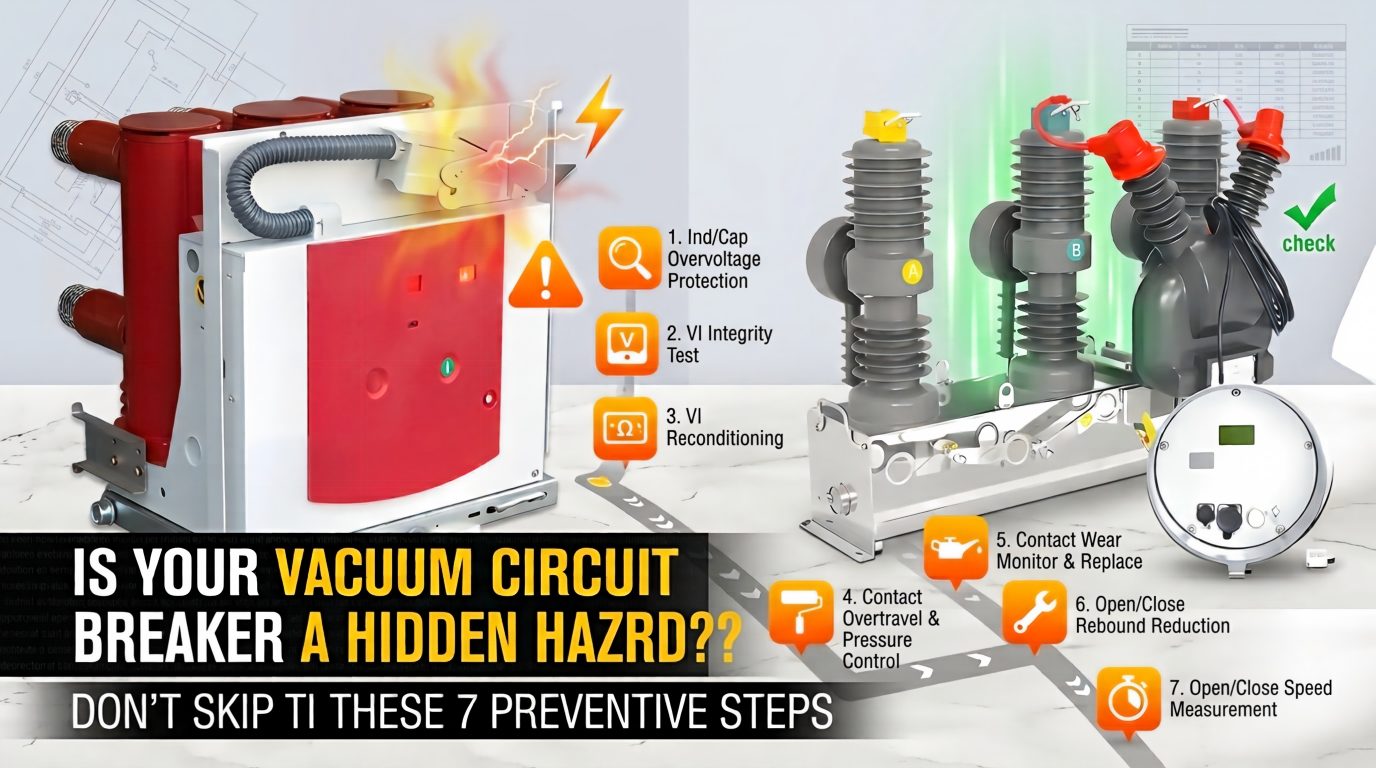
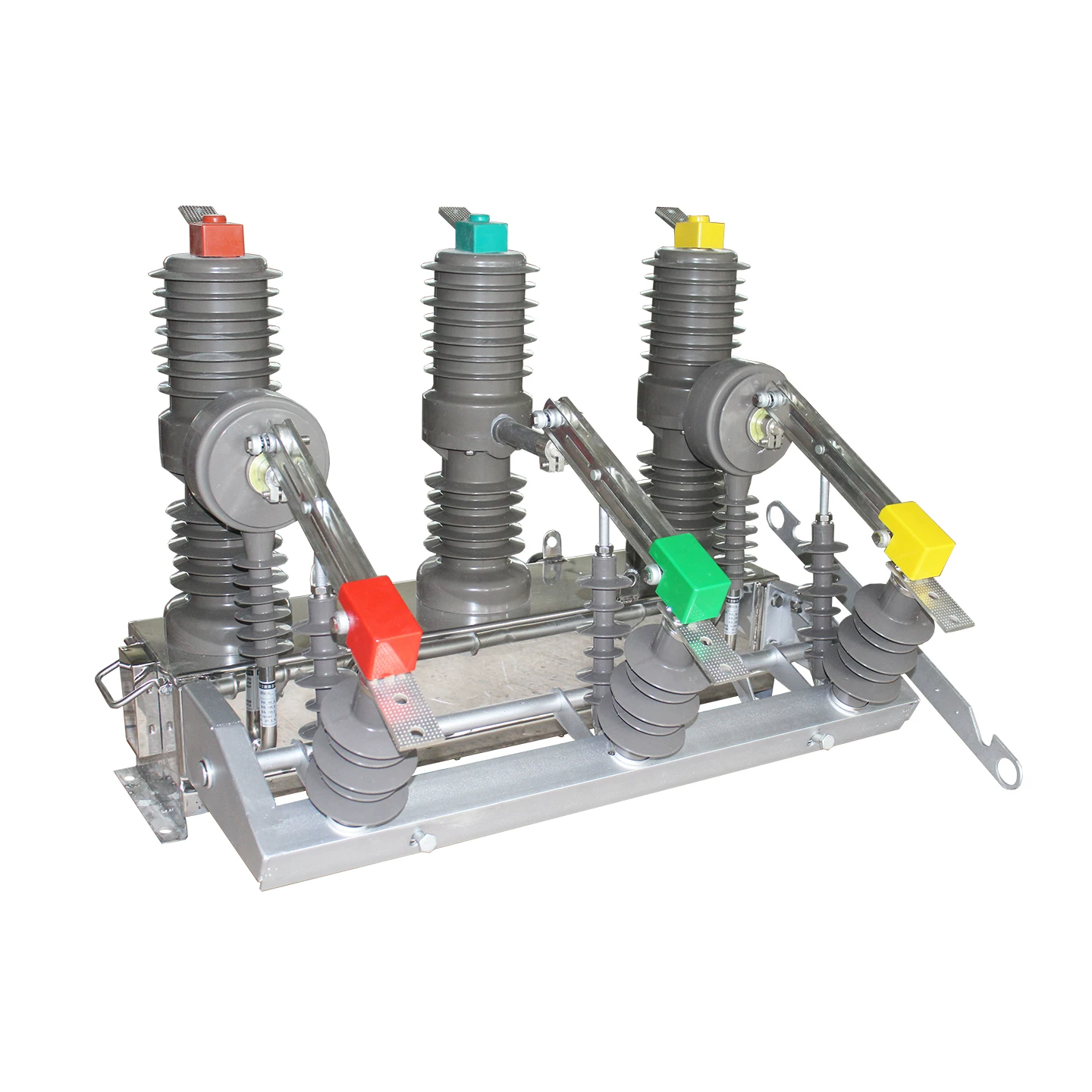
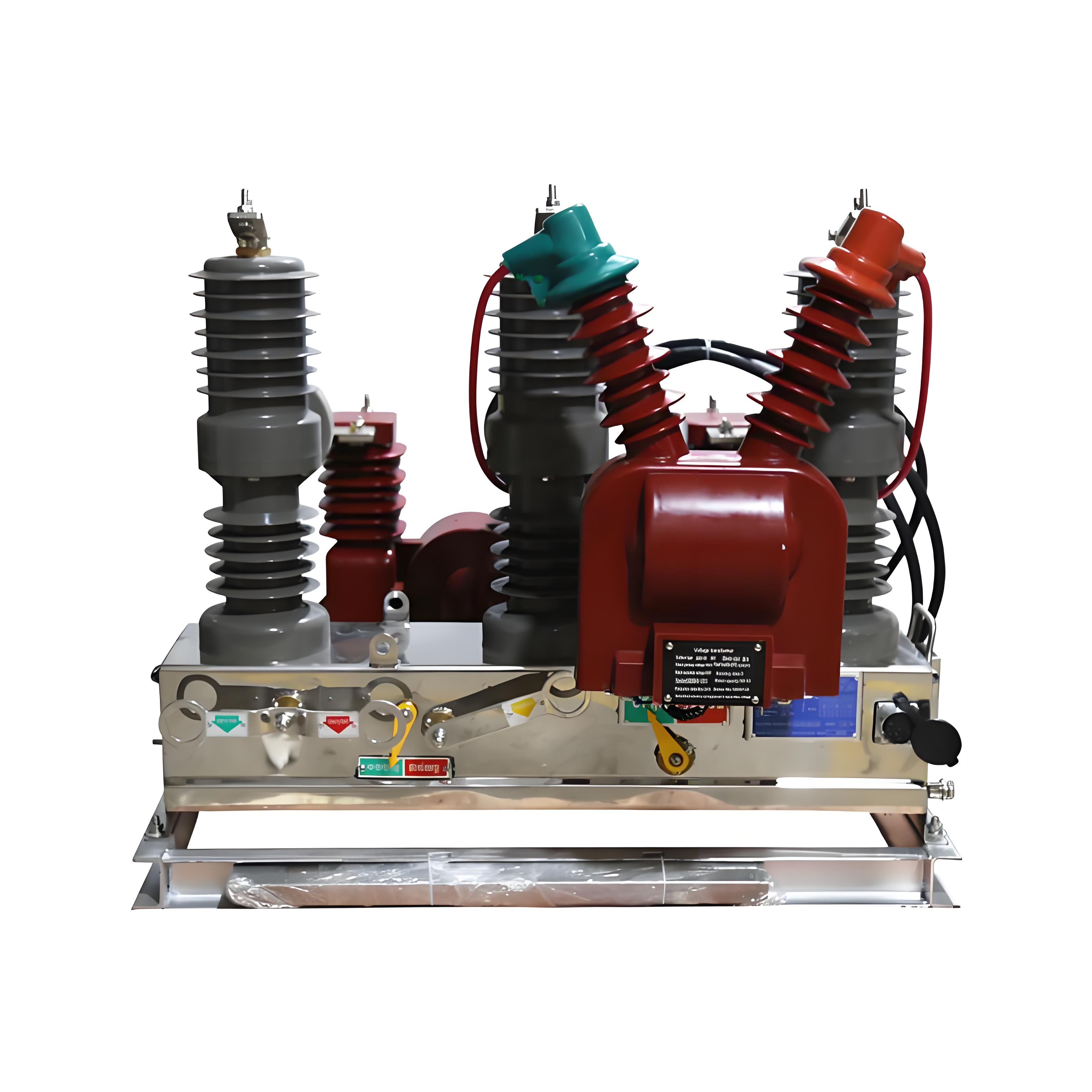
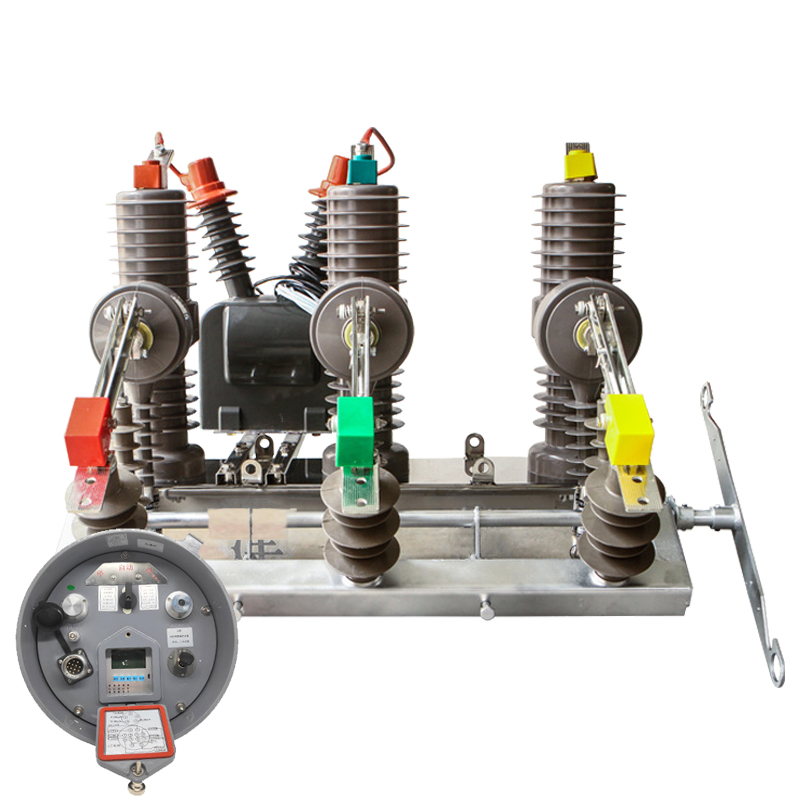
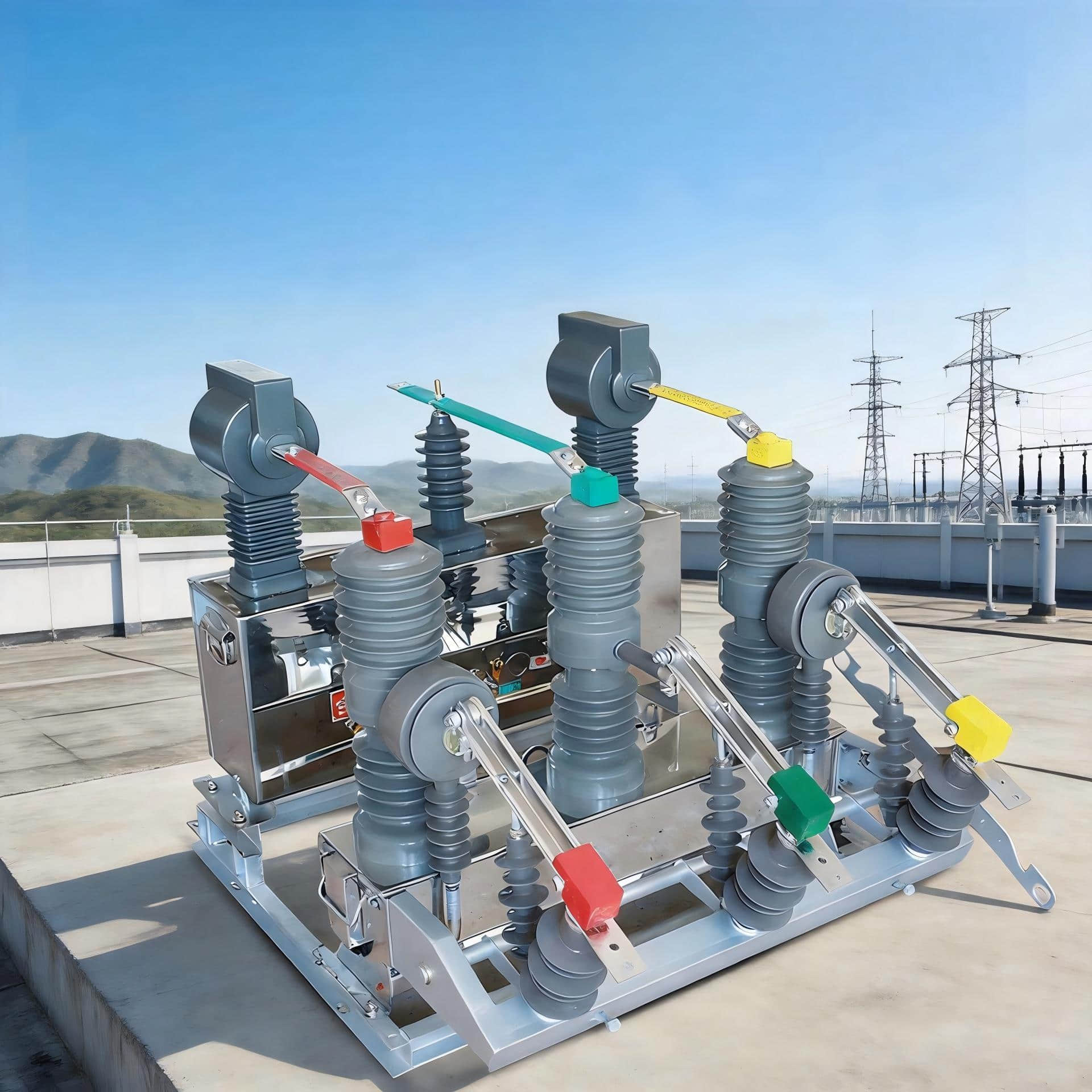
HT Switchgear Components' most critical component is the circuit breaker.
HT switchgear primarily uses Vacuum Circuit Breakers (VCBs) or Sulfur Hexafluoride (SF6) Breakers.
They are designed to rapidly extinguish powerful electrical arcs and safely interrupt large currents.
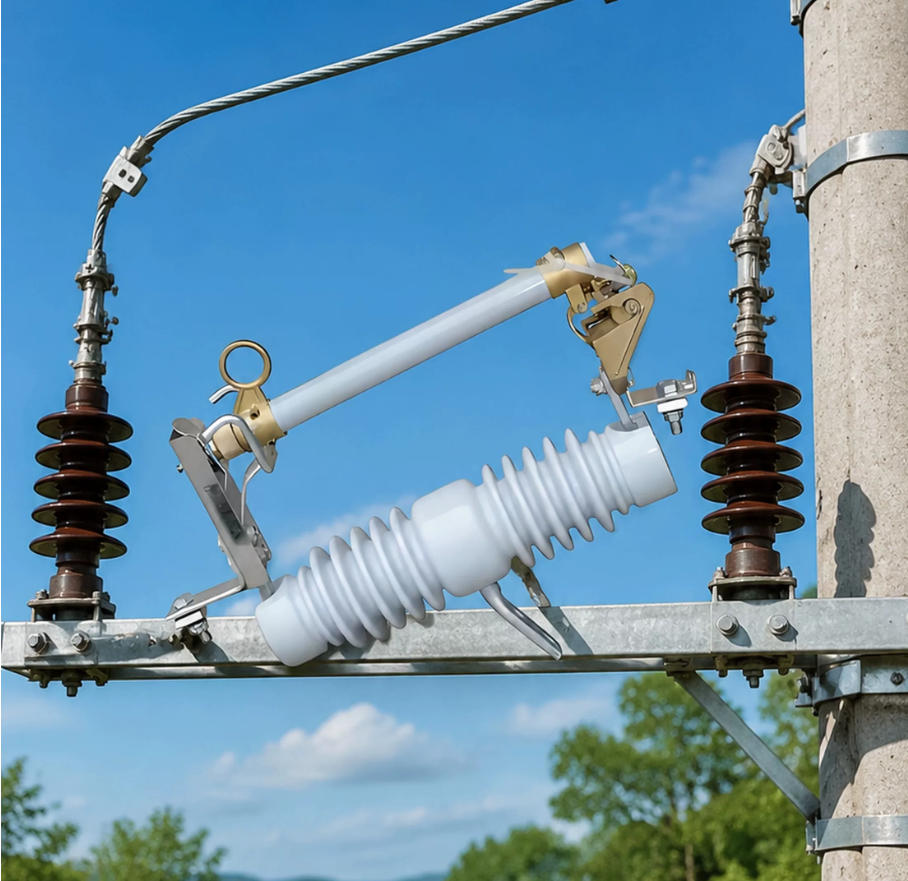
Other key components include the disconnector switch, used to isolate the power source and provide a visible point of separation for safety during maintenance.
You will also find current/potential transformers (CT/PTs).
These transformers scale down high voltage and current to levels that can be read by meters and protection relays.
The protection relays receive these signals, make logical decisions, and issue trip commands to the breaker during a fault.
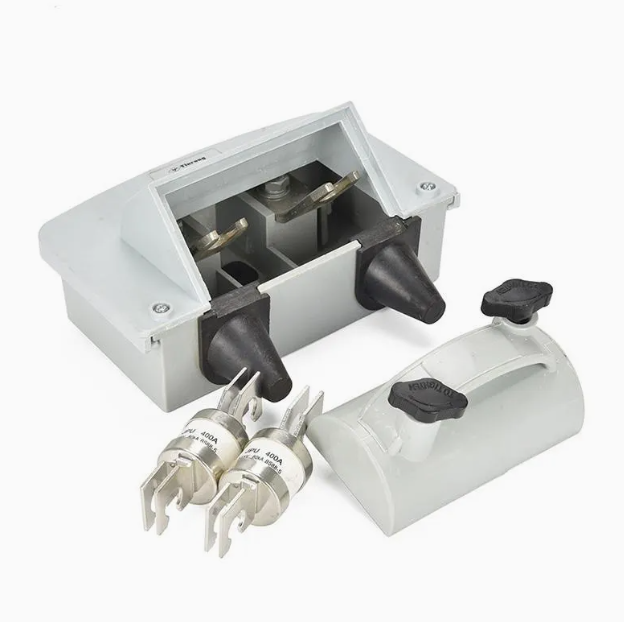
LT Switchgear Components Circuit Breakers (ACBs) are commonly used for main incoming lines and large branch circuits to provide overload and short-circuit protection.
Molded Case Circuit Breakers (MCCBs) are widely used for general distribution and motor protection, thanks to their compact size and comprehensive features.
Other components include contactors, which are used to frequently control motor starts and stops.
You will also find energy meters, which are essential for commercial and residential billing.
Note: HT components are engineered to handle the challenges of arc quenching and high-capacity current interruption at high voltages. LT components, in contrast, are designed for reliable overload and short-circuit protection and final distribution control.
3. Key Technical Differences
Beyond their voltage levels, HT and LT switchgear differ significantly in their technical design, safety requirements, and cost. These distinctions determine their manufacturing processes and maintenance protocols.
From the table, it's clear that "Safety First" is the core design philosophy for high-voltage switchgear. All of its technology is focused on safely controlling and managing high-energy power. Low-voltage switchgear, meanwhile, is more focused on "Efficient Distribution" and "Personnel Protection," with a design that is compact, easy to operate, and simple to maintain.
Tip: The most fundamental difference isn't just the voltage itself. It’s the underlying design philosophy. HT is built for absolute safety and precise control of immense energy, while LT is focused on efficient and economical power distribution while ensuring safety.
4. An Engineer's Perspective: Design, Installation & O&M
4.1 Protection and Control Strategies
High-Voltage Precision Protection system in HT switchgear acts as its "brain," designed to prevent catastrophic failures.
This is achieved through sophisticated relay protection schemes that provide overcurrent, ground fault, and differential protection.
For example, a differential protection relay can instantly trip both sides of a transformer in milliseconds if an internal fault occurs, preventing an explosion.
HT systems also strictly adhere to the "Five Safety Interlocks" principle.
This system of mechanical or electrical safeguards prevents dangerous operations like connecting a disconnector with a load or entering an energized compartment.
Low-Voltage Flexible Protection switchgear protection is more direct and simple.
Molded Case Circuit Breakers (MCCBs), for instance, integrate both thermal and magnetic trip units.
The thermal trip acts when the current overloads for an extended period, while the magnetic trip instantly activates to cut the circuit during a high-current fault.
This includes a short circuit.
Note: High-voltage protection is an active, preventative system that uses complex logic to avoid an escalation of faults. Low-voltage protection, on the other hand, is a more passive, component-level mechanism that responds instantly to faults to protect the immediate circuit.
4.2 Installation Environment and Space Requirements
A high-voltage switch room must be an independent, dry indoor space, kept far from flammable or explosive materials. The room needs excellent ventilation and heat dissipation to prevent overheating.
It must also have sufficient safety clearance and a clear maintenance path to ensure the safety of personnel.
Low-voltage distribution rooms have less stringent requirements.
However, they must still be kept dry and ventilated. They also need adequate space for cable entry and exit points and maintenance access.
4.3 Maintenance and Operations (O&M)
High-Voltage Switchgear Maintenance to the high-risk nature of the equipment, maintenance on HT switchgear almost always requires the system to be de-energized.
Maintenance tasks include electrical tests like insulation resistance, breaker timing, and circuit resistance.
It also includes mechanical inspections to check the flexibility of the operating mechanism.
For SF6 switchgear, the maintenance also includes regular checks of the gas pressure and purity.
Low-Voltage Switchgear MaintenanceMaintenance for LT switchgear is simpler but more frequent.
This includes routine checks using thermal imaging to identify potential hot spots at breakers or cable connections.
Other tasks include periodic cleaning to remove dust and tightening terminal connections.
You also need to regularly check the functionality of the breaker's tripping mechanism.
Tip: HT switchgear maintenance is professional and infrequent, focusing on comprehensive testing during scheduled outages. LT switchgear maintenance is high-frequency and can be routine, with an emphasis on preventative inspections and simple upkeep.
4.4 Applicable Standards and Regulations
The design, manufacturing, and testing of both HT and LT switchgear must strictly adhere to international and national standards.
For example, HT switchgear must comply with the IEC 62271 series, which specifies general requirements, test methods, and safety standards for high-voltage switchgear.
Similarly, LT switchgear must comply with the IEC 61439 series.
This standard ensures the safety and reliability of low-voltage switchgear assemblies in terms of design, structure, and performance.
5. Common Questions (FAQ)
Q: Why is HT switchgear so much more expensive than LT switchgear?
A: The high cost of HT switchgear comes from its need for superior safety and reliability. Its core components are technologically complex and expensive to manufacture.
This, coupled with the rigorous R&D and certification processes, directly impacts the final price.
Q: What is the difference between a switchgear and a circuit breaker?
A: A circuit breaker is a core component within a switchgear, responsible for interrupting and completing an electrical circuit.
A switchgear, however, is a complete system that integrates the circuit breaker, disconnector, transformers, relays, and control circuits into a single metal enclosure. It forms a comprehensive control, protection, and distribution unit.
Q: What is the average lifespan of HT and LT switchgear?
A: With normal operation and regular maintenance, HT switchgear is designed for a lifespan of 20-30 years or more.
LT switchgear typically lasts 15-20 years. However, the actual lifespan depends on environmental conditions, maintenance quality, and operating frequency.
Q: How do I know if my project needs HT or LT switchgear?
A: The simplest way to determine this is by checking your incoming power voltage. If your project receives medium or high-voltage power directly from the grid, you must use HT switchgear to step down and distribute the power.
If your project only handles the 380V/220V power that has already been stepped down by a transformer, LT switchgear is all you need.
Q: What safety precautions are necessary for routine inspections of HT switchgear?
A: Operations on high-voltage equipment carry extremely high risks. Routine inspections must be performed by certified and highly trained professionals.
In any case, never enter a live high-voltage compartment without authorization. Always use insulated tools and personal protective equipment (PPE), and strictly follow the "Five Safety Interlocks" to ensure personnel safety.
6. Conclusion
HT and LT switchgear are two complementary yet distinct pieces of equipment in the electrical power system.
The former is a "transport hub" for high-efficiency power transmission, while the latter is a "distribution network" that safely delivers electricity to every home and business.
By understanding their differences in technical principles, design philosophy, protection strategies, and O&M, you can make better decisions for your projects and contribute to the safe and stable operation of the entire power system.
If you have any questions regarding project planning, equipment selection, or maintenance for HT and LT switchgear, our team of experts is here to provide you with comprehensive technical support and solutions. Contact us here to receive a complimentary professional consultation.