Weisho Expert Guide: Selecting and Optimizing the 750 kVA Transformer
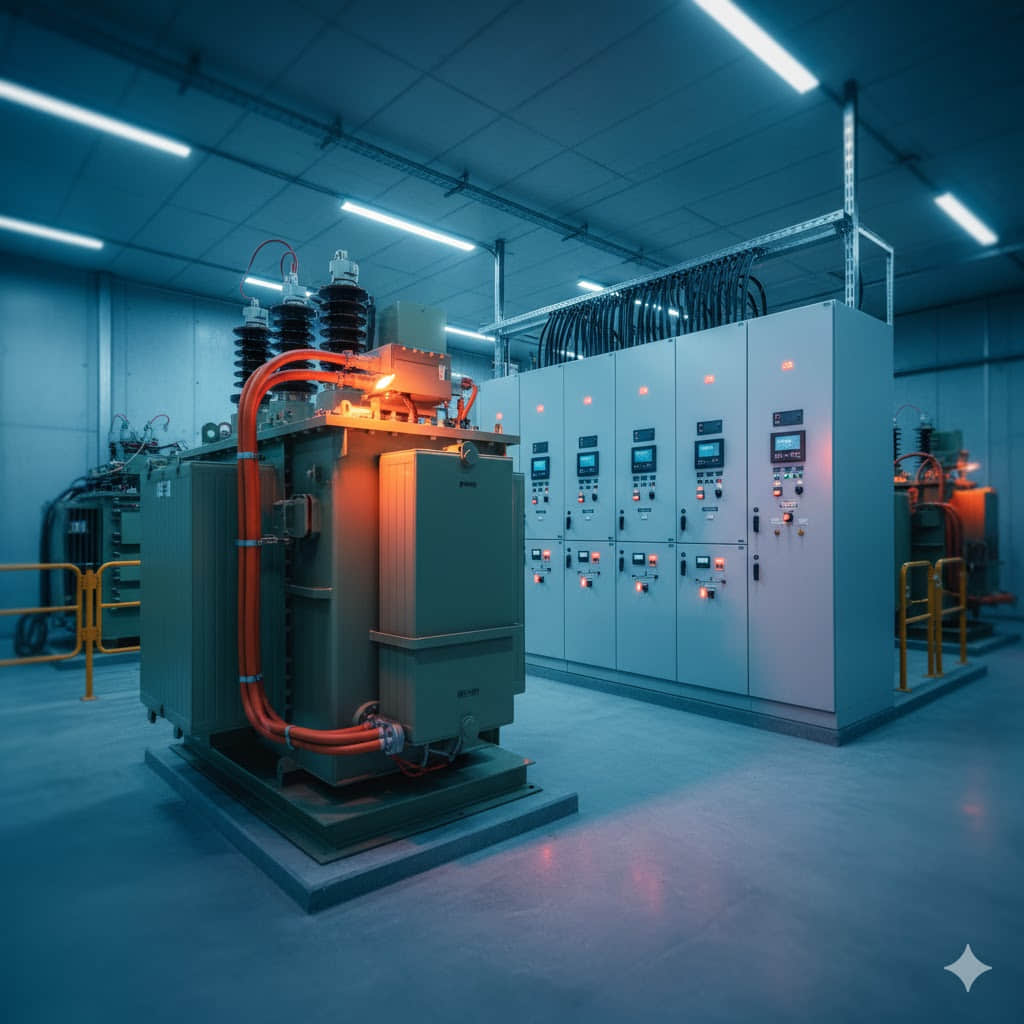
The 750 kVA transformer serves as a central hub within medium-sized power systems, widely deployed across industrial facilities, large commercial complexes, and mid-tier data centers. This capacity is perfectly suited for distribution circuits, frequently bridging medium voltages (such as 10 kV or 35 kV) down to common low voltages (like 400 V or 480 V).
Selecting the appropriate unit is fundamentally a systematic evaluation of five core, non-negotiable engineering factors, extending far beyond simple capacity matching:
1. Precise Load Demand Calculation & Sizing: Determining the transformer's capacity based on diversified and future load requirements.
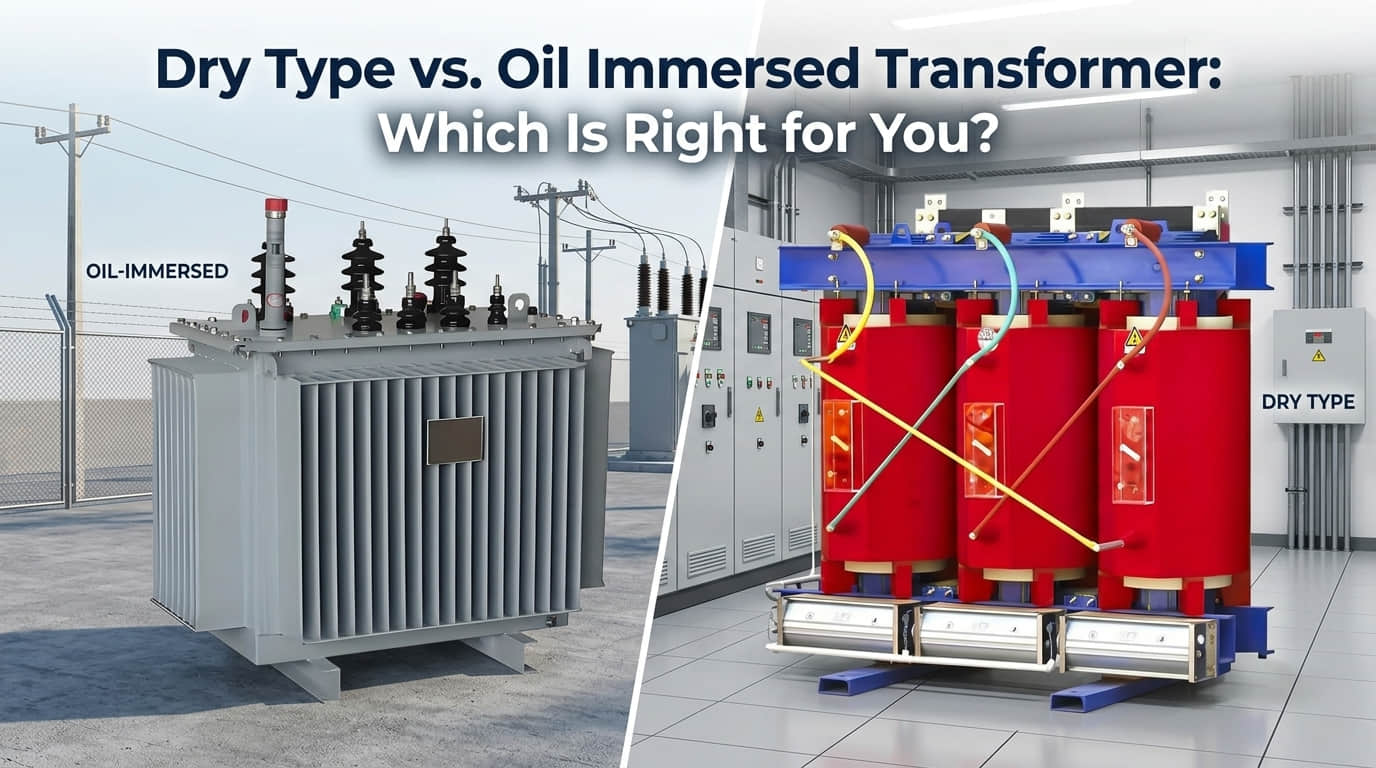
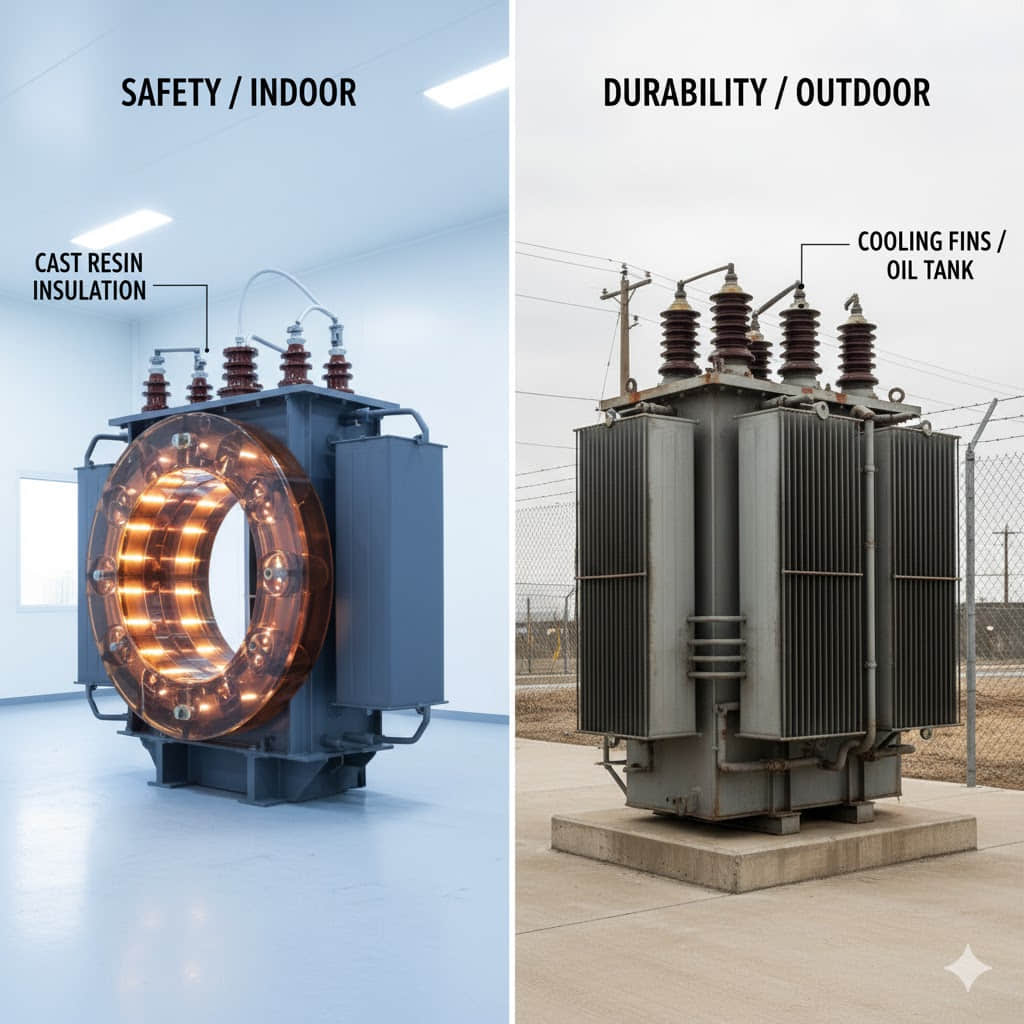
2. Type and Environmental Assessment: Choosing between Oil-Immersed (for durability and cooling) or Dry-Type (for safety) based on the operating environment.
3. Technical Specifications Matching: Ensuring crucial metrics like Impedance and Taps align with system protection and required voltage regulation.
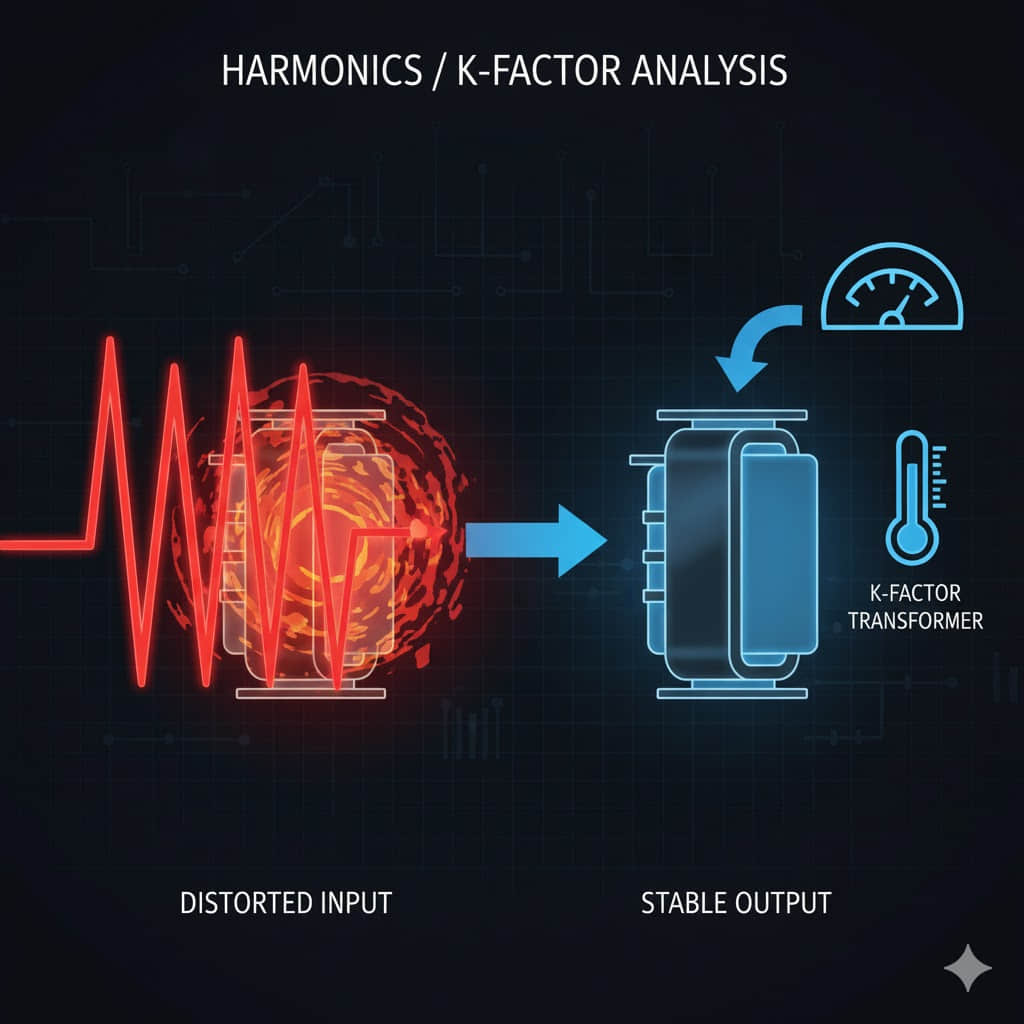
4. Power Quality and Harmonics Mitigation: Assessing the K-Factor requirement to manage non-linear loads common in modern facilities.
5. Efficiency and Total Cost of Ownership (TCO): Evaluating Life Cycle Cost (LCC) to ensure long-term profitability and energy compliance.
An incorrect selection is not merely a source of inefficiency and wasted energy, but it also carries significant risks. Mismatched specifications, inadequate protection, or a failure to account for modern power quality issues can lead to equipment failure, system downtime, and severe safety hazards.
This comprehensive guide, written from the perspective of an experienced Weisho engineer, delves into every step of the selection and integration process, providing the formulas and systematic methodology required to make professional, cost-effective decisions.
II. Fundamentals: The Role of a Transformer in the Power System
A. The Nature of and Calculation Benchmarks
Transformer capacity is conventionally expressed in apparent power (), measured in (kilo-volt-amperes), rather than active power (), measured in . This distinction is crucial for proper sizing.
The apparent power () represents the total power the transformer is capable of delivering and directly dictates the thermal limits of the transformer's windings and core. The relationship between apparent power () and active power () is defined by the Power Factor ():
The Power Factor () is a critical metric reflecting the electrical efficiency of the system. To correctly determine the required transformer capacity (in ) when the active load (in ) is known, the anticipated Power Factor must be incorporated into the calculation using the formula:
For example, if the calculated active load is and the system's projected average is , the minimum theoretical required capacity is calculated as:
Professional Sizing Rule:
A transformer’s thermal and insulation capabilities are strictly based on its rating. Therefore, capacity selection must be benchmarked against the lowest anticipated Power Factor of the system to avoid dangerous overheating and premature failure.
B. Typical High-Demand Applications for
The transformer is a stalwart workhorse across medium-sized distribution networks. Its applications are typically characterized by high demands for power reliability and exceptional power quality.
| Application Area | Load Characteristics | Key Transformer Requirement |
|---|---|---|
| High-Tech Manufacturing | Numerous Variable Frequency Drives (VFDs), electronics production, induction heating. | Harmonic Tolerance (K-Factor) and robust overload capacity. |
| Mid-Tier Data Centers | High load density, vast array of rectifiers (UPS systems), and computer power supplies. | High Reliability, superior power quality, and Non-linear Load Management. |
| Large Commercial Complexes | Extensive specialized HVAC systems, elevator banks, and centralized lighting circuits. | Stability, high efficiency (low LCC), and stringent Fire Safety (often requiring dry-type units). |
The presence of non-linear loads in these environments—such as VFDs and UPS systems—constitutes a critical engineering challenge. These loads inject harmonic currents back into the system, necessitating a transformer design with higher thermal tolerance (addressed in detail by the K-Factor rating in a subsequent section).

III. The Core First Step: Precise Load Demand and Capacity Analysis
A. Defining and Categorizing Total Apparent Load
The primary task in selecting any transformer is accurately accounting for the total apparent load of every piece of equipment it will serve. This process begins by diligently gathering nameplate data from all equipment and then categorizing each load type:
Linear Loads: These include standard induction motors, simple resistance heaters, and incandescent lamps. Their current waveforms are sinusoidal, identical to the voltage waveform, resulting in a minimal impact on power quality.
Non-Linear Loads: These are the primary concern in modern systems, including Variable Frequency Drives (VFDs), LED drivers, Switched-Mode Power Supplies (SMPS) for computers, and UPS units. They produce non-sinusoidal current waveforms that introduce problematic harmonic currents into the system.
The ultimate goal is to calculate the system's Peak Load—the absolute maximum demand the system will reach during any given operational cycle. This Peak Load finally establishes the fundamental capacity the transformer must possess.
B. Optimizing Capacity with Demand Factor and Load Factor
Simply summing up all equipment nameplate capacities (the Total Connected Load) is a poor engineering practice that invariably results in significant oversizing and wasteful spending. The proper approach involves applying the Demand Factor (DF).
The Demand Factor is the ratio of the system’s maximum demand (Peak Load) to the total connected load:
Incorporating the DF, based on industry-typical values (e.g., for office lighting, for receptacle loads), allows for a much more realistic reflection of the simultaneous power usage required by the system.
Furthermore, Weisho engineers advise utilizing the following two factors for optimal, long-term sizing:
Contingency Reserve: It is standard engineering practice to include a contingency reserve of to to account for unforeseen short-term load growth. This critical step prevents the costly need for premature transformer replacement.
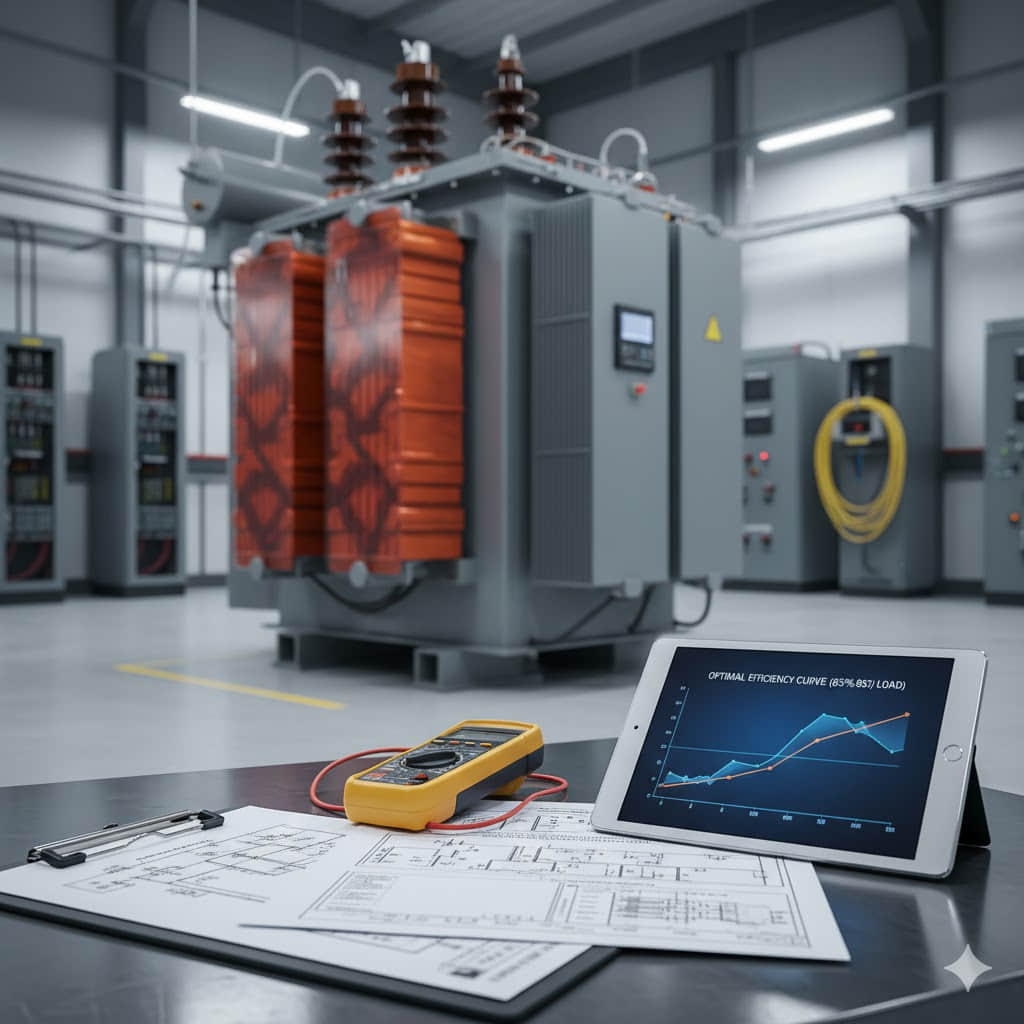
Optimal Load Factor: A transformer’s efficiency curve typically reaches its optimum when operating within to of its nominal rated load.
Weisho Sizing Rule:
To select the most efficient transformer, the final calculated load (CalculatedS, including DF and contingency) must fall within the optimal operational window. For a unit, the ideal operating window is:
Key Takeaway: Never calculate capacity by simple aggregation of nameplate ratings. The correct methodology employs a formula of “Peak Load + 15%-25% Contingency Reserve” and is verified by ensuring the final load factor falls within the optimal efficiency range.
💡 Video Reference:
For a visual and auditory explanation of basic transformer selection and kVA calculation principles, including the importance of load contingency, please consult the video published by Maddox Transformer:
IV. Type Selection and Environmental Adaptation
The choice between a dry-type and an oil-immersed transformer is primarily governed by the installation environment. It is also determined by necessary safety mandates and long-term maintenance conditions. For a critical capacity, this decision dictates the unit's Total Cost of Ownership (TCO) and operational lifespan.
A. The Choice: Dry-Type vs. Oil-Immersed
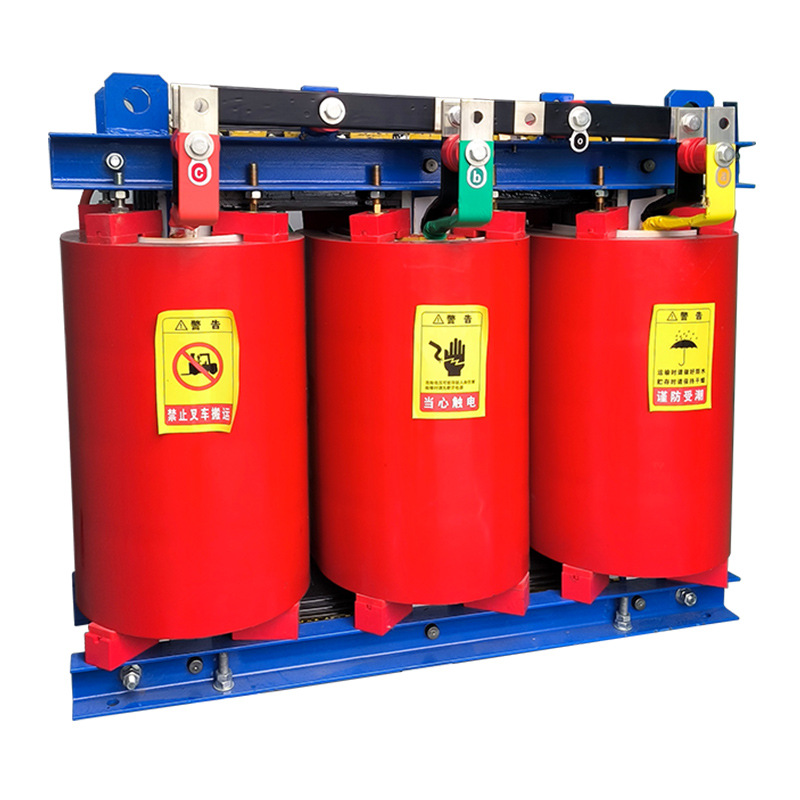
1. Dry-Type Transformers (VPI/Cast Resin)
Advantages: Possesses extremely high fire safety credentials due to the absence of flammable oil. They are ideal for indoor installations, high-rise buildings, basements, and areas with high occupancy rates. Furthermore, they are essentially maintenance-free.
Disadvantages: Their heat dissipation is marginally less efficient than oil-immersed units, often resulting in larger physical footprints. They also come with higher initial purchase costs and are more susceptible to environmental factors like airborne dust and excessive humidity.
2. Oil-Immersed Transformers
Advantages: Offer superior insulation and cooling capabilities (crucial for heavy loads), leading to a more compact design. They are the preferred choice for outdoor use and harsh environments characterized by excessive dust or wide temperature swings, and they boast a long operational lifespan.
Disadvantages: They inherently carry fire and oil leakage risks, which necessitate the construction of firewalls and oil containment pits. They also require higher levels of routine maintenance, including regular testing of the insulating oil.
B. Structural and Installation Options
Pad-Mounted: This is the ideal solution for outdoor installations, integrating the transformer, fuses, and switching gear within a single, sealed metal enclosure. This specific design offers enhanced safety and a cleaner aesthetic.
Substation/Enclosed: These units are designed for dedicated indoor substations, requiring specific room configurations and specialized ventilation systems for safe operation.
C. Key Comparison Table: Dry-Type vs. Oil-Immersed Operational Considerations
| Feature | Dry-Type Transformer | Oil-Immersed Transformer |
|---|---|---|
| Installation Environment | Indoors, high fire safety requirement areas | Outdoors, dedicated substations |
| Fire Rating: Dry-type units typically use F or H class insulation for high safety. | ||
| Cooling Medium | Air, Epoxy Resin | Mineral Oil / Synthetic Fluids |
| Oil Testing Frequency: Oil-immersed units require regular DGA (Dissolved Gas Analysis) and dielectric strength checks. | ||
| Maintenance Complexity | Low (Maintenance-Free) | High (Requires periodic oil analysis) |
| Buchholz Relay: A critical non-electrical protection device essential for medium- to high-voltage oil-immersed transformers. | ||
| Harsh Environment Resilience | Lower (Vulnerable to moisture and dust) | Excellent (Resistant to corrosion and temperature extremes) |
| Lifespan/Temperature: Oil-immersed units often have a longer lifespan, but temperature control depends entirely on the cooling medium. |
V. Critical Technical Specifications and System Matching
Technical specifications are the foundation that guarantees a transformer's seamless integration into the existing electrical system.
A. Voltage Level and Tap Changer Settings
1. Precise Matching: The primary voltage must align perfectly with the incoming utility voltage (e.g., ). Likewise, the secondary voltage must precisely match the voltage required by the load side (e.g., ).
2. Tap Changers (Voltage Regulation): These devices are engineered to regulate the secondary output voltage, keeping it within acceptable limits during fluctuations in the utility grid voltage.
No-Load Tap Changer (NLTC): The most common configuration for distribution transformers. Adjustment can only be performed when the transformer is completely de-energized.
On-Load Tap Changer (OLTC): Allows for voltage adjustments while the transformer remains energized. These are typically reserved for much larger capacities or substations demanding exceptionally tight voltage stability.
B. Winding Material: Copper vs. Aluminum Life Cycle Comparison
The choice of winding material directly impacts the transformer's size, efficiency losses, and Life Cycle Cost (LCC).
Copper Windings: Exhibit excellent conductivity, resulting in lower resistive losses and permitting higher current density. This often leads to a smaller physical footprint. While the initial acquisition cost is higher, the long-term energy savings are substantial.
Aluminum Windings: Offer a lower initial cost and are lighter in weight. However, their conductivity is only about of copper's, necessitating a larger cross-sectional area to achieve the same capacity and temperature rise.
Engineer’s Advice: When evaluating a unit, copper windings often provide superior long-term economic benefits. The lower energy losses and reduced Total Cost of Ownership (TCO) of copper quickly offset the higher initial price.
C. System-Level Impact of Impedance ()
The transformer's percent impedance () is arguably the most critical parameter used by engineers for system protection coordination.
1. Impedance and Short-Circuit Current Limiting: Higher impedance results in a smaller maximum short-circuit current flowing on the secondary side during a fault. The maximum secondary short-circuit current () is calculated using the formula:
2. Breaker Impact: A transformer with low impedance (e.g., ) will generate a much larger short-circuit current, imposing stricter demands on the withstand rating and interrupting capacity () of downstream circuit breakers. Low impedance often necessitates more expensive, high-interrupting-capacity protective devices.
3. Parallel Operation: When transformers are operated in parallel, their percent impedance (based on their respective ratings) must be very closely matched, generally within a tolerance of . Failure to meet this requirement will induce circulating currents, causing unequal load sharing and potential unit failure.
VI. Differentiation: System Protection, Harmonics, and Power Quality
This section represents the professional integration of the transformer as part of a cohesive system, not merely as an isolated component.
A. Short-Circuit Current Analysis and Protection Coordination
This is a professional engineering step that views the transformer as a system component, not just a standalone device.
Calculation Basis: The impedance value of the transformer is the single most important variable for calculating the maximum short-circuit current on the secondary side.
Example: A transformer with a secondary and an impedance of has a secondary rated current of approximately . The maximum short-circuit current would thus be:
Protective Device Selection: The low-voltage main breaker's rated Interrupting Capacity () must demonstrably exceed the calculated maximum short-circuit current. For the example above, a breaker with an interrupting capacity of at least would be required.
B. Transformer Protection Relay Configuration
For any critical installation, a sophisticated protection scheme is mandatory.
Non-Electrical Protection (For Oil-Immersed Units):
Buchholz Relay: Installed between the oil tank and the conservator tank, this relay detects gases generated by internal faults (such as inter-turn winding shorts or core overheating), abnormal oil flow velocity, and sudden oil level drops. It is absolutely vital for oil-immersed transformer protection.
Pressure Relief Valve (PRV): Designed to automatically release pressure when it builds up rapidly within the oil tank. This device serves as a critical measure to prevent tank rupture or explosion.
Electrical Protection:
Thermal Alarm (49): Continuously monitors winding temperature using PT100 sensors to trigger both alarm and trip set points.
Differential Protection (87T): Monitors the current differential between the primary and secondary sides to rapidly clear internal winding short-circuit faults.
C. Addressing Harmonic Loads: The K-Factor Transformer
The proliferation of non-linear loads has made harmonic distortion an "invisible killer" for transformer selection.
The Harmonic Threat: Harmonic currents (primarily the odd-order harmonics like , and ) cause severe overheating in the transformer by increasing the RMS value of the winding current. Zero-sequence harmonics (multiples of 3) are especially dangerous as they accumulate on the neutral line of Delta-Wye () connected transformers.
The K-Factor Solution: -Factor rated transformers are specifically engineered to withstand the additional heating caused by harmonic currents. This is achieved by increasing conductor cross-sectional areas and utilizing special designs like electrostatic shields.
| K-Factor Rating | Harmonic Environment | Typical Application |
|---|---|---|
| K=4 | Mild harmonic environments | General office buildings |
| K=9 | Moderate harmonic environments | Computer rooms, significant UPS usage |
| K=13 | High harmonic environments | Dedicated data centers, high-speed drives |
Weisho Conclusion: In any project involving a substantial quantity of electronic devices, VFDs, or UPS systems, it is strongly recommended to specify a transformer with a minimum rating of K=9 or K=13. This essential step prevents premature failure and avoids the necessity of derating a standard transformer due to harmonic issues.
VII. Efficiency, Installation, and Life Cycle Management
A. Energy Efficiency Standards and Life Cycle Cost (LCC)
For a transformer operating 24/7, maximizing efficiency is the most significant factor in long-term profitability.
1. Efficiency Standards: During procurement, strict adherence to the latest national or regional energy efficiency standards (such as China's energy efficiency grades or international DOE Tier 2) is a basic requirement. High-efficiency transformers are characterized by lower no-load losses (core losses) and lower load losses (copper losses).
2. Life Cycle Cost (LCC): The procurement decision should be based on the LCC rather than solely on the initial purchase price. The LCC calculation quantifies the true long-term expense:
Weisho Insight: Even though a high-efficiency transformer may have an initial purchase price to higher than a standard unit, the electricity cost savings realized annually due to lower losses often recoup the price difference within a few short years. This makes high-efficiency units the superior long-term investment and directly contributes to a reduced Total Cost of Ownership (TCO).
B. Installation, Commissioning, and Longevity Management
Professional installation and pre-operational testing are mandatory to ensure the transformer's reliability and to validate the installation quality.
1. Installation and Safety Requirements
Foundation Design: The design must account for the transformer's substantial weight (a dry-type unit can exceed 2.5 tons) and the critical cooling and ventilation requirements.
Seismic Provisions: In earthquake-prone areas, it is essential to ensure that both the transformer body and the connected busbar system are secured with adequate anti-seismic anchoring.
2. Pre-Operational Commissioning Testing
Professional testing is mandatory before the unit is energized and put into service. These are indispensable "health checks" used to validate both the factory quality and the reliability of the installation connections.
| Commissioning Test | Purpose and Significance | Engineer’s Focus |
|---|---|---|
| Turns Ratio Test (TTR) | To verify the winding turn ratio matches the nameplate and check the tap changer function. | Ensure the deviation between all tap positions and the theoretical value is less than . |
| Winding DC Resistance Test | Measures winding resistance to determine if the windings or lead connections are sound (no looseness or breaks). | Results must be compared against the factory test report and corrected to a common temperature. |
| Insulation Resistance Test | Measures the insulation status of winding-to-ground and winding-to-winding. | Ensure test results meet the standard (e.g., ) to verify insulation is not compromised by moisture. |
| Oil Sample Test (Oil-Immersed only) | DGA analysis to detect incipient internal faults (e.g., partial discharge, overheating) through gas signatures. | Gas concentrations (e.g., ) are the key indicators for fault type and severity. |
Conclusion: Securing Your Investment with Professional Specification
Selecting the right transformer demands a disciplined, multi-criteria engineering assessment that prioritizes system protection, long-term efficiency, and harmonic tolerance over simple initial cost.
By following this expert guide—focusing on Load Factor optimization (), Impedance matching for circuit breaker coordination, and specifying a K-Factor transformer for non-linear loads—you ensure your power system is not only reliable but also minimizes Life Cycle Cost (LCC).
Ready to calculate the optimal specification for your industrial or data center project?
Contact the Weisho Electric engineering team today for specialized consultation on LCC analysis and harmonic mitigation design.

C. [Enhanced Table: 750 kVA Transformer Routine Maintenance Schedule]
VIII. Conclusion: Securing Your Investment with Professional Specification
The selection of a suitable is far more than a simple capacity matching exercise; it is a critical system engineering decision affecting safety, efficiency, and long-term operations. Every phase is vital, from accurate load analysis and environmental suitability to technical specification compliance, professional protection coordination, and proactive consideration of modern power quality issues.
We strongly advise power system decision-makers and engineers to include the transformer’s impedance impact on short-circuit current, its harmonic tolerance (-Factor), and its Life Cycle Cost (LCC) in their final evaluation.
Only by thoroughly and professionally considering these intricate details—and by ensuring the unit operates within the optimal load factor range—can you guarantee your chosen will serve your power system integration goals with optimal efficiency, safety, and operational reliability, delivering the best long-term value.
📞 Ready to Optimize Your Power System?
Contact the Weisho Electric engineering team today for specialized consultation on LCC analysis and harmonic mitigation design for your project.
IX. Frequently Asked Questions (FAQ)
Q: How do I know if my transformer requires a -Factor design?
A: The key indicator is the proportion of non-linear loads on your secondary side. If your total load comprises more than non-linear loads (such as UPS, VFDs, server power supplies, or LED lighting), then it is strongly recommended that you select a transformer rated at least . For extremely dense electronic manufacturing or data center environments, you should typically opt for a or rated transformer.
Q: What is the practical impact of the transformer's percent impedance () on my system?
A: Impedance is the fundamental parameter that determines the magnitude of the short-circuit current (). If the transformer's impedance is low (e.g., ), the resulting short-circuit current will be very high. This necessitates that your downstream circuit breakers, busbars, and cables all possess a much higher withstand and interrupting rating (), increasing your procurement costs. Conversely, excessively high impedance can lead to larger voltage drops on the secondary side when fully loaded.
Q: What is the significance of Dissolved Gas Analysis (DGA) in oil-immersed transformer maintenance?
A: DGA is the single most effective method for detecting incipient internal faults within an oil-immersed transformer. Faults like overheating, partial discharge, or inter-turn winding shorts cause the insulating oil and paper to decompose, generating specific gases (e.g., hydrogen, acetylene, carbon monoxide). By regularly analyzing the concentration and rate of increase of these gases, engineers can preemptively detect and address issues before they escalate into catastrophic failures.
Q: My transformer's secondary voltage fluctuates slightly. What steps should I take?
A: This fluctuation is typically caused by variations in the utility grid input voltage or shifts in your load profile. If the variation is within a reasonable range (e.g., ), you can utilize the transformer's No-Load Tap Changer (NLTC) for manual adjustment. The transformer must be de-energized before the tap changer is manually moved to a different tap to boost or lower the secondary output voltage. If frequent and automatic voltage regulation is required, you must consider installing an On-Load Tap Changer (OLTC) transformer or an Automatic Voltage Regulator (AVR) on the input side.
Q: Between copper and aluminum wound transformers, which one is more cost-effective for long-term operation?
A: From a Life Cycle Cost (LCC) perspective, the copper-wound transformer is generally the more cost-effective choice. Although copper transformers have a higher initial purchase price, their superior conductivity translates to significantly lower load losses (copper losses). Over the typical 20- to 30-year service life, the accumulated cost savings from reduced energy losses will often substantially exceed the initial price difference.