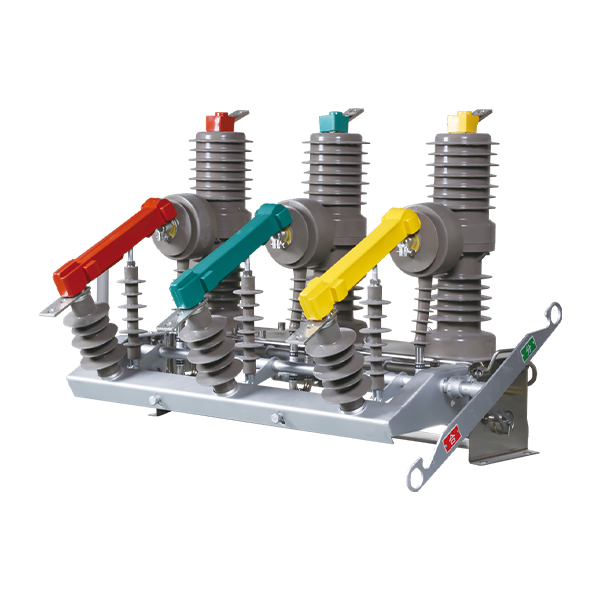
What Is a Medium Voltage Vacuum Circuit Breaker?
At Weisho Electric, we define a medium voltage vacuum circuit breaker (VCB) as the primary defense mechanism for modern power distribution networks. Designed to operate within a core voltage range of 3kV to 40.5kV, these devices are engineered to protect substations, industrial facilities, and utility grids from electrical faults. Unlike legacy oil or air-blast breakers, our VCBs utilize vacuum interrupter technology to deliver high reliability with a compact footprint, ensuring your infrastructure remains safe and operational.
Core Components of a VCB
Understanding the anatomy of a VCB is crucial for selecting the right medium voltage switchgear. Our systems rely on three critical elements working in perfect synchronization:
Vacuum Interrupter (The “Bottle”): This is the heart of the breaker. It is a sealed ceramic chamber where the contact separation occurs. Because it is hermetically sealed, it ensures zero leakage and requires no maintenance.
Operating Mechanism: This provides the mechanical energy to open or close the contacts. We utilize robust designs—ranging from spring-operated to permanent magnetic actuators—to ensure split-second response times during a fault.
Contacts: Typically made from specialized copper-chromium alloys, these contacts are designed to withstand high thermal stress and minimize erosion during switching.
Arc Quenching and Dielectric Recovery
The true advantage of a vacuum circuit breaker lies in its physics. In a vacuum, there is no gas to ionize, which fundamentally changes how electrical arcs are handled.
1. Contact Separation: When a fault occurs, the contacts inside the vacuum interrupter pull apart.
2. Metal Vapor Arc: An arc forms momentarily via metal vapor from the contacts.
3. Current Zero Extinction: As the alternating current passes through zero, the arc is extinguished.
4. Rapid Recovery: The dielectric strength across the gap recovers almost instantly. This rapid recovery prevents the arc from re-igniting, ensuring safe interruption without the fire hazards or environmental risks associated with oil or SF6 alternatives.
How Does a Vacuum Circuit Breaker Work?
At the core of our medium voltage protection gear lies advanced vacuum interrupter technology. Unlike older systems that rely on oil or compressed air, the vacuum circuit breaker working principle takes advantage of the exceptional insulating properties of a high vacuum. When we talk about operation, it really comes down to how effectively the device can isolate a fault without damaging the grid or the equipment itself.
Here is the step-by-step breakdown of how our VCBs handle a fault:
Contact Separation: When a fault condition is detected, the operating mechanism pulls the moving contact away from the fixed contact inside the sealed vacuum bottle.
Arc Formation: As the contact part, a metal vapor arc is generated. Since there is no gas inside the chamber to ionize, this arc consists solely of metal particles from the contact material.
Current Zero & Extinction: The arc persists only until the alternating current passes through its natural zero point. At this instant, the metal vapor condenses back onto the contacts within microseconds.
Dielectric Recovery: Because the vacuum recovers its dielectric strength almost instantly, the arc cannot reignite, and the circuit is safely broken.
Comparing Arc Behavior: Vacuum vs. Traditional Mediums
The difference in performance between vacuum and other media is stark. In oil circuit breakers, the arc decomposes the oil into hydrogen gas, which requires careful venting and poses a fire risk. SF6 breakers use a potent greenhouse gas that requires strict monitoring for leaks.
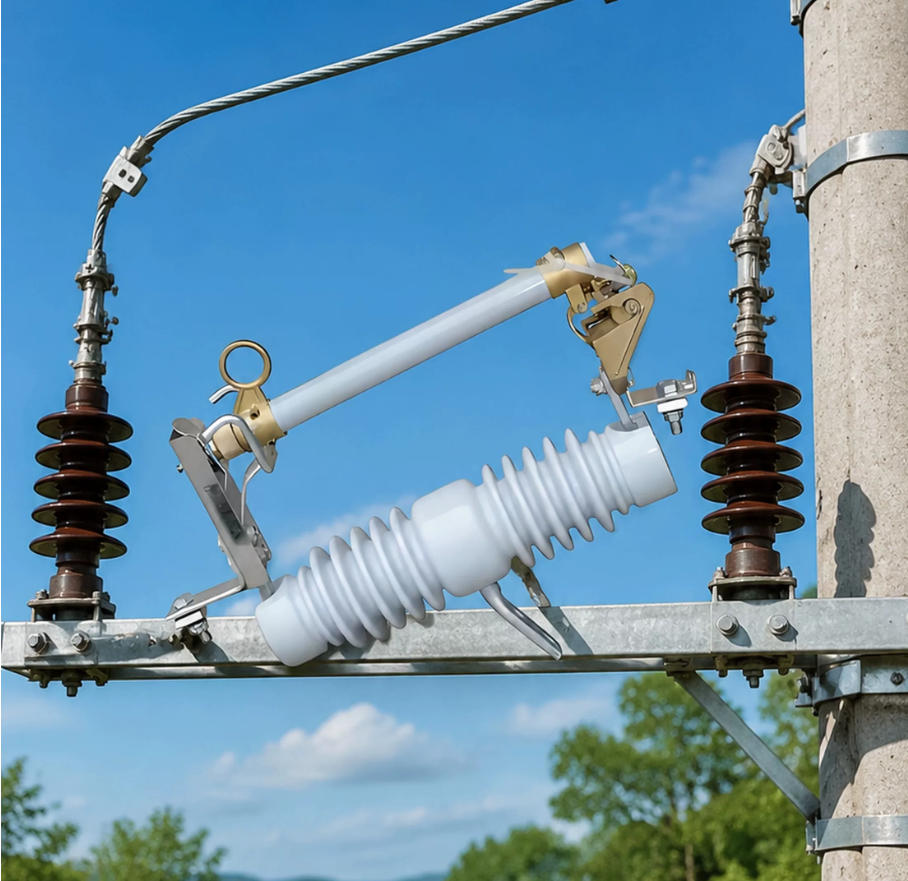
In contrast, our vacuum breakers operate in a permanently sealed environment. There is no decomposition of gases and no risk of explosion. While devices like the RW11-12 outdoor high voltage drop-out fuse are excellent for single-event protection, a VCB provides the capability for repeated, high-speed switching operations without needing component replacement after every fault.
Silent Operation and High Interrupting Speed
One of the immediate benefits our US clients notice is the operational environment. Because the arc extinction happens inside a sealed ceramic or glass bottle, the operation is virtually silent compared to the loud “bang” associated with air-blast breakers. Furthermore, the low contact gap required in a vacuum allows for smaller, lighter operating mechanisms. This results in high interrupting speed—typically clearing faults in milliseconds—which drastically reduces the stress on your power distribution network.
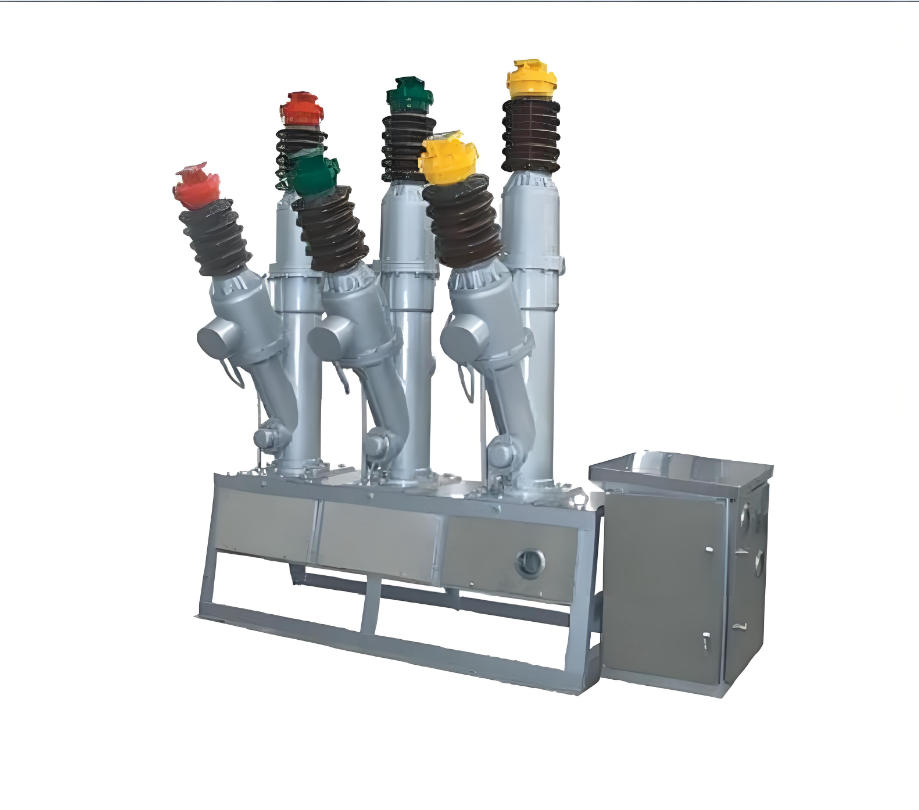
Vacuum vs. SF6 Circuit Breakers: A Detailed Comparison
When selecting medium voltage switchgear, the decision often comes down to two technologies: Vacuum Circuit Breakers (VCB) and Sulfur Hexafluoride (SF6) breakers. While both effectively interrupt fault currents, the industry is decisively shifting toward vacuum technology due to environmental concerns and operational efficiency.
Environmental Impact: The Push for SF6 Phase-Out
SF6 is a potent greenhouse gas with a high Global Warming Potential (GWP). In the United States and globally, regulations are tightening around its use. VCB vs SF6 circuit breaker comparisons highlight that vacuum breakers are the eco-friendly circuit breaker choice. Our vacuum interrupters use a sealed vacuum environment to extinguish arcs, eliminating the risk of gas leakage and removing the need for hazardous gas handling protocols.
Maintenance Requirements and Lifecycle Costs
From an operational standpoint, vacuum circuit breaker maintenance is significantly less demanding than SF6.
SF6 Breakers: Require regular monitoring of gas pressure, leak detection, and eventual refilling. As the breaker ages, seal degradation becomes a costly liability.
Weisho VCBs: Feature permanently sealed vacuum interrupters. There is no gas to monitor and no oil to change. This “fit and forget” design drastically lowers the Total Cost of Ownership (TCO) over the equipment’s lifespan.
For a deeper dive into choosing the right specifications for your facility, check our guide on vacuum circuit breaker selection.
Performance Metrics: Chopping Current and RRRV
Beyond maintenance, the electrical performance differs in critical ways:
Chopping Current: Modern vacuum interrupters are designed with specialized contact materials to minimize current chopping. This prevents dangerous overvoltages that could damage connected transformers or motors.
Rate of Rise of Recovery Voltage (RRRV): Vacuum has exceptional dielectric recovery properties. After the arc is extinguished at current zero, the vacuum gap recovers its insulating strength almost instantly, handling high RRRV values better than most other mediums.
Quick Comparison: Vacuum vs. SF6
| Feature | Vacuum Circuit Breaker (VCB) | SF6 Circuit Breaker |
|---|---|---|
| Arc Quenching Medium | Vacuum | Sulfur Hexafluoride Gas |
| Environmental Impact | None (Green/Eco-friendly) | High (Greenhouse Gas) |
| Maintenance | Maintenance-free (Sealed Interrupter) | Requires gas pressure checks |
| Electrical Life | High number of operations | Moderate |
| Safety | No risk of toxic gas leakage | Risk of leakage/byproducts |
| Application | Ideal for medium voltage (up to 40.5kV) | Common in High Voltage (>72kV) |
Key Technical Specifications and Ratings Explained
Selecting the right medium voltage vacuum circuit breaker (VCB) requires a deep dive into the spec sheet. At Weisho, we ensure our breakers meet rigorous medium voltage circuit breaker ratings to guarantee stability across power distribution networks. You need to match the breaker’s capabilities strictly to your system’s fault levels and load requirements to prevent catastrophic failures.
Rated Voltage and Continuous Current
The voltage rating must exceed the maximum system voltage. Our VCBs generally cover the 7.2kV to 40.5kV range, accommodating standard utility and industrial grids.
Rated Voltage: Typically 12kV, 24kV, and 40.5kV.
Continuous Current: Ranges from 630A for standard feeders up to 4000A for heavy-duty main incomers.
Short Circuit Breaking Capacity and BIL
The short circuit breaking capacity is arguably the most critical safety metric. It defines the maximum fault current the breaker can interrupt without sustaining damage. Our units are rated between 20kA and 50kA, ensuring they can handle massive energy spikes during a fault.
We also focus on the Basic Impulse Level (BIL), which measures the equipment’s ability to withstand lightning strikes and switching surges. High BIL ratings are essential for outdoor units or breakers installed within a compact substation where environmental exposure is a factor.
Mechanical and Electrical Endurance
Durability is defined by international standards. Our vacuum circuit breakers are designed to comply with IEC 62271-100 standards and GB 1984.
Mechanical Life: The operating mechanism is built for high endurance, often rated for 10,000 to 30,000 operations (M2 class).
Electrical Life: The vacuum interrupters are sealed for life, capable of breaking full rated short-circuit current dozens of times (E2 class) without maintenance.
| Specification Parameter | Typical Rating Range |
|---|---|
| Rated Voltage | 7.2kV – 40.5kV |
| Rated Current | 630A – 4000A |
| Breaking Capacity | 20kA – 50kA |
| Frequency | 50Hz / 60Hz |
| Mechanical Endurance | 10,000 – 30,000 Cycles |
| Operating Sequence | O-0.3s-CO-180s-CO |
Types of Medium Voltage Vacuum Circuit Breakers
Choosing the right medium voltage vacuum circuit breaker (VCB) depends entirely on where it sits in your grid and how you need it to perform. At Weisho Electric, we categorize our breakers into two main groups based on installation environment and operating mechanism.
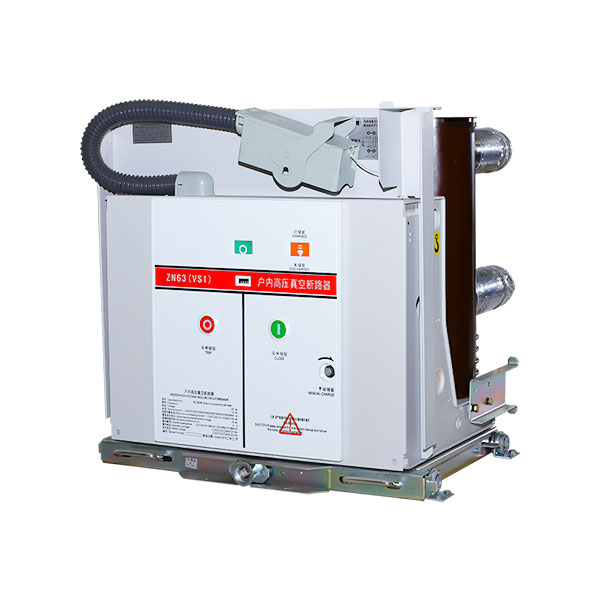
Indoor VCBs: ZN Series
For substations and industrial facilities, our indoor vacuum circuit breakers are the standard. These are typically installed inside metal-clad switchgear cabinets (like KYN28).
Handcart (Withdrawable) Design: Models like the ZN63 (VS1) are mounted on a chassis that can be racked in and out. This is a favorite in the US market because it allows for safe, quick maintenance without de-energizing the entire busbar.
Fixed Type: These are bolted directly into the switchgear. They are cost-effective for setups where frequent removal isn’t necessary.
Integration: These units often work alongside indoor load break switches to provide comprehensive circuit protection and isolation within the facility.
Outdoor VCBs: ZW Series
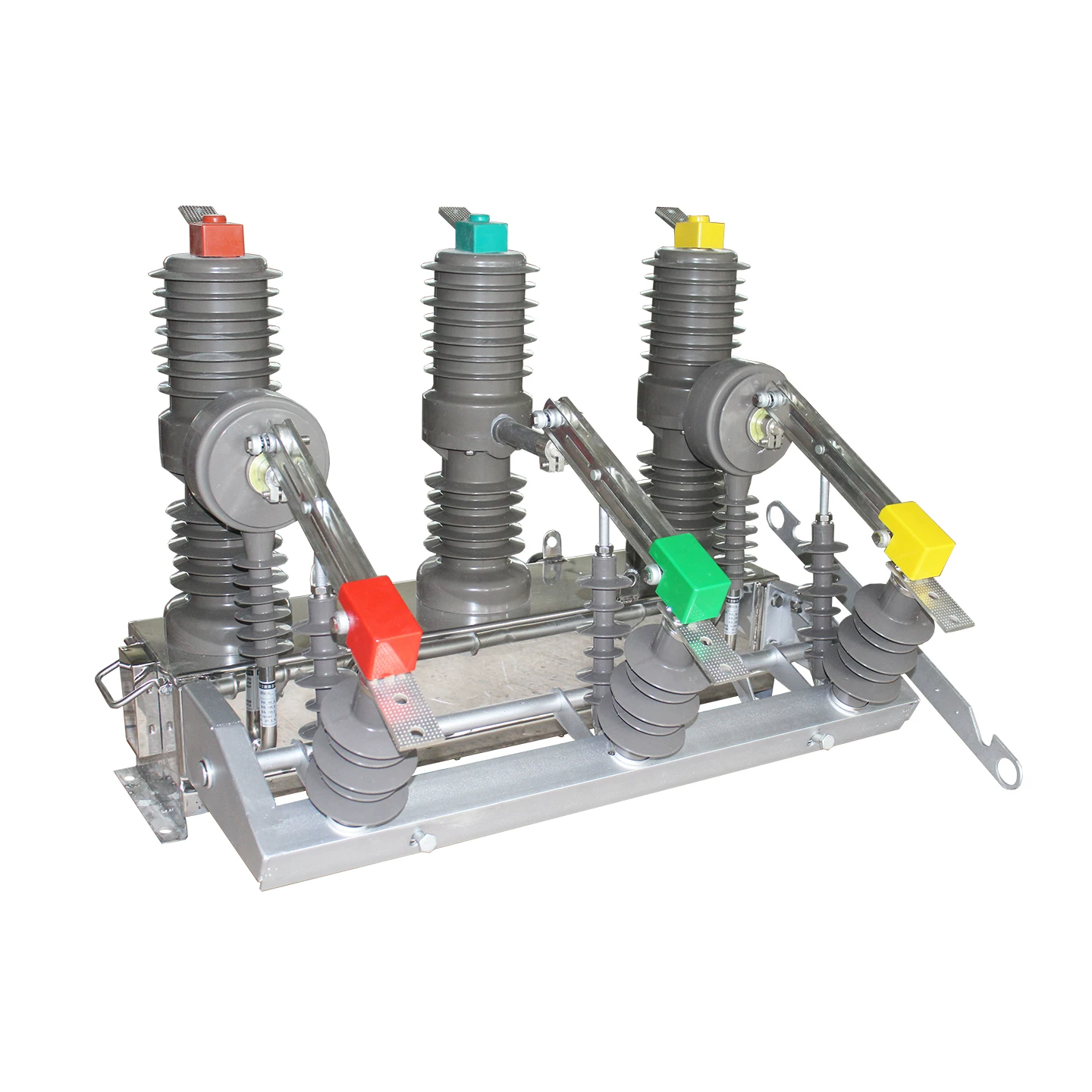
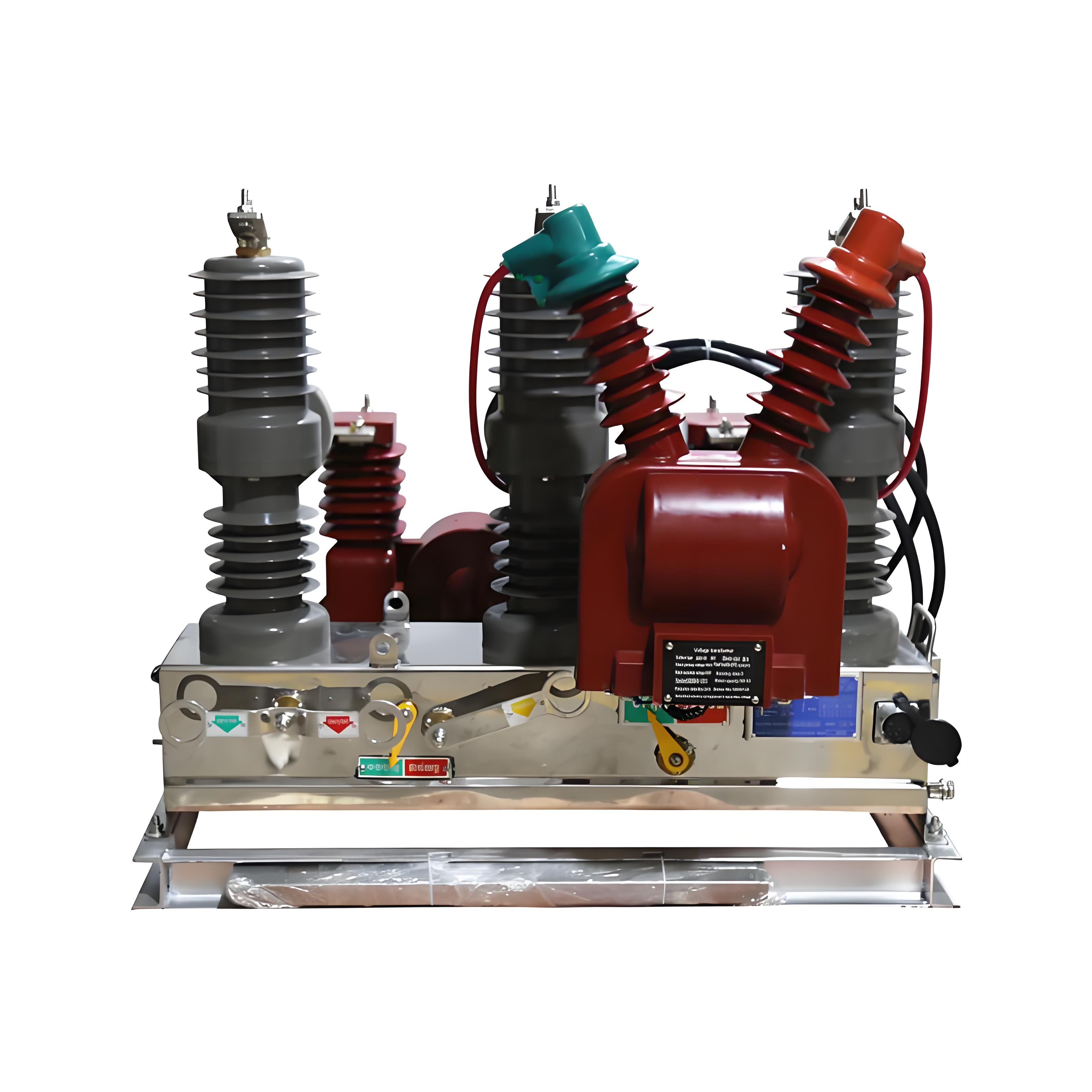
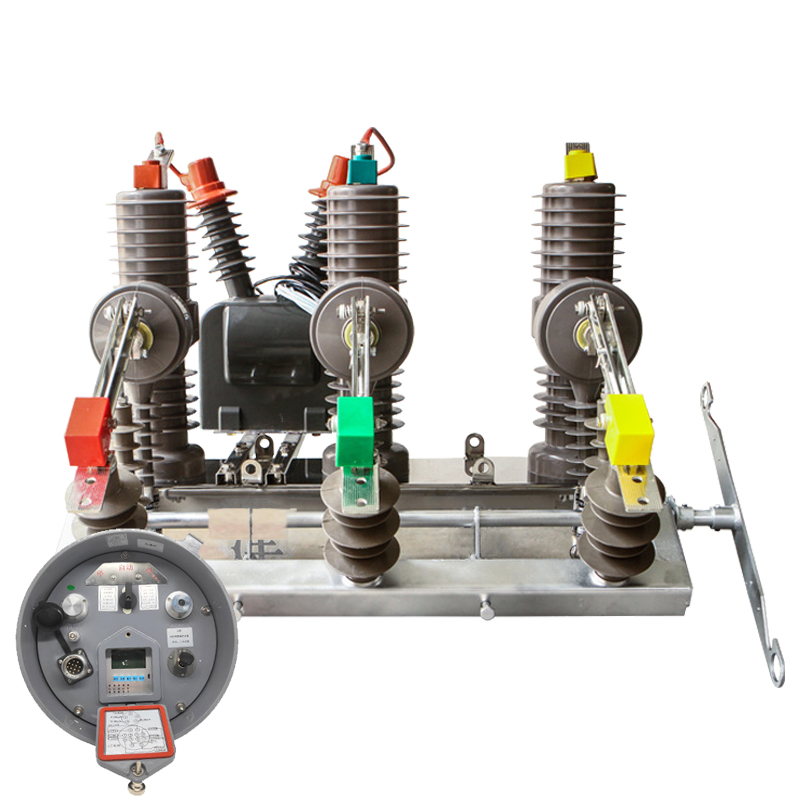
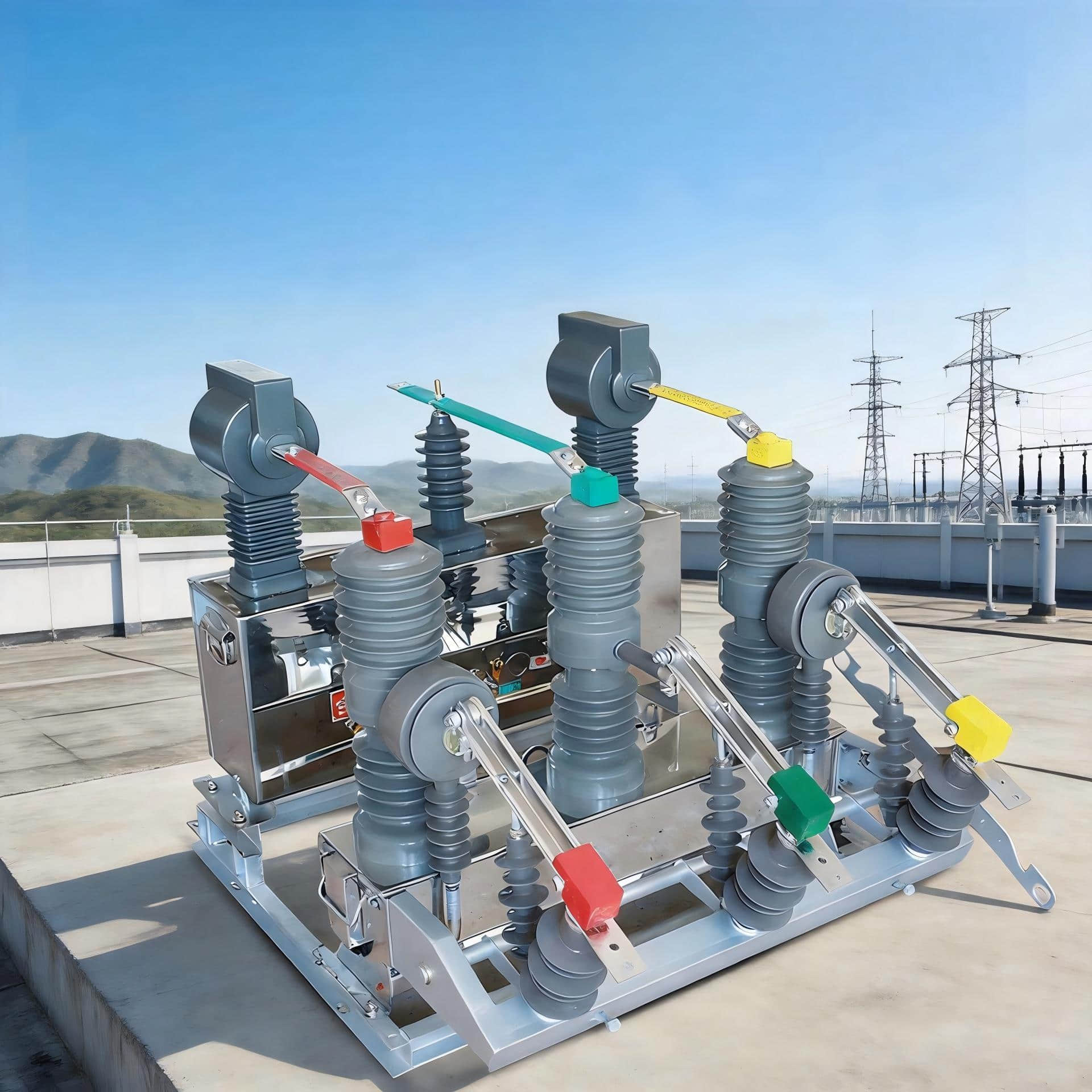
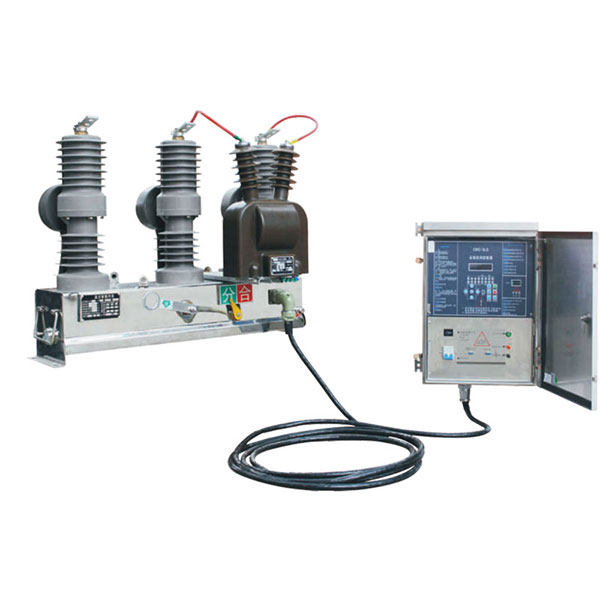
When you need protection out on the distribution lines, you need equipment built to survive the elements. Our Indoor outdoor VCB lineup includes the ZW32 series, designed specifically for pole-mounted applications.
Weatherproof: These units feature sealed housings to withstand rain, dust, and extreme temperature fluctuations.
Boundary Switches: Many of our outdoor models function as boundary switches, isolating faults automatically to prevent widespread outages.
Grid Protection: To ensure the breaker trips at the exact right moment during a fault, they are frequently paired with precision current transformers that monitor line flow.
Operating Mechanisms: Spring vs. Magnetic
The mechanism is the “engine” that drives the contacts open or closed. We offer two distinct technologies:
1. Spring-Operated Mechanism: The traditional choice. It uses charged springs to store energy. It is mechanically reliable, widely understood by technicians, and cost-effective.
2. Permanent Magnetic Actuator: This is the modern upgrade. It uses a magnetic field to hold contacts in place, drastically reducing the number of moving parts. This results in a truly maintenance-free solution with a longer mechanical life, ideal for remote sites where servicing is difficult.
How to Select the Right Medium Voltage VCB: Practical Checklist
Choosing the correct medium voltage vacuum circuit breaker involves more than just matching a voltage rating on a spec sheet. To ensure grid reliability and safety, we recommend running through a comprehensive VCB selection checklist that covers electrical parameters, environmental constraints, and long-term operational costs. Whether you are retrofitting an old substation or building a new distribution network, getting these details right prevents costly downtime later.
Assessing Electrical Parameters and Environment
The first step is verifying that the breaker’s ratings align with your system’s specific demands. You need to look beyond the nominal voltage (e.g., 12kV or 24kV) and focus on the short circuit breaking capacity.
Rated Voltage & Current: Ensure the VCB handles the continuous current (e.g., 630A to 4000A) and matches the system voltage (up to 40.5kV).
Fault Levels: The breaker must be capable of interrupting the maximum potential fault current at the installation site without failure.
Environmental Conditions: For outdoor applications, units like our ZW32 series are designed to withstand harsh weather, whereas indoor units must fit specific humidity and temperature controls.
Installation and Switchgear Integration
Compatibility with existing infrastructure is critical. If you are installing indoor units, the VCB typically needs to fit into specific medium voltage switchgear cabinets.
Switchgear Type: Determine if you need a fixed type or a withdrawable handcart design (often used in KYN28 or XGN cabinets).
Dimensions: Verify the physical size and phase spacing to ensure a seamless retrofit or new installation.
Automation Needs: For modern grids, consider if you need a standard breaker or a device with reclosing capabilities. Understanding the difference between a breaker and a recloser helps in selecting the right device for overhead line protection versus substation duty.
Smart Features and Total Cost of Ownership (TCO)
Finally, look at the long-term value. While the initial purchase price matters, the Total Cost of Ownership is heavily influenced by maintenance requirements. Weisho VCBs use sealed vacuum interrupters that are virtually maintenance-free, significantly reducing O&M costs over the product’s lifespan. Additionally, consider units ready for smart grid integration with IoT capabilities for remote monitoring and control, which further enhances system reliability.
Applications of WEISHO Medium Voltage Vacuum Circuit Breakers
At WEISHO, we engineer our medium voltage vacuum circuit breakers to handle the diverse demands of modern infrastructure. Whether it’s a bustling city grid or a remote mining site, reliable medium voltage substation protection is non-negotiable. Our units are designed to deliver consistent performance across three critical sectors.
Utility Substations and Power Distribution Networks
Utilities face immense pressure to improve grid reliability while reducing operational costs. Our VCBs are the workhorses for these applications, offering a maintenance-free solution that eliminates the fire risks associated with older oil breakers. They integrate seamlessly into standard air-insulated switchgear and specialized gas-insulated substation configurations, providing superior arc quenching and fault isolation to keep the lights on.
Heavy Industrial Plants and Mining Operations
In manufacturing and mining, downtime costs thousands of dollars per minute. These environments are often harsh, filled with dust, vibration, and extreme temperatures. We build our indoor outdoor VCB models, such as the rugged ZW32 series, to withstand these conditions. They resist mechanical wear and handle the high fault currents typical of heavy machinery, ensuring production lines and extraction equipment remain powered and protected.
Renewable Energy Projects
Wind farms and solar integration projects present unique challenges, often requiring equipment that can handle frequent switching operations and fluctuating loads. Our vacuum interrupters offer the fast response times and high electrical endurance needed for effective renewable integration. Understanding the specific protection requirements—and the differences in load break disconnect vs vacuum breakers—is essential for maximizing the lifespan of these green energy assets.
Maintenance and Testing Best Practices
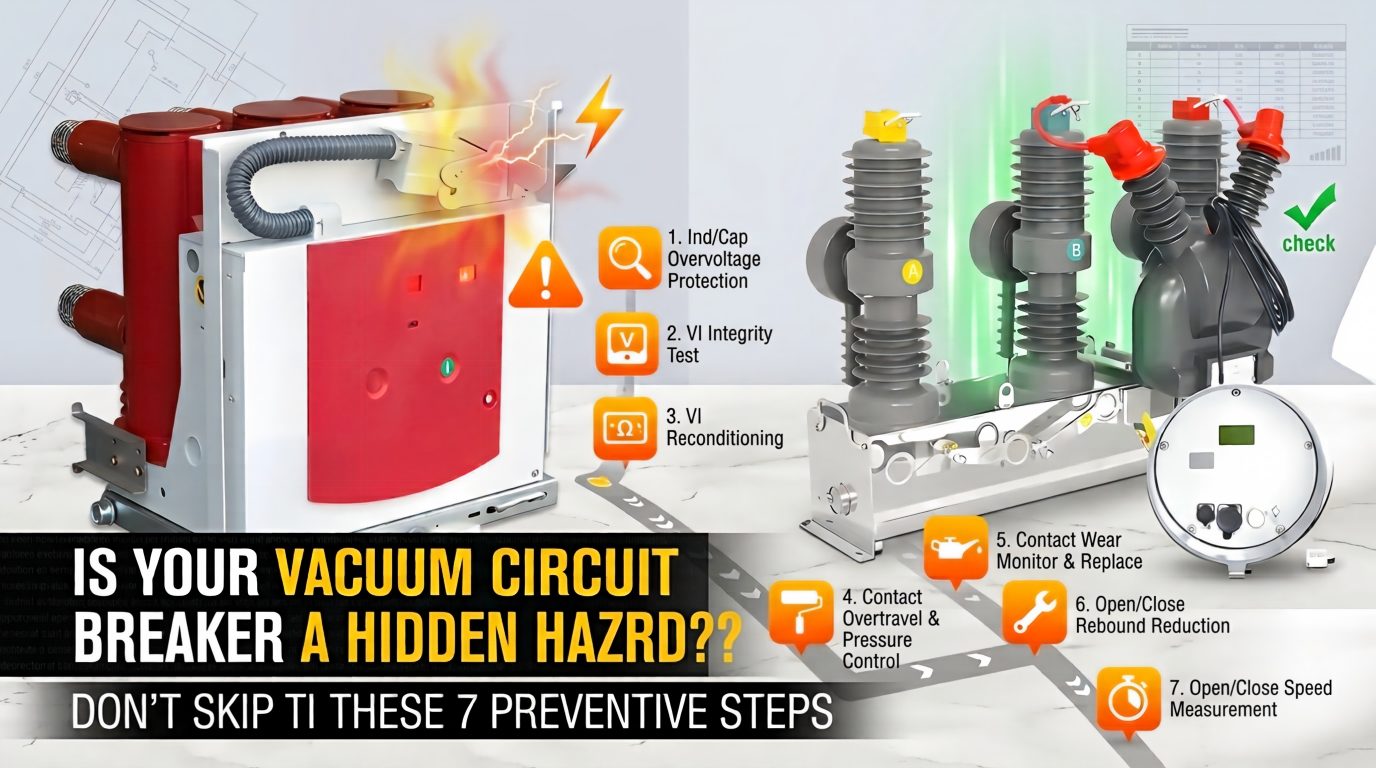
While vacuum interrupter technology has revolutionized the industry by creating essentially “maintenance-free” arc quenching chambers, the overall mechanical system still requires periodic attention to ensure reliability. A robust medium voltage vacuum circuit breaker testing regimen is the best insurance against unplanned outages. Since the vacuum bottles are sealed for life, our focus shifts to the operating mechanism and insulation integrity.
Routine Checks: Contact Resistance and Vacuum Integrity
The most critical aspect of vacuum circuit breaker maintenance is verifying that the vacuum inside the bottle hasn’t been compromised. Since you cannot visually inspect the vacuum level, we rely on specific electrical tests.
Hi-Pot Testing (High Potential): This is the standard method for how to check vacuum in vacuum circuit breaker units. Applying high voltage across the open contacts verifies the dielectric strength. If the bottle holds the voltage without breaking down, the vacuum is intact.
Contact Resistance Test: Over time, connections can loosen or oxidize. We measure the resistance across the closed contacts using a micro-ohmmeter. High resistance indicates poor contact, which can lead to overheating and failure.
Visual Inspections and Timing Tests
Physical inspections should focus on the operating mechanism and external insulation. For indoor outdoor VCB units, check for dust accumulation, moisture, or salt deposits that could track electricity.
Mechanism Check: Whether you are using a spring-operated or permanent magnetic actuator mechanism, ensure all linkages are lubricated and free of rust.
Timing Tests: We measure the opening and closing times in milliseconds. If the breaker is too slow, it may fail to clear a fault before equipment damage occurs.
Erosion Check: Inspect the external terminals for signs of arcing or heat damage.
For a broader understanding of how these components fit into the larger system, reviewing high voltage switchgear technical points can help you optimize your maintenance schedule.
Troubleshooting Common Issues
Most issues with a medium voltage vacuum circuit breaker stem from the control circuit or mechanical wear rather than the interrupter itself.
Control Circuit: If the breaker fails to close, check the auxiliary switches and control wiring first.
Lubrication: Stiff operation often points to dried-out grease in the spring mechanism.
Life Extension: Keep the environment clean and dry. For outdoor units like the ZW32, ensure the control box seals remain watertight to protect the electronics.
By adhering to these IEC 62271-100 standards for maintenance, you maximize the vacuum bottle life expectancy and ensure your grid protection remains rock-solid.
WEISHO VCB Advantages and Solutions
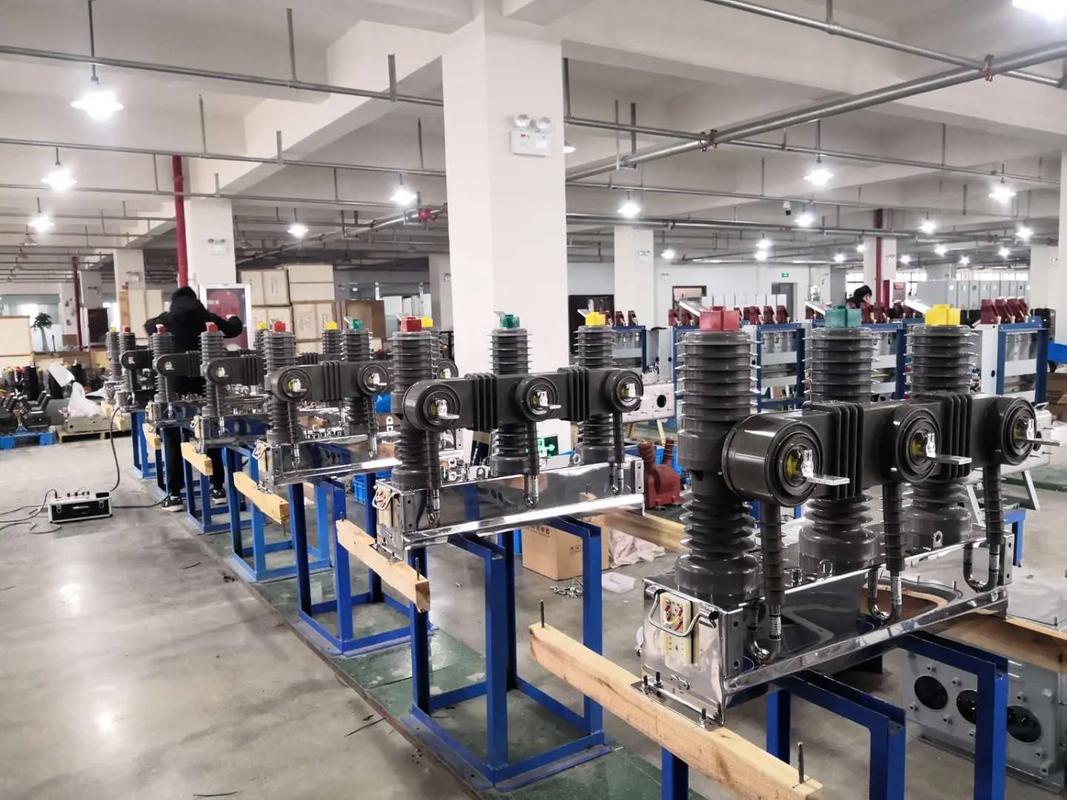
At WEISHO, we engineer our Medium Voltage Vacuum Circuit Breakers to solve the toughest challenges in modern power distribution. We understand that for US facility managers and utility operators, reliability and low operational costs are non-negotiable. Our solutions are designed to deliver consistent performance without the headache of constant upkeep.
Maintenance-Free Vacuum Interrupter Technology
Our breakers utilize advanced, sealed vacuum interrupter technology. By containing the arc extinction process within a permanently sealed vacuum bottle, we eliminate the need for gas handling or oil testing.
Zero Maintenance: The contacts are protected from external contaminants, meaning no cleaning or refilling is required.
Long Electrical Life: Designed to withstand high fault currents with minimal contact wear.
Safety First: We remove the risk of fire and leakage associated with oil breakers, ensuring a safer environment for your personnel.
Built for Extreme Environments
Grid equipment often faces harsh conditions. We build our VCBs to perform reliably regardless of the weather. Whether you are dealing with freezing winters or scorching summers, our units operate flawlessly in temperatures ranging from 35°C to +45°C.
We also engineer our outdoor units to resist corrosion in high-humidity or salt-fog areas. For demanding external installations, our ZW32-24F outdoor pole-mounted high voltage vacuum circuit breaker offers rugged durability that ensures continuity of service in remote or exposed locations.
Smart Grid Integration Capabilities
Modern power networks demand intelligence. Our medium voltage switchgear solutions are ready for smart grid integration.
Remote Monitoring: Track breaker status and health in real-time without onsite visits.
Automatic Reclosing: Quickly restore power after transient faults, reducing outage duration.
Automation Compatibility: Seamlessly integrates with existing SCADA systems for optimized grid management.
Frequently Asked Questions (FAQ)
What is the typical life expectancy of a vacuum bottle?
The vacuum interrupter, often called the vacuum bottle, is the heart of our medium voltage vacuum circuit breaker technology. Because the contacts are sealed inside a high-vacuum environment, they suffer minimal arc erosion compared to air or oil breakers. Typically, a high-quality vacuum bottle is designed to last between 20 to 30 years under normal operating conditions. In terms of mechanical endurance, our units are rated for 10,000 to 30,000 operations, making them a truly long-term investment for utility and industrial grids.
Can a VCB replace an SF6 breaker in existing switchgear?
Yes, retrofitting is a very common practice. As environmental regulations tighten around greenhouse gases, many facility managers are swapping out older SF6 units for eco-friendly circuit breakers. Since modern VCBs are compact, they can often fit into existing metal-clad switchgear compartments with minimal modification. This upgrade eliminates the risk of gas leakage and significantly lowers maintenance costs. For a deeper dive into the trade-offs between these technologies, check out our detailed vacuum circuit breakers comparison to see why vacuum technology is becoming the standard.
How often should medium voltage VCBs be tested?
Even though we market our VCBs as “maintenance-free” regarding the sealed interrupter, the operating mechanism still benefits from periodic checks. Generally, we recommend a visual inspection annually and comprehensive medium voltage vacuum circuit breaker testing every 3 to 5 years. Key tests include:
Vacuum Integrity (Hi-Pot Test): Verifying the bottle hasn’t lost its vacuum.
Contact Resistance: Ensuring connections are tight and efficient.
Timing Tests: Checking opening and closing speeds.
What is the difference between indoor and outdoor VCB ratings?
The core difference lies in the external insulation and housing protection. Indoor VCBs (like our ZN series) are designed to be installed inside switchgear cabinets (e.g., KYN28) and usually have lower IP ratings since the enclosure protects them. Outdoor VCBs (like our ZW series), however, feature rugged, weather-resistant housing—often using silicone rubber insulation—to withstand UV radiation, rain, salt fog, and extreme temperatures ranging from -35°C to +45°C. When selecting a unit, ensuring the specific medium voltage circuit breaker ratings match the environmental exposure is critical for preventing flashovers.