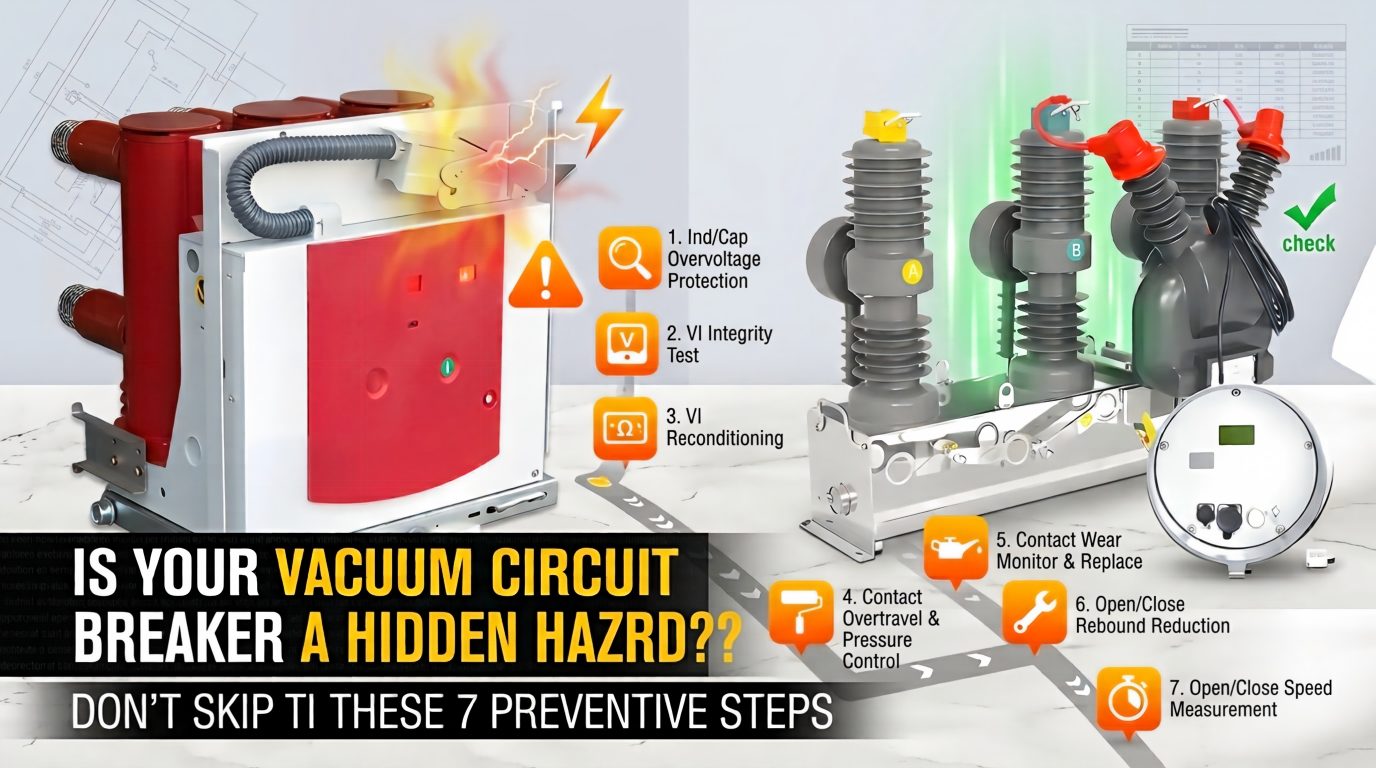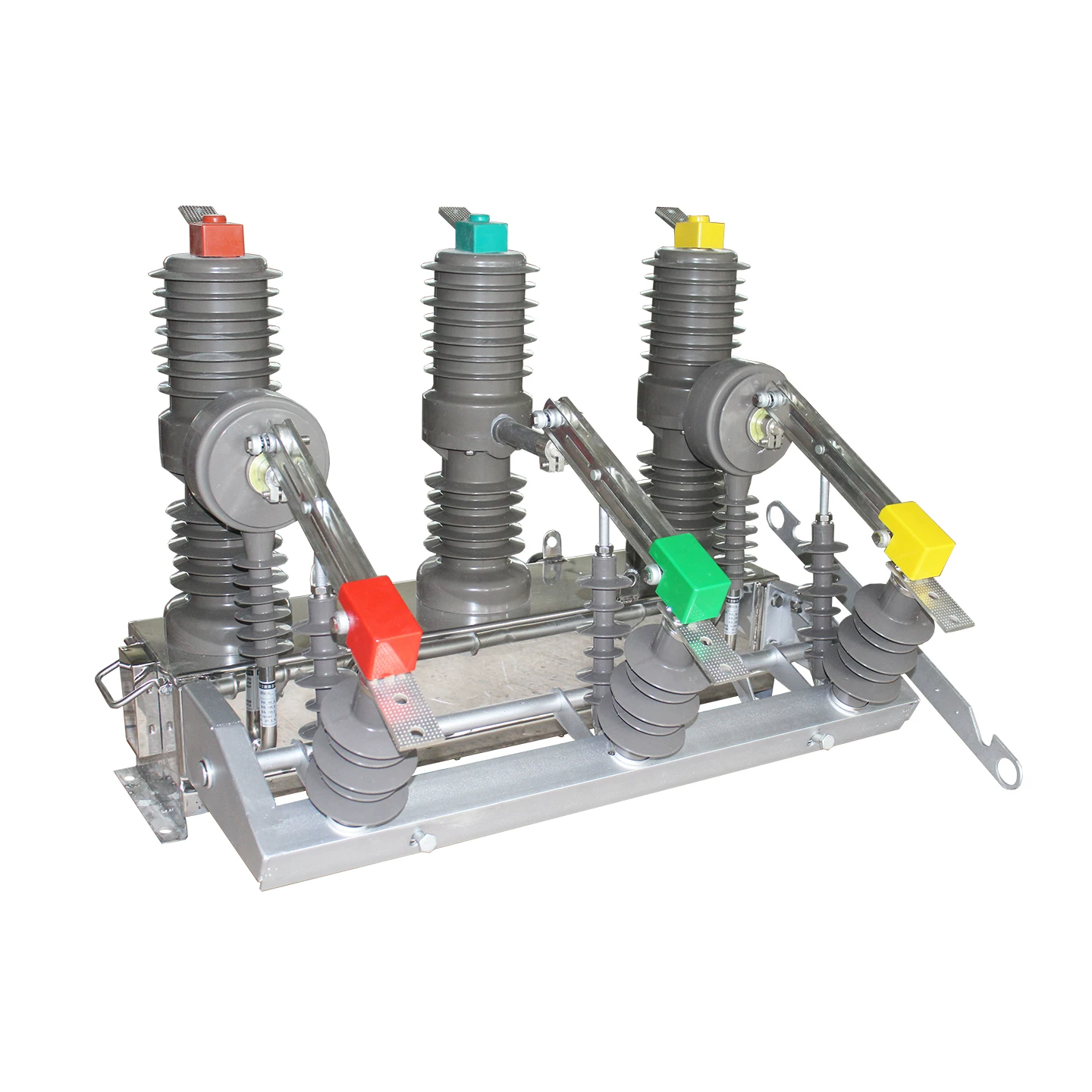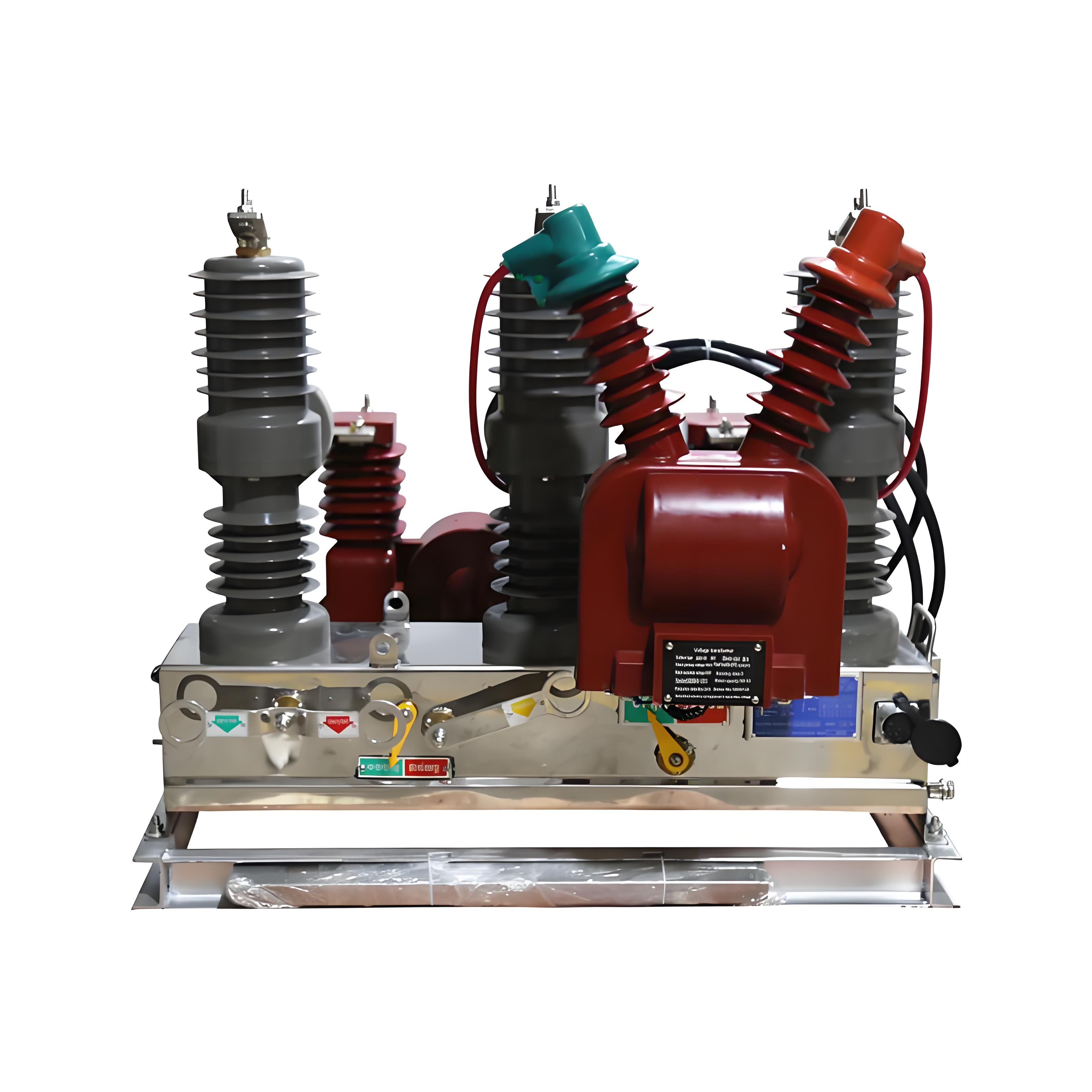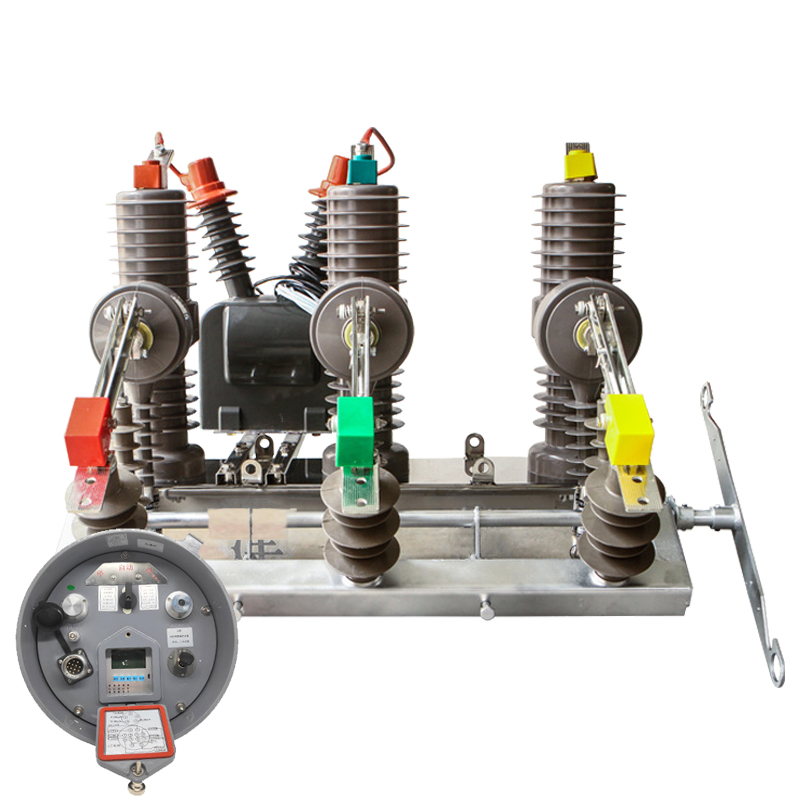
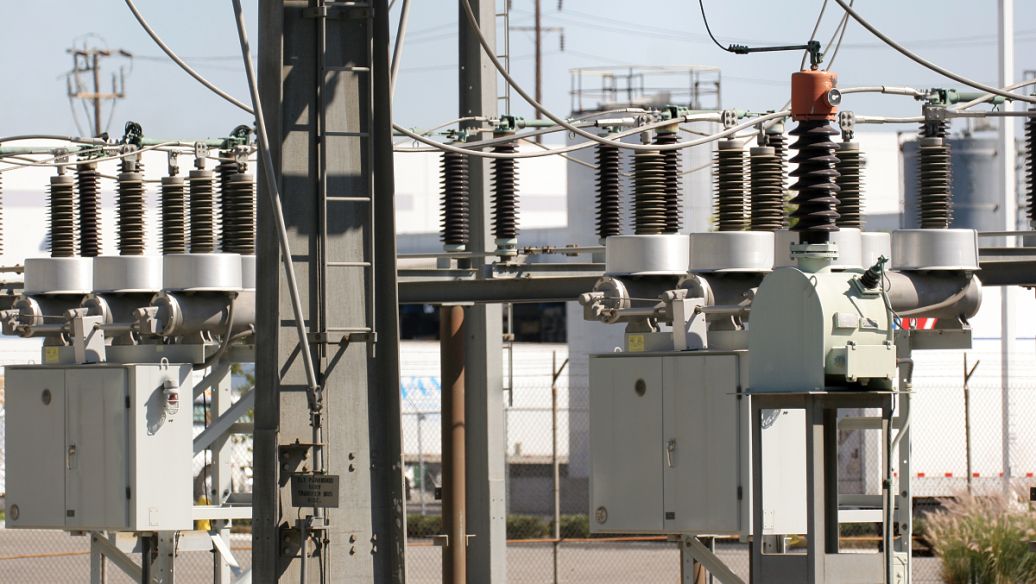
When I talk about vacuum circuit breakers (VCBs), I’m talking about one of the most reliable ways to interrupt medium‑voltage power with minimal maintenance and no greenhouse gases. A VCB utilizes a sealed vacuum interrupter, eliminating the need for air, oil, or SF₆ gas to open and close the circuit and automatically handle faults.
Core Working Principle of Vacuum Circuit Breakers
At the core, a vacuum circuit breaker operating mechanism does three things:
Closes the contacts to carry the normal load current
Detects overcurrent or short‑circuit conditions via relays/sensors
Opens the contacts inside a high vacuum to interrupt the fault
Because the current is carried through contacts in a vacuum, there’s no ionized gas to sustain an arc, which makes automatic power reduction and fast fault clearing extremely efficient. This is precisely what we aim for when designing automatic circuit breakers and power management circuit breaker solutions.
Arc Extinction Inside a Vacuum Interrupter
When a fault occurs, and the VCB opens:
An arc forms momentarily between the separating contacts
The high vacuum (10⁻⁴–10⁻⁶ mbar) prevents a stable plasma from forming
The arc is quickly extinguished atthe current zero, within a half cycle
Metal vapors from the arc condense back on the contact shields
This fast arc quenching in vacuum interrupters is why a vacuum breaker switch can interrupt very high fault currents with minimal contact erosion, enabling automatic overload reduction and fault isolation, and vacuum interrupter performance with a long service life.
Main Components and How They Work Together
A typical medium voltage automatic breaker based on VCB technology includes:
Vacuum interrupter – fixed and moving contacts in a sealed vacuum bottle
Operating mechanism – spring or magnetic actuator that opens/closes the contacts on command
Insulation housing and poles – support and insulate the interrupters
Protection relay/trip unit – detects faults and sends the trip signal
Auxiliary contacts & control wiring – for remote indication, SCADA, and automation
Together, these elements form a vacuum breaker operating mechanism that is ideal for automatic tripping, automatic reclosing, and automatic power management switchgear in industrial and utility applications.
Vacuum Breakers vs. Air, Oil, and SF₆ Breakers
Here’s how vacuum circuit breakers stack up against other technologies commonly used in the United States:
| Technology | Arc Medium | Key Pros | Key Cons |
|---|---|---|---|
| Vacuum circuit breaker | High vacuum | Fast interruption, long life, SF₆‑free, low maintenance, compact | Mainly MV (typically up to ~38 kV) |
| Air circuit breaker (ACB) | Air | Simple, common in LV switchgear | Larger, more arc flash risk, higher maintenance |
| Oil breaker | Insulating oil | Older HV installations | Fire risk, oil handling, and environmental issues |
| SF₆ breaker | SF₆ gas | Excellent for very high voltage | SF₆ is a powerful greenhouse gas; monitoring and leak management are required |
For automatic power reduction with vacuum circuit breakers, the advantages are clear: fast fault clearing, low power consumption VCB designs, and environmental benefits from SF₆‑free vacuum technology—all while giving engineers and facility owners robust, long‑term protection for modern grids, plants, and buildings.
Understanding Automatic Power Reduction with Vacuum Circuit Breakers
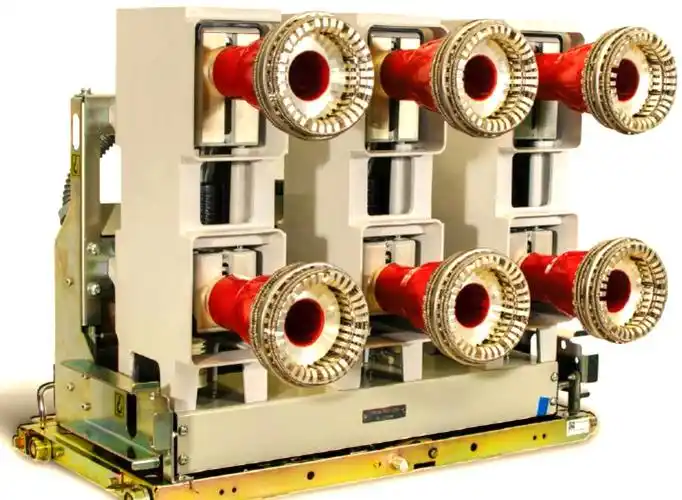
What “Automatic Power Reduction” Really Means
When I talk about automatic power reduction with vacuum circuit breakers, I’m simply talking about the system cutting or reducing power by itself the moment it detects a problem or overload—no one has to run to a panel and flip a switch.
In real-world power systems, this usually means:
A vacuum circuit breaker automatically trips when the current goes above its set limit
Automatic fault isolation so only the affected part of the system loses power
Optional automatic reclosing so the breaker can try to restore power after a temporary fault
The result: the system protects itself, reduces load, and keeps the rest of the network running safely.
How Overload Protection and Fault Isolation Reduce Power Automatically
With overload protection vacuum breakers, power reduction is just a consequence of smart protection:
Overload: If the current stays above the rated value for too long, the protection relay trips the VCB. That load is removed, so total power demand drops automatically.
Short circuit or fault: The breaker opens in milliseconds. The faulty feeder or equipment is cut off, and the rest of the system keeps operating.
Fault isolation vacuum interrupter: Because vacuum interrupters open fast and clean, they sharply cut fault current and stop the problem from spreading.
This isn’t “saving a few watts”; it’s automatic overload reduction that prevents cables, transformers, and generators from cooking themselves.
Automatic Power Reduction vs. Manual Switching or Fuses
Manual switching and fuses can’t match what a medium voltage automatic breaker with a protection relay does:
Manual switching
Needs people on-site
Slow reaction time
No selective tripping logic
Fuses
One-time use and often oversized
No remote control or status feedback
Can take out more load than necessary
Automatic circuit breakers / VCBs
Trip in milliseconds based on precise settings
Support automatic reclosing circuit breaker functions
Integrate with SCADA-controlled vacuum breaker systems for remote operation and logging
For U.S. facilities where uptime, safety, and labor cost matter, automatic power management with VCBs is simply more practical and more reliable.
Where Automatic Power Reduction Matters Most
You’ll see automatic power management switchgear with VCBs make the biggest difference in:
Homes and small buildings
Typically, use a molded case or an automatic reset circuit breaker for the home, but the idea is the same: tripping reduces power automatically to protect wiring and appliances.
Industrial plants and factories
VCB load shedding systems drop non‑critical motors or production lines during faults or peak demand.
Vacuum generator circuit breakers protect gensets automatically during faults or overload.
Commercial buildings and data centers
Demand response, automatic overload reduction, and selective tripping keep critical loads online while shedding the rest.
Utilities and medium‑voltage feeders
Medium voltage automatic breakers and pole‑mounted auto‑reclosers isolate faults and restore service automatically, boosting grid reliability and reducing outage times.
Wherever downtime is expensive, and safety standards are strict, automatic power reduction with vacuum circuit breakers isn’t a nice-to-have—it’s the standard.
How Vacuum Circuit Breakers Enable Automatic Power Reduction
Automatic tripping with overcurrent and short‑circuit detection
Vacuum circuit breakers (VCBs) handle automatic power reduction by tripping the moment they see abnormal current. With built‑in or external overcurrent and short‑circuit protection, the breaker senses a spike, opens the contacts inside the vacuum interrupter, and cuts power to the faulted section automatically—no human action needed. That’s your first and most important layer of automatic load reduction and fault isolation.
Protection relays and sensors with VCBs
In real U.S. power systems, a VCB is almost always paired with protection relays, CTs, and PTs. The sensors measure current and voltage, the relay runs logic (overload, short‑circuit, earth fault, load shedding), and then sends a trip command to the vacuum breaker operating mechanism. This is where a VCB turns into a full power management circuit breaker, supporting staged load shedding, generator protection, and medium‑voltage automatic breaker functions.
Automatic reclosing and coordinated reset
For distribution lines, feeders, and some industrial systems, automatic reclosing is key. After a fault clears (like a temporary line flashover), the VCB can be programmed to reclose automatically after a set delay. If the fault is still present, it trips again. This behavior:
Restores power faster after transient faults
Avoids long outages for “momentary” issues
Supports coordinated resetting with upstream and downstream devices
An automatic recloser vacuum design keeps uptime high while still protecting cables, transformers, and motors.
Remote control, SCADA, and smart grid integration
Modern VCBs are built for remote operation. With simple communication modules, they tie directly into SCADA, energy management systems, and smart grid platforms. That lets you:
Trip or close breakers from a control room
Run remote load shedding with VCB logic
Prioritize critical loads during emergencies
Integrate into microgrids, backup generators, and storage systems
In many U.S. facilities, VCBs sit inside metal‑clad switchgear that’s fully SCADA‑ready, making centralized power control straightforward.
If you’re planning a SCADA‑controlled lineup, pairing VCBs with smart metal‑clad switchgear gives you a clean path to remote monitoring and automation.
Low auxiliary power and efficient VCB design
Compared with some older breaker technologies, vacuum circuit breakers use very low auxiliary power for their coils, motors, and controls. There are no gas compressors or oil handling—just a compact energy‑efficient vacuum switch. That matters when:
You run many breakers in one substation or data center
You rely on DC batteries for control power
You want long autonomy during power failures
Low auxiliary consumption plus fast interruption makes VCBs ideal for automatic power reduction strategies where you want reliable protection without wasting energy just to keep the switchgear alive.
Control Strategies for Automatic Power Reduction with VCBs
Load shedding with vacuum circuit breakers
I use vacuum circuit breakers as the main “on/off valves” in an automatic load shedding system. When demand or fault current gets too high, the protection relay sends a trip signal and the VCB opens instantly, dropping pre‑selected loads before the system becomes unstable.
Typical load shedding with VCBs in U.S. facilities looks like this:
Priority tiers:
Tier 1: life safety and critical process loads (never shed)
Tier 2: important but interruptible loads (HVAC, large motors)
Tier 3: non‑critical loads (comfort cooling, some receptacle panels)
Logic‑based tripping: protection relays monitor kW, kVA, current, and frequency, then trip specific VCBs when limits are exceeded.
Fast action: the vacuum breaker operating mechanism gives fast, clean opening, so overloads are removed before they damage the gear.
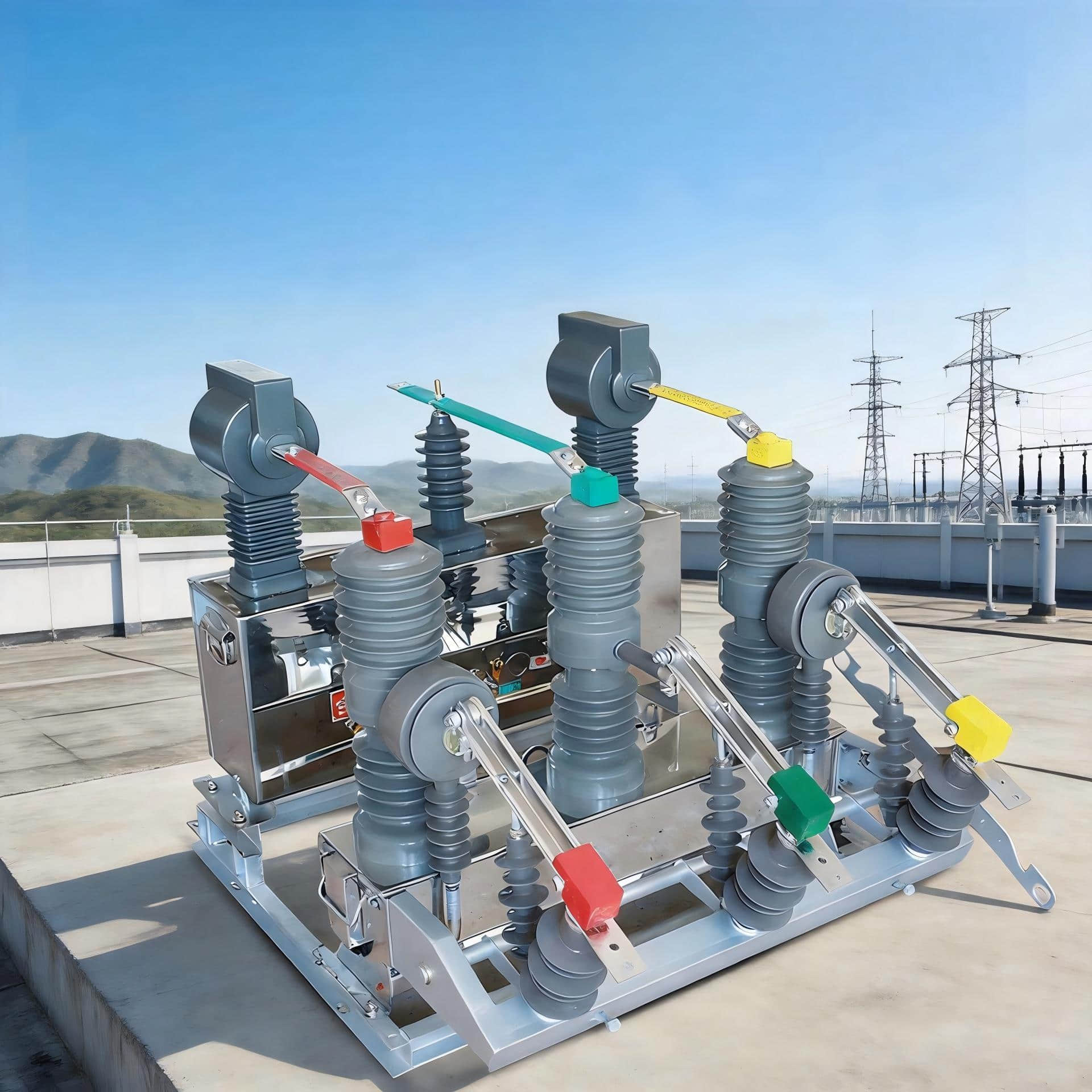
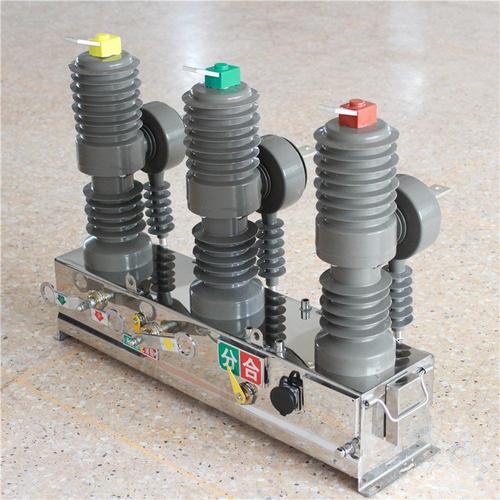
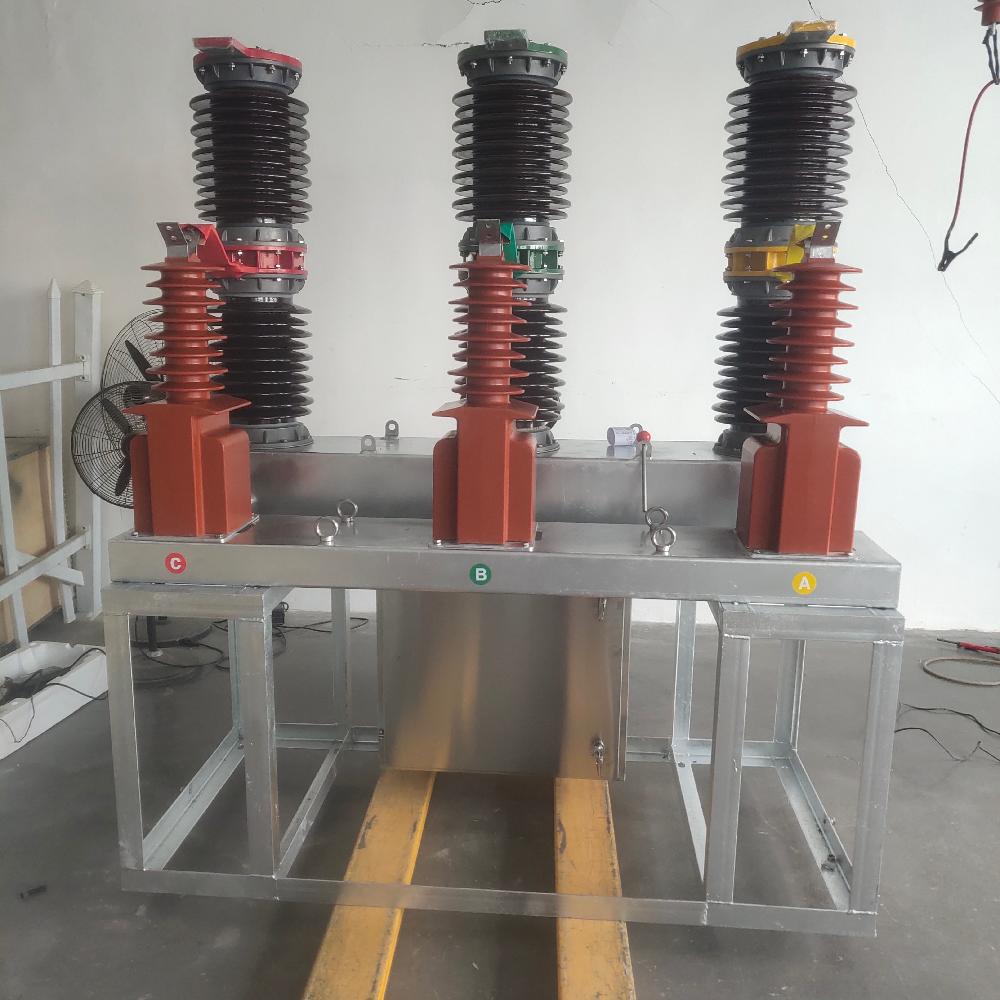
For outdoor distribution and feeder shedding, I often pair this logic with an outdoor vacuum circuit breaker, such as a ZW32-24 style recloser-type VCB, to drop sections of a medium‑voltage feeder automatically.
Stepwise power reduction during peak demand
Instead of one big blackout-style trip, I design stepwise power reduction using multiple vacuum circuit breakers:
Preset stages: Stage 1 sheds comfort loads; Stage 2 sheds some production or HVAC; Stage 3 goes to minimum safe operation.
Time delays: Short delays between stages avoid over‑tripping and give the system time to stabilize.
Peak demand control: tie VCB controls to the utility’s demand window so the system cuts just enough load to avoid demand penalties.
The result is automatic power reduction that feels controlled, not chaotic, especially for commercial buildings and industrial plants with tight utility contracts.
Demand response with building and plant controls
For U.S. customers enrolled in demand response, I integrate vacuum circuit breakers with:
BMS/EMS/PLC: building management or plant control systems send trip or close signals to specific VCBs when the utility issues a DR event.
Real‑time pricing: logic can drop non‑critical loads when kWh prices spike, using power management circuit breaker control schemes.
Automatic reset: after the DR window, VCBs can be safely reclosed via the BMS or PLC, either automatically or with operator confirmation.
This turns the VCB into a key tool for automatic power management, not just fault clearing.
Selective tripping and isolation of non‑critical loads
Automatic power reduction only works well if selective tripping is tight. I configure the vacuum circuit breaker automatic tripping so:
Upstream VCBs stay closed while downstream breakers clear faults.
Only non‑critical loads get shed during overload or DR events.
Critical feeders have higher trip thresholds or delayed trips.
By pairing the VCBs with properly set protection relays, I can isolate faulty circuits or non‑essential equipment without taking down the whole building or line.
Coordination with other protection devices
To make automatic power reduction reliable, I always coordinate VCBs with:
MV breakers, LV breakers, and high‑voltage fuses
CTs/VTs feeding the relays (ratio and accuracy matter for trip curves)
Existing automatic circuit breaker devices are downstream
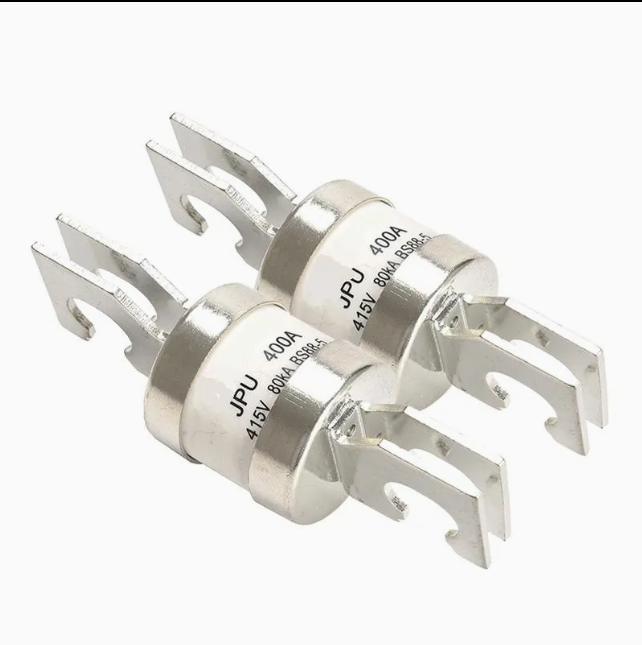
Time‑current curves, relay settings, and breaker characteristics all have to line up so the fault isolation vacuum interrupter opens only when it should. For higher‑voltage feeders, that often means combining VCBs with properly rated high‑voltage fuses, like those used in HPRWG2-35 high-voltage fuse protection, to keep upstream equipment safe while still allowing fine‑tuned load shedding.
Key Benefits of Automatic Power Reduction Using Vacuum Circuit Breakers (VCBs)
Automatic power reduction with vacuum circuit breakers isn’t just “nice to have” – it directly improves safety, uptime, and operating costs across homes, buildings, plants, and utility systems.
1. Improved Safety & Faster Fault Clearing
VCBs interrupt fault currents in a few milliseconds, so dangerous energy is removed before cables, panels, or equipment overheat.
What this means in practice:
Fast arc quenching in the vacuum interrupter keeps panels safer for technicians
Automatic tripping on overloads and short circuits reduces fire risk
Selective fault isolation protects critical loads while only disconnecting what’s necessary
If you’re still comparing breaker types, it helps to understand how vacuum insulation differs from other technologies in more detail; our guide on vacuum circuit breaker insulation differences walks through that.
2. Better Grid Stability & Fewer Blackouts
When a VCB trips automatically and only disconnects the problem area, the rest of the system keeps running.
Less cascading outages when a feeder or motor fails
Cleaner coordination with upstream and downstream breakers
Support for smart grid control, automatic reclosing, and sectionalizing
3. Energy Efficiency & Lower Power Losses
Vacuum interrupters have very low contact resistance and no continuous gas handling.
Lower I²R losses across medium-voltage switchgear
Minimal auxiliary power use for the VCB operating mechanism
Tighter load control through automatic power reduction and demand response
4. Reduced Downtime & Higher Uptime
Automatic power reduction with VCBs focuses on removing only what’s needed from the system.
Selective tripping keeps priority loads (servers, process lines, HVAC) online
Fast reclose options restore power quickly after transient faults
Fewer unplanned shutdowns, especially on critical feeders and generators
5. Lower Maintenance & Longer Switchgear Life
Because the arc is inside a sealed vacuum bottle, parts don’t burn or contaminate like oil or SF₆ gear.
Very low wear on contacts and mechanisms
Long inspection intervals and fewer service visits
Extended life of the entire switchgear lineup
For facilities standardizing on breakers, it’s worth aligning your VCB strategy with how you’re choosing the right circuit breaker overall, so protection and maintenance stay simple.
6. Environmental Benefits from SF₆‑Free Vacuum Technology
VCBs avoid SF₆, a powerful greenhouse gas, while still delivering strong insulation.
Zero SF₆ leakage risk and no gas handling equipment
Simpler compliance with U.S. and state-level environmental rules
Lower lifecycle footprint for medium‑voltage protection and switching
Bottom line: automatic power reduction using vacuum circuit breakers gives U.S. facilities safer operation, more stable power, lower losses, and a cleaner environmental profile—all while cutting maintenance load and keeping critical loads running.
Applications of Automatic Power Reduction with Vacuum Circuit Breakers
Industrial plants and manufacturing lines
In U.S. factories, automatic power reduction with vacuum circuit breakers (VCBs) helps keep production running while protecting motors, drives, and MCC panels. With VCB load shedding systems, you can:
Trip non‑critical lines first (HVAC, nonessential conveyors) when demand spikes
Isolate only the faulty feeder using fault isolation vacuum interrupters
Protect big motors and transformers with overload protection, vacuum breakers,s and relays
This cuts downtime, avoids nuisance plant-wide trips, and protects expensive equipment.
Commercial buildings and data centers
For hospitals, office towers, and data centers, a medium voltage automatic breaker is key to uptime and safety. VCBs paired with power management circuit breaker logic allow:
Stepwise shutdown of non-critical floors or loads
Priority protection for IT racks and UPS systems
Remote operation via BMS or SCADA for fast fault isolation
VCBs give you energy-saving switchgear solutions without relying on SF₆.
Residential and mixed‑use power distribution
On mixed‑use campuses and large residential developments, automatic overload reduction with VCBs keeps the main feeder safe while avoiding full blackouts. Typical setups:
Selective tripping of EV chargers, pool pumps, or common-area loads first
Protection of medium‑voltage incoming lines feeding multiple low‑voltage panels
Integration with automatic reset circuit breaker logic, where allowed by code
This is a smarter alternative to simple fuses or manual switching.
Generator protection and automatic transfer setups
With vacuum generator circuit breakers, you can protect gensets and CHP units from faults and overloads automatically. Common uses:
Automatic disconnection during short circuits or back‑feed conditions
Coordinated operation with ATS/AMF panels for smooth transfer
Limiting generator overload through automatic power reduction instead of a hard shutdown
This is critical for backup power in hospitals, data centers, and industrial sites.
Utility substations and medium‑voltage feeders
For U.S. utilities and co‑ops, smart grid vacuum breakers with automatic reclosing circuit breaker functions are standard on MV feeders. They support:
Fast fault clearing and reclosing on overhead lines
Feeder load shedding with VCBs to stabilize the grid during emergencies
SCADA‑controlled switching combined with surge protection and high‑voltage fault troubleshooting practices
Result: better reliability, fewer customer outages, and cleaner, SF₆‑free medium‑voltage networks.
Design and Selection Tips for Automatic Power Reduction with VCBs
How to Size a Vacuum Circuit Breaker for Automatic Power Reduction
When I size a vacuum circuit breaker (VCB) for automatic power reduction, I always start with real‑world load data, not nameplate guesses.
Focus on:
Rated voltage & insulation level: Match the system (typically 5–38 kV in the U.S.) with enough margin for switching surges.
Continuous current rating: Use actual maximum demand plus realistic growth (usually +20–30%), then pick the VCB rating above that.
Short‑circuit rating (kA & duration): Match the available fault current at the installation point, including future utility or generator upgrades.
Duty cycle: For frequent load shedding or automatic reclosing, pick a breaker tested for high mechanical and electrical endurance.
For medium‑voltage lineups or ring systems, I typically package properly sized VCBs inside metal‑clad switchgear, similar to what we use in our 40.5 kV metal‑enclosed switchgear.
Picking the Right Protection Relays and Trip Settings
Automatic power reduction with vacuum circuit breakers lives or dies on relay setup. Key relay functions:
Overload (long‑time) and short‑time overcurrent for thermal protection and selective tripping.
Instantaneous overcurrent for fast fault clearing.
Undervoltage / frequency / reverse power if you’re protecting generators or sensitive feeders.
Best practices:
Set pickup values just above normal max load, not way too high “for safety.”
Coordinate curves with upstream utility breakers and downstream feeders to avoid nuisance trips.
Use programmable logic inside the relay to trigger staged load shedding, not just simple trip/no‑trip.
Choosing Between Indoor and Outdoor VCB Configurations
For the U.S. market, this usually comes down to:
Indoor VCB switchgear:
Best for data centers, commercial buildings, and industrial plants.
Controlled environment, easier maintenance, more room for advanced relays and comms.
Outdoor VCB units / RMUs:
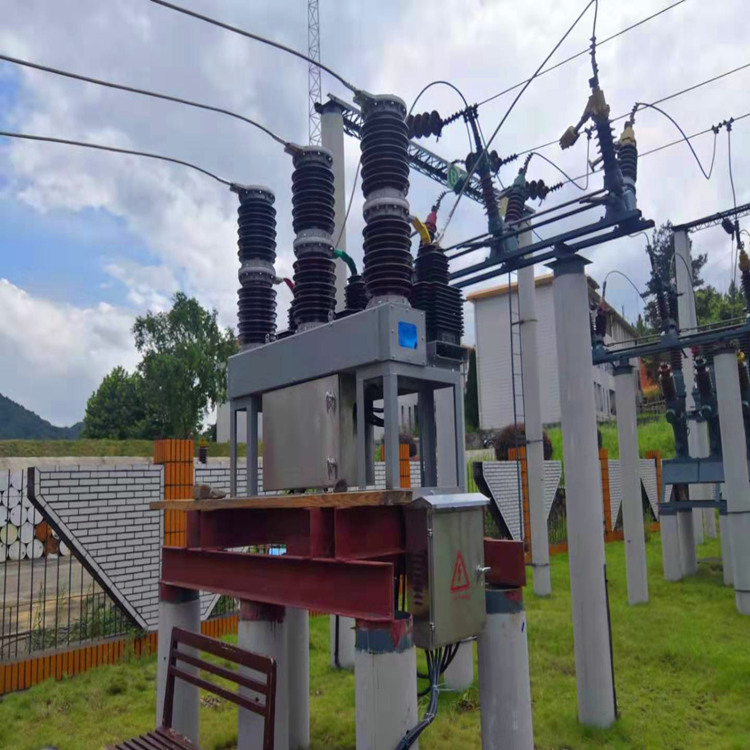
Ideal for utility feeders, campus loops, and harsh environments.
Look for NEMA‑rated enclosures, corrosion protection, and proven performance in cold/heat.
For compact distribution and ring networks, I typically go with a medium‑voltage ring main unit with integrated VCBs, like our HGGN‑12 medium voltage RMU, which is built for outdoor and indoor applications.
Key Specs for Smart and Remote‑Controlled VCBs
If you want real automatic power reduction, demand response, and SCADA control, make sure your vacuum breaker switch and relays support:
Communication protocols: Modbus TCP/RTU, IEC 61850, DNP3 (common in U.S. utilities).
Remote open/close & interlock status: Hardwired I/O + network.
Built‑in metering: Voltage, current, power, power factor, demand logs.
Event and fault recording: Time‑stamped trip records for fine-tuning.
Low auxiliary power draw: Energy‑efficient coils and electronics for 24/7 operation.
Common Mistakes When Specifying VCBs for Load Shedding
I see the same errors over and over in automatic power reduction projects:
Oversizing the breaker so far above the real load that overload protection never operates correctly.
No proper coordination study, leading to upstream trips instead of selective shedding.
Ignoring the duty cycle when planning frequent automatic tripping and reclosing.
Forgetting comms: Spec’ing a “dumb” breaker where a smart grid vacuum breaker is actually needed.
Underrating control power: Not planning reliable DC/AC supplies for protection relays, trip coils, and communication gear.
If you get the sizing, relay selection, configuration (indoor vs outdoor), and smart features right from day one, your VCB power reduction system will cut faults fast, shed the right loads, and protect your equipment without constant human intervention.
Installation and Integration Best Practices for Automatic Power Reduction with VCBs
Panel layout and wiring for VCB control circuits
For automatic power reduction with vacuum circuit breakers, clean panel design matters more than people think. I always push for:
Dedicated control compartment for trip coils, closing coils, auxiliary contacts, and relays—keep it physically separate from power buses.
Short, shielded control wiring for current transformers (CTs), voltage transformers (VTs), and protection relay inputs to avoid noise and mis-trips.
Standard control voltages (typically 24 VDC, 48 VDC, or 125 VDC) are clearly grouped and fused.
Clearly marked terminals for remote open/close, interlocks, and status contacts, especially if you’re integrating with PLC, BMS, or SCADA.
For indoor metal-clad setups, I like using modular indoor vacuum circuit breaker panels so wiring, isolation, and maintenance points stay predictable and safe.
Integrating VCBs with PLCs, BMS, and SCADA systems
If you want real automatic power reduction—not just basic tripping—you need tight integration:
Map breaker status (open/closed), healthy alarms, and trip signals to PLC/BMS/SCADA I/O or communication gateways.
Use digital protocols (Modbus, IEC 61850, DNP3, etc.) where available for smarter energy management and load shedding.
Define a clear control hierarchy: who’s in charge—local panel, PLC, or SCADA—so no conflicting open/close commands.
Build in interlocks so automatic reset or reclosing logic never bypasses safety or maintenance lockouts.
Commissioning tests for automatic power reduction
Before going live, I always run a full automatic sequence test, not just a “does it trip” check:
Primary or secondary injection tests on CT/VT and protection relays to verify trip curves and time delays.
Simulate overload, short-circuit, and load shedding scenarios and confirm the VCB trips exactly as programmed.
Verify automatic reclosing sequences (if enabled): number of shots, time intervals, and lockout conditions.
Confirm all remote signals and commands are correct in PLC/BMS/SCADA screens and logs.
Safety checks before energizing VCB panels
No automatic breaker is worth a safety shortcut. Before energizing:
Perform mechanical operation checks (manual open/close, spring charging, interlocks, racking in/out).
Megger test busbars, cables, and control wiring to confirm insulation health.
Verify earthing/grounding of the VCB frame, panel, and CT/VT circuits.
Confirm safety interlocks, shutters, and door mechanisms all work as designed.
Lock in clear LOTO (lockout/tagout) procedures for maintenance and testing.
Documentation and labeling for easier operation
For U.S. facilities where staff change and contractors rotate in, good documentation saves real money:
Label every VCB, feeder, control terminal, and interlock with permanent, readable tags.
Keep single-line diagrams, control schematics, and logic diagrams in the panel and in digital form.
Clearly mark protection settings, relay IDs, communication addresses, and breaker ratings.
Document automatic power reduction logic—which loads trip first, under what conditions, and who can override.
Done right, an automatic power reduction system built around vacuum circuit breakers becomes easy to operate, easy to troubleshoot, and reliable for the long haul—especially when it’s tied into modern smart switchgear vs. basic switchboard architectures as you’d see in advanced U.S. commercial and industrial sites (more on that comparison).
Maintenance and Troubleshooting for Automatic Power Reduction with VCBs
Keeping automatic power reduction with vacuum circuit breakers reliable comes down to disciplined maintenance and smart troubleshooting. I always treat VCBs like critical production assets, not “set and forget” devices.
Routine Inspections and Test Intervals for VCBs
For medium‑voltage automatic circuit breakers, I use a simple schedule:
Visual checks (monthly/quarterly)
Check for dust, moisture, corrosion, loose terminations, and signs of overheating.
Inspect the vacuum breaker operating mechanism for wear, rust, or lack of lubrication.
Functional tests (6–12 months)
Manual OPEN/CLOSE tests from local and remote controls.
Verify indication lights, auxiliary contacts, and interlocks.
Dielectric/mechanical life tests (per OEM or 3–5 years)
Insulation resistance tests and contact resistance tests.
Mechanical operation counters checked against rated life.
For outdoor systems, I align VCB checks with inspections of connected equipment like outdoor disconnect switches to keep the entire protection chain healthy.
How to Test Trip Units, Relays, and Control Logic
To prove the automatic power reduction logic actually works:
Primary or secondary injection testing
Inject current to verify overcurrent, short‑circuit, and earth‑fault trip curves.
Confirm the vacuum circuit breaker's automatic tripping times match the settings.
Logic and I/O checks
Simulate faults via test switches or software to confirm PLC/relay logic, permissives, and load shedding steps.
Confirm signals to and from SCADA / BMS are correct and time‑stamped.
Interlock and intertrip tests
Verify that wrong sequences (e.g., wrong source, wrong interlock) prevent closing.
Typical Issues with Automatic Tripping and Reclosing
Most field problems with automatic power reduction VCB systems fall into a few buckets:
VCB fails to trip: coil failure, no DC supply, wiring issues, or relay output not energizing.
VCB trips but won’t reclose: reclose blocking timers, undervoltage, or interlock conditions.
Automatic recloser logic misconfigured: too many reclose attempts or wrong delay times.
How to Diagnose Nuisance Trips and Missed Trips
I always start with data:
For nuisance trips
Pull relay event logs, waveforms, and sequence of events (SOE).
Check pickup settings: instantaneous and time‑overcurrent may be too tight for motor inrush or transformer energization.
Look for harmonics, inrush, or transient spikes from large HVAC, VFDs, or EV chargers.
For missed trips
Confirm CT polarity and ratio.
Verify relay configuration (wrong CT inputs, disabled elements, or incorrect logic).
Check the trip circuit: trip coil continuity, control fuse, and trip relay contacts.
When to Repair, Refurbish, or Replace a Vacuum Breaker
For a vacuum circuit breaker used in automatic power management switchgear, I use this rule of thumb:
Repair when:
Minor mechanical issues (springs, latches, auxiliary contacts, coils) are the problem.
Insulation and interrupters still test OK.
Refurbish when:
Mechanical operation count is high but below end‑of‑life.
You see contact wear, slower operating times, or increasing contact resistance.
Replace when:
Vacuum interrupters fail tightness or dielectric tests.
The breaker is obsolete, can’t integrate with modern protection relays/SCADA, or fails key automatic reclosing/ load shedding tests.
If the automatic power reduction scheme is critical (data center, hospital, large industrial plant), I plan proactive replacement before end‑of‑life to avoid unplanned outages and to upgrade to more efficient, low auxiliary power consumption VCB designs.
Monitoring, Data, and Optimization with Automatic Power Reduction and VCBs
When I set up automatic power reduction with vacuum circuit breakers, I treat data as a core part of the system—not an add‑on.
Using metering and logging to track power reduction events
To manage real power, you need real numbers. I always recommend:
Revenue‑grade meters on main feeders and key VCB panels
Event logging for every trip, reclose, and manual operation
Time‑stamped records of current, voltage, power factor, and demand at the moment of a trip
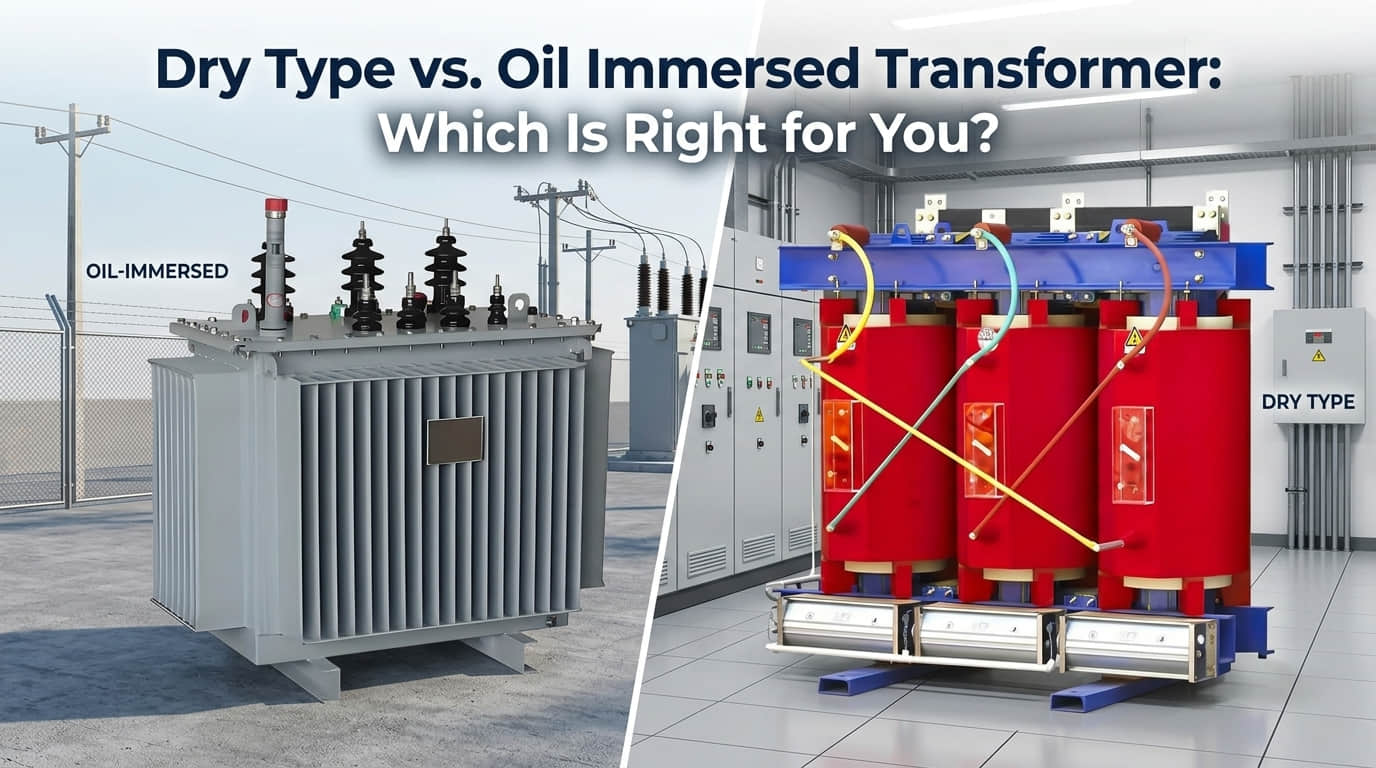
Tie this into your SCADA, BMS, or PLC so your power management circuit breaker data is stored and easy to filter. If you’re feeding a 33 kV oil‑immersed transformer upstream, it’s worth aligning logging intervals with transformer loading so you can see how breaker actions actually reduce stress on grid assets.
Analyzing trip records and load profiles
Once the logs are in place, I look for patterns:
Which vacuum circuit breaker automatic tripping events happen during peak demand?
Are the same feeders or motors always causing trips?
Do load profiles show sustained overloads or just short spikes?
From there, you can decide whether you need better load shedding with VCBs, upsized feeders, or changes to process scheduling.
Fine‑tuning settings to balance protection and uptime
Most US facilities don’t want “maximum protection”; they want maximum safe uptime. I usually tune settings by:
Adjusting overload and short‑circuit curves so nuisance trips drop, but equipment is still protected
Coordinating selective tripping between upstream and downstream devices
Updating automatic reclosing timers to match process restart needs
This is where a good vacuum breaker protection relay pays off—you get granular control without rewiring.
Integrating predictive maintenance with VCB data
Modern smart grid vacuum breakers and medium voltage automatic breakers give you health data along with trip data. I leverage:
Operation counters and mechanical wear indicators
Contact wear estimates based on interrupted current
Temperature and insulation condition trends
Tie this into your CMMS or predictive maintenance platform, and you’ll know when to service a vacuum breaker before it fails, not after. Over time, the combination of automatic overload reduction, clean logging, and predictive analytics turns your VCB system into a self‑optimizing, low‑touch piece of your energy‑saving switchgear strategy.
Future Trends in Automatic Power Reduction with Vacuum Circuit Breakers
Automatic power reduction with vacuum circuit breakers (VCBs) is getting a big upgrade as everything shifts toward digital, connected, and renewable-heavy grids in the U.S.
Digital and IoT‑Ready Vacuum Circuit Breakers
New vacuum circuit breakers are basically edge devices now. They don’t just trip; they talk. Modern “smart grid vacuum breakers” come with:
Built‑in meters for current, voltage, and power quality
Ethernet/Modbus/IEC 61850 for plug‑and‑play integration into SCADA and energy management
Time‑stamped event logs and waveform capture for fast fault analysis
On a modern lineup or gas‑insulated and metal‑enclosed switchgear similar to HXGN15‑12 medium‑voltage switchgear, IoT‑ready VCBs let you automate power reduction by zone, by feeder, or by criticality instead of just “all or nothing.”
Self‑Diagnostics and Condition Monitoring in VCBs
Future‑proof VCBs will constantly check their own health and the health of the system so you can cut power automatically before something fails hard:
Contact wear and operation counters for predictive maintenance
Online insulation monitoring and mechanism health checks
Alarm thresholds tied directly to automatic overload reduction and selective tripping
This kind of self-diagnostic VCB setup supports true automatic fault isolation in MV systems while cutting nuisance trips and emergency outages.
VCBs in Microgrids and Renewable Integration
As more U.S. facilities bolt on solar, wind, and battery storage, VCBs become the “traffic cops” of the microgrid:
Fast fault clearing for inverters and vacuum generator circuit breaker protection
Automatic islanding and resynchronization between the grid and the microgrid
Prioritized VCB load shedding systems so non‑critical loads drop first during low generation
In practice, this means your microgrid can ride through faults and variable renewables while still keeping key loads online and cutting power only where it makes sense.
Advanced Coordination with Energy Storage and EV Charging
Automatic power reduction with vacuum circuit breakers will be tightly tied to batteries and high‑power EV chargers:
Real‑time demand response with circuit breakers—VCBs trip or step down non‑critical loads when peak prices or feeder limits hit
Coordination with energy storage to discharge first, then shed loads only if needed
Smart prioritization so life‑safety, IT, and process loads stay online while EV charging, HVAC reheat, or process auxiliaries scale back
Combined with strong switchgear safety practices like those outlined in electrical switchgear safety guidelines, these smart VCB strategies turn your switchgear into an automatic power management platform—not just a protection device.
FAQ on Automatic Power Reduction with Vacuum Circuit Breakers
Difference: Automatic Power Reduction vs Basic Circuit Breaking
| Feature | Basic Circuit Breaker | Automatic Power Reduction with VCBs |
|---|---|---|
| Main function | Trip on fault and disconnect power | Sense, reduce, and isolate power automatically |
| Control level | Single device, local only | System-level, via relays, PLC, BMS, or SCADA |
| Load shedding | Not built-in | Built into logic using vacuum circuit breakers |
| Reclosing/reset | Usually manual | Can be automatically reclosed with timers and logic |
Basic circuit breaking just opens the circuit once there’s a fault.
Automatic power reduction with vacuum circuit breakers (VCBs) uses relays and control logic to:
Drop non‑critical loads step by step
Limit overloads before they become faults
Reconfigure feeders or sources to keep critical loads alive
Using Vacuum Circuit Breakers for Automatic Reset at Home
For a typical American home, a vacuum circuit breaker automatic tripping setup is usually overkill. Residential panels use molded case or smart breakers instead.
You’d consider an automatic reset circuit breaker for the home only when:
You have a home microgrid (solar + battery + generator)
You need a remote control and monitoring (small commercial-style setup)
You’re protecting a dedicated sub‑feed (EV chargers, workshop, or barn)
In those cases, a compact vacuum breaker switch with a protection relay and auto‑reclose logic can sit upstream of the standard panel.
Suitability of VCBs for Outdoor Load Shedding and Harsh Sites
Modern medium voltage automatic breakers in vacuum technology are a good fit for:
Outdoor load shedding on 5–35 kV feeders
Desert, coastal, or freezing environments
Pole‑mounted or pad‑mounted distribution
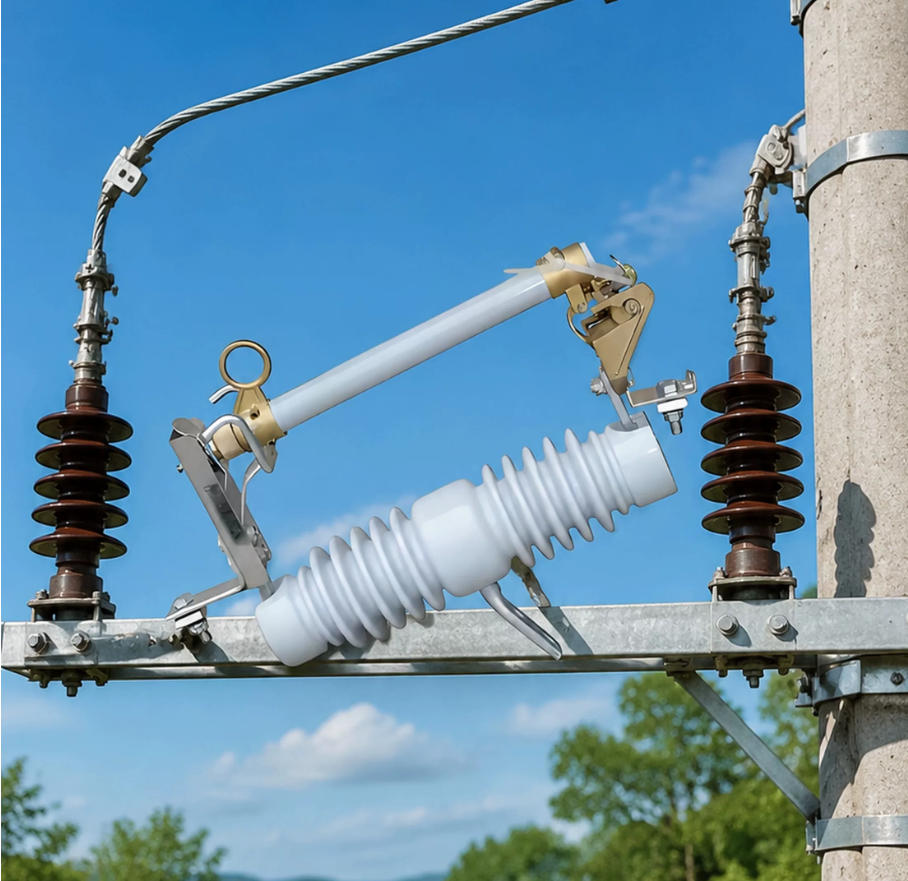
For example, we often pair VCBs with outdoor devices like a drop‑out fuse on overhead lines for an extra layer of protection and visible isolation: a setup similar in spirit to this style of high‑voltage drop‑out fuse cutout.
Key outdoor VCB features to look for:
High mechanical endurance and sealed vacuum interrupter
UV‑resistant, corrosion‑proof enclosure
Wide temperature range and seismic rating
SCADA or radio/IoT control for smart grid vacuum breaker use
How Vacuum Generator Circuit Breakers Protect Gensets Automatically
A vacuum generator circuit breaker (VGCB) sits between the generator and the bus and acts as the automatic bodyguard for your genset:
Overload protection vacuum breaker: Trips if load exceeds set kW or current
Short‑circuit and fault isolation: Clears faults in cycles, before the generator windings are stressed
Under/over‑voltage & frequency: Disconnects the genset from a bad grid or unstable island
Automatic power management: Works with controllers to shed loads when the generator is near its limit
Automatic reclosing circuit breaker: Can reclose after transient faults or successful synchronization
This is critical in U.S. facilities where generators handle life‑safety loads, data centers, and critical manufacturing. A properly set vacuum generator circuit breaker keeps the machine within its ratings while maintaining as much load as possible automatically.