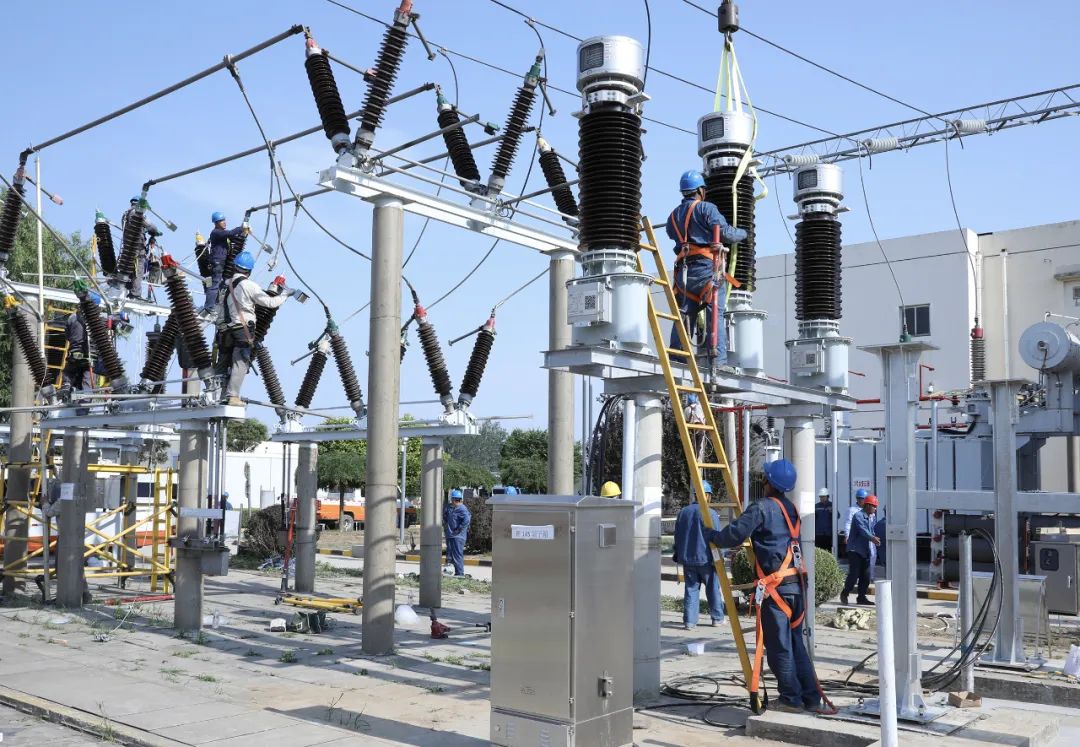
In the realm of medium-voltage power distribution, the service life of a Vacuum Circuit Breaker (VCB) is a critical metric for utility operators and industrial facility managers. As a leading manufacturer, we understand that protecting electrical equipment in networks ranging from 3kV to 40.5kV requires devices that are not only robust but also capable of enduring frequent operations without failure. The longevity of a VCB directly correlates to grid stability, safety, and operational cost-efficiency. Unlike legacy oil-based systems, modern VCBs utilize vacuum as the arc-extinguishing medium, significantly altering the maintenance landscape and extending the operational horizon of switchgear in both indoor and outdoor environments.
Defining VCB Reliability and Durability
Reliability in circuit protection is defined by the ability to perform consistently under stress. For our vacuum circuit breakers, durability is quantified through specific mechanical and electrical endurance ratings. A standard high-quality VCB is engineered to withstand 10,000 mechanical operations, classifying it as a Class M2 device. This extended mechanical life ensures that the breaker can handle the repetitive switching duties required in substations and industrial plants.
Key indicators of durability include:
Operating Speed: Precise opening speeds (0.9–1.8 m/s) and closing speeds (0.4–1.1 m/s) minimize arc duration, reducing internal stress.
Environmental Resilience: Designs tailored for harsh environments resist condensation, salt fog, and extreme temperatures, ensuring the unit lasts even in offshore or rural grid applications.
Integrated Design: Modular structures, such as the ZN153-12, combine breaking and disconnecting functions to reduce mechanical complexity and potential failure points.
How Vacuum Technology Impacts Lifespan
The core advantage of a VCB lies in its sealed vacuum interrupter. By extinguishing arcs within a vacuum, we eliminate the risk of contact oxidation and gas decomposition that plagues other technologies. This sealed design is the primary reason our VCBs are considered maintenance-free or low-maintenance.
The impact of vacuum technology on lifespan is measurable:
Minimal Contact Wear: The allowable cumulative thickness of wear for dynamic and static contacts is approximately 3mm, which supports a long service life even under load.
No Fire Risk: Unlike oil breakers, there is no flammable medium, enhancing safety and longevity.
Arc-Free Operation: The vacuum environment ensures rapid arc extinction, preventing damage to the internal components during short-circuit interruptions.
2026 Industry Standards for Circuit Breaker Longevity
As we look toward 2026, industry standards for circuit breaker longevity are becoming increasingly stringent, focusing on high endurance and smart grid integration. Our products are rigorously tested to meet and exceed global compliance benchmarks, specifically IEC 62271-100 and GB 1984. These standards dictate that a reliable VCB must be capable of handling 20 to 30 full short-circuit current interruptions before requiring servicing or replacement.
Modern standards also emphasize:
Smart Integration: Compatibility with SCADA and IoT-based control systems to monitor health and predict end-of-life scenarios.
Switching Endurance: Exceptional performance in capacitive and inductive current switching, vital for renewable energy integration like solar and wind farms.
Safety Margins: Strict adherence to insulation and dielectric requirements to prevent aging-related failures.
Average Lifespan: How Many Years Does a VCB Last?
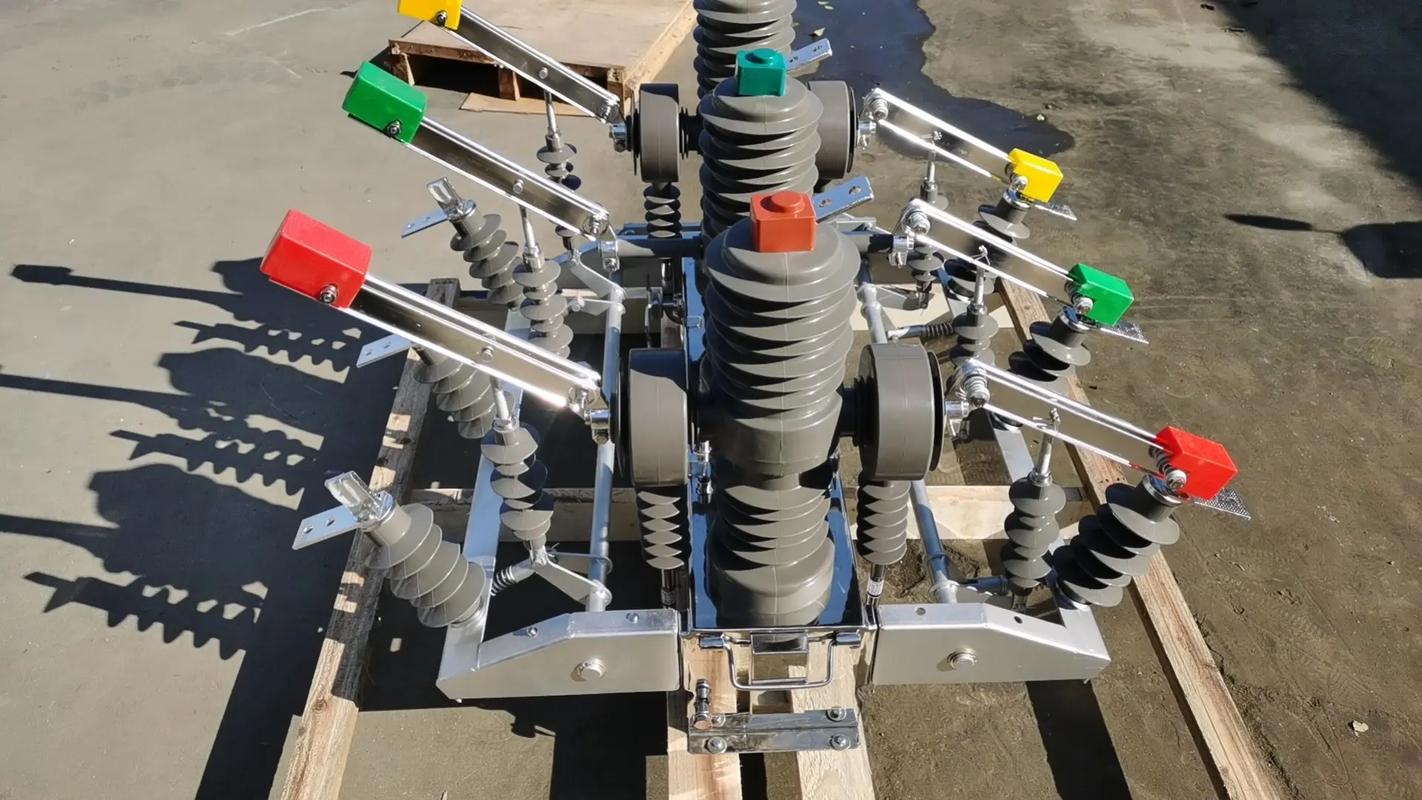
When clients ask me, “What Is the Service Life of a Vacuum Circuit Breaker?“, the short answer is usually 20 to 30 years. However, in the US market, where grid modernization and industrial efficiency are top priorities, we often see these units performing reliably well beyond that timeframe if they are maintained correctly. Unlike older oil or air-magnetic breakers, VCBs are practically maintenance-free regarding the interrupter itself, which significantly extends their usable life.
Typical Service Life Expectancy in Real-World Conditions
In a controlled environment—like a climate-controlled switchgear room—a vacuum circuit breaker can easily reach the 30-year mark. The vacuum interrupter (the core component) is sealed for life, meaning it isn’t exposed to oxidation or humidity like open-air contacts.
However, “real-world” conditions vary. If you install a VCB in a harsh industrial setting with high vibration, extreme temperatures, or corrosive atmospheres, that expectancy drops. Generally, we look at the following benchmarks:
Standard Indoor Application: 25–30+ years.
Outdoor/Harsh Environment: 15–20 years (without additional enclosure protection).
High-Frequency Switching: Dependent on cycle count rather than years.
Understanding Mechanical vs. Electrical Endurance
To really understand longevity, you have to separate the mechanical mechanism from the electrical capability. A breaker might look brand new on the outside, but the internal contacts tell a different story.
Mechanical Endurance: This refers to the operating mechanism (springs, latches, and levers). Most high-quality VCBs are rated for 10,000 to 30,000 mechanical operations (M2 class). This is simply how many times it can open and close without a load before parts wear out.
Electrical Endurance: This is the critical factor. Every time the breaker interrupts a short circuit, the contacts inside the vacuum bottle erode slightly. While the mechanism might last decades, the electrical life is defined by the rated breaking current.
Understanding vacuum circuit breaker insulation differences is vital here, as the quality of the insulation material surrounding the vacuum bottle plays a huge role in preventing external flashovers that can shorten this electrical lifespan.
Failure Rates and Reliability Over Time
Reliability for VCBs typically follows a “bathtub curve.” Failures are most likely to happen either right at the beginning (due to manufacturing defects or installation errors) or at the very end of the lifecycle (due to wear out). During the middle 20-year period, failure rates are incredibly low compared to other breaker technologies.
Common reliability factors include:
Vacuum Integrity: If the vacuum leaks (which is rare but possible), the breaker fails instantly.
Contact Erosion: Excessive wear leads to high resistance.
Operating Stress: Repeatedly clearing faults takes a toll.
Adhering to protocols for safe circuit breaker reclosing is essential; reclosing a breaker onto a persistent fault puts massive electrical and mechanical stress on the unit, drastically reducing its remaining reliable service life. Regular diagnostic testing is the only way to track where your equipment sits on this reliability curve.
Key Factors Influencing Vacuum Circuit Breaker Longevity
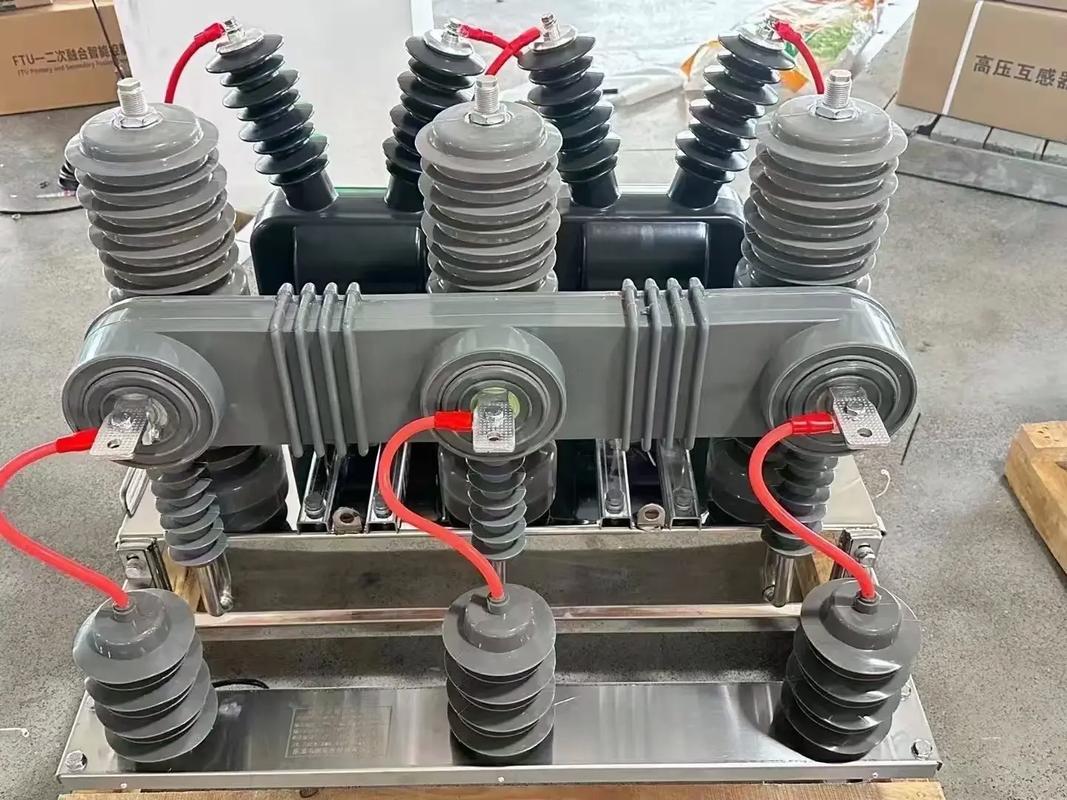
The lifespan of your switchgear isn’t just written on the spec sheet; it is dictated by how the equipment is treated in the field. While we design these units for durability, specific variables will determine whether your vacuum circuit breaker service life extends to 30 years or gets cut short.
Operating Environment and Ambient Conditions
The physical location of the breaker is the single biggest external factor affecting longevity. In my experience, heat, humidity, and airborne contaminants are the silent killers of electrical equipment. A VCB installed in a climate-controlled data center will naturally outlast one sitting in a hot, dusty industrial plant.
Temperature: Excessive heat degrades insulation and dries out lubrication in the operating mechanism.
Humidity & Corrosion: High moisture levels, especially in coastal US regions, lead to rust on mechanical linkages and tracking on insulation surfaces.
Dust: Conductive dust can cause flashovers, while abrasive dust wears down moving parts.
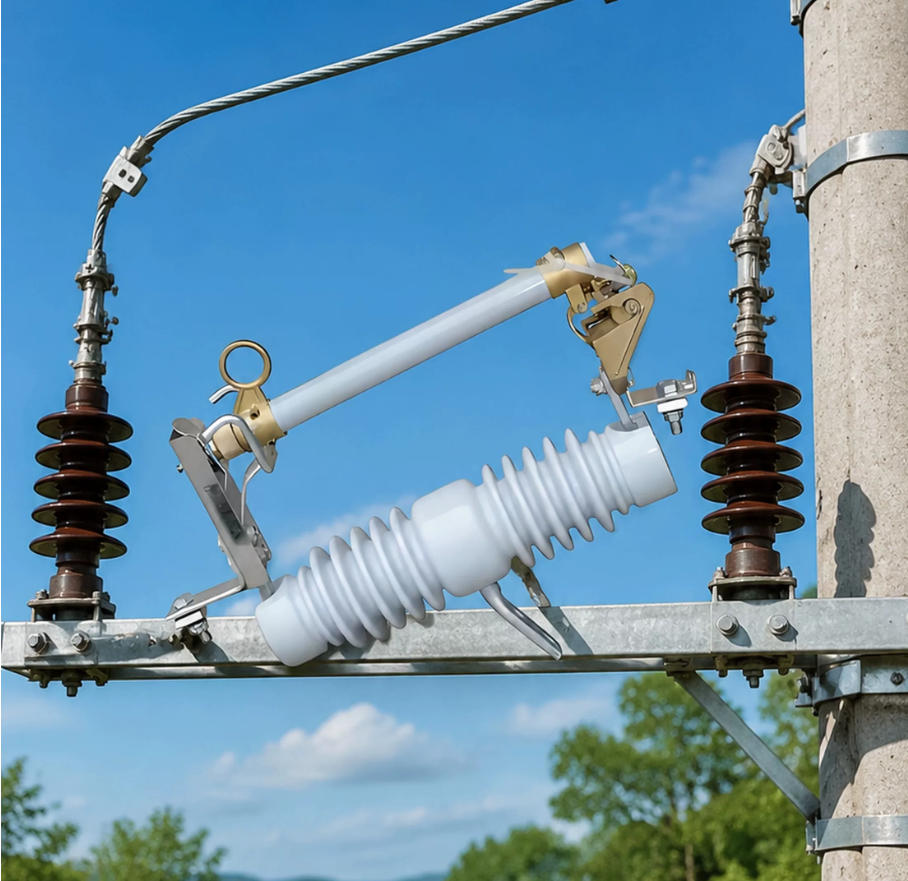
For outdoor installations, where equipment is exposed to the elements, we often see VCBs paired with a rugged GW13-40.5 outdoor disconnect switch to ensure safe isolation during maintenance. If the enclosure isn’t sealed correctly against these environmental stressors, the internal components will age prematurely regardless of their build quality.
Switching Frequency and Rated Load Characteristics
It is a numbers game: mechanical wear increases with every operation. However, the type of switching matters just as much as the frequency. A breaker acting as a safety guard that rarely trips will have a different aging profile than one used for daily switching of capacitor banks or arc furnaces.
Mechanical Stress: Frequent open/close cycles wear out the spring charging motor, latches, and dampers.
Electrical Stress: Interrupting normal load current is routine, but clearing short-circuit faults places immense thermal and mechanical stress on the contacts.
If your application requires frequent fault interruption or automatic restoration logic similar to a distribution auto recloser, you must anticipate a shorter lifespan for the vacuum interrupters. High-duty cycles require more rigorous monitoring than standard distribution applications.
Impact of Vacuum Interrupter Integrity and Contact Erosion
The vacuum interrupter (VI) is the heart of the VCB. Its ability to extinguish arcs depends entirely on maintaining a high vacuum (typically below $10^{-4}$ Pa). If the internal pressure rises due to micro-leaks or “getter” saturation, the dielectric strength fails, rendering the breaker useless.
Equally critical is contact erosion. Every time the contacts separate under load, an electrical arc vaporizes a microscopic amount of the contact material.
Contact Wipe: As contacts wear down, the spring pressure (wipe) decreases.
Resistance: Eroded contacts can lead to higher contact resistance and overheating.
Limit: Once the erosion exceeds the manufacturer’s limit (usually roughly 3mm), the bottle must be replaced immediately to prevent catastrophic failure.
Maintenance Practices to Maximize Service Life
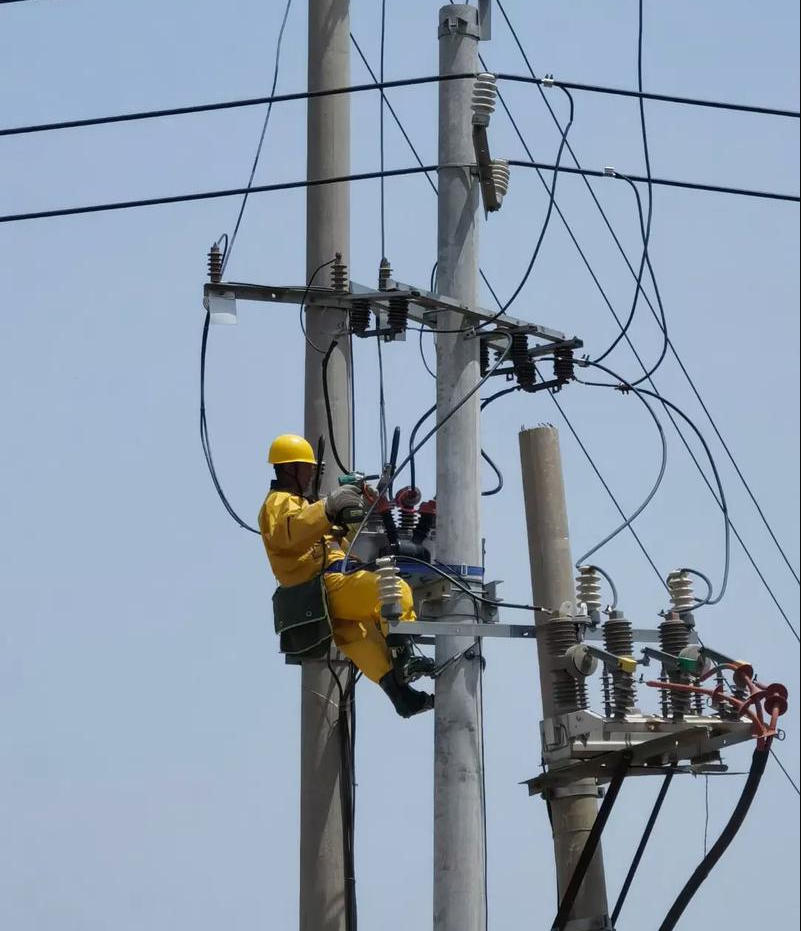
Recommended Routine Inspection and Maintenance Intervals
While we engineer our vacuum interrupters to be sealed and maintenance-free, the operating mechanism still requires attention to ensure longevity. “Maintenance-free” refers specifically to the arc-extinguishing chamber, not the entire assembly. For standard operations, we recommend a visual inspection every **1 to 2 years** or after every **2,000 mechanical operations**.
For units installed in our indoor vacuum circuit breaker switchgear, the environment is controlled, but dust accumulation can still affect insulation. In outdoor or harsh industrial settings, inspections should be more frequent to check for corrosion on the mechanism and ensure lubrication is adequate. Keeping the operating linkage clean and greased is the simplest way to hit that 10,000-operation mechanical life target.
Essential Testing Procedures for VCB Health
To verify that the breaker can still handle a fault current, specific diagnostic tests are required. Visual checks aren’t enough when dealing with medium voltage. We rely on the following procedures to validate performance:
Contact Erosion Measurement: The cumulative wear on dynamic and static contacts must be monitored. Our specifications allow for approximately 3mm of total wear. Once this limit is reached, the vacuum interrupter must be replaced.
Vacuum Integrity (Hi-Pot) Test: Since you cannot visually inspect the vacuum inside the bottle, applying a high-potential voltage across the open contacts confirms the vacuum strength. If the bottle fails to hold the voltage, the vacuum is compromised.
Contact Resistance Test: We measure the resistance across closed contacts. A significant rise in resistance indicates poor connection or surface degradation, which can lead to overheating.
Advanced Monitoring and Diagnostic Technologies
Modern grid reliability relies on moving from reactive repairs to predictive maintenance. Our VCBs are designed for compatibility with **SCADA** and IoT-based control systems, allowing operators to monitor performance data in real-time.
By tracking parameters such as opening speeds (0.9–1.8 m/s) and closing speeds (0.4–1.1 m/s), you can detect mechanical sluggishness before it causes a failure. Monitoring the trip coil signature can also reveal issues with the latching mechanism or solenoid. Integrating these smart diagnostics helps utility operators maximize the service life of their assets by addressing issues only when actual performance deviations occur, rather than replacing parts on a rigid, arbitrary schedule.
Signs Your Vacuum Circuit Breaker Needs Replacement
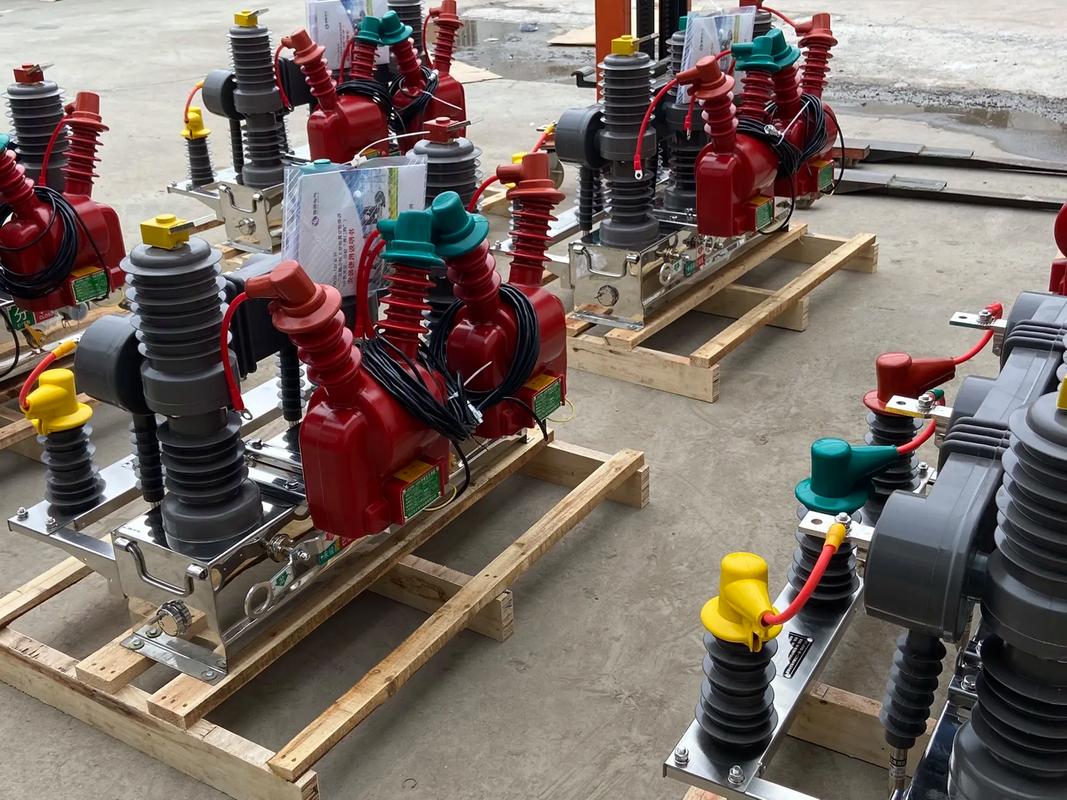
Knowing when to retire a unit is just as important as the initial installation. While we design our Vacuum Circuit Breakers (VCBs) for longevity, specific indicators signal that the equipment has reached the end of its safe service life. Ignoring these signs can compromise the safety of your distribution network.
Identifying Vacuum Loss and Insulation Degradation
The integrity of the vacuum interrupter is non-negotiable. Since the vacuum is the primary arc-extinguishing medium, any leak renders the breaker unsafe. Unlike gas-insulated systems, you cannot refill a sealed vacuum bottle. If you detect a significant drop in dielectric strength during a routine withstand voltage test, it usually indicates a loss of vacuum.
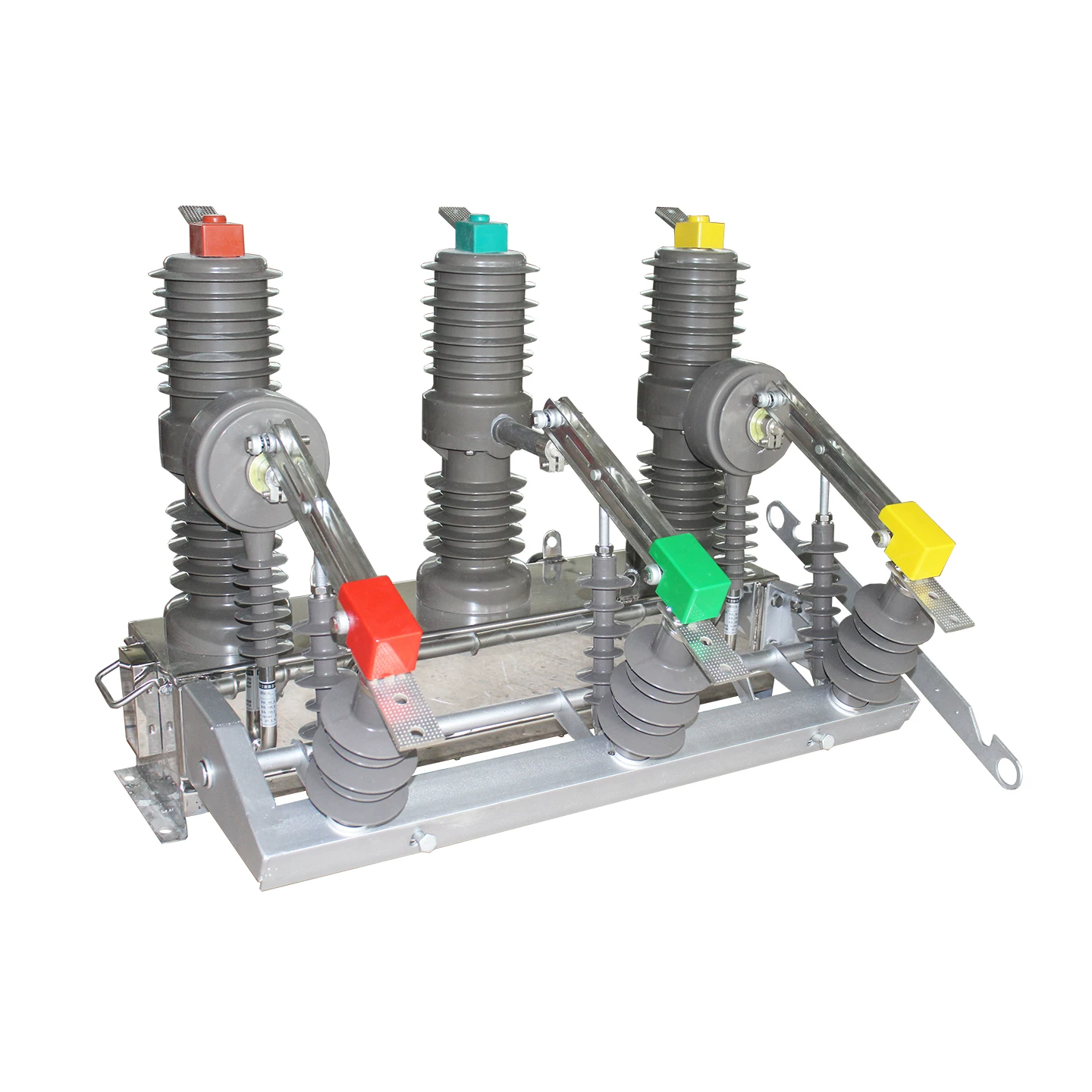
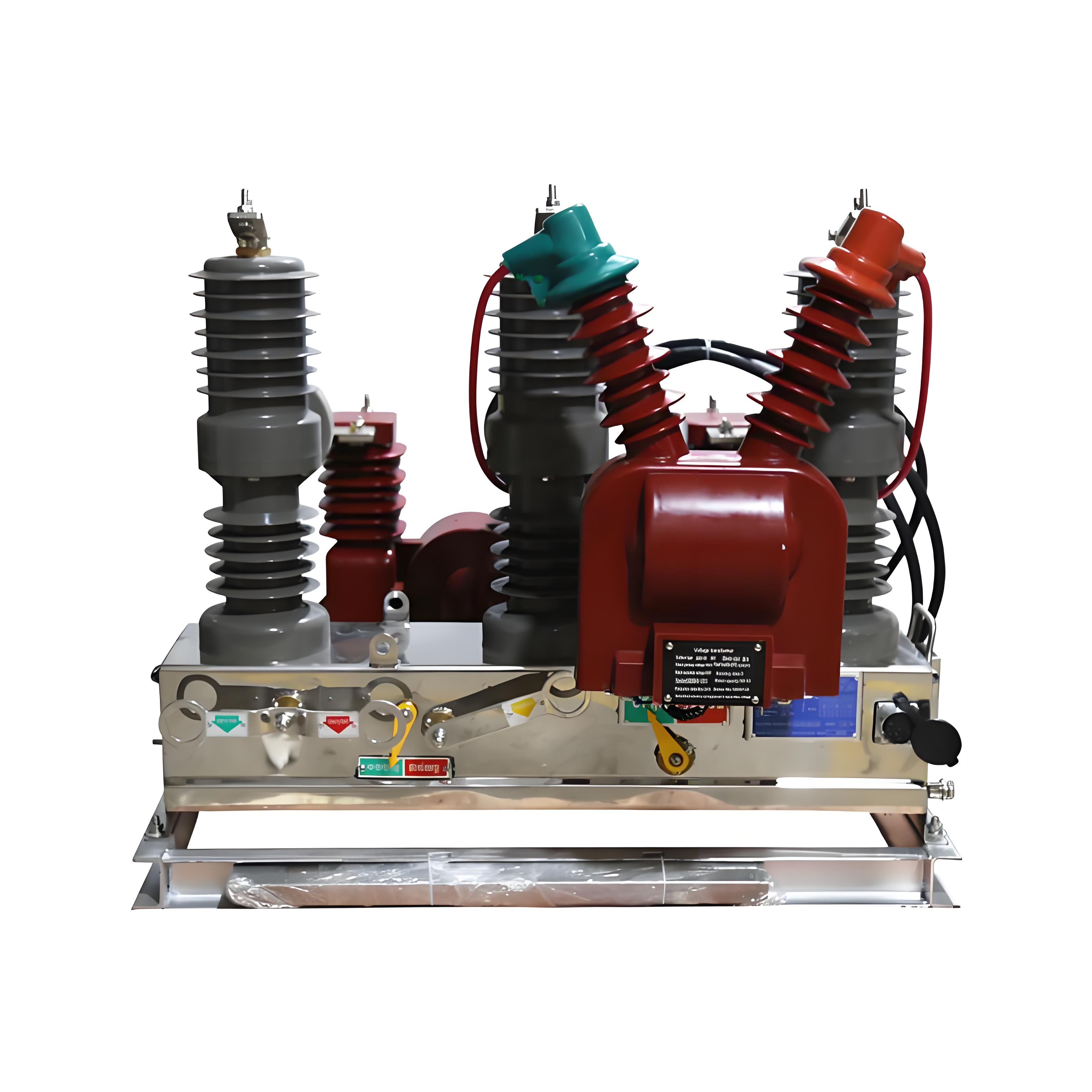
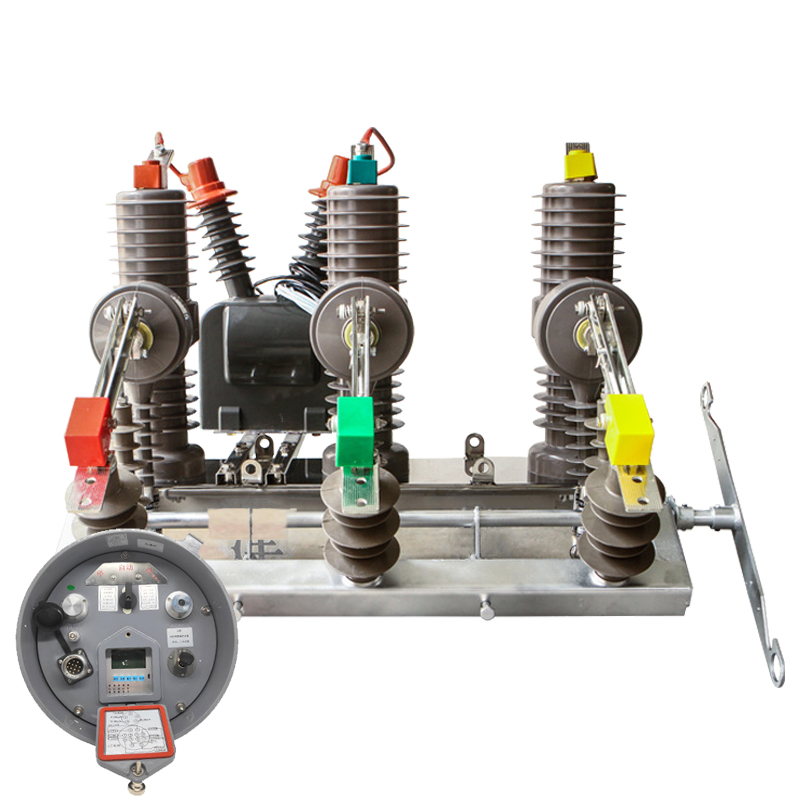
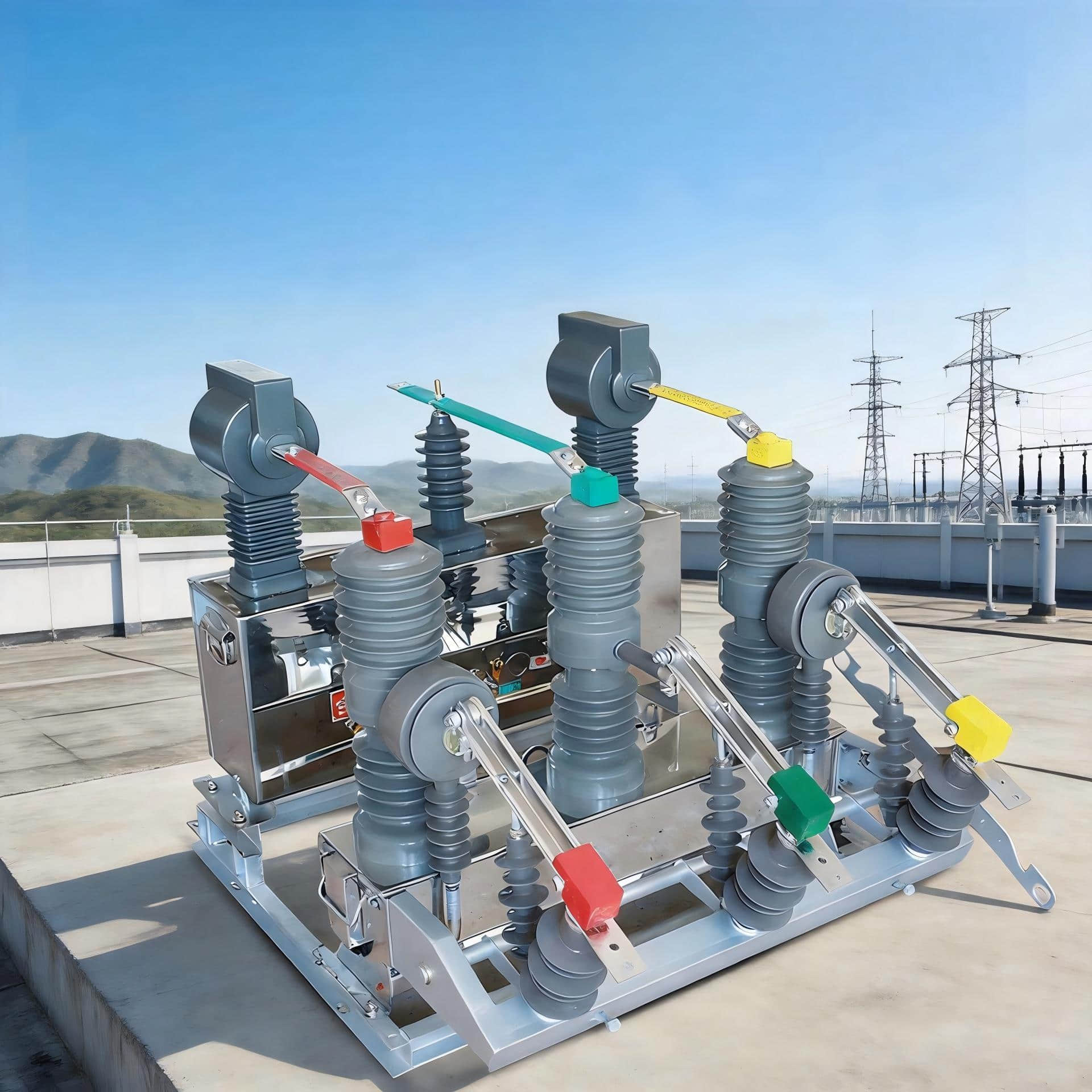
For units installed in harsh conditions, such as our ZW30-40.5 outdoor high-voltage vacuum circuit breakers, external insulation degradation is another red flag. Look for tracking marks, cracks, or heavy discoloration on the insulating housing caused by salt fog or pollution. If the external insulation is compromised, the risk of flashover increases significantly, necessitating immediate replacement.
Recognizing Mechanical Wear and Mechanism Failure
Even with a Class M2 mechanical life rating of 10,000 operations, moving parts eventually wear down. The operating mechanism—whether spring or permanent magnet—must maintain precise timing to ensure arc extinction.
Watch for these mechanical warning signs:
Reduced Operating Speeds: If opening speeds fall below 0.9–1.8 m/s or closing speeds drop below 0.4–1.1 m/s, the mechanism is fatigued.
Excessive Contact Wear: We specify a maximum allowable cumulative wear of approximately 3mm for the dynamic and static contacts. Once wear exceeds this limit, the contact pressure drops, leading to overheating.
Mechanical Jamming: Any hesitation or failure to latch during test cycles indicates that the internal linkages or springs have lost their tension.
Evaluating the Risks of Operating Aged Equipment
Operating a VCB past its rated service life is a serious gamble. Our breakers are rated to handle between 20 to 30 full short-circuit interruptions. Once a unit has cleared this many faults, the internal contacts are likely eroded beyond safe limits, even if the external mechanism looks fine.
Continuing to use an aged breaker increases the risk that it will fail to clear a fault, potentially causing catastrophic damage to downstream transformers and switchgear. If your equipment has reached its electrical endurance limit or shows signs of thermal stress, replacement is the only way to guarantee the reliability of your power system.
Strategies for Extending Equipment Life
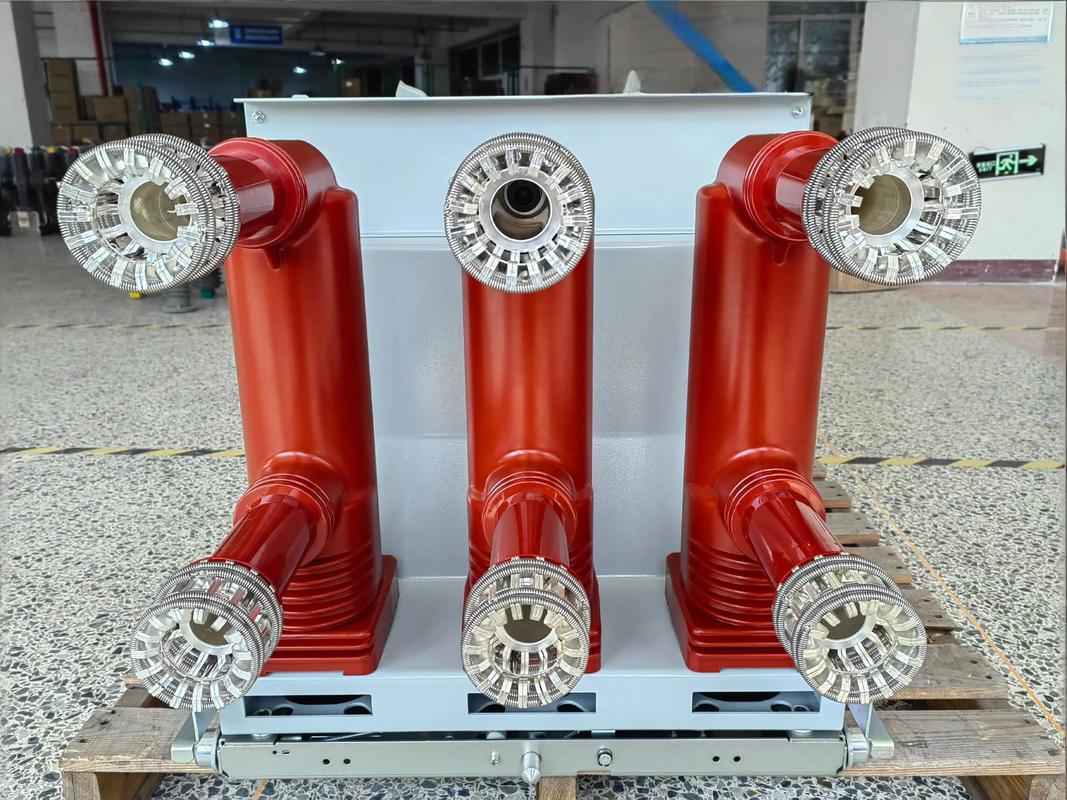
Getting the maximum return on investment from your electrical infrastructure requires a proactive approach. We don’t just install these units and hope for the best; we actively manage their lifecycle to push the service life of a vacuum circuit breaker well beyond the average expectancy.
Optimizing Operating Conditions for Peak Performance
The environment where your breaker lives dictates how long it lasts. Heat, humidity, and dust are the enemies of electrical longevity. To extend the life of your equipment, you must ensure the operating environment stays within the manufacturer’s specified thermal and humidity limits.
Temperature Control: Ensure adequate ventilation to prevent overheating, which degrades insulation.
Moisture Management: Use heaters in outdoor cabinets to prevent condensation on the interrupters.
Dust Protection: Keep the area clean to avoid conductive dust buildup that leads to flashovers.
Housing your breakers in robust enclosures, such as high-quality KYN550 metal-clad switchgear, provides the necessary physical protection and environmental isolation to keep the internal components functioning smoothly for decades.
Implementing Comprehensive Maintenance Programs
A “run-to-failure” strategy is dangerous and costly. A solid maintenance program is the single most effective way to guarantee reliability. This involves more than just wiping down the cabinet; it requires testing the mechanical linkages and electrical integrity regularly.
We recommend a tiered maintenance schedule:
1. Visual Inspections: Check for loose bolts, discoloration, or debris annually.
2. Lubrication: Re-grease moving parts in the operating mechanism to prevent stalling.
3. Insulation Testing: Regularly check the dielectric strength. Understanding various insulator types and applications is crucial here, as it helps technicians identify specific degradation signs on the support insulators before a fault occurs.
Retrofitting and Upgrading Internal Components
Sometimes the steel structure of your switchgear is perfectly sound, but the breaker element itself is nearing the end of its mechanical life. Instead of a full capital replacement, retrofitting is a smart, budget-friendly option.
You can often replace just the vacuum interrupters (bottles) or upgrade the operating mechanism with modern, low-maintenance counterparts. This process, often called a “roll-in replacement,” modernizes your protection system and resets the clock on reliability without the downtime and expense of ripping out the entire switchgear lineup. It allows you to leverage modern vacuum technology while utilizing your existing infrastructure.