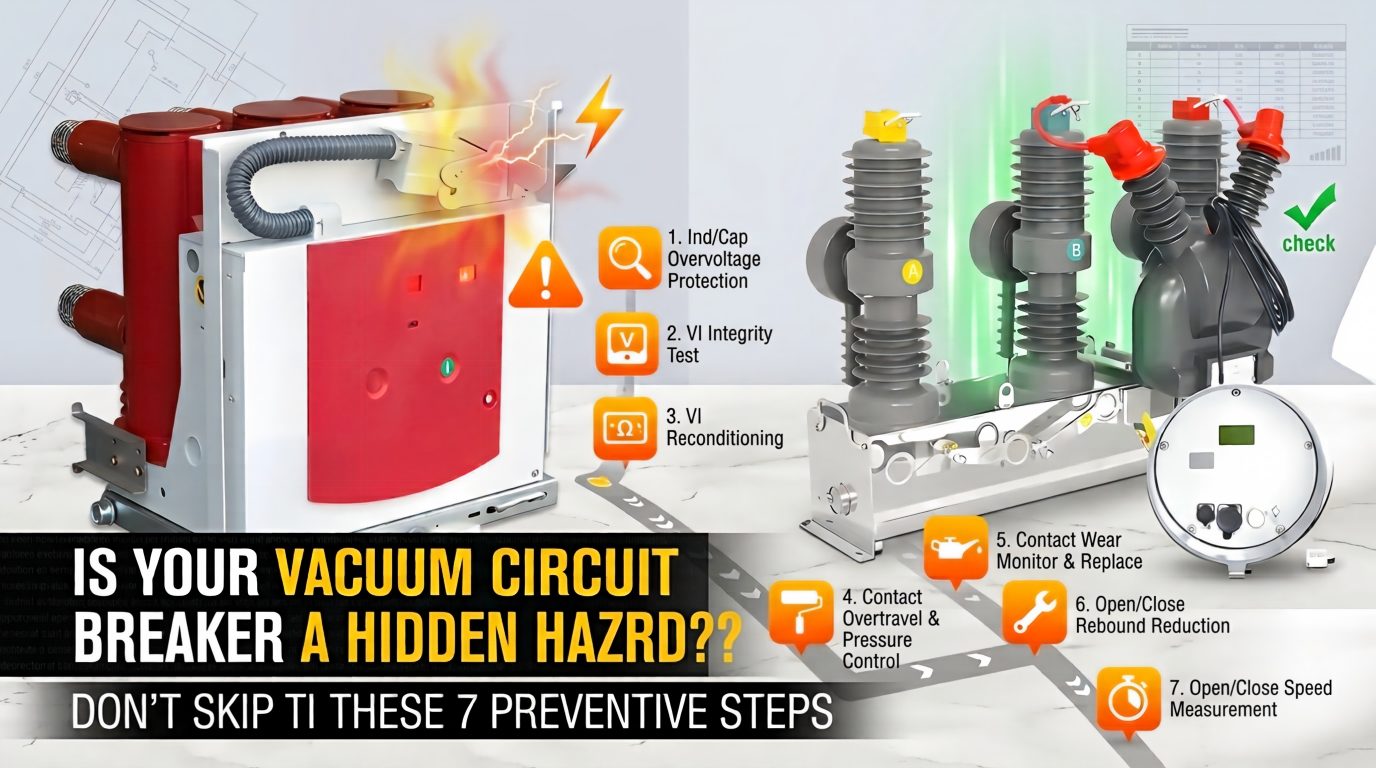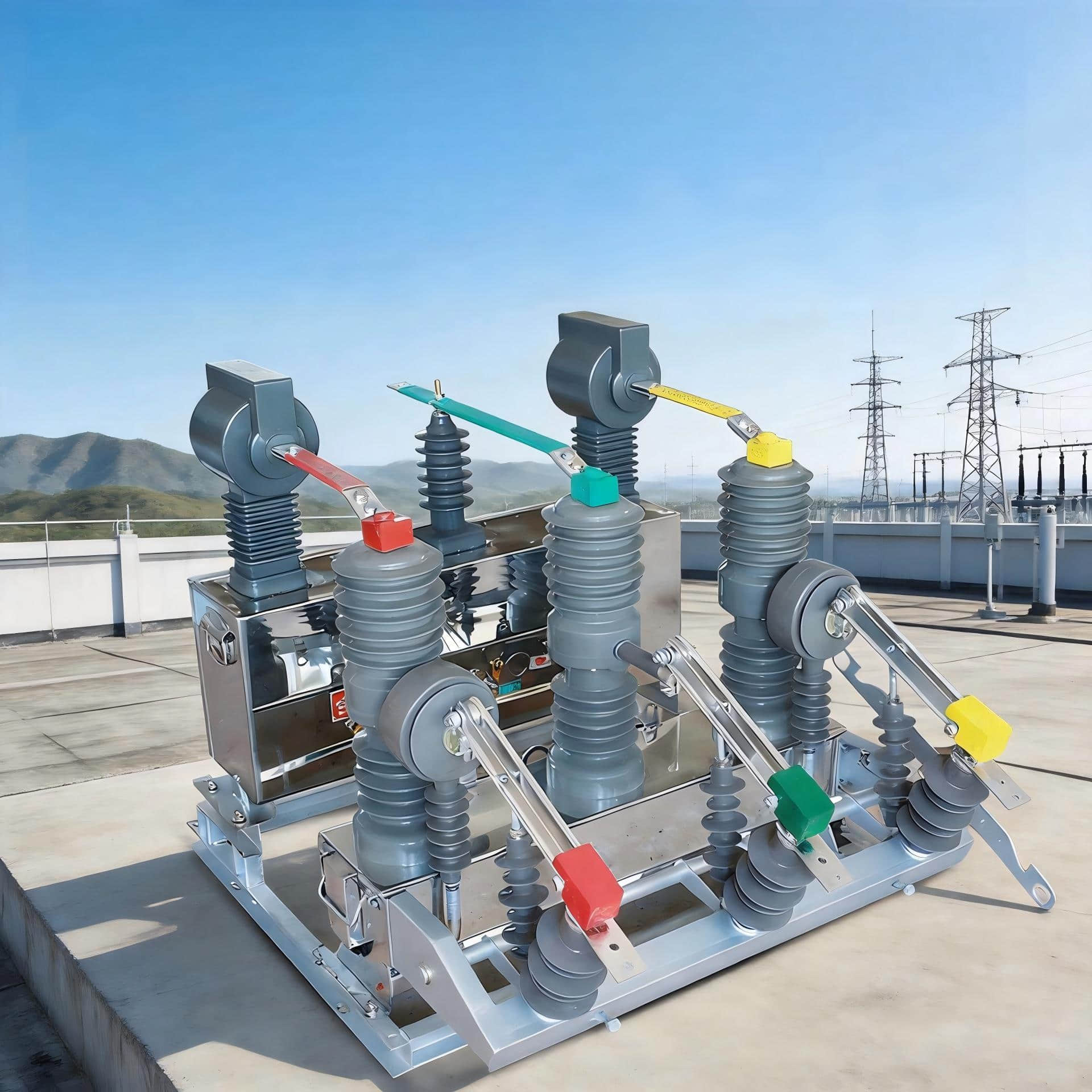

When was the last time you checked your vacuum circuit breaker? If you're unsure, you're not alone—and you could be at serious risk of unplanned outages, equipment failure, or even operator injury.
Vacuum circuit breaker maintenance isn't just a routine task—it's a lifeline for industrial safety and electrical reliability. In my 15 years working directly with factory switchgear, I've seen how proper VCB servicing has saved clients tens of thousands in downtime and repairs. One plant in Turkey avoided a full production shutdown by catching a vacuum interrupter leak early during routine inspection.
In this guide, I’ll walk you through:
VCB maintenance cycles you shouldn’t skip
Real signs your equipment is aging
How to test, inspect, and replace parts like a pro
What most users get wrong—and how to avoid it
By the end, you’ll not only feel confident in scheduling or performing maintenance, but you’ll also know when it’s time to call in the experts.
📅 How Often Should You Maintain a Vacuum Circuit Breaker?
Routine maintenance = longer equipment life.
Vacuum circuit breakers are designed to operate reliably for 10–20 years. However, their health depends on usage, environmental conditions, and load types.
🔄 Recommended Maintenance Intervals
Operation Count | Maintenance Action | Frequency |
< 2000 times | Visual inspection | Every 6 months |
2000–10,000 | Contact resistance test | Annually |
> 10,000 | Full disassembly + vacuum test | Every 1–2 years |
Pro tip: Always follow manufacturer specs—but remember, real-world conditions (dust, humidity, overcurrent events) often demand more frequent checks.
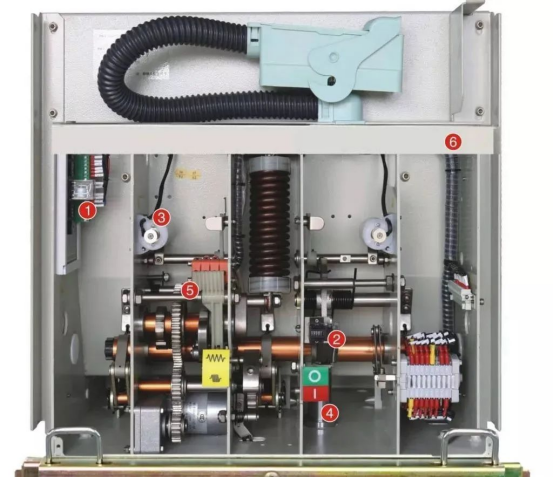
🔍 What to Inspect: Key Maintenance Areas
Vacuum circuit breakers have multiple components requiring different levels of attention. Here's what to focus on:
1. Visual & Mechanical Checks
Signs of insulation breakdown (cracks, carbon traces)
Mechanical wear on linkage, levers, and springs
Rust or corrosion on moving parts
2. Contact Wear & Alignment
Check erosion depth of contacts (wear beyond 1mm may signal replacement)
Verify stroke length and contact gap per technical specs
3. Insulation Resistance Tests
Use a 1000V megohmmeter
Resistance < 100 MΩ could indicate moisture or degradation
4. Control Circuit & Trip Coil
Verify the trip current matches the nameplate rating
Ensure auxiliary contacts operate in sync
Common Mistake: Focusing only on contacts while ignoring the control system can lead to operational failure—even when the breaker appears “fine”.
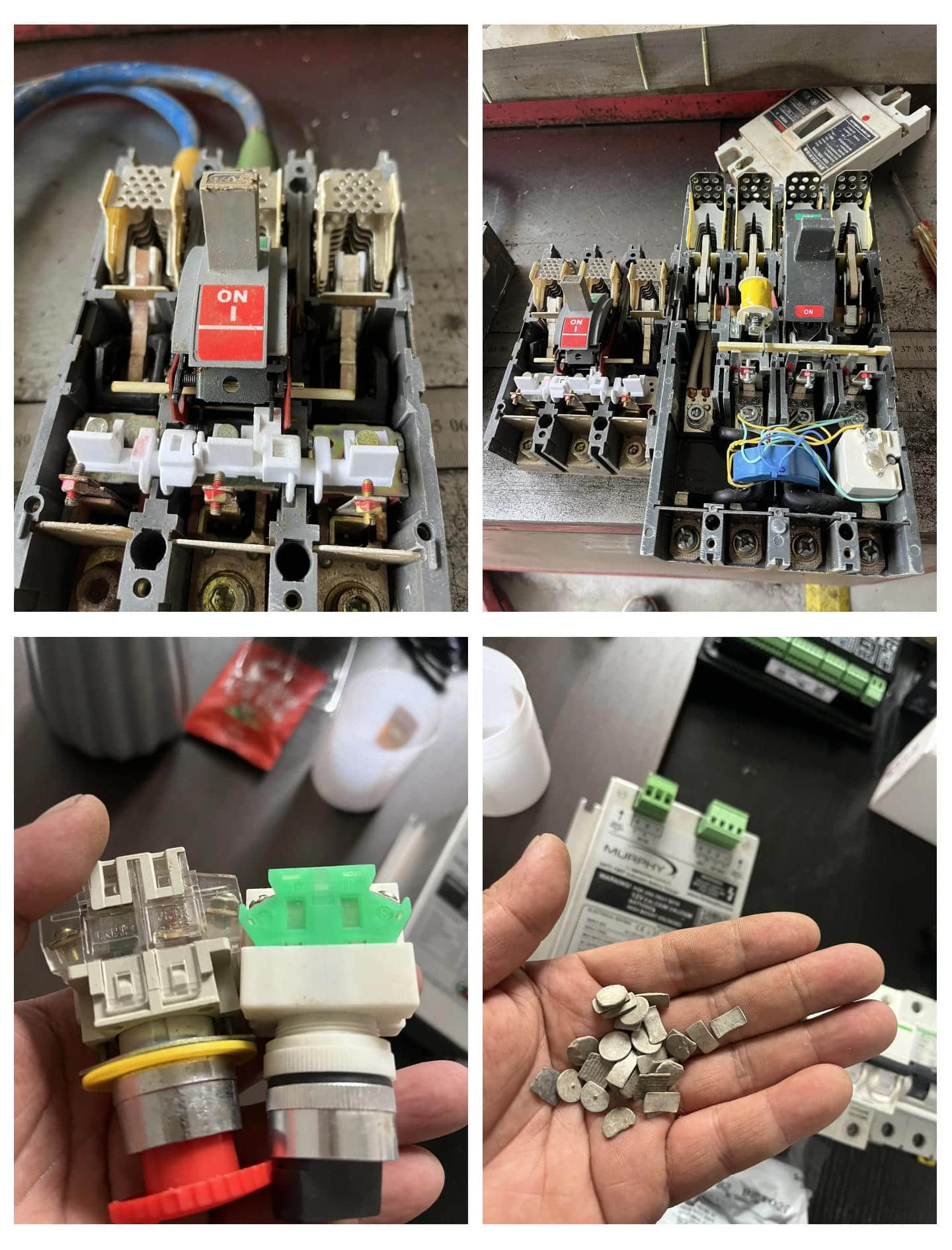
⚠️ Vacuum Interrupter Testing: The Most Critical Step
The vacuum interrupter is the heart of a VCB. If it's leaking or damaged, the unit becomes dangerous.
🔬 How to Test Vacuum Integrity
Vacuum Degree Test: Use a portable vacuum tester to measure internal pressure
Leak Test: Apply 50–60 kV AC for 1 minute across open contacts
Pass Criteria: No flashover, no internal arcing
If test results show pressure >10^-2 Pa or the interrupter arcs under voltage stress, it must be replaced.
🛠 Replacement & Adjustment: What You Can Fix and When to Replace
Not everything needs replacement. Knowing what to adjust—and what to discard—saves time and cost.
✅ Adjustable Parts
Spring tension
Stroke length
Contact gap
Closing/tripping time
❌ Replaceable Components
Worn main contacts (typically after 10,000 operations)
Aging vacuum interrupters (after 20 years or leakage detected)
Burned control coils
Tip: Always recalibrate trip timing and travel distance after part replacement.
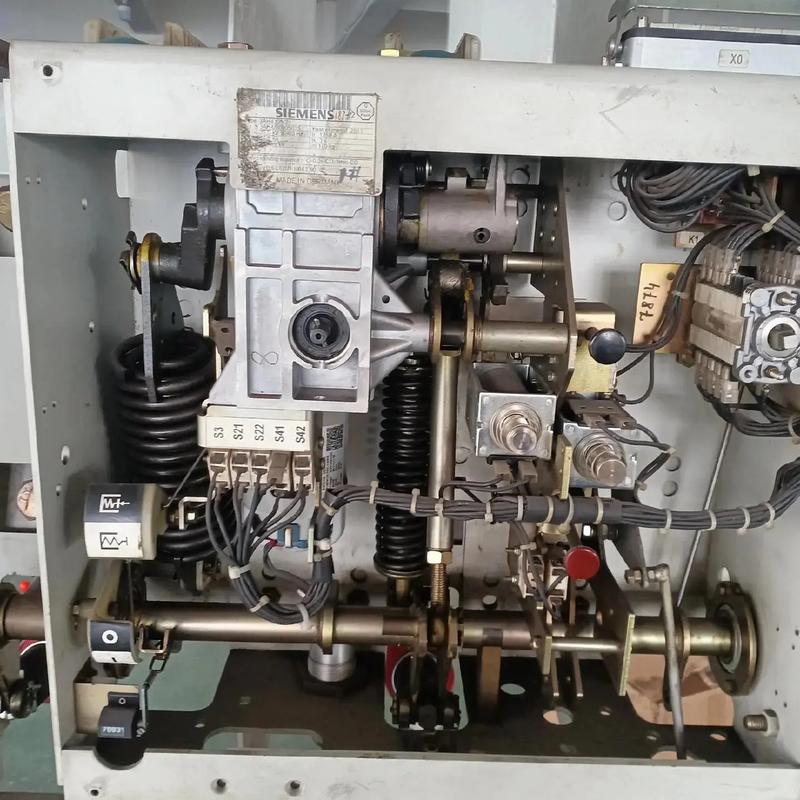
💡 Common Mistakes in VCB Maintenance
Here’s what we often see in the field—and how you can avoid expensive errors:
| Mistake | Real Impact |
|---|---|
| Skipping the vacuum test | The breaker may fail during a fault |
| Only cleaning visually | Hidden arcing damage left unnoticed |
| Using non-OEM spare parts | Poor fit and unsafe operation |
| Not logging the operation count | Overdue replacement risk |

📈 How Proper Maintenance Saves You Thousands
A US-based textile factory using our medium-voltage VCBs once saw a $28,000 loss due to unmaintained interrupters. Since adopting a scheduled plan (every 12 months), they’ve had zero downtime in 3 years.
Don’t wait for failure—maintenance is insurance.
🧰 VCB Maintenance Checklist (Free PDF Available)
✔ Inspect insulation
✔ Measure contact wear
✔ Check vacuum level
✔ Test control circuits
✔ Clean and lubricate
✔ Log maintenance actions
 Vacuum Circuit Breaker Maintenance Checksheet.docx
❓FAQ: Vacuum Circuit Breaker Maintenance
Q1: How long does a vacuum interrupter last?
Typically 20 years or 10,000 operations, whichever comes first—if maintained correctly.
Q2: Can I perform VCB maintenance myself?
Basic inspections are possible in-house. However, vacuum integrity testing and recalibration require trained professionals.
Q3: What tools do I need?
You’ll need a megger, vacuum tester, feeler gauge, contact resistance meter, and protective gear.
Q4: What’s the risk of skipping maintenance?
Overheating, insulation failure, and potential arc flash incidents, especially during fault-clearing events.
📞 Need Expert Support? We’re the Source Factory—Get the Best Price & Service
At Wei Shoe Electric, we manufacture and supply vacuum circuit breakers trusted by industrial users across Europe, the Middle East, and South America. We don't just sell—we help you maintain.
💬 Get in touch today for:
Free maintenance consultation
Custom replacement parts
Factory-direct pricing
📞 Phone: +86-0577-62788197
📱 WhatsApp: +86 159 5777 0984
📧 Email: thor@weishoelec.com
✅ Conclusion: Your VCB’s Life Depends on What You Do Now
Vacuum circuit breakers are your plant’s electrical backbone. Treat them like it. With routine inspections, professional testing, and timely replacement, you extend life, ensure safety, and avoid outages.
Whether you're an engineer, plant manager, or procurement head, maintenance isn’t optional. It’s your power guarantee.
➡️ Let Wei Shoe Electric help you create a custom maintenance strategy and provide you with premium VCBs at source pricing.
Contact us now and power your system with confidence.