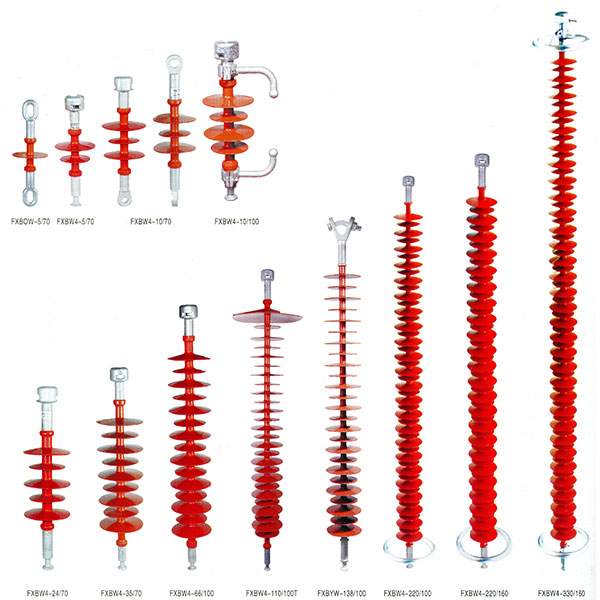
High-voltage transmission towers often feature disc-shaped insulators. These ceramic or glass "saucers" are vital for power safety in overhead lines. They both support conductors and electrically isolate current.
As power systems evolve, electric insulators have diversified. They now meet the technical demands of various scenarios. This includes North American and European power infrastructure.
Insulators: Core Function and Technical Background
Insulators are specialized components. They are installed between conductors at different potentials, or between conductors and grounded structures. They must handle both voltage and mechanical stress.
Their two main jobs are to support conductors and prevent current from reaching the ground. Early insulators were on utility poles. Later, with high-voltage lines, they became essential for connection towers.
A key technology is increasing "creepage distance." This is the shortest path electricity travels along the insulator's surface. It's measured between conductive parts.
Creepage distance calculations follow IEEE C29 standards. For example, per IEC 60815 standards, severely polluted areas need higher creepage distances. This ensures reliable insulation in harsh environments.
Diverse Insulator Types and Their Characteristics
Insulators are designed in many ways. This meets the strict demands of different environments and voltage levels. They are crucial for power systems.
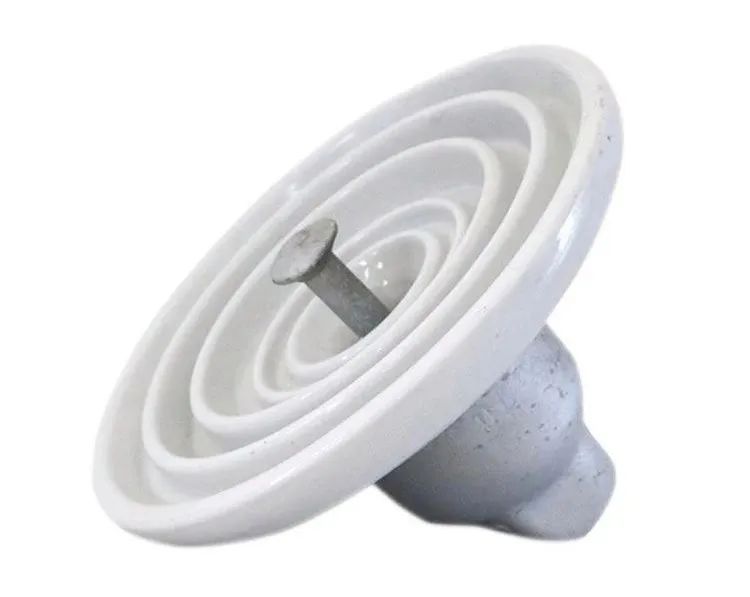
1. Suspension Insulators: The Workhorse of High-Voltage Transmission
Suspension insulators are widely used in high-voltage and ultra-high-voltage lines. They hold or tension conductors. They also insulate them from towers.
They have high electromechanical strength. They can be strung together for various voltage levels. There are two main types.
Disc Suspension Insulators:
Standard Type: These are ideal for general industrial or less polluted areas. In the rural American Midwest, porcelain disc insulators are common. They are used for 115kV to 345kV lines.
They are cost-effective and proven. They provide stable power to farms and small towns.
Anti-Contamination Type: These have increased creepage distance and optimized skirt profiles. They use wind and rain for self-cleaning. This reduces contaminant buildup.
In California's coastal industrial zones, salt spray and dust accumulate on insulators. Anti-contamination porcelain insulators effectively reduce flashover incidents. They ensure critical power hub stability.
Long Rod Composite Insulators: These use a fiberglass resin core rod with organic housing and sheds. They are lightweight, high-strength, and perform well against pollution flashover.
In Toronto, Eastern Canada, during grid upgrades, compact long rod composite insulators are preferred. Their size and weight allow for lower tower heights. They minimize impact on urban landscapes.
Their high bending strength prevents cascading failures. This is common with traditional porcelain. These insulators typically comply with ANSI C29.11 or IEC 61109 standards.
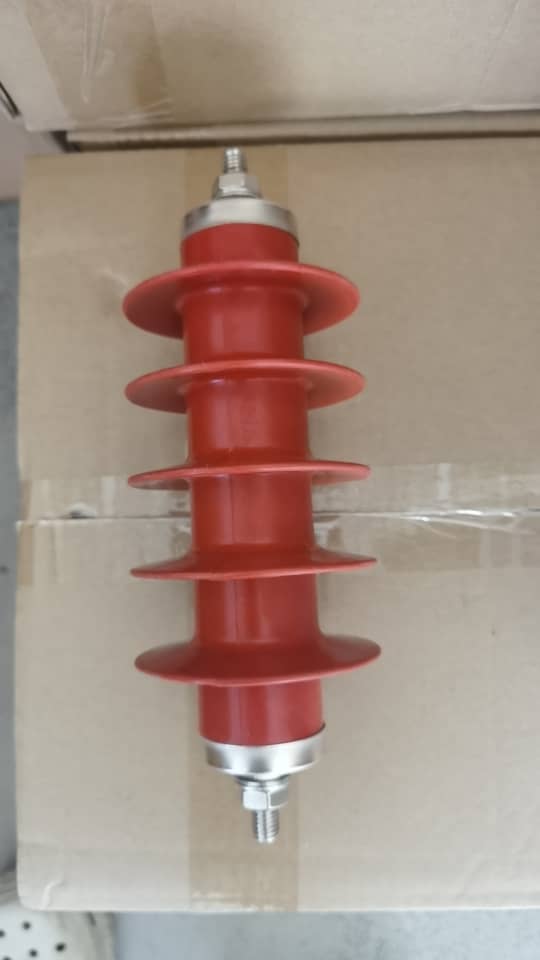
2. Post Insulators: Mechanical Support in Substations
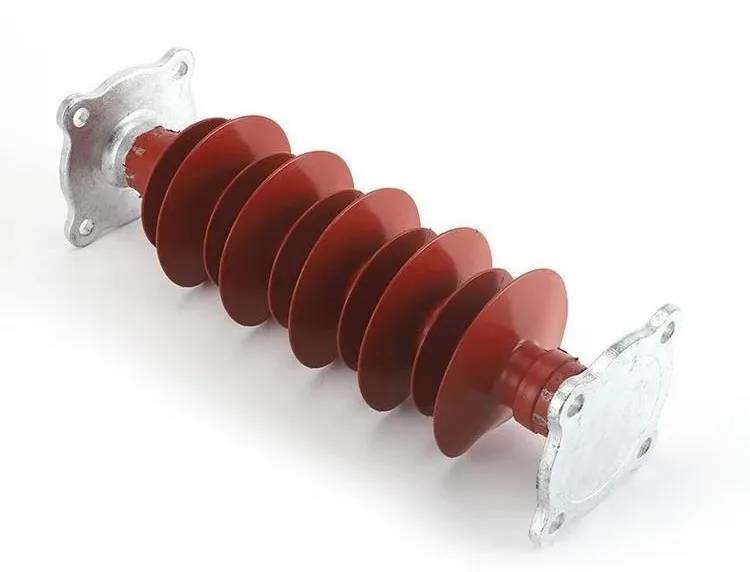
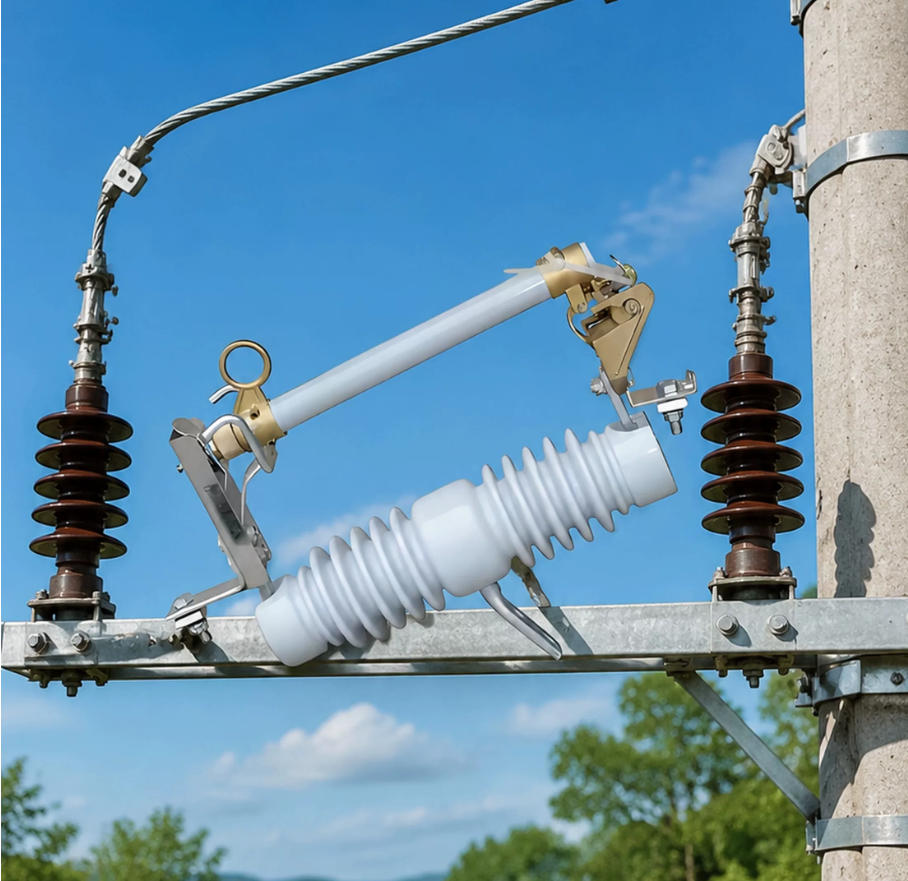
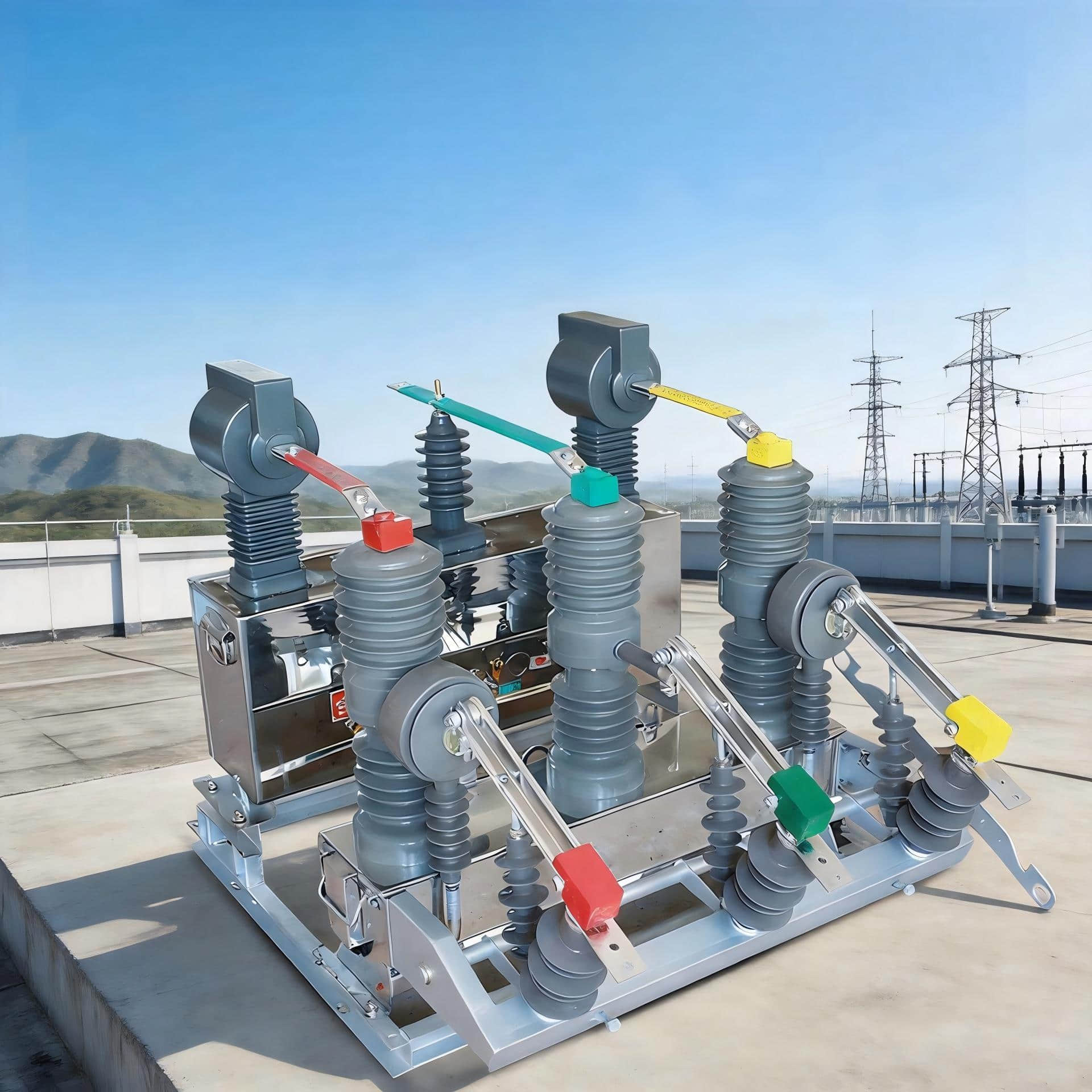
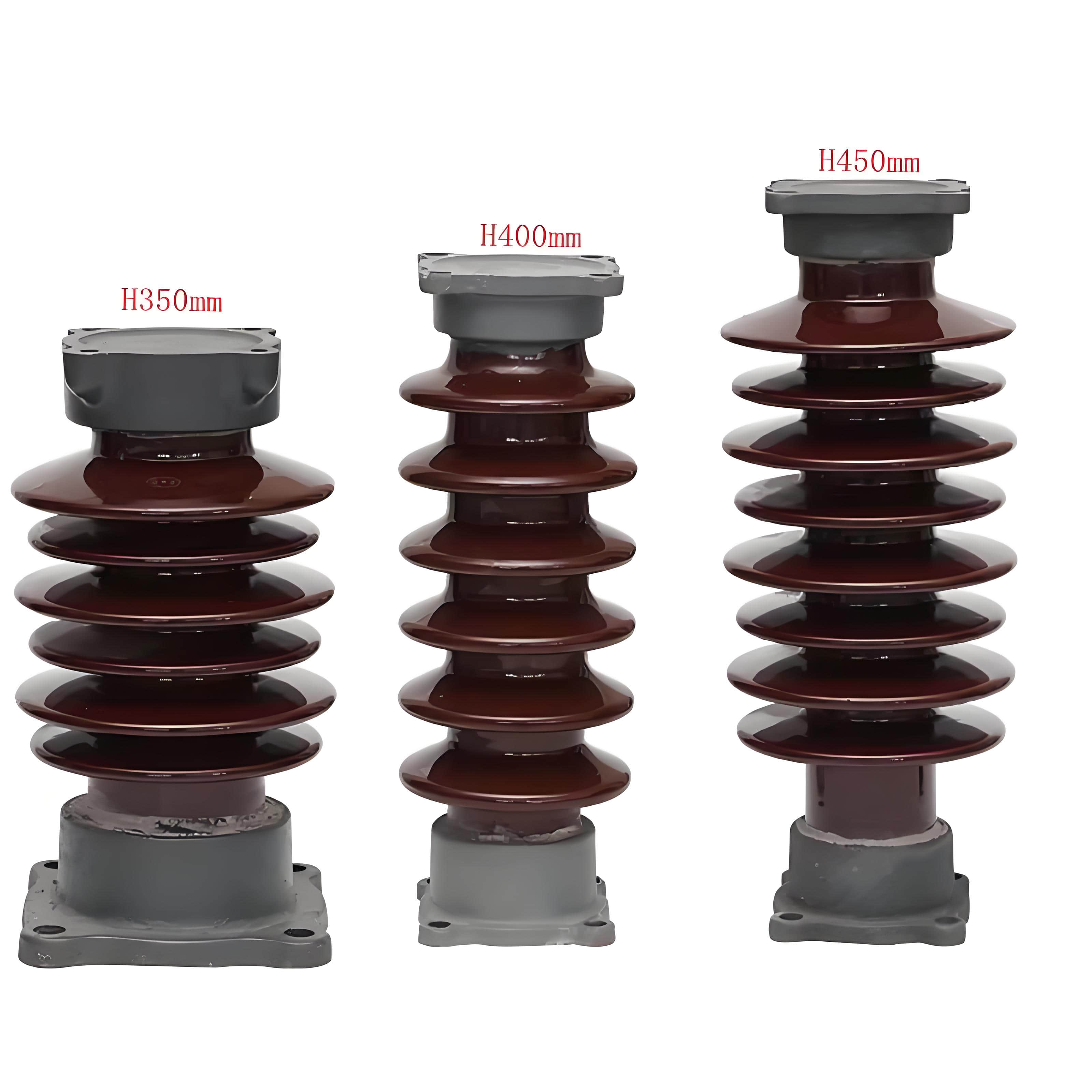
Post insulators are mainly in power plants and substations. They mechanically support and insulate busbars and electrical equipment. They are also part of switches and breakers.
In large wind farm substations in Texas, rod-type post insulators are used. They solidly support high-voltage busbars and switchgear. They also maintain excellent insulation.
In rural American low-voltage distribution lines, pin-type post insulators are common. They are small and lightweight on utility poles.
3. Porcelain Insulators: An Enduring Classic
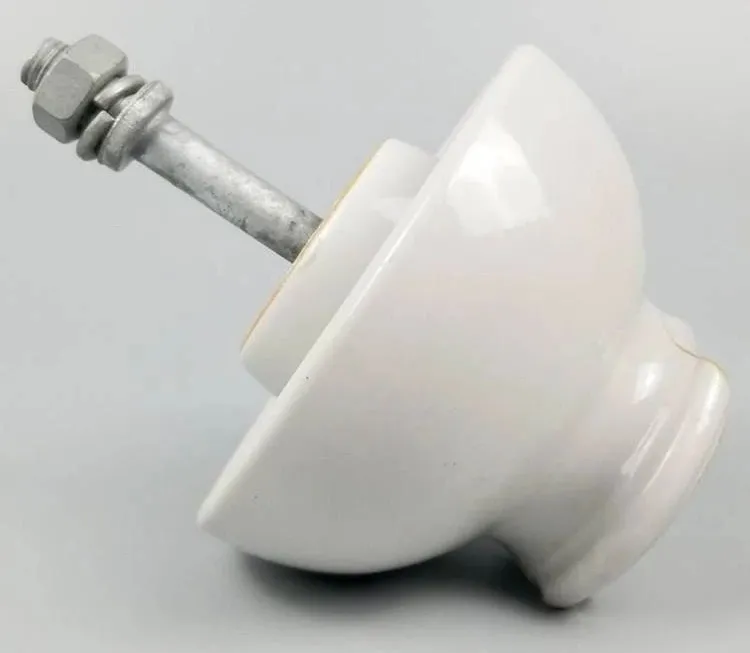
Porcelain insulators are made from quartz, feldspar, and clay. They are fired and glazed. This boosts their strength, water resistance, and smoothness.
In Appalachian Mountain transmission lines, porcelain insulators are reliable. They withstand harsh weather and temperature swings. They are used for long periods.
Despite new insulator types, porcelain remains a staple. This is due to its cost and mature manufacturing. It's common in traditional grids needing strict long-term reliability. These insulators usually conform to ANSI C29.1 or IEC 60383 standards.
4. Glass Insulators: The "Self-Shattering" Safety Design
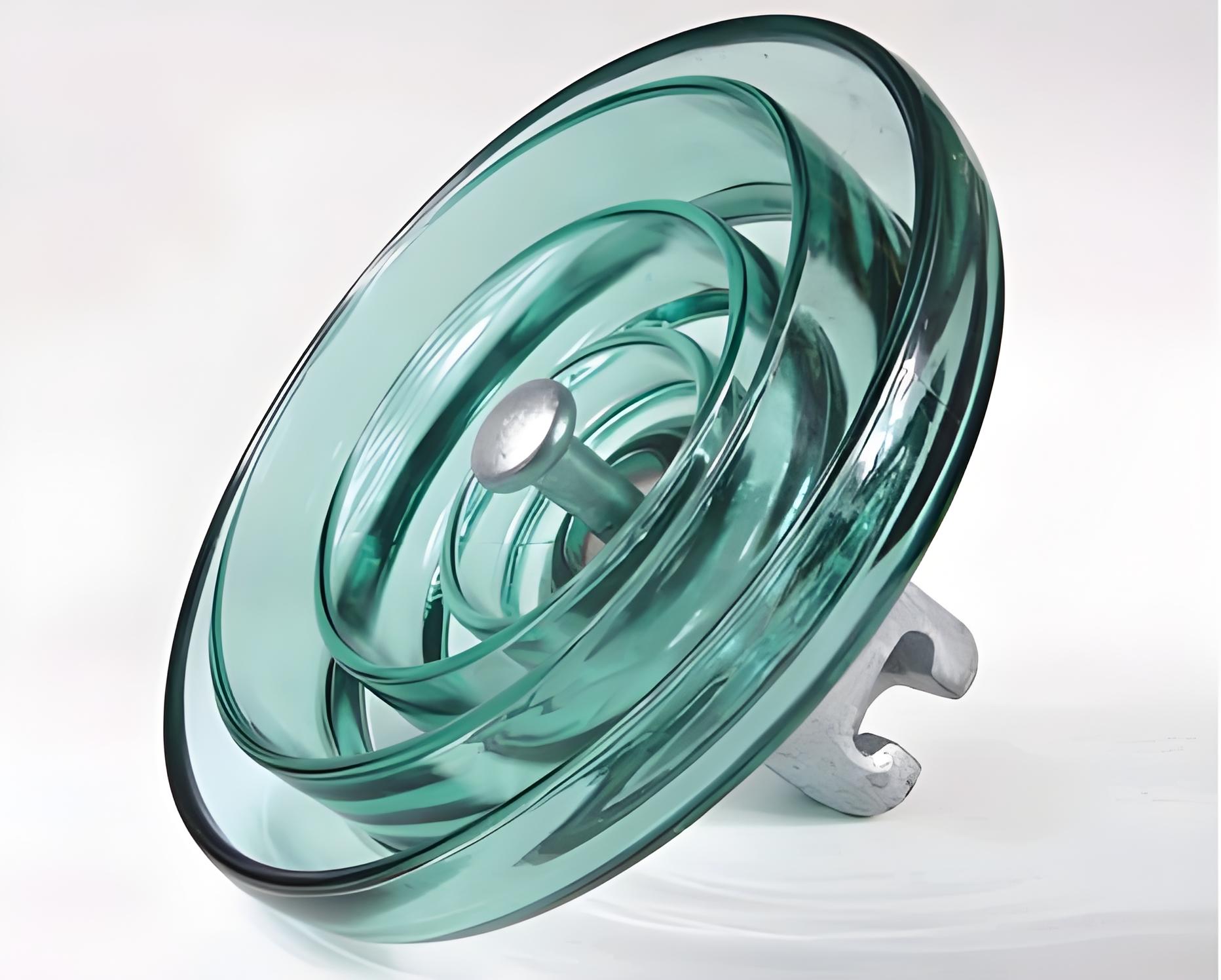
Glass insulators are made from toughened glass. Their surface is under compressive prestress. If cracked or electrically broken, they shatter into small pieces (self-shattering).
This unique feature means no "zero-value testing" is needed during operation. On the North American Great Plains lines, glass insulators are used. Their self-shattering allows quick detection of damage by drones.
This boosts inspection efficiency and reduces outage risks. Their smooth surface also reduces contamination. Glass insulators typically comply with ANSI C29.2 or IEC 60305 standards.
5. Composite Insulators: New Materials Driving Lightweight Innovation
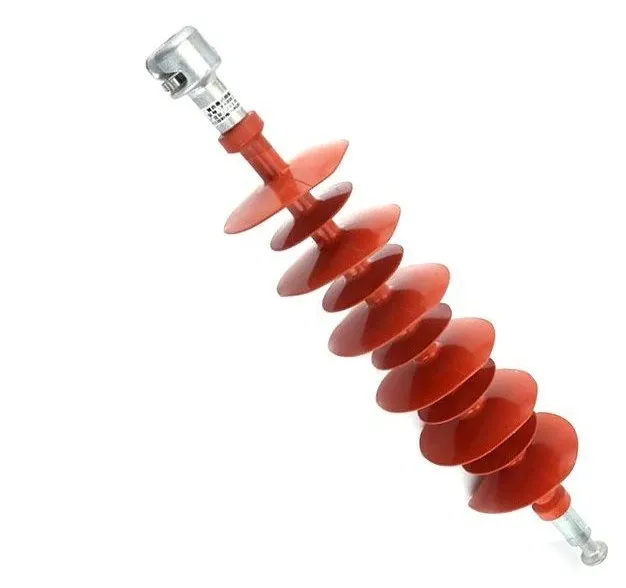
Composite insulators (synthetic insulators) have a fiberglass resin core, organic housing, and sheds. They are small, lightweight, and have high tensile strength. They also excel in anti-pollution flashover performance.
In Florida and other U.S. coastal regions, humid sea breezes carry salt. This can contaminate insulator surfaces. Composite insulators' excellent hydrophobicity and anti-pollution flashover capabilities secure power lines.
This reduces outages from salt spray flashovers. However, their aging resistance may be inferior to porcelain or glass. In Southwestern U.S. high-sunlight areas, careful material selection and regular "check-ups" are vital for long-term reliability.
Composite bushings are also used in equipment like current transformers and surge arresters. They replace traditional porcelain bushings. This prevents explosive failures and enhances equipment safety.
6. Insulator Families by Voltage Level
Insulators are categorized by voltage level. This ensures precise insulation protection in all power applications.
Low-Voltage Insulators: These serve low-voltage distribution and communication lines. In U.S. residential areas and rural streets, small, low-voltage insulators are on utility poles. They ensure daily insulation safety, common in systems below 0.6/1kV.
High Voltage Insulators: These are used in high-voltage and ultra-high-voltage overhead lines and substations. On transcontinental U.S. UHV lines (e.g., 765kV AC or ±500kV HVDC), multiple high-voltage insulators are strung together. This forms an insulator string.
For example, a typical 110kV AC line might need 8-12 disc suspension insulators in series. Higher voltage lines need more. This meets high-voltage insulation demands. They ensure stable, long-distance power transmission and resilience. These insulators typically comply with relevant IEEE and IEC high-voltage insulator standards.
7. Anti-Contamination Insulators: Specialized for Pollution Flashover Resistance
Anti-contamination insulators have enlarged shed/rib dimensions. This increases the creepage distance. It's usually 20%–30% higher than standard insulators.
They also have optimized skirt designs to reduce contamination buildup. In Pennsylvania's heavy industrial or agricultural areas, pollution and dust threaten power lines. Double-shed or specially designed anti-contamination insulators are common there.
Their strong self-cleaning ability and ease of manual cleaning boost electrical strength. This significantly reduces pollution flashover incidents. It also enhances grid resilience. These insulators typically follow IEC 60815 "Guidelines for the selection of insulators in respect of polluted conditions."
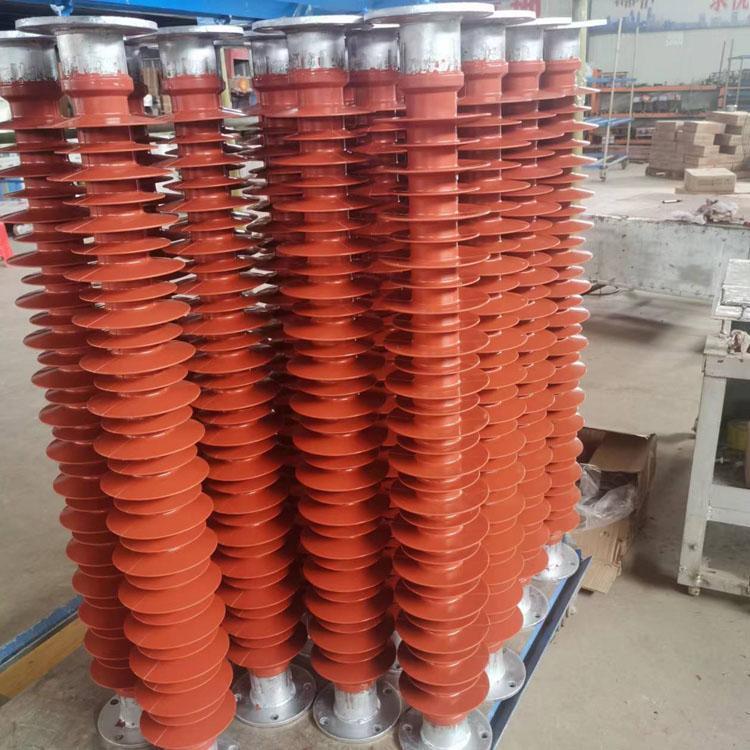
8. DC Insulators: Tailored for HVDC Transmission
DC insulators are mainly for High-Voltage Direct Current (HVDC) transmission systems. Their creepage distance is usually longer than AC anti-contamination insulators. Their insulating body resistivity is higher.
Connecting hardware needs sacrificial electrodes. These prevent electrolytic corrosion. In North America, on HVDC lines connecting Canadian hydro plants to U.S. load centers, DC insulators are used.
Their special design handles high voltage, strong DC fields, and unique electrochemical corrosion. This ensures stable delivery of large-scale renewable energy. Relevant specs like IEC 61462 and IEEE Std 1530 guide their design and testing.
Insulators: The Silent Guardians of Grid Safety
From urban grids to cross-regional UHV lines, insulators are like the power system's "immune system." They have different designs and materials. They ensure grid safety mechanically and electrically.
When people safely use appliances during thunderstorms, these devices are at work. Hanging from tall towers, they withstand natural and human challenges. They are indispensable for modern power networks.
They are the unsung heroes ensuring a stable power supply. This applies across North America, Europe, and globally.
About the Author
Thor, a Senior Engineer at Wei Shoe Elec, wrote this article. Thor has 15 years of hands-on experience. He focuses on high-voltage power equipment and electrical safety.
He deeply understands insulator design, application, and maintenance. He is dedicated to reliable insulation solutions for the global power industry. Learn more about Thor and our team by visiting the
Questions? Contact Our Experts Today!
We hope this article deepened your understanding of insulators. If you have questions about selection or applications, or need custom solutions for your power project, don't hesitate! Contact the professional team at Wei Shoe Elec today! Our engineers are ready to provide expert consultation and support.