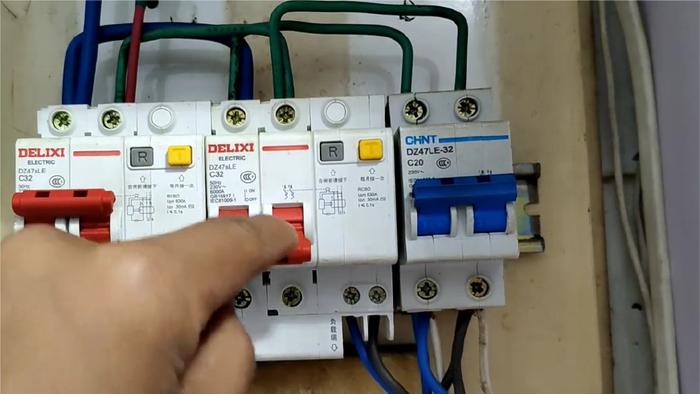
Every year, unsafe circuit breaker reclosing operations expose global power systems to significant safety hazards and financial losses. Each trip is a test for the operator. A single wrong judgment or action can lead to secondary equipment damage, endanger human lives, and even trigger cascading grid failures.
Have you ever faced an unexpected trip in the field, unsure if every step of your reclosing procedure was safe and compliant? Don't worry! This guide provides a proven, universal standard for safe reclosing operations across all voltage levels, ranging from 0.4 kV to 220 kV.
We've combined the "Electric Power Safety Work Regulations" with 12 years of extensive field experience from Weishoelec Co., Ltd., to give you a comprehensive and detailed breakdown of the entire safe reclosing process. Our goal is to help you prioritize personnel, grid, and equipment safety with every operation, ensuring each reclosing is precise, secure, and worry-free.
Three Core Principles Before Reclosing
A circuit breaker trip is essentially the power system sounding an "alarm." Therefore, the absolute prerequisite for any reclosing operation is thoroughly eliminating all risks. Before taking action, field personnel must clarify these three critical questions:
Can I Reclose Immediately?
The answer is almost always no.
99% of tripped breakers (due to short circuits, ground faults, overloads, etc.) indicate an underlying fault. Reclosing immediately can escalate the fault, leading to issues like secondary equipment damage, arc flash burns, or even more severe accidents.
Exceptions: Only in rare, momentary fault conditions (like distant lightning strikes or fleeting animal contact causing a temporary short) might a "test reclose" be permitted. However, this is truly an exception, requiring strict adherence to subsequent inspection criteria. Proceed with extreme caution.
Can I Attempt Reclosing Without Investigating the Cause?
Not! This is strictly forbidden.
According to Article 4.1.1 of the "Electric Power Safety Work Regulations," it clearly states: "After electrical equipment trips, power shall not be forcibly restored without first identifying the cause."
Blindly attempting reclosing without a thorough investigation not only risks severe consequences but also violates strict "Two Tickets, Three Systems" regulations, constituting a serious safety breach. Always prioritize identifying the fault cause.
Can I Operate Alone?
This is only for low-voltage miniature circuit breakers.
Only low-voltage miniature circuit breakers (like a household 16A breaker) can be operated by a single person, provided safety is ensured.
For all other voltage levels (especially 10kV and above), it's mandatory to adhere to the "One Operator, One Monitor" system. The monitor must be suitably qualified and continuously supervise the operation for compliance and safety. This is a critical line of defense for personnel safety.
"Seven Checks and One Isolation" Before Reclosing
After a breaker trips, resist the urge to reclose it immediately. Think of yourself as a "侦探" (detective) performing a detailed on-site investigation. The goal is to confirm there are no visible or hidden faults. This crucial step involves "Seven Checks" and "One Isolation":
Seven Checks: A Comprehensive Inspection
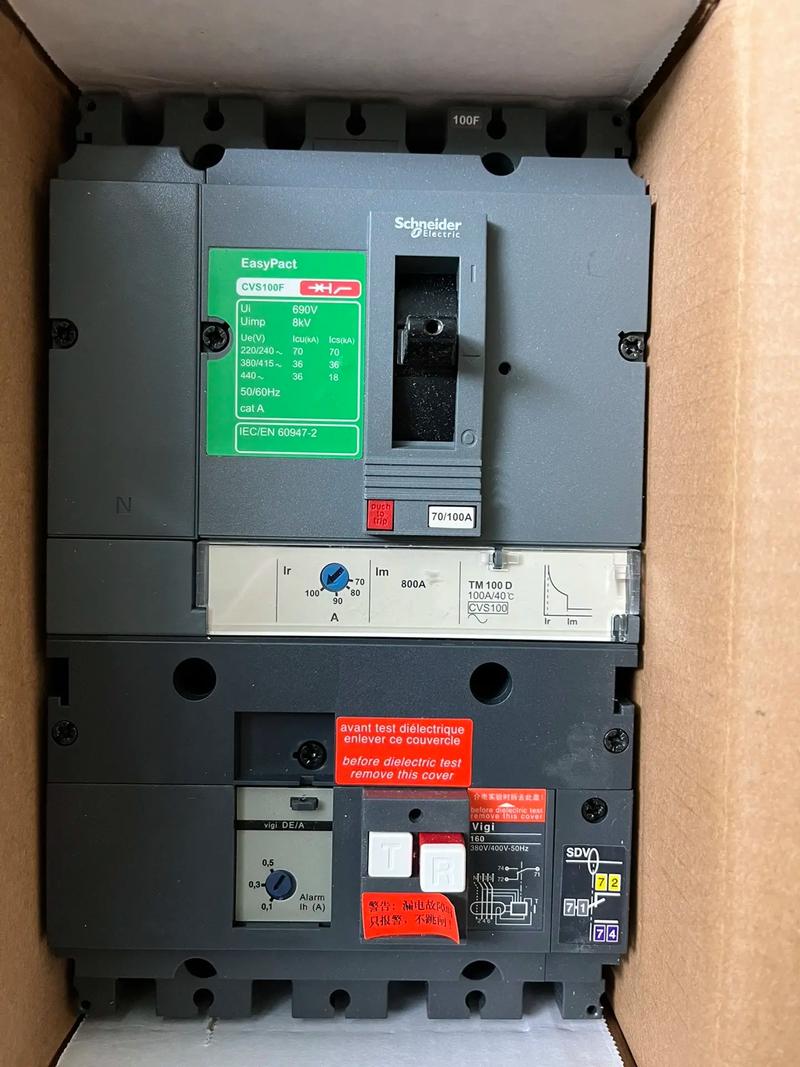
Check Personnel Safety
Confirm: Are any maintenance activities ongoing in the tripped area? Always verify work permits and operating tickets.
Confirm: Is anyone in a live area? This includes spaces like on either side of the breaker, in cable trenches, or behind switchgear cabinets.
Action: If necessary, set up temporary safety barriers to prevent unauthorized personnel from entering.
Check Fault Indication Information
Record: The type of action (e.g., overcurrent, instantaneous, zero sequence) and time of action from the relay protection device.
Retrieve: Fault oscillography data, including current and voltage waveforms. This data is critical for determining the nature of the fault.
Save: Sequence of Events (SOE) records, accurate to the millisecond, to analyze the fault's progression and identify the first operating element.
Check Equipment External Condition
Visually Inspect Closely: Examine the circuit breaker body, disconnectors, cable terminations, and busbars for any abnormalities.
High Voltage Equipment (≥10kV): Look for signs of discharge or burning (e.g., blackened contacts, porcelain cracks), unusual odors (burning insulation), deformation (bulging casings), or oil leaks (low oil level in hydraulic mechanisms).
Low Voltage Equipment (≤0.4kV): Check if busbars show signs of overheating discoloration (dark red or black) or if terminal connections are loose or arcing.
Check Insulation Performance
Importance: Insulation is the "lifeline" of electrical equipment and must be rigorously tested.
High Voltage Equipment (≥10kV): Use a 2500V megohmmeter to measure the main circuit's insulation resistance to ground and between phases. It must meet specified values (e.g., ≥1000MΩ for 10kV equipment, ≥3000MΩ for 35kV equipment).
Low Voltage Equipment (≤0.4kV): Use a 500V megohmmeter; insulation resistance must be ≥0.5MΩ.
Warning: If values fall below standards, it indicates insulation damage. Reclosing is strictly prohibited!
Check Mechanical Operation Performance
Manual Open/Close: Slowly operate the breaker 2-3 times, observing for smooth mechanism action.
Inspect: For any jamming in the operating mechanism (e.g., smooth movement of vacuum breaker rods).
Inspect: If the energy storage system is functioning correctly (spring mechanisms holding state after charging, hydraulic pressure within normal range).
Inspect: If the open/close indicators match the actual mechanical state (e.g., "Open" indicator light corresponding to the mechanical open position).
Check Secondary Circuit Condition
Importance: The secondary circuit is the "nerve center" for control and protection.
Inspect: Terminal block screws for looseness or oxidation (gently tighten with a screwdriver to confirm).
Inspect: Relay and contactor contacts for burning (replace if blackened).
Inspect: If control power breakers (e.g., DC220V, AC220V) have tripped, and if their bodies show signs of overheating.
Check Protection Device Status
Verify: Protection settings (must match values issued by the dispatch center) and selector switch positions (e.g., "Overcurrent Protection" switch engaged).
Confirm: The protection device has reset (all action lights are off) and shows no abnormal alarms (e.g., "Power Loss," "Communication Interrupted").
One Isolation: Preventing Risk Expansion
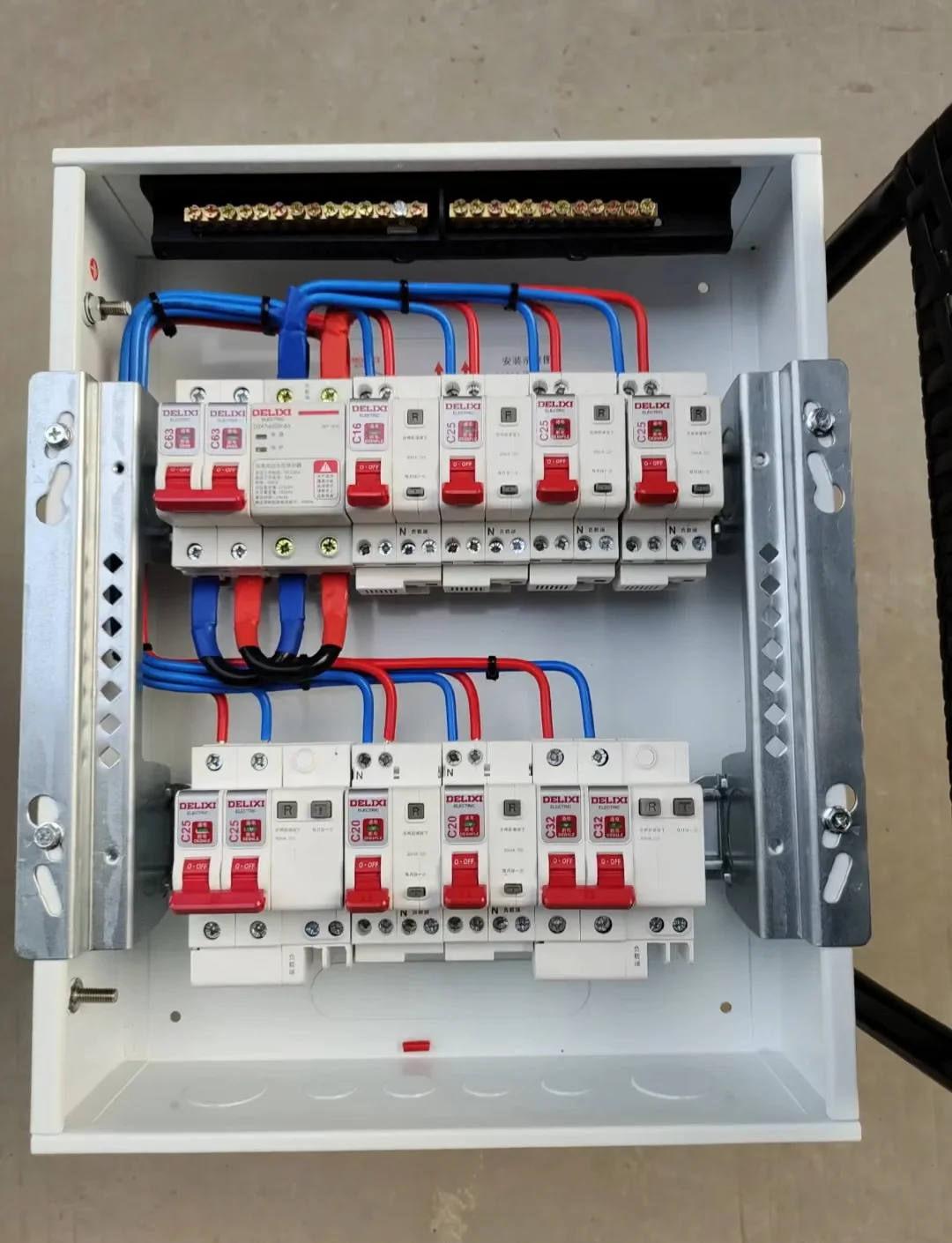
If a clear fault point is discovered during the inspection (e.g., exploded cable head, short-circuited busbar), the following isolation measures must be implemented immediately:
Disconnect: Immediately open the upstream and downstream circuit breakers of the faulty section to completely isolate the fault point.
Withdraw: For withdrawable/draw-out type breakers, rack the breaker to the "Test" or "Maintenance" position and disconnect secondary plugs.
Tag and Lock Out: Hang a "Do Not Operate, Men At Work" warning tag on the operating handle and control panel. Lock out if necessary.
Report: Document the fault point's location and condition in detail, and immediately report to the dispatch center and maintenance team for further instructions.
Standard Reclosing Operation Procedure (Example: 10kV Vacuum Circuit Breaker)
Once the thorough inspection is complete and no faults are found, proceed with the operation according to the following standard procedure. Always strictly adhere to insulation protection requirements throughout.
Preparation: Ensuring Personnel Safety
Personal Protective Equipment (PPE):
Wear a compliant safety helmet (with a 2-5cm gap between liner and shell).
Wear tested and approved insulating gloves (test cycle ≤ 6 months, no damage).
Wear insulating boots (power frequency withstand voltage ≥ 15kV).
Stand on an insulating mat at least 10mm thick during operation.
Environmental Check: Ensure the operating area is free of standing water or dust, has adequate lighting, and is clear of flammable or explosive materials.
Test Position Operation: Verifying Functionality
Rack to "Test" Position: Move the circuit breaker truck (or drawer) to the "Test" position. In this position, the main circuit is disconnected, but the secondary circuit remains energized, allowing for safe testing of control functions.
Reset Protection Device:
Press the "Reset" button on the protection device.
Confirm all action indicator lights (e.g., "Overcurrent Action," "Trip Output") are off.
Record: Print or photograph the protection status (including settings and alarm information) for archival purposes.
Manual Energy Storage:
Rotate the energy storage crank clockwise 8-12 turns.
A distinct "click" sound indicates the spring is fully charged (the energy storage indicator plate should change to "Charged").
Local Electrical Test Closing and Opening:
Test Closing: Press the "Close" button. Confirm the mechanism operates smoothly without abnormal noise and the closing coil is energized correctly.
Test Opening: Immediately press the "Open" button. Check the opening time via the protection device (must be ≤60ms to ensure quick current interruption in case of a fault).
Service Position Energization: Cautious Operation, Real-time Monitoring
Rack to "Service" Position:
Move the breaker truck to the "Service" position.
Confirm mechanical interlocks are reliably engaged (the cranking handle should not turn further).
Confirm secondary plugs are firmly inserted (listen for a "latch" sound).
Execute Closing Operation ("One Operator, One Monitor"):
Operator: Announce loudly: "Preparing to close breaker XX for energization!"
Monitor: Verify the equipment number and respond: "You may close."
Operator: Press the close button.
Observe: Monitor current and voltage displays (should match the system side), and confirm that the live voltage indicators illuminate normally.
Post-Energization Monitoring:
Within 30 minutes: Use an infrared thermometer to check the temperature of the breaker contacts and busbars. Ensure the temperature rise is ≤60K (i.e., the temperature increase does not exceed 60 degrees Celsius).
Within 24 hours: Conduct a special inspection. Pay close attention to any abnormal noises, oil leaks, or unusual protection alarms.
Differentiated Handling for Special Scenarios
In real-world operations, circuit breaker trips can occur under various special circumstances, requiring differentiated approaches.
Reclosing Operation Followed by Another Trip ("Failed Restoration")
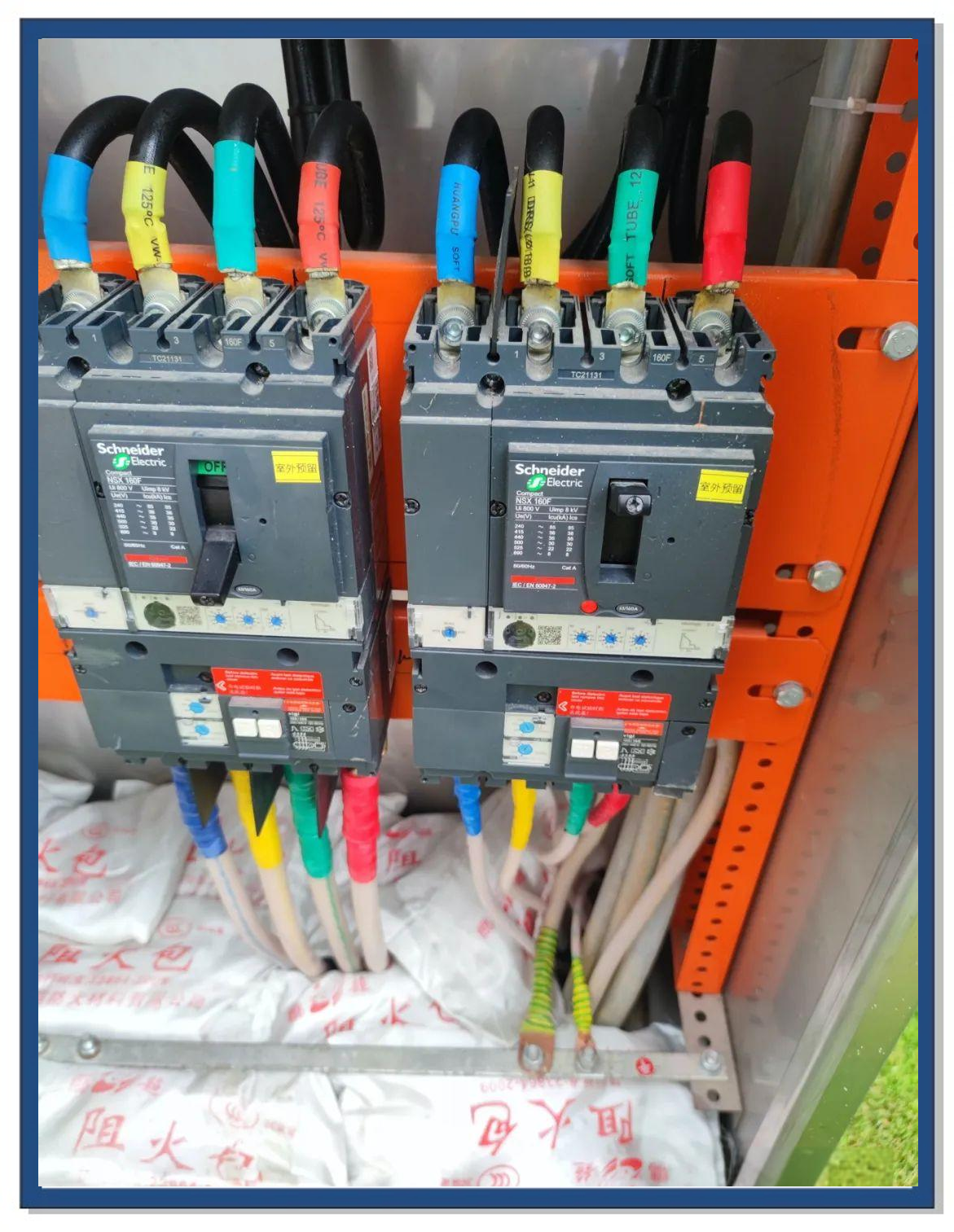
When a line circuit breaker recloses and then immediately trips again, this usually signifies a permanent fault on the line, rather than a momentary one.
Immediately Withdraw Reclosing Block: Prevent automatic reclosing from escalating the fault. Hang a "Disabled" tag on the reclosing block.
Notify Line Maintenance: Immediately inform the line maintenance team to patrol and inspect the affected line. (Treat it as a live line; unauthorized climbing is strictly prohibited.)
No Second Attempt: Until the fault cause is identified and cleared, the circuit breaker must remain open. Do not attempt to reclose again.
Transformer High-Voltage Side Circuit Breaker Trip
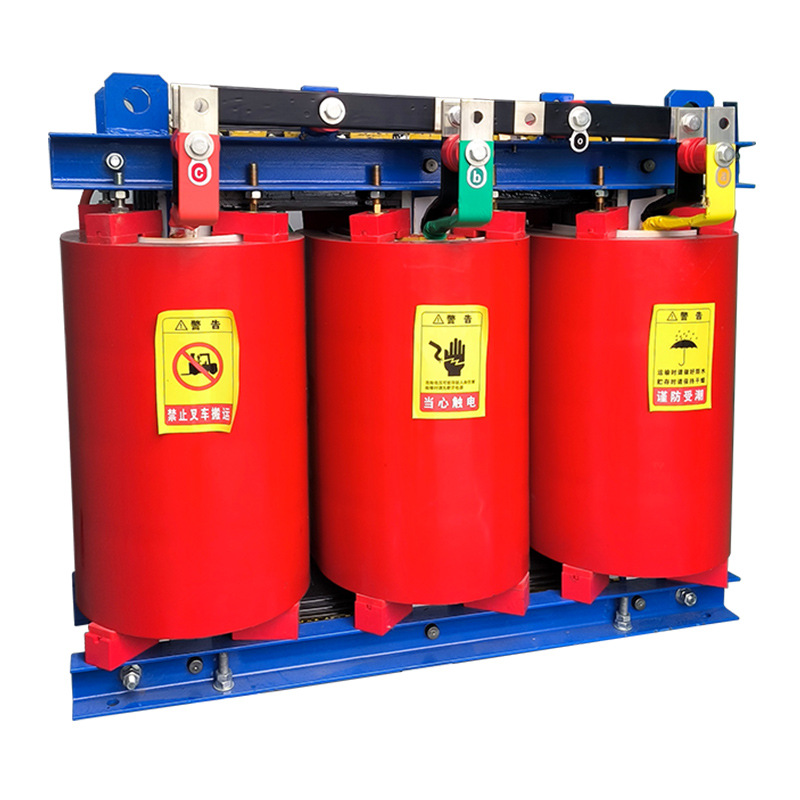
When the high-voltage side circuit breaker of a transformer trips, the transformer itself must be the first priority for a comprehensive inspection. This might indicate an internal transformer fault.
Inspect Transformer Body:
Gas Relay: Check for gas accumulation (light gas operation).
Pressure Relief Device: Check if it has operated (oil expulsion).
Temperature: Check oil temperature (normally ≤85℃) and winding temperature (normally ≤105℃).
If Light Gas Relay Operated:
A special syringe should be used to collect a gas sample for analysis.
If the gas is colorless, odorless, and non-flammable (likely air ingress), and no residue remains after 1 hour of settling, a single test reclose may be attempted.
If the gas is flammable and has a foul odor (possibly from internal insulation breakdown), reclosing is strictly prohibited. Immediate internal inspection (core lifting) must be arranged.
Low-Voltage Air Circuit Breaker (ACB) Trip
Low-voltage air circuit breaker trips are typically due to overload or short circuit.
Overload Long-Time Trip:
Check: Use an infrared thermometer to confirm the busbar temperature has dropped below 50℃ after the trip.
Purpose: This prevents further insulation aging or burnout if reclosed at high temperatures.
Short-Circuit Instantaneous Trip:
Mandatory: Thoroughly locate and clear the short-circuit point (e.g., damaged cable, internal equipment short).
Measure: Use a multimeter to measure the phase-to-phase resistance (must be >2MΩ) to confirm no short circuit exists before reclosing.
Five Red Lines for Reclosing Prohibition (Absolutely Unacceptable)
In any circumstance, if you encounter any of the following conditions, any form of reclosing operation is strictly forbidden! You must immediately report the situation for professional handling.
Fault oscillography shows zero-sequence voltage >30% of rated phase voltage: This strongly indicates a severe ground fault. Blindly reclosing will likely lead to widespread power outages or equipment explosions.
Insulation resistance value is below 1MΩ/kV: For example, if 10kV equipment insulation is less than 10MΩ, it means the equipment's insulation has severely failed and is unfit for operation.
Loud cracking sounds, obvious oil expulsion, or smoke from inside the circuit breaker: These are clear signs of an internal equipment fault. Reclosing could trigger a more severe explosion or fire.
Relay protection device has no power (no display) or shows self-check abnormalities (e.g., CPU fault, sampling error): If the protection device itself is compromised, it loses its protective function. Energizing the system in this state is like operating "naked."
Received a dispatch order from superiors stating, "fault section not isolated, do not energize." Dispatch orders have the highest priority and must be strictly obeyed.
Frequently Asked Questions (FAQ)
Here are some common questions about circuit breaker reclosing:
After a circuit breaker trips, how quickly must the cause be identified?
In principle, the cause of every trip should be identified as quickly as possible. For critical lines or equipment, personnel should be mobilized for immediate investigation. Regulations don't specify a strict time limit, but they emphasize that "power shall not be forcibly restored without first identifying the cause." The focus is on thorough investigation, not speed.
What safety precautions should be taken when testing insulation with a megohmmeter?
When operating a megohmmeter, always wear insulating gloves and stand on an insulating mat. Ensure the tested equipment is fully de-energized and grounded. After testing, the equipment should be fully discharged to eliminate any residual charge and prevent electric shock.
How can I differentiate between a light gas operation and a severe gas operation for a gas relay?
Light gas operation usually indicates a small amount of gas accumulation (like air ingress or early oil decomposition) and typically triggers an alarm. Severe gas operation, on the other hand, is caused by a significant internal fault (like winding short circuits, insulation breakdown) producing a large volume of gas, often accompanied by a trip signal. Final confirmation requires collecting a gas sample for chromatographic analysis or observing for obvious external signs like oil expulsion.
Can I attempt reclosing if I don't have a megohmmeter on-site?
Not! Insulation performance is a critical indicator of whether equipment is safe to energize. Without a megohmmeter, you can't confirm if the insulation is intact. Reckless energization could lead to a more severe short-circuit accident and personal injury.
What could cause a circuit breaker to trip frequently even if no fault is found during inspection?
This could be due to momentary faults (e.g., lightning strikes, brief contact with small animals or foreign objects), unreasonable protection settings (too sensitive), or poor mechanical characteristics of the breaker (e.g., sticky open/close mechanism causing nuisance trips). Intermittent loose connections in the secondary circuit can also be a cause. A detailed analysis combining fault oscillography data and long-term operational records is needed.
Are there specific reclosing requirements for different types of circuit breakers (e.g., SF6 breakers)?
Yes, different types of circuit breakers (e.g., oil, SF6, vacuum) have varying mechanical operations, energy storage methods, and insulation medium inspection procedures. For instance, SF6 breakers require checking SF6 gas pressure and dew point. If the pressure is too low or the dew point is exceeded, reclosing is strictly prohibited. Always refer to the equipment's operating manual and relevant safety procedures for specific instructions.
Conclusion: Precise Operation, Paramount Safety
The core of safe circuit breaker reclosing is "diagnose first, then treat." Think of every trip as a "mini-accident investigation."
By following the rigorous "Seven Checks and One Isolation" steps, we can minimize potential hazards. Then, by strictly adhering to the standardized "Test Position Verification → Service Position Energization" procedure, we can keep risks to an absolute minimum.
Always remember: In electrical safety, the key is never "speed," but "precision." One compliant and meticulous operation can prevent over 90% of secondary accidents. It's the ultimate commitment to your own and others' lives.
If you encounter any uncertainties during actual operations, please consult your team leader or the dispatch center. Never take unnecessary risks. Safety in production is everyone's responsibility!
About the Author
This article was authored by Thor. Thor is a seasoned Electrical Engineer with 12 years of extensive experience, currently working at Weishoelec Co., Ltd. As a leading Chinese foreign trade manufacturer, Weishoelec specializes in the power equipment sector.
Its products and solutions serve a global client base across Europe, the Americas, the Middle East, and "Belt and Road" countries. Thor leverages his deep theoretical knowledge and years of accumulated global power project practical experience to deliver the most reliable and safest electrical solutions to clients worldwide.
Contact Thor:
Phone: +86-0577-62788197
WhatsApp: +86 159 5777 0984
Email: thor@weishoelec.com