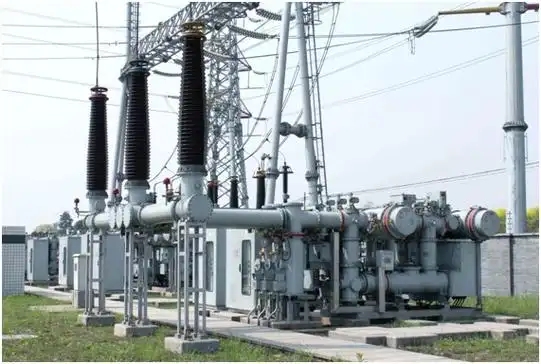
Gas-insulated substations (GIS) are high-voltage power distribution systems designed to save space, improve reliability, and operate in harsh environments. Unlike traditional substations that rely on open-air insulation, GIS uses sulfur hexafluoride (SF6) gas to insulate high-voltage components within compact, sealed enclosures.
If you’re facing land limitations, frequent maintenance, or high pollution levels, GIS might be your ideal solution. In this article, I’ll walk you through how GIS works, its benefits and drawbacks, real-world applications, and the costs involved, so you can decide if it’s right for your project.
What Is a Gas-Insulated Substation?
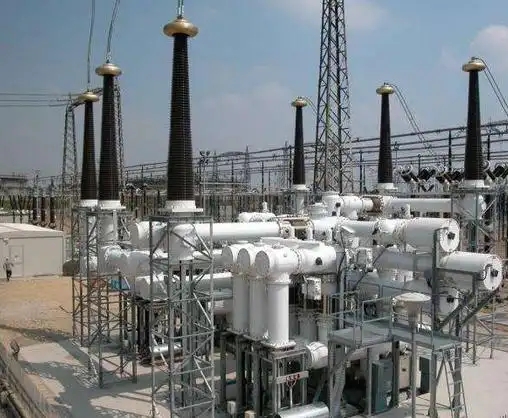
A gas-insulated substation is a fully enclosed electrical substation where key components like circuit breakers, disconnectors, and busbars are housed inside metal enclosures filled with SF6 gas. This gas acts as both an insulator and an arc-quenching medium.
Compared to air-insulated substations (AIS), GIS systems are far more compact, require less maintenance, and are designed to withstand extreme environments. That’s why you often see GIS installed in urban centers, offshore platforms, or mountainous regions.
How Does a Gas-Insulated Substation Work?
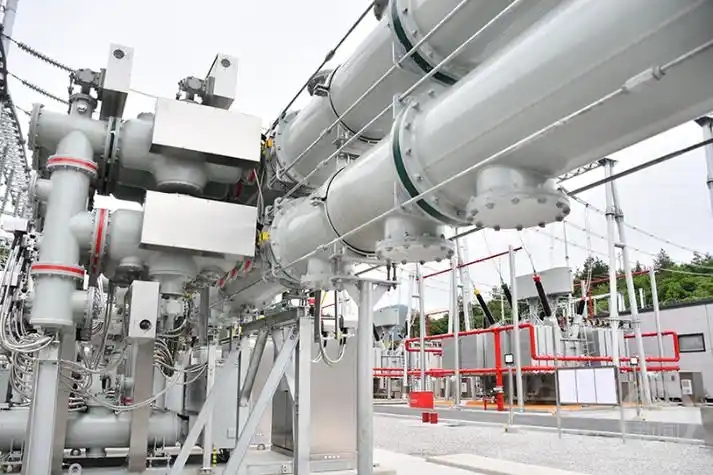
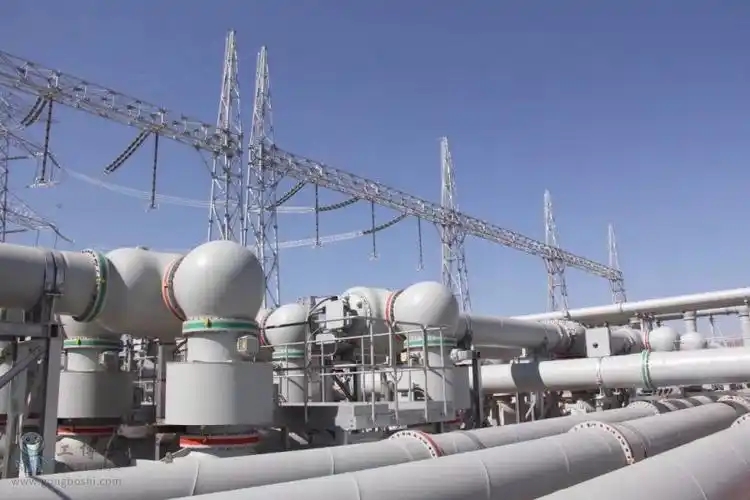
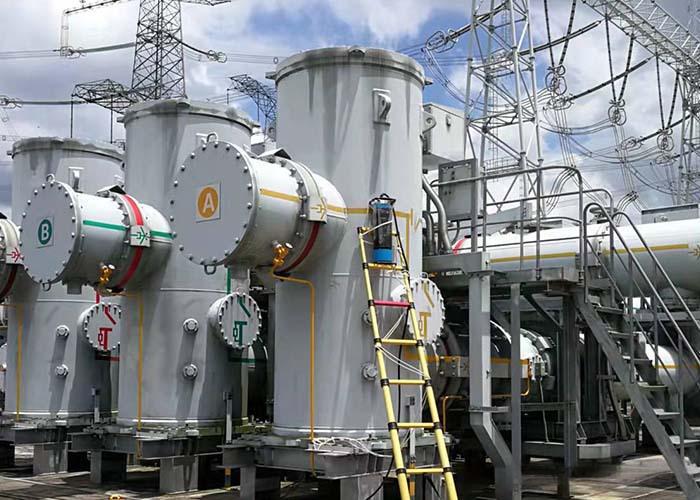
At the core of a GIS system is its use of SF6 gas, which has excellent dielectric properties. All live components are housed within gas-tight chambers made of stainless steel or aluminum. When a fault occurs, the gas quickly extinguishes the arc, protecting the system from damage.
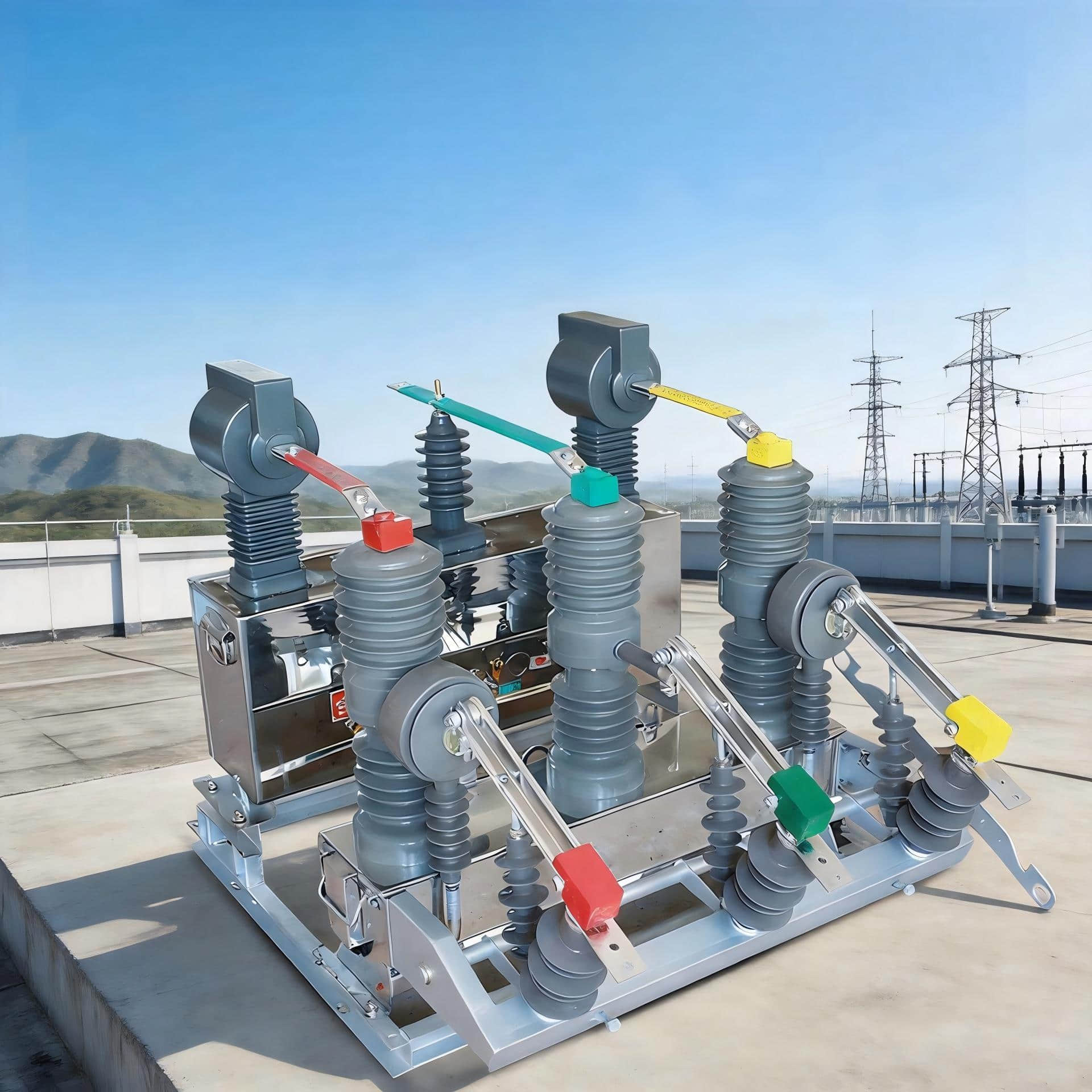
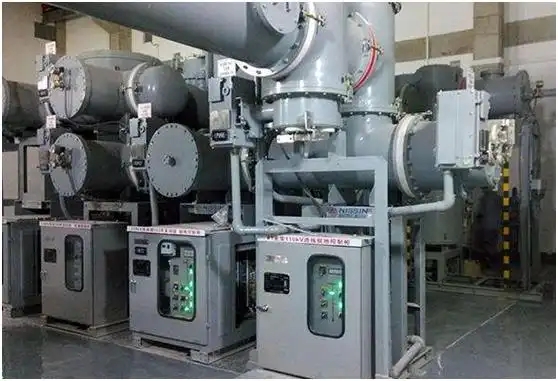
Each GIS unit is modular, consisting of gas-insulated circuit breakers, current transformers, disconnectors, and earthing switches. These modules connect through flanged joints, allowing easy assembly and future expansion without the need for rewiring or significant downtime.
Safety is built into every step. Pressure sensors monitor the gas, alarms detect leaks, and sealed systems prevent contamination.
Key Advantages of GIS Over AIS
Here’s why many engineers and utilities prefer GIS:
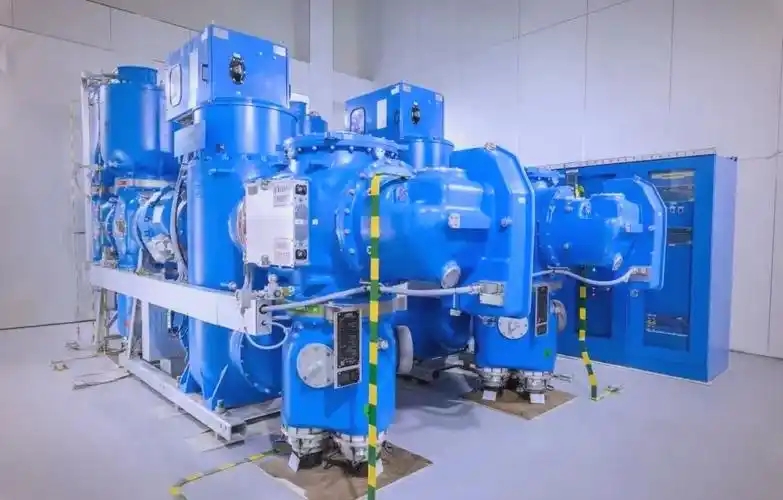
Space Efficiency: GIS systems need only 10–15% of the land that AIS requires, making them ideal for congested cities.
High Reliability: The sealed enclosures protect components from dust, humidity, and pollution.
Low Maintenance: GIS units require minimal upkeep, reducing operating costs and risks.
Extended Lifespan: Properly maintained, a GIS can run efficiently for over 30 years.
Improved Safety: Gas insulation greatly reduces the chance of electrical faults or explosions.
Potential Disadvantages and Limitations
While GIS offers many benefits, it's not the perfect fit for every application:
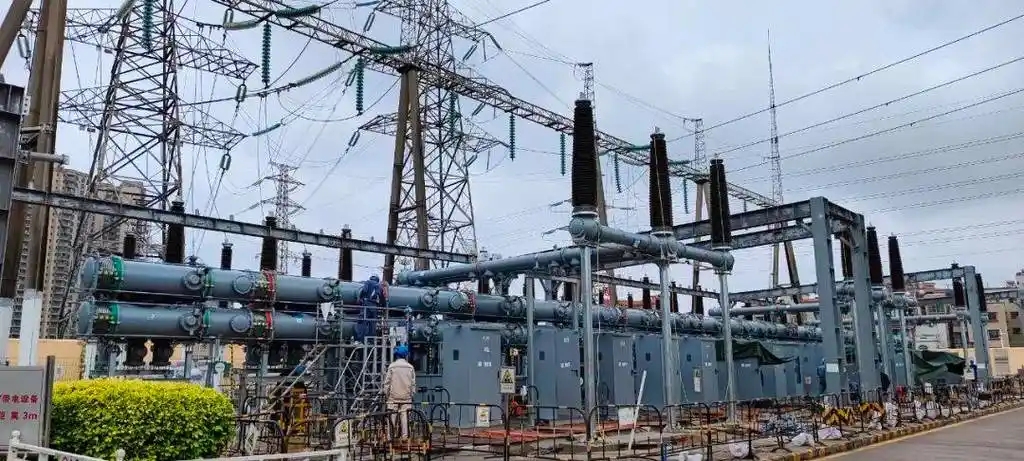
Higher Initial Costs: GIS equipment and installation can cost 30–60% more than AIS.
Environmental Concerns: SF6 is a potent greenhouse gas. Although sealed systems minimize leakage, disposal must follow strict protocols.
Complex Maintenance: Repairs require specialized tools and trained personnel.
Limited Scalability: Adding new modules isn’t as flexible as with AIS, especially in legacy systems.
Typical Applications of GIS
GIS is used wherever space, safety, or environmental conditions make conventional substations impractical:
Urban Substations: Installed underground or on rooftops in cities like Tokyo and New York.
Industrial Facilities: Where uninterrupted power and low emissions are essential.
Offshore and Marine: Platforms with limited space and exposure to corrosive salt air.
Mountainous or Harsh Climates: Locations with snow, dust, or high altitudes benefit from GIS resilience.
For example, Switzerland’s Alps use GIS in underground hydroelectric substations due to extreme weather and limited access.
How Much Does a Gas-Insulated Substation Cost?
The price of a GIS depends on several factors:
Voltage and Capacity: A 132kV GIS costs more than a 33kV system.
Location: Urban or underground installations increase civil costs.
Configuration and Redundancy: More modules or higher fault-tolerance designs cost more.
Estimated Cost Ranges:
Voltage Level | Cost per MVA (USD) |
33kV | $200–300k |
132kV | $500–700k |
220kV+ | $800k+ |
While upfront costs are high, GIS often saves 20–30% in lifetime maintenance, making it a smart long-term investment.
What Does GIS Maintenance Involve?
Although low-maintenance by design, GIS still needs routine checks:
SF6 Leak Detection: Use thermal or acoustic sensors to monitor gas pressure.
Gas Handling: Proper recovery and refilling systems are essential.
Visual Inspections: Check seals, flanges, and corrosion.
Testing: High-voltage testing and partial discharge measurements every few years.
Maintenance requires skilled technicians familiar with gas-handling protocols and safety standards.
SF6 Alternatives and GIS Environmental Future
SF6 is a major concern due to its global warming potential, 23,500 times that of CO2.
In response, manufacturers are developing alternatives:
g³ (Green Gas for Grid) by GE
AirPlus by ABB
Novec 5110 by 3M (used in eco-friendly GIS designs)
Regulators in the EU and California are already tightening SF6 restrictions. The trend is clear: GIS will move toward greener alternatives without compromising performance.
Leading GIS Manufacturers
If you’re sourcing GIS equipment, here are the major global manufacturers:
ABB – Known for modular, eco-friendly designs.
Siemens Energy – Offers compact urban solutions.
GE Grid Solutions – Pioneer of g³ technology.
Mitsubishi Electric – Strong presence in Asia and the Americas.
Wei Shoe Elec also delivers tailored GIS solutions for medium-voltage systems, built to UL, IEC, and ANSI standards.
GIS vs. AIS: Which Is Right for You?
Here’s a quick comparison to help you decide:
Feature | GIS | AIS |
Space Requirement | Minimal | High |
Initial Cost | Higher | Lower |
Maintenance | Low | Moderate to High |
Lifespan | 30+ years | 20–25 years |
Best For | Cities, harsh environments | Rural, open space areas |
Ask yourself:
Do I face space constraints?
Is the substation exposed to pollution or moisture?
Is long-term reliability more valuable than upfront savings?
If the answer is yes to any of these, GIS is worth the investment.
Conclusion: Should You Invest in GIS?
Gas-insulated substations offer compactness, reliability, and low maintenance—perfect for modern infrastructure. Despite higher costs and environmental concerns, GIS systems continue to evolve with greener solutions and smarter designs.
If you’re still unsure whether GIS fits your project, Wei Shoe Elec can help. With over 10 years of manufacturing experience, we specialize in custom compact substations and medium-voltage switchgear. Contact us today to get expert advice or request a quote.