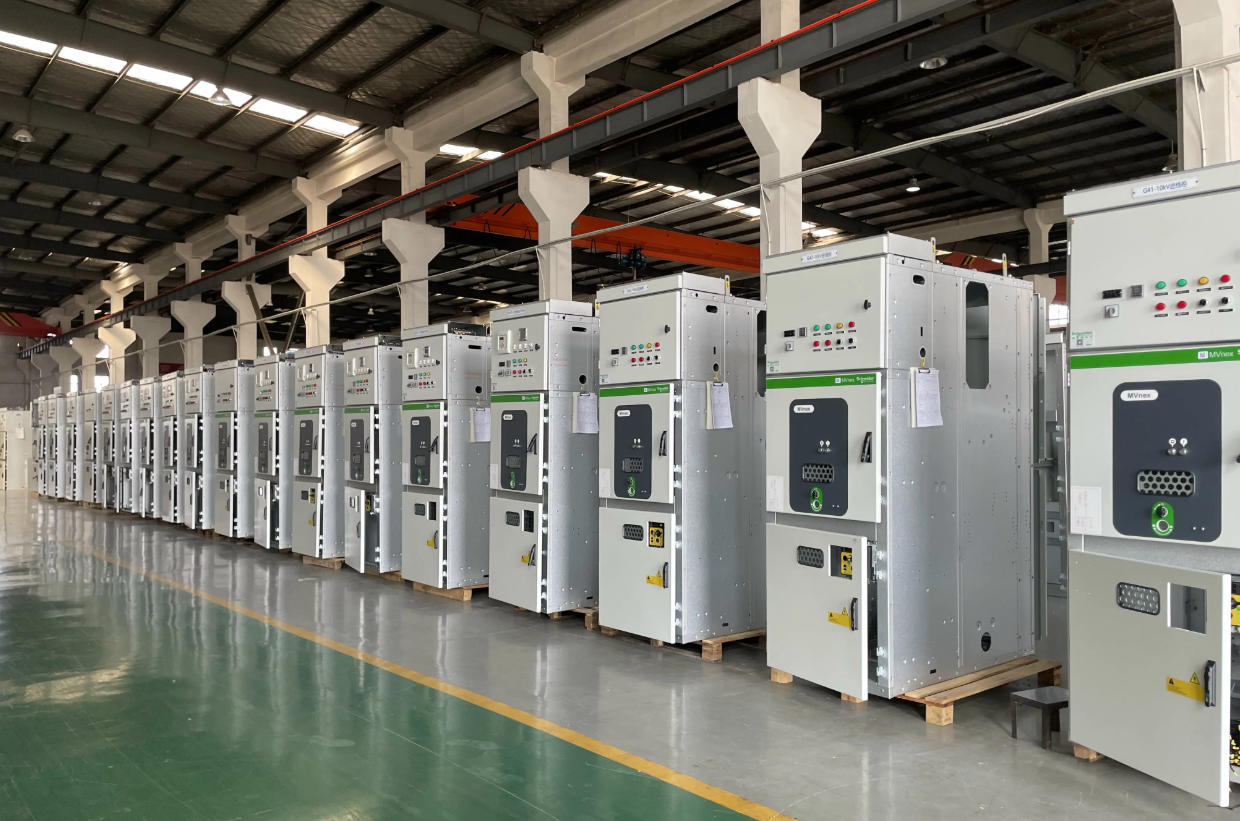
Selecting the right electrical switchgear supplier is about more than just purchasing equipment; it requires a partner you can trust. In this industry, reliability and strict compliance are not just important—they are non-negotiable, as your project's safety and success hinge on them.
We recommend seeking a supplier with a proven track record and a solid industry reputation. Prioritize partners who offer custom engineering solutions and responsive technical support. By involving your team in a thorough evaluation process, you ensure that your final choice aligns perfectly with your operational needs.
Key Takeaways
Pick a supplier you can trust. This keeps things safe and stops delays. A good supplier helps you save money over time.
Look at what others say about the supplier. Read reviews and ask for client references. If customers are happy, the service is good.
Make sure the supplier follows all rules. They should have the right certifications. This keeps your project safe from problems later.
Ask if the supplier tests their products. Good suppliers check their products in hard situations.
Find suppliers who help with support and installation. This makes your project go well.
Watch out for bad signs like poor talking and hiding things. These problems can cause trouble later.
Think about the whole cost, not just the first price. Strong switchgear can help you save money in the future.
Learn about new things like smart switchgear and being green. These new ideas can make your project better.
Reliability and Compliance
Why Reliability Counts
Safety and Operations Impact
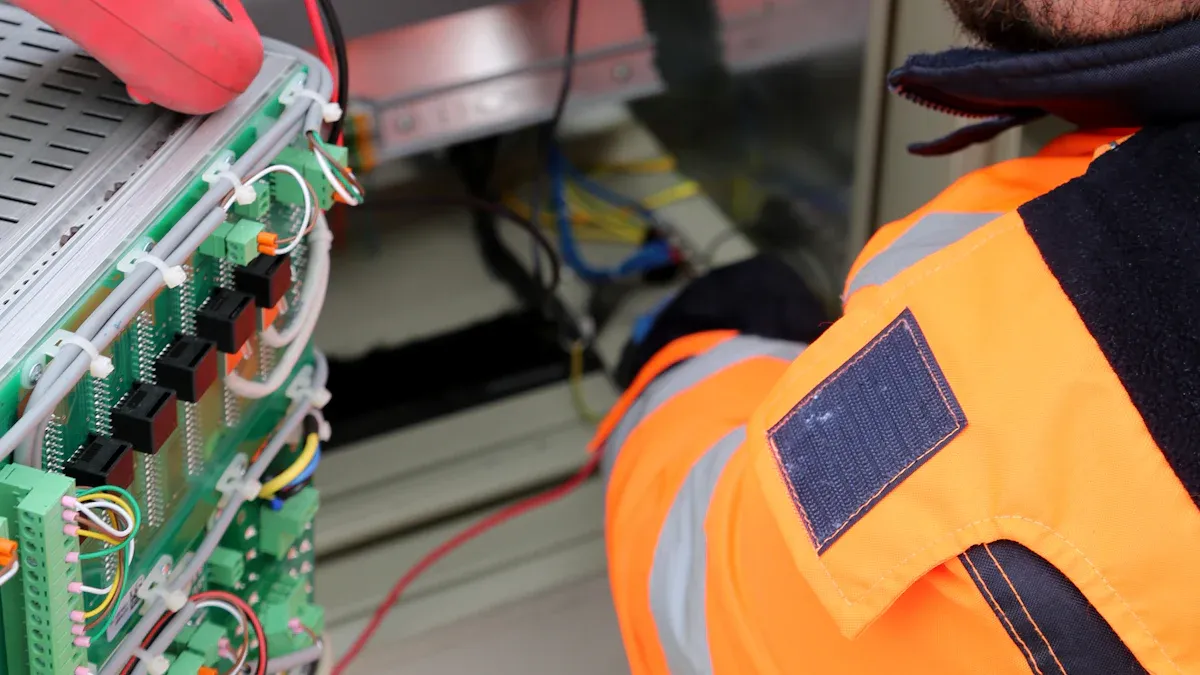
You want your electrical system to work well every day. A reliable electrical switchgear supplier helps stop sudden problems. This keeps your team safe at work. If you pick a supplier with a good history, you lower the chance of accidents. You also have less downtime. Safety is more than just following rules. It means your equipment works right, even when things get hard.
Buying reliable switchgear can save you money later. You might pay more at first, but you fix fewer problems. For example, medium voltage switchgear costs more when you buy it. But it can lower your repair bills for many years. This gives you more value for your money. Your work will go smoother too.
Here is a quick look at how reliability changes your costs:
Aspect | Description |
|---|---|
Initial Cost | You pay to buy and set up the equipment. |
Long-term Costs | You spend money on repairs, upgrades, and fixing problems. |
Maintenance Needs | Regular checks and new parts can stop your work and cost more. |
Energy Losses | Reliable systems waste less energy, so you pay less for power. |
System Efficiency | Good reliability means your whole system works better and costs less over time. |
Supplier Reputation
You should always see what people say about your electrical switchgear supplier. A good reputation means the supplier does what they promise. They also support their products. Ask for names of past customers. Look for reviews online. If you see many happy customers, you can feel better about your choice.
Tip: Talk to other companies in your field. They can tell you what they know and help you find the best suppliers.
Compliance Standards
Certifications
You need to make sure your supplier follows all the newest rules. Certifications show the supplier meets industry standards and makes safe products. Ask for proof of certifications before you buy anything. This step keeps you safe from problems later and helps your project go well.
Regulatory Updates
Rules for electrical switchgear have changed a lot. In 2026, there will be new standards for grounding, fault current ratings, and surge protection. Your supplier should know about these changes and help you follow the rules. Here is a table with some important updates:
Compliance Standard | Key Changes and Implications |
|---|---|
Grounding & Bonding Enhancements | Stricter rules for grounding systems. You must check generator neutrals and conductors. |
Higher Fault Current Ratings | Equipment must handle bigger fault levels. Make sure your switchgear can take the load. |
Conductor & Ampacity Adjustments | New tables may change wire sizes. You need to check your installation plans. |
Surge Protection & Transient Voltage | Tougher rules for surge protection. Use better surge devices for emergency circuits. |
Energy Storage & Hybrid Integration | New rules for batteries and generators. Your controls and safety systems must meet these standards. |
When you pick an electrical switchgear supplier, ask how they keep up with these changes. A good supplier will talk about the updates and show how their products follow every rule.
Make sure your supplier:
Gives you up-to-date certifications.
Tells you how their products meet new standards.
Helps you if rules change during your project.
If you focus on reliability and compliance, you keep your team safe. You also protect your money and feel less worried.
Essential Criteria for an Electrical Switchgear Supplier
When you look for an electrical switchgear supplier, check some important things. These things help you find a partner who keeps your project safe and smooth.
Product Quality and Safety
Testing Protocols
Always ask about how they test their products. Good suppliers test switchgear in hard conditions. They check if it lasts and works well. This means your equipment works when you need it. Here are three signs of good product quality:
Reliability and Safety: Suppliers do strong tests to make sure products last and stay safe.
Design Validation: They check the design before making it, so you do not get stuck with mistakes.
Material Selection: Good materials matter. They pick ones that carry electricity well and handle heat and stress.
Quality Systems
Quality systems show how a supplier keeps their products good. You want a supplier who follows clear steps to make and check products. Some companies, like ABB and Siemens, have strong safety records. Schneider Electric cares about saving energy. Eaton makes switchgear that works well in factories. Chint Electric is good if you want something less expensive. These companies stand out because they care about safety and quality.
Experience and Industry Reputation
Years in Business
Experience is important. If a supplier has worked for many years, they have faced many problems. They learn from each project and get better. Ask how long your supplier has worked in the field. More years often means you can trust them more.
Client References
Do not just believe what they say. Ask for client references. Talk to other companies who use their products. Find out if they had problems or if the supplier helped fast. Happy customers mean you can expect good service.
Tip: Get your team to help. Ask your engineers and managers what they think about each supplier. Their ideas help you see strengths and weaknesses.
Support and Service
Installation Assistance
You want a supplier who helps you set up switchgear. Installation can be hard. Good suppliers give advice and send experts to help. This saves time and keeps your system safe.
Maintenance and Technical Help
After you set up, you need support. Fast help with repairs and questions is important. Here is a table that shows the support buyers like most:
Service Type | Description |
|---|---|
Hassle-Free Process | You get a smooth experience from start to finish. |
Fast Pickup | Quick service for old or surplus equipment. |
Professional Service | Experts handle your needs with care and skill. |
If you compare suppliers and ask your team for advice, you will find the best one for your project. Look for good quality, experience, and strong support. These steps help you pick an electrical switchgear supplier who meets your needs and keeps your work safe.
Spotting Red Flags
Picking an electrical switchgear supplier can be hard. You need to find problems before they hurt your project. If you know what to watch for, you can save money and keep your team safe.
Supplier Warning Signs
Lack of Transparency
Transparency means you know how a supplier works. If a supplier hides things or does not answer questions, be careful. When deals are not clear, you might pay more for electricity. Your company could get bigger bills. Hidden costs can cause more trouble, like unhappy customers or even national debt. If a supplier is not open, it can lead to corruption and favoritism. Honest companies may not get a fair chance. You might see safety rules ignored or problems with the environment.
If a supplier does not show clear contracts or avoids safety talks, ask more questions. You can trust them more when they give honest answers.
Poor Communication
Good suppliers talk to you often. If you wait a long time for answers or get confusing replies, that is not good. Poor communication can slow your project and make you feel lost. You need updates about your order, delivery, and help. If you do not get these, your project can have delays or mistakes.
Here are some warning signs to watch for in your switchgear:
Warning Sign | Description |
|---|---|
Unusual sounds | You hear strange noises from the switchgear. |
Visible damage or corrosion | You see rust or broken parts. |
Frequent tripping | The system shuts off often. |
Burning smells | You notice a burning odor near the equipment. |
Moisture or contamination | Water or dirt gets inside the switchgear. |
Poor power quality | The system does not deliver steady electricity. |
Common Pitfalls
Overpromising
Some suppliers say their switchgear works everywhere or lasts forever. If it sounds too good, it probably is not true. Overpromising can make you upset and cost you more money. You want a supplier who gives honest answers and clear limits.
Watch out for these problems:
Skipping design checks can make your switchgear weak.
Forgetting arc flash safety can hurt people and equipment.
Not planning enough space can slow down installation.
Using confusing words about arc resistance can trick you.
Hiring workers who are not trained can cause mistakes and danger.
Inadequate Documentation
You need clear papers for every part of your project. If a supplier gives poor or missing documents, you can have big problems. Without good records, you might miss deadlines and have trouble with repairs. Missing documents can slow deliveries and make things confusing. If trade contractors have to find parts themselves, your project can fall behind.
Tip: Always ask for full manuals, drawings, and safety guides. Good paperwork helps you fix problems fast and keeps your project on track.
If you spot these red flags early, you can pick a supplier who helps your goals and keeps your project safe.
Matching Supplier to Project Needs
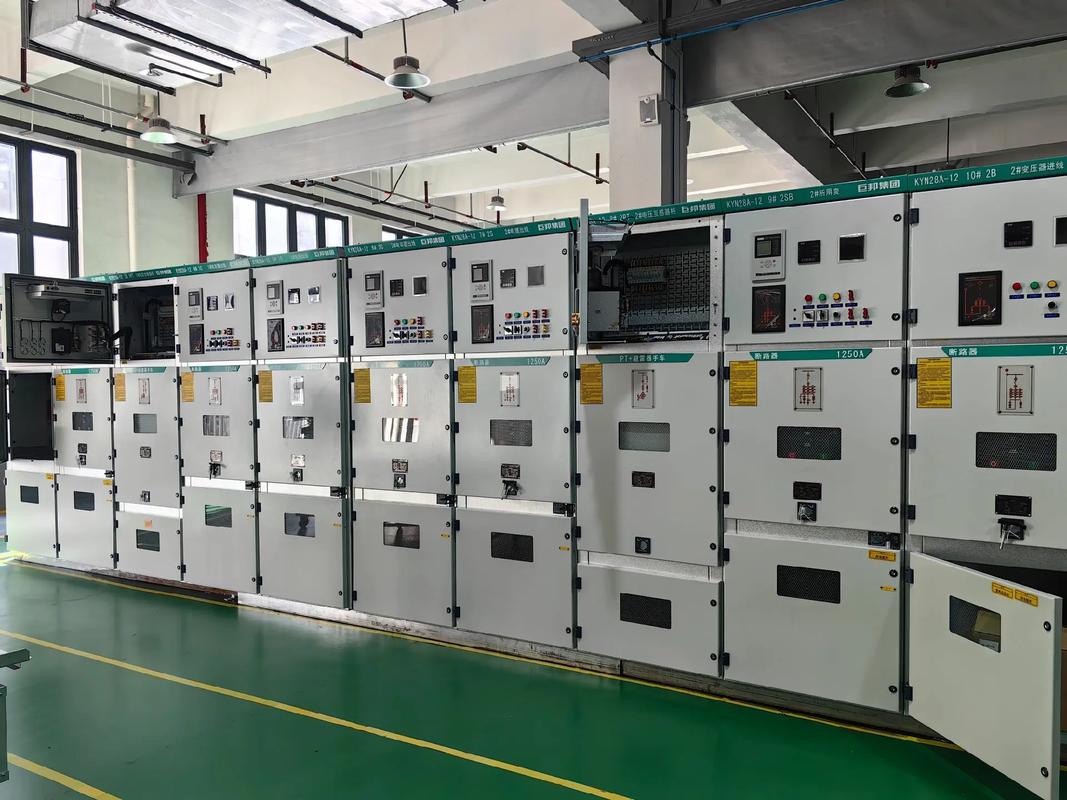
Picking the right electrical switchgear supplier means they must fit your project. You want a supplier who knows what you need and can help your site. Let’s look at what you should check.
Technical Fit
Voltage and Load
Every project needs a certain amount of power. You must match the switchgear to your voltage and load. If you do not, your system might not be safe. Here is what you should do:
Check the rated voltage and interrupting capacity. These numbers show if the switchgear can handle your power.
Make sure you write down the rated voltage, frequency, and current in your order.
List the capacities you need, like ICU, Icu, and Ics. These keep your system safe.
Write down the separation forms and environmental ratings. This helps with repairs and future changes.
When you know your voltage and load, you can talk to suppliers about your needs. They can show you the right products for your project.
Environmental Factors
Your switchgear must work where you put it. Some places are hot, dusty, or wet. Some need special protection from chemicals or shaking. Ask suppliers how their products work in these places. You want equipment that lasts and keeps people safe.
Tip: Always tell your supplier about your site. This helps them pick the best options for you.
Here is a table to show what technical things matter most:
Criteria | Description |
|---|---|
Types of Switchgear | Low, medium, and high voltage choices. |
Safety | Strong protection from short circuits. |
Reliability | Safe and steady design for nonstop power. |
Industry Standards | Follows ANSI, IEEE, and NEMA rules. |
Customization | Can meet special needs and update old gear. |
Customization Options
Tailored Solutions
Not all projects are the same. Sometimes, you need a custom solution. Good suppliers can make switchgear just for you. They can change the layout, add features, or fix old systems. This helps you get more for your money.
Suppliers with their own factories can make changes fast.
Some use new tools, like fiber lasers and certified welding, to build what you need.
Ask if they have special features, like anti-condensation walls or smart controllers.
System Integration
You want your switchgear to work with other systems. Some suppliers can connect your switchgear to building controls, monitors, or smart grids. This makes your system easier to use.
Look for suppliers who are OEM partners. They often deliver faster and cost less.
Some companies make E-House solutions that fit your site.
Modern integration gives you better control and more data.
Note: If you pick a supplier who can customize and connect, you get a system that fits now and later.
Matching your supplier to your project needs helps you avoid trouble and keeps your system strong. Take time to ask questions and share what you need. The right fit makes a big difference.
Cost, Warranty, and Support
Choosing an electrical switchgear supplier is not just about the price tag. You need to look at the full picture. Cost, warranty, and support can change how much you spend and how easy your project runs.
Total Cost Analysis
Upfront vs. Lifecycle
You might see a low price and think you found a good deal. That is not always true. You should ask about the total cost, not just the upfront payment. Some switchgear costs more at first but saves you money later. Durable products need fewer repairs. Reliable systems waste less energy. You spend less on maintenance and replacements.
Lifecycle cost means you look at every dollar you spend over the years. You count repairs, upgrades, and downtime. If you pick a supplier with strong products, you avoid surprise bills. You also keep your team safe and your system running.
Value-Added Services
Value-added services make a big difference. They help you get more for your money. Here are some ways these services help you:
Product training helps you and your team use the equipment better. You make fewer mistakes and work faster.
Extended warranties protect your budget. You do not pay for repairs as often.
Expert advice helps you pick the right switchgear. You avoid buying the wrong product.
Customization lets you get switchgear that fits your project. You do not need to change your plans.
After-sales service keeps your equipment working longer. You fix problems quickly and avoid downtime.
Premium materials last longer. You spend less on maintenance and replacements.
Tip: Ask your supplier about these services before you buy. They can save you time and money.
Warranty and Service
Coverage Terms
Warranty terms matter. You want to know what is covered and how long it lasts. Suppliers offer different types of warranties. Some start when you buy the product. Others begin when you install it. Here is a table to help you compare:
Warranty Type | Description |
|---|---|
Limited Warranty | Manufacturer's liability is limited to what is specified; typically lasts 2-4 years after purchase. |
Standard Warranty | Begins upon purchase; common durations include 30 days, 90 days, 6 months, and 1 year. |
In-Service Warranty | Coverage starts when the equipment is installed, not when purchased, affecting shelf-stored items. |
You should read the warranty terms carefully. Some cover only parts. Others include labor or shipping. If you know what is covered, you avoid surprise costs.
Response Times
Fast support matters when something goes wrong. You want a supplier who answers your calls and fixes problems quickly. Slow response can mean longer downtime. Your team might wait for repairs. Your project could fall behind.
Ask your supplier about their support hours. Find out how fast they respond to service requests. Good suppliers offer help by phone, email, or on-site visits. Quick support keeps your system safe and your work on track.
Note: Reliable warranty and fast service give you peace of mind. You can focus on your project and worry less about problems.
Future Trends in Switchgear
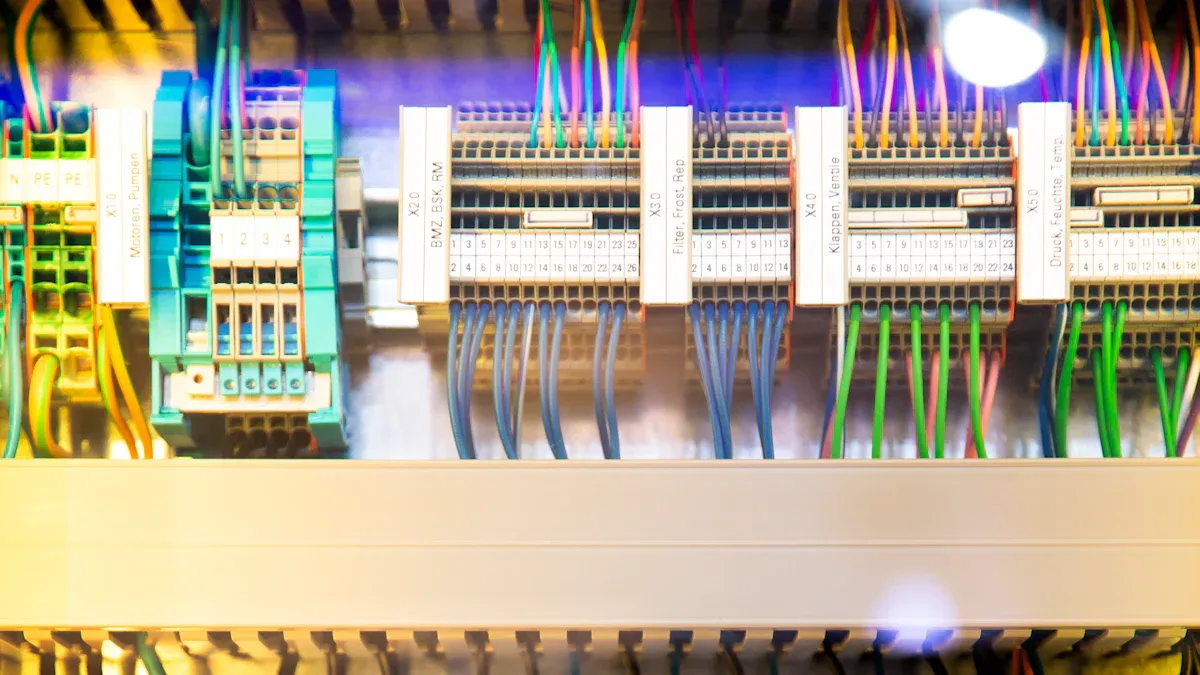
You may wonder what will happen next with electrical switchgear. Technology keeps getting better. New ideas are changing how switchgear works. Two big changes are smart switchgear and sustainability.
Smart Switchgear
Smart switchgear makes your work easier. You get more control and better safety. These systems use sensors and smart devices. They watch your equipment all the time.
IoT and Monitoring
IoT means “Internet of Things.” You connect your switchgear to the internet. This lets you see what is happening right now. You can spot problems before they get worse. You save money and keep your team safe.
Here is how IoT helps you:
Feature | What It Does |
|---|---|
Real-time monitoring | You see the equipment status every second. You catch issues early. |
Predictive maintenance | The system warns you about small problems. You fix them before breakdowns. |
Automated alerts | You get instant messages if something goes wrong. You can act fast. |
Condition monitoring | Sensors track how your switchgear works. You avoid surprise failures. |
Asset management | Smart tools help you plan repairs and upgrades. You keep things running. |
You do not have to guess when to fix your switchgear. The system tells you when it needs help. You spend less time worrying. You get more work done.
Digital Integration
Digital integration means your switchgear connects to other systems. You can link it to building controls or energy monitors. You can even use your phone. You get data and reports with one click. You can control your power from anywhere.
Smart switchgear helps you:
Track energy use and find waste.
Get updates on your phone or computer.
Make quick changes to your system.
Tip: If you want to save time and avoid problems, ask your supplier about smart switchgear.
Sustainability
You care about the planet. New switchgear helps you use less energy. You can pick safer materials. Many companies now offer eco-friendly products.
Energy Efficiency
Energy-efficient switchgear uses less power. You pay lower bills and help the environment. Big suppliers are leading the way:
ABB builds small, easy-to-care-for switchgear with SF6-free technology.
Hitachi Energy uses EconiQ, which cuts CO₂ emissions by 99%.
Siemens offers green and reliable solutions for many projects.
Schneider Electric gives you digital tools and SF6-free choices.
These products help you follow new rules and save money.
Eco Materials
Switchgear makers now use safer materials. Old systems used SF₆ gas, which is bad for the planet. New choices like AirPlus, g³, and Dry Air are better.
Key Driver | Description |
|---|---|
Eco-friendly materials | You get switchgear with low-emission solutions instead of SF₆ gas. |
Regulatory changes | Governments want less pollution. Suppliers offer greener products to meet new laws. |
Technological innovations | You see smart switchgear with IoT and AI features. |
Industry demand | More companies want sustainable solutions for renewable energy and green projects. |
You can pick switchgear that matches your values. It helps your business grow. The future looks bright with smart and green solutions.
You need a good switchgear supplier for your project. Look for reliability and compliance. Make sure the supplier fits your needs. Ask your team to help you choose. Use an easy way to compare suppliers. Try using a matrix like this:
Matrix Type | Description |
|---|---|
Simple Matrix | Compare cost, quality, delivery, and sustainability quickly. |
Weighted Matrix | Give more points to what matters most for your project. |
Multi-Assessor Matrix | Let your team score suppliers for a fair choice. |
Take your time and check future trends. Pick the supplier that matches your project best.
FAQ
What is electrical switchgear?
Electrical switchgear is a set of devices. These devices help control and protect electrical equipment. They also help keep your power system safe. Switchgear makes sure everything works well.
How do I know if a supplier is reliable?
You can read reviews from other customers. Ask for names of people who have used them. Check how long the supplier has been in business. Good suppliers answer your questions. They also give you clear and honest information.
Why do certifications matter?
Certifications prove a supplier meets safety and quality rules. Always ask to see their certifications before you buy anything. This helps you stay safe and get good products.
Can I get custom switchgear for my project?
Yes, you can get custom switchgear. Many suppliers can make special features or sizes for you. You can ask for controls that fit your project.
What should I do if my switchgear stops working?
First, look at the manual for help. Try the steps it gives you. If you still have trouble, call your supplier’s support team. Fast help keeps your project moving.
How does smart switchgear help me?
Smart switchgear uses sensors and the internet. It watches your system all the time. You get updates and alerts right away. This helps you find problems early and save money.
What is the difference between upfront and lifecycle cost?
Upfront cost is what you pay at the start. Lifecycle cost is all the money you spend later. This includes repairs, maintenance, and energy use. Thinking about total cost helps you save more money.