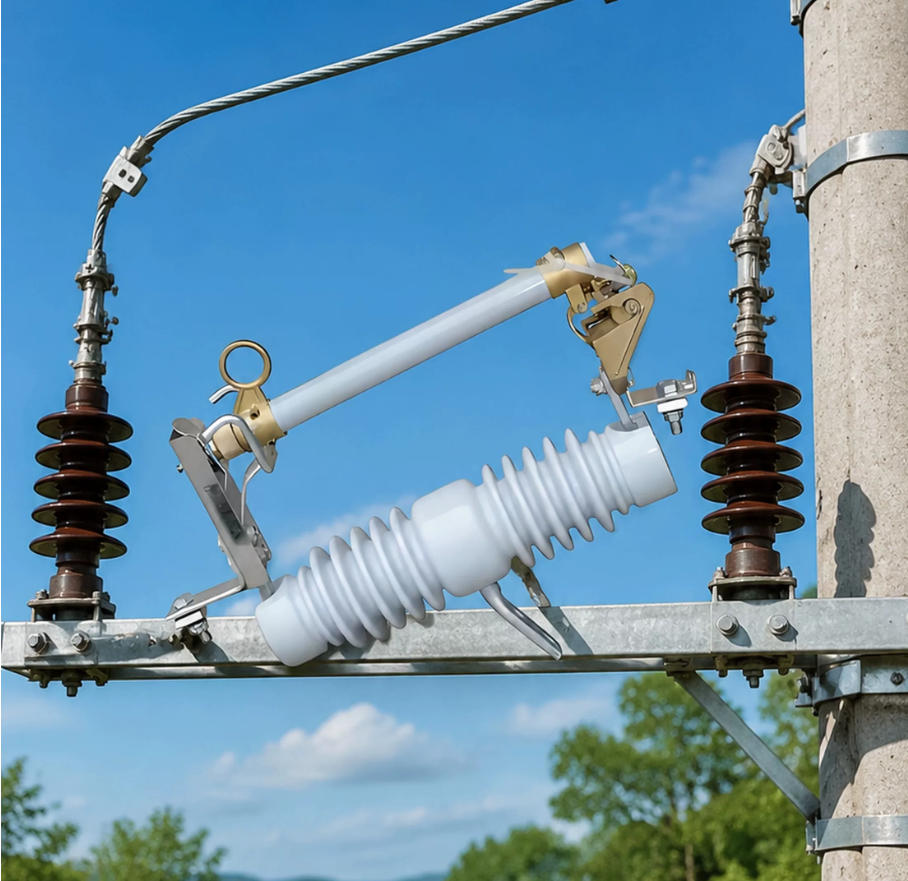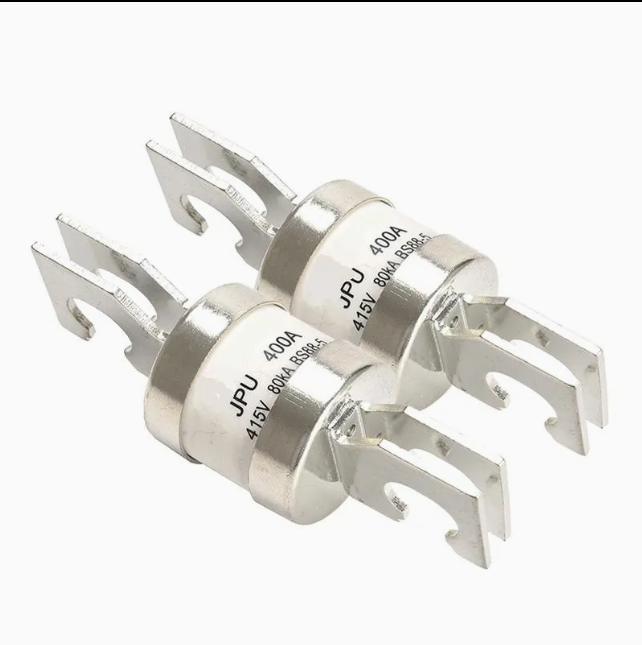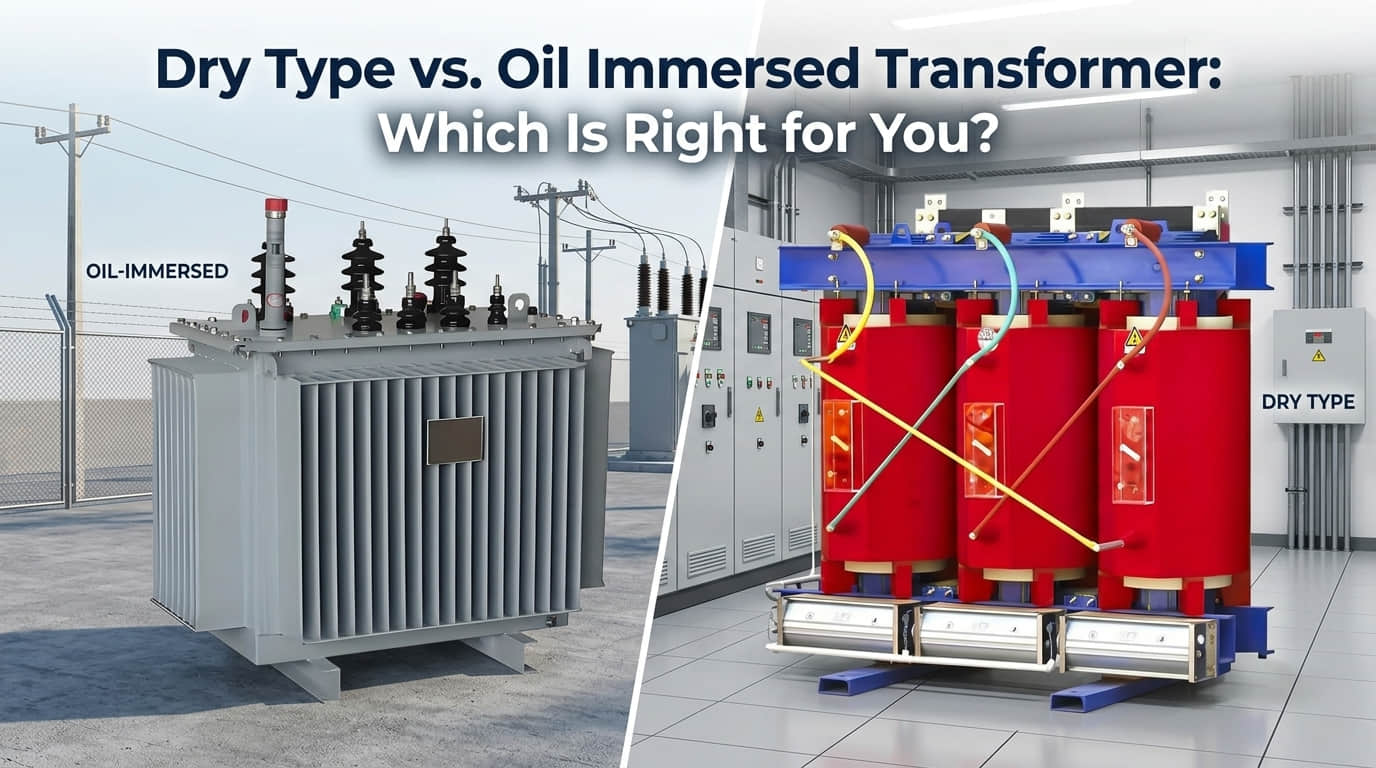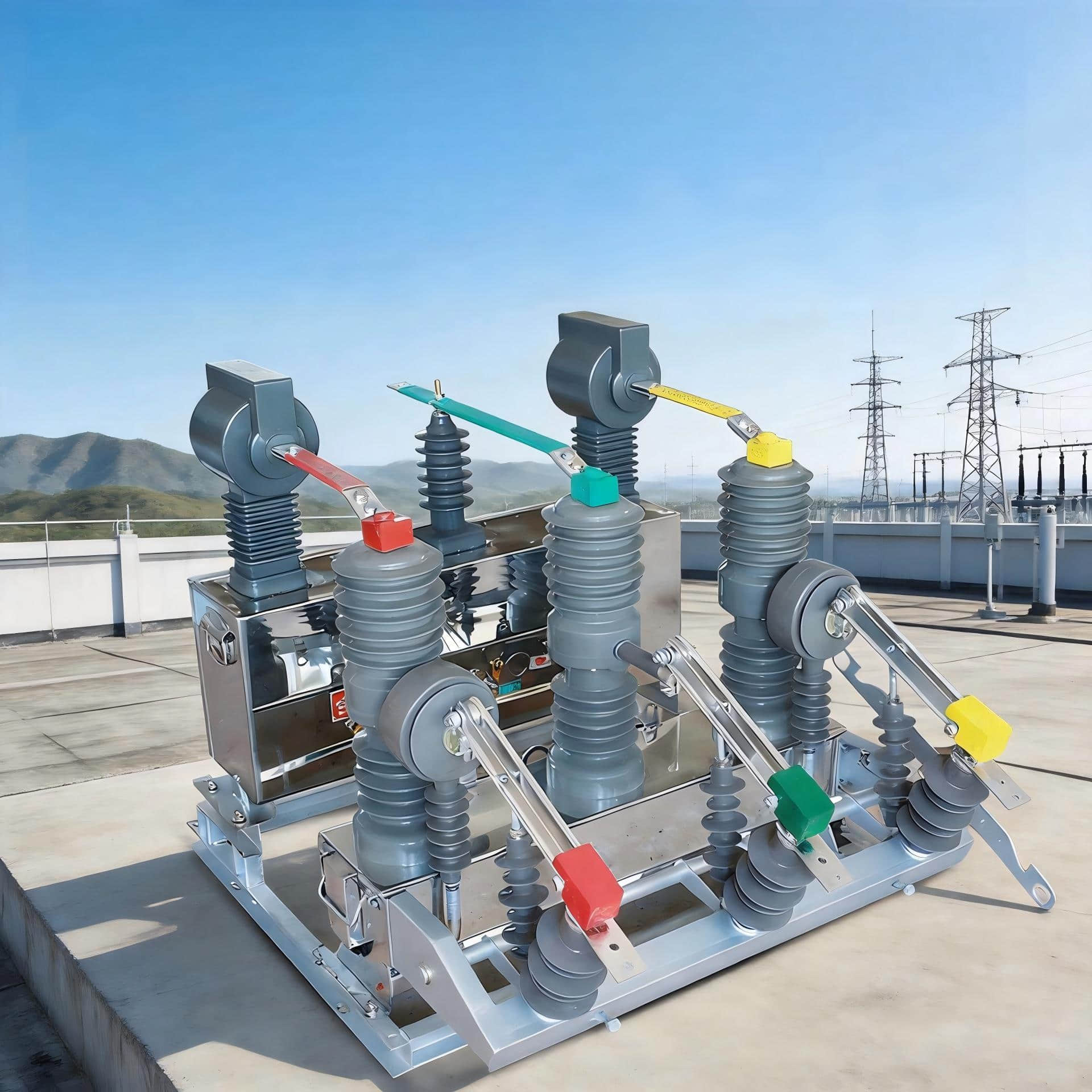
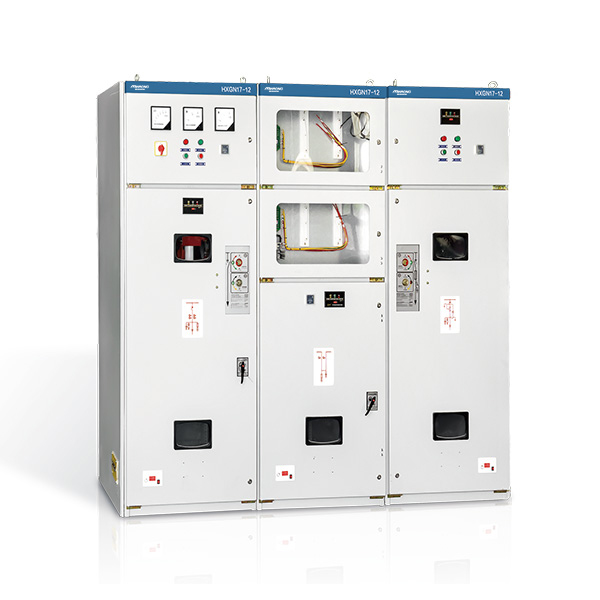
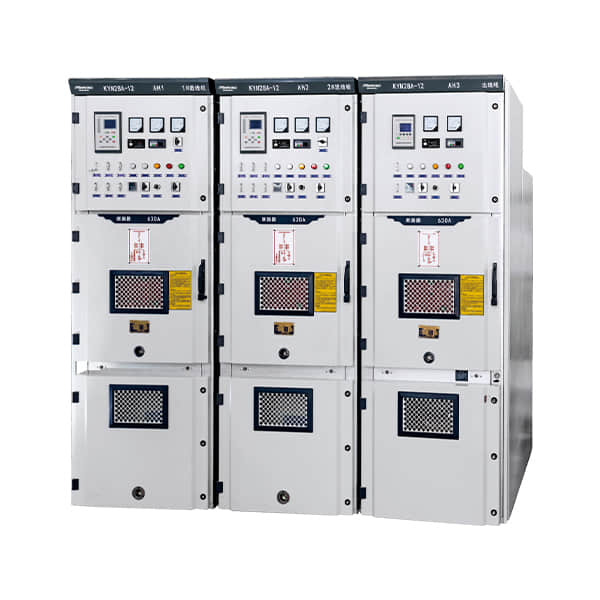
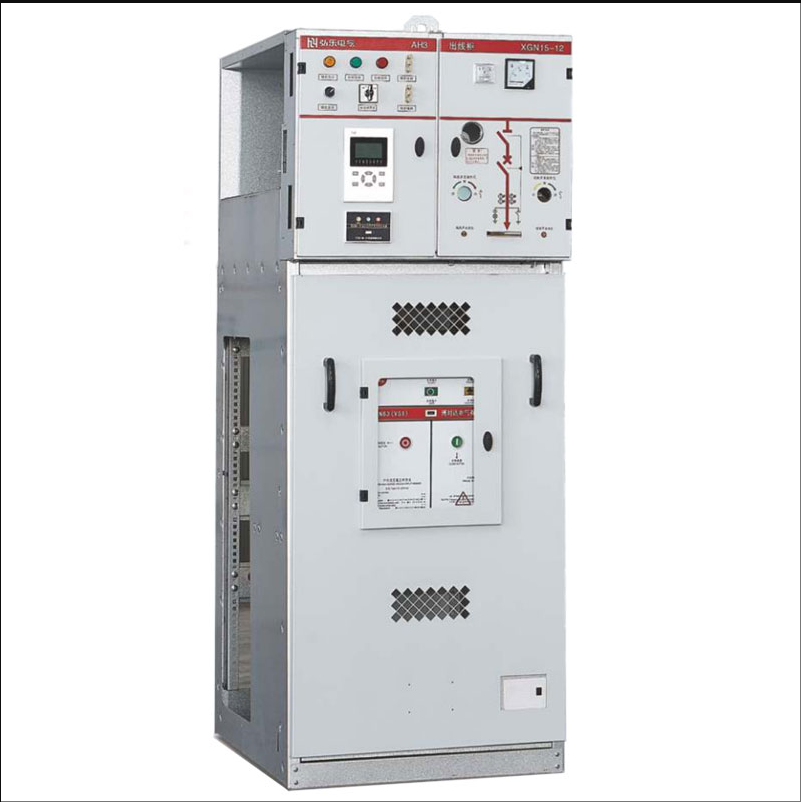
Medium voltage switchgear(MV Switchgear) plays a critical role in modern power systems.
It is responsible not only for connecting and disconnecting electrical circuits, but also for protection, isolation, measurement, and automation control.
Whether in urban distribution networks, industrial complexes, or renewable energy integration, MV switchgear ensures safe and reliable power delivery.
As global energy systems evolve, the demand for reliability, flexibility, and environmental performance continues to rise.
Well-designed and properly selected MV switchgear can significantly reduce unplanned outages.
It also improves system efficiency and supports renewable energy integration.
This guide provides a comprehensive overview of MV switchgear design principles, key components, standards, market trends, and future developments.
It serves as a practical reference for engineers, project decision-makers, and power system operators.
What is Medium Voltage Switchgear?
Definition and Scope (IEC)
Rated voltage: 1kV < Ue ≤ 35kV.
Functions include circuit switching, fault clearing, maintenance isolation, protection, measurement, and remote monitoring.
Typical voltage levels include 3.3kV, 6kV, 10/11kV, 20/24kV, and 33kV.
MV switchgear ensures that electrical distribution operates safely and reliably under these voltage ranges.
Common Applications
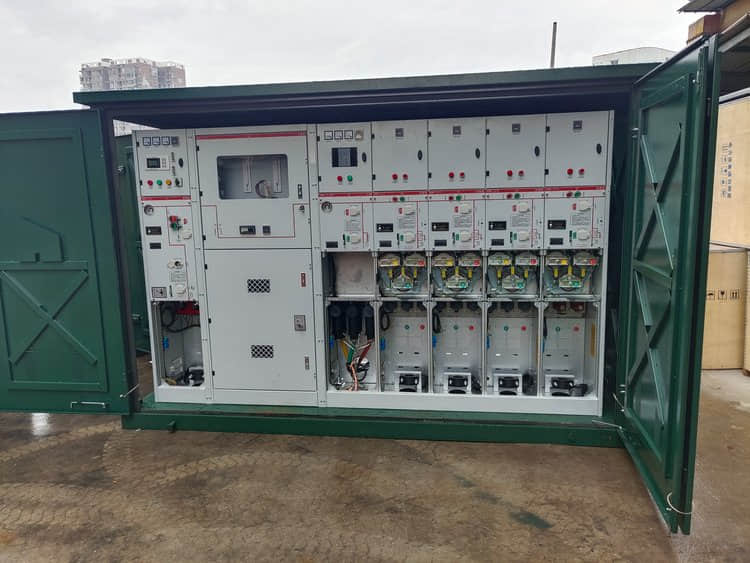
Urban power distribution and ring networks rely on MV switchgear for operational safety.
Industrial load centers, such as steel plants, chemical factories, and mining facilities, use MV switchgear to manage large electrical loads efficiently.
Renewable energy collection and grid connection, including wind and solar farms, increasingly depend on MV switchgear.
High-reliability sites, such as railways, airports, hospitals, and data centers, implement MV switchgear to ensure continuous power delivery.
Core Functions and System Value
Control
MV switchgear manages load transfers and sectionalizing.
It also provides safe maintenance isolation without interrupting power.
Protection
MV switchgear quickly detects and isolates short circuits, overloads, and ground faults.
This prevents equipment damage and reduces downtime.
Measurement & Monitoring
MV switchgear serves as the foundation for distribution automation and energy management.
It provides critical data for SCADA systems and grid analytics.
Safety
MV switchgear ensures personnel protection and arc flash containment.
It enables safe maintenance operations and compliance with regulatory standards.
System-Level Benefits
Properly designed MV switchgear improves power reliability metrics, such as SAIDI and SAIFI.
It reduces financial losses from unplanned outages, especially in industrial operations and data centers.
MV switchgear supports distributed energy resources and flexible load integration.
This enhances overall grid stability and operational efficiency.
Key Components
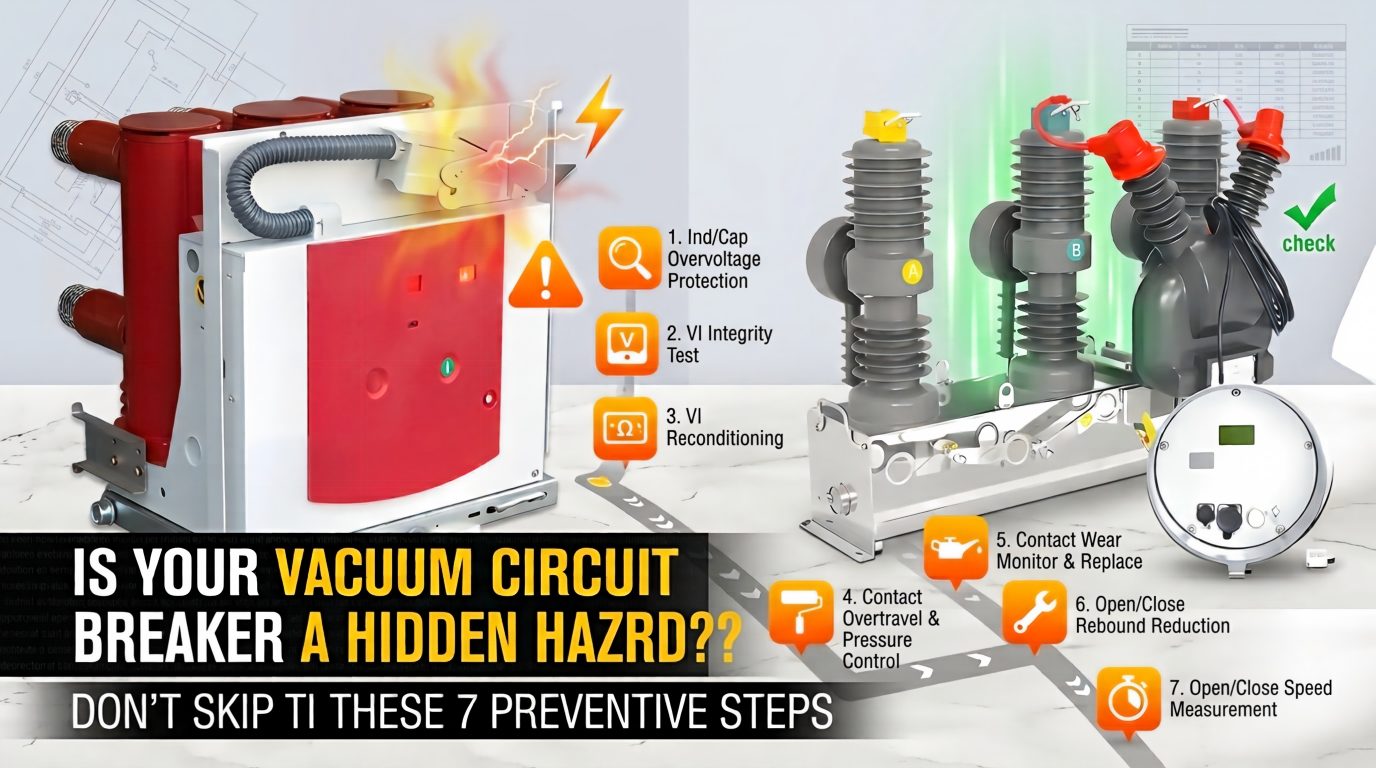
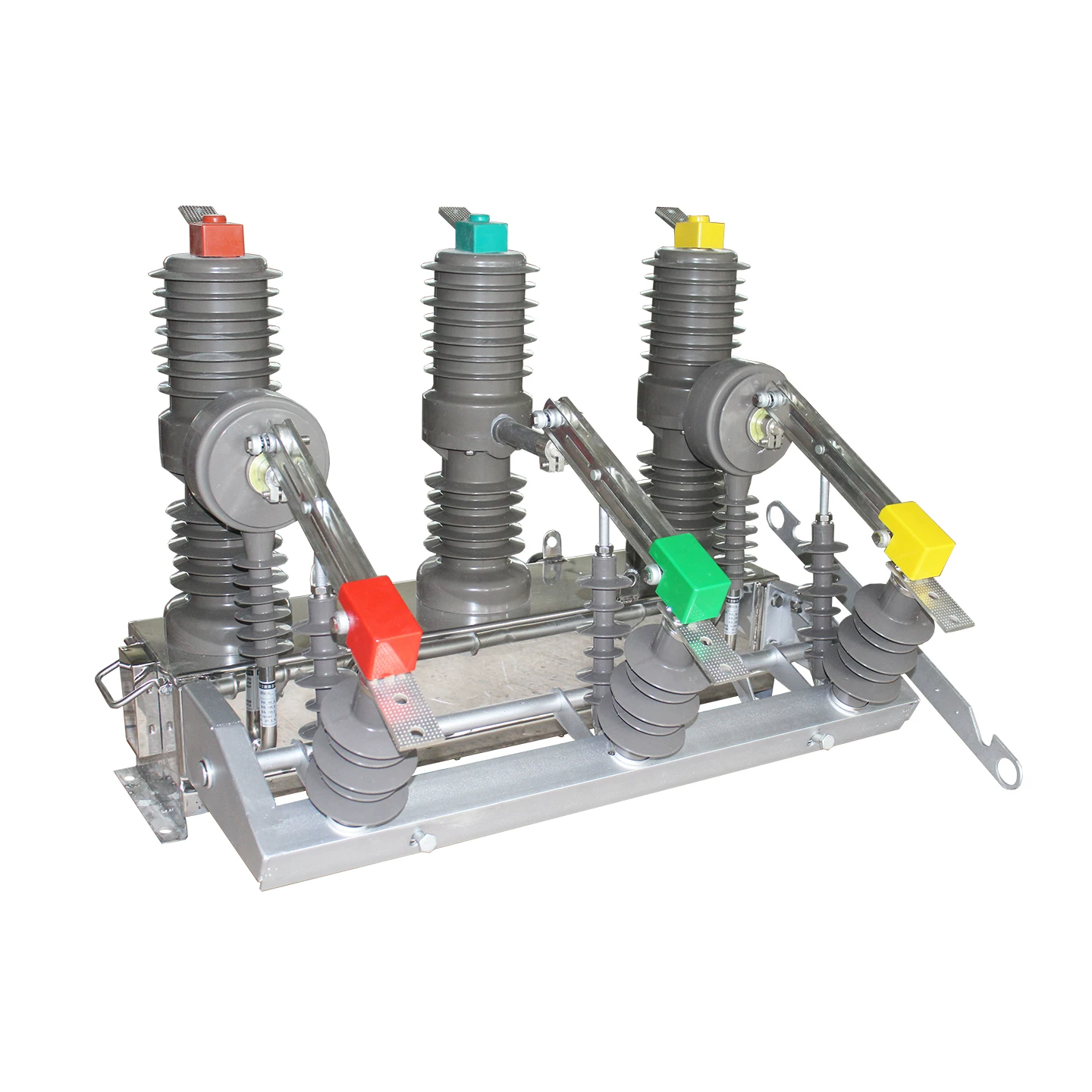
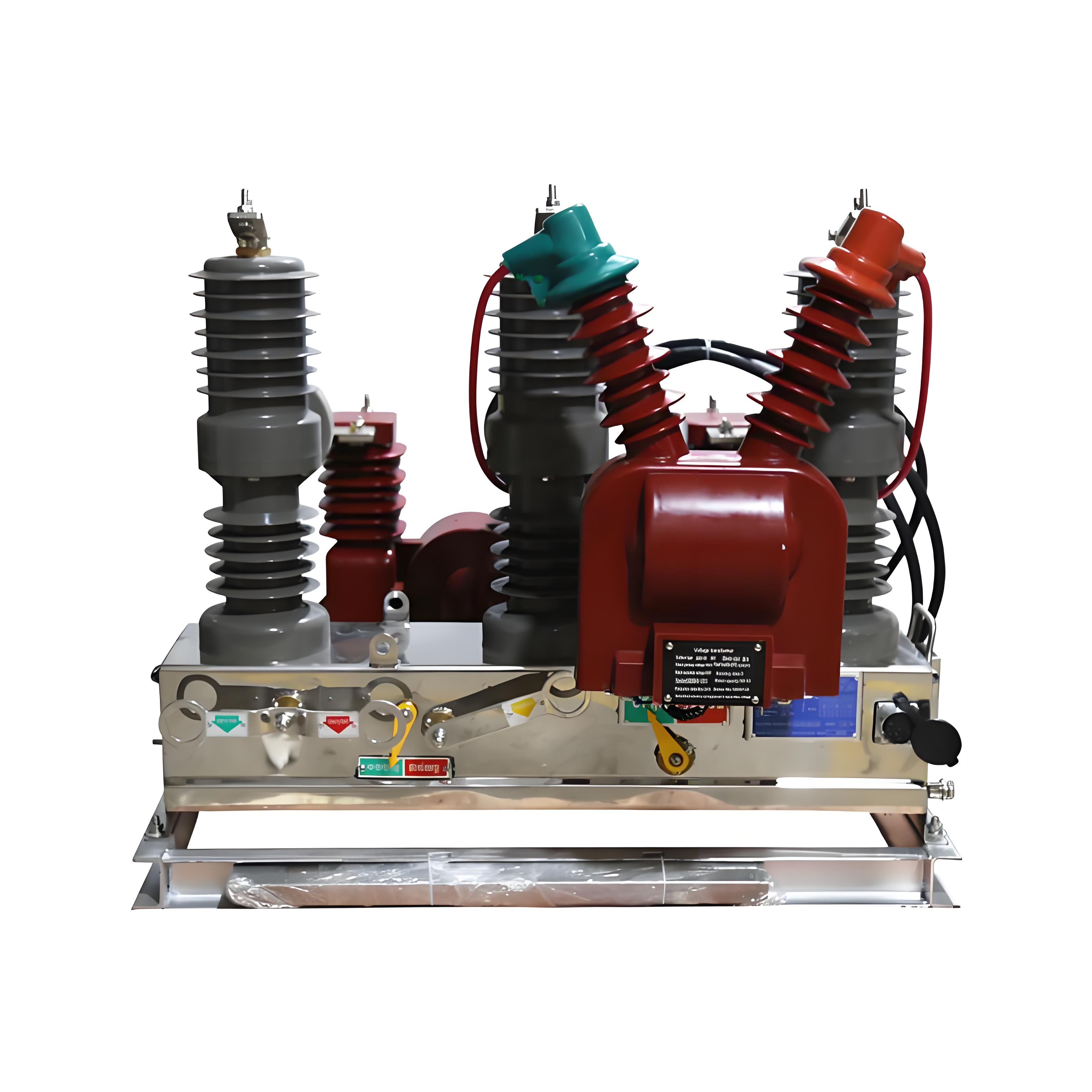
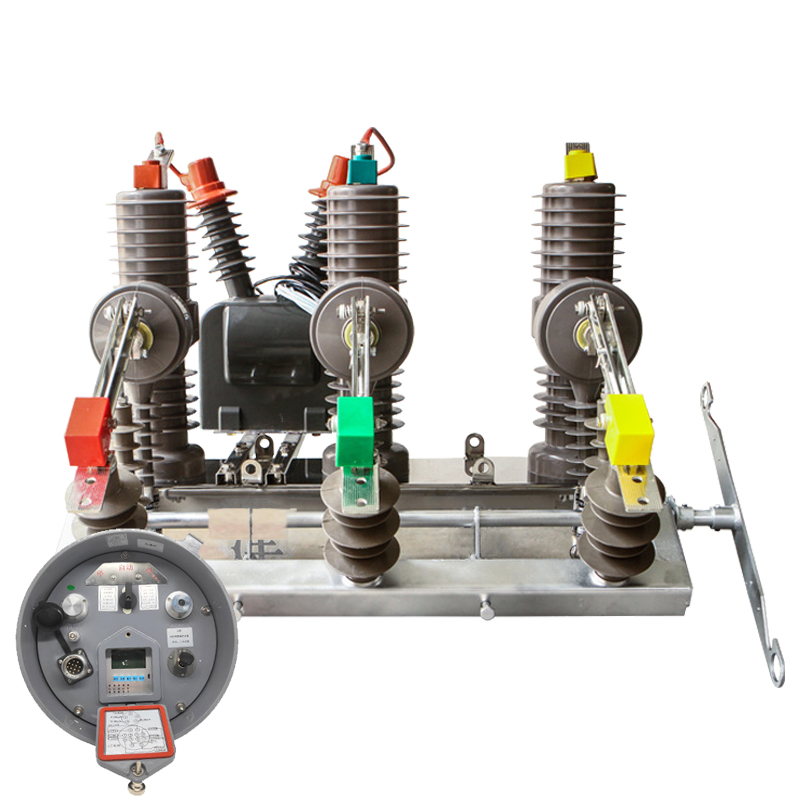
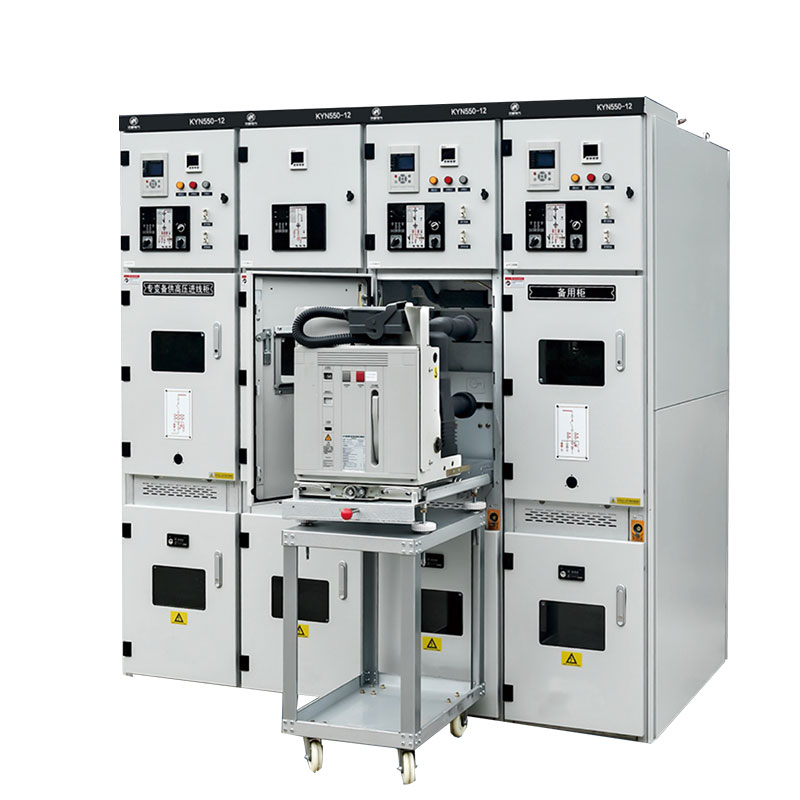
Vacuum Circuit Breakers (VCB)
Vacuum interruption for frequent operations and eco-friendly performance.
High mechanical endurance ensures long service life.
Isolators and Ground Switches
Provide safe maintenance isolation and grounding protection.
Essential for operator safety during service.
Busbars and Connections
Handle current, short-circuit forces, and thermal rise control.
Reliable connections reduce power loss and prevent overheating.
Voltage/Current Transformers (VT/CT)
Supply measurement and protection input for relays and SCADA.
Ensure accurate readings for reliable system control.
Protection and Control Devices (Relays, IEDs, Communications)
Enable selective tripping and remote operation.
Support digital monitoring and distribution automation.
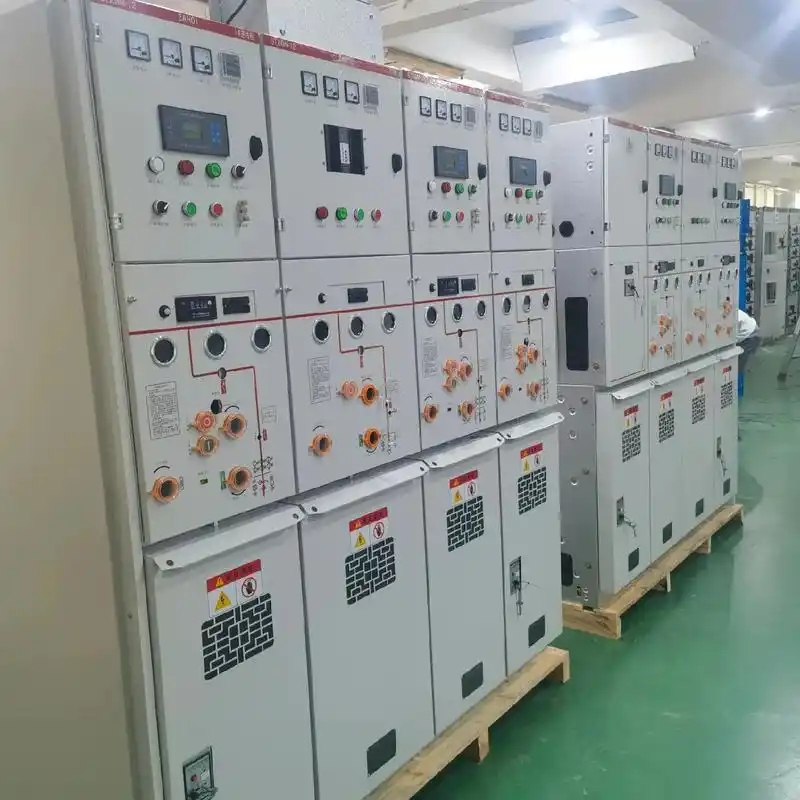
Enclosures and Compartments
Separate breakers, busbars, cables, and protection devices.
Meet safety and arc containment requirements.
Example: ABB UniGear vacuum circuit breakers achieve up to 30,000 mechanical operations, with modular maintenance and digital monitoring.
ABB UniGear
Classification and Technology Comparison
AIS (Air-Insulated Switchgear)
Uses air insulation with vacuum or SF₆ breakers.
Clear structure, lower initial cost, but occupies more space.
GIS (Gas-Insulated Switchgear)
SF₆ or an alternative gas with vacuum breakers.
Compact, highly reliable, suitable for harsh environments.
SIS (Solid-Insulated Switchgear)
Solid dielectric with vacuum breakers.
Environmentally friendly and low-maintenance.
VCB (Vacuum Circuit Breaker)
Vacuum interruption for high-frequency operations.
Long mechanical life, low maintenance, and eco-friendly.
Environmental Compliance
EU F-Gas regulations encourage SF₆ alternatives like dry air or fluoroketones.
Siemens Blue GIS deploys SF₆-free solutions in Europe, reducing greenhouse gas impact.
EU F-Gas
International Standards and Design Guidelines
IEC 62271 Series
Covers general and product standards for medium and high voltage switchgear.
IEC 60529
Defines enclosure protection (IP) ratings.
IEC 60044 / 61869
Applies to voltage and current transformers.
IEEE/ANSI C37 Series
North American switchgear and breaker standards.
Design verification includes insulation tests, temperature rise, short-circuit interruption, internal arc, and protection level.
Request IEC type test reports and third-party certifications (ASTA/KEMA) during procurement.
Manufacturer design guide PDFs accelerate primary and secondary system coordination.
Schneider Resource Library
Major Manufacturers and Market Overview
Representative Manufacturers
ABB: UniGear, ZX series, modular and digital
Siemens: NXAir, 8DJH/Blue GIS, SF₆-free solutions
Schneider Electric: Premset, RM6, solid-insulated RMUs
Eaton: Xiria, Power Xpert series
GE: SecoGear, CNC series
S&C: IntelliRupter distribution automation switches
Market Trends
The global MV switchgear market is projected to grow steadily to 2030.
Growth is driven by distribution automation and renewable energy integration.
MarketsandMarkets Report
Applications and Case Studies
Urban Infrastructure
Subways, airports, hospitals, and commercial complexes require high reliability.
GIS solutions help fit underground spaces while improving supply reliability.
Siemens Press Release
Industrial Facilities
Steel, chemical, and mining industries prioritize short-circuit strength and environmental tolerance.
AIS or heavy-duty VCBs are commonly used in these sites.
Renewable Energy
Wind and solar farms emphasize remote monitoring and feeder protection.
SF₆-free solutions are increasingly adopted to meet environmental requirements.
Data Centers
Require selective protection, redundancy (N+1 or 2N), and maintainability.
Online monitoring enables predictive maintenance and fault avoidance.
Installation and Maintenance Practices
Installation Considerations
Environmental factors: temperature, humidity, altitude, pollution, and ventilation.
Space planning: maintenance access, cable bend radius, busbar clearance.
Grounding: functional vs. protective grounding, equipotential bonding.
Touch voltage control is critical for operator safety.
Coordination: primary and secondary circuit selective protection (TCC curves).
Ensures minimal disruption during faults.
Maintenance Strategies
VCBs can operate 5–10 years with minimal maintenance.
Online monitoring includes partial discharge, hotspot detection, and humidity.
Common failures: insulation aging, flashover, contact erosion, mechanism fatigue, and secondary miswiring.
Training and certification from ABB, Siemens, and Schneider improve safety and operational knowledge.
Risk and Cost Example
A UK wind farm experienced 6 hours of downtime due to an undetected bus partial discharge.
This resulted in over £750,000 in losses. National Grid ESO
Cost, ROI, and Selection Guidelines
Lifecycle Cost Considerations
CAPEX: Equipment, civil works, installation, and commissioning.
OPEX: Maintenance, spare parts, outage costs, and losses.
Decommissioning and upgrade: expandability and recyclability should be considered.
AIS has a low initial cost but higher civil and land requirements.
GIS has a higher initial cost but lower maintenance and failure rates.
Solid-insulated/SF₆-free options perform well in commercial and public buildings.
Example: 10 MW Solar Farm
AIS: Low initial cost, higher land/civil cost.
GIS: 30–35% higher CAPEX, lower operational risk.
Digital and monitored MV switchgear can reduce operational costs by 12–15% over the equipment's life.
IEA Renewable Energy
Key Selection Checklist
Load characteristics, short-circuit levels, and expansion path.
Installation conditions: space, environment, cable access.
Insulation medium and environmental compliance.
Maintenance resources and digital capabilities.
Standards and certifications: IEC/IEEE, KEMA/ASTA reports.
Digitalization and Future Trends
SF₆-free technologies use dry air or fluoroketone.
Vacuum + solid insulation solutions are environmentally friendly.
Full-spectrum monitoring: partial discharge, hotspots, humidity, arc flash spectroscopy.
Predictive maintenance uses data-driven health indexes to reduce unplanned outages.
Modular and standardized designs shorten delivery cycles.
They facilitate future system expansion.
The smart switchgear market is expected to reach $4.1 billion by 2028, CAGR ~7.5%.
MarketsandMarkets
FAQ
What voltage range counts as medium voltage (IEC)?
1kV < Ue ≤ 35kV. In North America, ANSI/IEEE sometimes considers 1–69kV as medium voltage.
How to choose AIS, GIS, or SIS?
Space-constrained, high-reliability → GIS/SIS.
Ample space, budget-conscious → AIS.
Low-maintenance and eco-friendly → SIS/SF₆-free.
Typical lifespan of MV switchgear?
20–30 years.
Modern vacuum and solid-insulated units can last longer with proper maintenance.
Common design-stage risks?
Short-circuit level evolution, future expansion, primary/secondary selectivity, arc safety, and maintenance access.
Are design guide PDFs available?
Yes.
Major manufacturers provide white papers, installation manuals, and maintenance guides.
Conclusion
Medium voltage switchgear is evolving from traditional electromechanical devices into digital, eco-friendly, and modular energy infrastructure units.
Proper selection, configuration, and maintenance strategies ensure safety, reliability, and lower lifecycle costs.
They also facilitate the integration of renewable energy and advanced distribution automation.
Investing in modern MV switchgear technology is critical for future-ready power systems.
Contact & Professional Consultation
For detailed insights into MV switchgear design, selection, and practical applications, or project-specific technical advice:
Author: Thor, Electrical Engineer with 12 years of experience
Company: Weisho Electric Co., Ltd.
📞 Phone: +86-0577-62788197
📱 WhatsApp: +86 159 5777 0984
✉ Email: thor@weishoelec.com
🌐 Resources: weishoelec.com
We provide tailored MV switchgear solutions, including design consulting, site selection guidance, installation support, and operational strategies.
Our goal is to help clients achieve safe, reliable, and efficient power systems.