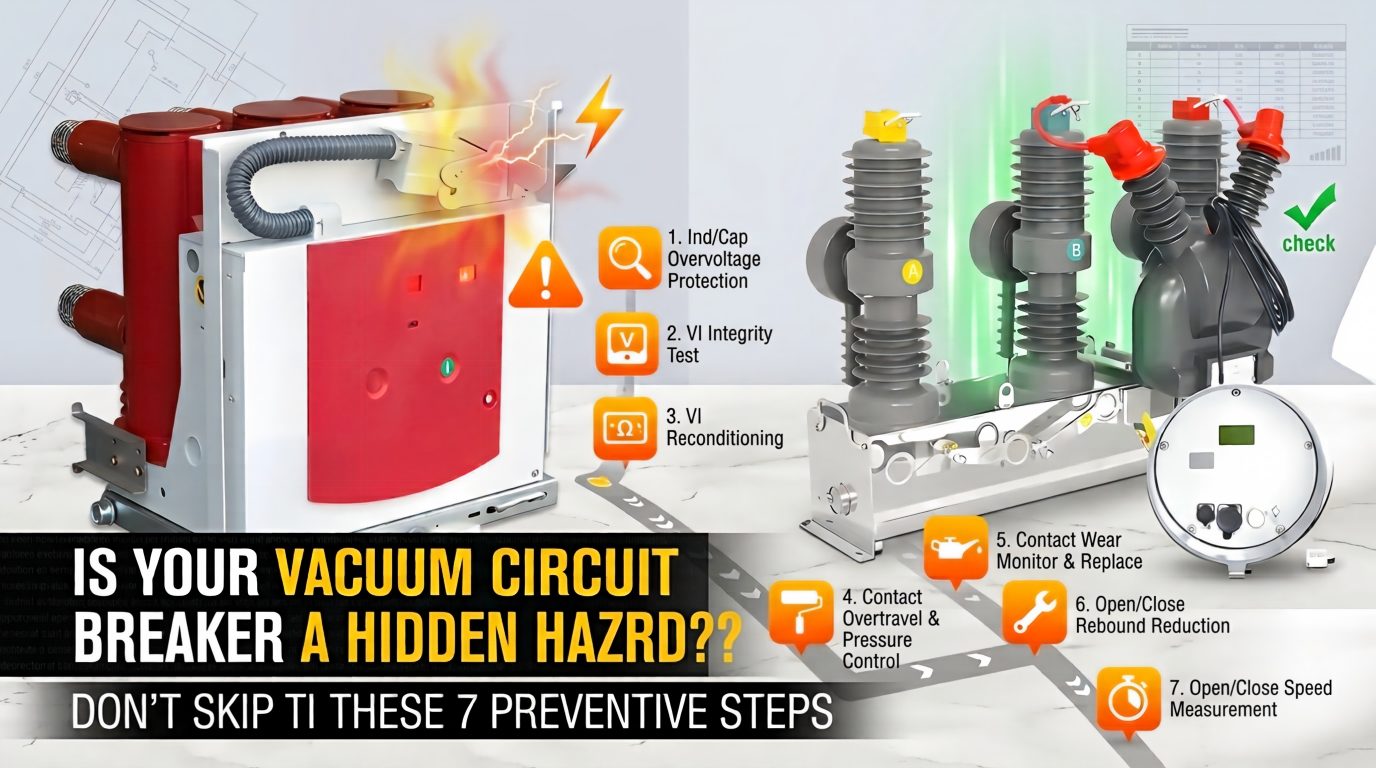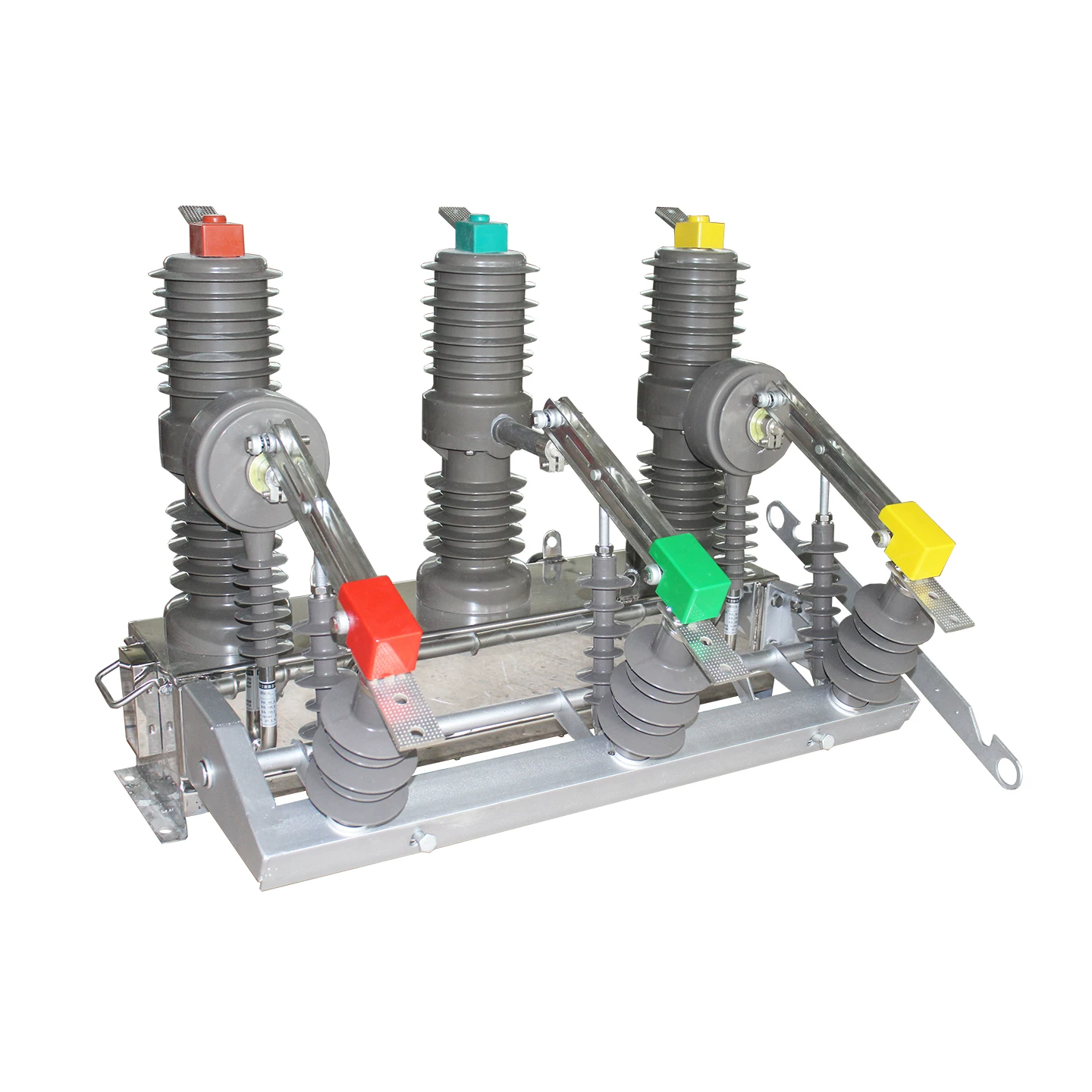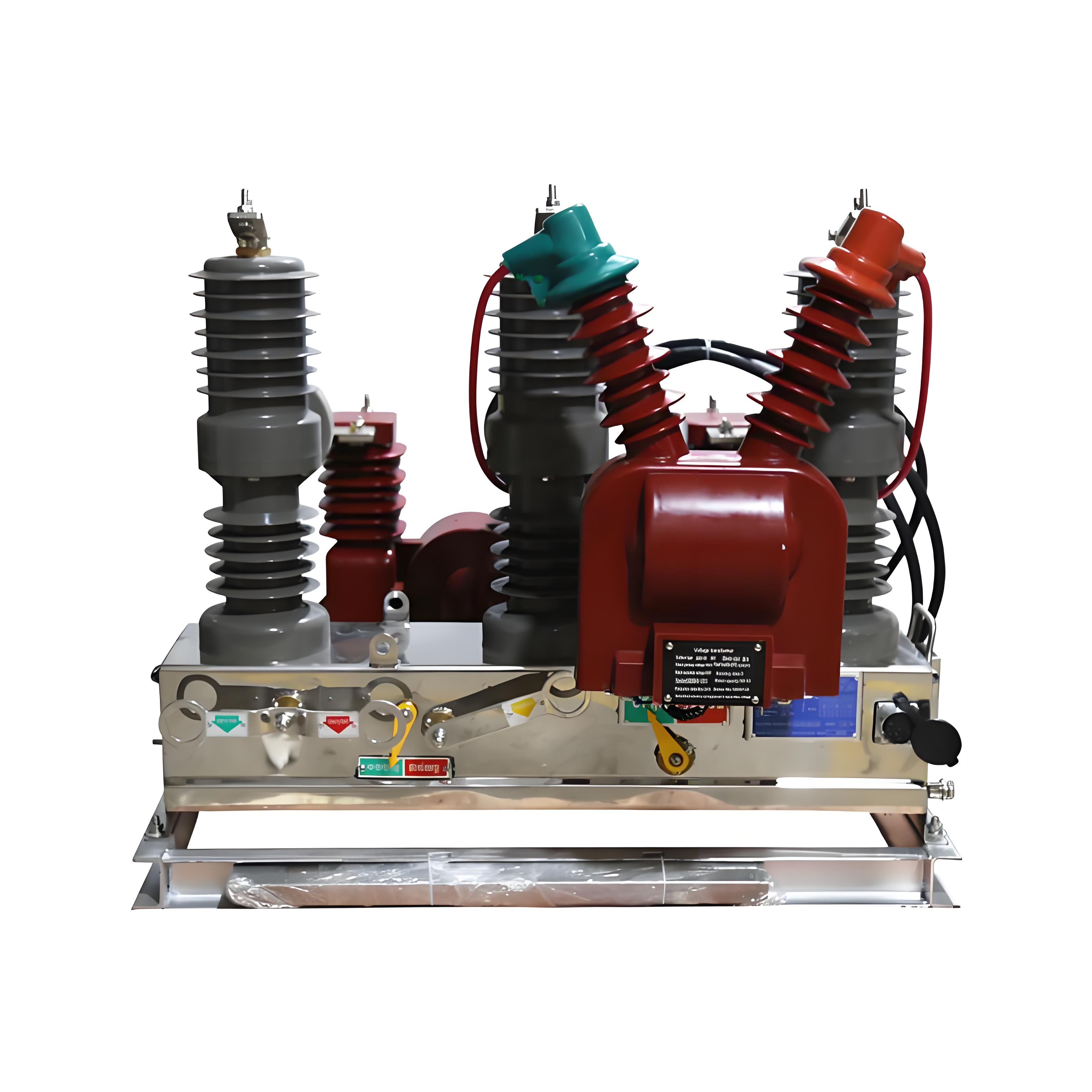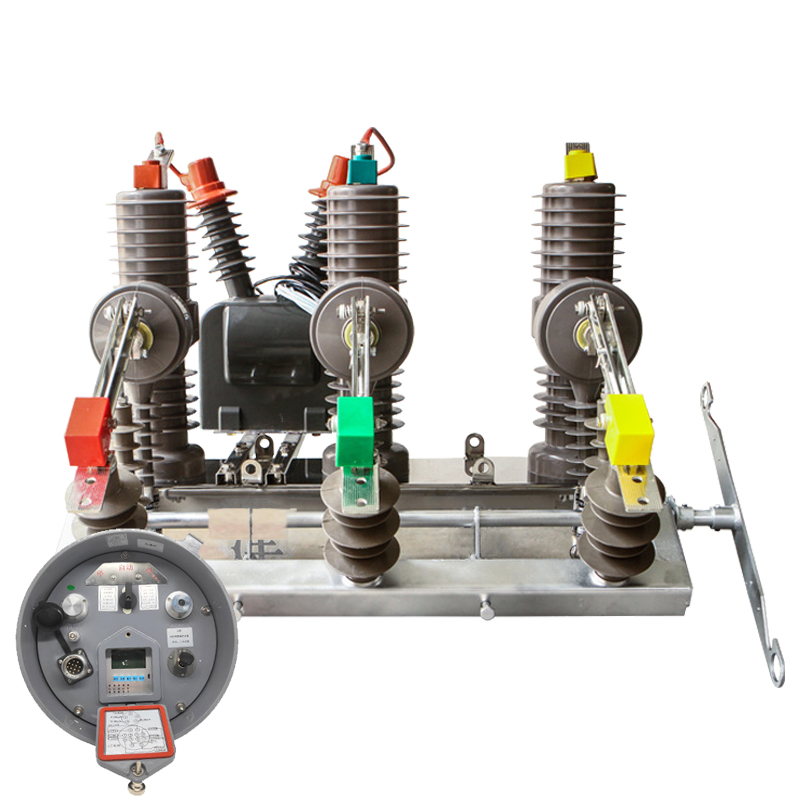
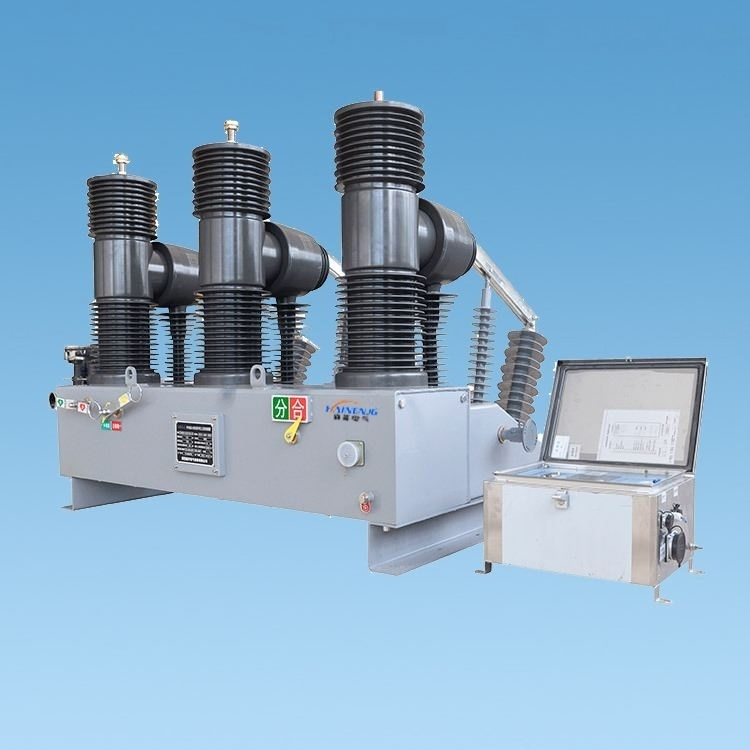
An Auto Circuit Recloser (ACR) is a specialized class of high-voltage switchgear designed to ensure the continuity of power supply in overhead distribution networks. Unlike standard switches, an ACR is equipped with intelligent sensing technology and a control unit that allows it to detect overcurrents, interrupt the circuit, and then automatically reclose to restore power. This capability is essential for handling transient faults—temporary issues caused by lightning, wind-blown branches, or wildlife—which account for a significant majority of overhead line faults.
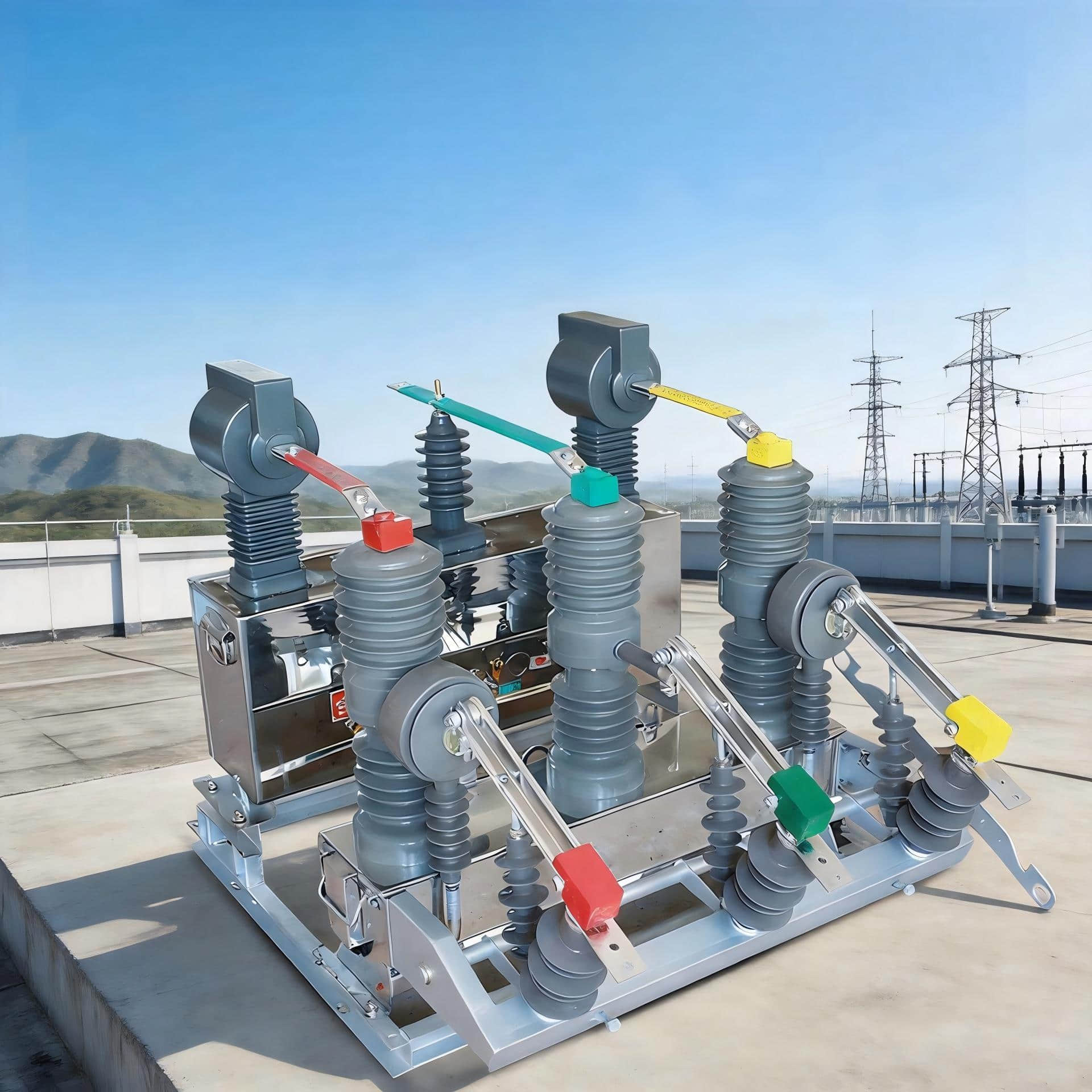
At Weisho, our ACR solutions, such as the ZW32 and ZW20 series, utilize advanced vacuum interrupters and robust outdoor insulation (SF6 or solid) to deliver precise fault clearing. These devices act as the first line of defense, providing self-healing capabilities to the grid by testing the line to see if a fault has cleared before permanently cutting power.
How ACRs Differ from Traditional Circuit Breakers
The primary distinction between an ACR and a traditional circuit breaker lies in their response to faults and their impact on service continuity.
Operation Logic: A standard circuit breaker trips and locks out immediately upon detecting a fault, requiring a manual reset by a technician. In contrast, an ACR is programmed to perform a specific sequence of “trip and reclose” operations.
Transient vs. Permanent: ACRs are designed to distinguish between temporary disturbances and permanent faults. If the fault is transient, the ACR restores power automatically in seconds. If the fault persists after a pre-set number of attempts, the device locks out to protect the system.
Downtime Reduction: By eliminating outages caused by momentary issues, reclosers significantly reduce power outages and operational costs compared to traditional breakers that treat every fault as a permanent system failure.
The Role of ACRs in Modern Power Distribution Networks
In the context of distribution automation systems, the ACR is more than just a protective device; it is a critical node for grid automation. Modern reclosers are integrated with intelligent controllers and Remote Terminal Units (RTUs) that communicate with central SCADA systems.
Smart Grid Integration: Our reclosers support remote monitoring and control, allowing operators to analyze fault current data and isolate issues without dispatching field crews.
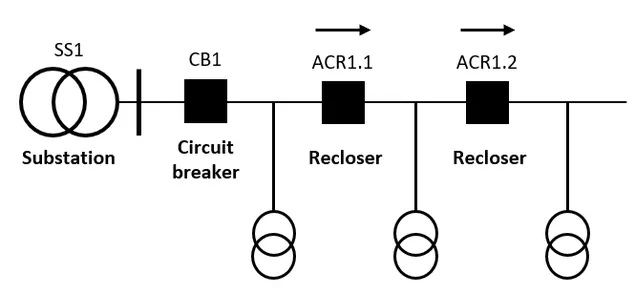
Network Segmentation: By strategically placing smart reclosers along a feeder, utilities and industrial facilities can segment their network. This ensures that a fault in one section does not black out the entire facility, maintaining continuous supply to critical infrastructure.
Enhanced Stability: For high-stakes environments like oil and gas fields, ACRs stabilize the network against system oscillations and ensure that power quality meets the rigorous demands of sensitive extraction and processing equipment.
The Critical Need for Power Reliability in Oil, Gas, and Chemical Facilities
In the energy and chemical sectors, power isn’t just a utility; it is the backbone of safety and production. We understand that the electrical networks feeding these facilities face unique challenges, from harsh outdoor environments to the absolute necessity of distribution system reliability. Our high-voltage equipment is engineered specifically to handle the rigorous demands of these industries, ensuring that the grid remains stable even when external conditions are volatile.
The High Cost of Unplanned Downtime in Petrochemical Processes
In petrochemical refining, a power interruption of just a few cycles can force a complete plant shutdown. This isn’t just an inconvenience; it results in wasted raw materials, ruined catalysts, and days of lost production while systems are purged and restarted. We emphasize robust protection because why cheap vacuum circuit breakers cost you more in the long run becomes immediately apparent when a single failure triggers millions in operational losses.
Our automatic circuit reclosers (ACRs) are designed to prevent these scenarios. By distinguishing between temporary and permanent faults, they prevent unnecessary power outages caused by transient issues like lightning or wildlife. This capability is essential for downtime reduction, ensuring that profitable processes continue running without interruption.
Safety Risks Associated with Power Fluctuations in Hazardous Zones
Stability is synonymous with safety in hazardous environments. Transient stability issues or sudden loss of power can lead to dangerous situations, such as the failure of cooling pumps, loss of pressure control, or the disabling of ventilation systems in volatile areas.
Fault Current Management: Our equipment rapidly detects and interrupts fault currents to prevent equipment damage that could lead to leaks or fires.
Preventing Arcs: Fast clearing times reduce the energy released during a fault, minimizing the risk of electrical hazards.
System Integrity: Maintaining a steady voltage ensures that sensitive monitoring and safety instrumentation remain online.
We rigorously test our ZW32 and ZW20 series reclosers to ensure they perform flawlessly, protecting both the electrical network and the personnel working in these high-risk zones.
Maintaining Continuous Operations for Critical Infrastructure
Oil and gas extraction sites and pipelines are often located in remote, difficult-to-access areas. Relying on manual intervention to restore power after a trip is not feasible. This is where service continuity through automation becomes critical. Our reclosers act as key components in self-healing grids, automatically restoring power after transient faults and isolating only the affected sections during permanent faults.
By integrating with intelligent controllers (FTU/RTU), our reclosers support distribution automation systems. This allows facility operators to monitor grid health remotely and ensure that critical infrastructure—from extraction pumps to processing units—maintains a continuous power supply, regardless of the external environment.
How Automatic Circuit Reclosers Work to Protect Industrial Networks
The Working Principle: Sensing and Clearing Transient Faults
In the high-stakes environment of oil, gas, and chemical processing, we engineer our Automatic Circuit Reclosers (ACRs) to act as the first line of defense. The core function relies on precision sensing. When a fault current occurs—often due to lightning or animal contact—the recloser’s internal current transformers immediately detect the anomaly.
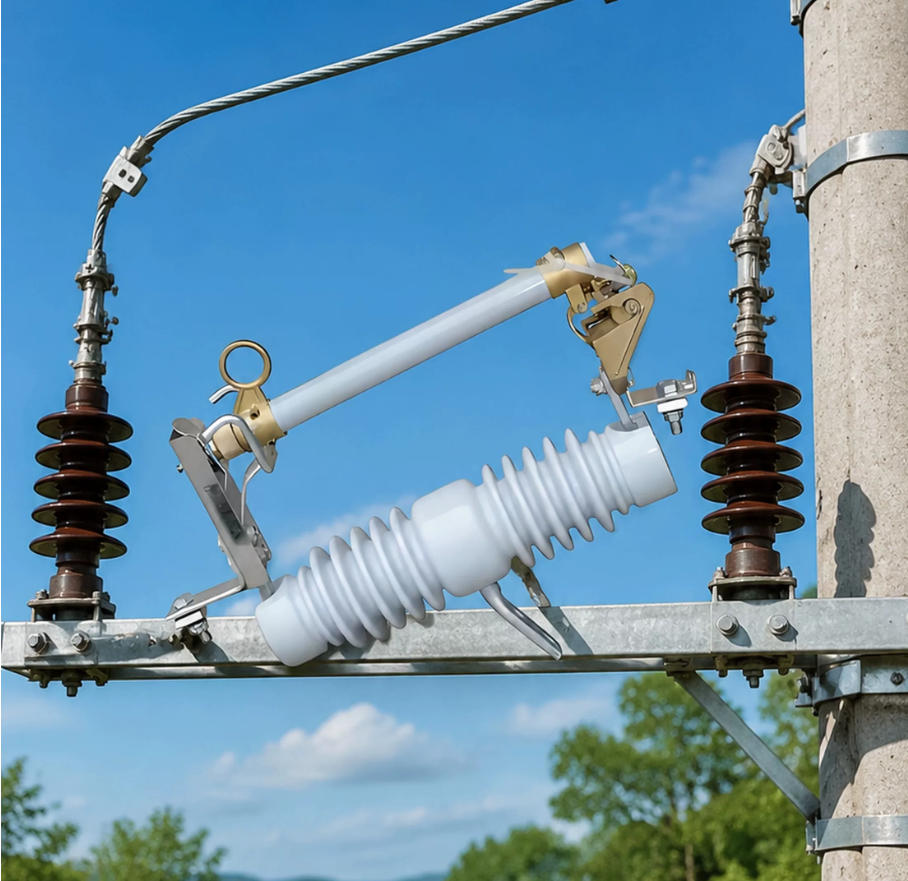
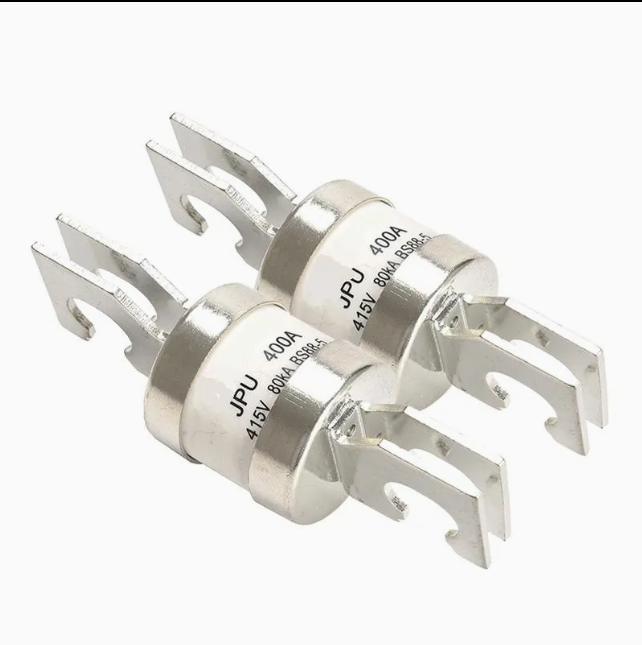
Unlike a standard fuse that blows and requires replacement, our vacuum circuit breakers (such as the ZW32 and ZW20 series) utilize advanced vacuum interrupters to extinguish the electrical arc within milliseconds. This rapid fault clearing prevents the energy spike from damaging sensitive downstream equipment like variable frequency drives (VFDs) or pump motors. Accurate detection is critical, relying on principles similar to what is the difference between VT and CT when configuring protection relays for specific voltage and current thresholds.
Automatic Restoration of Power Supply for Temporary Issues
The defining feature of our ACR technology is the ability to distinguish between a temporary blip and a serious problem. Statistics show that a vast majority of overhead line faults are transient short circuits that clear themselves once the power is cut.
Here is how our system ensures service continuity:
Trip: The unit opens to interrupt the fault.
Wait: It pauses for a pre-programmed interval (dead time) to allow the air around the fault to de-ionize.
Reclose: The mechanism automatically closes the circuit to test if the fault is gone.
If the line is clear, power is restored instantly. This self-healing capability is vital for remote pipelines and extraction sites, where sending a maintenance crew for a nuisance trip results in costly downtime.
Fault Isolation and Lockout Functions for Permanent Failures
While we prioritize keeping the power on, safety remains paramount. If the fault persists after a programmed number of reclosing attempts (usually three or four), the system identifies it as a permanent fault.
At this stage, the ACR performs a lockout operation, keeping the contacts permanently open to isolate the damaged section of the network. This prevents further damage to the grid and protects personnel from re-energizing a dangerous line. Through integration with distribution automation systems, our intelligent controllers (FTU) instantly send an alarm to the control center, pinpointing the exact location of the outage for rapid repair. This selective coordination ensures that a failure in one section does not black out the entire facility.
Key Benefits of Implementing ACRs in Oil and Gas Operations
Minimizing Production Losses from Lightning and Transient Surges
In the volatile environment of oil and gas extraction, we understand that even a momentary loss of power can halt critical pumps and compressors, leading to substantial financial losses. Overhead cable networks in these open fields are highly susceptible to lightning strikes and tree contact, which typically cause temporary issues known as transient short circuits. Unlike standard breakers that trip and require manual resetting, our Automatic Circuit Reclosers (ACRs) are designed to handle these events intelligently.
By automatically reclosing after a momentary fault clears, we ensure service continuity without human intervention. This capability is vital for downtime reduction, as it prevents a simple lightning flash from shutting down an entire production line. For facilities facing frequent atmospheric disturbances, understanding the synergy between reclosers and a comprehensive lightning protector guide is essential for maximizing system resilience.
Enhancing Grid Reliability in Remote Extraction and Pipeline Sites
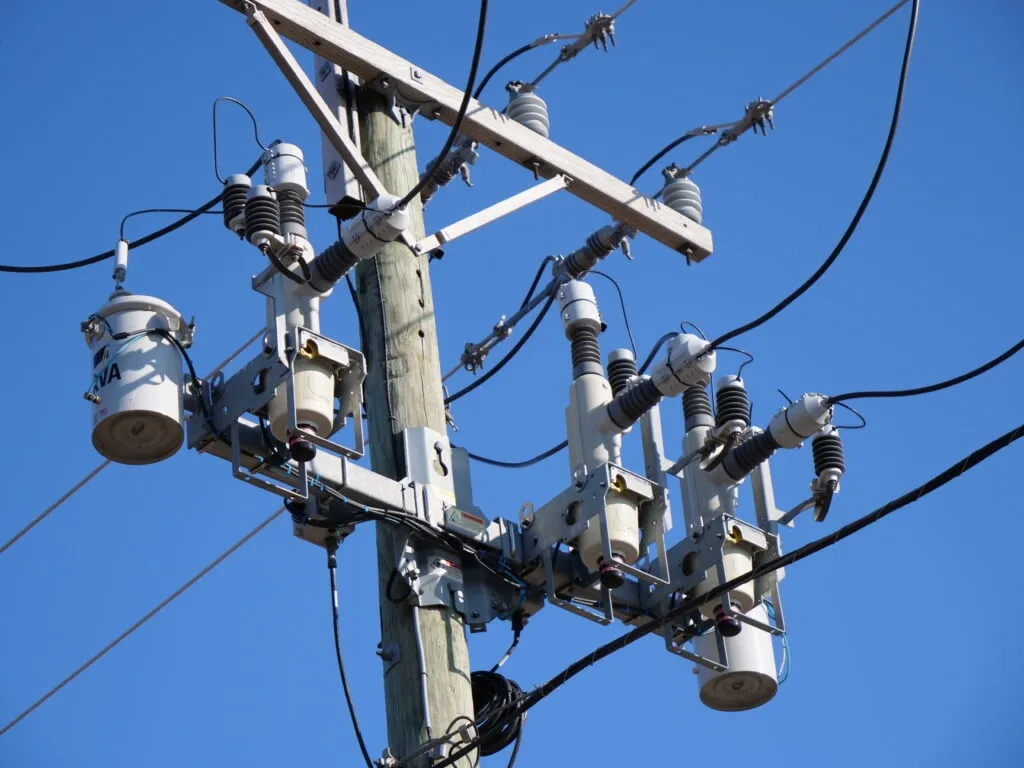
Pipeline booster stations and wellheads are often located in isolated, harsh terrains where accessing equipment is difficult and costly. Relying on manual fuse replacements or breaker resets in these areas is inefficient. We engineer our pole-mounted reclosers, such as the ZW32 and ZW20 series, to act as self-healing nodes within the distribution system.
These units provide robust equipment protection by isolating permanent faults while maintaining supply to the rest of the network. This segmentation improves distribution system reliability, ensuring that a fault in one remote section does not black out the entire grid. Our outdoor vacuum reclosers are built to withstand extreme weather, offering maintenance-free operation that is critical for uncrewed remote sites.
Integration with SCADA and Remote Monitoring Systems
Modern industrial power networks demand real-time visibility. Our smart reclosers are not just switching devices; they are integral components of distribution automation systems. Equipped with intelligent controllers (FTU/RTU), our reclosers integrate seamlessly with SCADA networks, allowing operators to monitor voltage, current, and switch status from a central control room.
This connectivity transforms a passive grid into an active, manageable asset. Operators can remotely configure programmable settings for protection curves and operation sequences, drastically reducing response times during emergencies.
Data Capabilities of Intelligent ACRs:
| Feature | Function | Benefit |
|---|---|---|
| Real-Time Monitoring | Tracks load current and voltage levels continuously. | Prevents overload and optimizes transmission capacity. |
| Event Logging | Records fault current magnitude and time stamps. | Simplifies post-fault analysis and troubleshooting. |
| Remote Control | Allows open/close operations from the control center. | Enhances safety by keeping personnel away from hazardous zones. |
| Fault Location | Identifies the specific section where a fault occurred. | Speeds up power restoration and repair crews. |
Types of Reclosers Suitable for Heavy Industrial Applications
Classification by Insulation Medium: Oil, Vacuum, and SF6 Gas
When selecting equipment for critical infrastructure, the insulation medium defines performance and maintenance needs. While older oil-filled units were once common, modern industrial networks demand more reliable, low-maintenance options.
Vacuum Reclosers: We prioritize vacuum interrupters in our designs, such as the ZW32 and ZW20 series. Vacuum technology offers superior arc-quenching capabilities and a long mechanical life, making our outdoor vacuum circuit breaker ideal for frequent operation in harsh environments.
SF6 Gas Insulated: For applications requiring compact footprints and high dielectric strength, we utilize SF6 gas insulation. This ensures the device remains sealed and impervious to external contaminants like dust or moisture found in chemical plants.
Solid Insulation: We also offer solid dielectric options. These eliminate the risk of gas leakage entirely, providing an environmentally friendly solution that maintains high insulation performance without the need for gas monitoring.
Single-Phase vs. Three-Phase Reclosers for Industrial Loads
In the context of oil, gas, and chemical facilities, the choice between single-phase and three-phase units is dictated by the load type.
Three-Phase Reclosers: This is the standard for heavy industry. Most pumps, compressors, and processing machinery operate on three-phase power. Our reclosers are designed to trip and lockout all three phases simultaneously. This prevents “single-phasing,” a dangerous condition that can burn out expensive industrial motors if only one line is interrupted.
Single-Phase Reclosers: While useful for residential spurs, these are rarely suitable for main industrial feeders. We focus on robust three-phase protection to ensure balanced power delivery and equipment protection across the facility’s grid.
Electronic and Microprocessor-Based Control Systems
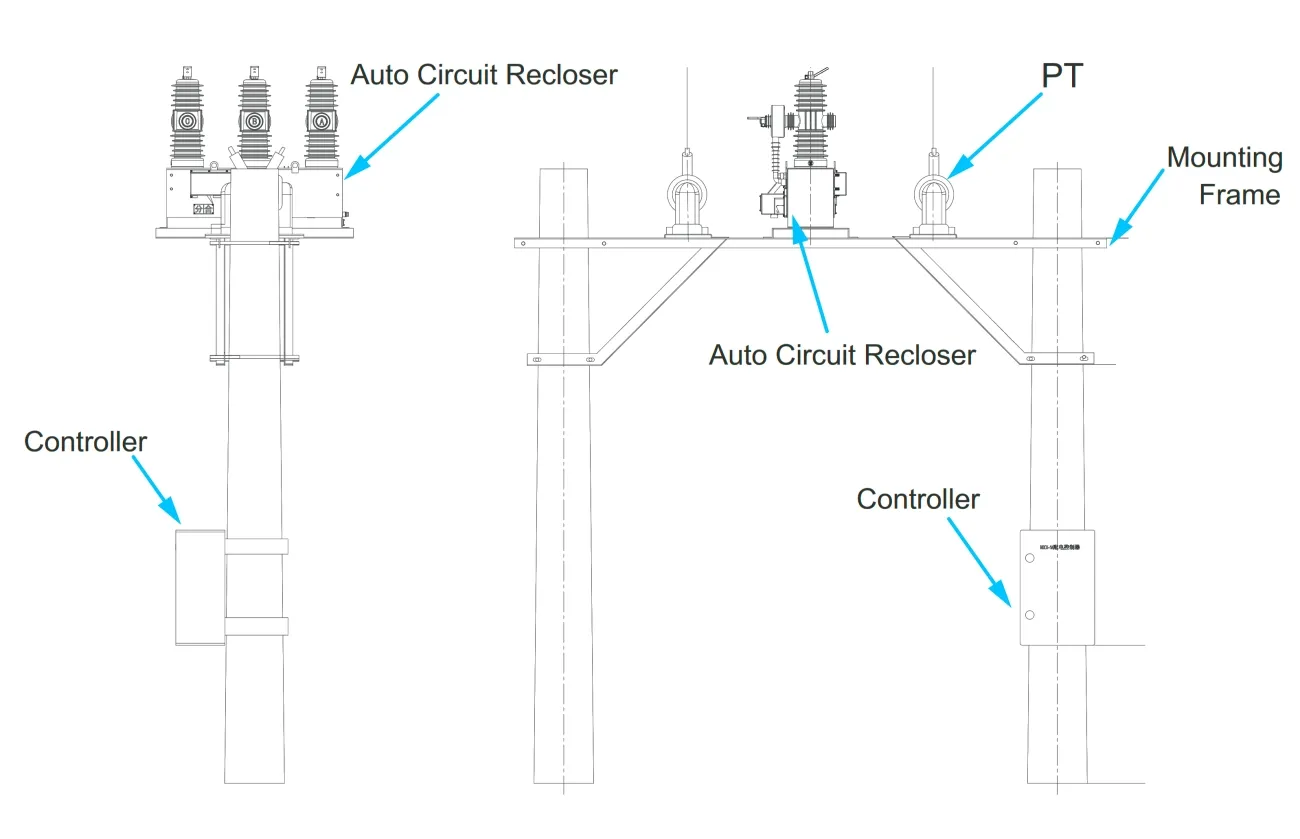
The hardware is only as good as its control system. We integrate our reclosers with advanced electronic control reclosers and microprocessor-based units (FTU/RTU) to meet the demands of distribution automation systems.
Programmable Settings: Our smart reclosers allow engineers to customize time-current curves. This ensures the recloser coordinates perfectly with other protective devices, minimizing disruption during fault clearing.
Remote Capabilities: In hazardous zones where physical access is dangerous, our microprocessor controls enable remote monitoring and operation. Operators can adjust settings or retrieve fault data from a safe distance via SCADA integration.
Precision: Electronic controls provide far greater accuracy than hydraulic equivalents, ensuring consistent timing for automatic restoration and reducing the risk of nuisance tripping during transient stability events.
Strategic Application Scenarios in Chemical and Petrochemical Plants

Protecting Radial Feeders in Large Industrial Complexes
In sprawling industrial facilities, long radial feeders often power remote pump stations or storage units. Relying on a single breaker at the substation means a fault at the far end shuts down the entire line. We deploy our outdoor pole-mounted reclosers, such as the ZW32 series, along these overhead cable networks to segment the feeder.
By placing smart reclosers at strategic intervals, we achieve selective coordination. If a transient fault occurs on a branch line, only the nearest recloser trips, leaving the rest of the facility operational. This approach significantly improves transient stability and prevents minor issues from escalating into plant-wide blackouts.
Loop Feeders for Redundant Power Supply in Critical Units
For processes that cannot tolerate even momentary outages, we implement loop schemes using advanced reclosers. This setup provides two power sources to a critical load. Our reclosers, integrated with intelligent controllers, form the core of distribution automation systems that enable a self-healing grid.
Fault Isolation: The system detects the fault location instantly.
Automatic Re-routing: Switches reconfigure to supply power from the alternate source.
Service Continuity: Operations continue without manual intervention.
This redundancy is vital for safety systems and continuous chemical reactions. Understanding where SF6 circuit breaker technology is used is essential here, as our gas-insulated ZW20 models offer the robust arc-quenching capabilities needed for these high-stress switching operations.
Substation Protection and Distributed Generation Interconnection
Modern petrochemical plants often generate their own power or require robust interfaces with the utility grid. Our high-voltage reclosers serve as the primary protection point at the substation level. They manage the interconnection, ensuring that internal faults do not disrupt the external grid and vice versa.
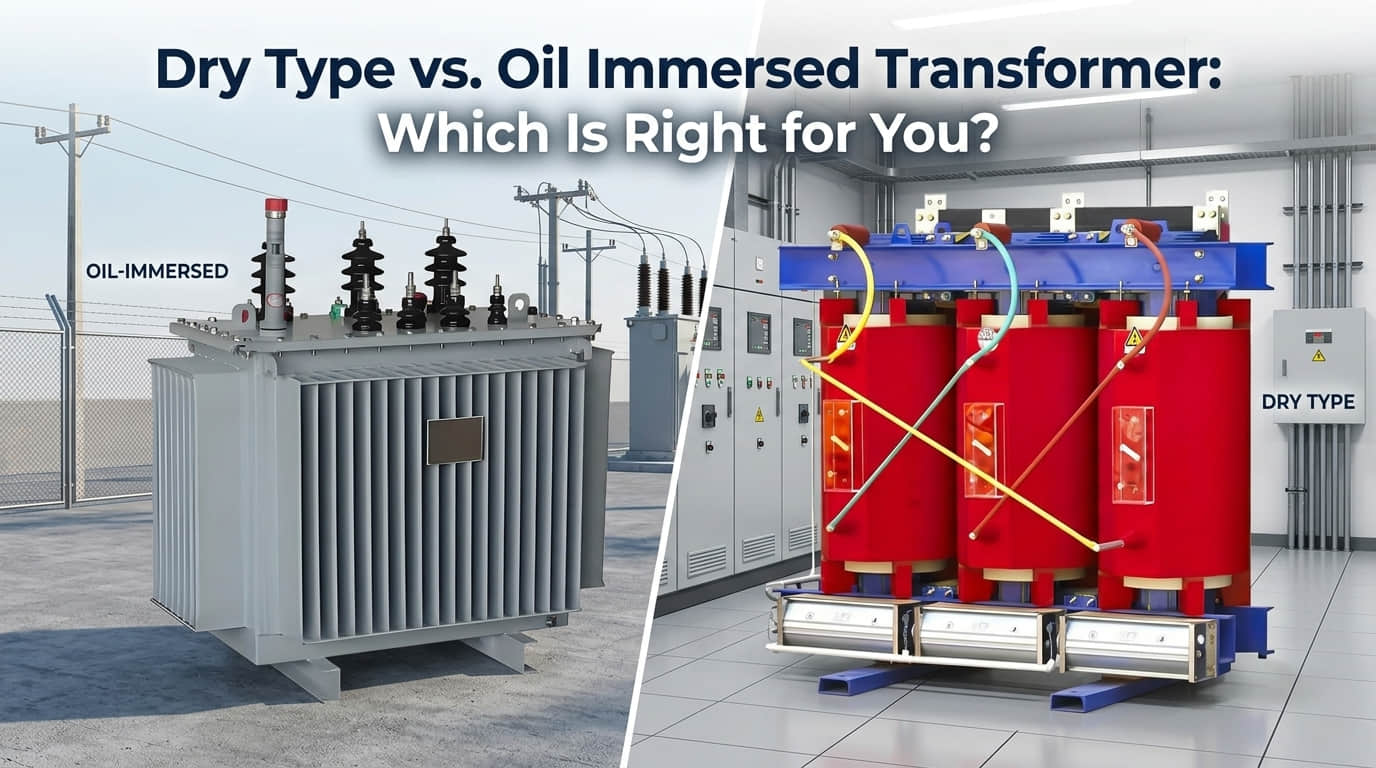
This level of grid automation is critical for safe power restoration and managing bidirectional power flow. We ensure our switchgear coordinates seamlessly with major substation assets, protecting expensive equipment like oil-immersed transformers from damaging fault currents. This coordination ensures that the facility remains compliant with utility standards while maintaining independent operational security.
Selection and Coordination Criteria for Industrial ACRs
Selecting the right Automatic Circuit Recloser (ACR) for oil, gas, and chemical facilities requires a precise evaluation of electrical parameters and environmental conditions. We prioritize matching equipment specifications to the unique demands of hazardous industrial networks to ensure service continuity and safety.
Matching Rated Voltage and Interrupting Capacity to Facility Needs
The first step in selection is ensuring the ACR’s rated voltage exceeds the system’s operating voltage. Our manufacturing standards cover a wide range, typically from 10kV up to 38kV, accommodating various distribution levels found in petrochemical complexes. Equally critical is the interrupting capacity; the device must be capable of safely breaking the maximum calculated fault current at the installation point without failure.
For facilities requiring robust boundary protection, devices like the FZW28 outdoor boundary vacuum circuit breaker offer the necessary high-voltage handling and fault-clearing capabilities. Under-sizing these parameters can lead to catastrophic equipment failure during short-circuit faults.
Selection Quick Guide:
| Parameter | Consideration for Industrial Facilities |
|---|---|
| Rated Voltage | Must exceed system voltage (e.g., use 12kV gear for 10kV lines). |
| Rated Current | Should handle peak load plus future expansion margins (e.g., 630A, 1250A). |
| Breaking Capacity | Must exceed maximum potential short-circuit current (e.g., 20kA, 25kA). |
| Frequency | Standard 50Hz or 60Hz to match the local grid. |
Coordination with Protective Relays and Downstream Devices
Effective overcurrent protection relies on proper coordination between the ACR and other grid devices. The recloser’s programmable settings must be calibrated to operate in sequence with upstream substation breakers and downstream fuses. This ensures that only the section of the network closest to the fault is isolated, maintaining power for the rest of the facility.
We design our reclosers to integrate seamlessly with distribution automation systems. Through intelligent controllers (FTU/RTU), our units communicate with protective relays to distinguish between transient short circuits and permanent faults. This coordination prevents nuisance tripping and ensures that self-healing protocols function correctly, minimizing downtime reduction efforts.
Environmental Durability and Maintenance Requirements for Harsh Climates
Oil and gas extraction sites are often located in extreme environments, ranging from desert heat to offshore humidity. Industrial ACRs must feature robust insulation—either SF6 gas or solid dielectrics—to withstand these conditions. Our ZW32 and ZW20 series are built for outdoor resilience, utilizing permanent magnetic actuators to create a maintenance-free operating mechanism essential for remote locations.
To further enhance safety during routine checks, integrating visible isolation points using a GW1-10 outdoor disconnect switch is recommended. This setup allows maintenance teams to visually confirm that the circuit is de-energized before working on the line.
Key Environmental Specs:
Ingress Protection: Minimum IP65 for control boxes to prevent dust and water entry.
Corrosion Resistance: Galvanized steel or stainless steel mounting brackets for coastal/offshore areas.
Temperature Range: Capability to operate between -40°C and +70°C.
Altitude: High-altitude designs available for mountainous extraction sites.