Previous
Next
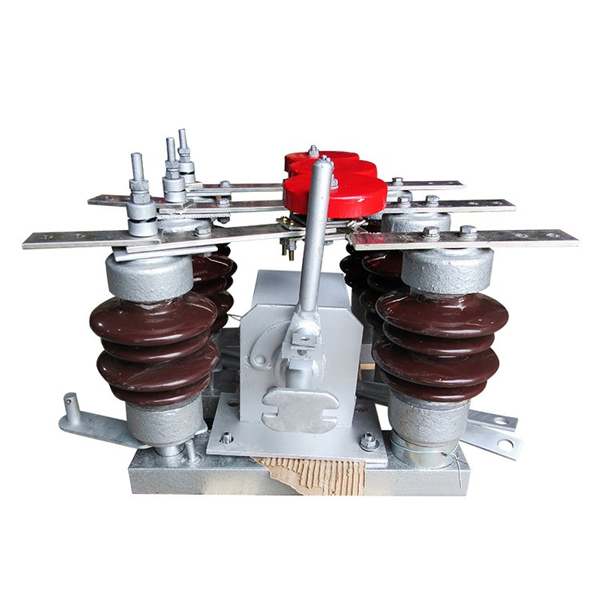
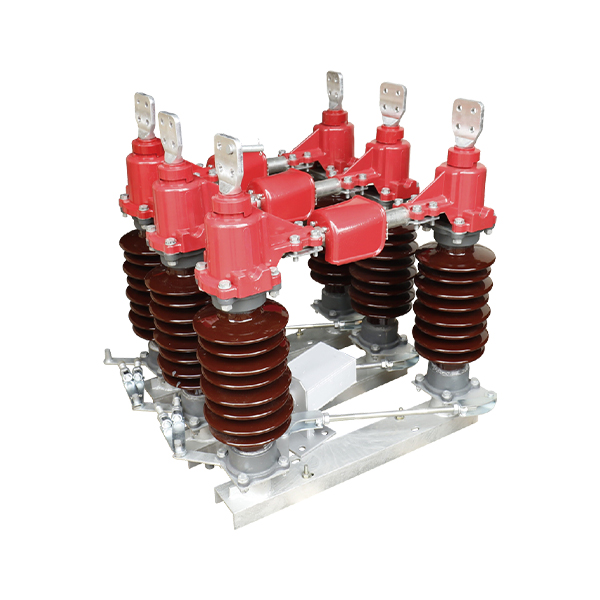
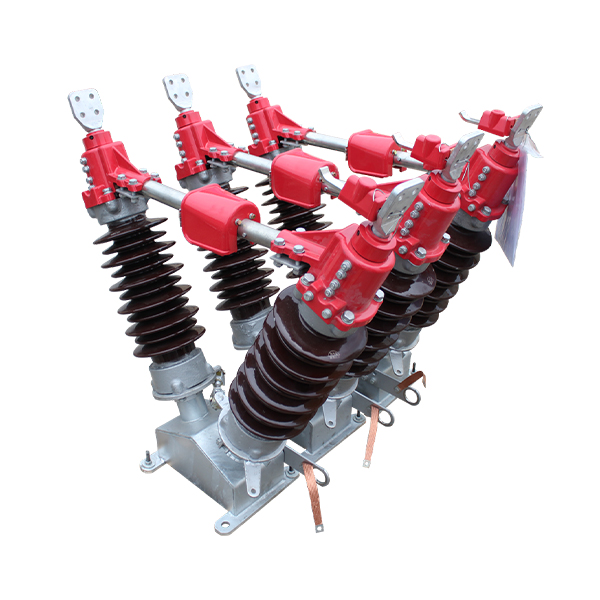
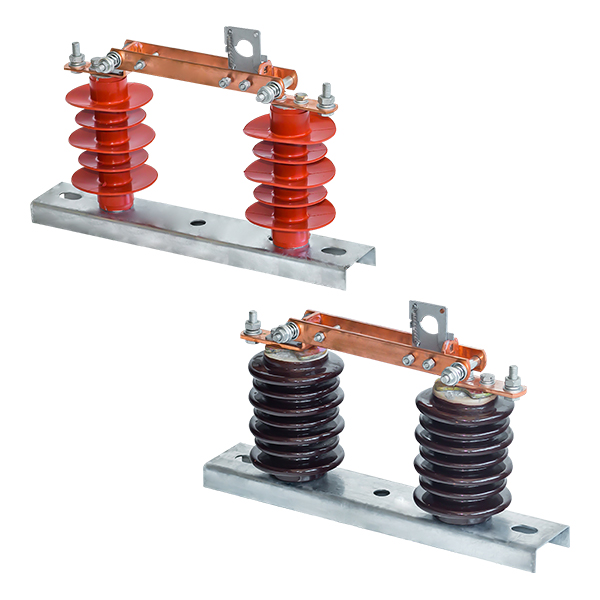
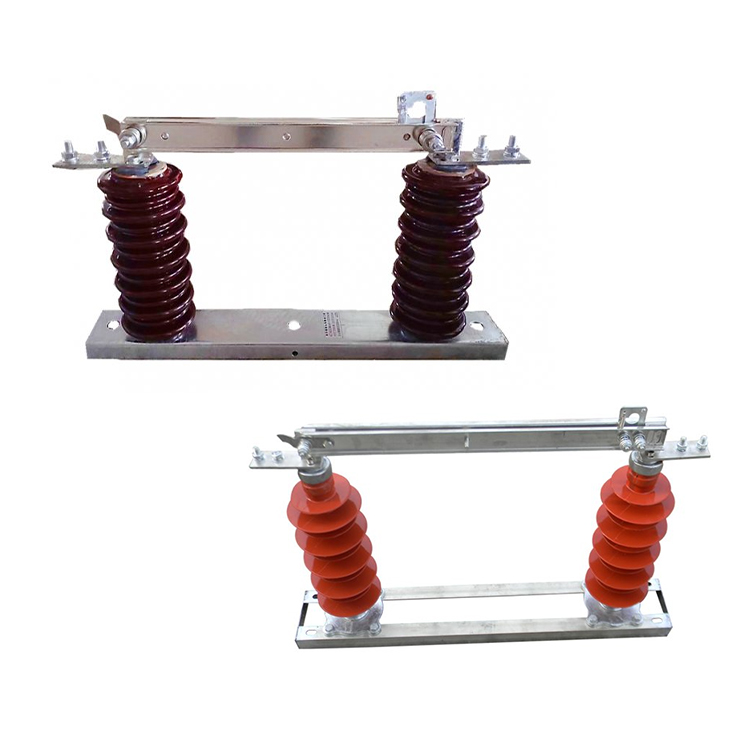
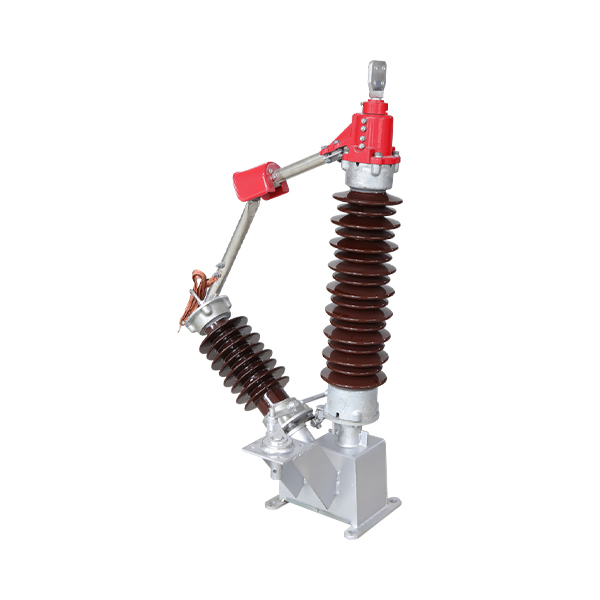
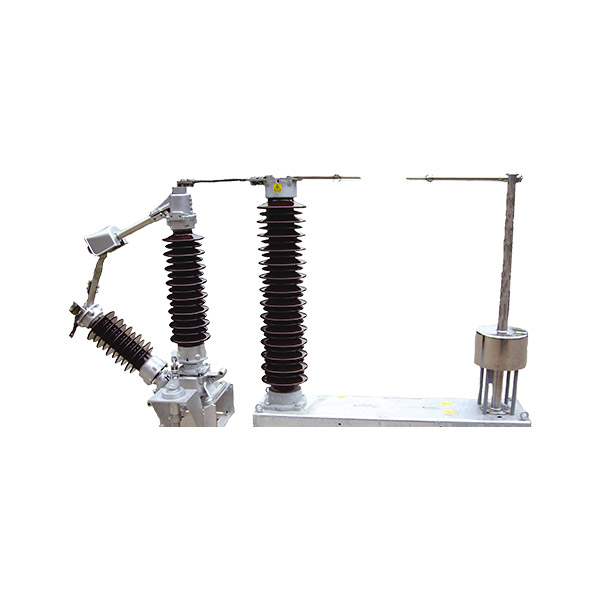
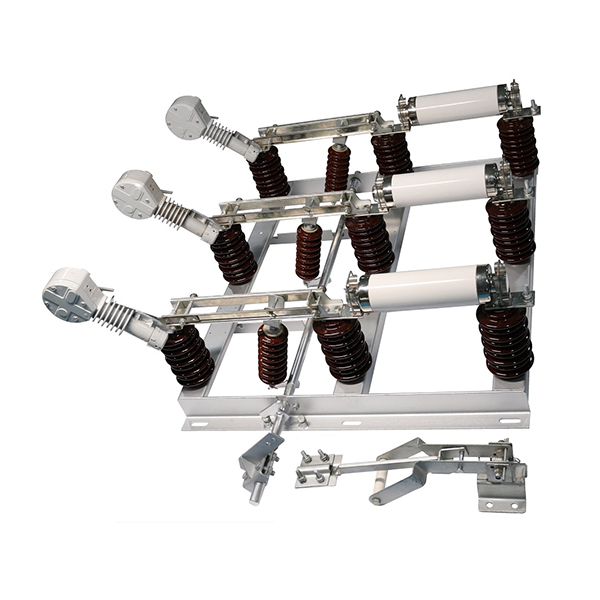
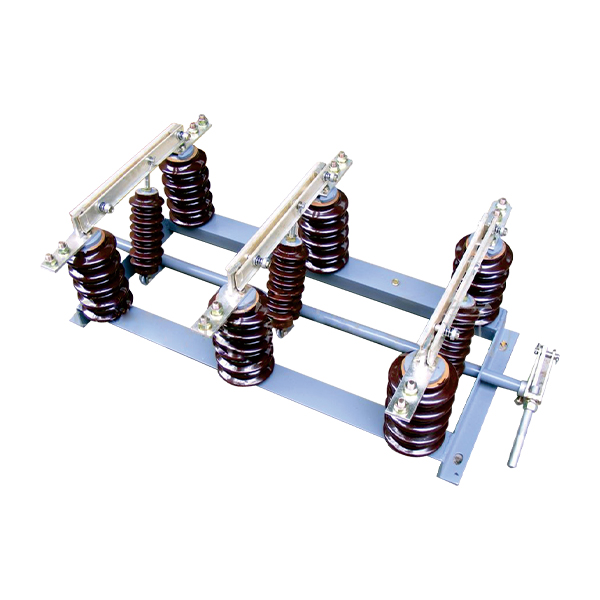
GW1-10/630-2000A Isolating Switch Series (Ceramic & Silicone Rubber)
The GW1-10/630-2000A isolating switch series with ceramic and silicone rubber insulators is a redesigned product developed by our factory to address a series of defects of the original GW1 switch, in strict accordance with the latest international electrical standards and their amendments. Equipped with an earthing switch as an optional component, this switch effectively prevents misoperations such as "earthing switch closing under live condition" and "switch closing with earthing switch closed", eliminating the need for operators to connect additional earthing wires separately. Boasting excellent electrical and mechanical performance, it is an upgraded replacement for existing outdoor switches of 10-35kV class.
1. Application Scope
This switch is designed for 3-phase 50Hz AC circuits, dedicated to making and breaking circuits under no-load with voltage conditions.
Basic Operating Conditions
(1) Altitude: ≤ 3000m; Ambient temperature: -40℃ ~ +40℃(2) Wind speed: ≤ 35m/s; Seismic intensity: ≤ 8 degrees(3) Suitable for polluted areas such as urban downtowns and industrial/mining zones
(4) Not applicable to locations with flammable/explosive hazards, frequent severe vibration/impact, or corrosive chemical substances that cause heavy damage to metals and insulating materials.
2. Structural Overview
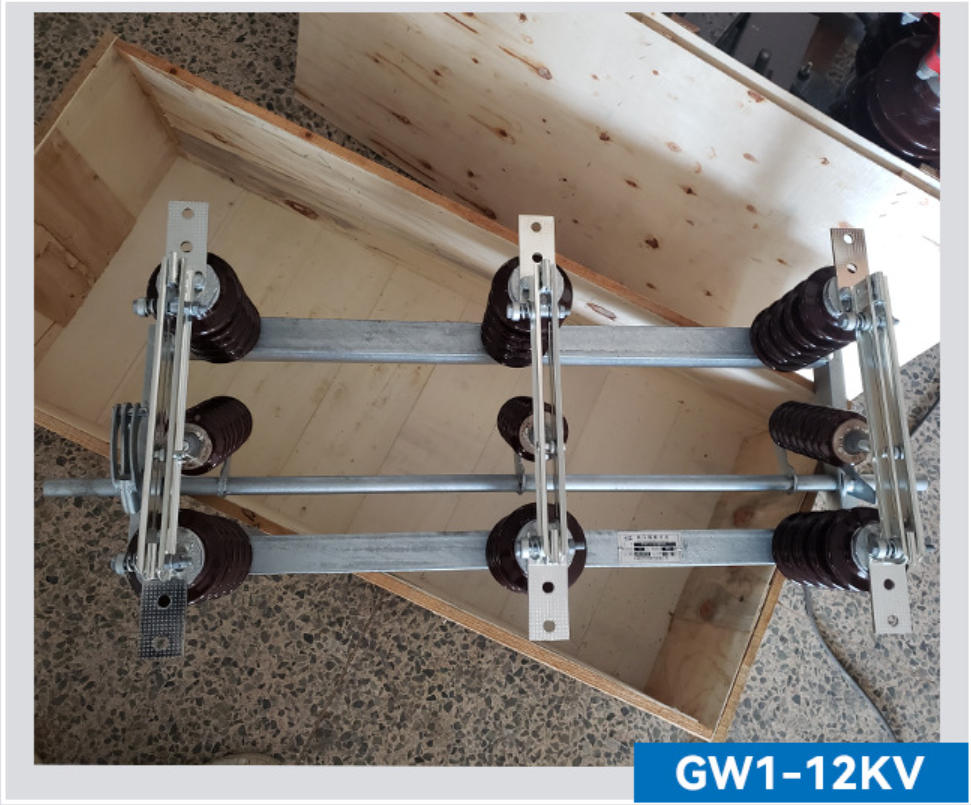
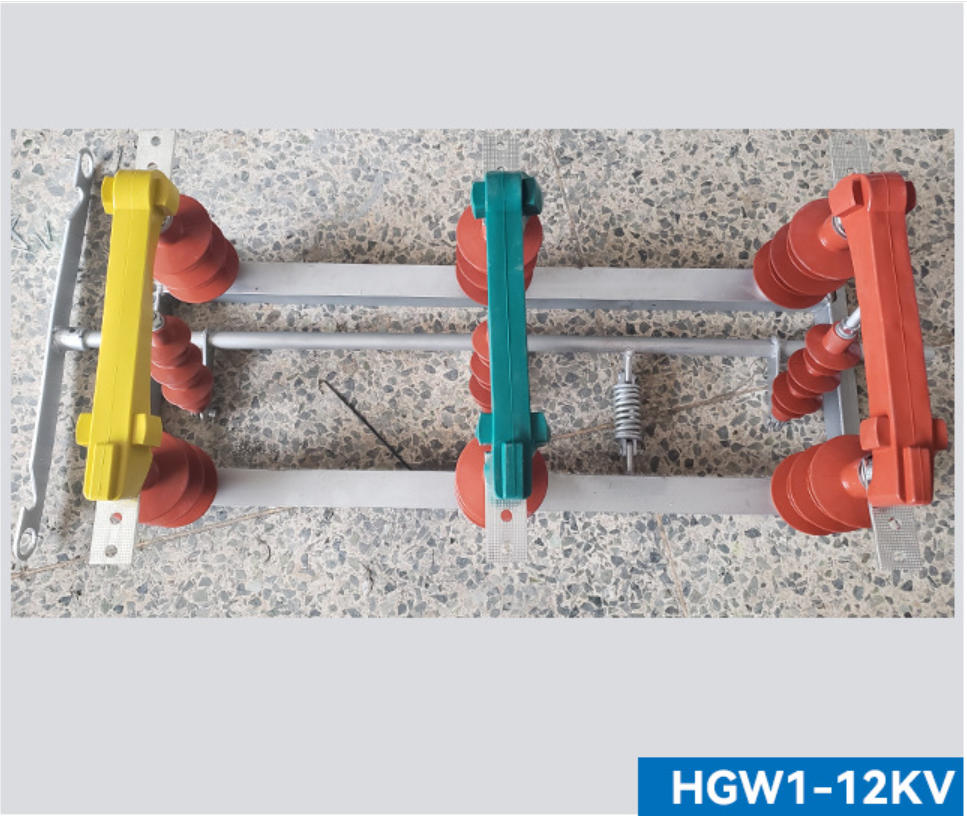
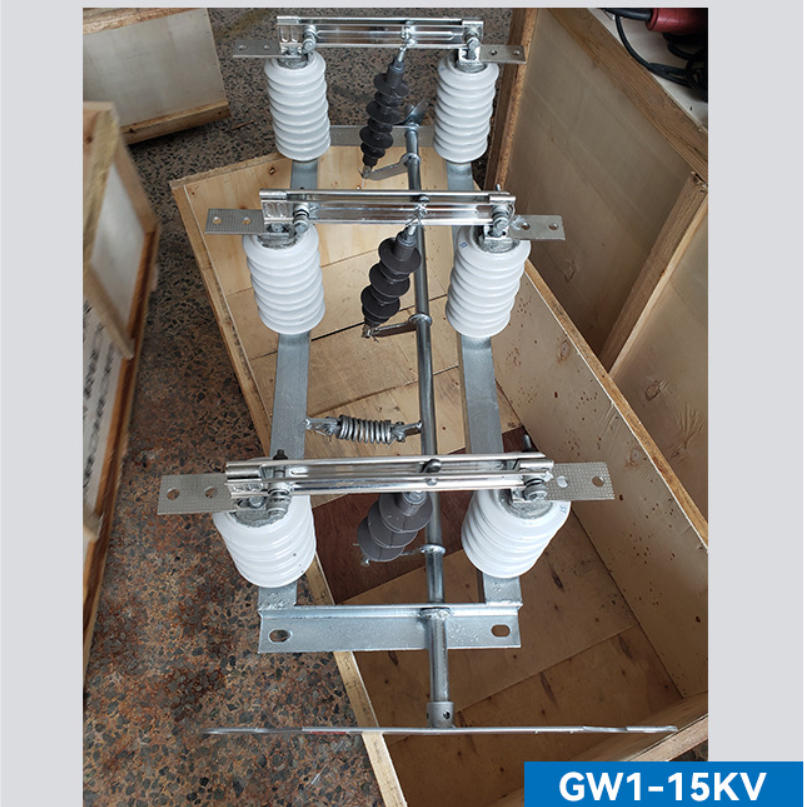
The GW1 series isolating switch features a structural design with two insulating porcelain columns: one porcelain column is mounted on a bearing at one end of the base (capable of horizontal rotation), and the other is fixed at the opposite end of the base.
The conductive blade of the GW1 series is split into two halves, which are fixed on the top of the two porcelain columns respectively, realizing horizontal opening and closing. The contact point of the contacts is located between the two porcelain columns. When the operating mechanism is actuated:
One porcelain column (with conductor) rotates, and the other porcelain column (with conductor) is synchronously driven to rotate via a connecting rod.
Note: For the standard GW1 series, only the rotatable porcelain column (mounted on the base bearing) and its conductor rotate when the operating mechanism is activated, with the fixed end remaining stationary.
Through the above transmission, the split conductive blade opens or closes towards the same side synchronously.
Matching Operating Mechanisms
GW1-10 series: Configured with CS11-I manual operating mechanism
GW1-15 series: Configured with CS11-I manual operating mechanism
GW1-35 series: Configured with CS11 or CS manual operating mechanism
GW1-35D series: Configured with CS8-6D or CS15-D manual operating mechanism
GW1-10/630-2000A Isolating Switch FAQ
1. Q: What is the main difference between this upgraded GW1 series and the original GW1 switch?
A: The upgraded GW1 series addresses the defects of the original model, with core improvements including:
Insulators are available in both ceramic and silicone rubber options, providing better pollution resistance for harsh environments like industrial zones.
It comes with an optional earthing switch that prevents misoperations such as "earthing switch closing under live condition", eliminating the need for operators to install external earthing wires.
It meets the latest international standards, with enhanced electrical and mechanical performance, making it a direct replacement for 10-35kV outdoor switches.
2. Q: Can this isolating switch be used in heavily polluted areas such as urban industrial zones?
A: Yes. The GW1 series is specifically designed for polluted environments. Its ceramic or silicone rubber insulators have excellent anti-pollution performance, and the silicone rubber option offers better hydrophobicity and self-cleaning capabilities, making it suitable for use in cities, mining areas, and other locations with high pollution levels.
3. Q: What safety features does this switch have to prevent misoperation?
A: The switch is equipped with an integrated earthing switch, which is interlocked with the main blade to physically prevent dangerous misoperations like "closing the main switch with the earthing switch closed" or "closing the earthing switch with the main switch live". This eliminates the need for additional temporary earthing wires and greatly improves operational safety.
4. Q: What operating mechanism is required for the GW1-10 series, and is it easy to maintain?
A: The GW1-10 series uses the CS11-I manual operating mechanism, which is a mature, reliable, and widely used model. The mechanism features a simple structure with few wearing parts, requiring only regular lubrication of moving components for maintenance, resulting in low long-term operational costs.
5. Q: What are the limitations on the installation environment for this switch?
A: The switch is designed for outdoor use, but it cannot be installed in locations with:
Flammable or explosive gases
Frequent severe vibration or impact
Corrosive chemicals that damage metals or insulation
It is also important to ensure that the installation site meets the altitude (≤3000m) and temperature (-40℃ to +40℃) requirements.

Contact Us
Tel: +8615957770984
Email: thor@weishoelec.com
Contact Us
Related Products