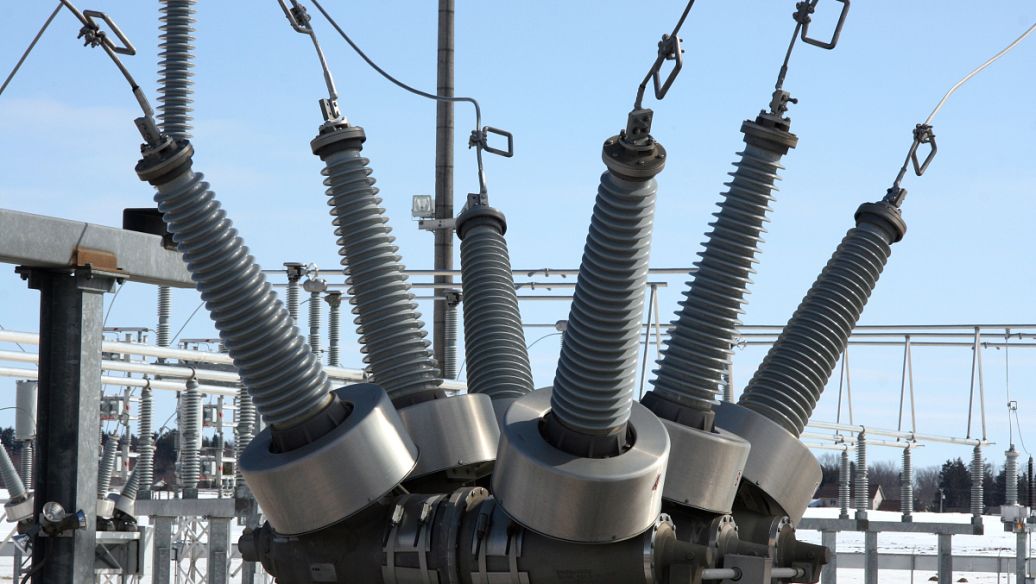
What Is a Surge Arrester?
Simple surge arrester definition
A surge arrester is a device that protects your electrical system from dangerous overvoltage spikes. When a sudden power surge or lightning surge hits your wiring, the surge arrester quickly redirects that extra energy safely to ground so it doesn’t destroy your equipment.
In everyday language:
A surge arrester is a pressure‑relief valve for voltage.
Normal voltage passes by untouched. When the voltage jumps too high, the surge arrester “opens a path” to ground and dumps the extra energy away from your gear.
If you’ve ever wondered “what is a surge arrester used for?” or “what is the function of a surge arrester in electrical systems?”—the answer is simple:
Its purpose is to keep lightning and switching surges from punching through the insulation of your transformers, panels, motors, and electronics.
How a surge arrester fits into your surge protection plan
You don’t rely on just one device for full protection. A complete surge protection plan usually includes:
Surge arresters at the service entrance, transformer, and distribution lines to stop big outdoor surges from entering your system.
Panel or whole‑house surge protectors to catch remaining transients.
Point‑of‑use surge strips or TVSS devices at sensitive equipment like servers, TVs, and medical devices.
Think of the surge arrester as your first heavy‑duty shield at the power system level. It takes the big hit so your downstream surge protectors and electronics don’t have to.
Surge arrester vs surge protector vs lightning arrester
These terms get mixed up a lot, but they’re not identical:
Surge arrester
Used on distribution lines, transformers, substations, and service entrances
Handles high‑energy lightning and switching surges
Common in utility, industrial, and whole‑facility protection
Surge protector/surge suppressor / TVSS (Transient Voltage Surge Suppressor)
Often means plug‑in or panel‑mounted devices
Protects consumer and IT equipment from smaller internal spikes
Used at outlets, racks, and control panels
Lightning arrester/lightning surge protector
In power systems, usually another name for a surge arrester
Designed mainly for lightning overvoltage protection on lines and transformers
When you search for “surge arrester vs surge protector”, here’s the clean takeaway:
A surge arrester protects the power system itself. A surge protector protects the devices you plug into that system.
Common names for surge arresters
In the field and in catalogs, you’ll see surge arresters called by several names:
Surge arrester
Lightning arrester
Lightning surge protector
Metal oxide varistor surge arrester (MOV arrester)
Zinc oxide surge arrester
TVSS (Transient Voltage Surge Suppressor) – often panel or equipment level
SPD (Surge Protective Device) – the modern standards term
No matter what label you see, if the device’s primary function is to limit overvoltage and divert surge current to ground, you’re looking at a form of surge arrester / surge protective device for your electrical system.
Why Do You Need a Surge Arrester?
What actually causes power surges in real life
In real life, power surges don’t just come from dramatic lightning strikes. In the U.S., most surges come from:
Utility grid switching – capacitor bank switching, recloser operations, and line switching all create sharp voltage spikes.
Large motors starting/stopping – HVAC units, elevators, pumps, and compressors kick voltage up when they start or trip.
Faults on the grid – line-to-ground faults, tree branches, or car‑hit poles cause temporary overvoltages.
Internal equipment – VFDs, welders, UPSs, and inverters can generate fast transients on your own system.
A surge arrester (lightning surge protection device / transient voltage surge suppressor) is built to catch these real‑world events before they burn through insulation and electronics.
Lightning surges vs switching surges vs internal surges
You’re dealing with three main surge types:
Lightning surges
Direct or nearby lightning hits on overhead lines or structures inject huge, short‑duration spikes—tens of kV and tens of kA—right into the power system.Switching surges
High‑voltage switching in transmission and distribution networks, or energizing transformers and capacitor banks, creates steep overvoltages that stress insulation.Internal equipment surges
Fast, lower‑energy spikes generated by drives, power supplies, and electronic loads inside your building. These are smaller but far more frequent and slowly kill sensitive gear.
A properly selected metal oxide surge arrester is designed to handle all three categories at the right energy level and clamping voltage.
What happens without a surge arrester
Without a surge arrester in the system, surges use your equipment as the “pressure relief valve.” That means:
Insulation on transformers, motors, and cables gets punched through.
Electronics see voltages way above their rating and fail instantly or age out early.
Switchgear and breakers experience flashover across phases or to ground.
Nuisance trips, random resets, and unexplained equipment failures become “normal.”
Over time, even if you don’t see catastrophic failures, repeated overvoltage events shorten the life of almost everything connected.
Real‑world damage examples
Here’s what we regularly see in the field when there’s no proper surge protection:
Homes & small businesses
Fried TVs, routers, game consoles, and smart appliances after summer storms.
HVAC control boards and Wi‑Fi thermostats failing every couple of years.
Whole‑house electronics wiped out when a nearby pole takes a lightning hit.
Commercial & industrial sites
Motor and transformer winding failures in plants after switching or fault events.
VFDs, PLCs, and control I/O cards failing from repeated internal spikes.
Arc flash or flashover in panels due to unmitigated overvoltage.
Substations & utilities
Transformer insulation failure and bushing flashover during lightning season.
Outages and feeder trips from overvoltage on distribution lines.
Expensive assets taken offline for repairs that could have been avoided with correctly rated distribution class or station class surge arresters.
Who really needs a surge arrester?
Surge arresters are not just for big utilities—they’re now standard risk control for almost every type of user:
Homeowners & small business owners
Whole‑house (secondary) surge arresters at the service entrance.
Extra protection for sensitive electronics and heat/AC systems.
Factories & industrial plants
Surge arrester for transformer protection on primary and secondary.
Protection at MCCs, main switchboards, and long distribution feeders.
Utilities & substations
Distribution class, intermediate class, and station class surge arresters on lines, transformers, and key equipment to keep feeders and transmission up.
Data centers, hospitals, and critical facilities
Layered surge protection at the service entrance, main switchgear, and downstream panels to protect servers, imaging systems, and life‑safety gear.
If you care about uptime and don’t want to keep buying the same equipment twice, surge arresters are the backbone of a serious surge protection strategy. For a deeper dive into how lightning surge protection compares to other devices, I break down the surge and lightning protector differences in more detail.
How Does a Surge Arrester Work?
Surge arrester working principle (simple version)
Here’s the plain‑English version:
A surge arrester just sits in your system watching the voltage.
When the voltage is normal, it does almost nothing, just leaks a tiny current.
When a surge hits (lightning, switching spike, fault), it instantly “turns on,” creates a very low‑resistance path to ground, and dumps the surge energy safely away from your equipment.
As soon as the surge is over, it “turns off” again and goes back to high resistance.
That fast switch from high resistance → low resistance → high resistance is the core surge arrester working principle.
What happens inside a surge arrester at normal voltage
Inside most modern surge arresters is a metal oxide varistor (MOV) or zinc oxide block stack.
At normal system voltage:
The MOV blocks behave like an insulator (very high resistance).
Only a very small leakage current flows – not enough to matter for your meter or your power bill.
Your line, transformer, or panel sees full system voltage, just like the arrester isn’t even there.
This is why a surge arrester can stay permanently connected in medium‑ and high‑voltage systems, right alongside gear like vacuum circuit breakers in distribution networks.
What happens during a surge or lightning strike
When a lightning surge or switching spike hits:
1. Voltage suddenly jumps above the arrester’s designed “turn‑on” level.
2. The MOV/zinc oxide blocks drop in resistance extremely fast (microseconds).
3. The arrester now looks almost like a short circuit to ground for the surge only.
4. Most of the surge current flows through the arrester to ground, instead of through your transformer, motor, or electronics.
5. Once the surge energy is gone, the blocks recover and go back to high resistance.
The key is speed: a good lightning surge protection device reacts far faster than fuses, breakers, or most insulation.
How the surge is diverted safely to ground
A surge arrester is always connected in parallel with the equipment it protects:
One end to the line or bus
The other end to a solid grounding system
During a surge:
The arrester “turns on” and pulls the surge current into the ground path.
The grounding grid, rods, or building ground system spreads that energy out into the earth.
Your equipment sees only a much lower, limited voltage instead of the full spike.
That’s why good grounding and short, straight leads are critical in surge arrester installation guidelines. Long, coiled, or poor-quality ground paths mean higher voltages on your gear.
What “clamping” or “limiting” voltage really means
The clamping voltage (also called protective level or limiting voltage) is:
The maximum voltage your equipment will see across the arrester during a surge.
In practice:
The surge arrester never lets the voltage rise above its rated protective level.
Your insulation, electronics, and windings only see this “capped” voltage, not the original spike.
For example: a system might see a 50 kV lightning surge, but the properly sized zinc oxide surge arrester might limit the voltage across the transformer terminals to, say, 80–120% of the equipment’s insulation rating, instead of several times that.
That “clamping” action is exactly how surge arresters protect electrical equipment from flashover, breakdown, and long‑term insulation damage.
Inside a Surge Arrester: Main Components
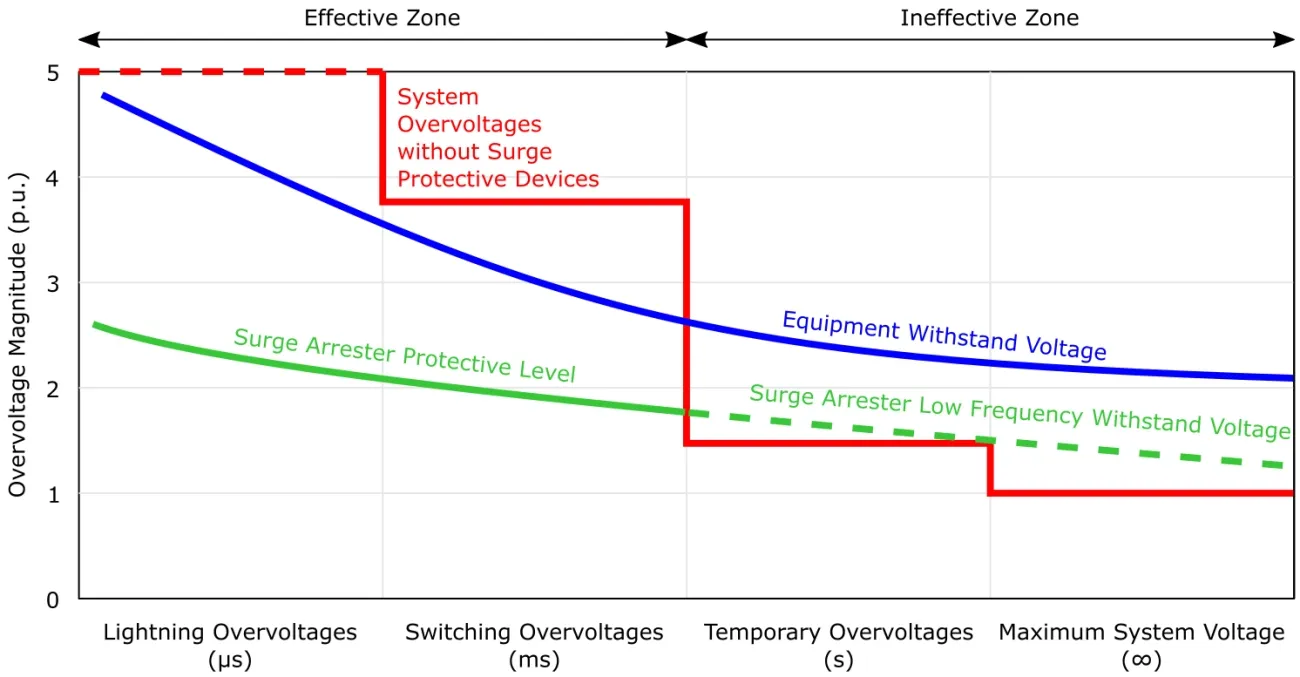
Metal Oxide Varistor (MOV) / Zinc Oxide Blocks
Inside a surge arrester, the “heart” is usually a metal oxide varistor (MOV) or zinc oxide block stack.
Under normal voltage, these blocks act like an insulator and hardly conduct.
When a surge hits, they switch to a low‑resistance path in microseconds, shunting the surge to ground.
This fast action is what keeps the equipment voltage below a safe clamping level and prevents insulation breakdown.
Porcelain Housing vs. Polymer Housing
The blocks are packed inside an insulated housing, usually porcelain or polymer:
Porcelain housing
Very strong, excellent for harsh, high‑voltage outdoor use
Heavy and brittle; can shatter if it fails
Polymer housing
Lightweight, better pollution performance, safer “non‑shattering” failure mode
Great for modern distribution and substation arresters in the U.S. power grid
The right housing choice is critical when you’re installing arresters next to gear like indoor disconnect switches or transformers that must keep operating safely under tough conditions.
Terminals, Connectors, and Ground Path
At the top and bottom of the arrester, you’ve got:
High‑voltage terminals for line or bus connection
**
Types of Surge Arresters
Low‑Voltage Secondary Surge Arresters (Homes & Small Business)
A secondary surge arrester is what most homeowners and small businesses know as a whole‑house surge protector. It’s installed at the main service panel and is built to:
Handle surges from the utility side and from large equipment inside the building
Protect TVs, appliances, HVAC units, EV chargers, and home office gear
Work with 120/240 V systems common in the United States
If you’re asking “what is a surge arrester used for in a house?” — this is it: catching big spikes before they spread through every circuit.
Distribution Class Surge Arresters (Medium‑Voltage Lines)
A distribution class surge arrester is used on medium‑voltage overhead and underground distribution lines, usually in the 5–35 kV range. Utilities mount them:
On pole‑mounted transformers
On underground cable terminations
On switches and reclosers
Their primary function is to protect transformers, cables, and line insulation from lightning and switching surges so the feeder doesn’t trip offline every time a storm rolls through.
Intermediate Class Surge Arresters
Intermediate class surge arresters sit between distribution and station class. You’ll see them:
In larger industrial plants with their own medium‑voltage systems
At substation feeders and critical branch circuits
On equipment that needs more surge energy handling than standard distribution arresters
Think of them as the “heavy‑duty” option when the risk level or fault current is higher than normal distribution gear can handle.
Station Class Surge Arresters (High‑Voltage & Substations)
A station class surge arrester is built for high‑voltage transmission systems and substations. These are used to:
Protect power transformers, breakers, and busbars in HV yards
Survive very high surge currents from lightning and switching events
Coordinate with other high‑voltage equipment like outdoor circuit breakers in complex substation layouts
For grid reliability and substation lightning performance, station class arresters work hand‑in‑hand with robust substation grounding and lightning protection practices, as covered in this guide on substation lightning protection grounding.
Gapless Zinc Oxide Arresters vs Older Gapped Designs
Modern metal oxide varistor (MOV) / zinc oxide surge arresters are usually gapless:
Gapless zinc oxide arrester: Continuous protection, lower clamping voltage, faster response, more precise control
Older gapped arrester: Used spark gaps plus resistors; slower, less accurate, and more maintenance‑prone
This gapless metal oxide surge arrester design is what most utilities and serious industrial users rely on today.
How Metal Oxide Surge Arresters Changed Lightning Protection
The switch to zinc oxide surge arresters was a big step forward in lightning surge protection:
Much lower let‑through (clamping) voltage, so insulation stress is reduced
Better energy handling, so arresters survive real storms instead of failing after a few hits
More predictable behavior, which makes it easier to coordinate with insulators, breakers, and other high‑voltage gear
In plain terms: metal oxide surge arresters made it possible to run lines and substations harder, with fewer lightning‑related outages and fewer blown transformers.
Surge Arrester Ratings You Must Understand
When you’re choosing a surge arrester, the numbers on the label really matter. If you get these wrong, your “protection” can be useless or even dangerous. Here’s what each rating actually means in plain talk.
System Voltage & Surge Arrester Voltage Class
Your system voltage (120/240V, 480V, 13.8kV, 34.5kV, etc.) drives what voltage class surge arrester you can use.
The arrester must be rated at or above your system’s normal operating voltage
Too low: the arrester will run stressed and fail early
Too high: it won’t clamp surges low enough to protect your equipment
In a substation or power distribution cabinet, we always start by matching the arrester voltage class to the system’s nominal line-to-line and line-to-ground voltages.
MCOV (Maximum Continuous Operating Voltage)
MCOV is the maximum voltage the surge arrester can safely see 24/7 without overheating.
In plain talk:
MCOV must be higher than your system’s normal L‑G or L‑L voltage
If you pick an arrester with too low MCOV, it will constantly “leak” too much current and age fast
If you go too high, it won’t clamp transients as tightly
For US users: always check MCOV against your actual service voltage (including phase-to-ground on grounded systems).
Duty Cycle Rating
The duty cycle rating tells you how well the surge arrester survives repeated surges at a given voltage.
Think of it like the arrester’s stamina rating
Higher duty cycle = better for industrial, utility, and substation environments with frequent switching surges
For typical US homes, lower duty cycle “secondary surge arresters” are usually enough
For feeders, transformers, or an integrated transformer substation (like a ZGS integrated transformer substation), we go with higher duty cycle units for long-term reliability
Discharge Current Rating (kA) & Surge Energy
The discharge current rating (in kA) tells you how big a lightning or surge current the arrester can safely pass to ground.
Higher kA = more robust against lightning and big grid disturbances
Low‑voltage / whole‑house units might be rated 10–40 kA per mode
Medium‑ and high‑voltage station or distribution class surge arresters are rated much higher
If you’re in a high lightning area (Florida, Gulf Coast, Midwest), always lean toward higher discharge current and energy capability.
Temporary Overvoltage (TOV) Behavior
TOV = Temporary OverVoltage, like what happens during:
Ground faults
Neutral problems
Switching events
The arrester’s TOV rating tells you:
How high the voltage can go
For how long
Without the arrester failing
In US systems with common ground faults and reclosures, good TOV performance is critical. If TOV isn’t adequate, the arrester can fail during a fault instead of during a lightning surge.
How to Read a Surge Arrester Nameplate
Most surge arrester nameplates or labels will show:
Rated voltage / class (kV or Volts)
MCOV
Duty cycle (kV rating for a certain time)
Discharge current class (kA or class type)
TOV curve or reference
Manufacturer / model / serial number
Quick checklist when you look at a nameplate for your application:
Does the MCOV fit my system voltage and grounding?
Is the discharge current rating enough for my lightning level and fault risk?
Is the voltage class correct for my system (secondary, distribution, intermediate, station)?
If those three don’t line up with your actual service, environment, and equipment insulation levels, it’s the wrong surge arrester—no matter how good the brand is.
Where Surge Arresters Are Used
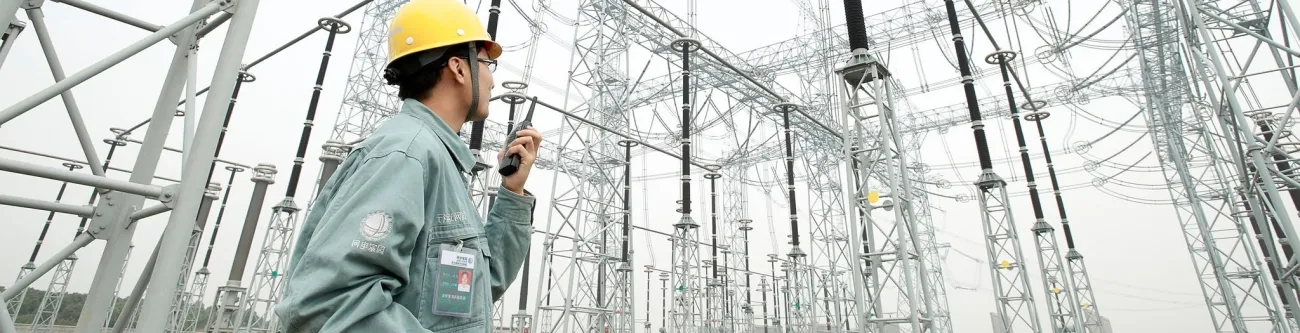
Surge arresters on distribution lines and pole‑mounted transformers
On overhead distribution lines, a surge arrester is mounted right at the transformer bushings or on the pole crossarm. Its job is to take lightning and switching surges off the line and dump them safely to ground before they hit the transformer. This is the primary function of a surge arrester in distribution lines: prevent flashover, blown fuses, and transformer insulation failure during storms and switching events.
Surge arresters on power transformers in substations
In substations, we place station‑class surge arresters directly at the high‑voltage and medium‑voltage terminals of power transformers, breakers, and busbars. They protect expensive assets from lightning and switching overvoltages and are a standard part of any 11 kV–35 kV substation or prefabricated substation cabin. Without them, a single surge can ruin a transformer and take an entire feeder or plant offline.
Industrial plant and factory surge protection
In factories and industrial plants, surge arresters are installed at main switchgear, motor control centers, large motors, and long cable runs. We use distribution‑class or industrial surge protection devices to:
Protect VFDs, PLCs, and control systems
Prevent nuisance trips and production downtime
Extend the life of motors, transformers, and cable insulation
Data centers, hospitals, and critical facilities
Critical facilities like data centers, hospitals, airports, and 24/7 operations use layered surge protection:
Service‑entrance surge arresters for big external surges
Panel‑level devices for internal switching surges
Point‑of‑use protection at sensitive servers and imaging equipment
Here, surge arresters are part of the overall reliability plan—keeping IT, life‑safety, and medical systems online during storms and grid disturbances.
Residential and commercial building surge arresters
For homes and commercial buildings in the U.S., whole‑house or whole‑building surge arresters are installed at:
The service entrance or main panel
Subpanels feeding HVAC, EV chargers, and large appliances
These secondary surge arresters protect TVs, appliances, home office gear, and building controls from utility surges and nearby lightning. In commercial sites, we pair them with panel and outlet‑level surge protectors for sensitive electronics.
Surge arresters in renewable energy systems (solar, wind, battery)
Solar PV arrays, wind turbines, and battery storage systems are highly exposed to lightning and switching surges. We install surge arresters:
On DC strings and combiner boxes
On AC output at inverters and step‑up transformers
At interconnection points with the utility grid
This overvoltage protection keeps inverters, transformers, and battery systems running reliably and is now considered best practice for modern renewable and containerized or box‑type transformer installations.
Benefits of Installing Surge Arresters
Why Surge Arresters Matter
A surge arrester is one of the cheapest ways to protect expensive electrical assets. In the U.S., where we see frequent switching events, storms, and grid disturbances, I treat surge arresters as “must‑have,” not “nice‑to‑have.”
1. Preventing Failure of Transformers, Motors, and Electronics
Surge arresters keep dangerous transient overvoltages off your equipment.
What they protect:
| Equipment | How a surge arrester helps |
|---|---|
| Power transformers (pole & pad) | Blocks lightning/switching surges from the windings |
| Motors & HVAC systems | Reduces insulation stress and winding breakdown |
| Drives, PLCs, VFDs, controls | Limits spikes that blow inputs and power stages |
| IT gear & sensitive electronics | Cuts transient voltage to a safe, “clamped” level |
Without proper surge arrester protection on lines and transformers, one bad surge can wipe out gear that costs 100x more than the arrester.
2. Extending Life of Insulation, Cables, and Switchgear
Even “small” repetitive surges slowly punch holes in insulation.
Surge arresters help by:
Keeping cable and transformer insulation below its stress limit
Reducing partial discharge and tracking on bushings and terminations
Lowering wear and tear on breakers, contactors, and switchgear
That extra life directly cuts replacement cycles and capital spend.
3. Improving System Reliability and Uptime
For utilities, plants, and data-heavy sites, uptime is everything.
Fewer nuisance trips from surge‑induced flashovers
Less unplanned downtime after storms or switching events
More stable power quality for servers, medical gear, and automation
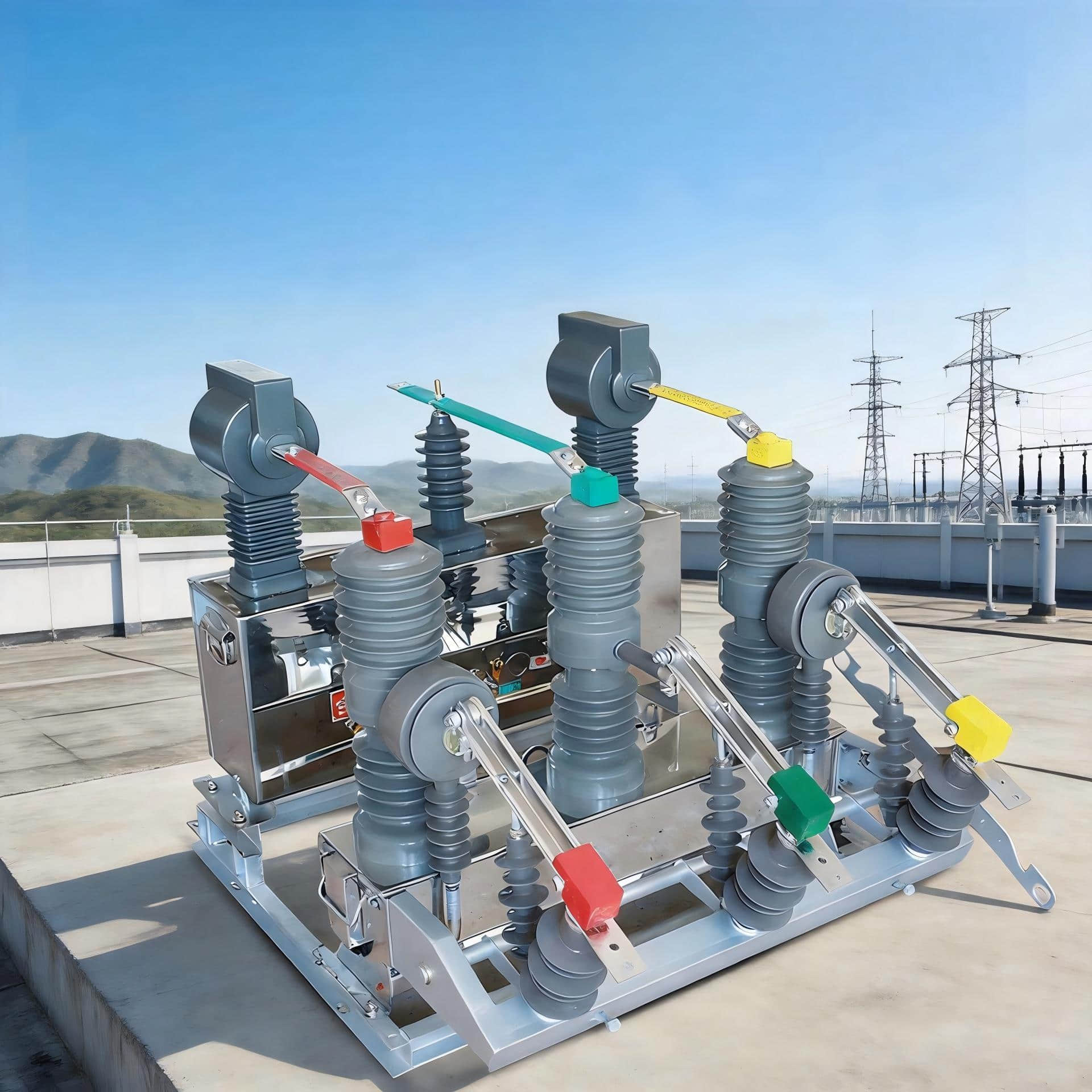
Paired with solid protection devices like an outdoor vacuum circuit breaker, surge arresters form a strong first line of defense for feeders and transformers.
4. Reducing Fire, Flashover, and Explosion Risks
High surges can jump across insulation and create dangerous faults.
Surge arresters help prevent:
Flashovers on bushings, terminations, and insulators
Transformer and cable failures that can ignite fires
Arc faults that can damage gear and threaten personnel
By limiting peak voltage, you cut the chance of “catastrophic” failures, not just equipment damage.
5. Lowering Repair, Replacement, and Downtime Costs
One well‑sized surge arrester often avoids:
Emergency transformer or motor replacements
Lost production hours after storms
Costly truck rolls for utility and facility maintenance crews
For US commercial and industrial sites, the ROI is usually obvious after a single major surge event.
6. Code Compliance and Safety Support
While surge arresters themselves don’t “pass” code for you, they support NEC, NFPA, and utility standards that focus on:
Overvoltage protection at service entrances and key equipment
Worker safety by reducing the likelihood of high‑energy faults
Coordinated protection with breakers, reclosers, and relays (see how the control box in a recloser coordinates system protection in this related guide: purpose of the control box in a recloser)
Bottom line: installing the right surge arrester is a low-cost move that protects transformers, motors, and electronics, increases uptime, and helps you run a safer, more reliable system.
Surge Arrester vs Surge Protector
Line Surge Arrester vs Plug‑In Surge Protector
Surge arrester (line level)
Installed on the power system itself (service entrance, transformer, distribution line).
Main job: stop big grid surges and lightning surges before they hit your building or transformer.
Usually hard‑wired, often mounted outdoors, similar to other high‑voltage equipment like outdoor switchgear.
Surge protector (plug‑in or panel device)
Plugged into a wall outlet or installed in your main panel.
Main job: protect electronics and appliances from smaller, fast spikes.
Also called TVSS or transient voltage surge suppressor.
Whole‑House Surge Protection vs Point‑of‑Use Strips
| Type | Where It Goes | What It Protects |
|---|---|---|
| Whole‑house surge arrester | At service entrance / main panel | Entire home circuits, big loads, HVAC, EV charger |
| Point‑of‑use surge strip | At the outlet | TVs, PCs, gaming, home office gear |
For U.S. homes and small businesses, I always recommend whole‑house protection + key outlet strips for sensitive gear.
Energy Handling: Big Surges vs Small Spikes
Surge arresters:
Built to handle huge energy from lightning and grid switching events.
Can divert kA‑level currents safely to ground.
Surge protectors:
Built for smaller internal spikes from motors, power supplies, and normal switching.
Great for fine protection but will not survive a large lightning surge on their own.
Typical Locations
Surge arrester locations
Utility pole / overhead line
Transformer bushings
Service entrance / meter base
Main or distribution panel
Surge protector locations
Wall outlets near sensitive loads
Server racks, AV racks
Sub‑panels inside the facility
In industrial and utility setups, we pair line surge arresters with switchgear and transformers to keep insulation stress down and prevent flashovers.
When You Need Both
You should use both a surge arrester and a surge protector when:
You’re in a lightning‑prone area (large parts of the U.S. South, Midwest, coastal regions).
You run data centers, hospitals, plants, or control rooms where downtime is expensive.
Your site has long outdoor feeds, rooftop solar, or separate buildings.
Think of it as a two‑stage system:
Surge arrester = “big shield” at the service or transformer.
Surge protector = “fine filter” right at your equipment.
How to Choose the Right Surge Arrester
Picking the right surge arrester isn’t guesswork. If you size it wrong, it either won’t protect you when it matters or it will fail early. Here’s how I size and select arresters for homes, commercial sites, and utility systems in the U.S.
Match Surge Arrester Voltage Rating
Start with your system voltage and grounding type.
Typical U.S. system voltages (low‑voltage side):
| System Type | Nominal Voltage | Common Arrester MCOV* |
|---|---|---|
| Single‑phase 120/240 V | 240 V | 150–175 V (per mode) |
| 3‑phase 208Y/120 V | 208 V | 150–175 V (L‑N) |
| 3‑phase 480Y/277 V | 480 V | 320–350 V (L‑N) |
| 3‑phase 600 V | 600 V | 420–480 V |
*MCOV = Maximum Continuous Operating Voltage
Rules of thumb:
MCOV must be at or above your real operating voltage (line‑to‑ground or line‑to‑neutral).
Don’t oversize too much; higher ratings = higher clamping voltage = less protection.
Discharge Current Class vs. Risk Level
Surge arrester discharge current rating (kA) tells you how much surge energy it can safely handle.
| Application | Typical Risk Level | kA Rating (8/20 μs) |
|---|---|---|
| Small home/office | Low–Medium | 10–20 kA per mode |
| Large home / small shop | Medium | 20–40 kA per mode |
| Commercial/light industrial | Medium–High | 40–65 kA per mode |
| Utility, substation, plant | High | IEC/IEEE distribution or station‑class levels (10–20 kA 10/350 μs and up) |
If you’re in a lightning‑prone area or have critical loads (servers, medical, data), move up a class.
Choose the Correct Arrester Class
Use the class that matches where the arrester will sit in the system:
| Class Type | Where It’s Used | Typical Use Case |
|---|---|---|
| Secondary / Low‑voltage | Service entrance, panels, building mains | Homes, small businesses, solar inverters |
| Distribution class | Medium‑voltage overhead / underground lines | Pole‑mounted transformers, feeders |
| Intermediate class | Between distribution and station duty | Heavier duty feeders, large industrial sites |
| Station class | High‑voltage substations & transmission | Transformer banks, busbars, breakers |
If you’re protecting medium‑voltage lines or transformers, look at a dedicated distribution‑class arrester, like a line overvoltage unit similar to this HY5WS distribution‑type arrester for overhead systems.
Environmental Conditions Matter
Where you install the arrester changes what you should buy:
Pollution / industrial contamination
Go for higher creepage distance and polymer housings.
Look for “pollution class” or “heavy duty” ratings.
Altitude (mountain regions)
Higher altitude = lower air density = easier flashover.
Use arresters with derated insulation or consult manufacturer altitude tables.
UV exposure / sun / coastal
Outdoor: UV‑resistant polymer housings perform well.
Coastal / salt: choose products tested for salt fog and corrosion.
Temperature extremes
Check arrester operating temperature range against site conditions.
Porcelain vs. Polymer Housing
Both do the job, but they behave differently in the field.
| Feature | Porcelain Housing | Polymer (Polymeric) Housing |
|---|---|---|
| Weight | Heavy | Light (easier handling, less structure load) |
| Breakage | Can shatter explosively on failure | Typically fails without shattering |
| Pollution handling | Good, but needs cleaning | Very good with proper sheds design |
| Vandalism/impact | Brittle against impact | Better impact resistance |
| Typical use | Legacy substations, some HV installations | Modern distribution & station arresters |
For most U.S. distribution and new substation work, I lean strongly toward polymer surge arresters.
Practical Selection Steps by User Type
For Homes (Whole‑House / Secondary Surge Arrester)
Match to service voltage (120/240 V single‑phase is most common).
Choose a UL 1449 listed device, 20–40 kA per mode or higher.
Install at main service panel or meter base.
If you’ve got a lot of electronics (EV chargers, solar, home office), don’t cheap out—buy a known brand and add point‑of‑use surge strips.
For Commercial Sites
Identify all system voltages (e.g., 208Y/120, 480Y/277).
Use Type 1 or Type 2 UL 1449 devices at:
Service entrances
Main distribution panels
Critical subpanels (IT, HVAC, production)
Size for higher kA ratings (40–65 kA per mode) and consider monitoring features.
For Utilities / Industrial Plants
Use distribution, intermediate, or station‑class arresters per IEEE/IEC standards.
Match:
System kV class and neutral grounding method
MCOV to your line‑to‑ground voltage
Discharge current class to your lightning density and switching surge risk
Coordinate arrester locations with:
Transformers
Circuit breakers
Overhead lines and cable terminations
For high‑voltage feeders and substations, surge arrester specs need to align with your switchgear (for example, if you’re using outdoor breakers similar to a ZW32‑24F pole‑mounted vacuum circuit breaker, you’ll also coordinate arrester class and kV rating with the breaker and transformer ratings).
Bottom line:
Match voltage and MCOV correctly.
Size kA rating to your risk level.
Pick the right arrester class for where it’s installed.
Factor in environment and housing type so it survives in real‑world conditions.
Surge Arrester Installation Basics
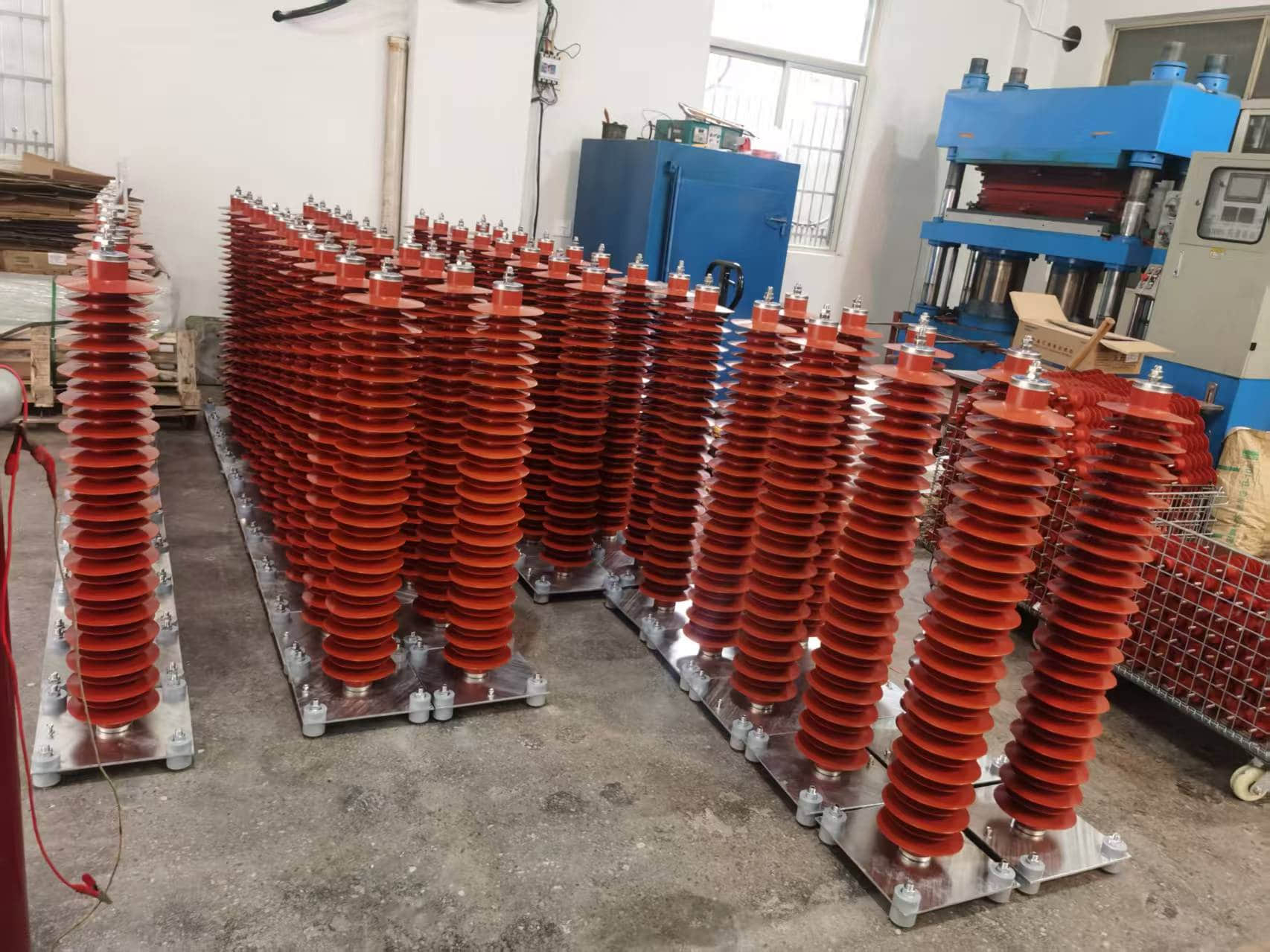
Surge arresters only work right if they’re installed right. Placement, lead length, routing, and grounding make the difference between real protection and a false sense of security.
Best Placement on Lines, Transformers, and Service Entrances
For most U.S. applications, here’s where a surge arrester belongs:
Service entrance / main panel (homes & buildings)
Mount a whole‑house surge arrester as close as possible to the main breaker.
Land it on both hot buses (and neutral if required) with the shortest possible leads.
Transformers (utility and industrial)
Install the surge arrester for transformer protection right at the transformer bushings.
Connect arrester line terminal directly to the bushing terminal; ground terminal to the transformer grounding grid.
Distribution lines
On pole‑mounted transformers, place distribution class surge arresters on each phase conductor at the pole, with a short ground drop to the pole ground.
Use arresters at line dead‑ends, cable terminations, and riser poles.
Substations and compact substations
Mount station class surge arresters as close as possible to transformer HV and LV bushings, breakers, and line exits.
Tie them into the main station ground grid—similar to how you’d bond a vacuum circuit breaker in a substation layout.
Why Lead Length, Routing, and Bonding Matter
The surge arrester working principle is all about giving the surge the lowest‑impedance path to ground. Bad lead routing kills performance.
Keep these rules tight:
Lead length
Make line and ground leads as short and straight as possible.
Avoid coils, big loops, and unnecessary bends.
Routing
Don’t run arrester leads in parallel with control or signal cables.
Separate surge paths from sensitive electronics wiring.
Bonding
Bond arrester grounds to the same grounding system as the panel, transformer, or equipment.
Avoid “floating” ground rods that aren’t tied into the main ground grid.
Grounding Rules for Safe Surge Diversion
For safe lightning surge protection and overvoltage protection:
Use a low‑resistance grounding system (NFPA 70 / NEC compliant).
Keep ground conductor cross‑section large enough (copper or tinned copper is preferred).
Keep all ground connections tight, clean, and corrosion‑free.
In substations and industrial plants, tie arresters into the main ground grid, not a separate rod.
In residential systems, bond the surge arrester ground to the service grounding electrode system, not to a random plumbing pipe.
If you’re already dealing with grid gear such as an outdoor disconnect switch or other pole hardware, treat the surge arrester ground path with the same discipline you’d give the switch ground.
Wiring and Mounting Mistakes to Avoid
The most common mistakes that ruin surge arrester performance:
Long, skinny leads from breaker to arrester or from arrester to ground.
Mounting the arrester far from the main breaker or bushing it’s supposed to protect.
Sharing neutral or grounding conductors with long daisy chains before hitting the main ground point.
Reversing terminals (line vs ground) or mixing up phase connections.
Mounting in a spot with no drip protection, no UV resistance, or poor ventilation (for outdoor units).
Letting moisture into terminations or not tightening lugs fully.
When to Call a Pro Instead of DIY
You should bring in a licensed electrician or utility‑grade installer when:
You’re working inside a main service panel or meter base.
You’re dealing with medium‑voltage or high‑voltage surge arresters on distribution lines or substations.
You’re adding surge protection to hospitals, data centers, industrial plants, or renewable energy systems where uptime is critical.
You’re not comfortable reading surge arrester ratings (MCOV, kA, duty cycle) and matching them to system voltage.
Grounding at your site is questionable, old, or not clearly documented.
For U.S. homes and small businesses, a plug‑in surge protector is an easy DIY. A whole‑house surge arrester or anything on the utility side of the meter is not. When in doubt, pay a pro once instead of paying for fried equipment later.
Maintenance and Testing of Surge Arresters
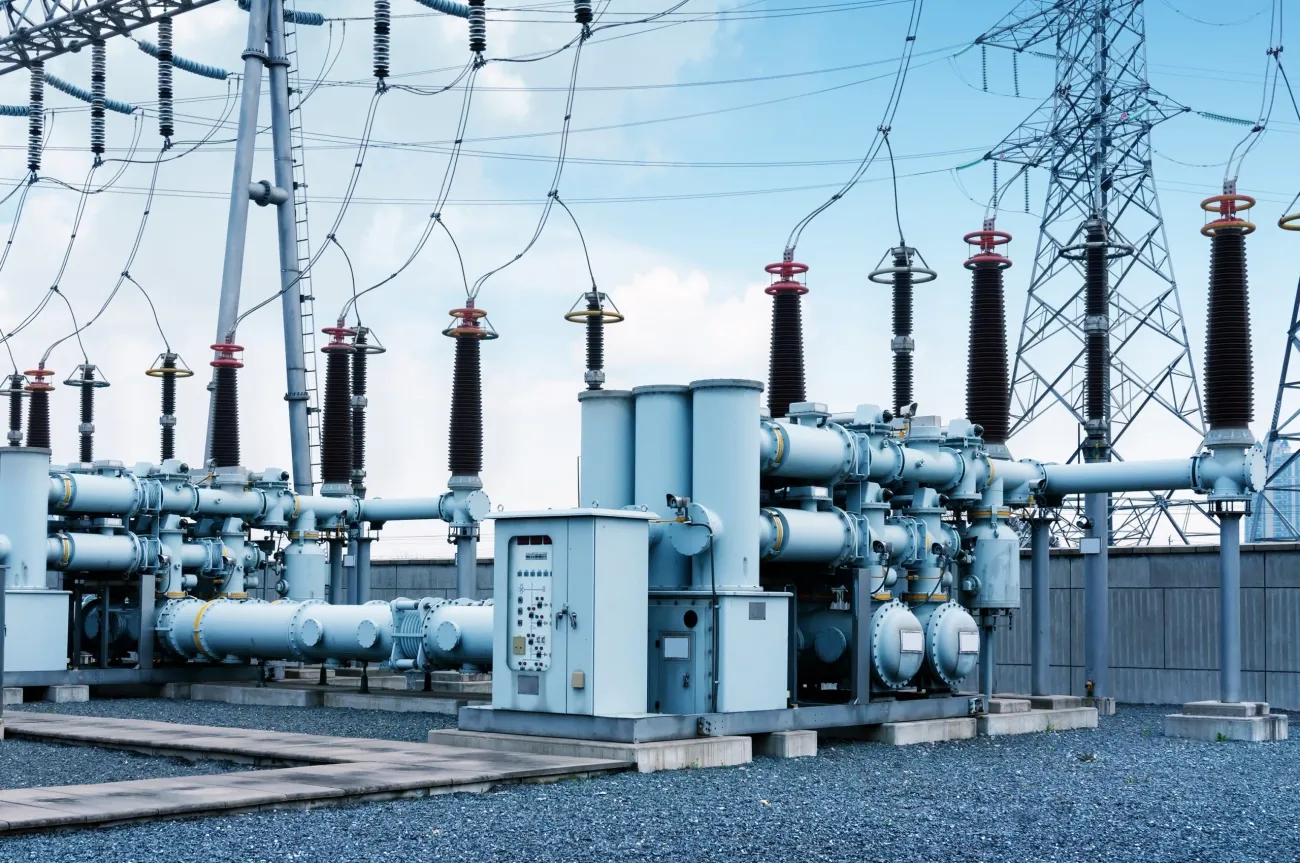
Keeping a surge arrester healthy is a lot cheaper than replacing a fried transformer or shutting a plant down. Here’s how I look at surge arrester maintenance in the real world.
Visual inspection: what to check
During routine walkdowns, I always start with a fast visual check:
Cracked, chipped, or broken housing (polymer or porcelain)
Burn marks, tracking, or carbon paths on the surface
Broken sheds/ribs, missing pieces, or obvious impact damage
Loose or corroded terminals and connectors
Oil, rust, or contamination on nearby structures that might hint at flashover
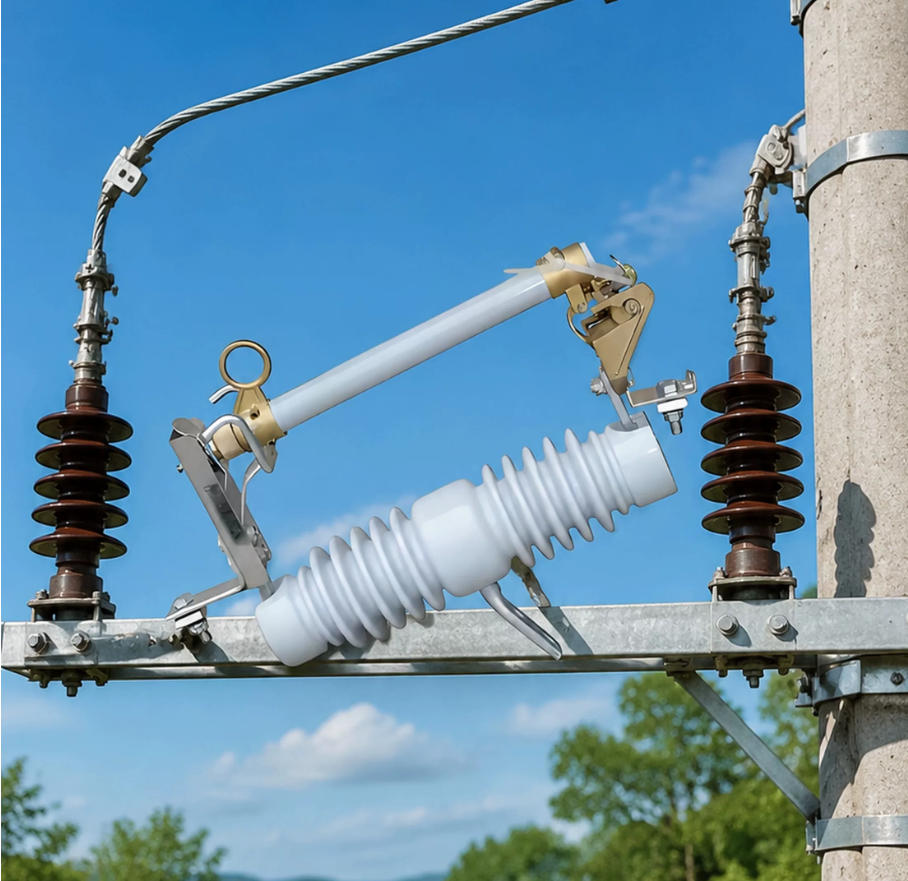
If you’re inspecting arresters near other outdoor gear like a drop‑out high voltage fuse on a distribution pole, check clearances and grounding bonds at the same time.
Signs of aging or failure (polymer vs. porcelain)
Polymer surge arresters – watch for:
Chalky, faded, or heavily weathered rubber
Swelling, bulging, or soft spots in the housing
Surface tracking, pinholes, or melted areas
Porcelain surge arresters – watch for:
Hairline cracks or glazing defects
Rust at metal end fittings
Evidence of internal pressure relief (broken porcelain, venting marks)
Any sign of explosion, venting, or severe tracking means the surge arrester is done. Don’t “monitor it” — replace it.
Leakage current monitoring
Leakage current is one of the best early-warning tools for surge arrester condition:
Normal condition: small, mostly capacitive current that’s stable over time
Bad sign: a steady increase in resistive leakage current at normal system voltage
What it tells you: the metal oxide blocks are aging, moisture may be getting in, and the arrester is moving toward thermal runaway and failure
In utilities and industrial plants, I like to log leakage current and compare phase-to-phase. The odd one out often points to a problem arrester.
Infrared (IR) checks
Infrared inspections are quick and powerful:
Scan surge arresters and their terminal connections with a thermal camera
Look for hot spots at lugs, clamps, or bus joints – usually poor terminations
A surge arrester running hotter than its neighbors (same type and duty) is a red flag for internal damage or increased leakage
IR checks pair well with routine IR surveys you’re already doing on switches, fuses, and disconnects, such as an outdoor switch or load interrupter equipment.
Recommended testing intervals
For US utilities, plants, and data centers, I typically see:
Visual inspection: at least once a year; more often in heavy pollution or coastal sites
IR and connection checks: annually or as part of your electrical PM program
Leakage current and advanced diagnostics: every 1–3 years, or after major storm seasons
Post-fault/post-lightning event inspections: after known severe surges, line faults, or equipment failures nearby
Critical sites (hospitals, data centers, refineries) usually push for the short end of those intervals.
When to replace a surge arrester immediately
Don’t wait or “watch it” if you see any of these:
Cracked, punctured, or broken housing (polymer or porcelain)
Evidence of venting, explosion, or internal flashover
Severe surface tracking or carbonized paths
Terminals or hardware burned, melted, or badly overheated
Leakage current clearly out of spec or rapidly rising
A surge arrester that operated during a major fault and shows any physical distress
In practice, if there’s any doubt about a surge arrester in a critical location (transformer protection, main service, substation bus), I replace it. The cost of one arrester is nothing compared to a failed transformer, production loss, or an outage hitting your customers.
Common Myths and FAQs About Surge Arresters
Is a surge arrester the same as a surge protector or power strip?
No.
Surge arrester: Installed on the electrical system (service, panel, transformer, or distribution line) to handle big external surges like lightning or utility switching.
Surge protector / power strip: Plug‑in device for individual electronics (TV, PC, router).
A lightning surge protection device on the panel can’t replace point‑of‑use surge strips, and cheap power strips are often not real surge protectors.
Do surge arresters wear out or last forever?
They wear out.
Every surge the arrester takes eats into its life. Heat, moisture, and contamination also speed up aging. That’s why utilities and industrial plants do regular inspections and tests, just like they do for switchgear and vacuum circuit breakers. When in doubt, replace—don’t stretch it to “failure.”
Can a surge arrester fail and how would I know?
Yes, surge arresters can fail open or shorted:
Signs you may see:
Cracked or burned housing
Bulging polymer body or porcelain fragments
Discolor