As an electrical engineer with twelve years of hands-on experience, I deeply understand the critical role every component plays in our electrical systems.
The recloser control box often operates like an unsung hero, silently safeguarding grid stability behind the scenes.
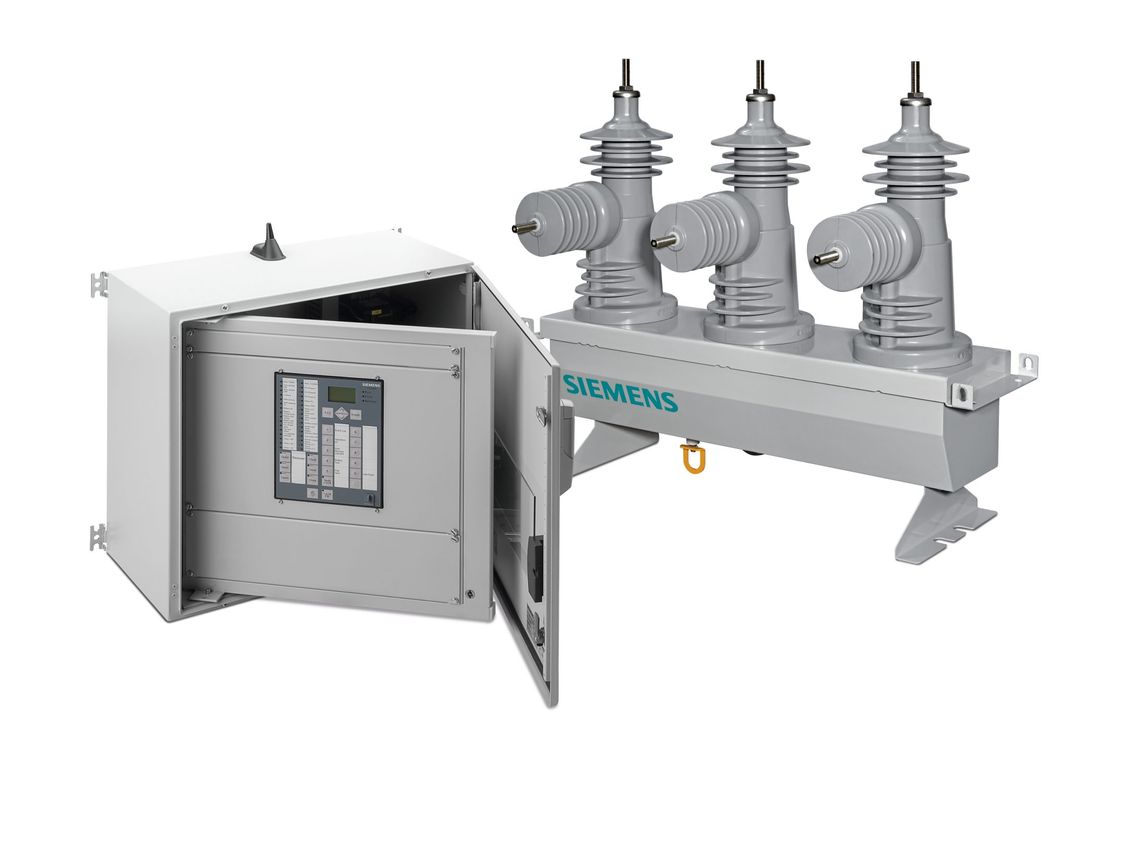
You've probably spotted it in the field. It's that specialized box on a power pole with a small screen and buttons. What exactly is it doing there?
Today, from a frontline engineer's perspective, I want to explore this seemingly ordinary device that holds immense intelligence.
The Heartbeat of the Grid: Unpacking the Control Box's Core Functions
If you think the recloser control box is just a simple data transmitter, you're truly underestimating its capabilities.
It's more like a seasoned guardian, precisely commanding the recloser's every action. It also serves as the entire power network's "sensory organ" and "communication hub."
A Precise Decision-Maker
Power lines can experience momentary faults from things like brushing tree branches or animal contact. Even a strong gust of wind can cause an issue.
In these instances, the recloser quickly trips to interrupt power flow.
However, it doesn't give up easily. Instead, it uses precise instructions from the control box to attempt multiple automatic reclosures.
This process is guided by meticulously programmed settings from engineers. It will "test" the line a few times.
If the fault is temporary, it successfully restores power, preventing a widespread outage. But if the fault persists, it decisively locks out permanently.
This "human-like" trial-and-error and judgment are at the heart of the control box's programmability. This forms the cornerstone of how we ensure efficient power system protection.
The Grid's Eyes and Ears
How does a power dispatcher get real-time updates on a line hundreds of miles away? The control box makes this possible.
Acting like a diligent "reporter," it continuously gathers first-hand data on the recloser's operational status, voltage, current, and fault types.
It then transmits this information in real-time back to the control center via its built-in communication module. Sometimes that antenna is its "voicebox."
This capability allows us to monitor the grid's "health" as if we were on-site, enabling swift decision-making. This is the magic of the SCADA system (Supervisory Control and Data Acquisition).
It's key to achieving remote monitoring and dispatch for smart grid devices.
The Wisdom of Teamwork
In complex power distribution networks, reclosers don't operate in isolation. They need to work seamlessly with other protective devices like circuit breakers and relays.
This ensures efficient fault isolation and restoration. The control box serves as the "liaison officer" for this team.
It receives signals from other equipment to prevent the recloser from indiscriminately reclosing in specific situations. For instance, when our field crews are performing live-line work.
This mechanism of "mutual awareness and coordinated action" reflects the meticulous thought engineers put into power grid safety design. It prioritizes the lives of power line maintenance personnel.
Why the "Power Bank": A Deeper Look at Backup Power
Many wonder why this control box needs such a large backup battery, often a heavy lead-acid one. Is the power company out of power?
Quite the opposite – this directly reflects our ultimate pursuit of power grid reliability!
The recloser's mission is to operate even when the main grid experiences a fault or outage. If the control box were to fail at that critical moment, the recloser would become useless.
Therefore, this backup battery acts as its "lifeline," ensuring it can continue to "think" and "act" even in darkness.
I recall an incident in the mountains where a sudden downpour caused a line fault, cutting power to an entire area. Thanks to the backup power in these control boxes, we could instantly see fault location information.
We could remotely operate the recloser to isolate the fault and precisely guide the repair crew, significantly reducing outage time. These batteries typically provide several hours of power, giving us ample time to handle emergencies.
You might ask, "Why not use capacitor banks? They're more compact." As engineers, we always seek the optimal balance between reliability and cost-effectiveness.
While lead-acid batteries are bulky, they are mature, affordable, and readily available. They can reliably discharge for hours in various harsh outdoor environments.
This makes them the most dependable and economical choice for reclosers that must operate during main power interruptions.
Although capacitor banks are improving in energy density, their current size and cost for hours of backup power still can't compete with lead-acid batteries. Every technology we choose embodies countless hours of field testing and accumulated long-term operational experience.
The "External" Design: Deep Wisdom Behind a Separate Box
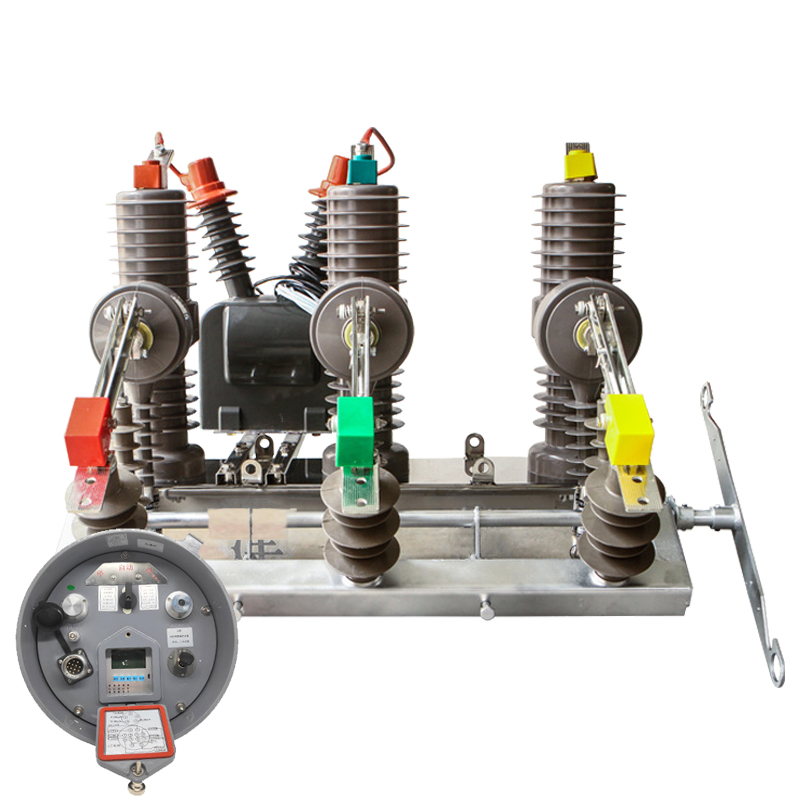
Why isn't the control box directly integrated into the recloser unit? Why does it hang separately?
Don't underestimate this "separate" design. It reflects our engineering considerations for practicality, flexibility, and maintenance convenience.
Size and Structural Constraints
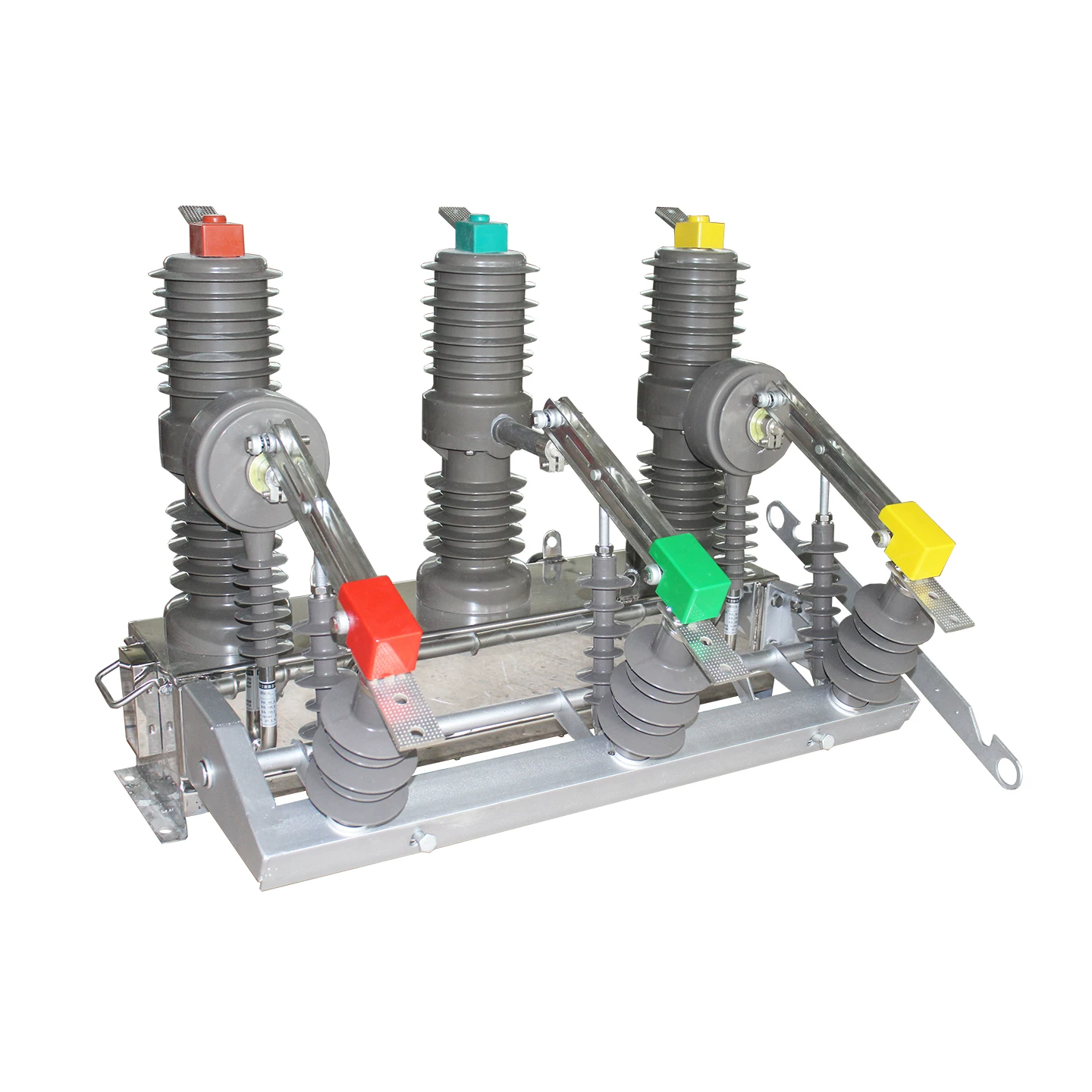
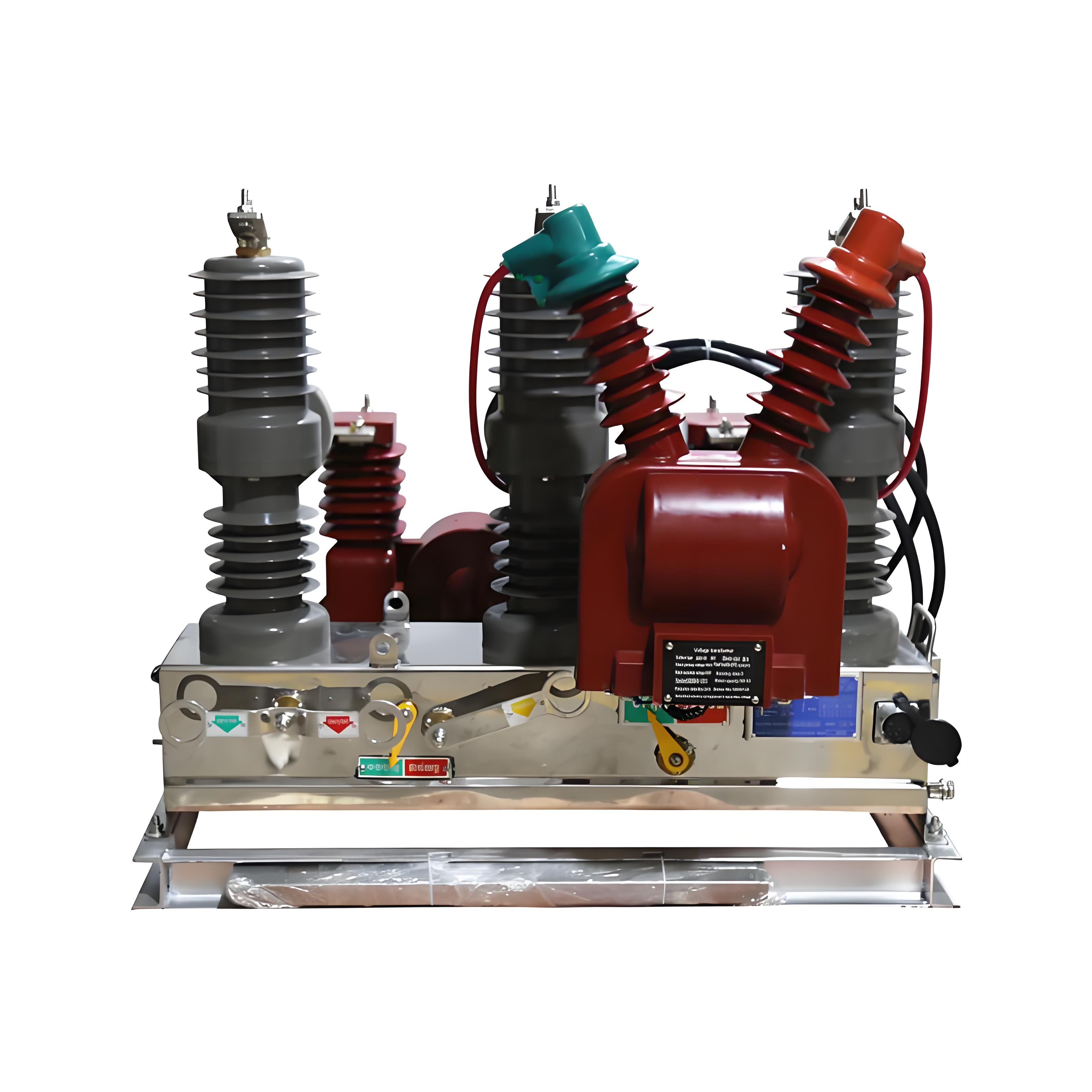
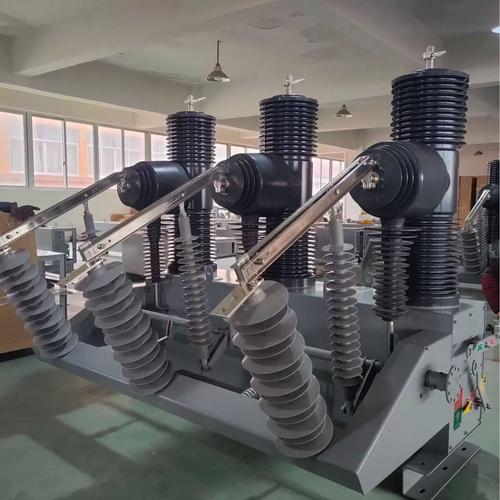
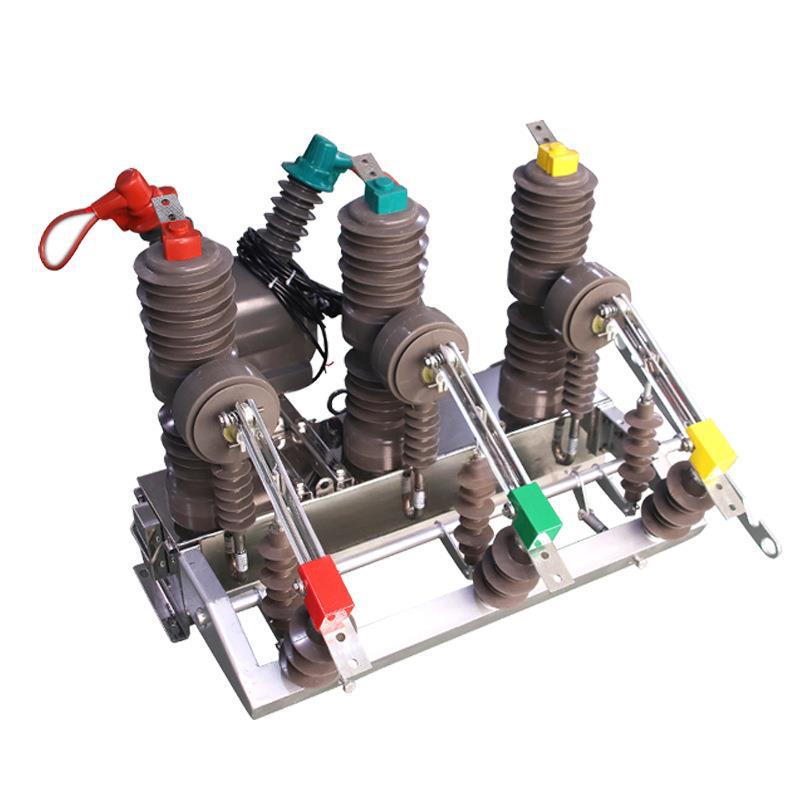
The recloser unit itself is already a substantial piece of equipment, designed to withstand high voltage and harsh environmental conditions.
If all the complex control circuitry, user interface, large-capacity batteries, and various input/output terminals were integrated into it, it would become an enormous, unwieldy device.
This would create significant challenges for pole loading. It would also greatly complicate installation and transportation.
A separate design allows each component to fulfill its role, reducing the overall burden.
Modular "Lego Bricks"
In the power industry, we often encounter recloser units and control systems from different manufacturers. The separate design provides us with tremendous modularity and flexibility.
You can think of it like Lego bricks: we can select recloser units from different manufacturers and pair them with suitable relay or RTU control boxes based on specific project requirements.
This openness facilitates better coordination between devices. It also makes it easier to upgrade or replace the control box separately as SCADA systems evolve, rather than overhauling the entire unit.
An Accessible "Control Panel"
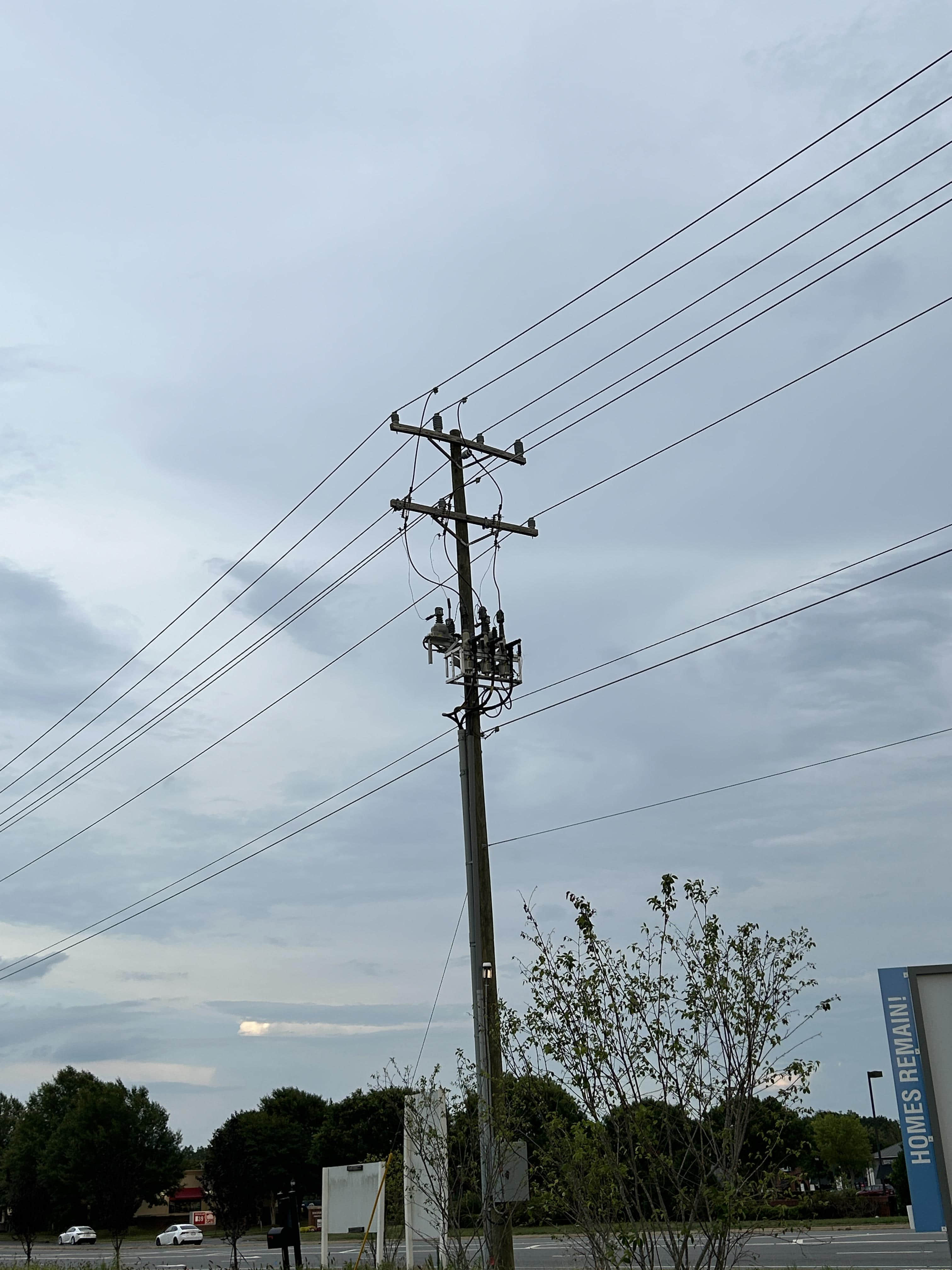
This is perhaps the most tangible benefit for frontline engineers. Reclosers are typically mounted high up, making them difficult to access.
But the control box is designed to be installed lower on the utility pole, at a height we can operate by hand. This is like giving a high-flying recloser a "remote control" and "display screen."
Without climbing, we can easily set parameters, read data, and troubleshoot issues. We can even access it wirelessly via Wi-Fi.
This ease of maintenance and access significantly boosts our work efficiency and safety. While there might be concerns about increased vulnerability to vandalism, the operational convenience and maintenance benefits of the control box far outweigh these potential risks, especially considering the recloser's high cost.
This represents a carefully considered balance between cost-effectiveness and the demands of field operations.
Glimpsing the Future: Its Evolving Role & Tech Outlook in the Smart Grid
As electrical engineers, we must look beyond the present and into the future. The smart grid is an irreversible trend.
The recloser control box is an essential "trendsetter" within this evolving landscape.
From "Executor" to "Thinker"
Historically, the control box primarily executed preset control logic. However, in the context of the smart grid, it's rapidly transforming into an "intelligent node" with edge computing capabilities.
It no longer just sends data back to the central system; it can perform local data analysis and make preliminary decisions. This reduces reliance on central control and improves fault response speed.
This is a crucial step towards achieving distribution network automation and self-healing capabilities.
A "Data Tentacle" Connecting Everything
Imagine a future where all power grid devices connect in real-time, much like smartphones. The control box serves as a "data tentacle" in this Industrial Internet of Things (IIoT) network.
It collects and refines vast amounts of real-time operational data before uploading it to the cloud or local servers. This data acts like blood, nourishing the grid's big data analytics platforms and Artificial Intelligence (AI) models.
This helps us to more precisely predict equipment lifespan, optimize operational strategies, and even anticipate potential faults.
Towards a Truly "Self-Healing Grid"
The "self-healing grid" I once dreamed of is steadily becoming a reality. Future recloser control boxes, deeply integrated with AI, will be able to intelligently identify, locate, and isolate faults.
They will then plan optimal paths to restore power. For instance, if line A faults, it could quickly coordinate with the recloser on line B to automatically reroute power, minimizing the extent and duration of the outage.
This isn't just a technological breakthrough. It reflects our unwavering commitment to our users and our relentless pursuit of power reliability.
An Engineer's Toolkit: Tips for Recloser Control Box Selection and Maintenance
Given this deep dive, I'd like to share some practical insights engineers consider for technical parameters and selection.
Here are some useful maintenance tips, too.
Key Technical Parameters
Choosing Communication Protocols: In international projects, we often encounter DNP3 and IEC 61850. DNP3 is widely used in North America. IEC 61850 is a global trend for smart substations and distribution automation. It acts like a universal "language" for different manufacturers' equipment. Understanding their characteristics helps you select the right control box.
Protection in Harsh Environments: Our customers are spread globally, so equipment must adapt to extreme environments. We pay special attention to the control box's IP protection rating (for dust and water resistance). Its wide operating temperature range (from extreme cold to intense heat) is also crucial. Plus, we check for electromagnetic compatibility (EMC). A high-quality control box must be robust and durable.
Smart Battery Management: Beyond battery capacity, we prioritize smart charging management systems. A good system optimizes charging, monitors battery health, and provides low-voltage alarms and overcharge/over-discharge protection. This significantly extends battery life and ensures continuous power.
Fault Diagnosis and Logging: An excellent control box not only operates but also "keeps a diary." It meticulously records all operations, fault events, and telemetry data. These logs are crucial for analyzing fault causes, optimizing operations, and maintaining system health.
Cybersecurity Protection: With remote control being common, cybersecurity is paramount. A high-quality control box should incorporate features like firmware encryption, access control, and authentication. It should also support regular security patch updates. This helps defend against attacks and ensures the grid's "digital frontier" is secure.
Frequently Asked Questions: An Engineer's Q&A
If the recloser control box "gets sick," can the recloser unit still function? A: It depends on the fault type. If only communication or telemetry functions are affected, the recloser usually performs its preset actions. However, if the control box's "brain" is damaged, advanced functions are lost, requiring manual operation. The control box's health is crucial.
How long do backup batteries typically last, and when do they need replacement? A: Outdoor lead-acid batteries generally last 3 to 5 years, depending on temperature, cycles, and maintenance. We advise checking battery health around the 3-year mark to ensure reliability.
Is daily maintenance for the control box complicated? A: Not at all. It involves checking seals for moisture/dust, cleaning the exterior, verifying cable connections, and performing firmware updates. These small steps extend equipment lifespan.
Can reclosers and control boxes from different brands work together? A: In most cases, yes. As long as they support industry-standard protocols (like DNP3 or IEC 61850), they can communicate. For best compatibility, WEISHOELEC often recommends tested, complete solutions.
An Engineer's Promise: Guarding the Path to Light
In conclusion, the recloser control box is far from being just a cold, inanimate piece of equipment. It embodies the accumulated wisdom and experience of us electrical engineers.
It is the "unsung hero" and "intelligent heart" of the power system, defending against faults and ensuring a continuous power supply.
Every precise trip and reclosure, every silent data transmission, helps safeguard the streetlights of our cities and the vibrant growth of industries.
As a member of WEISHOELEC, I deeply understand that the reliability of power equipment directly impacts every household and business. We are dedicated to designing and manufacturing power distribution automation equipment that meets international standards.
We integrate the most advanced technology and stringent quality control into every product. This commitment stems from our profound sense of responsibility.
Whether you are in Europe, the Americas, the Middle East, or along the "Belt and Road" initiative countries, we aim to provide you with the highest quality power solutions and illuminate the future!
If you have any questions about recloser control boxes, smart grid technology, or are seeking a reliable power equipment partner, please feel free to contact me. Let's explore together and light up the future!
About the Author:
Thor | WEISHOELEC Co., Ltd.
With twelve years immersed in the power industry, I am an electrical engineer specializing in power system automation and protection.
At WEISHOELEC Co., Ltd., we are more than just a Chinese export manufacturer; we are a trusted power partner for clients worldwide.
We meticulously research, develop, and produce high-quality power equipment. We serve the power infrastructure development needs across Europe, the Americas, the Middle East, Belt and Road Initiative countries, and beyond.
My mission is to make power transmission safer and more efficient.
Contact Information:
Phone: +86-0577-62788197
WhatsApp: +86 159 5777 0984
Email: thor@weishoelec.com