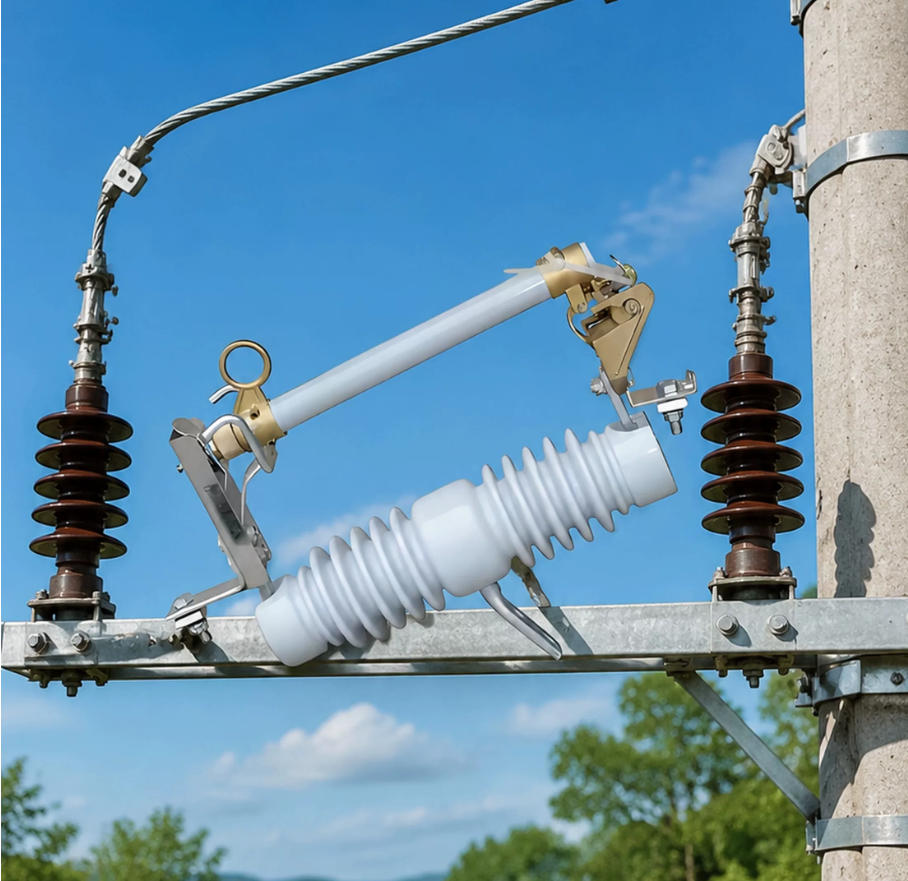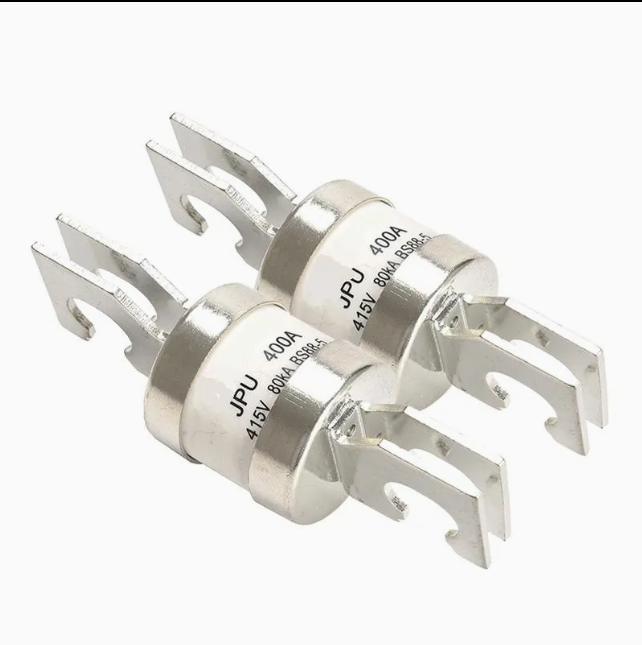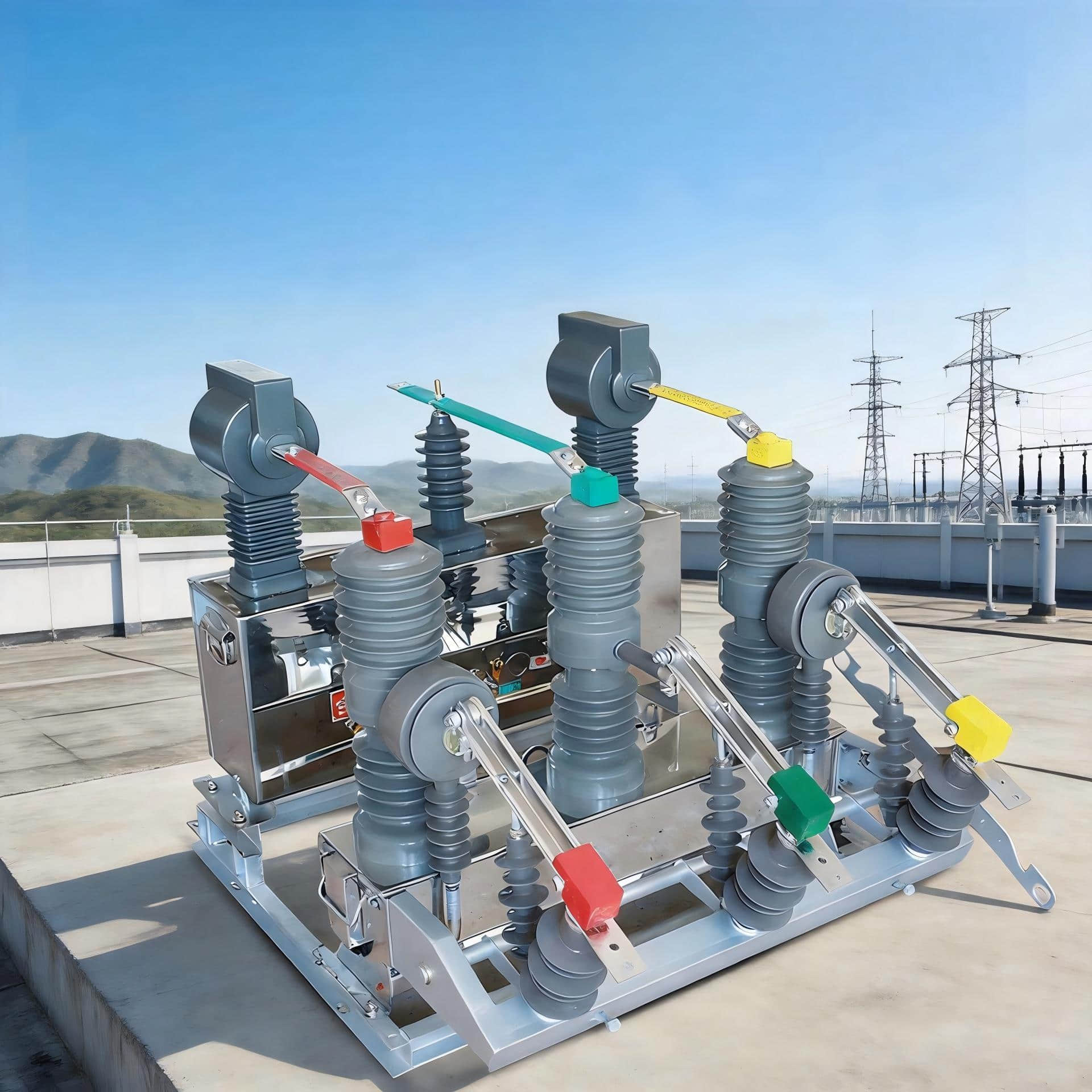
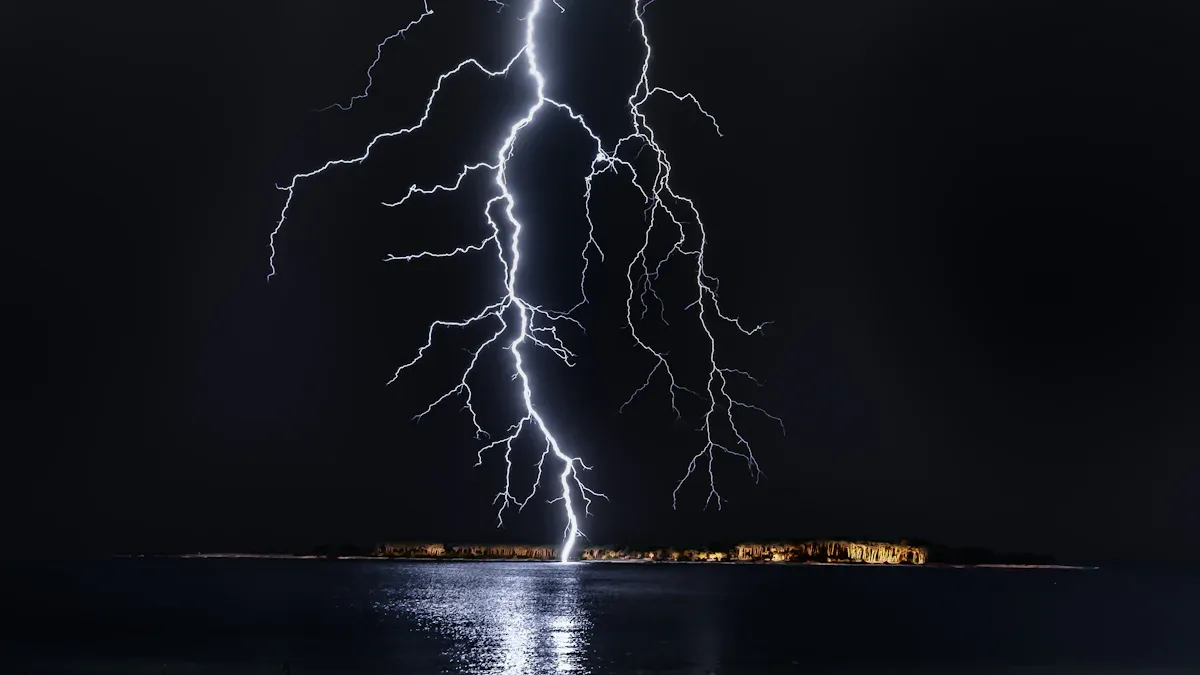
Hey everyone! I'm Thor from Wei Shoe Elec, an engineer with 15 years of hands-on experience in electrical safety and protection. I know firsthand how crucial safety is in complex electrical systems. Today, I want to talk about three "mystery guardians" that are often misunderstood: surge arresters, lightning arresters, and surge protectors (SPDs).
While all of them are designed to shield electrical equipment from overvoltages, their differences are quite significant. Are you curious about the specific distinctions between a lightning arrester, which prevents lightning overvoltages, a surge arrester, and a surge protector (SPD) commonly used in low-voltage systems? Is it just a difference in names?
Don't worry! Drawing on my professional experience, I’ll walk you through the key distinctions between these three devices. We'll explore detailed aspects to help you understand their unique roles.
I. Applicable Voltage Range
Let's start with the first difference: the applicable voltage range. Did you know that a lightning arrester is incredibly versatile? It operates effectively across a wide spectrum of voltage levels!
You'll find them protecting systems from as low as 0.4kV up to ultra-high voltages of 500kV. Their application range is truly extensive.
Whether it's a small distribution system or a vast power network, a lightning arrester can handle the job effortlessly.
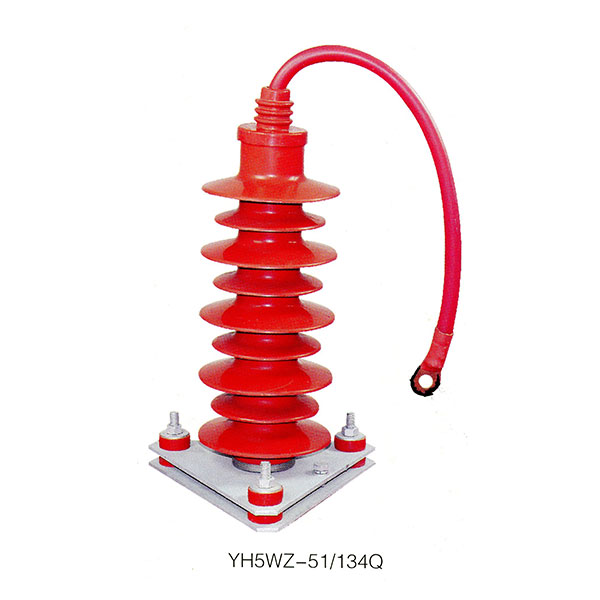
Now, let's look at surge arresters. While often used interchangeably with lightning arresters in some contexts, true surge arresters are generally found in medium to high-voltage applications (typically above 1kV in distribution and transmission systems) where they handle both lightning and switching surges. They act as the primary line of defense in these larger electrical infrastructures.
Finally, surge protectors (SPDs) tend to be more "reserved," typically used in voltage environments below 1kV.
Their primary role is to provide overvoltage protection for lower-voltage settings. This includes electrical appliances in our homes and power supply systems for smaller electronic devices.
They’re essentially the dedicated "protectors" for these sensitive, lower-voltage circuits.
II. Protected Equipment
Next, let's talk about the types of equipment each device protects. The lightning arrester, being the "heavy-duty" protector, is mainly designed to safeguard large electrical equipment and structures from direct lightning strikes.
For example, it protects massive transformers, switchgear in power plants and substations, and even entire buildings. With a lightning arrester in place, these critical assets can avoid damage from lightning.
Surge arresters primarily safeguard electrical equipment within power systems, such as transformers, circuit breakers, and power lines, from a broader range of overvoltages, including those from lightning and internal switching operations. They are crucial for maintaining the integrity of the grid itself.
On the other hand, the surge protector (SPD) acts like a "caring guardian." It typically protects secondary signal circuits, or small, sensitive circuits supplying power to devices like electronic instruments at the terminal end.
These devices are often quite "delicate" and highly susceptible to voltage fluctuations, so they require the precise care and protection offered by an SPD.
III. Insulation and Withstand Voltage Levels
This point is also crucial! Electrical equipment and electronic devices have vastly different voltage tolerance levels. Think of it like comparing an elephant to a mouse—their capacities are entirely dissimilar.
Therefore, the overvoltage protection devices used for them must produce a residual voltage that perfectly matches the withstand voltage level of the protected equipment.
Lightning arresters and surge arresters typically operate in high-voltage environments, so their insulation and withstand voltage levels are relatively high. This robust design allows them to effectively protect large electrical equipment even under powerful lightning or system surge impacts.
Conversely, surge protectors (SPDs) are primarily designed to protect electronic devices and instruments. Their insulation and withstand voltage levels are comparatively lower, but they meet the needs of these devices precisely, as they focus on limiting residual voltage to a more refined level suitable for sensitive electronics.
IV. Installation Location
Now, let's look at their typical installation locations. A lightning arrester is generally installed on the highest points of structures (like rooftops or towers) or at the primary side of power systems directly exposed to the elements. It acts like a sentinel guarding against direct lightning strikes. That's why you often see them installed at incoming line points or on top of buildings, constantly ready to face lightning's challenge.
Surge arresters are typically installed on power lines, in substations, or near transformers within the main electrical system. They're placed strategically to divert surge energy coming from the grid or lightning strikes on power lines.
Surge protectors (SPDs), however, are mostly installed on the secondary side of the system, closer to the sensitive equipment. They provide an additional layer of defense after a lightning arrester or surge arrester has already blocked part of the overvoltage, or if some has managed to "slip through."
Consequently, SPDs are frequently installed at terminal outgoing lines or within signal circuits, providing a "secondary interception" for any overvoltages that have bypassed the initial protection.
V. Current Discharge Capacity
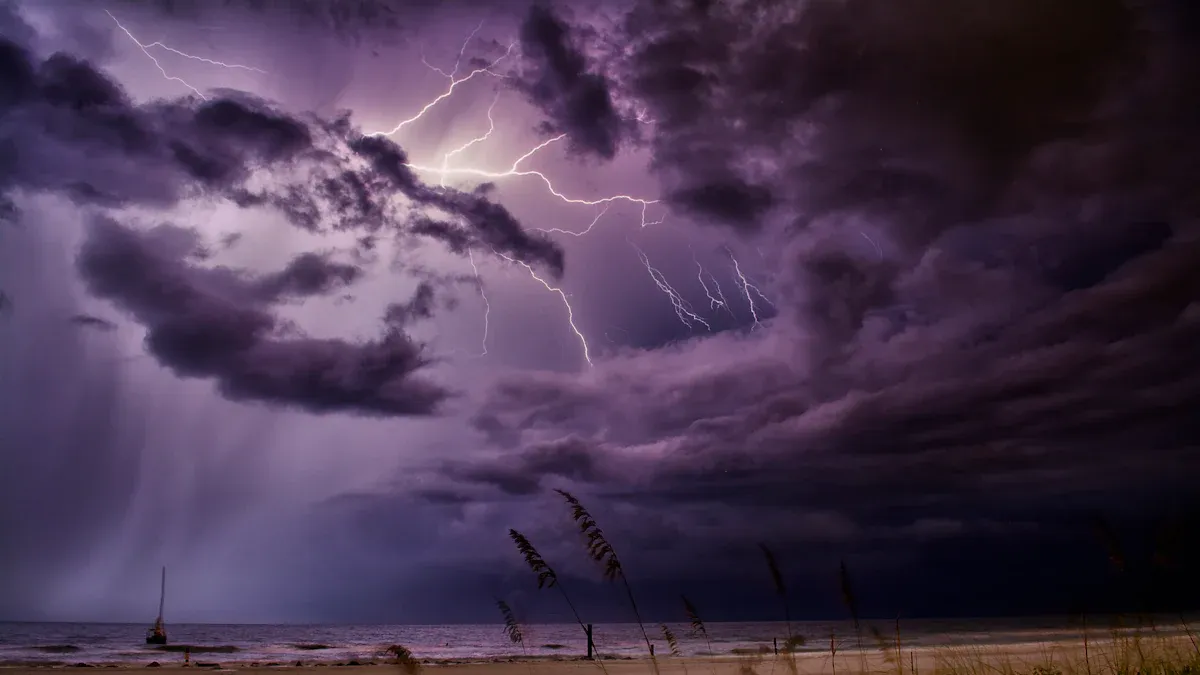
When it comes to current discharge capacity, these three have significant differences. A lightning arrester's primary job is to protect against direct lightning overvoltages, so it's designed to handle extremely large current capacities (high impulse currents). Lightning's energy is immense, and insufficient capacity means ineffective protection for structures.
Surge arresters also handle large current capacities, designed to divert significant surge energy from both lightning and switching events within the power grid. They must withstand substantial fault currents to protect system components.
Electronic devices, compared to general electrical equipment, have much lower insulation levels. This is why surge protectors (SPDs) are needed to protect them from transient overvoltages. However, SPDs are generally installed downstream, closer to sensitive loads, where the surge current has already been limited by upstream devices. Therefore, an SPD's current discharge capacity doesn't need to be as large; the key is precisely controlling the residual voltage (clamping voltage) to a safe level for electronics.
VI. Design and Protection Strategy Differences
Beyond the points we’ve already covered, these three devices also exhibit differences in their design philosophy and protection strategies.
A lightning arrester focuses on handling extremely high-energy, direct lightning discharges, primarily protecting structures and their contents by providing a low-impedance path to ground for these massive currents.
A surge arrester is designed for robust, high-energy instantaneous discharge within the power system itself, protecting large electrical equipment from both lightning-induced and internal switching overvoltage surges. Its design goal is to ensure the macro-level stability and fundamental safety of the electrical grid.
In contrast, a surge protector (SPD) emphasizes fine-tuned, multi-stage coordinated protection. It's typically designed for multi-level series or parallel installation to progressively limit overvoltage, ensuring sensitive electronic devices receive appropriate protection at different stages. It prioritizes precise residual voltage control and adaptability to equipment with lower insulation levels.
VII. Primary Materials
Let's explore their "inner beauty"—their main materials. The primary material for most lightning arresters and surge arresters is zinc oxide (ZnO), which falls under the category of metal oxide varistors.
This material has a unique characteristic: its resistance changes with voltage. When the voltage is normal, its resistance is very high; when it encounters a high voltage, the resistance rapidly decreases, thereby discharging the overvoltage energy.
The primary materials for surge protectors (SPDs) are more complex. They vary based on the surge rating and the requirements of graded protection (conforming to international standards like IEC 61643 and ANSI/UL 1449).
Common components include metal oxide varistors (MOV), gas discharge tubes (GDT), and transient voltage suppressor (TVS) diodes. The combination of these elements makes SPDs considerably more sophisticated in design than traditional lightning arresters. They must account for a wider range of factors, such as different application scenarios and specific equipment demands.
VIII. Technical Sophistication and Response Speed Differences
Finally, from a technical perspective, there's also a gap in technical sophistication and response speed among these devices.
While lightning arresters and surge arresters excel at handling enormous energy discharges, their response times and the precision of their voltage limiting (residual voltage) are generally less refined compared to SPDs, as their primary goal is to prevent catastrophic failure from massive surges.
In contrast, surge protectors (SPDs), especially those designed for sensitive electronic devices, have faster response times (often in nanoseconds). They can limit overvoltages to much lower residual voltage levels, thereby more effectively protecting voltage-sensitive, precise electronic equipment. Furthermore, due to their multi-stage protection and the use of composite components, SPDs typically offer superior anti-aging properties and long-term stability. This is why SPDs are increasingly preferred in applications with higher protection requirements.
IX. Coordination and Comprehensive Protection
The ultimate difference lies in how these devices are meant to work together to provide comprehensive protection.
A lightning arrester handles the brute force of a direct lightning strike, diverting massive current from a structure.
A surge arrester protects the electrical grid and large equipment within it from both lightning-induced surges and high-energy switching transients, maintaining power system integrity.
A surge protector (SPD) then takes care of the remaining, lower-energy voltage spikes and surges that might still reach sensitive electronic devices, either from external sources or internal system operations.
The most effective strategy involves a coordinated, multi-layered approach using all three types of devices. This ensures that electrical systems, large equipment, and sensitive electronics are protected against a full spectrum of overvoltage threats, from direct lightning strikes to minor internal power fluctuations.
Key Takeaways
Recent data shows why good protection is important:
49% of facility workers had surprise downtime from power surges last year.
53% said surges caused equipment to break or stop working.
79% had less downtime after using surge protective devices.
Here’s a quick summary of their distinct roles:
Surge Arresters keep electrical systems safe from big voltage surges, sending extra energy to the ground. These are mostly inside buildings near main panels or transformers or on utility lines/substations.
Lightning Arresters protect buildings and power lines from direct lightning strikes. They give lightning a safe way to reach the ground. These are usually outside on rooftops, poles, or towers.
Surge Protectors (SPDs) help keep electronic devices safe from small voltage spikes. People use them near computers and TVs. Sometimes, they are at main panels for whole-house safety.
Using all three devices together gives the best protection from surges. This helps lower equipment damage, downtime, and repair costs a lot.
Picking the right device depends on what you need. Homes do well with Type 2 SPDs and lightning arresters in stormy places. Businesses and industries need stronger, certified devices put in by experts.
Surge Arrester Overview
Function
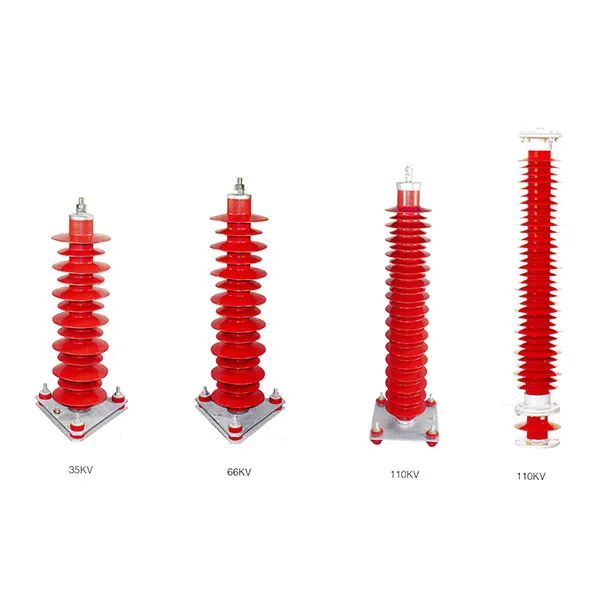
A surge arrester keeps electrical systems safe from high-voltage surges. It stands between dangerous voltage spikes and important equipment. When a surge happens, the surge arrester sends extra energy safely into the ground. This keeps the main system from getting hurt. Surge arresters have energy ratings like Switching Surge Energy Rating and Thermal Charge Transfer Rating. These ratings tell how much energy the device can take during a surge. IEEE and IEC standards give rules for testing and measuring these ratings. Engineers look at these ratings to pick the right surge arrester for each system.
Installation
Engineers put surge arresters in the main electrical systems. They are often found on overhead power lines, in substations, and near transformers. Each surge arrester is placed after careful planning. Studies show that neural networks and genetic algorithms help find the best places to install them. These methods lower the chance of flashover and make the system more reliable. For example:
Surge arresters spaced along transmission lines help stop failures.
Putting them at line inputs and near autotransformers in substations makes failures less common.
Places with high soil resistivity or lots of lightning need more surge arresters.
Both computer tests and real data support these ideas. Standards say to put surge arresters at important spots to protect the whole network.
Protection
A surge arrester protects equipment from outside and inside overvoltages. It deals with surges from lightning and switching events in the system. Reports talk about features like high-current withstand and switching surge energy ratings. These features help the surge arrester take in and get rid of dangerous energy. New materials, like doping ZnO varistors with rare-earth elements, make surge arresters work even better. Some studies show these changes can cut overvoltage by over 30% in transmission lines and substations. Standards like IEEE C62.11 help people choose and test surge arresters so they give strong protection from all surges.
Lightning Arrester Basics
Function
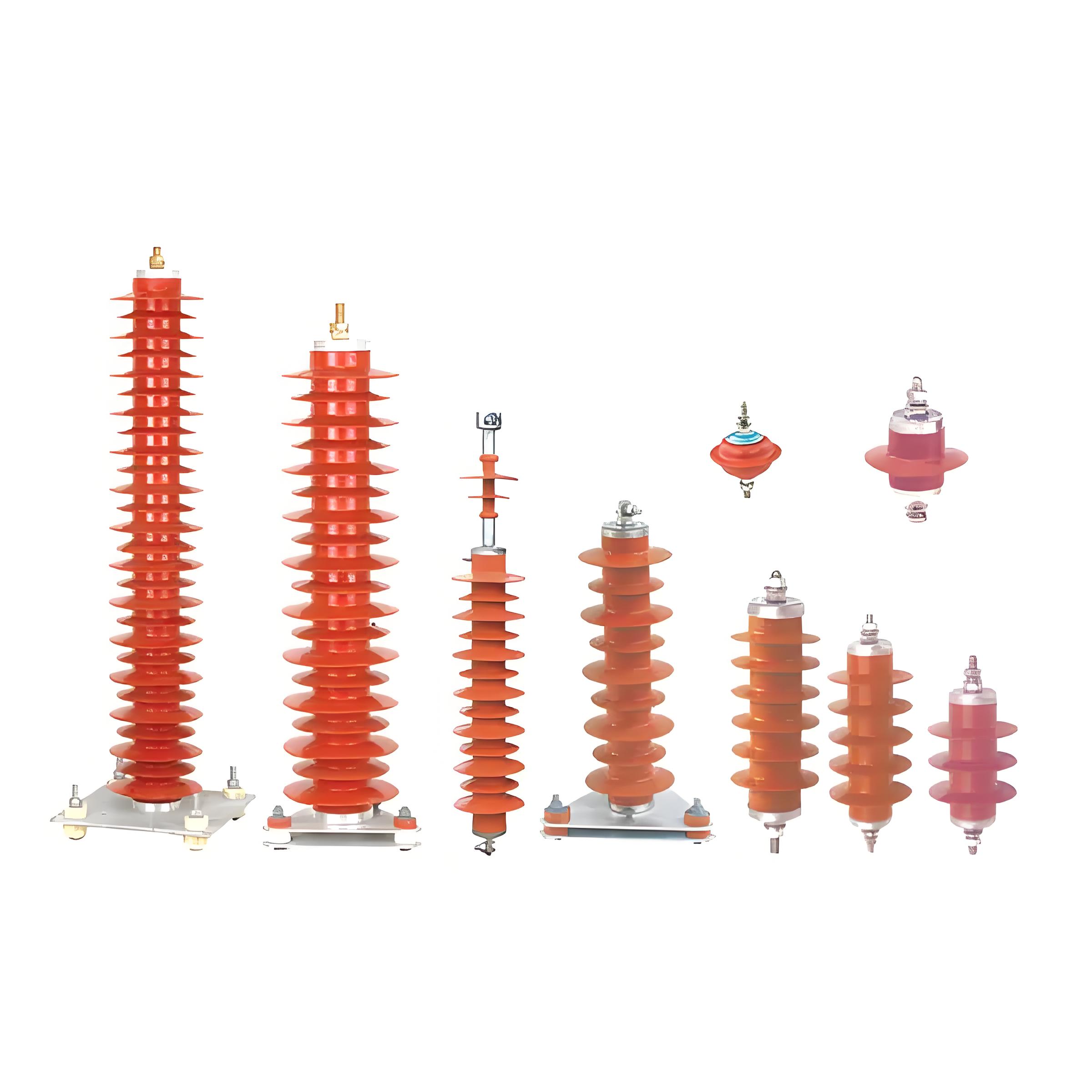
A lightning arrester keeps buildings and electrical systems safe from lightning. It gives lightning a safe way to go into the ground. This stops dangerous voltages from hurting equipment or starting fires. Many places use lightning arresters where lightning can cause big problems, like oil and gas tanks. Some new systems use point discharge technology. This helps stop lightning before it starts by balancing charges. Over 3,500 Dissipation Array System® (DAS) setups have worked well for more than 77,000 years combined. These systems often have a “No-Strike” warranty if you take care of them. This shows people trust them to stop lightning damage.
Installation
Lightning arresters must be installed in the right way by following strict rules. NFPA 780 is the main guide for installing them in risky places. This guide says to check things like building height, where it is, and what is nearby. Workers put air terminals on roofs, chimneys, and antennas to catch lightning. Good grounding uses many rods to lower resistance and move energy away. Experts say to add surge protection devices to protect electronics. Only trained workers should install these systems to keep them safe. Regular checks and care help the system work well. Each year, workers look for rust, damage, or loose parts. After storms, they check for new problems.
Protection
Lightning arresters give strong protection to electrical systems during surges. The margin of protection shows how well the arrester keeps the insulation safe. For example, in a 13.8-kV system, if insulation can take 95 kV and the arrester lets through 30 kV, the margin is 216%. This means the insulation can handle more than twice the voltage that gets past the arrester. Putting the arrester in the right spot is very important. It should be on the same pole as the thing it protects. Underground systems need arresters at both the riser pole and cable end because surges act differently there. Well-placed arresters have helped lower lightning damage and keep power networks working.
Surge Protector (SPD) Overview
Function
A surge protector, or SPD, helps keep electronics safe from voltage spikes. It works like a guard for things like computers, TVs, and game consoles. When a surge happens, the SPD finds the extra voltage fast. It sends the extra voltage away from your devices. This keeps the voltage safe for your electronics. There are different kinds of SPDs. Some use gas discharge tubes, metal oxide varistors (MOVs), or transient voltage suppressors (TVS). Each type is good for certain surges and speeds. MOVs work well with wide pulses. TVS devices clamp wide pulses but do not work as well with narrow pulses. Zener diodes clamp narrow pulses very well. They are good for protecting electronics.
Device Type & Performance
Installation
People put surge protectors in many places. Most homes use plug-in SPDs near computers or TVs. Electricians can put whole-house SPDs at the main panel. Businesses use panel SPDs to protect big systems. The best place depends on what you want to protect and the risk of surges. Installers put SPDs close to the devices they guard. This helps stop voltage spikes from reaching your electronics. Checking SPDs often makes sure they still work well.
Tip: Pick a surge protector with a high joule rating and quick response time for strong protection.
Protection
Surge protectors help stop many kinds of electrical surges. They take in extra energy and keep the voltage safe. Important features are clamping voltage, joule rating, and response time. Lower clamping voltage gives better safety. High joule ratings mean the SPD can take more energy. Fast response times, measured in nanoseconds, help stop damage early. Some SPDs also block electromagnetic and radio noise. This keeps signals clear. For important devices, battery backup keeps power on during surges. People should choose surge protectors based on what they need to keep safe. Gaming PCs need high joule ratings. Medical devices need battery backup. Network devices need data line security.
Key Measurement Descriptions
Key Differences: A Comparison Table
Surge arresters, lightning arresters, and surge protectors are not the same. They have different jobs, places to go, and what they protect. The table below shows how each one works in different places:
Note: Using a combination of these devices provides stronger, coordinated protection for electrical and telecommunication systems.
Choosing the Right Device: Tailored Guidance
For Homes
Homeowners must keep electronics and appliances safe from surges. The best surge protection depends on risk, system type, and equipment value. Most homes use single-phase power. Single-phase SPDs work well for these homes. Type 2 SPDs are good for most houses. If you live where storms are common, add a Type 1 SPD at the main panel for more safety.
Tip: Always make sure the surge protector meets IEC 61643-11 or ANSI/UL 1449 standards. This helps ensure the device stays safe and reliable.
Homeowners should pick an SPD with the right voltage protection level for their electronics. Computers and TVs need lower voltage protection. Big appliances like fridges need higher joule ratings. Small appliances need less than 1000 joules. Medium ones need 1000–2000 joules. Large appliances need over 2000 joules.
Surge protectors do not last forever. Replace them after a few surges or every few years.
Surges can come from lightning, bad wiring, or short circuits.
Whole-house surge protection covers everything best. Electricians put these at the main panel.
If you live in stormy places like Florida, you need more surge protection.
Surge protection insurance helps if you have costly electronics or old wiring.
About 50,000 house fires each year start from electrical problems. New rules, like NEC 2020, say new homes must have surge protection. Homeowners should get SPDs made for single-phase, low-voltage AC systems.
For Businesses
Businesses use lots of electronics and machines. Surges can cause downtime and damage, which costs a lot to fix. The right surge protection device keeps things running and protects the money spent on equipment. Research shows businesses like plug-in and portable surge protectors because they are easy and cheap. But panel-mounted SPDs give better safety for big systems.
Businesses should use both plug-in and hardwired SPDs.
Sensitive things like computers and servers need SPDs with low clamping voltage and high joule ratings.
Panel-mounted SPDs protect the whole system from big surges.
Check and care for SPDs often to keep them working.
Smart surge protectors with monitors help track device health.
Case studies show that good surge protection lowers downtime and repair bills. For example, factories and telecom companies save money by stopping equipment failures. Buying good SPDs helps keep work going and saves money.
Note: Cheap surge protectors may not work well. Businesses should buy devices that meet standards and have strong warranties.
For Industrial Use
Industrial sites have the highest risk from surges. They use big machines and complex systems. Surges can come from outside, like lightning, or inside, like switching big loads. Industrial SPDs are made to handle strong surges.
Use main and extra SPDs at different spots in the system.
Pick devices with high surge current ratings and a tough build.
Put SPDs at main panels, subpanels, and near important equipment.
Check and test SPDs often for safety.
Data centers and factories use smart SPDs with remote checks.
Research shows industrial users need hardwired SPDs for best safety. These must match the power system and equipment. Industrial SPDs help stop costly downtime and protect machines. Examples from factories and data centers show that strong surge protection keeps things running and cuts repair costs.
⚡ Alert: Industrial sites should never use cheap or wrong SPDs. Only certified devices should be put in by trained workers.
Impact of Surge Protection
Surge arresters, lightning arresters, and surge protectors all help keep electrical systems safe. Surge protectors save a lot of money on repairs. They can lower repair costs by 80%. They also help turbines work better by cutting downtime by more than 90%. Lightning arresters stop many problems every year. The table below shows how these devices make things safer and cheaper:
Picking the right device keeps equipment safe and saves money. People should think about what they need and talk to experts for help.
Frequently Asked Questions (FAQ)
What is the main difference between a surge arrester and a lightning arrester?
A surge arrester primarily protects electrical equipment and power systems from high-voltage surges caused by both lightning and switching events within the grid. A lightning arrester, while often using similar technology, is specifically designed and placed to protect structures and equipment from the immense current of a direct lightning strike.
Can a surge protector stop lightning damage?
A surge protector cannot stop a direct lightning strike. It helps keep electronics safe from smaller voltage spikes and surges. For lightning, you need a lightning arrester (for structures) or a robust surge arrester (for power lines/equipment) as part of a full lightning protection system.
Where should people install surge protectors in a home?
People should put surge protectors close to important electronics. This means near computers, TVs, and game consoles. Whole-house surge protectors work best when installed at the main electrical panel. This setup gives extra layers of safety for all devices.
How often should surge protectors be replaced?
Surge protectors stop working well after a few surges or simply wear out over time. Most experts say to replace them every two to five years, or immediately after a significant power event. Always check the indicator light if your device has one, as this often signals it needs replacement.
Do businesses need both surge arresters and surge protectors?
Yes, ideally. Businesses often use surge arresters for their main electrical systems (e.g., at substations or main service entrances) to handle large incoming surges. They then use surge protectors (SPDs) for sensitive electronics and equipment deeper within the facility. Using both helps lower downtime and keeps equipment safe from both large, system-wide surges and smaller, localized voltage spikes.