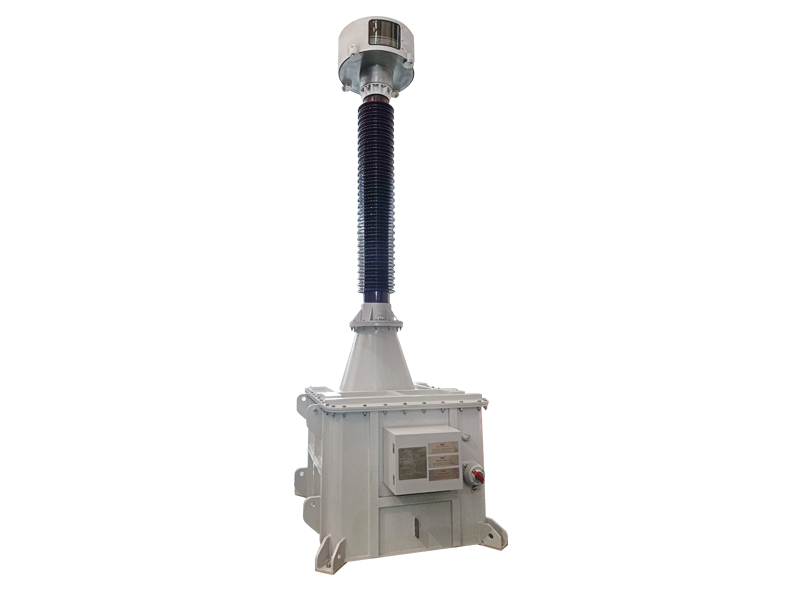
What Is a Station Service Voltage Transformer?
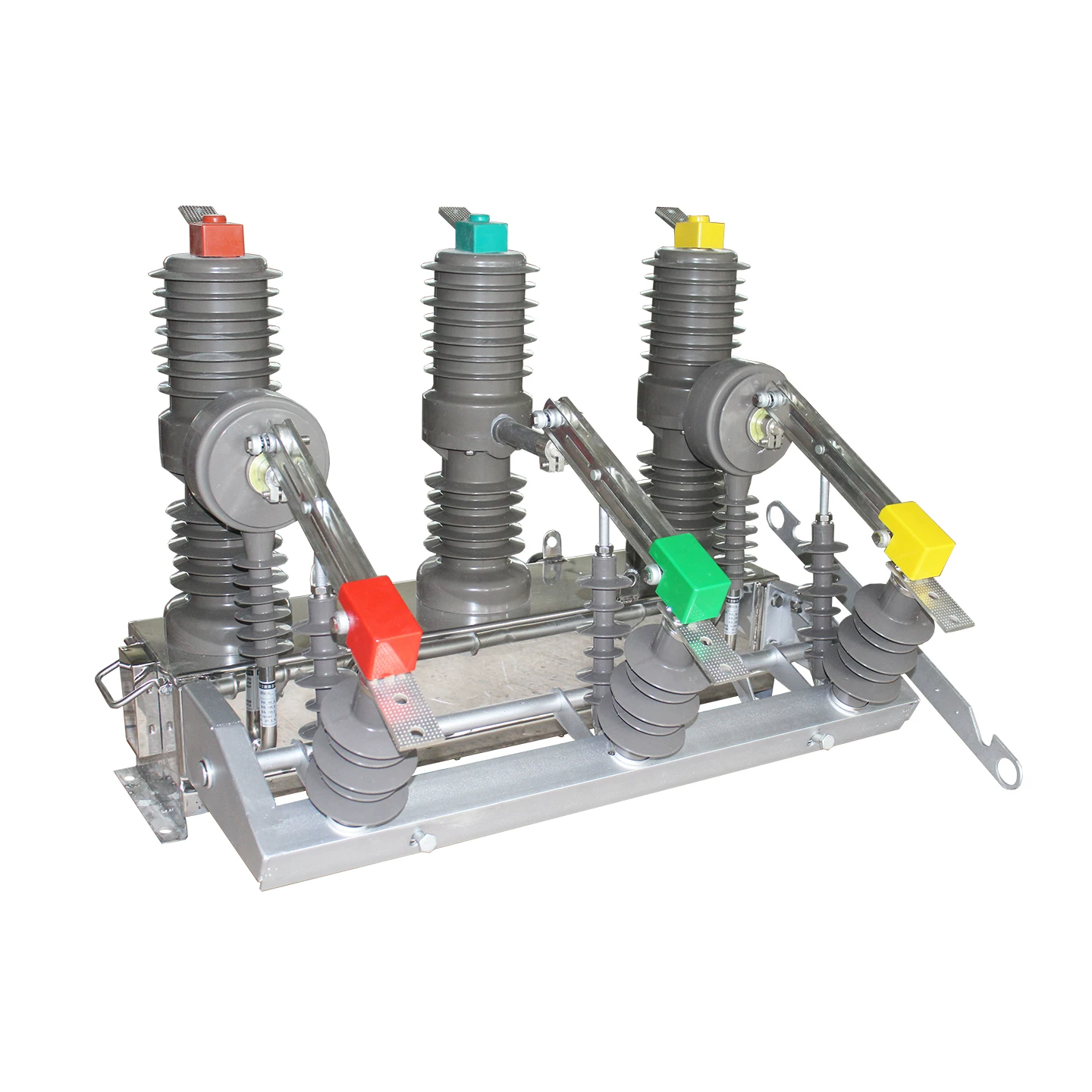
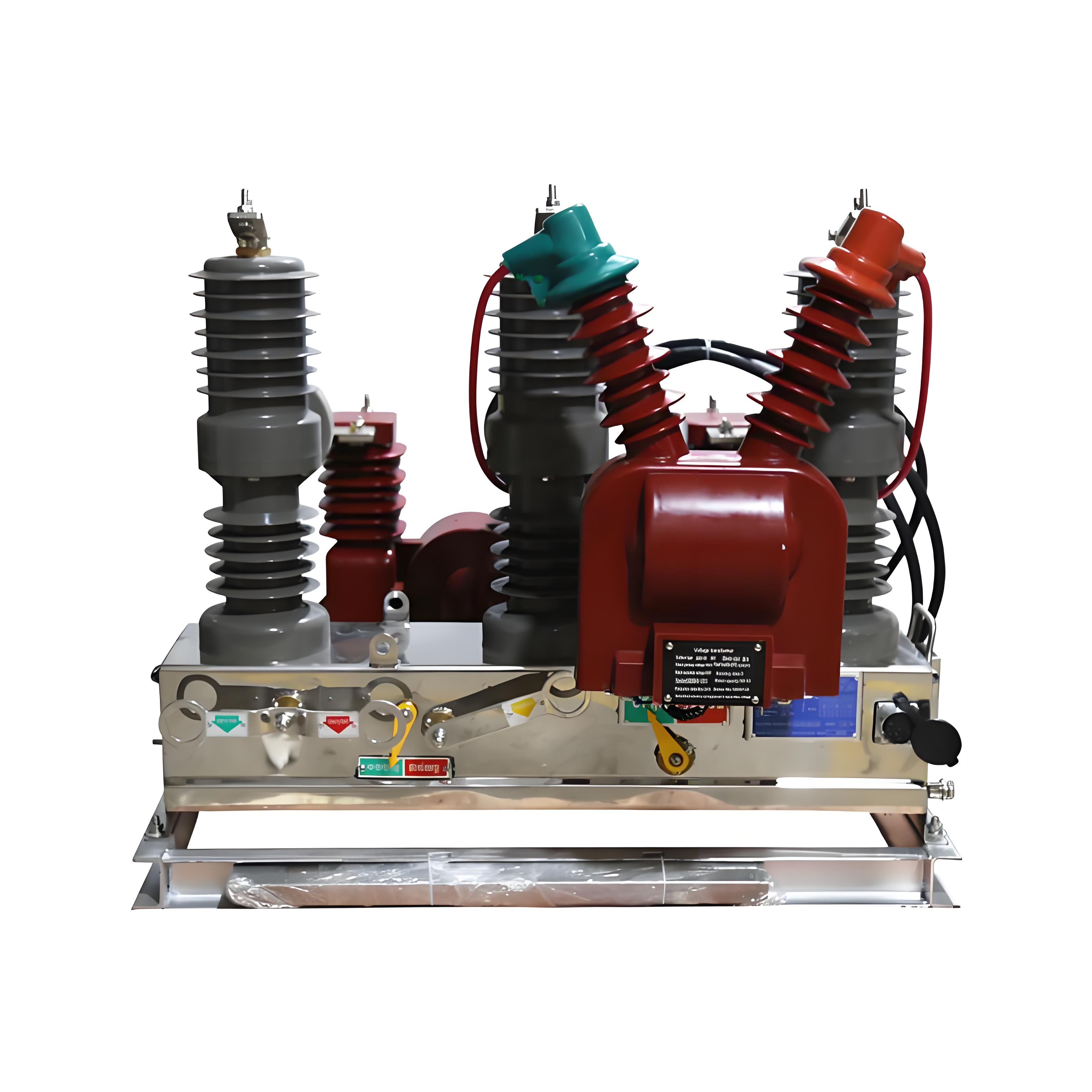
At Weisho Electric, we define a Station Service Voltage Transformer (SSVT)—often referred to in the industry as a Power Voltage Transformer—as a critical hybrid solution for modern high-voltage distribution. Instead of requiring a separate, bulky auxiliary substation, this unit taps directly into the high-voltage line to provide low-voltage power for on-site equipment.
Think of it as the bridge between precision metering and reliable power delivery. While standard potential transformers (PTs) are designed strictly for low-burden measurement, our station service units are engineered to handle significant power loads while maintaining the insulation integrity required for 3.6kV to 40.5kV grids.
Core Characteristics & Hybrid Nature
An SSVT is unique because it combines the voltage measurement capability of an instrument transformer with the power delivery of a distribution transformer. Based on our manufacturing standards and IEC/ANSI compliance, here is what defines these units:
Hybrid Functionality: It acts as a Power Transformer (PT) for local loads (like lighting, switchgear control, and cooling) while simultaneously offering voltage monitoring capabilities.
Power Ratings: Unlike standard metering VTs that handle negligible burdens, our barrel-type and power PTs are rated for real work, with capacities typically ranging from 15kVA, 25kVA, up to 100kVA.
Connection Type: These are generally single-phase units connected line-to-ground, often used in banks to provide three-phase power.
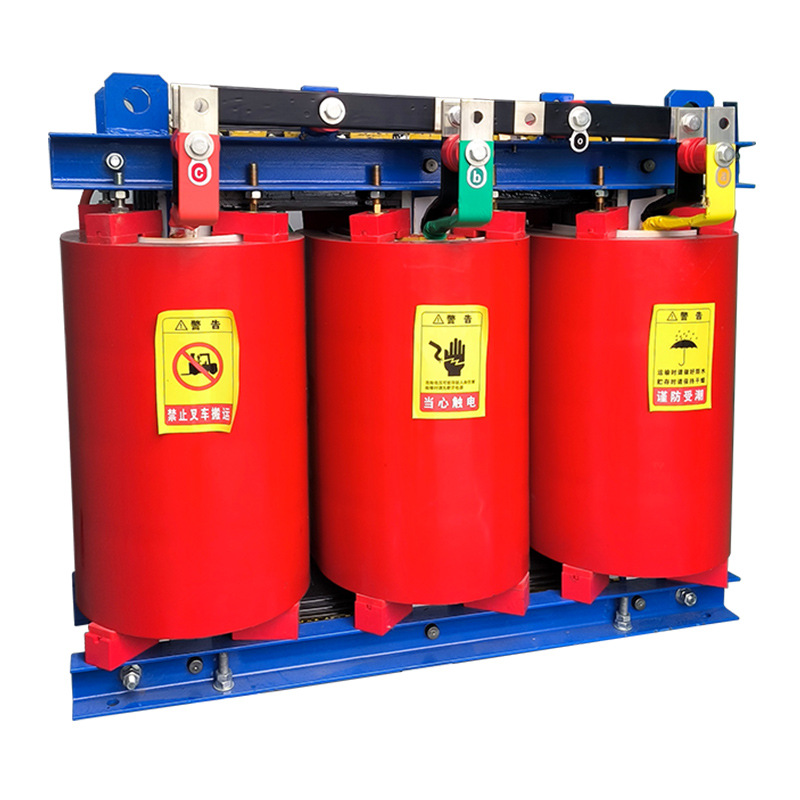
Insulation Standards: We utilize advanced epoxy resin casting (indoor) and outdoor-grade cycloaliphatic epoxy to ensure high dielectric strength and partial discharge levels ≤10pC, ensuring safety even under heavy load.
How Station Service Voltage Transformers Work
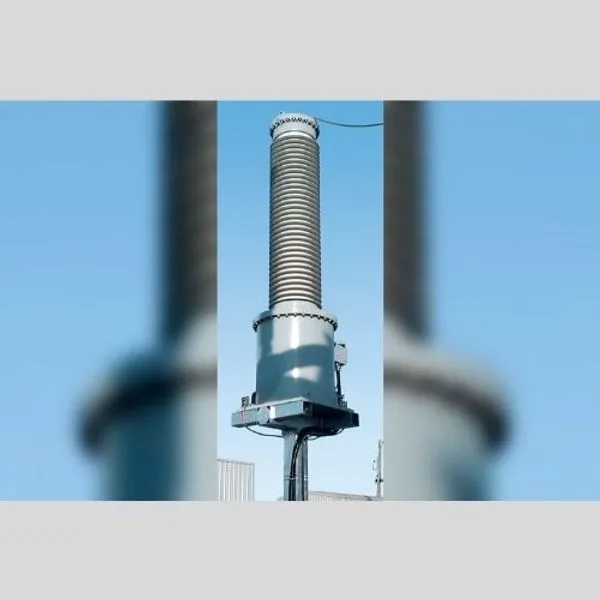
At Weisho Electric, we engineer our station service voltage transformers (SSVT) to function as a critical bridge between high-voltage transmission lines and the low-voltage equipment needed to run a substation. The basic operating principle is straightforward: the SSVT performs a direct step-down from the high voltage (HV) or extra-high voltage (EHV) level—typically ranging from 10kV up to transmission levels—down to a usable auxiliary supply voltage, such as 120V, 240V, or 480V.
Unlike standard potential transformers that only handle metering signals, an SSVT is designed with the thermal capacity to deliver actual power (kVA) to local loads. This eliminates the need for a separate distribution line to power the substation itself.
Typical Configuration and Setup
Depending on the specific load requirements and the grid layout, these transformers are deployed in two main configurations:
Single-Phase Units: Often used for specific line-to-ground applications or smaller loads.
Three-Phase Banks: Multiple single-phase units connected to provide a stable three-phase power supply for heavier auxiliary equipment like cooling fans and pump motors.
Key Components and Insulation
Reliability is non-negotiable in high-voltage environments. Our designs prioritize robust insulation and durable core materials to withstand electrical stress.
Core and Windings: We use high-permeability silicon steel cores and copper windings to ensure efficient energy transfer and minimal loss.
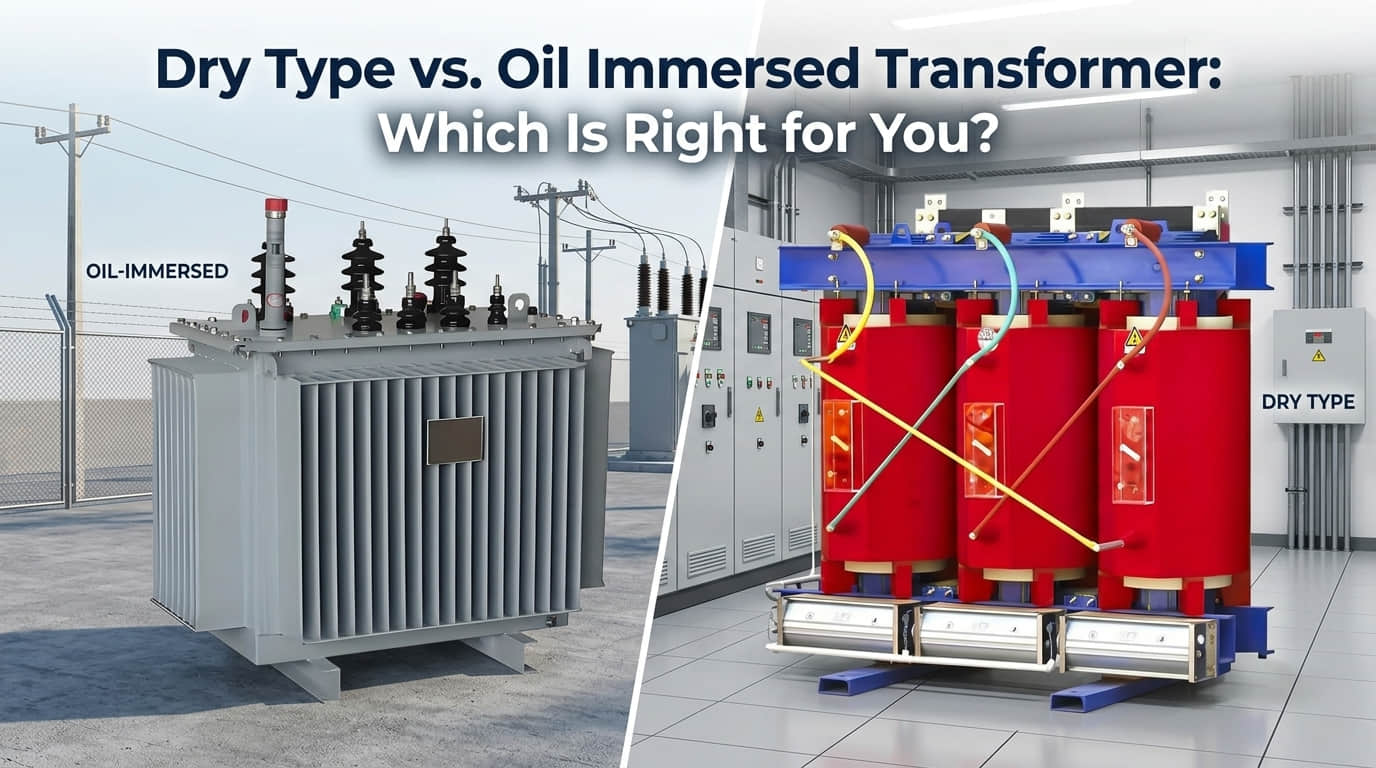
Insulation System: For indoor applications, we utilize advanced epoxy resin casting technology, which provides excellent dielectric strength and is maintenance-free. For outdoor or harsh environments, oil-immersed designs are standard.
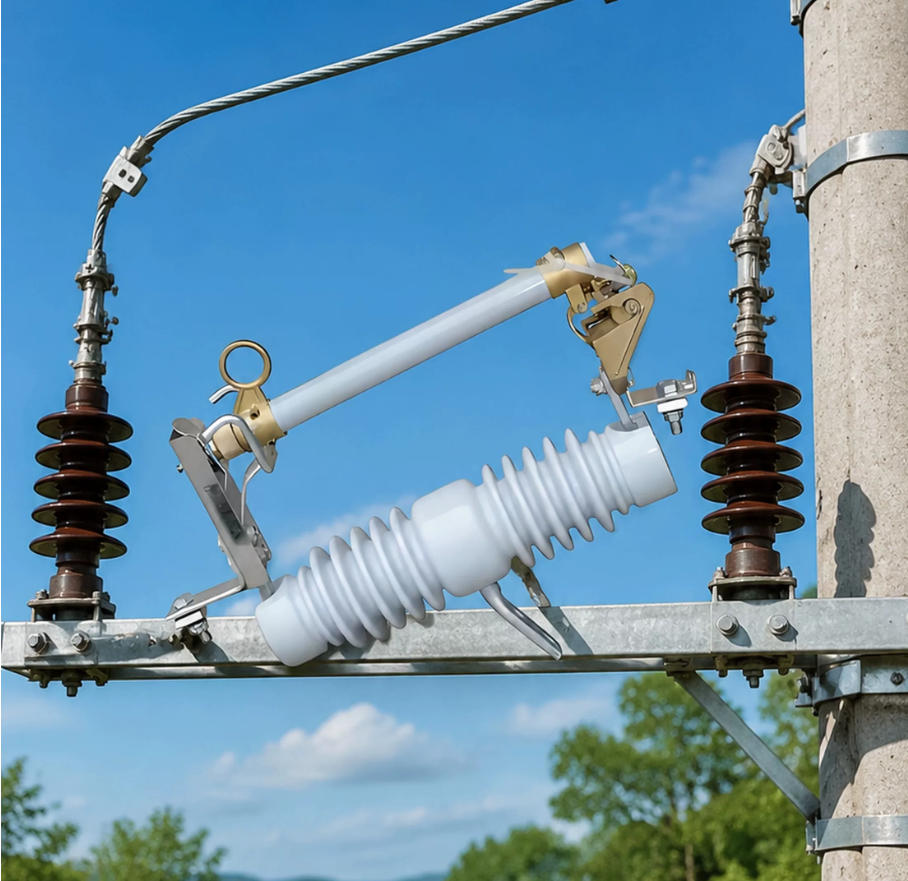
Protection: To ensure the longevity of the unit and the safety of the grid, the primary side is often protected by an RW3 drop-out high voltage fuse, which isolates the transformer in the event of a fault.
Secondary Terminals: These provide the connection point for the low-voltage auxiliary power output and metering circuits.
Key Differences: SSVT vs. Other Transformers
Understanding where a station service voltage transformer (SSVT) fits in the grid can be confusing because it looks like an instrument transformer but acts like a power transformer. At Weisho Electric, we engineer these units to bridge the gap between precise measurement and reliable power delivery. Here is how the SSVT compares to other common equipment found in a station service transformer substation.
SSVT vs. Standard Power Transformers
The main difference lies in scale and application. A standard power transformer is the heavy lifter of the grid, designed to transfer massive amounts of energy (Megawatts) from transmission to distribution voltages.
Standard Power Transformer: Focuses on bulk power transfer, has complex cooling systems, and occupies a large footprint.
SSVT: Designed for auxiliary power (Kilowatts/kVA). It taps directly into the high-voltage line to provide low voltage (e.g., 120V, 240V, 480V) for substation lights, motors, and control relays. It is much smaller and often uses the same insulation technology as our instrument transformers.
SSVT vs. Instrument Voltage Transformers (VT/PT)
While both look similar externally—often utilizing epoxy resin or oil-immersed insulation—their internal design serves different goals. A standard instrument transformer (VT or PT) is built strictly for metering and protection accuracy with a very low burden (typically measured in VA).
VT/PT: High accuracy class (0.2/0.5) but minimal power output. Overloading it ruins accuracy.
SSVT: Acts as a power voltage transformer. It maintains reasonable accuracy for monitoring but is built with a thermal rating high enough to drive actual electrical loads (10kVA to 333kVA). Weisho designs these with robust windings to handle the thermal stress of continuous power supply without degrading insulation life.
SSVT vs. Capacitor-Coupled Voltage Transformers (CCVT)
Engineers often weigh SSVT vs CCVT for high-voltage applications. CCVTs use a capacitive divider and are excellent for carrier frequency communication (PLCC) and metering at extra-high voltages.
CCVT: Limited power output capability. The voltage can become unstable under varying load conditions (transient response issues).
SSVT: Being an inductive unit, it offers superior voltage regulation and stability. It can power substantial loads directly, which a CCVT cannot do reliably.
SSVT vs. Conventional Auxiliary Station Service Transformers
Traditionally, getting auxiliary power meant connecting a distribution transformer to a tertiary winding of the main transformer or running a separate medium-voltage line.
Conventional Approach: Requires expensive tertiary bushings or a dedicated distribution line, increasing the total cost of ownership.
SSVT Solution: Connects directly to the HV transmission line. This eliminates the need for tertiary windings and reduces the substation footprint. To ensure longevity in these direct-connect scenarios, we recommend pairing them with a high-quality lightning arrester to protect the windings from switching surges and atmospheric overvoltages.
Quick Comparison: SSVT Capabilities
| Feature | SSVT (Station Service Voltage Transformer) | Standard VT (Potential Transformer) | Distribution Transformer |
|---|---|---|---|
| Primary Function | Auxiliary Power + Metering | Metering & Protection | Bulk Power Transfer |
| Power Rating | Medium (10 kVA – 333 kVA) | Very Low (10 VA – 500 VA) | High (500 kVA – MVA range) |
| Connection | Line-to-Ground | Line-to-Ground or Line-to-Line | Line-to-Line |
| Footprint | Compact (Instrument Transformer size) | Compact | Large / Pad-mounted |
| Cost Efficiency | High (Eliminates tertiary windings) | N/A (Not for power) | Moderate (Requires infrastructure) |
By combining the dielectric strength of a high-voltage instrument transformer with the thermal capacity of a distribution unit, the auxiliary station service transformer offers a streamlined solution for modern grid needs.
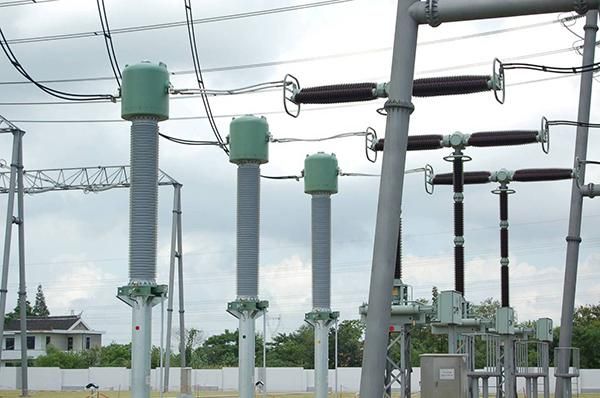
Advantages of Using Station Service Voltage Transformers
When we look at the bottom line, the station service voltage transformer (SSVT) offers a massive advantage over traditional methods of securing auxiliary power. We aren’t just talking about a minor upgrade; for many remote or space-constrained sites, this technology is a complete game-changer that streamlines operations and protects assets.
Significant Cost Reduction
Building a dedicated SSVT substation is significantly cheaper than running miles of distribution lines to a remote site or adding a complex tertiary winding to a massive power transformer. By tapping directly into the high voltage transmission line, we eliminate the need for expensive external power feeds. This direct approach drastically cuts down on infrastructure capital (CAPEX) and reduces the logistical headache of securing rights-of-way for new distribution poles.
Compact Footprint and Simplified Installation
Space is often at a premium in modern electrical installations. An auxiliary power transformer of this type combines the functions of a potential transformer and a distribution transformer into a single unit. This consolidation reduces the physical equipment needed on the pad. For projects requiring tight spatial management, pairing these transformers with compact gas-insulated switchgear can further optimize the substation layout, ensuring you get maximum capability per square foot without expanding the fence line.
High Reliability and Low Maintenance
Because the high voltage auxiliary supply is drawn directly from the transmission grid, the reliability is exceptionally high compared to relying on a local rural distribution network, which might be prone to weather-related outages. These units are built robustly, meaning maintenance crews spend less time on-site fixing issues. A reliable station service transformer substation ensures that critical loads like battery chargers and cooling fans keep running even if the local grid goes dark.
Enhanced Safety Features
Safety is non-negotiable in our industry. One of the biggest technical perks here is the design of the ferroresonance immune transformer. Unlike standard potential transformers that can suffer from dangerous voltage oscillations when isolated, a high-quality SSVT is engineered with damping mechanisms to prevent catastrophic failures and explosions. Whether you are utilizing an oil-immersed station service transformer or a modern dry-type, these designs prioritize personnel safety.
Environmental Benefits
We are seeing a shift toward greener grids across the United States. Modern gas-insulated SSVT options are available that reduce the risk of oil leaks and soil contamination, which is a major plus for protected areas. Furthermore, the industry is moving toward eco-friendly insulation alternatives to meet stricter environmental regulations, making these transformers a sustainable choice for long-term infrastructure.
Common Applications of SSVTs
Station Service Voltage Transformers (SSVTs) are critical problem-solvers in modern electrical grids. By tapping directly into high-voltage lines to provide low-voltage auxiliary power, we eliminate the need for expensive tertiary windings on main power transformers or separate distribution lines. Here is where we see these units delivering the most value.
Substation Auxiliary Power
The primary role of an auxiliary station service transformer is to ensure the substation itself stays online. These units step down high voltage to usable levels (typically 120V/240V or 480V) to power essential on-site loads. This includes operating the control room, SCADA systems, battery chargers, and HVAC units that keep equipment within safe temperature ranges. For streamlined infrastructure, these transformers are often integrated directly into a compact substation design, reducing the overall footprint.
Remote Industrial Sites
In sectors like oil & gas and mining, operations are often located miles away from the nearest distribution grid. Running a dedicated low-voltage distribution line to these remote sites is cost-prohibitive. An SSVT allows these facilities to tap directly into passing transmission lines to power pump jacks, valve stations, and communication towers. Our designs focus on rugged insulation systems to withstand the harsh environmental conditions typical of these remote locations.
Renewable Energy Projects
Wind and solar farms require reliable auxiliary power for tracking motors, inverters, and protection relays even when the main generation is offline. A station service voltage transformer provides a self-contained power source derived from the high-voltage collection grid, ensuring the plant remains operational and capable of black starts.
Rural Electrification and Small Loads
For rural communities located near transmission corridors but far from distribution substations, SSVTs offer a cost-effective electrification solution. They act as a power voltage transformer, allowing utilities to serve small villages or isolated agricultural loads without building a full-scale substation.
Emergency and Backup Systems
Reliability is non-negotiable. SSVTs serve as an independent power source for emergency backup systems. Because they connect directly to the transmission feed, they provide a redundant supply to keep critical protection and communication circuits active during distribution grid outages.
Technical Specifications to Consider
When selecting a station service voltage transformer, you need to look beyond basic voltage ratios. At Weisho, we engineer our units to balance precise measurement with robust power delivery, ensuring they fit seamlessly into your existing grid infrastructure. Here is a breakdown of the critical specs you need to evaluate.
Key Performance Metrics
Voltage Classes: We focus on medium to high-voltage distribution, offering standard ratings from 3.6kV up to 40.5kV. This range covers the vast majority of industrial switchgear and utility distribution needs.
Power Ratings: Unlike a standard instrument transformer, an SSVT needs to drive a real load. Our barrel-type and custom units typically handle capacities from 15kVA to 100kVA, providing ample juice for auxiliary power without requiring a separate tertiary winding.
Insulation Systems: The choice of insulation defines your maintenance cycles. We utilize advanced epoxy resin casting for indoor units and outdoor-grade cycloaliphatic epoxy for harsh environments. This ensures high dielectric strength and keeps partial discharge levels extremely low (≤10pC).
Accuracy Classes: For the measurement side of the SSVT, precision is key. We adhere to 0.2, 0.5, and 3P accuracy classes, ensuring that while you pull power, your metering and protection data remain spot-on.
Quick Spec Reference Table
| Parameter | Specification Range |
|---|---|
| Rated Voltage | 3.6kV, 12kV, 24kV, 35kV, 40.5kV |
| Rated Frequency | 50Hz / 60Hz |
| Rated Capacity | 15kVA, 25kVA, 50kVA, 100kVA |
| Accuracy Class | 0.2, 0.5, 3P (Protection) |
| Standards | IEC 61869-3, ANSI, GB |
Environmental and Seismic Durability
Your equipment must survive the elements. We design our station service transformers to resist moisture, pollution, and mechanical stress. For outdoor installations, the quality of the high voltage insulator is critical to preventing flashovers and ensuring safety. Our designs meet international standards (IEC/ANSI) to guarantee stability even in seismically active regions or heavy industrial zones.
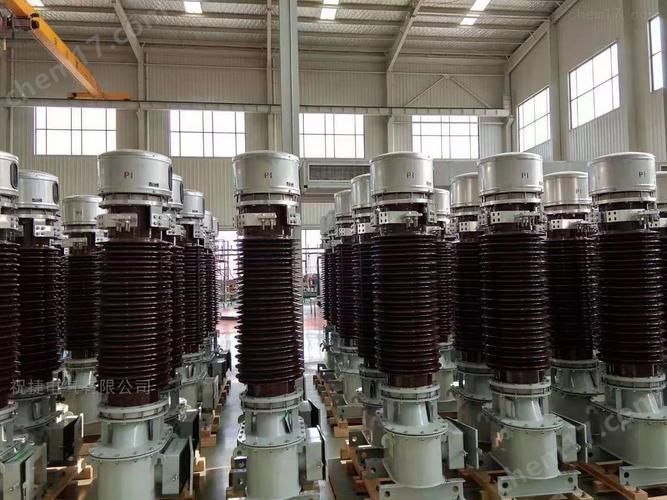
Selecting the Right SSVT for Your Project
Choosing the correct station service voltage transformer (SSVT) is critical for ensuring a reliable auxiliary power supply without the footprint of a traditional tertiary winding transformer. You aren’t just buying a component; you are securing the heartbeat of your substation’s control and protection systems.
Critical Factors for Specification
To ensure seamless integration into your grid, focus on these three core engineering parameters:
Load Requirements: Accurately calculate the total burden of your substation auxiliary loads (lighting, HVAC, battery chargers, and motor operations). While standard instrument transformers handle low-VA metering burdens, a power voltage transformer must handle kVA-rated loads. We recommend sizing with a safety margin to accommodate future expansion.
Site Conditions & Insulation: For outdoor applications, environmental resilience is non-negotiable. Look for hydrophobic cycloaliphatic epoxy (HCEP) or robust oil-immersed designs that can withstand UV radiation, humidity, and pollution.
Regulatory Compliance: Ensure the equipment meets specific IEEE or IEC standards (such as IEC 61869) relevant to your region. This guarantees that the station service transformer aligns with safety protocols and accuracy classes (0.2, 0.5, or 3P) required for protection relaying.
Understanding the broader supply chain is also vital; knowing how to choose an electrical switchgear supplier who understands these intricate transformer specifications can prevent costly project delays.
The Weisho Advantage: Engineered for Reliability
At Weisho Electric, we approach high voltage auxiliary supply with a focus on longevity and safety. Our manufacturing process leverages over 10 years of expertise to deliver maintenance-free designs ideal for modern grids.
Advanced Insulation: We utilize high-grade epoxy resin casting technology, ensuring superior dielectric strength and partial discharge levels ≤10pC. This results in a longer operational lifespan and reduced risk of insulation failure.
Customization: We understand that standard ratios don’t fit every project. We offer tailored primary/secondary voltage ratios and specific burden capacities to match your exact SSVT substation requirements.
Global Compliance: Serving over 30 countries, our transformers are built to rigorous international standards, ensuring they perform reliably whether installed in a compact indoor switchgear lineup or a harsh outdoor environment.
Future Trends in Station Service Voltage Transformers
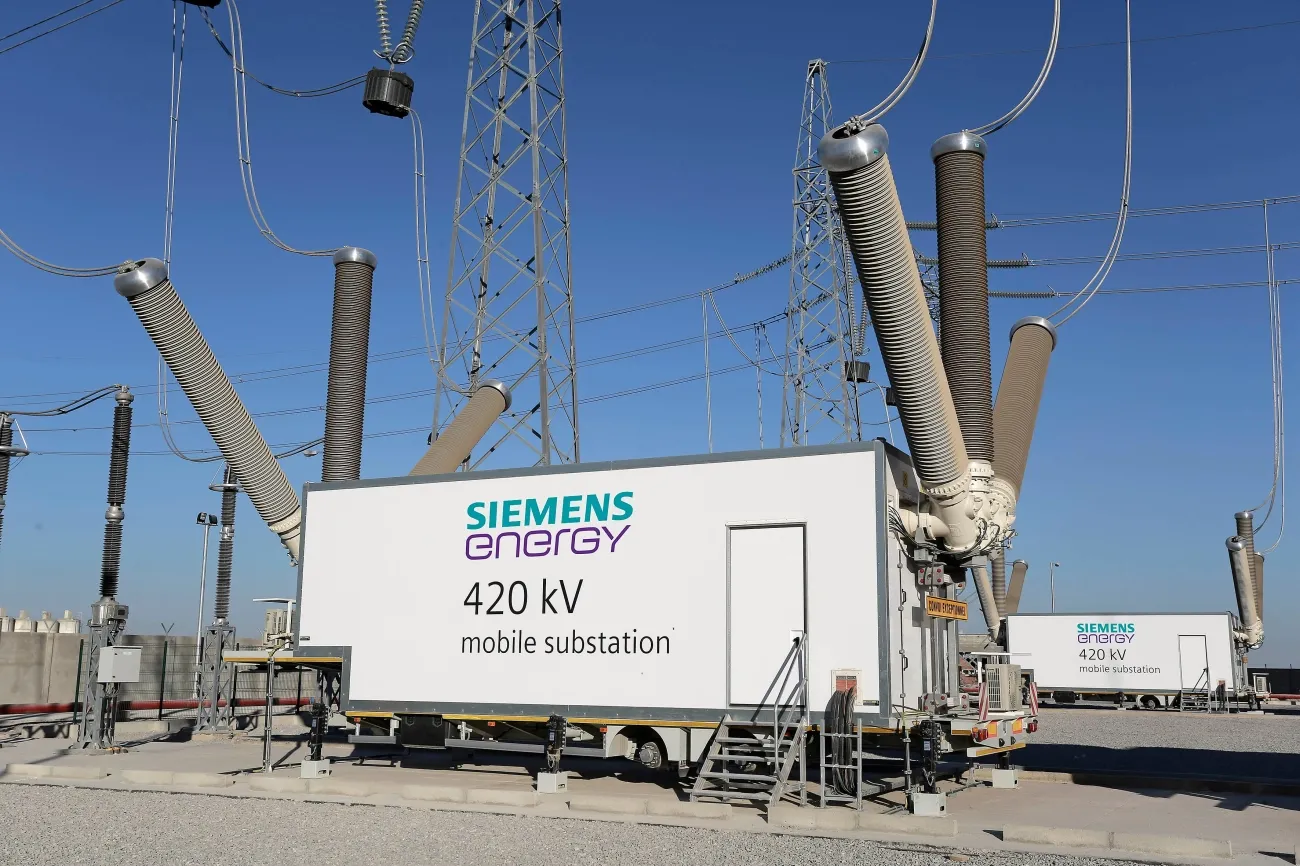
The landscape of high-voltage auxiliary power is evolving rapidly. At Weisho Electric, we are aligning our engineering with three major industry shifts that prioritize sustainability, data intelligence, and grid reliability.
Shift Toward Eco-Friendly Insulation
There is a massive push to reduce reliance on mineral oil and greenhouse gases like SF6 due to environmental regulations. The industry is increasingly favoring solid dielectric technologies, such as the advanced outdoor-grade epoxy resin casting we utilize. These materials eliminate the risk of oil leakage and provide high dielectric strength without the environmental footprint of traditional insulation, offering a cleaner, maintenance-free solution for modern substations.
Integration with Digital Substations and IoT
As the grid becomes smarter, the station service voltage transformer (SSVT) is evolving from a passive component into a critical node for data collection. We see a growing trend toward integrating these units with IoT-enabled monitoring systems. This allows operators to track real-time performance, load conditions, and insulation health, facilitating predictive maintenance strategies that prevent costly outages before they occur.
Renewable Energy and Grid Expansion
The rapid growth of renewable energy is driving demand for robust auxiliary power in remote locations. Wind farms and solar plants often require reliable station service power directly from the high-voltage line because traditional low-voltage feeds are unavailable. This expansion necessitates versatile equipment that pairs well with modular infrastructure. For instance, deploying high-performance SSVTs alongside prefabricated substation cabins streamlines the setup of decentralized power grids, ensuring efficient energy management in even the harshest environments.
Frequently Asked Questions (FAQ)
What does SSVT stand for in electrical engineering?
SSVT stands for Station Service Voltage Transformer. In the industry, we often refer to it as a power voltage transformer. It is a unique hybrid device that combines the characteristics of a potential transformer (used for metering and protection) with the power handling capability of a distribution transformer. This allows it to step down high transmission voltages directly to low usage voltages for station loads.
Can an SSVT replace a full auxiliary substation?
Yes, in many cases, it can. An SSVT substation configuration is a cost-effective alternative to building a dedicated distribution line or using a tertiary winding on a main power transformer. By tapping directly into the high-voltage transmission line, an auxiliary power transformer setup using SSVTs provides a self-contained power source, significantly reducing the physical footprint and infrastructure costs of the site.
What are typical power ratings for station service voltage transformers?
Standard ratings for a single-phase station service voltage transformer (SSVT) typically range from 10 kVA to 333 kVA. However, these can be banked in a three-phase configuration to achieve higher total output, often up to 1 MVA. Just as you would calculate the appropriate load rate for a power transformer to ensure longevity, you must size your SSVT to handle peak auxiliary loads—such as HVAC, battery charging, and lighting—without running the unit near its thermal limits.
How does an SSVT prevent ferroresonance?
Ferroresonance is a chaotic oscillatory phenomenon that can lead to catastrophic failure in transformers. A high-quality SSVT is designed as a ferroresonance immune transformer. We achieve this immunity through low-flux density core designs and the integration of special damping circuits or resistors on the secondary side. These features actively suppress the unstable oscillations that occur during switching events or line faults.
Are SSVTs suitable for offshore or harsh environments?
Absolutely. SSVTs are frequently deployed in remote and hostile environments, including offshore wind farms and desert mining operations. Their hermetically sealed design—whether oil-filled or SF6 gas-insulated—protects the internal insulation from salt spray, humidity, and dust. This makes them a reliable choice for providing auxiliary power where traditional distribution networks cannot reach.