Understanding Medium Voltage Circuit Breakers (MVCB)
What is a Medium Voltage Circuit Breaker?
A Medium Voltage Circuit Breaker is a specialized electrical switching device designed to protect and control power distribution networks operating between 12kV and 40.5kV. Unlike standard household breakers, these industrial-grade components are engineered to handle significant energy levels found in utility substations, industrial plants, and renewable energy grids.
We define these breakers by their ability to perform two critical tasks:
Normal Operation: Making and breaking load currents during routine switching.
Fault Protection: Safely interrupting massive short-circuit currents (ranging from 20kA to 31.5kA) to isolate faults without damaging the equipment or the surrounding infrastructure.
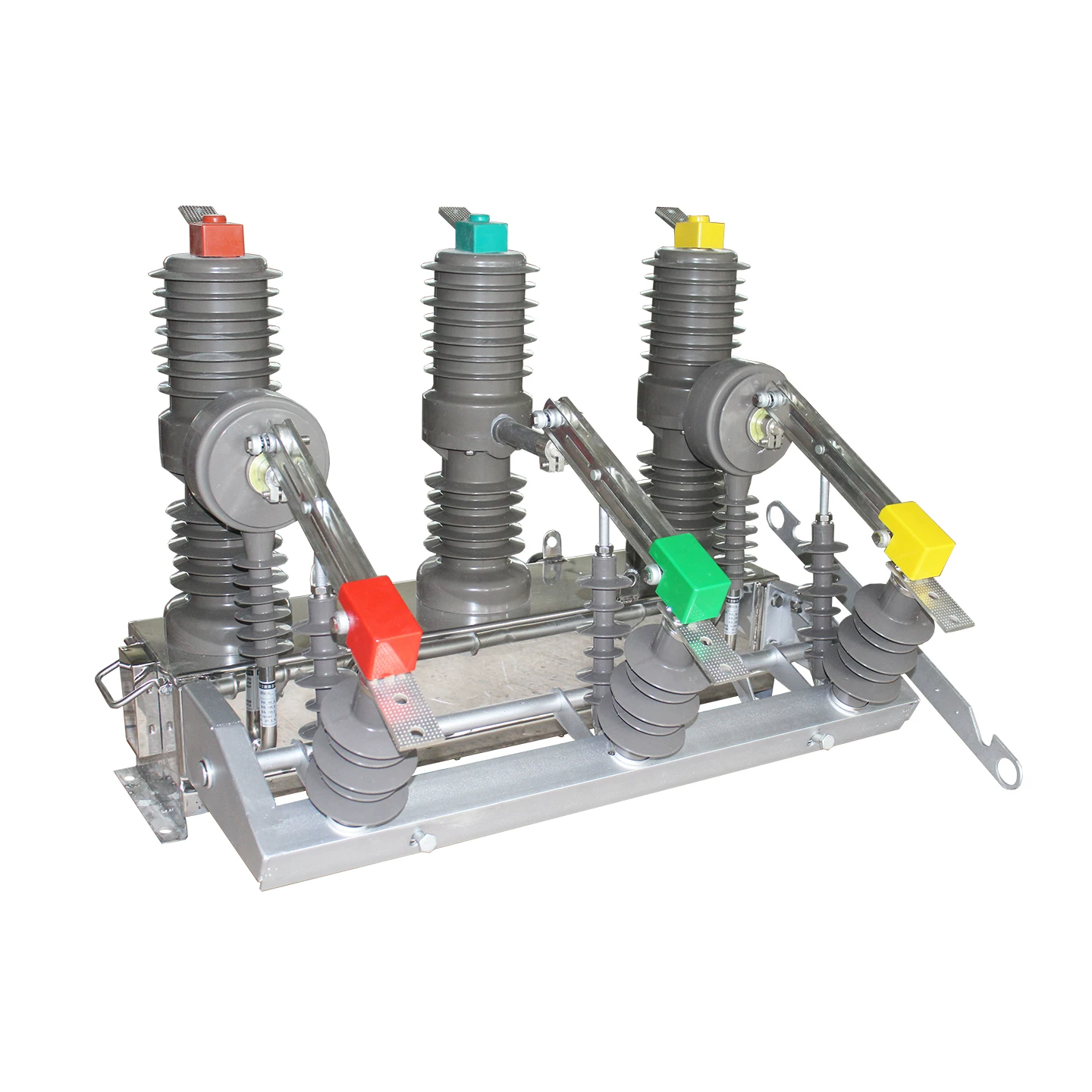
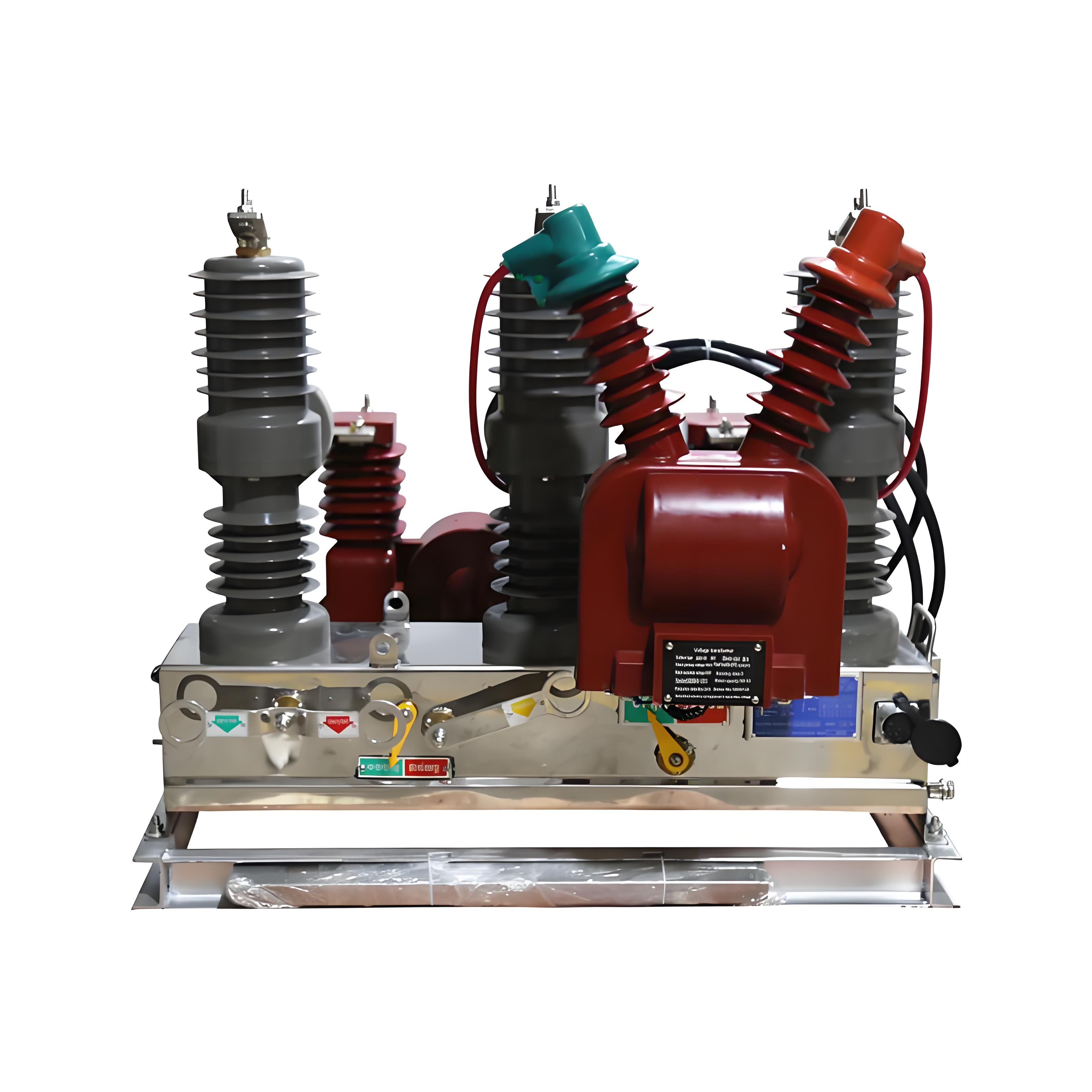
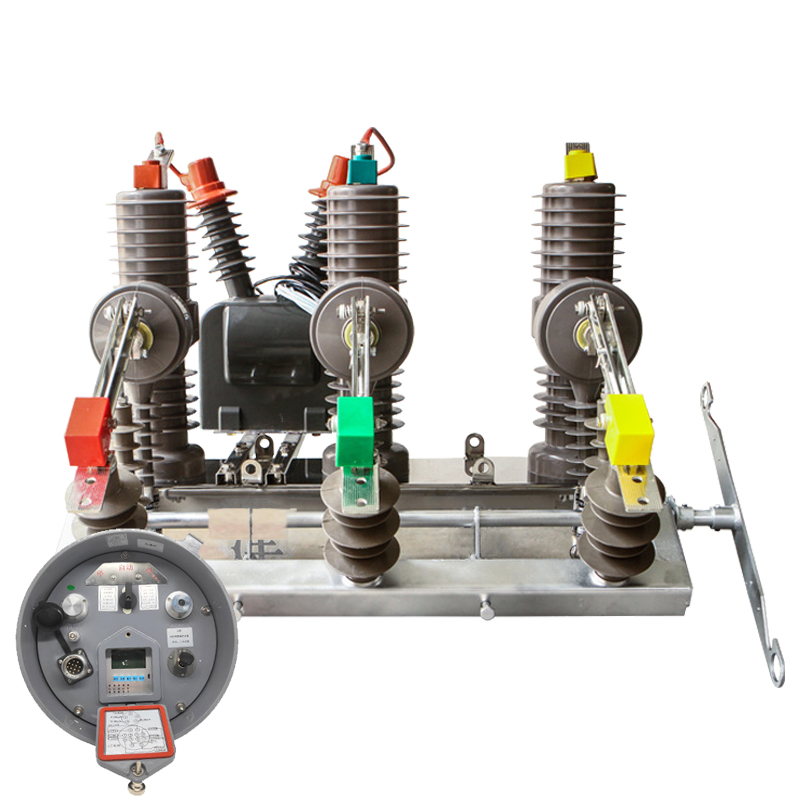
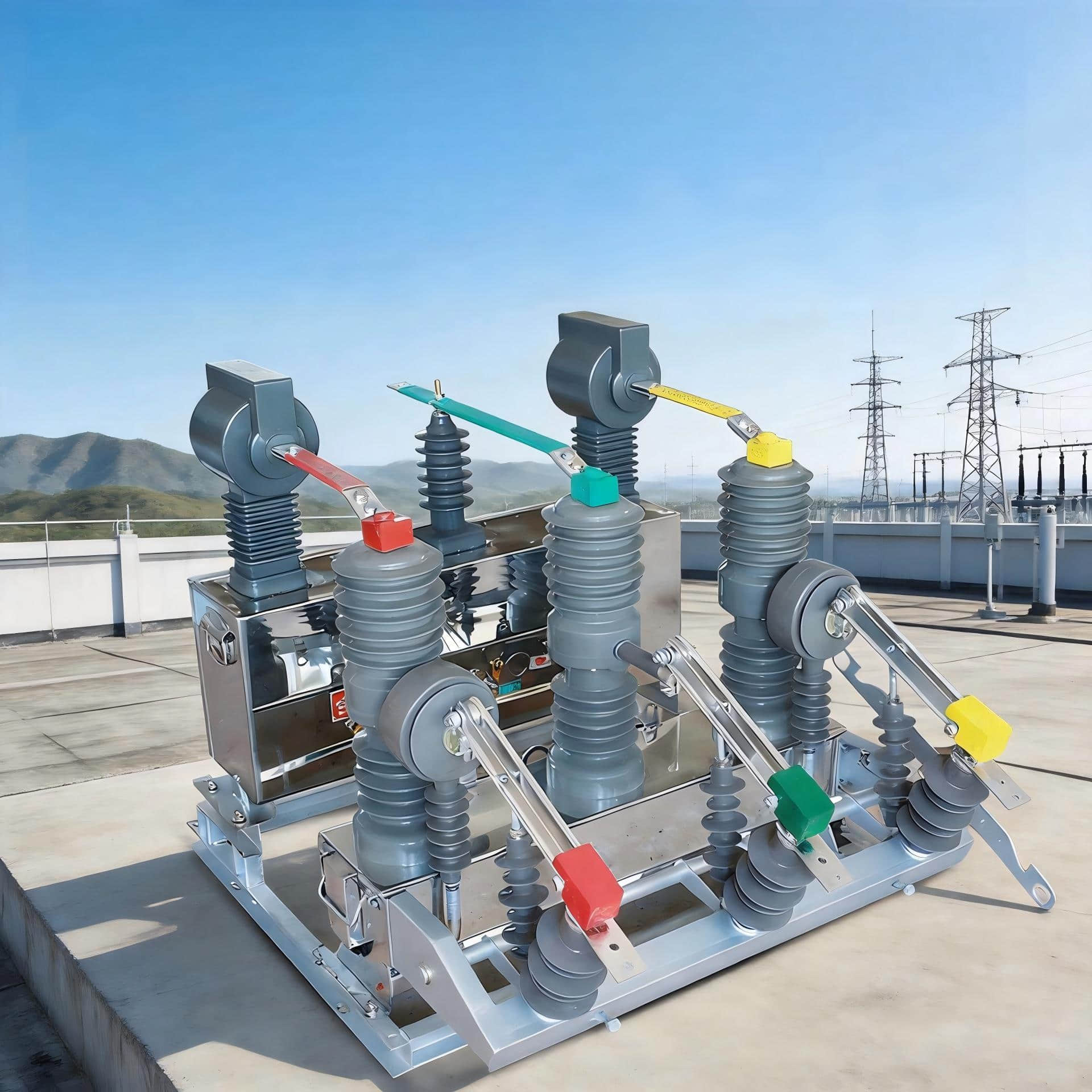
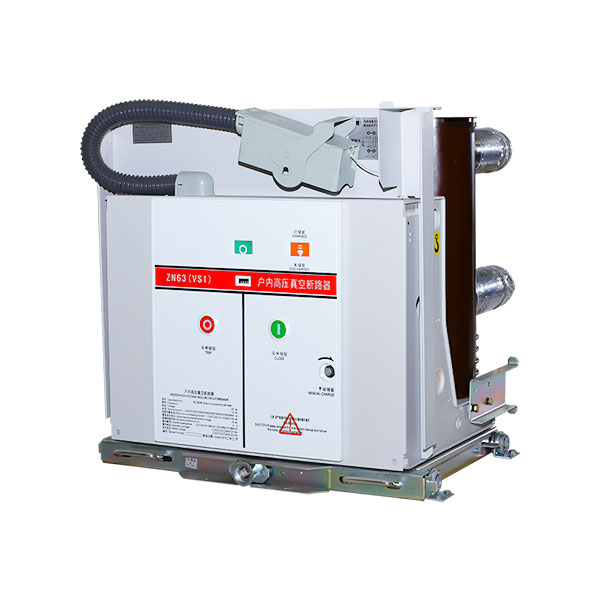
Whether deployed in indoor switchgear cabinets (like the VS1 series) or mounted on outdoor poles (like the ZW32 series), these devices serve as the backbone of reliable medium voltage power distribution.
Core Functions and Importance in Power Systems
The reliability of a power system hinges on the quality of its protection equipment. Medium voltage circuit breakers serve as the primary defense line, ensuring operational continuity and safety. Their core functions include:
Fault Interruption: The most critical function is detecting and isolating electrical faults, such as short circuits or overloads, within milliseconds. This prevents catastrophic damage to expensive assets like transformers and generators.
Load Management: They allow operators to manually or remotely switch specific sections of the grid on or off, facilitating load balancing and planned shutdowns.
Safety Isolation: By physically interrupting the circuit, they create a safe environment for maintenance personnel to work on downstream lines.
High-quality manufacturing standards, such as ISO9001 certification, are essential for these components, as failure in a medium voltage environment can lead to severe operational downtime and safety hazards.
Basic Working Principle and Arc Quenching
The fundamental operation of a circuit breaker involves the separation of current-carrying contacts to break the circuit. However, in medium voltage applications, simply opening contacts is insufficient due to the ionization of air, which creates a conductive plasma discharge known as an electric arc.
The effectiveness of a breaker is determined by its arc quenching capability—the method used to extinguish this arc and stop the current flow.
1. Contact Separation: When a trip command is issued, the operating mechanism (typically spring-charged or magnetic) releases energy to rapidly pull the moving contact away from the fixed contact.
2. Arc Formation: As the contacts separate, an intense arc forms across the gap, maintaining the flow of electricity.
3. Extinction: The arc is subjected to a dielectric medium—such as a vacuum or SF6 gas—which cools and de-ionizes the arc path.
4. Dielectric Recovery: As the alternating current (AC) naturally passes through a “zero” point, the medium instantly recovers its insulating properties, preventing the arc from restriking and successfully breaking the circuit.
Primary Types of Medium Voltage Circuit Breakers by Medium
In the power distribution industry, we classify circuit breakers primarily by the medium used to extinguish the electrical arc. The choice of medium dictates the maintenance schedule, size, and suitability for indoor or outdoor applications. Here is a breakdown of the main technologies we encounter in the field.
Vacuum Circuit Breakers (VCB)
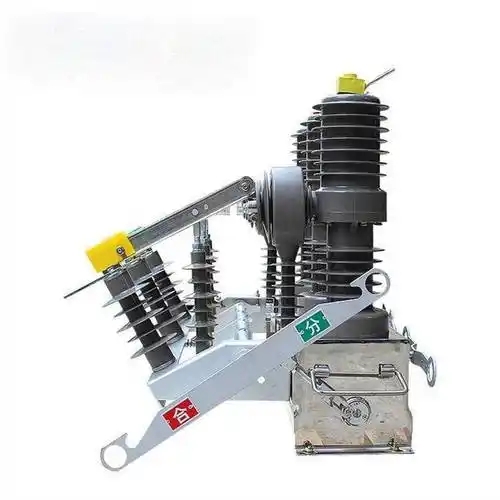
Vacuum technology is currently the dominant standard for medium voltage applications ranging from 12kV to 40.5kV. In these breakers, the contact separation takes place inside a sealed vacuum interrupter. Since a vacuum has exceptional dielectric strength, the arc is extinguished almost instantly at the first current zero.
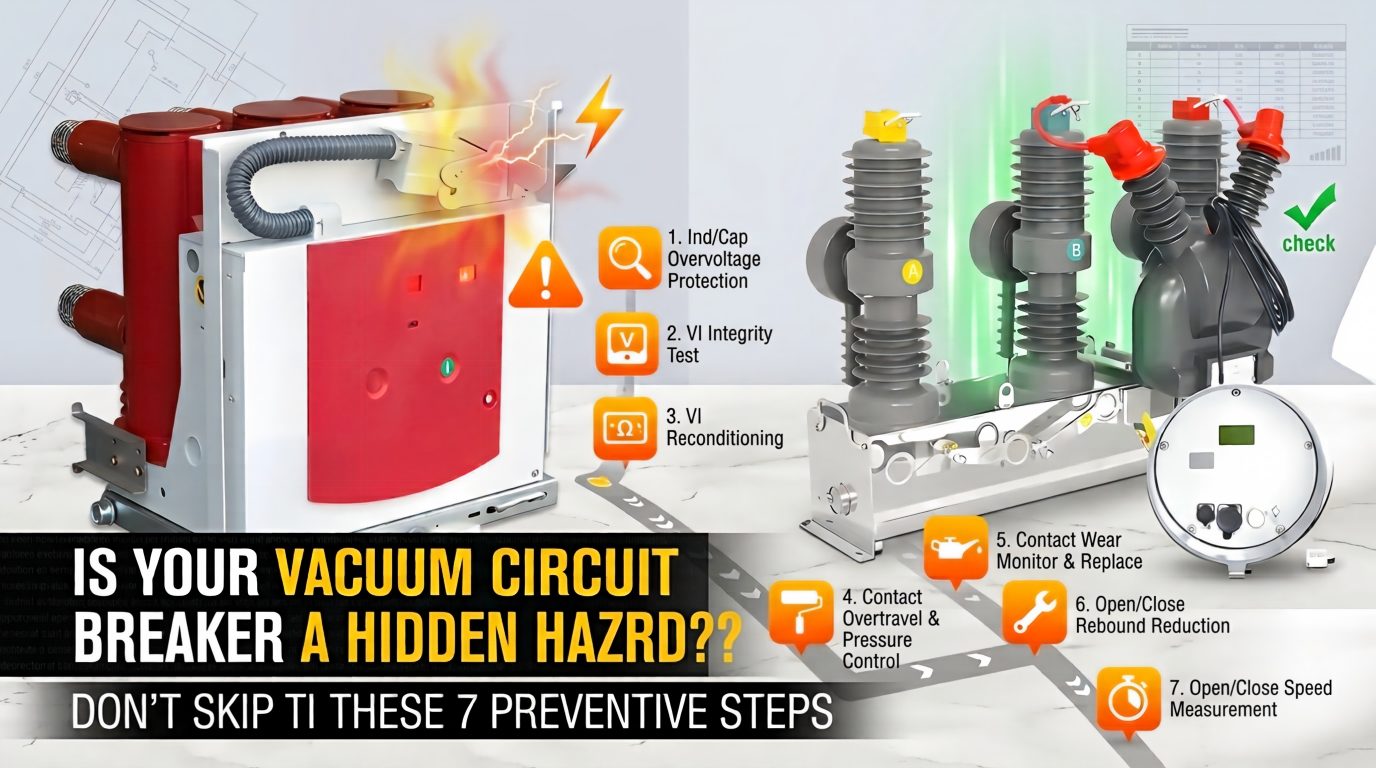
We prioritize this technology in our VS1 (indoor) and ZW32 (outdoor) series because it offers high reliability with minimal maintenance. Unlike other types, there is no gas to leak or oil to change. For facility managers concerned about longevity, understanding the service life of a vacuum circuit breaker is crucial, as these units can often operate for decades with only basic mechanical check-ups. They are compact, fire-safe, and environmentally friendly, making them the top choice for modern switchgear.
SF6 (Sulfur Hexafluoride) Gas Circuit Breakers
SF6 circuit breakers use sulfur hexafluoride gas under pressure to quench the arc. SF6 is a highly electronegative gas, meaning it absorbs free electrons effectively, allowing it to recover dielectric strength rapidly after the arc is interrupted.
We often utilize SF6 technology in applications requiring extremely compact footprints, such as Gas Insulated Switchgear (GIS), or specific outdoor environments. While these breakers are excellent at handling high voltages and currents, they do require careful handling. The gas pressure must be monitored to ensure performance, and because SF6 is a potent greenhouse gas, strict protocols are necessary during manufacturing and disposal to prevent environmental impact.
Air Circuit Breakers (ACB)
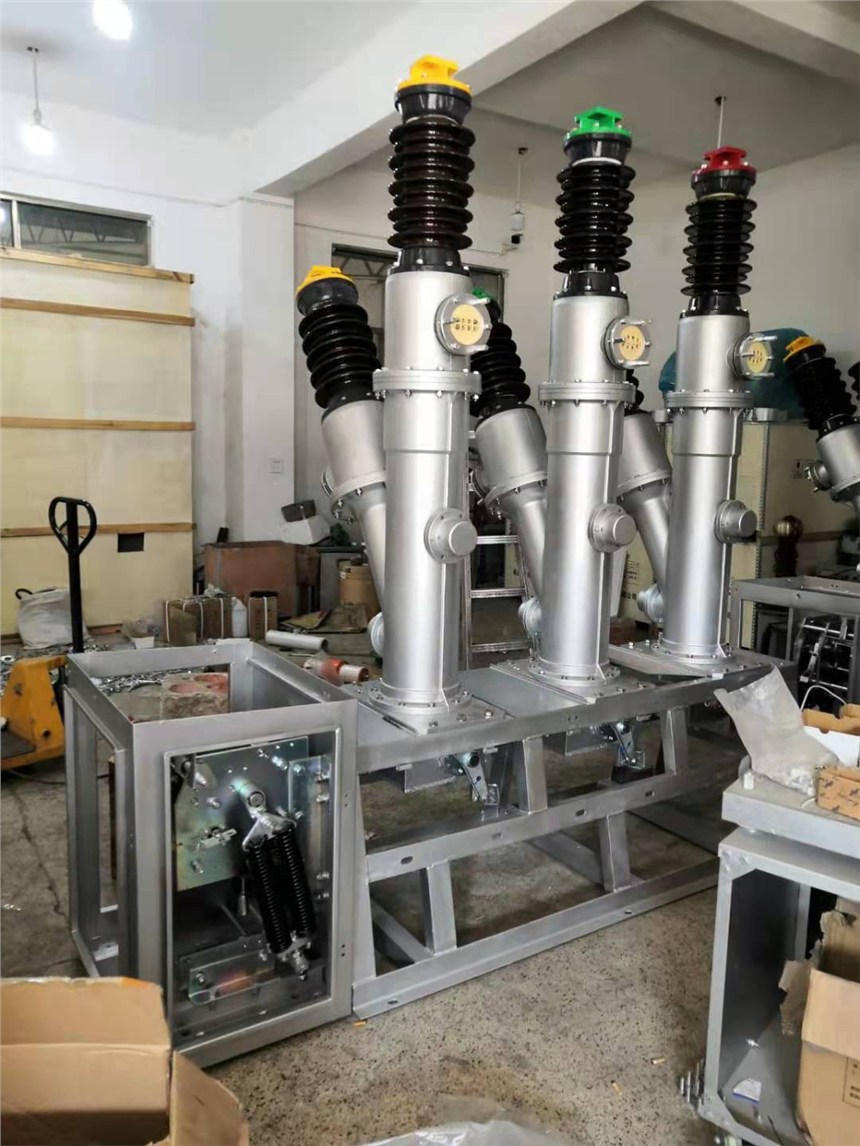
Air Circuit Breakers utilize atmospheric air or compressed air to blow out the arc. In older magnetic blowout designs, the arc is stretched and cooled by air chutes. While ACBs are still standard in low voltage applications (below 1kV), they have largely been phased out of the medium voltage sector in favor of vacuum and SF6 technologies.
The main drawbacks for medium voltage use are size and maintenance. To handle 12kV or higher, an air breaker requires bulky chutes and frequent contact maintenance, making them less practical for modern, space-constrained substations compared to our compact VCB solutions.
Oil Circuit Breakers (OCB)
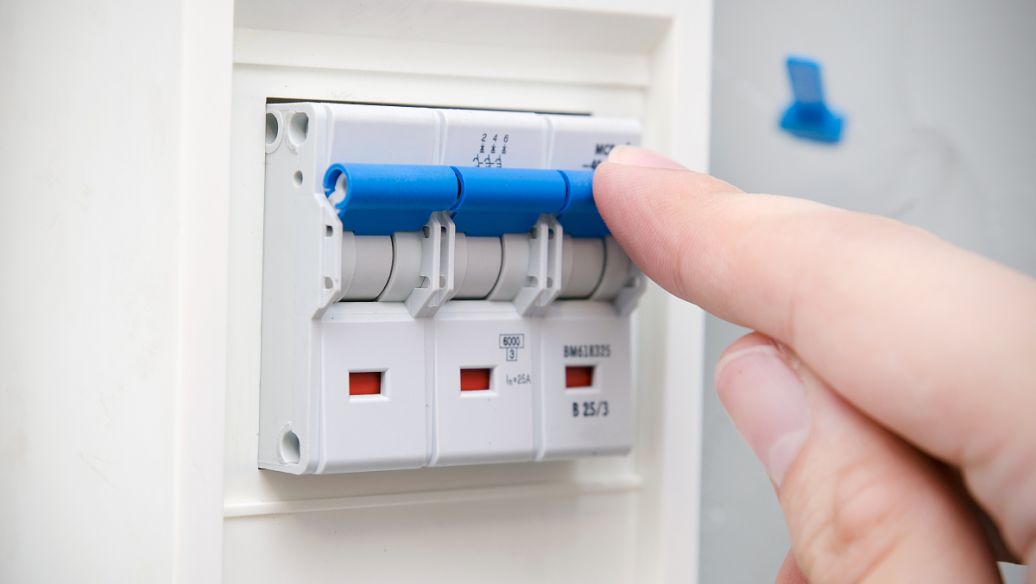
Oil Circuit Breakers were once the backbone of the power grid. They work by submerging the contacts in oil; when the arc forms, the intense heat vaporizes the oil, creating a hydrogen gas bubble that cools and extinguishes the arc. These are categorized into Bulk Oil (using large tanks) and Minimum Oil (using small oil-filled chambers) designs.
Today, OCBs are considered legacy technology. We rarely recommend them for new medium voltage installations due to the risk of fire and the mess associated with oil maintenance. Modern grids demand the cleaner, safer operation provided by vacuum or gas-insulated alternatives.
Specialized Medium Voltage DC Circuit Breakers
While the majority of power distribution relies on AC technology, the rise of renewable energy and battery storage has created a demand for specialized Medium Voltage DC (MVDC) circuit breakers. Unlike AC currents which naturally pass through zero, making the arc easier to extinguish, DC currents maintain a constant level, requiring advanced technology to interrupt faults safely.
Solid-State MVDC Circuit Breakers
Solid-state breakers represent a significant leap in protection technology. Instead of using mechanical contacts that physically separate, these devices utilize power electronics—typically IGBTs (Insulated Gate Bipolar Transistors) or IGCTs—to interrupt the current.
Speed: They offer the fastest response times, often clearing faults in microseconds.
Maintenance: Since there are no moving parts, mechanical wear is virtually eliminated.
Application: Ideal for highly sensitive equipment where even a momentary dip in power is unacceptable.
Hybrid Medium Voltage DC Circuit Breakers
Hybrid breakers are designed to balance efficiency with speed. They combine the low conduction losses of a mechanical switch with the rapid breaking capability of solid-state electronics.
Normal Operation: Current flows through a mechanical path to minimize energy loss.
Fault Condition: The current is instantly commutated (redirected) to a solid-state branch which breaks the circuit.
Efficiency: This design solves the heat generation issues often found in pure solid-state solutions while maintaining fast protection.
These advanced protection devices are increasingly critical components within modern grid infrastructure, often integrated into systems like a prefabricated substation cabin used for renewable energy storage projects.
Ultrafast Mechanical Switches in DC Protection
Even in DC applications, mechanical switching remains relevant when engineered for extreme speed. Ultrafast mechanical switches are often used as the “disconnecting” element within a hybrid system or as standalone protection in lower-demand DC grids.
Mechanism: Uses electromagnetic repulsion or pyrotechnic actuators to separate contacts in milliseconds.
Arc Control: often paired with active resonance circuits to force a current zero, allowing the vacuum or gas interrupter to extinguish the arc.
Reliability: Provides a physical air gap for safety isolation after the circuit is broken.
Classification by Installation and Operation
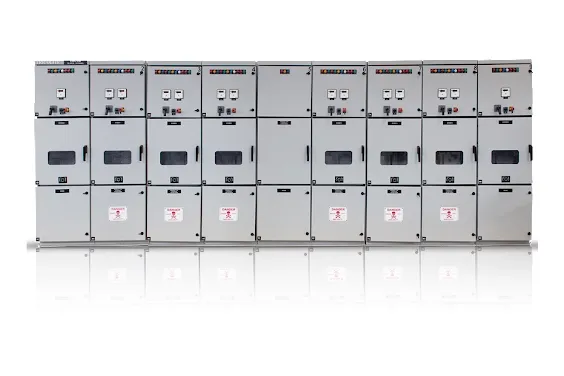
Classifying Medium Voltage Circuit Breaker Types goes beyond just the arc quenching medium; how and where the unit is installed plays a critical role in system design. We categorize these breakers based on their physical environment, operating mechanism, and mounting style to match specific distribution needs.
Indoor vs. Outdoor Medium Voltage Breakers
The installation environment dictates the protective housing and insulation requirements of the breaker.
Indoor Breakers: Designed for controlled environments, these units are typically installed inside metal-clad switchgear or concrete cells. They prioritize compact design and high interrupting capacity. For example, the VZG-12GD Indoor Vacuum Circuit Breaker is engineered specifically for switchgear integration, offering reliable protection in a space-saving format.
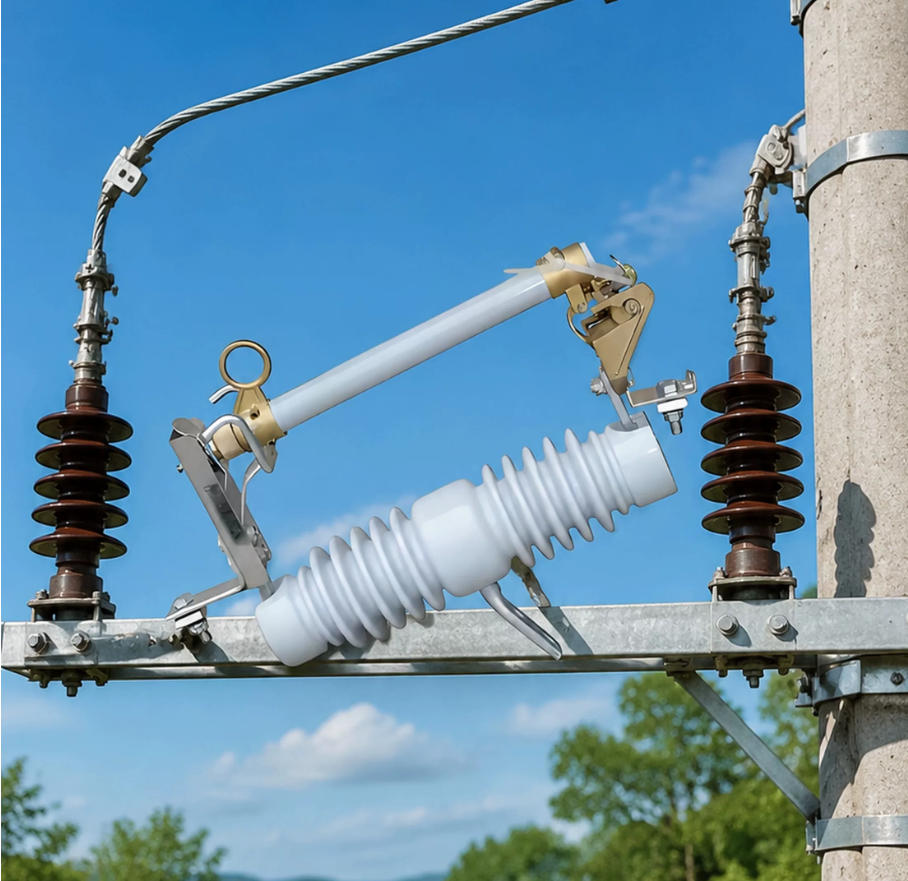
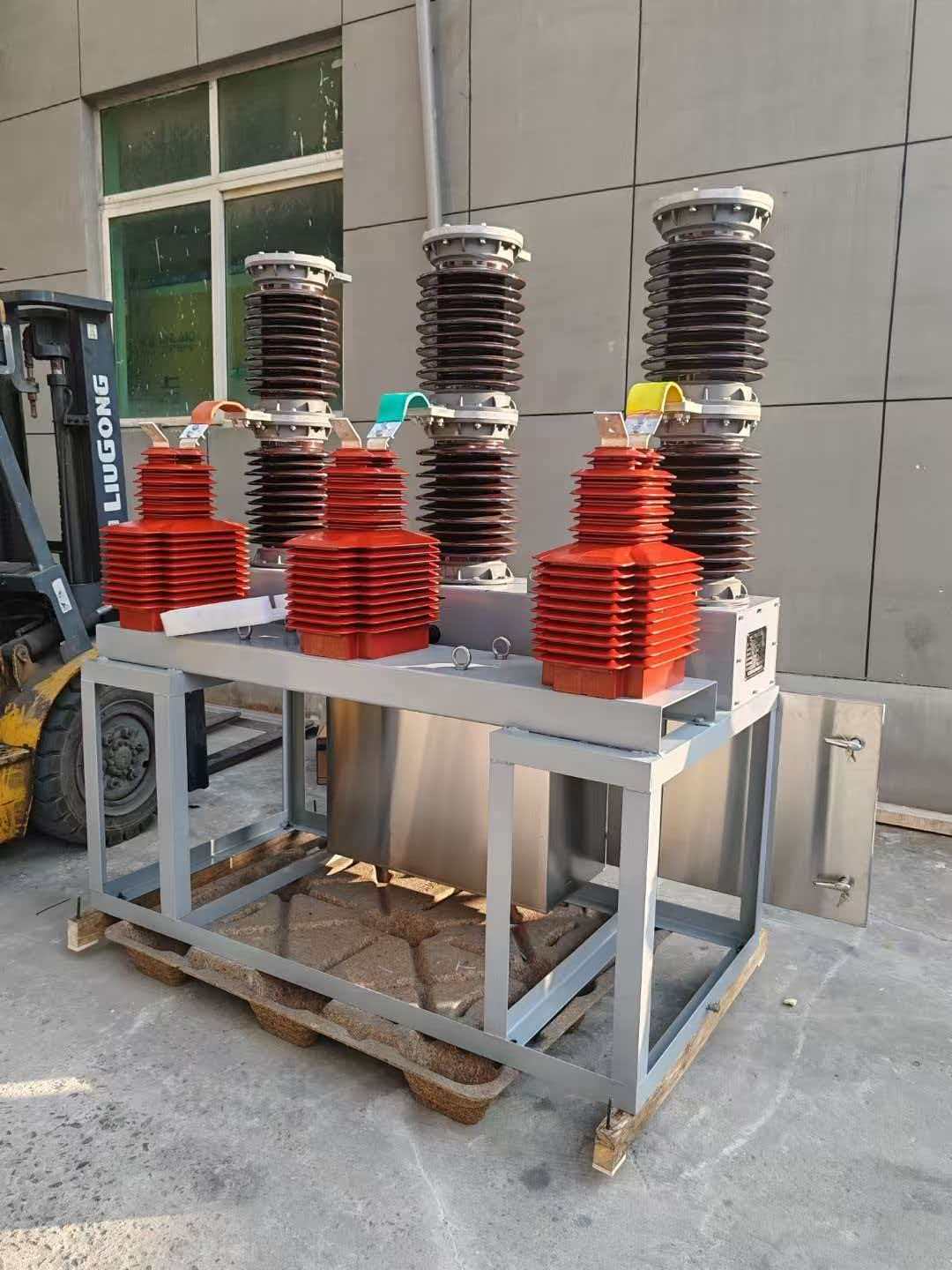
Outdoor Breakers: These must withstand harsh environmental conditions, including rain, dust, UV radiation, and temperature extremes. Models like the ZW32 series are pole-mounted and feature rugged, weather-sealed housings (often using silicone rubber or porcelain insulation) to ensure long-term reliability on overhead distribution lines.
Manually vs. Electrically Operated Mechanisms
The operating mechanism determines how the breaker’s closing spring is charged and how the contacts are actuated.
Manual Operation: Relies on a handle or lever to charge the spring and close the breaker. This is cost-effective and typically used for local control or maintenance isolation where remote operation isn’t required.
Electrically Operated (Motorized): Uses an electric motor to charge the spring and solenoids for closing/tripping. This is the standard for modern grids, enabling remote control, automation, and integration with SCADA systems. Most of our medium voltage breakers support both methods, providing manual override capabilities for emergency situations.
Fixed vs. Draw-out Execution Types
This classification refers to how the circuit breaker connects to the main busbar and how easily it can be removed for service.
Fixed Type: The breaker is bolted directly to the busbar and structural frame. While this design is economical, maintenance requires a complete bus shutdown and manual unbolting of connections.
Draw-out (Withdrawable) Type: The breaker is mounted on a truck or cassette mechanism. It can be physically racked in (connected) or racked out (disconnected) without touching live parts. This provides a visible isolation gap and allows for rapid replacement or maintenance, significantly reducing downtime in critical facilities.
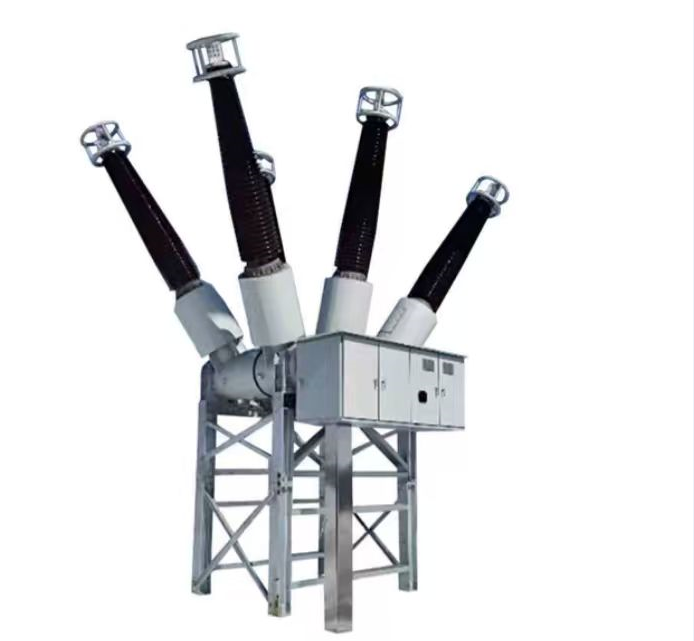
Comparison: Vacuum vs. SF6 Circuit Breakers
Choosing between Vacuum Circuit Breakers (VCB) and Sulfur Hexafluoride (SF6) breakers is a critical decision in medium voltage system design. At Weisho, we manufacture both types to suit specific grid requirements, though we see a distinct shift in the industry preference depending on the voltage level and application environment.
Environmental Impact and Sustainability Trends
The most significant difference lies in environmental stewardship. Vacuum Circuit Breakers are widely considered the “green” choice for medium voltage applications (12kV to 40.5kV). The vacuum interrupter bottles are sealed units that emit no gases, making them environmentally neutral.
In contrast, SF6 gas is a potent greenhouse gas. While SF6 breakers are highly effective, handling the gas requires strict compliance with environmental regulations to prevent leaks. In the US market, sustainability trends are pushing utilities and industrial facilities toward vacuum technology to reduce their carbon footprint and avoid potential regulatory penalties associated with gas emissions.
Maintenance Requirements and Service Life
For facility managers looking to minimize downtime, the maintenance profile is a deal-breaker.
Vacuum Breakers (VCB): We design our VCBs, such as the VS1 series, to be virtually maintenance-free regarding the interrupter itself. The contacts are sealed for life inside the vacuum bottle. They offer high mechanical endurance, often capable of 10,000 to 30,000 operations. This reliability is similar to what you find in our vacuum contactor technology, which excels in high-switching frequency applications.
SF6 Breakers: These require periodic inspection of gas pressure. If the pressure drops due to a leak, the dielectric strength fails, rendering the breaker unsafe. While modern sealing techniques have improved, the risk of leakage adds a maintenance layer that vacuum units simply don’t have.
For a broader understanding of how these maintenance needs impact overall system safety, reviewing the differences in our isolator vs. circuit breaker comparison can help clarify the roles of different switchgear components.
Arc Behavior and Dielectric Recovery Speed
The physics of how these breakers extinguish an electrical arc defines their performance.
Comparison of Arc Quenching Properties:
| Feature | Vacuum Circuit Breaker (VCB) | SF6 Circuit Breaker |
|---|---|---|
| Arc Quenching Medium | High Vacuum | SF6 Gas (Sulfur Hexafluoride) |
| Dielectric Recovery | Extremely Fast: Recovers strength almost instantly at the current zero. | Moderate to Fast: Gas relies on electronegative properties to capture electrons. |
| Contact Gap | Small gap (short stroke), requiring less energy to operate. | Larger gap required compared to vacuum. |
| Re-ignition Risk | Very low probability of re-strike. | Low, but sensitive to gas pressure levels. |
| Soft Switching | Can chop current (requires surge suppression in some inductive loads). | “Softer” arc interruption, generally gentle on cables. |
In medium voltage networks, the rapid dielectric recovery of vacuum breakers makes them superior for clearing short circuits and handling multi-lightning strokes. This fast action ensures the arc does not reignite after the first current zero, providing robust protection for sensitive downstream equipment.
Key Technical Specifications and Ratings
When selecting a Medium Voltage Circuit Breaker for your facility or distribution network, reading the nameplate correctly is half the battle. We design our equipment to meet specific performance benchmarks that ensure safety and longevity. Here is a breakdown of the critical specs you need to watch.
Rated Voltage and Continuous Current Capacity
The rated voltage determines the insulation level required for the breaker. In our manufacturing lines, we focus on the standard medium voltage tiers: 12kV, 24kV, and 36kV/40.5kV. You must match this to your system voltage to prevent flashovers.
Continuous current capacity is simply the amperage the breaker can carry indefinitely without overheating. For most industrial and utility applications, we offer ratings starting at 630A for standard feeders, scaling up to 1250A, 1600A, 2500A, and 3150A for main incomers and heavy-duty circuits.
Typical Specification Ranges:
| Parameter | Common Ratings |
|---|---|
| Rated Voltage | 12kV, 24kV, 40.5kV |
| Rated Current | 630A, 1250A, 2000A, 3150A |
| Frequency | 50Hz / 60Hz |
Short Circuit Breaking and Interrupting Capacity
This rating defines the maximum fault current the breaker can safely stop without destroying itself. If a short circuit occurs, the energy release is massive. Our vacuum circuit breakers typically feature a breaking capacity ranging from 20kA to 31.5kA.
Choosing the right capacity prevents catastrophic equipment failure. For outdoor distribution networks where transient faults are common, deploying a robust pole-mounted auto recloser is often the most effective strategy, as it can interrupt the fault and automatically restore power if the issue clears.
Mechanical and Electrical Endurance Standards
Endurance tells you how long the equipment will last under operation.
Mechanical Endurance: The number of times the breaker can open and close under no load (often 10,000 operations for our vacuum models).
Electrical Endurance: The number of times it can interrupt full-rated short-circuit currents.
High endurance reduces maintenance downtime. To further ensure safety during maintenance cycles, it is standard practice to install a visible indoor disconnect switch upstream, allowing operators to visually verify that the circuit is de-energized before working on the breaker. We produce our units under ISO9001 systems to guarantee these endurance ratings hold up in real-world conditions.
Applications of Medium Voltage Circuit Breakers
Industrial Power Plants and Distribution Systems
In the industrial sector, downtime translates directly to lost revenue. We design our medium voltage circuit breakers to serve as the backbone of power distribution for factories, mining operations, and processing plants. These environments typically utilize 12kV to 24kV systems to power heavy machinery, such as large motors, pumps, and conveyor belts.
Our vacuum circuit breakers (VCB), particularly the indoor VS1 series, are engineered to handle the frequent switching operations required in these settings. They protect critical transformers and switchgear from short circuits and overloads. By isolating faults instantly, we ensure that a single electrical issue doesn’t shut down an entire production line, maintaining both safety and operational continuity.
Renewable Energy and Solar Grid Integration
The rapid expansion of green energy has created a massive demand for reliable switching equipment in solar and wind farms. Here, the medium voltage circuit breaker acts as the critical gatekeeper between power generation and the utility grid.
Solar Farms: Breakers are installed in the collection system to aggregate power from inverters before stepping up the voltage.
Wind Turbines: They protect the turbine’s internal electrical systems and manage the connection to the collection grid.
We focus on providing equipment that can withstand the variable load profiles and harsh environmental conditions often found in remote renewable energy sites. Ensuring a stable connection allows for efficient energy export while protecting the expensive infrastructure of the generation facility.
Utility Substations and Primary Switchgear
Utility companies rely on our equipment for both primary and secondary distribution substations. This is where the grid branches out to serve neighborhoods and commercial districts. For indoor substations, compact switchgear housing our VCBs is the standard, maximizing safety in limited spaces.
For outdoor infrastructure, durability is key. We deploy pole-mounted breakers, such as the ZW32 series, to section off power lines and isolate faults in the distribution network. In specific high-demand scenarios, gas-insulated technology is preferred. For example, an LW30-72.5 outdoor high voltage SF6 circuit breaker offers superior arc-quenching capabilities and environmental resistance, making it an excellent choice for substations requiring robust outdoor protection. These components work together to ensure grid stability and minimize the impact of outages on the consumer.
Guidelines for Selecting the Right MV Circuit Breaker
Selecting the correct Medium Voltage Circuit Breaker is critical for ensuring the safety and longevity of your power distribution network. As a manufacturer, we know that matching the equipment specifications to your specific grid demands prevents costly downtime and equipment failure.
Assessing System Design Requirements
The first step is nailing down the electrical parameters. You cannot compromise on the rated voltage and current. Your system’s nominal voltage must match the breaker’s rated voltage, typically ranging from 12kV to 40.5kV in our product lines.
Key technical specifications to verify include:
Rated Voltage: Ensure it meets or exceeds system voltage (e.g., 12kV, 24kV, 36kV).
Rated Current: Match the continuous load current, with common options like 630A, 1250A, or up to 3150A.
Breaking Capacity: The breaker must handle the maximum potential short-circuit current (e.g., 20kA to 31.5kA) at the installation point.
For many modern applications, a vacuum circuit breaker is the preferred choice due to its superior arc quenching capabilities and compact design.
Evaluating Environmental and Operating Conditions
Where you install the breaker dictates the type of enclosure and insulation you need. The operational environment significantly impacts performance and lifespan.
Indoor Applications: For switchgear cabinets, we recommend compact models like the VS1 series. These require controlled environments with limited dust and humidity.
Outdoor Applications: Pole-mounted systems require robust weatherproofing. Our ZW32 and ZW20 series are designed to withstand wind, rain, and temperature fluctuations.
Altitude and Temperature: Standard equipment is usually rated for 1000m altitude. If your site is higher or faces extreme cold, we customize the external insulation and internal mechanics to prevent flashovers or freezing.
Total Cost of Ownership and Reliability Factors
Don’t just look at the initial purchase price. The Total Cost of Ownership (TCO) includes maintenance, spare parts, and potential downtime costs.
Factors influencing long-term value:
Maintenance Needs: Vacuum breakers generally require less maintenance than older oil or air types, reducing labor costs over time.
Mechanical Endurance: Look for high mechanical life cycles (often 10,000+ operations) to ensure the unit lasts for decades.
Manufacturing Quality: We adhere to ISO9001 quality management systems, ensuring that every unit leaving our factory meets strict safety and performance standards.
Choosing a manufacturer with strong R&D capabilities ensures you get a product that isn’t just a commodity, but a reliable component of your electrical infrastructure.