Do You Really Know the Difference Between an Isolator and a Circuit Breaker?
Understanding the differences between isolators and circuit breakers is essential for anyone involved in electrical systems. Although they are both key components in power protection, their functions, design principles, and application scenarios are fundamentally different.
Whether you're an electrical engineer, technician, or just someone interested in power systems, this guide will help you make better decisions when selecting equipment and designing safe electrical networks.
In this article, we will explain the roles of isolators and circuit breakers, compare their key characteristics, and explore how they work together in real-world applications.
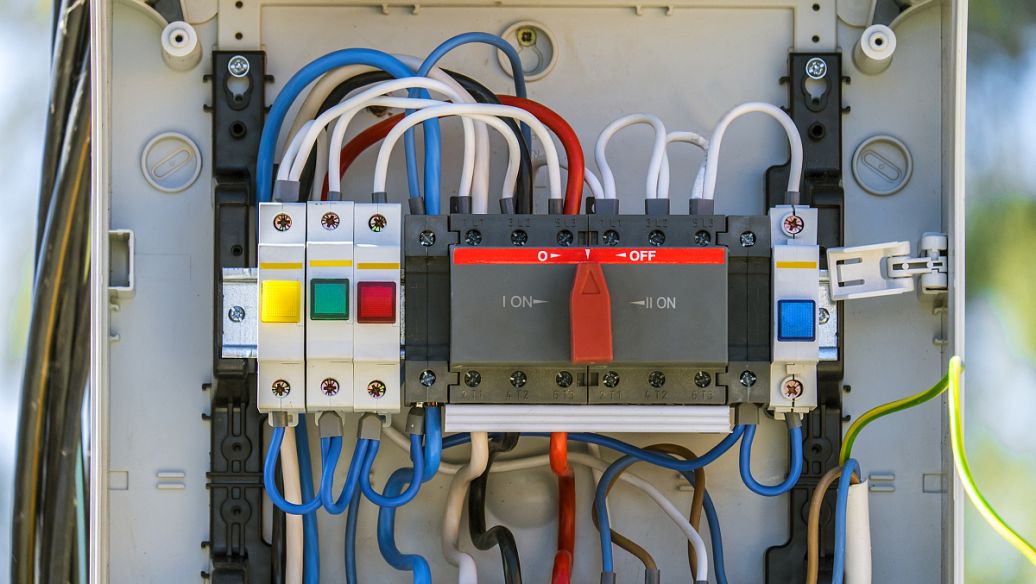
What Is a Circuit Breaker?
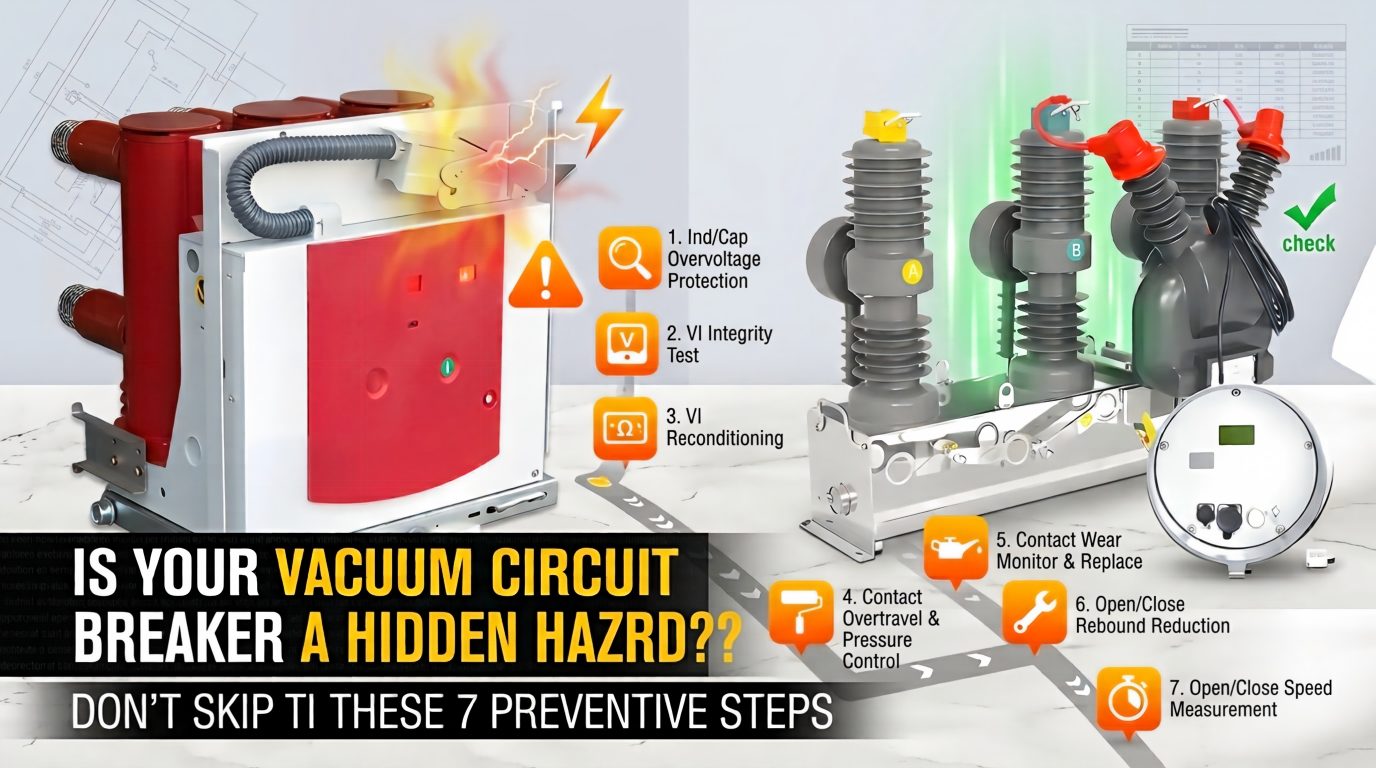
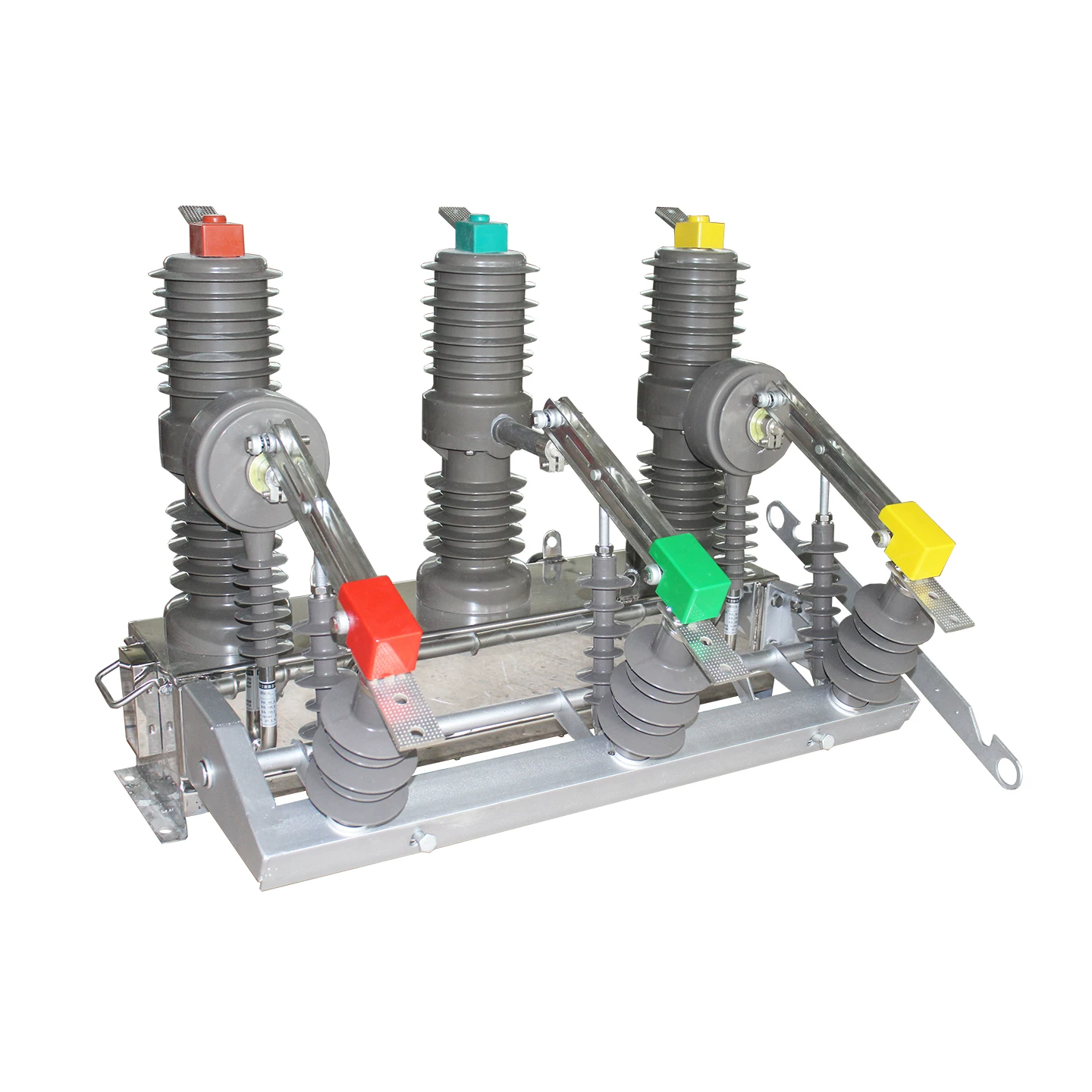
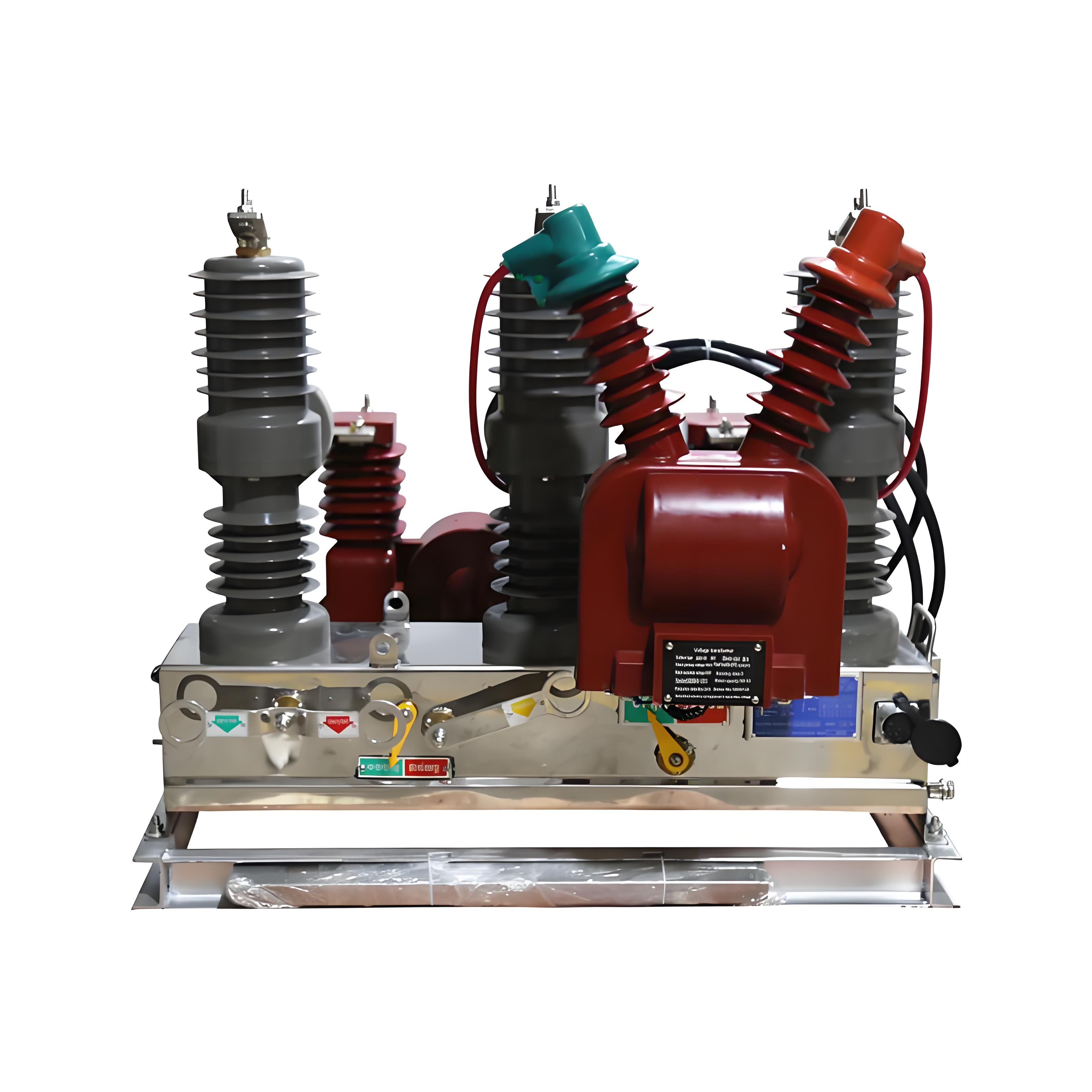
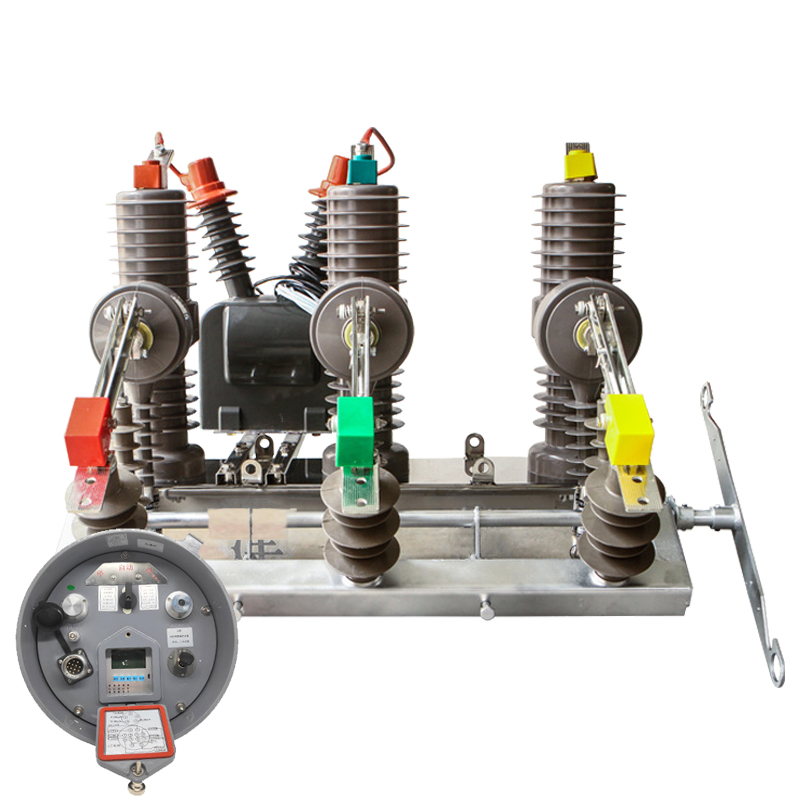
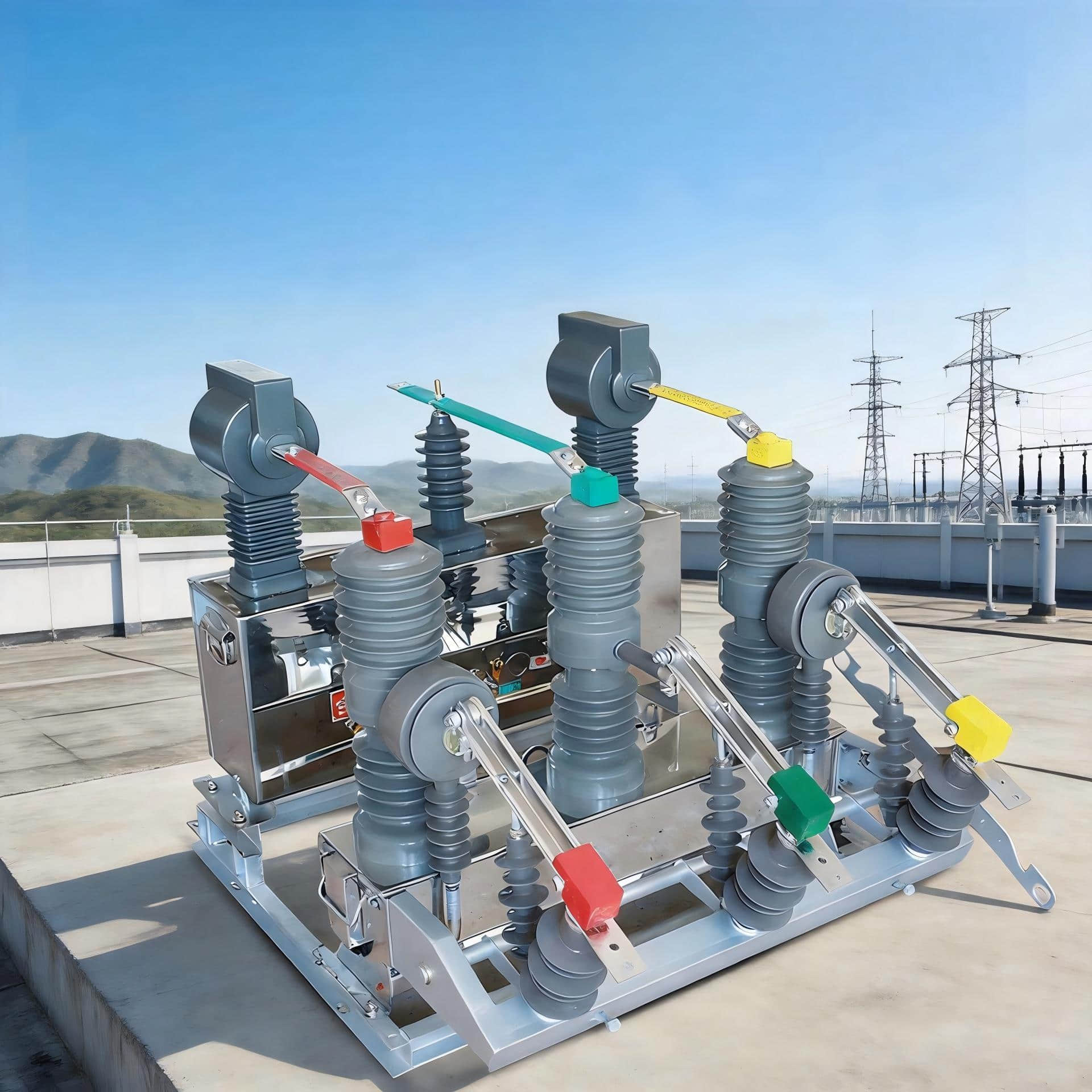
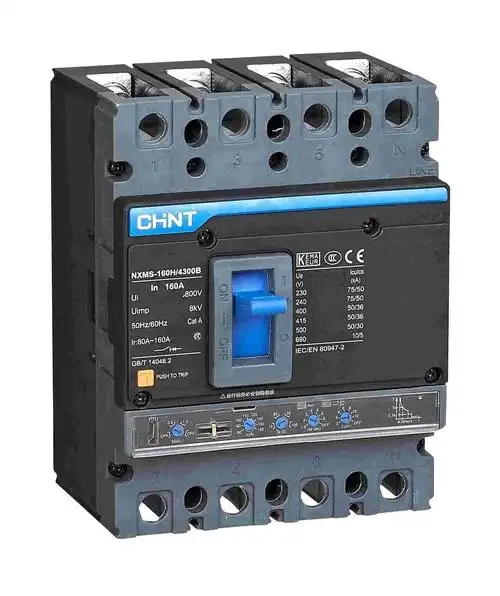
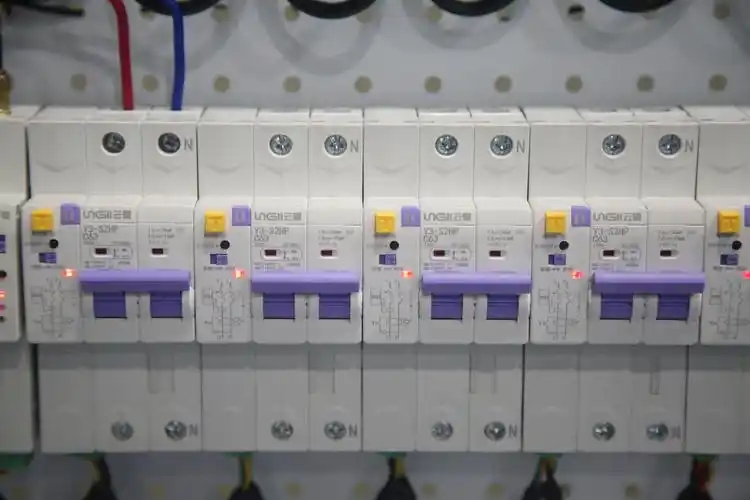
A circuit breaker is a switching device with built-in automatic protection. It is designed to stop the flow of electricity when the current becomes abnormal due to overload or short circuits. The core function of a circuit breaker is to protect circuits and equipment from electrical faults that can lead to overheating, fires, or damage.
The device monitors the current in real time. When the current exceeds a set threshold, the breaker trips instantly. Its internal tripping mechanism disconnects the power supply, breaking the connection between input and output. After tripping, the breaker remains off until someone manually resets it or fixes the fault. This allows it to act as both a protection device and a manual switch.
Circuit breakers are used in many areas. In homes, you will find them inside distribution panels as part of ground-fault protection systems. In industrial settings, they control and protect large motors and heavy equipment. For example, when a motor stalls or overloads, the circuit breaker will disconnect power within milliseconds to prevent damage.
What Is an Isolator?
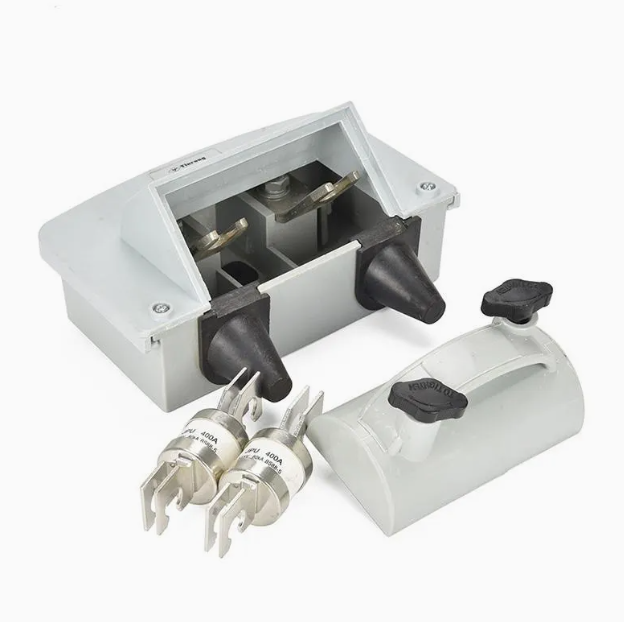
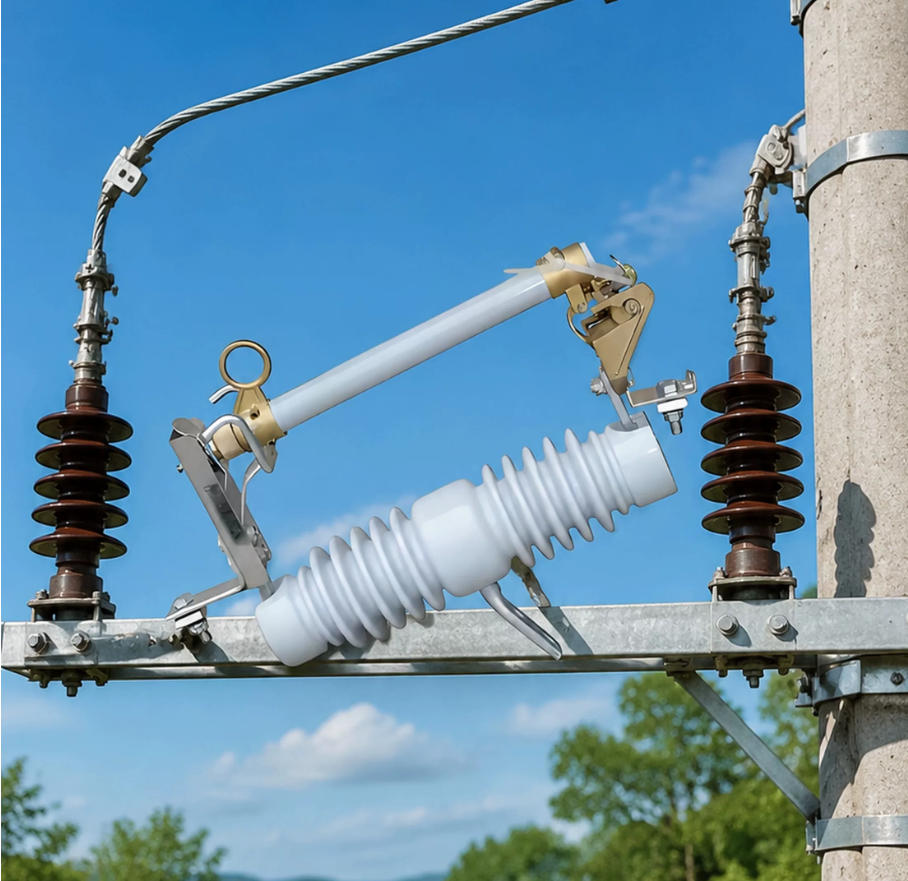
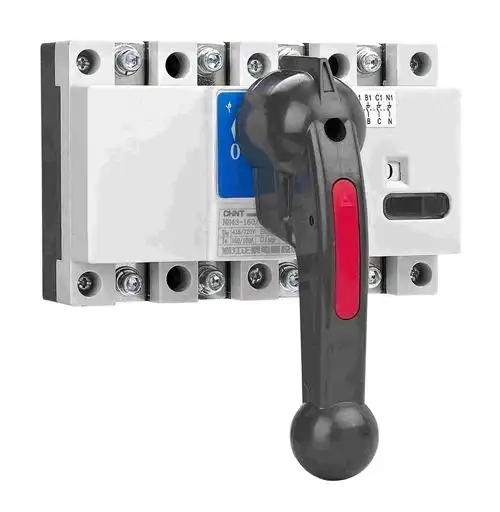
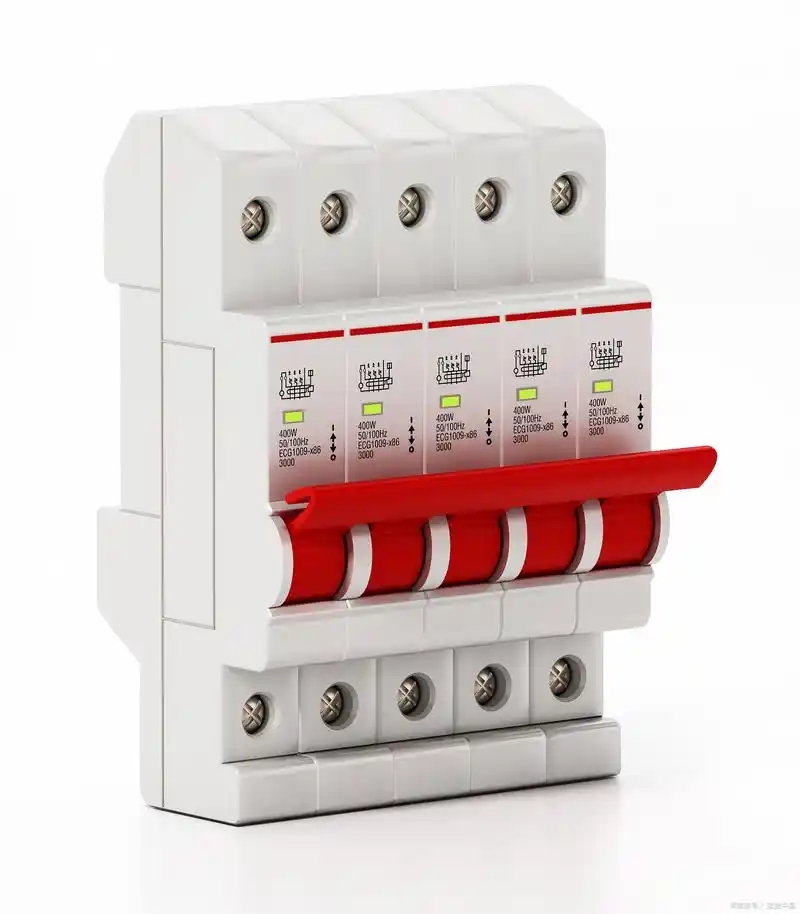
An isolator, also known as a disconnector, is a manually operated switch used to ensure a complete physical break in a circuit. Its main purpose is to create a visible gap between powered and non-powered sections of a system, allowing technicians to work safely during maintenance or inspection.
Operators must only use isolators after the circuit is already de-energized. The switch itself does not provide any protection and cannot break the circuit under load. If someone tries to open an isolator while current is flowing, dangerous arcs can form, leading to burns, fire, or equipment failure.
Isolators are most commonly used in substations or during system shutdowns. For instance, when servicing equipment, workers first disconnect the load using a circuit breaker, then use the isolator to physically separate the circuit. This ensures zero voltage in the work area and prevents accidental electric shock. They are also used in temporary power cut-offs in construction and maintenance work.
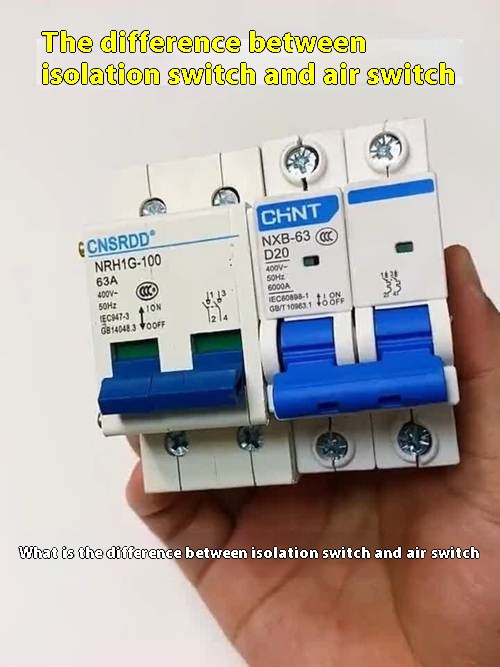
What Are the Key Differences Between Circuit Breakers and Isolators?
Understanding their distinct roles helps prevent confusion and enhances the safety of any electrical setup. Below is a breakdown of their differences based on critical factors.
Functional Characteristics
Circuit breakers provide automatic protection. They detect abnormal current levels and trip automatically to disconnect power. They integrate sensing, protection, and switching functions in one device.
Isolators provide manual isolation only. They do not respond to current changes. Their job is to ensure a section of the circuit remains physically disconnected, especially during maintenance. They rely entirely on human control and must not be used under load.
Application Scenarios
Circuit breakers serve both protection and operation. They monitor the circuit at all times and act instantly during faults. You can also use them as standard on-off switches. For example, in a home, a miniature circuit breaker can stop a fault and also be used to shut off power manually during installation or repair.
Isolators serve only during maintenance. Their main goal is to provide a visible open circuit after a breaker has already disconnected the power. This visual confirmation helps technicians safely enter work zones without any risk of current flow. You will typically find isolators in high-voltage systems, substations, and large switchgear.
Current Breaking Ability
Circuit breakers are designed to interrupt current under load. They can safely break normal currents, overloads, and even short-circuits. Their arc-extinguishing system is complex and reliable, capable of handling extreme conditions.
Isolators cannot handle live circuits. They are not designed to break current under load. If someone operates an isolator while the circuit is energized, the resulting arc can be severe. Isolators are only capable of handling very small residual or capacitive currents from idle lines.
Operation Mode and Status
Circuit breakers are active devices. They remain in the circuit during normal operation and act when needed. They continue to monitor the current and offer protection around the clock. You can also control them manually if needed.
Isolators are passive devices. They should only be operated when the circuit is completely powered off. Their purpose is to offer mechanical disconnection, not electrical protection. Once the breaker cuts off the circuit, the isolator creates an added layer of safety.
Summary of Differences
| Feature | Circuit Breaker | Isolator |
|---|---|---|
| Function | Automatically trips during faults | Provides manual disconnection |
| Operation Mode | Active (automatic + manual) | Manual only |
| Arc Protection | Strong arc-extinguishing system | No arc suppression; not for load use |
| Real-Time Protection | Yes | No |
| Use Case | Fault protection, switching | Maintenance isolation |
| Can Operate Under Load | Yes | No |
Why Are Both Devices Necessary?
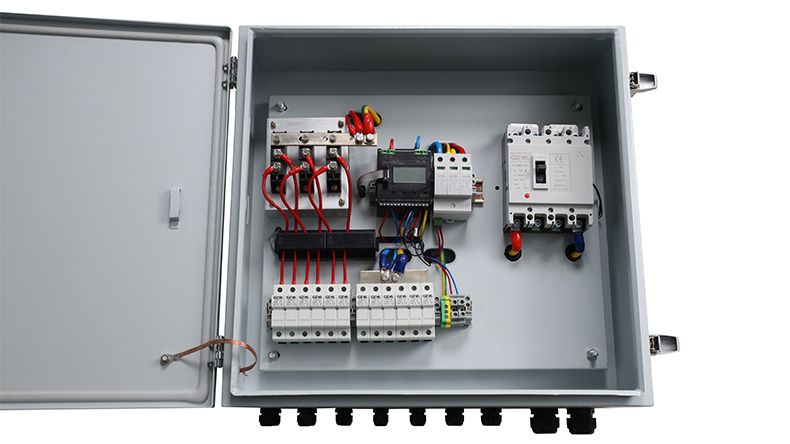
Although they differ in function, circuit breakers and isolators often work together in electrical systems. In a low-voltage distribution board, a circuit breaker handles fault protection, while an isolator provides clear visual confirmation that the circuit is open and safe to touch.
Think of the circuit breaker as a safety guard, always watching for danger and acting instantly. The isolator is more like a lockout switch, used only when maintenance is required. By using both, you create a double-layer safety system.
Understanding their roles helps electrical designers, technicians, and facility managers select the right tools for each job and ensures compliance with safety standards.
Practical Example
Imagine a substation that needs maintenance. First, the technician opens the circuit breaker to cut power. Then, they operate the isolator to confirm physical separation. This sequence ensures no residual current remains and eliminates the risk of accidental re-energizing during repair. After work is done, the technician closes the isolator and resets the breaker.
This procedure is a common practice in power systems across industries, helping prevent injuries and equipment damage.
Final Thoughts
Circuit breakers and isolators are both essential, but they serve very different purposes. Circuit breakers are dynamic, automated protectors that guard against electrical faults. Isolators are static safety tools that allow technicians to work safely on de-energized equipment.
Using them correctly reduces the risk of accidents, protects equipment, and ensures compliance with modern safety standards. Knowing when and how to use each device helps keep power systems efficient, secure, and reliable.

Need Expert Advice on Electrical Equipment?
If you need help selecting the right isolator or circuit breaker, or you have questions about system design or maintenance procedures, feel free to contact us.
Wei Shoe ELEC offers a complete range of high-performance isolators and circuit breakers, along with expert consultation services tailored to your specific power system needs.
👉 Get in touch today and let us help you build a safer, more reliable electrical system.