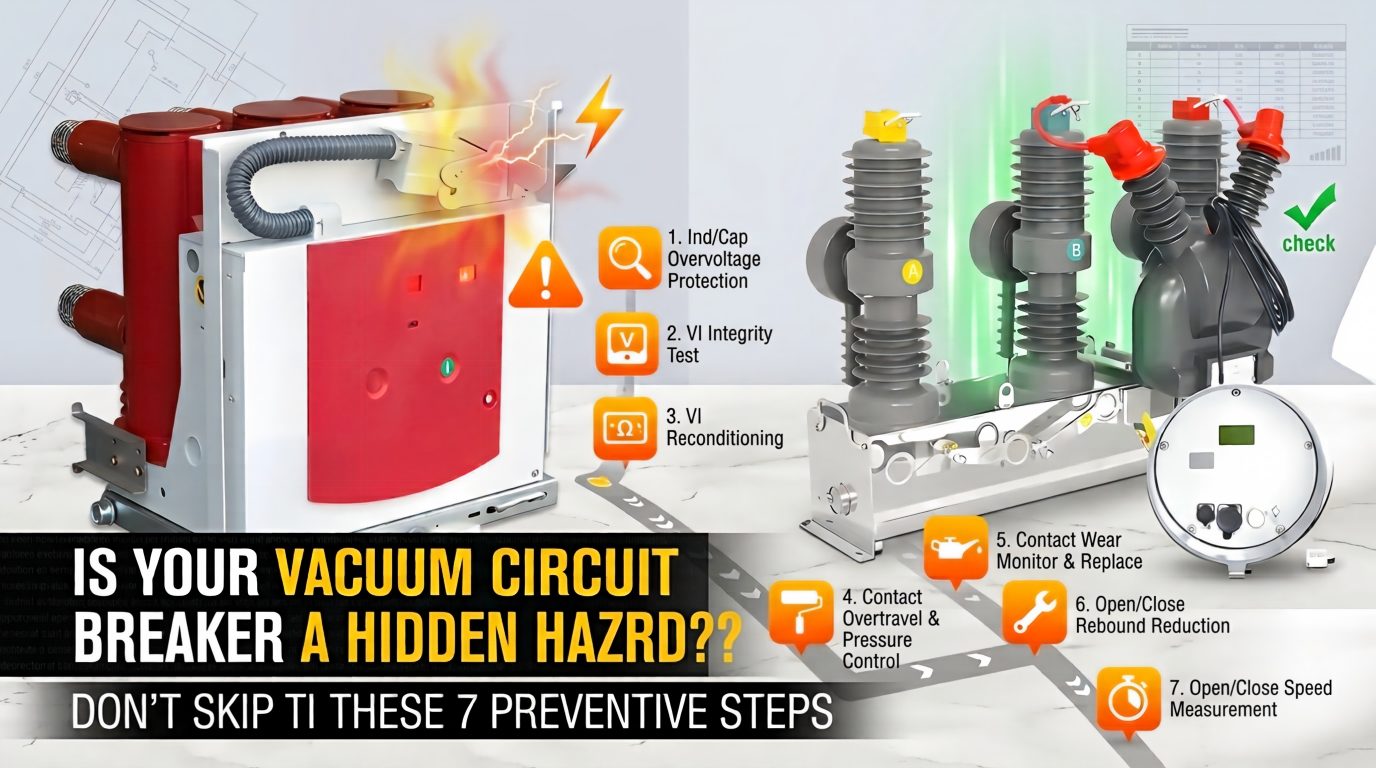
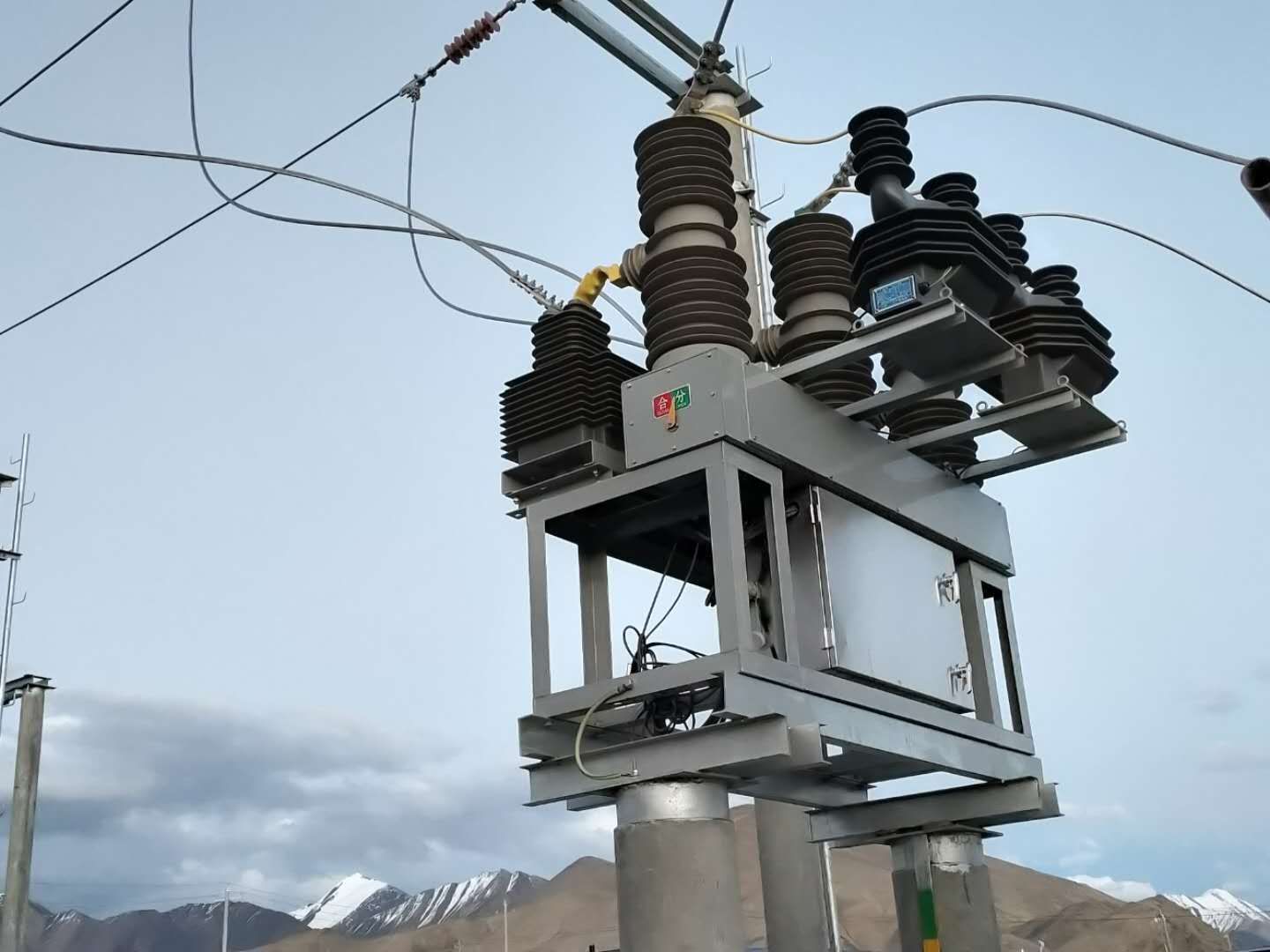
Understanding Vacuum Circuit Breakers (VCBs) for Commercial Use
In the realm of medium-voltage power infrastructure, the Vacuum Circuit Breaker (VCB) stands as the primary defense mechanism against electrical faults. Designed for systems typically ranging from 12kV to 40.5kV, these devices are essential for protecting industrial equipment and ensuring grid stability. We engineer our VCBs, such as the ZN63A (VS1) and ZN85 series, to handle the rigorous demands of modern electrical distribution systems, providing a robust barrier between expensive machinery and potentially damaging power surges.
What is a VCB and How Does it Work?
A VCB operates by opening and closing current-carrying contacts inside a hermetically sealed vacuum chamber. The vacuum offers exceptional insulation strength, far superior to air or oil. When a fault occurs, the contacts separate, generating an electrical arc. Thanks to the vacuum environment, arc quenching occurs almost instantly—typically at the first current zero. This rapid extinction prevents damage to the system and ensures reliable circuit switching without the fire risks associated with older oil-based breakers.
Key Components: Vacuum Interrupters and Operating Mechanisms
The reliability of a VCB hinges on the precise integration of two critical subsystems:
Vacuum Interrupter: This is the core containment vessel where the switching action takes place. It ensures high dielectric strength and prevents leakage, maintaining the integrity of the vacuum over decades.
Operating Mechanism: Whether utilizing a spring-charged or magnetic actuator mechanism, this component provides the mechanical energy to open or close the contacts against high breaking currents.
Insulation Framework: Our indoor and outdoor models feature robust insulation to withstand environmental stress and prevent flashovers, ensuring consistent performance in diverse settings.
Why VCBs are Preferred for Commercial Power Distribution
Commercial facilities and substations prioritize VCBs for their operational efficiency and safety profile. Compared to legacy technologies, they offer distinct advantages for power distribution:
High Mechanical Endurance: Units like our VS1 series are designed for thousands of operations, significantly reducing the need for frequent replacements.
Minimal Maintenance: The sealed vacuum interrupter requires virtually no maintenance throughout its operational life, lowering long-term operational costs.
Compact Design: VCBs occupy less space in switchgear panels, optimizing the footprint in crowded electrical rooms.
Environmental Safety: They operate without oil or gas emissions, making them a cleaner, safer choice for industrial applications.
Evaluating Breaking Capacity and Technical Specifications
Understanding Rated Short-Circuit Breaking Capacity (AIC)
The most critical safety metric for any commercial Vacuum Circuit Breaker (VCB) is its breaking capacity. This figure, often measured in kiloamperes (kA), defines the maximum fault current the device can safely interrupt without destroying itself or the surrounding switchgear. In commercial environments where downtime equals lost revenue, you cannot rely on equipment that barely meets the minimums.
We engineer our VS1 and ZN series VCBs to handle high short-circuit currents, ensuring they can withstand the immense mechanical and thermal stress of a fault. When vetting a brand, look for certified test reports that validate these breaking currents. If a manufacturer cannot prove their equipment handles the specific fault levels of your facility—typically ranging from 20kA to 50kA in standard commercial setups—it is a liability.
Matching Rated Voltage and Current to Your Electrical Load
Selecting the correct VCB requires precise alignment with your system’s voltage and amperage requirements. Our product lines cover the standard medium-voltage spectrum, including 12kV, 24kV, and up to 40.5kV, with rated currents spanning from 630A to 4000A. Installing a breaker rated for 12kV in a 24kV system is an immediate failure risk, while undersizing the amperage leads to overheating and premature tripping.
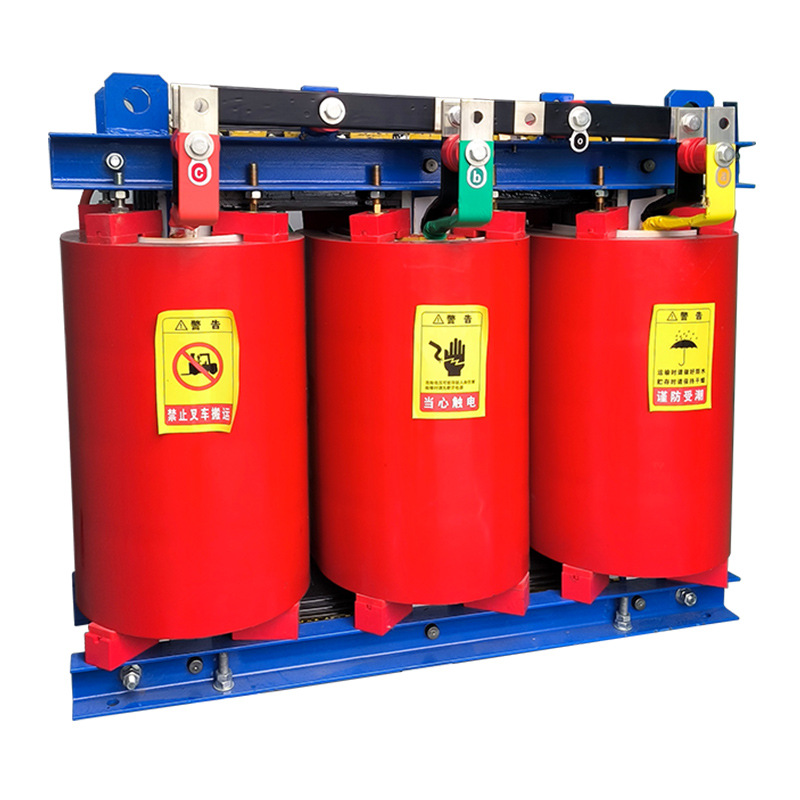
Proper sizing ensures efficiency and safety. This process is quite similar to the calculations required when you choose the right transformer size for a facility; you must account for both continuous load capacity and potential peak demands.
Typical VCB Specification Ranges:
| Parameter | Common Commercial Specs | Application Context |
|---|---|---|
| Rated Voltage | 12kV / 24kV / 40.5kV | Matches the main distribution grid voltage. |
| Rated Current | 630A – 4000A | Determines continuous power flow capacity. |
| Breaking Capacity | 20kA – 50kA | The maximum fault current the VCB can interrupt safely. |
| Frequency | 50Hz / 60Hz | Must match the local power grid frequency. |
Importance of Insulation Levels and Dielectric Strength
Reliability isn’t just about turning power on; it is about keeping it isolated when turned off. Dielectric strength refers to the insulation’s ability to withstand voltage without breaking down. In our VCBs, the vacuum interrupter is the core component responsible for arc quenching and isolation.
High-quality brands prioritize rigorous insulation testing to ensure the vacuum integrity remains intact over decades of use. Poor insulation leads to internal arcing and catastrophic failure. We utilize advanced insulation materials and vacuum technology to maintain high impulse withstand voltage levels, ensuring that electrical arcs are extinguished instantly and the circuit remains safely isolated during maintenance or open states.
Assessing Long-Term Reliability and Mechanical Endurance
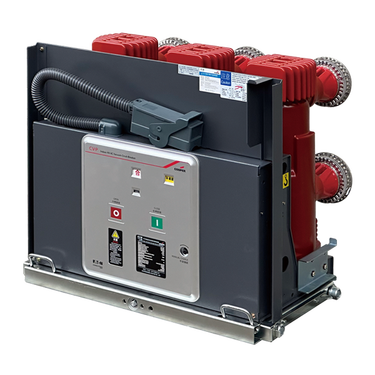
When you invest in commercial power infrastructure, you aren’t just buying a switch; you are buying years of stability. Reliability in Vacuum Circuit Breakers (VCBs) comes down to how well the unit handles repetitive stress and environmental factors without failing. We focus on engineering equipment that withstands the rigors of real-world industrial demands.
Mechanical Life Cycles and Operational Frequency
The primary metric for durability is mechanical endurance. For commercial applications, you need a breaker that can handle frequent switching without the operating mechanism jamming or wearing out.
Standard commercial VCBs should meet the M2 rating, which typically guarantees 10,000 operations without requiring major overhaul. This is critical for facilities with automated processes where switching happens often. Our ZN63A (VS1) indoor vacuum circuit breakers are built with high-grade operating mechanisms designed to maintain precise timing and force throughout their entire operational life.
Endurance Classifications:
| Class | Operations | Typical Application |
| :— | :— | :— |
| M1 | 2,000 | Standard distribution with infrequent switching. |
| M2 | 10,000 | Industrial systems requiring frequent operation. |
| E2 | Extended | Circuits requiring auto-reclosing duties. |
Low Maintenance Requirements and Service Intervals
One of the biggest advantages of VCB technology is the sealed nature of the vacuum interrupter. Unlike older oil or air-blast breakers, the contacts in a VCB are isolated from the atmosphere. This prevents oxidation and significantly reduces maintenance requirements.
However, the mechanical linkage outside the vacuum bottle still needs attention. A reliable brand designs these linkages to be robust and self-lubricating where possible to minimize service intervals. Understanding the interaction between the VCB moving vs. fixed contact helps in vetting manufacturers; superior alignment and material quality in these components prevent performance degradation over time, ensuring the breaker trips correctly even after years of dormancy.
Environmental Resilience: Temperature, Humidity, and Altitude
Commercial facilities vary wildly in environment, from climate-controlled server rooms to humid industrial floors. Environmental resilience is non-negotiable.
Altitude: At higher altitudes (typically above 1,000 meters), air density drops, which reduces the cooling and insulation properties of the equipment. We adjust external insulation levels to compensate for this.
Humidity: High humidity can lead to condensation and flashovers. Quality VCBs use epoxy resin insulation or embedded poles to protect live parts.
Temperature: Extreme heat affects the current carrying capacity.
When vetting a supplier, verify that their equipment has undergone insulation testing relevant to your specific installation environment. Ignoring these factors is the fastest route to premature failure.
Key Features of High-Quality VCB Brands
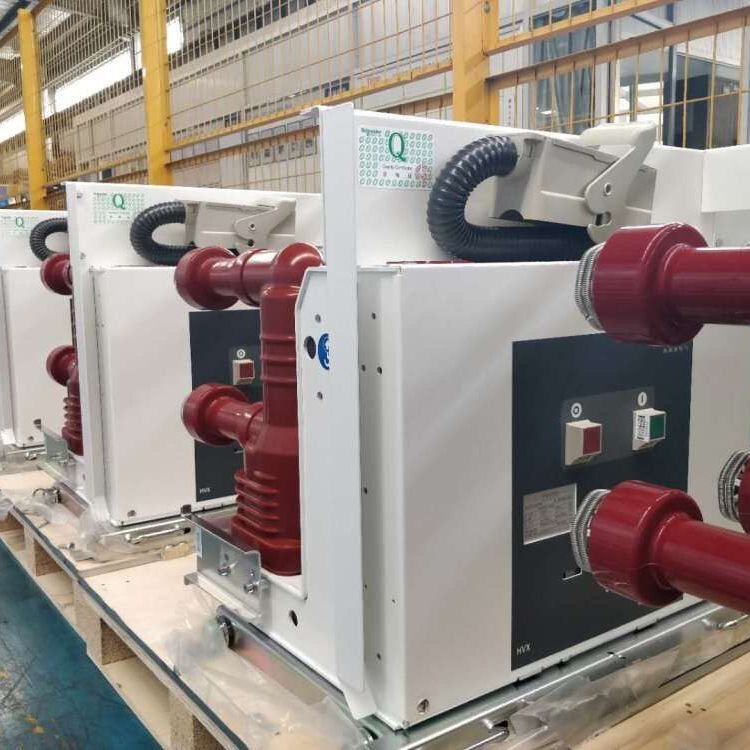
When vetting manufacturers for commercial projects, we look beyond basic specs. Top-tier brands distinguish themselves through rigorous adherence to safety standards, advanced protection capabilities, and efficient physical footprints. These features are non-negotiable for ensuring stability in industrial applications.
Compliance with International Standards (IEC, IEEE, UL)
Reliability starts with certification. A reputable VCB manufacturer must demonstrate strict adherence to quality management systems. At Weisho, we operate under ISO9001 and CCC (China Compulsory Certification) protocols to ensure every unit leaving our factory meets global performance benchmarks.
For US commercial use, verifying compliance ensures the equipment can handle specific breaking currents and voltage stresses without failure.
| Standard Category | What to Look For | Benefit |
|---|---|---|
| Quality Management | ISO9001 | Ensures consistent manufacturing processes and material quality. |
| Product Certification | CCC / IEC / IEEE | Validates the M2 rating and electrical endurance claims. |
| Testing | Type Test Reports | Proof that the breaker survives 10,000 operations and short-circuit faults. |
Advanced Safety Features and Arc Flash Protection
The primary job of a VCB is arc quenching. High-quality brands utilize superior vacuum interrupter technology to extinguish electrical arcs within milliseconds, preventing catastrophic equipment damage.
Modern commercial setups also require integration with broader protection schemes. Understanding what is an arc detector breaker and how it complements VCBs is critical for mitigating arc flash hazards.
Key Safety Indicators:
Sealed Pole Technology: Protects the vacuum interrupter from dust and humidity, crucial for maintaining insulation testing results.
Interlock Mechanisms: Mechanical and electrical interlocks prevent misoperation (e.g., closing the breaker while grounded).
Rapid Extinguishing: Capable of breaking short-circuit currents fast enough to limit thermal stress on the system.
Compact Design and Space-Saving Configurations
Real estate in commercial switchgear rooms is often limited. We focus on engineering VCB panels that deliver high load capacity without occupying excessive floor space. Our VS1 and ZN63A series are designed to be compact, allowing for high-density installation in indoor switchgear.
Optimized Footprint: Allows for smaller switchgear cabinets, reducing overall project costs.
Modular Construction: Simplifies maintenance and facilitates easy replacement of components.
Flexible Installation: High-quality units support both fixed and withdrawable (handcart) mounting styles to suit different maintenance workflows.
Choosing Between Indoor and Outdoor VCB Types
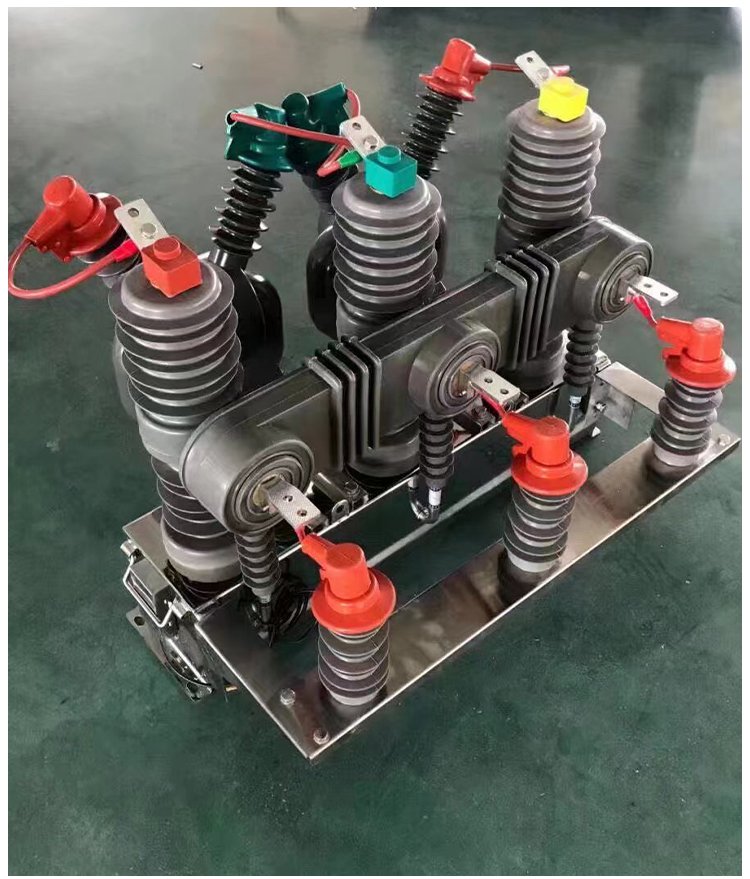
Selecting the right Vacuum Circuit Breaker (VCB) depends entirely on where it sits in your electrical distribution system. We design our breakers to handle specific environmental stresses, whether they are tucked inside a climate-controlled electrical room or mounted on a utility pole exposed to the elements.
Indoor VCBs for Commercial Switchgear Panels
For most commercial facilities, factories, and data centers, indoor VCBs are the standard choice. We typically engineer these units, such as our VS1 and ZN63A series, to fit precisely into metal-clad VCB panels and switchgear cabinets. Since the cabinet provides the primary protection against dust and moisture, the breaker itself focuses on high mechanical endurance and compact arc quenching.
These medium-voltage units usually operate between 12kV and 24kV. The priority here is safety and space efficiency. Indoor VCBs are designed to contain electrical arcs within the vacuum interrupter, ensuring that a fault in the switchgear room doesn’t escalate into a catastrophic fire.
Outdoor VCBs for Substations and External Infrastructure
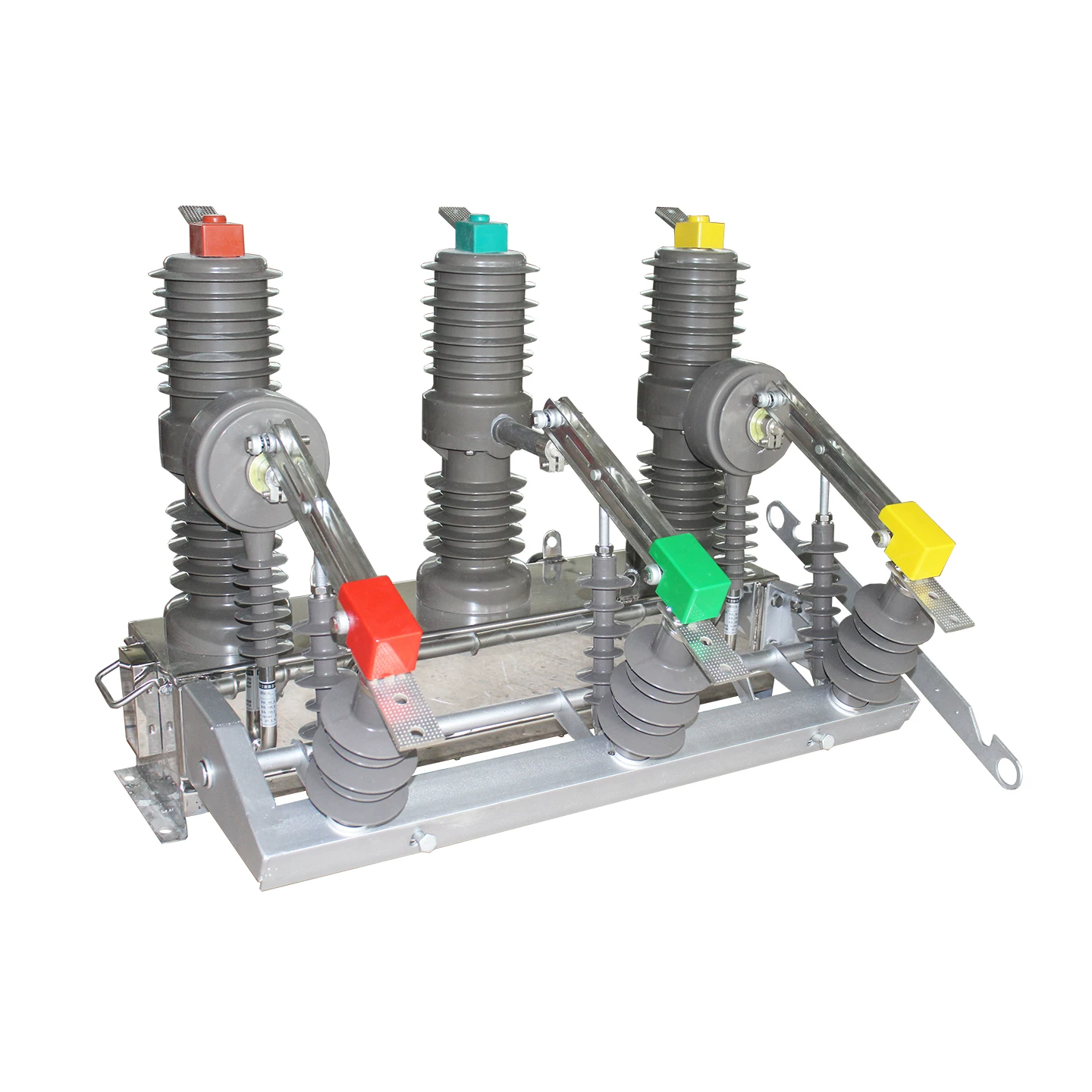
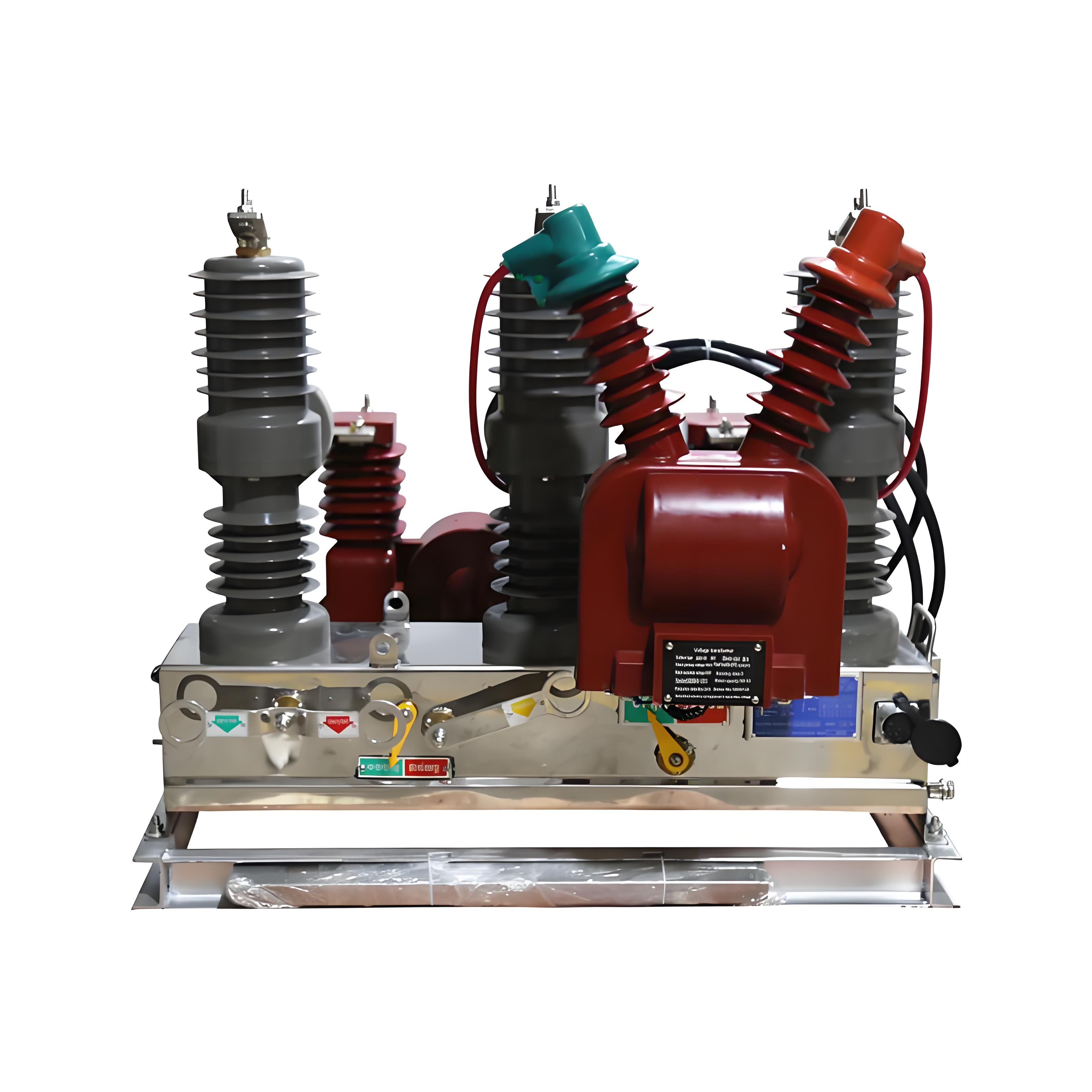
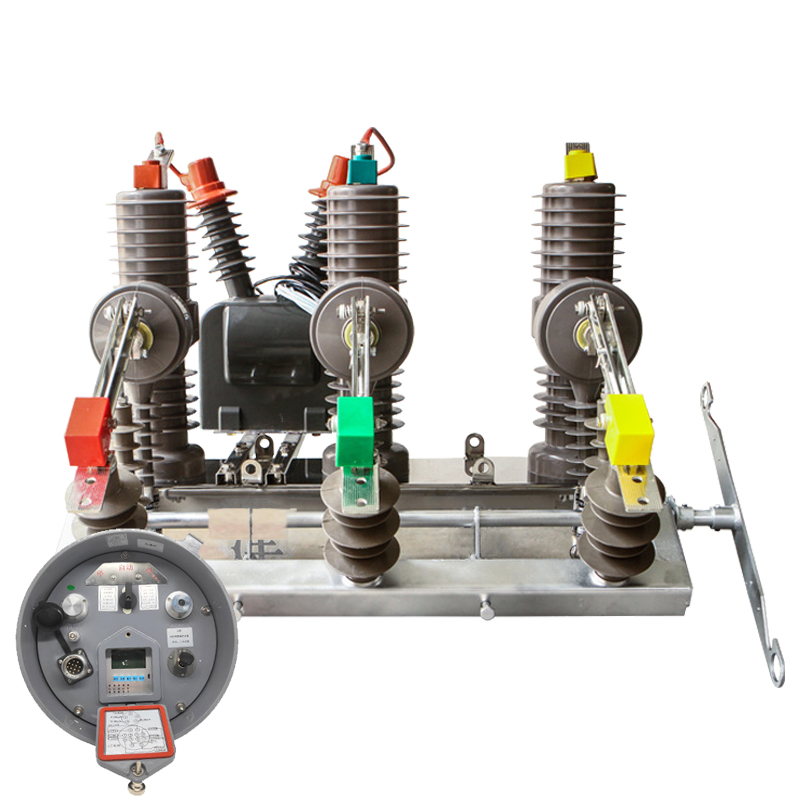
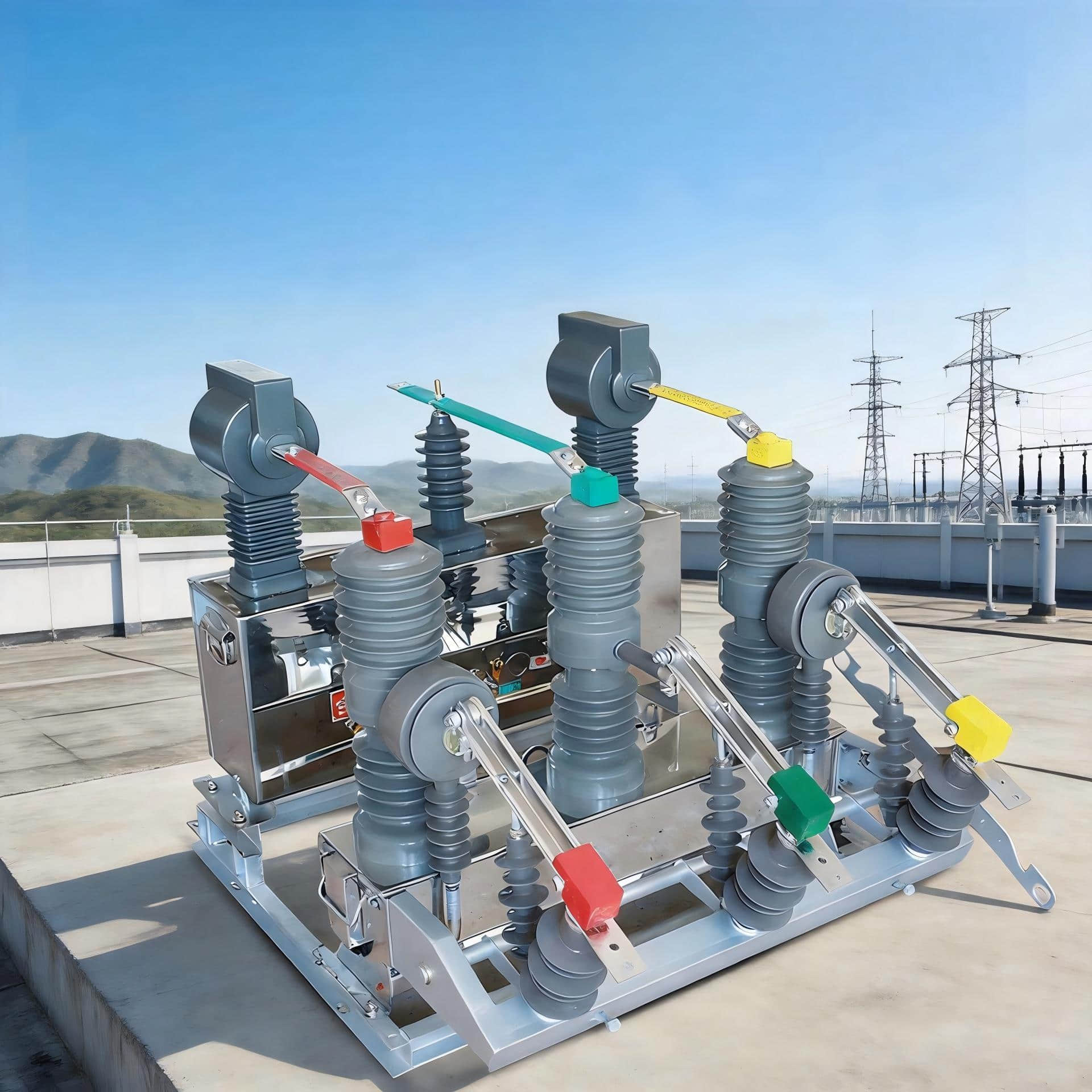
When moving outside the building envelope, the game changes. Outdoor VCBs must withstand temperature extremes, humidity, UV radiation, and pollution. We build these units with rugged external insulation and weatherproofing to prevent performance degradation over time.
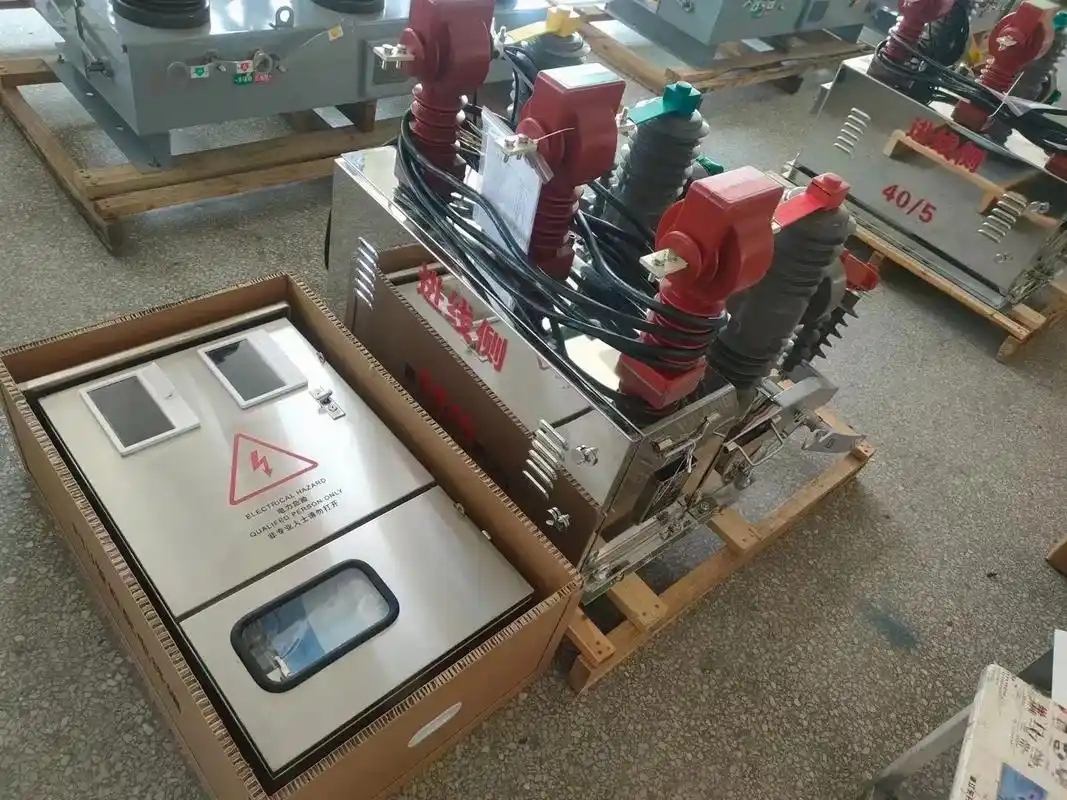
These breakers are critical for substations and feeder automation on the distribution grid. They often feature automatic reclosing capabilities to clear temporary faults on overhead lines. For comprehensive infrastructure projects, these outdoor breakers frequently integrate with a ZGS integrated transformer substation to ensure reliable voltage step-down and distribution across the network.
Side-Mounted vs. Floor-Mounted Installation Options
The physical configuration of the VCB affects both the footprint of your switchgear and the ease of maintenance. We offer both fixed (side-mounted) and withdrawable (floor-mounted/handcart) options to match different cabinet designs.
Comparison of Installation Styles:
| Feature | Side-Mounted (Fixed Type) | Floor-Mounted (Handcart Type) |
|---|---|---|
| Configuration | Bolted directly to the cabinet structure. | Mounted on a chassis with wheels. |
| Maintenance | Requires busbar disconnection to remove. | “Rack-out” design allows quick removal. |
| Space Usage | Extremely compact; good for tight spaces. | Requires deeper cabinets for movement. |
| Application | Fixed ring main units (RMU). | Centralized switchgear requiring frequent service. |
For critical industrial applications where downtime costs money, we generally recommend the floor-mounted handcart style. It allows maintenance teams to physically rack out the breaker for inspection or replacement without dismantling the entire busbar system.
How to Vet VCB Manufacturers and Suppliers
Verifying Certifications and Quality Control Processes
When I evaluate a manufacturer for power distribution equipment, I don’t just take their marketing at face value. I look for the stamps. In the US market, compliance with safety standards like UL (Underwriters Laboratories) or IEEE is non-negotiable for commercial facilities. A reliable supplier must provide valid type-test reports from independent laboratories (like KEMA or CESI) proving their VCBs can handle the stated breaking currents.
I also scrutinize their internal Quality Management Systems (QMS). They should be ISO 9001 certified at a minimum. This ensures that the VCB testing process—from the vacuum interrupter integrity to the mechanical endurance of the operating mechanism—is consistent for every unit leaving the factory. If they can’t prove their quality control, they aren’t worth the risk to your electrical system reliability.
Evaluating Technical Expertise and Innovation Track Record
You want a partner who understands the physics of arc quenching, not just an assembly shop. I assess a manufacturer’s “Manufacturer scoring” based on their R&D capabilities. Are they using the latest contact materials to prevent welding? Do they offer advanced insulation testing data?
A manufacturer with deep technical expertise will often integrate their breakers into broader solutions effectively. For instance, when we select components for our indoor metal-clad MV switchgear, we ensure the VCB manufacturer understands the thermal and mechanical stresses within the cabinet. Innovation matters too; look for brands developing compact designs that save floor space without compromising load capacity.
Key Technical Indicators to Check:
Vacuum Interrupter Source: Is it proprietary or outsourced from a top-tier supplier?
Mechanism Type: Modular spring or magnetic actuator (for higher endurance)?
Design Life: Does the technical data support a 20+ year operational life?
Assessing After-Sales Support and Spare Parts Availability
Long-term reliability is as much about support as it is about hardware. Even the best equipment has maintenance requirements eventually. I always verify the availability of local support in the United States. If a spring charging motor fails or a trip coil burns out, waiting six weeks for a shipment from overseas is unacceptable for critical commercial infrastructure.
I prioritize suppliers who offer comprehensive manuals, clear maintenance guides, and readily available spare parts kits. Before signing a contract, I ask about their standard response times for technical inquiries. To better understand the technology you are supporting, it helps to review why we use a vacuum circuit breaker in the first place, as this knowledge helps in asking the right questions regarding serviceability and lifecycle management.
Supplier Vetting Checklist:
| Evaluation Criteria | What to Look For | Why It Matters |
|---|---|---|
| Certification | UL, IEEE, IEC 62271-100 | Ensures legal compliance and safety. |
| Testing | Third-party Type Test Reports | Verifies short-circuit current handling. |
| Support | 24/7 Tech Support & US Inventory | Minimizes downtime during failures. |
| Warranty | 2-5 Years (Standard vs. Extended) | Indicates manufacturer confidence. |
Comparing VCBs with Other Circuit Breaker Technologies
VCB vs. SF6 Circuit Breakers: Performance and Environment
When vetting brands for commercial infrastructure, the choice often narrows down to Vacuum Circuit Breakers (VCB) versus Sulfur Hexafluoride (SF6) gas breakers. While SF6 has historically been used for its insulating properties, environmental resilience and regulatory pressure in the US are shifting the market toward vacuum technology. SF6 is a potent greenhouse gas, and leakage poses both compliance risks and maintenance headaches.
In contrast, our VCBs utilize vacuum interrupters for superior arc quenching without relying on toxic gases. This design eliminates the risk of gas leaks and significantly reduces maintenance requirements. For commercial facilities prioritizing sustainability alongside performance, VCBs offer a “install and forget” reliability that gas-insulated switchgear often cannot match over the long haul.
VCB vs. Air Circuit Breakers (ACB) for Medium Voltage
It is crucial to select the right tool for the voltage class. We manufacture both technologies, but they serve different roles in electrical distribution systems. Air Circuit Breakers (ACBs) are the standard for low-voltage protection, but when your application demands medium-voltage capabilities (typically 12kV to 40.5kV), vacuum circuit breakers are the superior choice.
Dielectric Strength: Vacuum gaps recover dielectric strength much faster than air, allowing VCBs to handle higher breaking currents in a smaller footprint.
Speed: VCBs are fast-acting, interrupting faults within a few cycles to minimize damage to downstream equipment.
Size: The compact nature of vacuum bottles allows for high-density VCB panels that save valuable floor space in commercial electrical rooms.
Attempting to use air-based technology for high-load medium-voltage switching often results in bulkier equipment and less efficient arc suppression compared to modern vacuum solutions.
Cost-Benefit Analysis for Long-Term Commercial Use
Procurement teams often focus on the initial price tag, but the true value of a VCB lies in its operational life and total cost of ownership. High-quality VCBs, such as our VS1 and ZN series, are engineered for high mechanical endurance, capable of performing up to 10,000 operations (M2 rating) with minimal wear.
Reduced Downtime: The sealed nature of the vacuum interrupter means the contacts are isolated from external contaminants, preventing oxidation and extending service intervals.
Asset Protection: Reliable short-circuit current breaking capacity protects expensive transformers and machinery from catastrophic failure.
Lifecycle Savings: Although the upfront investment in a premium VCB might be slightly higher than legacy technologies, the elimination of gas refilling costs and the reduction in mechanical servicing make it the most cost-effective option for electrical system reliability over a 20-year span.