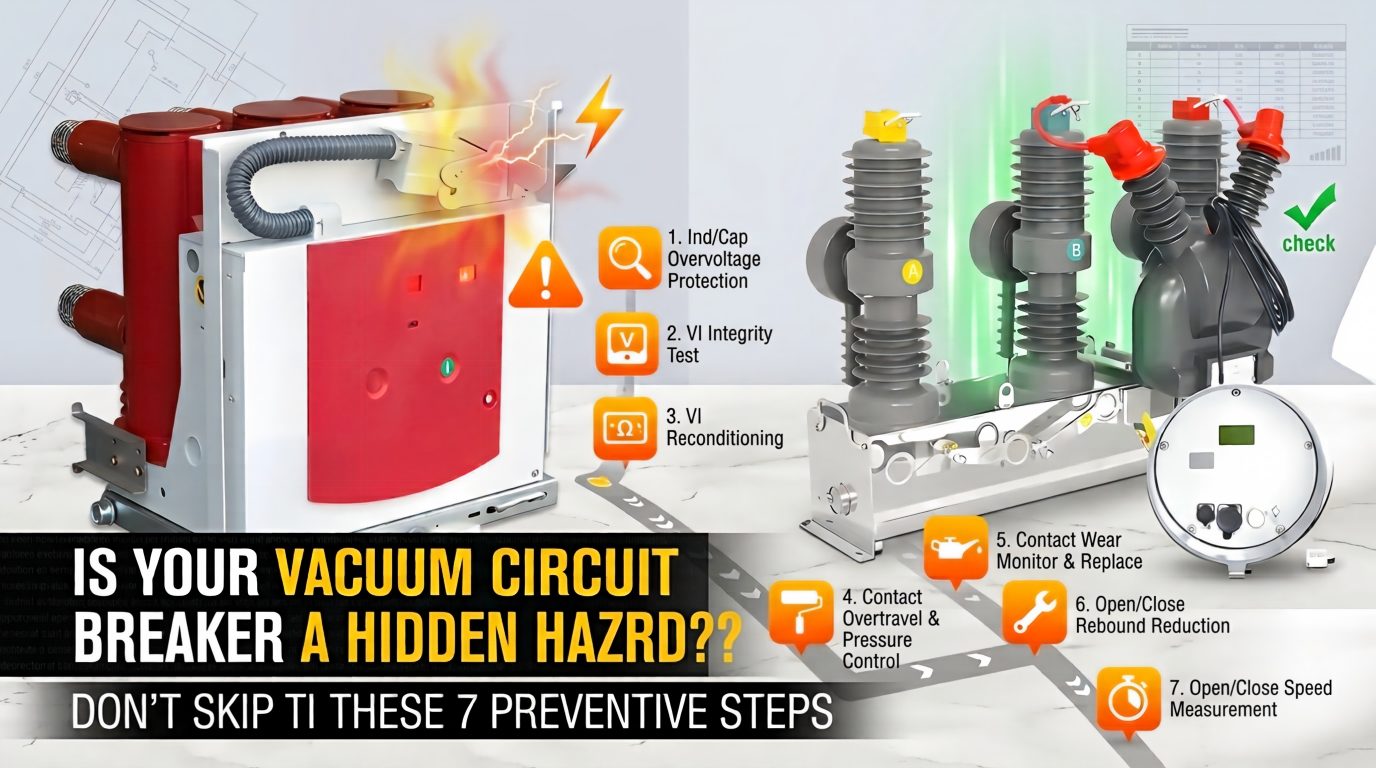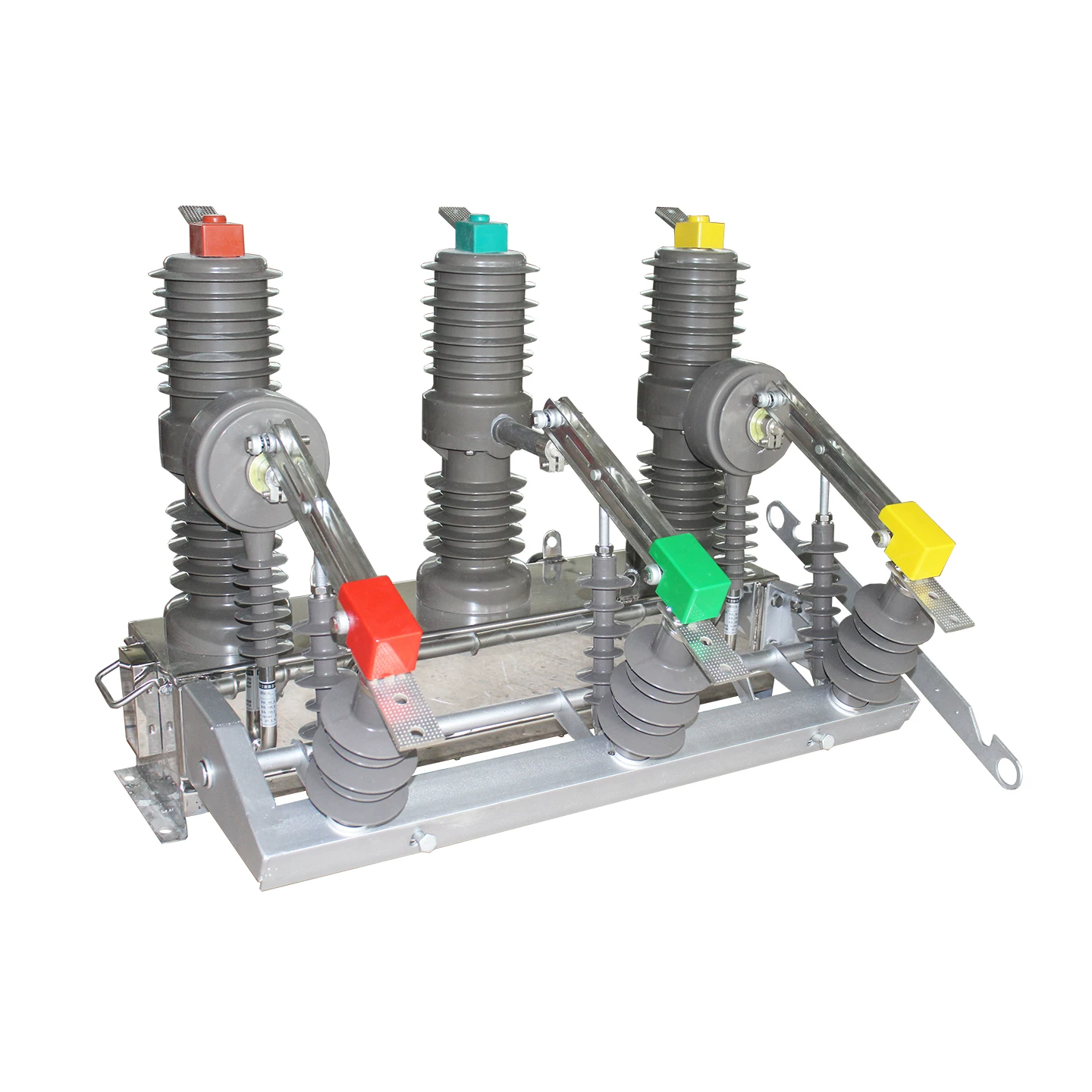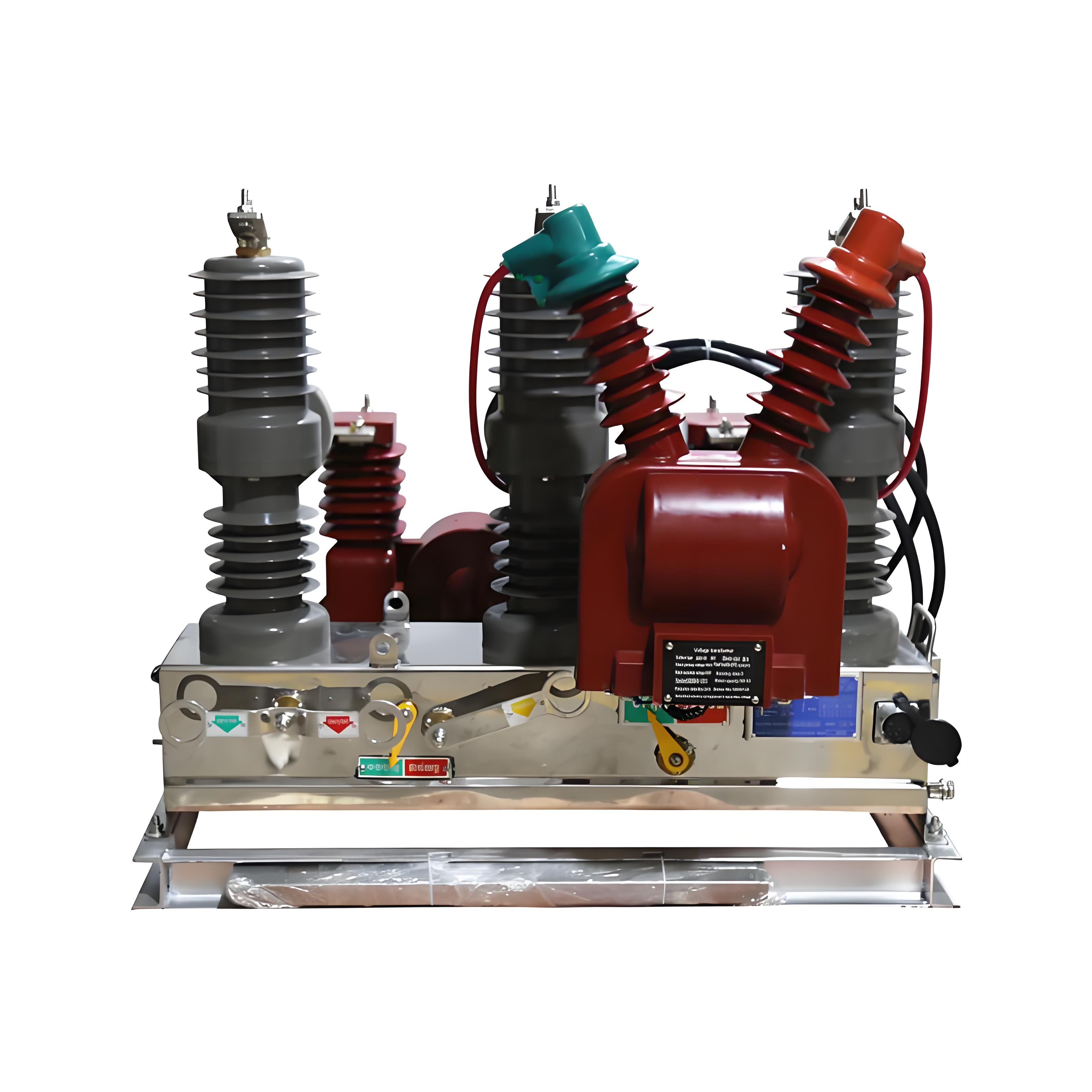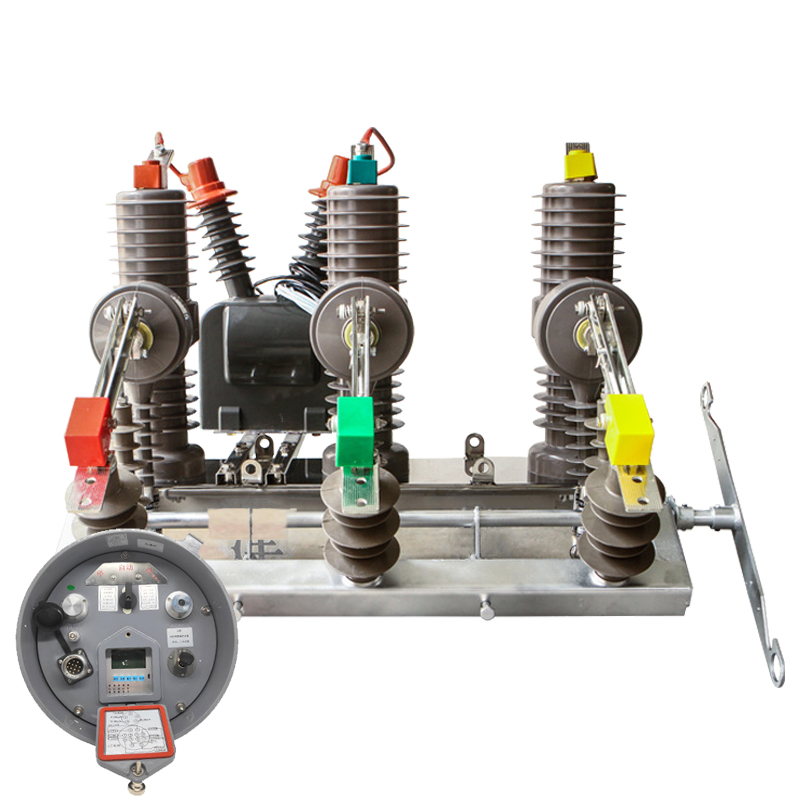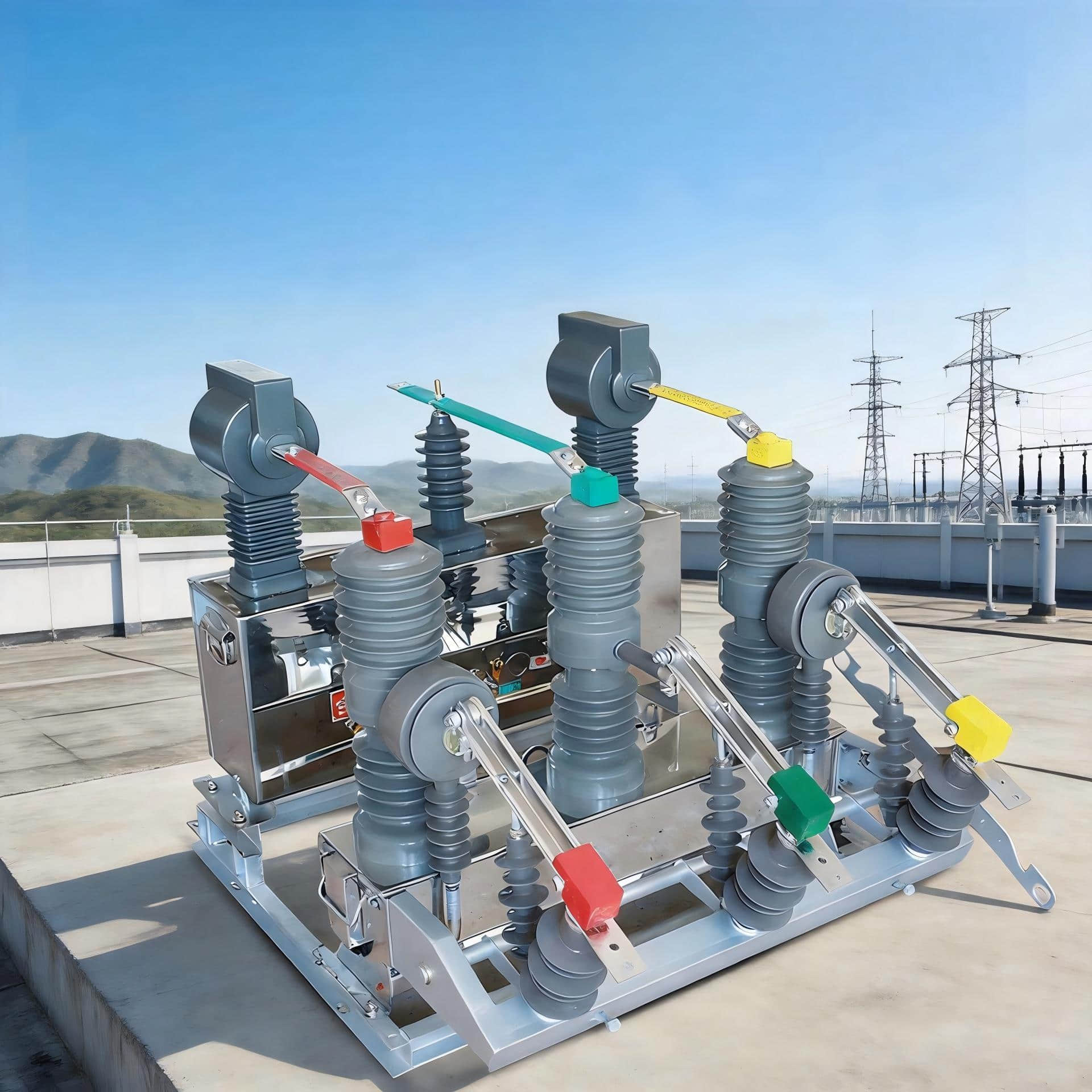
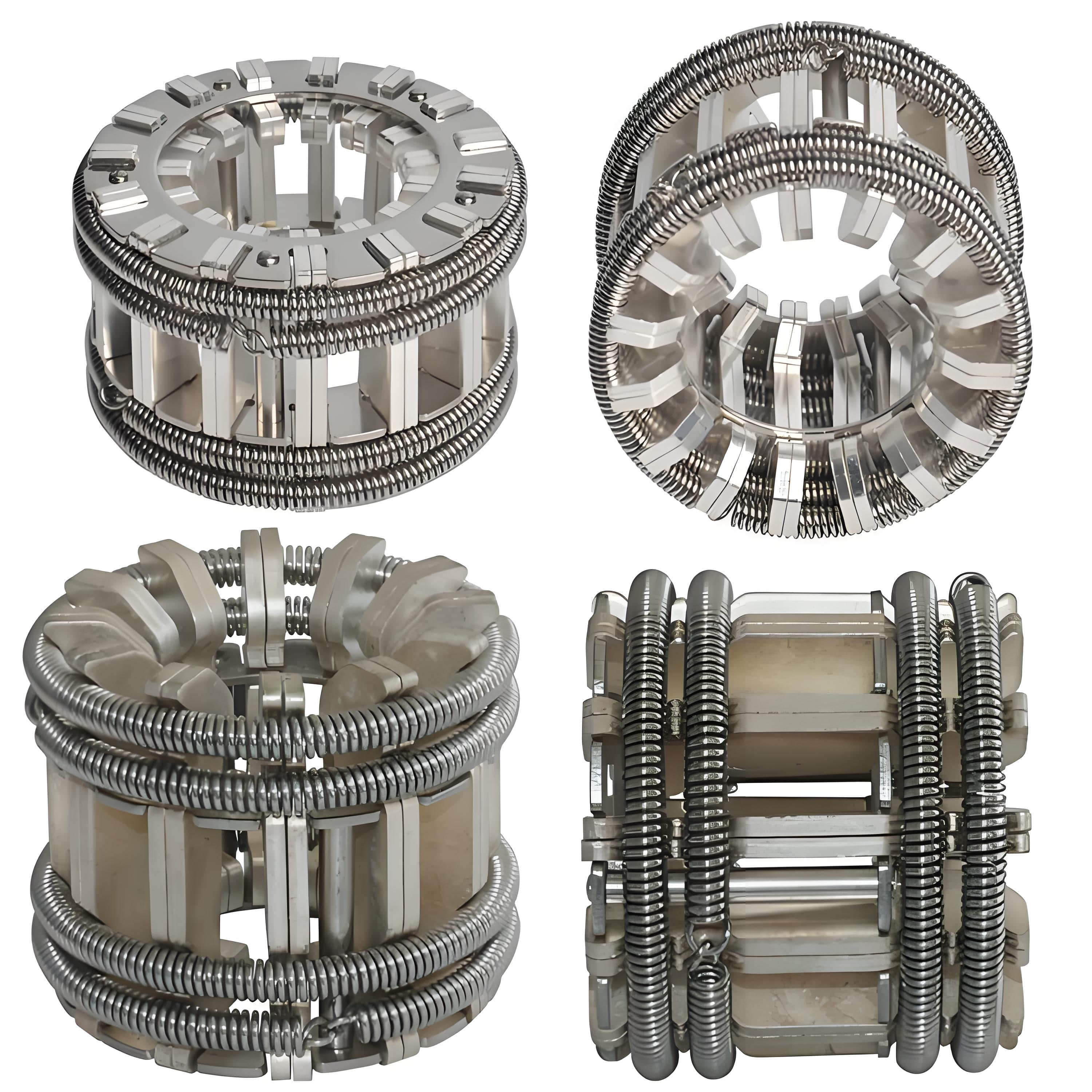
When selecting a vacuum circuit breaker (VCB), understanding the differences between moving and fixed contacts is essential. These two components determine switching performance, contact wear, and long-term reliability. In this article, we’ll break down their structure, material, function, and role in safe power distribution, especially in VCB panels.
What Are Moving and Fixed Contacts in a VCB?
In a vacuum circuit breaker, electrical switching takes place in a vacuum interrupter. Inside this sealed unit, two main contact types exist:
Moving Contact: This is the part that physically shifts to open or close the circuit.
Fixed Contact: This remains stationary and receives the moving contact during closure.
When the contacts touch, current flows. When separated, the arc is extinguished instantly due to the vacuum environment, enabling rapid and safe disconnection.
Basic Structure: How They’re Built
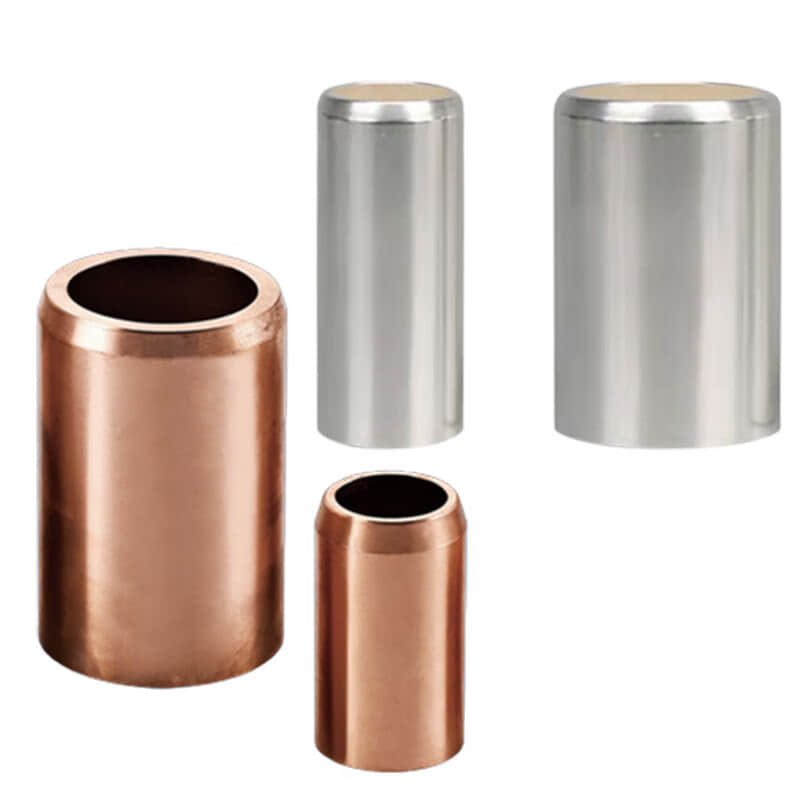
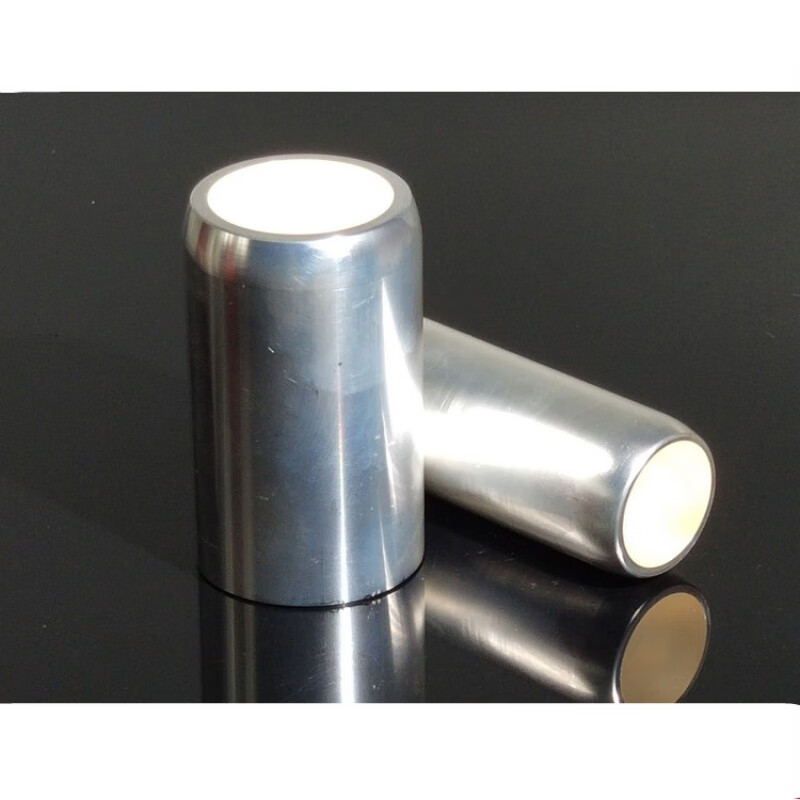
Both contact types are typically made from copper-chromium alloys, selected for high conductivity and arc resistance.
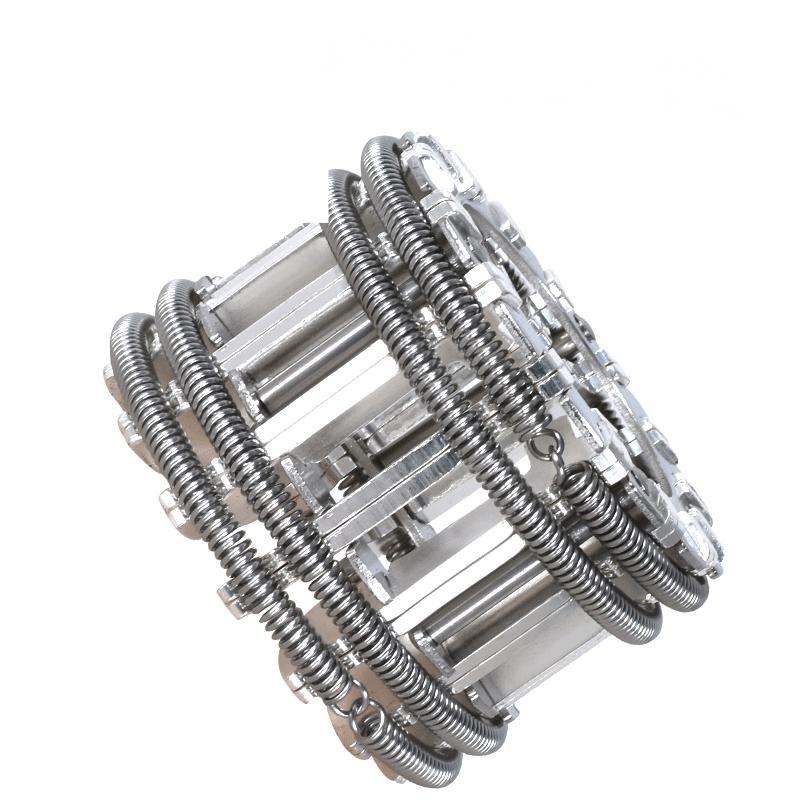
Moving contacts are mounted on a spring-loaded mechanism, usually connected to a drive shaft or actuator.
Fixed contacts are rigidly mounted within the interrupter chamber and aligned to ensure precise contact engagement.
In modern VCB panels, both contacts are housed in high-strength ceramic or glass vacuum bottles, offering insulation and arc isolation.
Core Functional Differences
Feature | Moving Contact | Fixed Contact |
Function | Initiates connection/disconnection | Receives current flow |
Movement | Operates via mechanical drive | Static |
Wear Rate | Higher due to frequent motion | Lower but not negligible |
Maintenance | Requires periodic inspection | Minimal attention |
The key distinction lies in motion. Moving contacts undergo mechanical stress and thermal cycling, while fixed contacts remain stable but are still subject to erosion from repeated arcing.
Role in Arc Interruption
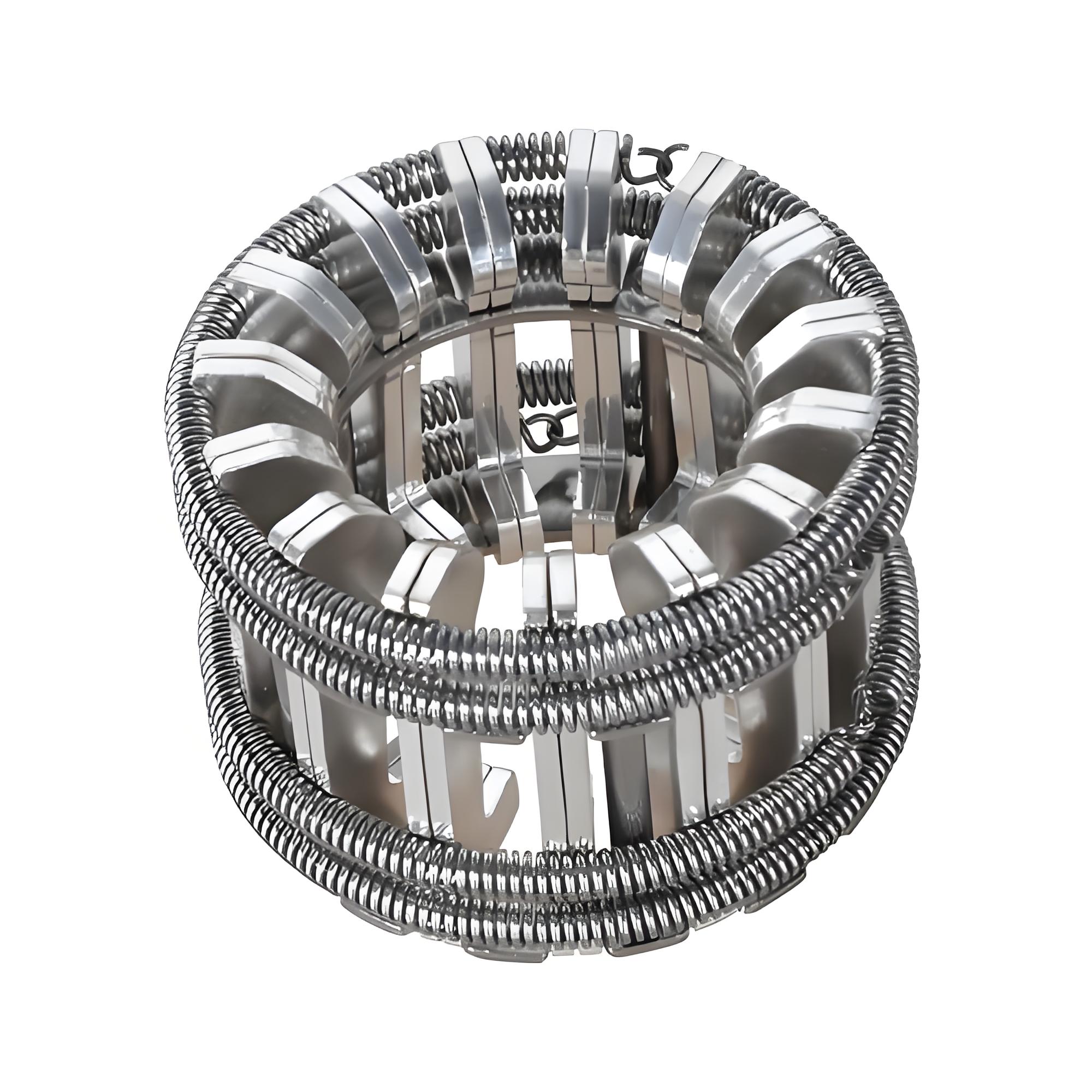
During disconnection, the moving contact retracts, creating a vacuum arc. This arc quickly collapses due to the absence of ionized particles.
Moving contact determines the arc initiation.
Fixed contact influences arc stability and energy dissipation.
Well-designed contact geometry—especially in advanced VCB panels—ensures that the arc is short-lived and directed away from critical areas.
Materials Used: Why It Matters
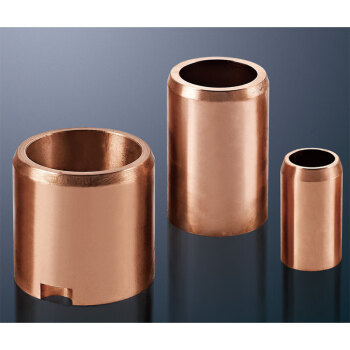
Contact material impacts breaker performance. Most VCBs use CuCr (Copper-Chromium) alloy due to:
High arc resistance
Minimal contact erosion
Excellent conductivity
In high-end designs like KYN96-12 VCB panels, contact materials are optimized with surface treatments to extend service life and reduce pitting.
Moving vs Fixed Contact: Performance Comparison
1. Mechanical Stress
Moving contact endures repetitive stress, requiring a robust mechanical design.
Fixed contact needs firm anchoring to withstand heat and electromagnetic force.
2. Heat Dissipation
Moving contacts generate more heat during operation.
Fixed contacts play a passive but crucial role in thermal stability.
3. Service Life
Moving contacts typically wear out faster.
Fixed contacts last longer but are not immune to arc erosion.
4. Replacement & Maintenance
Moving contact assemblies are easier to access and replace.
Fixed contacts, if worn, may require full interrupter replacement.
How Contact Design Affects VCB Panel Performance
VCB panel performance heavily depends on the quality of its internal components. Contact system design impacts:
Switching speed
Voltage withstand
Arc quenching
Maintenance intervals
Modern panels like KYN28 and KYN96 series feature modular, customizable contact systems to suit different grid requirements. This flexibility ensures safe operation in industries, utilities, and commercial power distribution.
Applications Where Contact Performance Matters
Fixed vs moving contact behavior becomes especially critical in:
Frequent switching environments (e.g., power plants)
Heavy-load circuits
High voltage grids (up to 40.5kV)
Compact switchgear designs
In these cases, VCB panels must ensure minimal contact wear and rapid arc interruption. Selecting the right model with optimized contact design reduces downtime and total cost of ownership.
Common Failure Modes to Watch
Failure Type | Most Affected Contact | Description |
Contact erosion | Both | Caused by repeated arc exposure |
Misalignment | Moving | Leads to incomplete closure |
Welding or sticking | Both | Resulting from overcurrent events |
Mechanical fatigue | Moving | Due to frequent operations |
Preventive maintenance, thermal imaging, and periodic inspections help catch these issues early, especially in critical VCB panel systems.
Maintenance Tips for Long-Term Reliability
Lubricate moving mechanisms every 5,000 operations.
Check contact resistance regularly.
Replace pitted contacts before they exceed tolerance.
Clean contact surfaces if contamination is detected.
Following the OEM’s maintenance guide ensures that both moving and fixed contacts function properly throughout the panel’s life.
Choosing the Right VCB Panel with Optimized Contacts
When choosing a VCB panel, consider the following:
Operation frequency: Higher operations require durable moving contacts.
Load characteristics: Heavier loads need robust contact surfaces.
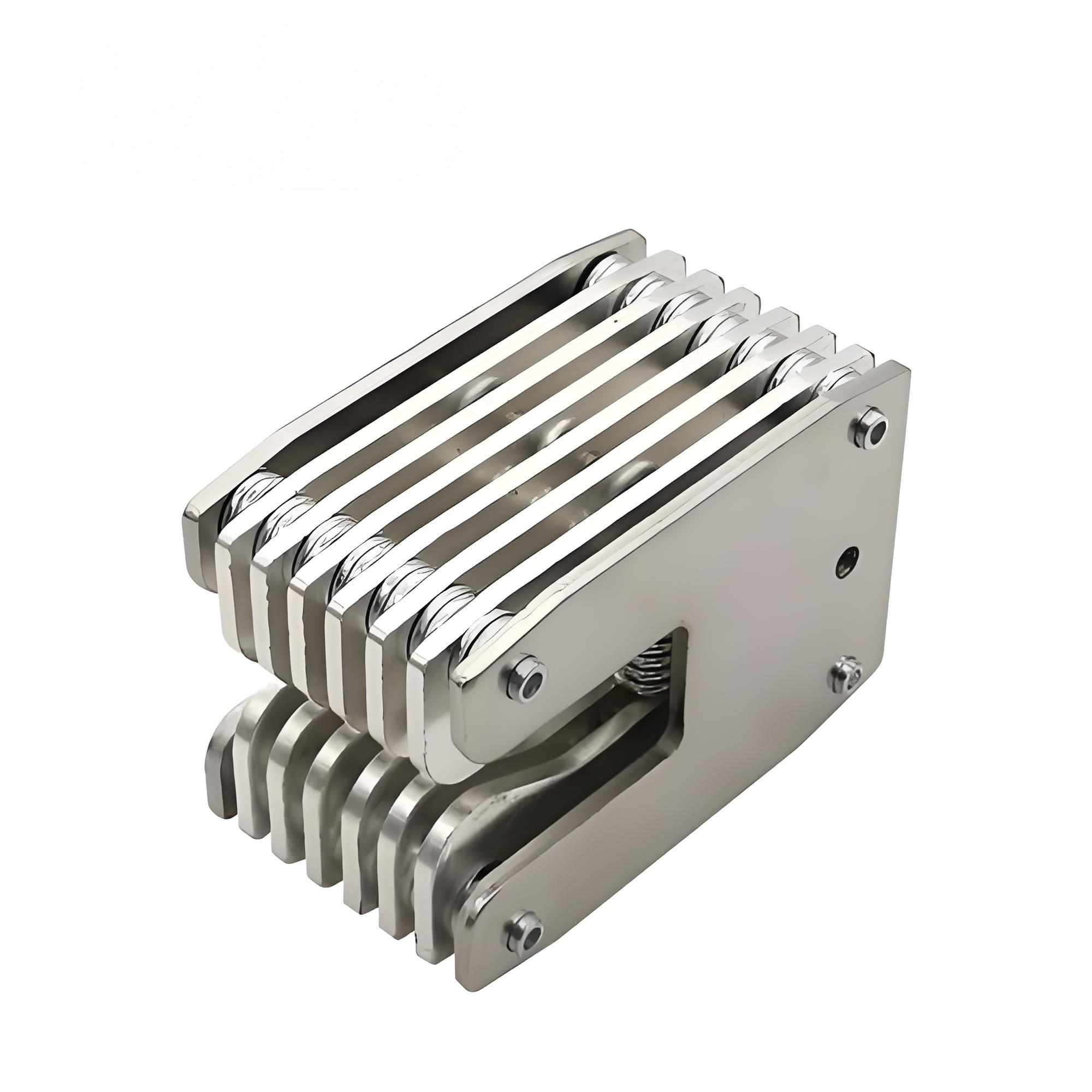
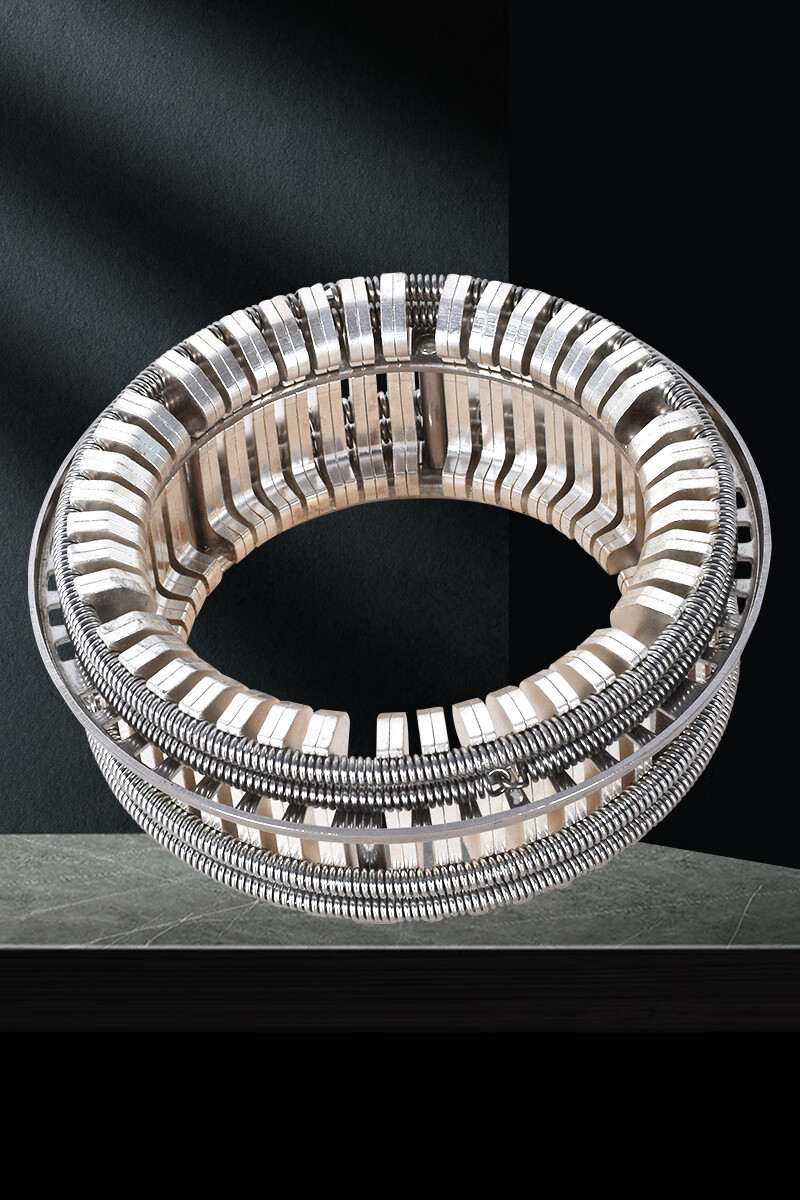
Customization options: Models like KYN96-12 offer configurable contact geometry, stroke, and material.
Some VCB panels even allow full replacement of the interrupter unit, offering faster servicing and reduced downtime.
Summary: What You Need to Know
Moving contacts initiate the switching action and endure higher stress.
Fixed contacts support current flow and maintain arc stability.
Both contacts are crucial for the safe, reliable operation of VCB panels.
Proper material selection and maintenance extend contact life and performance.
Choosing the right panel design ensures better performance in demanding environments.
Need Expert Advice on VCB Panels?
WeiSho Elec specializes in custom VCB panels like KYN28 and KYN96 series, built with high-grade copper-chromium contacts and fully modular architecture. Whether you’re upgrading existing switchgear or designing a new substation, we can tailor solutions to your exact needs.