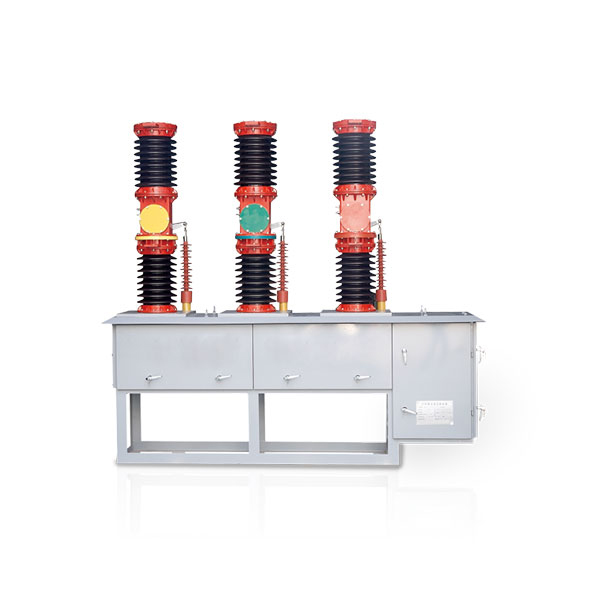
Types of Circuit Breakers Used for 33kV Applications
Selecting the correct circuit breaker for 33kV power distribution is critical for grid stability and safety. At this voltage level, the equipment must effectively handle high electrical stress and rapidly extinguish arcs during fault conditions. While various technologies exist, modern electrical infrastructure primarily relies on Vacuum Circuit Breakers (VCB) and SF6 Gas Circuit Breakers due to their superior performance and reduced maintenance requirements.
Vacuum Circuit Breakers (VCB)
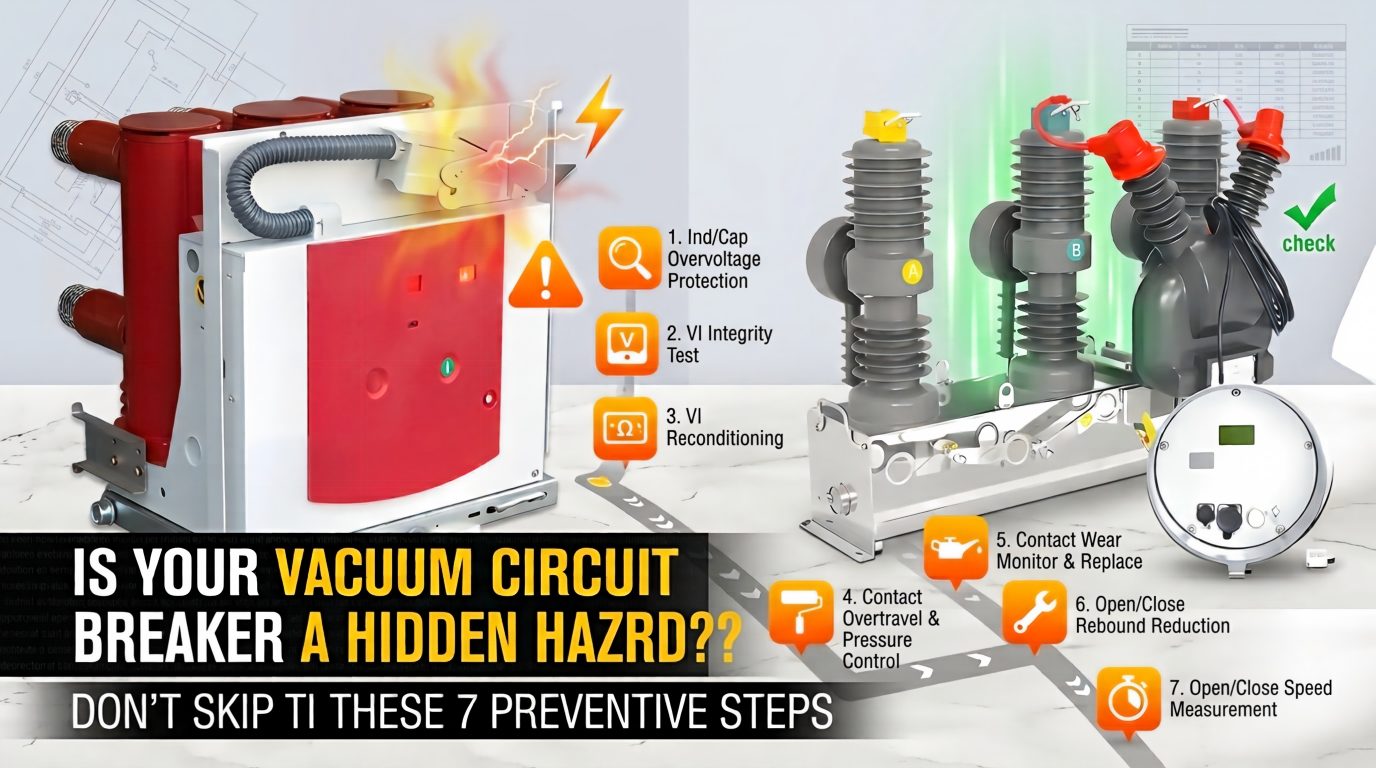
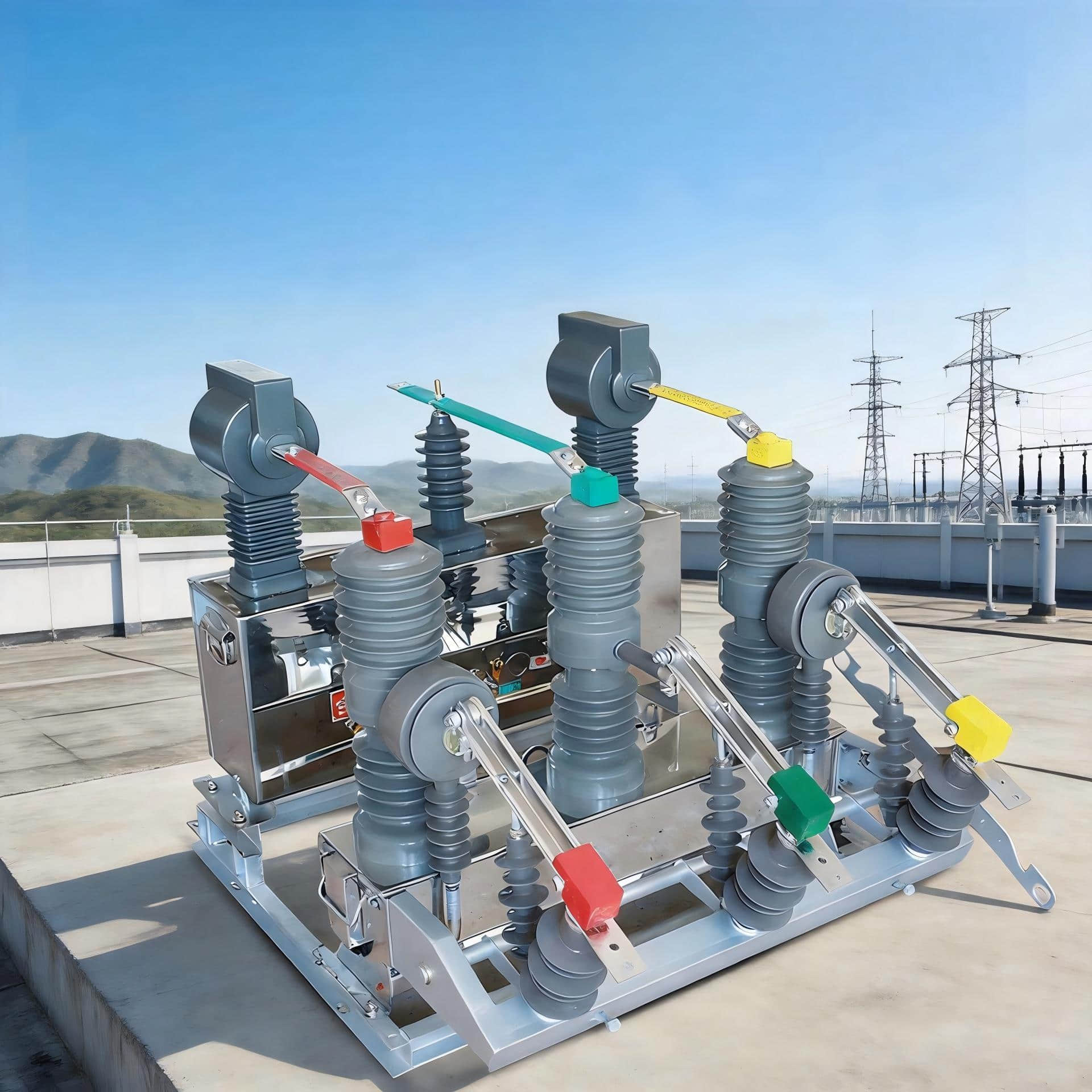
The 33kV Vacuum Circuit Breaker is the preferred choice for modern medium-voltage distribution systems. These units operate by extinguishing the electrical arc within a vacuum bottle, which offers high dielectric strength and rapid recovery.
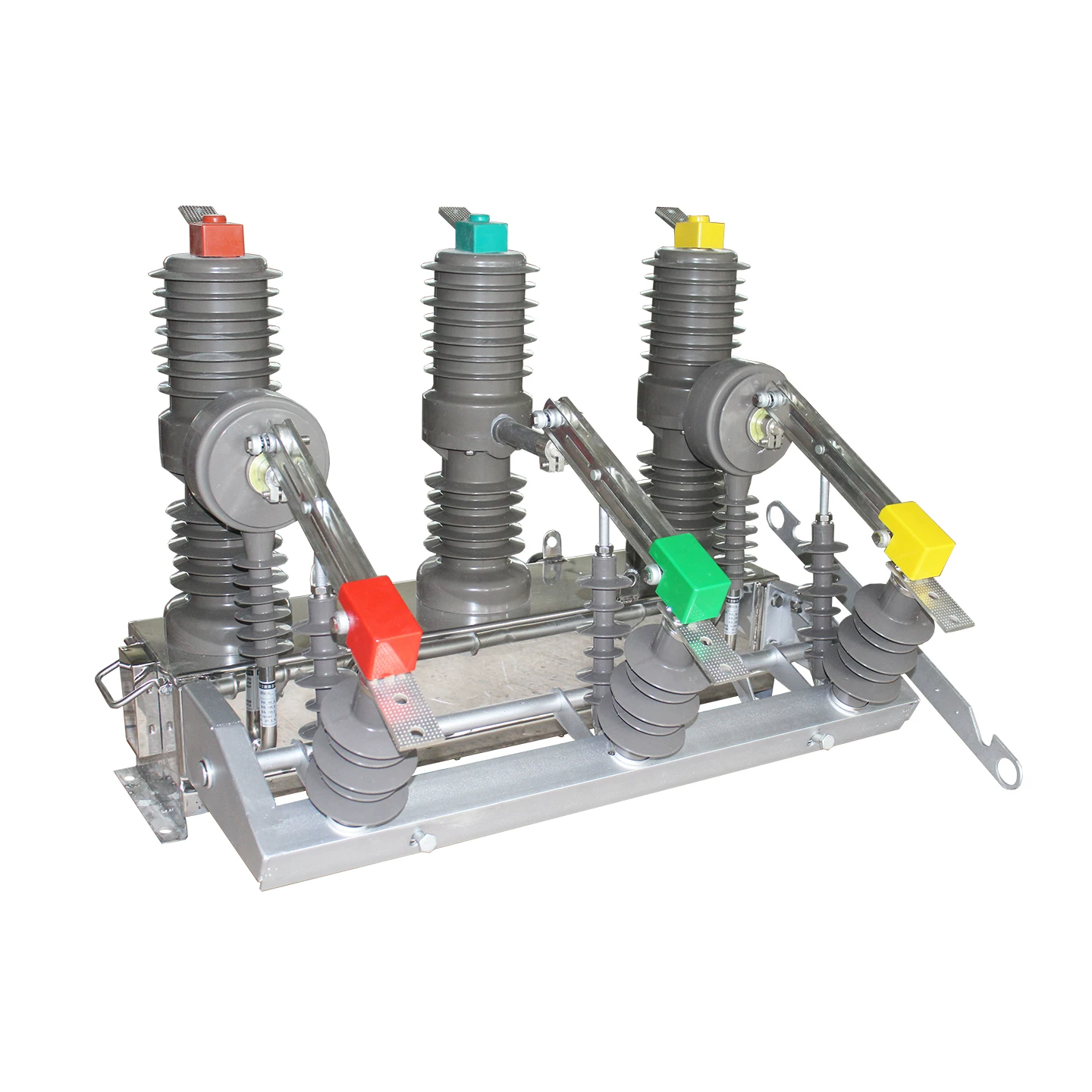
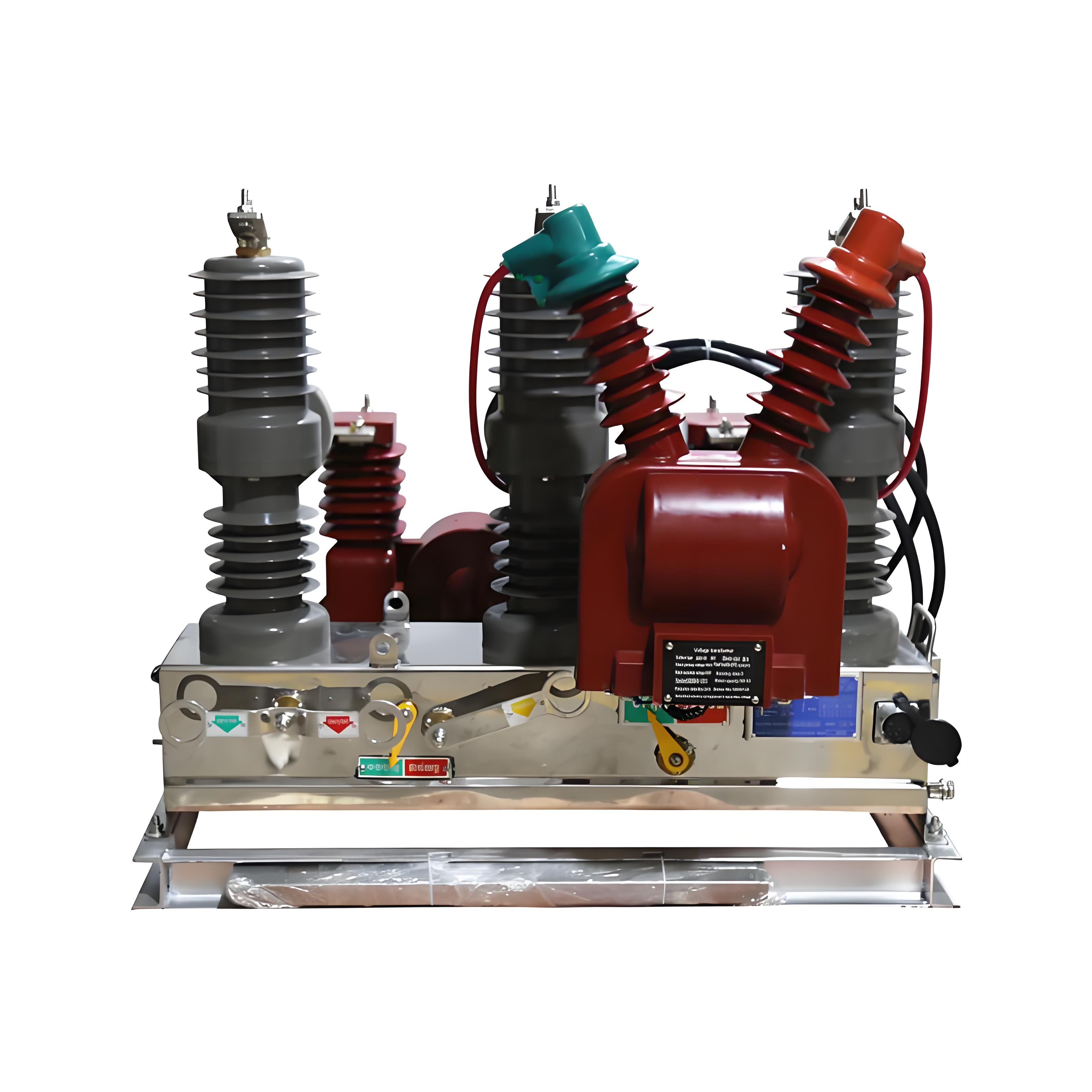
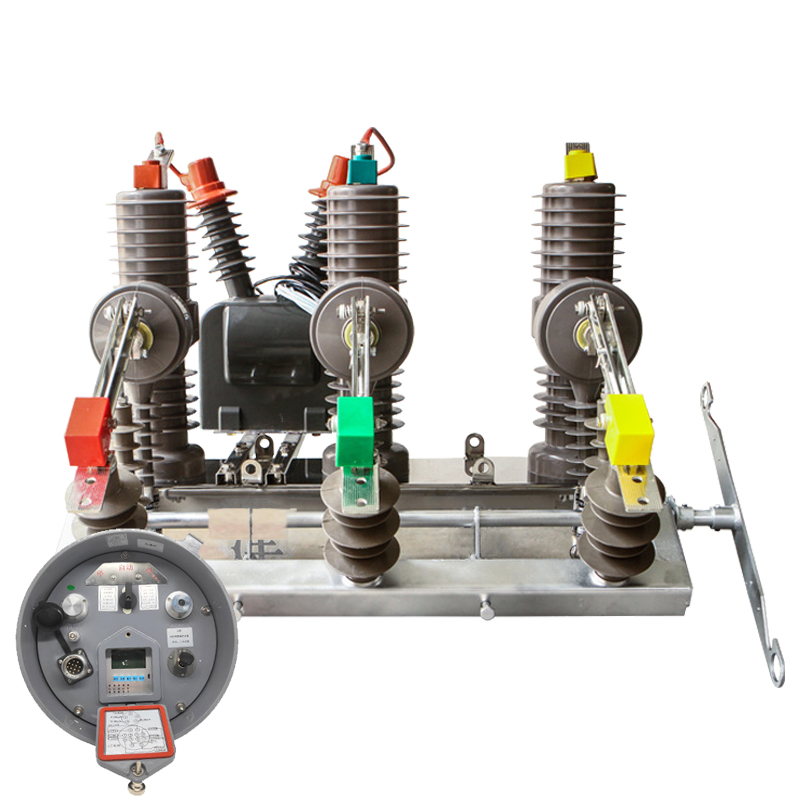
At Weisho Electric, our ZW32-40.5 and ZW37-40.5 series are engineered specifically for these demands. They are designed for outdoor environments and are rated up to 40.5kV, providing a robust safety margin for 33kV networks. Key benefits include:
Long Service Life: Minimal contact erosion allows for thousands of operations.
Maintenance-Free Interrupters: The sealed vacuum unit requires no maintenance.
Environmental Safety: No greenhouse gases or oil are used in the interruption process.
SF6 Gas Circuit Breakers
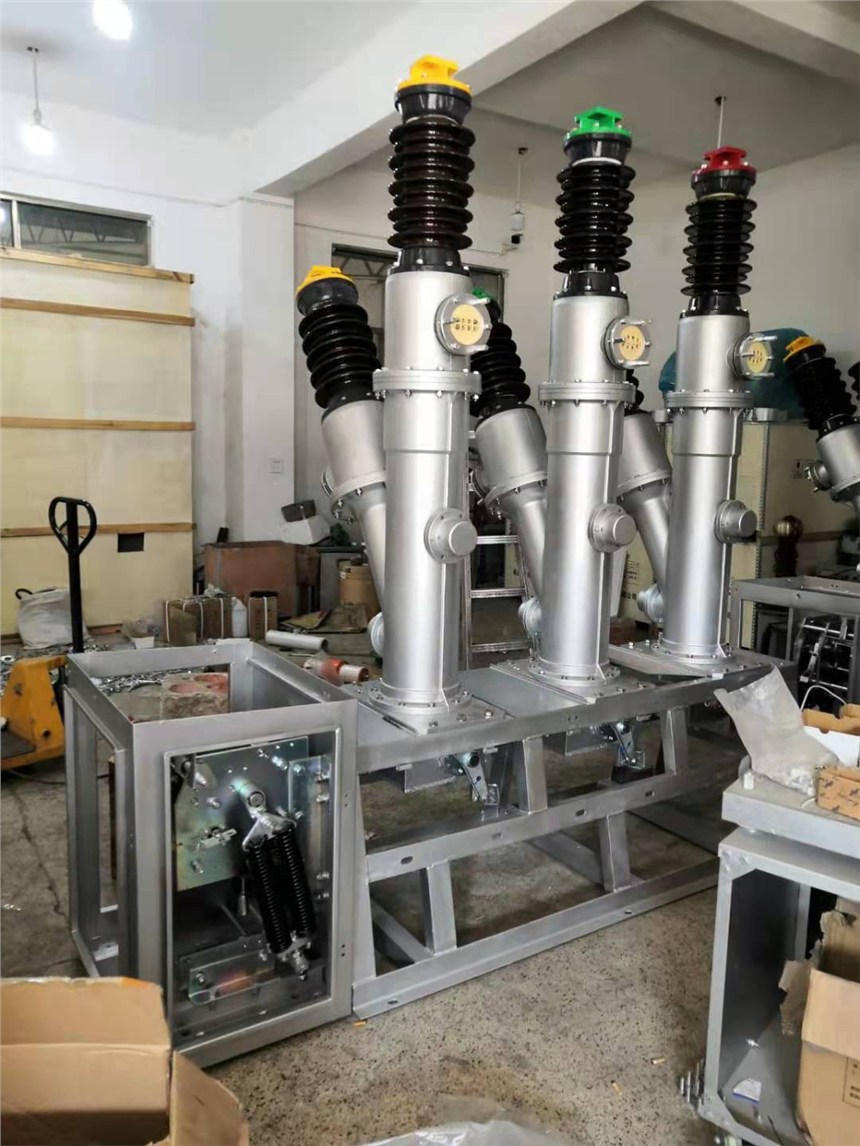
SF6 (Sulfur Hexafluoride) Circuit Breakers utilize pressurized gas to quench arcs and insulate live parts. This technology is highly effective for higher voltage applications due to the exceptional electronegative properties of SF6 gas.
Our LW series outdoor SF6 circuit breakers are designed to withstand harsh environmental conditions while delivering reliable breaking capacity. They are particularly suitable for applications requiring:
Compact footprints in gas-insulated switchgear (GIS).
High reliability in extreme climates.
Soft breaking characteristics to minimize overvoltage.
Oil Circuit Breakers (OCB)
Historically, Oil Circuit Breakers were the standard for high-voltage transmission. They utilize insulating mineral oil to quench the arc and cool the contacts. While effective in the past, OCBs have largely been phased out in favor of VCB and SF6 technologies due to significant drawbacks:
Fire Risk: The flammability of oil poses a safety hazard.
High Maintenance: Oil requires regular testing and filtration to maintain dielectric strength.
Bulk: They occupy significantly more space than modern equivalents.
Air Circuit Breakers (ACB)
Air Circuit Breakers use compressed air or magnetic blowout coils to lengthen and cool the arc in the open air. While common in low-voltage (LV) applications, their use in 33kV systems is rare today. They are generally bulky, noisy during operation, and require frequent maintenance of the arc chutes and contacts compared to the sealed efficiency of a 33kV Vacuum Circuit Breaker.
Key Technical Features and Specifications
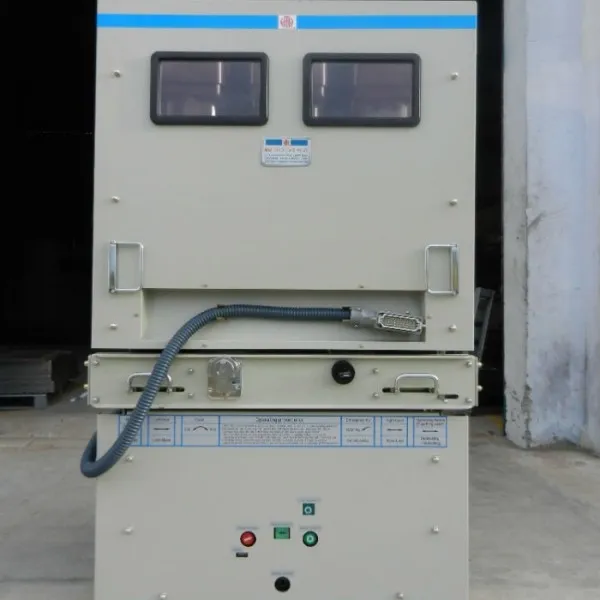
When selecting a 33kV Vacuum Circuit Breaker, understanding the core specifications is non-negotiable. We engineer our equipment to handle the stresses of high-voltage transmission while ensuring safety and longevity in the field.
Rated Voltage and Breaking Capacity
Although the system nominal voltage is 33kV, we typically design our breakers with a rated voltage of 40.5kV. This provides a necessary safety margin for voltage fluctuations and surges common in utility grids. The breaking capacity is equally critical, as it defines the maximum fault current the breaker can interrupt without failing.
Our comprehensive power solutions ensure these specifications meet the rigorous demands of modern electrical infrastructure.
Standard Specifications for Weisho 33kV/40.5kV Breakers:
| Feature | Specification Range |
|---|---|
| Rated Voltage | 33kV / 36kV / 40.5kV |
| Rated Current | 630A, 1250A, 1600A, up to 3150A |
| Short-Circuit Breaking Capacity | 20kA, 25kA, 31.5kA |
| Frequency | 50Hz / 60Hz |
Vacuum Interruption and Arc Quenching Principles
The heart of our ZW32 and ZW37 series is the vacuum interrupter. In a 33kV system, when the contacts separate, an electric arc is generated. Inside our vacuum chambers, there is no gas to sustain this arc.
Rapid Extinction: The arc is extinguished at the first current zero-crossing.
High Dielectric Strength: The vacuum recovers its insulating properties almost instantly.
Contact Material: We use specialized copper-chromium alloys to minimize contact wear and prevent welding.
Operating Mechanisms: Manual vs. Electrical
Reliability depends heavily on the operating mechanism. We offer two primary types for our 33kV breakers to suit different automation levels:
Spring Operating Mechanism: The industry standard. It uses stored mechanical energy (charged springs) to open and close the contacts. It is robust, easy to maintain, and allows for manual charging during power outages.
Permanent Magnetic Mechanism: Offers fewer moving parts and a longer mechanical life. This is ideal for frequent operation cycles and integrates seamlessly with smart grid automation.
Insulation and Safety Standards
Safety is paramount when dealing with high voltage. Our outdoor units feature high-quality silicone rubber or porcelain bushings to resist UV radiation, moisture, and pollution.
IP Rating: Our outdoor breakers are designed with high IP protection (e.g., IP65) to prevent water and dust ingress.
Standards Compliance: We strictly adhere to IEC standards, ensuring that our equipment performs reliably in diverse environmental conditions, from humid coastal areas to dry industrial zones.
Advantages of Using Vacuum Circuit Breakers (VCB) at 33kV
When we look at medium voltage protection, the 33kV Vacuum Circuit Breaker stands out as the industry standard for a reason. At Weisho Electric, we see a massive shift towards vacuum technology because it simply outperforms older methods in efficiency and safety. Here is why switching to VCBs is the smart move for modern grid infrastructure.
High Reliability and Durability
The core advantage of a VCB lies in the vacuum interrupter itself. Since the arc quenching happens inside a sealed vacuum bottle, the contacts are not exposed to air, preventing oxidation and corrosion. This design ensures consistent contact resistance throughout the breaker’s life. Our units are engineered to handle thousands of operations without deterioration, making them ideal for systems that require frequent switching.
Low Maintenance Requirements and Costs
For utility operators and facility managers, maintenance downtime is a major cost driver. Unlike oil circuit breakers that require messy oil changes or air circuit breakers that need complex chute maintenance, VCBs are virtually maintenance-free. The sealed interrupter requires no servicing, and the operating mechanisms—whether spring or magnetic—are designed for simplicity.
Cost Comparison: VCB vs. Traditional Breakers
| Feature | Vacuum Circuit Breaker (VCB) | Oil/Air Circuit Breaker |
|---|---|---|
| Contact Wear | Minimal (Sealed Environment) | High (Exposed to Arcing) |
| Dielectric Medium | Vacuum (Permanent) | Oil/Air (Degrades over time) |
| Maintenance Cycle | Long intervals (Years) | Frequent (Months/Yearly) |
| Operating Cost | Low | High |
Environmental Benefits (SF6-Free Alternatives)
Sustainability is becoming a non-negotiable requirement in the US energy market. While SF6 gas is an excellent insulator, it is also a potent greenhouse gas. Vacuum circuit breakers offer a clean, green alternative. They rely purely on vacuum physics to extinguish arcs, eliminating the risk of gas leaks and the need for hazardous gas handling protocols. This makes compliance with environmental regulations much easier.
Compact Design for Indoor Switchgear
Space is often at a premium in substations and industrial plants. The high dielectric strength of a vacuum allows the gap between contacts to be very small, significantly reducing the overall size of the breaker. This compact footprint allows us to design smaller, lighter switchgear panels. It simplifies installation and frees up valuable floor space for other critical equipment.
Application Scenarios for 33kV Circuit Breakers
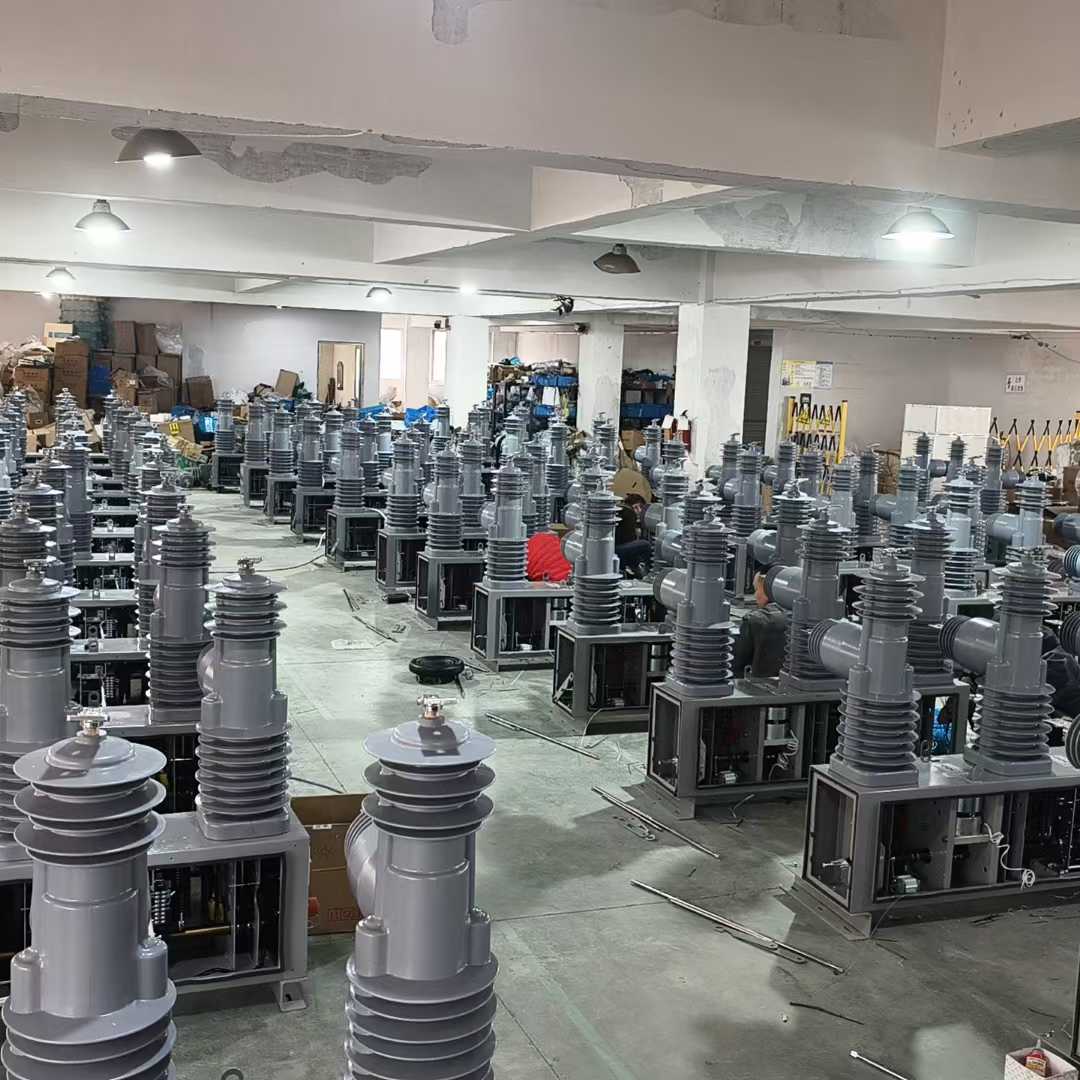
Power Generation and Distribution Substations
In power substations, the primary role of the circuit breaker is to protect the main transformers and feeder lines. We rely on robust 33kV breakers to handle the step-down process from transmission voltages to distribution levels. For indoor substation applications, these breakers are typically integrated into KYN550 metal-clad switchgear, providing a secure and enclosed environment for arc quenching. This setup ensures that if a fault occurs, the breaker isolates the specific section immediately, preventing widespread blackouts and equipment damage.
Industrial Manufacturing Facilities
Heavy industries, such as steel mills, mining operations, and chemical plants, require a stable high-voltage supply to run large motors and furnaces. A standard 33kV Vacuum Circuit Breaker is the go-to choice here because it can withstand frequent switching operations better than older oil or air technologies. We design our industrial-grade breakers to resist the dust, vibration, and humidity often found in these harsh manufacturing environments, ensuring production lines stay running without costly electrical interruptions.
Renewable Energy Systems (Wind and Solar Farms)
Connecting renewable energy sources to the grid requires equipment that can handle variable power loads. In wind and solar farms, 33kV breakers act as the critical tie-point between the collection network and the main utility grid. They protect sensitive inverters and step-up transformers from current surges. Our outdoor vacuum circuit breakers (like the ZW32 series) are particularly effective here, as they offer maintenance-free operation in remote locations where wind turbines and solar arrays are usually installed.
Utility Networks and Large Commercial Complexes
For urban utility grids and large commercial infrastructures like hospitals or data centers, safety and continuity are non-negotiable. We deploy these breakers to sectionalize the grid, allowing utility crews to isolate specific areas for repairs without cutting power to the entire network. These systems are often installed alongside a grounding switch to ensure the safety of maintenance personnel by effectively grounding the circuit during service work. This configuration provides the reliability needed to keep essential services online 24/7.
Installation and Environmental Considerations
Indoor vs. Outdoor Installation Requirements
When deploying a 33kV Vacuum Circuit Breaker, the first decision is determining the physical environment. Indoor units, like our VSY and VBD series, are engineered to fit inside metal-clad switchgear cabinets. These require a controlled environment free from excessive dust and moisture. Conversely, outdoor breakers such as the ZW32 or ZW37 series are built to stand alone on poles or substation structures.
Indoor: Requires ventilation to prevent heat buildup and sufficient clearance for arc chutes.
Outdoor: Demands robust mounting brackets capable of withstanding wind loads and ice accumulation.
Weatherproofing and Ambient Operating Conditions
For outdoor applications, the equipment must survive the elements. Our outdoor 33kV breakers feature high ingress protection ratings (typically IP65 or higher) to block out rain and dust. We use silicone rubber or porcelain insulation to resist UV radiation and pollution flashovers.
Key Environmental Factors:
Temperature: Standard operation ranges from -40°C to +40°C.
Altitude: For installations above 1,000 meters, we adjust the external insulation to account for thinner air, which affects dielectric strength.
Humidity: Anti-condensation heaters are often required in switchgear to prevent moisture damage during temperature drops.
Earthing and Primary Circuit Connection
A solid grounding system is non-negotiable for safety and performance. The breaker frame and the secondary circuit must be reliably connected to the station ground grid to ensure immediate fault clearing. When integrating these breakers into a larger grid, understanding the broader context of 110kV substation basics helps in planning the downstream protection coordination for the 33kV lines.
Connection Checklist:
1. Terminals: Ensure torque specs are met to prevent hotspots at connection points.
2. Clearance: Maintain strict phase-to-phase and phase-to-ground distances (typically ≥ 300mm for 33kV/40.5kV).
3. Grounding: Use copper or galvanized steel strips connected directly to the earthing terminal.
Space Constraints and Mounting Dimensions
Space is often at a premium, especially in urban substations or compact industrial setups. Vacuum circuit breakers offer a significant advantage here due to their compact arc-quenching chambers.
| Parameter | Indoor Installation | Outdoor Installation |
|---|---|---|
| Footprint | Compact, fits in standard switchgear width (e.g., 1000mm-1400mm). | A larger footprint is required for pole spacing and air clearance. |
| Maintenance Access | Front or rear access required for withdrawable trucks. | Must be accessible by bucket truck or ladder for pole units. |
| Creepage Distance | Standard requirements based on pollution level. | An extended creepage distance is required for high-pollution zones. |
We design our units to minimize the physical footprint without compromising the dielectric capabilities, making retrofitting into existing infrastructure much easier.
Maintenance, Troubleshooting, and Safety
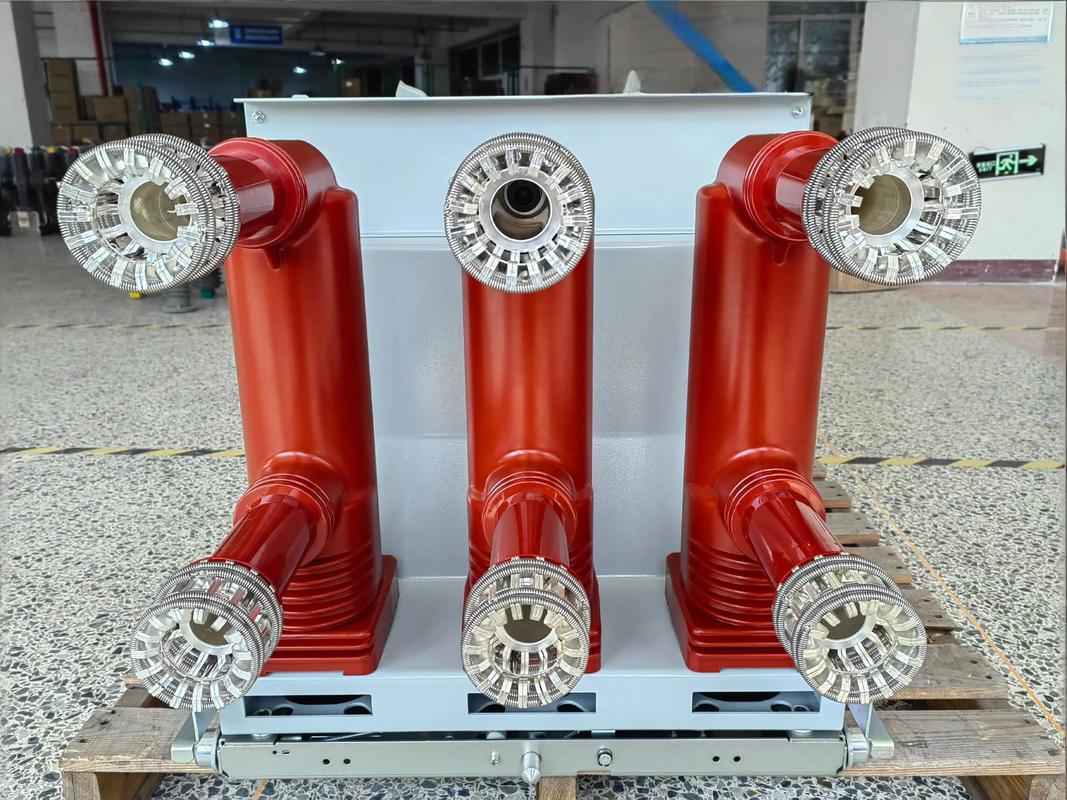
Standard Maintenance Intervals and Procedures
Reliability is the core of our manufacturing philosophy, especially for high-voltage equipment. While our 33kV Vacuum Circuit Breaker (VCB) units are designed for minimal maintenance compared to older oil-based systems, a structured schedule ensures longevity. For outdoor units like the ZW32 series, we recommend a visual inspection every 1 to 2 years, depending on the environmental severity.
Key maintenance steps include:
Visual Check: Inspect porcelain or polymer insulators for cracks and contamination.
Lubrication: Apply grease to the moving parts of the spring operating mechanism to prevent jamming.
Contact Resistance: Measure the main circuit resistance to ensure it remains within the specified micro-ohm range.
Insulation Test: Perform a power frequency withstand voltage test to verify vacuum bottle integrity.
Common Operating Mechanism Faults
The operating mechanism is the mechanical heart of the breaker. Whether utilizing a spring or permanent magnetic mechanism, mechanical issues are the most common cause of failure. In cold climates, old grease can harden, causing the breaker to operate slowly.
Typical mechanical faults include:
Refusal to Close: Often caused by an uncharged closing spring or a faulty latch.
Refusal to Open: Can result from a jammed trip bar or a burnt-out trip coil.
Indicator Errors: If the mechanical status doesn’t match the panel signals, operators face safety risks. Understanding how to fix breaker red and green light discrepancies is essential for accurate diagnostics.
Troubleshooting Electrical and Tripping Issues
Electrical faults in the control circuit can mimic mechanical failures. When a 33kV breaker fails to operate remotely, the issue often lies in the secondary wiring rather than the primary high-voltage unit.
Troubleshooting Checklist:
Control Voltage: Ensure the DC/AC supply to the coils is within the rated range (usually 85%-110%).
Coil Continuity: Check the closing and tripping coils for open circuits or burnout.
Auxiliary Switches: Verify that auxiliary contacts are switching correctly to cut off coil current after operation.
Loose Connections: Vibration in outdoor environments can loosen terminal screws in the control box.
Safety Protocols and Protective Labeling
Working with 33kV/40.5kV systems requires strict adherence to safety protocols to prevent arc flash incidents and electrocution. Our equipment is built to IEC standards, but operator safety relies on proper procedure.
Essential Safety Measures:
Isolation and Earthing: Never attempt maintenance until the breaker is isolated and properly grounded on both sides.
Discharge Stored Energy: For spring-operated mechanisms, ensure the closing and opening springs are fully discharged before touching internal parts.
Clear Labeling: We ensure all our units feature distinct ON/OFF indicators and warning labels. Operators must maintain these labels to ensure visibility in low-light conditions.
How to Choose the Right 33kV Circuit Breaker
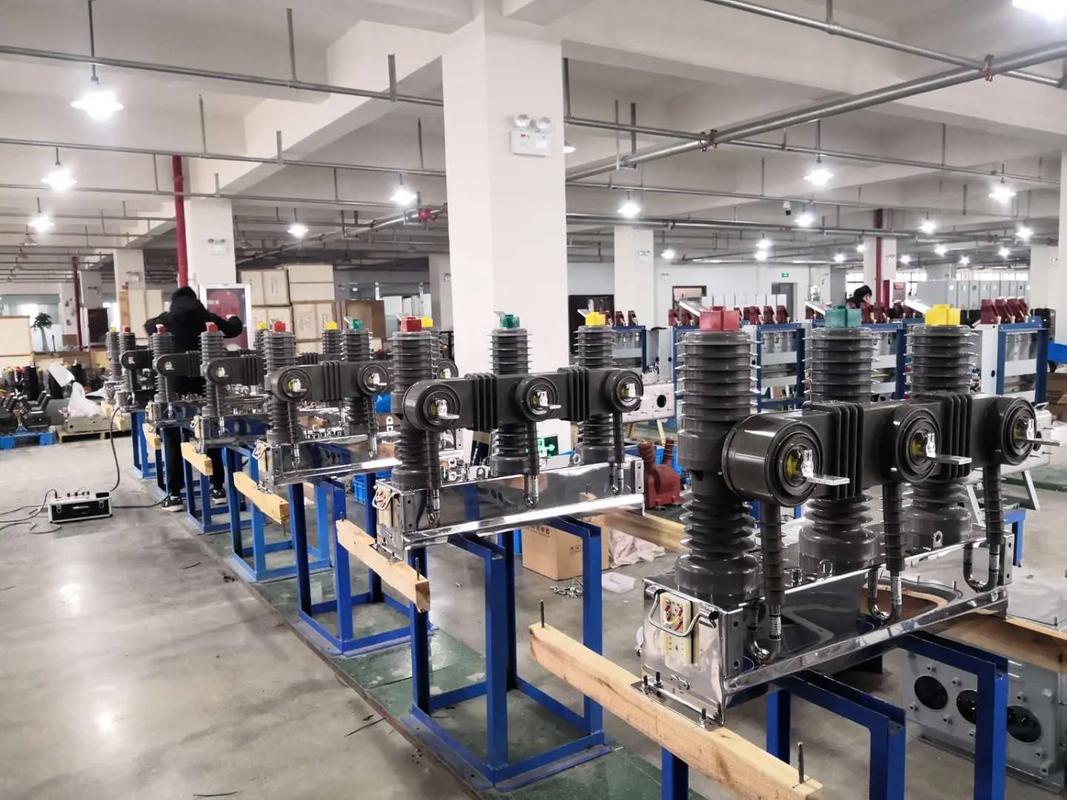
Selecting the correct circuit protection for a medium voltage network requires balancing technical specs with long-term reliability. Whether you are upgrading a utility substation or installing a private industrial grid, the goal is to find a 33kV Vacuum Circuit Breaker that handles the load without requiring constant attention.
Assessing Load Requirements and Compatibility
The most critical step is ensuring the breaker’s specifications match your system’s demands. For a 33kV system, we typically recommend equipment rated for 36kV or 40.5kV to provide an adequate safety margin. You must verify that the rated current and short-circuit breaking capacity align with your network’s fault levels.
Key Parameters for Weisho Electric VCBs:
| Parameter | Standard Specification |
|---|---|
| Rated Voltage | 33kV / 36kV / 40.5kV |
| Rated Current | 630A, 1250A, up to 3150A |
| Breaking Capacity | 20kA, 25kA, 31.5kA |
| Frequency | 50Hz / 60Hz |
Evaluating Manufacturer Reputation and Certifications
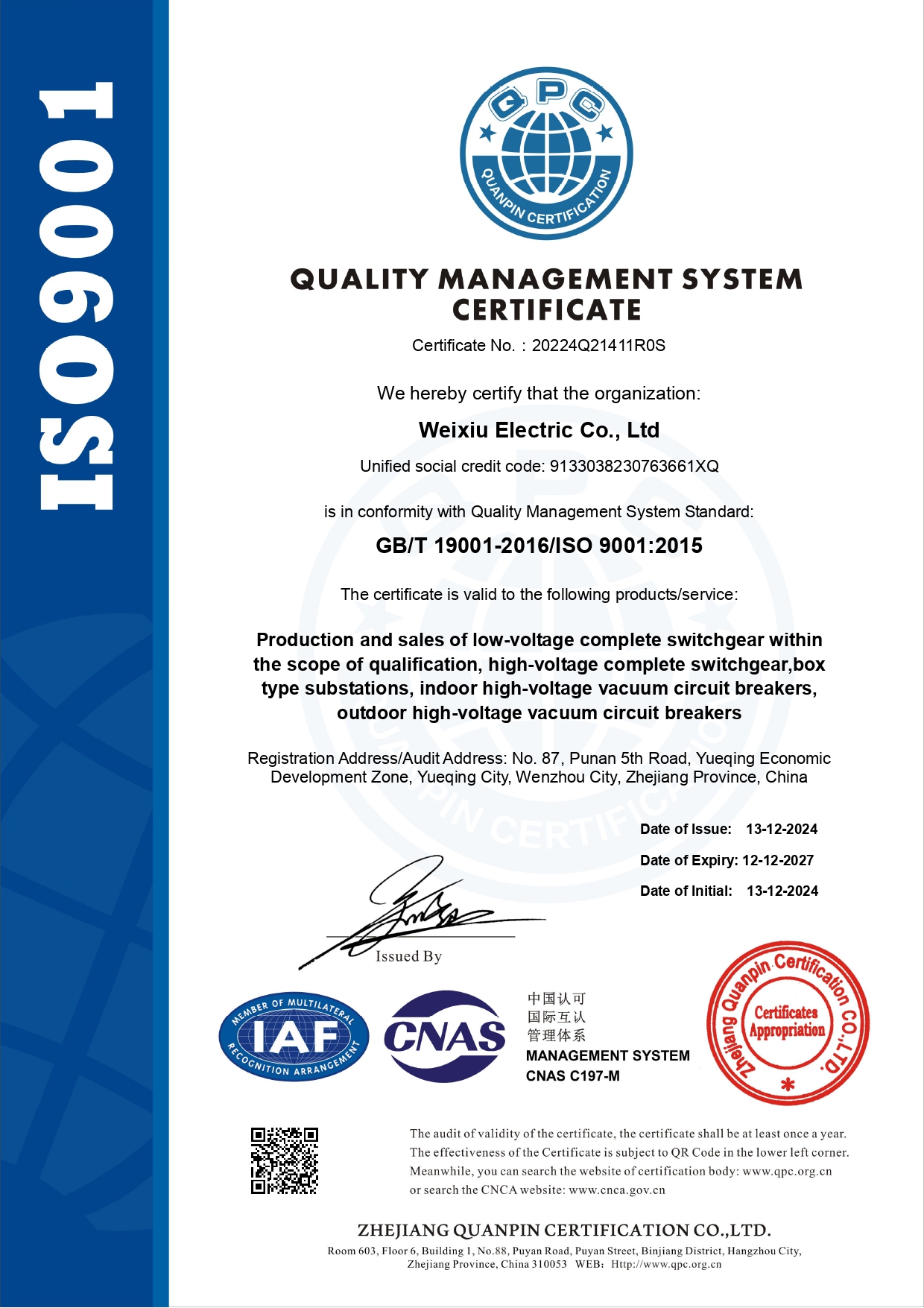
You need a partner, not just a supplier. We pride ourselves on our ISO9001 certification, which guarantees consistent manufacturing quality. When vetting a manufacturer, look for a strong R&D team capable of customizing solutions for specific grid requirements. Experience in the global export market is also a strong indicator that the equipment is built to withstand diverse environmental conditions and logistical challenges.
Comparing Life Cycle Costs (LCC)
While the initial purchase price is important, the total Life Cycle Cost (LCC) tells the real story. Vacuum Circuit Breakers (VCBs) are generally the most cost-effective option for 33kV applications because they require significantly less maintenance than oil or air-blast breakers.
Lower Maintenance: Sealed vacuum interrupters need no servicing.
Durability: Designed for harsh outdoor environments with high IP ratings.
Longevity: Extended mechanical life reduces replacement frequency.
Compliance with International Standards (IEC/ANSI)
Safety and interoperability depend on strict adherence to standards. Our products are designed to comply with major international benchmarks, particularly IEC standards. This compliance ensures that our breakers integrate seamlessly into broader electrical switchgear assemblies and provide reliable protection for personnel and infrastructure. Always verify that the test reports match the specific voltage and current ratings you are deploying.