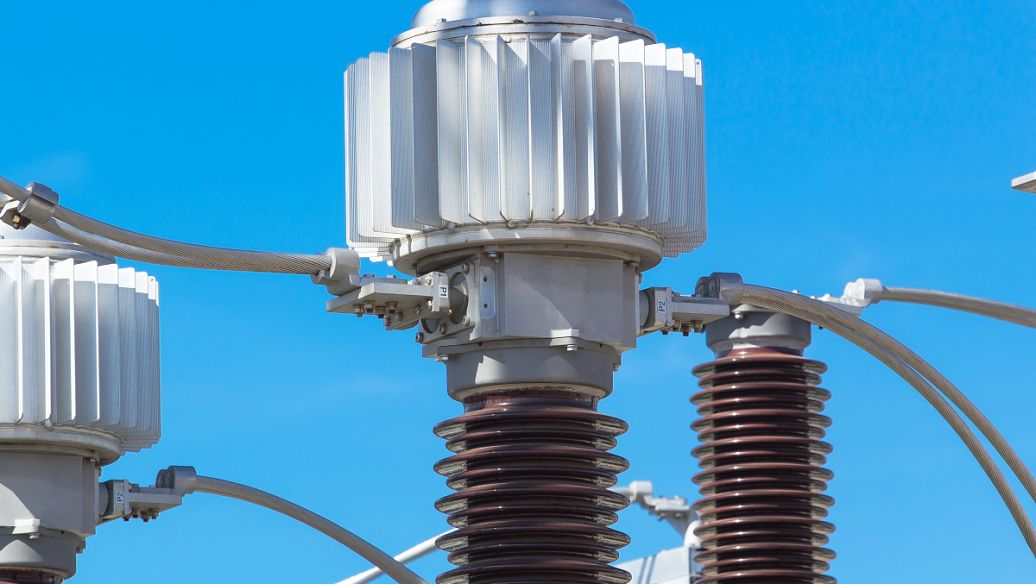
Understanding Surge Arresters in Substations
When I look at an electric substation, I see one critical protection device that quietly decides whether equipment survives a surge or not: the surge arrester. Before we talk types and specs, it’s important to be clear on what a surge arrester actually does and what it has to withstand in real substation conditions.
What a Surge Arrester Actually Does in a Substation
In plain language, a surge arrester is a pressure relief valve for overvoltage on your bus, transformers, breakers, GIS, and cables. Under normal system voltage it does almost nothing. When a surge hits, it:
Conducts surge current to ground and clamps the voltage to a safe level
Prevents insulation breakdown in transformers, breakers, instrument transformers, and cables
Limits equipment damage and outages after lightning strikes or switching events
Technically, a surge arrester is designed to stay practically non‑conductive at system voltage, but turn highly conductive during a surge, keeping the equipment terminal voltage below its Basic Insulation Level (BIL).
How Surge Arresters Handle Lightning and Switching Surges
In a substation, overvoltages mainly come from lightning and switching operations:
Lightning surges
Very steep rise, very short duration
Can be direct strikes on lines, shield wires, or near the substation
The arrester reacts within microseconds, diverting high lightning current (kA level) to ground while limiting the peak voltage seen by equipment
Switching surges
Generated by energizing or de‑energizing lines, transformers, or capacitor banks
Lower current than lightning, but longer duration and often more energy
The arrester must withstand higher energy absorption without thermal runaway, especially in HV and EHV substations
A good surge arrester selection for substations balances both: low protective level for lightning impulses and adequate energy capability for switching surges.
Key Parts of a Modern Surge Arrester
Most substations today use metal oxide varistor (MOV) surge arresters. Internally, they’re simple but extremely effective:
MOV blocks (zinc oxide elements)
The core “brain” of a metal oxide varistor surge arrester
Shows very high resistance at normal voltage and very low resistance when overvoltage occurs
Provide gapless, continuous protection without series gaps
Housing (porcelain or polymer)
Porcelain housing: rigid and strong, but brittle and can shatter violently on failure
Polymer housing (silicone rubber): lightweight, better safety in failure, hydrophobic surface that repels water and contamination
The housing provides insulation, mechanical strength, and weather protection for the MOV blocks
Grounding path and terminals
The top terminal connects to the line or bus
Bottom terminal connects to the substation ground grid via a low‑impedance path
Some designs include discharge counters, monitoring devices, and grading rings for EHV
Without a solid mechanical design, housing, and grounding path, even the best MOV blocks cannot deliver reliable substation surge protection.
Common Overvoltage Sources in Substations
When I specify surge arrester types for substations, I always start by listing the real overvoltage threats the site will face:
Lightning
Direct strikes to lines or nearby ground
Induced surges from nearby strokes
Back‑flashovers from tower or shield wire grounding
Switching operations
Line energization and reclosing
Transformer energization (inrush)
Capacitor bank switching
Fault clearing and load rejection
TOV (Temporary Overvoltage)
Sustained overvoltage due to ground faults, resonance, or ferroresonance
Lasts much longer than a surge (seconds instead of microseconds)
The arrester must have sufficient TOV capability and a proper MCOV (Maximum Continuous Operating Voltage) rating to survive these events
Understanding these overvoltage sources in substations is the first step to deciding what type of surge arrester is better for your electric substation—because the right arrester is the one that can survive your worst credible system conditions while keeping your insulation safe.
Main Types of Surge Arresters Used in Substations
When you’re deciding what type of surge arrester is better for your electric substation, you’re really choosing between older gapped technology and modern gapless MOV designs.
Old Gapped Silicon Carbide Arresters
You’ll still see gapped silicon carbide (SiC) surge arresters in some older U.S. substations, usually:
On legacy 4–15 kV distribution gear
In older rural or industrial yards that haven’t been fully upgraded
As “it’s still working, so we left it” equipment
Why they’re fading out:
They need series gaps to block 60 Hz power frequency, which makes protection less precise.
Higher residual (let-through) voltage, so your transformers and breakers see more stress.
More maintenance (gap conditioning, inspections, moisture concerns).
They simply can’t match modern metal oxide varistor surge arrester performance or safety.
Most utilities now only keep them in service until a planned rebuild or failure, then swap to metal oxide units.
Gapless Metal Oxide (MOV) Surge Arresters – The Modern Standard
Today, gapless metal oxide surge arresters (zinc oxide MOV blocks) are the standard choice for substations:
No series gaps – the MOV blocks themselves handle the job
Much lower clamping voltage during lightning and switching surges
Excellent energy absorption rating and TOV capability
Stable performance over decades when properly selected and installed
In real substation operation, gapless MOV arresters:
Cut surge levels enough to extend transformer and cable life
Improve insulation coordination across the bus, breakers, and GIS
Reduce flashover and outage risk, especially in high lightning areas like the Southeast and Midwest
That’s why every new high voltage and EHV surge arrester project we quote is built around metal oxide varistor surge arrester technology, typically with polymer housings for outdoor AIS yards and compact or prefabricated substations. For example, when we design protection around a prefabricated substation cabin, we always standardize on gapless MOV arresters for the incoming and outgoing feeders.
In short:
SiC gapped arresters = legacy, only kept where budgets delay upgrades.
Gapless MOV arresters = the clear, modern answer for substation lightning and switching surge protection.
Surge Arrester Classes by Duty and Application
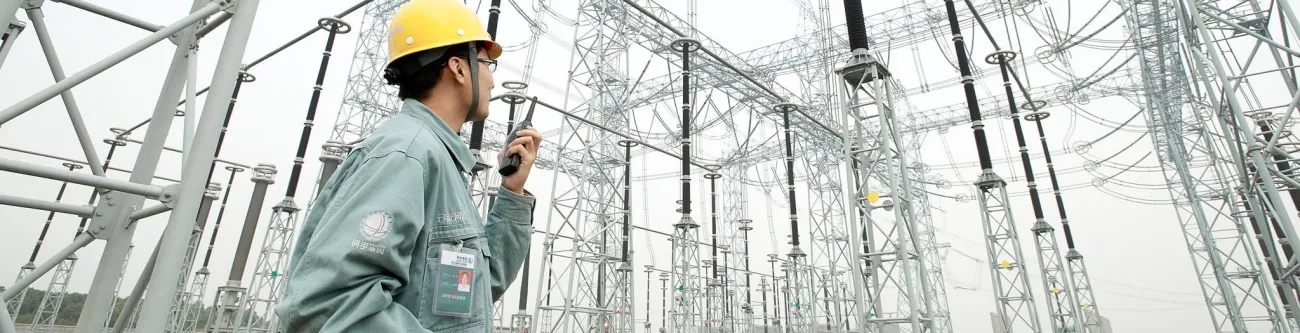
Distribution Class Surge Arresters (Lower-Voltage Networks)
Distribution class surge arresters are what I use on typical 4.16–34.5 kV distribution systems and small pad‑mount or pole‑mounted substations. Their job is to protect:
Distribution transformers
Reclosers and sectionalizers
Overhead lines and cable terminations
They’re designed for moderate energy duty and are usually polymer-housed, so they’re light and easy to install on poles, risers, and compact substations. For U.S. utilities, they’re the go‑to for cost‑effective lightning and switching surge protection on feeders.
Intermediate Class Surge Arresters (Medium-Voltage Substations)
Intermediate class surge arresters sit between the distribution and station classes. I apply them in medium‑voltage substations where the duty is heavier than a normal feeder but not quite transmission level yet, typically:
15–69 kV primary distribution / sub‑transmission
Bus and transformer protection in urban or industrial substations
Systems with frequent switching and higher fault levels
They offer higher energy absorption and better temporary overvoltage (TOV) capability than distribution class, making them a solid fit when the grid is dense, heavily switched, and more critical.
Station Class Surge Arresters (High-Voltage and EHV)
Station class surge arresters are built for high‑voltage and EHV substations (69 kV and above) and any critical node in the system. This is where I don’t compromise:
69–800 kV transmission buses
Power transformers, breakers, GIS, and cable entries
Interconnection points and major industrial substations
These station-class metal oxide surge arresters use gapless MOV technology and are tested to the toughest energy and duty cycles. They give you the lowest protective levels, strongest energy ratings, and the best backing for insulation coordination and system reliability.
If you want a deeper dive into how to size and select by class, I’d align this with the practical guidance in our breakdown on how to select the right surge arrester.
Matching Surge Arrester Class to Voltage and Duty Level
When I pick surge arrester types for substations, I keep it simple and tie class directly to system voltage and expected duty:
4.16–34.5 kV:
Typical feeders, small substations → Distribution class
15–69 kV:
Heavier distribution / sub‑transmission, industrial loads → Intermediate class
69 kV and above (HV/EHV):
Transmission, major substations, critical interties → Station class
Then I fine‑tune by:
Fault level & switching frequency → heavier duty pushes toward intermediate or station.
Criticality of equipment → key transformers, GIS, and breakers get station class even at lower voltages in some cases.
Lightning exposure → high lightning density often justifies moving up a class for margin.
In a U.S. context, if the substation is transmission or strategically important, station class surge arrester selection is almost always the better long‑term decision for reliability, insulation coordination, and outage cost avoidance.
Porcelain vs Polymer Surge Arrester Housings
When you’re deciding what type of surge arrester is better for your electric substation, housing material is a big deal—not just a detail.
Porcelain-Housed Surge Arresters
Where porcelain still makes sense:
Strengths
Very rigid and mechanically strong for tall station-class units
Good long-term weather resistance in dry, clean environments
Familiar technology for many U.S. utilities with legacy fleets
Weaknesses
Brittle failure: can shatter and create flying fragments if it explodes under fault or internal flashover
Heavier, which means tougher handling, bigger foundations, and higher freight costs
Not ideal for seismic zones due to the rigid, breakable body
Best fit
Existing substations are already standardized on porcelain
Low seismic risk, dry inland sites with moderate pollution
Retrofit cases where matching legacy equipment layout matters
Polymer (Silicone Rubber) Surge Arresters
Why polymer (silicone rubber) housings are winning in new substations:
Key advantages
Lightweight: simpler installation, smaller structures, easier handling in tight or remote sites
Safer failure mode: polymer tends to tear or vent, not shatter—important for worker safety and nearby equipment
Hydrophobic surface: water beads up instead of forming continuous films, cutting leakage current and flashover risk
Performance in harsh environments
Polluted & coastal areas: hydrophobic silicone sheds salt, dust, and industrial pollutants, reducing cleaning needs
High humidity & foggy regions: better contamination performance than glazed porcelain
Seismic regions (West Coast, parts of Central U.S.): lighter mass and flexible structure ride out vibration and shock better
Why many U.S. utilities are moving to polymer
Better risk profile (no porcelain shrapnel during failures)
Lower installation and structural costs
Strong performance in outdoor, high-pollution substation environments
Fits well with compact equipment like polymer-housed line arresters, such as our own HY5WS series line overvoltage arrester, when you want consistent technology across your network
If you’re building or upgrading a modern U.S. substation—especially in coastal, polluted, or seismic areas—a polymer-housed station class metal oxide arrester is usually the better, safer, and more future-proof choice.
Key Technical Criteria for Picking the Best Surge Arrester
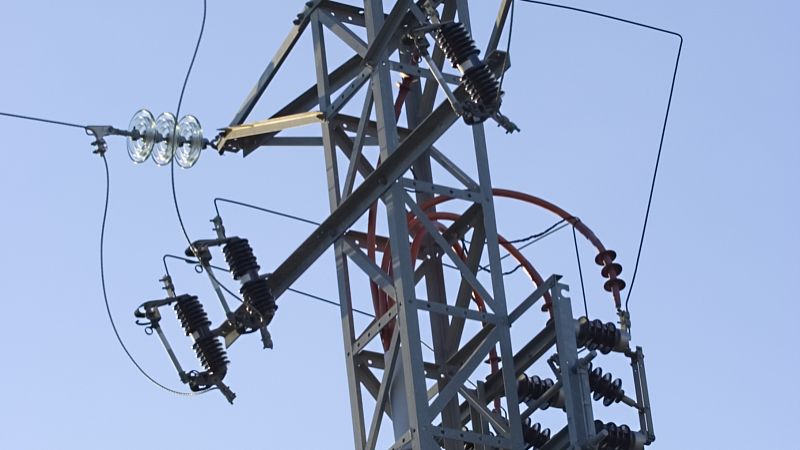
When I pick surge arrester types for substations, I focus on a few technical points that really decide what’s “better” for long‑term protection and reliability.
1. System Voltage & Grounding Method
Your system voltage and grounding method drive every other choice:
| System
When Station Class Metal Oxide Polymer Arresters Are the Better Choice
Where Station Class Arresters Make Sense
For U.S. utilities and industrial users, station class surge arresters are usually the right call when:
System voltage: 69 kV and above (HV, EHV, and transmission)
Critical assets: GSU transformers, large power transformers, GIS bays, bus sections, key feeders
Critical substations: Bulk supply, intertie points, data center substations, major industrial plants
High fault levels: Strongly interconnected transmission grids with high short-circuit capacity
In these spots, the risk and cost of equipment damage far outweigh the small price difference versus lighter classes.
Protection & Energy Advantages vs Distribution/Intermediate Class
Station class metal oxide varistor (MOV) surge arresters are built to take more punishment and protect tighter:
| Feature | Distribution / Intermediate Class | Station Class MOV Polymer Arrester |
|---|---|---|
| Energy handling | Moderate | High to very high |
| Discharge current rating | Lower | Higher (multiple high-energy events) |
| Protective level (clamping voltage) | Higher (less margin) | Lower, better insulation coordination |
| Typical use | Feeders, small subs | HV/EHV buses, major transformers |
You get:
Better margin between arrester protective level and equipment BIL
More headroom for repeated lightning and switching surges
Stronger thermal and energy capability for severe faults and TOV events
Why Gapless MOV Polymer Technology Wins
Modern gapless metal oxide (MOV) station class arresters in polymer housings solve a lot of old pain points:
No series gaps: Faster, cleaner response to surges, fewer coordination issues
Stable leakage: Low, predictable leakage at normal voltage
Fail-safe behavior: Polymer housings tend to vent and open, not shatter like porcelain
Lightweight: Easier handling, smaller structures, better for seismic areas
Hydrophobic surface: Silicone rubber maintains performance in rain and contamination
For U.S. substations in polluted or coastal areas, pairing polymer-housed arresters with quality insulators (like a modern high-voltage insulator) keeps outages and flashovers down.
Real-World Use Cases in Tough Grids
Station class polymer MOV surge arresters are the better choice when you see:
High lightning density (Florida, Gulf Coast, Midwest plains): Repeated lightning strokes on lines and buswork
Heavily loaded networks: Constant switching, capacitor bank operations, frequent recloser activity
Long EHV lines: High switching surges and traveling waves into the substation
Industrial corridors: Arc furnace loads, big motors, and lots of switching events
In these scenarios, lighter arresters either age out fast or simply can’t keep protective levels low enough to fully shield transformers and GIS.
Cost, Lifecycle, and Maintenance Trade-Offs
Upfront, station-class metal oxide polymer arresters cost more than distribution or intermediate class. But in real substation operation, they usually pay for themselves:
Lower failure risk for transformers, breakers, GIS, and cables
Longer service life thanks to higher energy and TOV capability
Less unplanned downtime, fewer emergency repairs
Lower handling and structure cost due to lighter polymer housings
Key points to weigh:
If the cost of one major outage or transformer failure is high, station class is almost always the right move.
If your substation feeds critical loads (data centers, hospitals, industrial plants), the higher-duty polymer MOV arrester is cheap insurance.
For new builds or major upgrades, I standardize on station-class metal oxide polymer arresters on the critical HV/EHV buses and transformers, then scale down only where risk is truly lower.
How to Match Surge Arrester Type to Your Substation Scenario
Picking the “better” surge arrester for your substation isn’t about one universal best. It’s about matching arrester type, class, and housing to how your station is built and how it actually runs.
Small Distribution Substation vs. Large Transmission Substation
Small distribution substations (4.16–34.5 kV)
Typically: distribution class metal oxide surge arresters
Use polymer-housed MOV arresters mounted close to transformers and cable terminations.
Focus on:
Correct MCOV for the feeder voltage
Good lightning protection level for overhead lines
Cost-effective, easy-to-replace units
Large transmission / EHV substations (69 kV and up)
Typically: station class metal oxide surge arresters
Higher energy absorption rating and stronger TOV capability for heavy fault duties.
Install at:
Line entrances
Power transformers
Cable / GIS interfaces
Here, station class arresters are almost always the better choice because of higher duty and system criticality.
Indoor GIS, Outdoor AIS, and Cable-Fed Substations
Indoor GIS substations
Use compact, often GIS-integrated metal oxide arresters.
Priority: low protection levels, insulation coordination, and clean, partial-discharge-free design.
Outdoor AIS substations
Use polymer station class arresters on structures near line terminals and transformers.
Good for high lightning exposure and easier visual inspection.
Cable-fed substations
Install surge arresters at both cable ends (line side and transformer or GIS side).
Focus on switching surge control and protecting costly underground cables.
If you’re already working with modern switchgear and protection gear, the logic is similar to picking reliable gear in switchgear buying decisions: match the device rating to the real fault and surge duty.
High Lightning Density vs. Low Lightning Areas
High lightning density regions (Florida, Gulf Coast, Midwest storms)
Favor station class or high-energy distribution class MOV arresters.
Install more locations: line entrances, bus sections, transformers, cable terminations.
Look for higher lightning impulse discharge current ratings (e.g., 10–20 kA per stroke).
Low lightning density regions
You can often rely on distribution or intermediate class arresters with modest energy ratings.
Focus shifts more to switching surge and TOV behavior on long lines.
Polluted or Coastal vs. Clean Inland Sites
Heavily polluted, coastal, or industrial sites
Hydrophobic surface to fight salt and pollution
Better performance under wet and contaminated conditions
Safer failure mode than porcelain in case of an internal fault
Choose polymer-housed station class arresters with silicone rubber sheds.
Benefits:
Clean inland, low-pollution sites
Both porcelain and polymer work, but most new builds still move to polymer MOV arresters for weight, safety, and handling.
Standardization vs. Site-Specific Selection
For U.S. utilities and large industrial users, I recommend a two-layer approach:
Fleet standardization
Polymer-housed gapless MOV arresters
A short list of station class ratings for transmission
A short list of distribution class ratings for feeders
Standardize on:
Cuts engineering time, simplifies spares, and speeds up replacements.
Site-specific tweaks
System grounding is unusual (impedance grounded, ungrounded)
Lightning density is extreme
Pollution or altitude is out of the normal range
Adjust only when:
Fine-tune MCOV, TOV capability, and energy class to match each substation’s real fault and surge profile.
If you treat surge arrester selection like you would any critical protection device—start from voltage level, system grounding, and duty, then overlay environment and standardization—you’ll land on the right arrester type for each substation scenario.
WEISHO Surge Arrester Options for Substations
WEISHO Station Class Metal Oxide Polymer Surge Arresters
For substations, I only push one core solution: station-class metal oxide (MOV) polymer surge arresters. They’re built for HV and EHV duty, high fault levels, and tough outdoor conditions.
Why I use this design:
Gapless MOV core for fast response to lightning and switching surges
Polymer (silicone rubber) housing for safer failure mode and lighter weight
Creepage optimized sheds for polluted and coastal environments
Seismic‑resistant structure for high-risk areas in the U.S.
You can see a typical design example in our 36 kV polymer surge arrester for substations.
Voltage Ratings and Energy Classes
I size WEISHO surge arrester options to match common U.S. substation voltages and duty levels.
| Application Type | Typical System Voltage (kV) | Arrester Class | Notes |
|---|---|---|---|
| Small distribution substation | 15–27 kV | Distribution / Station | Cable and transformer protection |
| Medium-voltage substation | 34.5–69 kV | Station class MOV | Higher energy, tighter protection |
| Transmission / HV substation | 115–230 kV | Station class MOV | Lightning & switching surges |
| EHV / critical substations | 345 kV and above | High-energy station class | Highest energy, critical assets |
Key energy classes are matched to:
Lightning impulse discharge current
Switching surge duty
Fault-related temporary overvoltage (TOV) levels
Design for Harsh Outdoor and High-Pollution Environments
I design WEISHO polymer-housed station-class arresters specifically for:
High pollution / coastal: hydrophobic silicone surface, long creepage distance
Industrial contamination: good performance under salt fog and industrial pollutants
Seismic regions: low mass, strong mechanical design for high acceleration events
Cold and hot climates: wide operating temperature range and UV‑stable housing
Key design features:
Silicone rubber is molded over the core
Stainless steel or hot-dip galvanized fittings
Strong sealing system to keep moisture out
Engineering Support for Selection and Specification
I work with utility and consulting engineers to make station-class surge arrester selection straightforward:
Technical data support: MCOV, TOV curves, discharge current ratings, energy capability
Standard compliance: Designed and tested to IEEE C62.11 and IEC 60099‑4
Application review: Help match arrester rating to system grounding, fault levels, and insulation coordination
BOM and spec support: Datasheets, drawings, and bid specs tailored to your U.S. substation standards
When you specify a WEISHO station class metal oxide polymer surge arrester, you’re getting a design tuned for real substation conditions in the U.S.—not just catalog numbers.
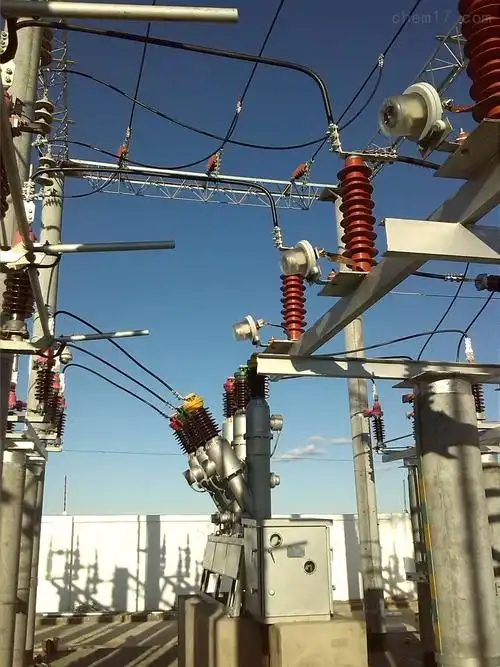
Installation and Maintenance Tips That Affect “Better” Surge Arrester Performance
Even the best surge arrester type can underperform if it’s installed or maintained poorly. Here’s how I’d set up and look after station class and distribution class surge arresters in a U.S. substation so they actually deliver the protection you paid for.
Best Practices for Arrester Placement and Lead Length
Placement and wiring decide whether your metal oxide varistor surge arrester really clamps the surge where you need it.
Put the arrester as close as possible to what you’re protecting
For transformers: mount right at the HV bushings or on the transformer structure.
For breakers, GIS, cables: install directly at the terminals or on the same support steel.
Keep leads short and straight
High‑voltage lead from bus/equipment to arrester: as short and direct as you can.
Ground lead: low-resistance, low-inductance, and as vertical/straight as possible.
Avoid loops, tight bends, and unnecessary junctions – those all raise the surge voltage.
Use a dedicated ground path
Bond the arrester ground to the main substation grid with a short, bolted connection.
Don’t share long, meandering grounding paths with other equipment if you can avoid it.
Mounting, Grounding, and Connection Details
The housing and hardware matter just as much as the MOV blocks inside, especially in outdoor AIS yards.
Mounting
Use rigid, rated mounting brackets and structures; arrester must be upright and well supported.
Confirm clearances to live parts and grounded steel according to your system voltage.
In seismic areas, go for seismically rated polymer housed station class arresters with braced structures.
Grounding
Use copper strap or cable sized per fault duty and local code (usually 2/0 or larger for HV).
Clean and tighten all ground connections; use anti‑oxidant compound on aluminum.
Bond to nearby equipment grounds to avoid dangerous potential differences during surges.
Connections
Use compression lugs or bolted connectors with proper torque – no loose hardware.
Keep the connection above areas prone to standing water or ice.
Make sure phase-marking and arrester nameplate ratings match the phase and system voltage.
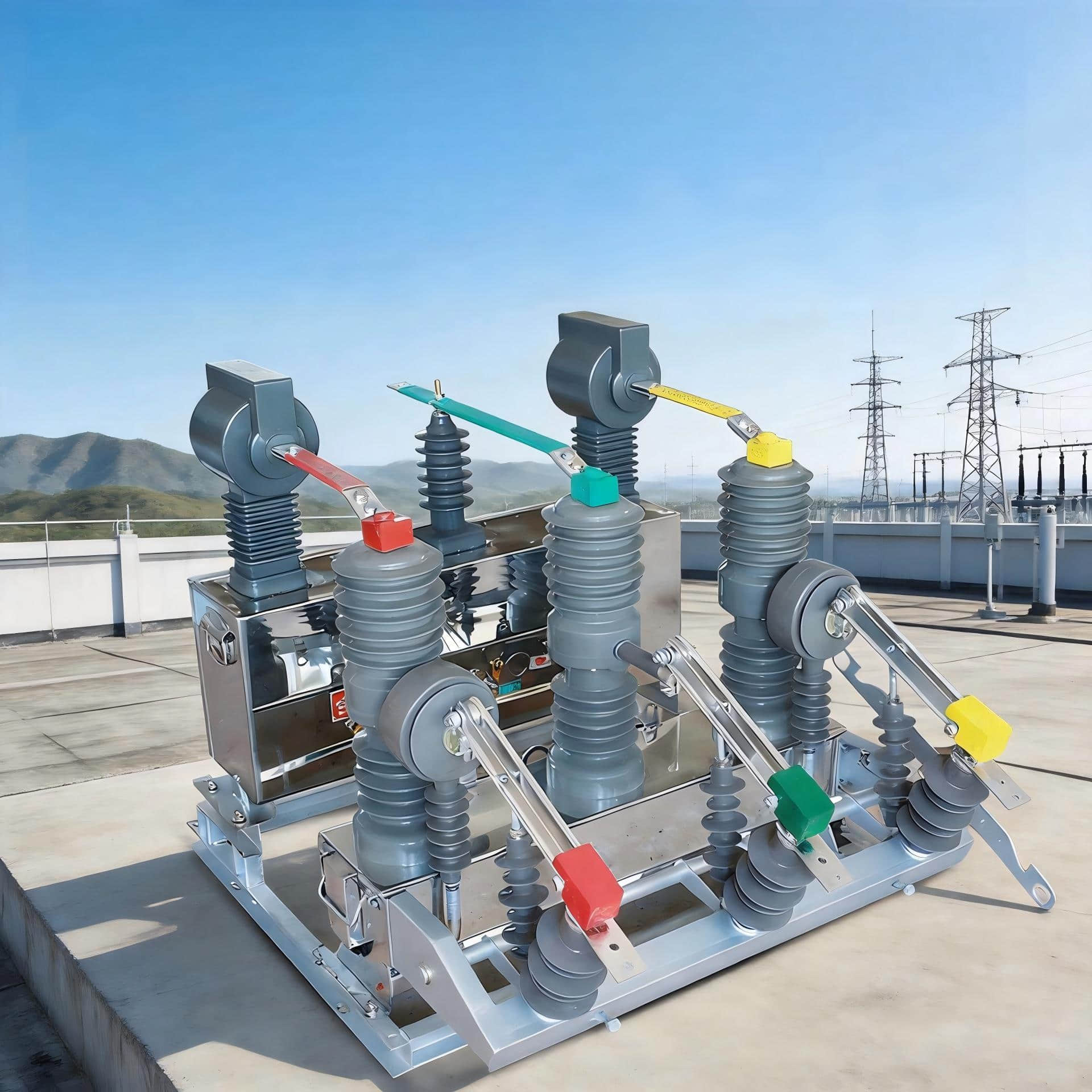
If you’re standardizing your yard hardware, match your arresters with compatible gear like a GW4-35 medium voltage disconnect switch on the same structures so your clearances and mounting details stay consistent.
Routine Inspection and Testing
A good surge arrester program in a U.S. utility is simple: look at it often, test it on a schedule.
Visual inspections (monthly–quarterly walkdowns)
Check for chipped housings, cracks, burns, contamination buildup, or tracking marks.
Confirm nameplates are readable and hardware is tight.
Look at grading rings (if installed) for deformation or loose clamps.
Leakage current checks
Periodic measurement of total leakage current or third-harmonic component gives an early warning of MOV aging.
Rising leakage at normal system voltage on one arrester compared to others on the same bus is a red flag.
Arrester counters and monitors
Read and log surge counter values; sudden jumps mean heavy surge duty.
Compare across phases and bays; outliers may need closer attention.
Signs of Aging or Damage and When to Replace
Metal oxide arresters don’t last forever, especially in polluted, coastal, or high-lightning regions.
Replace an arrester if you see:
Cracked, punctured, or severely chalked housing (porcelain or polymer)
Burn marks, flashover paths, or melted fittings
Evidence of internal pressure relief operation (blown seals, broken weathersheds)
Persistent high leakage current or failed insulation resistance tests
Repeat heavy surge events logged on counters in a short time window
In general, I’d plan for proactive replacement of heavily loaded station class arresters around major transformer or breaker renewals rather than running them to failure.
How Monitoring Proves You Chose the Right Surge Arrester Type
Ongoing monitoring is how you confirm your station class or distribution class surge arrester selection was right for your substation duty.
If counters stay quiet, but you still see insulation issues
You may have the wrong arrester location or too long lead lengths, not enough station class devices, or poor coordination.
If counters and leakage climb quickly on a specific bus
Lightning density, switching duty, or TOVs may be higher than you estimated – you might need a higher energy class or different MCOV rating.
If arresters survive surges while nearby insulation is intact
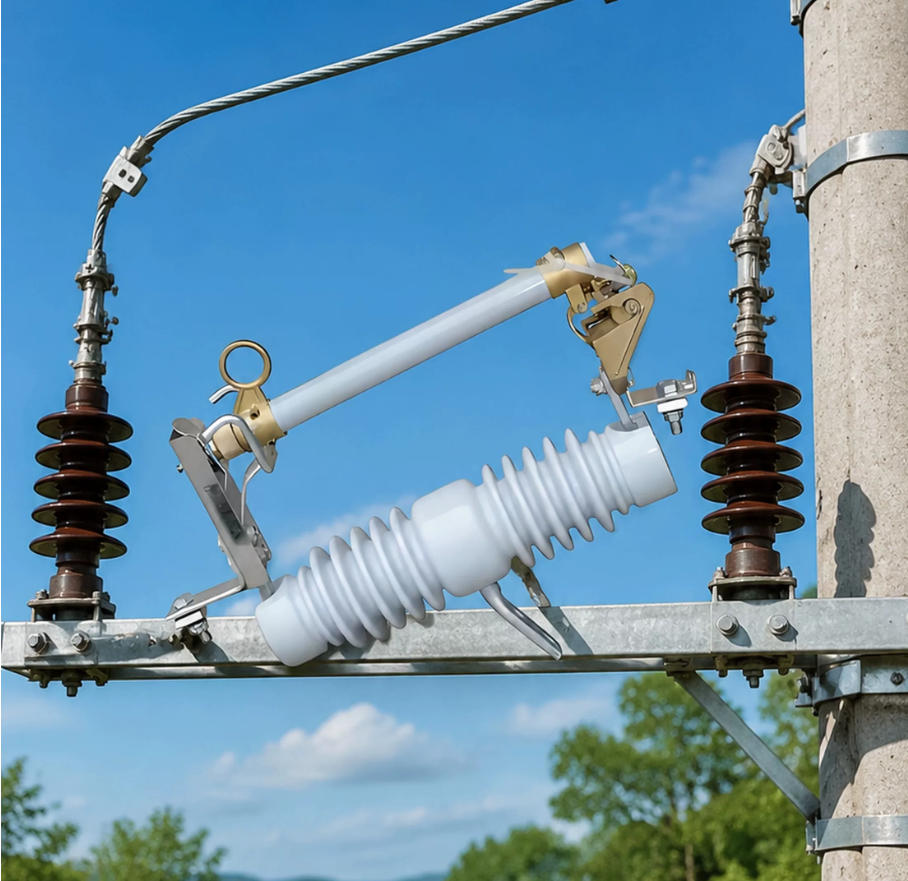
That’s the goal: your gapless MOV surge arrester is taking the hit instead of your transformer, GIS, cables, or drop-out fuses like the RW10F-12 disconnect-type fuse.
With smart placement, solid mounting and grounding, and consistent inspections, you let your chosen surge arrester type – especially modern station class metal oxide polymer arresters – actually deliver the “better” performance the specs promise.
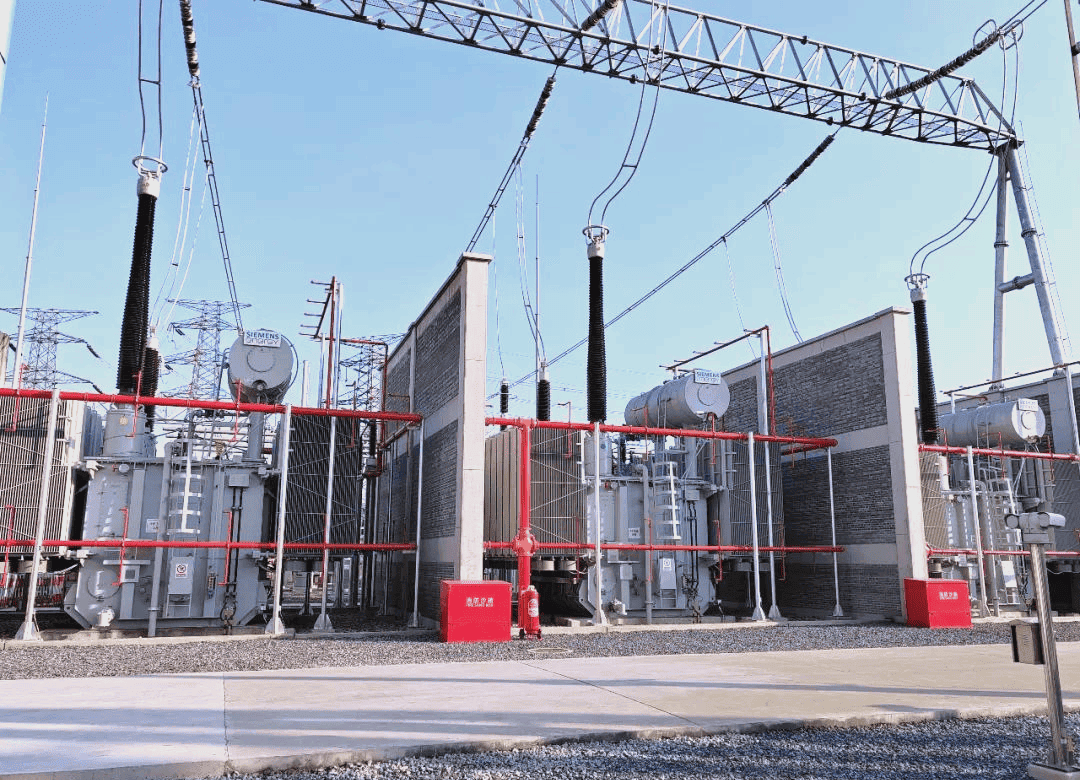
FAQ: Choosing the Right Surge Arrester for Your Substation
Station Class vs Distribution Class – What’s the Real Difference?
Station class surge arresters
Designed for HV/EHV substations, critical feeders, and big power transformers
Higher energy absorption, better TOV capability, and tighter protection levels
Used on transmission lines, HV buses, and major transformer banks
Distribution class surge arresters
Built for lower-voltage distribution feeders and smaller pad-mount or pole-top transformers
Lower energy ratings and lower fault duty capability
Fine for small rural or light-duty substations, not ideal for heavily loaded or critical HV sites