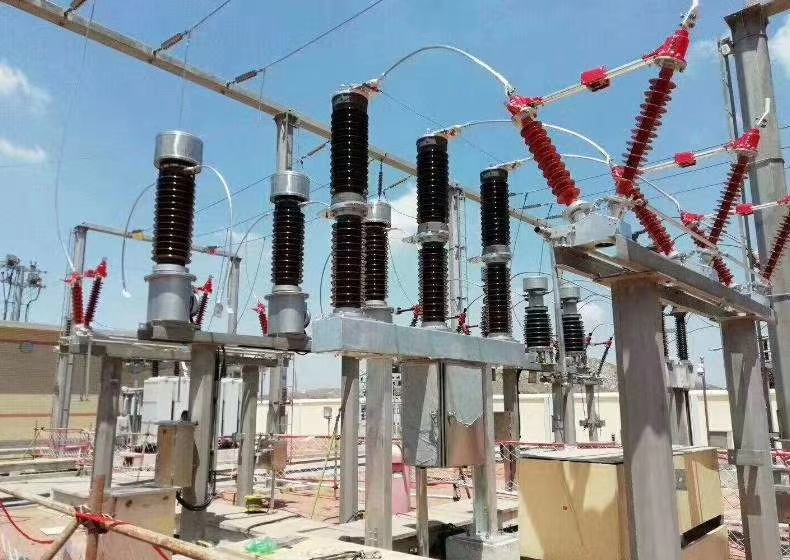
What Is an SF6 Circuit Breaker?
An SF6 circuit breaker is a high‑voltage switching device that uses sulfur hexafluoride (SF6) gas to safely interrupt and isolate electrical faults in power systems. Its core job is simple but critical: detect a fault, open the contacts, extinguish the arc instantly, and keep the system and equipment protected. In US transmission and sub‑transmission networks, SF6 breakers are the standard choice wherever reliability and high interrupting capacity are non‑negotiable.
Definition and Core Function
In plain terms, an SF6 circuit breaker:
Connects and disconnects high‑voltage circuits under normal and fault conditions
Interrupts very high short‑circuit currents without damaging itself or nearby equipment
Provides insulation between live parts and ground using pressurized SF6 gas instead of air or oil
Because of its performance, you’ll see SF6 breakers wherever utilities need:
High voltage ratings (typically above 72 kV)
High reliability and fast fault clearing
Compact switchgear layouts, especially in urban substations
How SF6 Gas Provides Insulation and Arc Extinction
SF6 gas is the key to why these breakers work so well. It has:
Very high dielectric strength – better insulation than air at the same pressure
Excellent arc‑quenching ability – SF6 rapidly cools and de‑ionizes the arc channel
When the breaker opens:
1. The contacts separate, and an arc forms.
2. Pressurized SF6 gas is blasted through a nozzle across the arc.
3. The gas cools the arc, absorbs free electrons, and quickly restores insulation strength.
4. The current is forced to zero, and the circuit is safely interrupted.
This combination of insulation + arc extinction in the same medium is why SF6 is so widely used in high‑voltage circuit breaker applications.
Quick Comparison with Other Circuit Breaker Types
To put SF6 circuit breaker applications in context, here’s how they compare to other common technologies:
| Type | Typical Use Range | Main Medium | Key Points |
|---|---|---|---|
| SF6 circuit breaker | ~72.5 kV up to 800+ kV | SF6 gas | Dominant in high voltage, AIS and GIS, compact and reliable |
| Vacuum breaker | ~1 kV to 38–72 kV (MV) | Vacuum | Excellent for medium voltage, greener, smaller duty at EHV |
| Air‑blast breaker | Legacy HV installations | Compressed air | No longer popular; noisy, bulky, higher maintenance |
| Oil circuit breaker | Old MV/HV substations | Mineral oil | Largely replaced by SF6 and vacuum due to fire and maintenance issues |
In practice, SF6 vs vacuum circuit breaker decisions usually come down to voltage level, space, environmental policy, and interrupting duty. For high‑voltage transmission lines, large substations, and GIS, SF6 remains the go‑to technology in much of the US market today.
How SF6 Circuit Breakers Work
SF6 circuit breaker working principle
An SF6 circuit breaker interrupts fault current by separating its contacts inside a sealed tank filled with sulfur hexafluoride (SF6) gas. When a fault happens and the contacts open, an electric arc forms between them. High‑pressure SF6 gas is driven across this arc, cooling it and increasing the dielectric strength around the contacts. As the current passes through its natural zero point, the arc is “blown out,” and the SF6 gas quickly restores insulation so the circuit stays safely open.
Puffer vs. non‑puffer SF6 mechanisms
Most high‑voltage SF6 breakers in U.S. substations use a puffer type SF6 breaker design:
Puffer type: A moving cylinder (piston) mechanically compresses SF6 gas and forces it through a nozzle across the arc as the contacts open. This gives strong, reliable arc‑quenching for high short‑circuit levels.
Non‑puffer / self‑blast: Uses the energy of the arc itself to heat and expand the SF6 gas, which then blasts through the nozzle. This cuts mechanical effort and can reduce operating energy and wear.
Both designs keep the gas in a sealed housing, which is key to performance and environmental control.
Why SF6 gas is used in circuit breakers
SF6 gas is used in circuit breakers because its properties are ideal for high‑voltage switching:
Very high dielectric strength – better insulation than air or oil at the same pressure.
Excellent arc‑quenching – SF6 cools and de‑ionizes the arc plasma fast, even at very high fault currents.
Thermal stability and chemical inertness – it doesn’t easily react with metals or materials under normal conditions.
Good recovery after interruption – the gas quickly regains its insulating strength after each operation.
These features make SF6 circuit breaker applications especially effective in compact gas insulated switchgear (GIS) and high‑voltage transmission bays, where space is tight and reliability is critical. For a quick overview of how GIS layouts differ from traditional AIS gear, I recommend checking this comparison of AIS vs GIS switchgear designs.
Internal parts of an SF6 circuit breaker
Inside a typical high‑voltage SF6 breaker, you’ll find:
Main contacts – carry normal load current with low resistance.
Arcing contacts – take the brunt of the arc during opening to protect the main contacts.
Nozzles – shape and accelerate the SF6 gas flow directly through the arc zone.
Puffer cylinder or chamber – compresses gas in puffer‑type SF6 breaker designs.
Interrupting tank/pole column – sealed housing filled with SF6 gas, maintaining the required SF6 gas pressure in the circuit breaker.
Operating mechanism – spring, hydraulic, or motor‑charged system that opens and closes the contacts at high speed.
In U.S. transmission and substation projects, we size and configure these internal components to match local short‑circuit levels, switching duty (line, transformer, capacitor bank), and reliability targets, so the SF6 breaker can operate cleanly for decades with minimal maintenance.
Primary Applications – Where SF6 Circuit Breaker Is Used
SF6 circuit breakers are the go‑to choice anywhere you need reliable high‑voltage switching and tight clearances in modern U.S. power systems.
High‑Voltage Transmission (Above 72 kV)
You’ll mostly see SF6 circuit breakers in:
115 kV / 138 kV / 230 kV / 345 kV / 500 kV transmission lines
Utility bulk‑power corridors and interties
Long‑distance overhead lines and key transmission nodes
Here, SF6 breakers handle very high fault levels and keep interruption fast and stable, even under tough grid conditions.
Outdoor Air‑Insulated Substations (AIS)
In AIS yards, SF6 breakers sit in:
Line bays for incoming/outgoing transmission lines
Transformer bays for HV side protection
Bus coupler and bus sectionalizer positions
They give better insulation and smaller clearances than oil or air‑blast breakers, which helps reduce the substation footprint.
Gas‑Insulated Switchgear (GIS) in Urban Installations
In cities and space‑limited sites, SF6 is built into GIS:
Underground or building‑integrated substations
Downtown and campus distribution hubs
Industrial parks needing compact layouts
GIS with SF6 breakers lets me design very compact, low‑maintenance substations that still meet U.S. reliability standards. For example, pairing SF6 breakers with a compact 11 kV–35 kV substation design similar to a custom 11 kV compact substation helps squeeze more capacity into tight sites.
Power Plants and Generator Protection
SF6 circuit breakers are also common in:
Generator circuit breaker (GCB) positions on large units
HV terminals of step‑up transformers
Plant tie lines to the transmission grid
They’re used where short‑circuit currents are extremely high and switching reliability is non‑negotiable.
Transformer and Busbar Protection
Typical SF6 breaker placements include:
HV side of power transformers (substation and plant transformers)
Main and transfer busbars in transmission and large MV substations
They isolate faults quickly, limiting damage to transformers, busbars, and connected equipment.
Renewable Energy: Wind and Solar
For utility‑scale renewables, SF6 circuit breaker applications include:
Wind farm collector substations at 69–230 kV
Solar farm step‑up substations and transmission take‑offs
Hybrid renewable plants tying wind, solar, and storage into the grid
Here, SF6 breakers deal with variable power flows and protect the grid from faults coming from or into the renewable plant.
Industrial and Heavy‑Duty Use
In U.S. industry, SF6 breaker applications show up in:
Large refineries, steel mills, mining operations, and chemical plants
HV intake substations at 69–230 kV
Critical industrial feeders where an outage is extremely costly
For these users, SF6 breakers offer robust, low‑maintenance high‑voltage switching with the reliability needed to keep production running.
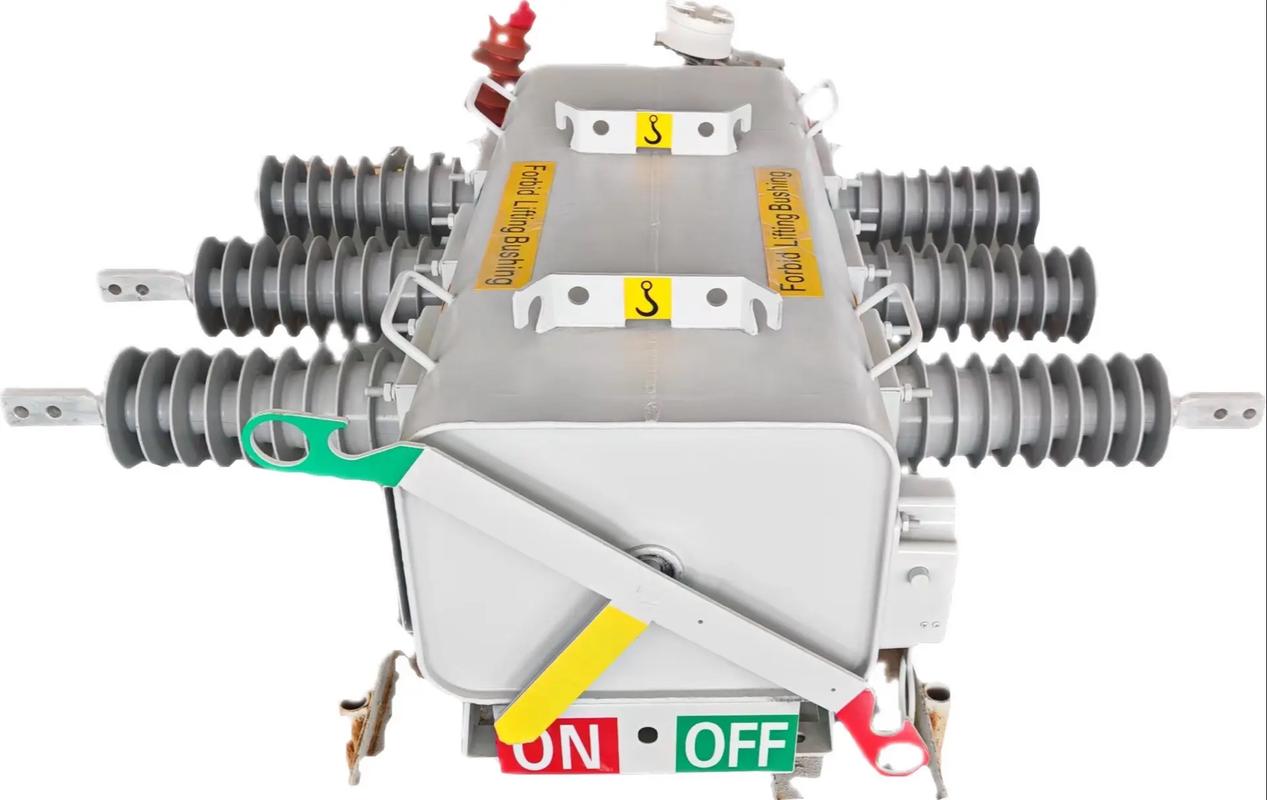
Voltage Ranges and Typical SF6 Breaker Uses
Medium Voltage SF6 Breaker Uses (Up to 72 kV)
At medium voltage, SF6 circuit breakers are common where reliability and compact size matter more than ultra‑low cost. Typical SF6 circuit breaker applications up to 72 kV in the U.S. include:
Utility distribution substations – feeder bays, transformer bays, and sectionalizing points
Industrial plants – steel mills, chemical plants, paper mills, refineries, and large campuses
Renewable collector systems – wind farm and solar farm step‑up substations in the 34.5–69 kV range
Outdoor models like a 72.5 kV SF6 breaker are often used in air‑insulated yards as the main line or transformer breaker; for example, a unit similar to an outdoor LW9‑72.5 SF6 circuit breaker is typically installed on incoming utility feeders or transformer bays in compact rural or urban substations.
High Voltage SF6 Breaker Uses (72.5 kV to 245 kV)
For high voltage SF6 breaker uses, this is the main workhorse range in North American transmission systems:
Transmission line bays (69–161–230 kV) – line protection and switching
HV transformer bays – connecting HV transformers to the grid
Busbar sections and tie breakers – splitting and interconnecting main buses in substations
Capacitor bank and shunt reactor switching – reactive power control at transmission level
Here, SF6 in transmission lines is standard because it handles high fault currents and frequent operations with low maintenance, whether in AIS yards or SF6 gas insulated substations (GIS) in cities.
Extra‑High & Ultra‑High Voltage SF6 Breaker Uses (Above 300 kV)
At extra‑high voltage (EHV) and ultra‑high voltage (UHV), SF6 is still the go‑to technology:
345 kV, 420 kV, 500 kV, and above – backbone transmission corridors and interstate interties
Interconnection points and cross‑border links – tie stations between ISOs/RTOs and neighboring countries
Large generator and step‑up transformer bays in big power plants
At these levels, SF6 circuit breaker voltage range performance is critical. Breakers sit in:
Line bays – terminating long‑distance transmission lines
Transformer bays – connecting EHV transformers to lower voltage networks
Bus couplers – improving flexibility and reliability of bulk power substations
In short, where SF6 circuit breaker is used depends heavily on the voltage level:
Up to 72 kV – feeders and industrial loads
72.5–245 kV – transmission lines, transformers, and busbars
300 kV+ – backbone grid, interties, and major generation connections
Where SF6 Circuit Breakers Are Used in Power Systems
SF6 Breakers in Utility Power Grids and Transmission Lines
In U.S. utility‑scale power grids, SF6 circuit breakers are the go‑to choice on high‑voltage transmission lines and substation bays. You’ll normally see SF6 breaker applications on:
69 kV, 115 kV, 138 kV, 230 kV, 345 kV and above
Line bays, transformer bays, and bus couplers
Critical nodes where high short‑circuit currents and high reliability are non‑negotiable
Their strong dielectric strength and arc‑quenching capability make SF6 breakers a standard solution for long‑distance transmission networks and bulk power transfer.
SF6 in Urban GIS and Space‑Constrained Substations
In dense U.S. cities, land is expensive, and clearances are tight. Here, SF6 circuit breakers are built into gas insulated switchgear (GIS) and full SF6 gas insulated substations. They’re used in:
Downtown substations in buildings or underground vaults
Rooftop or basement GIS installations for urban loads
Metro, airport, and commercial district substations
By integrating SF6 breakers in compact GIS, we can shrink the footprint dramatically while keeping system reliability high.
SF6 Circuit Breakers in Renewable Energy Projects
For utility‑scale renewables, SF6 circuit breakers show up at the key collection and grid‑tie points:
Wind farm collector substations and POI (point of interconnection)
Solar farm main substations and step‑up transformer bays
Hybrid plants (solar + storage + wind) at high‑voltage export bays
Their job is to handle variable generation, frequent switching, and high fault levels while meeting strict grid‑code requirements.
SF6 Breakers for Capacitor Banks and Shunt Reactors
Where power‑factor correction and voltage control matter, SF6 circuit breakers are used to switch:
High‑voltage capacitor banks
Shunt reactors on long transmission lines
Static VAR compensators and similar reactive power gear
These duties are tough on interrupters, and SF6 breakers handle restrikes and transient recovery voltages better than many alternatives.
SF6 Breakers at Interconnections and Cross‑Border Links
Anytime we tie big systems together, risk and responsibility go up. SF6 breaker applications are common at:
Interconnection points between regional transmission operators (RTOs/ISOs)
Cross‑border AC links
Major tie‑lines between utilities and large industrial customers
At these nodes, SF6 circuit breakers provide fast, reliable fault clearing to protect stability on both sides of the interface.
Industry‑Specific Uses: Where SF6 Circuit Breaker Is Used
SF6 circuit breaker applications are everywhere high voltage reliability really matters. Here’s where I see them used most across U.S. industries.
SF6 Breakers in Power Utilities and Grid Operators
Power utilities and ISOs use SF6 circuit breakers as their go‑to high voltage interrupters for:
Transmission lines and substation bays from 72.5 kV up into extra‑high voltage
Busbar, transformer, and line protection in both AIS and GIS yards
Critical nodes that need fast fault clearing and minimal maintenance
The strong dielectric strength of SF6 makes it ideal for dense urban substations and long‑distance transmission where failure is not an option.
Large Industrial Plants and Heavy Manufacturing
In big industrial campuses, SF6 breakers protect:
Plant feeders and main incoming lines at 69 kV, 115 kV, or 138 kV
Large power transformers feeding steel mills, paper mills, and auto plants
High‑duty processes with frequent starts and high inrush currents
These users care about uptime and predictable maintenance more than anything, and SF6 switchgear delivers that.
Mining, Oil & Gas, Steel, and Chemical Industries
Harsh, dirty, and explosive‑risk environments lean heavily on SF6 circuit breaker applications:
Mining operations with long overhead lines and remote substations
Oil and gas fields, refineries, and LNG terminals with high fault levels
Steel and chemical plants with heavy motor loads and large furnaces
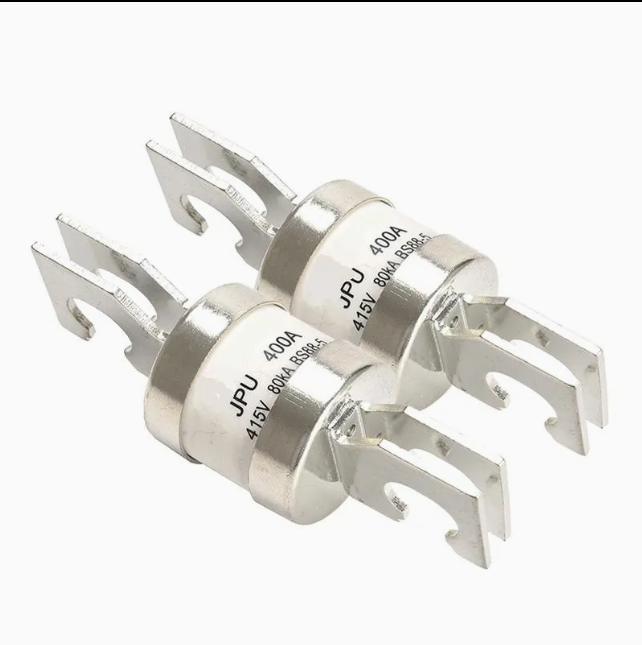
The sealed SF6 chambers handle dust, humidity, and corrosion better than many open‑air solutions, and pair well with protection devices like a properly coordinated high‑voltage current‑limiting fuse.
Data Centers and Critical Infrastructure
For data centers, hospitals, airports, and telecom hubs, SF6 circuit breakers are used on:
Utility incoming feeders and sub‑transmission supply (69–115 kV)
GIS substations built compactly right on or under the site
Redundant A/B supply paths where fast, clean interruption is mandatory
The combination of compact SF6 GIS and surge protection (often with zinc‑oxide devices similar to a station class surge arrester) keeps sensitive loads stable.
Railway and Metro Traction Power Systems
Rail and metro systems in major U.S. cities use SF6 switchgear and SF6 breakers for:
Traction substations feeding 25 kV AC or high‑voltage DC systems
Sectioning posts and feeder stations along long rail corridors
Urban underground GIS substations where space is tight and noise must be low
Here the key is compact design, low noise, and reliable interruption under frequent switching – exactly where SF6 circuit breaker technology shines.
Advantages Driving SF6 Circuit Breaker Use
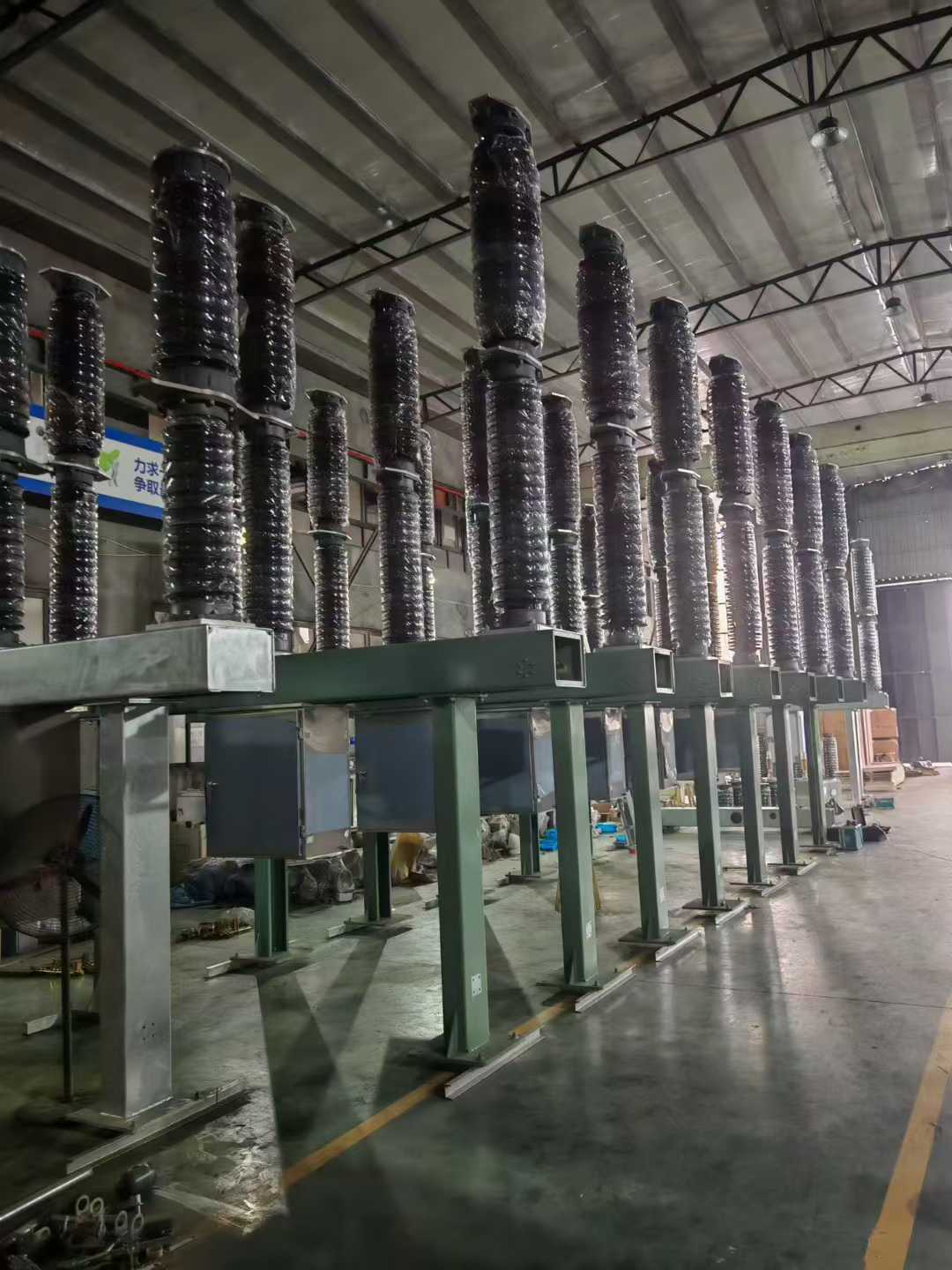
SF6 circuit breakers are still the go‑to choice whenever I need reliable high‑voltage switching with tight footprint and low maintenance. Here’s why they’re used so widely in U.S. substations, transmission lines, and GIS installations.
Strong insulation and powerful arc‑quenching
SF6 gas has excellent dielectric strength—much higher than air or oil—so SF6 circuit breakers can:
Interrupt very high fault currents safely
Maintain clearances even at 115 kV, 230 kV, 345 kV, and above
Reduce flashover risk in compact layouts and GIS
The strong arc‑quenching capability of SF6 gas cools and de‑ionizes the arc quickly, which means:
Fast, clean interruption
Less contact wear
Stable performance even under repeated faults
High reliability and low maintenance
In real utility and industrial grids, SF6 circuit breaker applications stand out because they:
Run for years with minimal maintenance
Need fewer mechanical parts compared with older oil or air‑blast designs
Deliver consistent performance across thousands of operations
That level of reliability is key for U.S. power companies, data centers, and heavy industry that simply can’t afford unplanned outages.
Compact design for AIS and GIS
Because SF6 gas has such high dielectric strength, I can design:
Smaller substations with reduced land use
Compact GIS rooms in cities, plants, tunnels, and metro systems
This is a big advantage in urban SF6 GIS substations, where space is expensive and permitting is tight. For indoor layouts, we often combine SF6 breakers with compact gear like an indoor disconnect switch to keep the footprint low but the reliability high.
Performance in harsh and demanding conditions
SF6 switchgear performs well where conditions are tough:
Coastal and offshore environments (salt, humidity)
Desert and cold‑weather sites (temperature extremes)
Industrial areas with dust, vibration, or pollution
Frequent operations such as capacitor bank switching, shunt reactors, and feeder switching are handled more smoothly thanks to the stable arc control and gas properties.
Safety, low noise, and long service life
From a user standpoint, SF6 circuit breakers offer:
Enclosed, grounded metal tanks for better operational safety
Lower operating noise compared with air‑blast breakers
Long service life, often 30+ years when handled and monitored correctly
With proper SF6 gas handling and routine condition checks, these breakers give utilities and industrial users a stable, predictable asset that fits both transmission‑level duty and critical facility protection.
Limitations and Environmental Impact of SF6 Circuit Breakers
SF6 circuit breakers deliver top‑tier performance, but SF6 gas itself comes with real environmental baggage that U.S. utilities and industrial users can’t ignore.
SF6 as a Greenhouse Gas
SF6 (sulfur hexafluoride) is a potent greenhouse gas with an extremely high Global Warming Potential (GWP) and a very long atmospheric life. That means even small leaks from SF6 circuit breaker applications can have a big long‑term climate impact if they’re not tightly controlled.
Leakage Risks and Regulations
Because SF6 is used under pressure inside the interrupter and tank, there’s always a risk of:
Slow, undetected leaks through seals and flanges
Gas loss during maintenance, filling, or decommissioning
In the U.S., utilities follow EPA reporting rules and ISO/IEC standards, while in Europe and other regions there are even stricter caps and phase‑down requirements. That’s why serious SF6 users build leak tracking, gas logging, and routine inspections into their compliance programs.
Best Practices for SF6 Handling and Recycling
To manage SF6 safely and stay compliant, I always recommend:
Closed‑cycle gas handling: Use dedicated gas carts and recovery units; no venting to atmosphere.
Gas recovery and recycling: Pull SF6 out of breakers, filter it, and reuse it instead of buying new gas.
Leak detection: Use portable sniffers and fixed monitors around SF6 switchgear rooms or GIS bays.
Training: Make sure technicians are certified in SF6 handling, similar to refrigerant handling practices.
This closed‑loop approach extends the life of the equipment and minimizes environmental impact, especially in SF6 gas insulated substation and GIS applications where volumes are higher.
SF6‑Free and Low‑SF6 Alternatives
Across North America and Europe, manufacturers are pushing SF6‑free switchgear technologies using:
Vacuum interrupters with clean air or alternative gas mixtures
Hybrid GIS with reduced SF6 content
Solid‑insulated switchgear for some medium‑voltage ranges
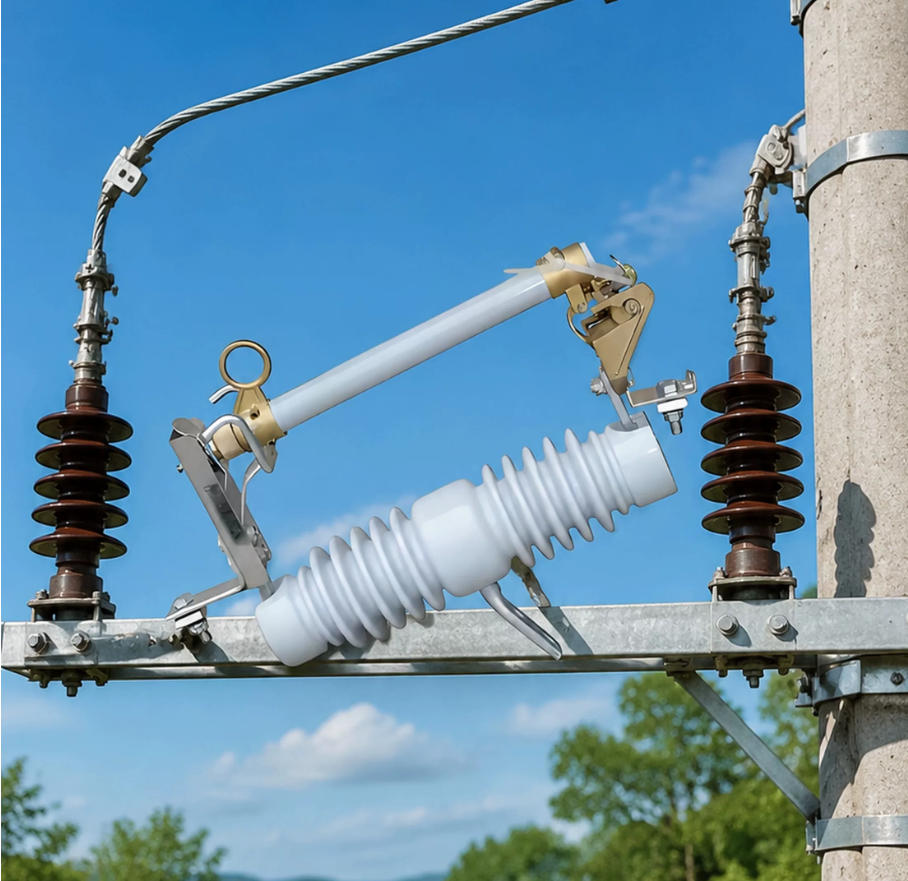
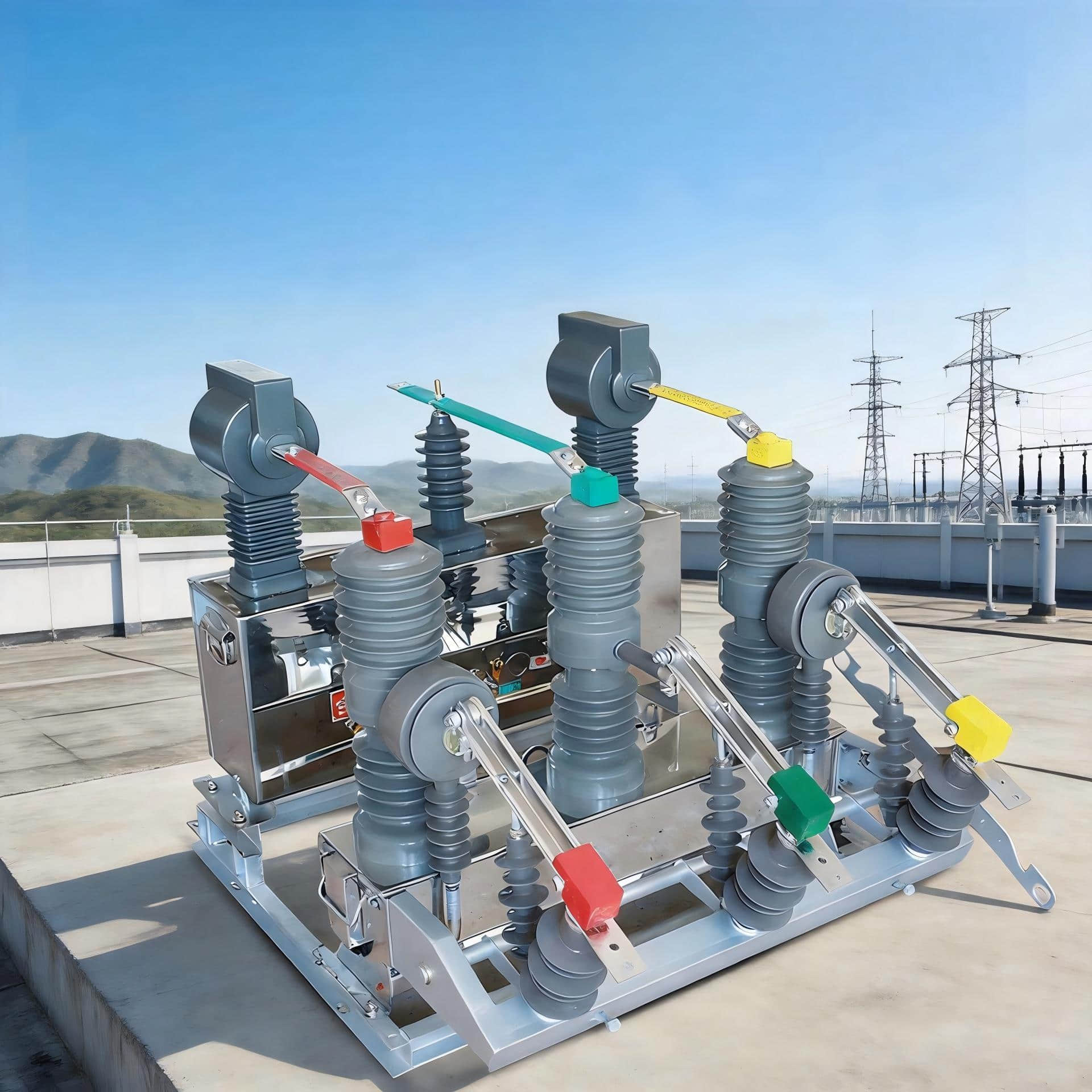
Many utilities now specify SF6‑free equipment for new medium‑voltage installations where vacuum breakers or reclosers are a strong fit, similar to how we position our own 27 kV auto vacuum recloser solutions as a lower‑emission option.
How Utilities Stay Compliant While Using SF6 Breakers
In real‑world grids, SF6 circuit breakers are still essential at higher voltages, especially in GIS and compact urban substations. To balance performance with compliance, utilities typically:
Set internal SF6 leak‑rate targets well below legal limits
Track gas inventory by serial number and breaker ID
Upgrade seals and perform predictive maintenance instead of run‑to‑failure
Use gas density monitors and alarms for early leak detection
Plan long‑term replacement of older high‑leak assets with SF6‑optimized or SF6‑free gear
In short, SF6 circuit breaker environmental impact is manageable, but only if you treat SF6 like a high‑value, tightly controlled asset—not a consumable.
SF6 vs Vacuum Circuit Breakers in Real‑World Use
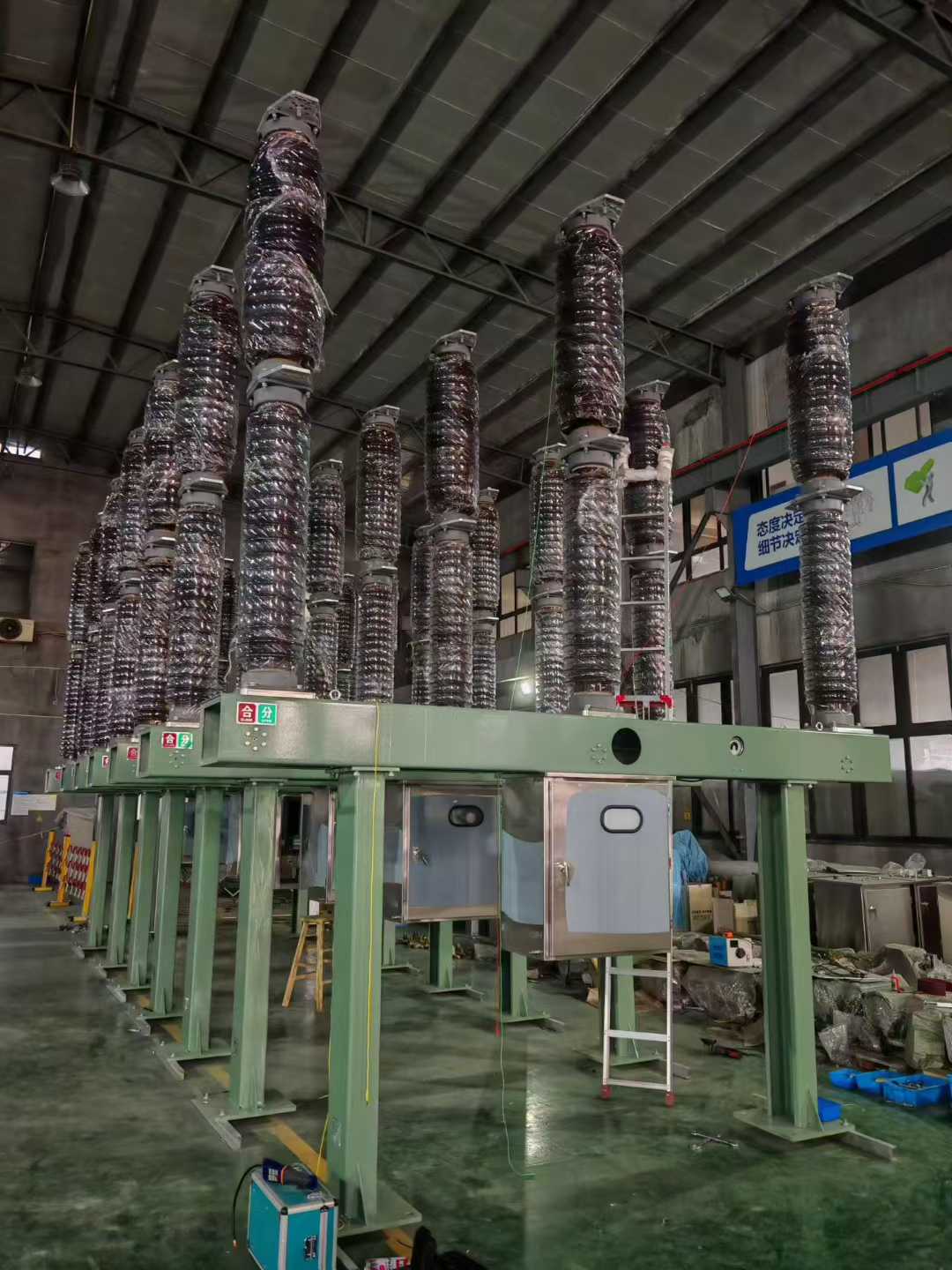
Where SF6 Circuit Breakers Are Preferred
I mainly see SF6 circuit breakers used when you need high voltage and compact design:
High‑voltage and extra‑high‑voltage transmission:
72.5 kV and above (115 kV / 138 kV / 230 kV / 345 kV / 500 kV / 765 kV)
Long‑distance transmission lines and critical grid interconnections
GIS (Gas Insulated Switchgear) and SF6 gas insulated substations:
Urban and downtown substations with tight real estate
Underground or indoor substations in cities, airports, tunnels
Generator and transformer bays in large power plants:
SF6 generator circuit breakers for large turbo‑generators
Harsh environments:
Coastal, offshore, desert, polluted industrial zones
In these cases, SF6 breaker applications win because of high dielectric strength, strong arc‑quenching, and very compact footprint.
When Vacuum Circuit Breakers Are a Better Choice
Vacuum circuit breakers usually make more sense for medium voltage and eco‑focused projects in the U.S.:
Typical MV distribution:
5 kV, 15 kV, 27 kV, 38 kV class switchgear
Commercial and institutional buildings:
Hospitals, campuses, malls, offices
Industrial MV switchgear where SF6 is not required
Utilities targeting low environmental impact:
Green policies, SF6‑free initiatives, decarbonization goals
If you’re under pressure to reduce SF6 environmental impact, vacuum breakers are usually the first choice at MV.
SF6 vs Vacuum: Quick Technical Comparison
| Feature / Metric | SF6 Circuit Breaker | Vacuum Circuit Breaker |
|---|---|---|
| Typical voltage range | 72.5 kV – 1100 kV (HV / EHV / UHV) | 1 kV – 38 kV (MV) |
| Main use | Transmission, GIS, SF6 gas insulated substation | Distribution, industrial MV switchgear |
| Dielectric medium | SF6 gas | Vacuum |
| Arc‑quenching strength | Excellent, especially at very high voltages | Excellent at MV, limited at EHV |
| Switching duties | Great for high fault currents, long lines, reactors, capacitors | Very good for MV load and fault switching |
| Size / footprint | Very compact at HV (especially GIS) | Compact at MV, not ideal for very high voltages |
| Maintenance | Low, but requires SF6 gas handling & leak checks | Very low, no gas handling |
| Environmental impact | High (SF6 is a strong greenhouse gas) | Very low, SF6‑free |
| Lifecycle | Long service life; depends on gas integrity | Long life; very high mechanical endurance |
Typical Installation Scenarios in the U.S.
Where I’d select SF6 circuit breakers:
Transmission substations at 115 kV, 138 kV, 230 kV, 345 kV, 500 kV
GIS substations in cities or high‑cost land areas
Offshore wind export substations and coastal grid nodes
Critical interties and cross‑border links needing maximum reliability
Where I’d select vacuum circuit breakers instead:
Utility medium‑voltage distribution switchgear (feeder breakers)
Industrial plants (steel, chemical, oil & gas, data centers) at 13.8 kV / 34.5 kV
Commercial building power distribution
Eco‑driven projects avoiding SF6 for sustainability or regulation reasons
If you’re building or upgrading MV switchgear and don’t strictly need SF6, a vacuum breaker with an SF6 load break switch (like an indoor FLN36‑12D SF6 load break switch) can be a solid, compact solution that balances performance, cost, and environmental impact.
SF6 Circuit Breakers in Renewable and Future Grids
SF6 circuit breaker in wind farms and offshore wind
I use SF6 circuit breakers anywhere I need compact, high‑duty protection on wind projects, especially:
Onshore wind collector systems at 72.5 kV–145 kV, where SF6 breakers protect export feeders and main step‑up transformers.
Offshore wind substations, where space and weight are tight and corrosion is brutal. SF6 breakers in GIS bays handle:
Export transmission lines
Offshore platform transformers
Inter‑array collection circuits
In offshore projects, SF6 gas insulated switchgear is still one of the most practical ways to get high reliability in a very small footprint.
SF6 circuit breaker in solar power plants and hybrids
For large utility‑scale solar farms in the U.S., SF6 circuit breaker applications show up mainly on the high‑voltage side:
Main substation breakers at 72.5 kV, 115 kV, 138 kV, or 230 kV
Line bays, transformer bays, and bus coupler bays
Hybrid plants (solar + storage + gas peaker) where the grid connection runs through a GIS lineup with SF6 breakers
When I’m working in dense urban or industrial zones, I’ll often combine PV with SF6 GIS ring main units, similar in concept to our compact gas‑insulated fully enclosed RMU, to keep the footprint and clearances under control.
Handling variable and fault currents in renewable‑heavy grids
Renewable‑rich grids are messy: fluctuating output, frequent switching, and new fault patterns. This is where high‑voltage SF6 breaker uses still make sense:
High interruption capability for short‑circuit faults on long transmission lines from wind and solar hubs
Fast, repeatable operations for reclosing, network reconfiguration, and protection schemes
Stable performance across wide load swings, from light load to full export
In practice, I rely on SF6 breakers to keep renewables connected without compromising grid stability or protection coordination.
Future outlook in smart grids and digital substations
Going forward, SF6 circuit breaker applications are shifting toward smarter and more monitored installations:
Integration with digital substations (IEC 61850, process bus, condition monitoring)
Use in automated switching schemes for congestion management and dynamic line rating
Embedded sensors to track SF6 gas pressure, temperature, and partial discharge, feeding into asset health platforms
At the same time, utilities in the U.S. are testing SF6‑free alternatives for new projects, but today, for large wind, solar, and long‑distance transmission, SF6 circuit breakers still anchor many high‑voltage and extra‑high‑voltage nodes where reliability and compact size are non‑negotiable.
Practical Selection Tips for SF6 Circuit Breakers
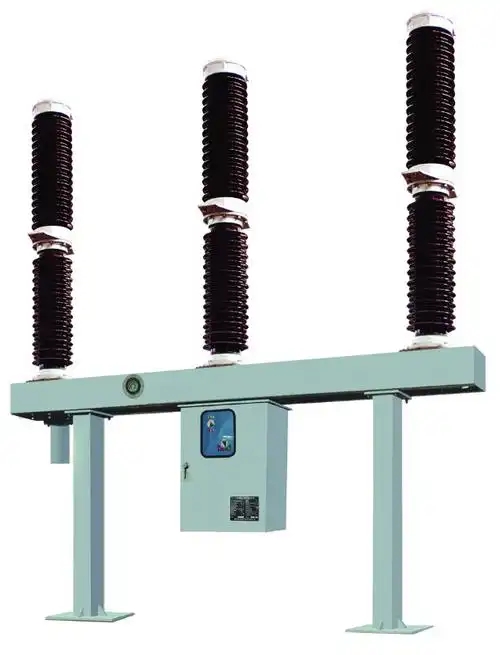
How to choose SF6 breaker ratings
When you’re deciding where SF6 circuit breaker is used in your system
FAQs: Where SF6 Circuit Breakers Are Used
What voltage range are SF6 circuit breakers most common in?
SF6 circuit breakers are mainly used where system voltages and fault levels are too high for vacuum or air:
72.5 kV – 245 kV: The most common range in U.S. transmission and sub‑transmission networks
300 kV – 800+ kV: Extra‑high and ultra‑high voltage interstate transmission lines and interties
Some 36–72 kV applications: Where space is tight or the utility standardizes on SF6 GIS
If you’re specifying breakers in this range, you’re almost always looking at SF6 or SF6‑free GIS type solutions.
Are SF6 circuit breakers used in new substations and retrofit projects?
Yes. In the U.S. we still see SF6 breakers used in:
New transmission and urban GIS substations where footprint and reliability matter
Retrofit projects replacing aging oil or air‑blast breakers on 69–230 kV lines and transformer bays
Upgrades to integrate digital relays and modern protection while reusing existing buswork
For tight urban sites, SF6 gas‑insulated switchgear is often the only practical way to get the capacity you need; you’ll find typical configurations in our GIS product lineup.
How do SF6 breakers perform in renewable and industrial applications?
SF6 circuit breakers handle tough duty cycles and high fault levels very well:
**Renewables (wind, solar, battery):