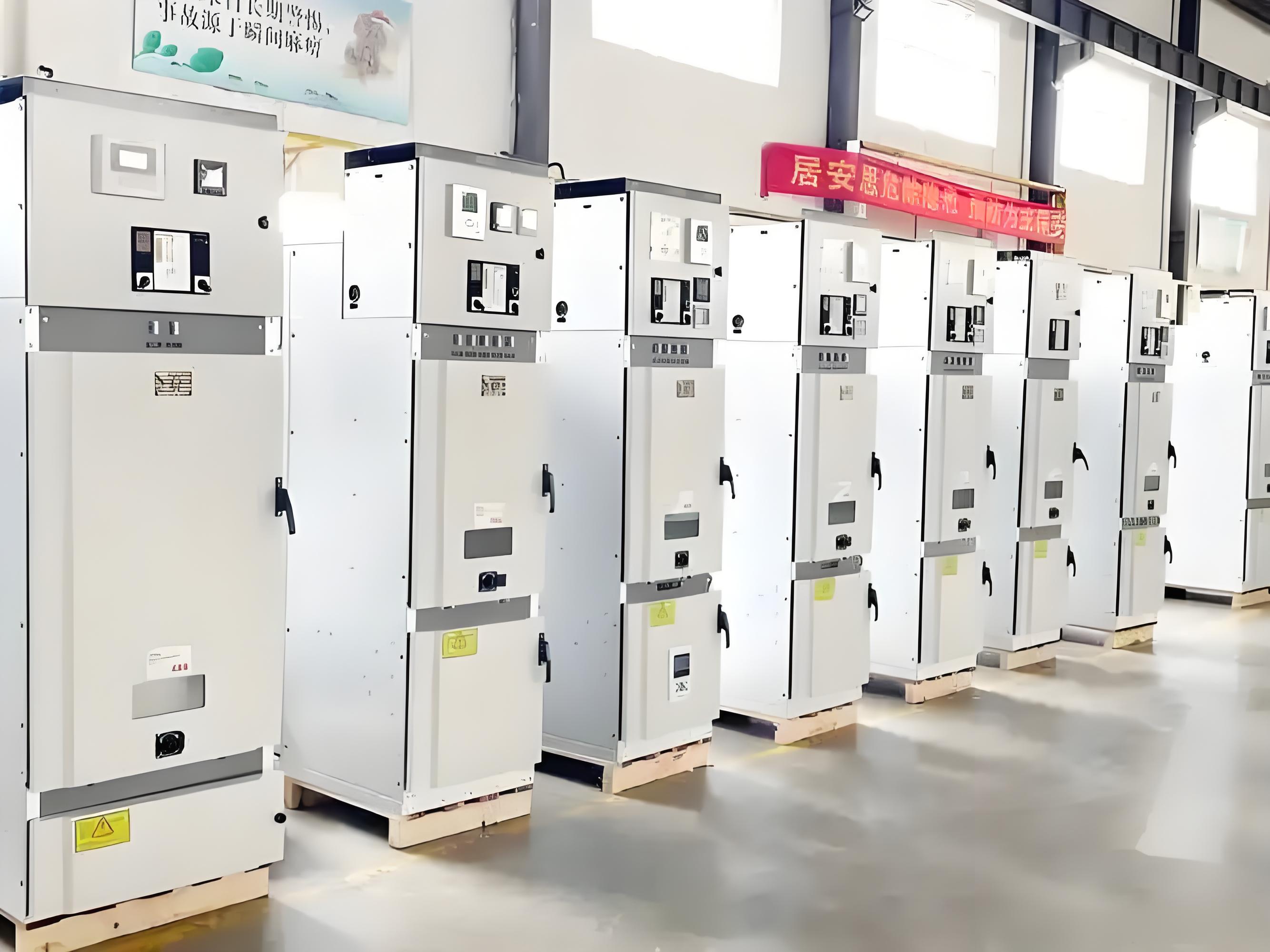
What is the difference between Air Insulated and SF6 Insulated Switchgear?
In short, Air Insulated Switchgear (AIS) uses ambient air as the insulation medium, while Gas Insulated Switchgear (GIS) uses sulfur hexafluoride (SF6) gas. AIS typically has a larger footprint but simpler maintenance. GIS offers compact size and superior environmental sealing, but involves complex gas handling and higher environmental risk due to SF6.
If you're planning a medium-voltage (MV) power distribution project, you're likely comparing these two key technologies. This choice affects more than just space—your decision will impact system reliability, environmental compliance, maintenance cycles, and long-term ROI.
I'm Thor, an electrical engineer at Wei Shoe Elec. Over the years, I've helped design AIS and GIS systems for metro substations, wind farms, and industrial complexes. In this guide, I’ll go beyond basic specs and share real-world engineering tradeoffs, regulatory shifts, and lessons from practical installations.
What is Air Insulated Switchgear (AIS)?
AIS uses ambient air as the insulating medium between live parts. Because air's dielectric strength is lower than SF6, AIS units require more clearance and are physically larger.
Key Characteristics:
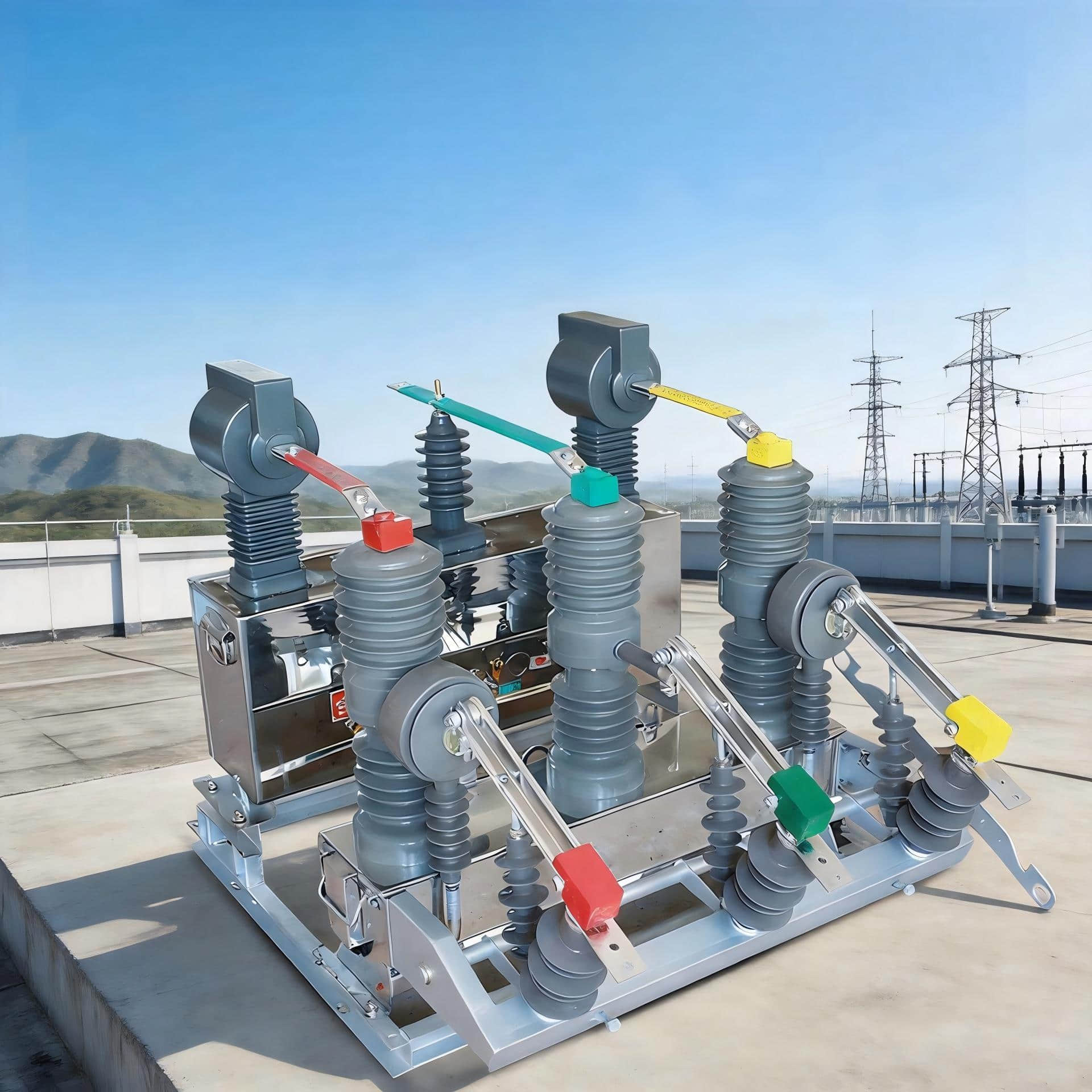
Open-frame or metal-enclosed
Relies on dry, clean air for insulation
Easier to inspect and maintain onsite
Common Applications:
Wind farms, rural substations
Utility expansion projects with ample land
Cost-sensitive industrial distribution
From an engineering view, AIS is simple, robust, and ideal where space is available and maintenance personnel are skilled.
What is SF6 Gas Insulated Switchgear (GIS)?
GIS uses SF6, a man-made gas with excellent dielectric and arc-quenching capabilities, sealed inside compact metal enclosures.
Key Characteristics:
Extremely compact layout
High reliability in harsh environments
Complex maintenance due to gas management
Common Applications:
Underground substations, high-rise buildings
Coastal or desert climates with pollution risk
Projects demanding long intervals between servicing
GIS is often the only viable solution when footprint, weather protection, or aesthetic integration are key constraints.
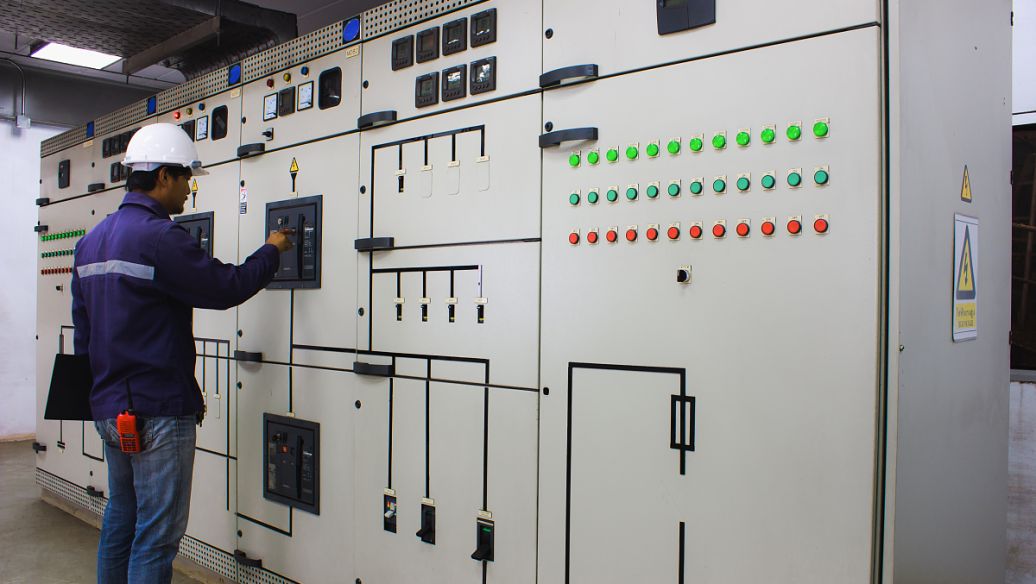
Engineering Comparison Table
| Parameter | AIS (Air Insulated) | GIS (SF6 Gas Insulated) |
|---|---|---|
| Insulation Medium | Ambient Air | SF6 Gas |
| Footprint | Large | Compact |
| Installation Cost | Lower | Higher |
| Maintenance Access | Easy | Complex (sealed units) |
| Environment Impact | Minimal | High (SF6 = potent GHG) |
| Operation Voltage | 12–36kV | 36–800kV |
| Lifetime Expectancy | 25–30 years | 20–25 years |
Real Engineering Considerations
1. Environmental Regulations
SF6 has a Global Warming Potential (GWP) of 23,500 times that of CO2. Europe (EU Regulation 2024/573) and California (CARB Rule 973) are moving toward total SF6 phase-out by 2035. Projects using SF6 now require leak tracking, reporting, and carbon offsetting.
In one recent project, a U.S. utility paid over $120,000 in penalties due to undetected SF6 leakage from aging GIS panels.
2. Maintenance Strategy
AIS allows visible inspection, thermal imaging, and cleaning with minimal PPE. GIS requires gas monitoring, partial discharge testing, and trained teams. An SF6 leak often demands evacuation and shutdown, even for minor servicing.
3. Switching Mechanism Confusion
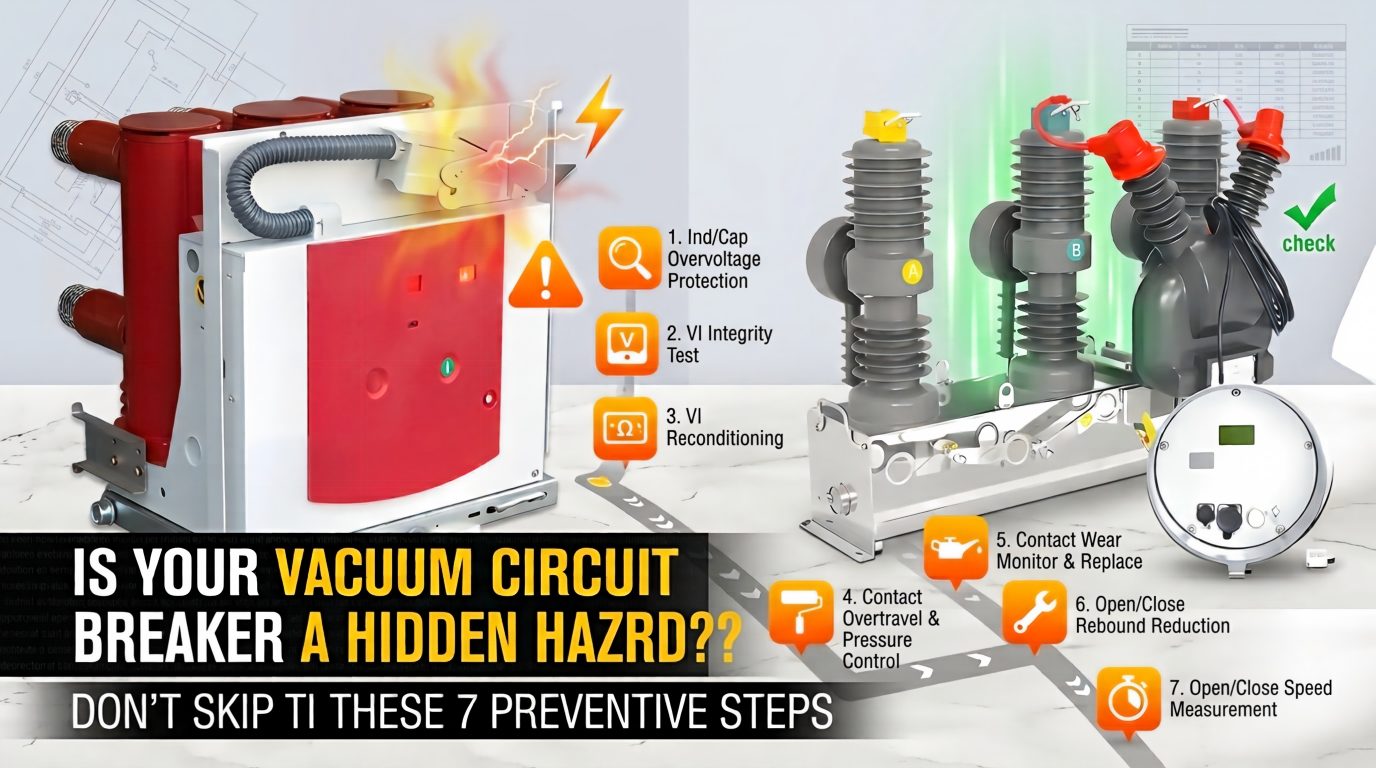
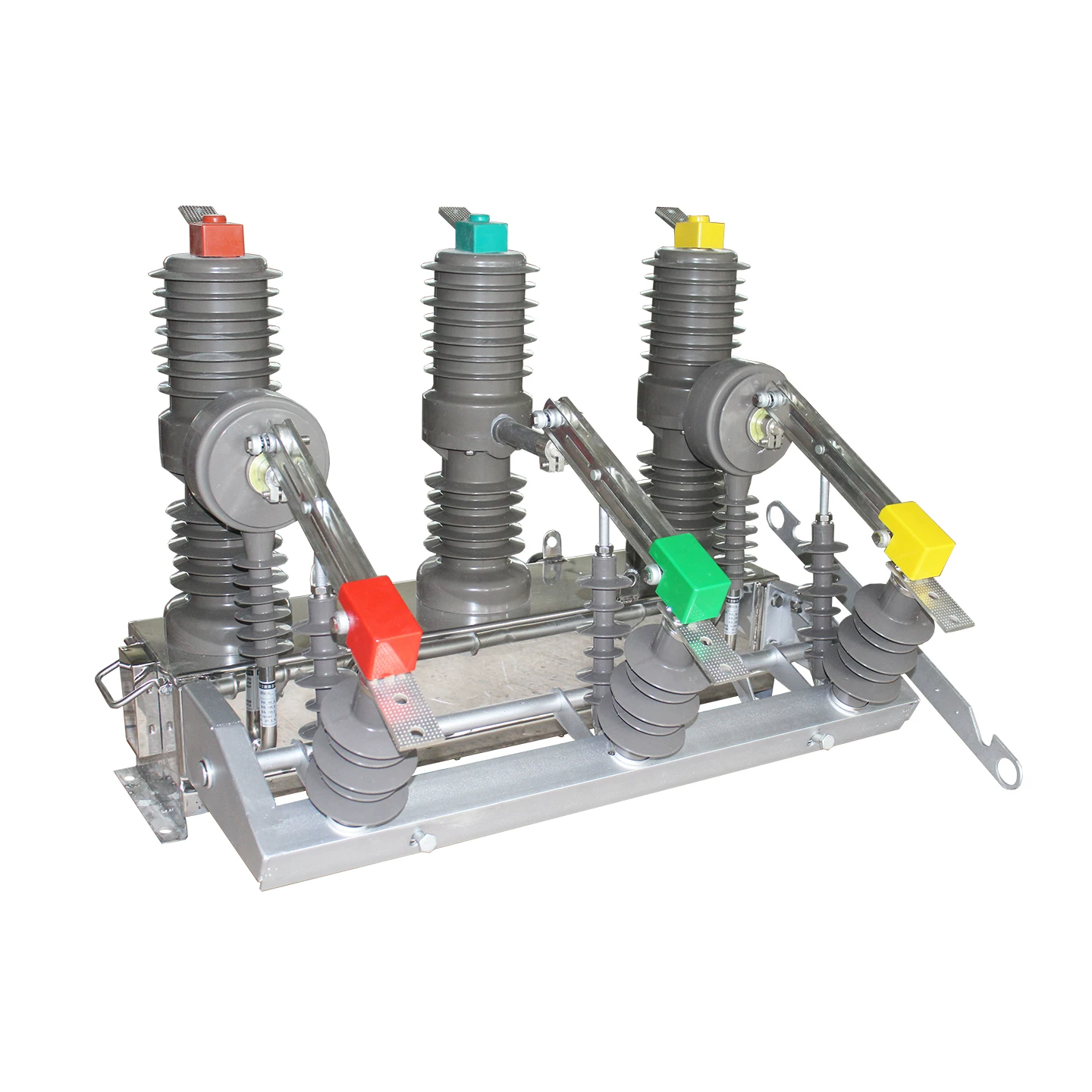
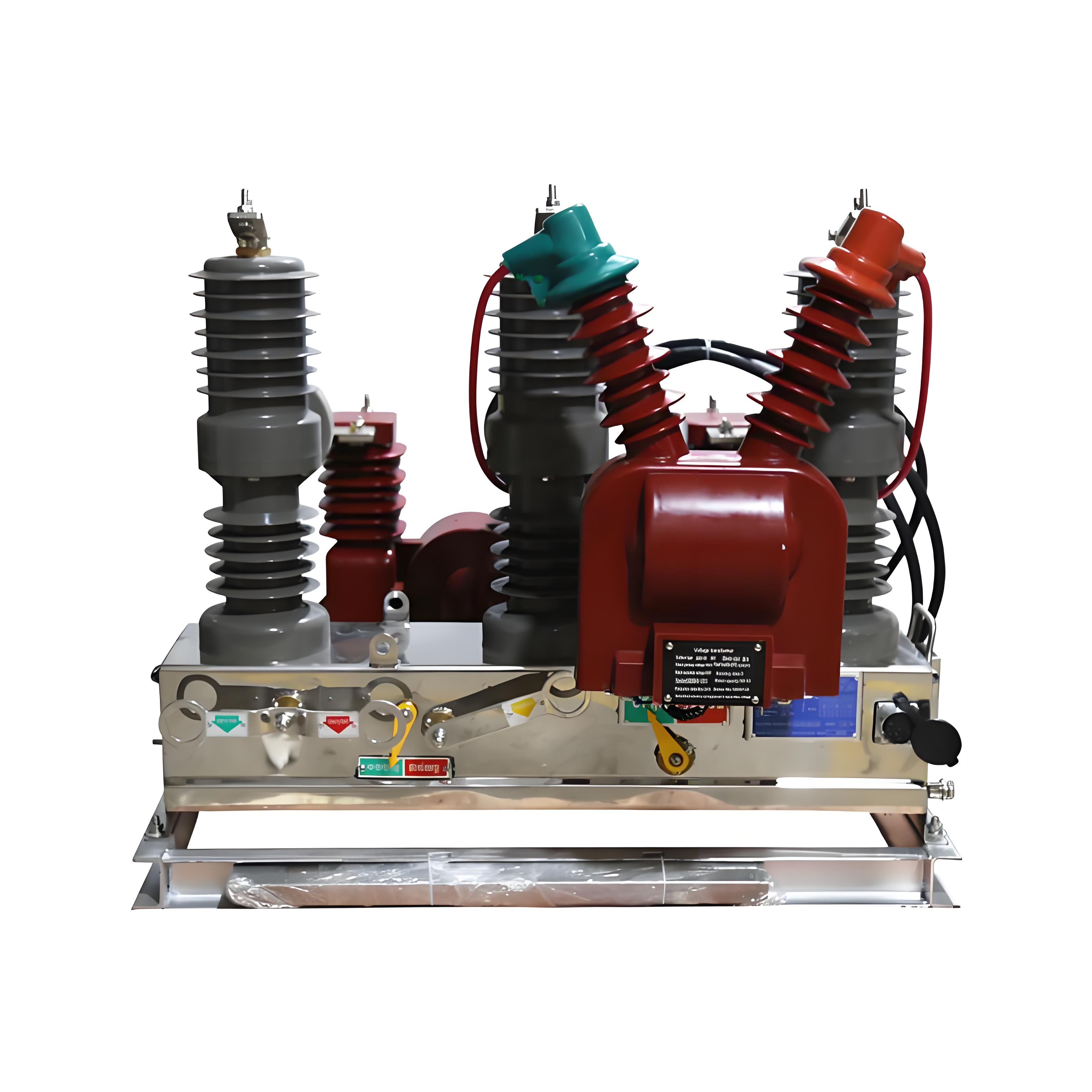
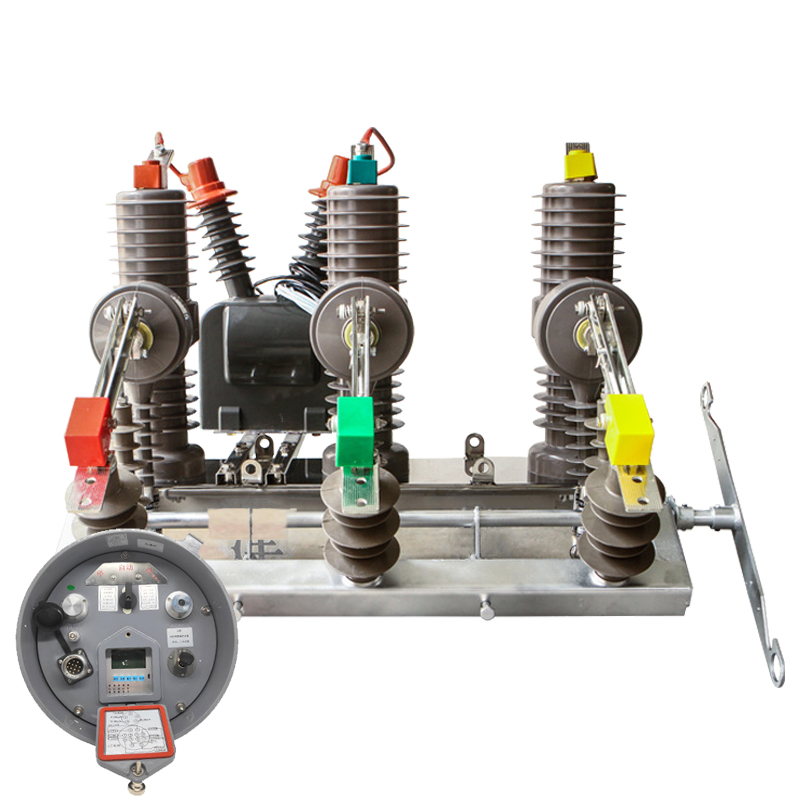
Note: both AIS and GIS may integrate Vacuum Circuit Breakers (VCB) for arc extinction. GIS uses SF6 mainly for insulation, not switching. Engineers must distinguish between interruption technology (vacuum vs SF6) and insulation method (air vs gas).
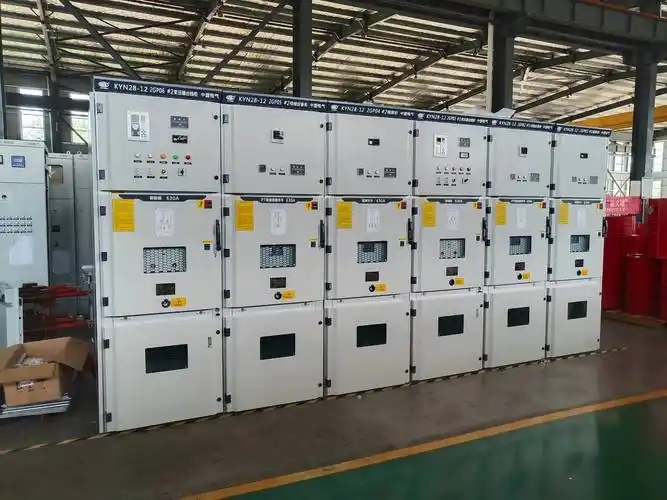
Use Case Insights
✅ Choose AIS when:
The project site is spacious (wind farms, rural substations)
Local staff are trained in switchgear maintenance
Regulatory pressure discourages SF6 use
Budget prioritization is crucial
✅ Choose GIS when:
Installation space is limited (urban, underground)
Environmental sealing is essential (dust, salt fog)
Operation requires minimal downtime or remote access
Field Experience Snapshots
Metro Rail GIS Substation – Singapore
In tight tunnels, a modular GIS allowed operators to save 60% of footprint and reduced cable trenching costs by 40%. However, SF6 maintenance training was required for every technician.
Offshore Wind AIS Cabinet – UK
A 33kV AIS with VCB design enabled rapid field access after salt-induced insulation degradation. Quick offline maintenance avoided a week-long outage, saving £25,000 in lost generation.
Looking Ahead: Green Alternatives
Manufacturers like Siemens and Schneider are introducing SF6-free switchgear using:
Dry air insulation (up to 36kV)
Fluoronitrile/CO2 blends (for GIS >145kV)
These alternatives meet IEC 62271 standards and have already seen adoption in France, Germany, and California.
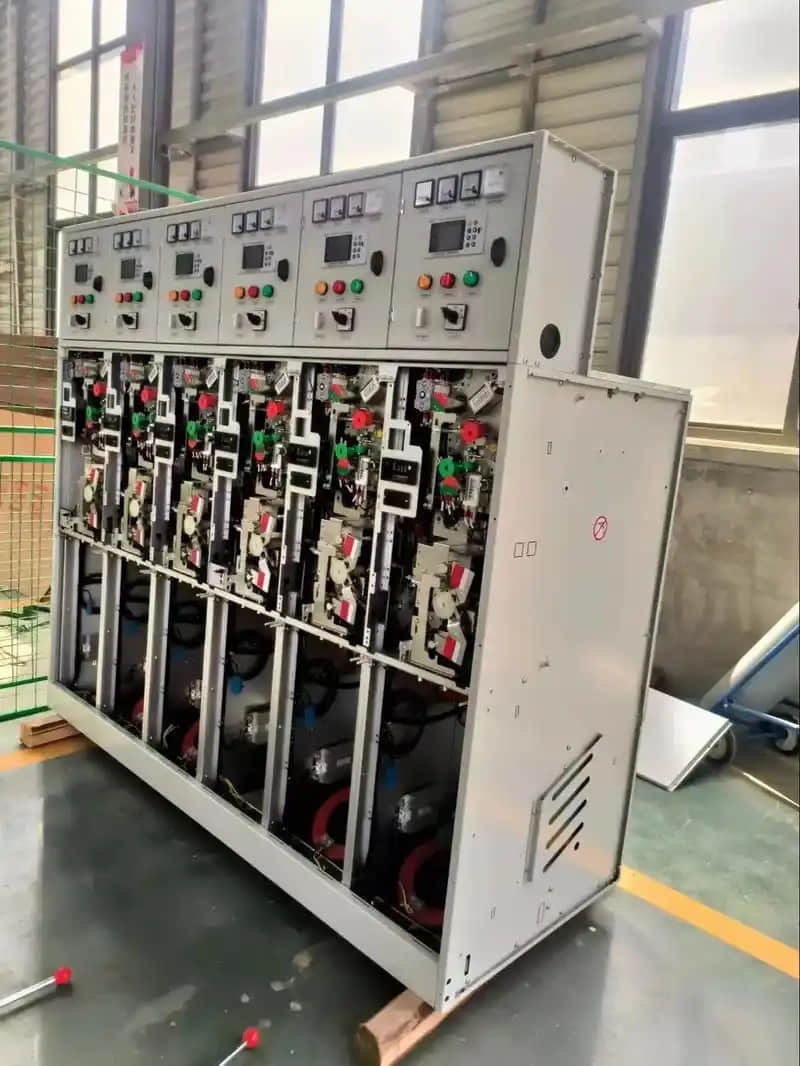
FAQ: Engineer’s Perspective
Q1: Is SF6 still legal to use?
Yes—but with increasing restrictions, recordkeeping, and leak fines. Future-proof designs should consider alternatives.
Q2: Can AIS survive in high-humidity or coastal zones?
Yes, but requires careful enclosure IP rating, anti-condensation heaters, and regular cleaning.
Q3: Which system is better for smart grid integration?
Both can integrate sensors, but GIS tends to support digital monitoring natively. AIS can be upgraded.
Q4: Is SF6 better than vacuum?
Not necessarily. Vacuum is now preferred for arc quenching up to 36kV. SF6 remains used mainly for high-voltage insulation.
Q5: What’s the main hidden cost of GIS?
Specialized labor and tools, SF6 management software, and downtime during leak investigation.
Conclusion
Both AIS and GIS serve valuable roles in MV projects, but understanding the engineering tradeoffs is essential.
If your project prioritizes environmental compliance, low lifecycle cost, and flexible maintenance, choose AIS with vacuum switching.
If space and reliability under harsh conditions are top concerns, GIS with proper SF6 management is still a viable solution until better alternatives become widespread.
Let us help you compare specifications and design the right solution.
🚀 Ready to Choose the Right Switchgear?
Need a customized recommendation, project analysis, or comparison chart for your next MV project?
👉 Contact us today for:
Free technical consultation
SF6-free green solution designs
AIS/GIS system layouts with VCB integration
Author: Thor, Electrical Engineer at Wei Shoe Elec
📞 Phone: +86-0577-62788197
📧 Email: thor@weishoelec.com
💬 WhatsApp: +86 159 5777 0984