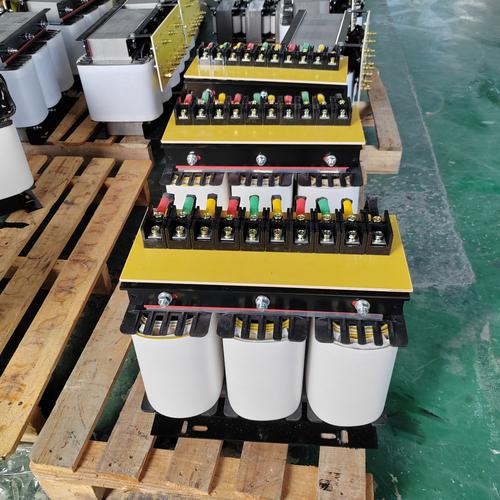
What Is an Autotransformer?
An autotransformer is a type of transformer that uses one single continuous winding to handle both input and output voltage, instead of two separate windings like a normal transformer. This smart, compact design lets us change AC voltage levels with less copper, less size, and higher efficiency.
The key feature of an autotransformer is its tapped winding.
One part of the winding connects to the power supply (input).
Another part of the same winding, taken from a tap, connects to the load (output).
Because the winding is shared, part of the power flows by direct conduction through the copper, while the rest flows by transformer action (magnetic induction in the core). That combination is what makes an autotransformer so efficient.
Compared with a conventional two‑winding transformer:
A normal transformer has separate primary and secondary windings, giving full electrical isolation between input and output.
An autotransformer has only one winding with different voltage points along it, so the input and output are electrically connected, but the voltage can still be stepped up or stepped down.
In simple terms, an autotransformer is a single‑winding voltage changer with taps, built to deliver high efficiency, lower cost, and a smaller footprint wherever full isolation isn’t required.
Autotransformer Working Principle
A modern autotransformer looks simple from the outside, but the way it works is smart and efficient.
One Common Winding = Primary + Secondary
Unlike a normal transformer with two separate windings, an autotransformer uses one continuous winding with taps.
The input (line) voltage is connected across the full winding.
Types of Autotransformers
When people ask “what is an autotransformer,” they’re usually also asking what types exist and where each one fits. Here’s how I break it down for real‑world US use.
Single‑Phase Autotransformer
A single‑phase autotransformer (autotransformador monofásico) is what you’ll see in homes, small labs, and light commercial setups when you just need to move between common voltages.
Where it’s used:
Small shops and garages for 120/240 V equipment
Home and lab test benches for adjustable or tapped AC supplies
HVAC, lighting panels, and control circuits
Typical voltage & kVA ranges:
Common voltage levels: 120 ↔ 240 V, 208 ↔ 240 V, 240 ↔ 277 V
Typical sizes: 0.5 kVA up to ~25–50 kVA for most small and mid-sized loads
Single‑phase autotransformers are a go‑to when you just need a clean, efficient step‑up or step‑down without full isolation.
Three‑Phase Autotransformer
A three‑phase autotransformer (autotransformador trifásico) is built for substations, plants, and large industrial systems, where you’re matching close voltage levels with high efficiency.
Star vs delta configurations:
Star (wye):
Common on the utility and substation side
Easier grounding is used for higher line‑to‑neutral voltages
Delta:
Used where phase shifting or certain fault behaviors are needed
Common in industrial distribution and motor loads
Where it’s used:
Utility substations to tie, e.g., 115 kV to 138 kV or 230 kV systems
Large industrial facilities matching 4.16 kV, 13.2 kV, or 34.5 kV levels
Grid interconnections where voltages are “close but not identical.”
In high‑voltage systems, they’re often paired with high‑voltage insulators and surge protection similar to what’s discussed for overhead line insulation and reliability.
Variable Autotransformer (Variac)
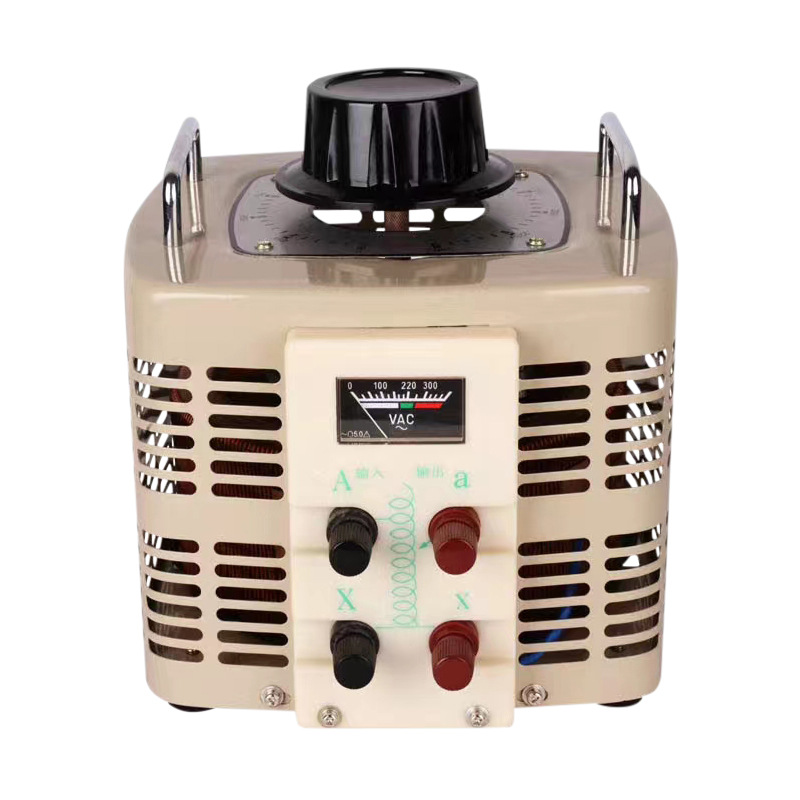
A variable autotransformer (Variac) is what you use when you want smooth, adjustable AC voltage from almost zero up to (and sometimes slightly above) line voltage.
How it works:
A sliding brush/rotary contact moves along the winding
As you turn the knob, the tap point changes, and so does the output voltage
Output is continuously variable, not just fixed steps
Common uses:
Electronics labs and R&D benches for adjustable AC testing
Repair shops for slowly powering up repaired gear (soft start)
Product testing under over/under-voltage conditions
For any serious lab or service bench in the US, a variable autotransformer is almost mandatory.
Tapped and Compensating Autotransformers
Not every setup needs a knob. Tapped autotransformers and compensating autotransformers are the fixed, no‑nonsense options.
Tapped autotransformer:
Has fixed taps at specific voltages (e.g., 208, 230, 240 V)
You hard‑wire to the tap you need
Popular in panels, machinery, and OEM equipment
Compensating autotransformer:
Designed to correct or fine‑tune voltage (regulation and boost/buck)
Used in voltage stabilizers and regulators to keep gear safe during sags and swells
Common for long feeder runs and sensitive industrial loads
If you’re building US equipment that must handle utility voltage swings, compensating autotransformers are a clean way to stabilize the output.
Autotransformer Starters for Motors
For large induction motors, an autotransformer starter is a smart way to cut down brutal inrush currents and voltage dips on the line.
How it reduces inrush current:
At the start, the motor is connected through the autotransformer at a reduced voltage
Lower voltage → lower starting current and softer torque
After the motor speeds up, the starter bypasses the autotransformer and connects the motor directly to the line
Korndörfer Autotransformer Starter:
A classic three‑contactor scheme using an autotransformer
Gives better control of starting current and torque
Makes sense for:
Large pumps, fans, and compressors
Plants where voltage dips from DOL (direct‑on‑line) starting would bother other loads
When you’re sizing motors and protection, autotransformer starters can be more gentle on both the utility and your internal power system than a straight DOL start.
Autotransformer Construction and Parts
Core Design and Materials
For a modern autotransformer, the core is almost always made from laminated silicon steel to cut down eddy current losses and heating. I typically use:
Core types: shell-type or core-type, depending on kVA and mounting needs
Lamination: thin, insulated sheets stacked together for low loss and quiet operation
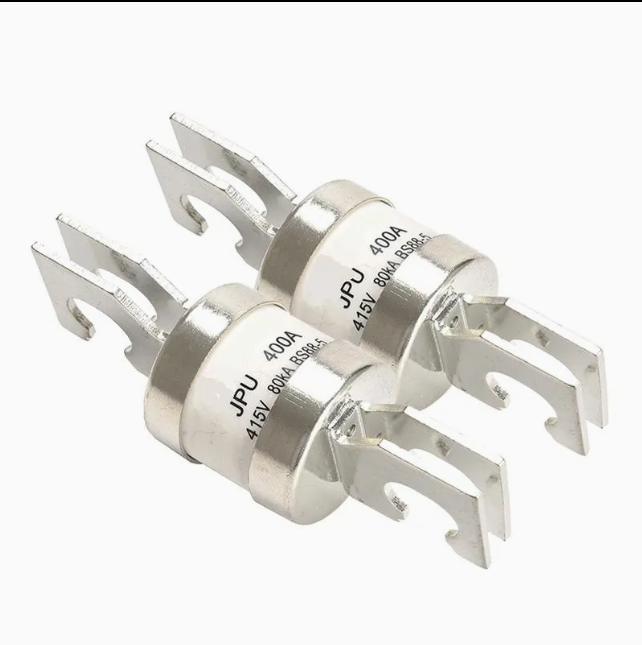
This is the same thinking behind other grid equipment, like a medium‑voltage disconnect switch or a high‑voltage fuse, where controlled magnetic paths and insulation are crucial for safe switching and fault clearing (example of high-voltage fuse design).
Single Continuous Winding and Taps
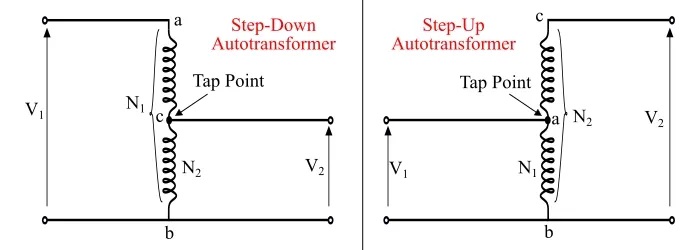
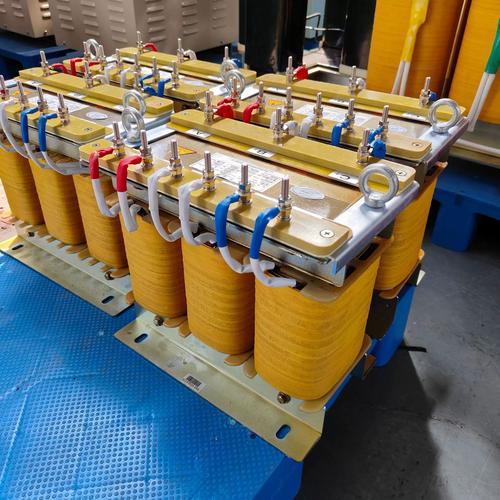
An autotransformer winding is one single continuous coil with taps at specific turn counts instead of separate primary and secondary windings. I design it so that:
The input connects to the full winding
The output connects to a tap point for step‑up or step‑down
Tap positions define the turns ratio and final voltage (e.g., 480 → 400 V, 240 → 120 V)
Tapped Points, Brush Contacts, and Terminals
On fixed units, taps come out as solid terminals on a tap board. On a variable autotransformer (Variac), a sliding carbon brush rides along the winding, giving a smooth, adjustable output. Key parts I always focus on:
Heavy‑duty binding posts or lugs for input/output
Secure tap labeling (e.g., 208 V, 230 V, 240 V)
High‑pressure brush assemblies for variable types with low contact resistance
Copper vs Aluminum Conductors
For the winding, I’ll choose:
Copper, when I want maximum efficiency, compact size, and better temperature performance (most U.S. industrial and lab setups)
Aluminum, when cost and weight matter more than size, is usually used in larger distribution autotransformers
Both are sized to meet NEC ampacity, temperature rise limits, and fault withstand ratings.
Insulation, Cooling, and Enclosures
To keep an autotransformer reliable in U.S. real‑world use, I focus on:
Insulation system: enamel on wire plus paper/pressboard, rated Class B/F/H depending on temperature
Cooling:
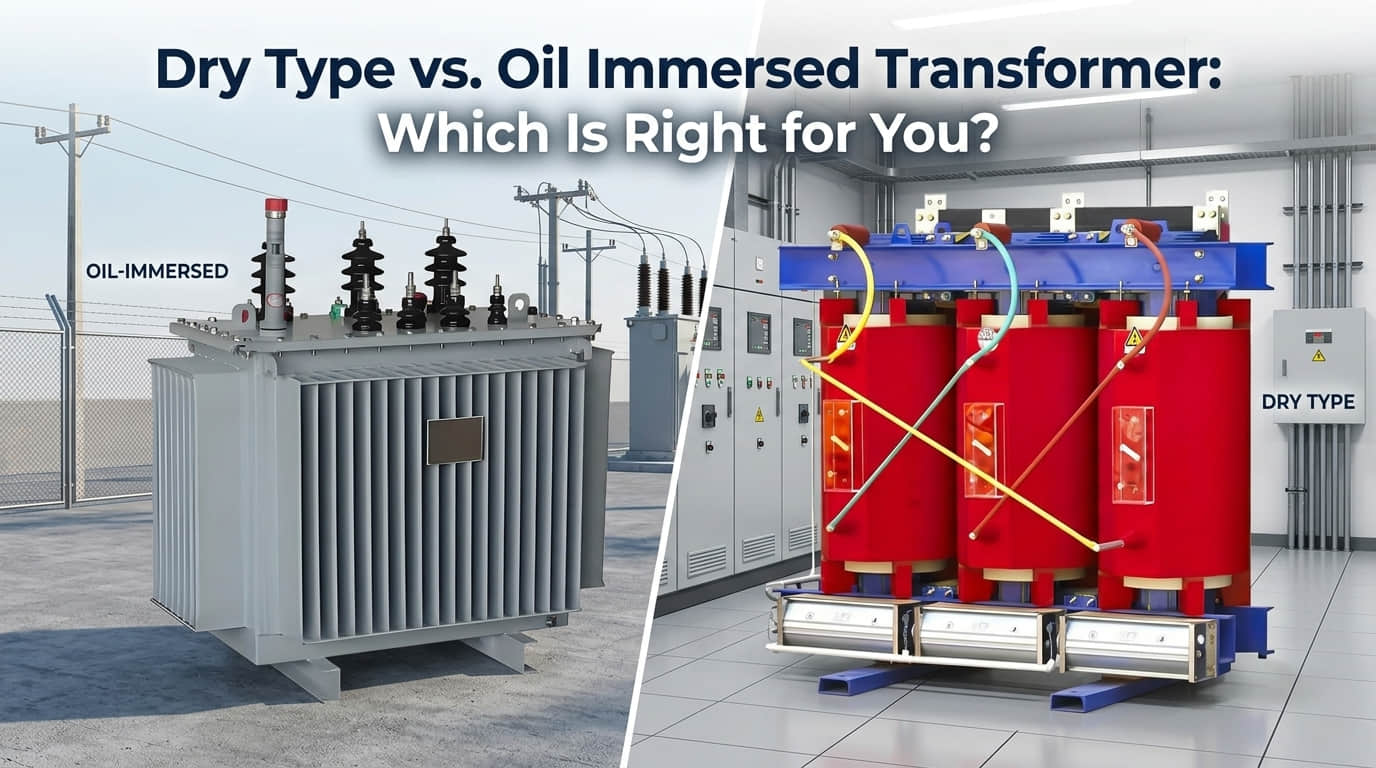
Dry‑type (AN/AF): natural air or forced air, ideal for indoors, panels, and labs
Oil‑immersed: for higher kVA, better cooling, and dielectric strength
Enclosures:
Open frame: inside control panels or cabinets
Ventilated NEMA enclosures: for electrical rooms
Outdoor rated: weatherproof for substations and plant yards
Nameplate Data – Always Check This
Before buying or installing any single‑phase autotransformer or three‑phase autotransformer, I always tell customers to read the nameplate carefully. At minimum, confirm:
kVA rating
Input and output voltages and tap positions
Frequency (60 Hz for U.S. systems)
Connection type (single‑phase, 3‑phase, star/delta for autotransformador trifásico)
Temperature rise and insulation class
Duty cycle (continuous or intermittent)
That name
Step-Up and Step-Down Autotransformer Basics
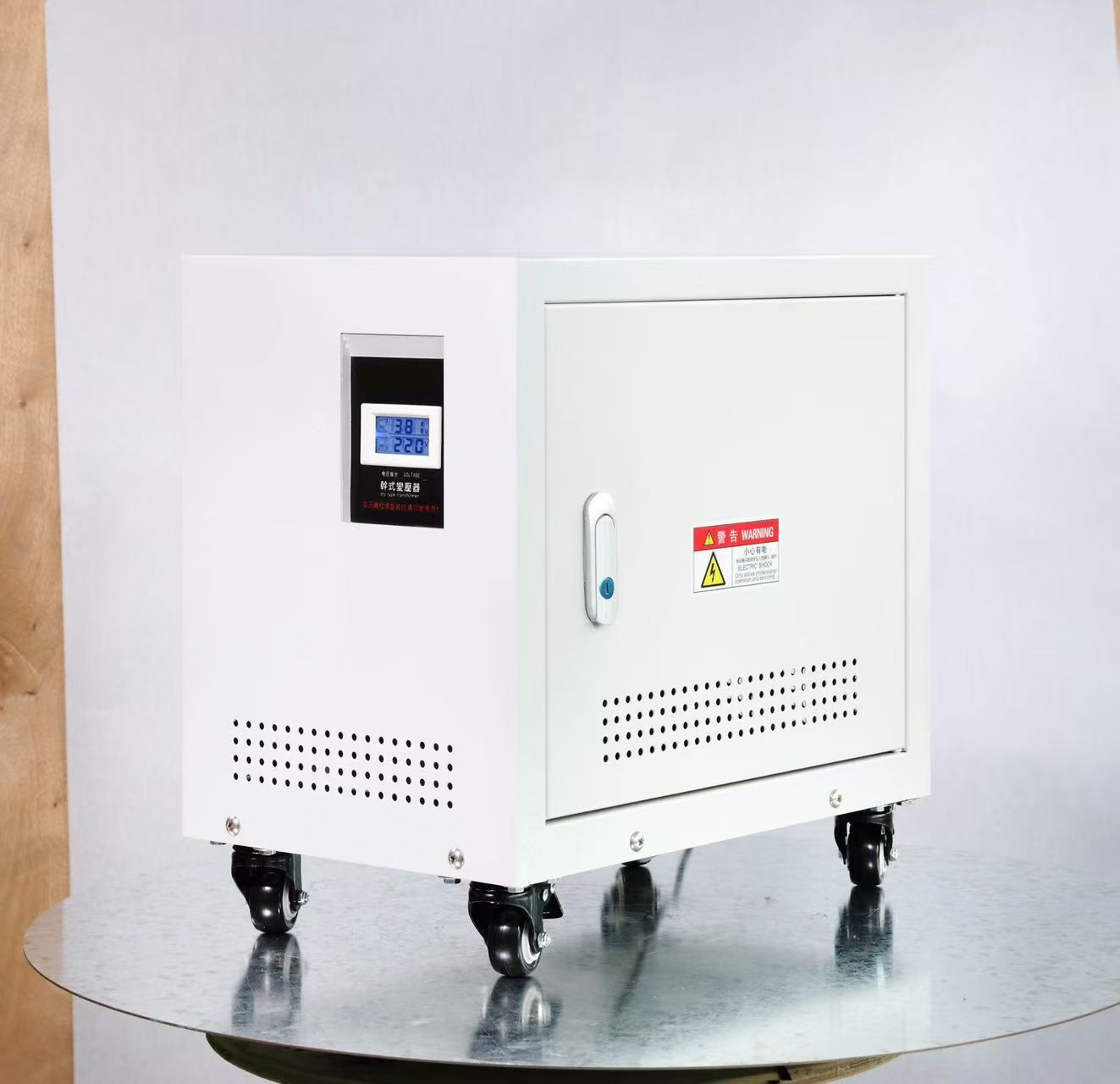
What a step-up autotransformer does
A step-up autotransformer boosts voltage from a lower level to a higher level using a single winding with taps. In simple terms, you feed power into a lower-voltage tap and take power out from a higher-voltage tap.
Common step-up use cases in the U.S.:
Matching a 208 V or 240 V source up to 277 V or 480 V for commercial/industrial equipment
Feeding higher-voltage distribution panels over long cable runs to cut current and reduce losses
Tying together systems with close but not identical voltages in plants or small substations
In larger systems, step-up autotransformers often work alongside vacuum circuit breakers for safe switching and protection, similar to how a three-position indoor vacuum breaker is used in compact MV gear.
How the tap position decides step-up vs step-down
With any single-phase autotransformer or three-phase autotransformer, the tap position decides whether you’re stepping up or stepping down:
Step-up mode:
Line input on a lower-voltage tap
Load connected to a higher-voltage tap
Step-down mode:
Line input on the full winding (highest tap)
Load connected to a lower-voltage tap
Change the taps, and you change the voltage ratio. That’s why tapped autotransformers are popular for fine-tuning voltages in panels, grid tie-ins, and box-type substation gear similar to a compact photovoltaic box transformer setup.
In practice, I always mark and lock the taps so nobody “plays” with them live. The tap choice directly sets whether the autotransformer acts as a step-up or step-down and what voltage your equipment will actually see.
Autotransformer Voltage Regulation and Efficiency
What voltage regulation means for an autotransformer
When I talk about autotransformer voltage regulation, I’m really talking about how well the output voltage stays close to its rated value as the load changes.
Good regulation = very small voltage drop from no‑load to full‑load
Poor regulation = noticeable voltage sag when you turn on heavy equipment
For most U.S. commercial and industrial users, tight regulation is key if you’re running sensitive electronics, VFDs, PLCs, or any gear that doesn’t like voltage swings.
Why is the voltage drop usually lower
Compared with a conventional two‑winding transformer, an autotransformer has:
A shared winding and shorter current paths
Lower impedance and lower leakage reactance
Result: less voltage drop under load. In practice, you’ll often see better voltage stability on motor loads and long feeder runs when you use a properly sized autotransformer instead of a standard transformer.
Typical autotransformer efficiency range
Because of the shared winding and reduced material, autotransformer efficiency is usually higher:
Small units: often 96–98%
Medium and larger units: 98–99%+, especially in utility or substation duty
For comparison, a similar kVA two‑winding unit will generally run 1–2 percentage points lower. Over thousands of operating hours per year, that difference shows up as real energy savings on your bill.
If you’re working with higher system voltages, pairing an autotransformer with an efficient oil‑immersed power transformer and proper switchgear can significantly cut lifetime losses across your distribution system.
How does less copper and smaller leakage reactance help
The performance edge comes from design basics:
Less copper: lower I²R (copper) losses
Shorter magnetic path: reduced core losses in many designs
Smaller leakage reactance: tighter voltage regulation, better power factor behavior
All of this means an autotransformer runs cooler, wastes less power, and holds its output voltage better when the load kicks up.
When better regulation really matters
You really feel the benefit of strong autotransformer voltage regulation in these cases:
Motor starting: keeps the voltage from sagging too hard on the line and protects other loads
Long feeders and plant networks: compensate for line drop and stabilize downstream voltage
Process and automation lines: avoid nuisance trips, bad batches, and controller resets
Lab and test benches: especially with variable autotransformers (Variacs), where you need a clean, predictable AC output
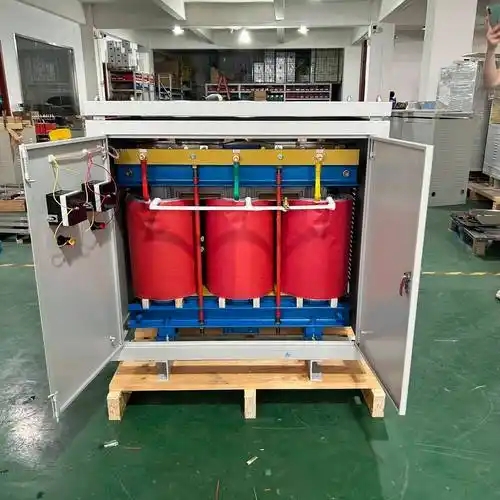
In short: if stable voltage and low losses directly impact uptime or product quality, an autotransformer is usually the more efficient, tighter‑regulating choice.
Advantages of Autotransformers
Why Autotransformers Stand Out
Autotransformers bring a lot of value when you’re working with similar voltage levels and care about efficiency, footprint, and cost.
Key advantages of an autotransformer:
Higher efficiency at similar kVA ratings
Because part of the power flows directly through a shared winding (conductive transfer) instead of fully through magnetic coupling, autotransformer efficiency is usually higher than a conventional transformer of the same kVA. That means less loss, less heat, and better long‑term operating costs.Lower cost (less copper and core steel)
A single winding design uses less copper and a smaller core. For users in the U.S. trying to control project budgets, autotransformers often deliver the same kVA at a noticeably lower purchase price than a two‑winding unit.Smaller size and lighter weight
With fewer materials, an autotransformer is more compact and easier to handle. This is a big plus when you’re trying to fit gear into tight electrical rooms, OEM panels, or retrofit projects where space and mounting options are limited.Better voltage regulation under load
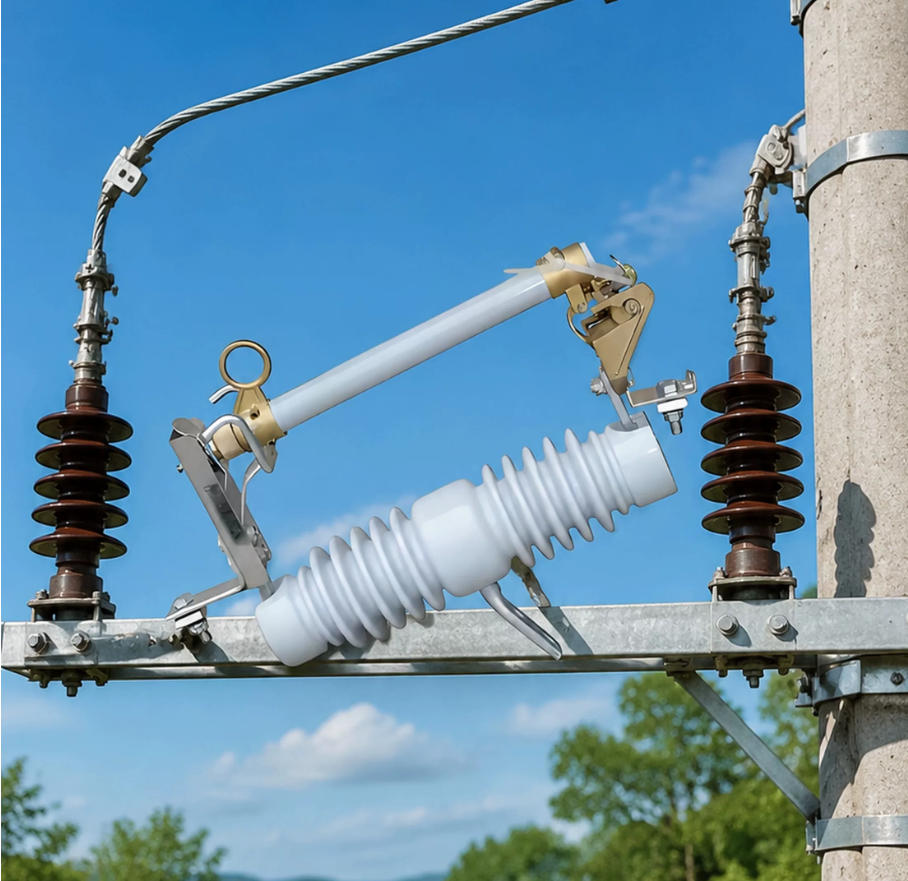
The reduced leakage reactance and shorter winding path help autotransformers hold voltage more tightly when the load changes. If you’re feeding sensitive equipment, pairing a well‑sized autotransformer with proper upstream protection and quality components like a reliable drop‑out high‑voltage fuse can keep your system stable and protected.Easier installation in tight spaces
Lighter weight and smaller footprint mean simpler mounting, easier rigging, and less stress on wall or rack structures. That’s a real advantage for service contractors working in crowded commercial rooms or industrial retrofits.
When These Benefits Really Pay Off
Autotransformers clearly win when:
The voltage ratio is close (for example, 480–400 V, 240–208 V, or 13.8 kV–12.47 kV).
You need high efficiency and good regulation, but don’t require galvanic isolation.
Space and budget are tight, like in OEM equipment, MCCs, or substation upgrades,s where you’re just matching similar grid voltages.
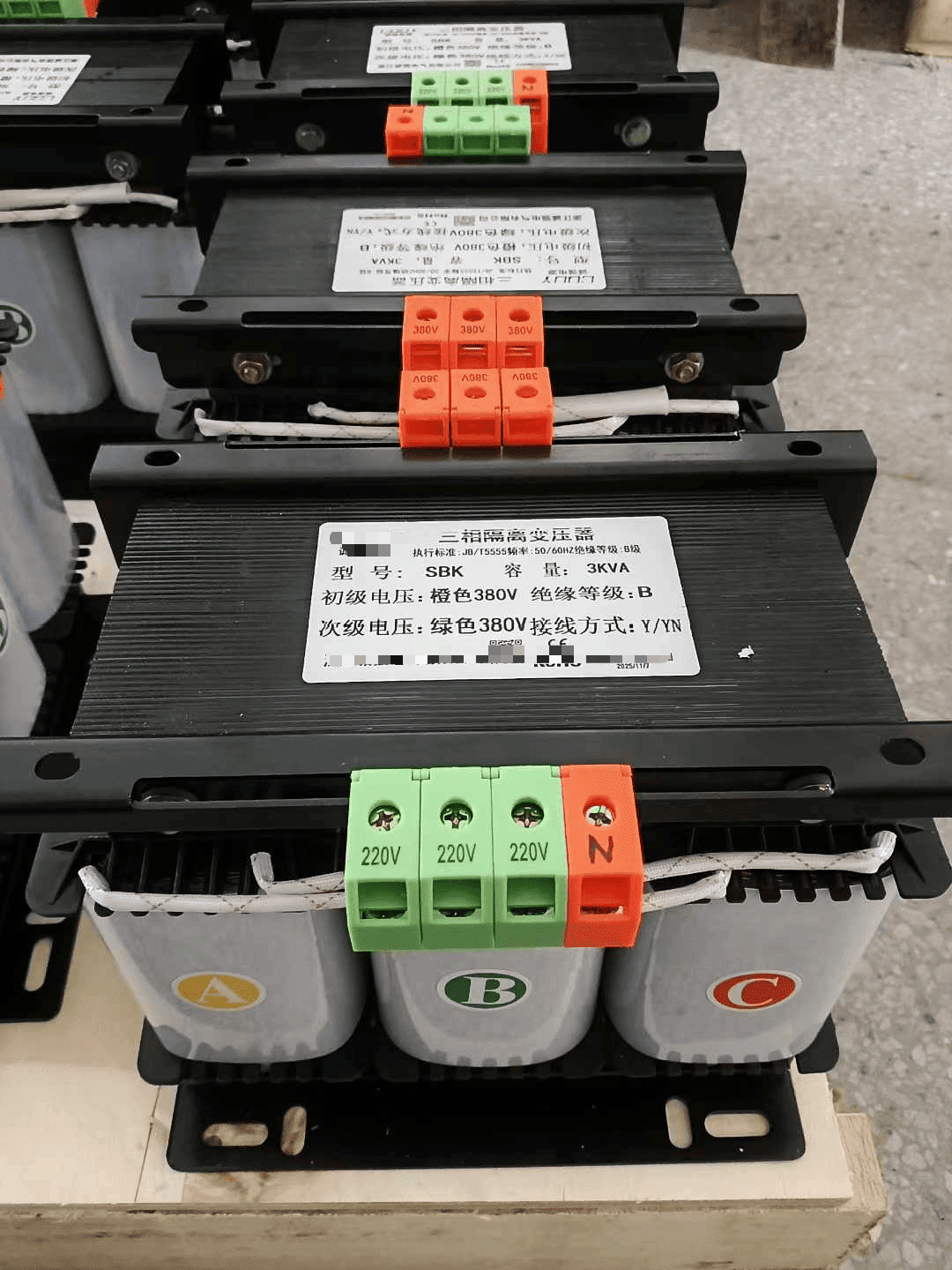
In those cases, an autotransformer can give you a cleaner, more efficient, and more cost‑effective solution than a conventional transformer, as long as you handle protection, grounding, and system coordination properly—especially around high‑voltage gear like insulators and grounding switches.
Disadvantages and Limitations of Autotransformers
No Galvanic Isolation (Direct Electrical Connection)
An autotransformer does not provide galvanic (electrical) isolation. The primary and secondary share the same winding, so the input and output are directly connected.
Any fault on the supply side can appear on the load side.
Touch voltage risk is higher compared to a conventional isolation transformer.
Not ideal where electrical separation is required by code (like hospital areas, wet locations, or certain residential installs).
If you need true isolation for safety or noise reduction, a standard two‑winding transformer is the better choice.
Higher Fault and Short‑Circuit Currents
Because of the direct electrical connection, fault currents on the load side can be significantly higher than with a conventional transformer.
Short circuits on the secondary can draw very high current from the supply.
Protection devices (breakers, fuses, relays) must be carefully sized and coordinated.
The system’s available fault current may go beyond what standard gear can safely interrupt.
If you’re already dealing with high fault levels in a substation or industrial plant, you need to factor this in before adding an autotransformer.
Not for Large Voltage Ratios
Autotransformers are most efficient when the voltage ratio is close, like 480/400 V or 240/208 V. They are not suited for big steps, such as 480/120 V.
As the voltage ratio increases, the safety risks and conductor stress go up.
Economical and performance benefits drop off with large step changes.
For major voltage transformations, a two‑winding transformer is safer and more practical.
Overvoltage Risk on the Low-Voltage Side
During certain fault conditions or wiring mistakes, the low‑voltage side of an autotransformer can see dangerous overvoltage.
A high‑voltage fault can appear almost directly on the low‑voltage terminals.
Connected equipment can be destroyed, and shock risk jumps.
Extra surge protection, grounding, and insulation levels are critical.
This is one reason many engineers avoid autotransformers where people frequently plug/unplug portable equipment.
Safety and Code Compliance Limits
In the U.S., you must consider NEC, UL, and local codes when using an autotransformer.
Often restricted in residential and certain commercial applications where isolation is required.
May not be acceptable in explosive, medical, or high‑risk environments.
You’ll need proper labeling, guarding, grounding, and protective devices to stay compliant.
For grounding and protection practices, many of the same principles applied to current transformer grounding in protection systems also guide safe autotransformer installations.
When You Should Avoid an Autotransformer
Skip an autotransformer and use a conventional transformer when:
You need isolation for safety, noise, or interference control.
You’re dealing with large voltage ratios (e.g., 480 V to 120 V).
The system already has high fault levels or strict arc‑flash limits.
The installation is in hazardous, medical, or life‑safety locations.
Users are non‑technical and may unknowingly misuse taps or connections.
In these cases, the drawbacks of an autotransformer outweigh the efficiency and cost benefits, and a standard isolation transformer is the smarter, safer move.
Autotransformer Applications
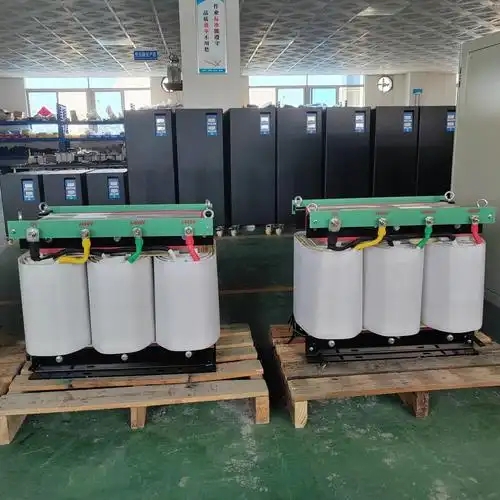
Autotransformers are my go‑to whenever I need efficient voltage control without the bulk and cost of a full isolation transformer. Here’s where they really shine in the U.S. market.
Voltage stabilizers and regulators
I use autotransformers inside domestic and industrial voltage stabilizers to keep equipment safe when the grid isn’t perfect.
Home and small business: Protecting TVs, PCs, HVAC controls, refrigerators, and sensitive electronics from voltage sag and surge.
Industrial loads: CNC machines, motors, PLCs, and lighting systems hold steady voltage under fluctuating utility supply.
Because an autotransformer uses a single winding, it delivers tight voltage regulation with high efficiency, making it ideal for compact, wall‑mount and cabinet‑mount stabilizers.
Motor starting with autotransformers
For large induction motors, an autotransformer starter gives reduced‑voltage starting that cuts inrush current and mechanical stress.
Reduced‑voltage starting: Limits starting current and voltage dip on the plant bus.
Beats DOL starting when:
The utility or plant can’t tolerate big voltage drops.
Motors are driving pumps, compressors, or fans with high starting torque.
You need better control than star‑delta but don’t want full soft‑starter cost.
Korndörfer autotransformer starters are a classic choice for medium‑voltage and high‑horsepower motors in U.S. industrial plants.
Power transmission and distribution
On the utility side, three‑phase autotransformers are ideal when two systems have close voltage levels.
Substations: Tie 115 kV to 138 kV, or 230 kV to 245 kV networks with less copper and smaller footprint than conventional transformers.
Grid tie‑in points: Perfect for interconnecting regional grids or adding new feeders where you only need a modest step‑up or step‑down.
For metering and protection on these lines, I often pair power autotransformers with compact devices like an outdoor combined instrument transformer metering unit to keep measurement accurate and wiring clean.
Laboratory and test benches
A variable autotransformer (Variac) is standard equipment on any serious lab or repair bench.
Adjustable AC supply: Smoothly vary voltage from near zero up to above line level for testing.
Common setups:
R&D benches for product development and burn‑in.
Service and repair shops for appliances, audio gear, and industrial controls.
Teaching labs in colleges and trade schools to demonstrate AC and transformer basics.
It’s the simplest way to get a safe, adjustable AC source without investing in a full programmable power supply.
Industrial and special‑purpose uses
In heavy industry and transport, autotransformers handle tough jobs where efficiency and size matter.
Furnace and heavy loads: Autotransformer‑based furnace transformers support high current, adjustable voltage for induction and resistance heating.
Railway electrification: Used as railway autotransformers to improve voltage profile and reduce losses along long AC traction lines.
Voltage correction in plants: Deployed along long feeders to correct voltage drop, improve power quality, and keep motors and process equipment within spec.
Whenever I need high efficiency, compact size, and fine voltage control—and isolation is not mandatory—an autotransformer is usually the smartest, most cost‑effective choice.
Autotransformer vs Conventional Transformer
Key Design Differences
Single‑winding vs two‑winding
Autotransformer: One continuous winding with taps (shared between input and output).
Conventional transformer: Two completely separate windings (primary and secondary).
Impact on isolation and faults
Autotransformer
No galvanic isolation – input and output share a direct electrical path.
Higher fault current on the load side; protection and upstream devices (like an outdoor vacuum circuit breaker) must be coordinated carefully.
Smaller footprint and simpler layout.
Conventional transformer
Full electrical isolation between primary and secondary.
Better containment of faults and overvoltages.
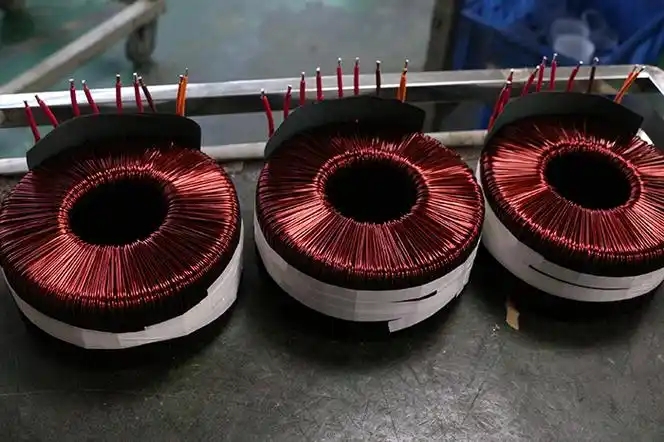
Slightly larger and heavier for the same kVA.
Performance and Cost Comparison
Efficiency
Autotransformer efficiency: typically 98–99% (especially for close voltage ratios).
Conventional transformer efficiency: about 96–98% in similar kVA.
Cost, size, and weight (for the same kVA)
Autotransformer
Less copper and core steel.
Smaller, lighter, and cheaper.
Conventional transformer
More material, more insulation.
Higher price, larger footprint.
Application Fit
Autotransformer is better when:
Voltage ratio is close (e.g., 480V–400V, 240V–208V).
You need high efficiency and compact size.
Isolation is not required by code or safety policy.
You’re doing motor starting, voltage correction, or system intertie with similar voltages.
Conventional transformer is smarter when:
You need isolation for safety, noise reduction, or code compliance.
Voltage ratio is large (e.g., 13.8kV–480V).
You must limit fault levels on the secondary side.
The load is in a harsh or high‑risk environment (wet areas, public access, medical, etc.).
Quick Comparison Table
| Feature | Autotransformer | Conventional Transformer |
|---|---|---|
| Winding design | Single shared winding | Two separate windings |
| Electrical isolation | No isolation | Full isolation |
| Typical efficiency | 98–99% | 96–98% |
| Cost per kVA | Lower | Higher |
| Size & weight | Smaller, lighter | Larger, heavier |
| Fault current on the secondary | Higher (must be managed carefully) | Lower / better limited |
| Typical uses | Motor starting, close‑ratio step‑up/down, voltage correction, grid tie | Service transformers, big step‑down, safety‑critical loads |
| Best choice when… | You want compact, efficient, low‑cost and no isolation is required | You need isolation and protection above all else |
Safety Considerations with Autotransformers
Autotransformers are efficient and compact, but they demand strict safety practices. Because there’s no isolation between input and output, I always treat both sides as if they’re directly connected to the supply.
Understanding the Lack of Isolation
With an autotransformer, the output winding is electrically tied to the input:
Shock risk: A user touching the “low‑voltage” side can still see full line potential during a fault. Treat all terminals as live.
Touch voltage: Exposed metal parts must be bonded properly so a fault-trip protection fast instead of leaving dangerous touch voltages.
Key grounding and bonding practices that really matter:
Bond the core, enclosure, and any metallic parts solidly to the equipment ground.
Follow NEC/UL rules for equipment grounding conductors and neutral bonding.
In panels or cabinets, pair proper grounding with a correctly rated disconnect switch so maintenance can be done de‑energized. When you design or retrofit panels, it’s worth matching the autotransformer to a properly sized disconnect switch and enclosure.
Protection and Coordination
Because an autotransformer can pass high fault currents, overcurrent protection has to be sized carefully:
Overcurrent and short‑circuit protection:
Size fuses or breakers based on kVA rating, system voltage, and inrush current.
Check the short‑circuit withstand rating of the autotransformer and coordinate it with upstream protection.
Using fuses, breakers, and relays correctly:
Use time‑delay fuses or thermal‑magnetic breakers where motor inrush or transformer inrush is expected.
Apply protective relays for larger three‑phase autotransformers in industrial or utility setups.
Make sure breaker trip curves and circuit breaker settings actually match your autotransformer’s characteristics, not just the feeder size.
Correct Tap Selection and Operation
Wrong tap use is one of the most common field mistakes:
Choosing the right tap:
Match the tap voltage to the actual line voltage, not the nameplate alone.
Avoid large overvoltage on equipment; when in doubt, choose the tap that keeps the load closer to rated voltage, not above it.
Locking, labeling, and maintaining taps:
Clearly label all taps with their voltage levels.
Use mechanical locks or covers so taps cannot be changed accidentally.
On variable autotransformers (Variacs), keep brush contacts clean and tight; inspect for wear, arcing, or hot spots regularly.
Installation and Maintenance Best Practices
Good installation is half of autotransformer safety:
Ventilation, clearances, mounting:
Provide enough free air space around the core and enclosure so heat can escape.
Follow manufacturer specs for minimum clearances from walls, other gear, and combustible materials.
Mount the unit on a rigid, vibration‑free surface; for larger oil‑immersed units, make sure the foundation can take the weight.
Routine inspection points:
Look for discoloration, odor, or hot spots on the winding, terminals, and enclosure.
Check terminal tightness and lug torque; loose connections cause overheating.
Inspect insulation, bushings, taps, and brushes for signs of tracking, cracking, or carbonization.
Verify that grounding and bonding connections are intact and corrosion‑free.
Handled with this level of care, an autotransformer can be safe and reliable in U.S. residential, commercial, and industrial setups, while still delivering its efficiency and size advantages.
Frequently Asked Questions About Autotransformers
Is an autotransformer safe to use?
Yes, an autotransformer can be safe if you use it in the right way and for the right job. The big thing to remember: there is no electrical isolation between input and output. That means:
Generally OK:
Fixed industrial systems where everything is properly grounded and enclosed
Motor starting, voltage correction, and voltage stabilizer autotransformers
Inside equipment where only trained techs have access
Usually not recommended:
As a “universal” 120/240 V adapter for random household outlets
Where you need isolation for shock protection or sensitive electronics
Wet areas, mobile setups, or DIY installs without a licensed electrician
Extra protection steps you should take:
Always use a correctly sized circuit breaker or fuse on the input side
Make sure the system grounding and bonding are solid and inspected
Use enclosures so live parts and terminals aren’t exposed
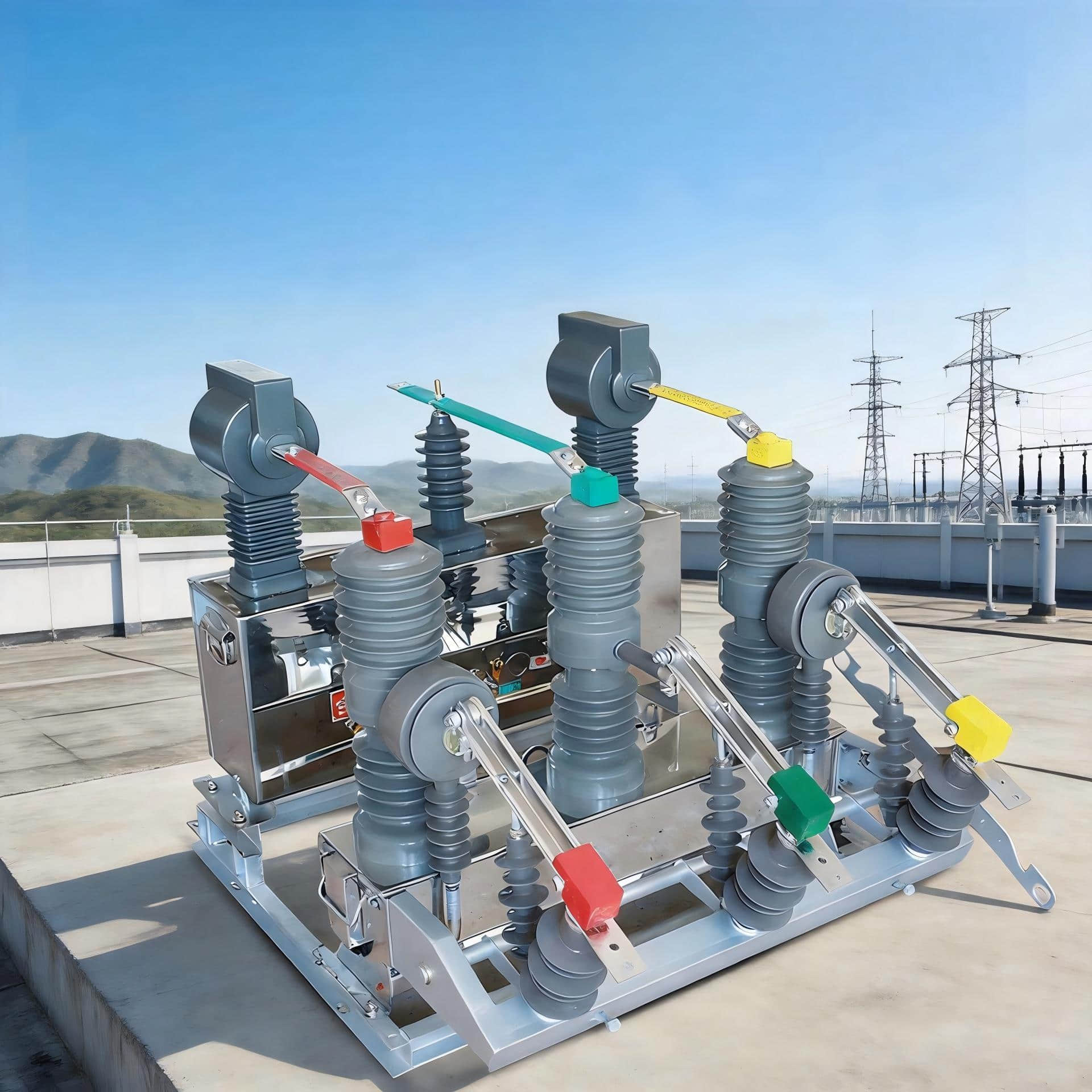
For higher‑energy systems, coordinate protection with upstream devices (for example, pairing with an appropriate outdoor vacuum circuit breaker)
If you’re unsure, treat an autotransformer like a “non‑isolated” device and err on the side of safety.
Can I use an autotransformer for 220V to 110V conversion?
Yes, a step‑down autotransformer can convert 220–240 V to 110–120 V, but you need to be smart about it:
When it makes sense:
Running 120 V tools or equipment in a workshop with only 240 V available
Using a single, known load with a fixed current (for example, a small machine, test bench, or lab gear)
Short‑term or controlled use where a qualified person plugs things in
When you should avoid it:
As a “travel adapter” or plug‑and‑play solution around the house
For devices that need isolation (medical, audio, sensitive electronics)
In places where local code requires a fully isolated step‑down transformer
Practical tips for using 220V → 110V step‑down autotransformers:
Size the kVA rating to at least 125% of the load’s VA (W ÷ power factor)
Check the frequency (don’t use a 60 Hz unit on 50 Hz unless it’s rated for it)
Use a model with proper outlet types, grounding, and overload protection
Label the 110/120 V outlets clearly so no one accidentally plugs in 240 V equipment
What is the main advantage over a conventional transformer?
The main advantage of an autotransformer is efficiency and cost per kVA:
Higher efficiency: Less copper and core material, fewer losses
Smaller size and lighter weight: Easier to mount in panels and tight spaces
Lower cost for the same kVA rating, especially when the input and output voltages are close
Better voltage regulation under load because of lower impedance
In real-world terms, that means:
Lower energy losses in continuous‑duty applications
Smaller enclosures and easier retrofits
Lower upfront cost on large kVA ratings where isolation isn’t needed
If you need isolation, go with a conventional transformer. If you just need efficient voltage adjustment between close levels, an autotransformer usually wins.
Why are autotransformers used in power transmission?
Autotransformers are heavily used in power transmission and distribution because they handle high power with high efficiency when voltages are relatively close:
Perfect for interconnecting systems like 115 kV, 132 kV, 138 kV, 220 kV, and 230 kV grids
Used in substations and grid tie‑in points to match close voltage levels with minimal losses
Smaller and cheaper than an equivalent two‑winding transformer at high kVA
In grid upgrades, utilities use three‑phase autotransformers to:
Shift between legacy and new voltage standards
Improve efficiency and reduce losses on long transmission corridors
Free up space and budget for additional protection and control gear (breakers, load break switches, etc., such as an outdoor load break switch)
Common buying and sizing questions
1. How do I choose the right kVA rating?
Add up the total load VA (or W ÷ power factor)
Multiply by 1.25 for margin (more if loads are motor‑heavy)
For motor starting with an autotransformer starter, follow the motor FLA and starting duty guidelines
2. How do I pick taps and voltage range?
Match your supply voltage and desired output (for example, 480→416→400→380 V taps)
Decide whether you need fixed taps or a variable autotransformer (Variac) style for adjustable output
For US shops and labs, common setups include 240→120 V or 480→240/208/120 V options
3. What cooling type should I choose?
Dry‑type: Indoors, cleaner environments, lower to medium kVA
Oil‑immersed: Higher kVA, outdoor, or where better cooling and lifespan are critical
Always check ambient temperature and ventilation conditions
4. Key specs to check before ordering or installing:
kVA rating and input/output voltages
Frequency (60 Hz vs dual 50/60 Hz)
Insulation class and temperature rise
Tap positions and adjustment method (fixed, multi‑tap, or variable)
Cooling type (dry, cast coil, oil‑immersed)
Short‑circuit withstand rating and protection requirements
If you’re in the US and speccing for an industrial or commercial site, I always recommend coordinating with your electrician and utility to confirm fault levels, grounding method, and protection settings before wiring an autotransformer into the system.