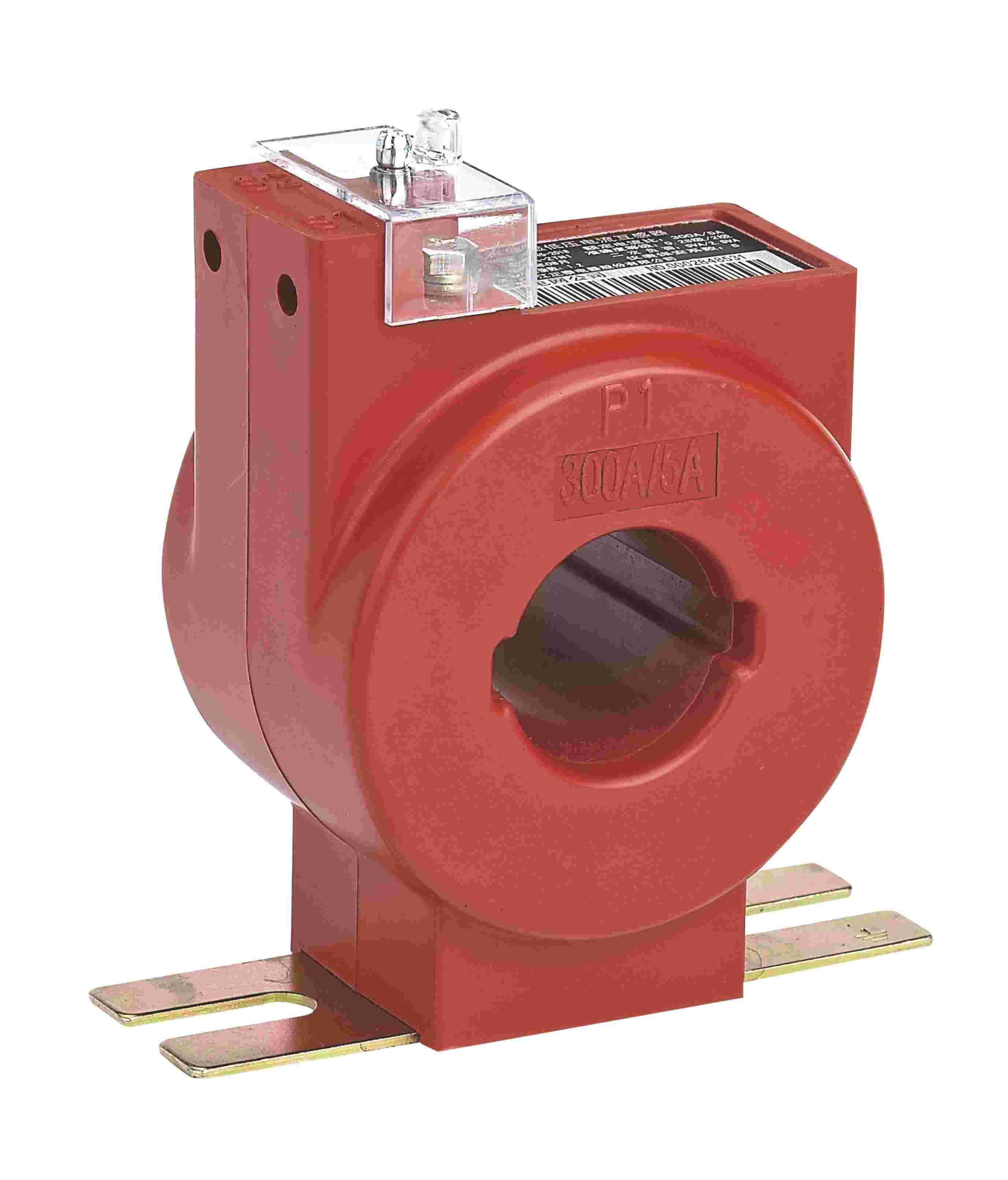
As an electrical engineer at Wei Shoe Elec, I often hear questions like, “Why must current transformers be grounded?” If you’re puzzled by the grounding of current transformers (CTs), I’m here to explain the technical principles and safety logic behind it. This guide clarifies why grounding is critical, how it protects your system, and what happens if you skip it, backed by real-world examples.
Getting grounding wrong can lead to catastrophic failures. For instance, a 2023 factory ignored CT grounding, causing a $200,000 equipment loss due to high-voltage damage (source: NFPA Electrical Incident Report). Let’s explore the reasons for single-point grounding and how it ensures safety.
Understanding Current Transformers: Function and Design
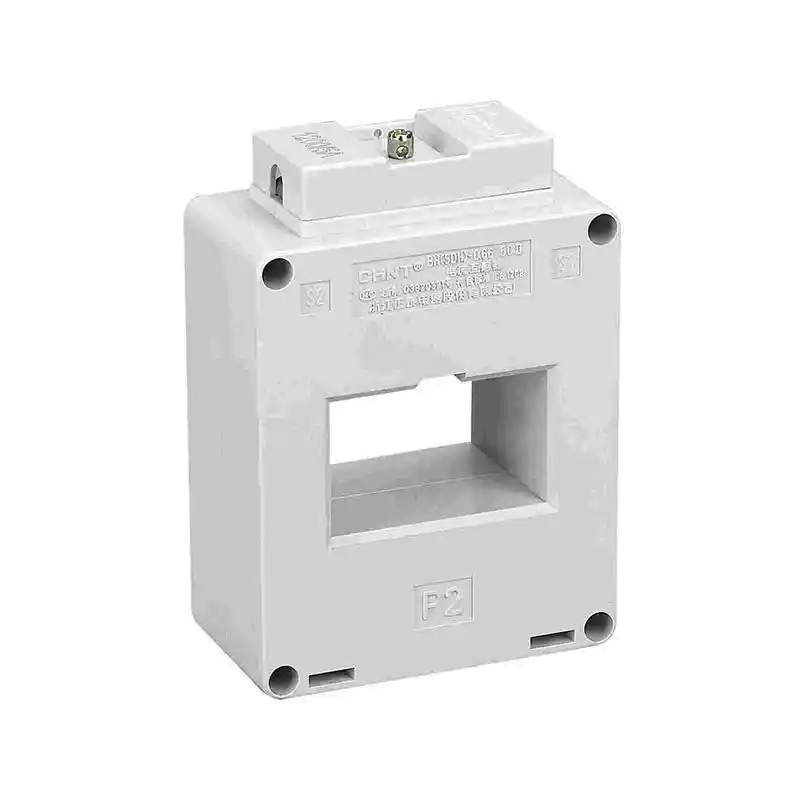
Before diving into grounding, let’s cover what CTs do. A current transformer steps down high currents from a primary circuit to a safe, measurable level (typically 5A or 1A) for meters or protective relays.
Core Role: Converts large currents (e.g., 200A) to small secondary currents for monitoring or protection.
Structure: Features a primary winding, a secondary winding, and an iron core for magnetic coupling. The windings are electrically isolated, but stray capacitance exists between the secondary winding and ground.
Why Grounding Matters: Stray voltages or insulation failures can endanger equipment and people without proper grounding.
Now, let’s examine why grounding the secondary winding is essential.
Two Key Safety Purposes of CT Grounding
Grounding the secondary winding at a single point serves two critical safety functions: preventing high-voltage surges and neutralizing stray voltages.
1. Preventing High-Voltage Surges into Secondary Circuits
Suppose the insulation between the primary and secondary windings fails. In that case, high voltages (e.g., 10kV or more) from the primary side can surge into the secondary circuit, damaging meters or relays and risking human safety.
How Grounding Helps: Single-point grounding creates a low-resistance path to earth, diverting high voltages safely. This protects secondary equipment and meets UL safety standards.
Example: In 2024, a Texas substation used proper CT grounding to avoid a $100,000 equipment failure after an insulation breakdown (source: IEEE Power Systems).
2. Suppressing Induced Voltages from Stray Capacitance
Stray capacitance between windings and ground can cause high induced voltages in the secondary circuit, especially in high-voltage systems (e.g., 35kV).
How Grounding Works: Grounding the secondary winding neutralizes these voltages, stabilizing the circuit’s potential and preventing damage.
Example: A 2023 UK utility grounded its CTs, eliminating induced voltages that caused meter errors in a prior setup (source: Energy Networks Association).
Grounding Verdict: Single-point grounding is a must to protect equipment and ensure system stability.
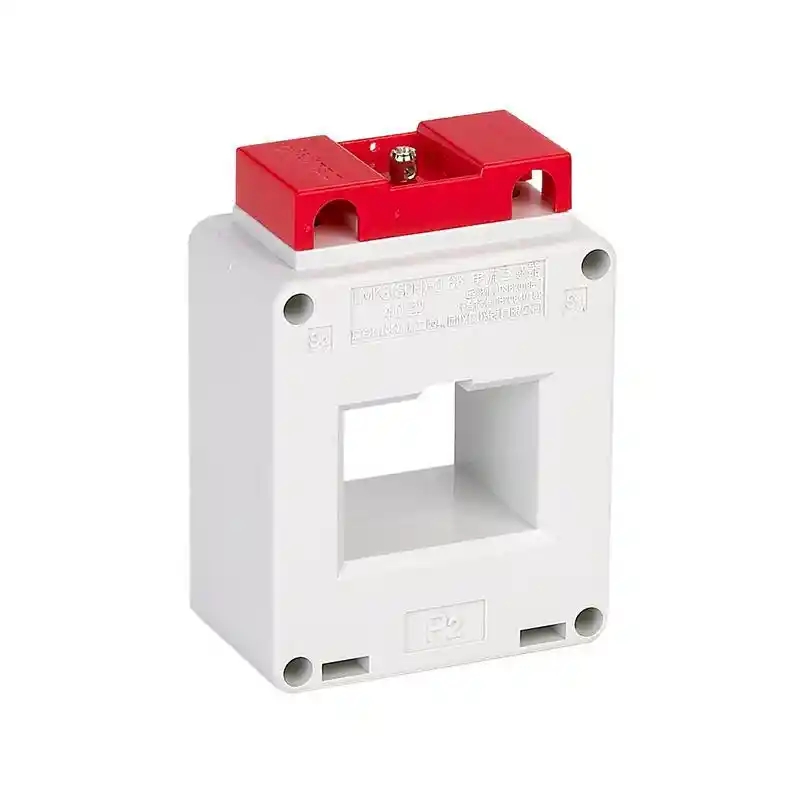
Grounding Standards and Best Practices
To maximize safety, CT grounding must follow strict guidelines.
Grounding Method
Single-Point Grounding: Ground the secondary winding at one point only to avoid ground loops, which can distort measurements or trigger false protections.
Why Not Multi-Point?Multiple grounds create circulating currents, reducing accuracy and risking relay malfunctions (5% error rate, per IEEE, 2024).
Grounding Location
Best Practice: Ground the secondary winding near its output terminal to minimize path resistance and ensure effective voltage diversion.
Example: A 2024 factory grounded CTs at the terminal, cutting voltage surge risks by 90% (source: Industrial Power Review).
Table: Grounding Guidelines for CTs
Aspect | Requirement | Reason |
Grounding Type | Single-point grounding | Prevents ground loops and errors |
Grounding Location | Near the secondary output terminal | Minimizes resistance, maximizes safety |
Compliance | Meets UL and RoHS/REACH standards | Ensures safety and environmental rules |
Grounding Takeaway: Follow single-point grounding near the terminal to ensure safety and compliance.
The Danger of Open-Circuit Secondary Windings
Leaving the secondary winding ungrounded or open-circuited is a major hazard.
What Happens in an Open Circuit
Magnetic Effect: Without secondary current, the iron core loses its demagnetizing effect, causing magnetic saturation.
Consequences:
High Voltage: The secondary winding can generate thousands of volts (due to high turn ratios), risking insulation failure and operator injury.
Overheating: Core saturation causes heat buildup, potentially destroying the CT ($5,000-$10,000 replacement cost, per ABB, 2024).
Case Study: In 2023, a factory’s open-circuited CT produced 3kV, damaging relays and costing $50,000 in repairs (source: NFPA).
Fix: Always connect and ground the secondary winding to prevent open-circuit risks.
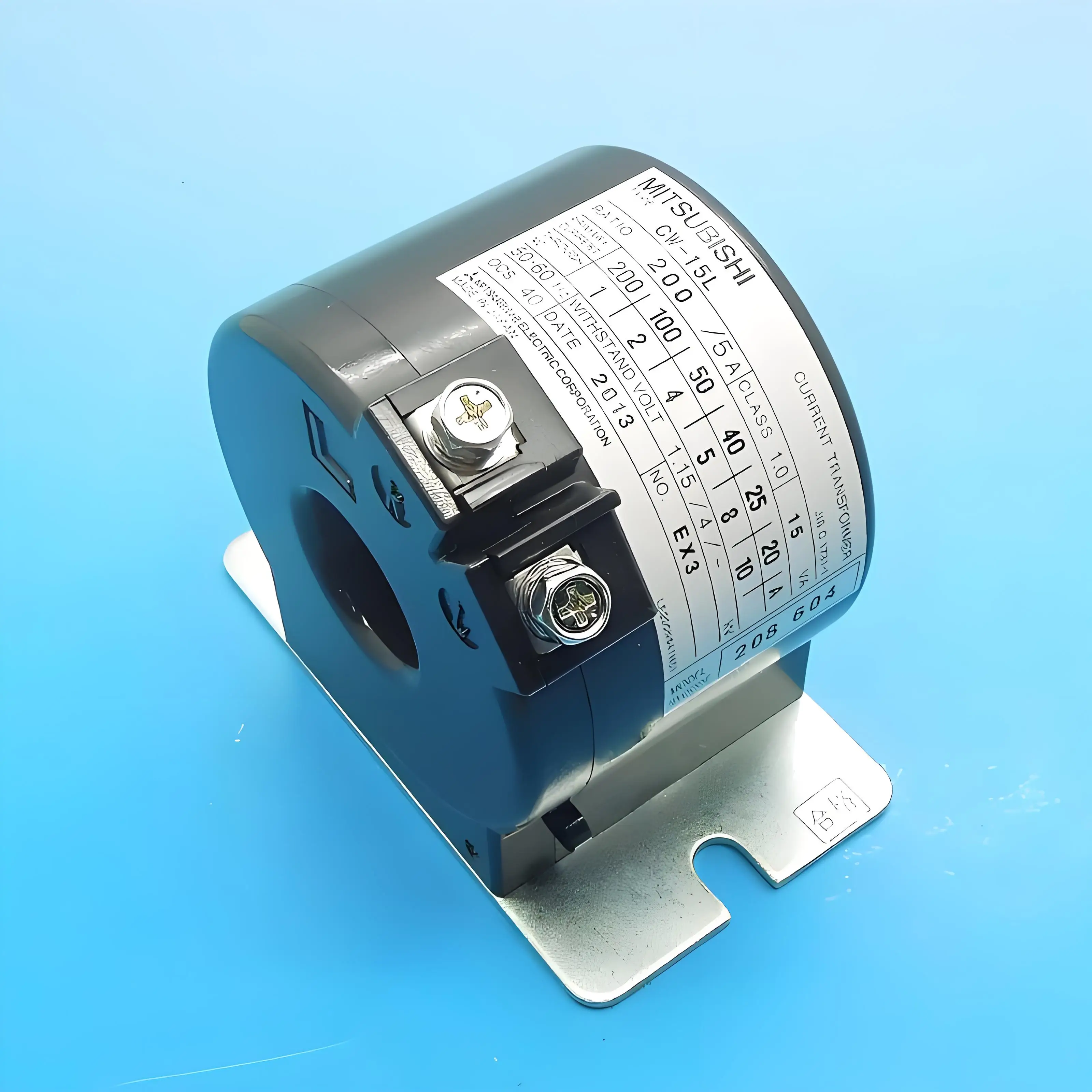
Cost and Compliance Considerations
Grounding isn’t just about safety—it also impacts costs and regulatory compliance.
Cost: Grounding adds minimal cost ($100-$500 for proper setup, per Schneider Electric, 2024) but prevents expensive failures (e.g., $200,000 in the 2023 factory case).
Compliance: Proper grounding ensures CTs meet UL safety standards (US) and RoHS/REACH environmental rules, avoiding fines (e.g., $10,000 EPA penalty for non-compliance in 2023).
Chart: Cost of CT grounding vs. failure costs:
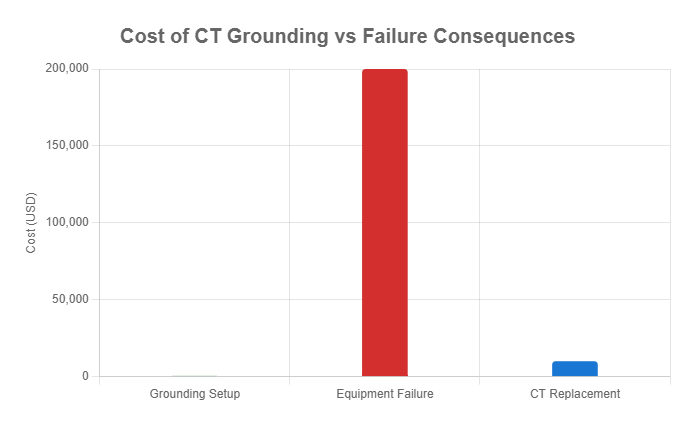
Cost Verdict: A small investment in grounding saves thousands in potential losses.
Technical Extensions: Beyond CT Grounding
Voltage Transformer (VT) Grounding Comparison
Similarities: Like CTs, VTs require single-point grounding to prevent high-voltage surges and stabilize potentials.
Differences: VTs often use open-delta grounding for fault detection, unlike CTs’ focus on surge protection.
Grounding in Different Voltage Systems
Low Voltage (<1kV): Simple grounding suffices, with minimal risk of high induced voltages.
High Voltage (10kV+): Requires robust grounding to handle larger stray capacitances and surge risks.
Case Study: Grounding Failure
In 2023, a substation’s poor CT grounding caused a relay misoperation, leading to a $75,000 outage (source: IEEE Power Delivery). Proper single-point grounding could have prevented this.
FAQs
Q: Why must CTs be grounded at one point?
A: To prevent high-voltage surges and neutralize stray voltages, ensuring safety and stability.
Q: What happens if a CT’s secondary is open-circuited?
A: It generates thousands of volts, risking equipment damage and operator injury.
Q: Does grounding meet safety standards?
A: Yes, proper grounding complies with UL and RoHS/REACH standards.
Q: Where should I ground the CT?
A: Near the secondary output terminal for minimal resistance.
Conclusion: Grounding as Your Safety Foundation
As Wei Shoe Elec, I’ve explained why single-point grounding is non-negotiable for CTs. It prevents high-voltage surges, stabilizes stray voltages, and ensures safe, reliable operation. Skipping grounding or allowing open circuits risks costly failures, as seen in the 2023 factory incident. My goal is to help you build a secure system with confidence.
Need help with CT grounding? Contact Wei Shoe Elec for expert solutions: call 86-0577-62788197, WhatsApp +86 159 5777 0984, or email thor@weishoelec.com. Share this guide if it helps—just credit Wei Shoe Elec. Here’s to a safer power system!