Definition and Basic Working Principles
An electrical insulator is a material that resists the flow of electric current. Unlike conductive materials that allow electrons to move freely, insulators hold electrons tightly within their atomic structure. In the context of high-voltage power systems—such as the SF6 circuit breakers we manufacture—insulators serve a critical safety function. They confine electricity to its intended path, preventing leakage that could damage equipment or endanger personnel. Whether using solid materials or specialized gases like Sulfur Hexafluoride (SF6), the primary goal is to create a non-conductive barrier that maintains system integrity under electrical stress.
Key Physical and Electrical Properties
To function effectively in industrial applications, insulating materials must possess specific characteristics. The most critical property is dielectric strength, which determines the maximum voltage a material can withstand without breaking down.
High Resistivity: Prevents the passage of current even under high voltage.
Thermal Stability: Materials must resist degradation from heat generated by electrical arcs or environmental conditions.
Mechanical Durability: In outdoor settings, insulators must withstand physical stress, such as wind or vibration.
Arc-Quenching Ability: Advanced insulators, particularly SF6 gas, are selected for their ability to rapidly extinguish electrical arcs, a vital feature in our LW36 and LW30 series circuit breakers.
Distinction Between Conductors and Insulators
The fundamental difference lies in atomic structure and electron mobility. Conductors, such as copper and aluminum, used in power lines, have free electrons that facilitate the easy flow of current. Insulators, conversely, have high resistance and block this flow. In a functional electrical system, these two work in tandem: conductors deliver the power, while insulators support the conductors and prevent short circuits. For example, in our switchgear, metallic contacts conduct the current, while the surrounding SF6 gas or porcelain housing acts as the insulator to interrupt the circuit safely when required.
5 Common Examples of Electrical Insulators
When identifying what are 5 electrical insulators, we look at materials that effectively block the flow of electric current. These materials range from everyday household items to the heavy-duty components we use in our high-voltage switchgear. Here are the primary examples used across the industry.
1. Rubber and Specialized Plastics
Rubber is likely the first material that comes to mind when asking what are electrical insulators. It is flexible, durable, and excellent for coating wires and cables found in residential and commercial buildings. Specialized plastics, such as PVC (Polyvinyl Chloride), serve a similar purpose by providing a protective jacket around conductors, ensuring safety for low-to-medium voltage applications.
2. Glass and Porcelain Ceramics
In the high-voltage sector, glass and porcelain are the heavyweights. We frequently utilize high-grade porcelain in the bushings and housings of our outdoor equipment, such as the LW36 series circuit breakers. Porcelain ceramics offer exceptional resistance to heat and environmental weathering, making them ideal for outdoor transmission lines where long-term reliability is non-negotiable.
3. Fiberglass and Composite Materials
Modern electrical systems rely heavily on fiberglass and composites due to their high mechanical strength and excellent insulating properties. These materials are crucial when you need to select enclosures for high voltage that can withstand physical stress while preventing electrical leakage. Composites are lighter than porcelain and are increasingly used in isolators and switchgear structural components.
4. Pure Water and Atmospheric Air
While dirty water conducts electricity, chemically pure (deionized) water is actually an insulator. However, atmospheric air is the more practical insulator in this category. Air acts as a natural barrier between conductors in overhead lines. In our specialized equipment, we often upgrade from air to Sulfur Hexafluoride (SF6) gas, which offers superior insulation and arc-quenching capabilities for voltages up to 220kV.
5. Industrial Oils and Insulating Foams
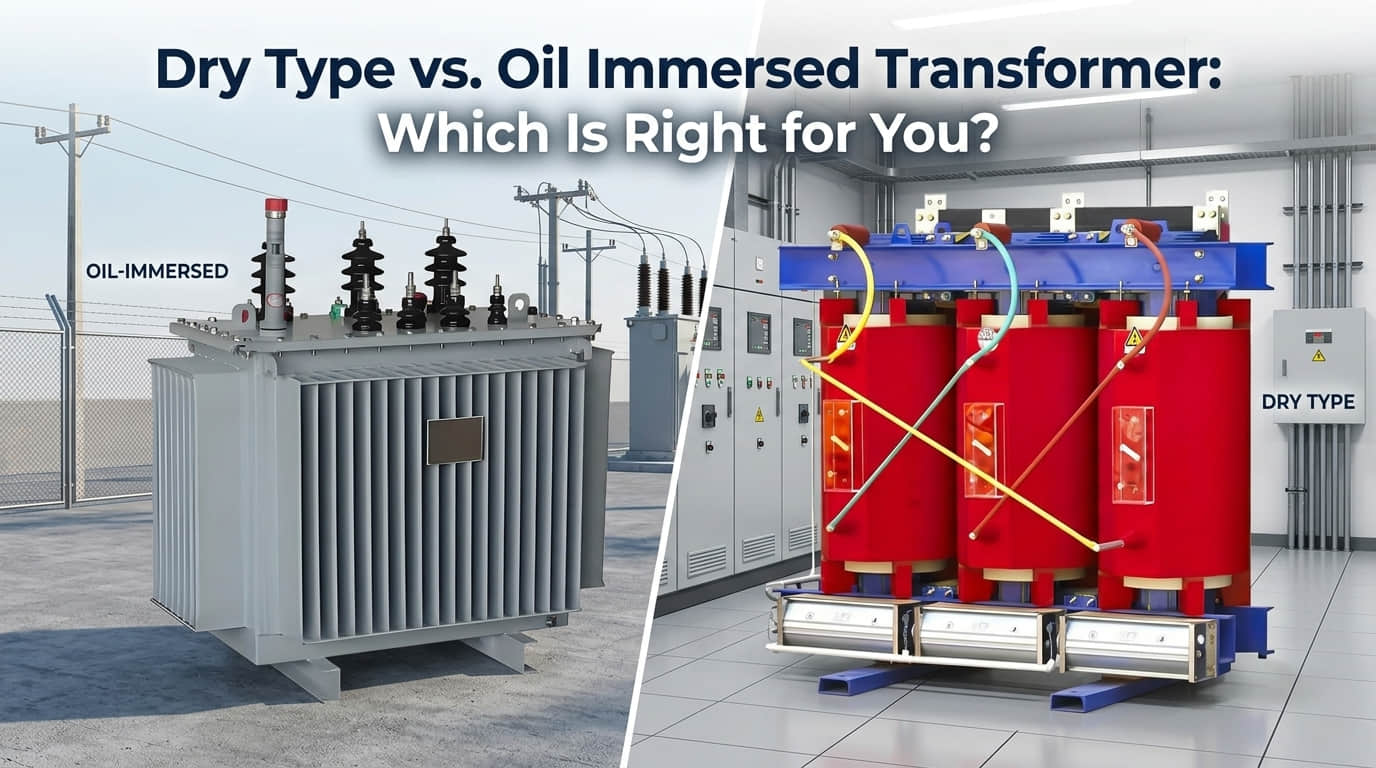
Industrial oils, specifically mineral oils, are standard in utility equipment like oil-immersed transformers. The oil serves a dual purpose: it acts as a powerful electrical insulator to prevent arcing between internal components and functions as a coolant to dissipate heat. Insulating foams are also used to fill gaps in equipment, preventing the ingress of moisture and dust that could compromise the system.
Main Types of Insulators by Structural Design
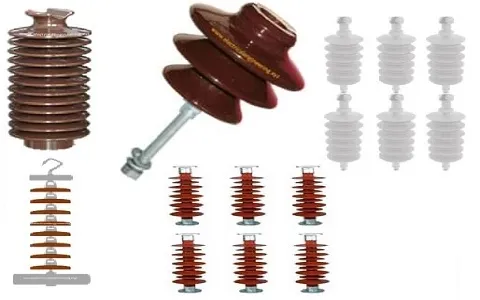
When designing high-voltage systems, the material is only half the battle; the physical shape and structure determine how the insulator handles mechanical stress and voltage loads. In the power grid, different structural designs are engineered to meet specific operational needs, from supporting heavy busbars in a substation to hanging flexible transmission lines.
Pin and Post Insulators
Pin Insulators are the classic choice for lower voltage distribution lines (typically up to 33kV). They sit securely on a cross-arm, isolating the wire from the utility pole. However, in the high-voltage industrial environments where our SF6 circuit breakers operate, Post Insulators are far more common.
Post insulators are designed for rigidity and high mechanical strength. We rely on them to support heavy switchgear components and busbars in substations ranging from 40.5kV to 220kV. Unlike pin types, post insulators can be mounted horizontally or vertically. Ensuring the structural integrity of these units is vital, as surface degradation or design flaws can lead to vacuum circuit breaker insulator flashover, causing significant system downtime.
Suspension and Strain Insulators
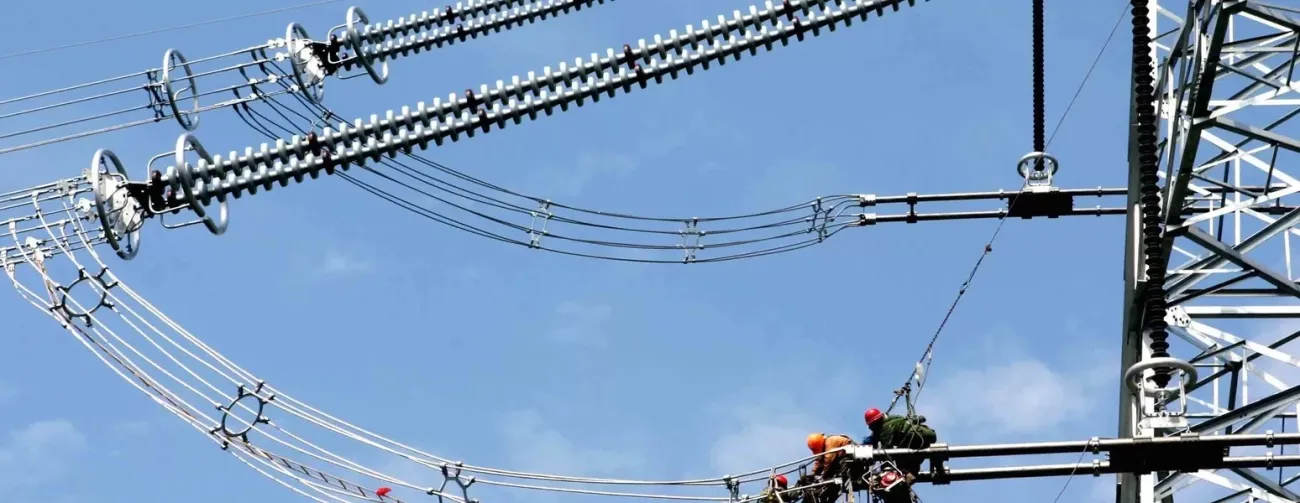
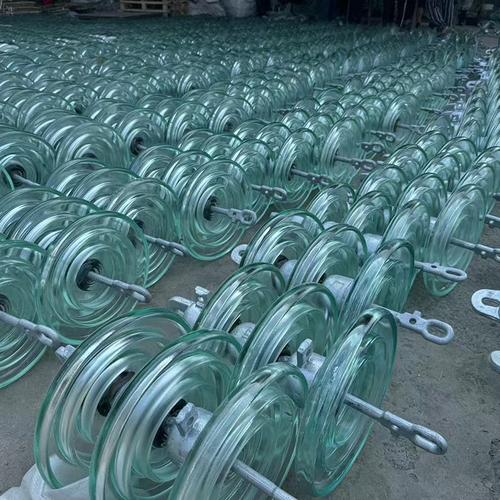
As voltage levels rise above 33kV, pin insulators become too bulky and impractical. This is where Suspension Insulators take over. These consist of a string of porcelain or composite discs hanging from a tower. This flexible design protects the overhead lines from mechanical stress and allows for higher voltage ratings simply by adding more discs to the string.
Strain Insulators are structurally similar but are installed horizontally. They are used where the electrical line ends or makes a sharp turn. Their primary job is to withstand the immense physical tension (strain) of the line while preventing electricity from leaking to the support structure.
Shackle and Stay Insulators
These are primarily found in low-voltage distribution networks rather than high-voltage transmission.
Shackle Insulators: Also known as spool insulators, these are used on distribution poles where the line changes angle. They are durable and can be mounted vertically or horizontally.
Stay Insulators: These are a safety feature installed on the guy wires (stay wires) that support utility poles. They prevent high voltage from traveling down the wire to the ground if the pole’s electrical insulation fails.
Key Advantages and Functions of Insulating Materials
Prevention of Electric Shocks and Fire Hazards
The most critical role of electrical insulators is protecting human life and property. In high-voltage environments, such as those utilizing our SF6 circuit breakers, the insulation medium must do more than just block current; it needs to actively suppress dangerous electrical arcs. Materials like Sulfur Hexafluoride (SF6) provide excellent arc-quenching capabilities, extinguishing arcs within milliseconds to prevent flashovers. By containing the current within the conductive path, we ensure compliance with strict safety standards (UL, IEC) and eliminate the risk of accidental contact or electrical fires in industrial settings.
Protection of Sensitive Electronic Components
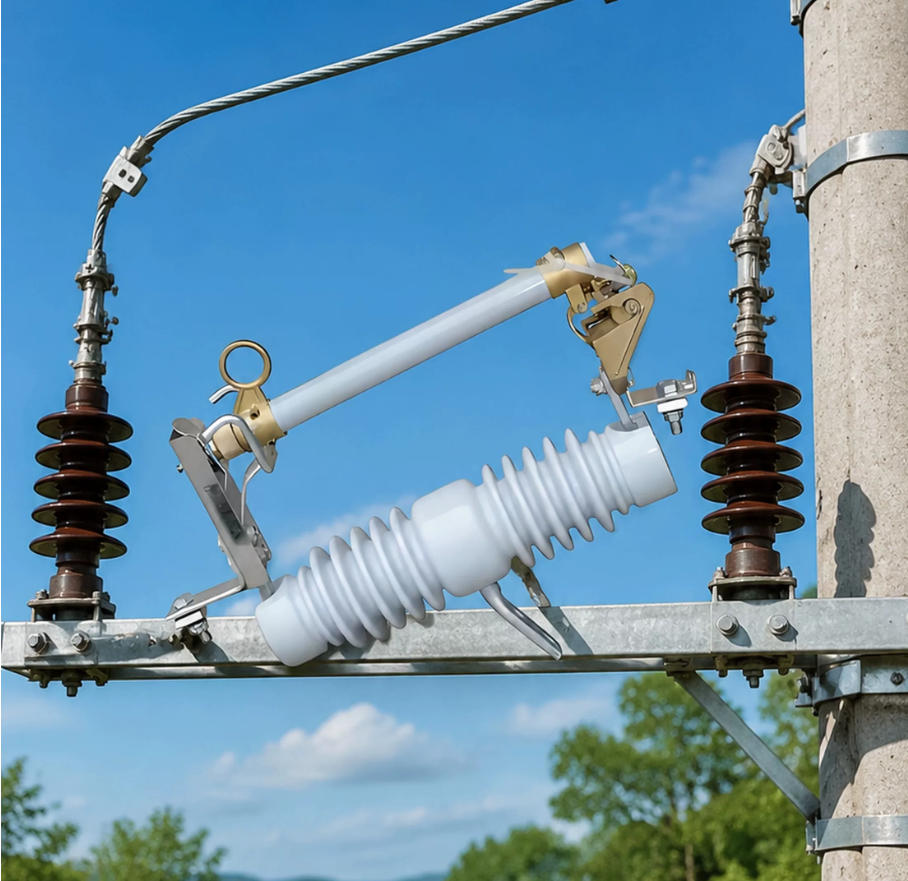
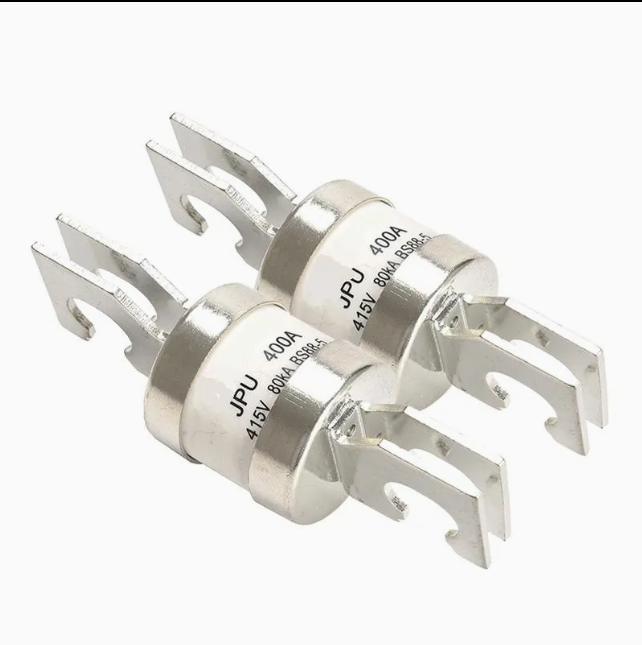
Insulators serve as a barrier that prevents short circuits, which can instantly destroy expensive infrastructure. By keeping conductors separated, we ensure that voltage surges don’t jump to sensitive control circuits or metallic enclosures. In many systems, this passive protection works hand-in-hand with active safety devices. For instance, pairing robust insulation with an indoor high-voltage current-limiting fuse creates a fail-safe environment where equipment is shielded from both physical contact and overcurrent faults.
Minimization of Energy Leakage and Power Loss
Efficiency is the bottom line for any power system. Good electrical insulators prevent current from leaking out of the circuit and dissipating as heat or grounding out. Even minor leakage in a high-voltage grid can amount to significant financial loss over a 20 to 30-year service life. Whether we are dealing with a massive transmission gear or a standard 220V-500V low voltage insulator, the goal is the same: maintain high dielectric strength to ensure every watt of power reaches its intended destination without waste.
Practical Applications in Modern Systems
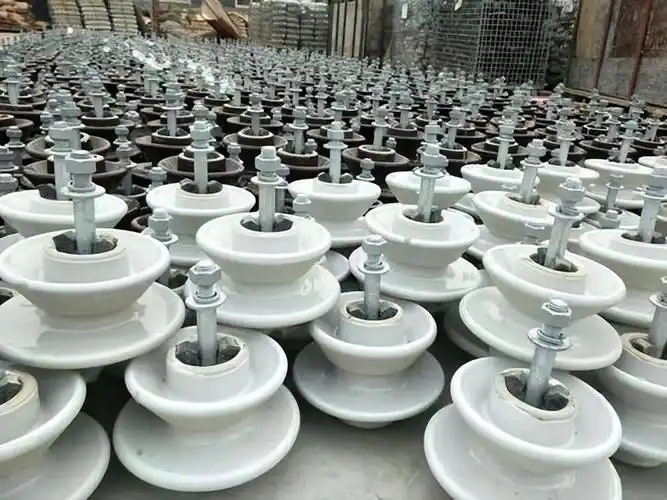
Electrical insulators are the unsung heroes of our power infrastructure, keeping electricity exactly where it needs to be. From the massive transmission towers spanning the countryside to the machinery on a factory floor, these materials prevent dangerous leakage and ensure systems operate efficiently. In my experience with high-voltage equipment, selecting the right insulation method—whether it’s solid porcelain or SF6 gas—is critical for safety and longevity.
Overhead Power Lines and Grid Infrastructure
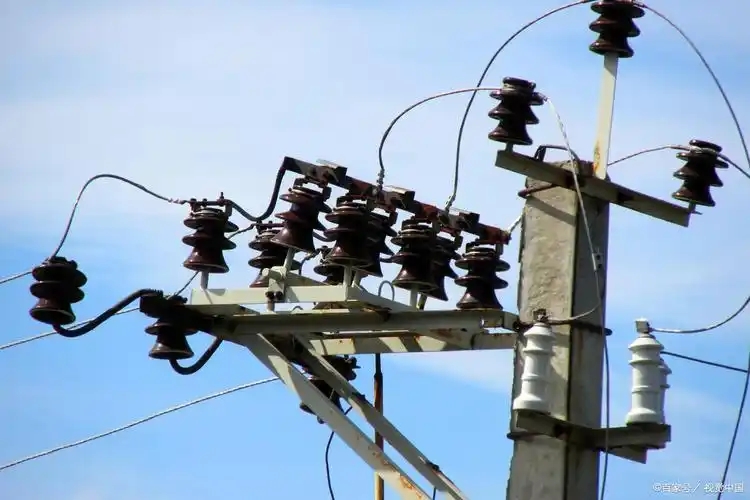
When you look at the power grid, electrical insulators are the components separating the live conductors from the utility poles and towers. In high-voltage transmission, typically ranging from 40.5kV to 220kV, we rely on materials like porcelain, glass, or composite polymers to withstand mechanical stress and environmental exposure.
However, insulation isn’t just about the physical supports on the lines; it is also inside the equipment that protects the grid. For example, our circuit breakers utilize Sulfur Hexafluoride (SF6) gas as a primary insulating medium. This gas offers excellent arc-quenching properties, extinguishing electrical arcs within milliseconds to prevent system failure. To further secure the grid, utilities often deploy drop-out fuses alongside breakers to isolate faults quickly during surges.
Outdoor Applications: Porcelain and composite insulators resist rain, UV rays, and pollution.
Internal Insulation: SF6 gas provides superior insulation in compact switchgear tanks.
Voltage Handling: Capable of managing loads up to 220kV in utility substations.
Circuit Boards and Electrical Wiring Coatings
While my focus is often on high-voltage industrial gear, the principles of insulation remain the same for low-voltage electronics. In circuit boards (PCBs), materials like fiberglass (FR4) and epoxy resins act as the substrate that physically holds and electrically isolates the conductive copper pathways.
For wiring, flexible plastics like PVC or rubber are standard. These coatings ensure that wires can be bundled together without shorting out, protecting both the device and the user from shock. Even in complex control panels for our larger breakers, these basic insulators are essential for the reliable transmission of control signals.
Industrial Equipment and Household Appliances
In industrial settings, the stakes are high. Equipment must handle massive currents without overheating or arcing. Here, we use robust insulation to protect heavy machinery and the personnel operating it. This is particularly relevant when setting up power distribution systems, where knowing the difference between switchgear and switchboards helps in selecting the right protection level for the facility.
Our SF6 circuit breakers are designed for these demanding environments, offering a service life of 20 to 30 years with minimal maintenance. The gas insulation ensures that even when interrupting high currents, the equipment remains safe and operational.
Safety: Prevents accidental contact with live parts in factories and homes.
Durability: Industrial insulators withstand heat, vibration, and chemical exposure.
Compliance: Meets international standards (IEC, ANSI, UL) for safe operation in commercial and utility sectors.
Factors to Consider When Selecting an Insulator
When determining what are 5 electrical insulators best suited for a specific project, the decision goes beyond just picking a non-conductive material. You have to match the insulator’s properties to the operational environment and the electrical load it needs to handle. In our experience with high-voltage systems, making the wrong choice can lead to catastrophic equipment failure or safety hazards.
Dielectric Strength and Voltage Capacity
The most critical factor is dielectric strength, which defines the maximum voltage an insulator can withstand without breaking down. In high-voltage applications—like our systems operating between 40.5kV and 220kV—the material must prevent current from jumping across the gap (arcing). While air is a common insulator, it requires massive clearance distances at these voltage levels. That is why we often utilize Sulfur Hexafluoride (SF6) or vacuum technologies, which offer superior dielectric properties in a compact footprint. For a deeper dive into how these ratings impact system design, understanding what is a high voltage insulator is essential for selecting the right class of equipment.
Resistance to Heat, Moisture, and Corrosion
Insulators must maintain their integrity under extreme thermal stress and environmental exposure. Heat generated by high currents can degrade inferior materials, leading to insulation failure. Moisture is another major threat; if water penetrates the insulator or forms a conductive path on the surface, it causes short circuits. We ensure our outdoor equipment is designed to resist corrosion and moisture ingress, often using sealed gas environments or high-grade ceramics that meet strict IEC and ANSI standards. This resistance is vital for preventing tracking and maintaining safety over decades of operation.
Mechanical Strength and Environmental Durability
An insulator often doubles as a mechanical support, meaning it has to be physically tough. In outdoor substations, insulators must withstand heavy wind loads, ice accumulation, and the mechanical shock of switching operations. We engineer our switchgear for a service life of 20 to 30 years, which requires materials that won’t crack or become brittle over time. whether the installation is indoor or outdoor, the mechanical strength of the insulator ensures that the conductors remain securely separated, regardless of external physical pressures.
Maintenance and Testing of Electrical Insulation
Ensuring the longevity of your high-voltage equipment requires a proactive approach to maintenance. While our SF6 circuit breakers are engineered for a service life of 20 to 30 years with minimal upkeep, the integrity of the insulating medium is critical for safety. Regular testing confirms that the dielectric strength remains sufficient to handle voltage levels ranging from 40.5kV up to 220kV without failure.
Best Practices for Insulation Resistance Testing
To verify the health of your system, we recommend a standardized testing routine. The goal is to detect any reduction in resistance that could lead to current leakage or short circuits.
Megohmmeter Testing: Use a megohmmeter (Megger) to measure the resistance between conductive parts and the ground. Higher resistance values indicate healthy insulation.
Gas Pressure Checks: For gas-insulated switchgear, monitoring the SF6 density is vital. Since SF6 provides excellent arc-quenching properties, maintaining the correct pressure ensures the breaker can interrupt currents within milliseconds.
Temperature Correction: Always correct your resistance readings to a standard temperature (usually 20°C or 40°C) to track accurate trends over time.
Identifying Signs of Degradation and Failure
Physical wear and environmental stress can compromise even the most robust materials. When considering what are 5 electrical insulators prone to degradation, materials like rubber, porcelain, and oil often show visible symptoms before catastrophic failure.
Surface Tracking: Look for “tree-like” carbon paths on the surface of solid insulators, which indicate partial discharge and leakage.
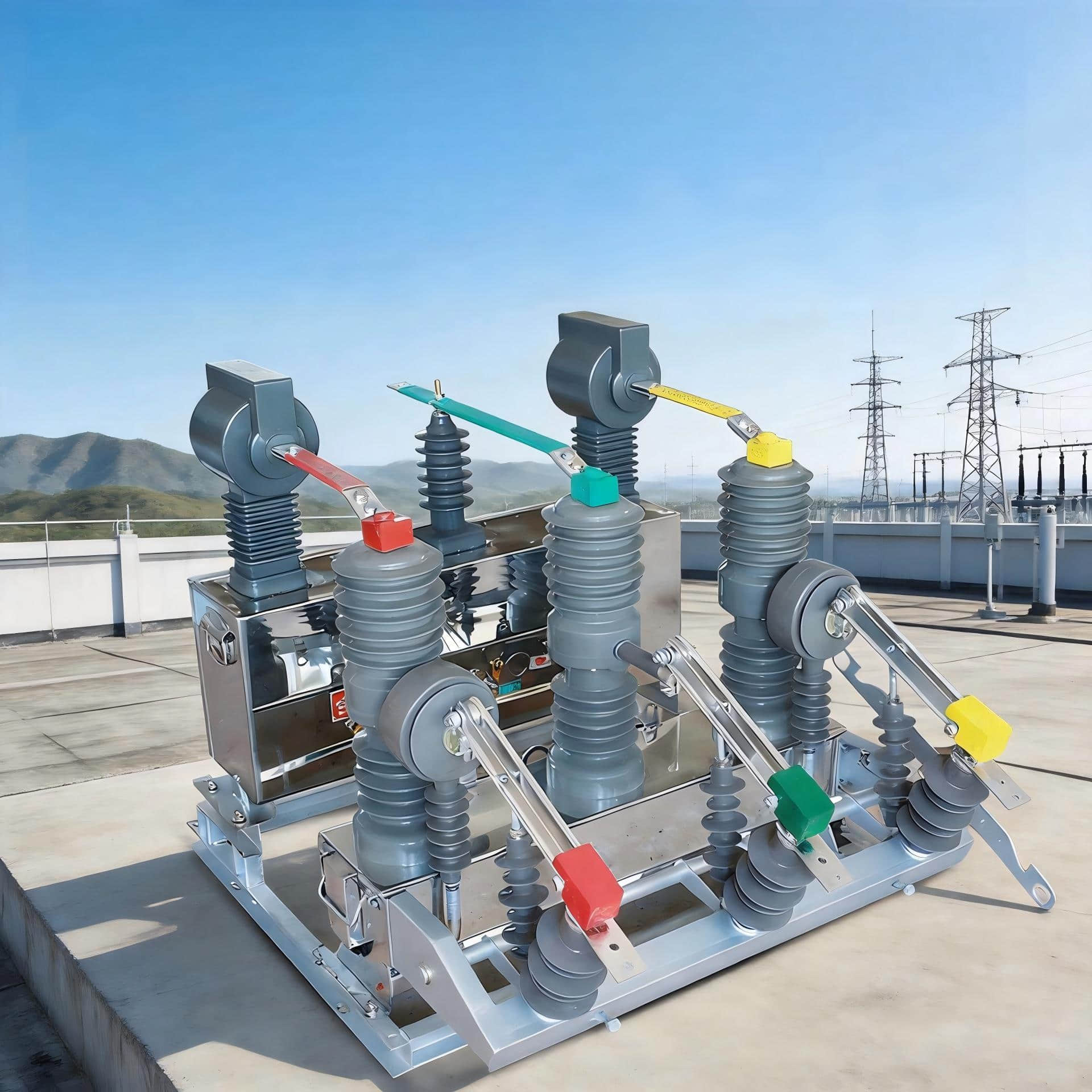
Physical Damage: On our outdoor vacuum circuit breaker units, inspect the ceramic or polymer housing for chips, cracks, or erosion caused by UV exposure and weather.
Discoloration: Darkening or brittleness in insulating components often signals overheating or chemical breakdown.
Moisture Ingress: Any sign of water accumulation inside the mechanism can drastically lower the dielectric strength of the system.