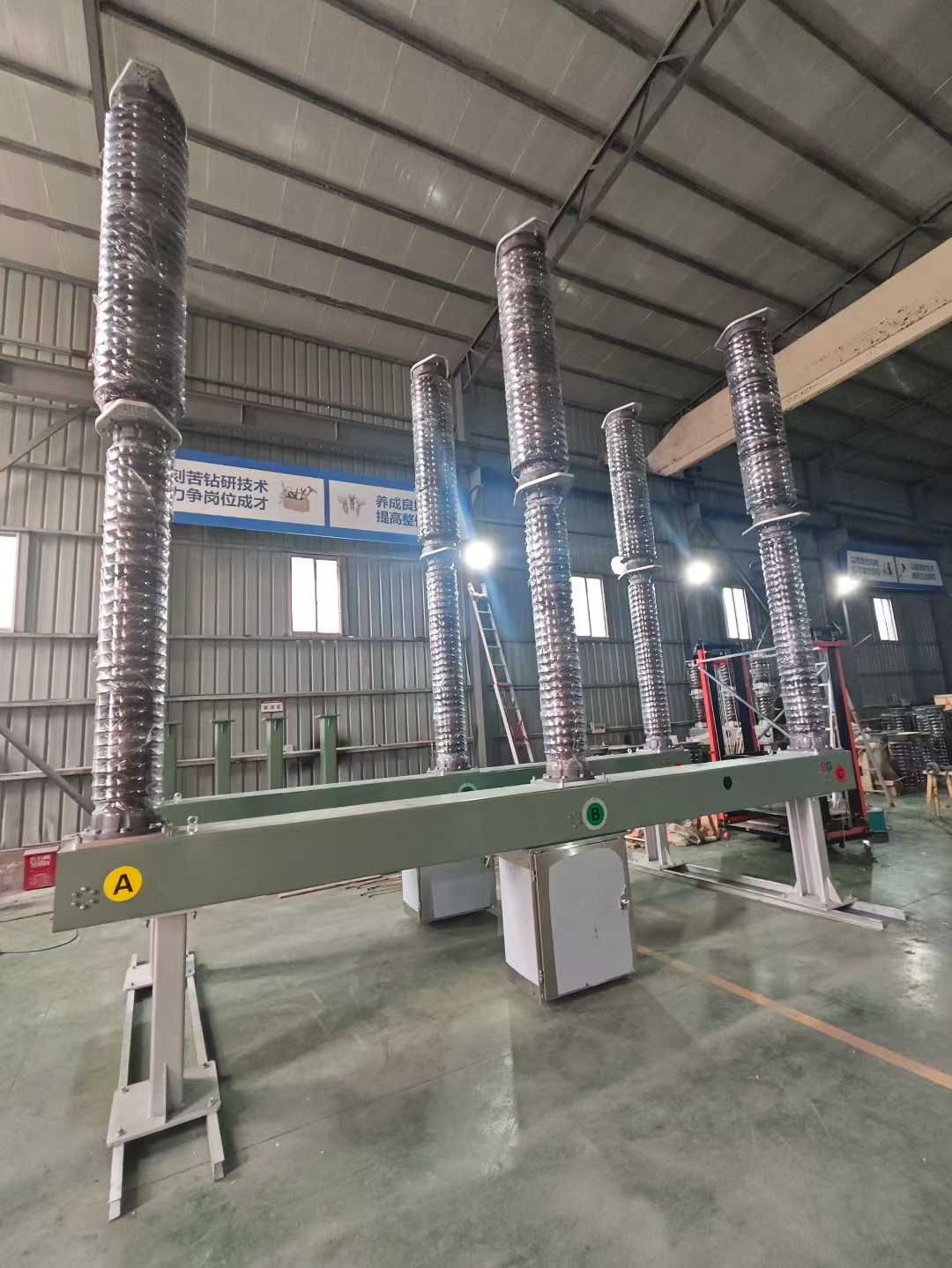
Are you struggling to pin down an accurate budget for your next substation project?
Navigating high-voltage equipment pricing can often feel like a guessing game. But as an industry insider, I’m here to cut through the noise and give you the transparent breakdown you need.
We aren’t just looking at sticker prices; we are analyzing the voltage ratings, insulation requirements, and market trends that drive the final figure.
In this guide, you’re going to learn exactly what is the cost of SF6 circuit breaker and how to secure the best value for your infrastructure.
Let’s get started.
What is an SF6 Circuit Breaker?
An SF6 circuit breaker is a critical piece of high-voltage switchgear that utilizes Sulfur Hexafluoride (SF6) gas as the primary medium for insulation and arc quenching. Unlike older oil or air-based technologies, SF6 gas offers superior dielectric strength and chemical stability. At Weishuo Electrical, we specialize in manufacturing these breakers to manage electrical currents ranging from 630A to 3150A across voltage classes from 12kV up to 126kV. They serve as the primary line of defense in power transmission and distribution networks, automatically interrupting current flow during faults to protect expensive infrastructure.
Working Principle and Arc Quenching
The efficiency of our SF6 circuit breakers relies on the unique electronegative properties of sulfur hexafluoride gas. When the breaker contacts separate to interrupt a circuit, an electric arc is momentarily formed. The high-pressure SF6 gas surrounding the contacts rapidly absorbs free electrons from the arc, effectively cooling it and extinguishing it within milliseconds.
Rapid Recovery: The gas recombines quickly after arcing, instantly restoring dielectric strength.
Operating Mechanisms: Our units typically employ spring-operated or electromagnetic mechanisms to ensure the contacts separate with sufficient speed and force to break high short-circuit currents (e.g., 20kA to 40kA).
Main Components and Construction
We engineer our breakers for durability and leak-free performance, adhering to strict IEC standards. The construction varies slightly between our indoor and outdoor models, but the core architecture remains consistent:
Interrupter Unit: The sealed chamber containing the fixed and moving contacts bathed in SF6 gas.
Gas Density Monitor: A critical safety feature that continuously tracks internal gas pressure to ensure operational readiness.
Operating Mechanism: A robust mechanical system housed in a weather-resistant casing, designed for thousands of mechanical operations.
Enclosure: For outdoor models like the LW36-126, we use heavy-duty materials capable of withstanding harsh environmental conditions. Indoor models like the FLN36 series focus on compact integration into switchgear panels.
Importance in Modern Power Systems
As power grids become more complex and load demands increase, the reliability of protection equipment is paramount. SF6 circuit breakers are the industry standard for high-voltage applications due to their compact size and low maintenance requirements. Because SF6 gas is an excellent insulator, we can significantly reduce the physical distance between contacts compared to air-insulated devices, allowing for smaller substation footprints. This makes them essential for urban infrastructure, industrial substations, and ring main units (RMU) where space and long-term reliability are critical cost drivers.
Key Factors Influencing SF6 Circuit Breaker Cost
The price tag on an SF6 circuit breaker isn’t arbitrary; it fluctuates significantly based on the specific technical requirements of your project. As a manufacturer, we calculate costs based on raw materials, engineering complexity, and the rigorous testing required to meet international safety standards. Understanding these variables helps you anticipate the budget for your substation or distribution network.
Voltage and Amperage Ratings
The primary driver of cost is the rated voltage and current capability. A high-voltage 126kV circuit breaker requires significantly more insulation, larger arc-quenching chambers, and a greater volume of SF6 gas compared to a medium-voltage 12kV or 24kV unit. Similarly, the rated current—ranging from 630A to 3150A—dictates the amount of copper and conductive materials needed. Higher breaking capacities (e.g., 40kA) also increase engineering costs to ensure the unit can safely interrupt massive fault currents. Precise system monitoring often accompanies these setups, much like how a LZZBJ9-12 current transformer is essential for accurate measurement alongside protection equipment.
Indoor vs. Outdoor Installation Types
Where you install the breaker changes the manufacturing requirements.
Outdoor Breakers (e.g., LW36, LW8 Series): These are built to withstand harsh environmental conditions. The cost includes weatherproofing, corrosion-resistant materials, and higher IP ratings to protect against dust and rain.
Indoor Breakers (e.g., FLN36 Load Break Switches): These focus on compact design for integration into switchgear cabinets. While they may use less housing material, the precision required for compact interlocking mechanisms influences the price.
Dead Tank vs. Live Tank Design
The structural design plays a major role in pricing, particularly for high-voltage applications.
Live Tank: Generally more cost-effective and lighter. The interrupter chamber is elevated and insulated from the ground. This is the design seen in many of our outdoor column-type breakers.
Dead Tank: Typically more expensive due to a larger grounded tank that houses the interrupter and often incorporates current transformers. This design offers high seismic durability but comes with a higher material and shipping cost.
Brand and Manufacturer Specifications
Purchasing directly from a manufacturer like Weishuo Electrical eliminates middleman markups, offering a better price-to-performance ratio. However, adherence to quality standards also impacts cost. We invest heavily in ensuring our products meet IEC standards, which guarantees reliability and safety. While generic, non-compliant units might appear cheaper upfront, they lack the verified mechanical life and safety assurances of a certified product. For comprehensive substation protection, investing in quality components, such as a reliable 6kV substation surge arrester, ensures the longevity of the entire system.
SF6 Circuit Breaker Price Ranges by Voltage Class
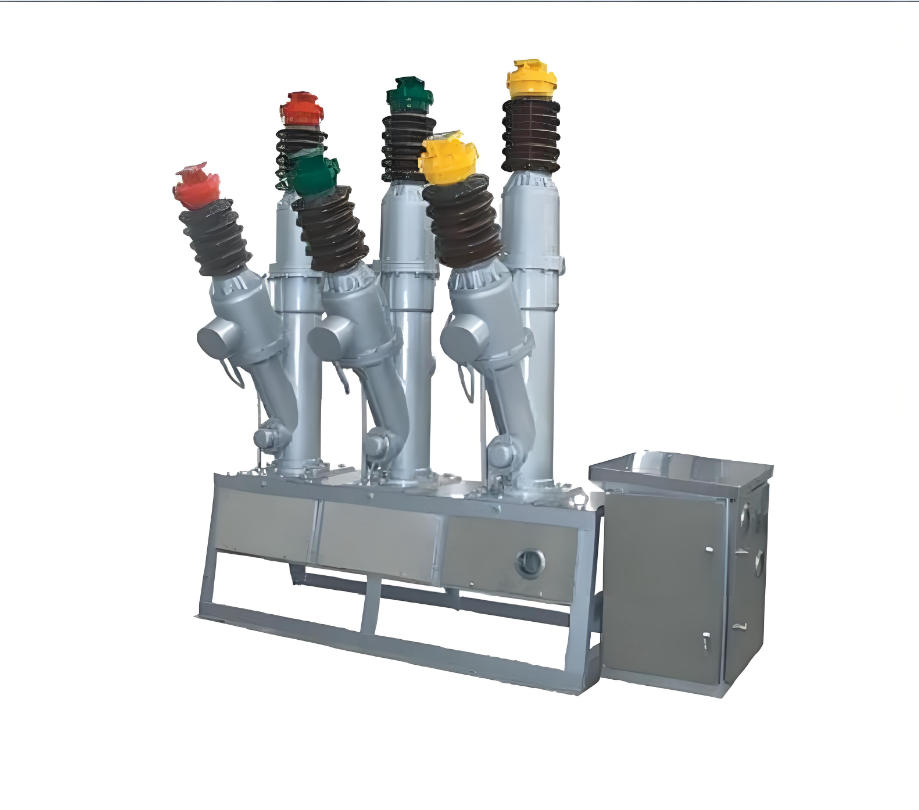
The primary driver behind the cost of an SF6 circuit breaker is the rated voltage. As you move from distribution networks to high-voltage transmission lines, the equipment requires significantly more robust insulation, larger arc-quenching chambers, and heavier operating mechanisms. At Weishuo Electrical, we structure our pricing based on these technical classifications, ensuring you pay for the exact capacity your substation requires without unnecessary overhead.
Medium Voltage (33kV) Circuit Breaker Pricing
In the medium voltage category, typically ranging from 12kV to 40.5kV, units like our LW8-40.5 series are the standard for industrial and distribution applications. These breakers are generally the most affordable entry point for SF6 technology.
The final price tag in this bracket depends heavily on the rated current and breaking capacity. A standard 630A unit will cost less than a heavy-duty 2000A model designed for intense industrial loads. Since these are often deployed in outdoor environments, the cost also reflects the durability of the external housing needed to withstand weather conditions. Buying directly from the factory eliminates distributor markups, keeping these essential distribution components budget-friendly.
High Voltage (110kV to 145kV) Breaker Costs
Stepping up to the 110kV to 145kV range involves a significant jump in engineering complexity and, consequently, price. Our LW36-126 series represents this tier, designed for critical power transmission tasks.
At this level, you aren’t just paying for the switch; you are investing in grid stability. The cost increase covers:
Enhanced Insulation: Larger porcelain or composite insulators to prevent flashovers.
Advanced Mechanisms: Precision spring-operated systems capable of thousands of mechanical operations.
Safety Features: Integrated pressure relief and sophisticated interlocking systems.
Because these units serve as the backbone for regional power transmission, reliability is the main value proposition. The initial investment is higher, but the long-term operational stability justifies the capital expenditure.
Extra High Voltage (EHV) System Investment
For systems operating at 220kV and above, the equipment enters the Extra High Voltage (EHV) category. This is specialized infrastructure where off-the-shelf pricing rarely applies. Each unit, such as the LW30-220 outdoor SF6 circuit breaker, is often configured to meet specific grid codes and environmental standards.
Investments at this level are substantial due to the sheer physical size of the breakers and the extreme fault currents they must interrupt. The pricing here includes rigorous testing to IEC standards to ensure the breaker can handle massive energy surges without failure. For EHV projects, we recommend consulting directly with our engineering team to align the specifications with your budget and technical requirements.
Common Types of SF6 Circuit Breakers and Their Costs
When evaluating the cost of SF6 circuit breaker units, the specific physical configuration and installation environment are primary price drivers. At Weishuo Electrical, we manufacture distinct designs tailored for different grid requirements, ranging from rugged outdoor units to compact indoor solutions.
Outdoor SF6 Circuit Breakers
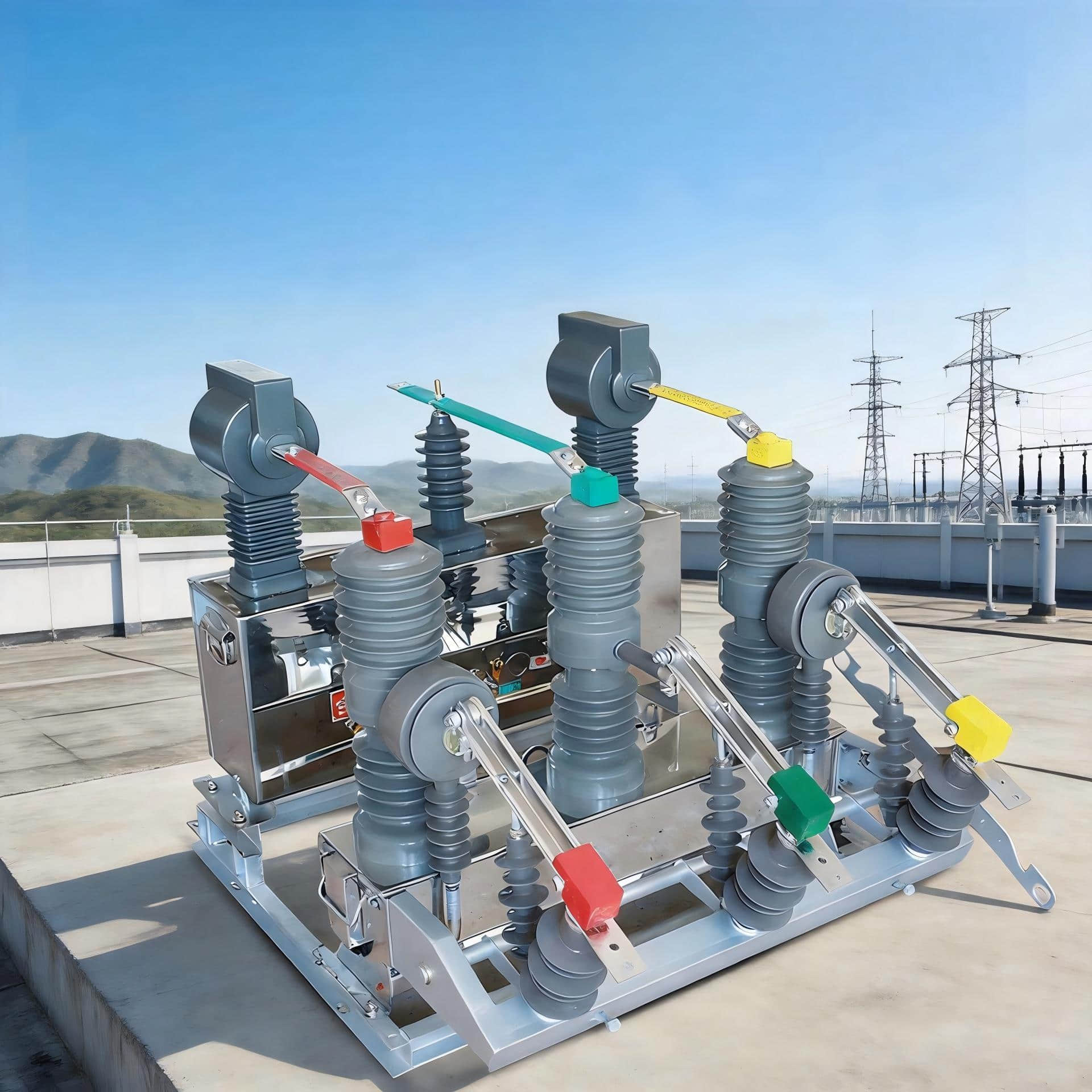
Outdoor breakers, such as our LW36-126 and LW8-40.5 series, are engineered to withstand harsh environmental conditions. These units are generally larger and more robust than indoor counterparts because they require weather-sealed housings and high-grade external insulation.
Cost Implications: The pricing for these units is influenced by the rated voltage (up to 126kV) and the mechanical durability required for thousands of operations.
System Integration: In outdoor substations, these breakers are often installed alongside durable post insulators to maintain safe clearance and structural integrity, which should be factored into the overall project budget.
Gas-Insulated Switchgear (GIS) Units
Gas-Insulated Switchgear (GIS) represents a more advanced and compact solution where the breaker and other components are enclosed in a sealed tank filled with SF6 gas.
Space Efficiency: GIS units are ideal for urban areas or industrial sites where space is at a premium.
Price Point: Due to the complex sealing technology and the integration of components into a single gas-tight enclosure, GIS units typically carry a higher initial cost compared to air-insulated switchgear. However, they offer lower maintenance costs over time due to their protection from environmental contaminants.
Withdrawable and Floor-Mounted Configurations
For indoor applications, such as our FLN36 Load Break Switches, the mounting style significantly impacts the price.
Withdrawable Types: These feature a chassis that allows the breaker to be racked out for testing or maintenance without disconnecting the main busbar. This convenience adds to the manufacturing complexity and cost but reduces downtime expenses.
Floor-Mounted/Fixed: Fixed designs are simpler and more cost-effective upfront. They are a solid choice for budget-conscious projects where frequent removal of the breaker is not required.
Cost Comparison: SF6 vs. Vacuum Circuit Breakers (VCB)
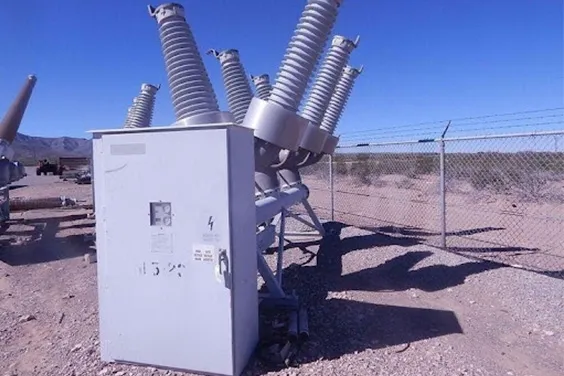
When evaluating the cost of SF6 circuit breaker options against Vacuum Circuit Breakers (VCB), it is essential to look beyond just the sticker price. As a manufacturer, we see distinct cost advantages for SF6 technology, particularly as voltage levels increase. Here is how the two technologies stack up in terms of investment and value.
Initial Purchase Price Differences
For medium voltage applications (around 12kV), VCBs are often competitively priced. However, the cost dynamic shifts significantly as you move into higher voltage classes. Manufacturing vacuum interrupters for high voltages (above 40.5kV) is technically complex and expensive.
In contrast, our SF6 technology scales efficiently. For high-voltage transmission applications, such as with our LW36-126 series, SF6 breakers are generally more cost-effective to produce and purchase than equivalent vacuum solutions, which would require massive, multi-break interrupters to handle the same electrical stress.
Maintenance and Service Intervals
Maintenance is a critical component of the Total Cost of Ownership (TCO). SF6 breakers are renowned for their low-maintenance requirements.
Sealed Systems: Our indoor load break switches (like the FLN36) and outdoor breakers feature sealed gas compartments. This prevents contaminants from affecting the arc-quenching medium.
Mechanical Durability: The spring operating mechanisms we use are designed for thousands of operations with minimal wear.
Weather Resistance: For outdoor US grid infrastructure, SF6 units resist moisture and humidity better than air-insulated vacuum gear, reducing the frequency of service calls.
Dielectric Strength and Performance Value
The primary value driver for SF6 is its superior dielectric strength—roughly three times that of air. This allows for significantly more compact designs. In urban areas or industrial plants where real estate is expensive, the ability to install a smaller footprint unit saves money on land and civil engineering.
This compactness is perfectly demonstrated in equipment like our SRM6 gas-insulated fully enclosed ring main unit, which integrates switching and protection in a tight space. While VCBs are effective, achieving the same insulation level often requires bulkier equipment, leading to higher indirect installation costs.
Quick Comparison: SF6 vs. Vacuum
| Feature | SF6 Circuit Breaker | Vacuum Circuit Breaker (VCB) |
|---|---|---|
| High Voltage Cost | More economical (Standard for >72.5kV) | Expensive/Impractical for HV |
| Size/Footprint | Compact (Gas insulation) | Larger (Requires more air clearance) |
| Arc Quenching | Excellent (Soft break, low overvoltage) | Good (Risk of current chopping) |
| Maintenance | Low (Gas pressure monitoring) | Low (Vacuum bottle integrity) |
Key Features and Technical Specifications
When evaluating the cost of SF6 circuit breaker units, it is crucial to understand the technical specifications that drive the price. At Weishuo Electrical, we engineer our breakers to meet rigorous IEC standards, ensuring that your investment translates into long-term operational stability and safety.
High Dielectric Strength and Reliability
The primary value driver for these breakers is the **SF6 (Sulfur Hexafluoride)** gas itself. This gas provides superior insulation capabilities—roughly two to three times that of air—and exceptional arc-quenching properties.
* **Rapid Arc Extinction:** The electronegative nature of SF6 gas absorbs free electrons, preventing arc re-strikes during circuit interruption.
* **Long Mechanical Life:** Our mechanisms are designed for thousands of operations, reducing the frequency of part replacements.
* **Safety Interlocks:** We integrate reliable pressure relief and interlocking systems to protect personnel and equipment.
Compact Dimensions and Weight Efficiency
Space is often at a premium in modern substations and industrial facilities. Because SF6 has such high dielectric strength, we can significantly reduce the clearance distances required between contacts. This results in a much smaller footprint compared to air-insulated alternatives. This compactness is essential when integrating breakers into systems like [KYN550 metal-clad switchgear](http://172.96.193.203/product/metal-clad-switchgear/kyn550-metal-clad-switchgear/), allowing for high-density power distribution in urban or industrial environments without requiring massive infrastructure expansion.
Typical Weishuo SF6 Breaker Specifications:
| Feature | Specification Range |
|---|---|
| Rated Voltage | 12kV, 24kV, 40.5kV, up to 126kV |
| Rated Current | 630A, 1250A, 2000A, 2500A, 3150A |
| Breaking Capacity | 20kA to 40kA |
| Models | Indoor (FLN36 series) & Outdoor (LW36, LW8 series) |
Operating Temperature and Environmental Ratings
Our outdoor SF6 circuit breakers, such as the **LW36-126** and **LW8-40.5** series, are built to withstand harsh environmental conditions. The sealed gas enclosure ensures that external contaminants like moisture, dust, and salt spray do not affect the internal contacts.
* **Temperature Range:** Engineered to operate reliably in extreme heat and freezing cold.
* **Sealed Design:** Prevents oxidation of contacts, ensuring consistent conductivity over decades.
* **Low Maintenance:** The stability of the gas means these units require minimal servicing compared to older oil-based technology.
Applications and Selection Criteria
Substation and Power Transmission Use
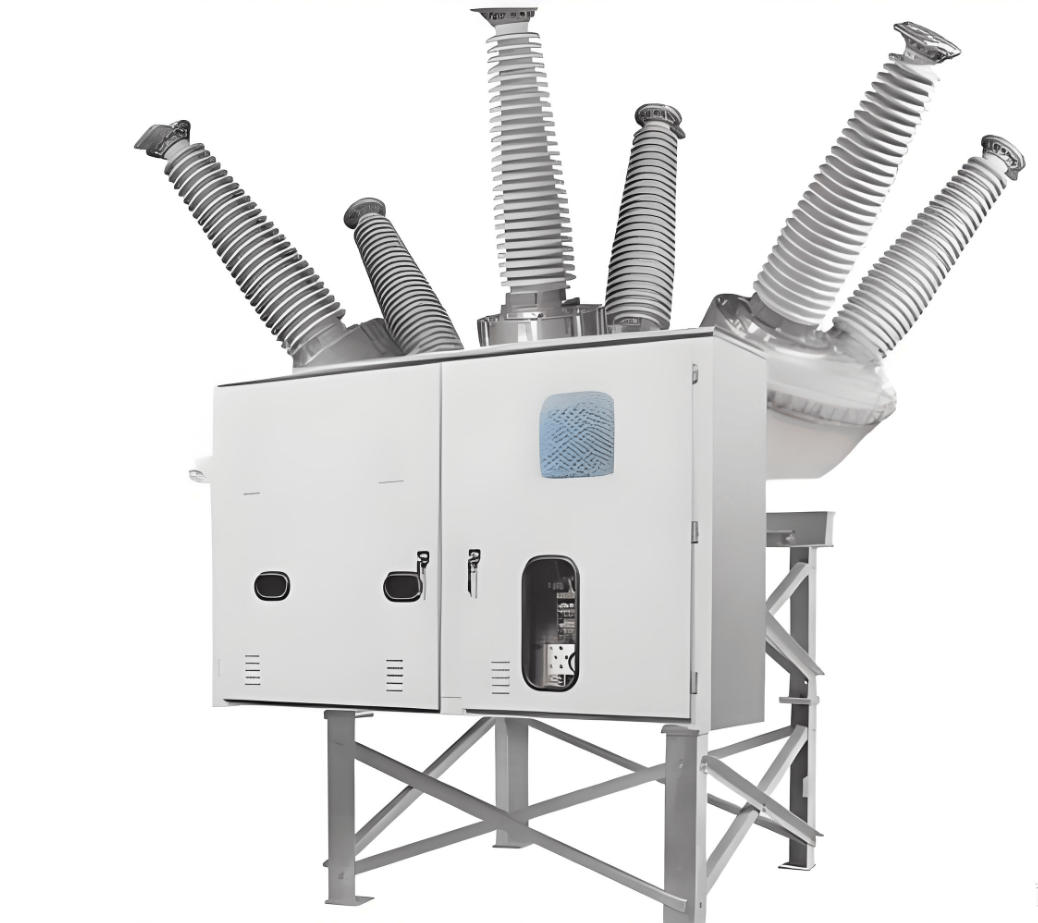
In high-voltage transmission networks, specifically at levels like 126kV, the equipment must handle massive fault currents without failure. We design our LW36-126 series outdoor SF6 circuit breakers specifically for these harsh substation environments. The cost here is largely determined by the breaking capacity (often 20kA to 40kA) and the insulation requirements needed to prevent arcing over long distances.
When evaluating where SF6 circuit breaker is used in transmission, the primary selection criteria are mechanical endurance and environmental resistance. Our units use SF6 gas for both insulation and arc quenching, ensuring the grid stays stable even during severe weather or fault conditions.
Industrial Power Distribution Scenarios
For industrial facilities, the focus shifts to compact design and safety within distribution networks (typically 12kV to 24kV). We supply indoor Load Break Switches (LBS) like the FLN36-12D and FLN36-24D, which are integrated into Ring Main Units (RMU) and Gas-Insulated Switchgear (GIS).
Space Efficiency: Industrial real estate is expensive; our compact SF6 switches save floor space.
Safety: Features like interlocking systems protect operators.
Cost Efficiency: Indoor LBS units are generally less expensive than full outdoor transmission breakers.
When choosing an electrical switchgear supplier for industrial projects, prioritize manufacturers that offer IEC-compliant testing to guarantee long-term reliability.
Renewable Energy Grid Integration
Integrating wind and solar farms into the main grid requires equipment that can handle variable power loads and frequent switching operations. SF6 circuit breakers are a top choice here due to their high dielectric strength and low maintenance needs.
The cost of SF6 breakers for renewables is justified by their ability to protect expensive infrastructure from electrical surges. We engineer our breakers to maintain high performance over thousands of mechanical operations, ensuring that the inconsistent nature of renewable energy generation doesn’t compromise the equipment’s lifespan.
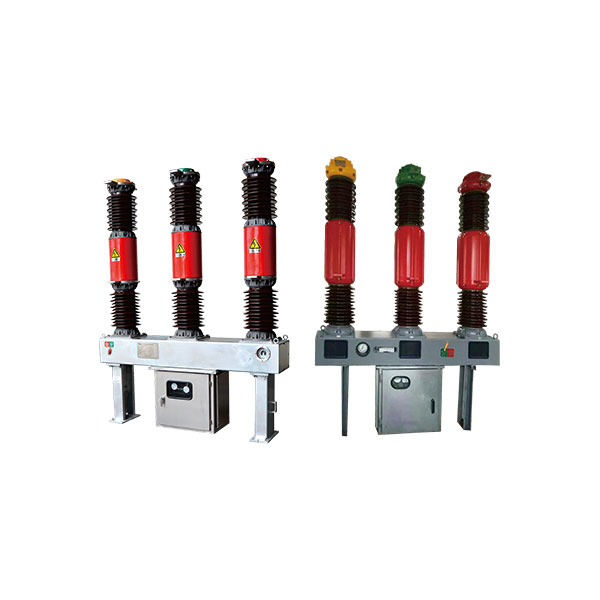
Buying Guide: How to Get an Accurate Quote
When you ask what is the cost of SF6 circuit breaker, the answer isn’t a single fixed number. It depends entirely on the specific demands of your project. To get a precise quote from us or any manufacturer, you need to provide detailed specs. A vague request often leads to a padded estimate or a lot of back-and-forth emails.
Defining Technical Requirements and Standards
The first step is nailing down your electrical parameters. In the United States, we typically look for compliance with ANSI/IEEE standards, though IEC is also common depending on the application. The price fluctuates heavily based on the breaking capacity and voltage class.
You need to specify the following to get an actionable price:
Rated Voltage: (e.g., 38kV, 72.5kV, 145kV)
Continuous Current: (e.g., 1200A, 2000A, 3000A)
Short-Circuit Breaking Current: This is critical. A higher kA rating requires more robust interrupters. Understanding HV breaker kA capability helps you avoid over-specifying and overpaying.
Operating Mechanism: Spring-spring, spring-hydraulic, or spring-pneumatic.
Evaluating Supplier Types and Logistics
Where you buy affects the bottom line. Purchasing directly from a manufacturer like us usually offers better pricing than going through multiple layers of distribution. However, you must consider logistics. SF6 circuit breakers are heavy, sensitive equipment.
Logistics factors that influence the final quote:
Shipping State: Is the breaker shipped fully assembled or in parts?
Gas Pressure: Is it shipped with positive pressure (requiring on-site filling) or fully charged?
Lead Time: Rush orders for custom configurations will always command a premium.
We handle the complexities of shipping these units to ensure they arrive without mechanical shock damage, which is vital for maintaining the integrity of the vacuum or gas seals.
Considering Total Cost of Ownership (TCO)
Smart buyers don’t just look at the initial purchase price (CAPEX); they look at the Operational Expenditure (OPEX). While an SF6 breaker might have a higher upfront cost compared to some older oil technologies, its maintenance costs are significantly lower over a 30-year lifespan.
TCO Breakdown:
| Cost Factor | Description | Impact on Budget |
|---|---|---|
| Initial Purchase | The hardware cost of the breaker. | High (One-time) |
| Installation | Civil works, gas filling, and testing. | Medium |
| Maintenance | Lubrication of the mechanism, contact resistance checks. | Low (SF6 is sealed for life) |
| End of Life | Gas recovery and recycling costs. | Low to Medium |
When comparing quotes, always ask about the estimated maintenance cycle. A slightly more expensive unit that requires no maintenance for 20 years is cheaper than a budget unit that needs servicing every 5 years.