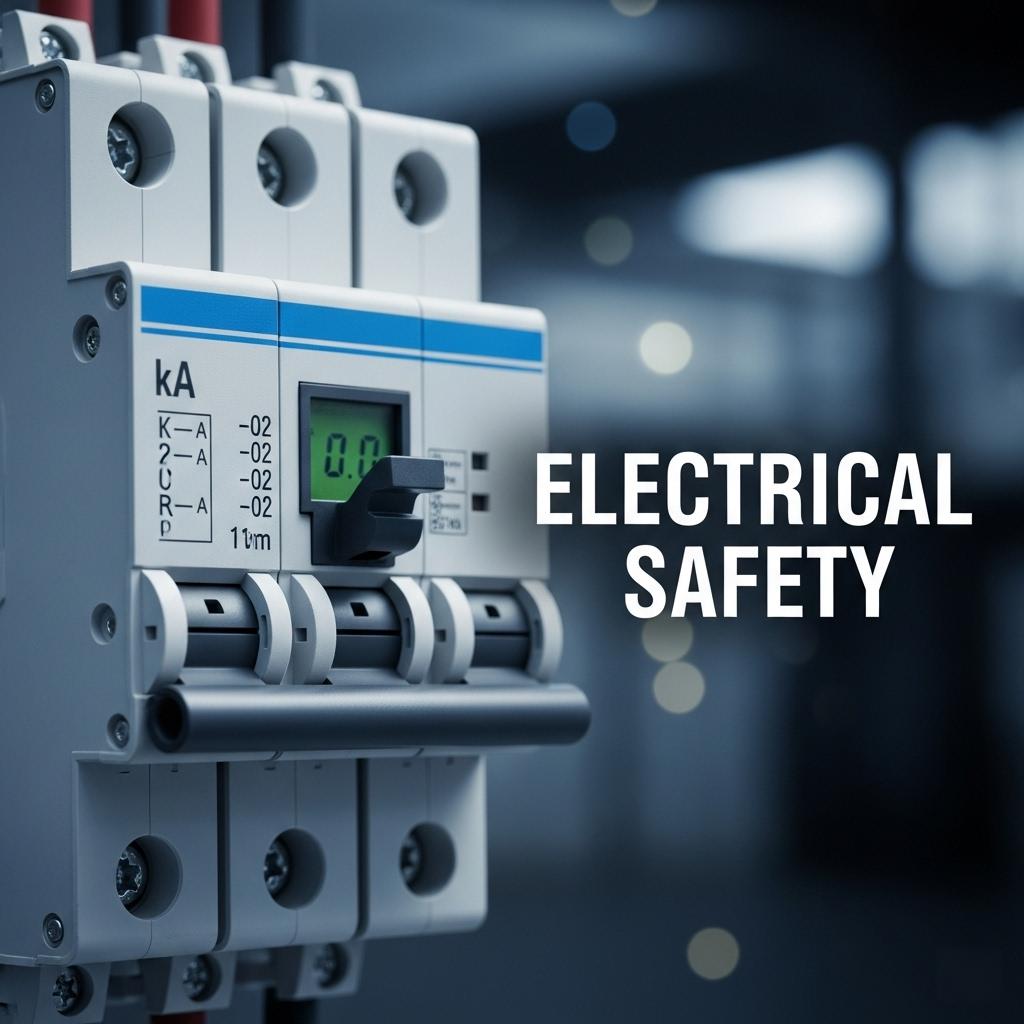
Have you ever noticed that little number with "kA" on a circuit breaker in your home's electrical panel? That value is its interrupting capability, one of its most critical "superpowers." So, a big question is, do those massive, building-sized high-voltage breakers in substations have the same capability?
The short answer is yes, they absolutely do. But honestly, that's about the only thing they have in common. While they're both called "circuit breakers," one is like a traffic cop handling a fender bender, and the other is a rescue crew managing a pile-up on a Formula 1 racetrack. They work in completely different environments, face distinct challenges, and employ various tools to accomplish their tasks.
As an electrical engineer, I'll walk you through the inner workings of this critical topic.
Interrupting Capability: The Breaker's "Life-or-Death Moment"
First, let's break down the core of this entire discussion: interrupting capability.
To understand the difference between a breaker's ampere rating and its interrupting rating, watch this short video.
What is Interrupting Capability (kA)?
Put, interrupting capability is the maximum short-circuit current a circuit breaker can safely interrupt without damaging itself. This rating, measured in kiloamperes (kA), is a fundamental safety parameter in any electrical system.
In my career, I've seen countless breakers perform their job flawlessly when it mattered most. That distinct "snap" of a breaker tripping is the sound of it cutting off a massive surge of current in a fraction of a second, preventing a disaster. This isn't just a theoretical value; it's a real-world, life-saving feature.
The Difference Between Interrupting Capability and Short-Circuit Current
It's common for people to confuse these two terms. They're not the same. Short-circuit current is the maximum potential current that a power grid could deliver to a specific point during a fault.
Interrupting capability, by contrast, is the breaker's ability to safely handle that current. When selecting a breaker, we always ensure its interrupting capability is greater than the maximum expected short-circuit current at its installation point. This is our safety-first principle.
The Core Difference: HT vs. LT Breakers
While both types of breakers do the same job, they operate on vastly different "battlefields."
High-Voltage Breakers: The Grid's "Special Forces"
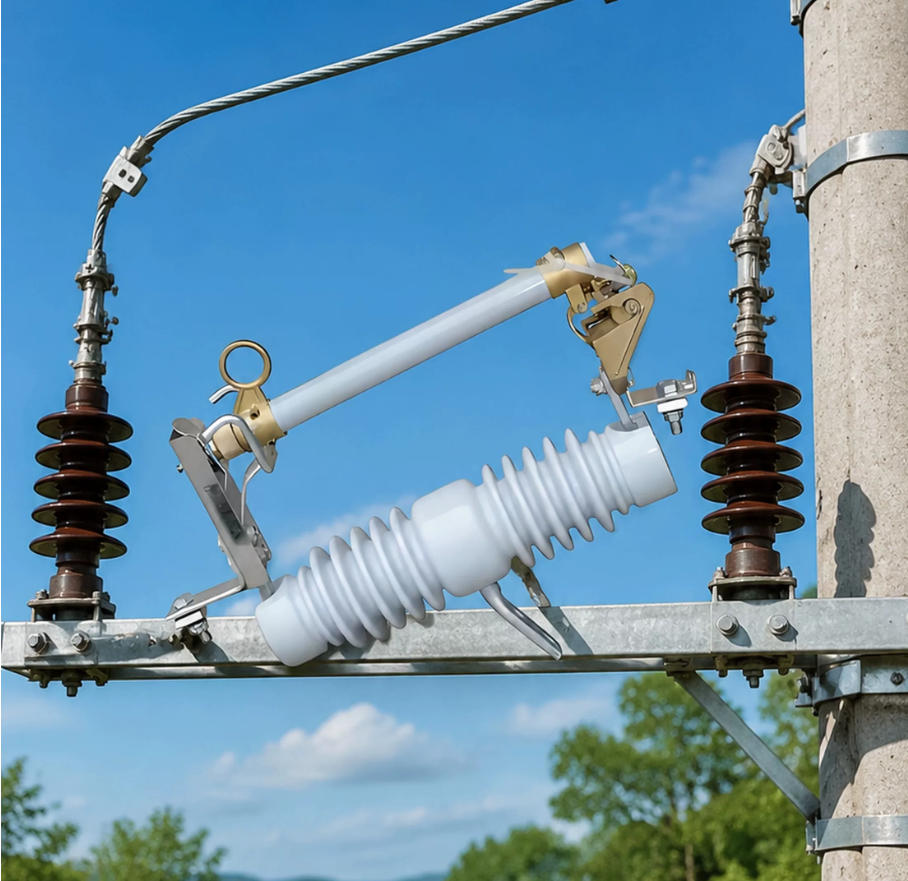
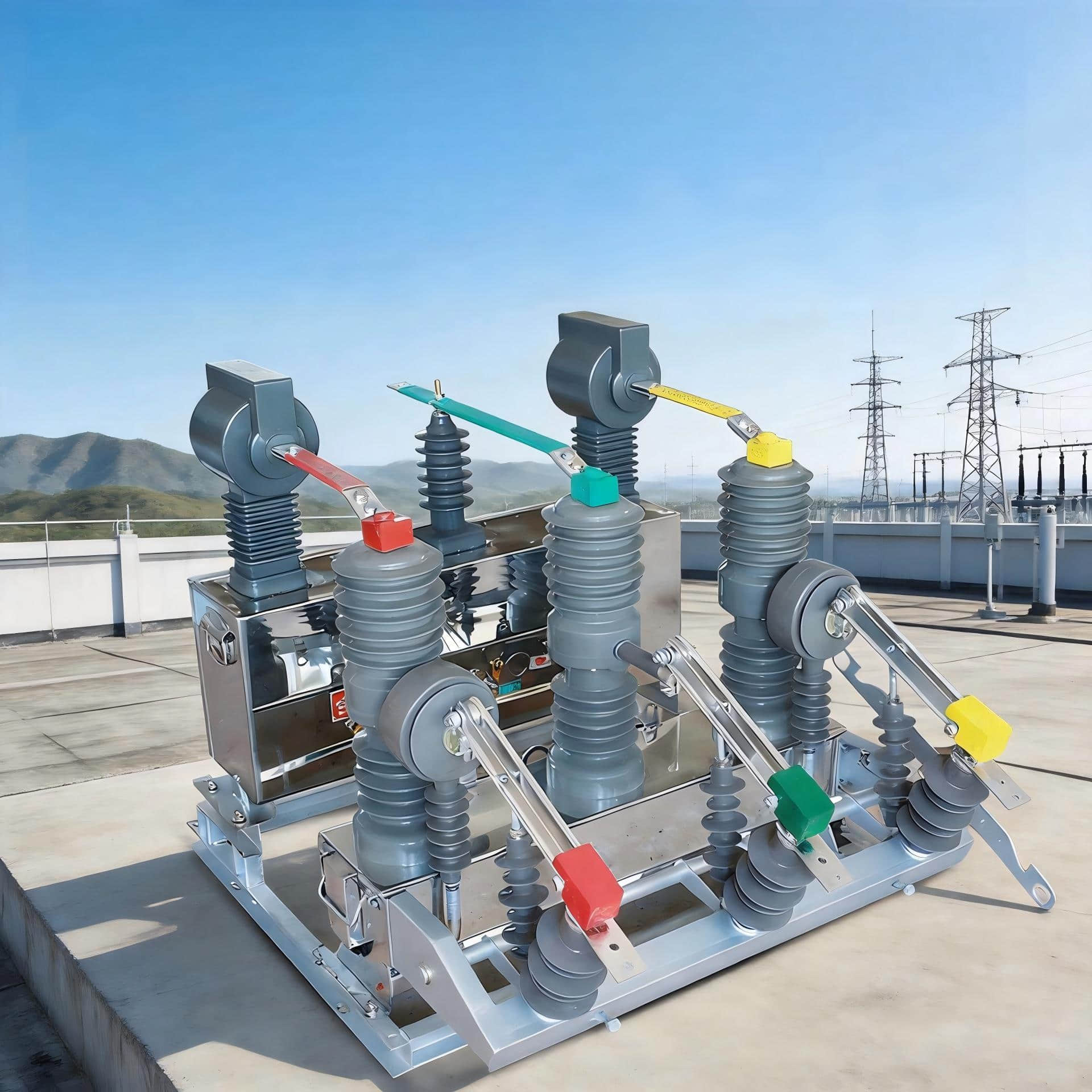
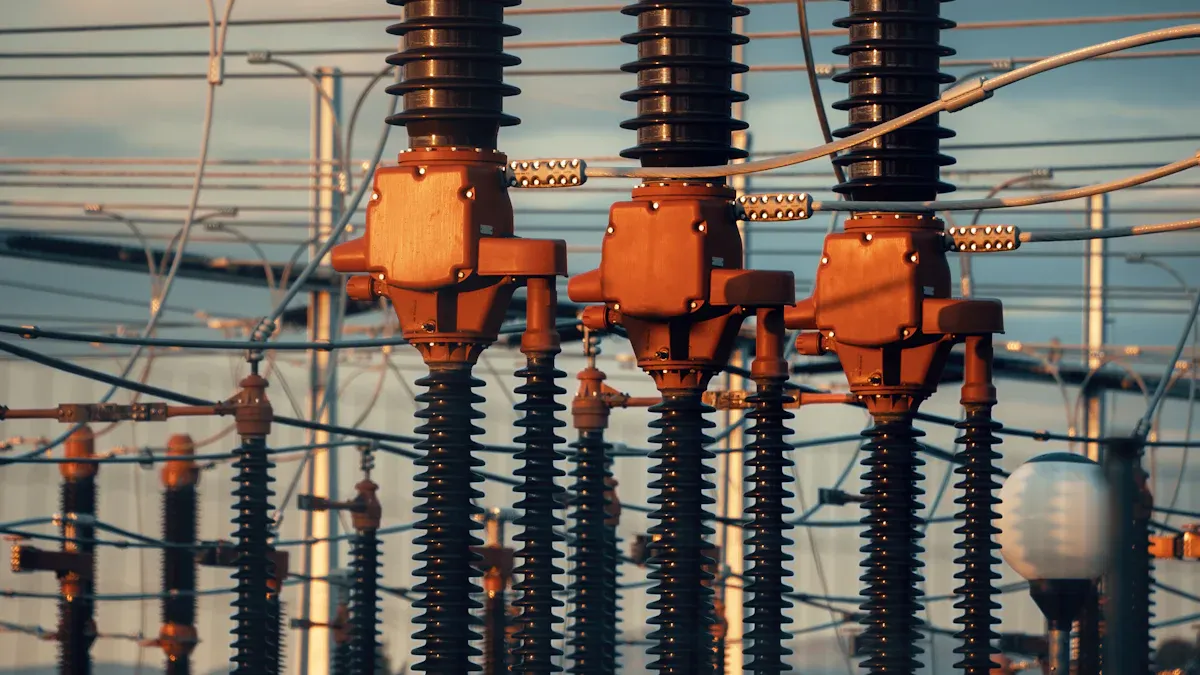
High-tension (HT) breakers are the special forces of the power grid. They work in substations and transmission networks, where voltages are typically above 1kV. The massive, steel-framed breakers you see have extremely high kA ratings, often 40kA, 63kA, or even 80kA.
In a high-voltage environment, opening a circuit creates an intense electrical arc with temperatures reaching thousands of degrees. This powerful arc is extremely dangerous and requires highly specialized technology to extinguish.
Low-Voltage Breakers: The "Sentinels" of Homes and Factories
Low-tension (LT) breakers, on the other hand, are the sentinels protecting our homes and factories. They are used in low-voltage applications below 1kV.
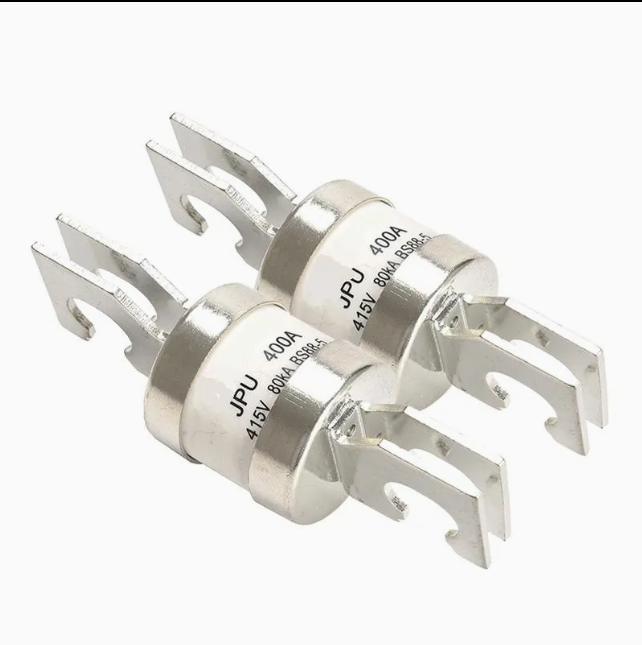
Their kA ratings are typically much lower, around 10kA or 22kA. While they face a less terrifying current, their ability to quickly and reliably trip is just as critical. Even a few milliseconds of delay can cause significant equipment damage or fire.
Core Technology: Arc Quenching and Selection
High-Voltage Arc Quenching Technologies
To tame the monstrous arc produced by high-voltage currents, engineers have developed two primary methods.
SF6 Gas: Sulfur hexafluoride (SF6) gas is a powerhouse in the electrical industry. Its superior insulating and arc-extinguishing properties allow it to quickly cool and absorb the arc, stopping the current in an instant.
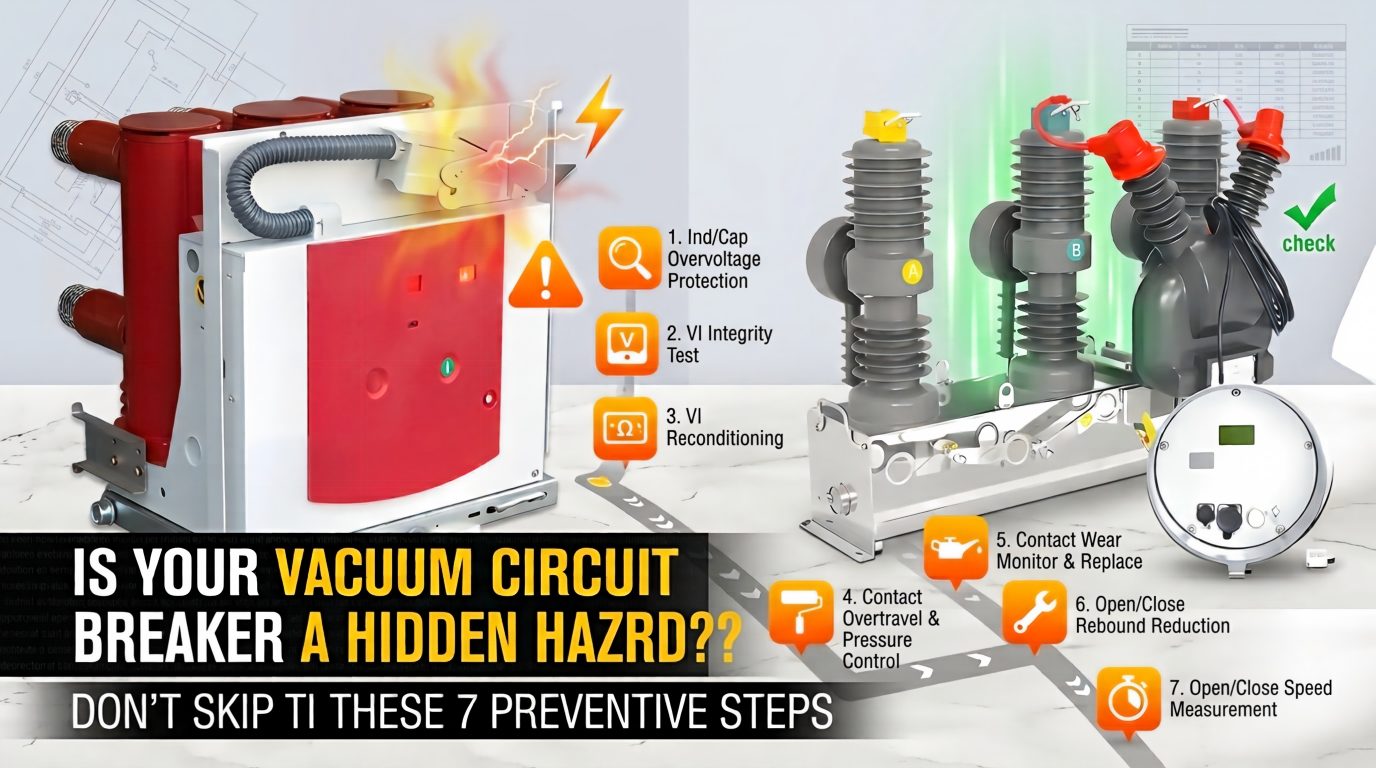
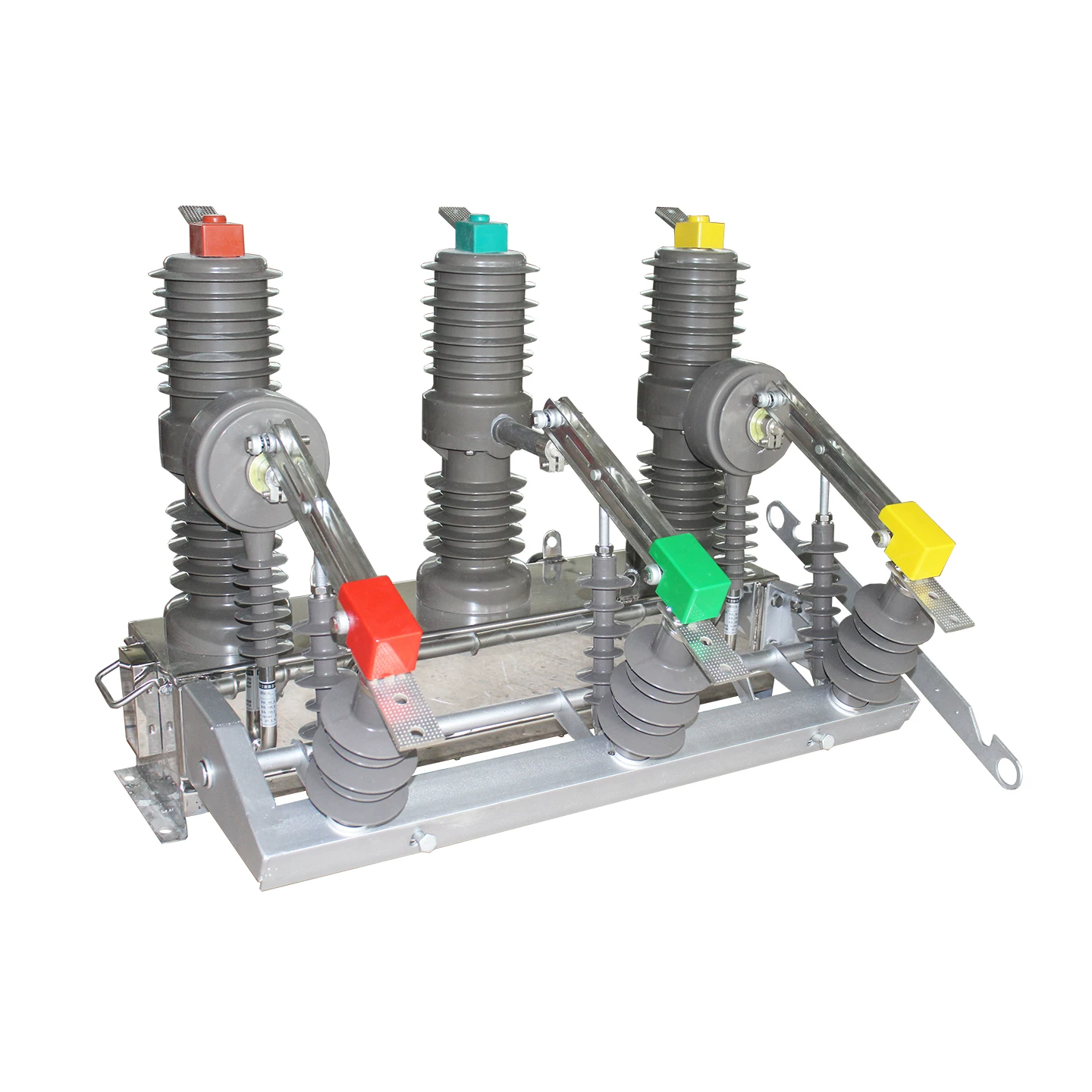
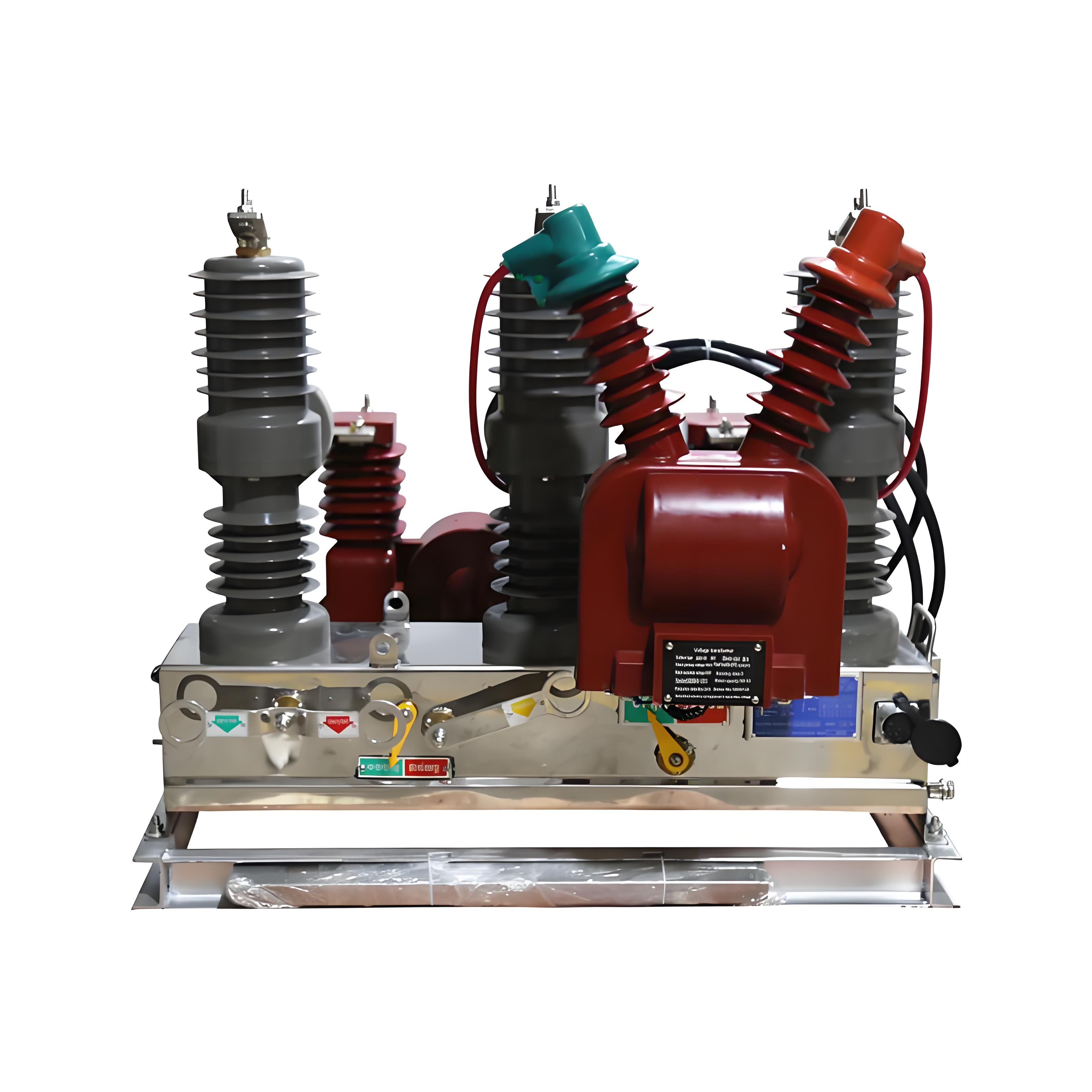
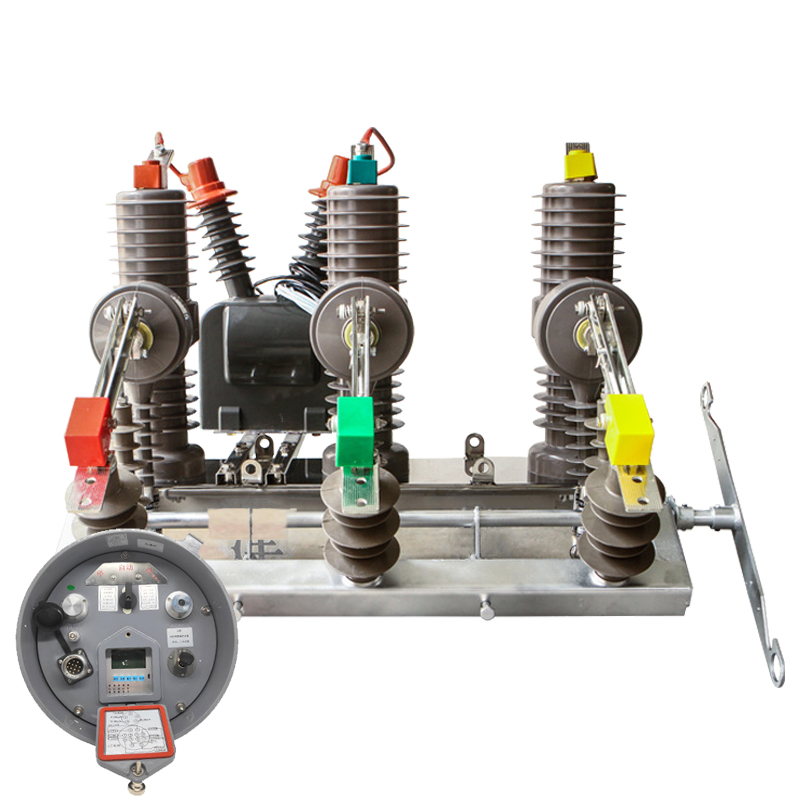
Vacuum: Vacuum interrupters use a cleverer strategy. They place the contacts inside a sealed vacuum container, which prevents an arc from even forming, as it needs a medium to travel through. This technology is incredibly clean and requires almost no maintenance, but its use is primarily in medium-voltage applications.
Selection: An Engineer's "Math Problem"
Choosing the right breaker is a serious technical exercise. Engineers must perform complex short-circuit current calculations to determine the maximum potential fault current at a specific point in the grid. For instance, in a large data center, the calculated short-circuit current might be as high as 80kA.
The selected breaker's interrupting capability must be greater than this value, with a comfortable safety margin. Choosing a breaker with an insufficient rating can have catastrophic consequences; I've personally seen the result of an undersized breaker leading to an entire switchgear room being destroyed.
Frequently Asked Questions (FAQ)
Q: What is the relationship between interrupting capability and amperage rating?
A: They are two completely different things. Interrupting capability refers to a breaker's short-circuit protection, while its amperage rating is the maximum current it can continuously handle under normal conditions.
Q: What's the difference between a high-voltage breaker and a disconnect switch?
A: A breaker can operate under load, safely interrupting a live current, while a disconnect switch is designed to be opened only when the current has already been turned off. One can extinguish a fire, while the other only opens a door after the fire has been put out.
Q: Why are vacuum breakers more eco-friendly than SF6 breakers?
A: SF6 is a potent greenhouse gas that is far more harmful to the environment than carbon dioxide. Vacuum, on the other hand, is a natural medium, making it a much greener option.
Conclusion and Future Outlook
In my opinion, the only thing high- and low-voltage breakers have in common is their core function of interrupting current. A high-voltage breaker's capability is a testament to sophisticated engineering and advanced technology, allowing it to handle the grid's most severe challenges.
Looking ahead, our industry is constantly evolving. We're actively searching for greener alternatives to SF6, and technologies like smart circuit breakers and IoT integration are becoming more common. Ultimately, a breaker's interrupting capability will always be the result of balancing technology, safety, and operational needs. It is, and always will be, the core guarantee of a secure power system.
Talk to an Expert
This guide covers the fundamentals, but choosing the right circuit breaker for a critical application requires specialized knowledge.
If you have questions about specific equipment or need expert consultation on your electrical project, don't hesitate to reach out directly.
Author: Thor, 12-Year Electrical Engineer
Company: Weisho Electric Co., Ltd.
Phone: +86-0577-62788197
WhatsApp: +86 159 5777 0984
Email: thor@weishoelec.com
Resources: weishoelec.com