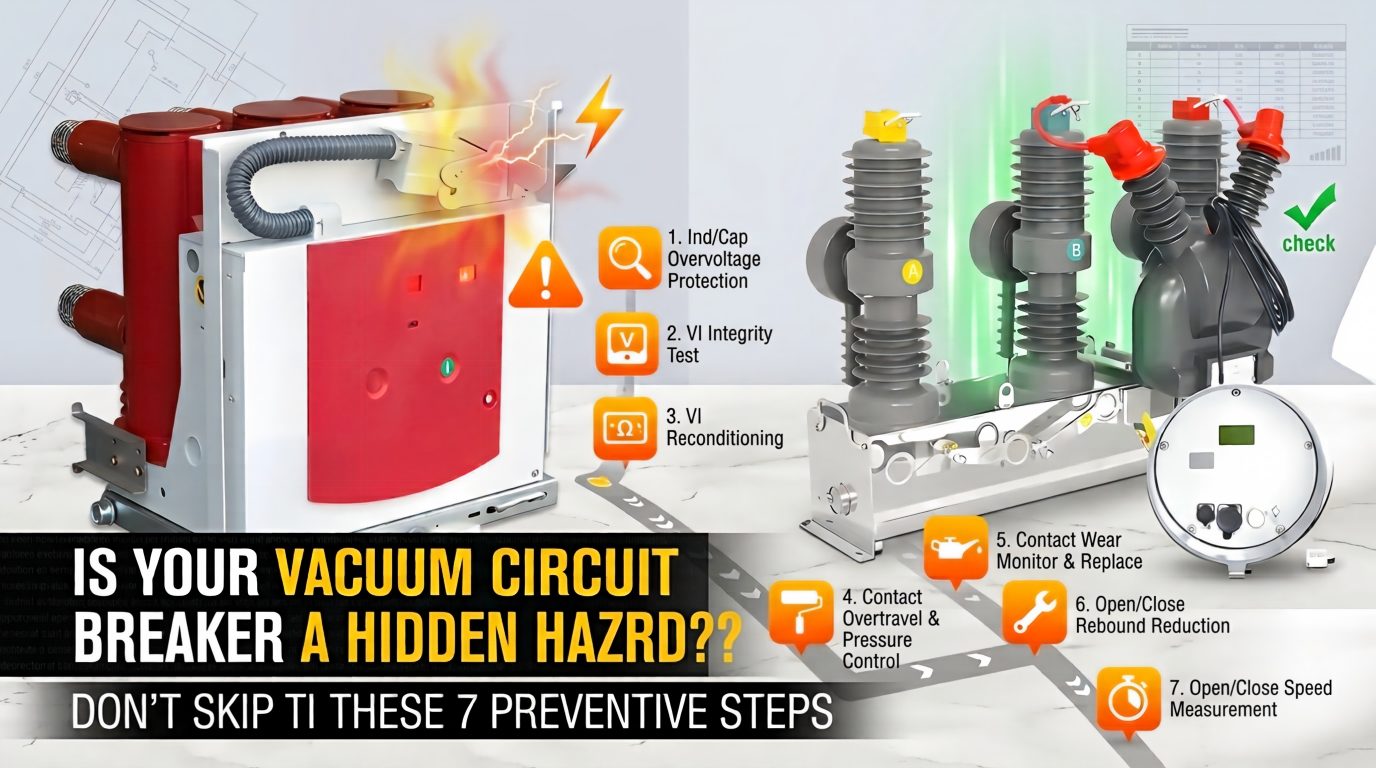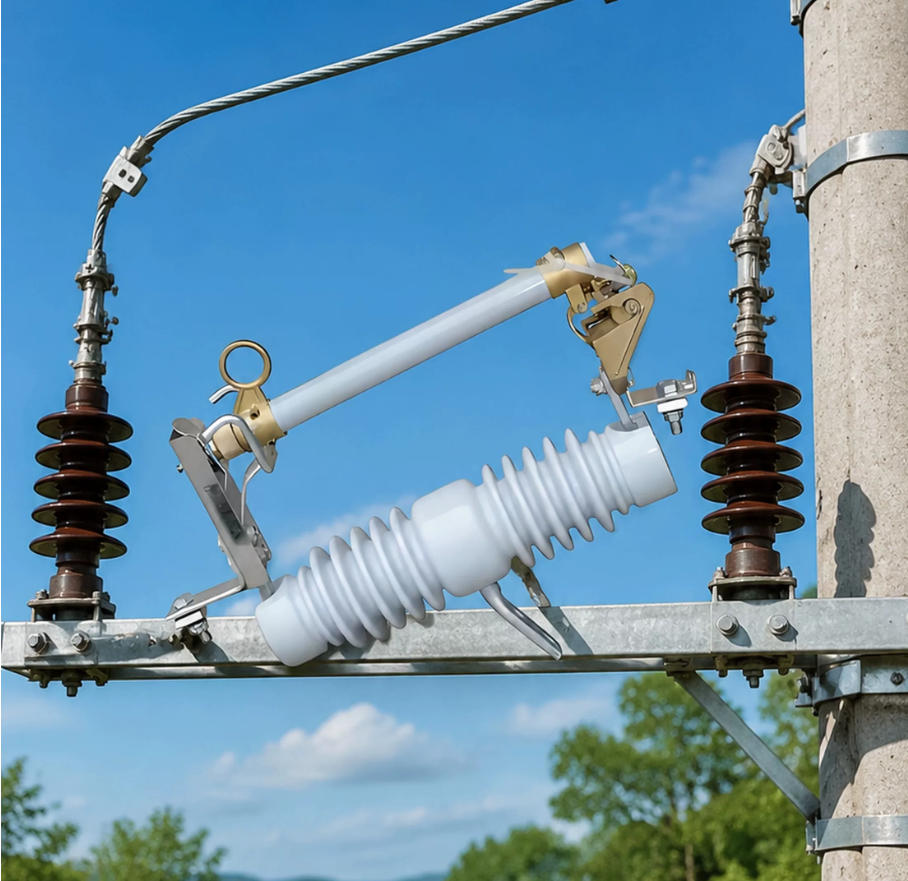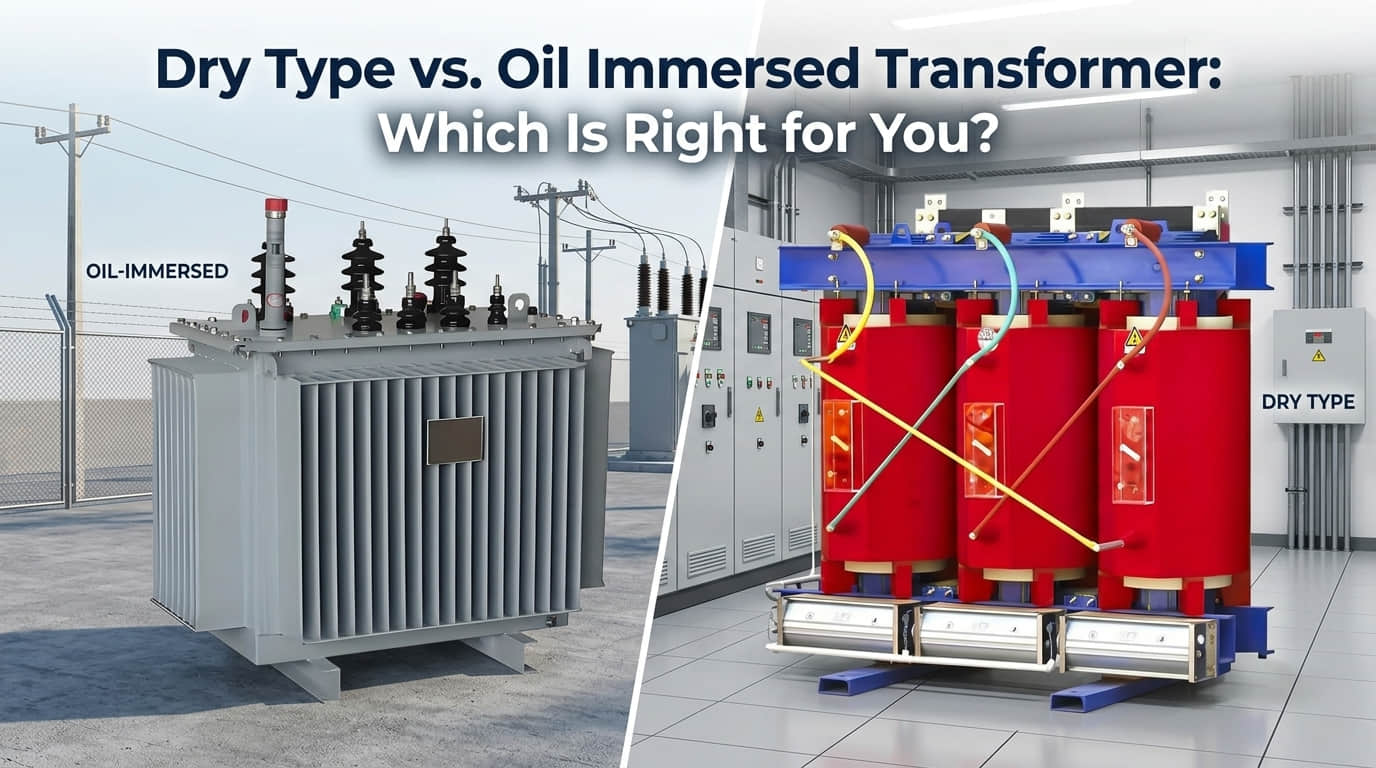
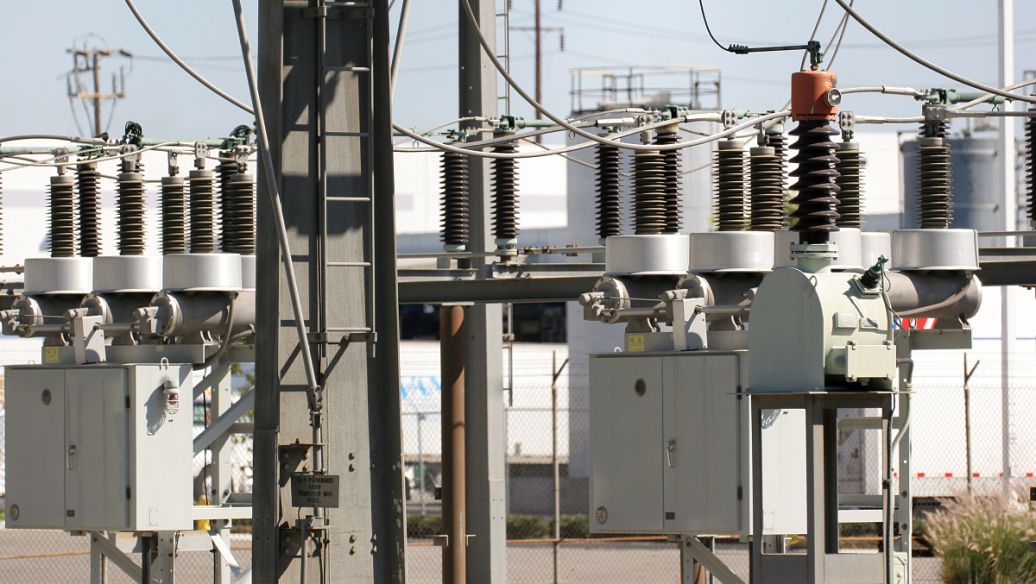
If you work around medium voltage switchgear, you already know one thing: a wrong move on a vacuum circuit breaker can cost you equipment, production time, or even your life.
That’s exactly why understanding how to safely operate a vacuum circuit breaker isn’t “nice to have.” It’s non‑negotiable. In the field, most incidents don’t come from bad products — they come from incorrect operating sequences, skipped checks, or bypassed interlocks.
In this guide, I’ll walk you through a clear, practical vacuum circuit breaker operation procedure, the same way I train technicians on site: step by step, with real‑world warnings, and zero fluff. You’ll see how the vacuum interrupter actually works, what to check before you touch the handle, how to follow a VCB safe operating sequence, and which mistakes you must never make.
So if you’re responsible for racking in, closing, tripping, or maintaining a draw‑out type vacuum circuit breaker — and you want to do it safely, confidently, and in line with IEC 62271‑100 and NFPA 70E — this guide from WEISHO is for you.
Understanding the Working Principle of a Vacuum Circuit Breaker
When you operate a vacuum circuit breaker (VCB), your safety depends on how well you understand what’s happening inside the vacuum interrupter and the operating mechanism.
How Vacuum Interrupters Extinguish the Arc
When a VCB opens under load, an arc forms between the fixed and moving contacts. In a vacuum interrupter, the arc is controlled and extinguished very fast because:
The contacts separate inside a sealed vacuum bottle (very low pressure, almost no gas).
The arc is a metal vapor arc, not an air or SF₆ arc.
As the AC passes through the current zero, the metal vapor condenses back on the contacts and shields.
With almost no gas present, the arc cannot sustain itself, so it goes out quickly, and the dielectric strength (insulation strength) recovers fast.
This fast arc extinction is why a vacuum circuit breaker operation procedure can safely interrupt high fault currents in medium-voltage switchgear.
Key Components of a Vacuum Circuit Breaker
A typical medium-voltage VCB has a few critical parts you should know before you touch it:
Fixed contact – Stationary contact inside the vacuum bottle that connects to the bus or line.
Moving contact – A Contact that opens and closes with the operating mechanism.
Vacuum bottle (vacuum interrupter) – Sealed ceramic/metal enclosure that holds the contacts in a vacuum.
Operating mechanism – Spring charge mechanism or motor-spring system that provides the force to close and open (trip) the breaker.
Insulated linkage and drive rods – Transfer motion from the mechanism to the moving contact.
Auxiliary contacts and position switches – Provide status to protective relays, SCADA, and local indicators.
Knowing where these parts are and how they move is key to safe VCB closing and tripping, safe racking in/racking out, and proper vacuum circuit breaker testing procedure.
Advantages vs SF₆, Air, and Oil Circuit Breakers
In the US market, I use vacuum circuit breakers instead of SF₆, air, or oil breakers whenever possible because:
No SF₆ gas handling – Avoids greenhouse gas issues and complex gas-leak management.
No oil – No fire risk from oil, less environmental cleanup risk.
Compact and clean – Smaller footprint, cleaner switchgear rooms, less contamination risk.
Low maintenance – Long mechanical and electrical life, fewer internal parts to service.
Fast interruption – Very short arc duration, reducing thermal and mechanical stress on equipment.
These advantages translate directly into a safer, more predictable vacuum circuit breaker function for medium-voltage switchgear.
How VCB Design Impacts Safe Operation
Good VCB design builds safety into every operation sequence:
Fast, sealed arc extinction reduces arc flash energy compared with older oil or air breakers.
Integral mechanical and electrical interlocks help prevent:
Racking under load
Closing on a grounded circuit
Operating with a discharged spring
Clear mechanical indicators (OPEN/CLOSED, spring-charged, racked position) reduce operator error and misreading.
Built-in anti-pumping device blocks repeated close commands during a fault, stopping dangerous rapid re-closing.
When you follow a disciplined VCB safe operating sequence and respect the built-in interlocks, the design of the vacuum circuit breaker works in your favor, reducing arc flash risk and improving medium-voltage circuit breaker safety every time you operate it.
Safety Precautions Before Any Vacuum Circuit Breaker Operation

If I’m showing someone how to safely operate a vacuum circuit breaker, I start with one rule: never touch the breaker until the safety steps are locked in. Medium-voltage switchgear can deliver a deadly arc flash in a fraction of a second, especially around busbars, current transformer connections in medium-voltage switchgear, and cable terminations.
PPE for VCB operation (arc-flash + shock protection)
Before going near the breaker, I always put on proper PPE based on the NFPA 70E arc-flash label and the plant’s electrical safety procedures:
Arc-flash suit or arc-rated coveralls rated for the incident energy at the gear
Insulated rubber gloves with leather protectors, tested and in date
Arc-rated face shield or hood with chin and neck protection
Hard hat/helmet, safety glasses, and hearing protection
Safety boots with an electrical hazard rating and non-slip soles
Lockout-tagout (LOTO) for vacuum circuit breaker work
For any work beyond simple local operation, I follow a strict lockout tagout for VCB:
Open and trip the vacuum circuit breaker using the normal operating handle or control switch
Open upstream and downstream isolating devices as required by the procedure
Apply a personal lock and tag at each isolation point with clear identification
Try-operate test: attempt to close the breaker from the local control after LOTO to confirm it will not operate
Make sure no one removes a lock or bypasses an interlock just “to get it done.”
Verifying zero voltage and grounding
Before I consider the equipment safe, I prove it:
Use an approved, rated voltage detector to test the tester on a known live source, then test all phases, then re-test the tester (live–dead–live)
Verify zero voltage on both line and load side terminals of the VCB and related conductors
Confirm grounding status: check that the switchgear grounding switch (if installed) is visibly in the grounded position and any portable grounds are properly applied on the line side and load side as required
Never rely only on a mimic diagram or control room indication—always verify at the equipment
Permit-to-work and supervisor authorization
In a US plant environment, nobody should be operating or racking a medium-voltage VCB on their own just because it “looks simple”:
Get a written permit-to-work or switching order for any planned operation
Ensure the switching plan is reviewed and approved by a qualified supervisor or system owner
Confirm system conditions (load, backfeeds, parallel sources, auto-reclose settings) are understood before operating
Only qualified and trained personnel should perform vacuum circuit breaker operation procedures, especially under remote SCADA control or when there is a fault risk
These vacuum circuit breaker safety precautions are the foundation. If these aren’t in place, I don’t operate the breaker—no exceptions.
Pre-Operation Inspection Checklist for Vacuum Circuit Breakers
Before you touch the operating handle or hit a close command, I want a quick, disciplined pre-operation check on every vacuum circuit breaker (VCB). This is what keeps people and equipment safe.
1. Visual Inspection of VCB and Switchgear
Walk down the breaker and its cell with the door open (if design allows and it’s proven de-energized):
Look for cracks, oil/grease leakage, rust, dust buildup, or any contamination on:
Vacuum bottles/interrupters
Insulators and barriers (porcelain, epoxy, or glass insulators)
Bus connections and terminals
Mechanism covers and arc chutes
Make sure no loose hardware, missing bolts, broken shutters, or deformed racking rails.
If you see tracking marks, burn spots, or carbon deposits, do not operate the breaker until it’s inspected and cleared.
2. Check Control Circuit Voltage and Aux Power
A VCB is only as reliable as its control power:
Verify DC control voltage is within the OEM range (commonly 110–125 VDC or 48 VDC in US plants).
Confirm AC auxiliary power (for spring charging motors, space heaters, and indication lamps) is available and within ±10%.
If voltage sags at the panel when you attempt a close, stop and troubleshoot—weak control power can cause incomplete operations.
3. Verify Mechanical Indicators
Always read the breaker itself, not just the SCADA screen:
OPEN/CLOSED indicator: Confirm the actual position matches what you expect before commanding anything.
Spring charged indicator: Ensure the closing spring shows “CHARGED” (or green/ready). Never try to close with a discharged or partially charged spring.
Racked position:
“DISCONNECTED” / “ISOLATED”
“TEST” position
“SERVICE” / “CONNECTED” position
The racking position must match what your procedure calls for—no exceptions.
4. Insulation Resistance Test (Megger Test)
If you’re doing a pre-energization or post-maintenance check:
Use a 5 kV insulation resistance tester for most medium-voltage VCBs (check OEM).
Typical rule of thumb: >100 MΩ phase-to-phase and phase-to-ground is usually acceptable for a clean, dry VCB, but always compare to:
OEM minimum values
Previous test records (watch trends)
If results are low, dry/clean the equipment and retest. Don’t operate until insulation values are stable.
5. Contact Resistance Test of VCB Main Contacts
This is key for catching bad joints before they overheat:
Use a micro-ohmmeter (usually 100 A or higher test current).
For most medium-voltage VCBs, you want:
Contact resistance in the tens of micro-ohms (e.g., 20–80 µΩ per pole depending on rating)
All three phases roughly equal (no outlier more than ~30–50% higher than the others)
Track readings over time. Rising resistance or a single “high” phase is a red flag for loose joints or worn contacts.
6. Confirm Nameplate Ratings vs System
Before you put any breaker in service:
Match VCB nameplate voltage to your system (e.g., 4.16 kV, 13.8 kV, 15 kV class).
Check continuous current rating (e.g., 1250 A, 2000 A, 3000 A) against the expected load.
Verify short-circuit rating (kA symmetrical and asymmetrical) is equal to or above the available fault current at that location.
Confirm interrupting time class and any special duties (capacitor switching, transformer inrush, etc.) align with your application; this ties directly to upstream and downstream protection and overall system reliability, just like making sure your breakers coordinate properly with devices like grounding switches in MV switchgear.
If any one of these checks fails or feels off, treat it as a stop sign. Get maintenance or engineering involved before you operate the vacuum circuit breaker.
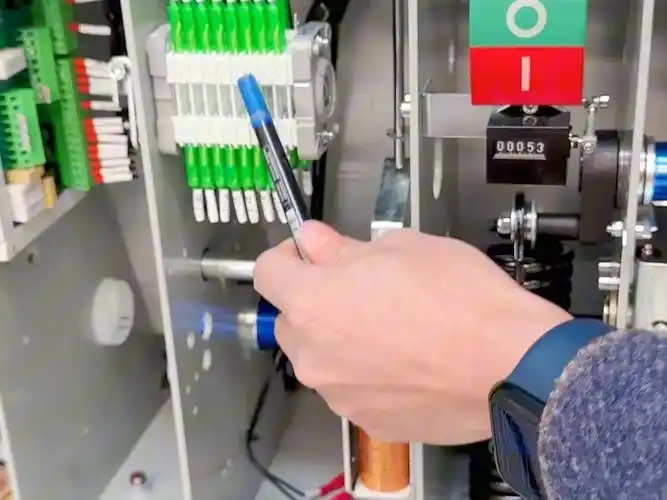
Correct Operating Sequence for Manual and Electrical VCB Operation
When we talk about how to safely operate a vacuum circuit breaker (VCB), the order you do things in matters just as much as the equipment itself. Below is a practical, step‑by‑step operating sequence you can use as a baseline and adapt to your plant procedures.
Step‑by‑Step Closing Operation of a Vacuum Circuit Breaker
For both manual and electrical closing, always confirm all interlocks and safety checks are satisfied first.
Manual closing sequence (local panel):
1. Confirm readiness
Breaker in correct position (TEST or SERVICE as required).
Spring-charged indicator shows CHARGED.
Control voltage available; no trip signal present.
2. Verify status
Mechanical flag shows OPEN.
Mimic diagram or panel LEDs confirm line and bus are in the expected state.
3. Close the breaker
Stand to the side (arc‑flash boundary in mind).
Press the CLOSE pushbutton or operate the manual close handle firmly.
4. Confirm successful closing
Mechanical indicator flips to CLOSED.
Close coil current drops out as expected.
SCADA/DCS status and mimic diagram show breaker CLOSED.
No abnormal noise, vibration, or smell.
Electrical closing (remote command):
Issue CLOSE from SCADA/DCS only when:
Local/remote selector set to REMOTE.
No active trips/alarms on that feeder.
Operations personnel have confirmed it’s safe to energize.
Verify remote close by:
Breaker CLOSED indication on SCADA.
Feeder current and bus voltage are behaving as expected.
No unexpected protection trips or alarms.
Step‑by‑Step Opening and Tripping Operation of a VCB
Normal opening (local):
1. Check that the opening will not disrupt critical loads without backup.
2. Stand to the side of the cubicle, within PPE and arc‑flash boundaries.
3. Press the OPEN/TRIP pushbutton.
4. Confirm:
Mechanical flag shows OPEN.
The trip coil energizes momentarily and then drops out.
Current on the feeder goes to zero (allow for any residual or capacitive currents).
SCADA/DCS and mimic diagram show OPEN status.
Protection trip (automatic):
If the protection relay trips the VCB:
Breaker goes to OPEN without operator action.
Alarm/trip indication appears locally and on SCADA.
Do not immediately reclose; investigate the cause first.
How to Perform an Emergency Manual Trip Safely
In a fault or fire situation near the switchgear, you may need to use the emergency trip:
If available, use the remote/emergency trip station outside the switchgear room.
If you must trip locally:
Stay out of the direct front line of the cubicle if possible.
Wear full arc‑flash PPE suitable for the incident energy level.
Use the dedicated EMERGENCY TRIP pushbutton or mechanical trip lever.
Immediately verify the breaker is OPEN and then secure the area.
After any emergency trip, treat the breaker and cubicle as suspect until inspected.
Remote VCB Operation via SCADA or DCS
Remote operation is common in U.S. industrial plants and utilities, but it must follow strict rules:
Use local/remote selector: breaker must be in REMOTE mode.
Confirm with field staff that:
The line and load are ready.
No personnel are working on the circuit (LOTO cleared).
Issue CLOSE or OPEN from the control room:
Monitor status feedback (OPEN/CLOSED, ON/OFF).
Watch for unexpected trip signals or alarms.
Never rely only on remote indication when doing work on the equipment; always use on‑site verification and LOTO.
If your switchgear lineup includes indoor disconnect switches or other primary devices (for example, a through‑wall type indoor disconnect switch), make sure remote VCB operation is coordinated with their position and interlocks.
Recommended VCB Operating Times
Most medium‑voltage vacuum circuit breakers are designed for very fast operation:
Typical closing time: around 50–100 ms.
Typical opening time: around 40–80 ms.
You don’t normally measure this in the field during routine operation, but you should:
Compare test results from periodic timing tests to OEM values.
Treat any noticeable sluggishness (visible delay between command and movement) as a red flag and schedule maintenance.
Verifying Successful Operation
After any operation (local or remote), always double‑check that the breaker is in the intended state.
Key checks:
Mechanical indicators
OPEN/CLOSED flag matches your command.
Spring CHARGED/DISCHARGED indicator is correct.
Mimic diagrams and LEDs
One‑line mimic on the cubicle shows the correct breaker status.
Bus and feeder indicators match the power flow you expect.
SCADA/DCS feedback
Status points (breaker open/closed, trip/alarm) match the physical indicators.
Measured current and voltage match the new configuration.
Alarms
No persistent trip coil, spring‑charge motor, or interlock alarms.
Any abnormal alarm after the operation should be logged and checked.
Following this VCB safe operating sequence every time builds consistent habits and cuts down the risk of arc‑flash events, nuisance trips, and breaker damage.
Safe Racking In and Racking Out of Draw-Out Type VCB
Test Position vs. Service Position
On a draw-out vacuum circuit breaker (VCB), knowing exactly where the breaker sits is non‑negotiable:
Service (Connected) Position – Main primary contacts are fully engaged; the VCB can carry and interrupt load and fault current. All control circuits are live.
Test/Isolated Position – Control circuits are available for testing, but the primary contacts are physically isolated from the bus. The breaker must not be able to energize the line.
Disconnected/Withdrawn – Breaker is fully out of the cubicle; used for maintenance, replacement, or storage.
Always confirm the position with:
The mechanical position indicator on the VCB
The mimic diagram or position indicator on the switchgear door
Step-by-Step Racking In Procedure (VCB Draw-Out Type)
Before racking in, the breaker should be OPEN, properly aligned, and the cubicle proven de-energized and grounded per plant procedures.
Basic racking in sequence:
1. Verify isolation and grounding
Confirm incoming sources are open and tagged.
Confirm grounding switch (if installed) is applied where required.
Confirm the VCB is OPEN and the spring mechanisms are discharged.
2. Inspect the cubicle and rails
Check guides, shutters, and stabs for damage, dirt, or obstruction.
Make sure any associated devices, like an upstream indoor disconnect switch, are in the correct isolated position; if you’re using a GN19 style panel-mounted indoor disconnect switch, confirm it’s locked open as per your procedure.
3. Insert the VCB into the cubicle
Roll or slide the breaker into the compartment until it reaches the disconnected or “parked” position.
Engage the racking handle or built-in racking mechanism.
4. Rack to test position
Operate the racking handle slowly and smoothly.
Watch the position indicator closely until it shows TEST/ISOLATED.
Confirm secondary plug connection is made (if required) and that control power is available.
Perform functional tests (short/trip from control circuits) with primary still isolated if your procedure allows.
5. Rack to service position
Confirm the breaker is OPEN.
Continue racking from TEST to SERVICE/CONNECTED position.
Stop immediately if you feel abnormal resistance or hear scraping.
Confirm the indicator shows SERVICE/CONNECTED and shutters are fully open.
Never rack a breaker in if there’s any doubt about:
Bus or feeder grounding status
Correct breaker rating for that cell
Mechanical damage or misalignment
Step-by-Step Racking Out Procedure and Isolation
Racking out is just as critical as racking in. Treat it like you’re removing a live weapon from service.
Basic racking out sequence:
1. Open and trip the breaker
Trip the VCB from the local control switch or remote system.
Verify the OPEN indicator and that the current indication is zero (if metering is available).
2. Apply LOTO and verify the absence of voltage
Follow your lockout/tagout procedure.
Use approved test instruments to verify zero voltage at the line and load side as required by NFPA 70E and plant rules.
3. Rack from service to test position
Attach the racking handle.
Slowly rack the breaker from SERVICE to TEST/ISOLATED.
Confirm the position indicator shows TEST.
4. Rack from test to disconnected/withdrawn
Continue racking until the indicator shows DISCONNECTED (or fully withdrawn).
Once fully disconnected, you can pull the breaker out along its rails.
5. Physically isolate the VCB
Move the breaker to a safe maintenance area.
Tag it “OUT OF SERVICE” if it’s being removed for faults or inspection.
Interlocks You Must Never Bypass
Mechanical and electrical interlocks are there to keep you alive. Do not defeat them.
Typical interlocks include:
Racking interlock – Prevents racking the breaker in/out unless it is OPEN.
Door interlock – Prevents opening the cubicle door when the breaker is in SERVICE or when the breaker is CLOSED.
Closing interlock – Prevents the breaker from closing in any position other than SERVICE or TEST (depending on design).
Grounding switch interlock – Prevents closing the breaker when a grounding switch is ON.
Secondary plug interlock – Ensures control circuits are disconnected in certain positions.
If an interlock is blocking you:
Stop.
Investigate the root cause (misalignment, incorrect position, mechanical fault).
Call engineering or maintenance; do not force the mechanism or use “tricks” to bypass it.
Checks Before and After Moving the VCB
Before racking:
Breaker status: OPEN, springs discharged, no visible damage.
Correct breaker: Nameplate matches voltage, current, and short-circuit rating for that cell.
Cubicle: Clean, dry, no loose parts, no foreign objects.
Interlocks: Operating normally and not blocked.
After racking:
Position indicator: Clearly shows TEST or SERVICE as intended.
Mechanical indicators: OPEN/CLOSED and spring-charged indicators match actual status.
Control operation: Local and remote controls respond correctly (where allowed).
No abnormal noise, binding, or mechanical shock occurred while racking.
Preventing Racking Under Load and Avoiding Arc-Flash Hazards
Racking under load is one of the fastest ways to create a serious arc-flash event. To avoid that:
Always open and trip the breaker first; verify it is OPEN via indicator and, where possible, via metering or relay status.
Never rack a closed breaker – if the racking mechanism won’t move, stop and verify breaker status.
Wear the proper arc-flash PPE for the incident energy level at that switchgear: arc-rated suit, gloves, face shield, hearing protection, and boots, as required by NFPA 70E.
Stand to the side of the cubicle door, not directly in front of it, when racking in or out.
Use remote racking tools if your facility has them, especially on higher energy medium-voltage gear.
Make sure associated equipment (transformers, fuses, and indoor disconnect switches such as the GN19-12ST-1250A indoor power disconnect switch) is in the correct isolated condition before you move the breaker.
If anything feels wrong—excessive force needed on the racking handle, unusual grinding, or misaligned indicators—stop immediately and treat it as a potential hazard, not a small inconvenience.
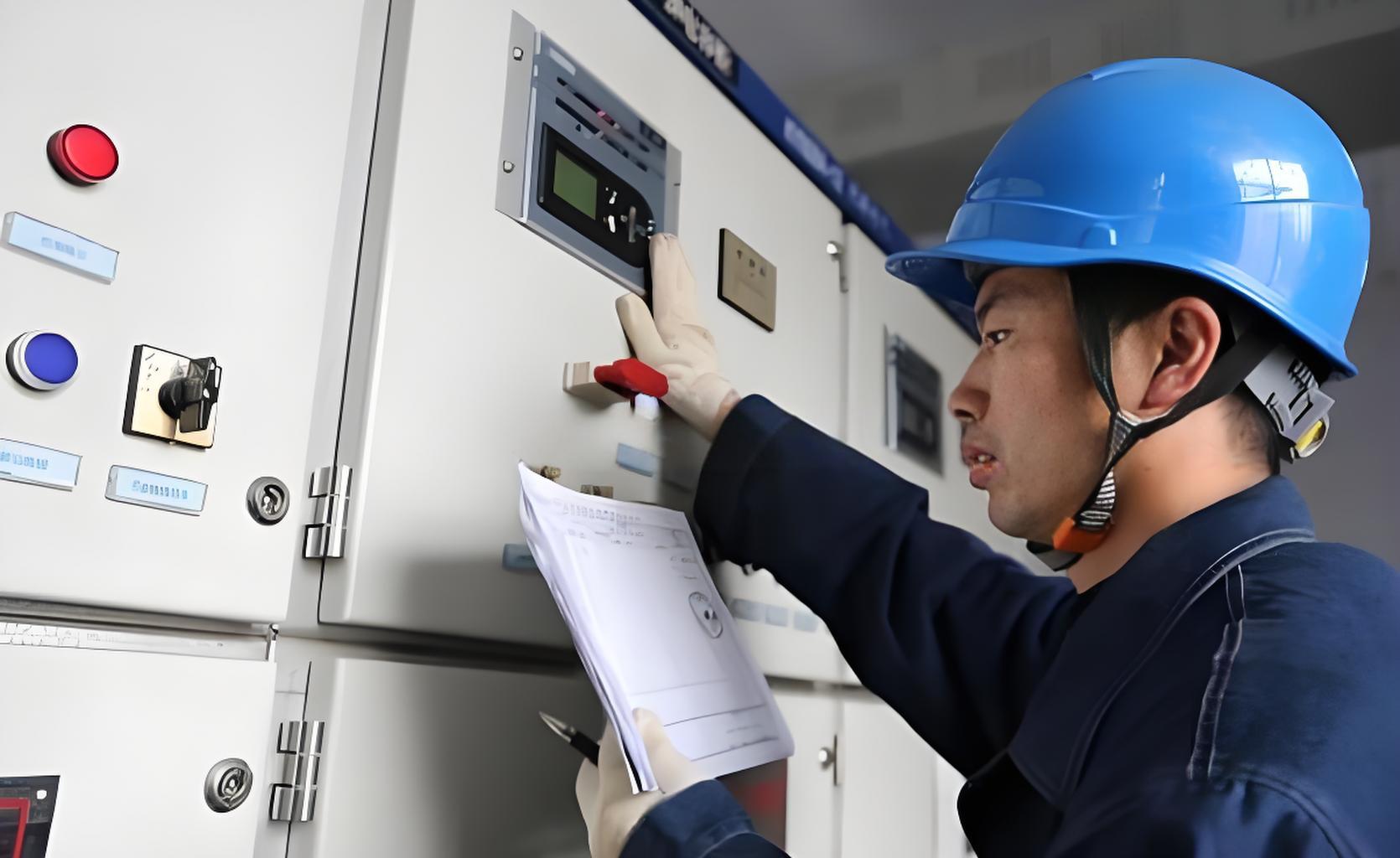
Common Operational Mistakes with Vacuum Circuit Breakers
When it comes to how to safely operate a vacuum circuit breaker (VCB), most incidents in U.S. plants don’t come from bad equipment – they come from bad habits. Here are the big mistakes I see over and over, and how to avoid them.
1. Closing a VCB onto a Known or Suspected Fault
Never “try it and see” with a vacuum circuit breaker.
If protection relays have tripped, assume there is or was a fault until proven otherwise.
Reclosing blindly can:
Stress the vacuum interrupter and main contacts
Damage medium-voltage switchgear busbars and cables
Create a serious arc-flash risk for the operator
Always:
Review relay indications and fault records
Have maintenance or engineering clear the fault
Follow your plant’s reclose and energization procedure
2. Operating with a Discharged or Half-Charged Closing Spring
The spring charge mechanism in a VCB is there for a reason: full, fast, and reliable contact movement.
Don’t close the breaker if:
The spring-charged indicator is not clearly showing CHARGED
The motor charge mechanism is failing or intermittent
Closing on a weak spring can cause:
Slow contact travel
Excessive contact wear
Incomplete closing or nuisance tripping
If the spring won’t charge:
Remove the breaker from service
Troubleshoot the closing mechanism and control power, don’t “force” it
3. Ignoring or Misunderstanding the Anti-Pumping Relay
The anti-pumping device in a circuit breaker prevents repeated closing if a close command is held while a trip signal is present.
Never bypass or “jump” the anti-pumping relay to “get it to close.”
If the breaker won’t stay closed:
You likely have an active trip signal or protection issue
Investigate the trip circuit and relay alarms, don’t fight them
Respect anti-pumping – it’s there to stop rapid reclosure and equipment damage
4. Overriding Trip Circuits or Safety Interlocks
Defeating vacuum breaker interlocks and safety systems is one of the most dangerous habits.
Never:
Wedge open mechanical latches
Bypass door, racking, or position interlocks
Short or jumper trip circuits to “keep it in service.”
These interlocks prevent:
Racking under load
Closing in the wrong position
Operating with doors open and personnel exposed
If an interlock stops you, treat it as a safety warning, not an inconvenience.
5. Misreading Spring-Charged and Position Indicators
On medium-voltage switchgear, what you think you see is not always what’s actually happening.
Always verify:
OPEN/CLOSED indicator on the breaker
Racked position (TEST, DISCONNECTED, SERVICE)
Spring charged vs. DISCHARGED window
Don’t rely on:
Memory (“I left it open earlier”)
Control room mimic alone – always check the local mechanism indicators
When in doubt, stop and re-check before operating or racking.
6. Building Good Operating Habits with VCBs
Good habits are your best safety device when dealing with vacuum circuit breaker operation procedures.
Here’s what I recommend for U.S. plants and utilities:
Use a checklist
Standard VCB safe operating sequence for open/close/racking
Include visual indicator checks, spring status, and interlock status
Slow down the operation
One action at a time: verify → command → confirm
No “double-pumping” close commands
Train on real equipment
Practice with a de-energized draw-out type vacuum circuit breaker
Walk operators through what every indicator and interlock means
Log every abnormal event
Failed close, nuisance trip, slow opening, strange sound
Use those records to refine your procedures and maintenance
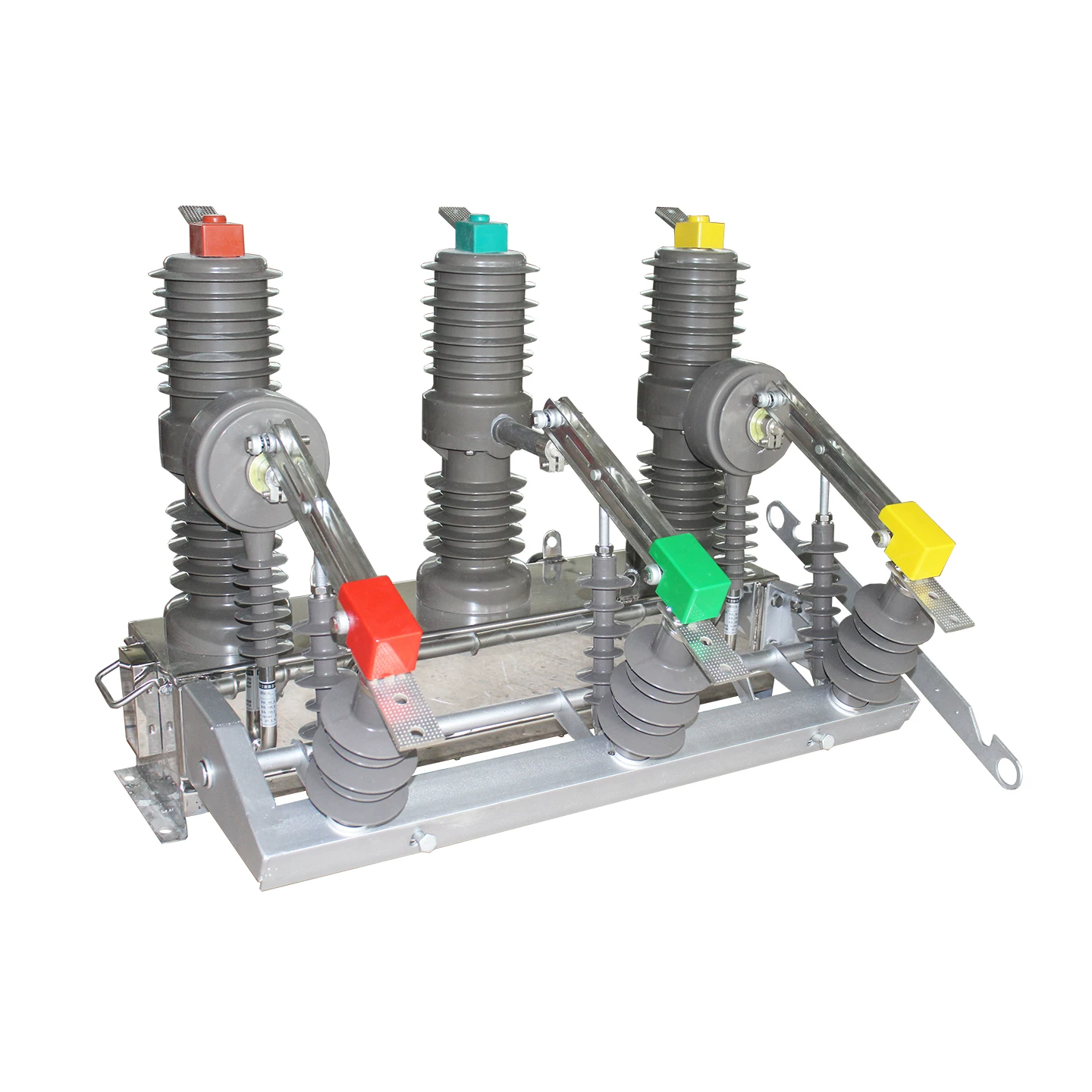
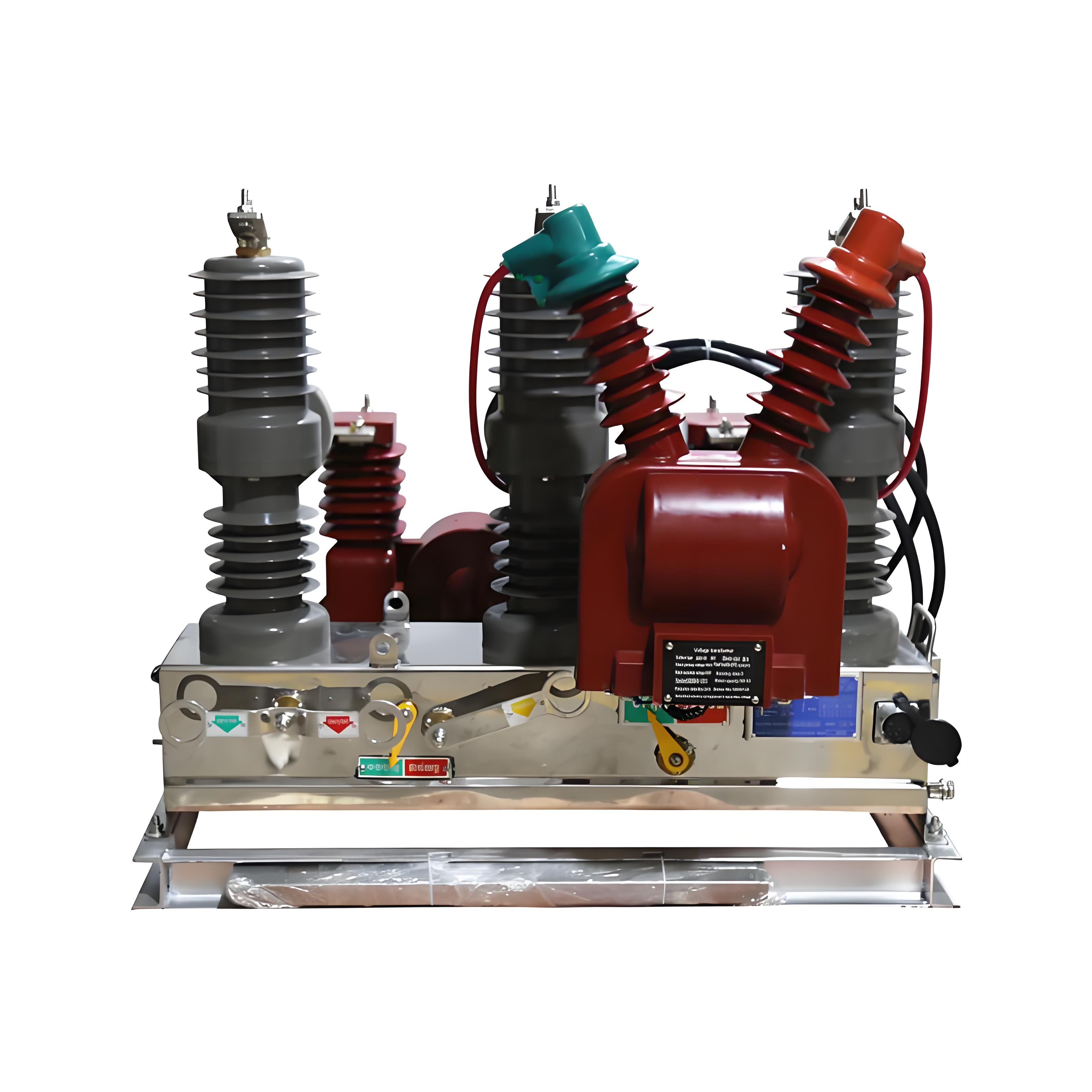
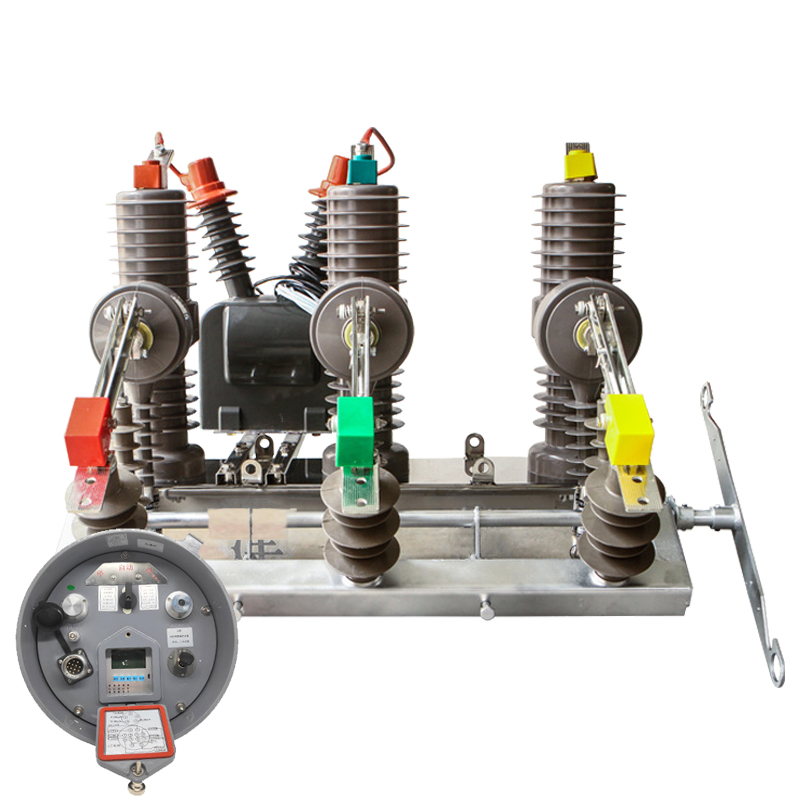
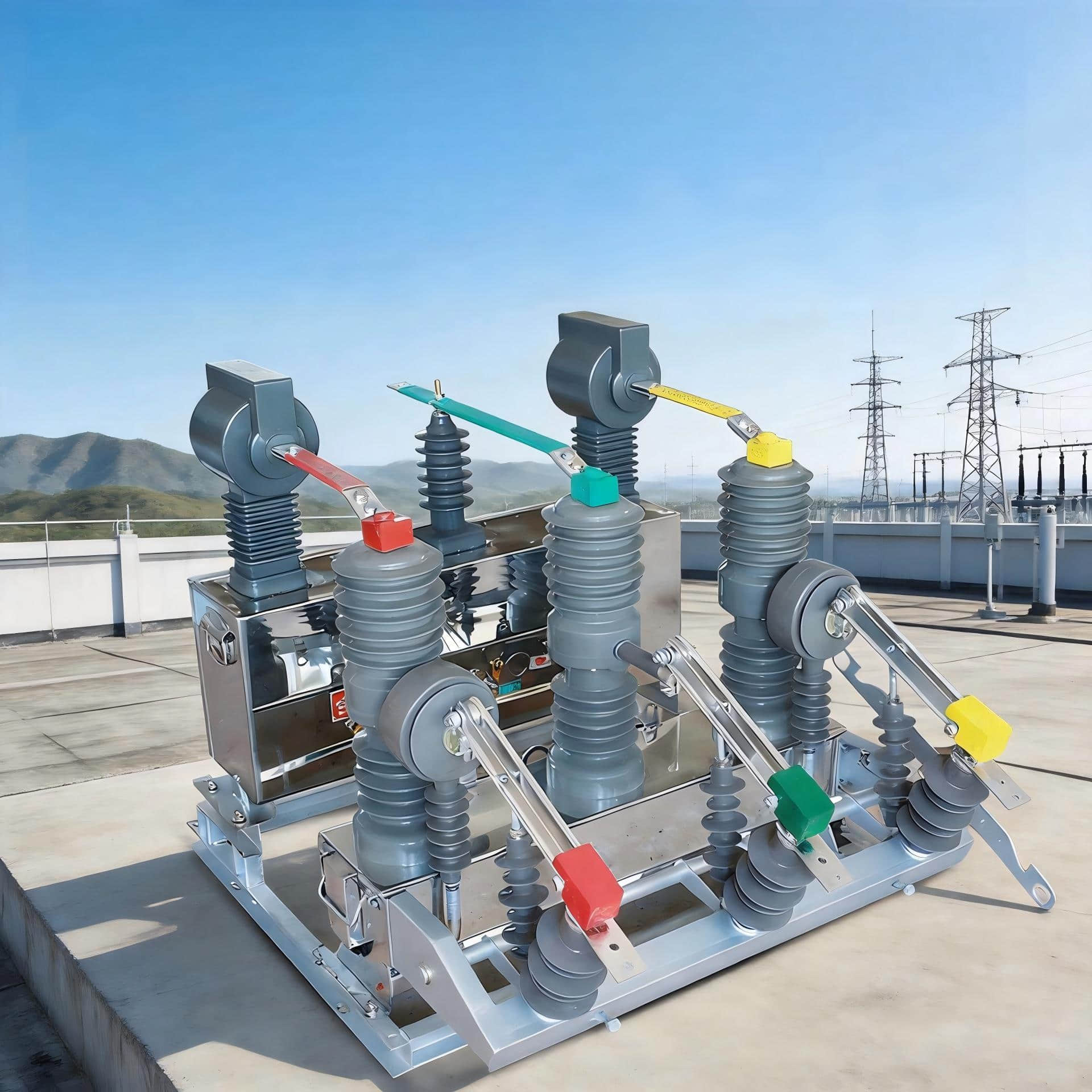
If you’re using outdoor or high-voltage vacuum breakers, it’s even more critical to stick to manufacturer guidance and your plant’s written procedures. For more background on how modern breakers compare to other technologies, it can help to look at how outdoor high-voltage vacuum circuit breakers are designed for safe interruption and insulation in real-world utility environments, similar to the products shown on some MV/HV equipment manufacturers’ pages, such as outdoor high-voltage vacuum circuit breaker lines.
Post-Operation Checks and Recordkeeping for VCBs
Confirm the Final Position Every Time
After any vacuum circuit breaker operation, I always start with a simple but critical step: confirm the final position.
Check the mechanical OPEN/CLOSED indicator on the VCB.
Verify the mimic diagram and status lights on the switchgear or SCADA screen.
Make sure the racking position (test/service/isolated) matches what you intended.
If indicators disagree, treat the VCB as energized and stop until you resolve the mismatch.
Look, Listen, and Smell for Problems
Right after the operation is when hidden issues show up. I do a quick sensory check:
Sounds: listen for unusual buzzing, chattering, or grinding from the VCB or operating mechanism.
Vibration: Light hand contact on the panel (with proper PPE) can reveal abnormal vibration.
Smell: any sharp, burnt, or ozone smell can point to a loose connection, partial discharge, or internal fault.
Anything abnormal gets logged and reported immediately—no “wait and see.”
Use IR Scanning for Hot Spots
Infrared scanning is one of the best tools you can use after major switching operations or load changes.
Scan busbars, cable terminations, and VCB primary terminals for hot spots.
Compare phases; one phase running hotter than the others is a red flag.
Use IR data to catch loose joints or high contact resistance before they turn into failures.
This is especially important on high-load outdoor gear like an outdoor high-voltage vacuum circuit breaker feeding long lines or large motors.
Log Every Vacuum Circuit Breaker Operation
For safe vacuum circuit breaker operation, I treat the switchgear logbook (or CMMS) as non‑negotiable:
Record date, time, VCB ID, feeder name, operator name, and reason for operation.
Note whether the operation was local or remote, manual or electrical, and whether it was a normal open/close or trip.
Capture any abnormalities (slow operation, strange noise, indication delay, alarms).
This becomes your traceable history when something fails or an audit hits.
Track Operation Count for Maintenance and End-of-Life
Vacuum circuit breakers have a mechanical and electrical operating life. I keep a tight eye on:
Total operation count versus OEM limits.
The number of fault interruptions (short-circuit trips) ages the VCB much faster than normal switching.
Trends in tests (like contact resistance)are tied to operation count.
Once you approach the OEM’s rated operations, plan for overhaul or replacement instead of waiting for a forced outage.
Report and Escalate Abnormal Behavior Fast
If a VCB operates slowly, fails on the first attempt, trips unexpectedly, or shows odd indications, I don’t ignore it:
Document the symptoms in the log.
Notify plant engineering or electrical maintenance immediately.
If the issue could be design- or manufacturing-related, escalate to OEM technical support with operation history and test results.
If safety is in doubt, take the VCB out of service and tag it until it’s fully checked.
Fast reporting and clean records are what keep medium-voltage switchgear safe, compliant, and predictable in real-world U.S. plant conditions.
Routine Maintenance That Keeps Vacuum Circuit Breakers Safe

If you want safe, trouble‑free vacuum circuit breaker operation in U.S. plants and substations, you need a tight, repeatable maintenance routine—not just “fix it when it fails.”
6‑Month Inspection for Vacuum Circuit Breakers
Every 6 months, I recommend a fast, condition-focused check:
Operate the VCB locally (open/close) and confirm smooth motion and normal sound.
Check position and spring indicators: OPEN/CLOSED, spring CHARGED, TEST/SERVICE position.
Visual inspection of breaker and medium‑voltage switchgear:
No cracks on insulators or vacuum bottles
No oil/grease leaks from the mechanism
No excessive dust buildup, rust, or moisture marks
Check control power (DC/AC) at terminals and verify that closing/tripping coils see the correct voltage.
Verify interlocks (door, racking, key interlocks) are working and not defeated.
This quick inspection is your early warning before a nuisance trip or failure.
Yearly Preventive Maintenance Schedule for VCBs
Once a year, pull the breaker out (test/isolated position) and go deeper:
Full mechanical operation test: 10–20 manual and electrical open/close operations.
Contact resistance test on each phase and compare to OEM limits and last year’s values.
Insulation resistance test (megger) between phases and to ground (per OEM/IEC 62271-100 ratings).
Check the operation counter to decide if a major overhaul interval is coming up.
Review the breaker logbook to match the real operation count vs. the manufacturer's maintenance curve.
If your vacuum breaker is part of a larger assembly like a prefabricated transformer substation in a compact metal enclosure, treat the whole assembly (cable terminations, bus, PT/CT wiring) as part of this yearly PM as well, just like we design and service on our own prefabricated box-type transformer substations.
Lubrication Points and Grease Selection
The operating mechanism is where most failures start. I always stick to the manufacturer’s lube chart:
Lubrication points (typical):
Main operating shaft bearings
Toggle/linkage pivot pins
Latch points and closing/opening release parts
Rolling or racking guides (where specified)
Use only OEM-approved greases, usually:
High‑performance synthetic or lithium‑based grease
Non‑gumming, wide‑temperature range, compatible with plastics
Never over‑grease: thin film only; wipe off old, dirty grease first.
Mixing random shop greases is a fast way to stick a mechanism or crack plastic parts.
Visual and Mechanical Checks of Contacts and Linkages
While the VCB is out and isolated:
Contacts (through inspection windows or OEM jigs):
Check erosion indicators or mark; compare with end‑of‑life limits.
Verify uniform contact wear across all three phases.
Linkages and drive springs:
Look for cracks, corrosion, or elongation in tension springs.
Check all bolts, pins, and cotter keys are in place and tight.
Confirm no binding through the full travel—operate the breaker while watching the mechanism.
Any abnormal play, grinding, or sticking is a reason to stop and correct before re‑energizing.
Vacuum Integrity Test for Vacuum Interrupters
The interrupter bottle is the heart of the VCB. Loss of vacuum equals loss of interrupting capability:
Perform vacuum integrity tests at intervals recommended by the manufacturer (often 3–5 years or tied to operation count):
Common methods: contact erosion measurement, high-potential (Hi-Pot) test, or field vacuum checker per OEM.
Any bottle that fails or trends poorly must be taken out of service immediately and replaced as a complete interrupter assembly.
Never “trust” a suspect vacuum bottle based on visual inspection alone.
Cleaning and Tightening in Medium‑Voltage Switchgear
Dirty or loose connections are a top cause of hot spots and arc faults:
Clean:
Wipe surfaces with a dry, lint‑free cloth; use approved cleaners only.
Remove dust from busbars and insulators; use a vacuum or dry air at low pressure.
Tighten:
Check torque on primary connections, bus joints, cable lugs, and ground bars to OEM specs.
Inspect for discoloration or pitting that hints at previous overheating.
Coordinate with other gear: If your breaker shares a lineup with load break switches or other MV devices like an indoor SF₆ load break switch, maintain all devices to the same standard so the entire lineup remains safe.
A disciplined maintenance checklist for vacuum circuit breakers isn’t just “good practice” in the U.S. market—it’s what keeps your people safe, your equipment online, and your insurance and compliance audits uneventful.
Troubleshooting Vacuum Circuit Breaker Operation Issues
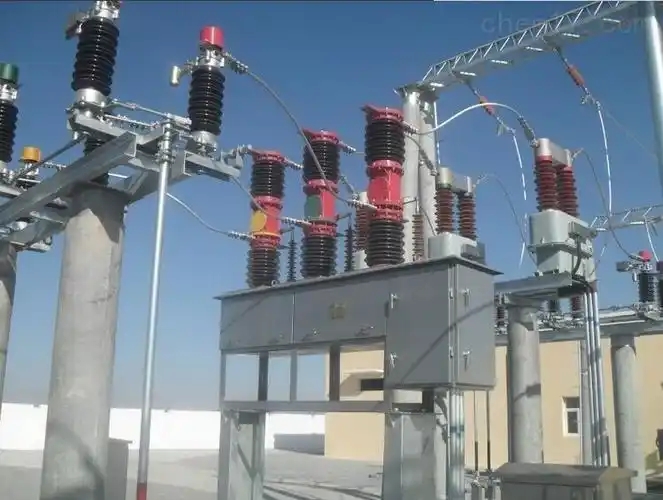
If you’re serious about how to safely operate a vacuum circuit breaker, you also need a clear, practical vacuum circuit breaker troubleshooting guide for when things don’t work as expected. When in doubt, stop, de‑energize, and investigate—don’t “try it one more time.”
Diagnosing a VCB That Fails to Close
When a vacuum circuit breaker won’t close (locally or via SCADA), check the basics first:
Verify control power: Confirm DC supply, fuses, and breaker for the closing circuit are healthy.
Check spring charge: Make sure the spring charge mechanism in the VCB shows “CHARGED,” and the motor runs normally.
Confirm interlocks: Ensure the breaker is fully in the correct racked position, doors are closed, and no mechanical or electrical interlock is blocking the close.
Inspect the close coil and wiring: Measure voltage at the closing coil during a close command; no voltage means an upstream control issue, voltage with no movement points to a bad coil or jammed mechanism.
Diagnosing a VCB That Fails to Open or Trip
A vacuum circuit breaker that won’t trip is a serious hazard. Treat it as an emergency condition.
Check trip command path: Verify trip relay output, trip coil DC supply, and protective relay settings.
Test local trip: Use the local “TRIP” pushbutton with the gear safely de‑energized to see if the mechanism operates.
Look for slow or sticky motion: Any delay or sluggish opening suggests dried grease, worn linkages, or partial mechanical binding.
Never defeat trip circuits: If it only operates when you “help” it, remove the breaker from service immediately.
Common Control Circuit and Mechanical Faults
Most vacuum circuit breaker operation issues tie back to a few recurring problems:
Auxiliary contacts: Misaligned or failed VCB auxiliary contacts can block closing, tripping, or give false status to SCADA.
Loose terminations: Check all control wiring, terminal blocks, and plug-in connectors for looseness or contamination.
Coils and motors: Aging close/trip coils and spring-charging motors can draw high current, overheat, or fail under load.
Mechanical jamming: Dried lubricant, bent linkages, or foreign objects in draw-out rails can cause binding in the VCB mechanism. Modern indoor vacuum circuit breaker handcart designs help reduce these issues, but still require inspection.
Safely Isolate and Test a Suspect VCB
Before any hands-on testing, follow strict medium voltage switchgear safety procedures:
Apply lockout-tagout (LOTO): Open upstream devices, apply locks/tags, and document isolation.
Verify absence of voltage: Use a properly rated meter to confirm zero voltage on line and load side, then apply grounding where required.
Rack to test or isolated position: Never troubleshoot a draw-out type vacuum circuit breaker in service position with live bus.
Perform controlled tests: With the breaker isolated, you can perform a vacuum circuit breaker testing procedure (mechanical operation tests, secondary injection on coils, insulation, and contact resistance checks) without exposing staff to arc-flash risk.
When to Call the Manufacturer or Remove from Service
Some problems are red lines, not “watch and wait” items. Take the VCB out of service and call the manufacturer or a qualified service partner when you see:
Repeated failure to close or open, even after basic checks
Evidence of internal damage, burning, cracked insulation, or abnormal noise/smell
Failed vacuum interrupter integrity tests or contact wear beyond OEM limits
Frequent nuisance trips that point to deeper control or mechanism issues
When you treat abnormal VCB behavior seriously, keep solid records, and act early, you not only protect your people—you extend equipment life and avoid the kind of failures that shut a U.S. facility down at the worst possible time.
Standards and Regulations for Safe VCB Operation
If you’re running medium-voltage switchgear in the U.S., safe vacuum circuit breaker operation isn’t optional—it’s a compliance issue and a liability issue. Here’s how I line it up against the key standards and what I expect from any operator touching a VCB.
IEC 62271-100 Requirements for Vacuum Circuit Breakers
IEC 62271-100 sets the global baseline for high-voltage AC circuit breakers, including VCBs:
Defines rated voltage, current, and short-circuit breaking capacity.
Specifies type tests: making/breaking tests, short-time current, temperature rise, and mechanical endurance.
Requires proven arc extinction in vacuum interrupters without external insulation failure.
Demands verified insulation coordination and clearances/creepage distances.
When I select or approve a VCB, I make sure the nameplate and test reports clearly show IEC 62271-100 compliance, especially for rated short-circuit duty.
IEEE C37.04 and C37.09 – Ratings and Testing
In U.S. plants, I treat IEEE as the main design reference:
IEEE C37.04:
Defines ratings: symmetrical interrupting current, momentary current, short-time withstand, and duty cycle.
Aligns VCB capability with system fault levels and application (indoor switchgear, outdoor VCB, etc.).
IEEE C37.09:
Covers test procedures: making/breaking tests, capacitive switching, mechanical operations, and dielectric tests.
Confirms the breaker actually performs to its rating under realistic stress.
When we approve a VCB, I always verify it meets both IEC 62271-100 and IEEE C37.04/C37.09, especially on short-circuit and operating duty.
NFPA 70E Arc-Flash Safety Rules
NFPA 70E is non‑negotiable for arc-flash protection when operating VCBs:
Arc-flash risk assessment before racking, closing, or opening a breaker.
PPE category/arc rating based on incident energy at that gear: suit, face shield, gloves, balaclava, hearing protection.
Strict approach boundaries (limited, restricted) and shock protection.
Preference for remote VCB operation where incident energy is high.
Anytime we work near energized medium-voltage switchgear, we treat NFPA 70E as the rulebook, not a suggestion.
Plant Electrical Safety Rules and SOPs
Beyond the codes, I insist on clear plant-level electrical safety procedures:
Written SOPs for VCB operation, racking, isolation, and switching orders.
Mandatory lockout/tagout (LOTO) before maintenance or testing.
Defined authorization levels: who can operate, who can issue/approve switching.
Coordination with other equipment, like transformers and medium-voltage switchgear, to avoid unsafe backfeeds or misoperations.
Good SOPs turn standards into day‑to‑day safe behavior.
Training and Competence Requirements
I don’t let anyone “learn on the breaker”:
Formal training on:
VCB working principle and vacuum interrupter arc extinction.
Local SOPs, NFPA 70E, and lockout-tagout.
Draw-out type VCB racking and interlocks.
Practical assessments: supervised operation, fault simulation, emergency trip drills.
Refresher training after incidents, procedural changes, or equipment upgrades.
Documented competence and authorization lists for operators and technicians.
A well-trained tech knows the standard, respects the hazard, and follows the VCB safe operating sequence every time.
FAQ
What is a Vacuum Circuit Breaker?
A Vacuum Circuit Breaker uses a vacuum to stop electric arcs. You get better safety because the vacuum blocks sparks. You do not need oil or gas for this breaker.
Why should you use PPE with a Vacuum Circuit Breaker?
You protect yourself from electric shock, burns, and flying debris. PPE includes gloves, glasses, boots, and flame-resistant clothes. You lower your risk of injury every time you use the breaker.
How often should you inspect a Vacuum Circuit Breaker?
You should check the breaker every 3 to 6 months. Mechanical and electrical inspections help you find problems early. Regular checks ensure your equipment remains safe and in good working condition.
What should you do if you see a warning light?
Stop using the breaker right away. Tell your supervisor about the warning. Check your equipment for damage. You should never ignore warning lights or strange sounds.
Can you operate a Vacuum Circuit Breaker alone?
You should not work alone. Always tell your team before you start. Teamwork helps you stay safe and avoid mistakes. Use clear signals and words to share your plan.
What makes Vacuum Circuit Breakers better for the environment?
You help the earth because these breakers do not use harmful gases or oils. You also need less maintenance. The vacuum chamber stops arcs without polluting the air.
What is the first step if something goes wrong?
Turn off the breaker with the control switch. Stand to the side for safety. Lock and tag the breaker. Inform your supervisor and document what happened.