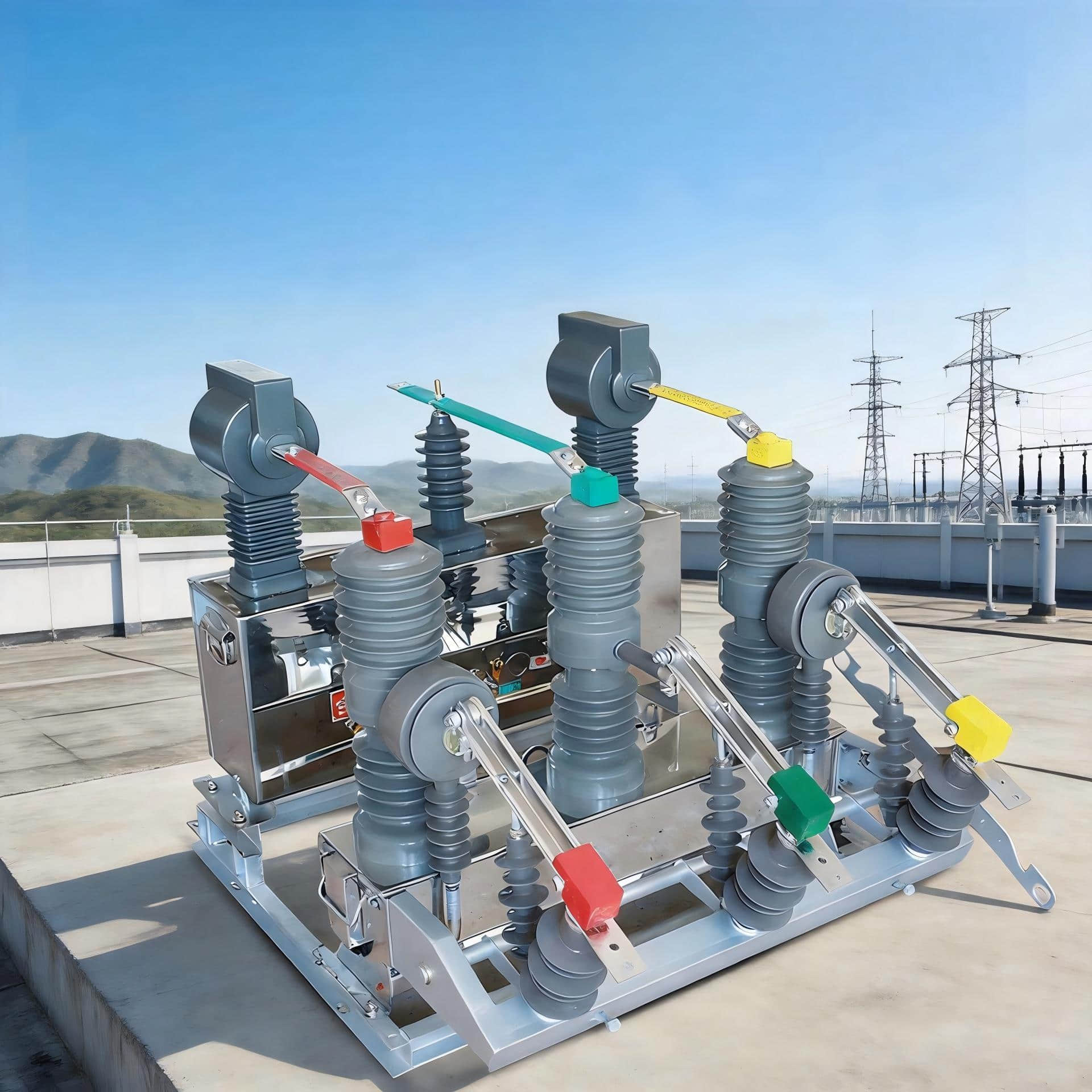
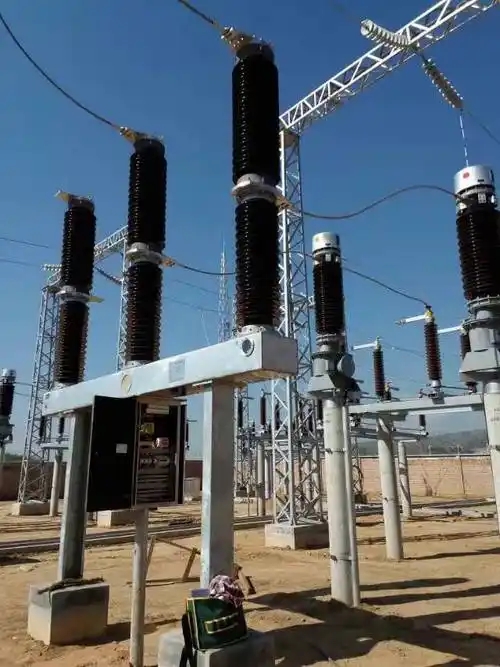
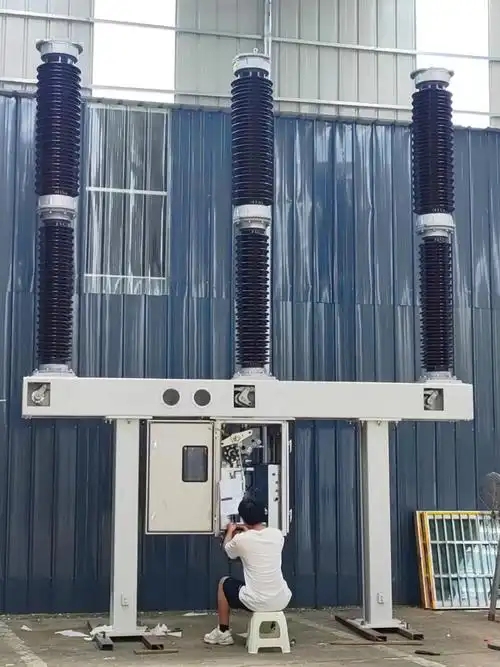
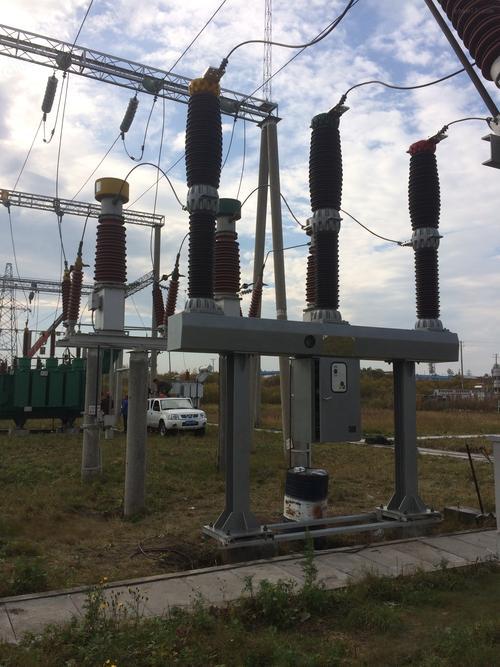
SF₆ circuit breakers are widely used in high-voltage power systems for efficient electrical isolation and protection.
These devices use SF₆ gas as both an insulating medium and a quenching agent. This article aims to provide a comprehensive evaluation of the advantages and disadvantages of SF₆ circuit breakers, including their operational benefits and environmental challenges.
By understanding the pros and cons, decision-makers can make informed choices about incorporating SF₆ technology into their systems.
Working Principle of SF₆ Circuit Breakers
The core operation of SF₆ circuit breakers relies on the unique properties of SF₆ gas. These properties include its excellent arc-quenching ability and superior insulating capabilities. When a fault occurs, technicians use SF₆ gas to quench the arc and effectively isolate electrical circuits.
Arc Extinguishing Mechanism: SF₆ gas has a strong ability to attract free electrons from the arc. This forms negatively charged ions that have low conductivity.
This rapid process ensures quick arc extinction, typically in microseconds, far faster than air-based systems. During the high temperatures of the arc, SF₆ breaks down into sulfur (S) and fluorine (F) atoms. However, it quickly recombines into stable molecules when the arc goes out.
Insulation Properties: SF₆ gas exhibits an insulating strength that is 2.5 times higher than air at pressures of 0.3-0.4 MPa, making it ideal for compact equipment designs. This superior insulating capacity helps in reducing the physical footprint of circuit breakers and optimizing their performance.
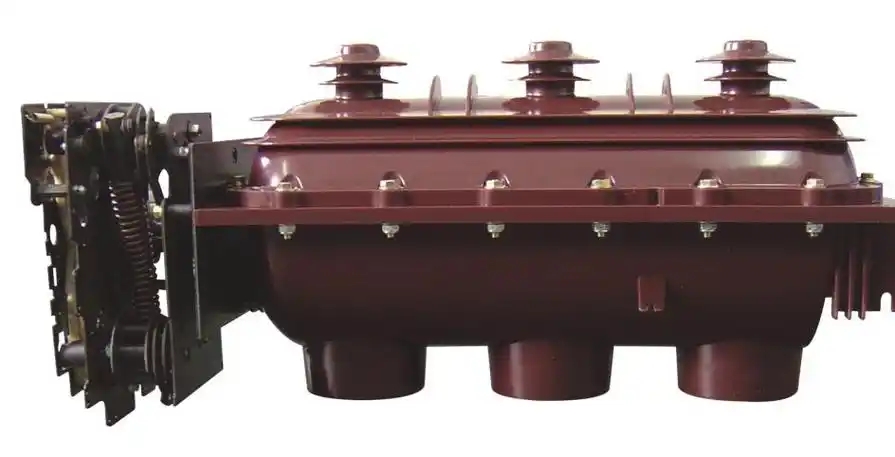
Key Advantages of SF₆ Circuit Breakers
1. Exceptional Arc-Quenching and Environmental Adaptability
SF₆ circuit breakers have an arc-quenching efficiency more than 100 times higher than air circuit breakers. They can interrupt high fault currents up to 40kA within just 1-2 power frequency cycles. This makes them highly reliable for industrial electrical grids that require frequent operation.
A steel plant in Germany’s Ruhr region used Siemens 3AP2 SF₆ circuit breakers in its 110kV power system. These breakers interrupted 23 fault currents over 10 years. The maximum fault current was 36kA, and there was no equipment damage.
Additionally, their sealed design enables exceptional performance in harsh environments. A solar power station in the southwestern United States has low humidity, under 15%. The sand dust level is over 500μg/m³. It used ABB ELK SF₆ breakers for 8 years without any insulation problems.
2. Compact Design and Long-Term Cost Efficiency
SF₆ circuit breakers are much smaller than traditional oil breakers. They need 50-70% less space for installation at the same voltage.
In a 220kV substation in Tokyo, Japan, the team adopted Mitsubishi ZF12 GIS units with SF₆ breakers. This change reduced land use to one-third of traditional open-type equipment. As a result, they significantly lowered land costs.
SF₆ circuit breakers are easy to maintain. They can operate for over 10,000 mechanical cycles and handle up to 30 short-circuit interruptions. Maintenance intervals can range from 5 to 10 years, offering substantial cost savings over time.
In Paris, France, a 35kV SF₆ breaker at the Metro Line 14 substation had only two tests in 12 years. This led to a 40% cut in maintenance costs compared to vacuum circuit breakers.
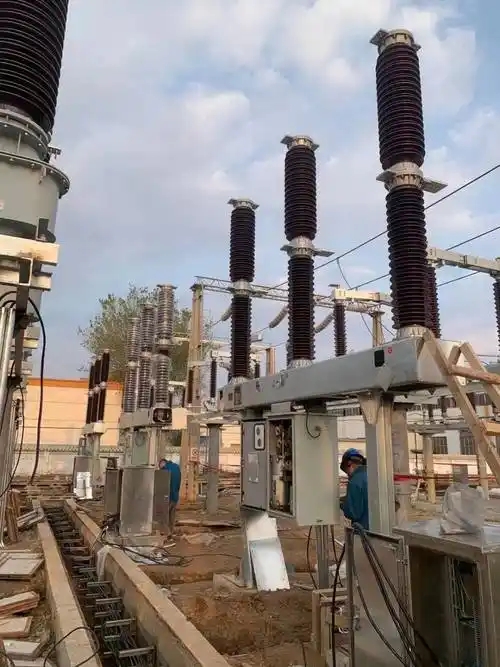
Main Challenges of SF₆ Circuit Breakers
1. Environmental Impact of High GWP Gas
SF₆ is known for its high global warming potential (GWP) of 23,500, which places it under strict environmental regulation. The European Union's F-gas Regulation requires a 79% cut in SF₆ use by 2030. This is because of the gas's large role in global warming. SF₆ emissions from the electrical industry account for 28% of the total anthropogenic emissions in Europe.
Real-World Example: In 2020, the UK’s National Grid started the "SF₆-Free Grid Initiative." This program bans SF₆ circuit breakers in new substations of 110kV and lower. It also requires replacing current SF₆ equipment by 2035.
2. Gas Management Complexity
SF₆ gas needs strict purity control. The water content must be 8 ppm or less, as per GB/T 12022. Refilling requires special drying equipment.
This increases the cost by about 15%. PG&E is a utility company in the United States. It lost over $500,000 when a 110kV breaker had too much gas.
The gas moisture level was above 200 ppm. This caused the internal insulation parts to corrode.
The cost of retiring and handling SF₆ gas is also significant. The recovery and purification of SF₆ costs about €300 per kilogram. Using high-temperature decomposition adds €150 per kilogram in energy charges.
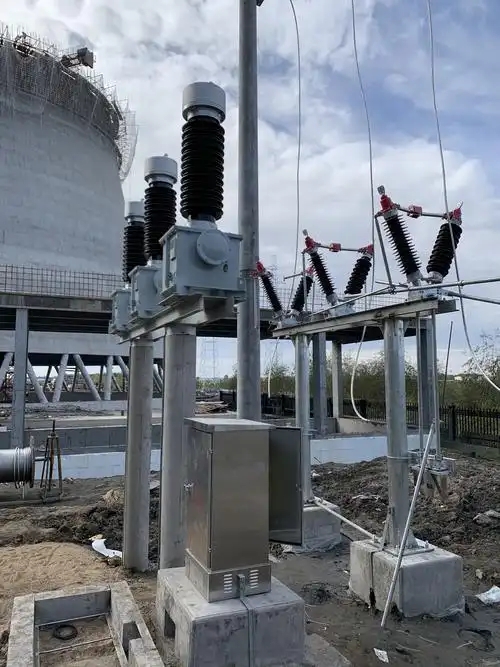
Emerging Alternatives to SF₆ Circuit Breakers
1. Vacuum Circuit Breakers for Low- and Medium-Voltage Systems
In systems ranging from 10kV to 35kV, vacuum circuit breakers have become the dominant choice, accounting for more than 90% of the market. These breakers offer the advantage of no greenhouse gas emissions.
In 2022, Seoul, South Korea, finished upgrading its 10kV distribution network. They used LS Electric's VCB series. This change cut SF₆ emissions by about 2 tons each year.
2. Environmentally Friendly Gas Circuit Breakers for High-Voltage Applications
New technologies are testing mixed gases like C₄F₇N (C4) and nitrogen (N₂). These gases are alternatives to SF₆ for high-voltage applications.
ETH Zurich in Switzerland has shown that C₄F₇N/N₂ mixed gas circuit breakers can work at 245kV. These breakers have arc-quenching performance like SF₆ but with a GWP of less than 1.
TenneT, a Dutch transmission system operator, has tested N₂/CO₂ mixed gas breakers in 110kV offshore wind projects. They achieved zero greenhouse gas emissions, even though the equipment is 20% larger than SF₆-based systems.
3. Solid-State Circuit Breakers: A New Frontier
Tesla, in the United States, has developed a direct current (DC) solid-state circuit breaker based on IGBT technology. This breaker can interrupt current in nanoseconds and is particularly suitable for renewable energy grid integration. The cost is about five times higher than regular breakers. However, researchers have already shown that it works in a California energy storage facility.
Industry Strategies and Compliance Recommendations
As the need for SF₆ alternatives increases, the industry must find ways to improve current equipment. They should also move towards more sustainable solutions.
The International Electrotechnical Commission (IEC) says that utilities should focus on finding leaks and checking gas purity. This is especially important for equipment older than 10 years, especially in sensitive areas.
For new projects, vacuum circuit breakers should be the preferred option for 10- 35kV systems. For systems of 110kV and higher, consider using mixed-gas breakers like C₄F₇N. These breakers meet European CE certifications and Chinese GB/T 38591 standards.
Following environmental standards, like ISO 14067 for carbon footprints, is important for managing SF₆ emissions during the equipment's lifecycle. We should also utilize carbon trading or offset mechanisms to achieve carbon neutrality.
Conclusion: The Future of SF₆ Circuit Breakers
The move away from SF₆ circuit breakers is an important step. It helps reduce the environmental impact of the electrical industry. The rise of alternative technologies presents an exciting opportunity for power systems to evolve while maintaining reliability and performance.
As the industry shifts to more sustainable practices, new solutions will change electrical protection systems. These include vacuum circuit breakers, mixed-gas options, and solid-state technologies.
To improve your equipment, Wei Shoe Elec can help. They can also help you reduce environmental risks. Additionally, you can learn about new breaker technologies.
They provide services to help you choose the right equipment. They also make environmental upgrades. Additionally, they create custom solutions for your power grid needs.