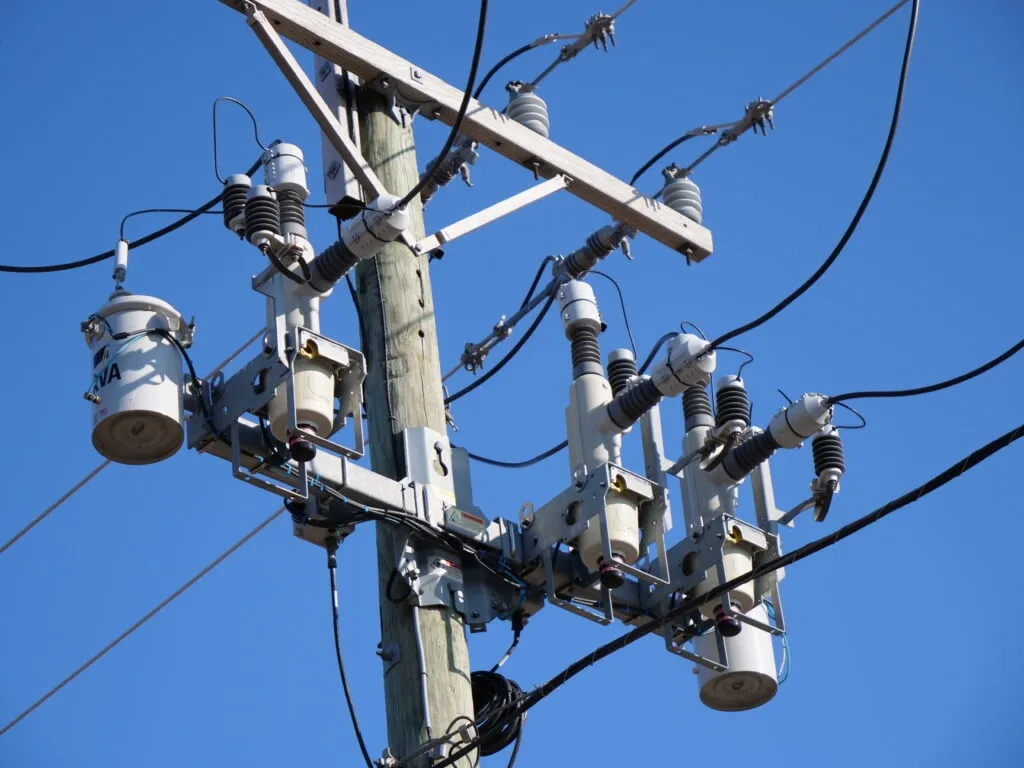
Understanding Auto Reclosers and Sectionalizers
What is an Auto Recloser?
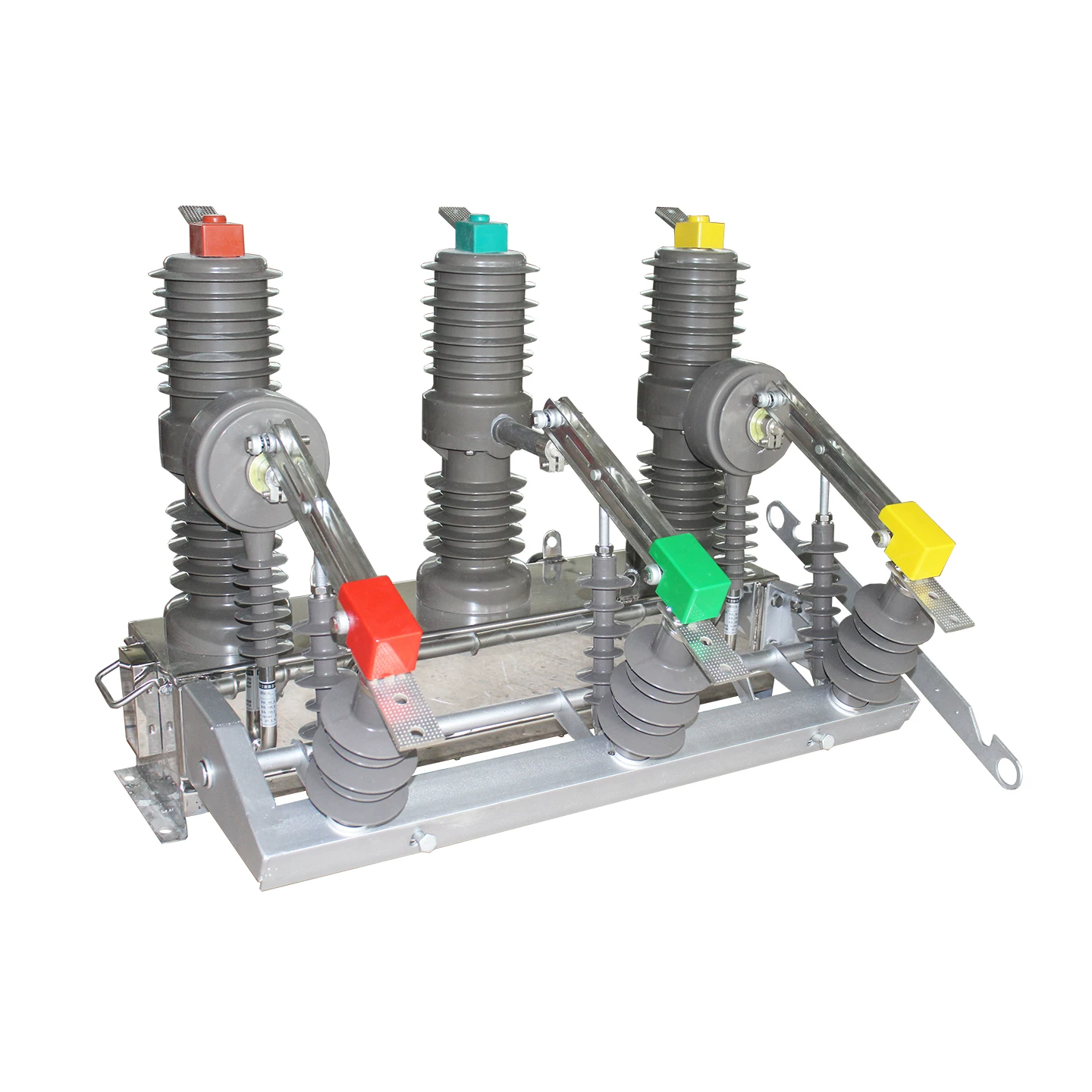
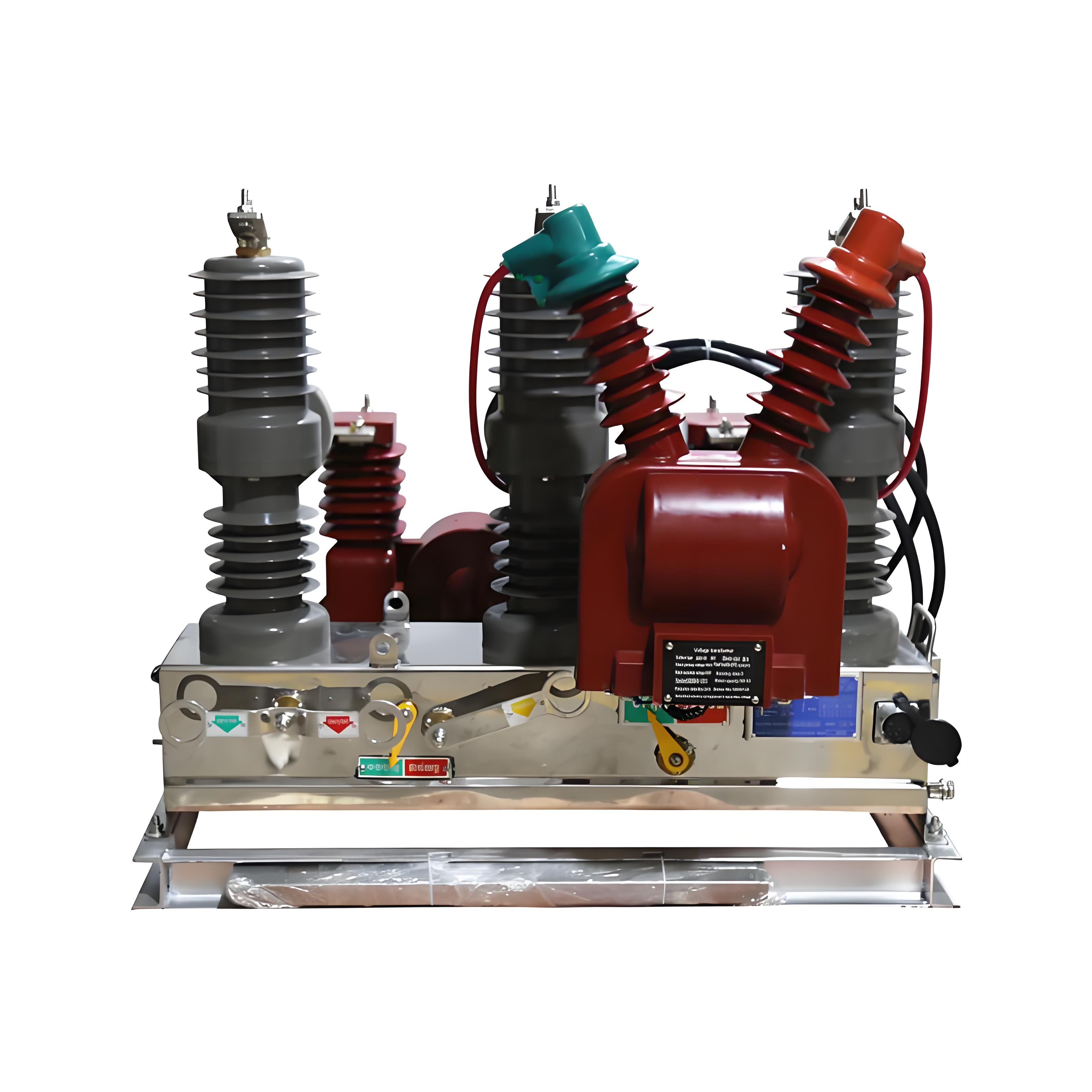
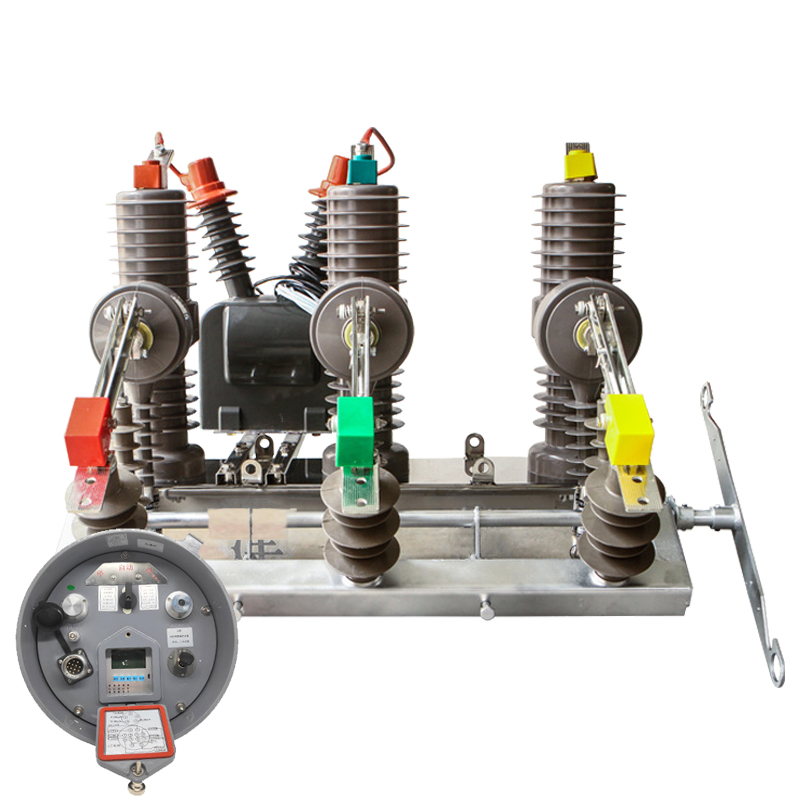
An auto recloser is a specialized, self-controlled device designed to sense and interrupt fault currents in overhead distribution networks. Acting as a high-voltage circuit breaker equipped with intelligent controls, it automatically attempts to re-energize the line after tripping. Since a significant majority of faults on overhead lines are temporary (such as lightning strikes or tree branches touching lines), the recloser allows the system to restore power automatically once the transient condition clears. If the fault persists after a programmed number of reclosing attempts, the device locks out to permanently isolate the issue.
What is a Sectionalizer?
A sectionalizer is an automatic isolating device installed downstream from a recloser or a substation breaker. Unlike a recloser, a sectionalizer does not typically interrupt fault current directly. Instead, it monitors the circuit and counts the interruption operations performed by the upstream backup device. When the sectionalizer detects that the upstream device has opened the circuit a pre-set number of times, it opens automatically while the line is de-energized. This action isolates the specific fault area, allowing the upstream recloser to successfully restore power to the healthy sections of the distribution circuit.
Key Role in Power Distribution Systems
In modern power distribution systems, coordination between auto-reclosers and sectionalizers is critical for maintaining reliability and minimizing power outages. These devices form the backbone of distribution automation, ensuring that faults are contained within the smallest possible area.
Minimized Downtime: By distinguishing between temporary and permanent faults, these devices prevent long-duration outages for transient issues.
Grid Intelligence: They serve as essential components of the smart grid, providing vital data on phase currents, voltage, and frequency.
Asset Protection: Effective coordination protects expensive infrastructure like instrument transformers and conductors from sustained damage caused by short circuits.
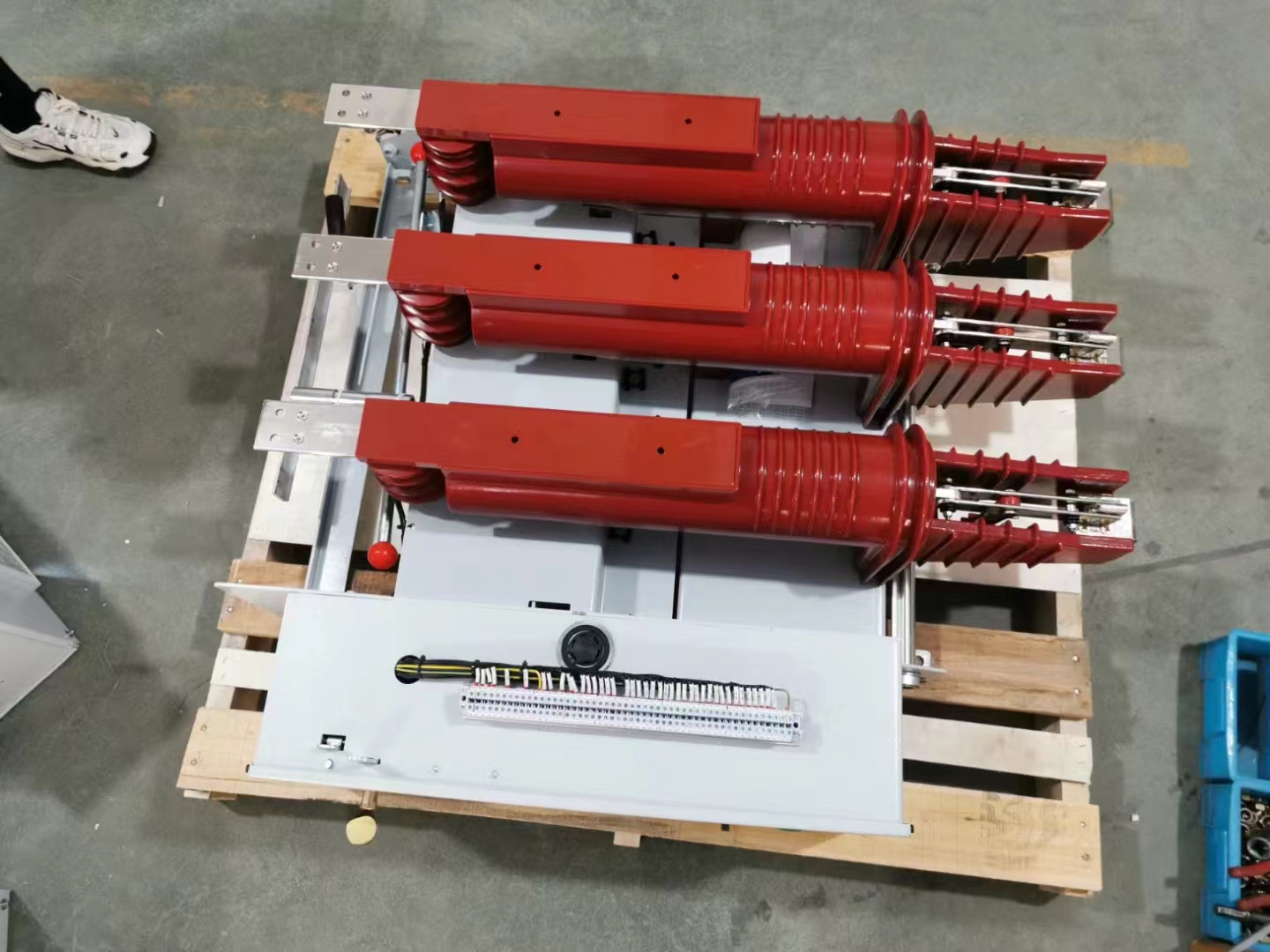
How Auto Reclosers and Sectionalizers Work
Fault Detection and Isolation
The primary function of these devices is to manage **fault current** and minimize downtime in **power networks**. An auto recloser operates as a high-voltage, self-controlled device equipped with sensors to monitor **phase currents**, **neutral current**, and **earth current**. We utilize precise measurement technology, often integrated with combined instrument transformers, to detect when current levels exceed safe parameters.
When a fault occurs, the recloser detects the surge and trips open to interrupt the AC circuit. A sectionalizer, installed downstream, works differently. It does not interrupt fault current directly. Instead, it senses the flow of fault current and monitors the operation of the upstream recloser. Its job is to identify the fault area and prepare to isolate it once the line is de-energized.
Automatic Reclosing Sequence
Since the majority of faults on **overhead distribution** lines are temporary—such as lightning strikes or tree branches brushing against wires—permanent disconnection is often unnecessary. The **automatic reclosing sequence** is designed to test if the fault has cleared.
* **Trip:** The recloser opens immediately upon detecting a fault.
* **Wait:** It remains open for a pre-programmed interval (dead time).
* **Reclose:** The device closes the switch to attempt to restore power.
If the fault is temporary, the distribution circuit remains energized, and the sequence resets. If the fault persists, the recloser will trip again. This cycle repeats for a set number of operations (usually three or four) before the device goes into “lockout,” permanently opening the circuit to prevent damage.
Operational Logic and Coordination
The efficiency of modern **smart grid** systems relies on the precise **interaction** between the recloser and the sectionalizer. This **coordination** ensures that **electricity outages** are confined to the smallest possible area. The operational logic follows a strict count-based protocol:
1. Fault Sensing: Both devices see the fault current.
2. Counting: The recloser trips. The sectionalizer detects the loss of current and registers a “count.”
3. Isolation: If the recloser trips a specific number of times (e.g., three times), the sectionalizer logic determines that the fault is permanent.
4. Action: During the “dead time” when the recloser is open, and the line is de-energized, the sectionalizer opens its contacts.
5. Restoration: When the recloser closes for the final time, the faulty section is physically disconnected by the isolating device, allowing power to be restored to the rest of the healthy network.
Key Features and Benefits
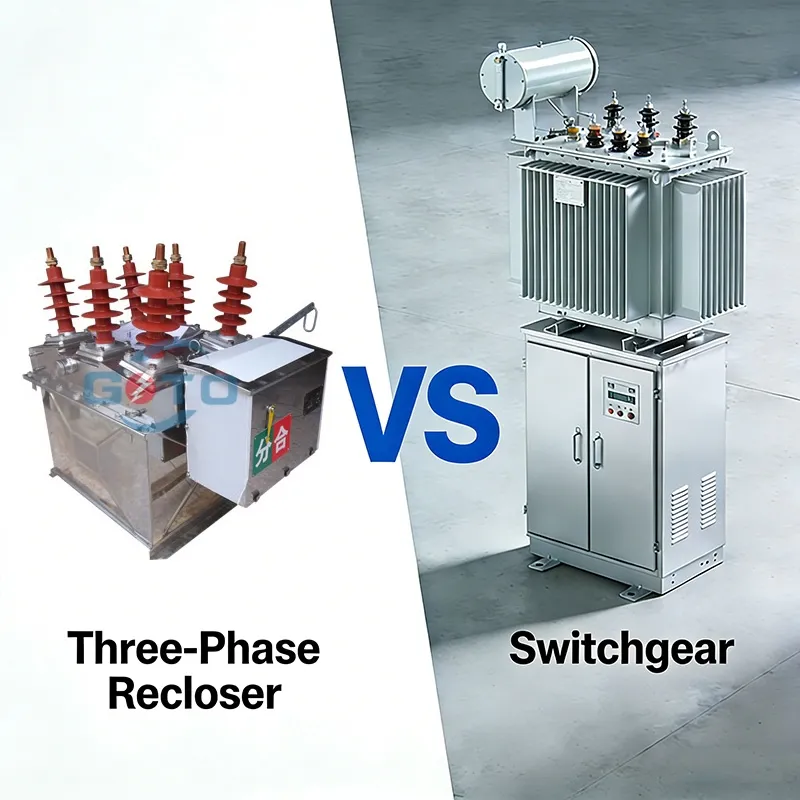
Enhanced Grid Reliability and Power Restoration
In our experience, the primary goal of any distribution network is keeping the lights on. **Auto reclosers** and **sectionalizers** work together to drastically improve **grid reliability**. Since nearly 80% of overhead distribution faults are temporary—like a tree branch brushing a line—a recloser can clear the fault and restore power automatically without waiting for a repair crew.
When a permanent fault occurs, the sectionalizer works as an intelligent isolating device. It counts the operations of the upstream recloser and disconnects the faulty section during the “dead time.” This ensures that the healthy parts of the power networks remain energized, minimizing the impact on customers.
Reduced Outage Duration and Improved Safety
Speed is everything when dealing with **electricity outages**. By automating the fault response, we significantly reduce the duration of interruptions. Instead of a manual patrol to find the issue, the system identifies and isolates the problem area instantly. This protects valuable infrastructure from sustained **fault current** damage.
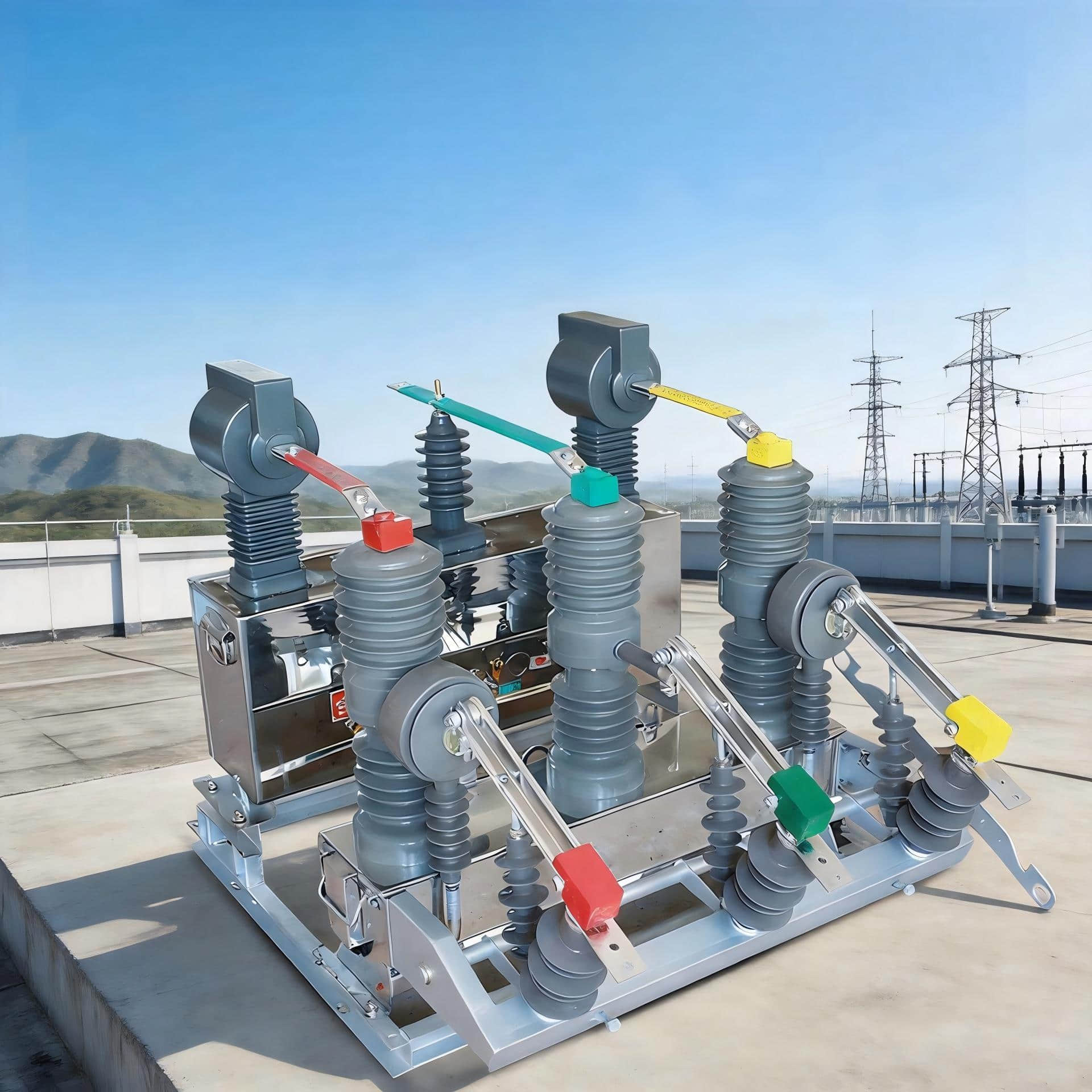
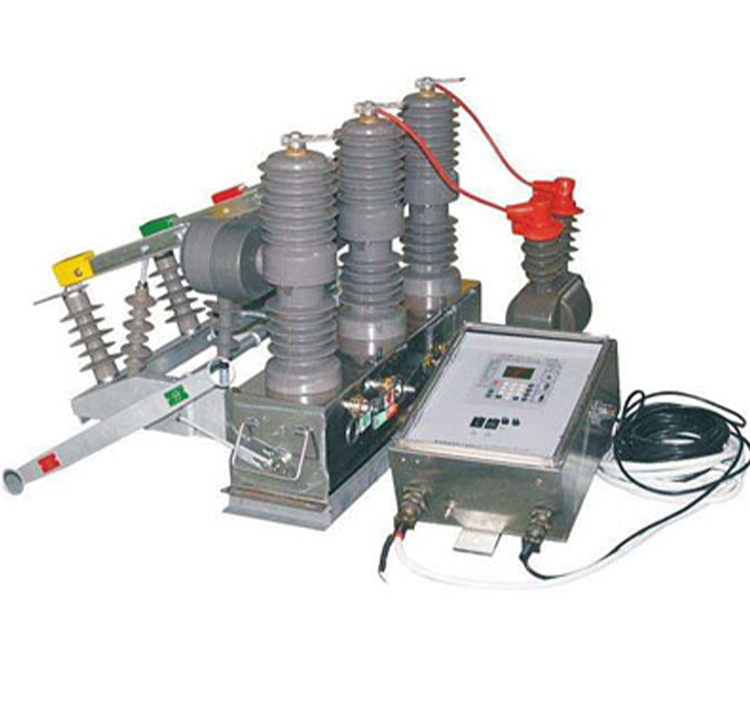
Safety is also a major priority in our design. These devices reduce the need for line crews to physically interact with high-voltage equipment during a storm. Utilizing a robust ZW32-12FG outdoor high-voltage vacuum circuit breaker technology within the system ensures that arcs are extinguished safely and effectively, protecting both the grid and the personnel.
Key Safety and Efficiency Benefits:
Automatic Restoration: Clears transient faults in seconds.
Asset Protection: Limits thermal and mechanical stress on transformers and lines.
Fire Prevention: Rapidly disconnects lines to prevent sparks in dry areas.
Adjustable Settings and Remote Control Capabilities
Modern power systems demand flexibility. We design our equipment with adjustable protection settings to match specific load profiles. Operators can configure parameters like **phase currents**, **earth current** sensitivity, and reclosing intervals to suit the local environment.
Integration with smart grid technology is seamless. With built-in communication modules, these devices connect to SCADA systems, giving operators full visibility and remote control over the distribution circuit. You can monitor voltage frequency, track operations, and even trip the switch remotely from a control center.
| Feature | Function | Benefit |
|---|---|---|
| Remote Operation | Control via SCADA/Radio | Reduces truck rolls and operational costs. |
| Event Logging | Records fault data | Helps analyze grid health and plan maintenance. |
| Programmable Logic | Custom protection curves | Adapts to changing load demands and network expansion. |
Types and Design Considerations
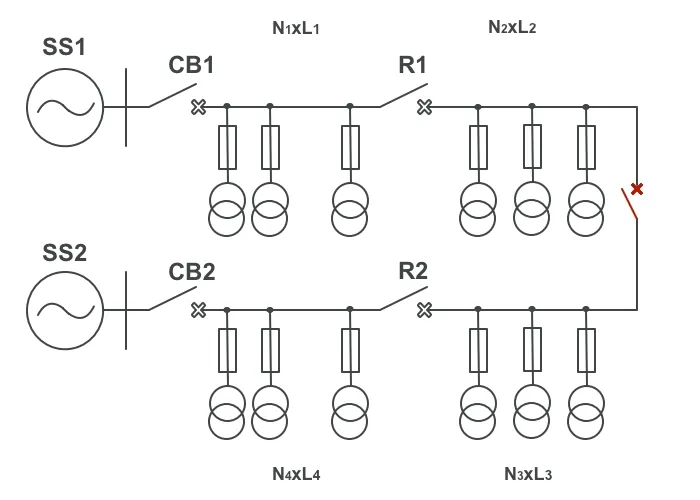
We understand that every distribution network has unique demands, which is why the design of an Auto Recloser And Sectionalizer must be robust and adaptable. Whether for a smart grid or a traditional rural line, the physical build and internal logic determine how effectively the device manages power networks. We prioritize designs that minimize maintenance while maximizing operational lifespan in harsh outdoor environments.
Components and Technology
The core of our automatic switch technology relies on precision engineering. We utilize advanced vacuum interrupters housed in solid dielectric insulation or SF6 gas, ensuring reliable arc quenching during a fault current event. The operating mechanism typically features a magnetic actuator, which provides a long mechanical life compared to older spring-charged systems.
Key components include:
Vacuum Interrupters: For efficient arc extinction in the AC circuit.
Magnetic Actuators: Low energy, few moving parts, and high reliability.
Control Cubicle: The “brain” containing the microprocessor relay and RTU.
Instrument Transformers: Built-in sensors for measuring current and voltage.
In many overhead distribution setups, these units complement devices like the DCR-12-630 outdoor single pole disconnect switch to ensure complete circuit isolation during maintenance.
Protection Functions and Measurement
Accurate sensing is vital for distinguishing between a temporary surge and a permanent fault. Our devices are equipped with high-precision instrument transformers that continuously monitor the distribution circuit. The controller analyzes phase currents, neutral current, and earth current to detect anomalies instantly.
We integrate comprehensive protection features to safeguard the grid:
| Protection Type | Function |
|---|---|
| Overcurrent | Detects excessive load or short circuits. |
| Earth Fault | Identifies leakage to the ground (sensitive earth fault). |
| Voltage & Frequency | Monitors voltage stability and frequency deviations. |
| Cold Load Pickup | Prevents nuisance tripping during power restoration. |
Technical Specifications and Standards
To ensure global compatibility and reliability, our equipment adheres to rigorous international standards, primarily IEC 62271-111 and IEEE C37.60. These standards dictate the performance requirements for the circuit breaker and reclosing functionality.
When selecting a device, we focus on these critical specifications:
Rated Voltage: Typically 12kV, 24kV, or 38kV, depending on the network.
Rated Current: Continuous current carrying capacity (e.g., 630A).
Interrupting Capacity: The maximum fault current the device can safely break (e.g., 12.5kA or 16kA).
Insulation Medium: Solid dielectric, Air, or SF6.
Meeting these specs ensures the operation remains stable even under extreme weather conditions, maintaining the integrity of the fault area isolation process.
Applications in Power Distribution Networks
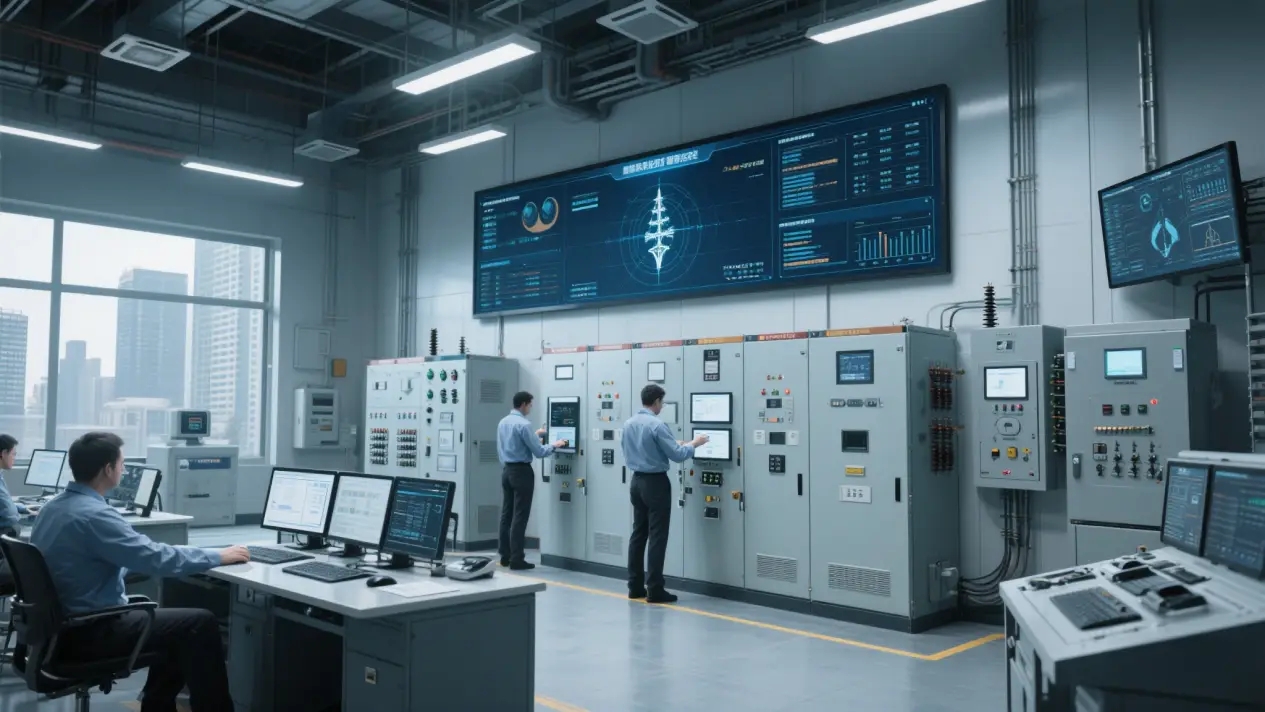
The versatility of the Auto Recloser And Sectionalizer makes them indispensable across various grid architectures. Whether we are dealing with dense city grids or sprawling remote lines, these devices serve as the frontline defense for power networks, ensuring stability and minimizing downtime.
Urban and Rural Distribution Systems
In rural environments, overhead distribution lines stretch for miles and are highly susceptible to transient faults caused by lightning, wildlife, or tree branches. Here, the auto recloser is king. It automatically clears temporary faults, preventing long outages that would otherwise require a maintenance crew to drive out to a remote location.
In urban settings, the priority shifts toward minimizing the affected fault area. High population density means a single outage affects more customers. By strategically placing sectionalizers, we can isolate a specific problematic block while keeping the rest of the city illuminated. To facilitate safe maintenance in these networks, we often utilize robust outdoor disconnect switches alongside automation devices to ensure visible isolation points for crews.
Key distinctions include:
Rural: Focus on clearing transient faults on long feeders.
Urban: Focus on precise fault isolation and load management.
Reliability: Both environments benefit from reduced SAIDI (System Average Interruption Duration Index) metrics.
Industrial Settings and Smart Grids
Industrial facilities operate on tight margins where power quality is non-negotiable. A momentary dip or outage can halt production lines and damage sensitive equipment. In these settings, we deploy reclosers and sectionalizers to protect against harmful phase currents and earth currents. The goal is to isolate internal faults instantly so they don’t propagate back to the main utility feed.
In the context of a smart grid, these devices act as intelligent nodes. They don’t just switch; they communicate. They enable “self-healing” capabilities where the network automatically reconfigures itself to restore power via alternative routes. For heavy-duty industrial substations requiring high-voltage protection, integrating advanced SF6 circuit breakers ensures that even massive fault currents are handled safely without catastrophic failure.
Integration with SCADA and Distribution Automation
Modern distribution automation relies heavily on data. Our reclosers and sectionalizers are designed to integrate seamlessly with SCADA (Supervisory Control and Data Acquisition) systems. This connectivity transforms a passive hardware device into a smart asset.
Operators can monitor critical parameters in real-time, including:
Voltage and frequency stability.
Neutral current levels to detect imbalances.
Device status and event logs.
This integration allows for remote control capabilities. Instead of sending a truck to manually operate a switch, an operator can open or close a distribution circuit with a mouse click. This speed is crucial for load shedding during peak times or isolating a hazard immediately after an accident.
Auto Recloser vs. Sectionalizer: Differences and Selection Guide
Functionality and Operation Comparison
Understanding the distinction between these devices is critical for optimizing distribution automation. The primary difference lies in their ability to handle fault currents. An auto recloser is a circuit breaker equipped with controls that allow it to interrupt short-circuit currents and automatically reclose to restore power. It actively protects the line.
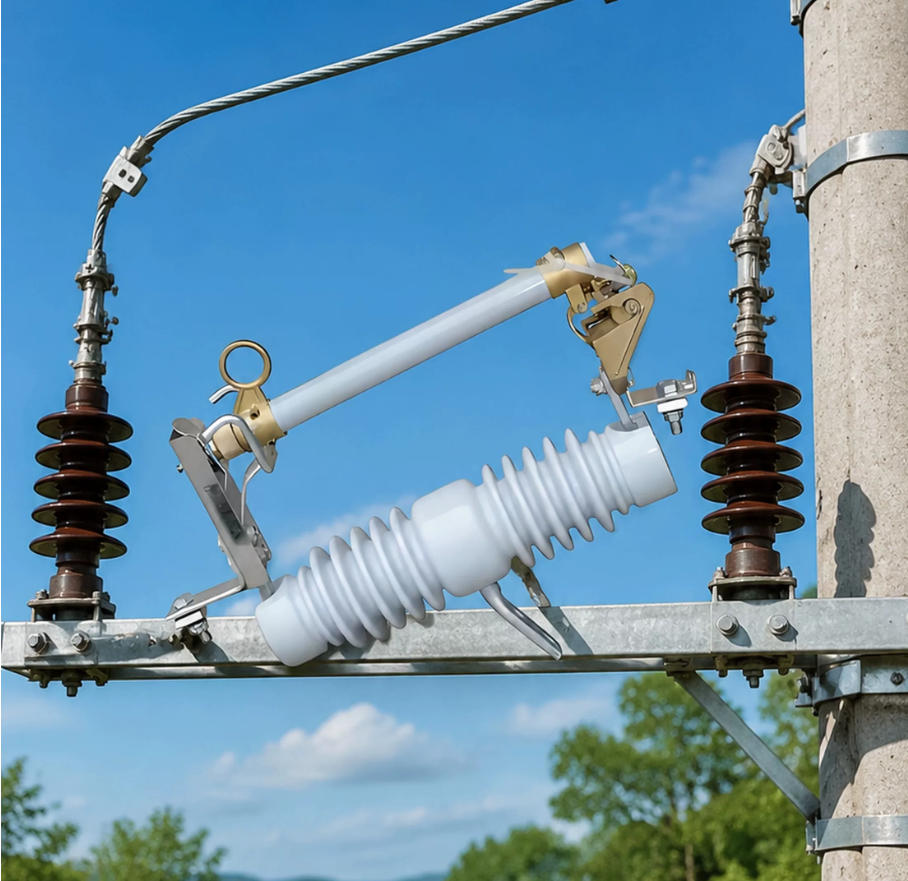
In contrast, a sectionalizer is a self-controlled device that lacks the capacity to interrupt fault currents. It functions similarly to automated outdoor load break switches, designed to isolate a faulted section only when the line is de-energized. It relies on an upstream recloser or breaker to clear the fault first.
| Feature | Auto Recloser | Sectionalizer |
|---|---|---|
| Core Function | Interrupts faults & recloses | Isolates section during dead time |
| Breaking Capacity | Breaks fault/short-circuit current | Breaks load current only |
| Operation Logic | Time-current curves | Counts upstream trip operations |
| Cost | Higher investment | Cost-effective solution |
Typical Applications for Each Device
We deploy these units based on their specific strengths within the power networks. Auto reclosers are typically installed on main distribution feeders and at substation exits. They serve as the primary protection against transient faults, ensuring that temporary issues (like a tree branch touching a line) do not cause permanent outages.
Sectionalizers are best used on downstream branches, spurs, or laterals. Since they are more economical than reclosers, we use them to divide long circuits into smaller segments. This ensures that a permanent fault on a branch line only disconnects that specific fault area, leaving the main line and other branches operational.
Cooperation Relationship and Fault Response Logic
The interaction between a recloser and a sectionalizer is a coordinated “dance” during a fault event. Here is the standard operation sequence:
1 ult Occurs: The upstream auto recloser detects the fault current and trips (opens).
2 Counting: The sectionalizer detects the loss of current and counts this as the first operation.
3 eclosing: The recloser waits a few seconds and recloses. If the fault is temporary, power is restored.
4 solation: If the fault persists, the recloser trips again. The sectionalizer counts a second time. Once the sectionalizer reaches its pre-set count (usually 2 or 3) and detects that the line is dead, it locks open to isolate the faulty section.
5 restoration: The recloser closes again. Since the faulty section is now isolated, the rest of the grid remains powered.
Factors for Choosing the Right Device
Selecting the correct device involves balancing budget, reliability targets, and network topology. When designing high-voltage switchgear systems, we consider the following:
Fault Breaking Requirement: If the location requires interrupting short-circuit currents, you must use a recloser.
Budget Constraints: Sectionalizers are significantly cheaper. If the upstream device can handle the protection, use sectionalizers for segmentation.
Coordination Depth: On long rural lines, grading multiple reclosers can be difficult due to timing overlaps. Sectionalizers simplify coordination because they rely on counts, not time-current curves.
Criticality of Load: For critical infrastructure requiring maximum uptime, reclosers offer more robust control and measurement capabilities.
Frequently Asked Questions (FAQs)
Can a Sectionalizer Operate Independently?
No, a sectionalizer cannot operate as a standalone protection device for clearing faults. Unlike a circuit breaker or recloser, it does not have the capacity to interrupt fault current. It relies entirely on an upstream device, such as an auto recloser or a substation breaker, to cut the power.
The sectionalizer counts the number of times the upstream device trips. Once it reaches a pre-set count, it opens during the “dead time” (when the power is off) to isolate the fault area. If you are looking for a device that can break the current on its own, it is helpful to start by understanding the differences between load switches, isolators, and breakers to choose the right equipment for your network.
What Faults Do Auto Reclosers Handle Best?
Auto reclosers are specifically designed to handle transient faults in overhead distribution lines. These are temporary issues that constitute a large percentage of grid problems, such as:
Lightning strikes
Tree branches brushing against lines
Birds or animals bridging phases
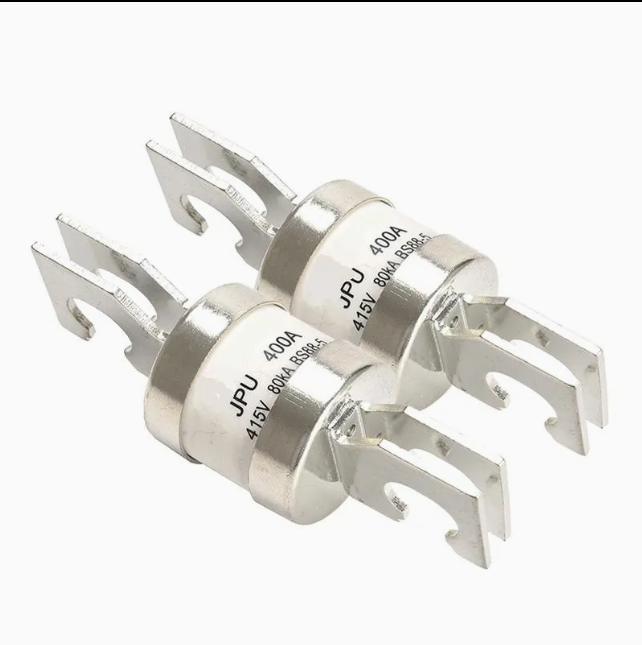
When these faults occur, the recloser trips and then quickly recloses. If the fault has cleared, power is restored immediately. If the fault remains (a permanent fault), the device will lock out to protect the system. This automatic switch logic significantly improves reliability compared to traditional fuses.
Maintenance Requirements for Reclosers
To ensure the longevity of your power systems, regular maintenance of reclosers is essential. While modern units are low-maintenance, we recommend periodic checks on the following:
Battery Health: Ensure the backup battery for the control panel is charged.
Insulation: Check for any physical damage to the bushings or tank.
Contact Health: Over time, the internal contacts can wear. It is important to know how to measure vacuum circuit breaker contact resistance to ensure the device conducts electricity efficiently without overheating.
Are Sectionalizers Used in Residential Areas?
Yes, sectionalizers are widely used in the distribution circuit that supplies power to residential areas. While you won’t see them inside a home, they are mounted on utility poles in the neighborhood.
Their primary role in these settings is to minimize the impact of electricity outages. If a fault occurs on one street, the sectionalizer isolates that specific branch, allowing the rest of the neighborhood to keep its power. This makes them a critical component of a modern smart grid.