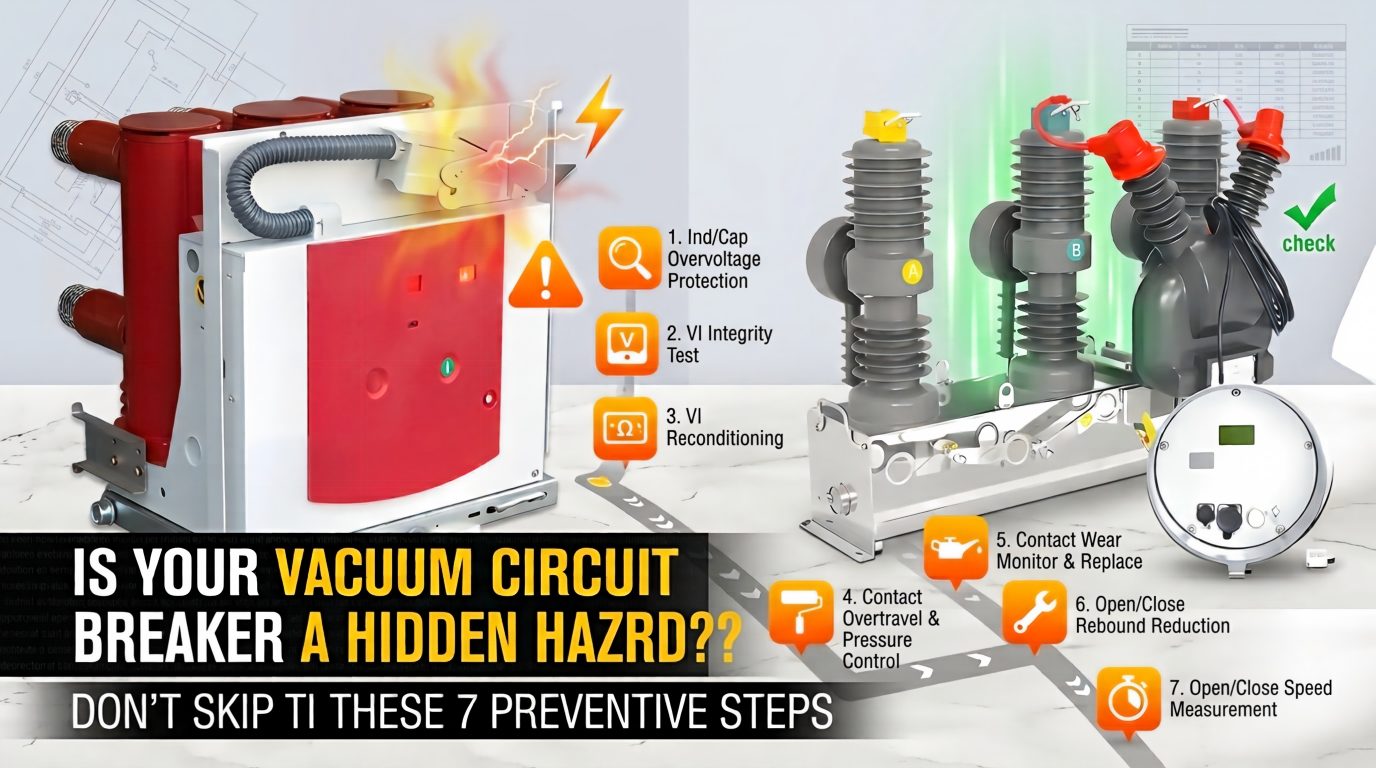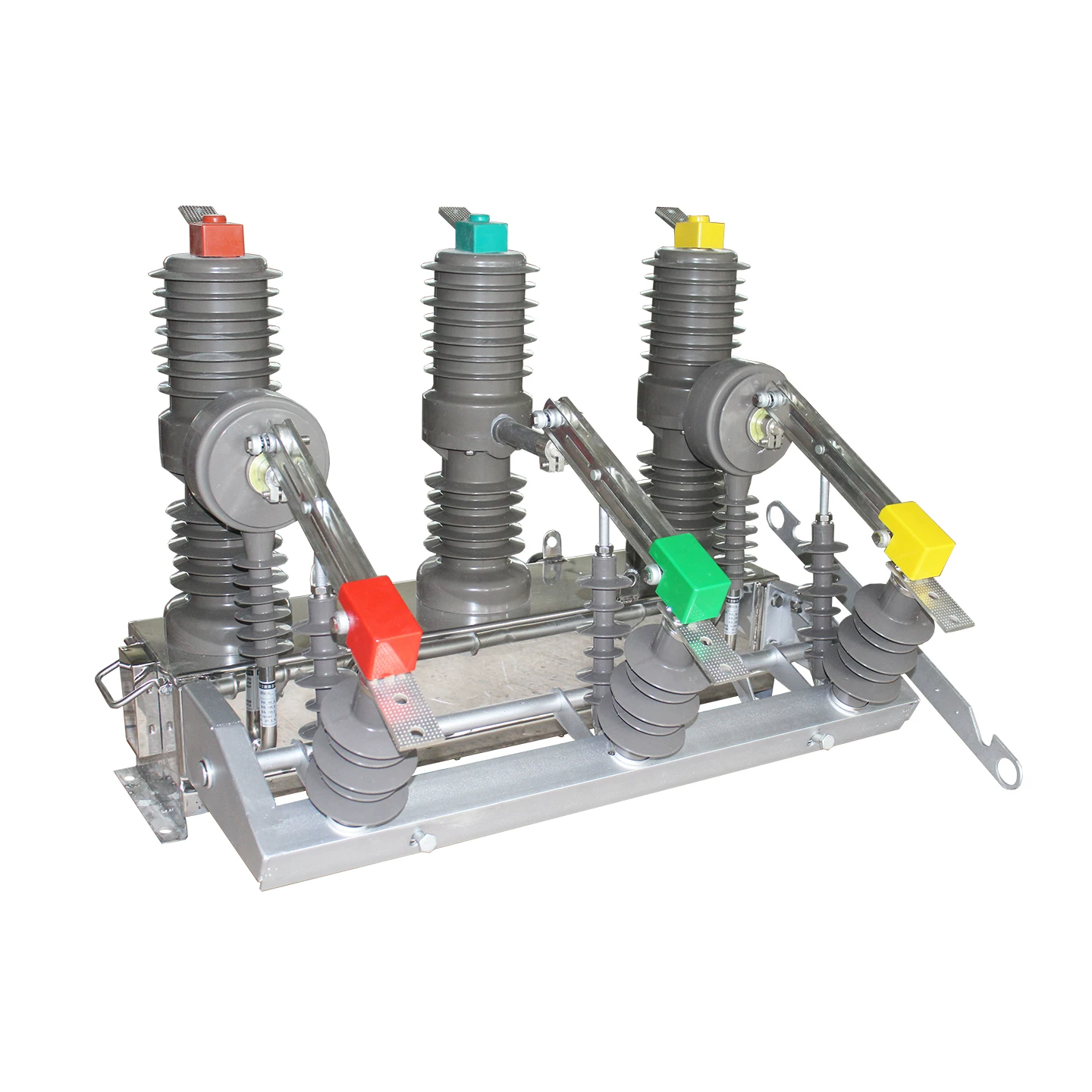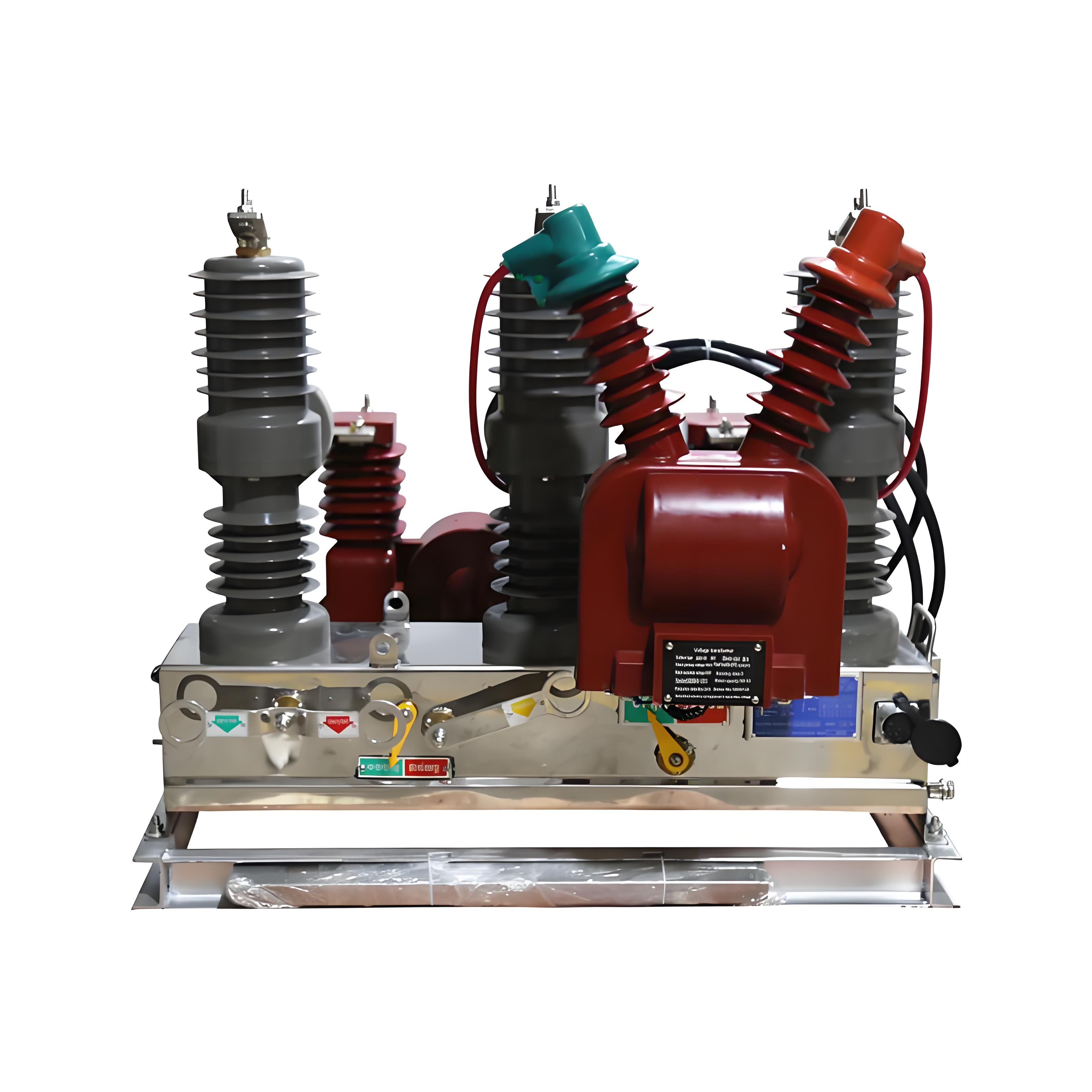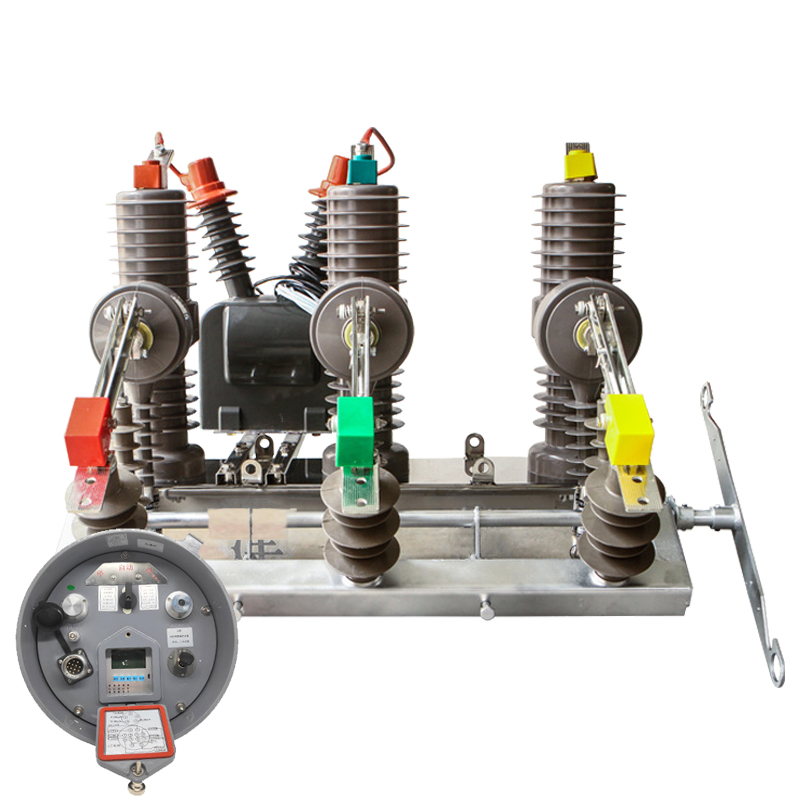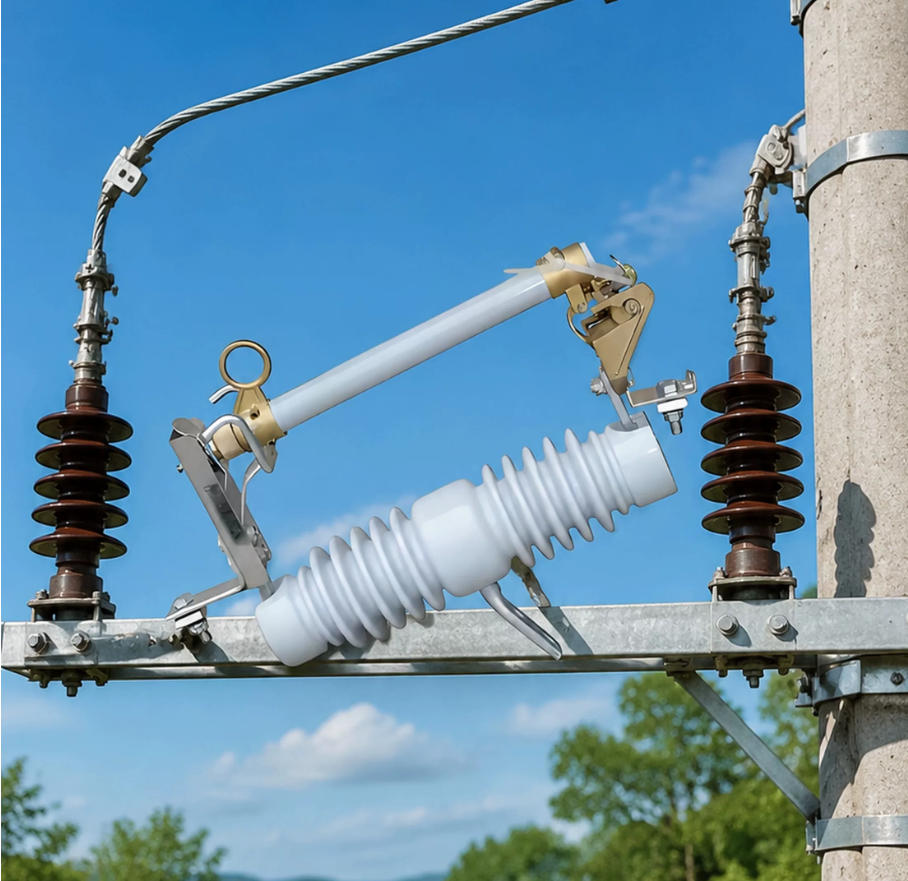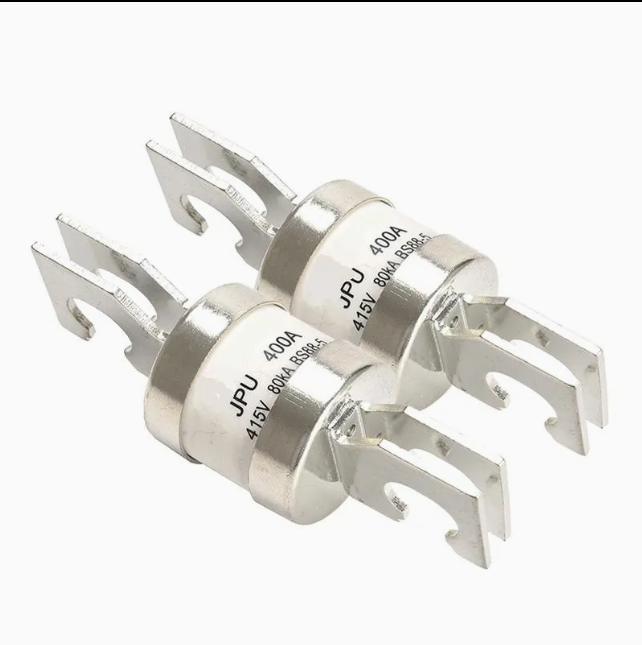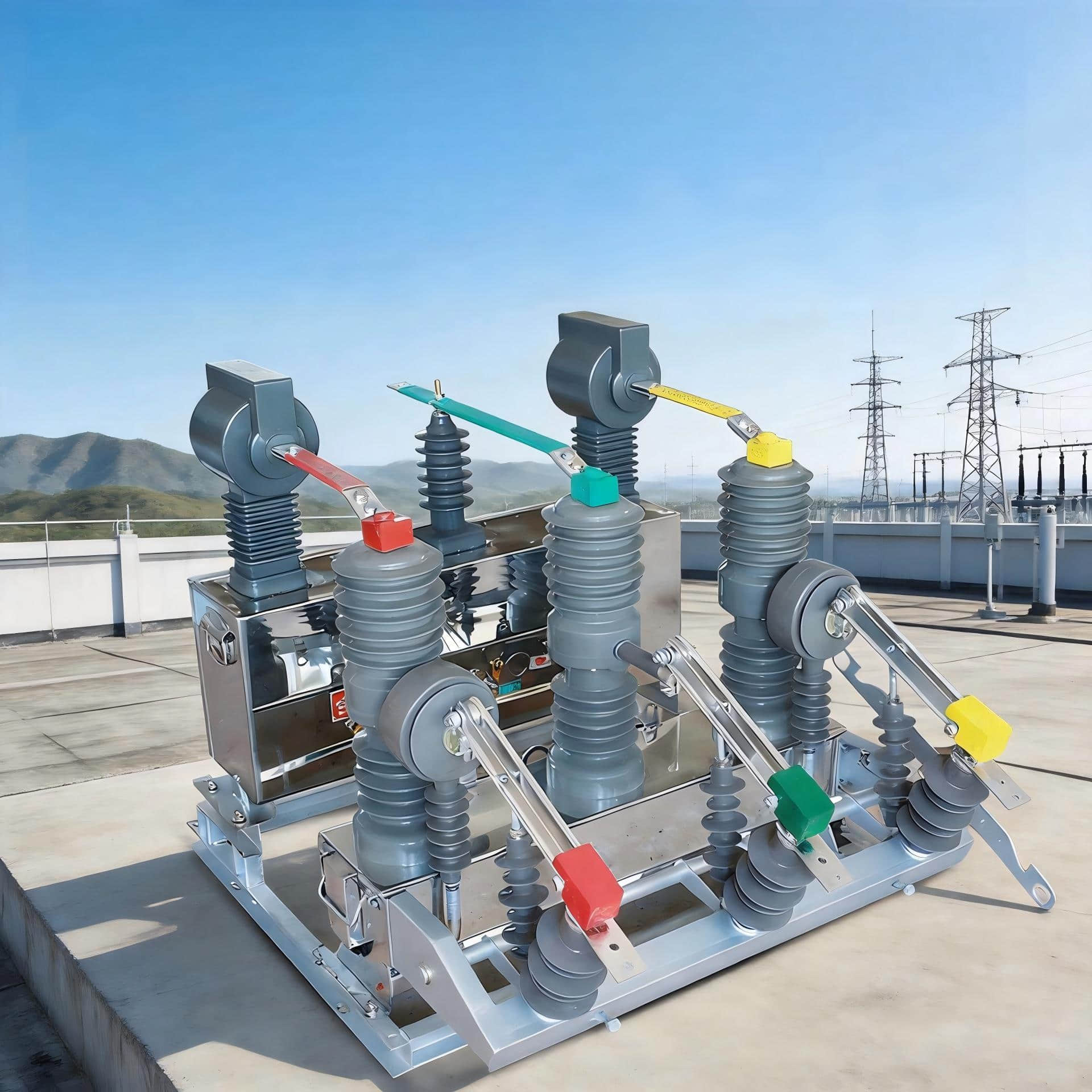
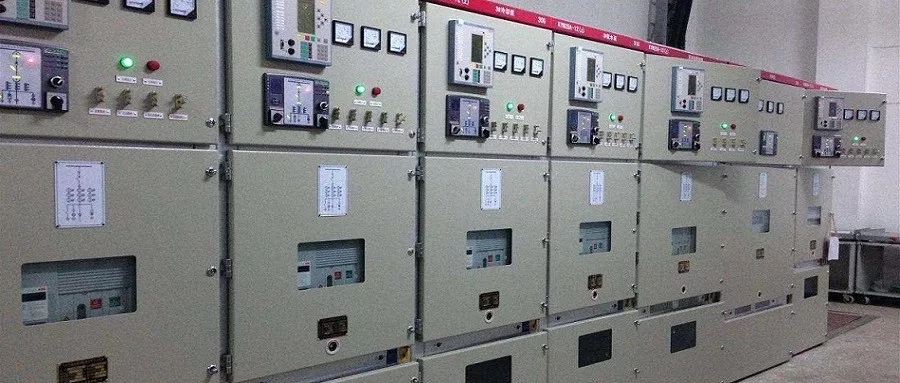
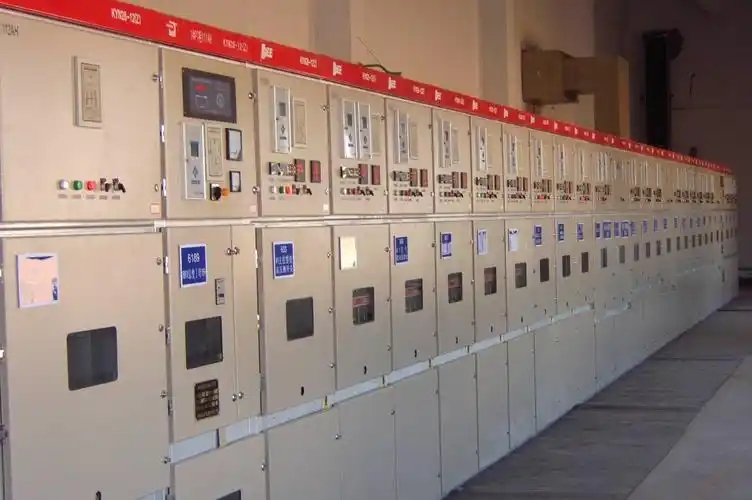
High-voltage switchgear is are essential electrical product used across power generation, transmission, distribution, conversion, and consumption. They manage switching, control, and protection functions for voltages from 3.6kV to 550kV, encompassing high-voltage circuit breakers, disconnectors with grounding switches, load break switches, reclosers, operating mechanisms, and explosion-proof distribution devices.
The high-voltage switchgear manufacturing sector is a vital part of the power transmission and transformation equipment industry, holding significant importance within the broader power sector. While some call it high-voltage distribution cabinets, it's essentially the same equipment, playing a critical role in the electricity infrastructure.
In daily power operations, proper handling and troubleshooting of high-voltage switchgear are paramount. This guide will provide comprehensive insights into safe operating procedures and effective fault diagnosis, helping you maintain a secure and reliable power system.
I. Basic Definition
High-voltage switchgear refers to electrical products ranging from 3.6kV to 550kV that control, protect, and switch power in generation, transmission, distribution, and consumption systems. Key components include high-voltage circuit breakers, disconnectors with grounding switches, load break switches, reclosers, operating mechanisms, and explosion-proof distribution devices. This manufacturing segment is a critical part of the power equipment industry, playing a very important role in the entire power sector. Many people refer to high-voltage switchgear as high-voltage distribution cabinets, but they are, in fact, the same type of equipment.
II. Functions and Applications
Functions: High-voltage switchgear provides overhead incoming and outgoing lines, cable incoming and outgoing lines, and busbar coupling capabilities. It acts as a central hub for power transmission and distribution.
Application Scenarios: You'll find it widely used in power plants, substations, power system substations, petrochemical facilities, rolling mills, light industry and textiles, factories, mines, residential areas, and high-rise buildings. It's essential for any location demanding a reliable power supply.
III. Composition and "Five Preventions" Requirements
(A) Core Composition
Switchgear must meet the relevant standards for AC metal-enclosed switchgear, primarily consisting of a cubicle and a circuit breaker. The cubicle itself includes the enclosure, electrical components (including insulating parts), various mechanisms, secondary terminals, and wiring.
(B) "Five Preventions" Safety Functions (Mandatory for Power Systems)
The "Five Preventions" are core safety interlock mechanisms designed to prevent human injury and equipment damage from operational errors. This system is mandatory in power systems, and bypassing it is strictly prohibited.
Prevent closing with load: This ensures that the circuit breaker truck cannot be pushed into the service position when the circuit breaker is energized. It helps avoid dangerous live closing operations.
Prevent closing with ground wire attached: When the grounding knife inside the high-voltage switchgear is in the closed position, the circuit breaker cannot be closed. This crucial feature prevents energizing a grounded circuit.
Prevent accidental entry into live compartments: When the high-voltage vacuum circuit breaker is in the closed operating state, the rear compartment door is interlocked via a mechanical structure on the grounding knife. This prevents personnel from entering a live compartment, ensuring safety.
Prevent grounding a live circuit: With the high-voltage vacuum circuit breaker in its live, closed operating state, the grounding knife cannot be engaged. This interlock prevents fatal errors like grounding an energized circuit.
Prevent pulling the disconnector under load: When the high-voltage vacuum circuit breaker is operating in a closed state, the breaker truck cannot be withdrawn from its service position. This stops dangerous attempts to isolate equipment while it is still under load.
IV. Structural Composition (Including Internal Details)
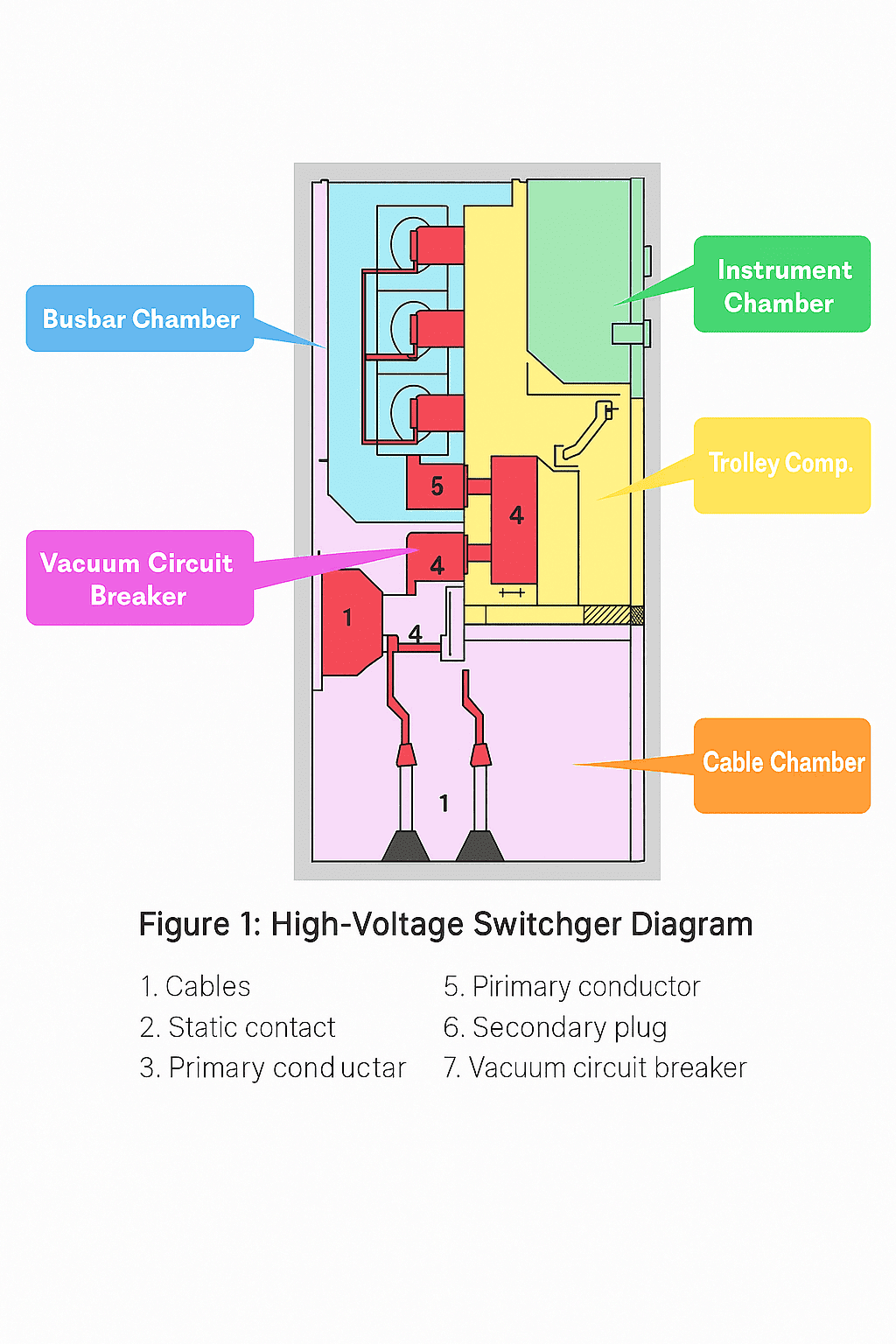
High-voltage switchgear primarily consists of the cubicle, high-voltage vacuum circuit breaker, energy storage mechanism, truck, grounding disconnect switch, and integrated protective device.
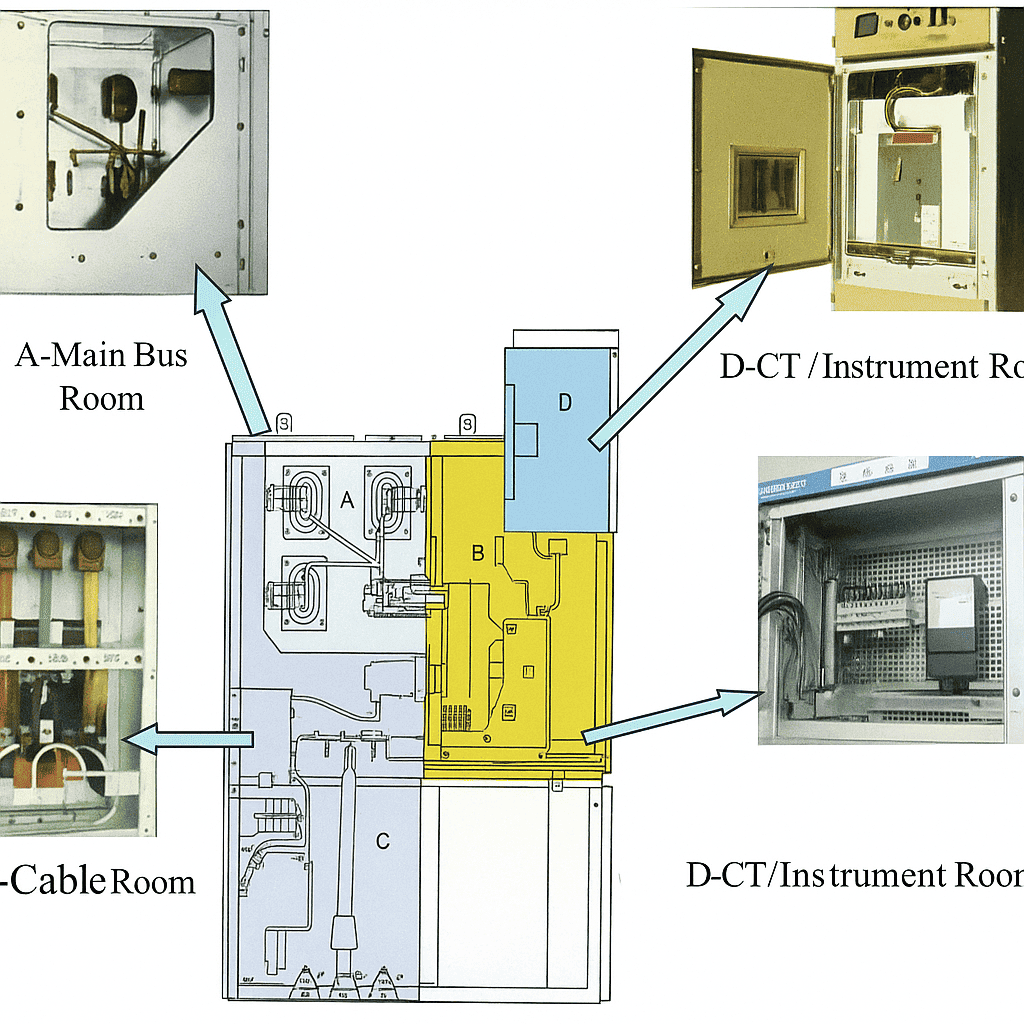
Taking a specific manufacturer's high-voltage switchgear as an example, here are the internal structures and core component descriptions: (Labels: A-Busbar Compartment; B-Circuit Breaker Truck Compartment; C-Cable Compartment; D-Relay and Instrument Compartment)
Core Component Details:
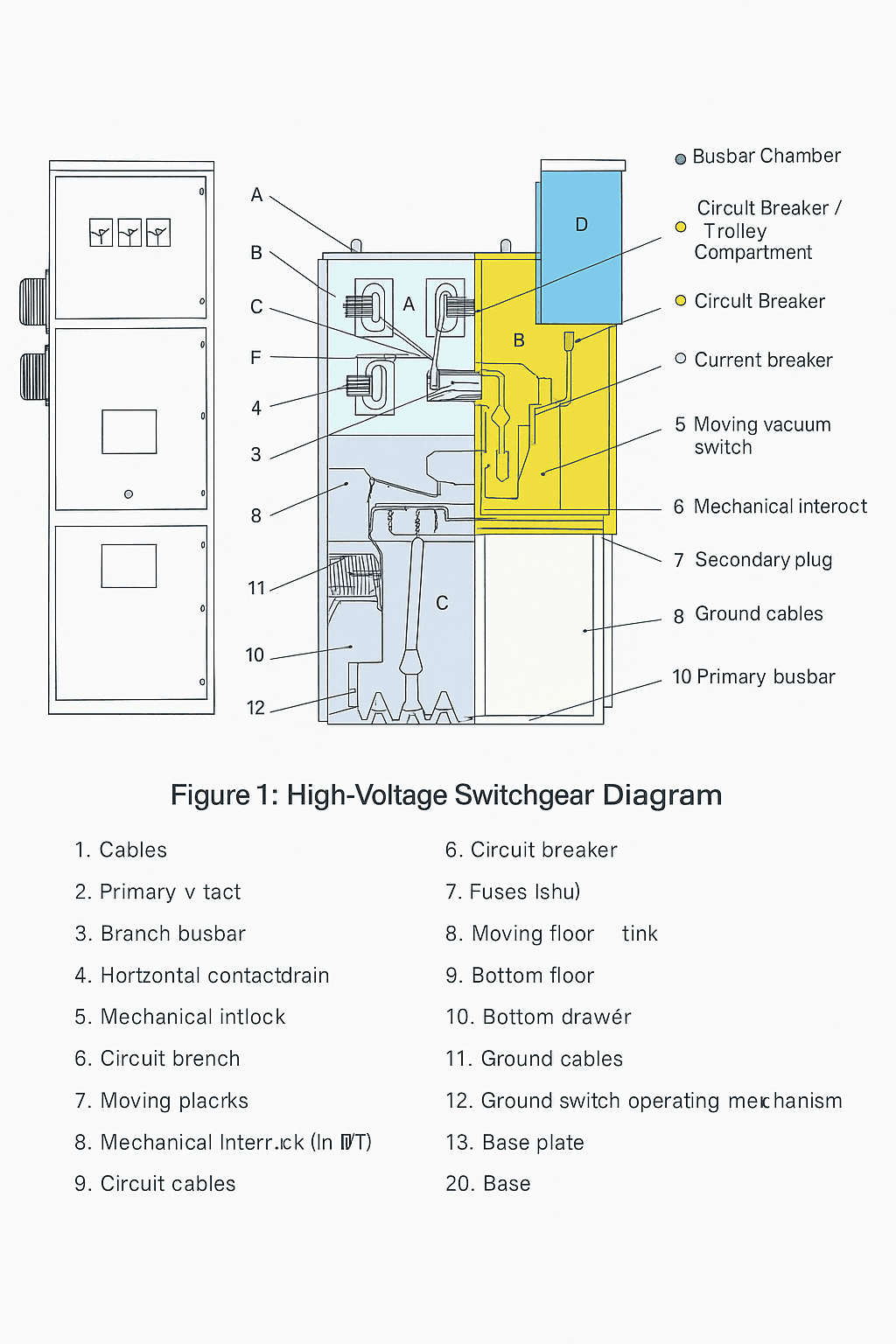
Cubicle: This is typically a closed structure made of pressed steel plates, internally divided into distinct functional compartments. These compartments include the instrument compartment for protective relays and ammeters, the truck compartment housing the circuit breaker truck, the busbar compartment containing the three-phase busbars, and the cable compartment for power cable connections. Steel plates separate each compartment to ensure safety.
High-Voltage Vacuum Circuit Breaker: Its main contacts operate within a sealed vacuum chamber, offering excellent arc extinguishing performance and a long operational life. An insulating base further enhances its overall insulation level, contributing to reliability.
Truck Mechanism: This movable platform carries the circuit breaker. Operators use a crank to turn it clockwise, moving the truck into the service position to connect the main circuit to the high-voltage system. Turning it counter-clockwise withdraws it to the test/maintenance position, disconnecting it from the high-voltage circuit.
Energy Storage Mechanism: Driven by an electric motor, this mechanism stores energy in a spring. When the breaker needs to close, the spring releases this kinetic energy to quickly complete the circuit breaker closing operation, ensuring fast response times crucial for system stability.
Grounding Disconnect Switch: As a core safety interlock component, the cubicle door cannot be opened unless it's in a safe position. Once closed, it reliably grounds the cable side, ensuring no residual voltage during maintenance and preventing electric shock.
Integrated Protective Device: This is a microprocessor-controlled unit that receives signals from current and voltage transformers. It provides various protection functions like overcurrent, overvoltage, and instantaneous trip, supporting parameter settings and status displays. It essentially acts as the "brain" of the high-voltage switchgear.
V. Type Classification
VI. Main Technical Parameters
Understanding the technical parameters of high-voltage switchgear is fundamental for proper selection and maintenance. These specifications dictate how the equipment will perform in a given electrical system.
1. Voltage and Insulation:
Rated Voltage: This indicates the maximum operating voltage the equipment is designed for, ranging from 3.6kV to 550kV.
Rated Power Frequency Withstand Voltage: This specifies the maximum voltage the equipment can withstand at power frequency without insulation breakdown.
Rated Lightning Impulse Withstand Voltage: This parameter describes the equipment's ability to resist extreme voltage surges caused by lightning.
Rated Current: For example, 630A or 1250A, this represents the maximum continuous current the circuit breaker can safely carry.
Rated Short-Circuit Breaking Current: This is the maximum current the circuit breaker can reliably interrupt during a short-circuit fault, a critical safety feature.
Rated Making Peak Current: This indicates the maximum current peak the circuit breaker can withstand at the exact moment of closing.
Rated Short-Time Withstand Current: For instance, 25kA/1s, this specifies the current the equipment can withstand for a brief duration during a short-circuit fault without damage.
Rated Making Peak Current: This is the maximum peak current the grounding switch can handle when closing into an energized circuit.
Rated Short-Time Withstand Current: This defines the current the grounding switch can withstand for a short period under short-circuit conditions.
Rated Voltage of Opening/Closing Coils: Such as DC220V, this is the operating voltage for the coils that control the opening and closing actions.
Energy Storage Motor Power: This indicates the power required by the motor that drives the energy storage mechanism.
2. Circuit Breaker Performance:
3. Grounding Switch:
4. Operating Mechanism:
5. Protection Class: The cubicle's IP rating (e.g., IP4X) denotes its protection against solid foreign objects and dust. It must comply with international or national standards like IEC or GB 3906 to ensure safe operation in diverse environments.
VII. Power-On and Power-Off Procedures
Following correct and standardized power-on and power-off procedures is crucial for the safe operation of any power system. You must always adhere strictly to these steps to prevent accidents and damage.
(A) Power-On Operation
1. Check and Lock: First, ensure all rear doors and rear covers of the high-voltage switchgear are securely closed and locked. Typically, these doors can only be closed when the grounding switch is in the closed position, providing an initial safety check.
2. Grounding Switch Open: Insert the grounding switch operating handle into the hexagonal hole on the lower right side of the middle door and rotate it counter-clockwise to the open position. At this point, a safety interlock plate will cover the operating hole, and the lower cubicle door will be locked, preventing it from opening accidentally.
3. Truck to Isolated Position: Position the service truck correctly and smoothly push the circuit breaker truck into the cubicle until it reaches the isolated position. Then, plug in the secondary connector to establish control connections, and securely close the truck compartment door.
4. Truck to Service Position: Insert the crank handle and turn it clockwise approximately 20 turns until you feel resistance and hear a distinct "click." This sound confirms the truck has fully entered the service position. At this stage, the secondary connector is locked, and the main circuit is safely connected.
5. Circuit Breaker Close: Operate the open/close selector switch on the instrument panel to close the circuit breaker. The green indicator light will turn off, and the red light will illuminate, clearly signifying that power has been successfully restored.
(B) Power-Off Operation
1. Circuit Breaker Open: Operate the selector switch to open the circuit breaker. The red indicator light will turn off, and the green light will illuminate, clearly indicating a successful opening operation.
2. Truck to Test Position: Insert the crank handle and turn it clockwise approximately 20 turns, withdrawing the truck from the service position to the test position. At this point, the secondary connector lock will disengage. Now, you can safely open the truck compartment door and unplug the secondary connector.
3. Remove Truck: Use the service truck to retrieve the breaker truck and move it safely away from the cubicle. This action ensures the operating area is completely clear for subsequent steps.
4. Verify De-energized: Always carefully observe the live voltage indicator, or better yet, use a specialized voltage detector to verify that the circuit is completely de-energized. This step is critical for ensuring safety before proceeding with any further work.
5. Grounding Switch Close: Insert the grounding switch operating handle into the hexagonal hole and rotate it clockwise to the closed position. The lower cubicle door will now be allowed to open, indicating that essential safety measures are in place and maintenance work can begin.
VIII. Fault Diagnosis and Handling for Closing Operations
Closing failures are common issues encountered with high-voltage switchgear and can typically be categorized as either electrical faults (where manual closing works but electric closing does not) or mechanical faults (where neither manual nor electric closing is possible). Here's a detailed guide on how to diagnose and effectively handle such problems.
1. Protective Relay Trip:
Fault Symptom: The circuit breaker closes but immediately trips open again.
Fault Cause: This often indicates a fault within the line itself, such as a short circuit or ground fault, or potentially improper parameter settings on the protective relay. The relay detects an abnormality and activates its anti-pumping mechanism, preventing the circuit breaker from remaining closed.
Handling: You must first thoroughly investigate and clear the line fault, which means removing any short-circuit points or resolving ground faults. Once the line is confirmed normal, review the protective relay's event log and recalibrate its settings if necessary.
Fault Symptom: Electric closing produces no response, or an indicator light signals that the truck is not in the correct position.
Fault Cause: The circuit breaker truck might not be fully seated in either the service or test position, causing a limit switch to remain open. This activates the electrical interlock, blocking any attempt at electric closing.
Handling: Try to gently move the truck slightly to ensure the limit switch closes properly. If the misalignment is significant, a qualified professional may be needed to adjust the limit switch's position or perform necessary repairs.
Fault Symptom: Even when there's no line fault and the truck is correctly positioned, the breaker still won't close.
Fault Cause: This suggests that other electrical interlock requirements within the system have not been met. For example, in dual-source incoming cubicles, there might be a safety interlock preventing both incoming cubicles and the bus coupler cubicle from closing simultaneously to avoid dangerous parallel operation.
Handling: Thoroughly check all related interlock conditions, including the status of other switches and relay operations. Always follow operating procedures strictly to release or satisfy all interlock requirements before attempting to close the breaker.
Fault Symptom: The closing coil receives no power, and electric closing does not occur.
Fault Cause: This usually points to a problem within the control circuit itself, such as a damaged control switch, a broken control wire, a blown fuse, or loose terminal connections. Any of these can prevent the closing coil from being energized.
Handling: Use a multimeter to systematically test the control circuit, checking each point to find the open circuit (e.g., verifying voltage across the closing coil terminals). Once the issue is found, repair any broken wires, tighten loose connections, or replace damaged control switches or fuses.
Fault Symptom: The closing coil emits a strange odor, smokes, or causes its fuse to blow.
Fault Cause: The closing coil is burnt out, typically from being energized for too long, excessive voltage, or an inherent manufacturing defect in the coil itself. Important note: Closing coils are designed for momentary operation; if closing fails, do not attempt multiple rapid retries, as this can easily lead to overheating and burnout.
Handling: Immediately cease all attempts to close the breaker. The only solution is to replace the closing coil with a new, functioning one.
2. "Five Preventions" Interlock Fault:
3. Electrical Interlock Failure:
4. Control Circuit Open:
5. Closing Coil Failure:
Emergency Handling Tips:
When troubleshooting a fault, trying a trial re-energization can be very helpful. This quickly indicates whether the problem lies with the line itself or with an electrical or "Five Preventions" interlock issue.
If conditions permit, replacing the breaker truck with a spare is an effective and rapid method. It helps quickly determine if the fault is specifically within the truck itself, such as the circuit breaker body or its onboard electrical components.
IX. Author Information
Name: Thor
Qualifications: A seasoned Electrical Engineer with 12 years of valuable experience in the field.
Company: Currently employed at Weishoelec Co., Ltd., a reputable Chinese foreign trade manufacturer.
Business Scope: Our expertise lies in the production of high-voltage electrical equipment. We proudly serve a diverse clientele across Europe, America, the Middle East, and various "Belt and Road" countries, as well as the global market.
Contact Information:
Phone: +86-0577-62788197
WhatsApp: +86 159 5777 0984
Email: thor@weishoelec.com
X. FAQ (Frequently Asked Questions)
Q: What kind of routine maintenance does high-voltage switchgear require?
A: Routine maintenance is incredibly important for consistent performance. You should regularly inspect the humidity inside the cubicle, making sure the heater-dehumidifier is working correctly, and check the SF₆ gas pressure if it's a gas-insulated unit. Also, ensure all grounding connections are secure and not loose. We recommend lubricating the operating mechanism and conducting secondary circuit insulation tests annually to keep the equipment in peak operating condition.
Q: What are the advantages of center-mounted switchgear compared to fixed types?
A: The main advantage of center-mounted switchgear is its withdrawable truck design. This means that for maintenance, you don't have to completely de-energize the entire circuit; you can simply pull out the faulty truck and swap in a spare. This significantly cuts down on outage times, making it ideal for applications that demand high power supply reliability, like hospitals or large manufacturing plants.
Q: Can the "Five Preventions" function be temporarily overridden?
A: Absolutely no unauthorized bypassing is allowed! The "Five Preventions" are mandatory safety requirements designed to protect both personnel and equipment, and any violation can lead to severe accidents, including electric shock or equipment explosions. In extremely rare and critical situations, a temporary override must be formally requested according to strict power regulations. It can only be performed by qualified professionals using specialized tools, and always under constant supervision to ensure maximum safety.
XI. Call to Action
The correct selection, installation, operation, and maintenance of high-voltage switchgear are the bedrock of any safe and efficient power system. Whether you need custom production, expert technical consultation on topics like equipment selection or fault handling, or wish to receive product manuals or a detailed quote, Weishoelec Co., Ltd. is your trusted partner. With 12 years of specialized industry experience, we are dedicated to providing you with the most reliable solutions and top-tier service.
We invite you to connect with us through the following channels to receive a free technical consultation or explore our success stories:
Call us directly: You can reach us at +86-0577-62788197 during weekdays from 9:00 AM to 6:00 PM (EDT), and we'll be ready to offer immediate assistance.
Send an email: Feel free to email us at thor@weishoelec.com with your specific requirements. We commit to responding to all inquiries within 24 hours.
Connect on WhatsApp: Text "Switchgear Inquiry" to +86 159 5777 0984 for personalized, one-on-one professional service.
XII. Conclusion
High-voltage switchgear acts as the "nerve center" of electrical power systems, making its precise operation and careful maintenance directly essential for safe power delivery. This article has provided a thorough and practical guide, covering everything from basic structural details to complex fault handling procedures.
We truly value your expertise and feedback. After reading, if you have any questions, want to share your real-world experiences, or have encountered high-voltage switchgear faults not covered here, please feel free to leave a comment below. Your engagement not only benefits other readers but also continually inspires us to enhance our content.