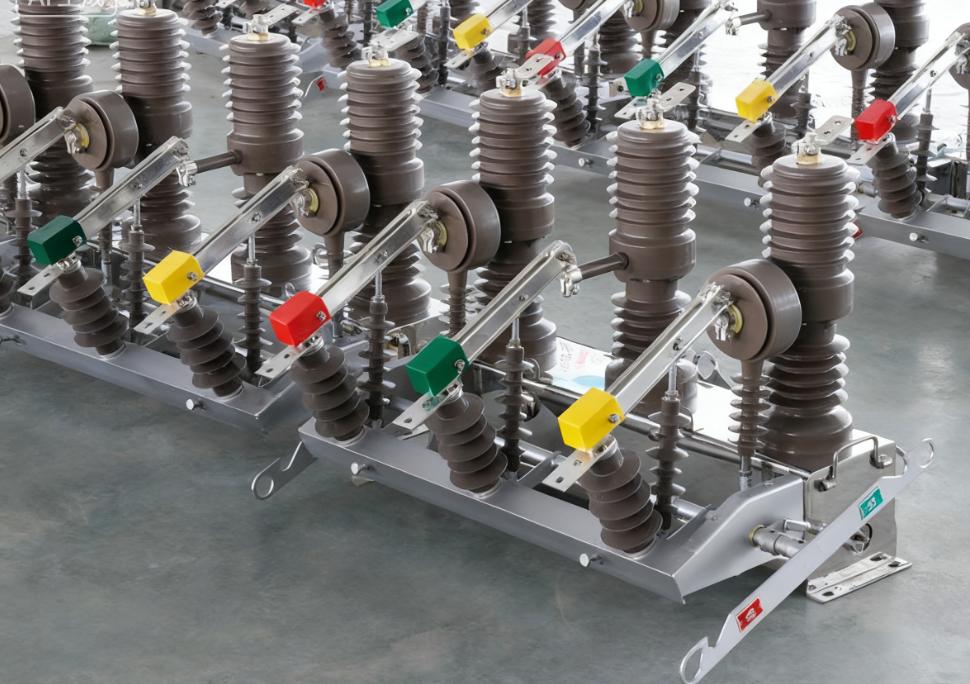
If you’ve tried to look up vacuum circuit breaker price recently, you’ve probably noticed one thing fast: the numbers are all over the place.
Why does one 12kV(11kV) VCB start around a few hundred dollars, while a 40.5kV vacuum circuit breaker can cost several times more? And how do you know if you’re paying for real performance… or just a brand name?
In this guide, you’ll see exactly what drives vacuum circuit breaker prices in 2026—by voltage level (12kV, 24kV, 40.5kV), by specification, and by manufacturer. You’ll also get realistic price ranges, understand the hidden costs that affect your budget, and see where value-focused brands like WEISHO vacuum circuit breaker products fit in.
If you’re planning a new substation, upgrading a plant, or comparing quotes, this breakdown will help you avoid guesswork—and negotiate smarter.
Let’s get straight into the numbers.
What Is a Vacuum Circuit Breaker?
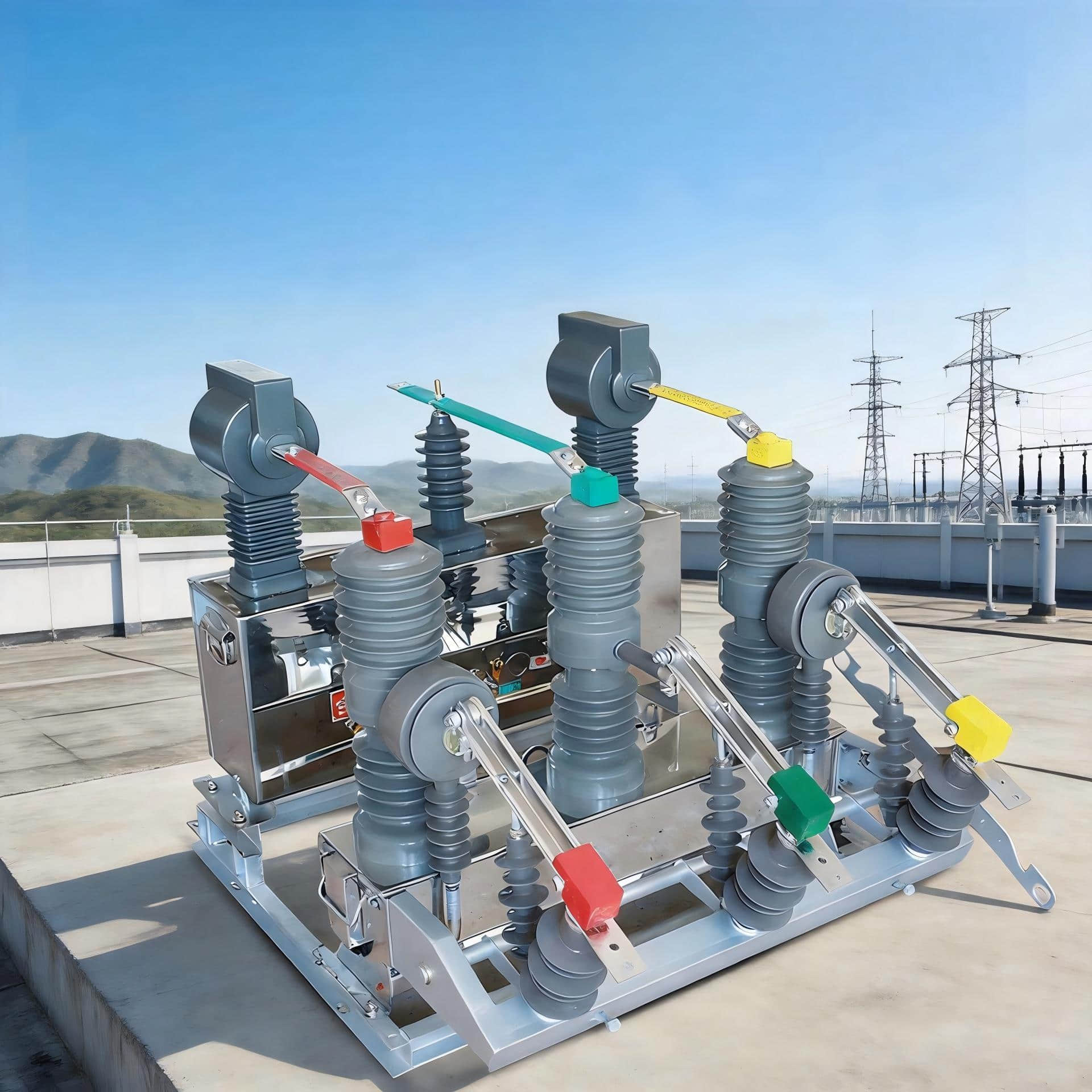
A vacuum circuit breaker (VCB) is a medium‑voltage switchgear device that protects electrical systems by interrupting fault currents inside a sealed vacuum interrupter. When a short circuit or overload happens, the VCB opens its contacts and breaks the arc in a high‑vacuum bottle, keeping equipment and people safe. Because the arc is extinguished so quickly and cleanly, vacuum circuit breakers offer long life, low maintenance, and very stable performance—key reasons they dominate 12kV, 24kV, and 40.5kV vacuum circuit breaker price discussions in today’s market.
How a Vacuum Circuit Breaker Works in Medium Voltage Systems
In a medium voltage system, a vacuum circuit breaker sits inside a switchgear panel and connects or disconnects feeders, transformers, or motors from the grid:
Under normal load, contacts stay closed and carry current.
When protection relays detect a fault, they send a trip signal to the breaker.
The mechanism opens the contacts; an electrical arc forms briefly, then is extinguished in the vacuum almost instantly.
With no gas or oil to maintain, the interrupter stays clean, reducing VCB maintenance cost over its lifetime.
This simple, sealed operating principle is a big reason medium voltage VCB cost can look higher upfront but lower when you analyze total cost of ownership versus other technologies.
Where VCBs Are Used and Why That Matters for Cost
You’ll see vacuum circuit breakers in:
Industrial plants and refineries
Commercial buildings and data centers
Utility substations and distribution networks
Renewable energy projects and MV switchgear lineups
The vacuum circuit breaker price you pay depends heavily on where and how it’s used. A VCB for a critical substation, for example, may need higher breaking capacity, advanced controls, and certified testing, which raises the high voltage circuit breaker cost. On the other hand, standard indoor 12kV VCB price or 24kV vacuum circuit breaker cost for typical building or industrial loads can be optimized for value—especially when you choose designs that match your real operating conditions instead of overspecifying.
Why choose a vacuum circuit breaker over other breakers?
When I look at protection gear for medium‑voltage systems in the U.S., a vacuum circuit breaker (VCB) usually gives better long‑term value than oil, air, or SF₆ breakers. A vacuum circuit breaker uses a sealed vacuum interrupter, so there’s no oil to test, no gas to refill, and far less routine work. That alone makes the vacuum circuit breaker price easier to justify over the life of the equipment.
VCB benefits that impact long‑term price and value
A VCB isn’t always the cheapest line item up front, but it tends to win on lifetime cost. Key value points:
Low maintenance = lower operating cost
Minimal cleaning, no oil handling, and long mechanical life mean fewer outages and fewer truck rolls. For example, a modern indoor 12kV vacuum circuit breaker can run for years with only basic inspection.High reliability and safety
Fast interruption in a vacuum reduces arc damage and fire risk. That directly cuts the risk of costly failures in industrial plants, data centers, and utility substations.Stable performance over time
No gas pressure drift, no oil contamination—performance stays consistent, which protects your switchgear and downstream equipment.Environmental and compliance benefits
No SF₆ gas and no oil disposal headaches. That helps with ESG goals and keeps compliance costs down, especially in stricter U.S. states.
Because of these benefits, the vacuum circuit breaker price list often looks higher at purchase but lower when you factor in 10–20 years of service.
When a VCB is the most cost‑effective choice
In my experience, a vacuum circuit breaker is usually the most cost‑effective option when:
You’re in the medium‑voltage range (around 12kV–40.5kV) and need frequent switching or high reliability.
Unplanned downtime is expensive:
Manufacturing plants
Commercial buildings and campuses
Data centers and critical infrastructure
Utility feeders and recloser applications (often used together with an automatic recloser)
You care about the total cost of ownership, not just the lowest VCB price per unit:
Lower maintenance labor
Longer service life
Fewer failures and replacement events
If your project is in this range, paying a bit more up front for a quality 12kV VCB price or 24kV vacuum circuit breaker cost usually beats the cheaper alternatives once you factor in reliability, safety, and lifetime savings.
Key factors that affect the vacuum circuit breaker price
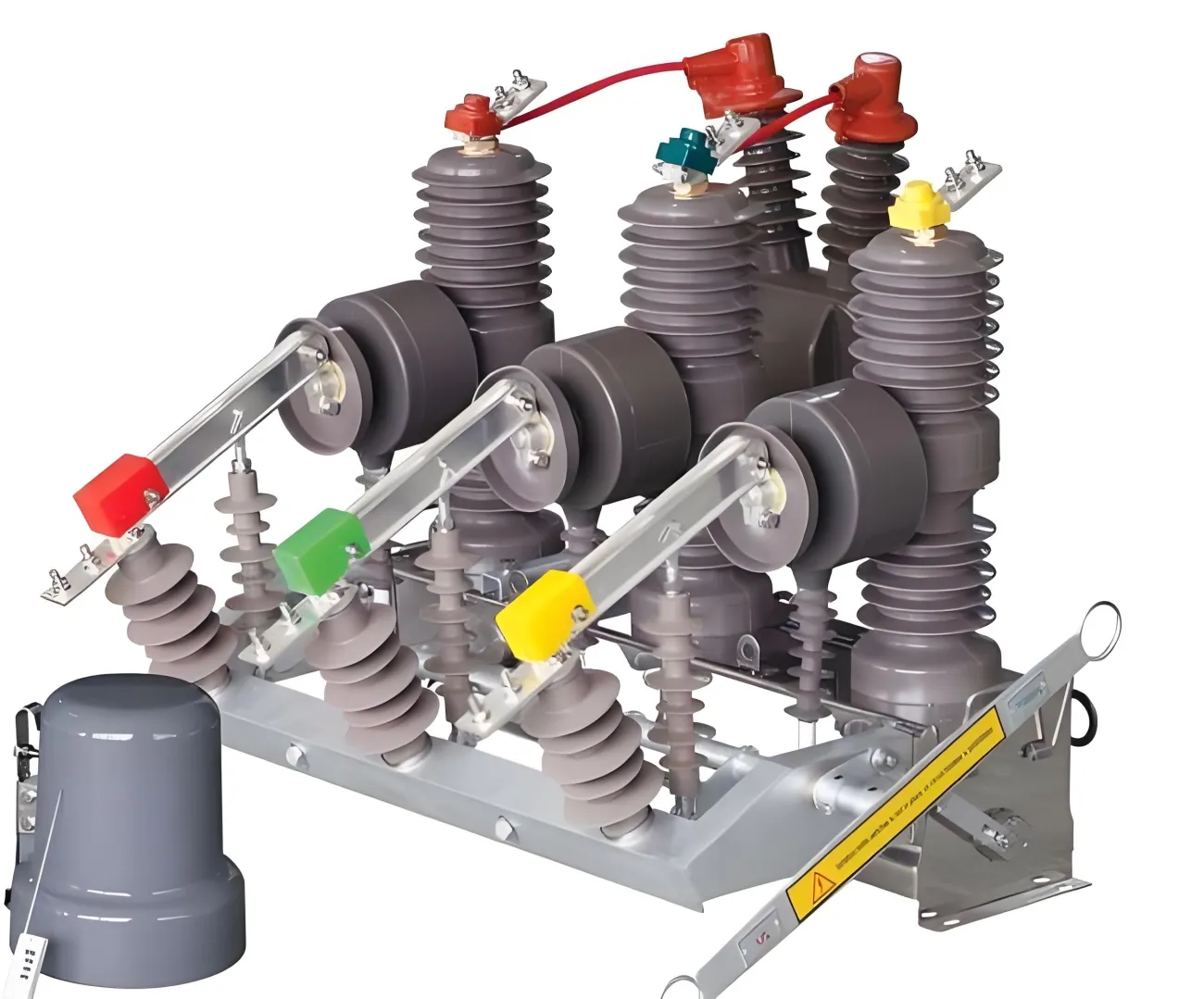
When I talk about vacuum circuit breaker price with US buyers, the same core factors always drive the number on the quote:
Voltage rating vs price (11/12kV, 22/24kV, 40.5kV+)
As voltage goes up, so does cost—fast.
12kV vacuum circuit breaker price: entry level for most MV systems, most competitive price band.
24kV vacuum circuit breaker price: typically 20–40% higher than similar 12kV units due to stronger insulation distances and tougher testing.
40.5kV vacuum circuit breaker price: moves into a premium segment; heavier design, more insulation, and stricter IEC/ANSI compliance push costs much higher.
If your system can safely run at 12kV, stepping up to 24kV or 40.5kV without a technical reason just burns budget.
Current rating, breaking capacity, and cost impact
Medium voltage VCB cost climbs with:
Higher rated current (ex: 630A < 1250A < 2500A < 3150A)
Higher short‑circuit breaking capacity (ex: 20kA < 25kA < 31.5kA < 40kA)
Bigger copper sections, larger vacuum interrupters, and stronger mechanisms all add material and engineering cost. In many US projects, users overspec breaking capacity “just in case” and end up paying more than needed. Always match VCB specifications and pricing to your real fault level study.
Indoor vs outdoor vacuum circuit breaker price
Indoor vacuum circuit breaker price is almost always lower than outdoor because outdoor units need:
Weatherproof enclosures
UV and corrosion‑resistant coatings
Stronger mechanical structure (wind, ice, seismic)
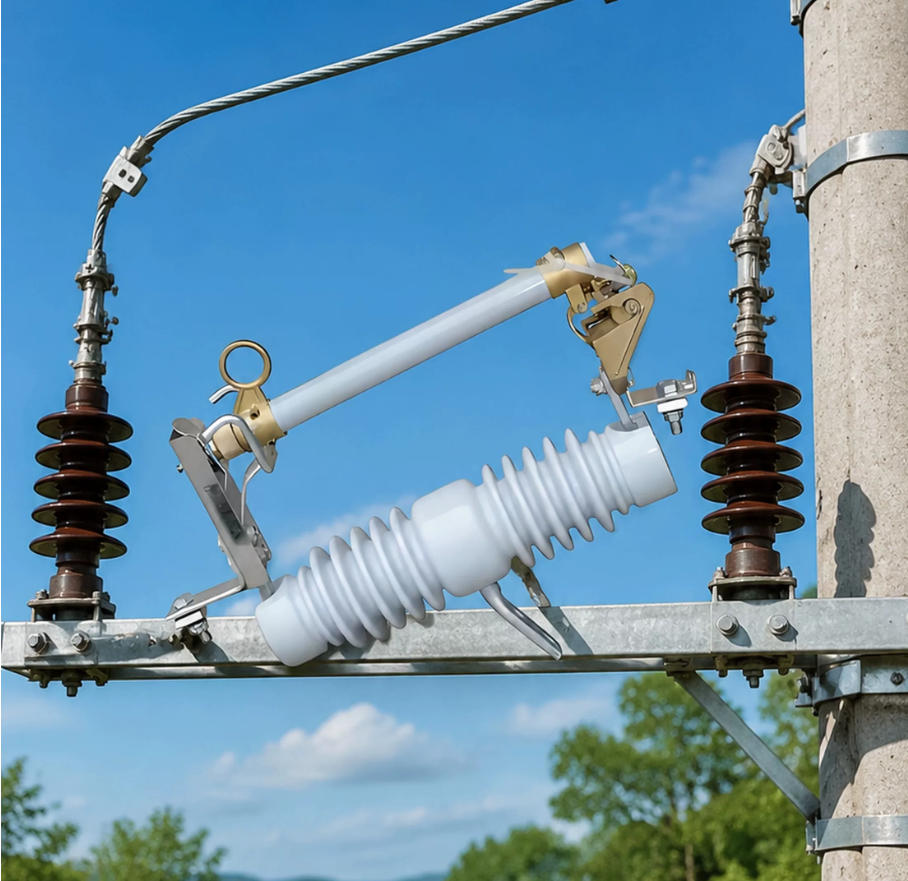
Outdoor VCB price also rises when you integrate items like drop‑out fuses or lightning arresters for pole or yard use—components similar to a 36kV lightning arrester add protection but also cost.
Design, mechanism, and extra features
You’ll pay more for advanced designs and features, but sometimes they save money over the life of the gear:
Spring vs magnetic actuator mechanisms
Fixed vs withdrawable VCB design
Arc‑resistant or metal‑clad switchgear integration
Extra options: motorized charging, remote control, protection relays, metering, communication (Modbus, IEC 61850)
For example, a simple fixed 12kV breaker is cheaper than one in a full metal‑clad switchgear lineup with isolators and protection relays. (If you’re planning the whole lineup, it’s worth also looking at upstream devices like an indoor high voltage disconnect switch to see the full MV switchgear pricing picture.)
Brand, origin, and manufacturing quality
VCB manufacturers’ prices vary a lot:
Global brands (ABB, Siemens, Schneider, etc.): higher unit price, strong name recognition, widely accepted in US utility and big industrial specs.
Specialized OEMs / regional manufacturers: more aggressive vacuum interrupter breaker price, often better flexibility on custom specs and delivery.
Origin matters too. Plants with automated production, strict quality control, and full IEC/ANSI type tests deliver more stable quality—but that’s built into the vacuum circuit breaker price list. You’re paying for consistency and lower risk.
Market trends, raw materials, and regional gaps
Medium voltage VCB cost is also pushed by:
Copper, steel, and insulation material prices
Currency fluctuations and freight costs
Import tariffs into the US
Local labor and compliance costs (UL, ANSI, OSHA-related engineering)
That’s why the VCB tender price for the same 12kV VCB price or 24kV vacuum circuit breaker price can differ by 10–30% between regions or even within the US, depending on logistics and sourcing.
Vacuum circuit breaker price ranges in 2026
VCB pricing in 2026 is still driven by voltage rating, breaking capacity, and brand, but the overall trend is steady with slight upward pressure from raw material and logistics costs. For U.S. buyers, budget planning should consider not just the breaker cost, but also the full MV switchgear package, testing, and maintenance.
Typical 12kV vacuum circuit breaker price range
For a standard 12kV vacuum circuit breaker price, you’ll typically see:
$1,500 – $3,500 per unit for basic indoor fixed-type VCBs
$4,000 – $7,000 per unit for withdrawable truck-type units or integrated in a VCB panel
$6,000+ when bundled in complete 12kV switchgear with controls and protections
These ranges match common specs like 630A–1,250A rated current and 25–31.5kA breaking capacity used in commercial buildings, small substations, and industrial plants.
Average 24kV vacuum circuit breaker cost breakdown
A 24kV vacuum circuit breaker price is higher mainly due to insulation distance, interrupter design, and type testing costs:
$4,000 – $8,000 for indoor 24kV VCBs in typical ratings (1,250–1,600A, 25–31.5kA)
$8,000 – $12,000 when part of a full medium voltage VCB switchgear lineup
Outdoor, metal-clad or metal-enclosed designs can run higher based on enclosure and accessories
Most U.S. utilities and industrial users paying these levels are looking for IEC-certified vacuum circuit breakers with strong after-sales and spares support.
40.5kV vacuum circuit breaker pricing in the premium range
40.5kV vacuum circuit breaker price sits firmly in the premium segment because of higher design and testing requirements:
$9,000 – $18,000 per unit for standalone 40.5kV VCBs
$18,000 – $30,000+ when integrated in high-end substation VCB or MV switchgear systems
These are typically used by utilities, heavy industry, and transmission-level projects where reliability and coordination with other high voltage circuit breaker cost items dominate the budget.
New vs refurbished VCB price comparison
If you’re comparing new vs refurbished VCB price in 2026:
Refurbished 12kV/24kV VCBs: ~40–70% of new unit price
Refurbished 40.5kV VCBs: savings are similar, but supply is more limited
Refurbished units can make sense for temporary projects or non-critical loads, but in many U.S. utility and industrial applications, the risk, limited warranty, and uncertain VCB maintenance cost usually push buyers toward new equipment.
Common VCB specs with indicative price bands
Below is a simple vacuum circuit breaker price list style table with typical specs and indicative VCB price per unit ranges for 2026 (ex-works, without taxes, shipping, or site work):
| Voltage Level | Typical Specs (A / kA) | Type | Indicative Price Range (USD) |
|---|---|---|---|
| 12kV VCB | 630–1,250A / 25–31.5kA | Indoor, fixed | $1,500 – $4,500 |
| 12kV VCB | 1,250–2,000A / 31.5kA | Indoor, truck | $4,000 – $7,000 |
| 24kV VCB | 1,250–1,600A / 25–31.5kA | Indoor | $4,500 – $8,000 |
| 24kV VCB | 1,600–2,500A / 31.5kA | Indoor/Outdoor | $8,000 – $12,000 |
| 40.5kV VCB | 1,250–2,000A / 31.5–40kA | Indoor/Outdoor | $10,000 – $18,000 |
For full switchgear panel with VCB price, you’ll typically add engineering, protection relays, metering, and accessories (like lightning arresters integrated in the lineup), which can easily double or triple the base breaker cost depending on the project.
Vacuum Circuit Breaker Price Comparison by Manufacturer
Global VCB Brands: ABB, Siemens, Schneider Pricing
When you look at vacuum circuit breaker price from big global brands like ABB, Siemens, and Schneider, you’re usually paying for:
A long track record in utilities and industrial plants
Global service networks and spare parts
Strong IEC/IEEE compliance and type testing
Typical trend (per unit, MV range, not installed – indicative only):
12kV vacuum circuit breaker price: generally at the higher end of the market
24kV vacuum circuit breaker price: 20–40% higher than 12kV for similar specs
40.5kV vacuum circuit breaker price: often in a premium band, sometimes 2–3x a basic 12kV VCB
You pay more up front, but you usually get strong documentation, global approvals, and easy acceptance in utility specs and EPC tenders.
Local and Regional VCB Manufacturers Price Overview
Local and regional VCB manufacturers in the U.S. and abroad tend to offer:
Lower unit prices versus global brands
More flexibility on custom specs, panels, and delivery
Better negotiation room for large VCB projects or tenders
For many medium voltage VCB cost evaluations, local brands can be 15–40% lower than top-tier multinational OEMs at the same voltage rating and current rating. The trade-off is that quality, testing depth, and documentation can vary a lot, so you need to check IEC certification, test reports, and real project references.
Where WEISHO Sits on the Price vs Quality Scale
I position WEISHO vacuum circuit breakers squarely in the value-focused band:
Pricing typically below ABB / Siemens / Schneider at the same VCB specifications and ratings
Structured and standardized designs to control the VCB price per unit
Strict IEC-compliant testing and stable quality targeting utilities, industrial plants, and commercial MV switchgear
If you’re buying complete MV gear, for example a switchgear panel with VCB plus voltage transformers and busbar system, integrating WEISHO VCBs can materially lower the total MV switchgear pricing while still keeping utility-grade performance. For projects where busbar and layout design matter, I recommend reviewing our guidance on busbar design for switchgear to match breakers and panels correctly.
Total Cost of Ownership vs Lowest VCB Price
Going for the absolute lowest vacuum circuit breaker price usually backfires over the life of the gear. What really matters is total cost of ownership (TCO):
Failure & downtime cost: unplanned outages, lost production, penalties
Maintenance cost: spare parts, labor, planned outages
Upgrade and retrofit cost: compatibility with protection relays, switchgear, and system standards
Service life: how many years of reliable operation you get before replacement
My rule of thumb:
For small, low-risk applications, a cheaper VCB breaker might be fine.
For substations, data centers, heavy industry, or critical infrastructure in the U.S., it’s smarter to pay slightly more for a well-tested, IEC-certified medium voltage vacuum circuit breaker with solid after-sales support.
WEISHO is built around that balance: not the cheapest on the market, but designed so that over 20–30 years of operation, total cost of ownership stays lower than many “budget” breakers that cut corners on materials, testing, or support.
How to get the best vacuum circuit breaker price
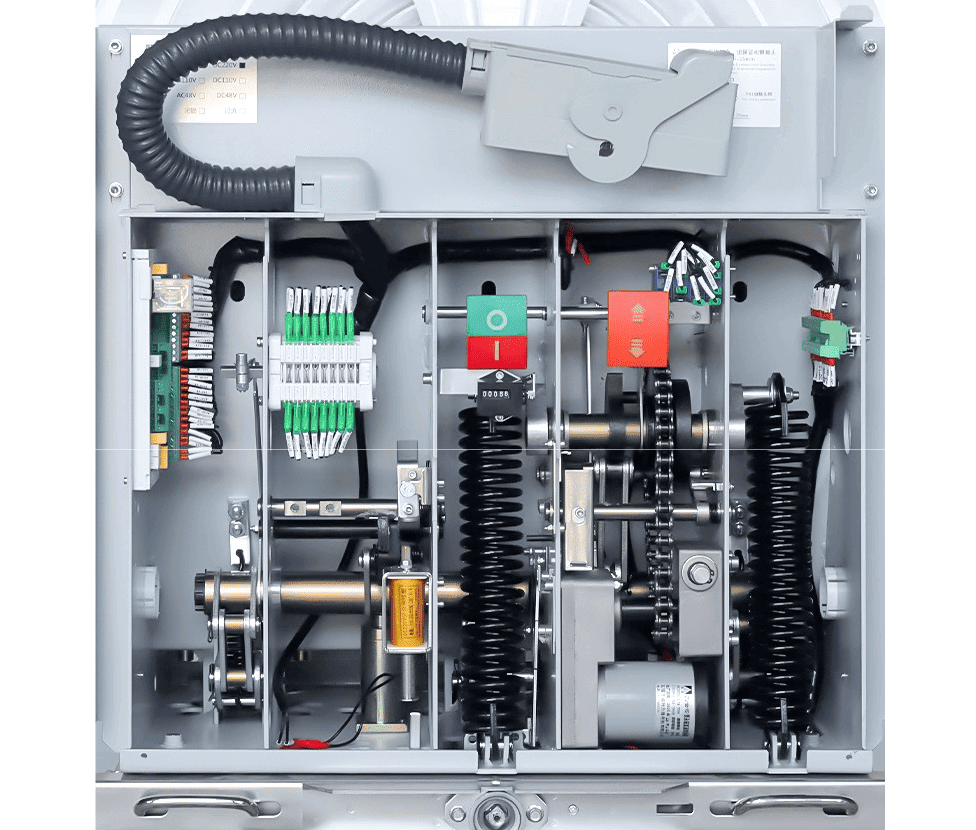
If you’re buying a vacuum circuit breaker (VCB) in the U.S. market, the “best price” isn’t just the lowest quote. It’s the best balance of purchase cost, performance, and long‑term reliability.
To get the best vacuum circuit breaker price in 2026:
Define your specs clearly
System voltage: 12kV, 24kV, 40.5kV
Continuous current and short‑circuit rating
Indoor or outdoor VCB
Fixed or draw‑out type, manual or motorized
Ask for itemized quotes
Breaker price per unit
Optional accessories (CTs, PTs, relays, motor operator)
Factory testing, FAT reports, and documentation
Compare total package
Lead time, freight, on‑site support, and commissioning
Availability of spare parts and service partners in the U.S.
If you’re dealing with outdoor gear, it’s useful to look at reference products like an outdoor pole‑mounted breaker to benchmark features and pricing.
Key questions to ask before you buy a VCB
Before you lock in a vacuum circuit breaker price list or sign a PO, ask:
Technical fit
Is the breaker type‑tested to IEC/IEEE for my exact VCB specifications?
What’s the mechanical endurance (number of operating cycles)?
Scope of supply
What’s included in the quoted VCB price per unit? Relays, CTs, VT/PTs, wiring, panels?
Are control and protection relays already integrated in the switchgear panel with VCB?
Service and support
Who handles warranty claims in the U.S.?
Is remote/phone support included during startup?
These questions protect you from surprise costs after the “cheap” quote wins.
Why VCB standards and certifications matter for value
The best VCB price 2026 means nothing if the breaker fails a site test or can’t be used in a utility, data center, or industrial plant. You want:
IEC / IEEE compliance
IEC 62271 series for medium voltage VCB
IEEE / ANSI ratings for North American applications
Third‑party type testing
Short‑circuit tests, mechanical endurance, temperature rise, and dielectric tests
UL, CSA, or NRTL approvals where required by local code or AHJ
Buying an IEC certified vacuum circuit breaker gives you:
Fewer approval issues with utilities, inspectors, and insurers
Lower risk of failure, outages, and damage claims
Better long‑term total cost of ownership VCB performance
Warranty, after‑sales service, and spare parts cost
Two breakers can have the same 12kV VCB price, but totally different cost over 10–20 years.
Look closely at:
Warranty terms
Standard warranty period (12, 24, or 36 months)
What’s actually covered: interrupter, operating mechanism, coils, electronics
Service network
Is there a U.S. service partner or only overseas support?
Response time for emergency failures or maintenance?
Spare parts
Availability and price of common parts: coils, springs, auxiliary switches, vacuum interrupters
Guaranteed parts supply period (e.g., 10+ years)
Cheap imported vacuum interrupter breaker price with no parts support can quickly cost more than a premium brand with solid after‑sales service.
Common mistakes that drive VCB costs higher over time
Some choices look cheap at first, but raise your high voltage circuit breaker cost over the lifecycle:
Underspecifying the breaker
Selecting a VCB with barely enough breaking capacity or BIL for your system
Ignoring the duty cycle, the number of operations, or the switching of capacitor banks and motors
Ignoring standards
Buying non‑certified breakers that later fail utility or inspector approval
No maintenance plan
Skipping periodic inspection and lubrication, causing mechanism failure and forced outages
Mixing incompatible parts
Using non‑OEM or mismatched spare parts that shorten life or void warranty
If you want a deeper technical view before finalizing your VCB tender price, a visual guide like a vacuum circuit breaker diagram overview can help you understand what you’re actually paying for and where it’s worth investing a bit more.
WEISHO vacuum circuit breaker price and value
When you look at vacuum circuit breaker price, my goal at WEISHO is simple: give you medium voltage VCBs that hit U.S. reliability standards without “big-brand” markup. You’re paying for real performance and tested quality, not just a logo.
IEC-compliant designs for 12kV, 24kV, and 40.5kV
Built for utility, industrial, data center, oil & gas, and commercial projects
Competitive VCB price per unit, plus low maintenance cost for long-term value
WEISHO 12kV VCB models and typical price levels
For most U.S. 5–15 kV systems, our 12kV vacuum circuit breaker range gives the best balance of cost and performance. A typical 12kV VCB price depends on current rating, mechanism, and whether it’s for fixed or withdrawable switchgear.
Our ZN28-12 indoor vacuum circuit breaker is a good example of how we position 12kV VCB pricing:
Compact design for MV switchgear and retrofit projects
Rated for frequent operations in industrial and utility environments
Priced below many imported brands while matching core specs and safety
WEISHO 24kV and 40.5kV VCB options and cost positioning
As the voltage level goes up, so does the vacuum circuit breaker price — but we keep our 24kV and 40.5kV VCB pricing in a “high-spec, mid-range” bracket.
24kV vacuum circuit breaker price: Ideal for 15–25 kV class systems, substation feeders, and critical infrastructure. You get higher insulation and breaking performance without a huge jump in cost.
40.5kV VCB pricing: Positioned as a premium but still cost-controlled option for transmission interfaces, wind farms, and large substations where reliability is non‑negotiable.
You get IEC-certified performance with sensible pricing, so you’re not overpaying just to match higher voltage classes.
What makes WEISHO VCBs cost-effective in real projects
WEISHO vacuum circuit breaker price is designed around the total cost of ownership, not just the purchase invoice. In U.S. projects, we see savings come from:
Durable vacuum interrupters that handle thousands of operations, cutting replacement frequency
Standardized designs that simplify stock, training, and spare parts
Fast interchangeability with many legacy panels, reducing shutdown and labor time
Low maintenance requirements, which is critical when truck rolls and union labor are expensive
You get a medium voltage VCB that keeps operating costs down over 10–20 years, not just a low upfront number.
How to request a custom VCB quotation from WEISHO
If you want a firm vacuum circuit breaker price list or project-specific quote, I keep the process straightforward:
Send your specs
Voltage level (12kV, 24kV, 40.5kV)
Rated current and short-circuit level
Indoor or outdoor, fixed or withdrawable
Control voltage, protection interface, and any special options
Share application details
Utility, industrial plant, data center, commercial building, or substation use
New switchgear vs retrofit, and any space or mounting limits
Get a tailored quote
Clear VCB price per unit, lead time, and shipping options
Options for matching isolators or related MV hardware, such as an indoor isolator switch if needed
You get a precise WEISHO vacuum circuit breaker price that matches your specs and U.S. site conditions, with no vague ranges or hidden extras.
Vacuum circuit breaker price FAQ (2026)
Typical 12kV VCB price and what’s included
For a standard 12kV vacuum circuit breaker, US buyers in 2026 typically see:
Price range (per unit): about $2,500 – $6,000 for a quality IEC/ANSI‑compliant vacuum circuit breaker
What’s usually included:
Complete VCB with vacuum interrupters and mechanism
Basic protection/control wiring terminal points
Standard auxiliary contacts and manual operation
Routine test reports and basic documentation
If you’re buying a metal-clad switchgear panel with VCB, total MV switchgear pricing for a 12kV cell can easily run $8,000 – $20,000+ depending on relays, CTs/VTs, metering, and busbar system. Many US projects bundle the breaker inside a complete metal-clad switchgear lineup, similar to what we offer on our 12kV metal-clad switchgear solutions.
Why 24kV and 40.5kV vacuum circuit breakers cost more
A 24kV vacuum circuit breaker price or 40.5kV VCB pricing is higher because you’re paying for more insulation strength, larger vacuum interrupters, and stronger mechanisms:
24kV VCB price range: about $4,000 – $9,000+ per breaker
40.5kV vacuum circuit breaker price: often $8,000 – $18,000+, especially for outdoor or high-duty applications
These higher-voltage VCBs need:
Larger clearances and stronger insulation design
Higher breaking capacity and more robust arc control
Stricter type testing and certifications
So the step from 12kV VCB price to 24kV and 40.5kV isn’t just “more voltage”; it’s more engineering, testing, and materials, which drives up the medium voltage VCB cost and even the high voltage circuit breaker cost segment.
How brand and specs change vacuum breaker prices
Brand and specs are two of the biggest drivers in any vacuum circuit breaker price list:
Global brands (ABB, Siemens, Schneider, etc.):
Typically sit at the mid to high end of the VCB price per unit
You pay more for brand reputation, broad UL/IEC/ANSI approvals, and extensive service networks
Specialized manufacturers (like WEISHO):
Often hit a better price‑to‑performance ratio
Focus on solid IEC certified vacuum circuit breaker designs with strong quality control, without the big-brand overhead
Key spec factors that move the vacuum interrupter breaker price:
Rated current (630A, 1250A, 2000A, 2500A, 3150A, etc.) – higher current = thicker conductors, bigger interrupters = higher cost
Breaking capacity (e.g., 25kA, 31.5kA, 40kA) – high short‑circuit ratings need stronger mechanisms and interrupters
Indoor vs outdoor – outdoor VCB price is higher due to enclosures, corrosion protection, and weatherproofing
Extra features – motor charging, spring energy storage, advanced digital relays, communication modules, and remote operation all add to VCB specifications and pricing
Bottom line: the best VCB price 2026 isn’t always the lowest number—it’s the breaker that gives you the right current rating, fault level, and brand support for your site without over‑buying.
Are used or refurbished vacuum circuit breakers worth it?
Refurbished VCB price can be tempting, especially for tight budgets or quick replacements, but it’s not always the best long‑term call in US facilities:
Pros of used/refurbished VCBs:
Lower upfront VCB price per unit (sometimes 30–60% less than new)
Useful for non‑critical loads or temporary setups
May fit legacy switchgear where new breakers are hard to find
Risks and hidden costs:
Unknown contact wear and mechanical life left
Limited or no factory warranty
Possible compatibility issues with modern relays and protection schemes
Higher VCB maintenance cost and downtime risk
Some older imports may lack up‑to‑date IEC/ANSI standards and certifications
For critical substation VCB price decisions, industrial plants, or utility feeders in the US, I strongly recommend new vacuum circuit breakers with proper test reports, certifications, and warranty. Refurbished breakers can work in niche or low‑risk applications, but they’re rarely the best option when you factor in total cost of ownership VCB over 10–20 years.